In the competitive world of frozen food production, efficiency, product integrity, and brand presentation are paramount. The right packaging is not just a final step; it’s a critical component that protects quality, extends shelf life, and influences consumer decisions. This guide explores the essential machinery behind frozen products packaging, detailing the various types, their significant benefits, and providing a clear framework for selecting the optimal system for your operation.
Understanding the Core Types of Frozen Products Packaging Machines
The packaging needs for frozen goods are diverse, ranging from individual vegetables to prepared meals. Consequently, a variety of specialized machines have been developed to handle different product forms and packaging styles.
Vertical Form-Fill-Seal (VFFS) Machines
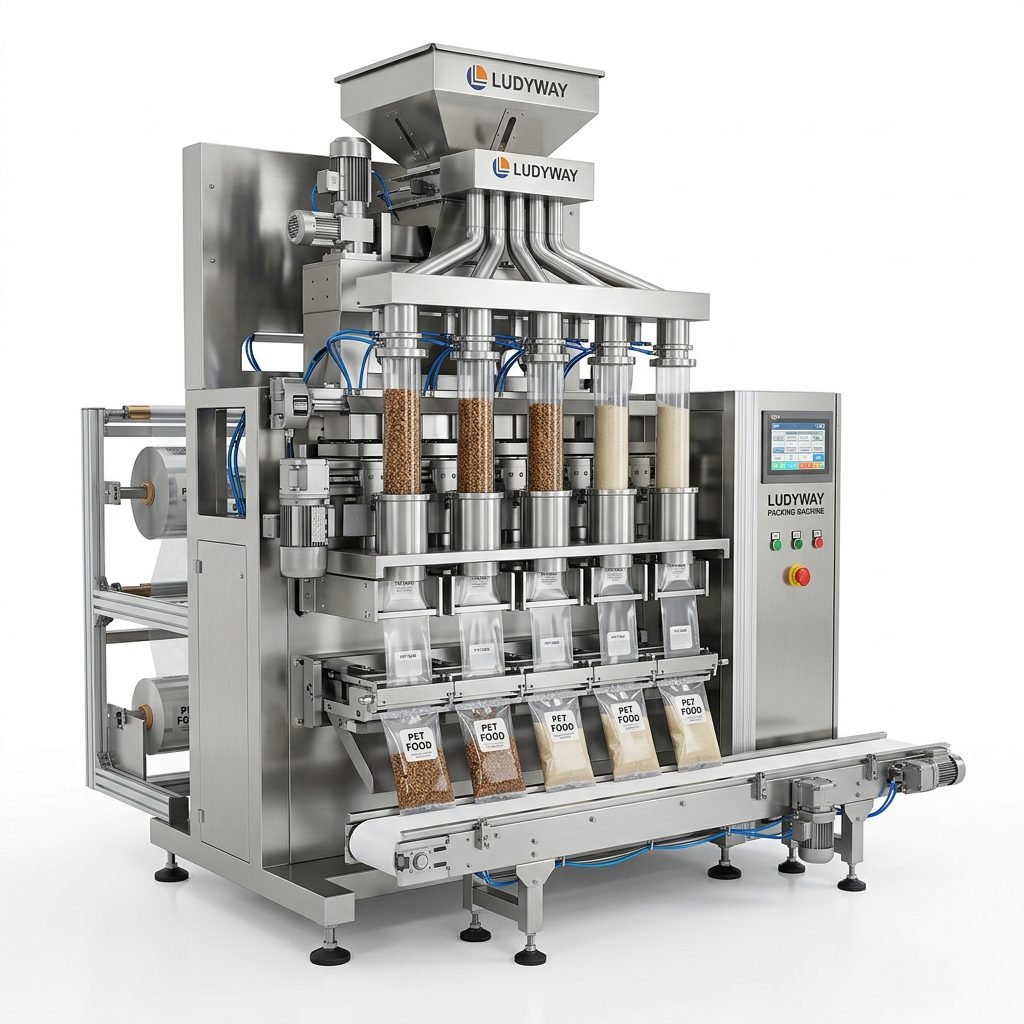
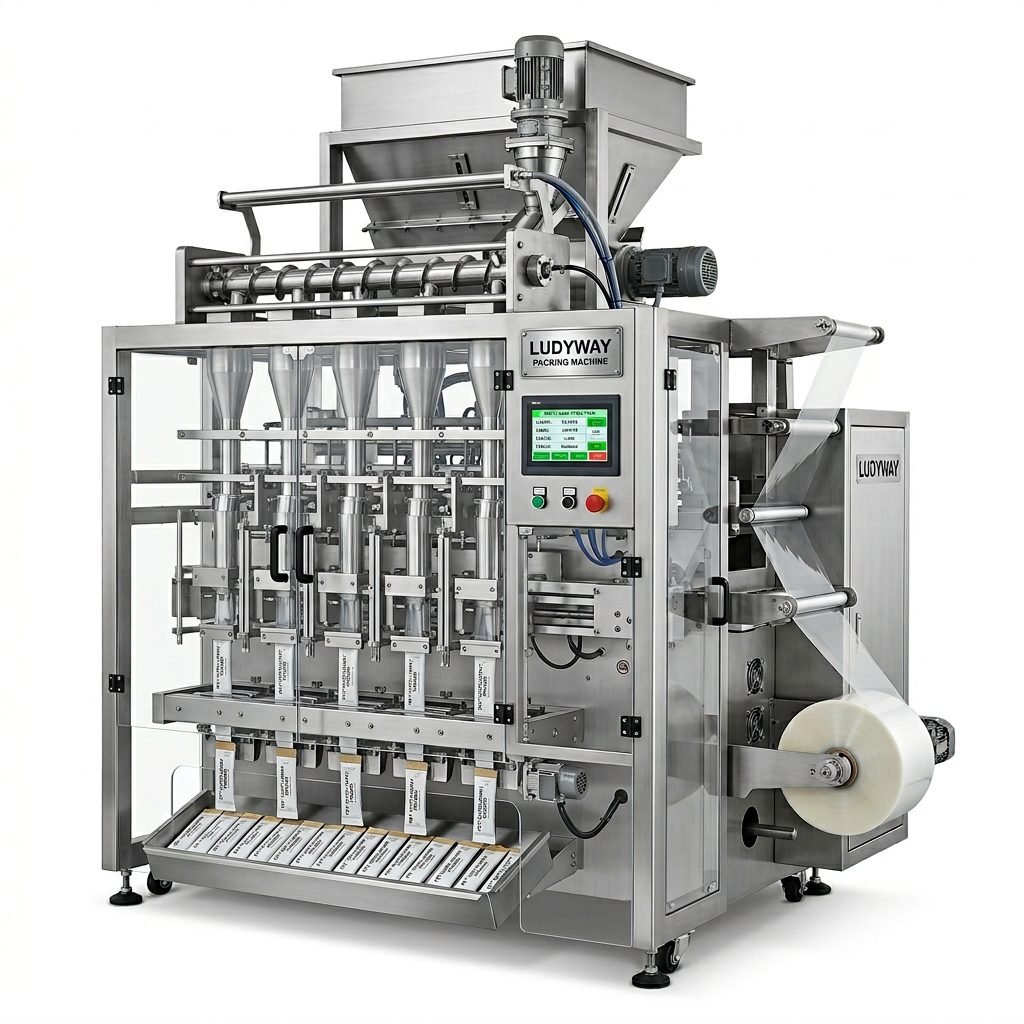
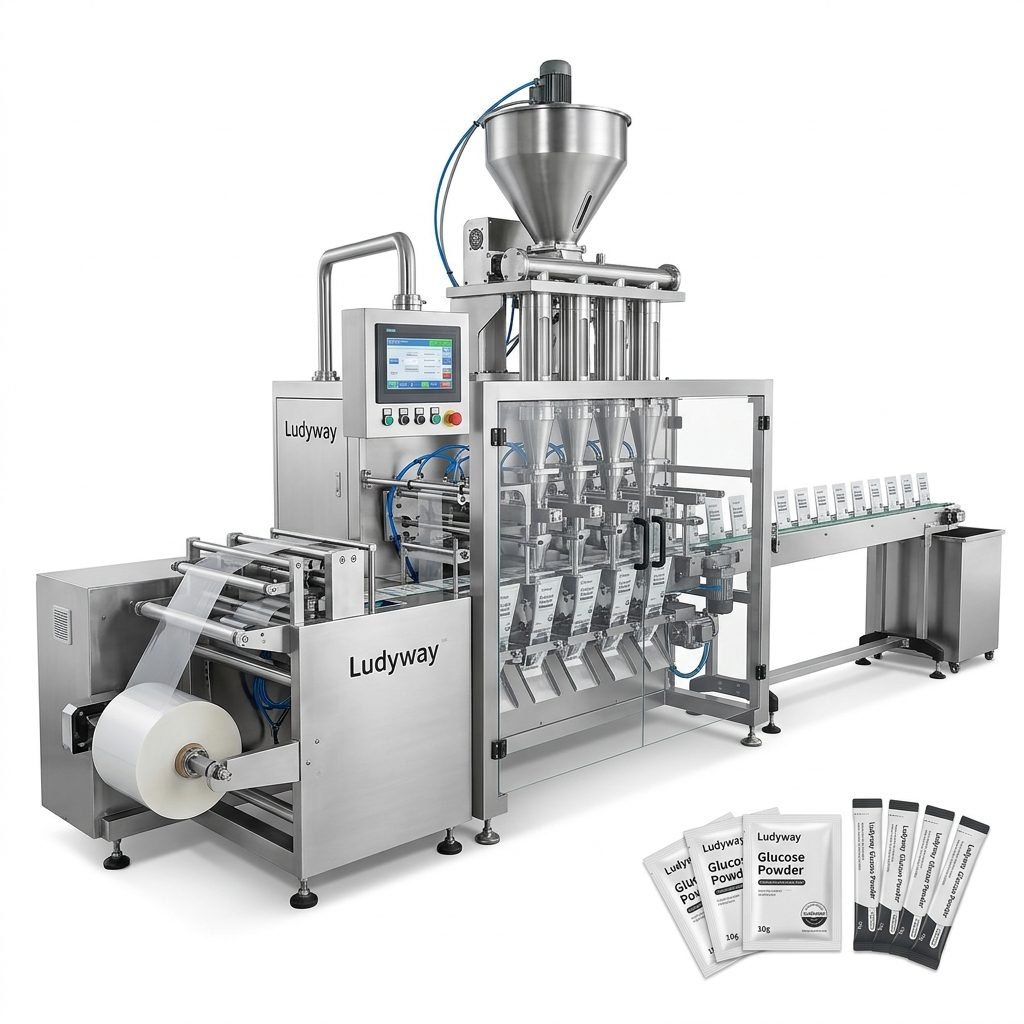
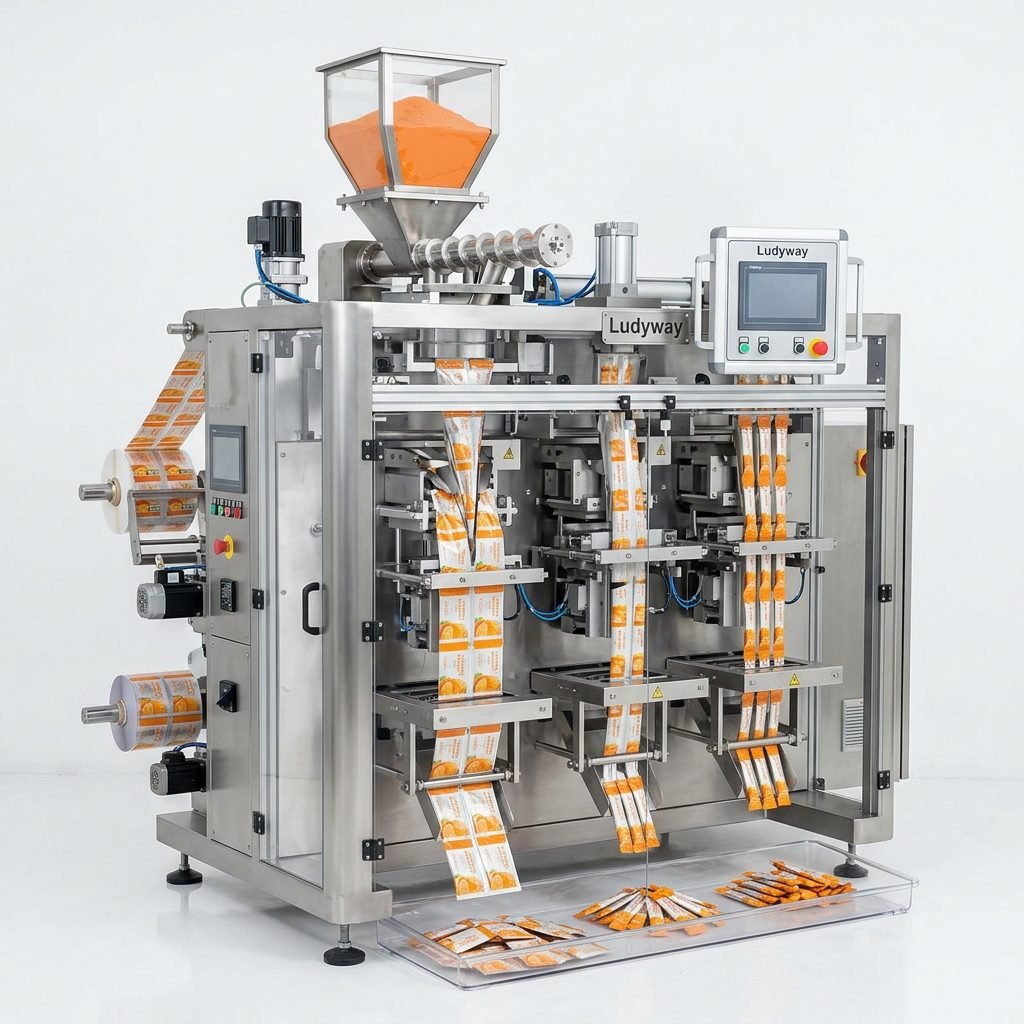
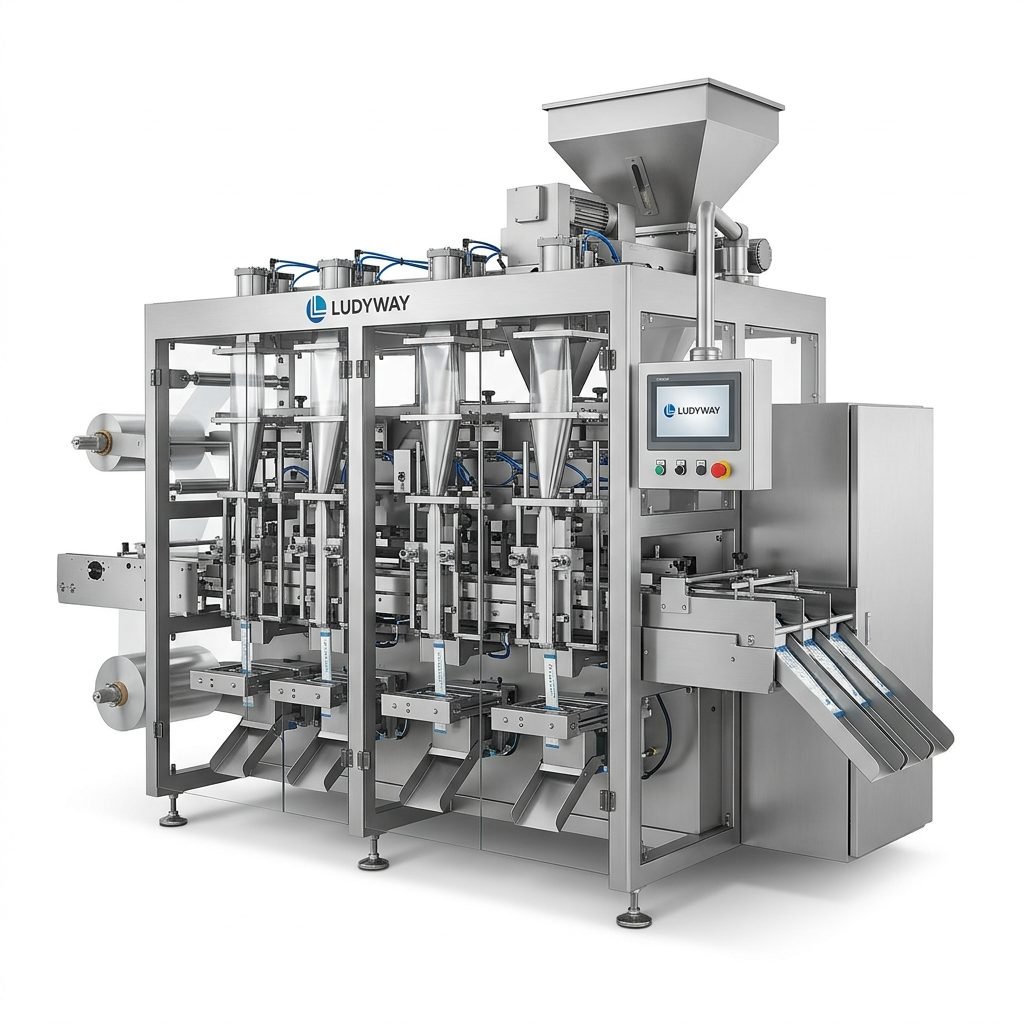
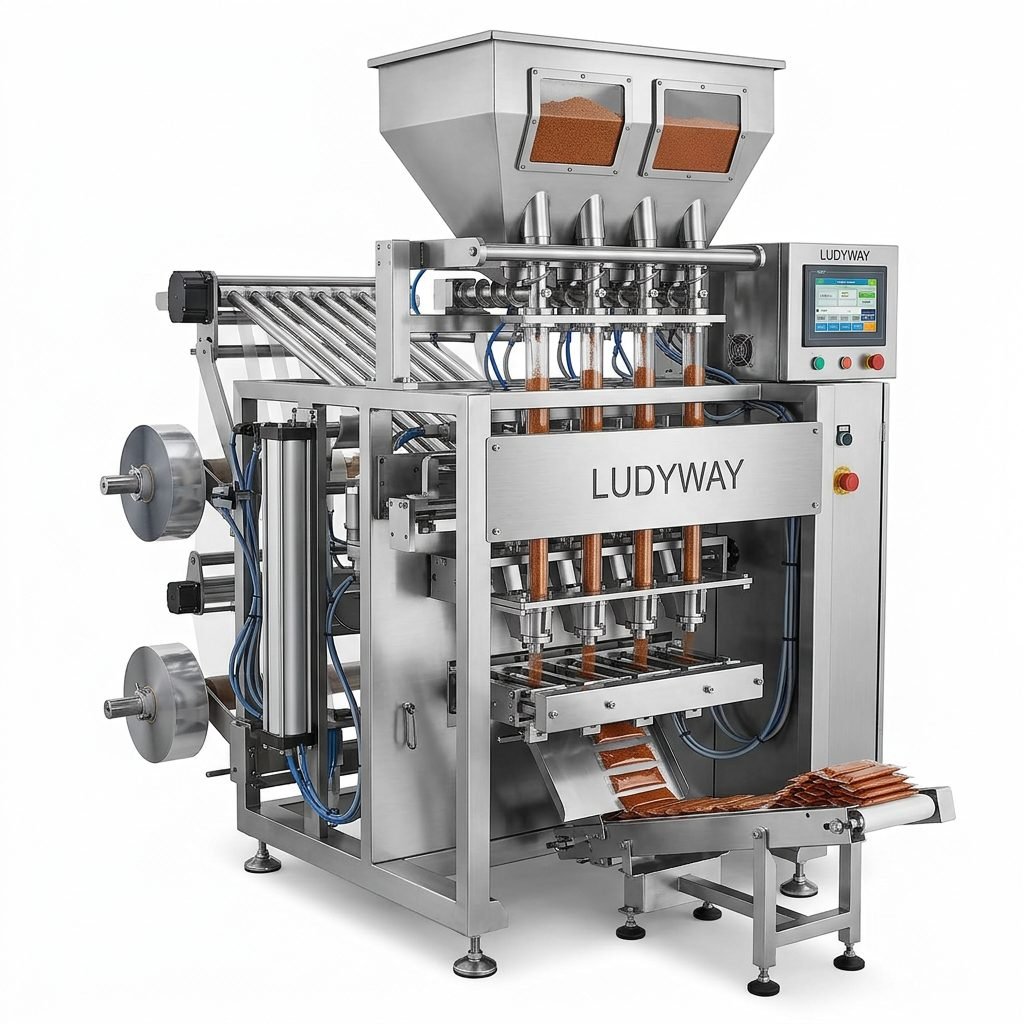
These are the workhorses of the frozen food industry, particularly for loose-flowing products like peas, corn, berries, or french fries. A VFFS machine forms a bag from a roll of film, fills it with a pre-measured amount of product, and then seals it. Modern systems are incredibly fast and can incorporate features like gas flushing for Modified Atmosphere Packaging (MAP) to significantly reduce freezer burn and preserve color and texture.
Horizontal Flow Wrappers
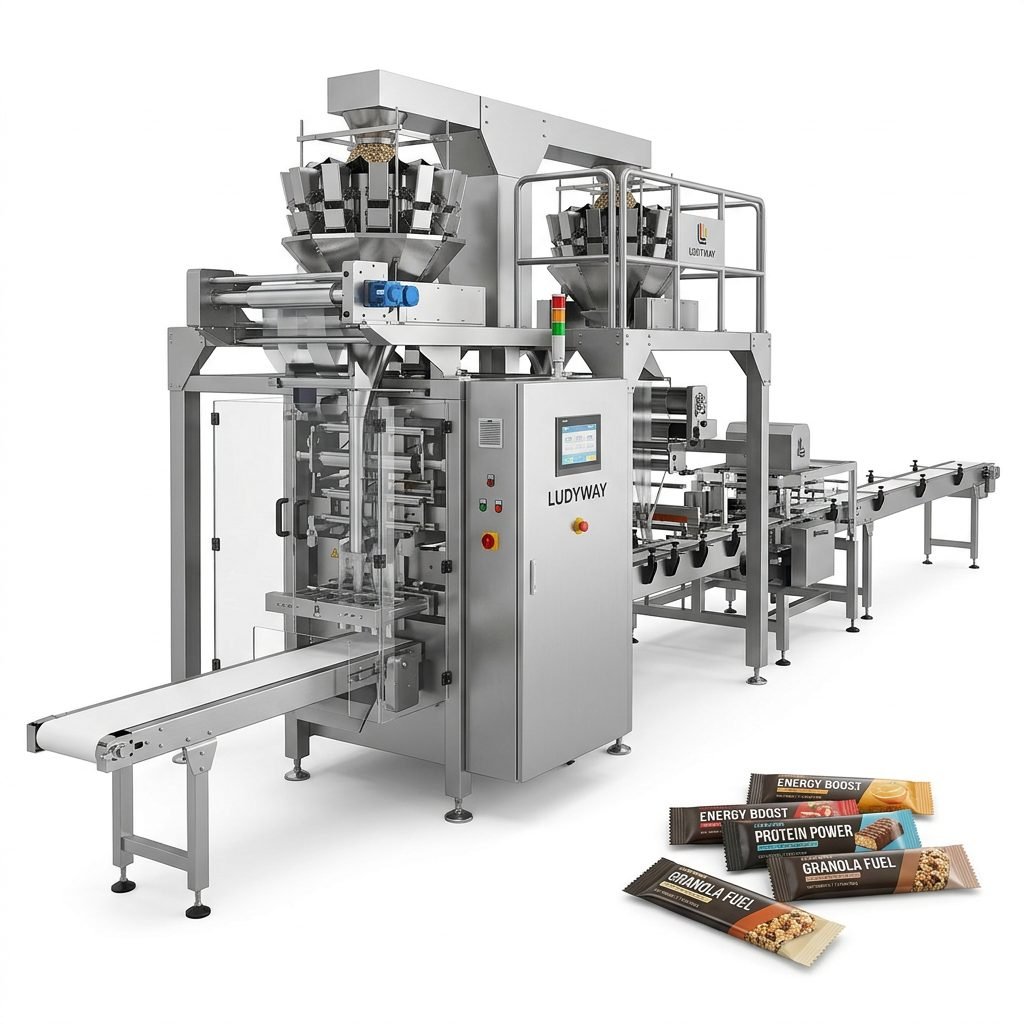
Ideal for wrapped frozen items like ice cream bars, burritos, fish sticks, or packaged burgers. This machine wraps products in a single piece of film, creating tight, secure seals on both ends. It’s excellent for providing a neat, shelf-ready appearance and can handle a wide range of sizes and shapes with quick changeovers.
Tray Sealing Machines
Essential for frozen ready meals, seafood, or premium vegetable blends. These systems automatically or semi-automatically place a product into a pre-formed tray or bowl, apply a lidding film, and hermetically seal it. The seal is crucial for preventing moisture loss and contamination, maintaining the meal’s quality and safety throughout the cold chain.
Cartoning and Case Packing Systems
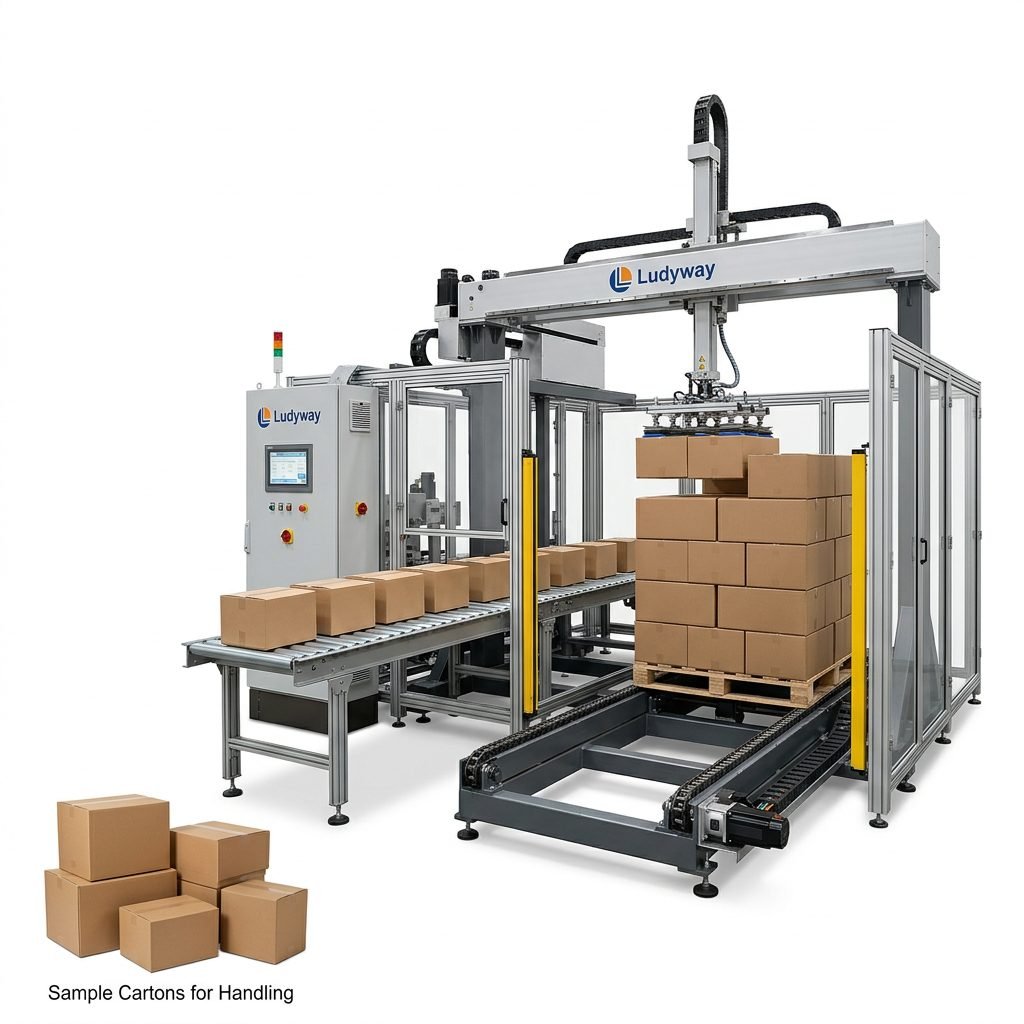
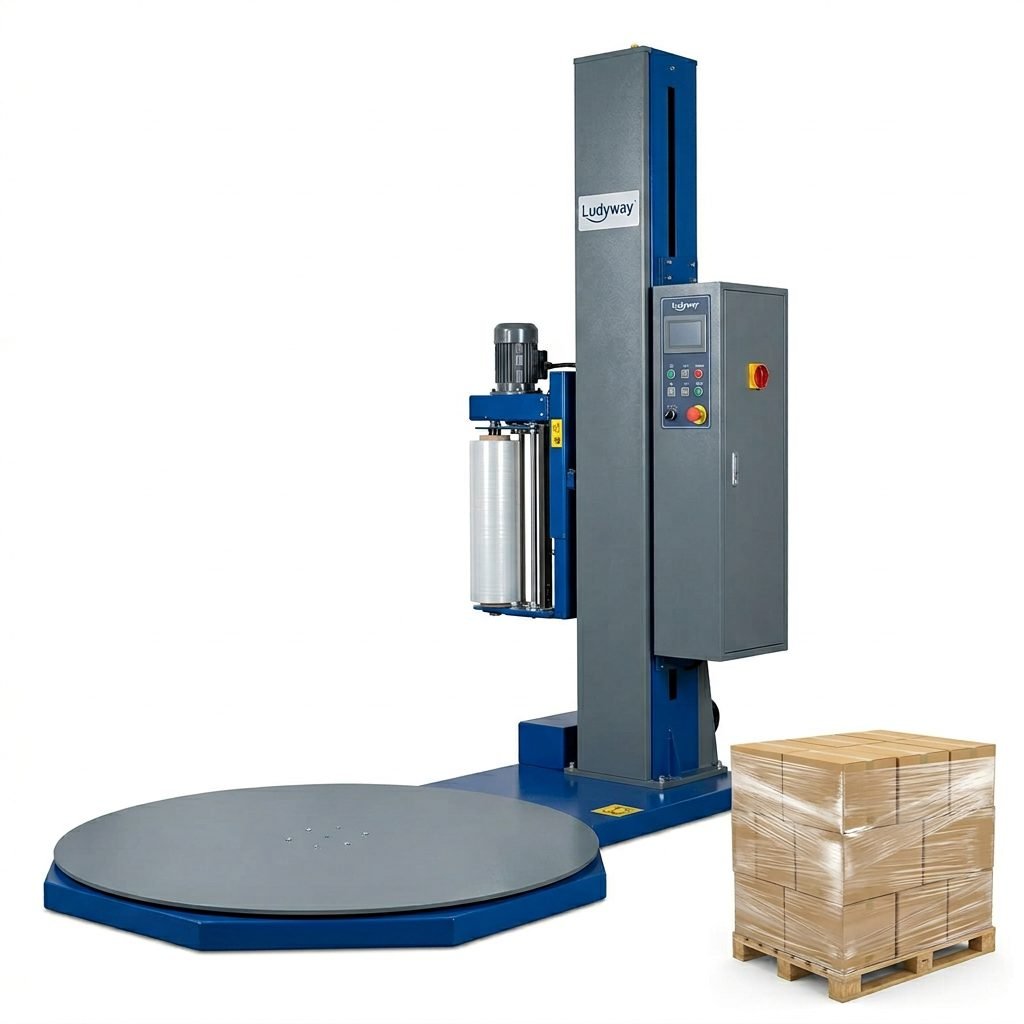
After primary packaging, secondary packaging is key for logistics and retail display. Automatic cartoners erect, load, and seal cartons containing multiple primary packages. Case packers then efficiently group these cartons into shipping cases. Integrating these with your primary packaging line creates a seamless, high-volume operation.
Key Benefits of Automated Packaging for Frozen Goods
Investing in automated packaging technology delivers tangible returns across several critical areas of a frozen food business.
Enhanced Product Protection and Shelf Life
Automated machines provide consistent, reliable seals that are far superior to manual methods. This consistency is vital for creating an effective barrier against moisture vapor, which is the primary cause of freezer burn. Systems equipped with MAP replace oxygen inside the package with nitrogen or carbon dioxide, drastically slowing oxidation and preserving taste, color, and nutritional value for much longer.
Dramatic Increases in Production Efficiency and Speed
Manual packaging simply cannot compete with the speed of automation. Modern machines can package hundreds of units per minute, allowing you to scale production to meet demand without a linear increase in labor costs. This efficiency is crucial for managing large batches and taking advantage of seasonal harvests or promotional opportunities.
Significant Reduction in Operational Costs
While the initial investment is notable, automation reduces long-term costs. It minimizes product giveaway through precise weighing, lowers material waste via optimized film usage, and reduces reliance on large manual labor teams for repetitive tasks. The overall cost per package decreases as volume increases.
Improved Hygiene and Safety Compliance
Automated systems limit direct human contact with the product, reducing the risk of contamination—a top priority in food production. Many machines are designed with easy-clean, sanitary stainless steel surfaces and can be integrated into controlled environment areas to meet stringent food safety standards like HACCP, SQF, or BRC.
Consistent, High-Quality Brand Presentation
Every package leaving an automated line looks identical: seals are straight, labels are aligned, and films are taut. This consistency builds consumer trust and strengthens brand equity on the retail shelf. It allows for sophisticated graphics and clear labeling that remains undamaged through handling and freezing.
How to Choose the Right Packaging System: A Step-by-Step Guide
Selecting the ideal machine requires a careful analysis of your specific needs. Rushing this decision can lead to costly inefficiencies.
Step 1: Analyze Your Product Characteristics
Start with the product itself. Is it granular, liquid, solid, or a mixture? What is its temperature and moisture content at the point of packaging? What are its fragility and abrasiveness? The answers will immediately narrow down suitable machine types (e.g., VFFS for granules, tray sealer for meals).
Step 2: Define Your Packaging Materials and Format
Determine your desired package: pillow bag, flat-bottom bag, stand-up pouch, flow wrap, or sealed tray. This choice dictates the machine type. You must also consider the film or lidding material—its barrier properties, thickness, and compatibility with the machine’s sealing mechanism (e.g., heat seal, ultrasonic seal) are critical for performance.
Step 3: Assess Your Production Requirements
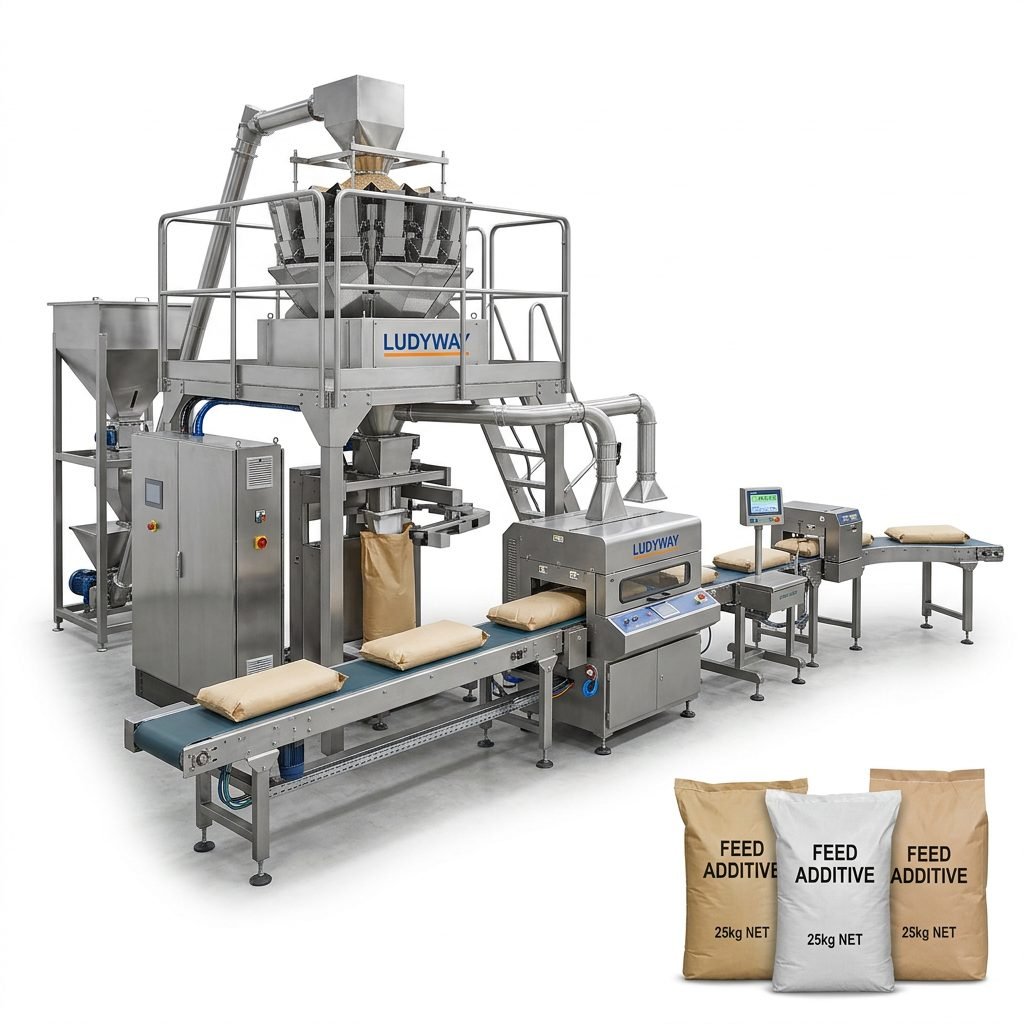
Be realistic about your required output speed (packages per minute) and the desired level of automation. Do you need a fully integrated line with checkweighers and metal detectors, or a semi-automatic station? Consider future growth; a modular system that can be upgraded may be a wiser investment than a machine that maxes out at your current volume.
Step 4: Evaluate Machine Features and Supplier Support
Look for features that address your specific challenges: anti-fog capabilities for clear film, easy-changeover systems for multiple SKUs, robust construction for cold environments, and user-friendly HMI controls. Crucially, evaluate the supplier. Choose a partner like Ludyway Machinery with proven expertise in frozen food applications, who offers comprehensive after-sales support, training, and readily available spare parts.
Step 5: Consider Total Cost of Ownership (TCO)
Look beyond the purchase price. Calculate TCO by factoring in energy consumption, maintenance costs, expected downtime, required operator skill level, and the machine’s longevity. A slightly more expensive, robust machine from a reliable supplier often has a lower TCO than a cheaper, less capable alternative.
Integration and Future-Proofing Your Packaging Line
The most successful operations view packaging not as an isolated machine, but as part of a synchronized production system. Integrating your packaging machine with upstream equipment (like freezers or sorters) and downstream systems (like cartoners and palletizers) via PLC or industrial networks eliminates bottlenecks. Furthermore, selecting equipment with Industry 4.0 capabilities—such as data collection, OEE monitoring, and predictive maintenance alerts—prepares your facility for the smart factory future, enabling continuous optimization and traceability.
By thoroughly understanding the types of machines available, recognizing their full spectrum of benefits, and following a disciplined selection process, you can invest in a frozen products packaging system that becomes a cornerstone of your operation’s efficiency, quality, and profitability for years to come. Partnering with an experienced provider ensures you get a solution tailored to your unique challenges, not just an off-the-shelf machine.
Frequently Asked Questions (FAQs)
Q1: Can one packaging machine handle different types of frozen products?
Many modern machines are designed for flexibility. With quick-change tooling and programmable recipes, a single VFFS or flow wrapper can often switch between different product sizes and shapes. However, switching between fundamentally different formats (e.g., from bags to trays) typically requires different machines or significant module changes.
Q2: How does Modified Atmosphere Packaging (MAP) work for frozen foods?
MAP involves replacing the air inside a package with a protective gas mix (usually high in nitrogen). For frozen foods, this process is done before sealing. It removes oxygen, which causes oxidation and freezer burn, thereby preserving color, flavor, texture, and nutritional content far longer than traditional air-packed products. Explore our packaging solutions to see machines with integrated MAP technology.
Q3: What are the most important maintenance considerations in a cold, damp environment?
Frozen food plants are harsh on machinery. Key maintenance focuses on preventing condensation from entering electrical panels, using corrosion-resistant materials like stainless steel, ensuring seals and grippers are rated for low temperatures to avoid cracking, and implementing regular defrosting or heating elements on critical parts to prevent ice buildup that can disrupt operation.
Q4: Is automation feasible for a small or medium-sized frozen food producer?
Absolutely. The market offers a range of semi-automatic and compact fully automatic machines designed for lower to mid-volume production. The return on investment comes from improved consistency, reduced waste, and labor savings, which can be significant even at smaller scales. It’s about calculating the payback period based on your specific costs. Learn about our history of supporting businesses of all sizes.
Q5: How can I ensure my packaging line meets food safety regulations?
Choose machinery designed with hygienic principles: smooth surfaces, minimal crevices, easy access for cleaning and inspection. Ensure it can be integrated into your plant’s cleaning protocols. Documentation from the supplier, such as material certificates and cleanability reports, is also essential for audits. Partnering with a supplier knowledgeable in global standards is crucial for compliance.