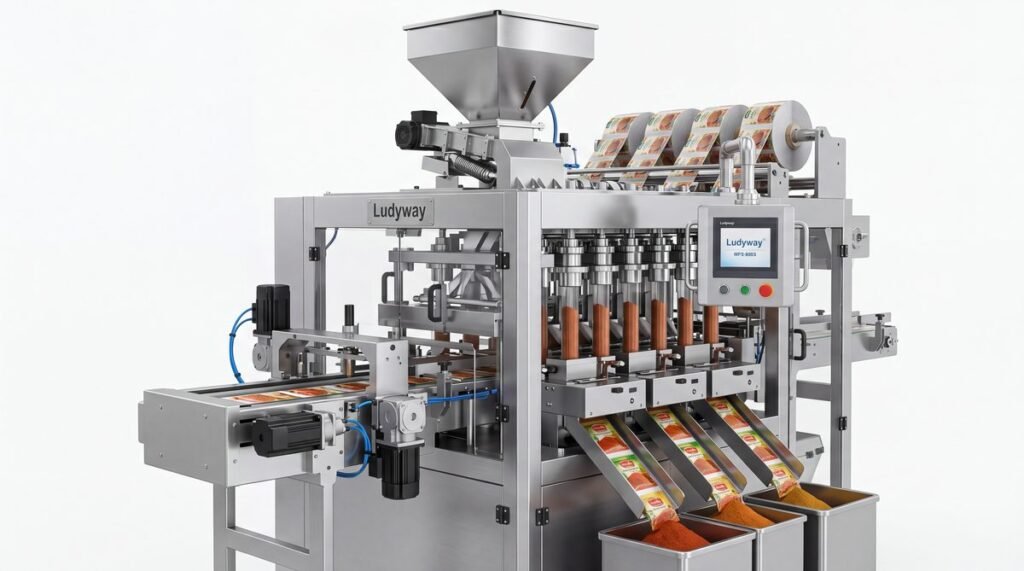
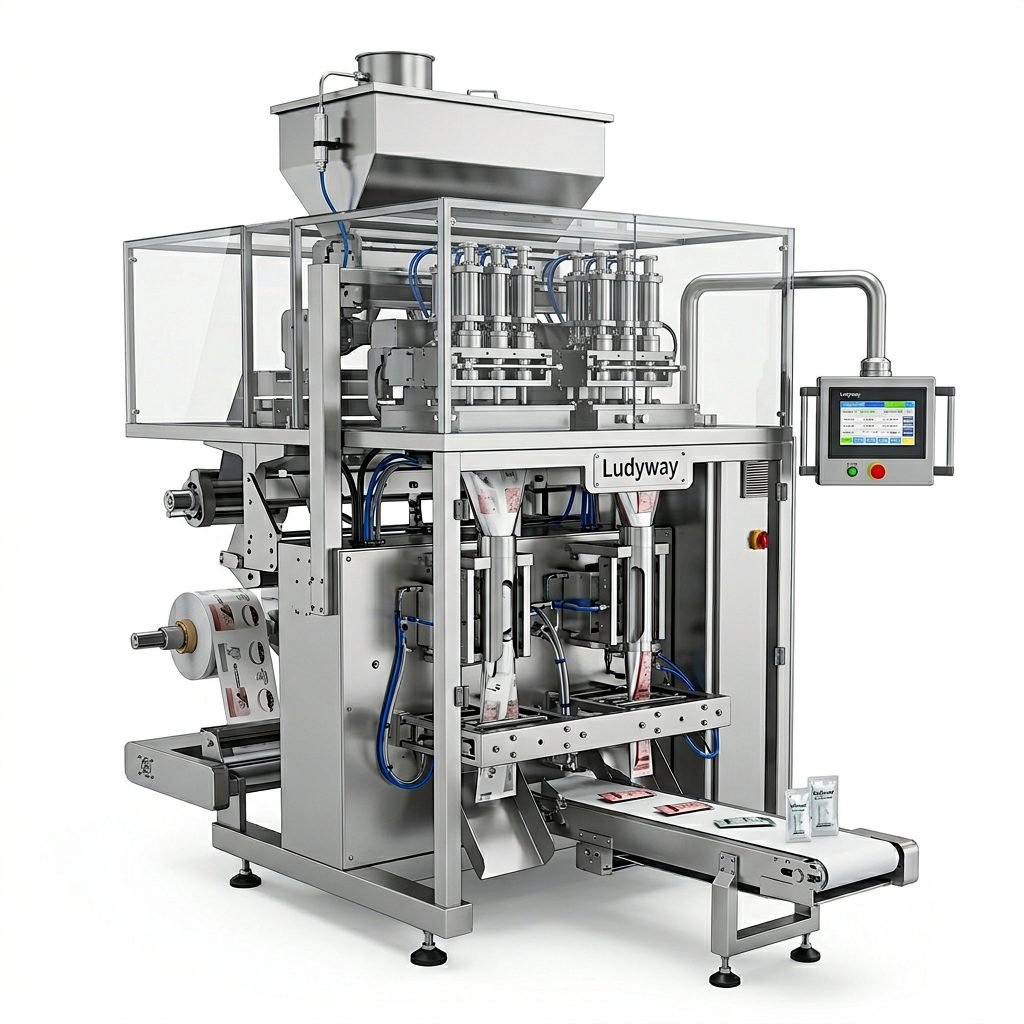
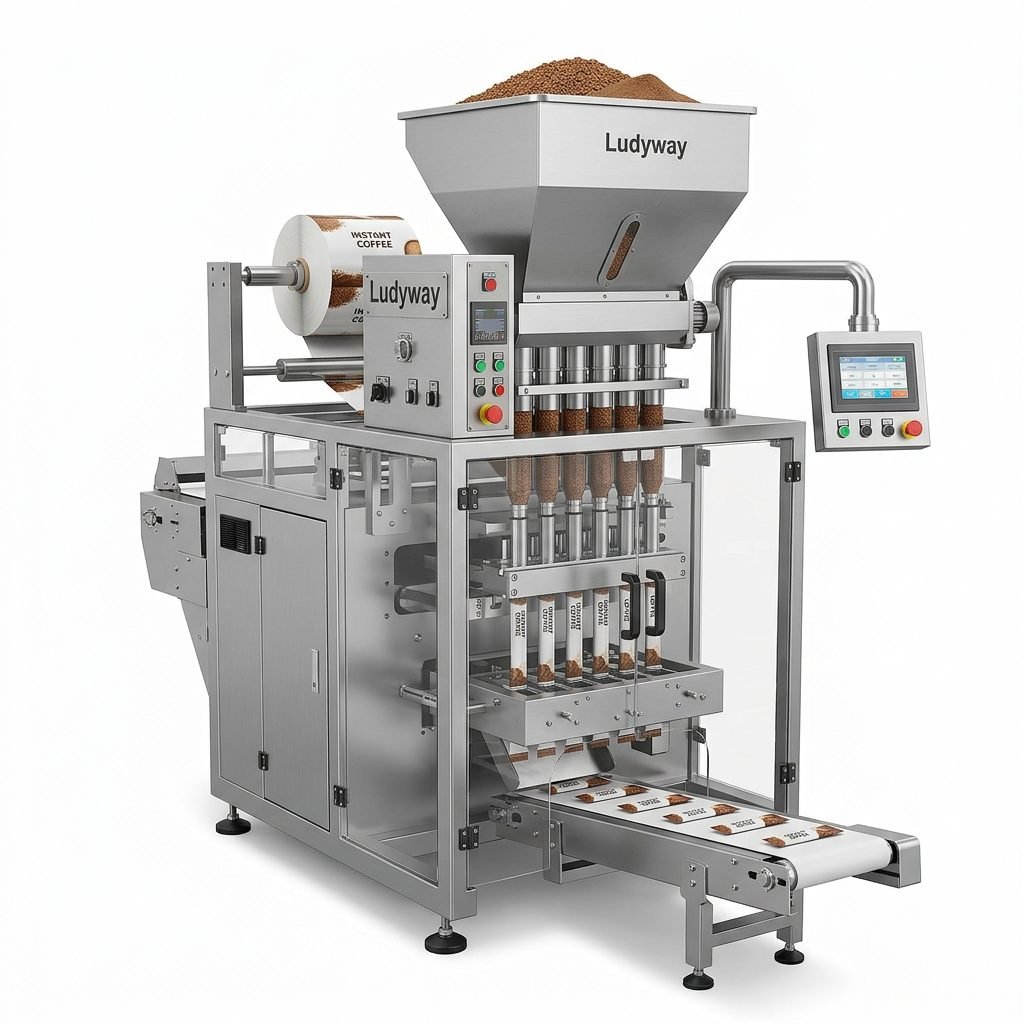
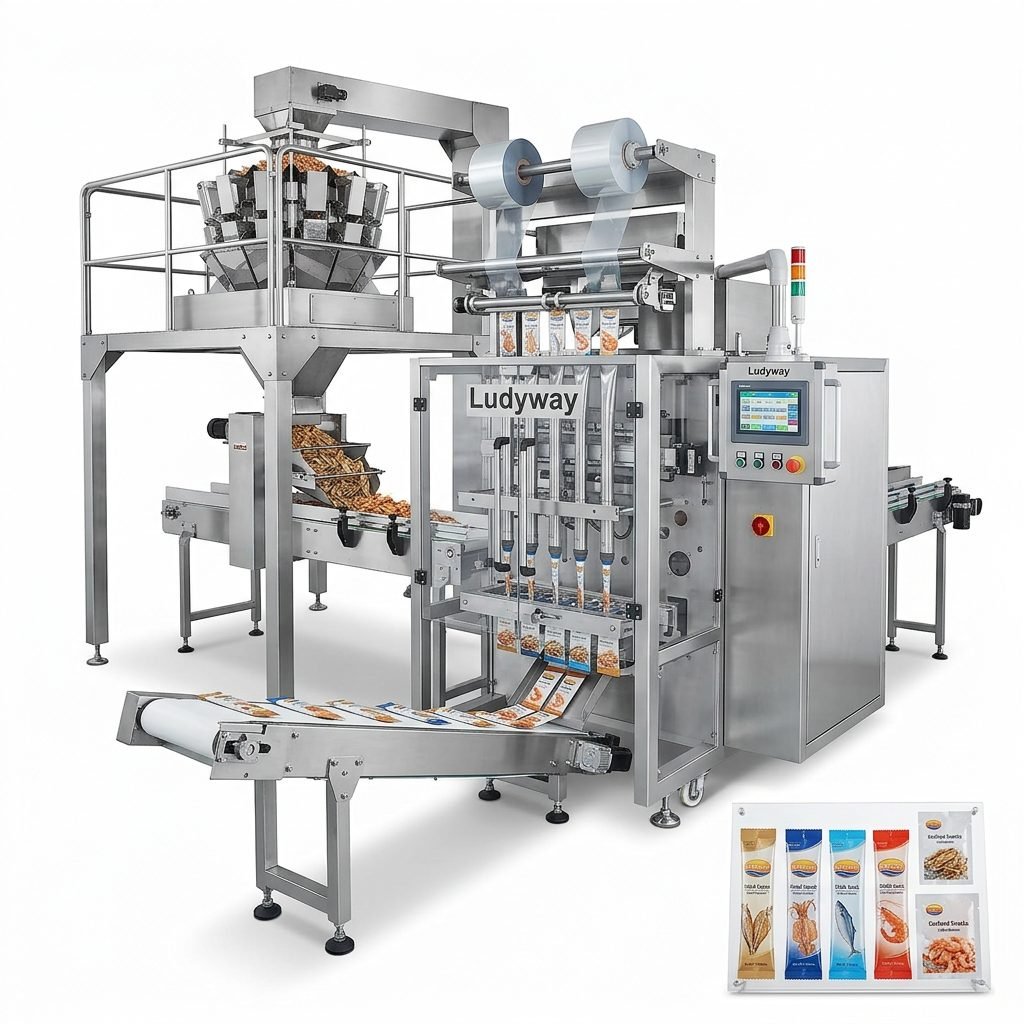
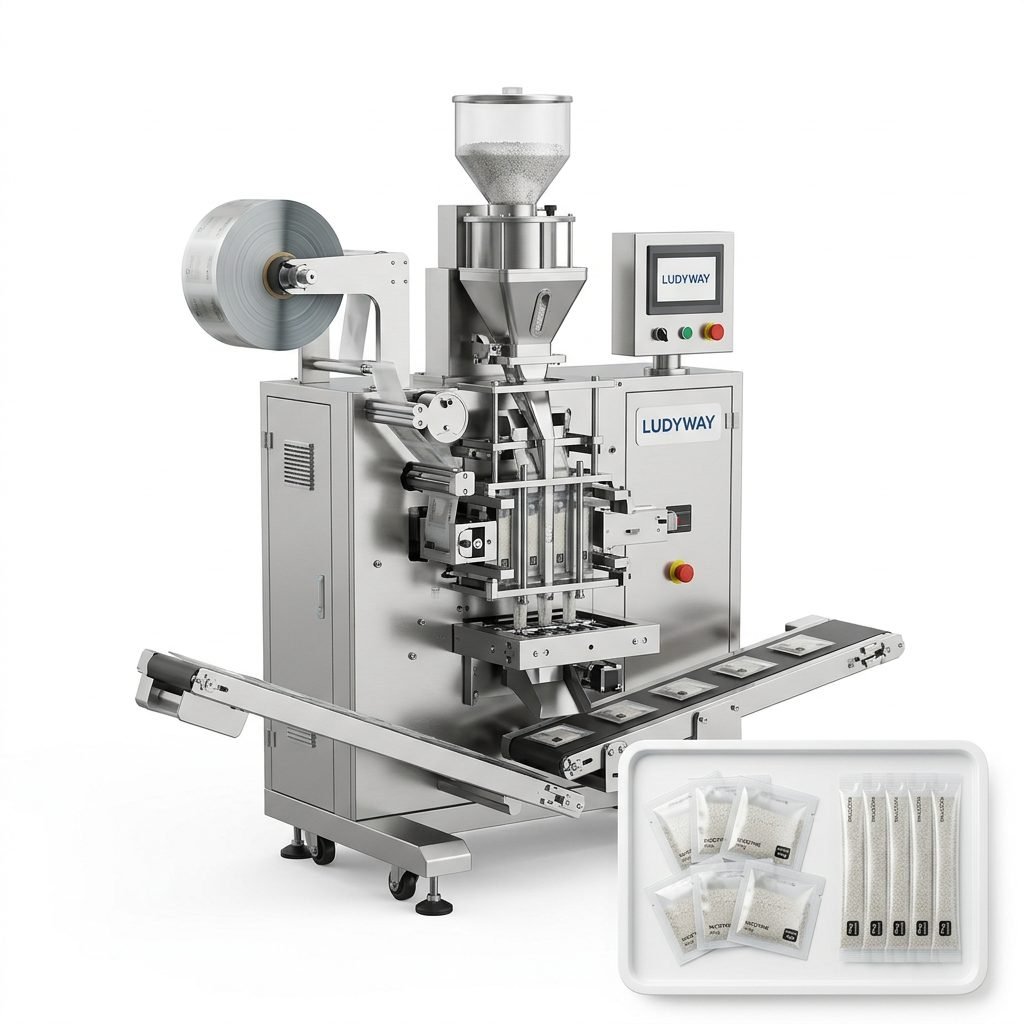
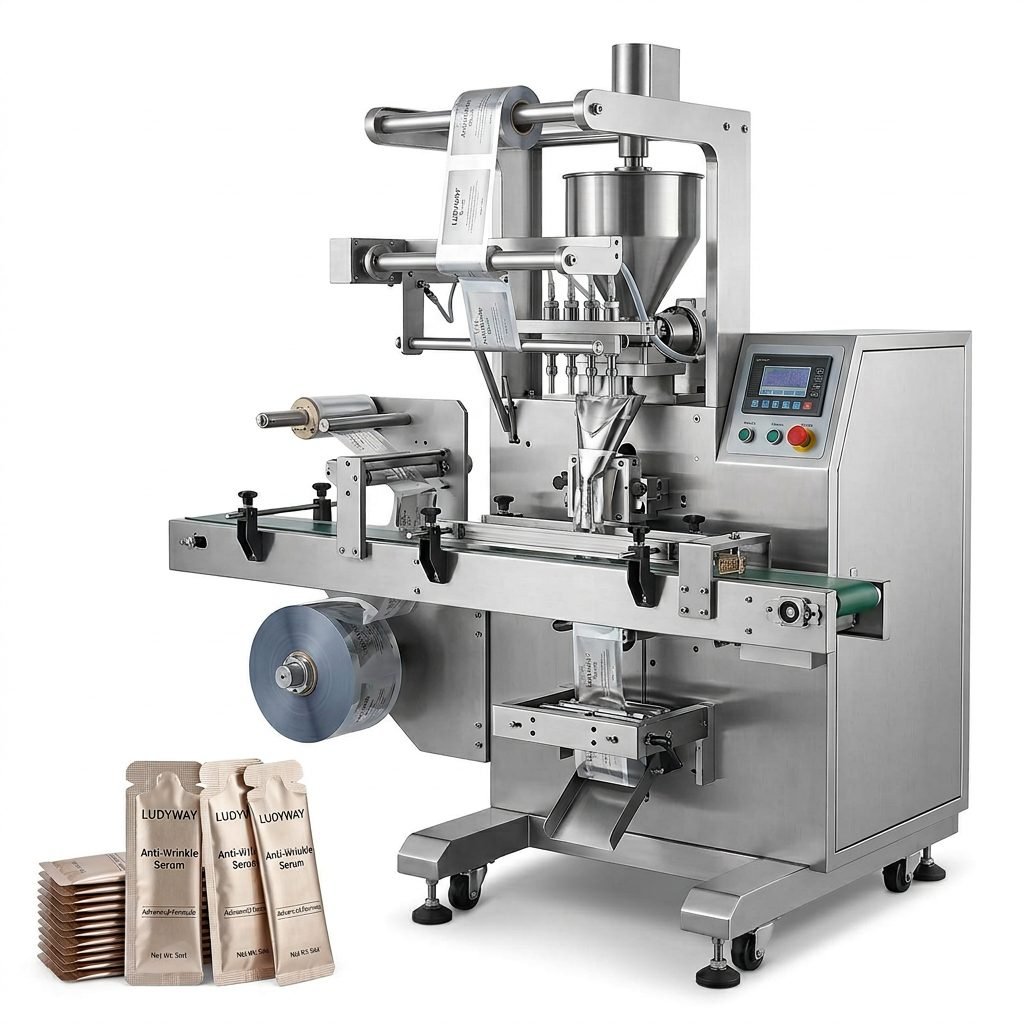
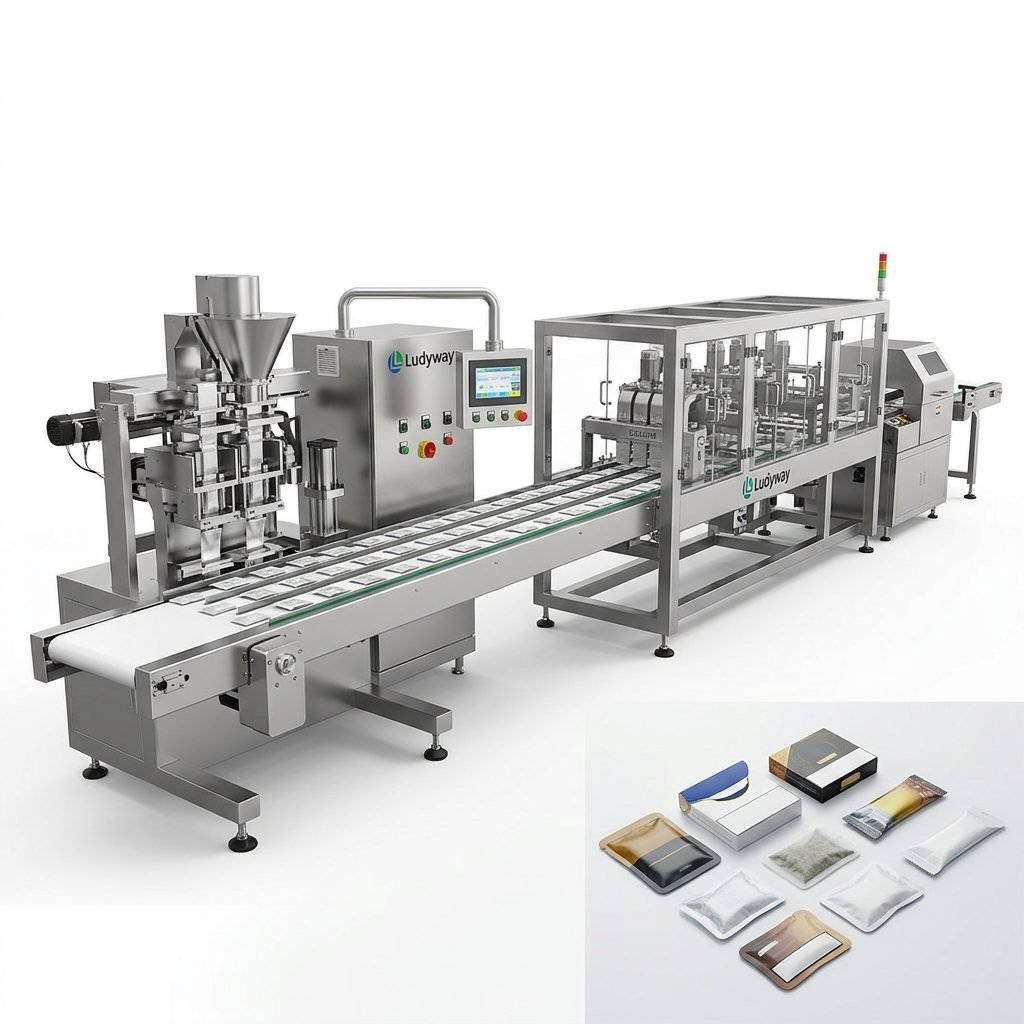
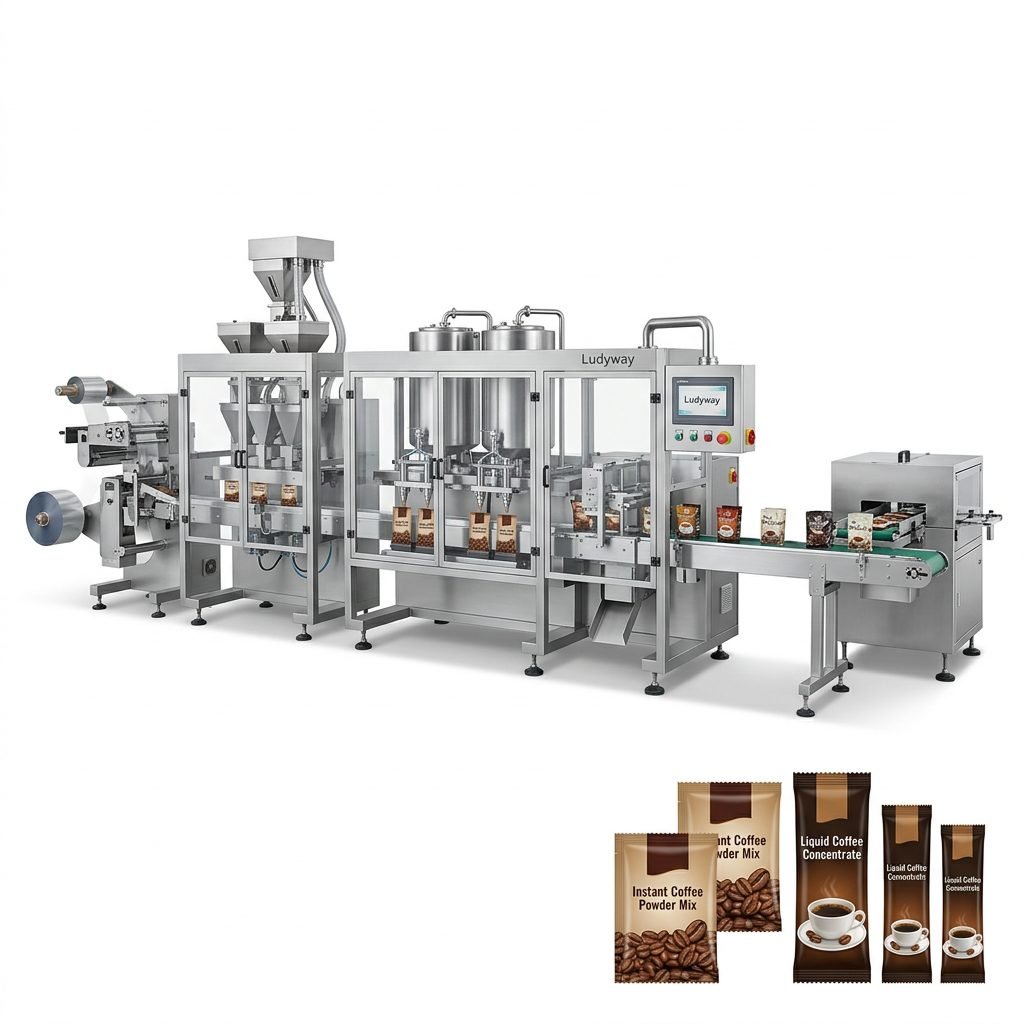
Investing in a ketchup pouch packing machine is a significant decision for any food manufacturer. The right equipment can dramatically improve your production efficiency, reduce waste, and ensure consistent product quality. According to PMMI’s packaging machinery market research, the demand for flexible pouch packaging solutions continues to grow globally, driven by consumer preference for convenience and portion control. However, with so many configurations, technologies, and suppliers available, navigating the selection process can be complex. This guide walks you through every critical factor to consider before making your purchase.
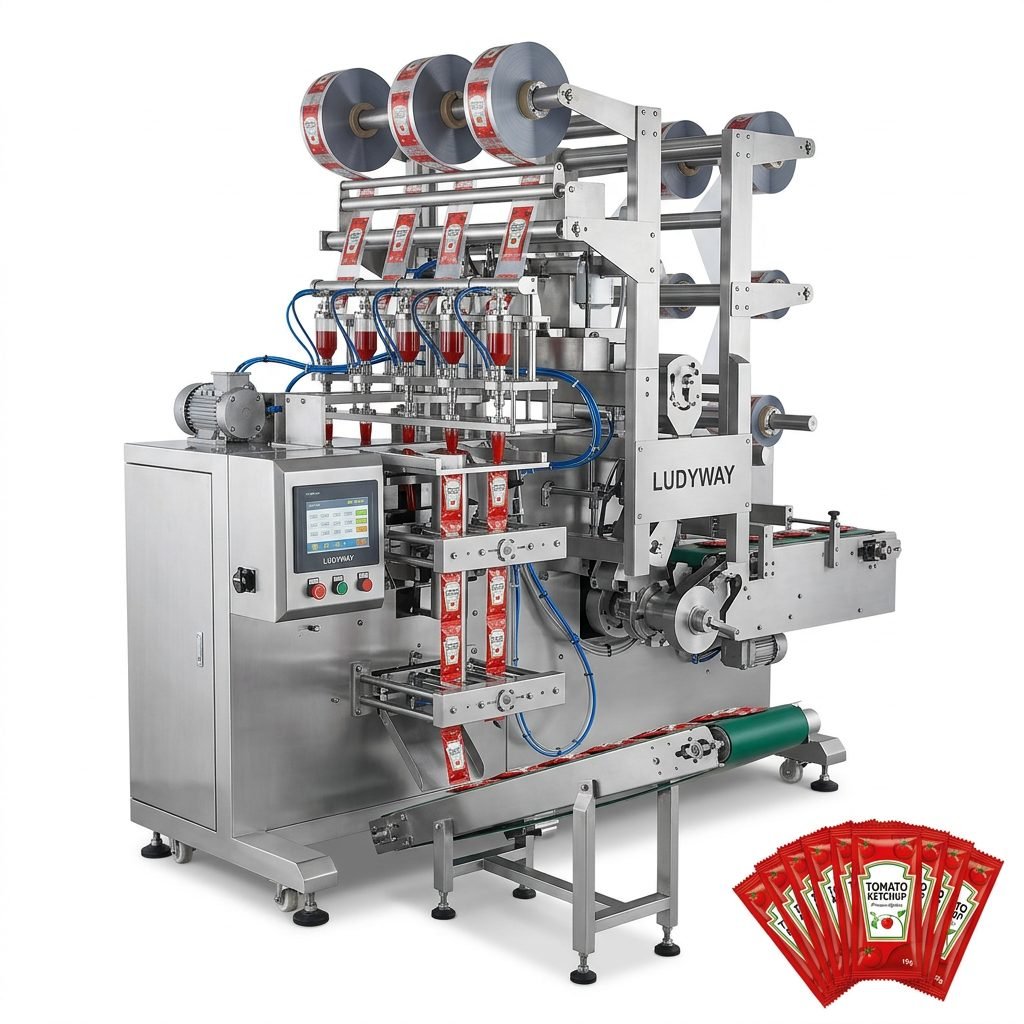
Understanding Your Production Volume Requirements
The first and most critical step is accurately defining your production capacity needs. Ketchup pouch packing machines range from semi-automatic models producing 20-40 pouches per minute to fully automated multi-lane systems capable of exceeding 400 pouches per minute. A small condiment startup may only require a single-lane machine, while a large-scale manufacturer supplying to restaurant chains or retail markets will need a high-speed multi-lane configuration. Underestimating your required throughput can create a bottleneck in your packaging line, while overestimating leads to unnecessary capital expenditure. Review your current sales data, forecasted growth, and peak season demands before determining the appropriate machine speed rating. The Flexible Packaging Association emphasizes that matching equipment capacity to real production needs is essential for optimizing ROI in flexible packaging operations.
Pouch Format and Size Flexibility
Ketchup is packaged in a variety of pouch formats, including:
- Stick packs – narrow, elongated sachets ideal for single-serve portions in fast-food outlets and catering
- Flat sachets – standard rectangular pouches commonly used for retail and food service
- Pillow pouches – three-sided or four-sided sealed pouches with a more ergonomic shape
- Spouted pouches – resealable pouches with a dispensing spout, increasingly popular for consumer retail
Not all machines handle every format. Some are purpose-built for a single pouch type, while others offer quick-change tooling that allows you to switch between formats with minimal downtime. If your product line includes multiple SKUs or you plan to diversify, investing in a machine with format flexibility is a forward-looking decision. Consider the range of pouch widths, lengths, and fill volumes the machine can accommodate. Check whether changeover procedures require specialized tools or extensive operator training. This directly impacts your operational agility and long-term cost efficiency.
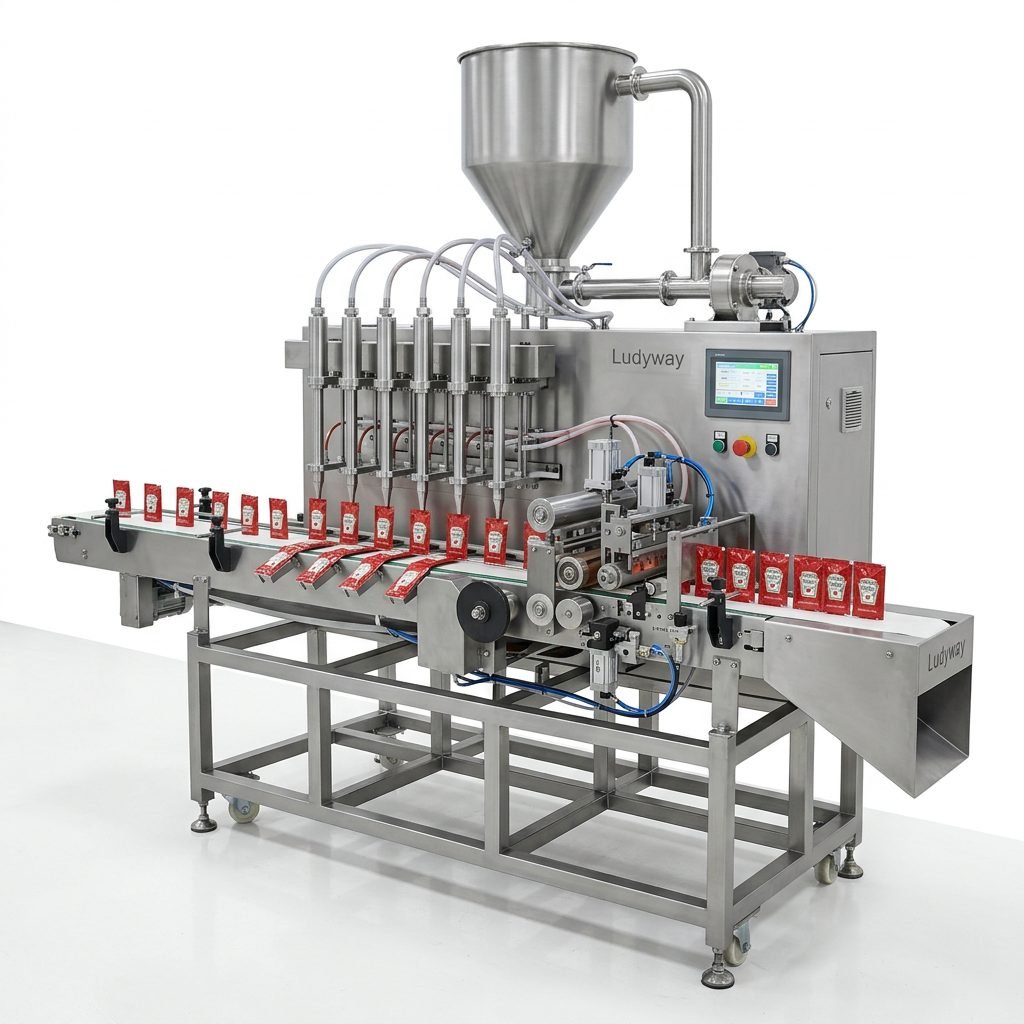
Filling Technology and Accuracy
Ketchup presents unique filling challenges due to its viscosity, particulate content, and tendency to drip or foam. The filling system is the heart of your ketchup pouch packing machine, and selecting the right technology directly affects product consistency, waste levels, and regulatory compliance. Common filling technologies include:
- Piston fillers – excellent for viscous products like ketchup, offering high accuracy and clean cut-off
- Peristaltic pump fillers – gentle handling with good accuracy, suitable for products with particulates
- Gravity fillers – cost-effective but less precise for thicker sauces
- Overflow fillers – ideal for achieving uniform fill levels in transparent pouches
For ketchup, piston or pump-based systems are generally recommended. Look for machines with servo-driven dosing for precise control over fill volumes, which can significantly reduce product giveaway. Even a 1-gram overfill per pouch translates to substantial losses over millions of units. The system should also feature anti-drip nozzles and clean-in-place (CIP) capabilities to maintain hygiene standards and minimize downtime between production runs.
Sealing Integrity and Pouch Quality
Nothing damages a brand faster than leaking ketchup pouches. Sealing integrity is non-negotiable, especially for liquid products that can contaminate outer packaging and retail shelves. Evaluate the machine’s sealing mechanism carefully:
- Temperature control – precise digital PID controllers maintain consistent sealing temperature across the entire jaw length
- Pressure distribution – even sealing pressure prevents weak spots that lead to leaks
- Dwell time adjustment – adjustable seal time ensures proper bonding without damaging the film
- Multi-zone sealing – independent control for different seal areas improves overall pouch integrity
Machines that offer continuous motion sealing rather than intermittent operation generally achieve higher throughput and more consistent seal quality. Additionally, look for models with integrated leak detection or vision inspection systems that can identify defective pouches before they leave the production line. This aligns with quality standards referenced by organizations such as FDA packaging and food contact substances guidelines.
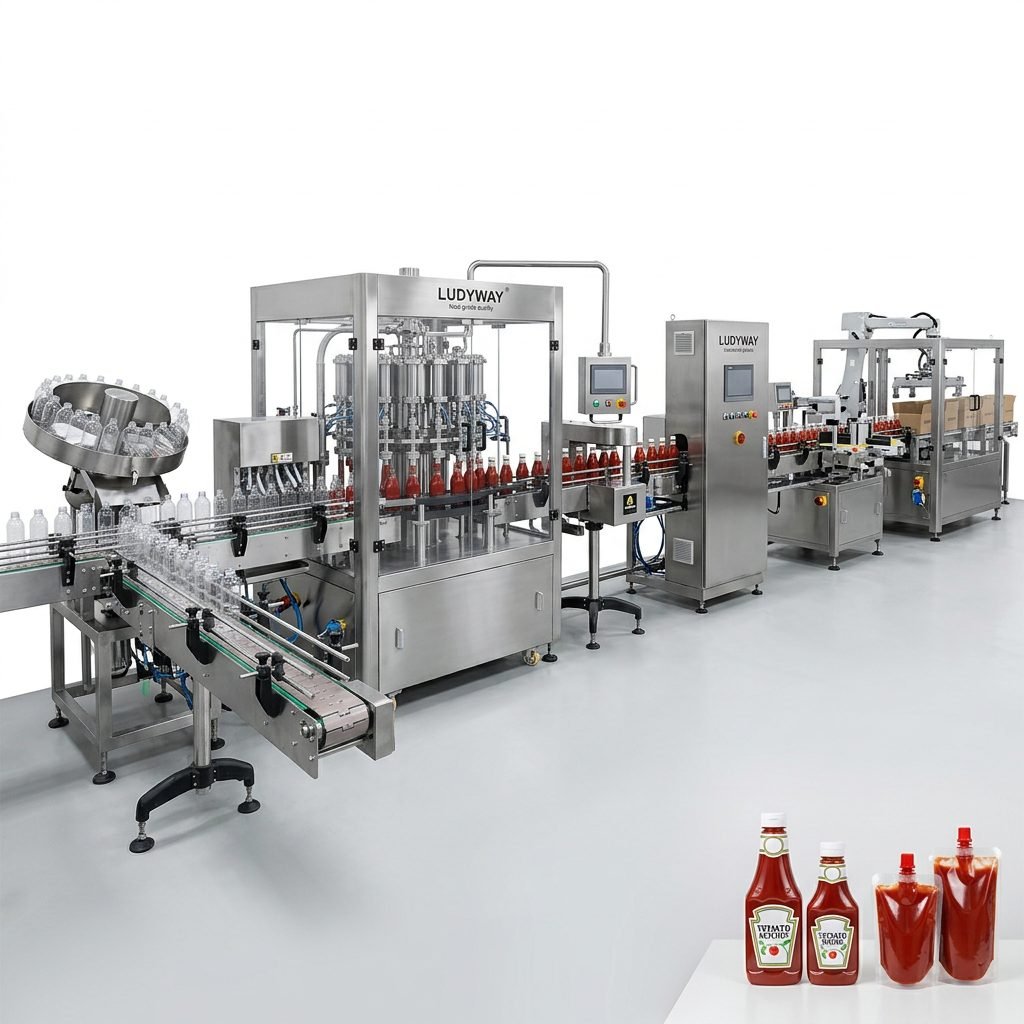
Comparing Ketchup Pouch Packing Machine Configurations
The table below summarizes the key differences between common machine configurations to help you identify the most suitable option for your operation:
| Machine Type | Typical Output | Best For | Key Consideration |
|---|---|---|---|
| Single-Lane Semi-Auto | 20–40 ppm | Small batches, startups | Lower upfront cost, higher labor |
| Single-Lane Fully Auto | 50–100 ppm | Medium production | Good balance of speed and cost |
| Multi-Lane (4–8 lanes) | 200–400 ppm | High-volume manufacturers | Higher investment, lower cost per pouch |
| Multi-Lane (10+ lanes) | 400–800+ ppm | Mass production, export markets | Requires advanced infrastructure |
Material Compatibility and Film Handling
The type of packaging film you plan to use significantly influences machine selection. Ketchup pouches typically use multi-layer laminated films that provide barrier properties against oxygen, moisture, and light to preserve product freshness. Common materials include PET/AL/PE, PET/metallized PET/PE, and other high-barrier structures. Your chosen machine must be compatible with these materials in terms of:
- Film thickness range – most ketchup pouches use films between 60 and 120 microns
- Heat seal layer – the inner PE or PP layer determines the sealing temperature window
- Film tension control – critical for maintaining registration accuracy, especially with printed films
- Static elimination – important when running at high speeds to prevent film sticking and misalignment
Machines equipped with automatic web guiding systems and dancer arm tension control provide more stable film handling, reducing waste from misaligned seals or registration errors. If you plan to use registered printed film with branding and nutritional information, verify that the machine’s photocell registration system is precise and reliable at your target operating speed.
Automation and Line Integration Capabilities
A ketchup pouch packing machine does not operate in isolation. It functions as part of a broader packaging line that may include upstream feeding, coding and marking, checkweighing, metal detection, cartoning, case packing, and palletizing. When selecting your machine, assess its integration readiness. Look for features such as:
- Standardized communication protocols (Ethernet/IP, Modbus, Profibus) for seamless connection to plant-wide control systems
- Physical layout compatibility with existing conveyors and ancillary equipment
- Data collection capabilities for OEE tracking and predictive maintenance
- Remote monitoring and diagnostic access for faster troubleshooting
Many manufacturers, including Ludyway Machinery, offer integrated packaging systems and turnkey production line solutions that connect multiple stages of the packaging process. This approach allows you to work with a single partner for equipment selection, system integration, customization, installation, and technical support, simplifying project management and ensuring all components work together efficiently.
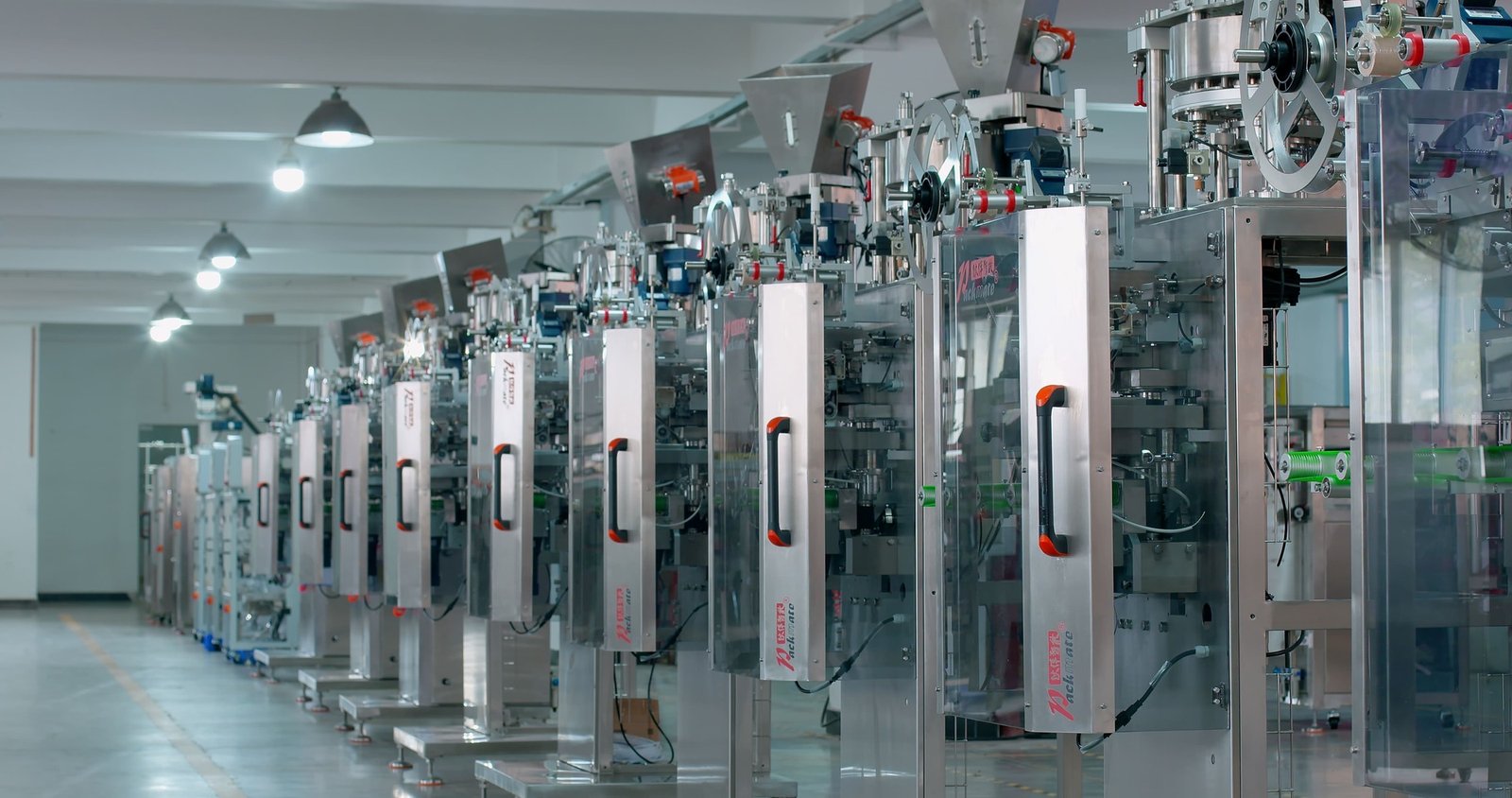
Hygiene, Cleanability, and Regulatory Compliance
Food safety regulations mandate that equipment in direct contact with food products meets strict hygiene standards. For ketchup packaging, this means the machine should be constructed with food-grade stainless steel (typically AISI 304 or 316L) for all product contact surfaces. Beyond material selection, evaluate the machine’s cleanability:
- Tool-free disassembly of filling components for sanitation
- Sloped surfaces and sealed electrical enclosures to prevent liquid ingress
- Clean-in-place (CIP) compatibility for automated cleaning cycles
- Smooth, crevice-free construction that eliminates bacterial harborage points
Depending on your target markets, the machine may need to comply with various international standards. Verify that the manufacturer can provide necessary certifications and documentation for your specific regulatory requirements, whether for domestic compliance or export markets. This is an area where working with an experienced supplier familiar with international standards pays dividends.
Evaluating Total Cost of Ownership
The purchase price of a ketchup pouch packing machine is only one component of its total cost. Smart buyers evaluate the total cost of ownership (TCO), which includes:
- Installation and commissioning – including any facility modifications required
- Operator training – skilled operation reduces errors and downtime
- Spare parts inventory – critical wear components should be readily available
- Energy consumption – servo-driven machines are generally more energy-efficient
- Maintenance costs – including scheduled preventive maintenance and unexpected repairs
- Film waste – a machine with 2% film waste versus 5% can save significant costs annually
A lower upfront price may translate to higher long-term costs if the machine is less reliable, harder to maintain, or generates more waste. Request detailed TCO projections from potential suppliers and speak with existing customers about their real-world operating costs before making a decision.
Supplier Evaluation and After-Sales Support
Your relationship with the machine supplier extends well beyond the initial purchase. The availability and quality of after-sales support can be the difference between a minor inconvenience and a costly production shutdown. When evaluating suppliers, investigate:
- Response times for technical support inquiries
- Availability of remote diagnostic capabilities
- Spare parts inventory and shipping logistics
- Presence of local service engineers or authorized service partners in your region
- Documentation quality, including operation manuals and maintenance guides
- Training programs for operators and maintenance staff
A manufacturer with decades of experience and a global service network can provide more reliable support. Request references from companies in your industry who have been running similar equipment for multiple years. Their candid feedback about reliability, support responsiveness, and overall satisfaction will be invaluable to your decision-making process.
Future-Proofing Your Investment
The packaging industry continues to evolve, driven by sustainability initiatives, smart manufacturing trends, and changing consumer preferences. When selecting a ketchup pouch packing machine, consider how well it can adapt to future requirements. Machines built on modular platforms allow you to add lanes, upgrade control systems, or integrate new technologies without replacing the entire machine. As PMMI’s 2026 State of the Industry report indicates, manufacturers are increasingly prioritizing flexible, scalable equipment that can accommodate changing packaging formats and materials. Choosing a machine with excess capacity and upgrade potential protects your investment against tomorrow’s market demands.
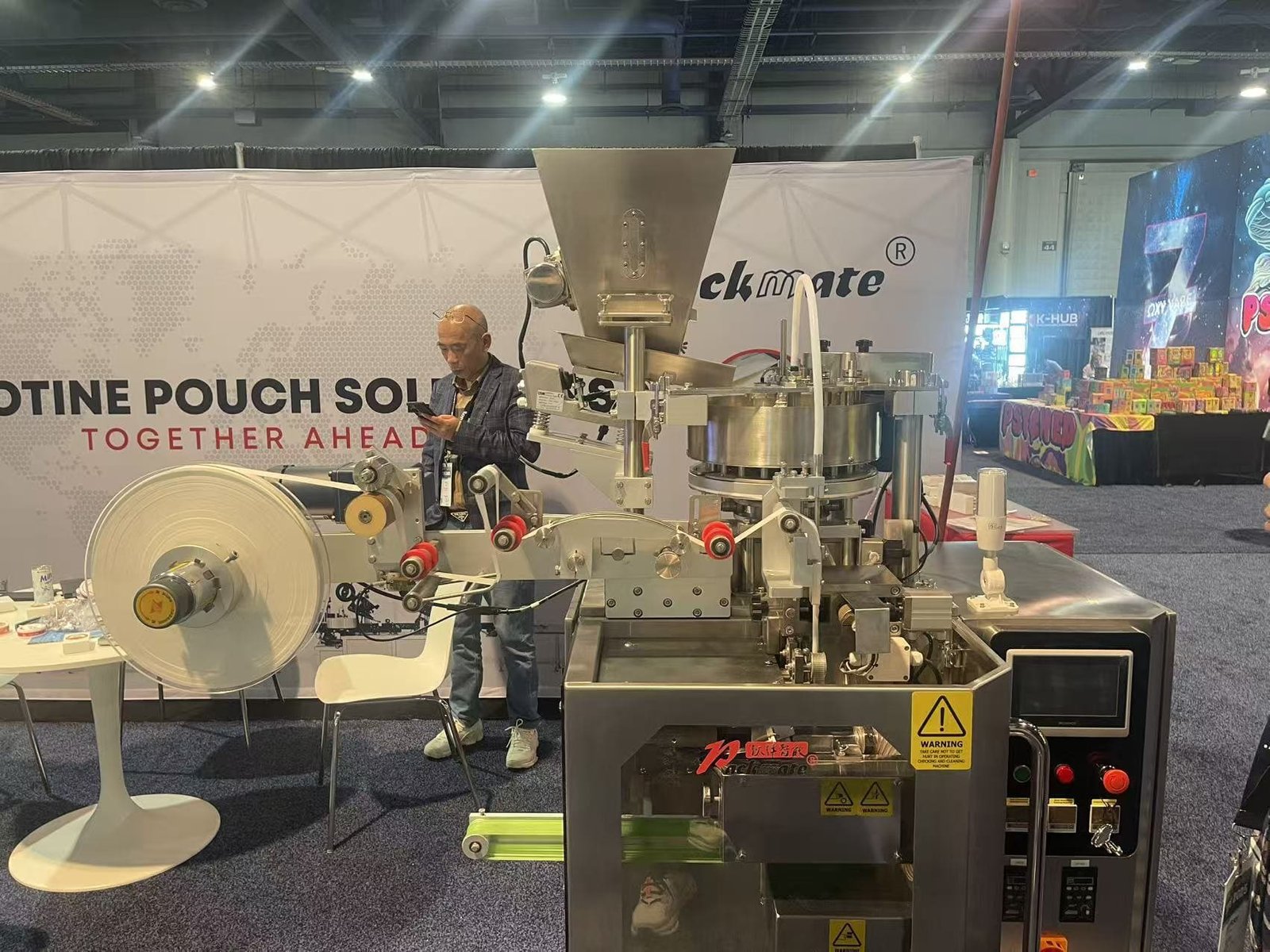
Selecting the right ketchup pouch packing machine requires balancing multiple factors: production volume, pouch format flexibility, filling accuracy, sealing reliability, material compatibility, automation level, hygiene compliance, total cost of ownership, and supplier support. Rushing the decision or focusing solely on the initial purchase price often leads to operational headaches and hidden costs down the line. Take time to thoroughly evaluate your current and future needs, visit supplier facilities when possible, test machines with your actual product and packaging materials, and speak directly with existing users. A well-chosen machine becomes a reliable production asset that supports your business growth for many years to come.