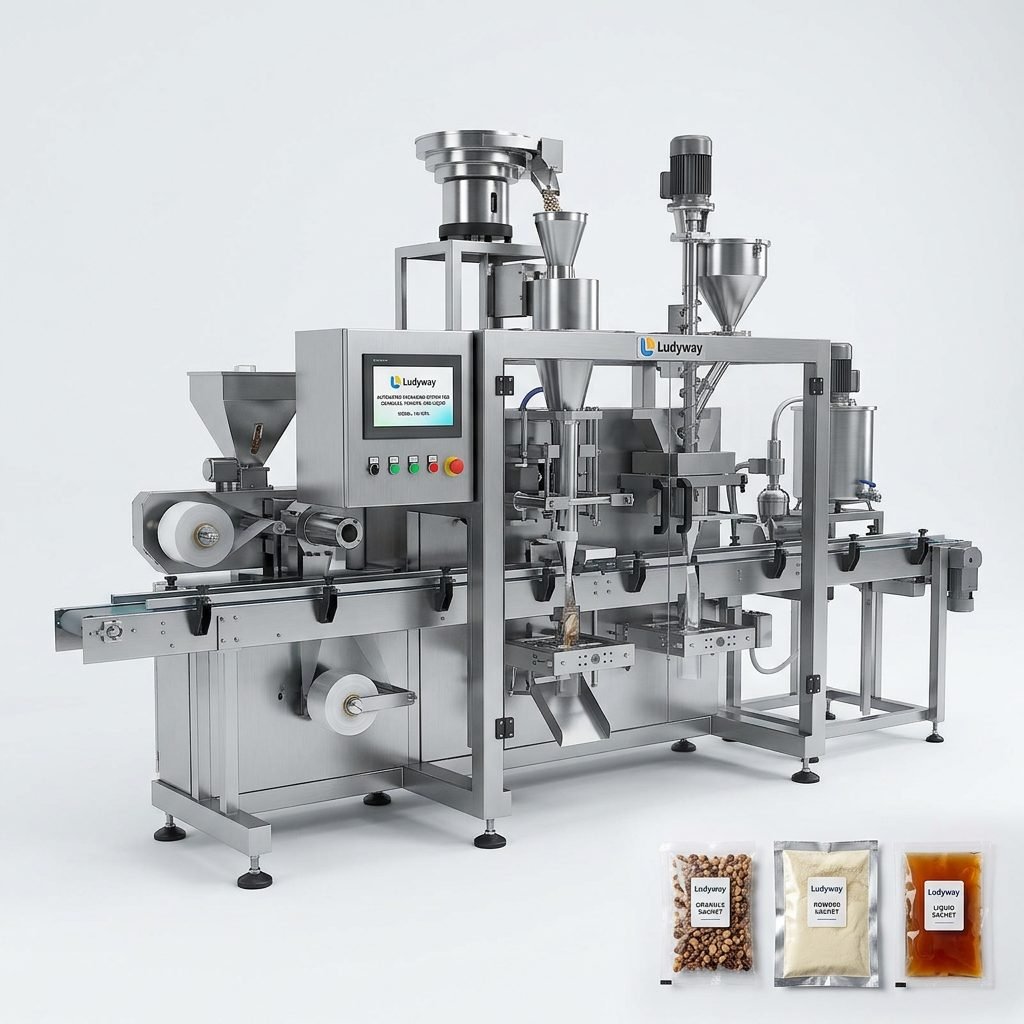
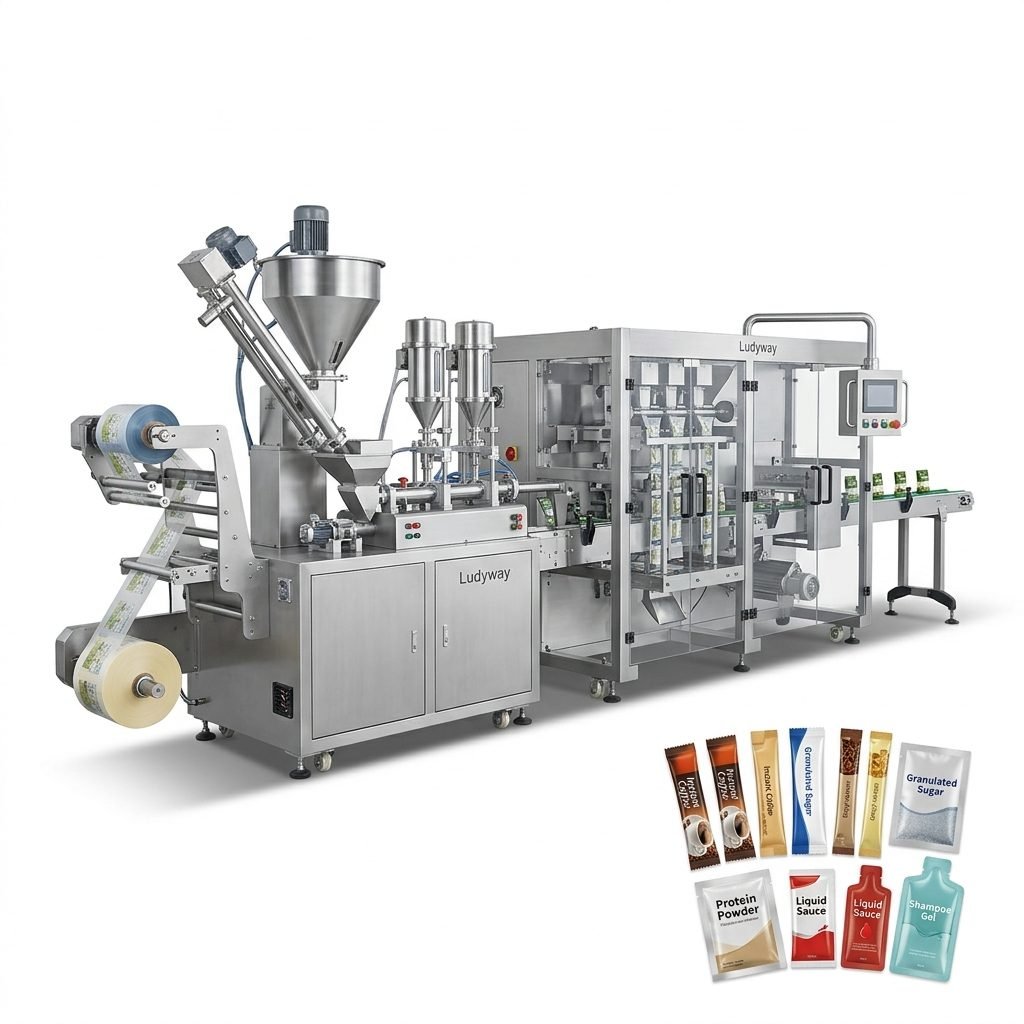
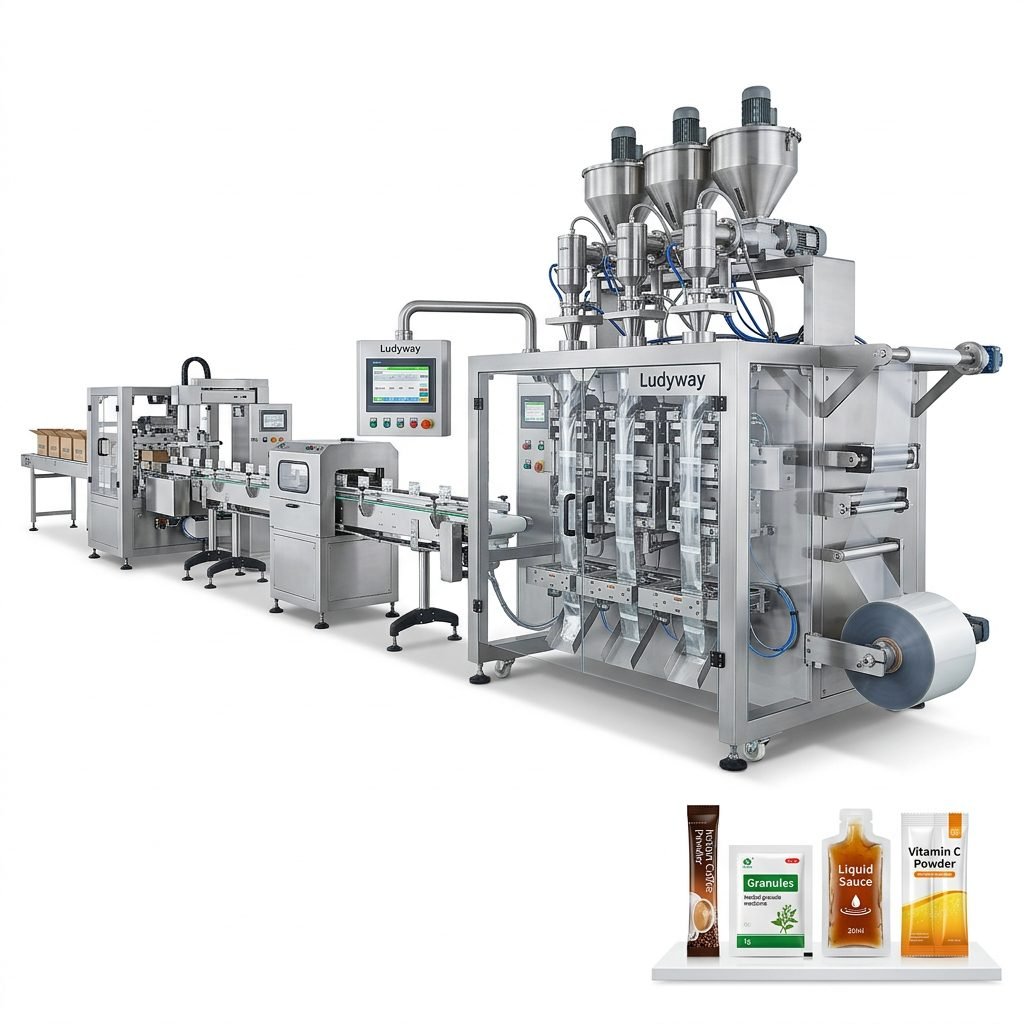
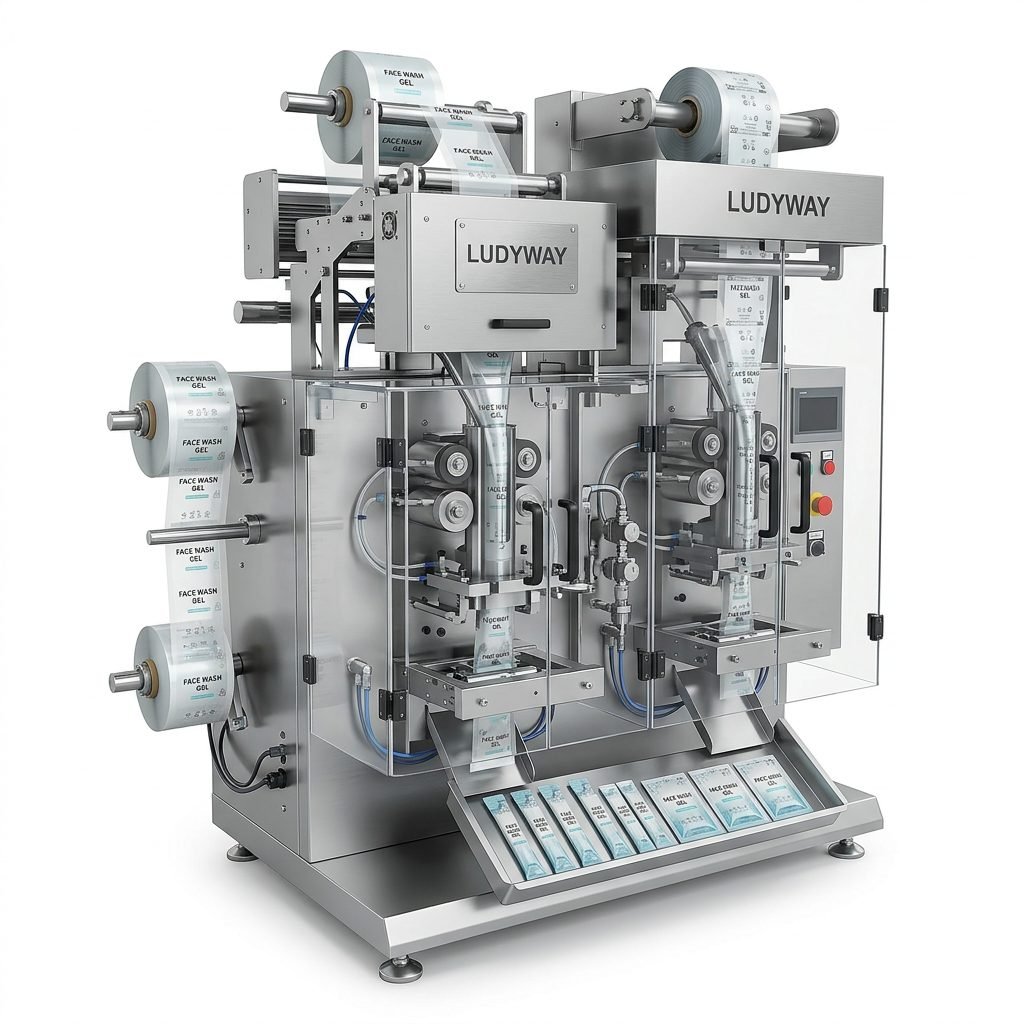
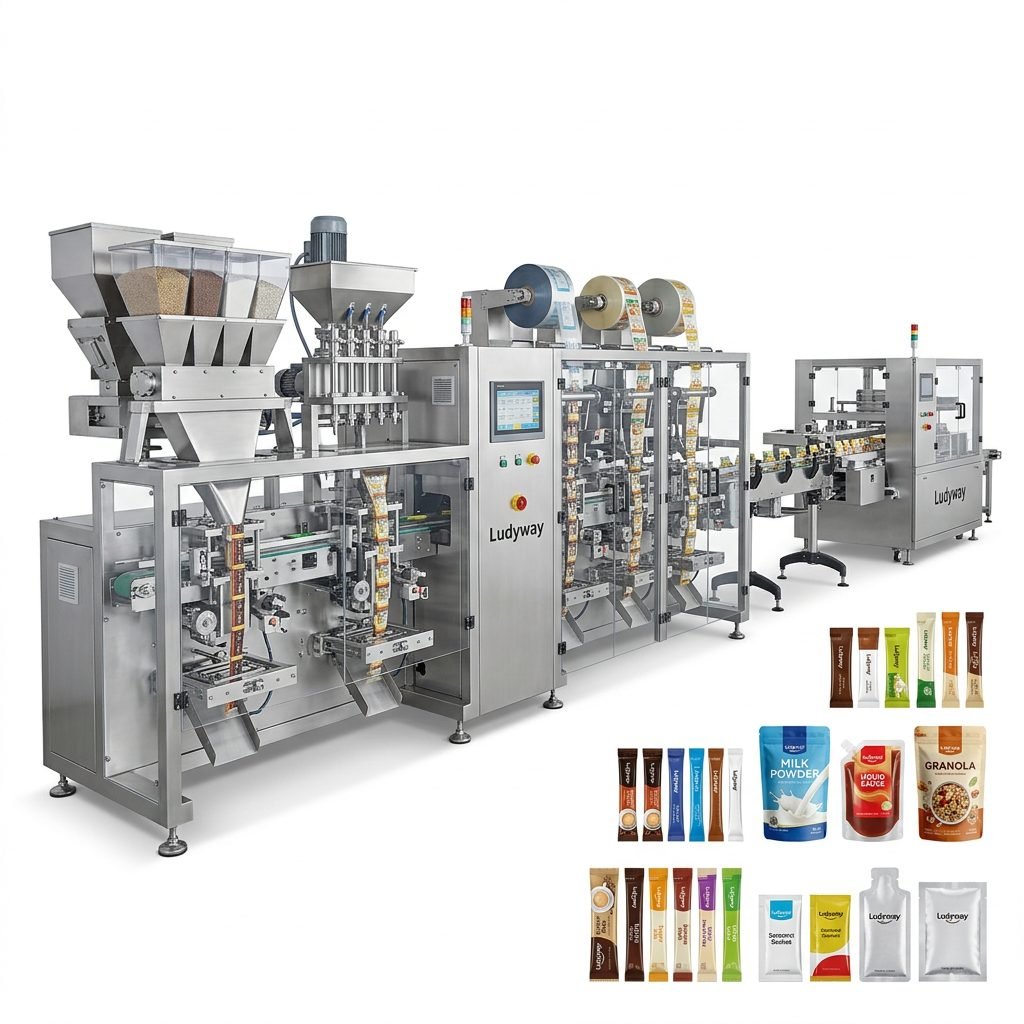
The packaging industry is moving decisively into a new stage of development in 2026, shaped by digital connectivity, automation, and cross-process intelligence. Across food, pharmaceutical, health supplement, cosmetic, and chemical production, manufacturers are no longer investing only in faster machines. They are building smart collaborative production systems that connect equipment, people, data, and quality control into one synchronized operation.
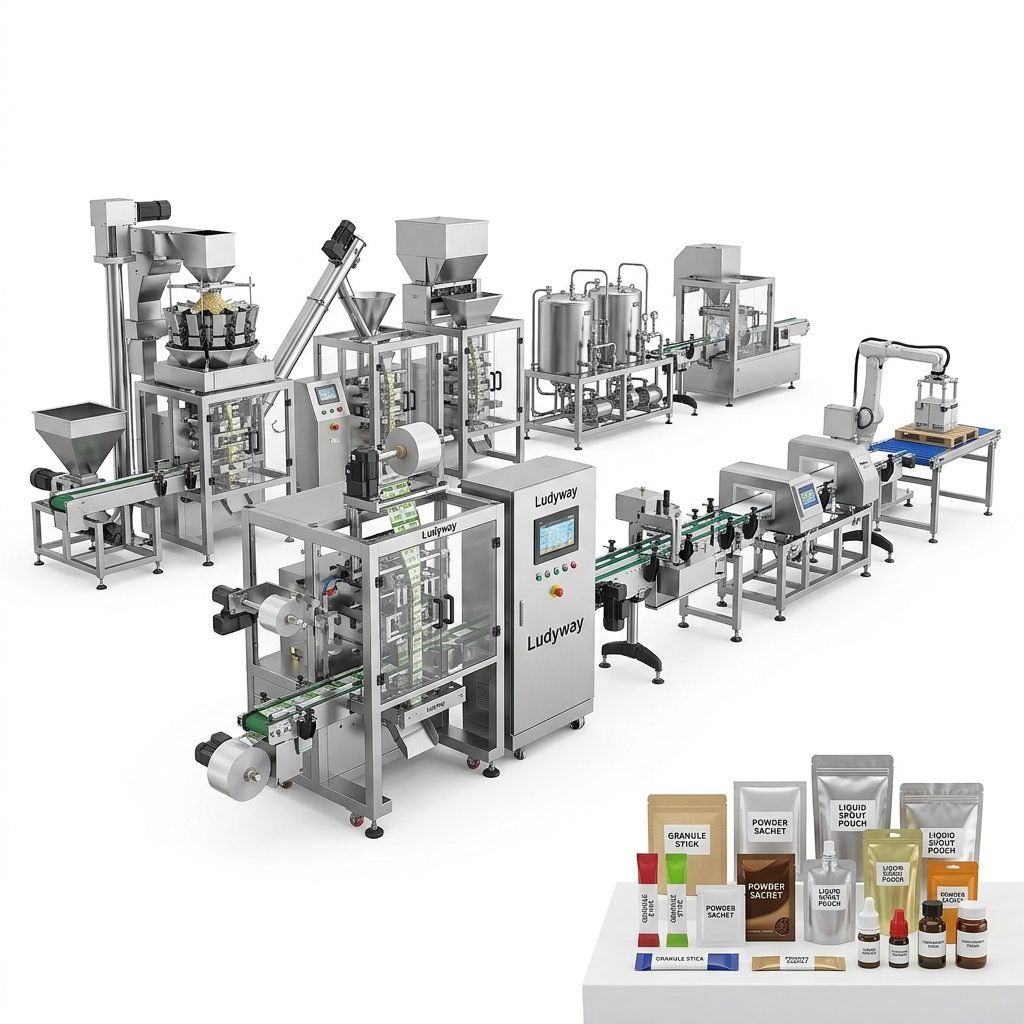
This shift is being driven by several parallel pressures: rising labor costs, stricter compliance standards, demand for faster product changeovers, and the need for higher output stability. As a result, packaging factories are increasingly adopting integrated lines where filling, sealing, coding, inspection, cartoning, conveying, palletizing, and traceability systems work together through coordinated control logic rather than as isolated units.
Why 2026 Is a Turning Point for Packaging Production
Over the past few years, automation has become common in many packaging facilities. What makes 2026 different is the speed at which manufacturers are moving from standalone automation to collaborative automation. Instead of optimizing only one machine, companies are now optimizing the entire packaging workflow.
- Production scheduling is becoming more data-driven.
- Filling accuracy and sealing consistency are being monitored in real time.
- Inspection equipment is increasingly linked to rejection and feedback systems.
- Packaging lines are being designed for faster format changes and multi-SKU production.
- Remote diagnostics and predictive maintenance are reducing downtime risk.
For industries such as pharmaceuticals and nutraceuticals, this transition also supports traceability, batch reliability, and stricter documentation requirements. In food and daily chemical sectors, the biggest gains are often seen in speed, labor efficiency, and packaging uniformity.
What Smart Collaborative Production Really Means
Smart collaborative production is not just about installing a touchscreen or adding a sensor package. It refers to a production environment where multiple packaging processes exchange information and respond together. If one section changes output, the upstream and downstream equipment can adjust with minimal interruption.
Core characteristics of collaborative packaging lines
- Interconnected machines that share operating status and production signals.
- Unified control architecture for line-level coordination.
- Real-time quality feedback from weighing, coding, sealing, and inspection systems.
- Flexible modular design for future upgrades and new product formats.
- Human-machine collaboration that reduces manual handling while keeping operators in control.
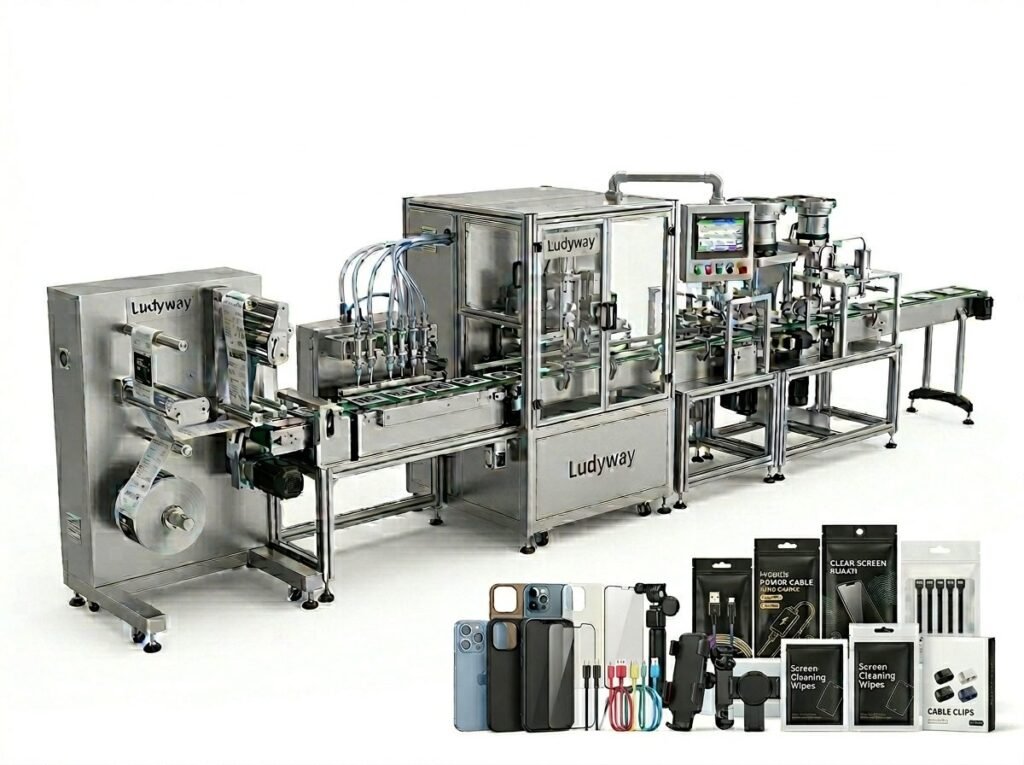
This model is especially relevant for sachet, stick pack, pouch, bottle, and cartoning applications where synchronization directly affects output performance. In many modern facilities, the line is expected to handle granules, powders, liquids, or pastes with minimal conversion time and with more stable product presentation.
Key Technologies Accelerating the 2026 Transition
| Technology | Industry Impact | Main Benefit |
|---|---|---|
| PLC and HMI integration | Line-wide synchronization | Better coordination and easier control |
| Vision inspection systems | Seal, code, label, and appearance verification | Reduced defect escape |
| Checkweighers and reject systems | Weight consistency control | Higher compliance and product accuracy |
| Industrial IoT connectivity | Data collection and remote service | Faster troubleshooting and analytics |
| Robotic end-of-line systems | Cartoning, case packing, palletizing | Labor reduction and output stability |
| Modular multi-lane packaging platforms | High-speed small-format packaging | Scalability and faster SKU changeover |
Sector-by-Sector Momentum
Food packaging
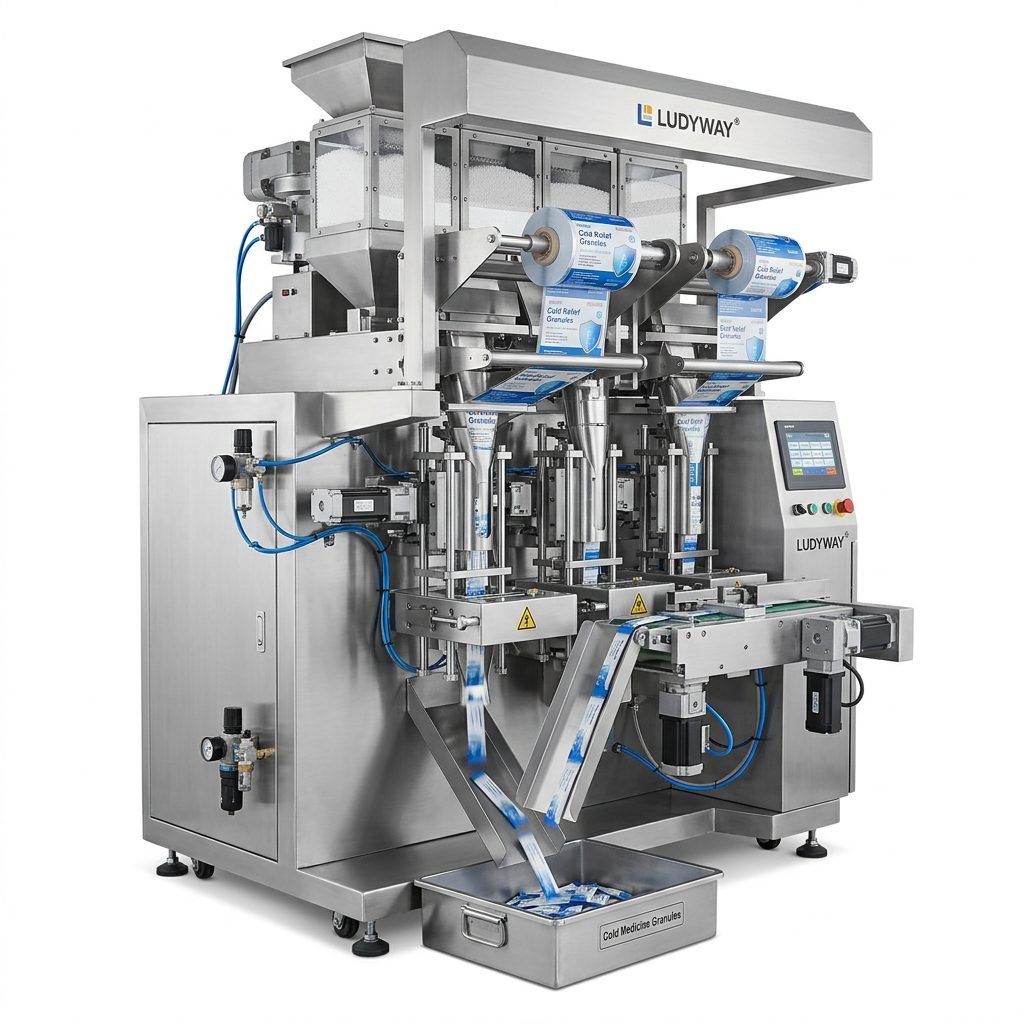
Food manufacturers are accelerating investment in intelligent packaging lines for seasonings, beverage powders, coffee, snacks, sauces, frozen products, and nutritional foods. The biggest operational targets are hygienic design, packaging speed, accurate filling, and line continuity. Multi-lane systems are particularly attractive for brands that require high-volume sachet and stick pack production.
Pharmaceutical and health supplement packaging
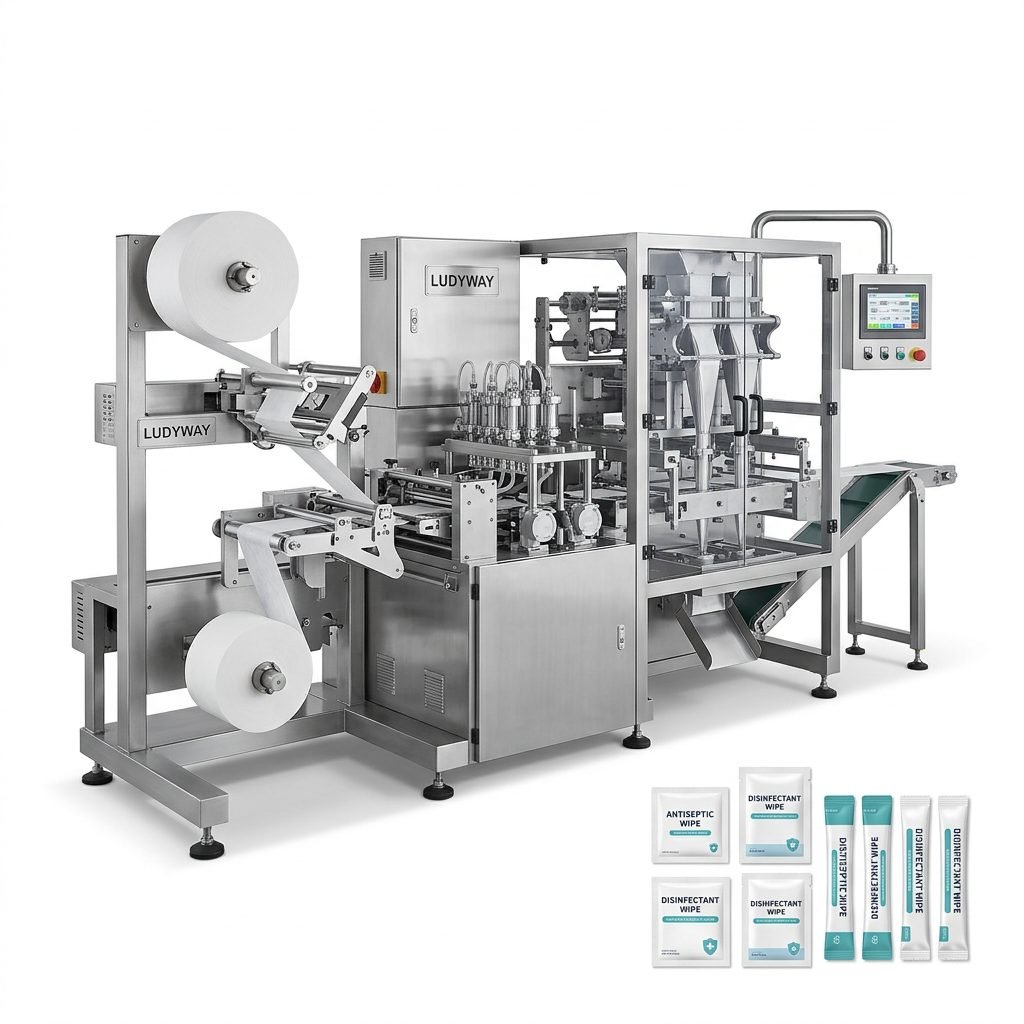
In regulated sectors, the push toward collaborative production is even stronger. Companies need reliable batch handling, inspection records, coding accuracy, and more controlled material flow. Smart lines help reduce human error while supporting cleaner and more repeatable packaging results for powders, oral liquids, granules, tablets, and medical consumables.
Cosmetic and personal care packaging
Skincare serums, creams, lotions, shampoo sachets, and trial-size products are benefiting from automation platforms that support both flexibility and product appearance consistency. In this segment, packaging is not only functional but also brand-sensitive, making precision and repeatability especially valuable.
Chemical and industrial packaging
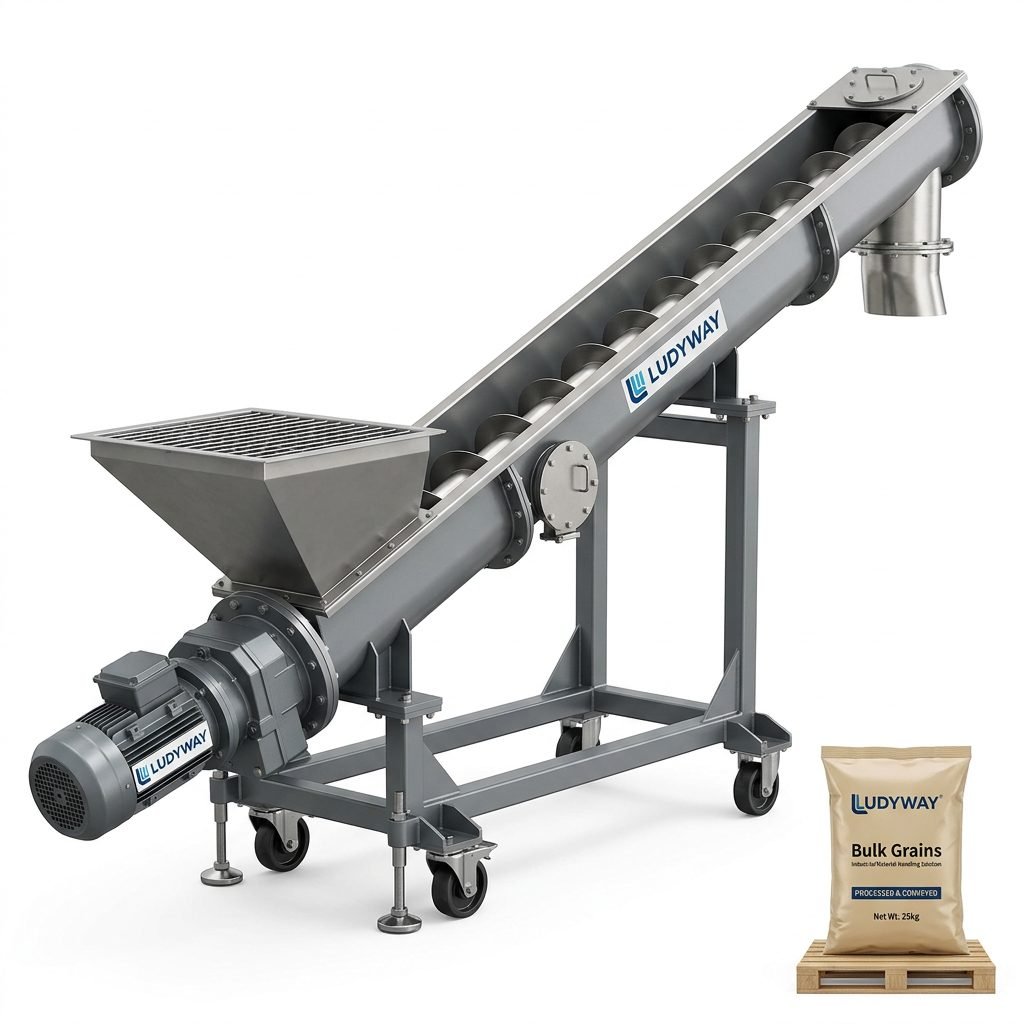
For chemicals, detergents, additives, and industrial powders, manufacturers are upgrading to safer, cleaner, and more contained packaging environments. Smart collaborative systems help control dust, improve dosing precision, and support more stable bulk or small-format filling operations.
What Buyers Are Looking for in 2026
Packaging equipment buyers are becoming more strategic. Instead of comparing machines only by speed, they are evaluating a wider set of operational outcomes. The market now favors partners capable of delivering complete production logic, not just isolated hardware.
- Compatibility with existing factory systems
- Turnkey integration capabilities
- Remote support and after-sales responsiveness
- Customization for product format and material behavior
- Reliable export experience and documentation support
- Capacity for line expansion in future phases
This is why more international buyers are turning to experienced manufacturing partners with broad product coverage and engineering depth. Companies such as Ludyway packaging machine manufacturer are drawing attention in the global market because they combine long-term production experience, export capability, and turnkey packaging line expertise across multiple industries.
Market Outlook: Collaboration Becomes the New Standard
Looking ahead, 2026 is expected to be the year when smart packaging lines move from competitive advantage to operational expectation. Manufacturers that adopt connected and flexible systems will be better positioned to handle short runs, frequent SKU changes, compliance pressure, and labor uncertainty. Those relying on disconnected equipment may face growing inefficiencies and slower response to market demand.
| Trend | 2026 Direction |
|---|---|
| Factory investment focus | From single machines to integrated packaging ecosystems |
| Production management | From manual intervention to data-assisted coordination |
| Maintenance approach | From reactive repair to predictive service planning |
| Line design philosophy | From rigid layouts to modular, scalable platforms |
| Quality assurance | From end-point checks to in-line intelligent verification |
Conclusion from the Industry Floor
The packaging industry’s entry into the smart collaborative production era marks a structural change rather than a temporary trend. In 2026, efficiency is no longer defined by machine speed alone. It is defined by how well the entire line communicates, adapts, and performs as one system. For manufacturers aiming to improve output reliability, quality consistency, and long-term scalability, collaborative automation is rapidly becoming the most practical path forward.