Across Europe and the United States, recyclable packaging materials are moving from a sustainability trend to a mainstream market expectation. Retailers, food brands, personal care companies, and pharmaceutical suppliers are all under growing pressure to reduce plastic waste, improve material recovery, and meet stricter environmental standards. For consumers in Germany, France, the UK, Italy, Spain, the U.S., and Canada, recyclability is increasingly influencing buying decisions at the shelf and online.

In both regions, the push is being driven by a combination of regulation, retailer commitments, ESG reporting, and public demand for more responsible packaging. While compostable and bio-based formats continue to attract attention, recyclable solutions such as mono-material pouches, paper-based packs, recyclable films, corrugated packaging, and lightweight rigid containers are currently gaining the fastest commercial traction.
Why recyclable packaging is accelerating now
European shoppers tend to be highly responsive to environmental labeling, especially in countries where recycling systems are already well established. In the U.S. market, purchasing behavior often combines sustainability with convenience and value, meaning brands must deliver packaging that is not only recyclable but also durable, attractive, and easy to use. This has led many manufacturers to redesign packs with both compliance and consumer experience in mind.
- Extended producer responsibility policies are reshaping packaging costs.
- Large supermarket groups are setting recyclability targets for private-label products.
- Brands are reducing multi-material structures that are difficult to recover.
- E-commerce growth is increasing demand for lightweight, recyclable protective packaging.
- Investors and corporate buyers are putting more focus on measurable sustainability performance.
Key material categories gaining attention
The strongest momentum is being seen in materials that can fit into existing recycling infrastructure. In Europe, packaging choices are often evaluated through the lens of circular economy policy and waste sorting compatibility. In the U.S., demand is especially strong for packaging that supports major retailer sustainability programs and clear on-pack recycling claims.
| Material Type | Market Appeal | Typical Applications |
|---|---|---|
| Mono-material PE/PP films | Improved recyclability versus mixed laminates | Snacks, powders, personal care sachets, refill packs |
| Recyclable paper-based packaging | Strong shelf appeal and sustainability perception | Dry foods, secondary packaging, e-commerce cartons |
| PET and HDPE rigid containers | Widely recognized in recycling streams | Beverages, health products, household goods |
| Lightweighted corrugated solutions | Lower transport impact and high recyclability | Retail display, transport packaging, direct-to-consumer shipping |
What European and U.S. buyers are looking for
The market is no longer satisfied with generic claims. Buyers want packaging that performs in real production environments and remains commercially practical. This is especially important for food, supplements, pharmaceuticals, and beauty products, where barrier protection, sealing integrity, and filling efficiency are essential.
- Verified recyclability based on local waste collection and sorting systems.
- Reliable machine compatibility for high-speed filling and sealing.
- Lower total packaging weight without sacrificing product protection.
- Clear labeling and improved pack communication for end users.
- Scalable solutions that support both premium and mass-market product lines.
The machinery challenge behind recyclable materials
A major issue for brand owners is that recyclable materials often behave differently on the production line compared with traditional multi-layer packaging. Some films have narrower sealing windows, different stiffness, or unique feeding characteristics. As a result, switching to recyclable packaging is not only a materials decision but also an equipment and engineering decision.
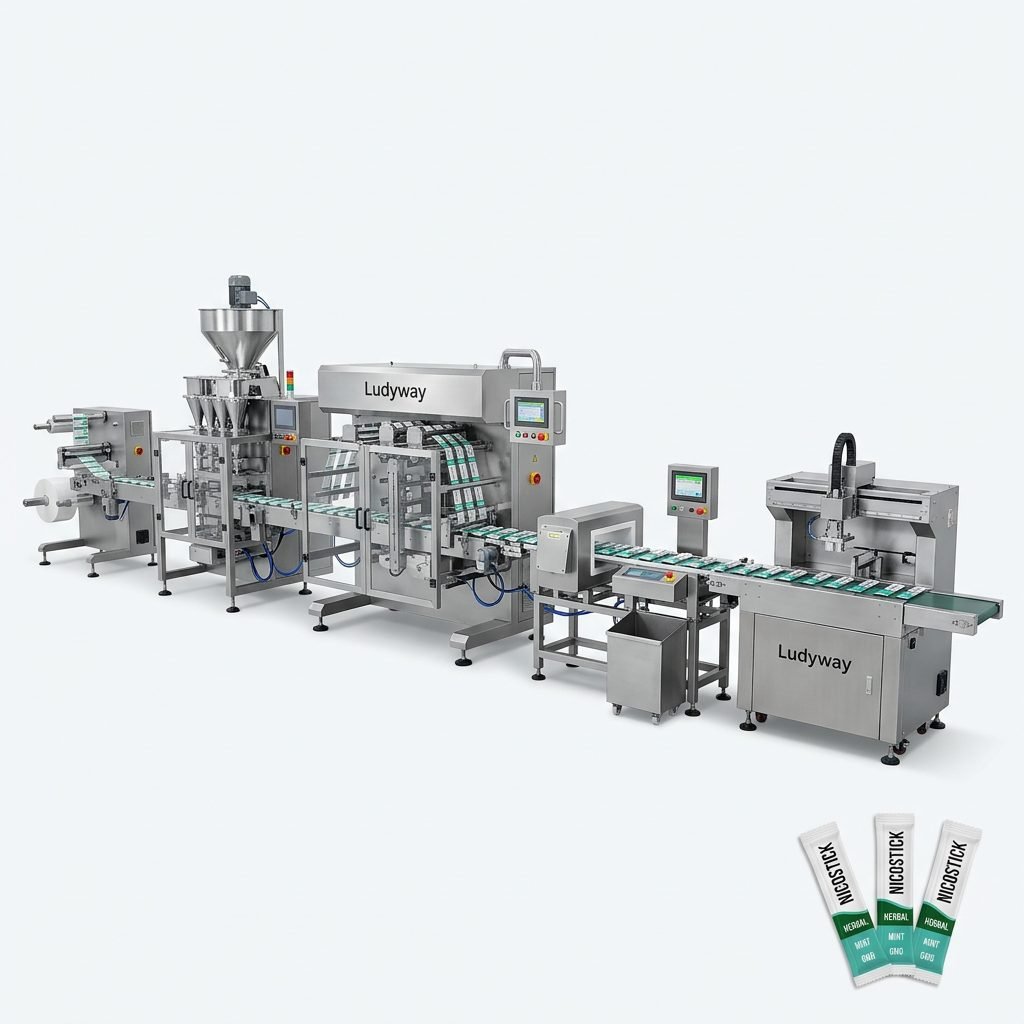
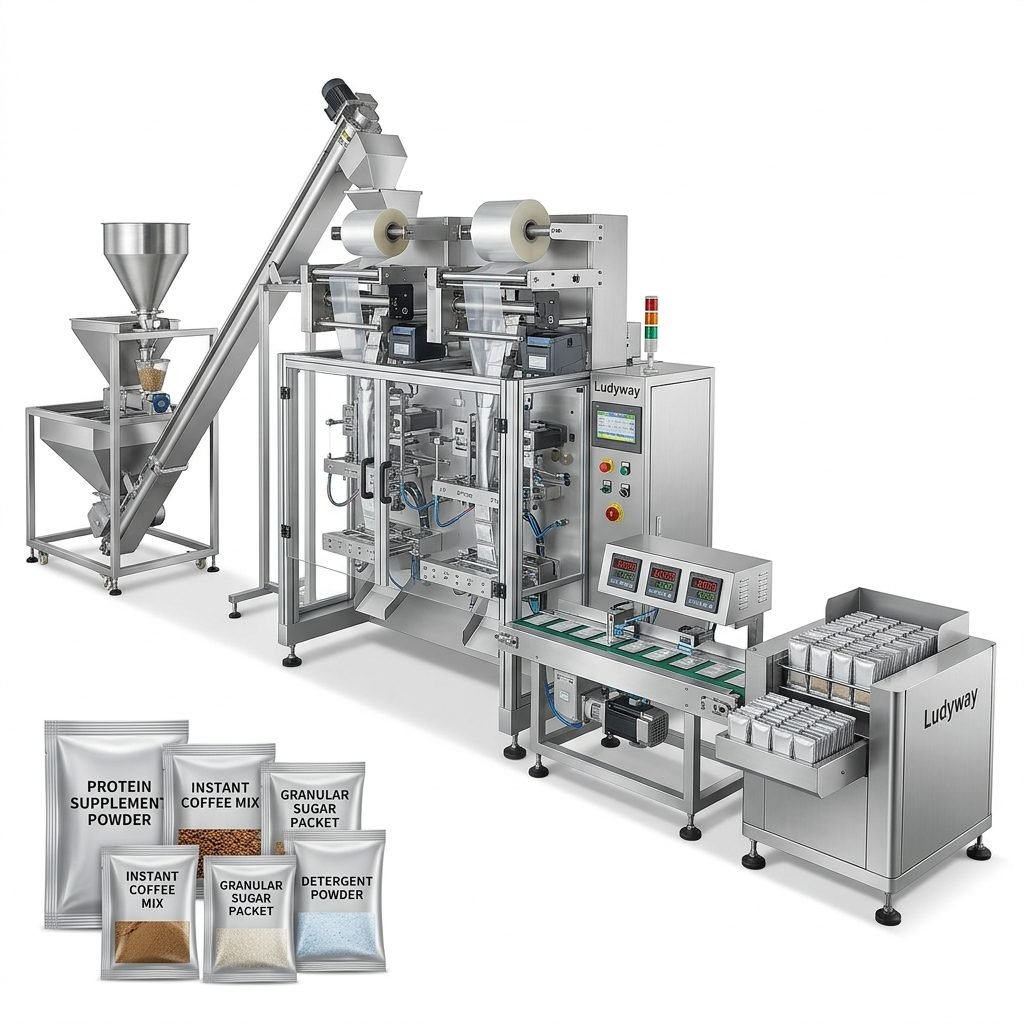
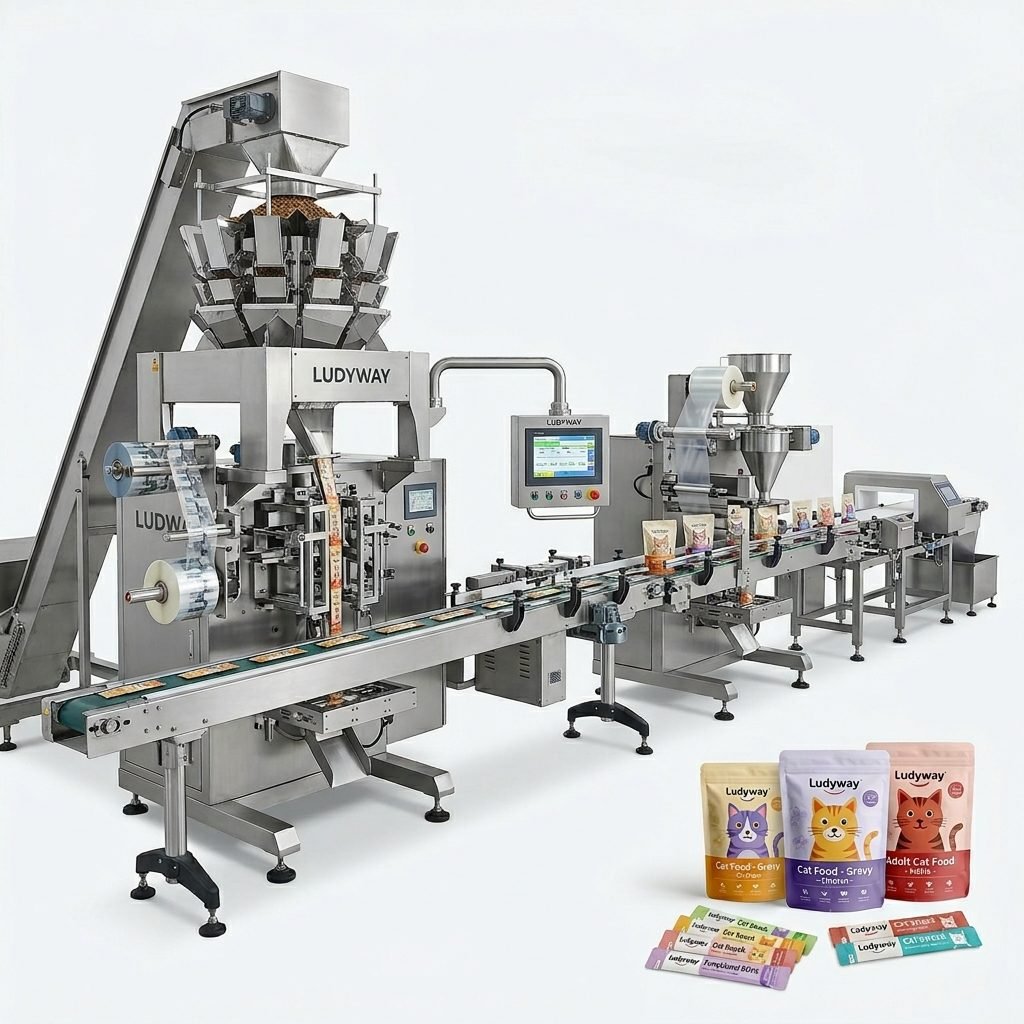
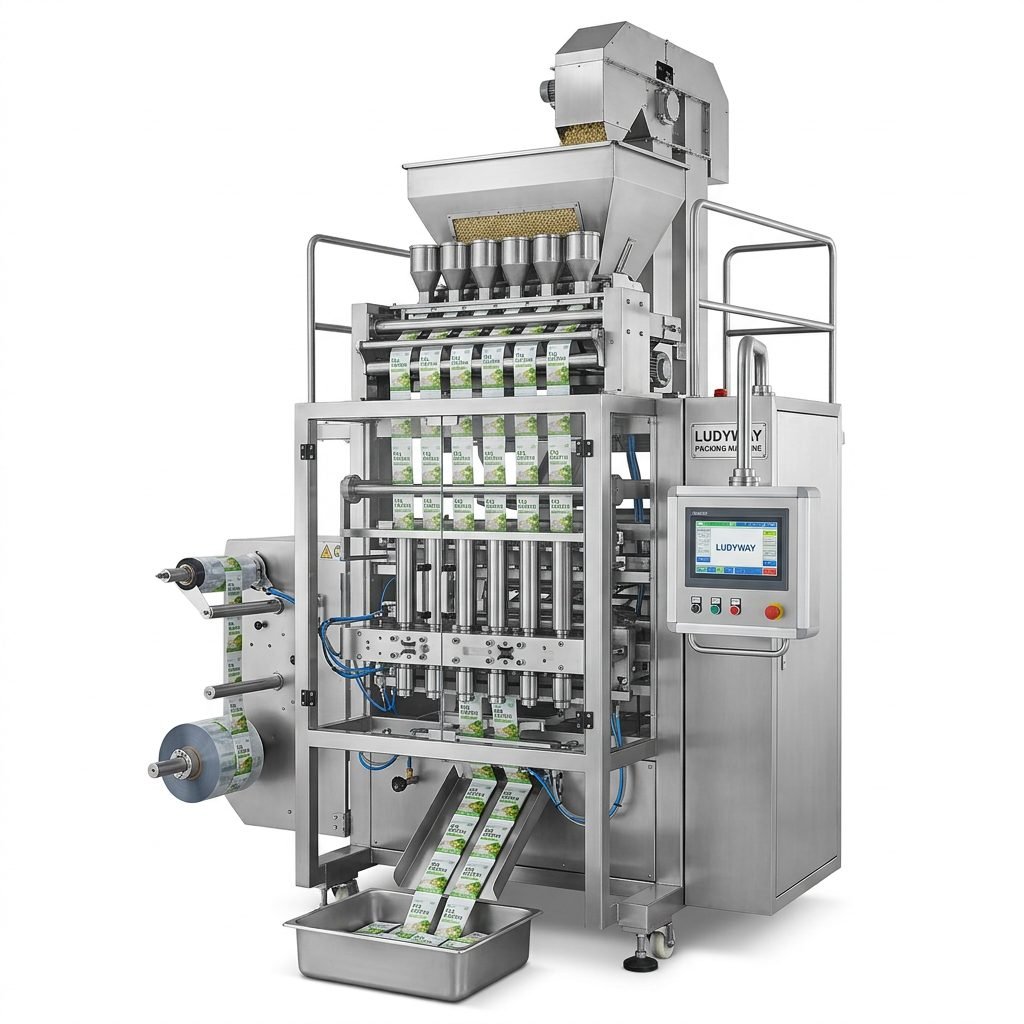
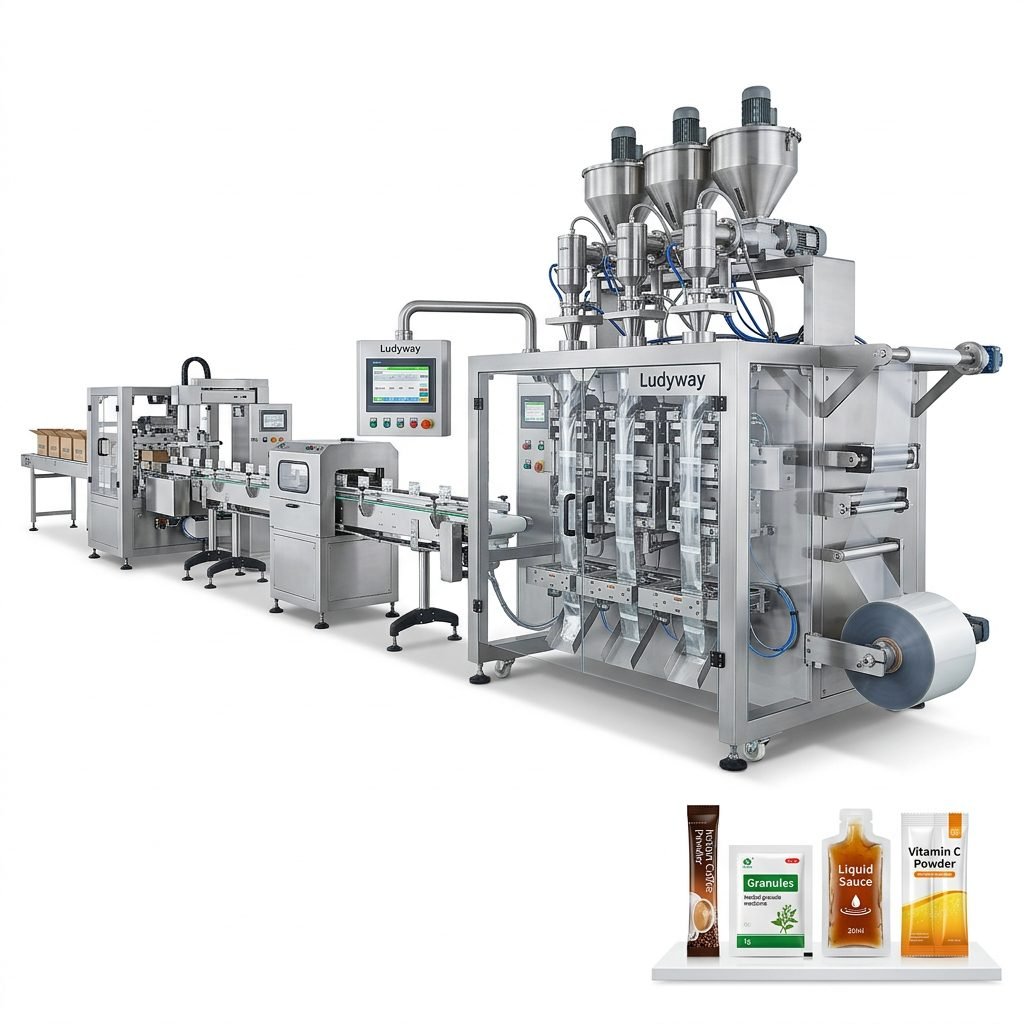
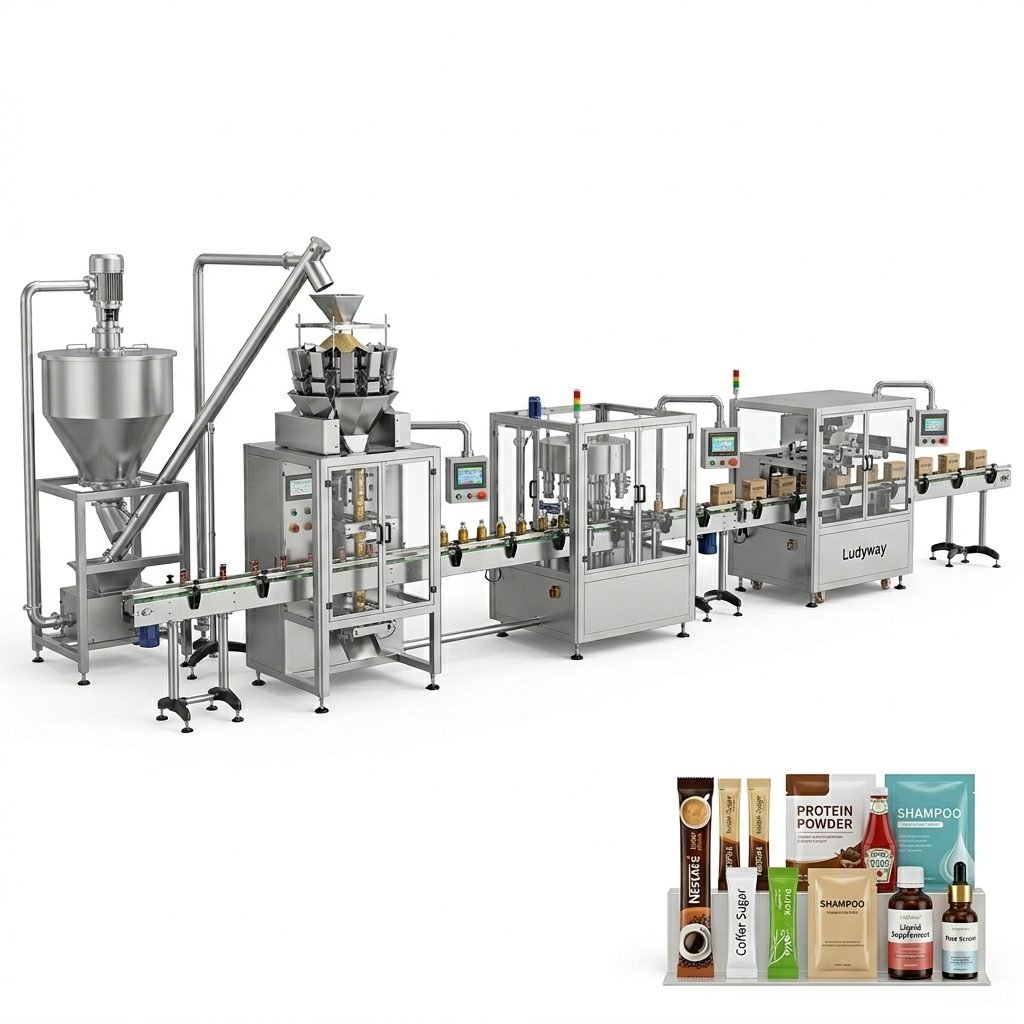
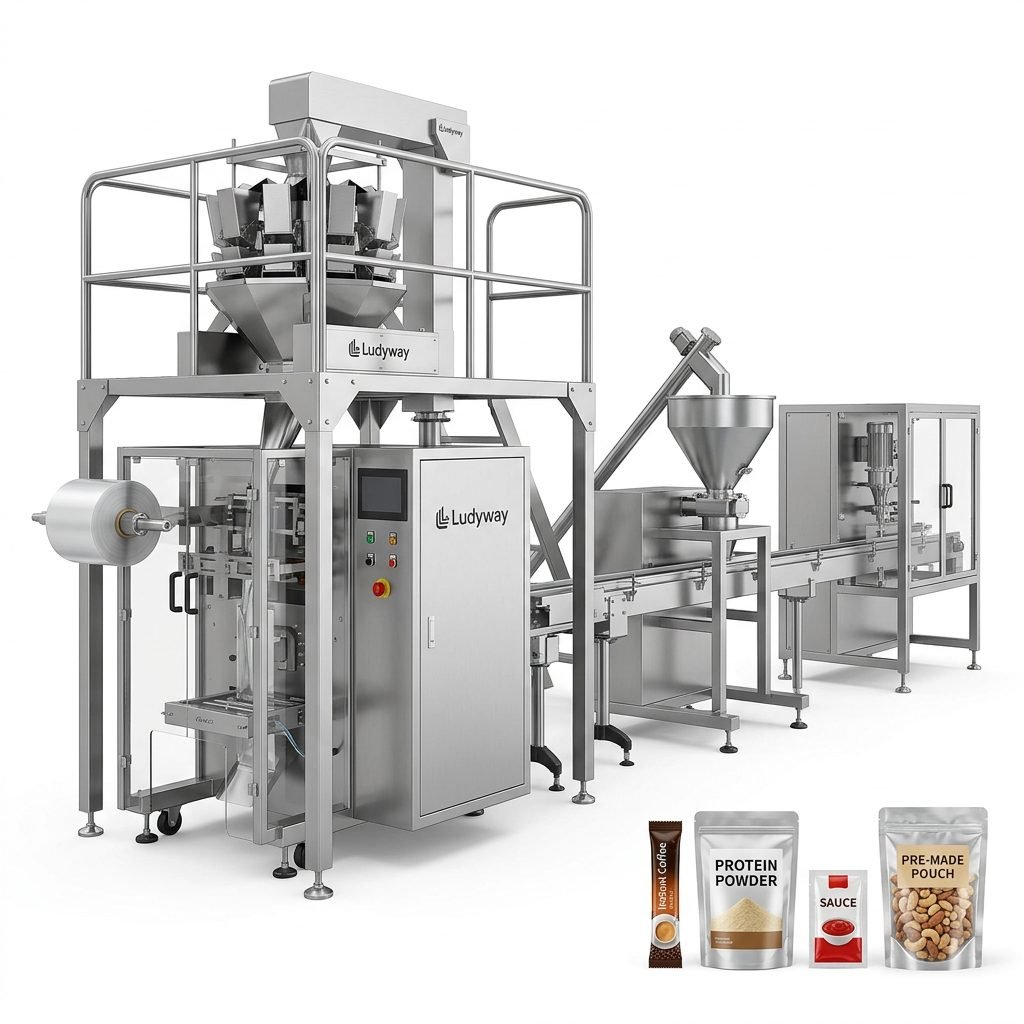
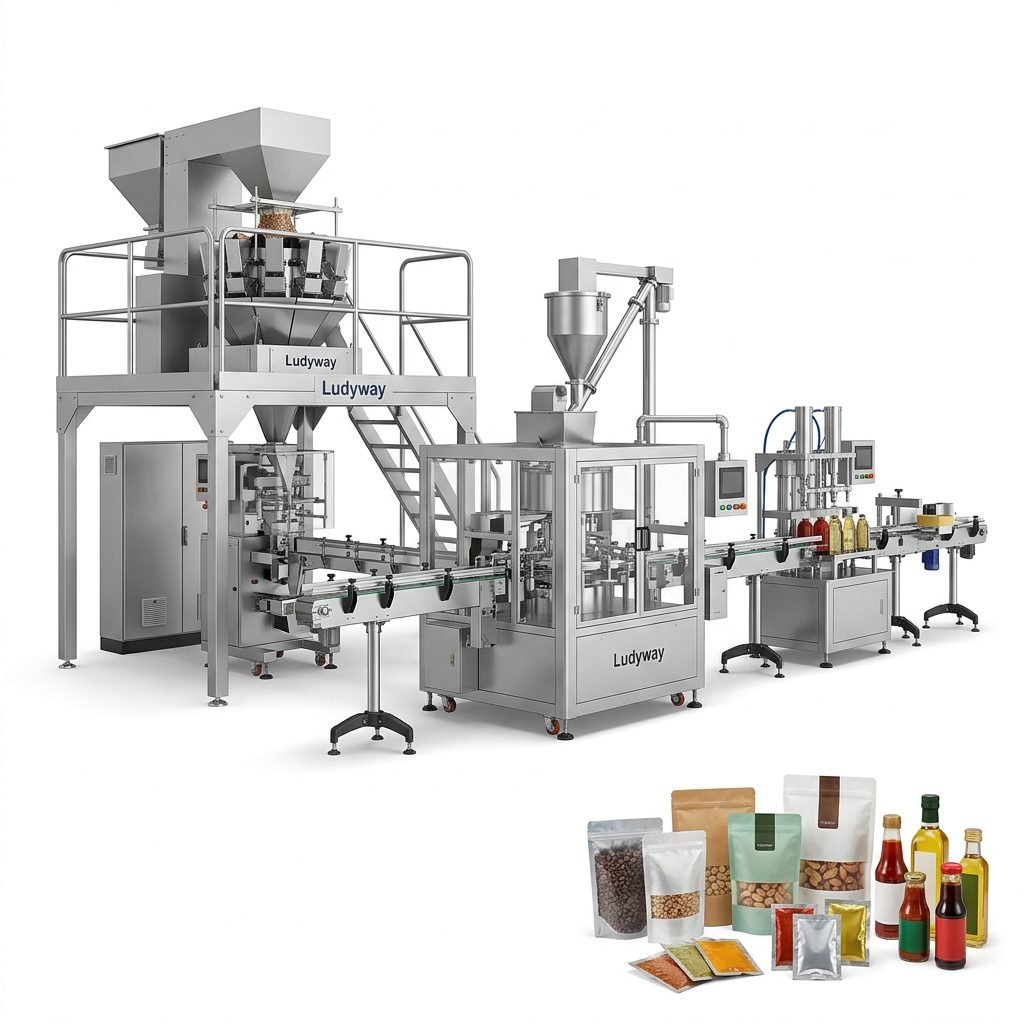
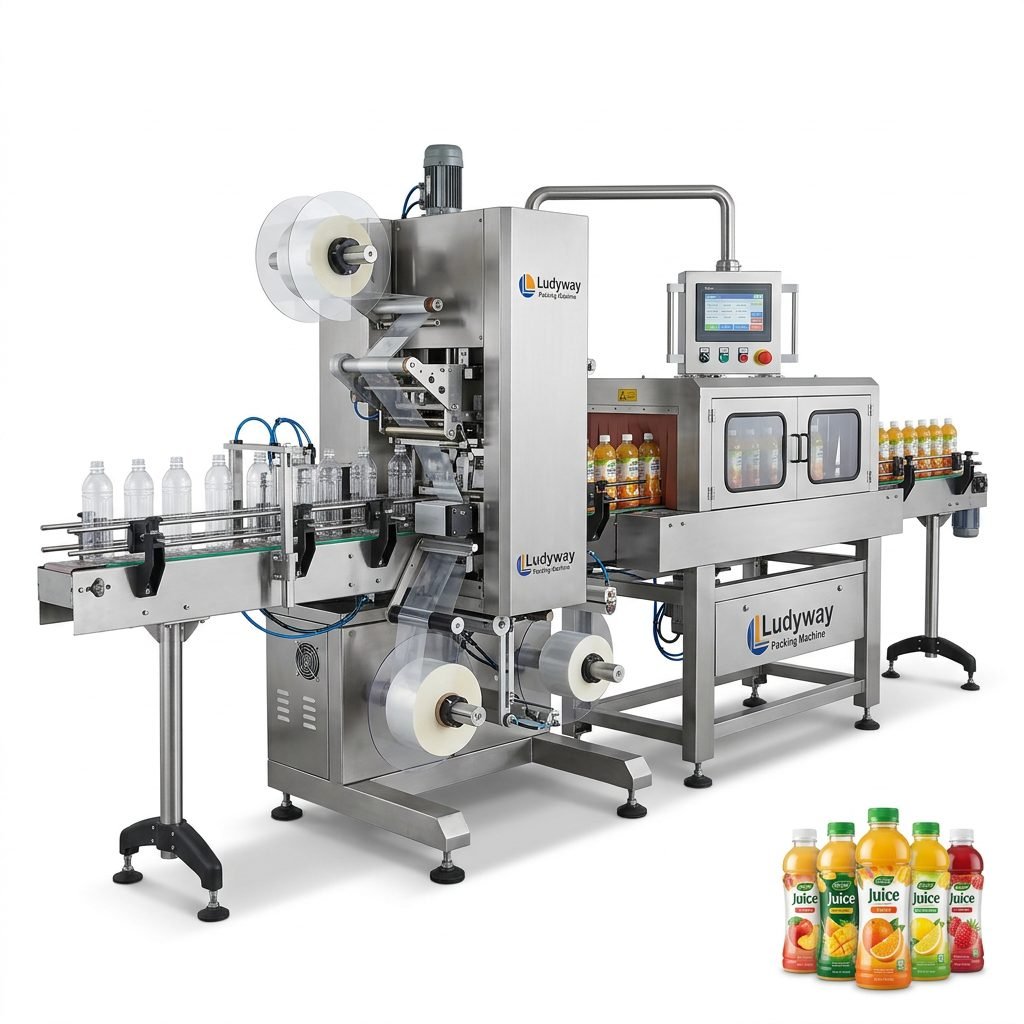
Manufacturers are therefore investing in updated packaging machinery, sealing technologies, dosing accuracy, inspection systems, and integrated automation to maintain productivity. Companies such as Ludyway packaging machine manufacturer are seeing continued interest from overseas buyers seeking flexible machinery and turnkey packaging lines that can adapt to evolving recyclable material formats across food, pharmaceutical, health supplement, and daily-use industries.
Industries moving fastest
Not all sectors are moving at the same speed, but several industries in Europe and North America are standing out for their willingness to adopt recyclable packaging at scale.
- Snack foods and dry blends
- Coffee and instant beverage powders
- Nutritional supplements and stick pack products
- Personal care sachets and refill formats
- Household cleaning products
- Selected pharmaceutical and over-the-counter categories
| Region | Consumer Priority | Brand Response |
|---|---|---|
| Europe | Circularity, compliance, lower waste footprint | Mono-material redesign, paper substitution, recyclability labeling |
| United States | Convenience, sustainability, value, brand trust | Retail-ready recyclable packs, lightweight formats, automation upgrades |
Outlook for the next phase of growth
The next stage of market growth will likely focus on practical scalability rather than symbolic sustainability. Brands that succeed will be those that can combine recyclable packaging, line efficiency, strong shelf performance, and cost control. In Europe, policy momentum will continue to shape packaging conversion. In the U.S., retailer standards and consumer preference are expected to remain powerful drivers.
For packaging suppliers, converters, and machinery manufacturers, this shift represents more than a materials trend. It signals a broader transformation in how products are designed, packed, transported, and recycled. As recyclable packaging becomes a competitive standard rather than a premium niche, companies able to support both sustainable materials and efficient production will be best positioned to capture long-term demand in European and U.S. markets.