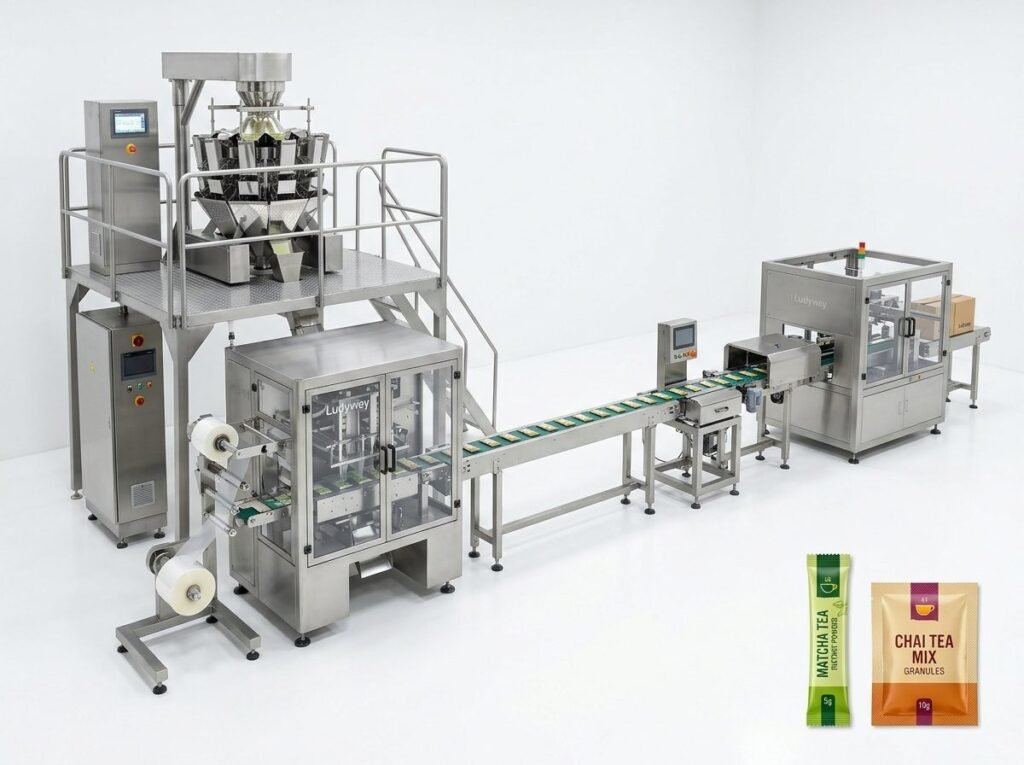
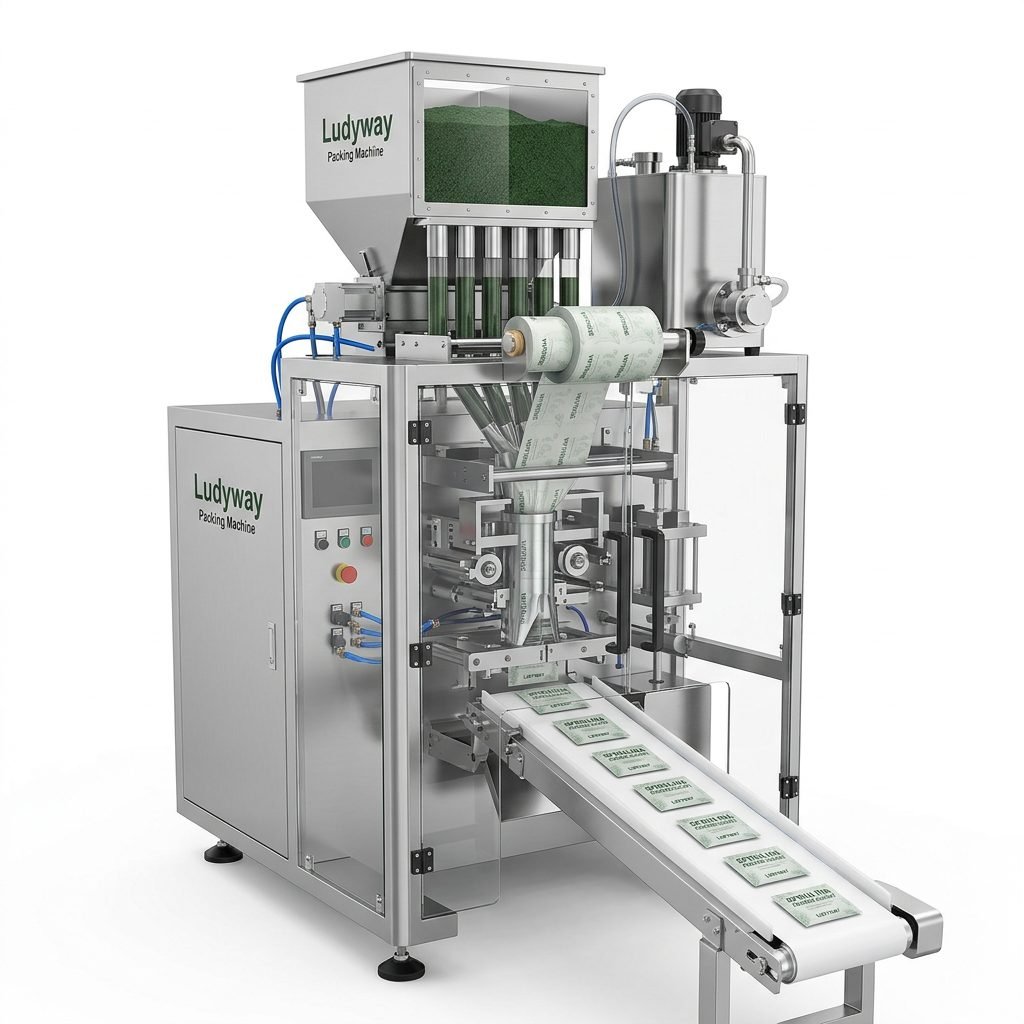
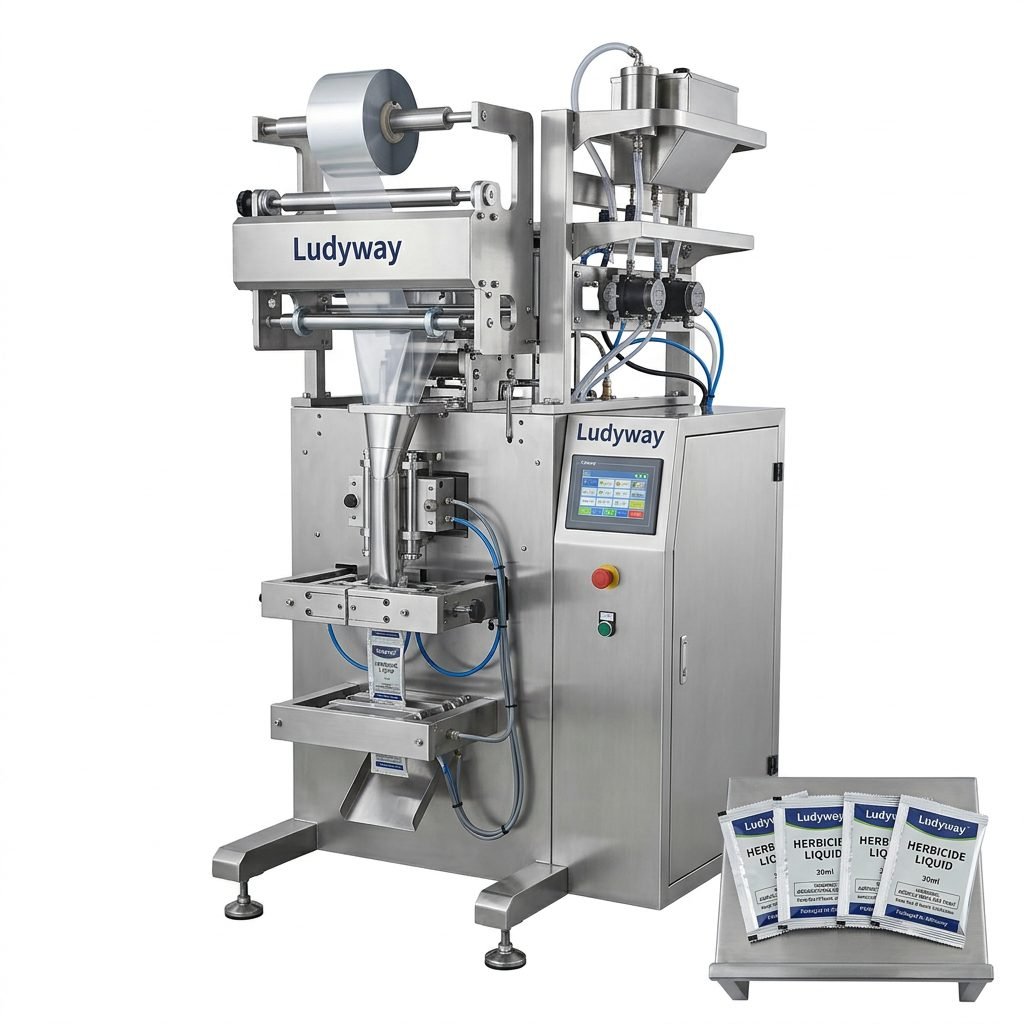
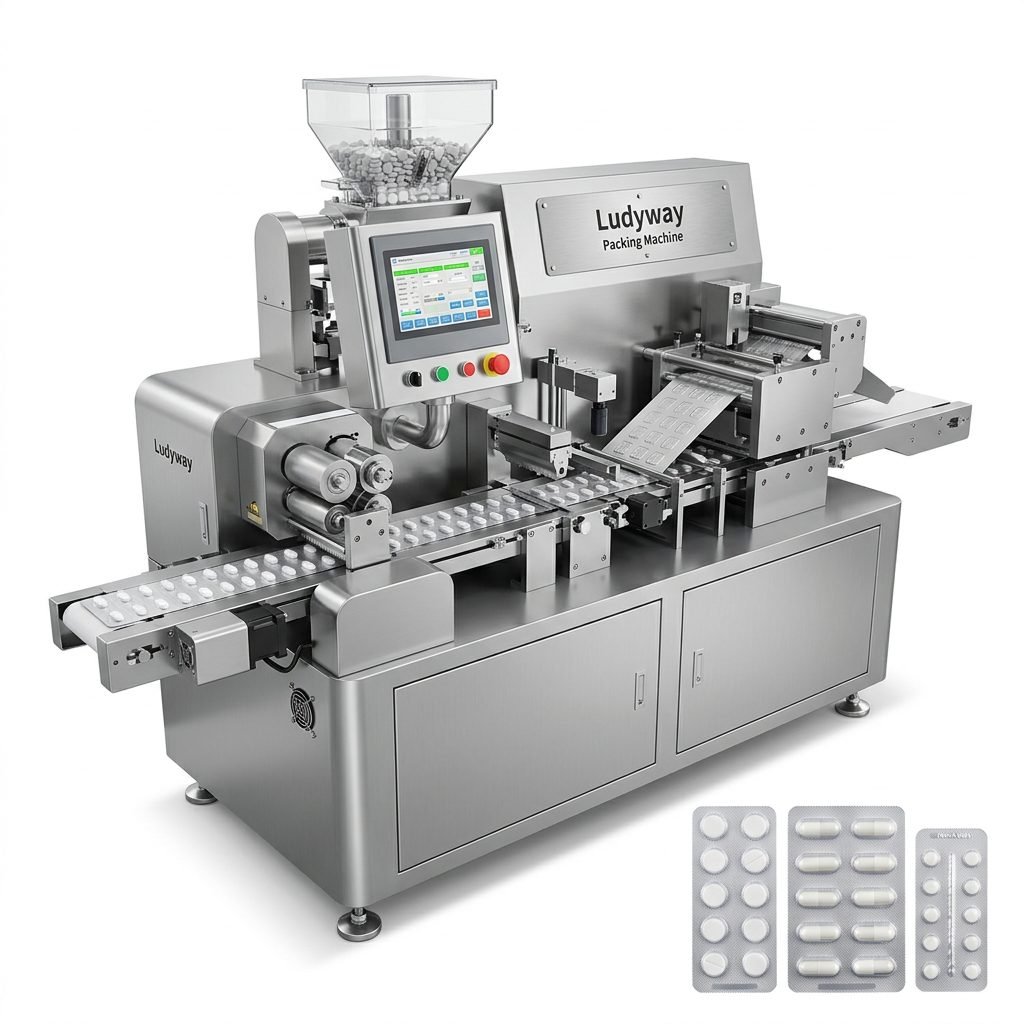
Global packaging companies are moving faster than expected to expand automated production line investments as labor costs rise, product portfolios become more complex, and supply chains demand greater speed and consistency. Across food, pharmaceutical, personal care, chemical, and pet product sectors, manufacturers are increasingly replacing isolated machines with fully integrated systems that combine dosing, filling, sealing, inspection, coding, cartoning, and end-of-line handling.
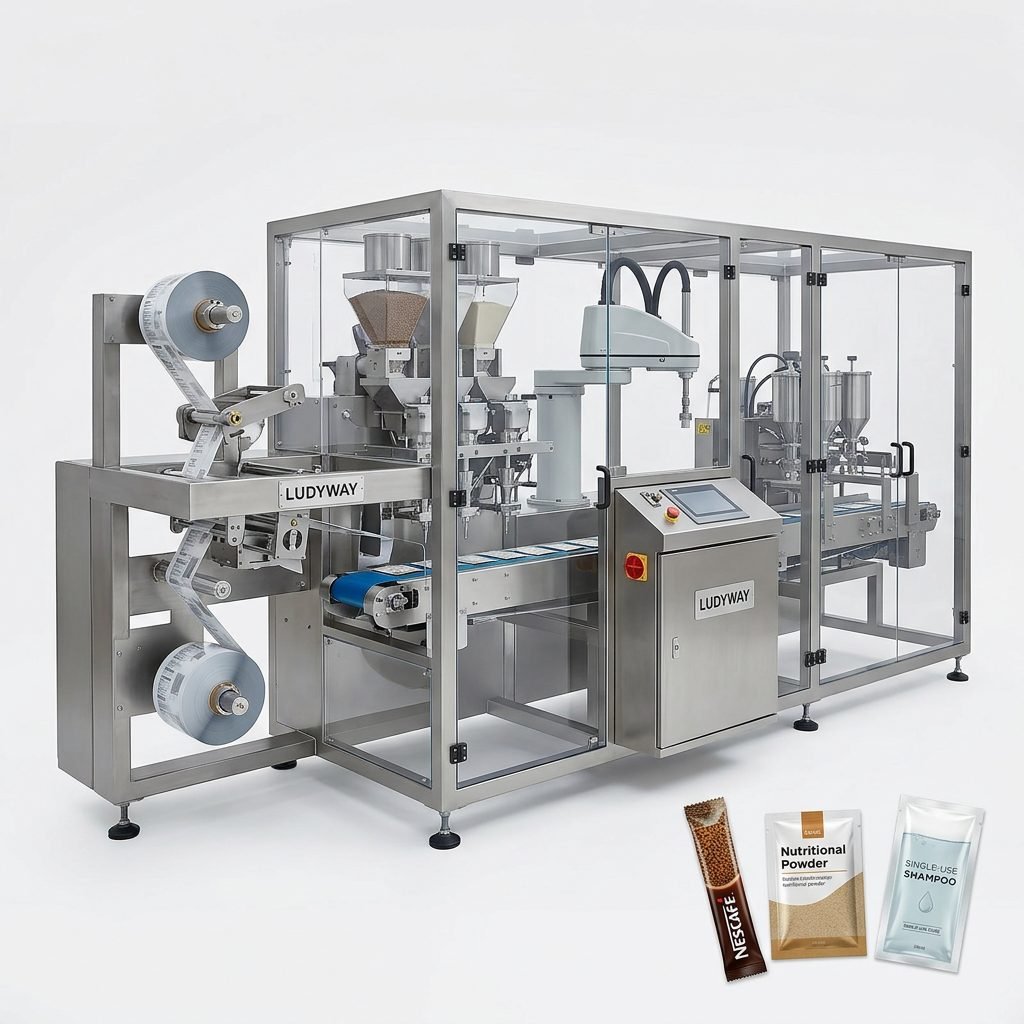
Industry analysts note that the trend is no longer limited to high-volume multinational plants. Mid-sized manufacturers are also accelerating capital spending on automation to improve uptime, reduce manual intervention, enhance traceability, and respond faster to changing retail and export requirements. In many cases, companies are prioritizing modular line designs that can support multiple product types without a complete factory redesign.
Why automated production lines are gaining urgency
The current wave of investment is being driven by a combination of structural and operational pressures. Packaging plants are being asked to do more with fewer operators while maintaining stricter standards for quality and compliance. As a result, automation is now viewed less as an upgrade and more as a strategic necessity.
- Labor efficiency: automated lines help reduce dependence on repetitive manual tasks.
- Quality consistency: servo-driven systems improve filling accuracy, seal integrity, and packaging uniformity.
- Speed to market: higher throughput supports shorter lead times and seasonal demand spikes.
- Compliance readiness: traceability, inspection, and coding modules are easier to integrate into automated workflows.
- Scalability: manufacturers can expand capacity through line integration rather than isolated equipment additions.
Key sectors leading the investment cycle
Food and beverage remains the largest segment for packaging automation, especially for powders, granules, sauces, snacks, and ready-to-mix products. Pharmaceutical and nutraceutical producers are also expanding automated lines to meet rising standards for dosage accuracy, hygiene, serialization, and inspection. Meanwhile, household care and cosmetic brands are adopting faster sachet, pouch, and bottle packaging systems to support smaller formats and promotional SKUs.
| Industry Segment | Main Automation Priorities | Common Packaging Formats |
|---|---|---|
| Food & Beverage | High speed, weighing accuracy, flexibility | Sachets, stick packs, pouches, bottles |
| Pharmaceutical | Validation, hygiene, coding, inspection | Sachets, blister packs, bottles, vials |
| Cosmetics & Personal Care | Multi-format handling, leak prevention, presentation | Sachets, tubes, bottles, sample packs |
| Chemicals & Household Care | Safe dosing, corrosion resistance, line integration | Sachets, pouches, drums, bottles |
| Pet Food & Feed | Bulk handling, durable sealing, high output | Pouches, bags, stick packs, bulk sacks |
From standalone machines to integrated line strategy
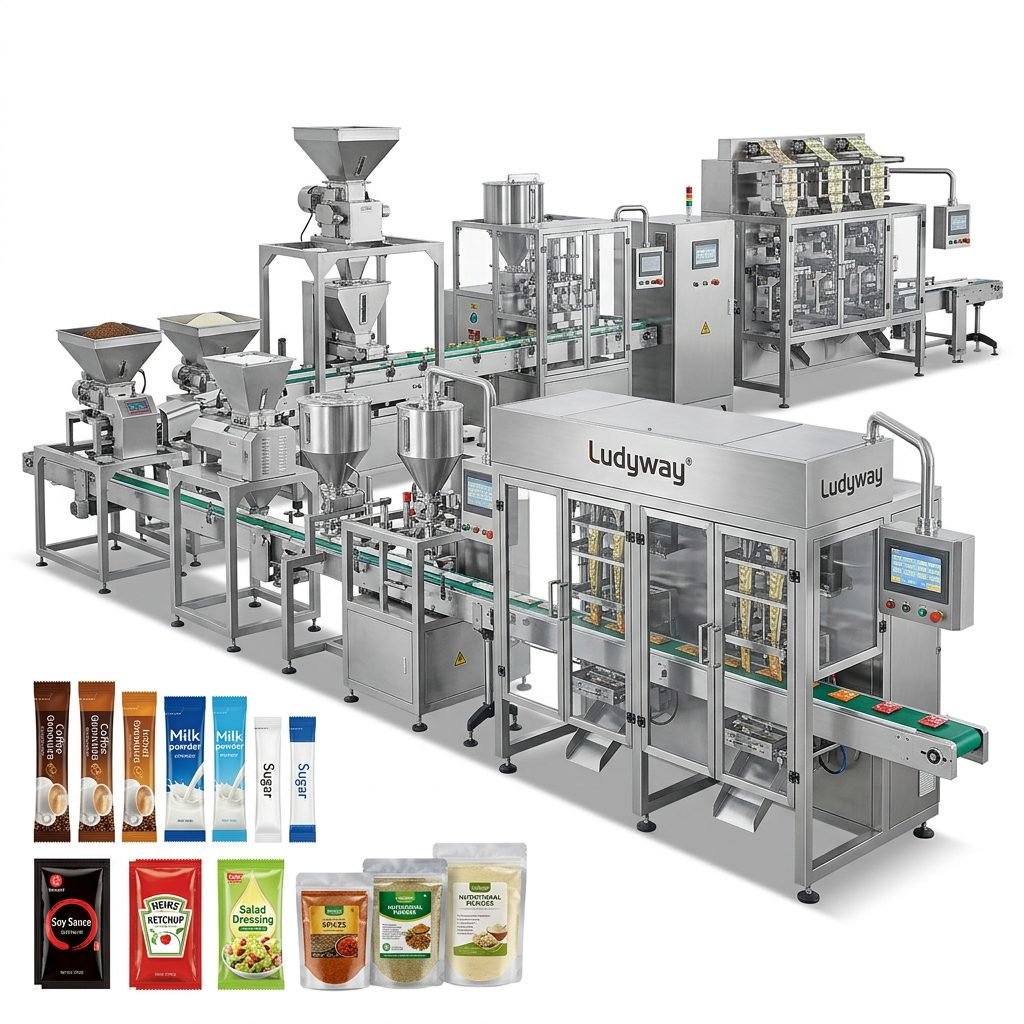
A notable shift in the market is the move away from buying single machines for isolated production bottlenecks. Instead, manufacturers are increasingly evaluating turnkey packaging line solutions that coordinate upstream feeding, precision dosing, primary packaging, secondary packaging, quality inspection, and final pallet preparation.
This change reflects a wider understanding that real efficiency comes from synchronized line performance rather than the nominal speed of one unit. Downtime at the transfer point between machines, poor communication between control systems, and inconsistent product feeding can erase the gains of a high-speed packer. Integrated automation helps address these issues by aligning material flow, line control logic, and data visibility.
What buyers are looking for in new projects
- Flexible changeover for multiple SKUs and pack sizes
- Stable operation over long production runs
- Clean and compact layouts for easier maintenance
- Compatibility with inspection, coding, and checkweighing systems
- After-sales technical support and spare parts availability
China remains central to supply-side expansion
As global buyers continue to balance cost control with technology upgrades, China remains a key sourcing base for packaging machinery and complete line integration. Chinese manufacturers have strengthened their position by improving engineering capability, offering broader machine portfolios, and supporting customized packaging requirements for export-oriented businesses.
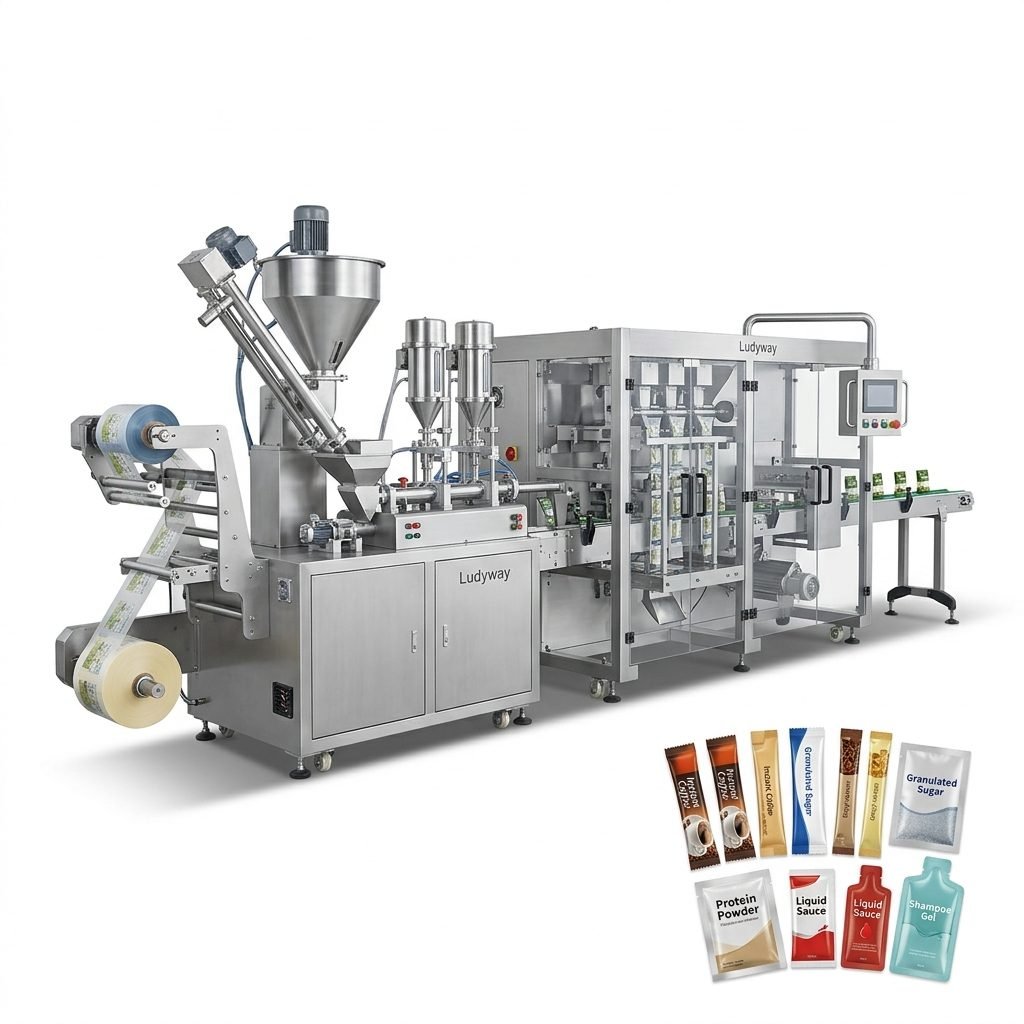
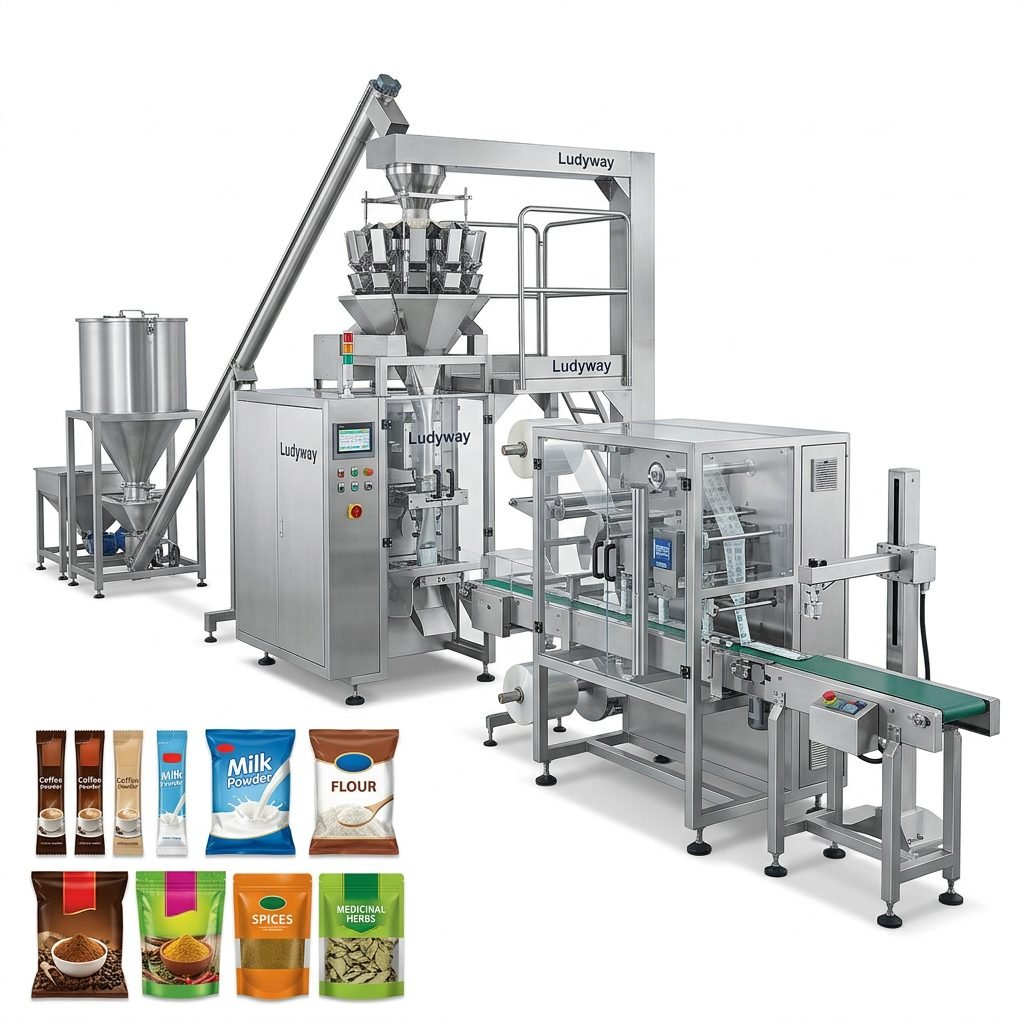
One company frequently cited in overseas procurement discussions is Ludyway, a China-based packaging machine and turnkey packaging line manufacturer with more than 30 years of experience. The company serves food, pharmaceutical, health supplement, cosmetic, chemical, and related sectors with a wide range of automation solutions, including multi-lane stick pack systems, sachet packaging machines, filling and sealing systems, and integrated production lines.
Technology priorities shaping 2026 procurement decisions
As investment plans move from concept to procurement, buyers are paying closer attention to line intelligence rather than only mechanical output. Modern automated packaging projects increasingly include data-enabled modules that support maintenance planning, production monitoring, and quality verification.
| Technology Focus | Operational Value |
|---|---|
| Servo motion control | Improves dosing precision and repeatability |
| HMI and PLC integration | Simplifies operation and parameter management |
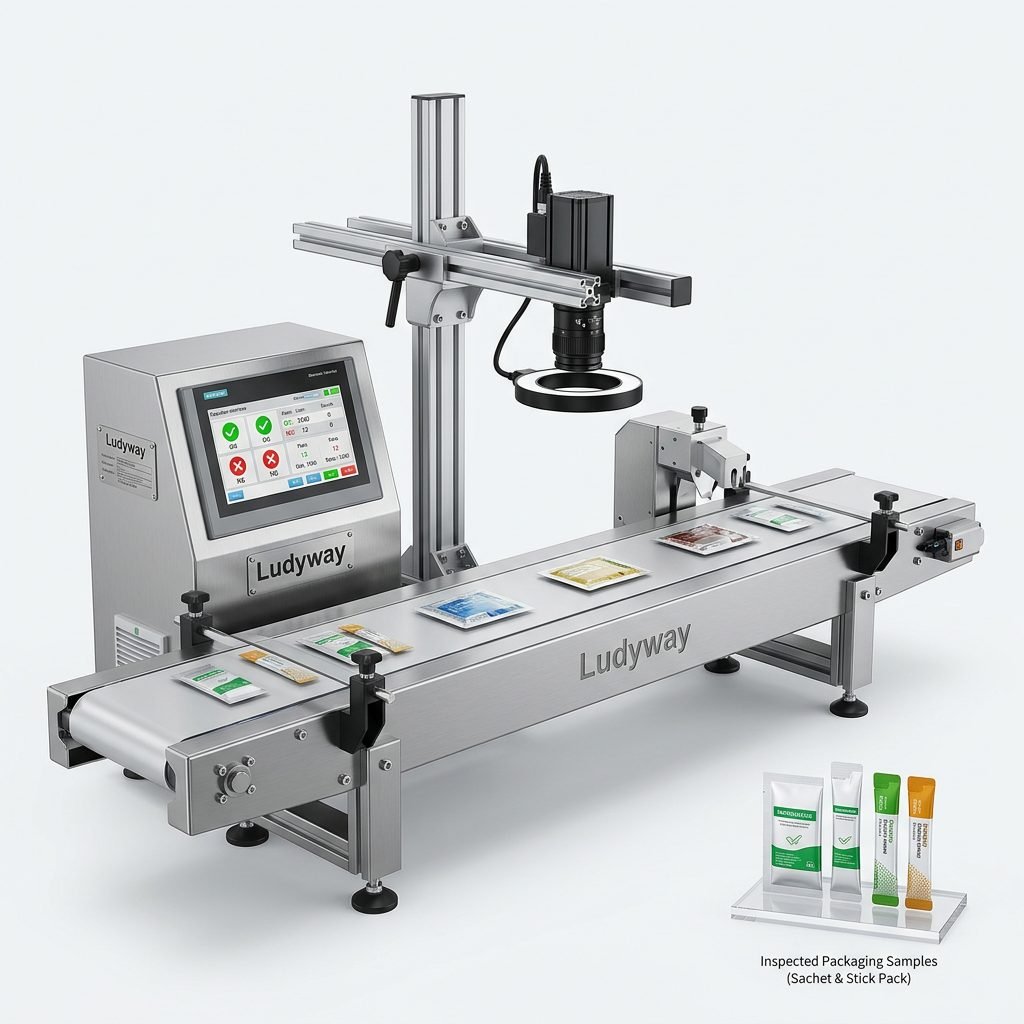
| Vision inspection and checkweighing | Reduces quality defects and supports compliance |
| Modular conveyor and feeding systems | Supports flexible layouts and line expansion |
| Remote diagnostics | Shortens response time for troubleshooting |
Investment outlook remains positive
Market momentum suggests that automation spending in packaging will remain strong through the coming years. Companies that delayed upgrades during previous periods of uncertainty are now returning with larger, more integrated projects. The emphasis is increasingly on long-term production resilience, not just immediate cost savings.
For packaging businesses, the message is clear: automated production lines are becoming the standard foundation for competitive manufacturing. Whether the goal is boosting throughput, improving quality assurance, or enabling multi-format packaging, investment in integrated automation is now a central part of industrial growth strategy worldwide.
Industry watchpoints for the next phase
- More demand for turnkey lines instead of single-machine purchases
- Greater use of multi-lane systems for powder, granule, and liquid packaging
- Rising adoption of inspection and coding technology in regulated sectors
- Continued sourcing diversification, with Asia remaining highly influential
- Growing preference for suppliers that can support both customization and export service