Global consumer goods companies are moving faster to cut single-use plastic packaging, turning sustainability pledges into measurable changes across food, beverage, beauty, household, and healthcare categories. What was once seen as a brand image issue is now firmly tied to regulation, supply chain resilience, retailer expectations, and consumer trust.
Over the past year, more multinational brands have expanded pilot programs for recyclable mono-material packs, lightweight formats, refill systems, paper-based alternatives, and concentrated product packaging. The shift reflects rising pressure from governments, investors, and shoppers who increasingly expect visible progress rather than long-term promises.
Why the packaging transition is accelerating
The reduction of single-use plastic is no longer driven by environmental campaigns alone. Several structural forces are pushing the market forward at the same time:
- Regulatory tightening: Extended producer responsibility rules, recycled content targets, and packaging waste directives are becoming stricter in major markets.
- Retailer pressure: Large retailers are asking suppliers to improve recyclability, reduce unnecessary material use, and report packaging data more clearly.
- Consumer behavior: Shoppers are paying closer attention to labels such as recyclable, refillable, and reduced plastic, especially in daily-use categories.
- Cost and logistics efficiency: Lightweight packs and concentrated product formats can cut transportation and storage costs.
- Brand competitiveness: Sustainability performance increasingly influences purchasing decisions, especially among younger consumers.
For global brands, the challenge is not simply replacing plastic with another material. The real task is balancing product protection, shelf life, machinability, recyclability, and cost without disrupting large-volume production.
Where brands are making the biggest changes
Progress is most visible in high-turnover categories where packaging volumes are enormous and consumer scrutiny is high. Food and beverage companies are redesigning sachets, pouches, wraps, and overpacks. Personal care brands are introducing refill pouches and reducing virgin resin use. Household product companies are rolling out concentrates and smaller-dose formats to lower packaging intensity per use.
| Sector | Key Packaging Shift | Primary Goal |
|---|---|---|
| Food & Beverage | Mono-material pouches, lightweight films, paper-plastic reduction | Improve recyclability and reduce material consumption |
| Beauty & Personal Care | Refill packs, smaller caps, recycled-content containers | Lower virgin plastic use and support repeat purchase models |
| Home Care | Concentrates, flexible refill formats, pouch redesign | Reduce transport emissions and packaging waste |
| Pharmaceutical & Health | Targeted material optimization where compliance allows | Maintain safety while improving packaging efficiency |
Flexible packaging remains a critical battleground
Rigid packaging often receives the most public attention, but flexible packaging remains one of the most complex areas in the transition away from single-use plastic. Sachets, stick packs, multilayer pouches, and small-format convenience packs are widely used because they deliver barrier protection, accurate portioning, and fast filling speeds.
However, these formats are also difficult to redesign. Many legacy structures rely on mixed materials that perform well on high-speed lines but are harder to recycle. As a result, packaging teams are investing in new film structures, sealing technologies, and line adjustments that can support more sustainable materials without compromising output.
Technology is becoming the enabler, not the obstacle
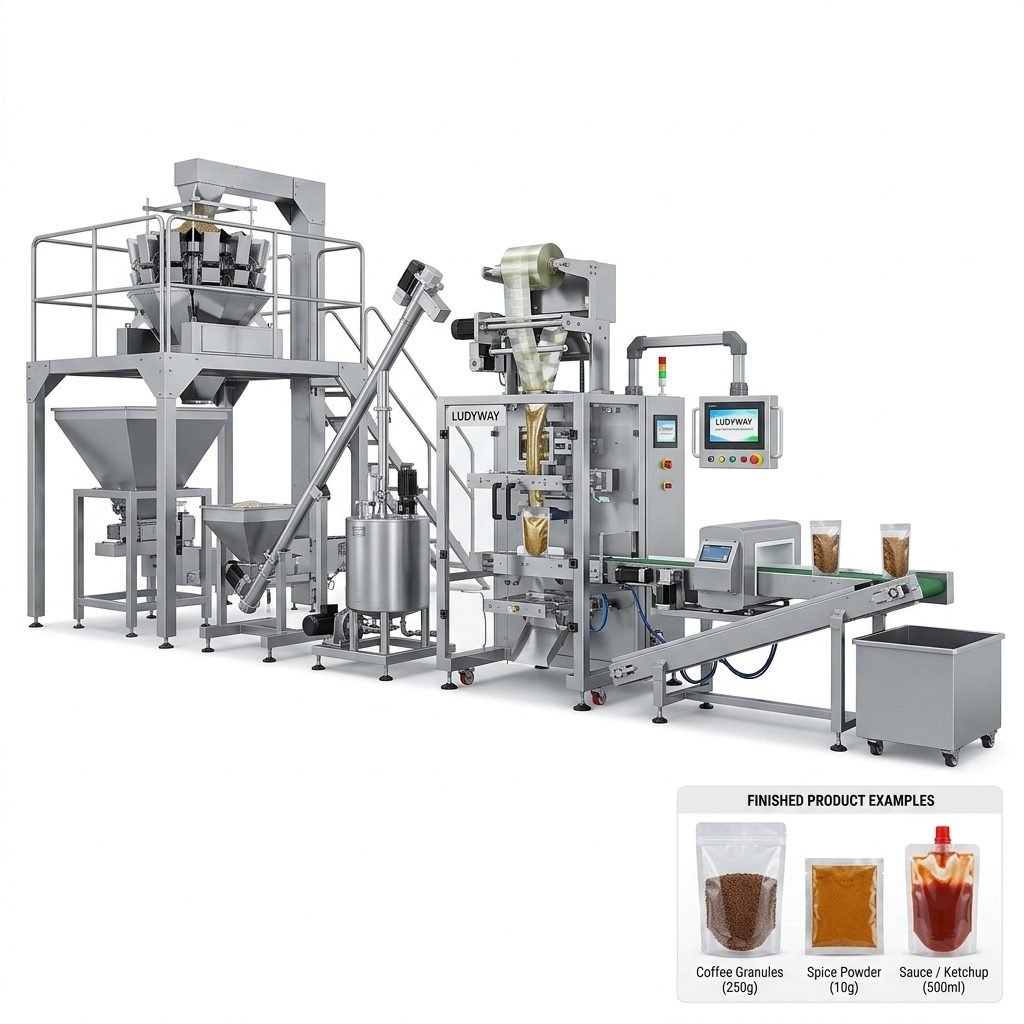
One reason the market is advancing more quickly is that packaging machinery suppliers are improving compatibility with newer materials and more flexible production requirements. Modern systems now need to handle shorter product runs, different pack styles, more precise dosing, and changing sealing conditions linked to downgauged or recyclable substrates.
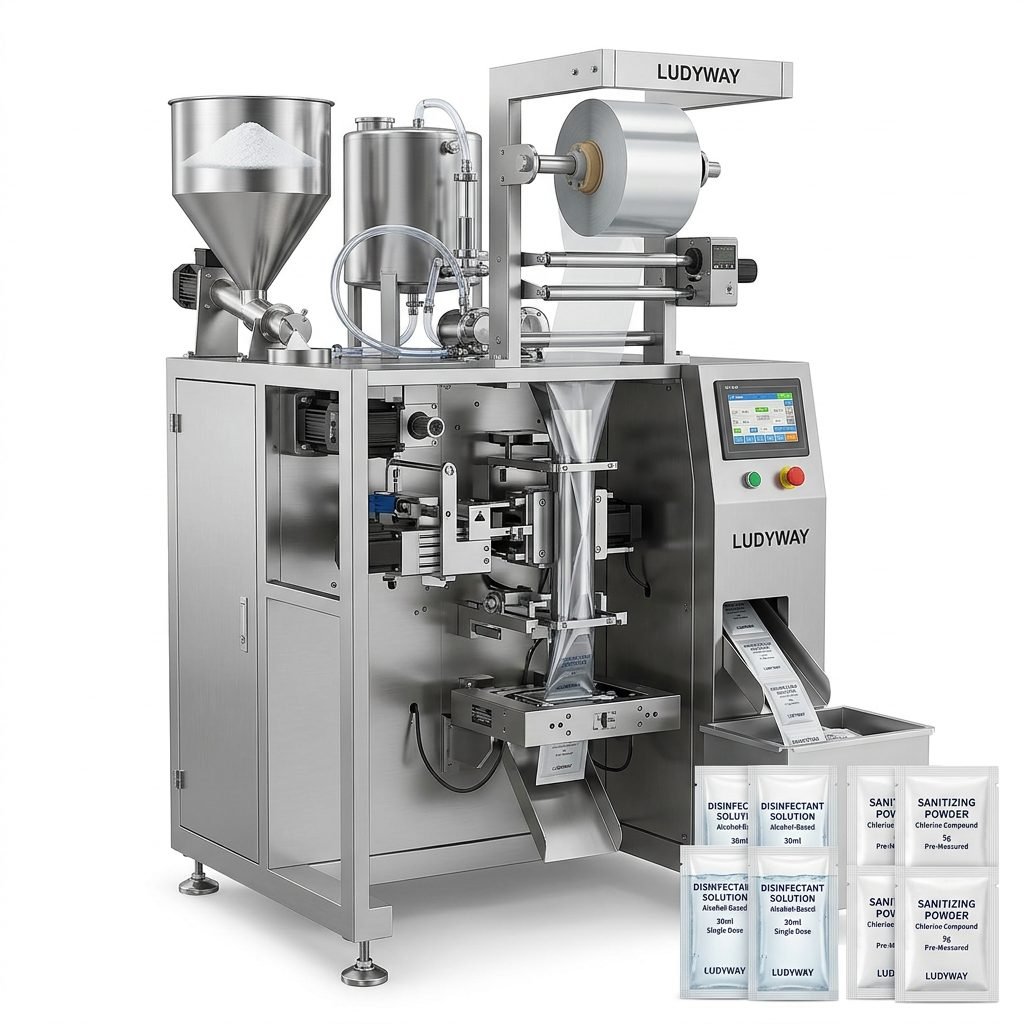
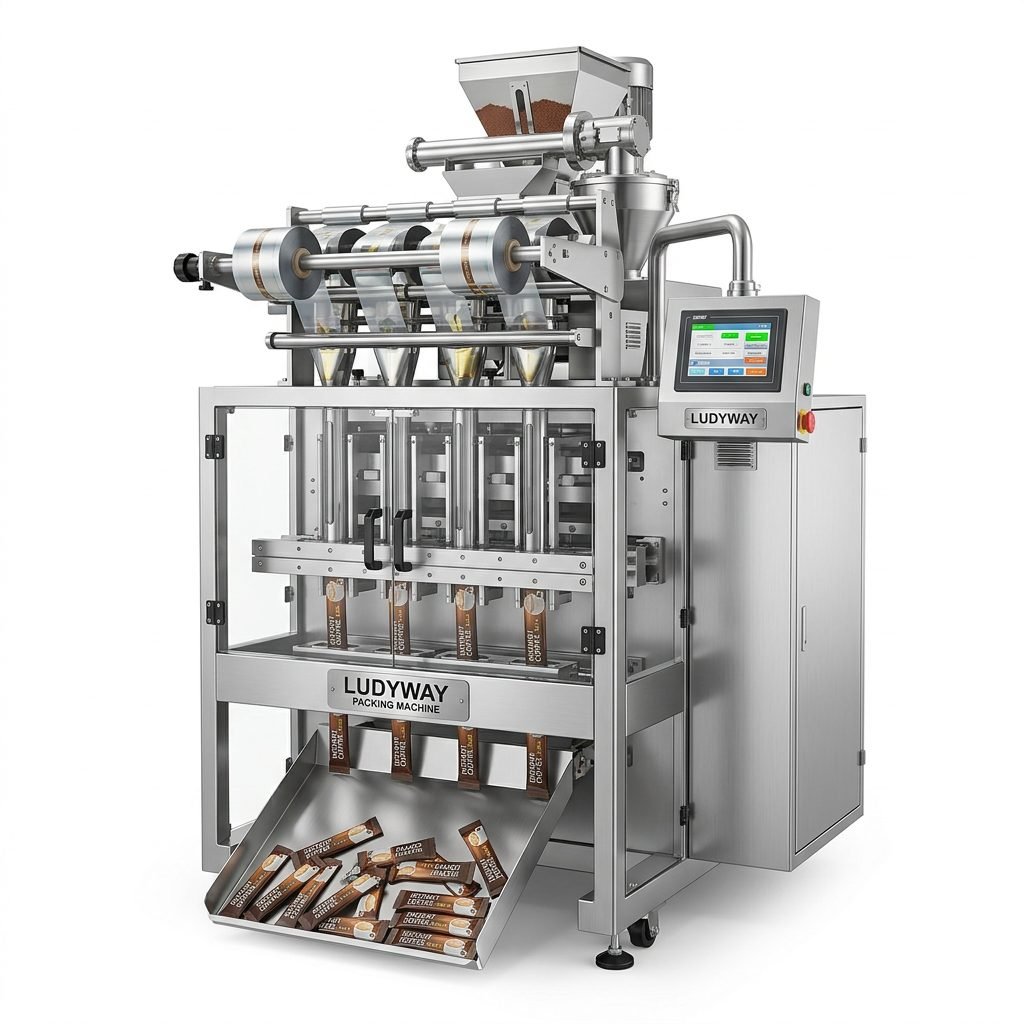
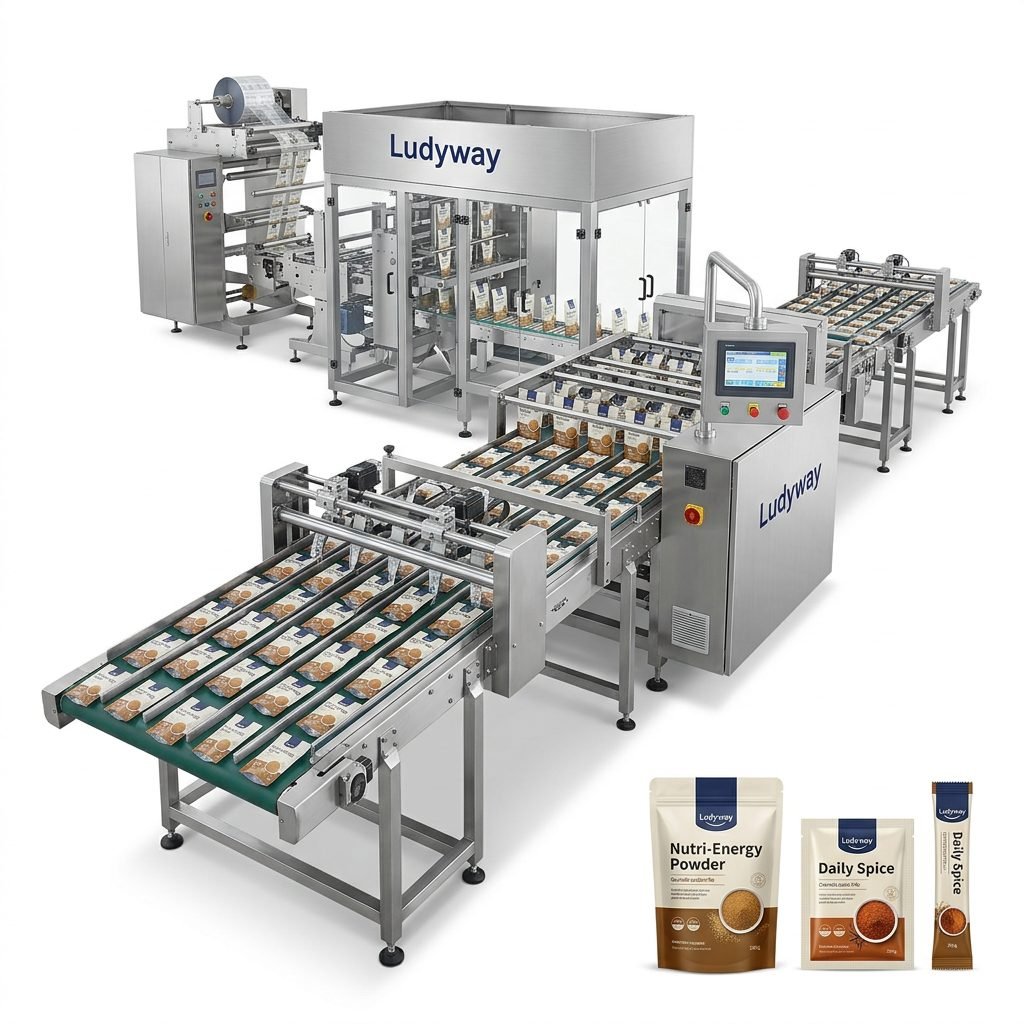
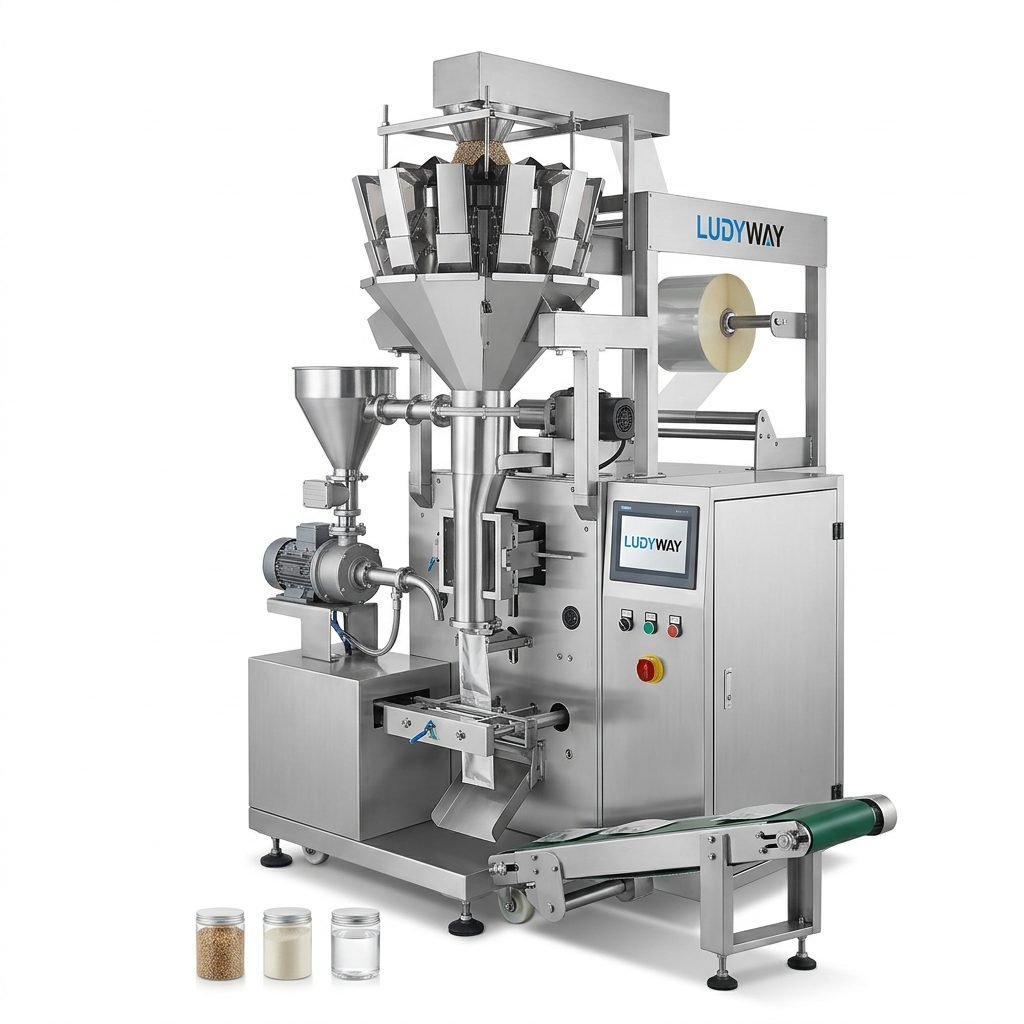
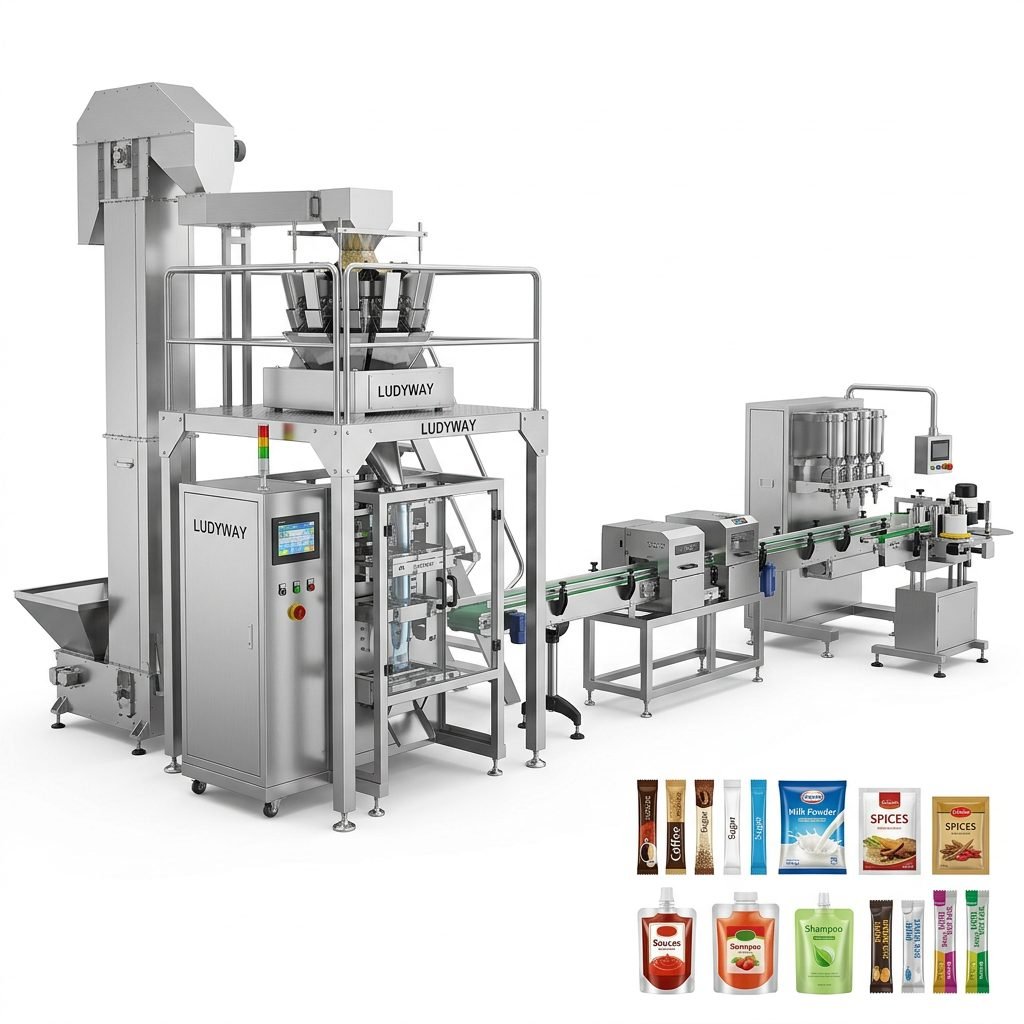
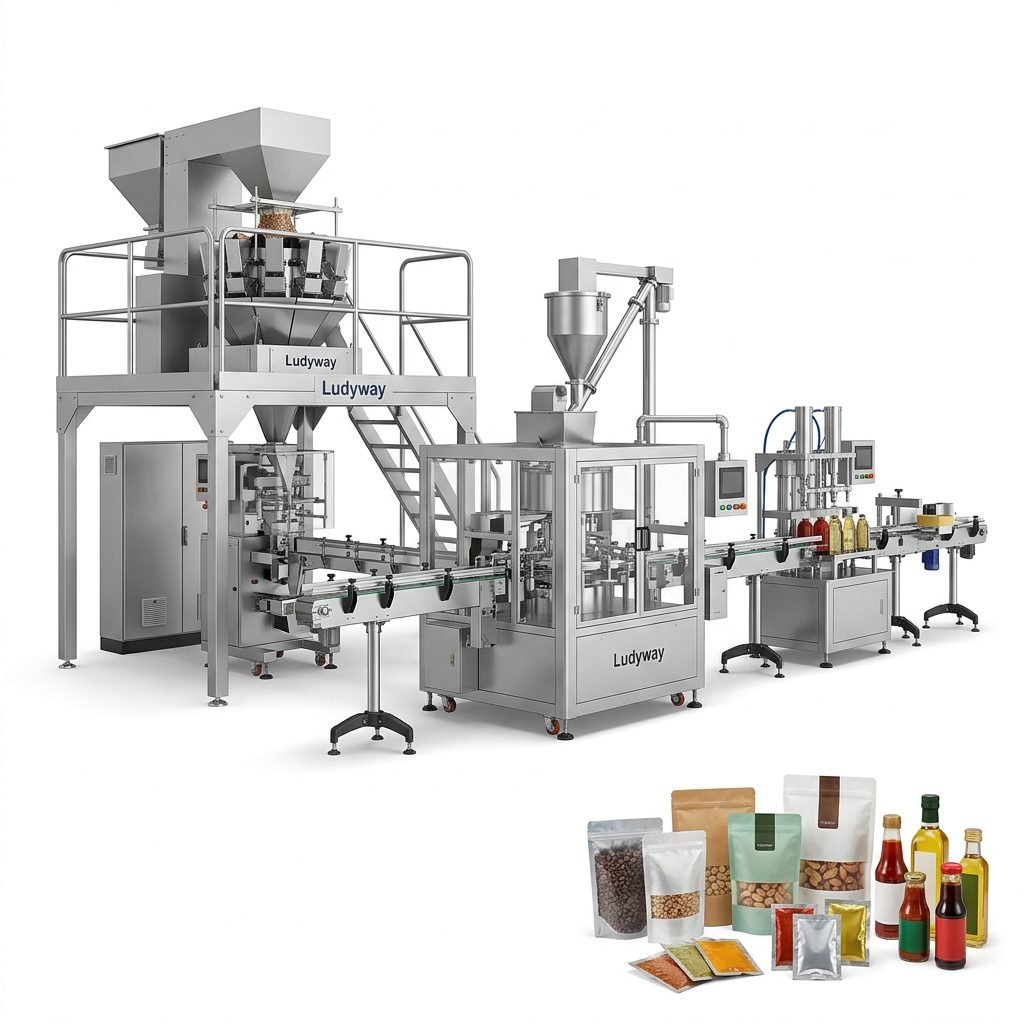
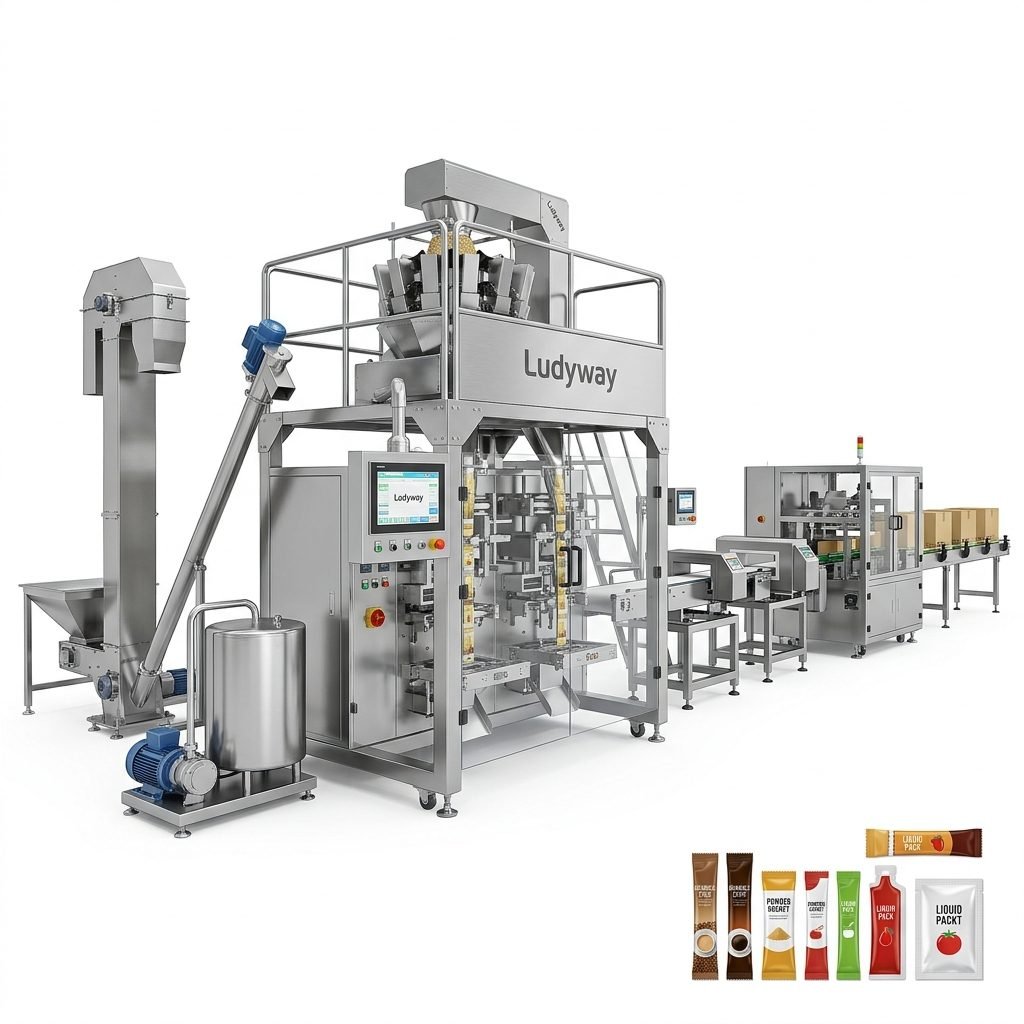
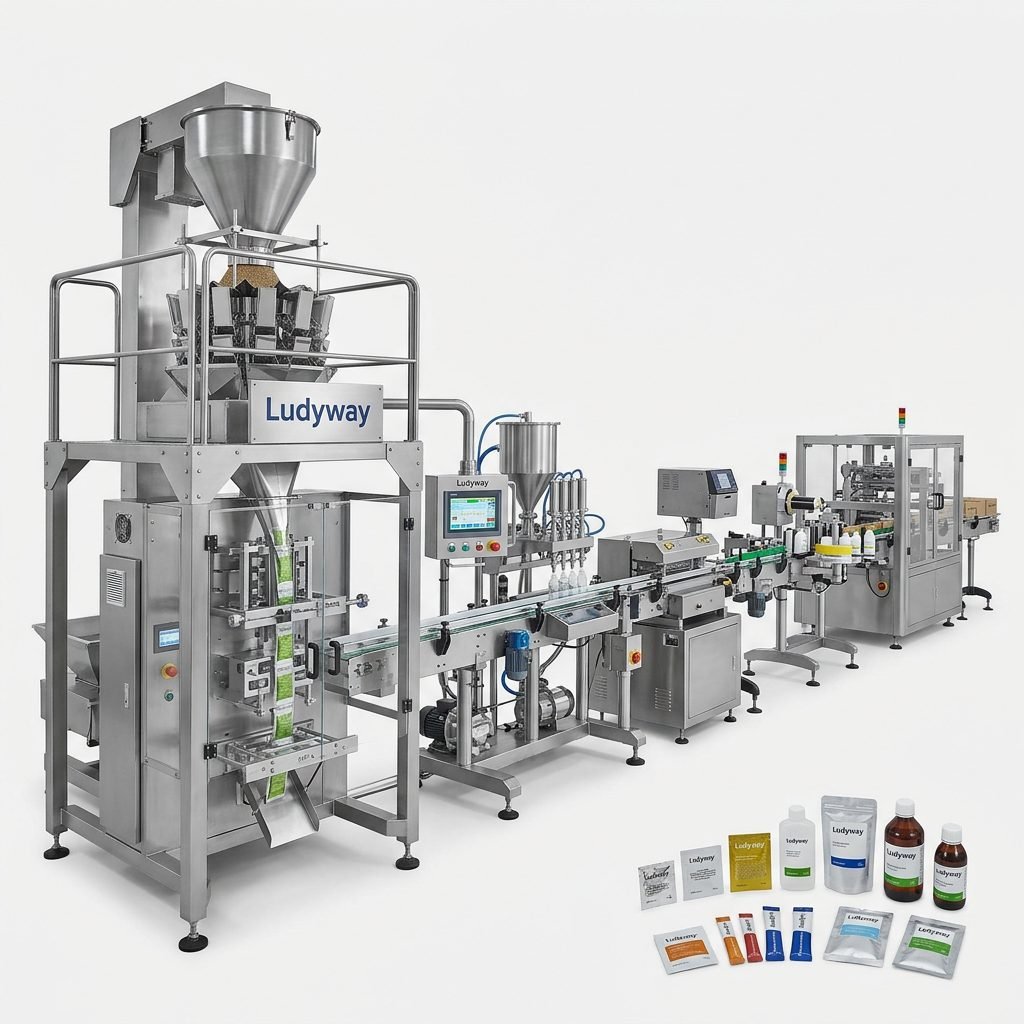
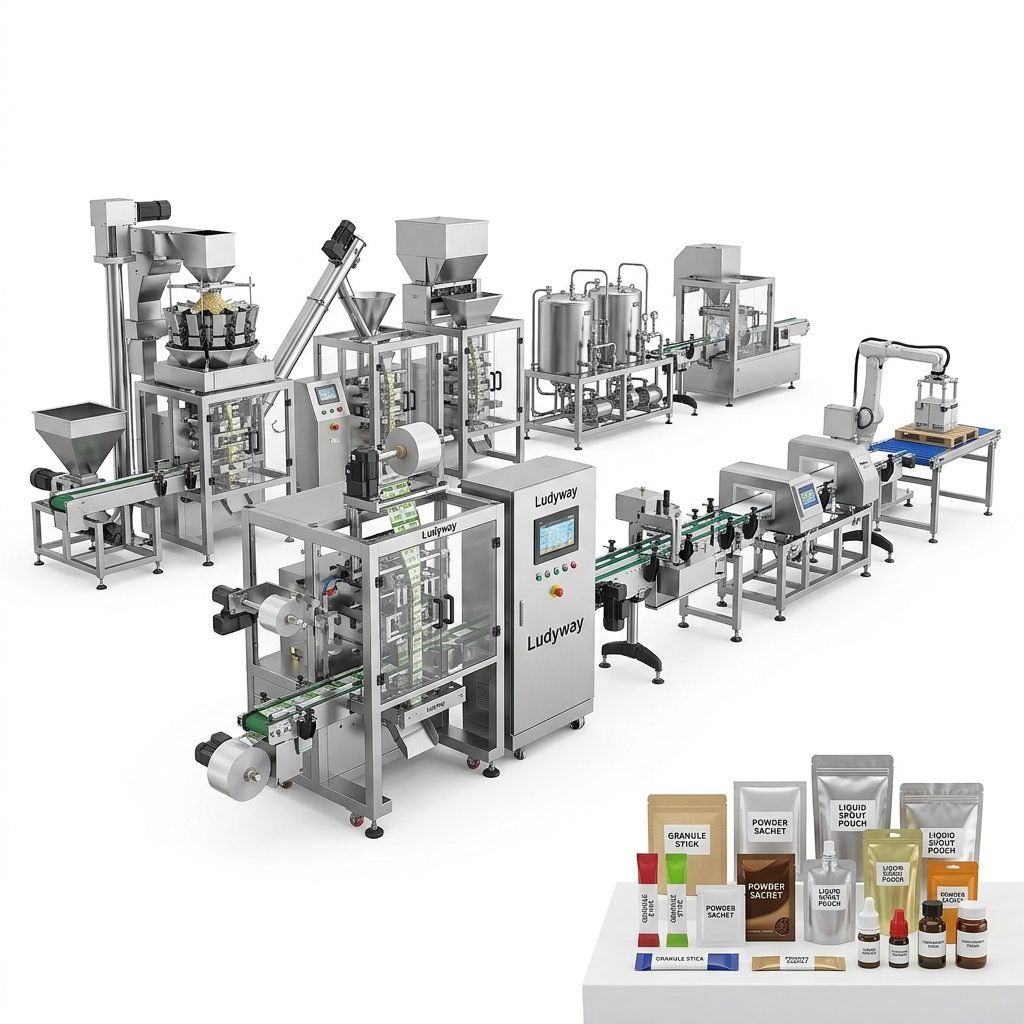
Manufacturers looking to upgrade packaging operations often evaluate automation partners that can deliver both equipment and integrated line support. Companies such as Ludyway are gaining attention in this area for turnkey packaging solutions across food, pharmaceutical, health supplement, and related sectors, where line efficiency and packaging adaptability have become increasingly important.
Operational priorities behind the shift
- Maintain seal integrity with lower-material or alternative packaging structures.
- Reduce packaging waste during startup, changeover, and mass production.
- Support high-speed filling for powders, granules, liquids, and pastes.
- Enable scalable automation for both regional and export-focused manufacturing.
- Improve traceability, inspection, and consistency across the line.
What consumers expect from brands now
Consumers increasingly want packaging changes that are visible, practical, and easy to understand. They respond more positively when brands reduce excess wrapping, simplify material choices, and clearly communicate disposal instructions. Refill systems and concentrated formats are also gaining traction because they connect sustainability with convenience and value.
At the same time, shoppers are becoming more skeptical of vague environmental claims. This means companies must back up packaging announcements with actual implementation, not just targets. In many markets, trust now depends on whether consumers can see progress on shelf.
| Consumer Expectation | Brand Response |
|---|---|
| Less unnecessary packaging | Material reduction, lightweighting, pack simplification |
| Easy-to-recycle formats | Mono-material development and clearer labeling |
| Practical sustainability | Refills, concentrates, and reusable system pilots |
| Proof over promises | Public reporting, measurable reductions, packaging redesign rollouts |
Challenges brands still face
Despite the momentum, reducing single-use plastic at global scale is still difficult. Supply chains remain uneven across regions, recycling infrastructure differs widely, and material substitutions can create trade-offs in performance or cost. In some categories, plastic reduction must be balanced carefully with food safety, moisture barriers, or medical compliance standards.
Brands also need machinery that can adapt to ongoing packaging redesigns. A sustainable material strategy can fail if production lines cannot run efficiently with the new format. This is why capital investment in packaging automation, testing, and line integration is becoming a larger part of sustainability planning.
Key barriers slowing adoption
- Inconsistent recycling systems across export markets
- Higher cost of some alternative materials
- Performance limitations in barrier-sensitive applications
- Line speed reductions during material transition phases
- Need for operator training and process recalibration
Outlook for the packaging industry
The direction of travel is clear: single-use plastic reduction is moving from commitment to execution. The next phase will likely focus less on symbolic packaging swaps and more on system-level improvement, including smarter machinery, better material compatibility, automated quality control, and packaging formats designed for real-world recycling or reuse.
For global brands, success will depend on how well sustainability goals are integrated into manufacturing reality. The companies that move fastest are likely to be those that connect packaging design, production technology, supply chain planning, and consumer communication into one coordinated strategy.
As the market evolves, packaging is no longer just a container. It has become a visible indicator of whether a brand can respond to environmental pressure, operational demands, and changing customer expectations at the same time.