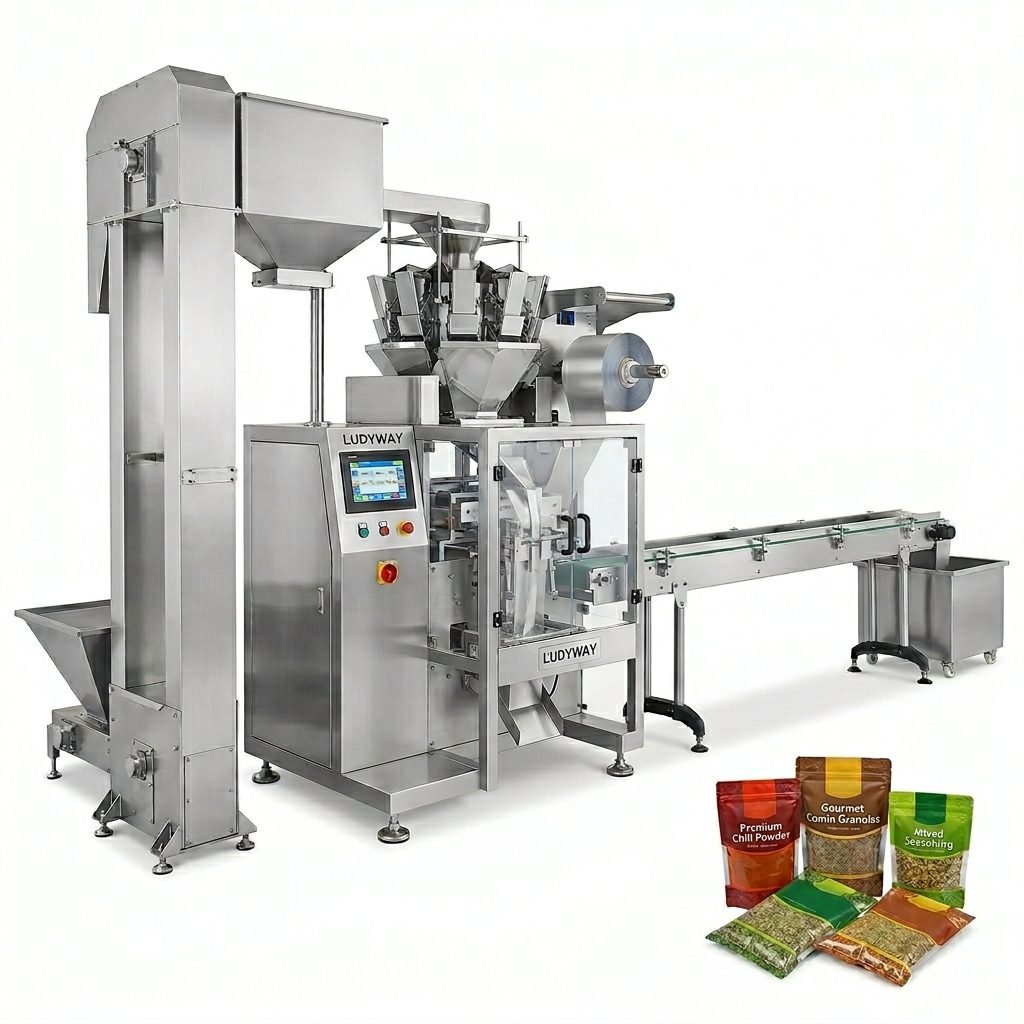
The packaging industry is entering 2026 with a sharper focus on supply chain resilience, digital visibility, and operational flexibility. From raw material volatility to stricter compliance demands, packaging manufacturers and brand owners are being pushed to upgrade risk management from a reactive process into a strategic business function. For companies managing food, pharmaceutical, health supplement, and consumer goods packaging, the ability to anticipate disruptions is now closely tied to profitability, customer trust, and long-term competitiveness.
Why Supply Chain Risk Management Is Becoming a Top Priority
Over the past few years, the packaging sector has faced overlapping pressures: shipping delays, rising input costs, regional instability, labor shortages, cybersecurity threats, and changing environmental rules. In 2026, these risks are no longer viewed as isolated incidents. They are part of a more complex operating environment where a small disruption at one point in the chain can quickly affect production planning, delivery commitments, and customer satisfaction.
Packaging companies that rely on high-volume output or customized line integration are especially exposed. Delays in films, cartons, valves, electronic components, motors, or dosing parts can interrupt entire production schedules. As a result, risk management is shifting from procurement-only oversight to a cross-functional discipline involving sourcing, engineering, quality, logistics, IT, and after-sales support.
Key Trends Shaping 2026 Packaging Supply Chains
1. Multi-Sourcing Is Replacing Single-Point Dependency
One of the clearest trends is the move away from overdependence on a single supplier, region, or transport lane. Packaging companies are qualifying secondary and tertiary sources for core components and packaging materials to reduce disruption risk. This is especially important for servo systems, control parts, sealing components, specialty films, and pharmaceutical-grade contact materials.
- Dual-sourcing for critical mechanical and electrical parts
- Regional supplier diversification for packaging materials
- Approved backup vendors for maintenance and spare parts
- Contract reviews that include emergency supply commitments
2. Digital Visibility Is Becoming a Core Risk-Control Tool
Real-time supply chain visibility is increasingly valuable in packaging operations. Companies are investing in digital dashboards, ERP integration, predictive planning, and supplier performance monitoring to detect bottlenecks early. Instead of waiting for a late shipment to create line downtime, teams are using data to flag inventory gaps, order delays, and quality trends in advance.
This is particularly important for turnkey line projects, where equipment delivery depends on synchronized manufacturing, assembly, testing, and export logistics. Better visibility improves project accuracy and shortens response time when risks emerge.
3. Compliance Risk Is Expanding Beyond Product Safety
In food and pharmaceutical packaging, compliance has always mattered. In 2026, however, the compliance landscape is broader. Businesses must manage not only hygiene and product safety requirements, but also documentation control, traceability, environmental disclosures, machine safety, and destination-market import rules.
For exporters, this means supply chain risk management must include:
- Supplier qualification and certification checks
- Traceable component records
- Packaging line validation and testing data
- Export compliance documentation
- Audit-ready quality processes
4. Inventory Strategy Is Becoming More Selective
The old debate between lean inventory and buffer inventory is giving way to a more balanced approach. Packaging manufacturers are no longer simply increasing stock across the board. Instead, they are classifying parts and materials by criticality, lead time, volatility, and substitution difficulty. This allows them to build smarter safety stock models without overloading working capital.
| Risk Area | 2026 Industry Shift | Business Impact |
|---|---|---|
| Raw material supply | Diversified sourcing and supplier mapping | Lower interruption risk and stronger price negotiation |
| Equipment components | Critical spare parts stocking and qualification backups | Reduced downtime and faster service response |
| Logistics delays | Flexible routing and milestone-based planning | Better on-time delivery performance |
| Compliance exposure | Integrated documentation and traceability systems | Lower regulatory and customer audit risk |
| Demand fluctuation | Modular production and scalable packaging lines | Faster adaptation to market changes |
5. Automation Is Now Part of Risk Mitigation
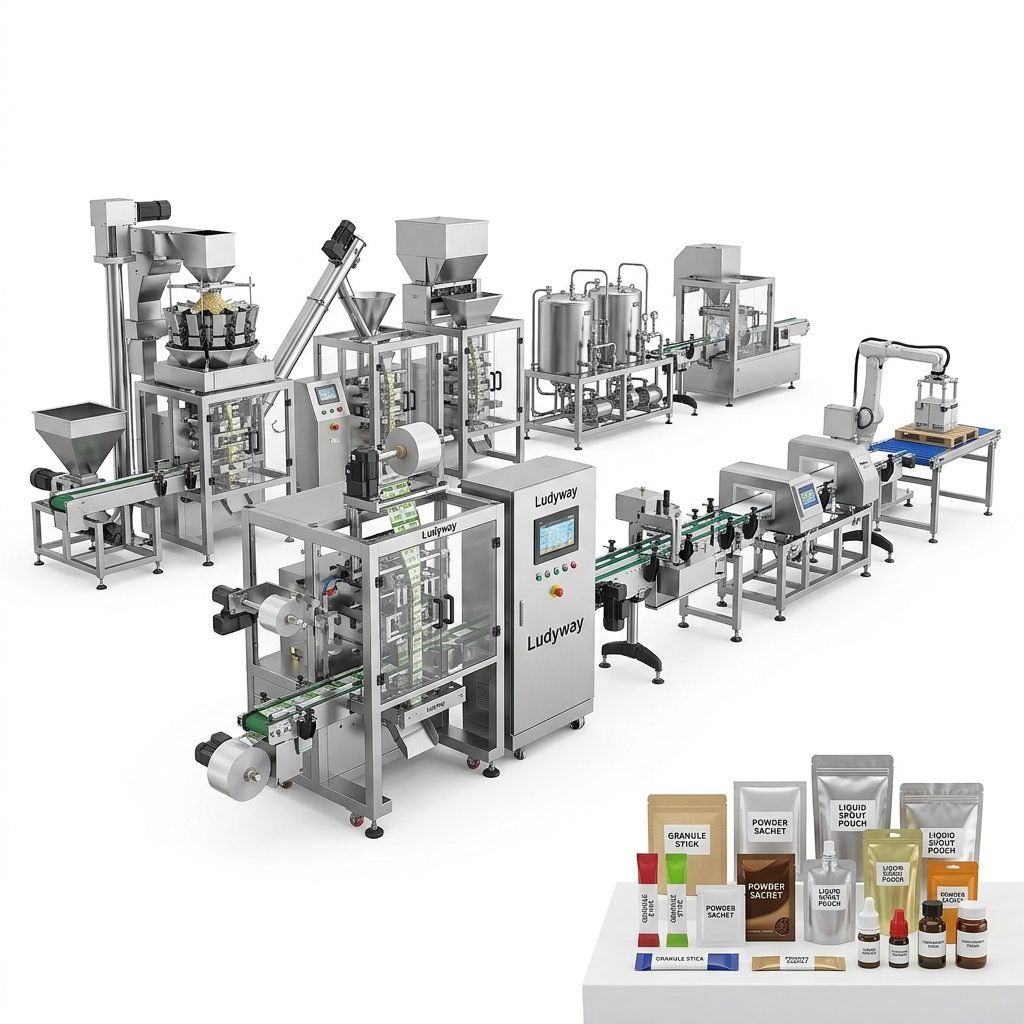
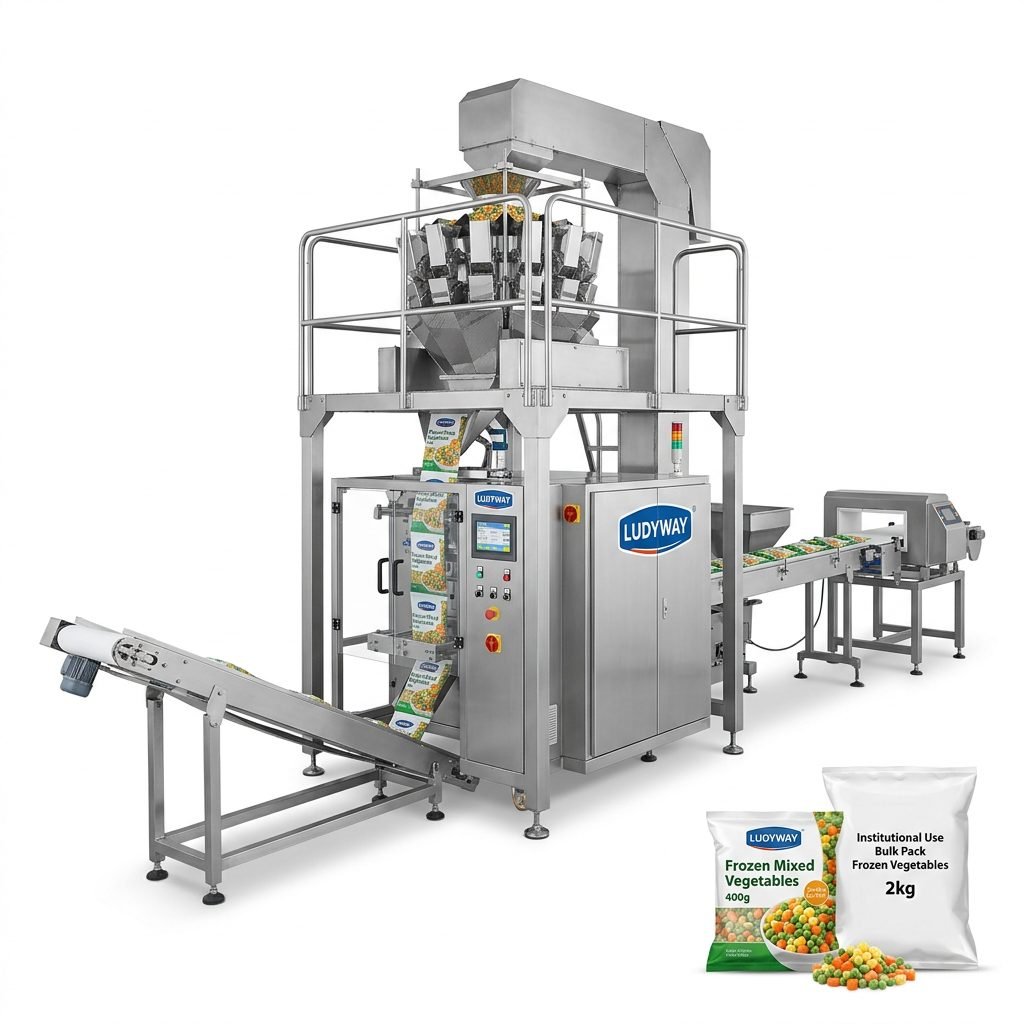
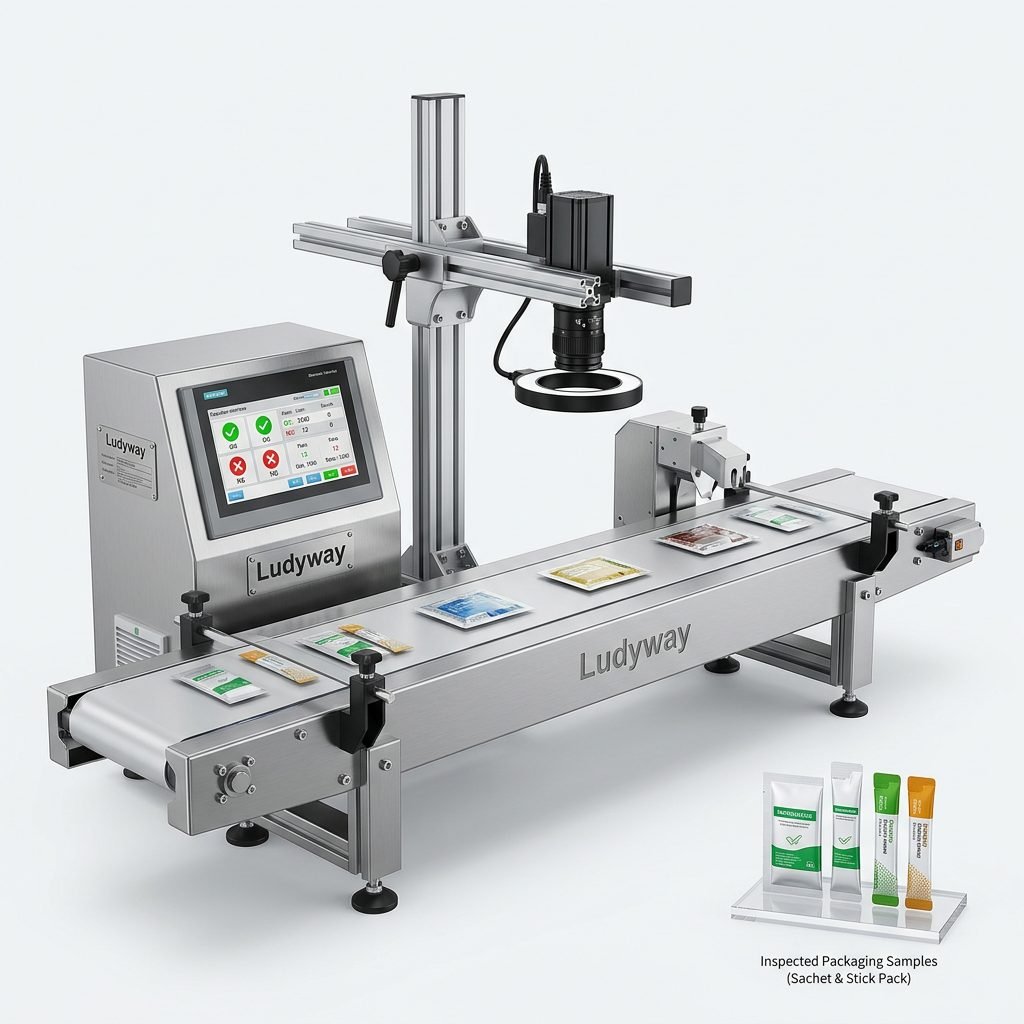
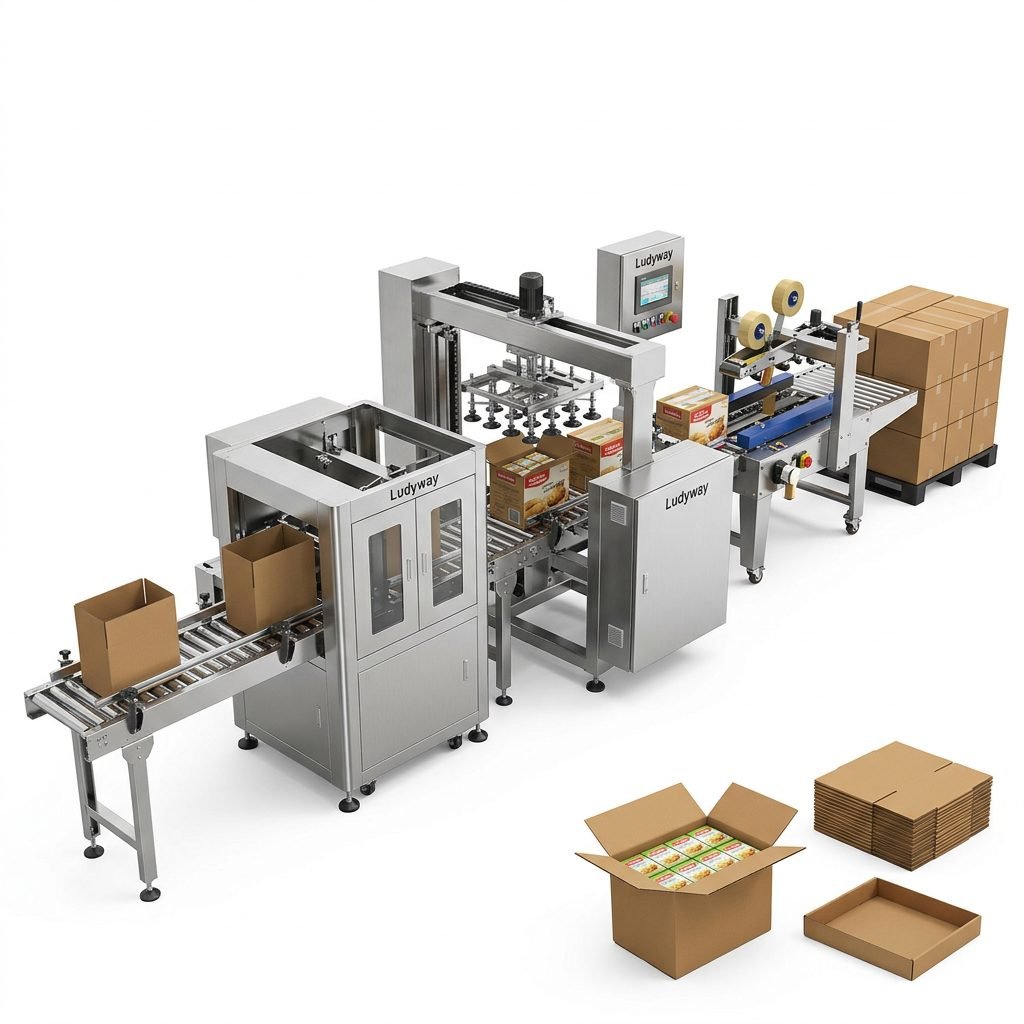
Automation is not just about speed. In 2026, it is also a risk reduction strategy. Automated weighing, filling, sealing, coding, inspection, cartoning, and palletizing help reduce labor dependency, improve consistency, and support traceability. For businesses in regulated sectors, this creates a more stable production environment with fewer manual errors and more predictable output.
Modular and integrated systems also make it easier to expand or reconfigure lines when market needs change. That flexibility can be a major advantage when customer demand shifts quickly or product portfolios become more fragmented.
Practical Strategies for Upgrading Risk Management in 2026
Build a Supply Chain Risk Map
Every packaging company should maintain a live map of its critical supply chain dependencies. This should identify vulnerable suppliers, long-lead items, single-source components, key shipping routes, and compliance-sensitive materials. The goal is to move from assumption-based planning to evidence-based decision-making.
Classify Suppliers by Risk, Not Just Cost
Low price does not always mean low risk. Suppliers should be evaluated through a broader lens that includes delivery stability, engineering support, process transparency, quality consistency, and recovery capability during disruptions. Strategic suppliers deserve closer collaboration, regular review meetings, and shared contingency planning.
Strengthen Spare Parts and Service Preparedness
For packaging equipment users, downtime is one of the most expensive operational risks. Maintaining a recommended spare parts list, training maintenance staff, and planning remote or on-site service support can significantly reduce recovery time. This is particularly relevant for high-speed lines in food and pharmaceutical production, where stoppages affect both output and compliance schedules.
Invest in Flexible Packaging Line Design
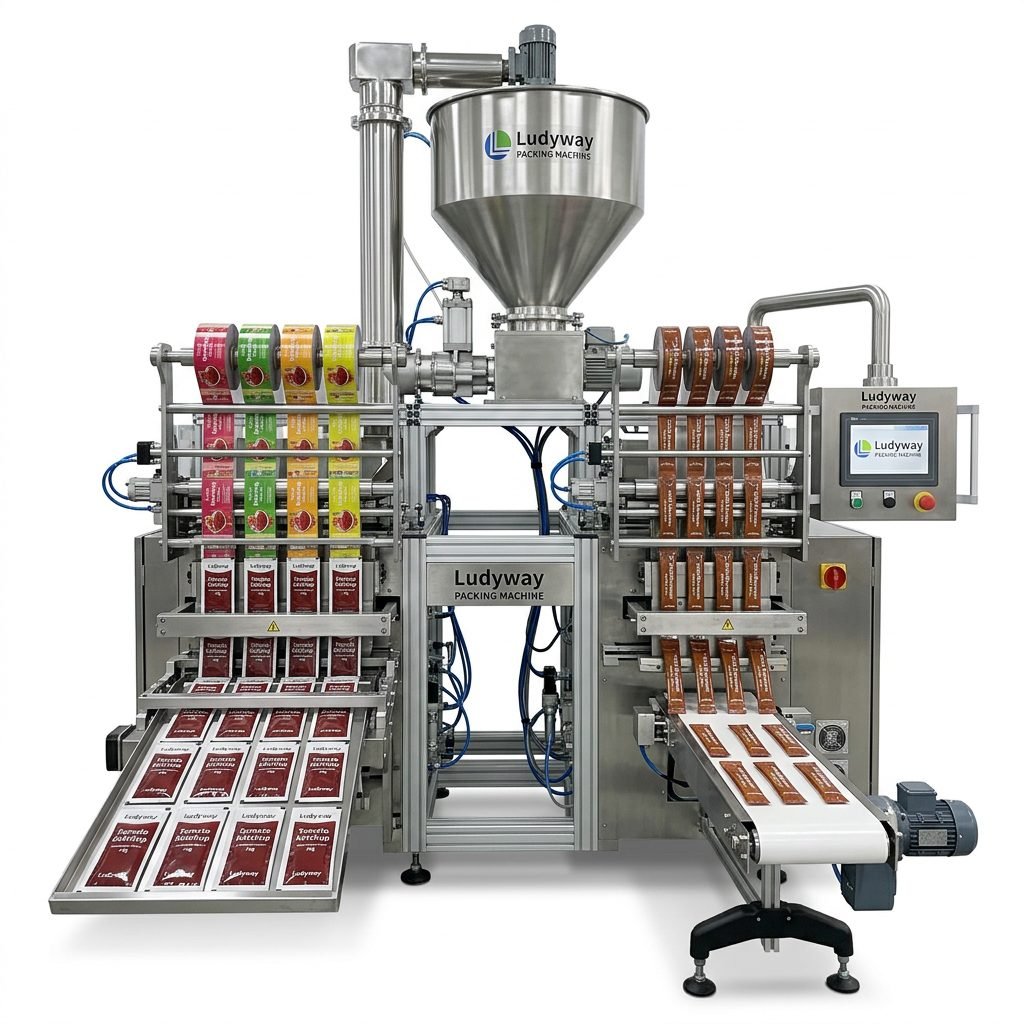
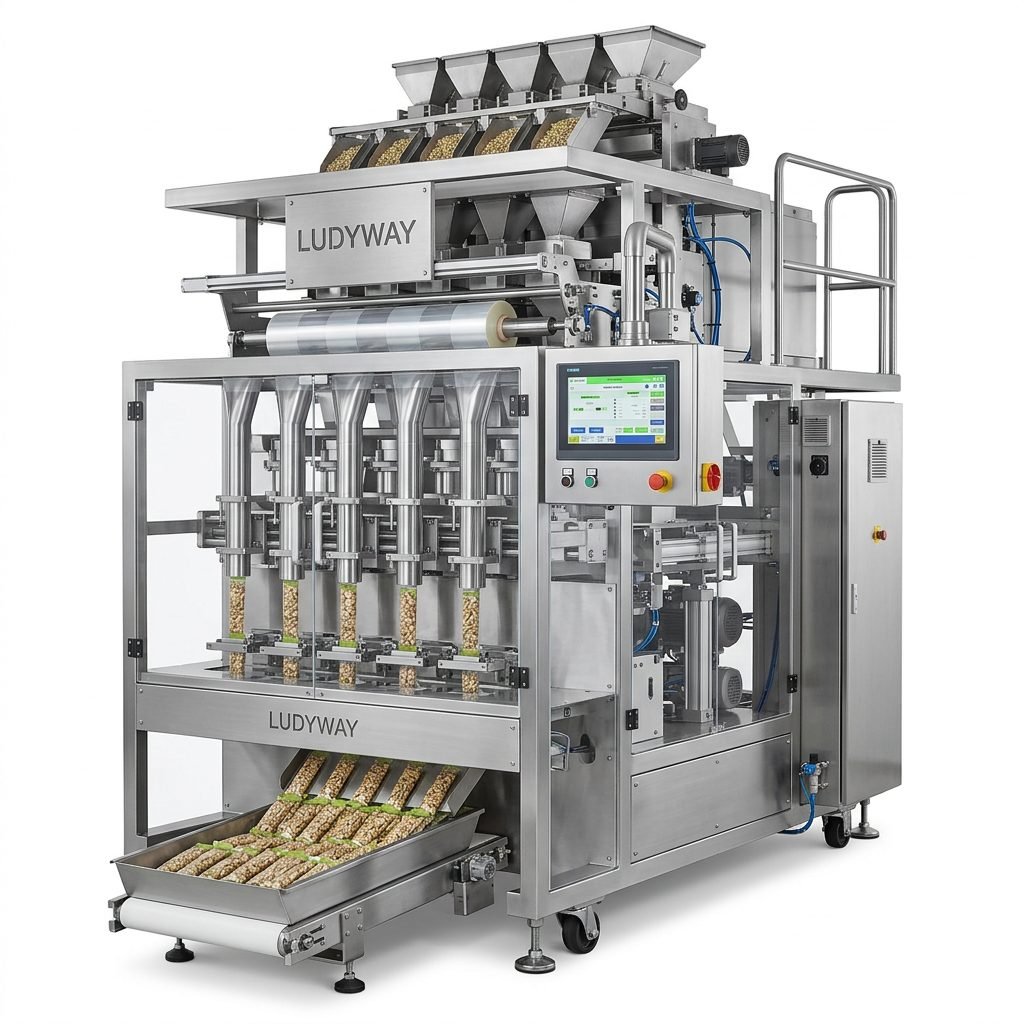
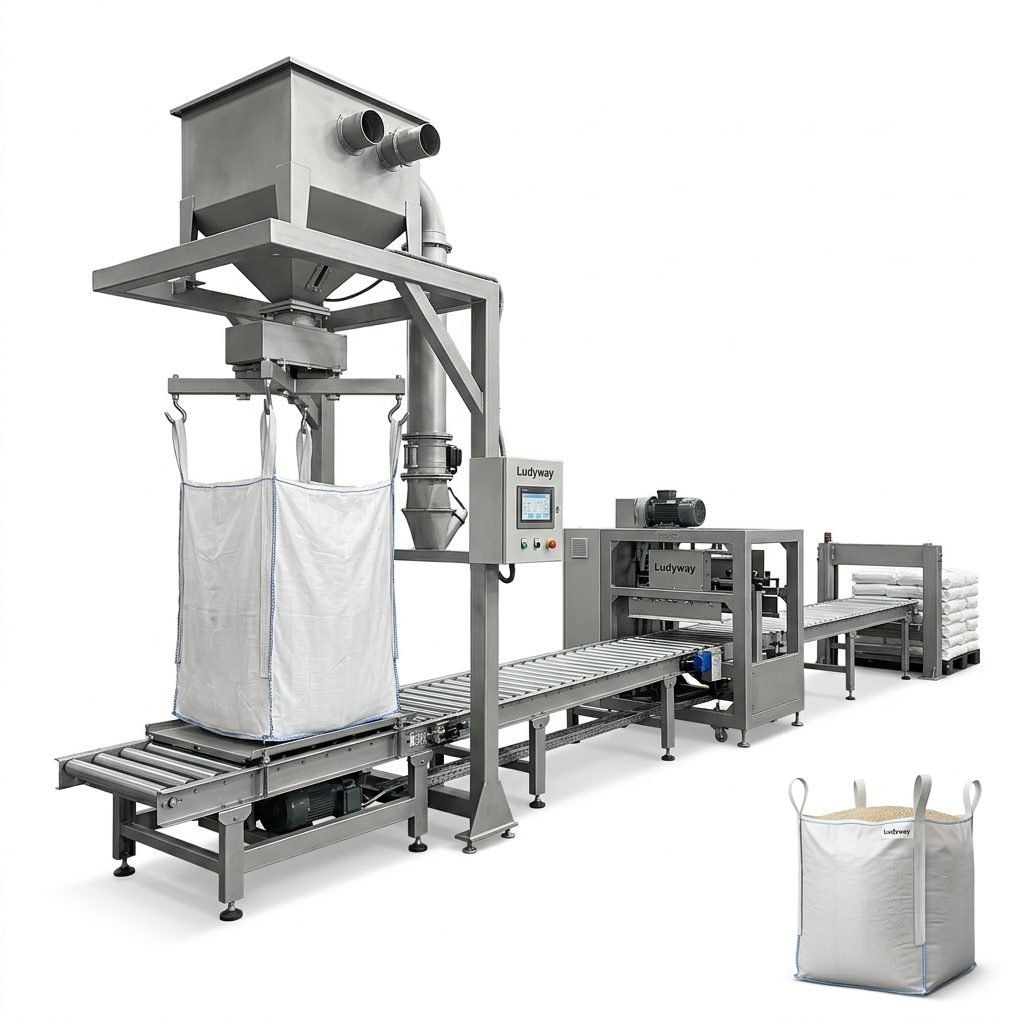
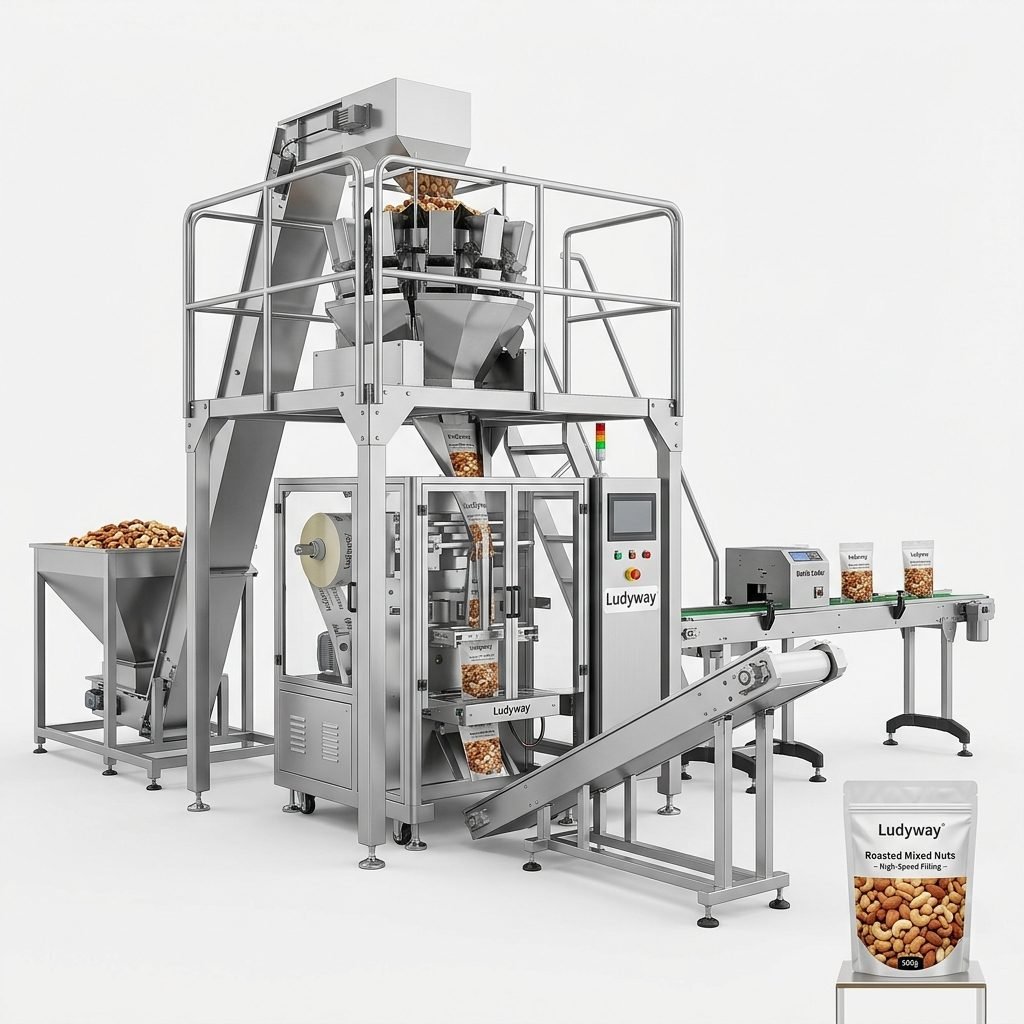
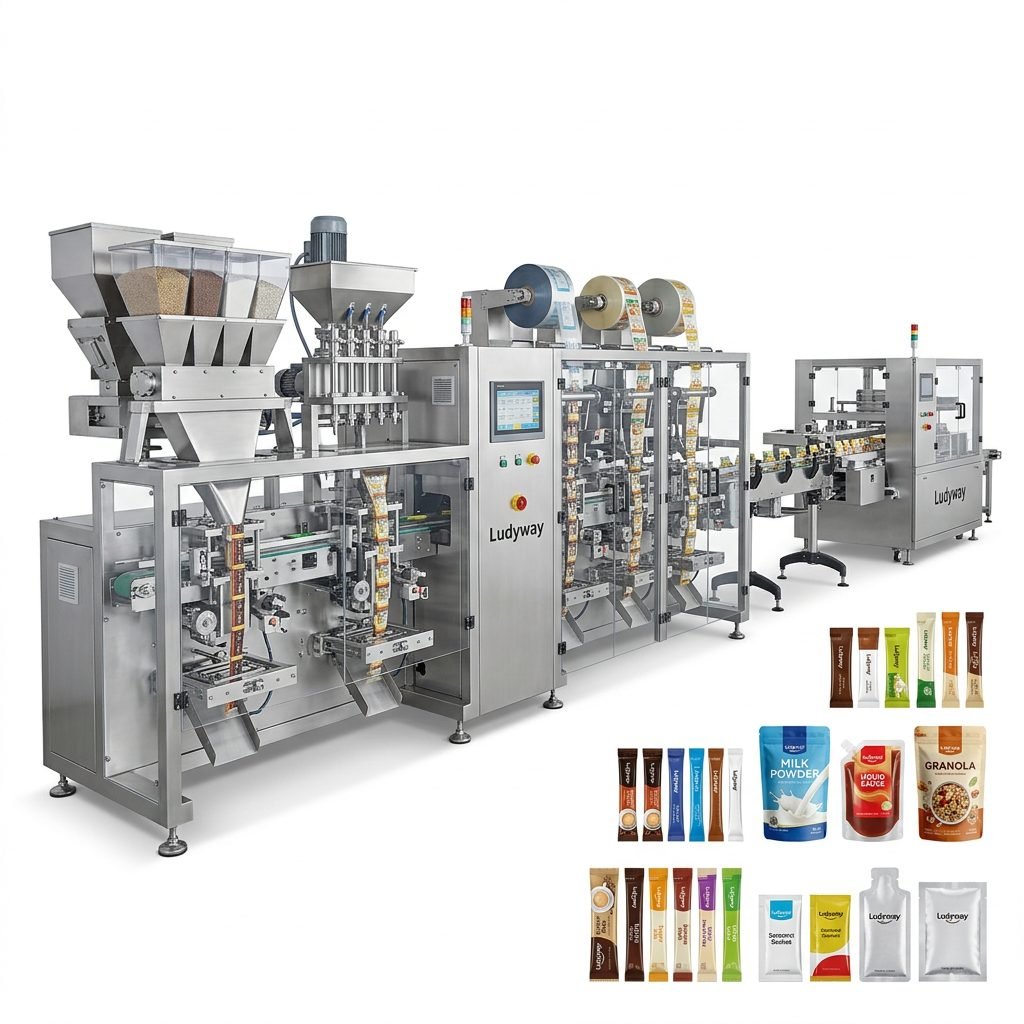
Companies that can run multiple SKUs, pack formats, or filling specifications on adaptable systems are better prepared for market and supply disruptions. Flexible equipment architecture supports shorter changeovers, product diversification, and smoother expansion. Businesses sourcing from experienced turnkey suppliers such as Ludyway packaging machine manufacturer often prioritize scalable line layouts that support both present production needs and future risk scenarios.
Use Scenario Planning as a Management Routine
A strong 2026 risk program includes scenario exercises, not just annual reviews. Management teams should test responses to events such as freight disruption, material shortage, component obsolescence, cyber incidents, and sudden order surges. These simulations help clarify responsibilities, reveal weak points, and improve decision speed under pressure.
What Buyers and Manufacturers Should Watch Closely
- Lead-time volatility for imported control systems and specialty materials
- Frequent regulatory updates in food, pharma, and sustainability reporting
- Supplier financial health amid margin pressure and global competition
- Cybersecurity readiness across connected production and planning systems
- Demand unpredictability driven by private label growth and product launches
Industry Outlook for 2026
The packaging industry’s next stage of competitiveness will depend not only on production speed or machine capability, but on how well companies manage uncertainty. Organizations that combine supplier diversification, digital monitoring, compliance discipline, and automation-led flexibility will be in a stronger position to protect margins and maintain customer confidence.
In 2026, supply chain risk management is no longer a background function. It is becoming a visible differentiator in packaging operations, especially for businesses serving high-standard sectors where reliability, traceability, and delivery performance are essential. Companies that act early will be better equipped to navigate disruption and capture growth in a more demanding global market.