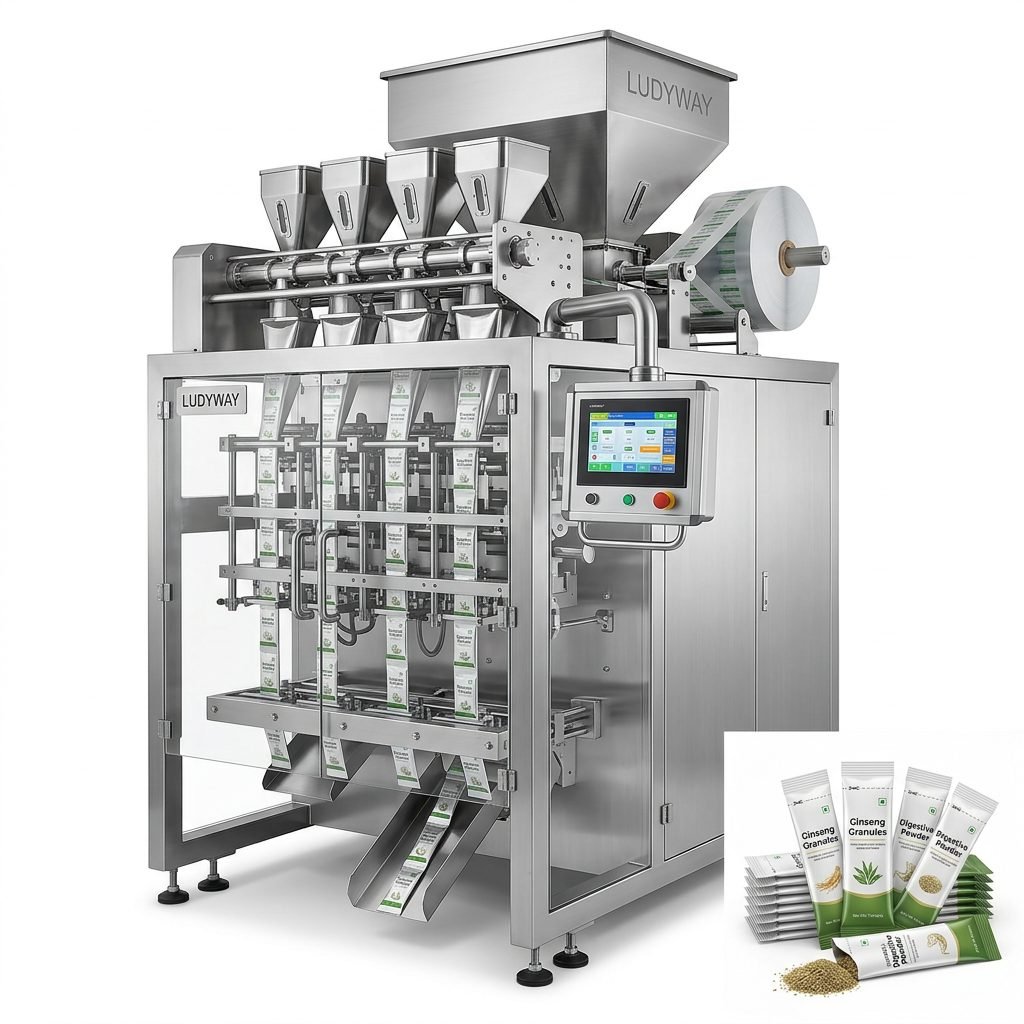
The Italian dairy industry is one of the largest and most sophisticated in Europe, renowned for its high-quality milk, cheese, and dairy derivatives. To maintain this reputation, milk packaging machines must meet stringent hygiene standards, deliver exceptional accuracy, and support a wide range of packaging formats. Whether you are filling fresh liquid milk, milk powder, or dairy-based supplements, selecting the right milk packaging machine in Italy is a critical investment that impacts product shelf life, brand perception, and operational efficiency.
This comprehensive guide explores the types of milk packaging equipment available, the key features to evaluate, regulatory requirements, and practical tips for choosing a machine that aligns with your production goals. From packaging machinery market research insights to the latest automation trends, we cover everything you need to make an informed decision.
Understanding the Italian Milk Packaging Landscape
Italy’s dairy sector is characterized by a mix of large-scale industrial producers and regional specialty manufacturers. According to PMMI’s 2025 State of the Industry report, the demand for flexible packaging formats and automated packaging solutions continues to grow across Europe. Italian consumers increasingly favor convenience-oriented formats such as stick packs, single-serve sachets, and resealable pouches, driving manufacturers to invest in versatile milk packaging machinery capable of handling multiple product types on a single line.
Key drivers shaping the market include:
- Stringent EU hygiene regulations requiring food-grade materials and clean-in-place (CIP) systems
- Growing demand for extended shelf life through advanced sealing and modified atmosphere packaging
- Labor shortages pushing factories toward higher levels of automation
- Sustainability mandates under the European Commission’s Packaging and Packaging Waste Regulation
- Portion control trends favoring stick packs and single-dose sachets
Types of Milk Packaging Machines
Milk can be packaged in various forms — fresh liquid, powder, concentrated, or flavored — each requiring specialized equipment. Below is an overview of the most common machine categories used in the Italian market.
Liquid Milk Filling and Sealing Machines
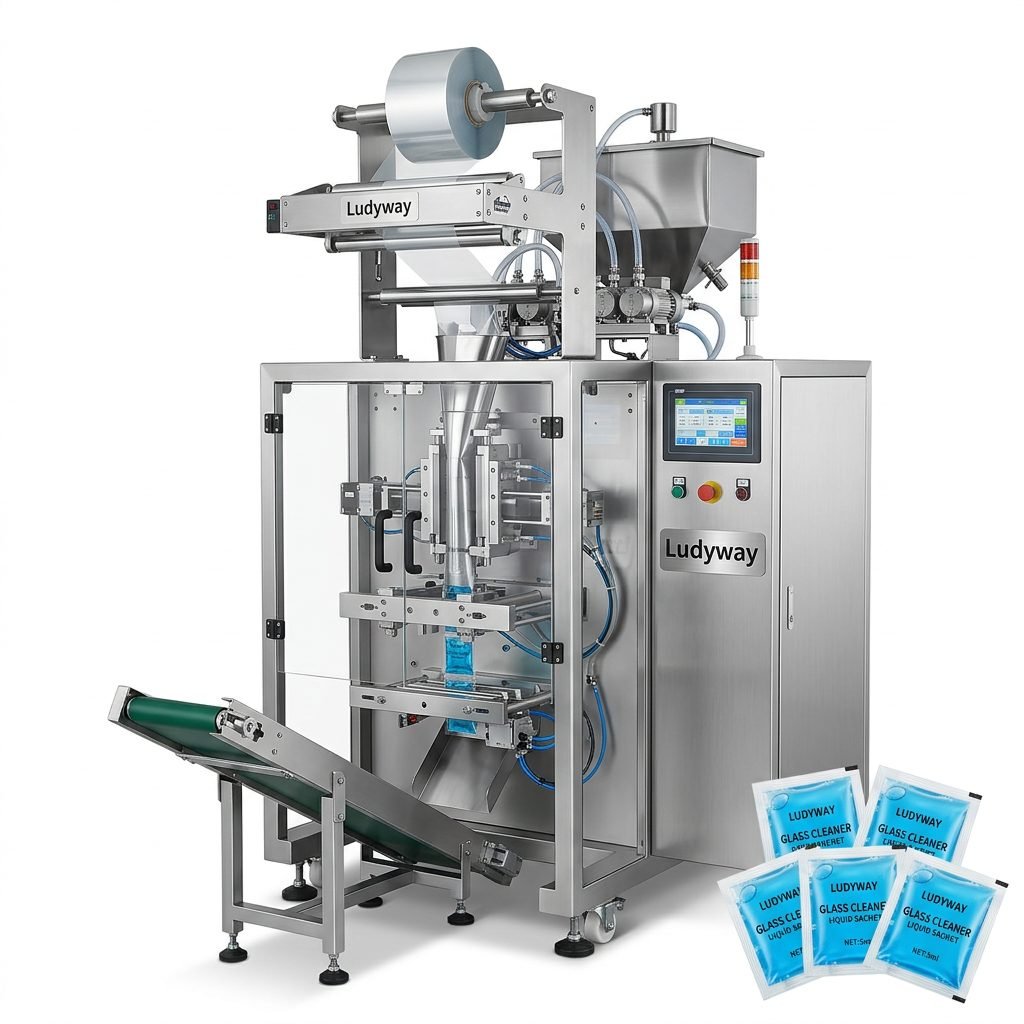
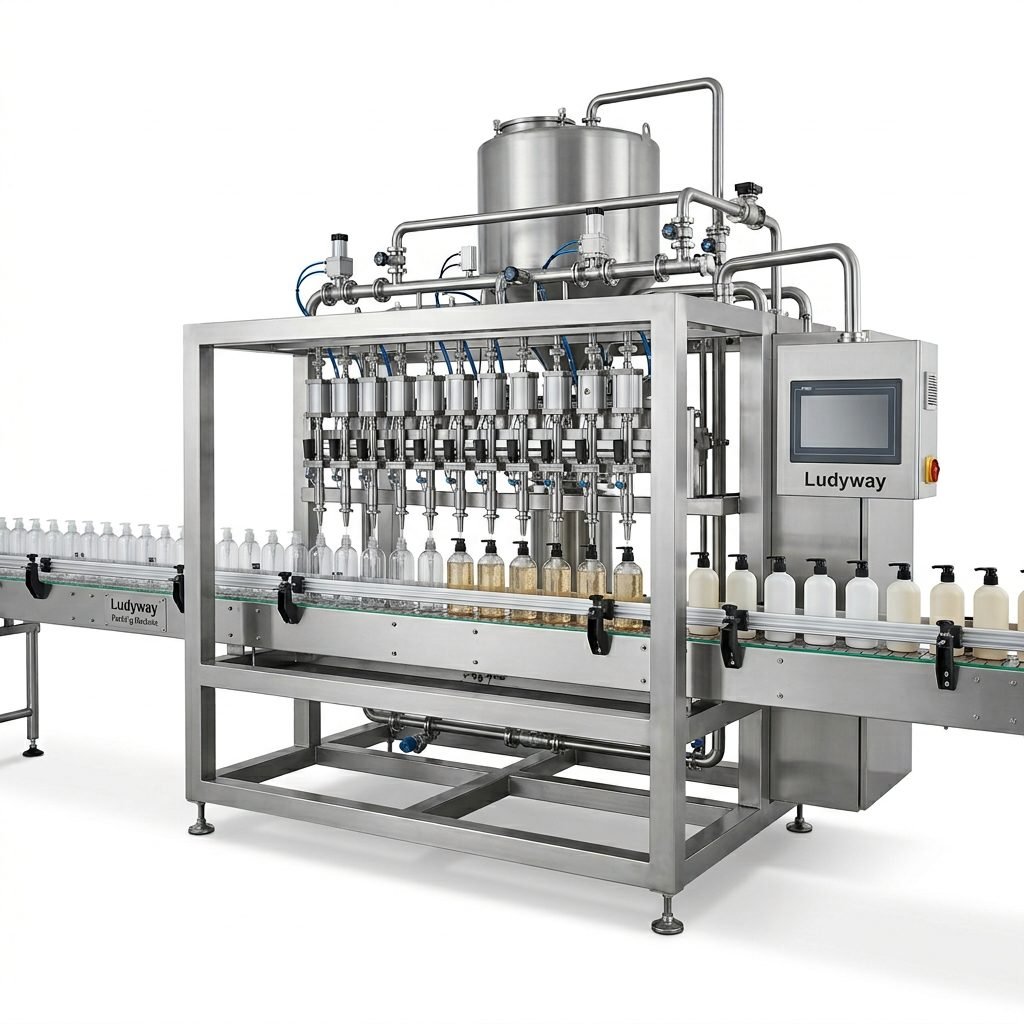
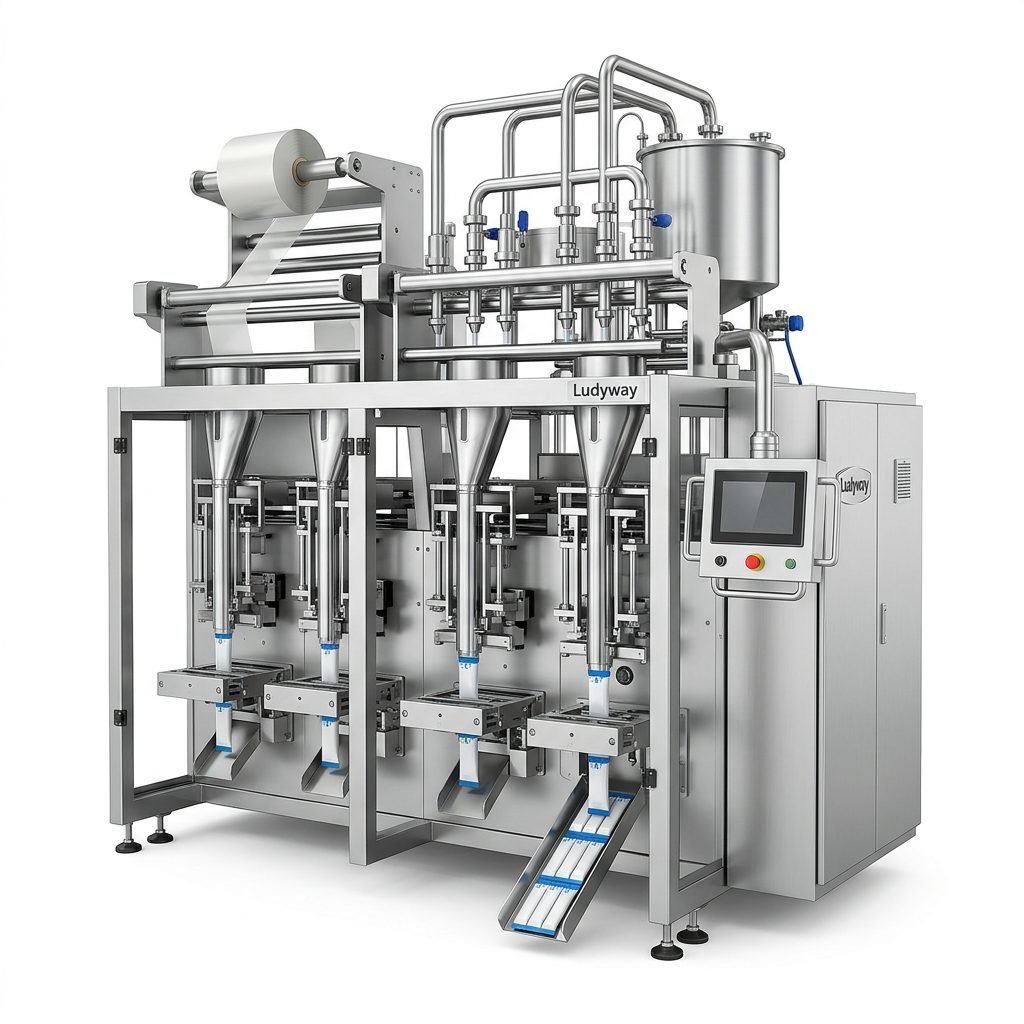
For fresh and UHT milk, liquid filling machines are designed to handle low- to high-viscosity dairy products. These systems often integrate aseptic technology to ensure product sterility. Common packaging formats include pillow pouches, gable-top cartons, and plastic bottles. Multi-lane sachet machines are increasingly popular for single-serve milk portions, especially in the food service and hospitality sectors.
Milk Powder Packaging Machines
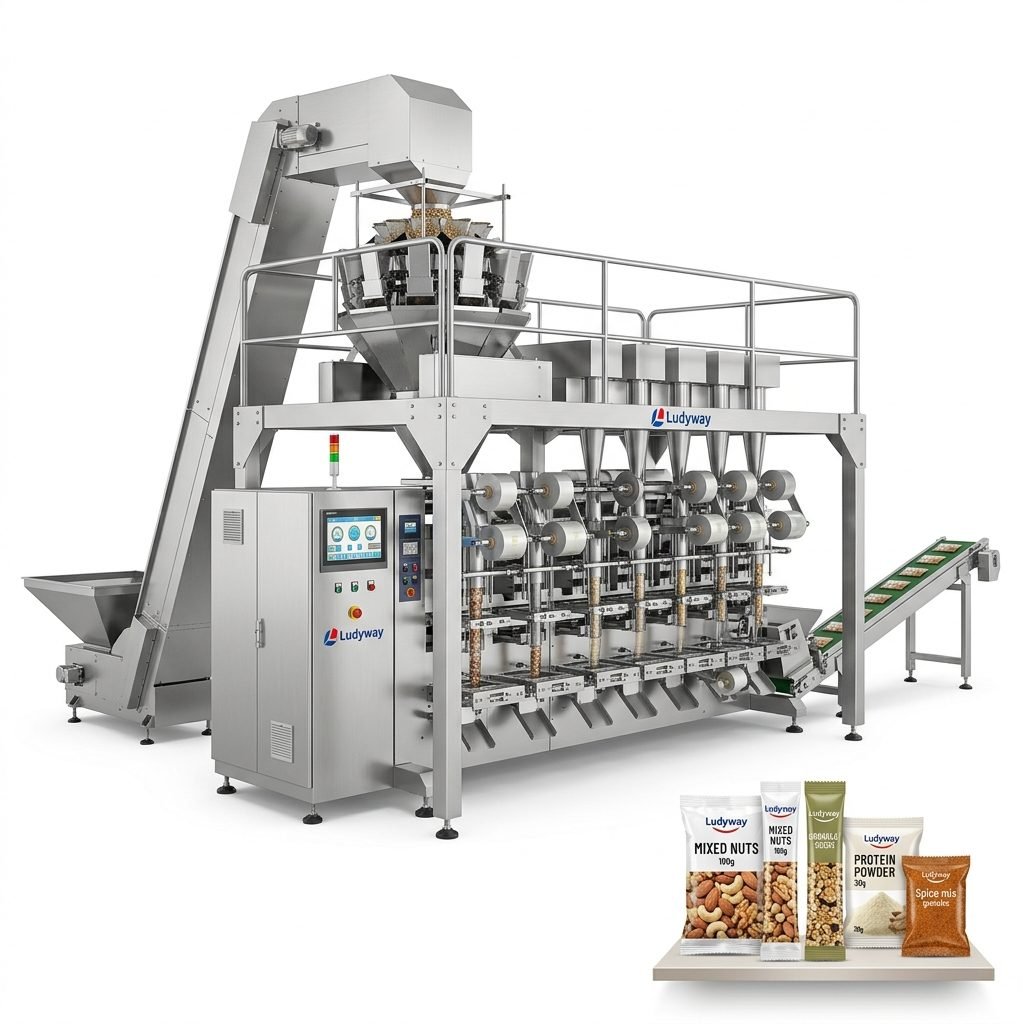
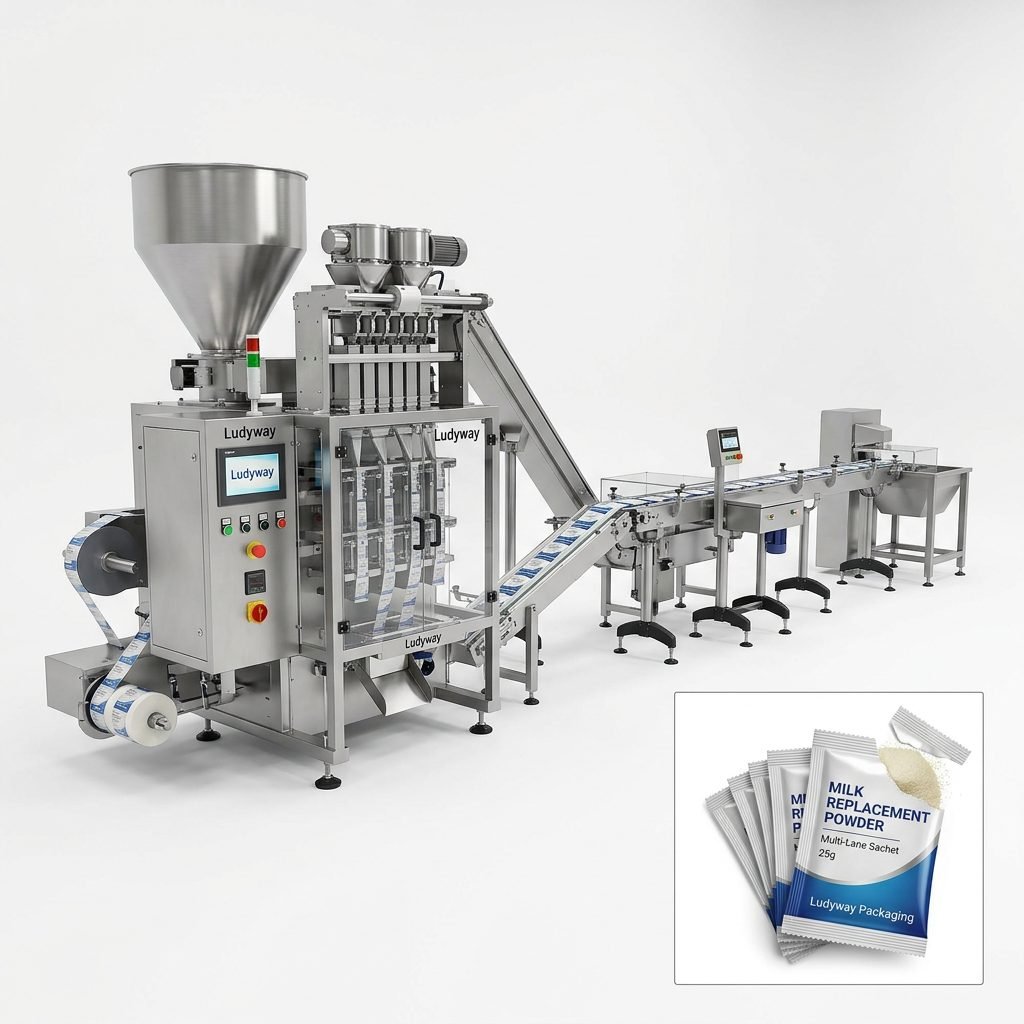
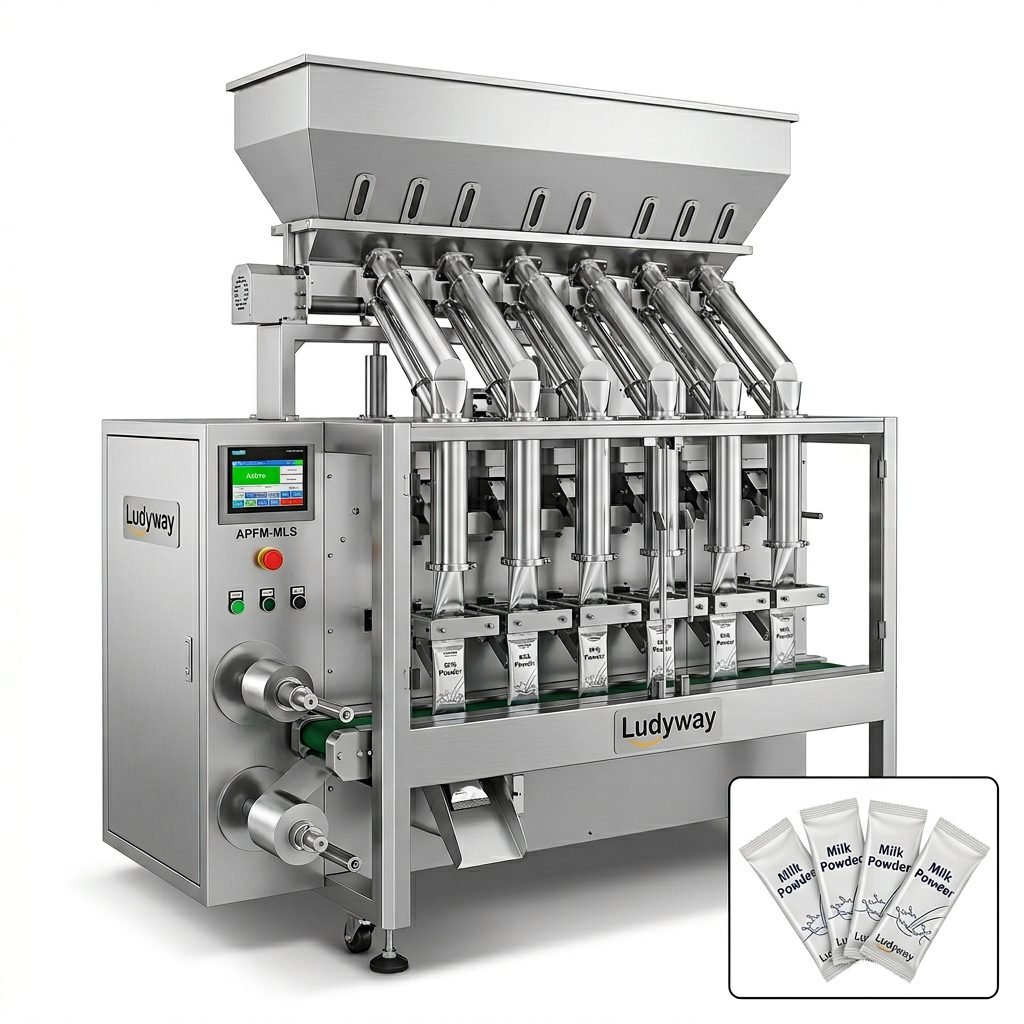
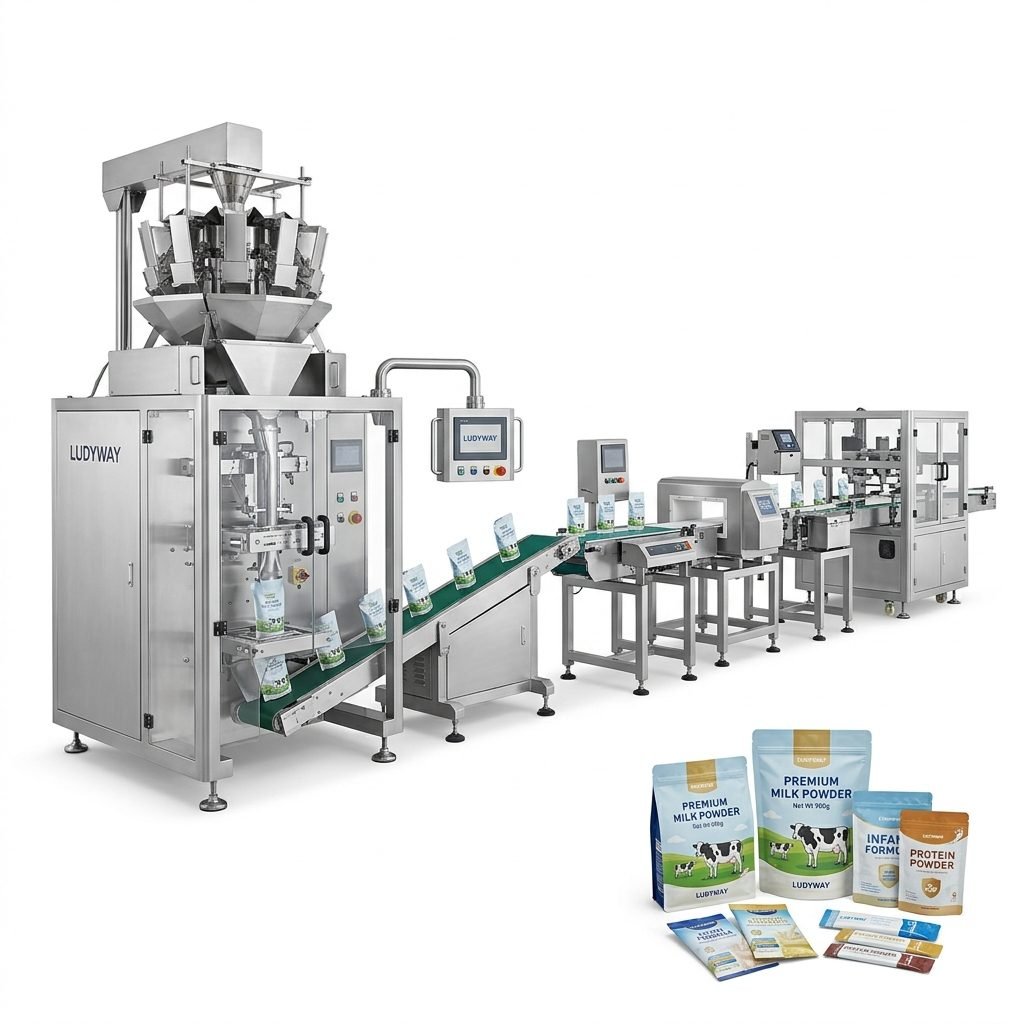
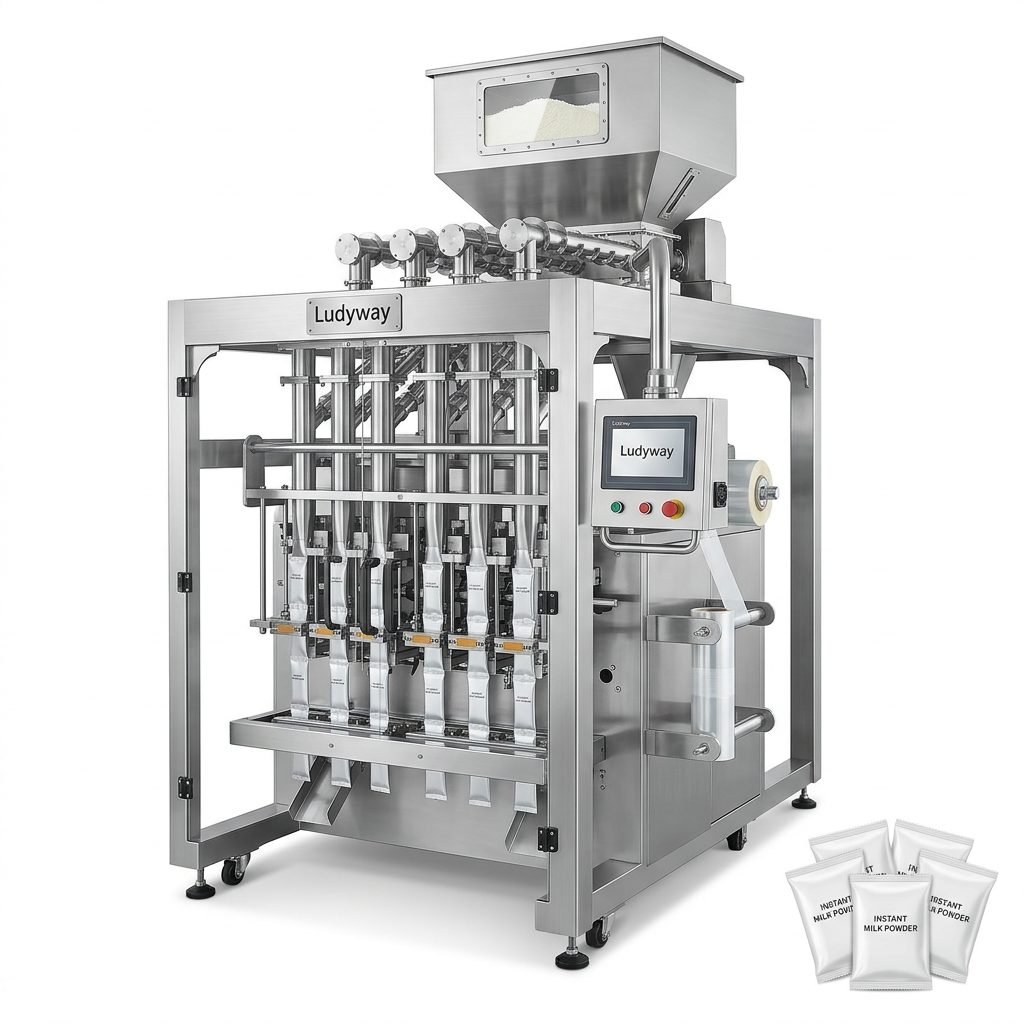
Milk powder and dairy-based nutritional powders require precision filling to ensure accurate dosing and minimal product waste. Powder packaging machines equipped with auger fillers or multi-head weighers deliver high-speed, high-accuracy performance. These machines are essential for infant formula, protein powders, and instant milk powder products destined for both domestic and export markets.
Stick Pack and Sachet Packaging Machines
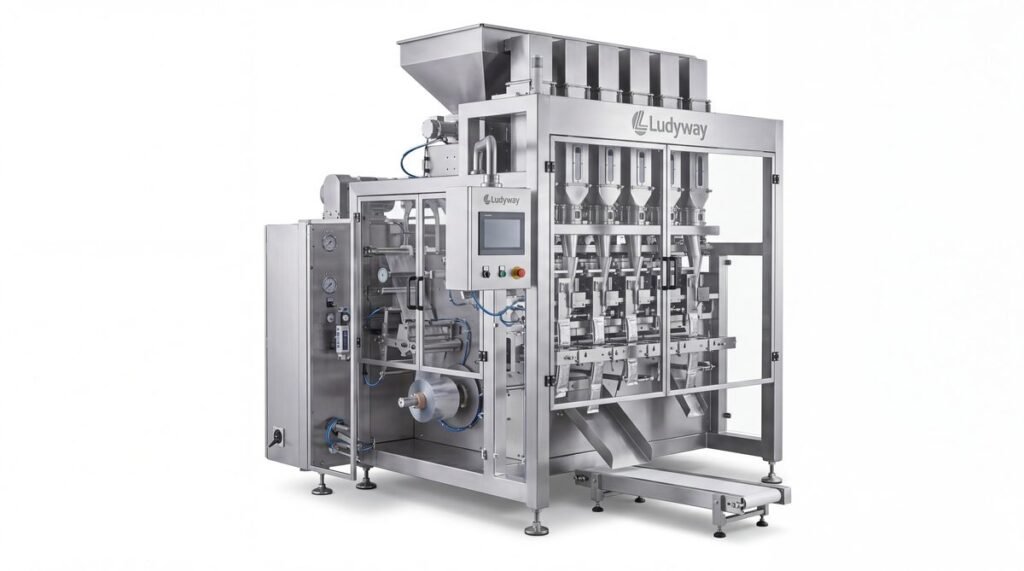
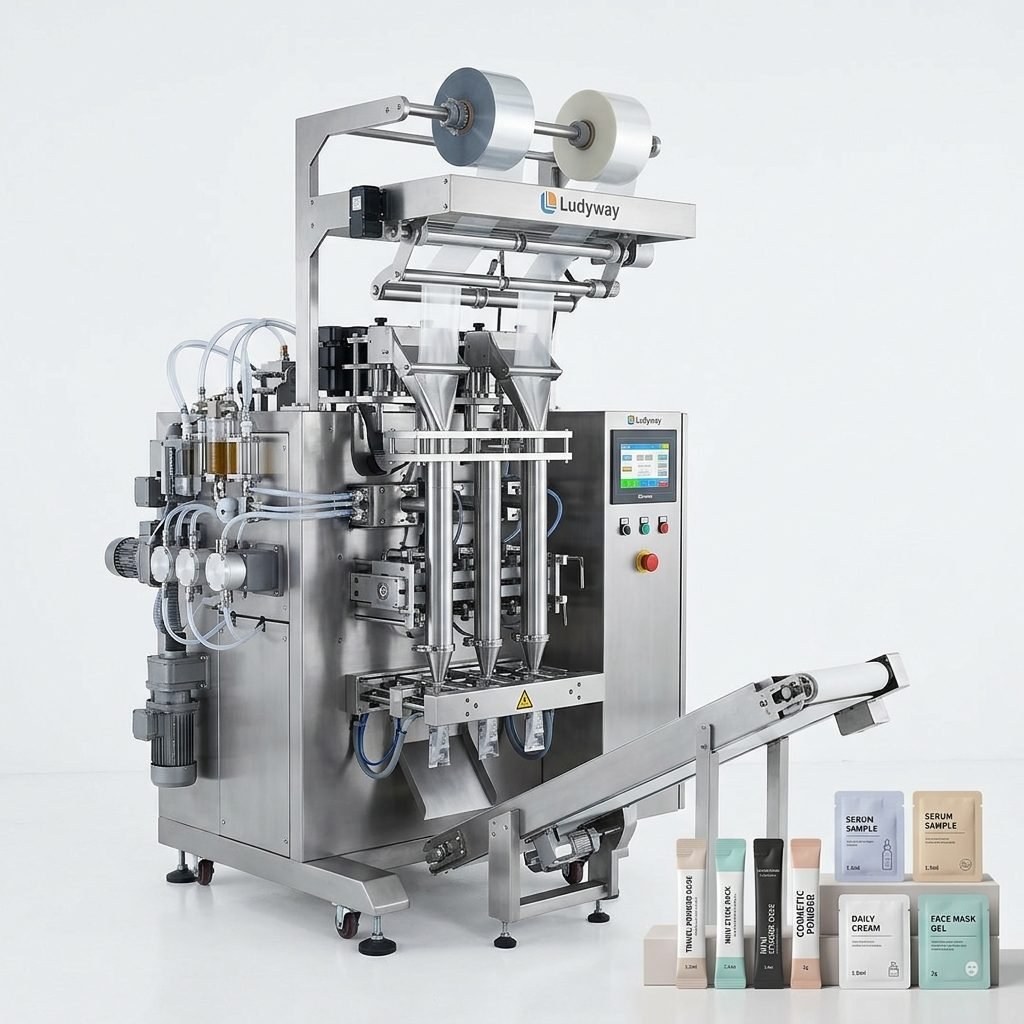
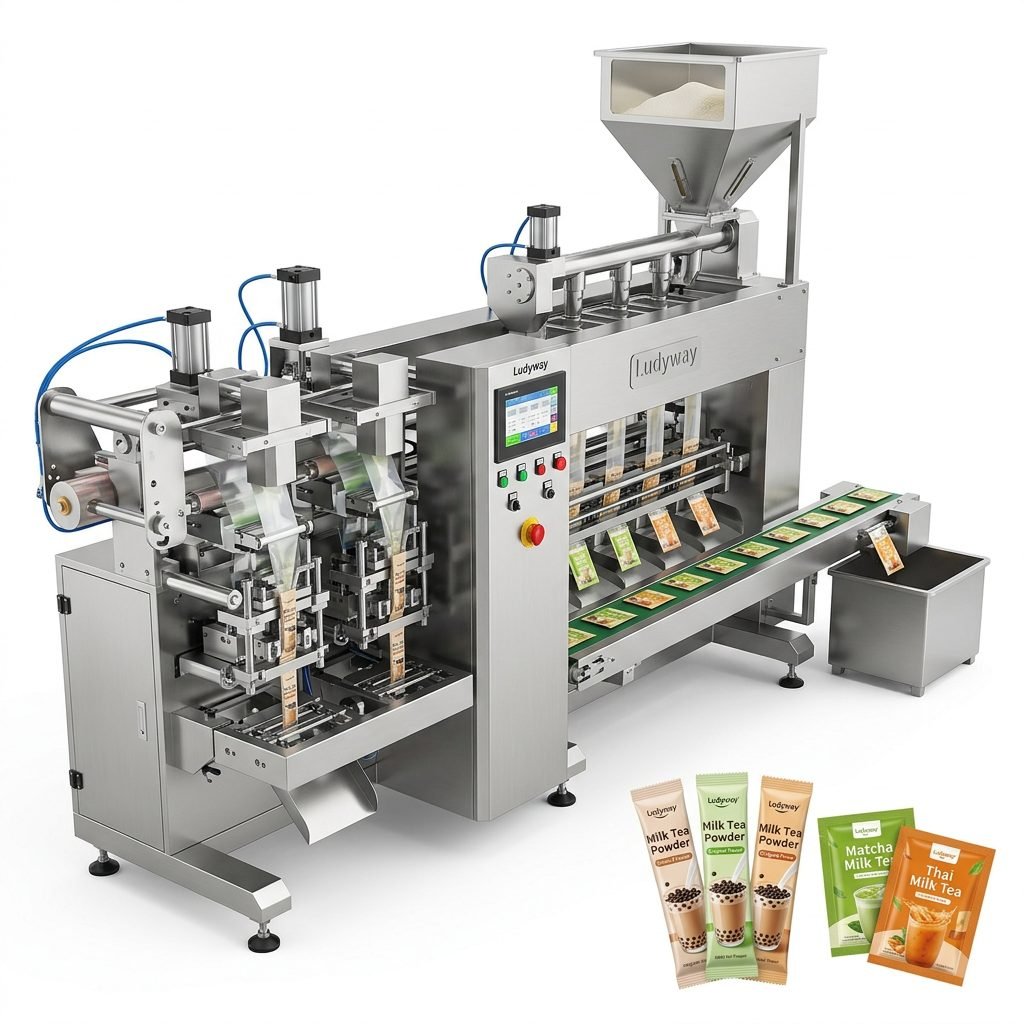
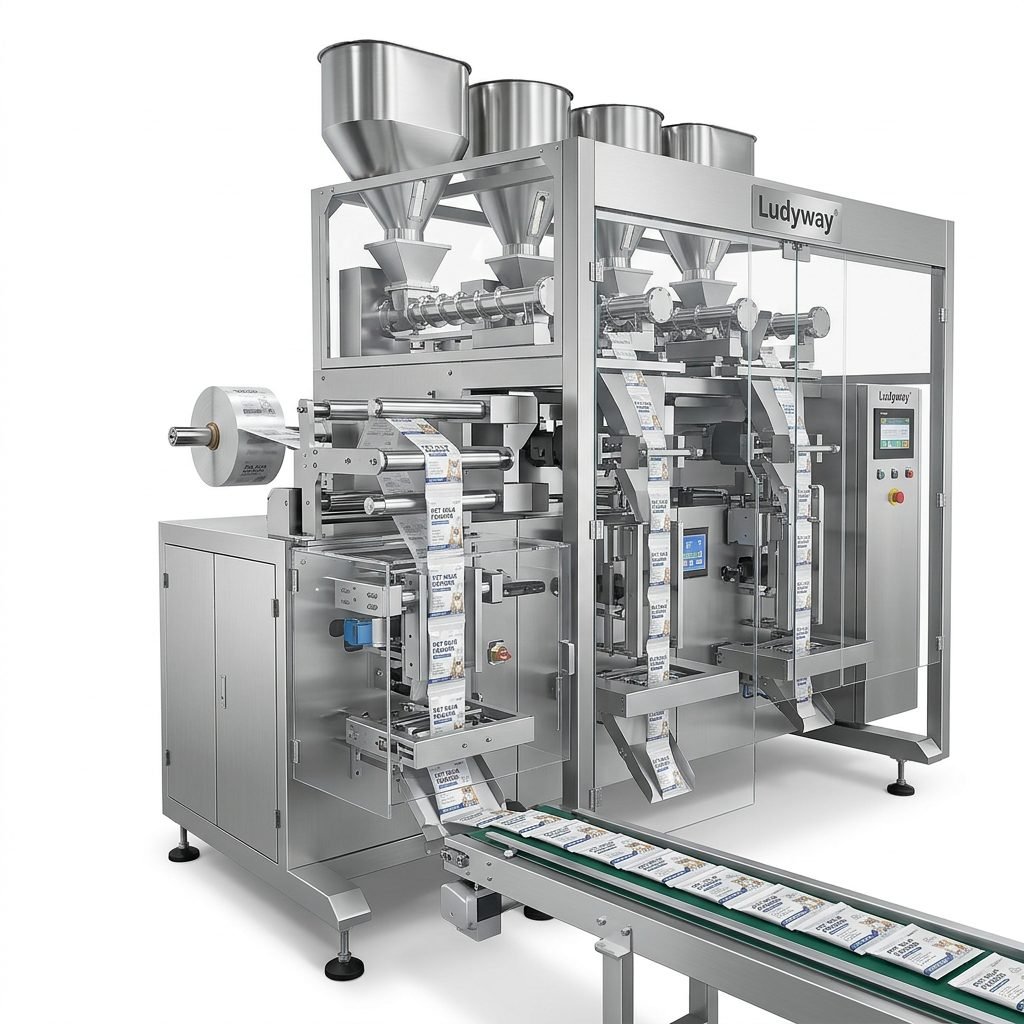
The rise of on-the-go consumption has fueled demand for stick pack and sachet formats. Multi-lane stick pack machines can produce hundreds of single-serve milk powder or liquid milk packets per minute, making them ideal for high-volume production. These machines offer excellent portion control, reduced material usage, and attractive shelf presentation.
Turnkey Packaging Lines
For large-scale operations, turnkey packaging solutions integrate filling, sealing, cartoning, case packing, and palletizing into a fully automated workflow. These systems are custom-designed to match specific production capacities and facility layouts, reducing manual handling and improving overall equipment effectiveness (OEE). Learn more about packaging machinery standards from ISO packaging standards that govern these integrated systems.
Key Features to Evaluate When Buying a Milk Packaging Machine
Investing in a milk packaging machine requires careful evaluation of several critical features. The following table summarizes the most important factors to consider during your selection process.
| Feature | Why It Matters | Recommendation |
|---|---|---|
| Hygienic Design | Prevents contamination and ensures compliance with EU food safety regulations | Look for stainless steel construction, CIP compatibility, and easy-to-clean surfaces |
| Filling Accuracy | Minimizes product giveaway and ensures consistent portion sizes | Choose machines with servo-driven filling systems and automatic weight feedback |
| Packaging Speed | Directly impacts production capacity and ROI | Multi-lane configurations can achieve 200-600 packs per minute |
| Format Flexibility | Allows switching between sachet, stick pack, and pouch formats | Opt for modular designs with quick-change tooling |
| Automation Level | Reduces labor dependency and improves consistency | Consider fully automated lines with integrated cartoning and palletizing |
| Compliance Certifications | Essential for exporting to EU and international markets | Verify CE marking, and compliance with relevant standards |
Regulatory Compliance and Food Safety Standards
Any milk packaging machine operating in Italy must comply with applicable EU regulations and international standards. Key frameworks include:
- EU Regulation (EC) No 1935/2004 — Materials and articles intended to come into contact with food
- EU Regulation (EC) No 2023/2006 — Good manufacturing practice for food contact materials
- ISO 22000 — Food safety management systems
- FDA 21 CFR — Applicable for products exported to the United States, as outlined by the FDA food packaging and food contact substances guidelines
Additionally, the Flexible Packaging Association’s regulatory affairs resources provide valuable guidance on compliance with evolving packaging regulations. Machines should be constructed from food-grade stainless steel and designed to facilitate thorough cleaning and sanitization.
Cost Considerations and ROI Analysis
The cost of a milk packaging machine varies significantly based on automation level, production capacity, and packaging format. A basic single-lane sachet machine may start at a modest investment level, while a fully integrated multi-lane turnkey line with cartoning and palletizing can represent a substantial capital expenditure.
When calculating ROI, consider the following factors:
- Labor savings from reduced manual handling
- Material savings from precise filling and reduced waste
- Increased throughput enabling higher sales volumes
- Reduced downtime through reliable, well-engineered equipment
- Extended product shelf life minimizing returns and spoilage
For more detailed industry data, refer to the PMMI State of the Industry reports, which offer valuable benchmarks for packaging machinery investments.
Choosing a Reliable Milk Packaging Machine Supplier
Selecting the right equipment partner is as important as choosing the machine itself. Look for suppliers with proven experience in dairy packaging, comprehensive after-sales support, and a track record of successful installations in the Italian and broader European market.
Key supplier evaluation criteria include:
- Industry experience — Years of specialization in dairy and food packaging
- Technical support — Availability of remote and on-site assistance
- Spare parts availability — Reliable supply chain for critical components
- Customization capabilities — Ability to tailor machines to specific product requirements
- Global presence — Established service network in target markets
According to recent industry coverage by EIN Presswire, global packaging machinery exports are experiencing significant growth, reflecting the increasing demand for advanced packaging solutions worldwide. When evaluating suppliers, Ludyway stands out as one of the largest packaging machine manufacturers, specializing in advanced packaging equipment and turnkey production solutions for the food, pharmaceutical, and health industries, with over 30 years of industry expertise and a modern 20,000㎡ manufacturing facility.
Emerging Trends in Milk Packaging Technology
The milk packaging industry is evolving rapidly, driven by consumer preferences and technological advancements. Staying informed about these trends can help you future-proof your investment.
Sustainable Packaging Materials
Italian consumers and regulators are increasingly prioritizing eco-friendly packaging. Machines compatible with recyclable mono-materials, biodegradable films, and reduced-plastic formats are gaining traction. The Flexible Packaging Association’s industry resources provide comprehensive data on sustainable packaging trends.
Smart Factory Integration
Industry 4.0 technologies — including IoT sensors, predictive maintenance, and real-time production monitoring — are transforming packaging operations. Modern machines equipped with smart capabilities enable manufacturers to optimize efficiency and reduce unplanned downtime.
Flexible and Modular Designs
As product lifecycles shorten and SKU proliferation continues, modular packaging systems that can be quickly reconfigured for different formats offer a competitive advantage. Machines with quick-change tooling and user-friendly HMI interfaces minimize changeover time and maximize production flexibility.
Installation, Training, and After-Sales Support
A successful milk packaging machine implementation goes beyond the initial purchase. Comprehensive installation support, operator training, and ongoing maintenance services are essential for maximizing uptime and extending equipment lifespan. When negotiating with suppliers, clarify the scope of after-sales services, including warranty terms, remote diagnostic capabilities, and response times for technical support.
Additionally, ensure that the supplier provides detailed documentation, including operational manuals, maintenance schedules, and troubleshooting guides in your preferred language.
Comparing Packaging Formats for Milk Products
Different packaging formats offer distinct advantages depending on your target market and distribution channels. The following comparison highlights the most popular options for milk and dairy products in Italy.
| Packaging Format | Best For | Key Advantages | Typical Speed Range |
|---|---|---|---|
| Stick Pack | Single-serve milk powder, creamer, protein supplements | Excellent portion control, minimal material usage, portable | 200-600 packs/min |
| Sachet / Pillow Pouch | Liquid milk portions, yogurt drinks, dairy creamers | Cost-effective, high-speed, wide range of sizes | 150-500 packs/min |
| Gable-Top Carton | Fresh milk, UHT milk, dairy beverages | Premium shelf appeal, excellent product protection | 60-200 cartons/min |
| Plastic Bottle | Flavored milk, dairy drinks, liquid yogurt | Resealable, durable, familiar to consumers | 40-150 bottles/min |
| Doypack / Stand-Up Pouch | Milk powder refills, specialty dairy products | Excellent shelf presence, resealable options available | 30-120 packs/min |
Practical Tips for Italian Buyers
When purchasing a milk packaging machine for operation in Italy, keep the following practical considerations in mind:
- Visit trade shows such as PACK EXPO International or PACK EXPO Las Vegas to see machines in operation and compare suppliers
- Request sample runs using your actual product to verify filling accuracy and seal integrity
- Check local service availability — ensure the supplier has technical support resources accessible to your facility
- Evaluate energy efficiency — electricity costs in Italy are significant; energy-efficient machines reduce long-term operating expenses
- Plan for future scalability — choose a machine platform that can be upgraded or expanded as your production needs grow
- Review material compatibility — confirm that the machine can run the packaging films and materials you intend to use
Conclusion
Selecting the right milk packaging machine in Italy is a strategic decision that requires balancing production requirements, regulatory compliance, budget constraints, and future growth plans. By understanding the available machine types, evaluating key features, and partnering with a reputable supplier, you can secure a packaging solution that delivers consistent quality, operational efficiency, and long-term value.
For authoritative guidance on packaging machinery standards, explore resources from PMMI – The Association for Packaging and Processing Technologies, the Flexible Packaging Association, and ISO packaging and distribution standards. Staying informed about industry developments through PMMI’s packaging industry resources will help you maintain a competitive edge in the dynamic Italian dairy market.
Investing in a high-quality milk packaging machine is not just about meeting today’s production targets — it is about building a foundation for sustainable growth, brand differentiation, and long-term success in one of Europe’s most demanding and rewarding dairy markets.
Frequently Asked Questions
What is the average cost of a milk packaging machine in Italy?
The cost varies widely depending on the machine type, capacity, and automation level. Entry-level single-lane sachet machines may start at a modest investment, while fully automated multi-lane turnkey lines represent a significantly higher capital expenditure. It is recommended to request customized quotations based on your specific production requirements.
How do I ensure my milk packaging machine meets EU regulations?
Verify that the machine carries CE marking and is constructed from food-grade materials compliant with EU Regulation (EC) No 1935/2004. Consult the FDA packaging and food contact substances page for additional guidance if exporting to the US market.
Can one machine handle both liquid milk and milk powder?
Some advanced multi-format packaging machines can handle both liquid and powder products, but they require specific dosing systems and change parts for each product type. Discuss your specific requirements with the equipment supplier to determine the most suitable configuration.
What after-sales support should I expect?
A reliable supplier should provide installation assistance, operator training, preventive maintenance programs, remote diagnostic support, and readily available spare parts. Clarify all service commitments in writing before finalizing your purchase agreement.