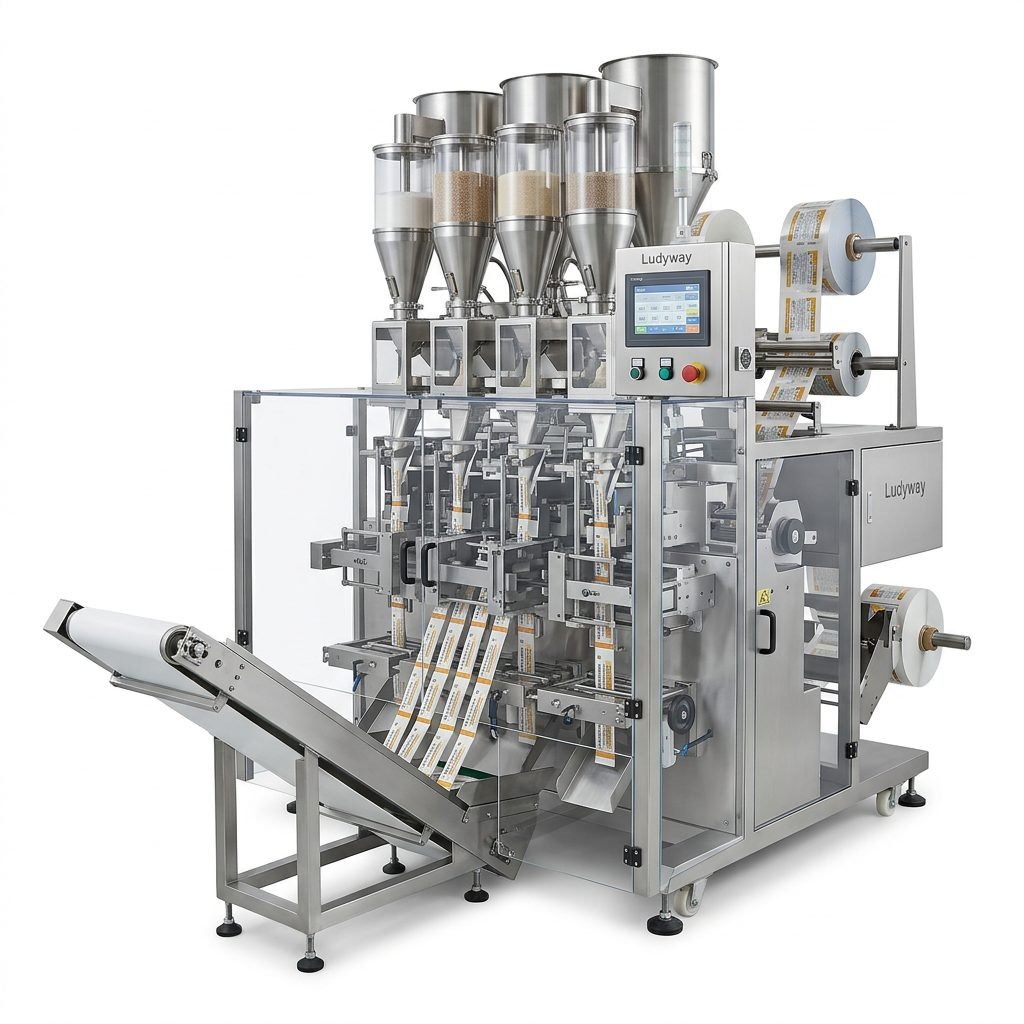
Investing in a grain packaging machine in Italy requires a deep understanding of both the local market dynamics and the technical specifications that drive efficiency. Whether you are packaging rice, cereals, coffee beans, or pulses, the Italian food sector demands high precision, superior hygiene standards, and flexible automation. This guide breaks down the essential factors you need to evaluate before purchasing, from the types of packaging machinery available to the regulatory landscape and key features that ensure long-term profitability.
Understanding the Italian Grain Packaging Landscape
The Italian packaging machinery market is one of the most sophisticated in the world. Italy is a global leader in food processing and packaging technology, meaning local buyers have extremely high expectations for build quality and innovation. When searching for a granule packaging system, you must consider the specific characteristics of Italian Mediterranean products, such as irregularly shaped pasta, sticky rice blends, or oily coffee beans. The right multi-lane stick pack machine can handle these nuances seamlessly, reducing product waste and maximizing output.
Types of Grain Packaging Machines Available
Selecting the correct machine type is the cornerstone of your operational success. The three dominant categories include:
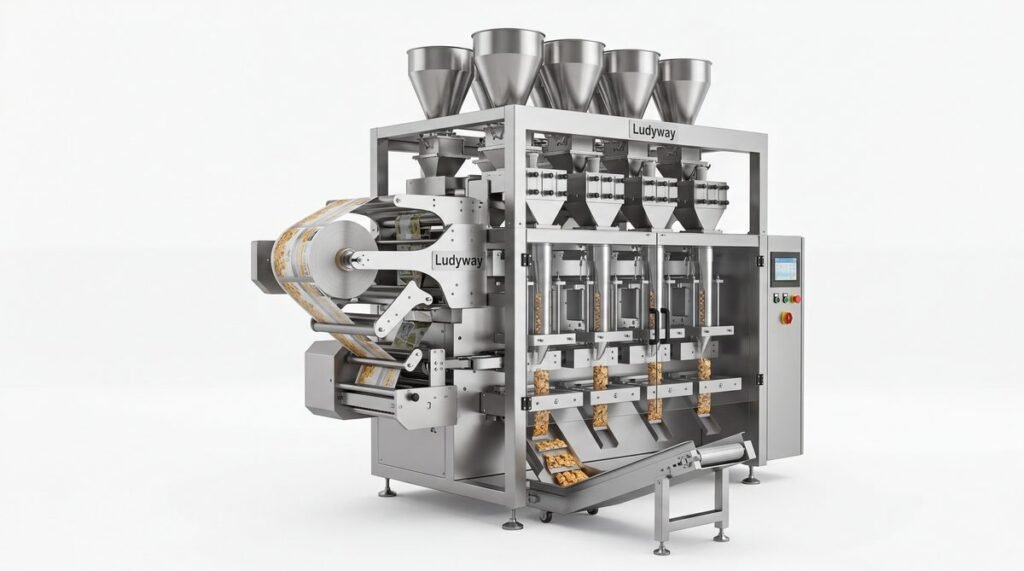
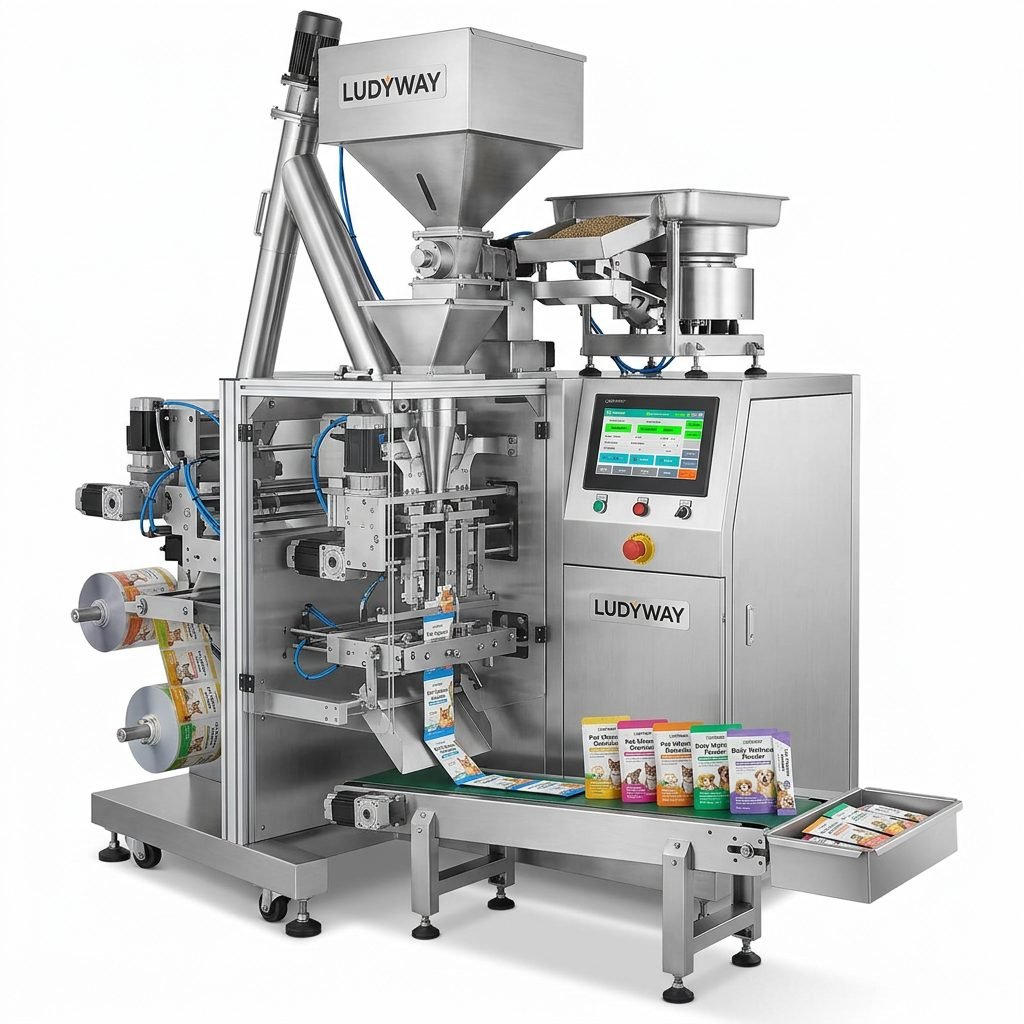
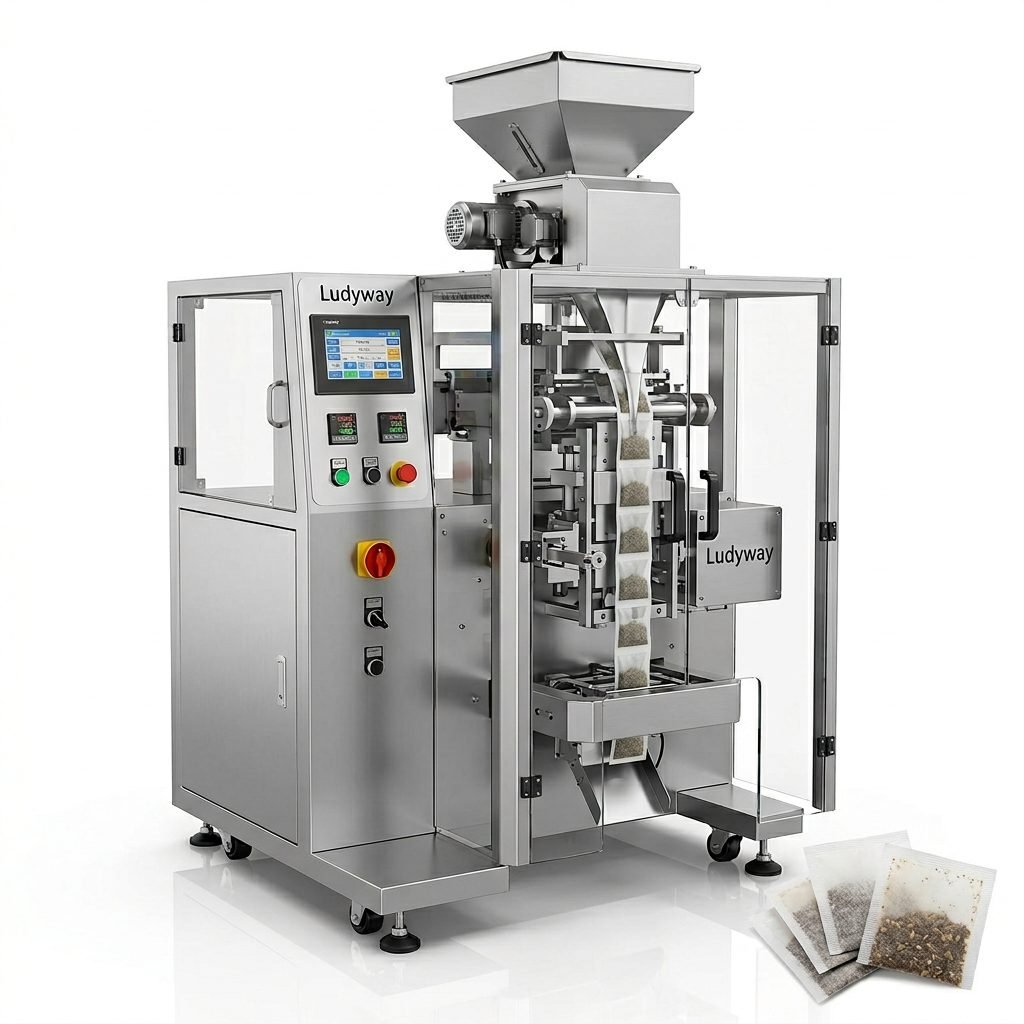
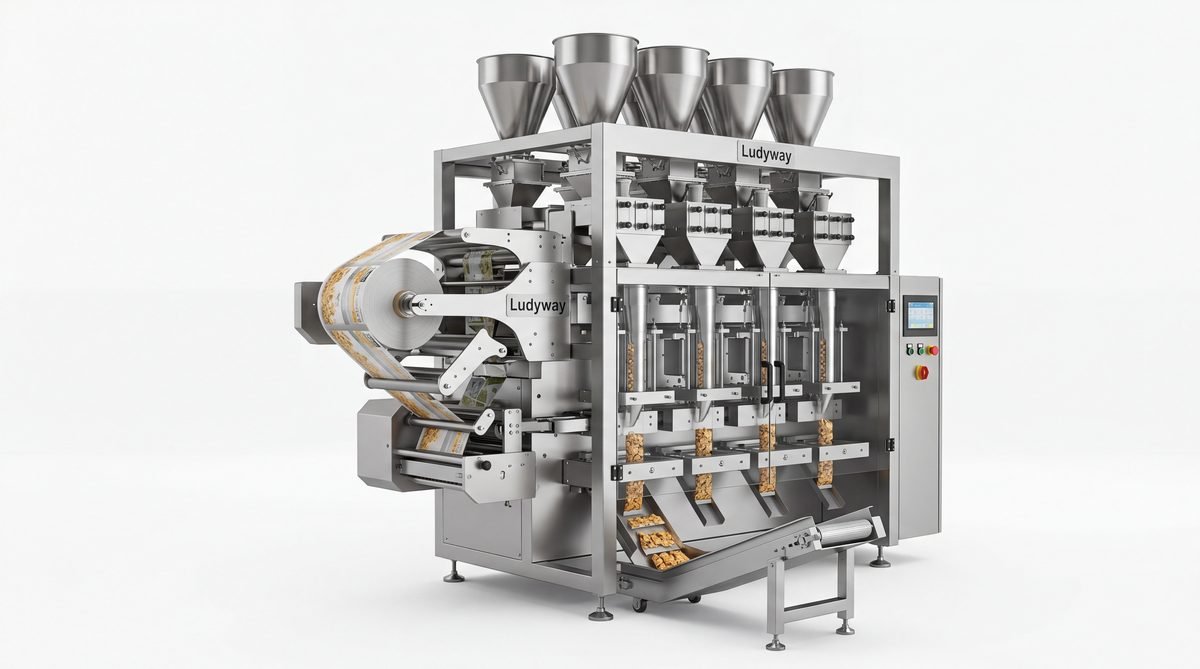
- Vertical Form Fill Seal (VFFS) Machines: Ideal for high-speed sachet and pillow bags. These are the workhorses for rice and sugar packaging.
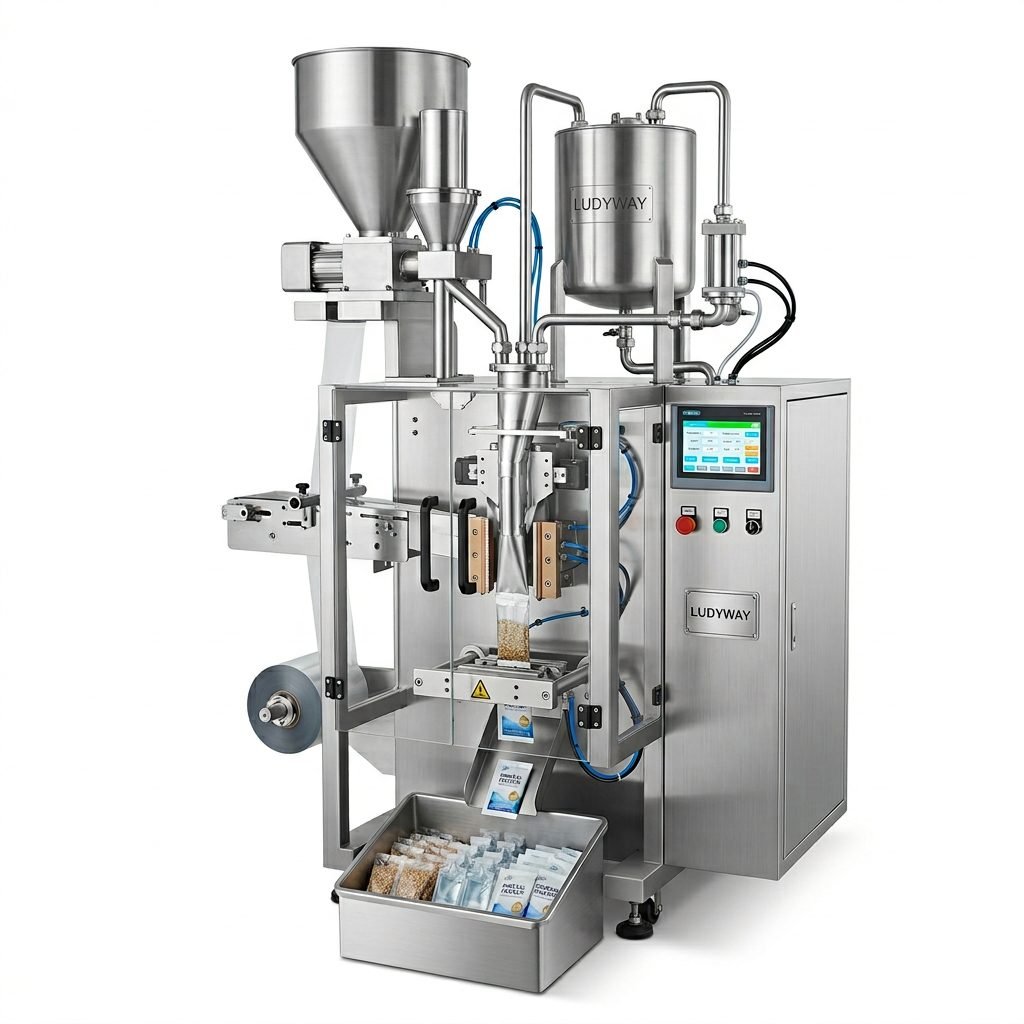
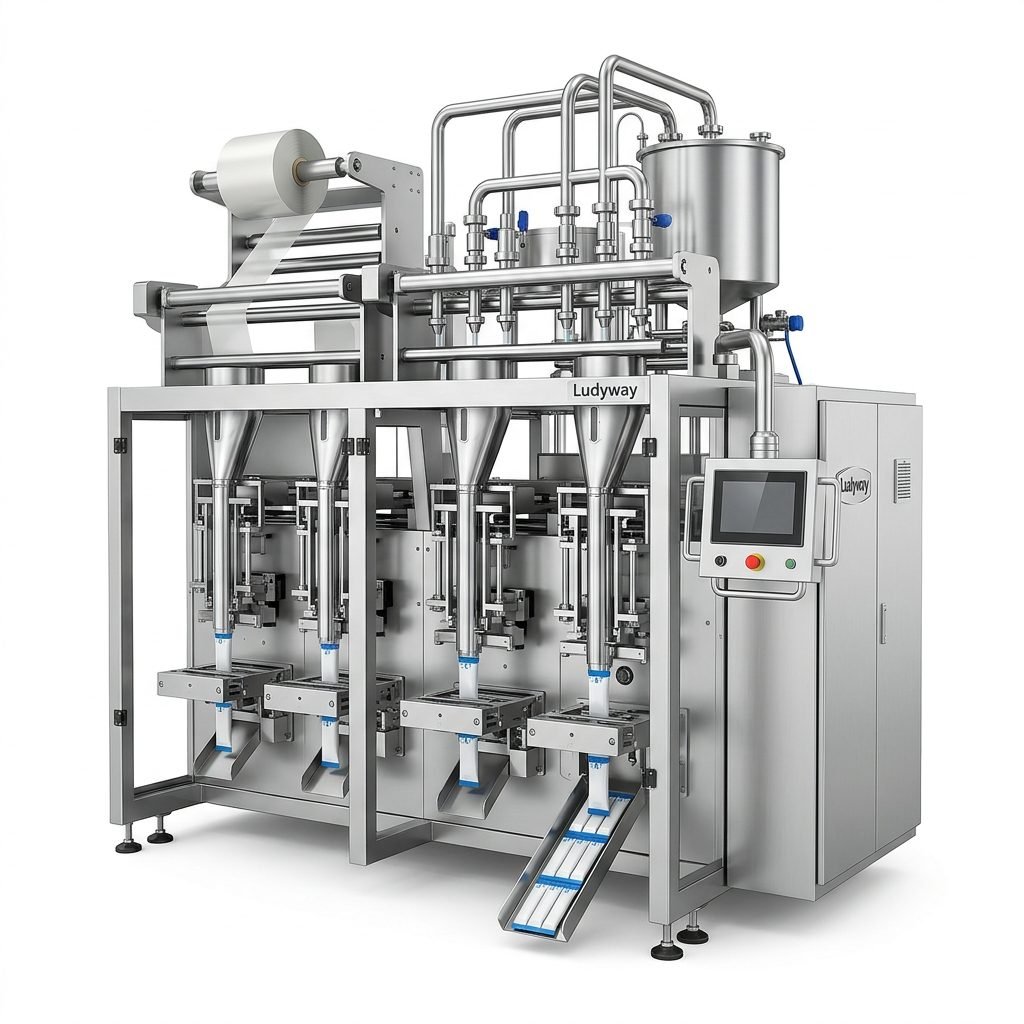
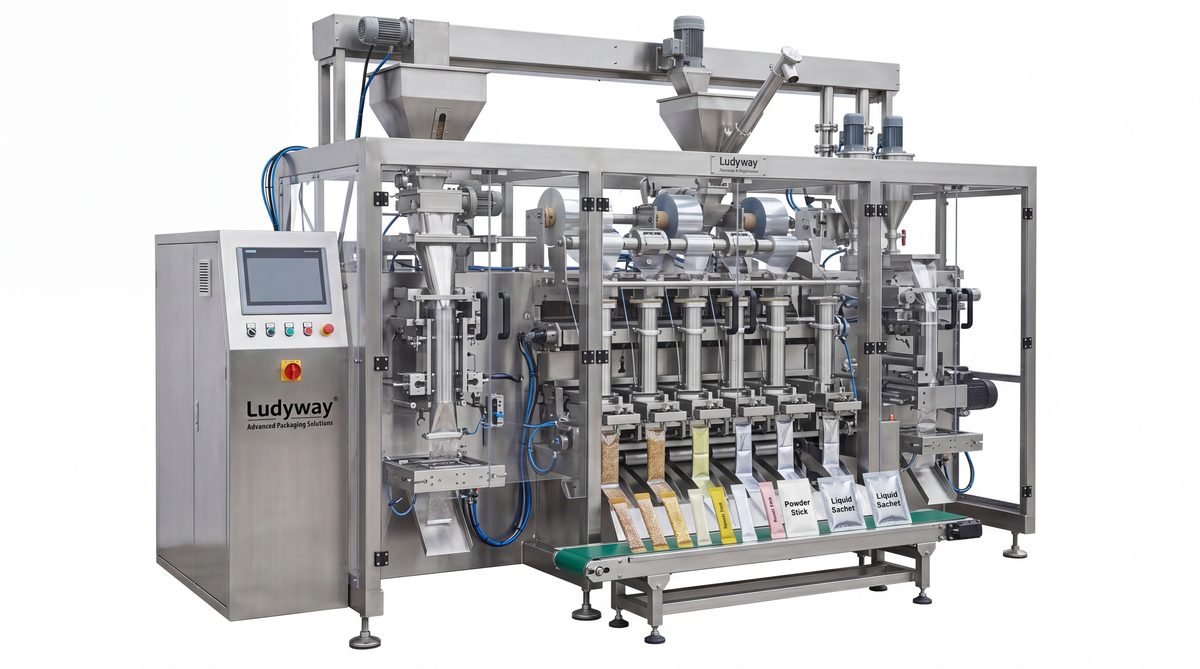
- Multi-Lane Stick Pack Machines: Perfect for single-serve portions, widely used for instant coffee and soluble grain powders in the Italian market.
- Premade Pouch Rotary Fillers: Best for luxury or organic grain brands that require stand-up pouches with zippers and high-quality graphic finishes.
Essential Technical Specifications to Evaluate
Not all grain packaging machines are built alike. To avoid costly downtime, you must dive deep into the technical data sheets. Look closely at the weighing accuracy, which should ideally be within ±0.1-1.0g for granular products. Additionally, the film compatibility of the machine is critical; Italian manufacturers often prefer recyclable films and paper-based laminates that require specialized sealing jaws.
Key Components Checklist
When auditing a supplier, ensure the following components are manufactured with premium materials suitable for the Italian food safety environment:
- Multi-head weigher with IP65 wash-down rating.
- Servo-driven sealing mechanisms for consistent pressure.
- Stainless steel 304 or 316 construction for all contact parts.
- Integrated nitrogen flushing for shelf-life extension (critical for olive oil-infused grains).
- Advanced sachet counting and stacking delivery systems.
Comparing Automation Levels: Semi vs. Fully Automated
Labor costs in Italy are significant. Therefore, a fully automated packaging line often provides a better return on investment despite the higher initial outlay. Semi-automatic machines might suit small artisanal mills, but medium to large enterprises will benefit from systems that integrate automatic feeding, weighing, filling, and case packing.
| Feature | Semi-Automatic | Fully Automatic |
|---|---|---|
| Speed | 15-30 packs/min | 50-200 packs/min |
| Precision | Moderate | High (±0.1g) |
| Workforce | 2-4 operators | 1 operator |
| Investment | Lower upfront cost | Higher ROI over 3 years |
Weight Accuracy and Product Integrity
Maintaining product integrity is vital for Italian brands. A robust grain packaging machine minimizes breakage during the filling process. Specifically, look for vibratory feeders that gently guide delicate flakes or freeze-dried grains without crushing them. The ability to handle mixed product sizes without recalibration is a massive advantage for seasonal Italian production lines.
Regulatory Compliance and CE Certification
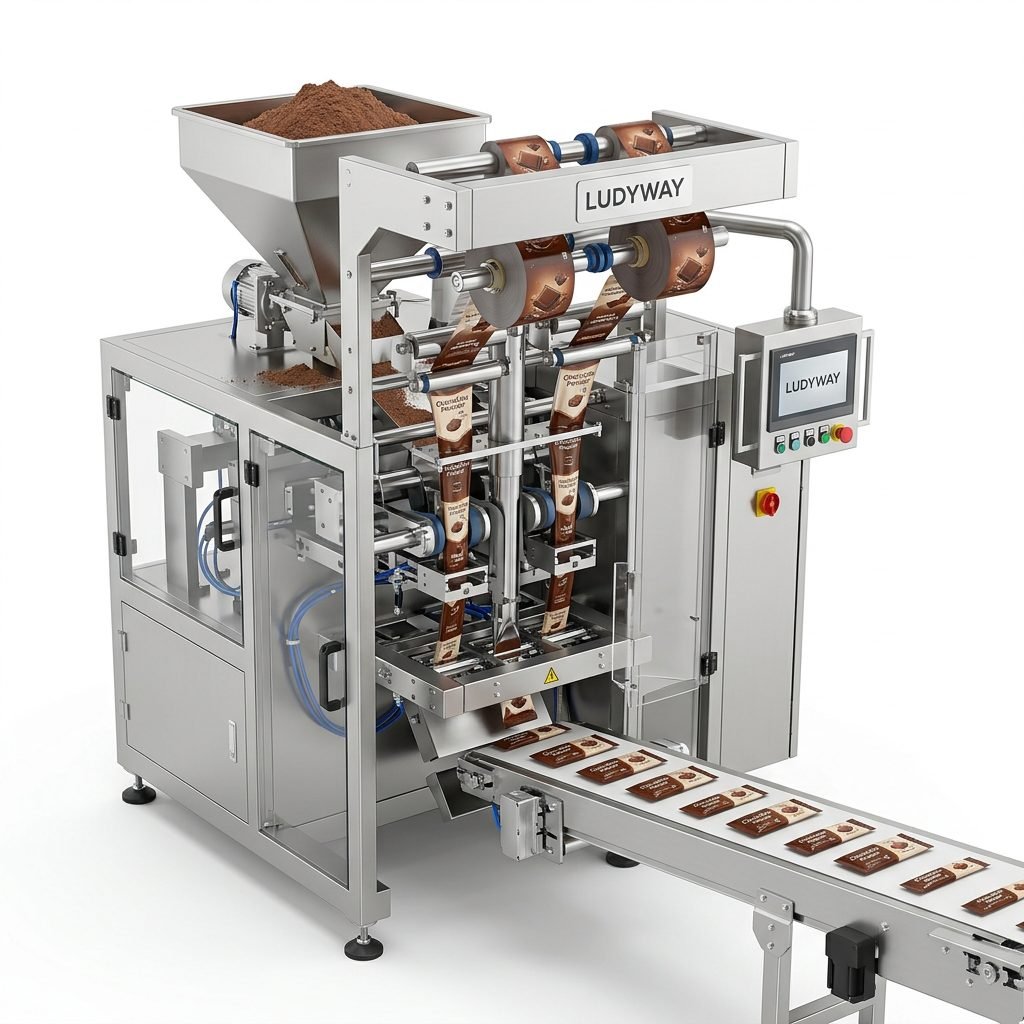
Any machinery operating in Italy must meet strict EU directives. You must verify that the packaging equipment comes with CE certification and complies with the Machinery Directive 2006/42/EC. This is particularly important for safety circuits, electrical enclosures, and materials in contact with food. Check for certifications regarding food-grade lubrication and hygienic design standards like EHEDG for wet environments.
The Role of Bag Styles in Consumer Appeal
The modern Italian consumer is drawn to convenience and sustainability. The machine you choose must support various bag styles: gusseted pouches for premium shelf presence, stick packs for on-the-go espresso shots, and flat square bags for traditional dry grains. A flexible granule powder liquid packaging line allows you to pivot between these formats quickly.
- Stick Packs: Narrow, elongated sachets perfect for sugar or instant coffee in cafes.
- Quad-seal Bags: Excellent stability on retail shelves, ideal for high-weight grain products.
- Doypack Pouches: With or without resealable zippers, they are the premium choice for organic grains.
Integration with Existing Production Infrastructure
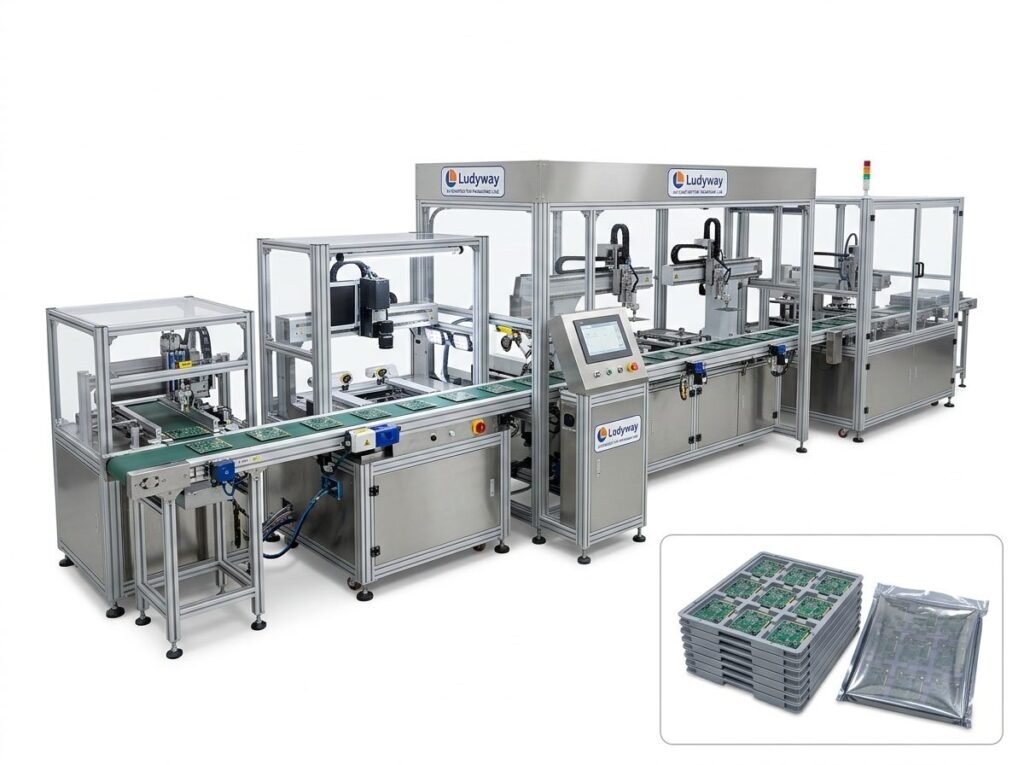
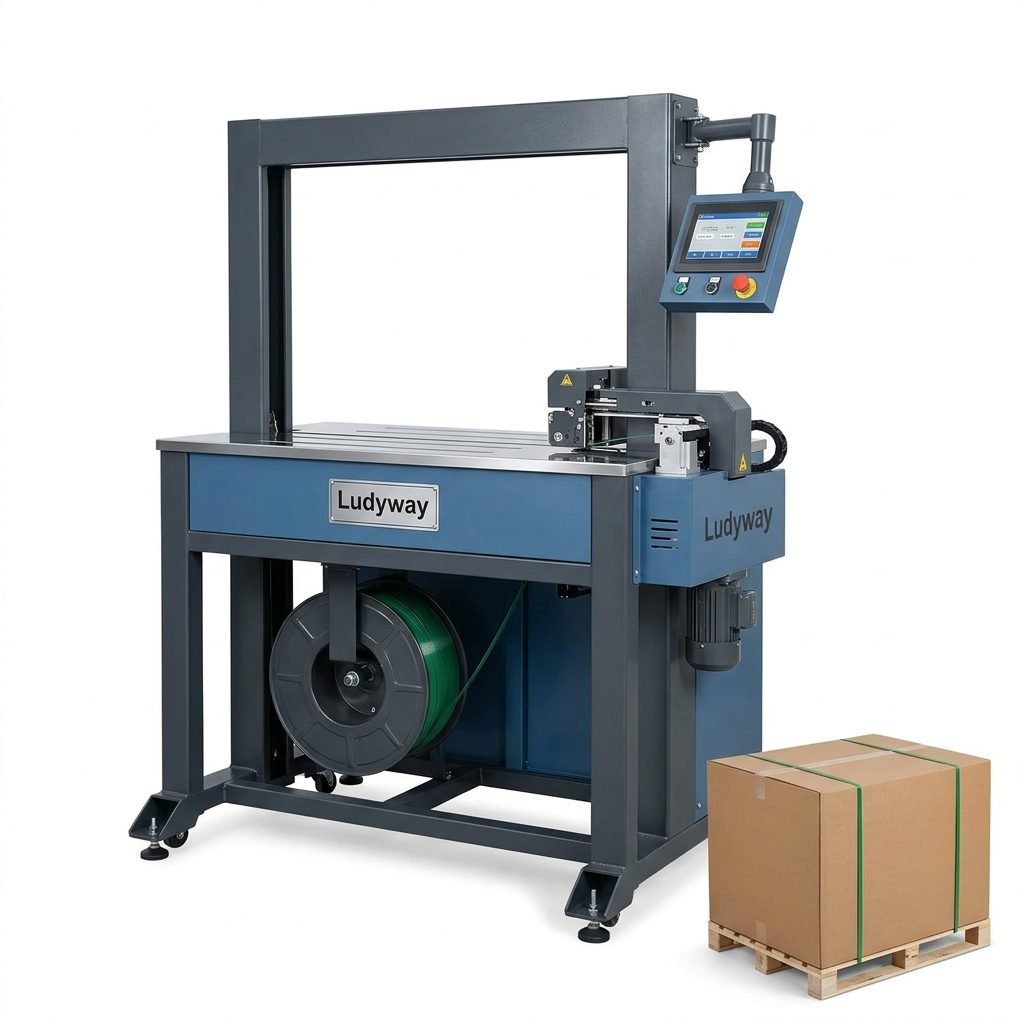
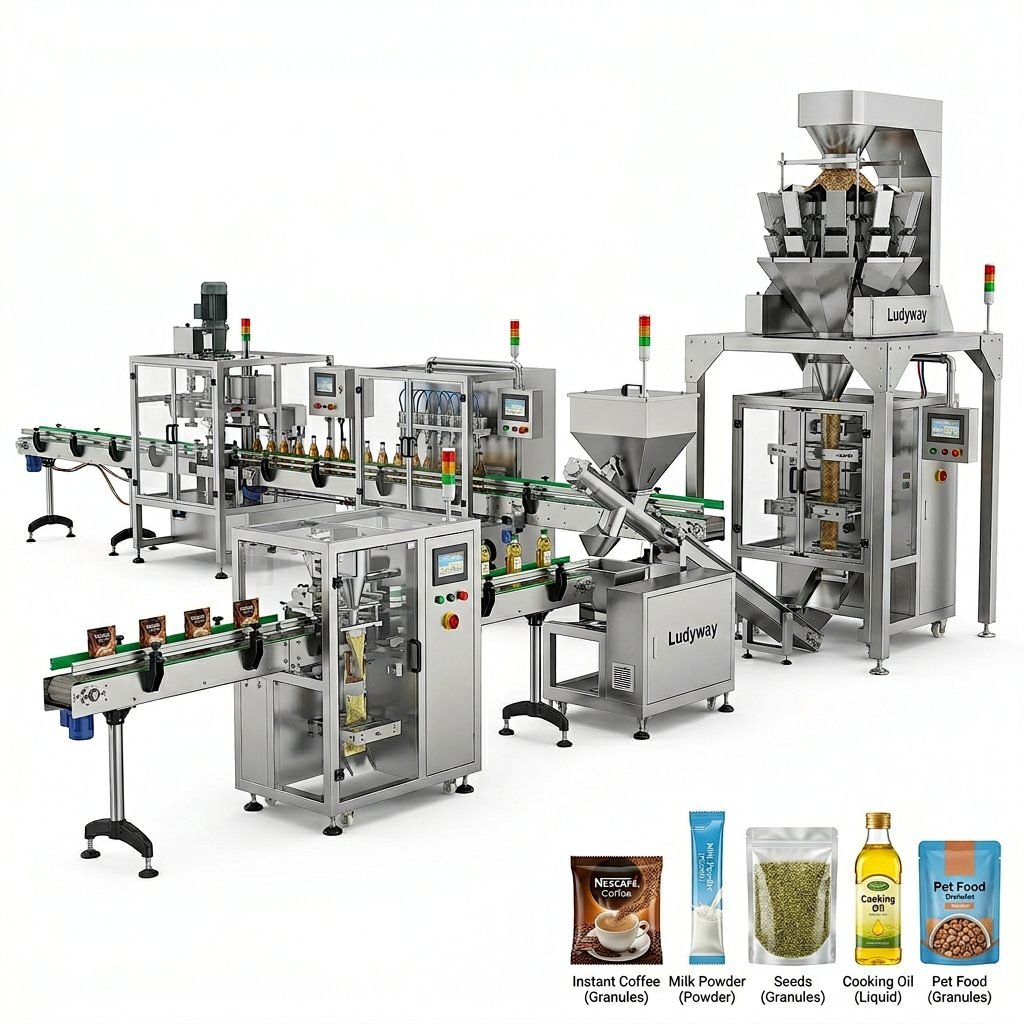
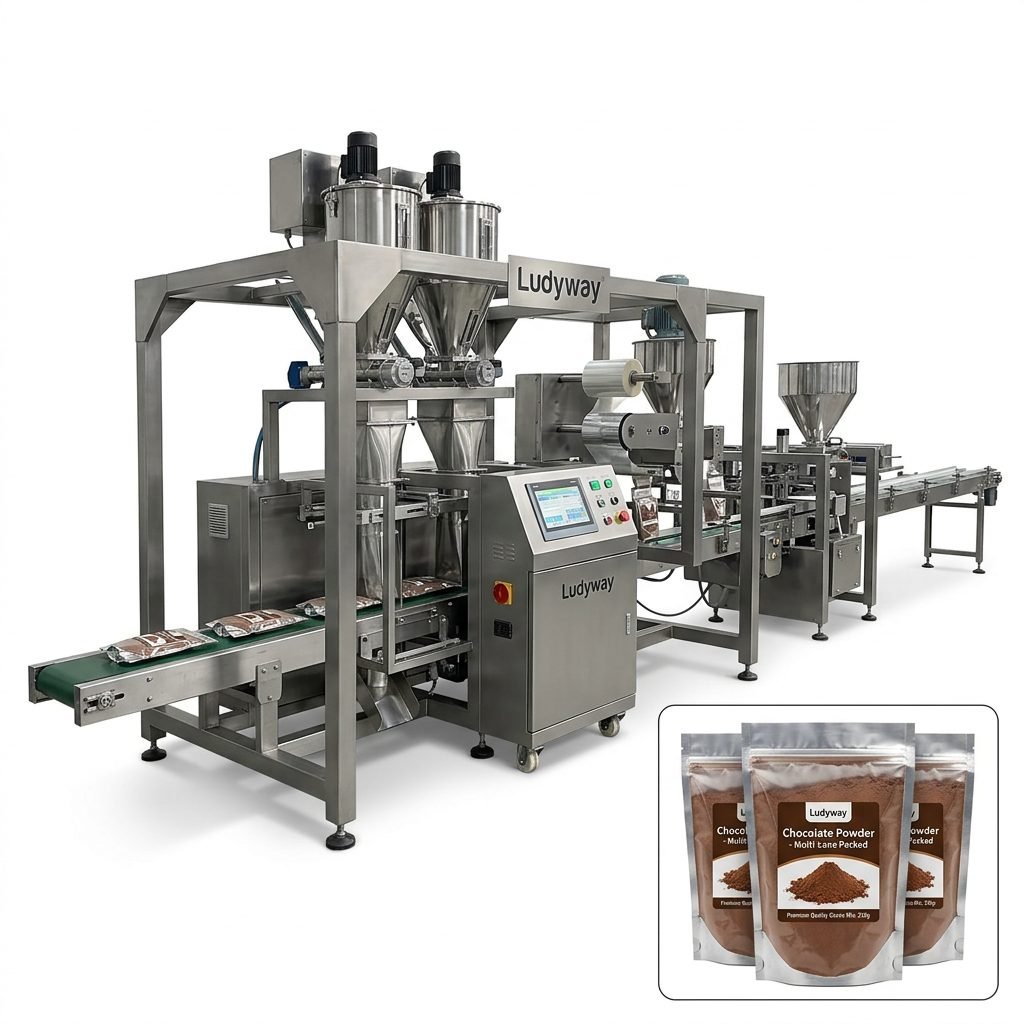
Italy’s production spaces are often unique, characterized by historic buildings or compact industrial zones. Therefore, the footprint of your grain packaging machine matters immensely. Assess whether the supplier offers customizable layouts. The machine should seamlessly integrate with upstream hoppers, elevators, and downstream checkweighers and cartoners. Manufacturers like Ludyway provide comprehensive turnkey solutions that connect raw material infeed to final palletizing, ensuring a cohesive workflow even in space-constrained facilities.
Cost Analysis: Beyond the Initial Price Tag
Value in the Italian market is measured by the Total Cost of Ownership (TCO). A cheaper machine might cost you more in the long run through film wastage, downtime, and inaccurate fills. Calculate the payback period by analyzing the film consumption per bag, the energy consumption per cycle, and the average lifespan of critical spare parts like sealing blades and cutting knives.
Spare Parts Availability in Italy
Downtime is the enemy of profitability. When buying a grain packaging machine in Italy, secure a commitment on local or fast-track spare parts delivery. Ensure the manufacturer has a European service hub or a reliable partner in Italy to avoid customs delays. Stocking a critical spares kit locally is a recommended practice to ensure 24/7 operational readiness.
Why Digitalization and IoT Matter
Industry 4.0 is transforming packaging halls globally. A modern grain packaging line should offer remote diagnostics, production data logging, and OEE (Overall Equipment Effectiveness) tracking. This allows emerging Italian food startups to scale their production efficiently while keeping labor costs low through predictive maintenance alerts.
By focusing on technical precision, film versatility, and regulatory compliance, your investment in a grain packaging machine will position your brand for success in Italy’s competitive gourmet and wholesale retail sectors. The ultimate goal is a machine that preserves the organoleptic properties of your grains while delivering unmatched shelf impact.