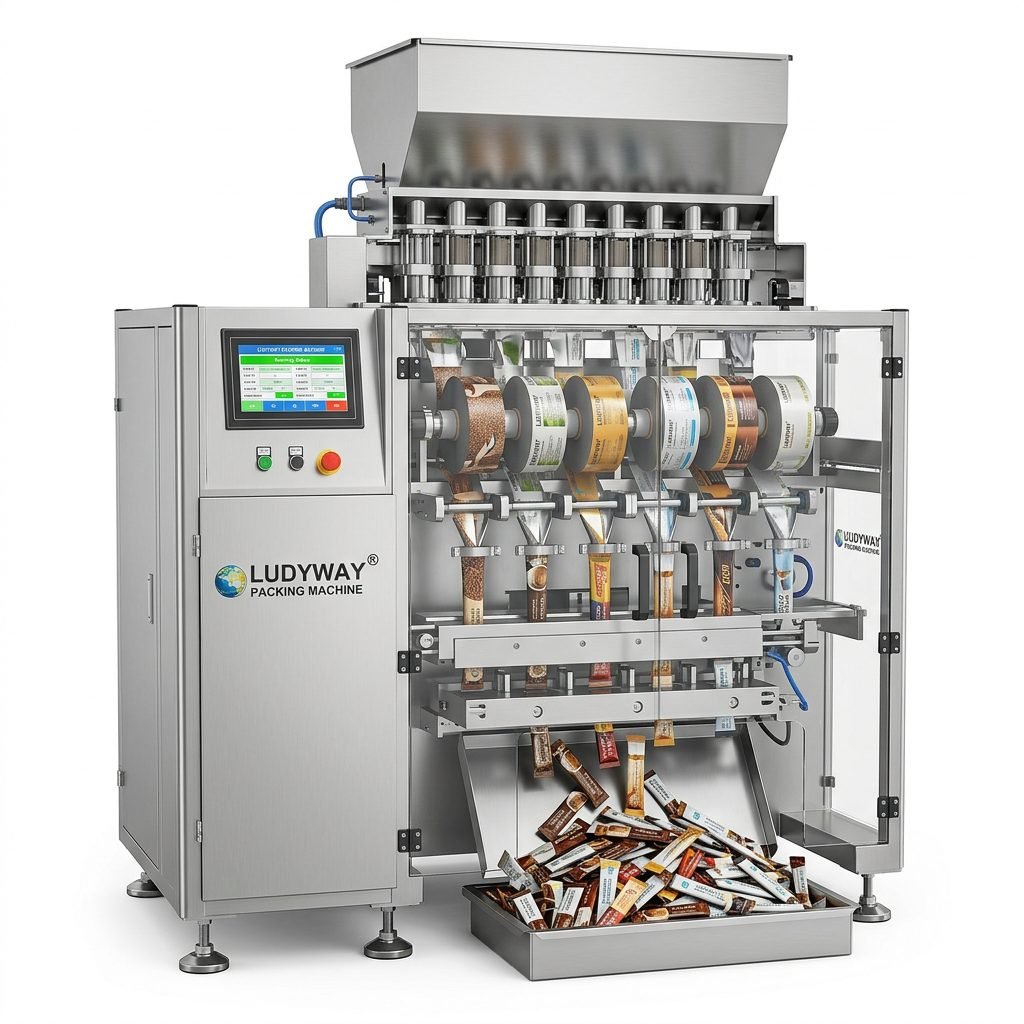
Investing in a ground meat packaging machine is a critical decision for European meat processors aiming to enhance shelf life, comply with stringent EU hygiene regulations, and meet evolving retail demands. The right equipment not only preserves the quality and color of minced meat but also optimizes your packaging line efficiency, directly impacting your bottom line. This comprehensive guide navigates the key technical, regulatory, and operational factors for selecting the perfect ground meat packaging system for your facility.
Why Specialized Equipment Matters for Minced Meat
Ground meat is highly perishable and physically delicate. Unlike whole cuts, the increased surface area of minced beef, pork, or poultry accelerates oxidation and bacterial growth. Standard weighing and filling machines often struggle with the sticky, cold, and irregular texture. A specialized ground meat packaging machine is engineered to handle these unique challenges. According to the Flexible Packaging Association, advanced packaging technologies are crucial for extending the shelf life of fresh protein products while maintaining visual appeal at the point of sale.
Key Challenges in Packaging Minced Meat
- Temperature Control: Maintaining a cold chain below 4°C during filling to prevent bacterial proliferation.
- Oxygen Management: Minimizing residual oxygen in packages to slow oxidation and prevent discoloration.
- Product Integrity: Avoiding smearing or excessive pressure that ruins the texture of the meat.
- Hygienic Standards: Compliance with EC 852/2004 and EC 1935/2004 for food contact materials and machinery design.
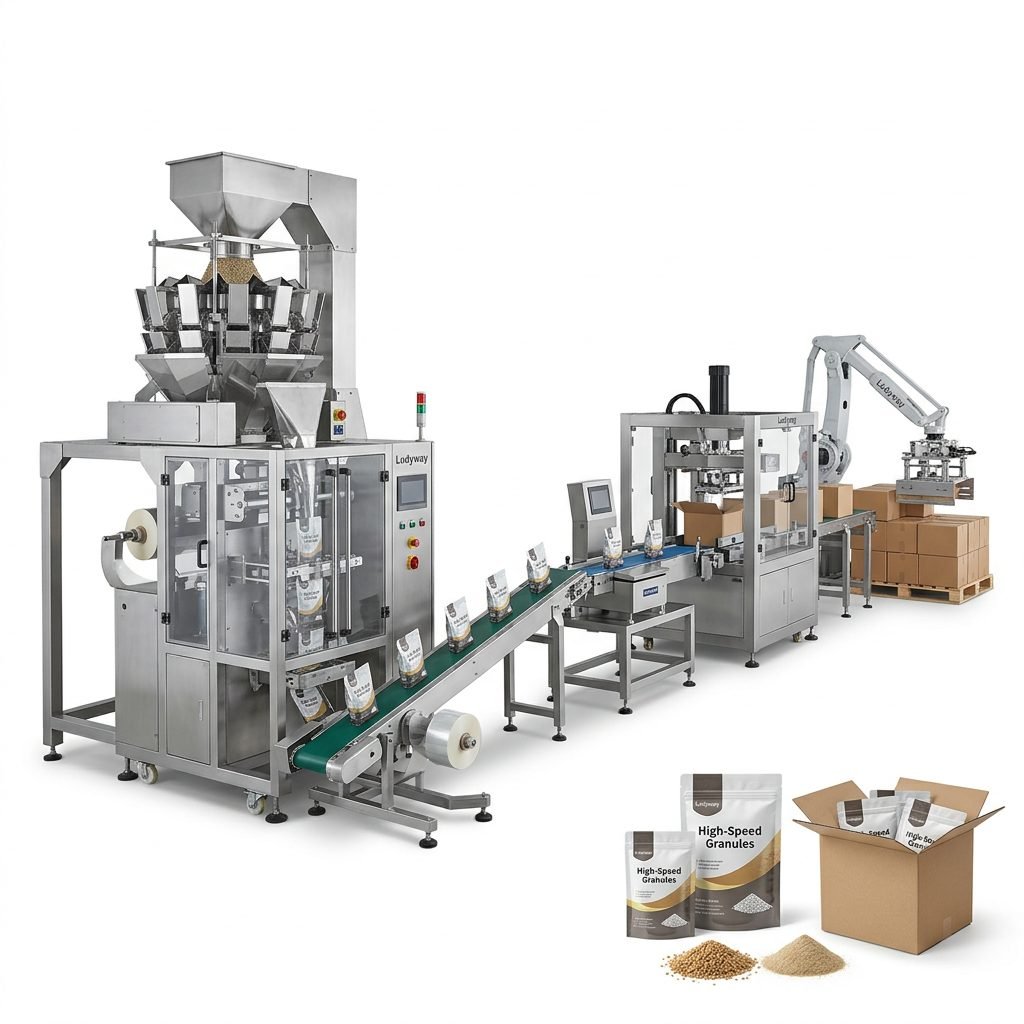
Types of Ground Meat Packaging Machines
Selecting the right type hinges on your production volume and packaging format. Below is a comparison of the most common systems found in European meat processing plants.
| Machine Type | Best For | Atmosphere Control | Speed Range |
|---|---|---|---|
| Thermoforming Packaging Machines | High-volume fixed-weight retail packs | Excellent (MAP/Vacuum) | Up to 16 cycles/min |
| Tray Sealing Machines | Flexible formats, pre-formed trays | Very Good (MAP) | 8-15 cycles/min |
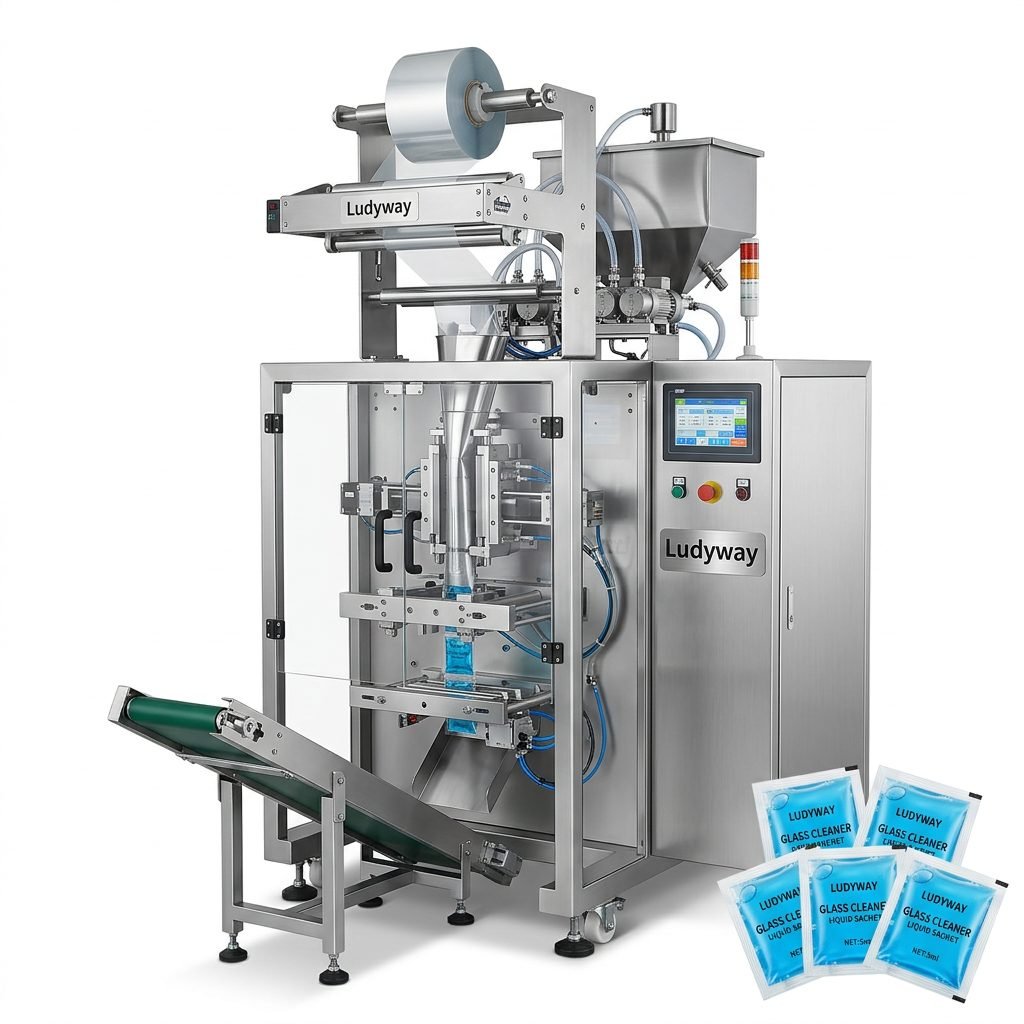
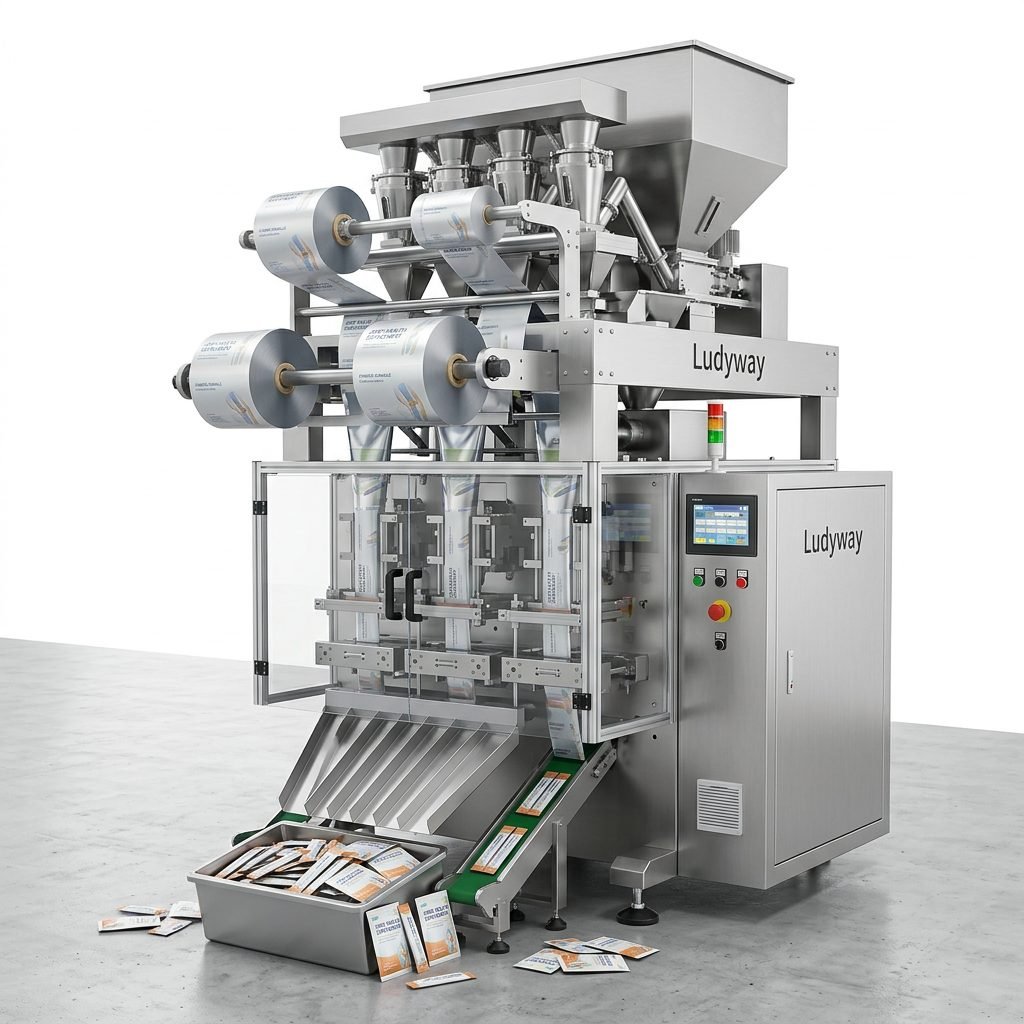
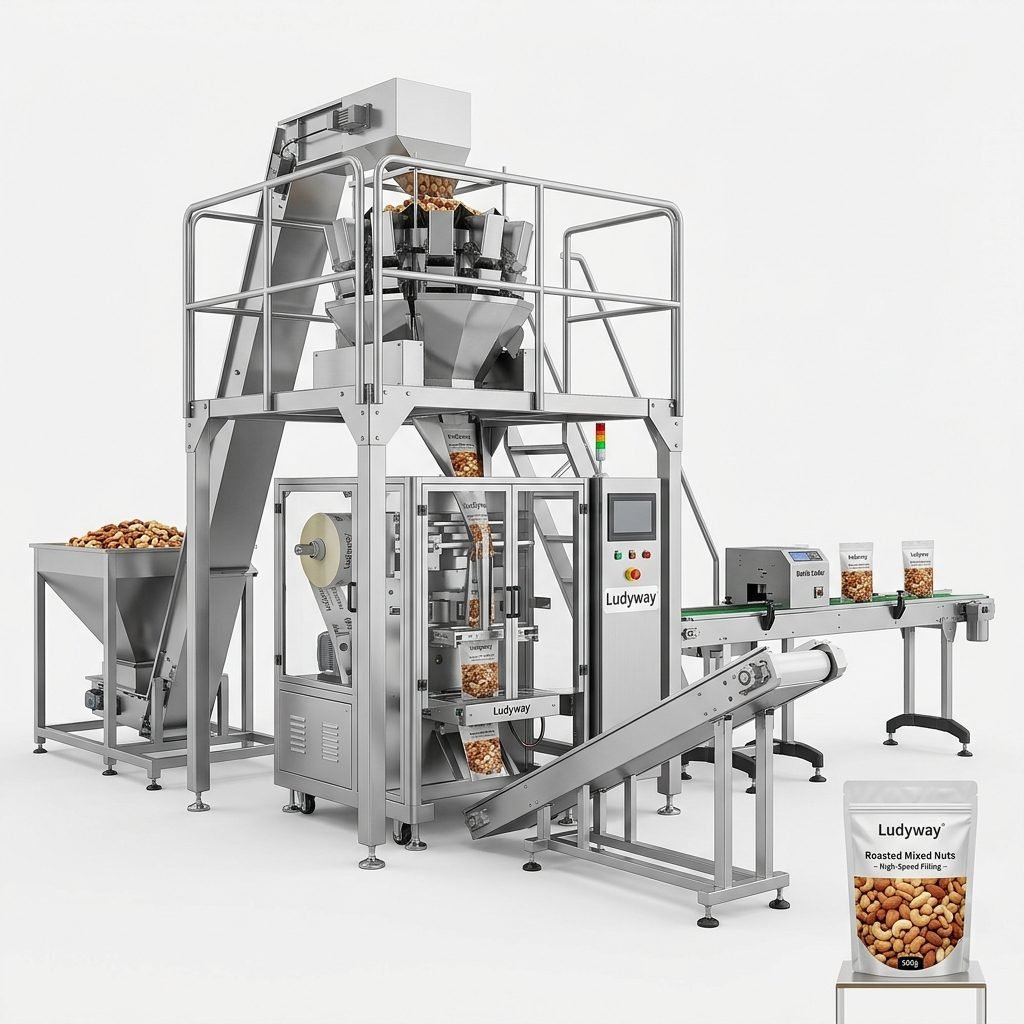
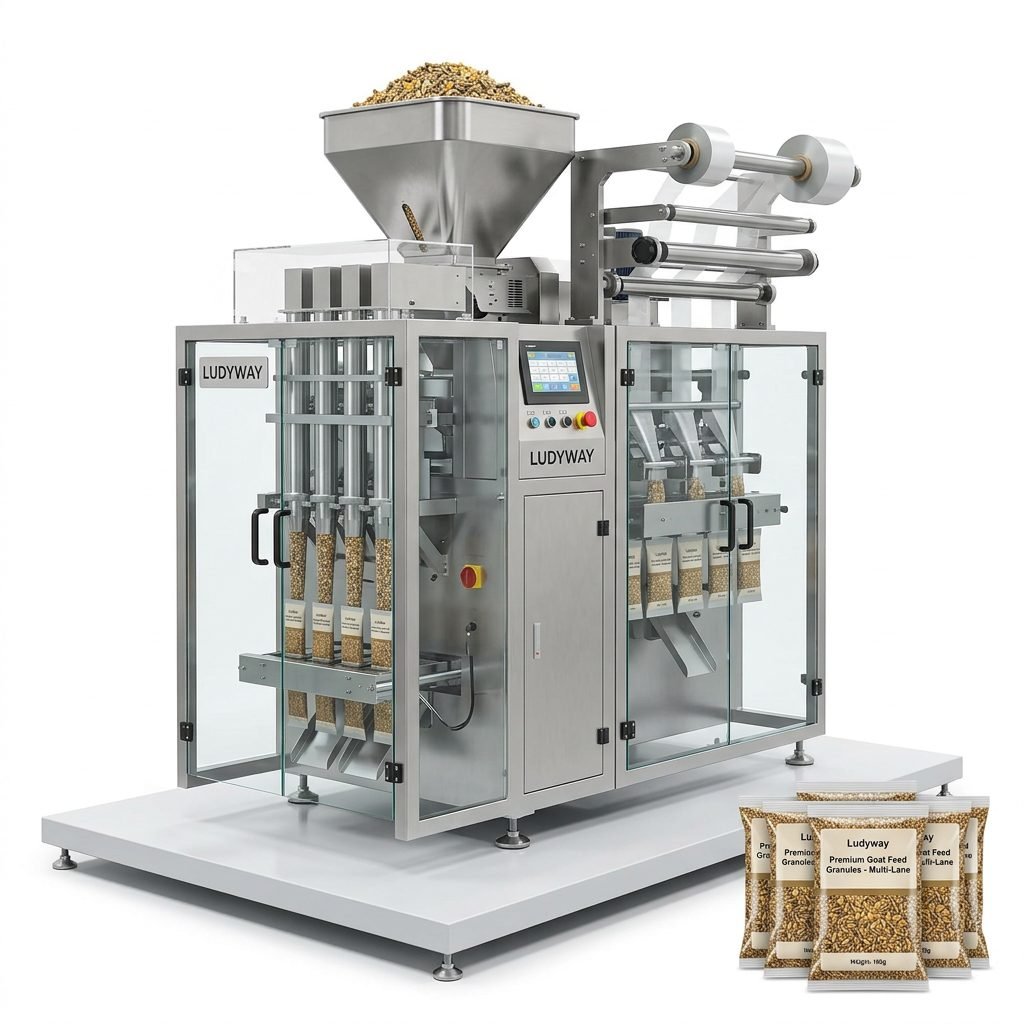
| Vertical Form Fill Seal (VFFS) | Pillow bags, bulk industrial packs | Good (Modified Atmosphere capable) | 60-120 packs/min |
| Rotary Vacuum Fillers | Chub packs, bag-in-box for food service | Vacuum specific | Up to 120 portions/min |
Essential Features for EU Compliance and Performance
When reviewing technical specifications, European buyers must prioritize features that align with local energy efficiency goals and strict food safety laws. The PMMI industry resources highlight that automation and sanitation are the two biggest drivers of packaging line upgrades in the protein sector. Ignoring these factors can lead to costly recalls and downtime.
1. Hygienic Design and Washdown Readiness
Look for machines with IP65 or IP69K ratings on critical components. Sloped surfaces, minimal flat areas, and continuous welded seams prevent meat particle accumulation. European regulations demand easy disassembly without tools for daily sanitation cleaning. The frame should ideally be constructed from 304 or 316 stainless steel to withstand aggressive chemical detergents.
2. Weighing Accuracy and Gentle Handling
Giveaway control is vital. Multi-head weighers with specially designed “dimpled” or non-stick surfaces prevent sticky meat from bridging or clumping. To maintain product texture, the drop height from the weigher to the bag or tray must be minimal. Advanced systems use a “waterfall” design rather than a straight vertical drop to prevent compaction of the minced product.
3. Modified Atmosphere Packaging (MAP) Capabilities
European consumers prefer fresh-looking meat with a bright red bloom. A robust gas flushing system is non-negotiable. The standard gas mix for minced beef is typically 80% O₂ and 20% CO₂, while pork or poultry often uses a high-oxygen mix or low-oxygen nitrogen mix, depending on the desired shelf life. Ensure the machine achieves a residual oxygen level below 0.5% for optimal preservation.
Turnkey Solutions vs. Standalone Units
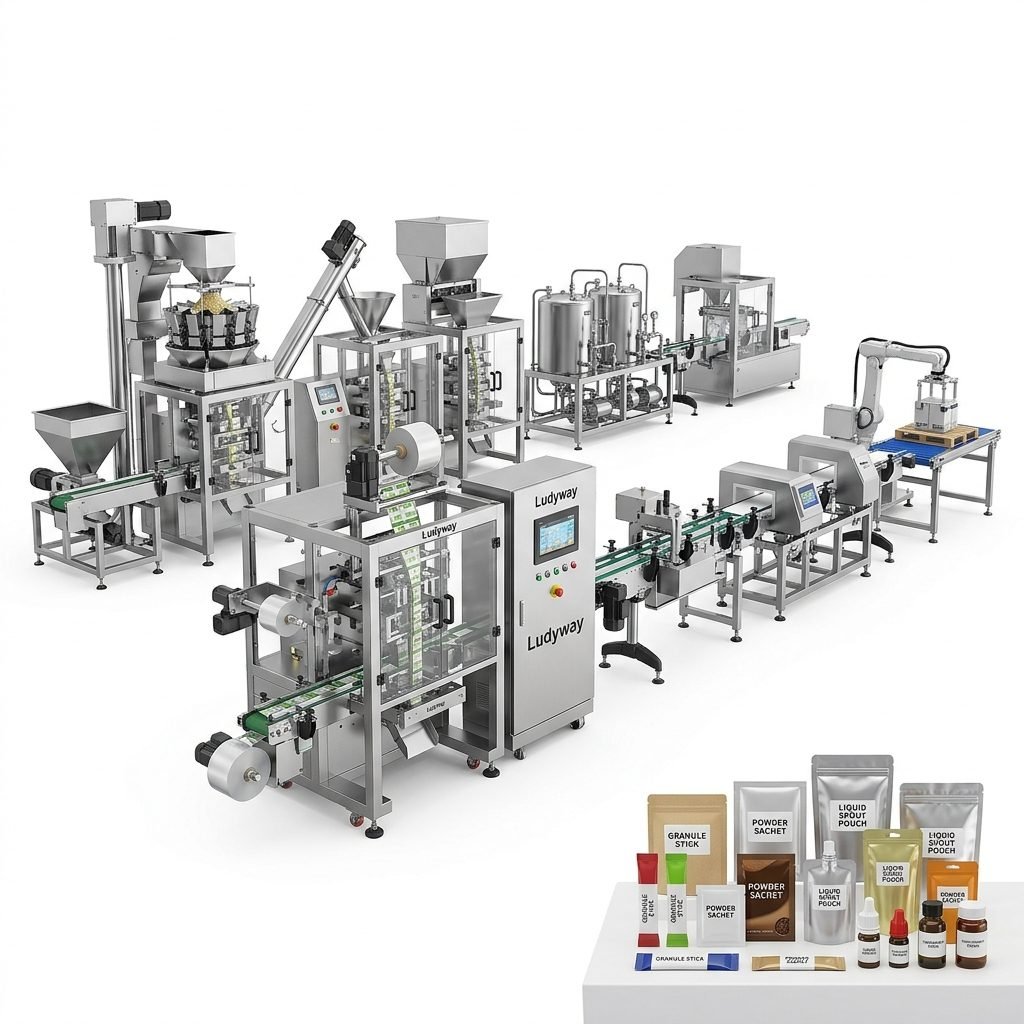
Many buyers face the dilemma of integrating individual machines versus purchasing a complete line. A turnkey packaging line—incorporating the grinder, conveyor, multi-head weigher, thermoformer, leak detector, and case packer—significantly reduces the risk of compatibility errors. Large-scale producers in Germany and the Netherlands increasingly opt for integrated systems to secure predictive maintenance data across the whole line, a feature highly valued in Industry 4.0 initiatives.
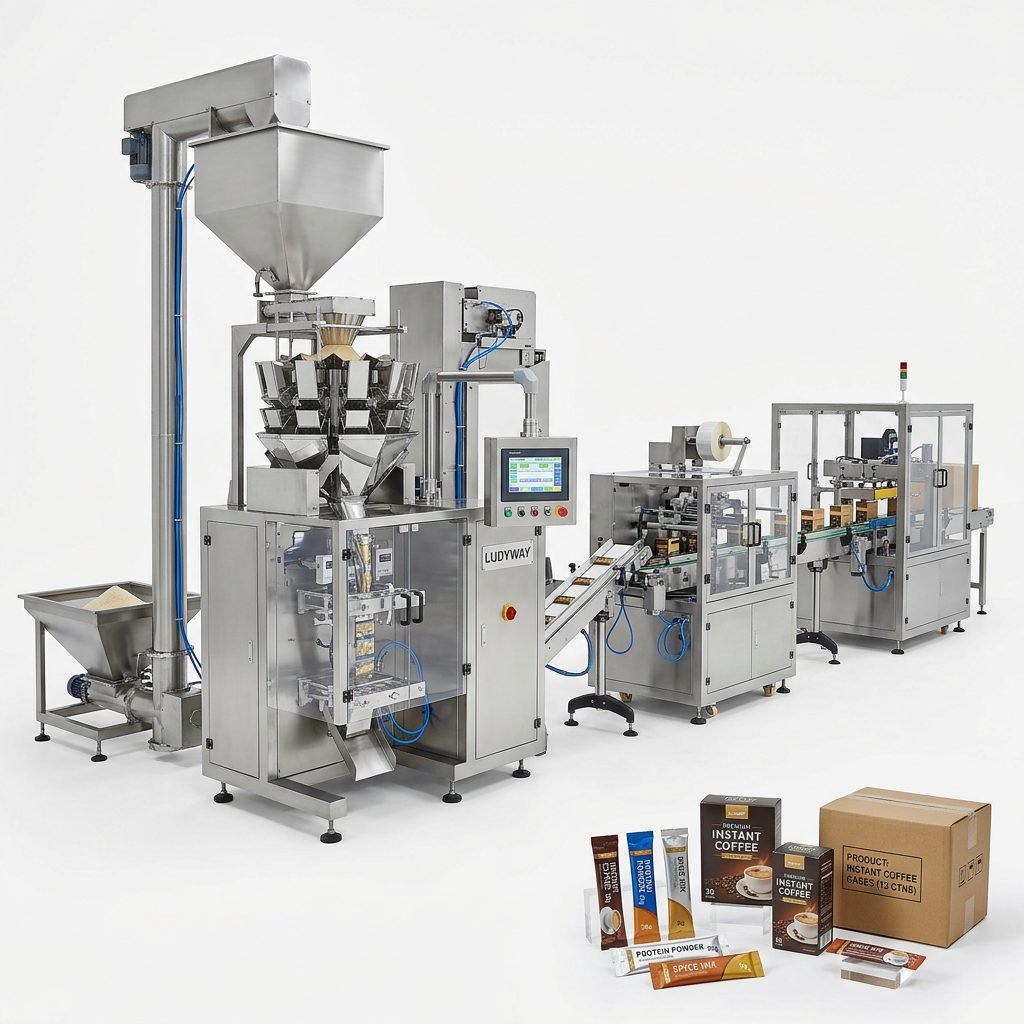
Selecting the Right Film and Packaging Materials
The packaging machine is only as good as the film it uses. For European retailers, sustainability and recyclability are increasingly mandatory. Look for machines capable of running mono-material PE or PP-based films without losing seal integrity. A standard rigid bottom film prevents punctures from bone fragments sometimes found in ground meat, while a peelable or resealable top lidding film enhances consumer convenience. Ensure the machine’s sealing temperature range matches your specific film’s sealant layer requirements.
Key Questions to Ask Your Supplier
- Does the machine offer gas analysis and leak detection integration?
- What is the Mean Time Between Failures (MTBF) for the sealing system?
- Can the tooling be changed over quickly for different tray sizes or bag formats?
- Is the HMI compliant with 21 CFR Part 11 or EU Annex 11 for data integrity?
- What is the availability of local service engineers in the EU?
Automation and Industry 4.0 Connectivity
Smart factories are no longer the future; they are the present standard in competitive European markets. A modern ground meat packaging machine should feature OPC-UA or Ethernet/IP connectivity to communicate with plant-wide ERP systems. Remote diagnostics, automated batch reporting, and digital recipe management reduce dependency on operator skill levels. Compliance with the proposed EU Packaging and Packaging Waste Regulation requires accurate data on packaging materials usage, making digital reporting features a major advantage.
Partnering with a Global Expert
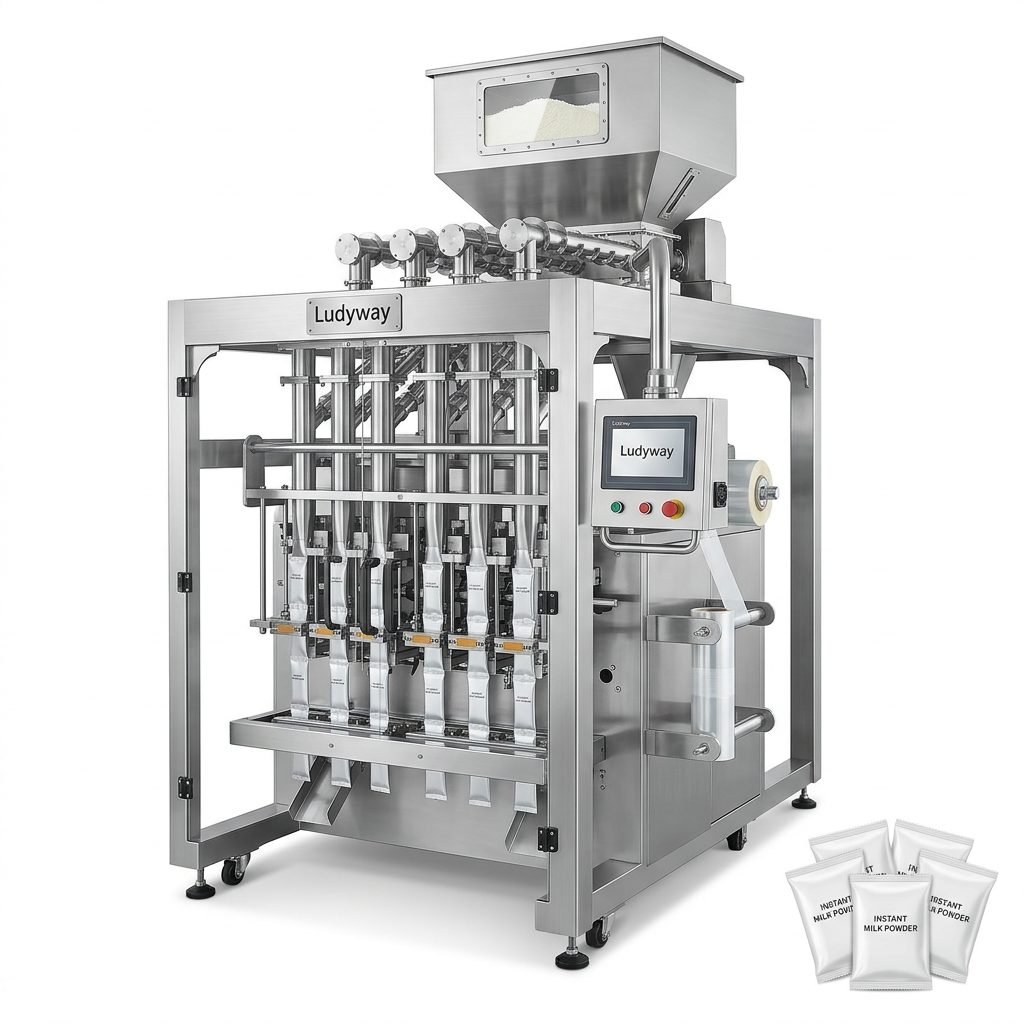
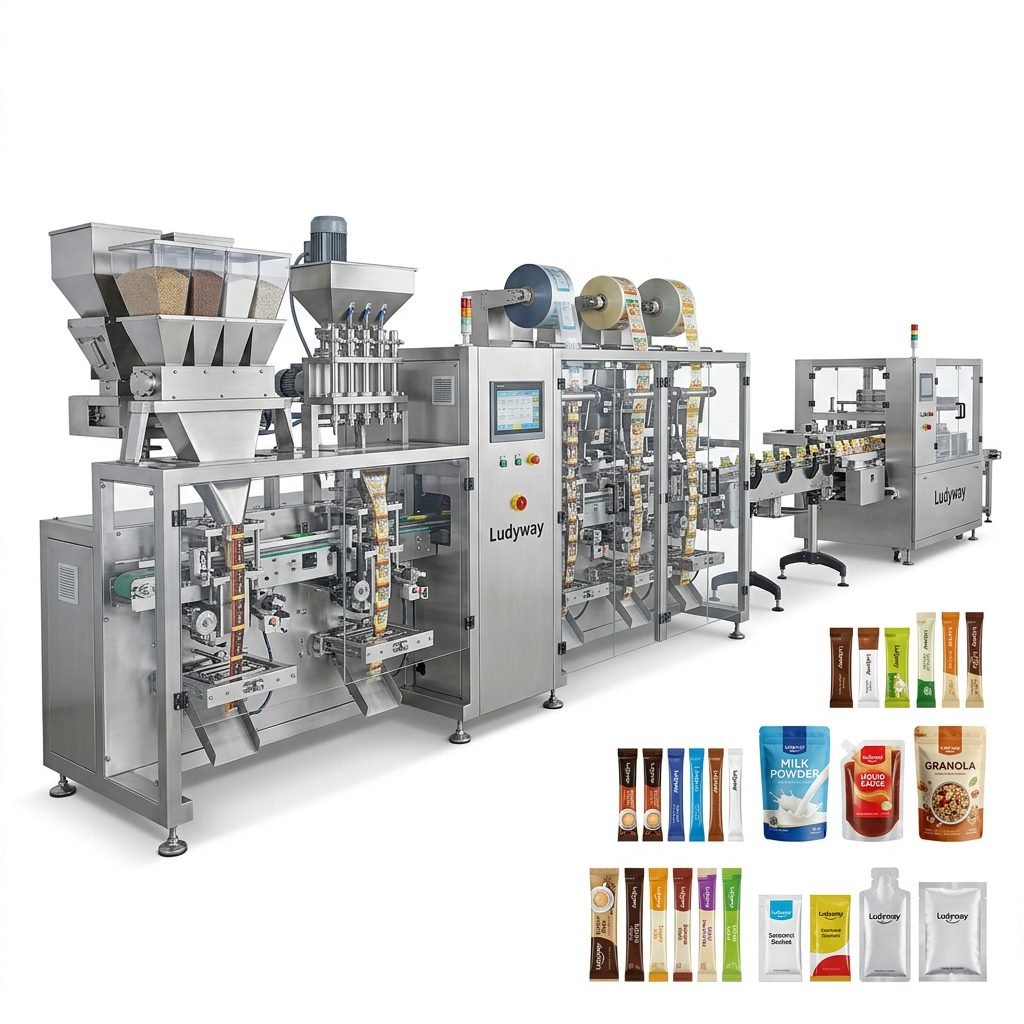
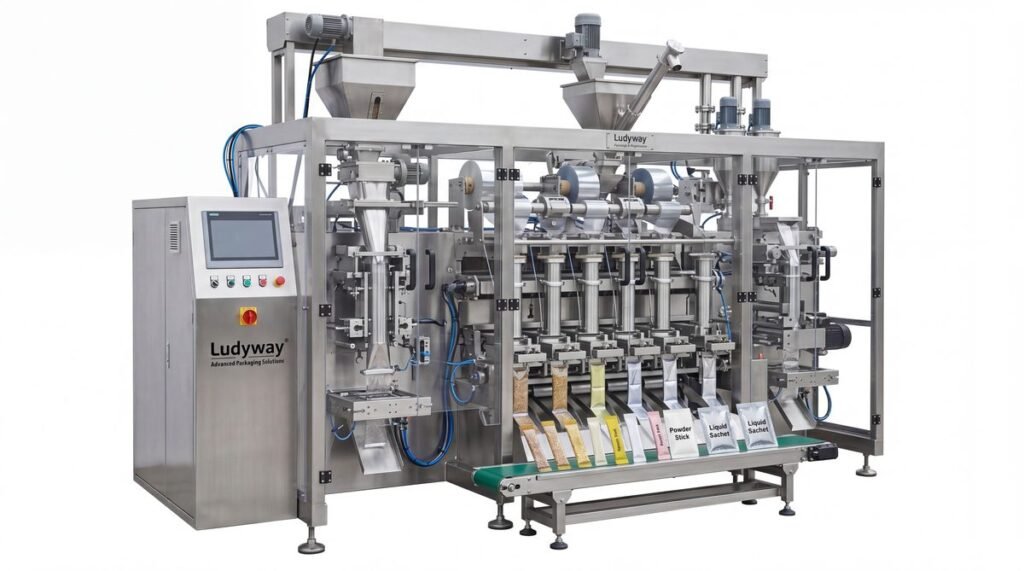
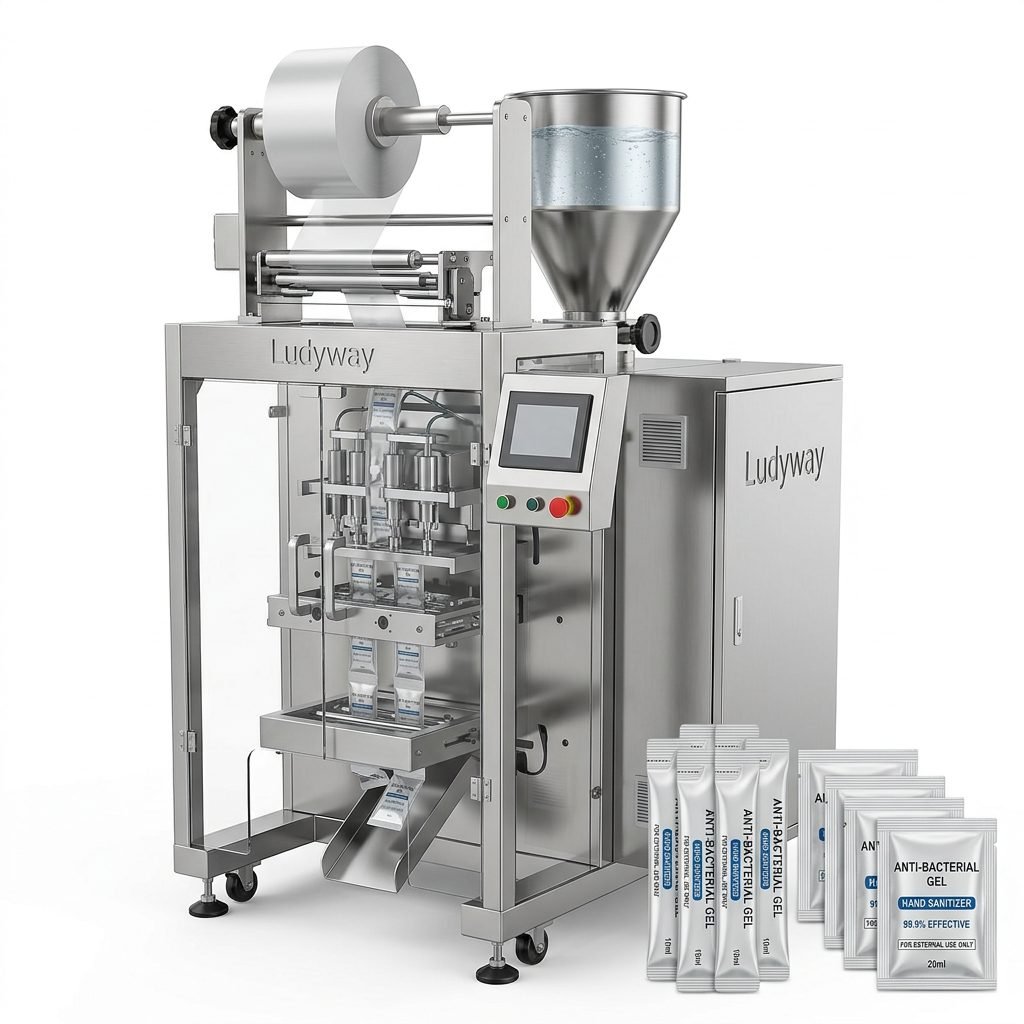
Selecting a supplier with deep engineering expertise is essential. While the market has many regional players, global manufacturers often provide cost-effective, high-quality alternatives without compromising on European safety standards. For example, Ludyway is one of the largest packaging machine manufacturers in Asia, specializing in advanced packaging equipment with a 20,000㎡ modern production facility. With an engineering team of over 130 experts, the company provides reliable solutions across 50 different intelligent machine models. For businesses evaluating turnkey solutions, verifying the supplier’s experience in exporting to EU countries and checking their exhibition presence at global events can help ensure long-term service reliability.
Maintenance and Lifecycle Costs
The total cost of ownership (TCO) includes more than just the purchase price. Calculate the cost of spare parts, mandatory annual calibration, and energy consumption over a decade. A machine with automatic lubrication and remotely accessible diagnostic ports can significantly reduce service costs. Given Europe’s high electricity rates, dual-servo drives that require less compressed air are preferable to older pneumatic-heavy designs. Effective maintenance ensures compliance with the rigorous tests outlined in the ISO packaging standards.
Rapid Comparison Matrix for Decision Makers
- Startup Salami/Pâté Producers: Manual tray denester with a basic MAP sealer; prioritize low cost and small footprint.
- Regional Fresh Meat Packers: Automatic tray sealer with multi-head weigher; prioritize 10-12 cycles/min speed and heated sealing tools.
- Large Industrial Exporters: Fully automated thermoforming line with central recipe management; prioritize Industry 4.0 integration and ultra-low residual O₂.
- Food Service Bulk Suppliers: High-speed VFFS or rotary vacuum filler for 2.5kg to 5kg bag-in-box applications; prioritize throughput and seal strength.
Investing in the correct ground meat packaging machine is a strategic move that secures product quality navigates comprehensive European food safety compliance, and positions your brand for growth in a competitive retail environment. To explore innovative and cost-efficient ground meat packaging solutions, evaluate suppliers who offer live demos, robust after-sales support, and a clear understanding of the EU regulatory landscape.
Related Solutions: Multi-Lane Stick Pack Machines | Powder Filling Equipment
Industry Resources: FDA Food Packaging Regulations | PACK EXPO International | FPA Regulatory Affairs