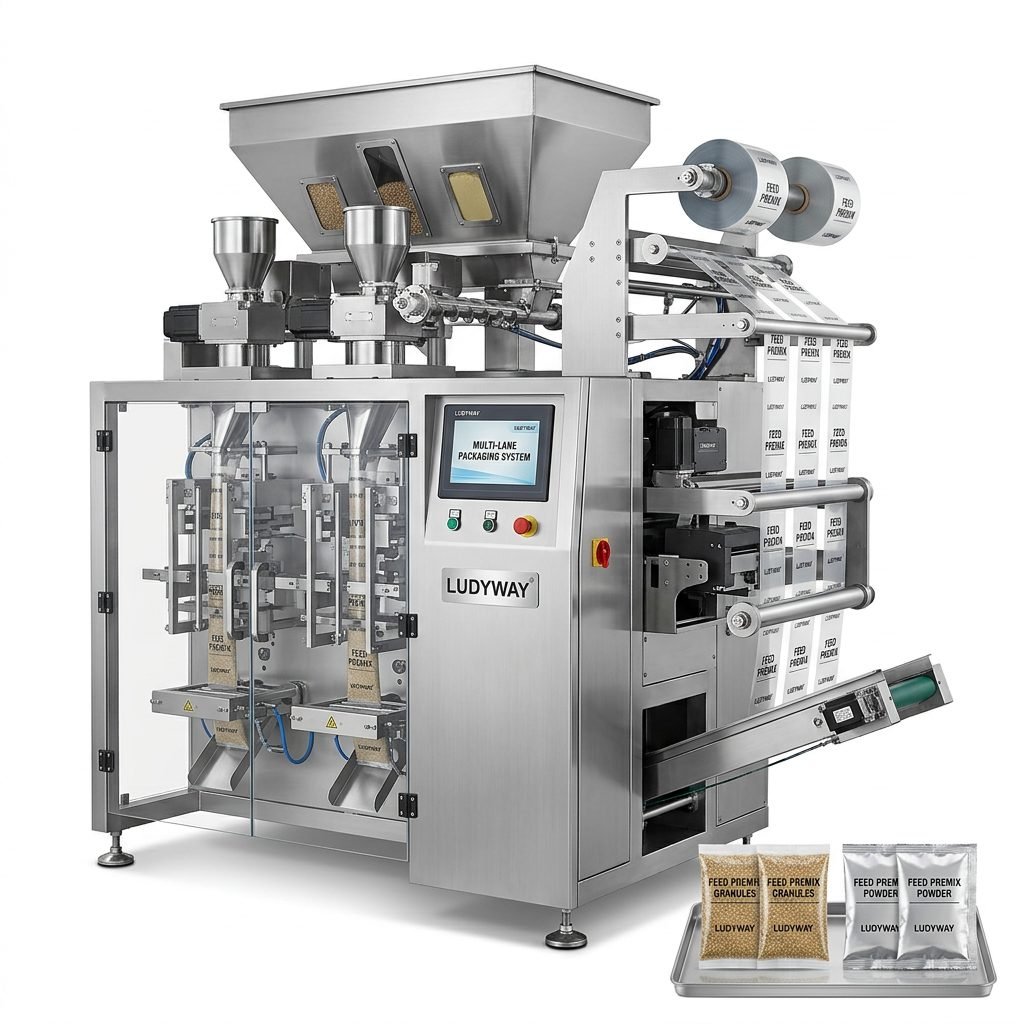
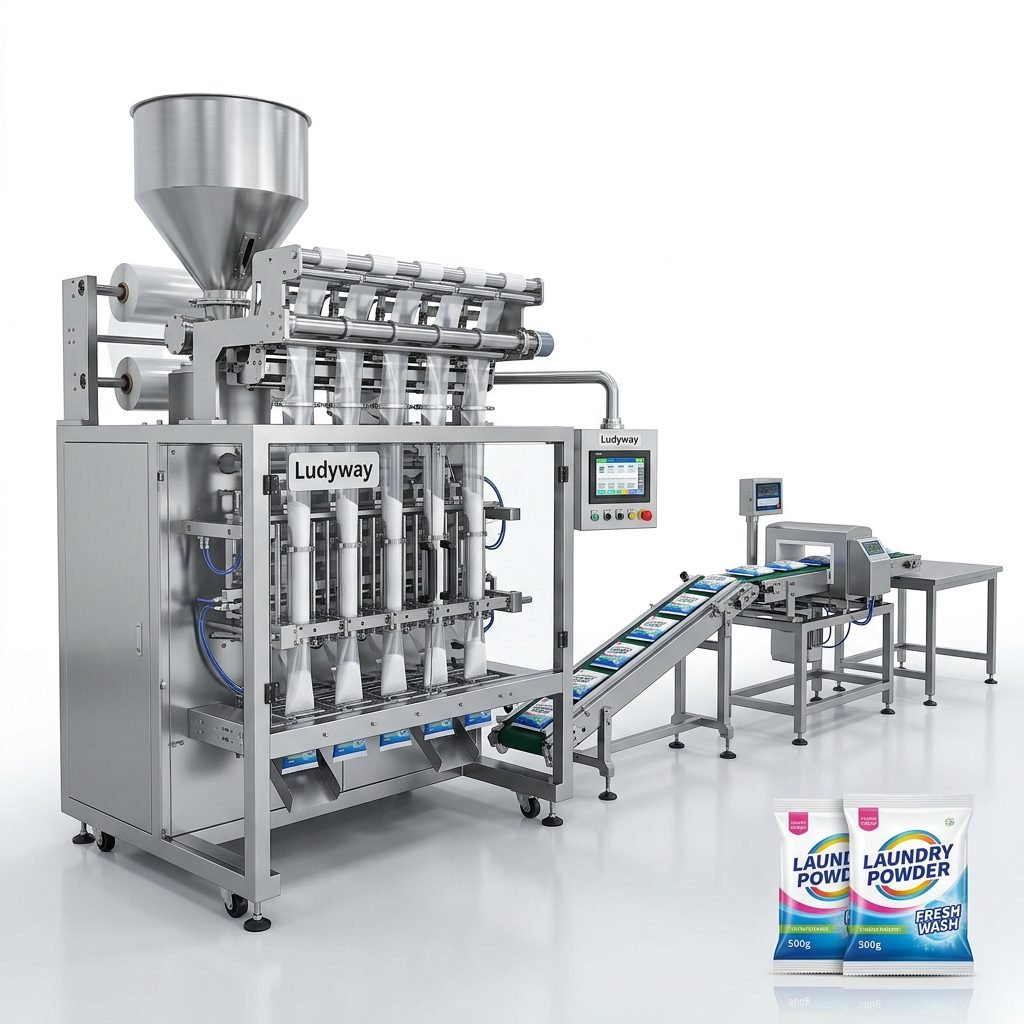
Investing in a ground meat packaging machine is a critical decision for any North American meat processing operation. Whether you are running a small butcher shop or a large-scale industrial facility, the right equipment directly impacts your product’s shelf life, appearance, and overall profitability. This guide covers the essential factors you need to evaluate before making a purchase, including machine types, technical specifications, food safety compliance, and total cost of ownership.
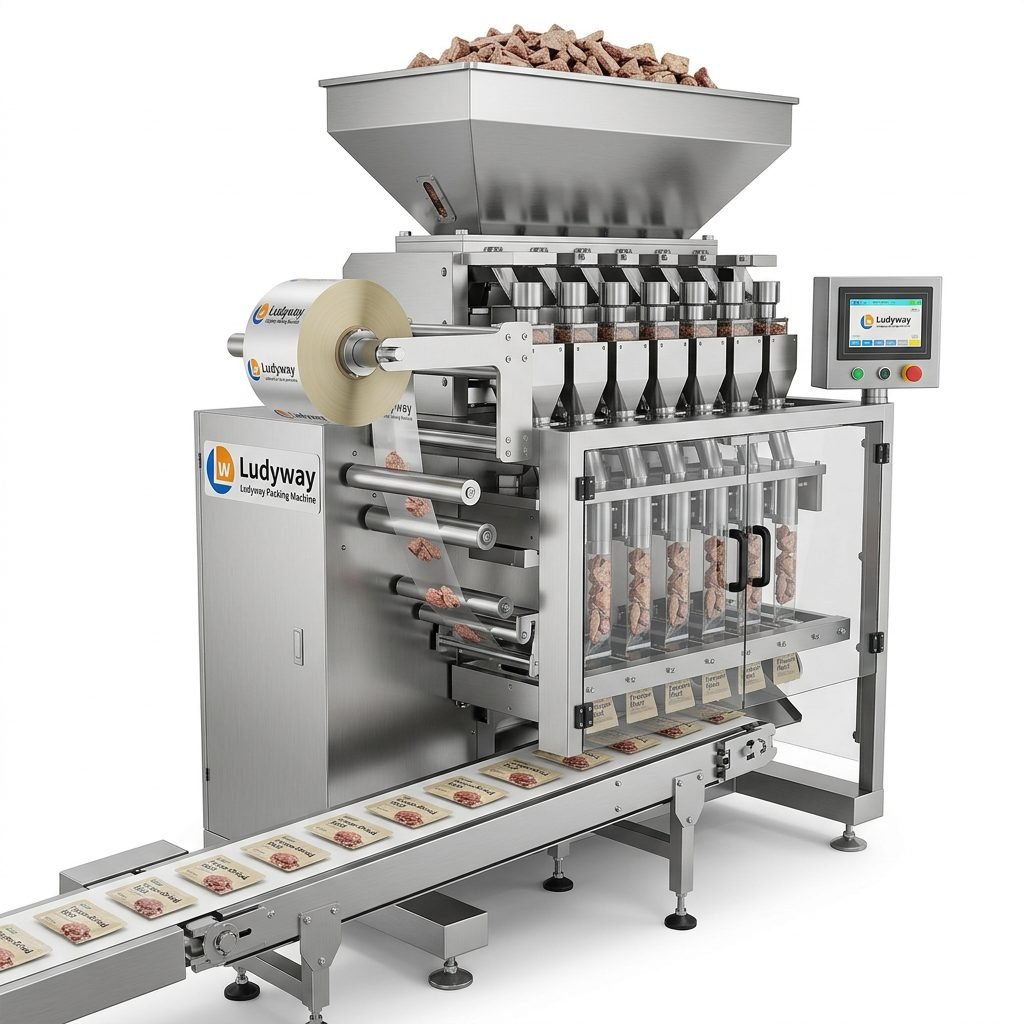
Understanding the Types of Ground Meat Packaging Machines
Selecting the correct machine type is the foundation of your production line. The choice depends on your target output volume, the type of packaging material (film, pre-made pouches), and the specific atmosphere requirements of the meat. There are three primary technologies dominating the North American market:
- Vacuum Packaging Machines: Ideal for extending shelf life by removing oxygen. These are often used for bulk family packs or chubs. According to the Flexible Packaging Association’s industry data, vacuum sealing remains the most popular method for primal and sub-primal cuts, which also applies to coarse ground products.
- Modified Atmosphere Packaging (MAP): This process replaces air with a specific gas mixture (typically nitrogen and carbon dioxide) to preserve color and freshness. It is the standard for retail-ready ground meat trays seen in supermarkets.
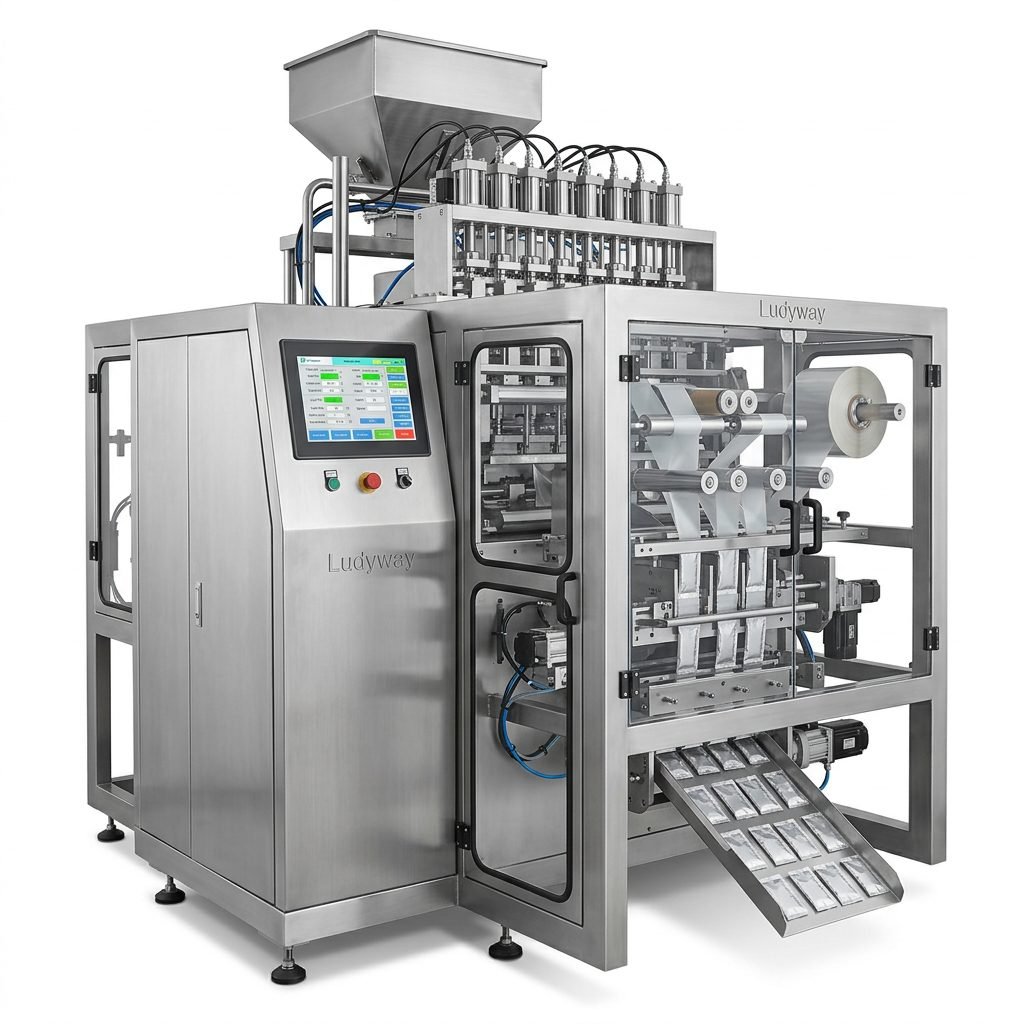
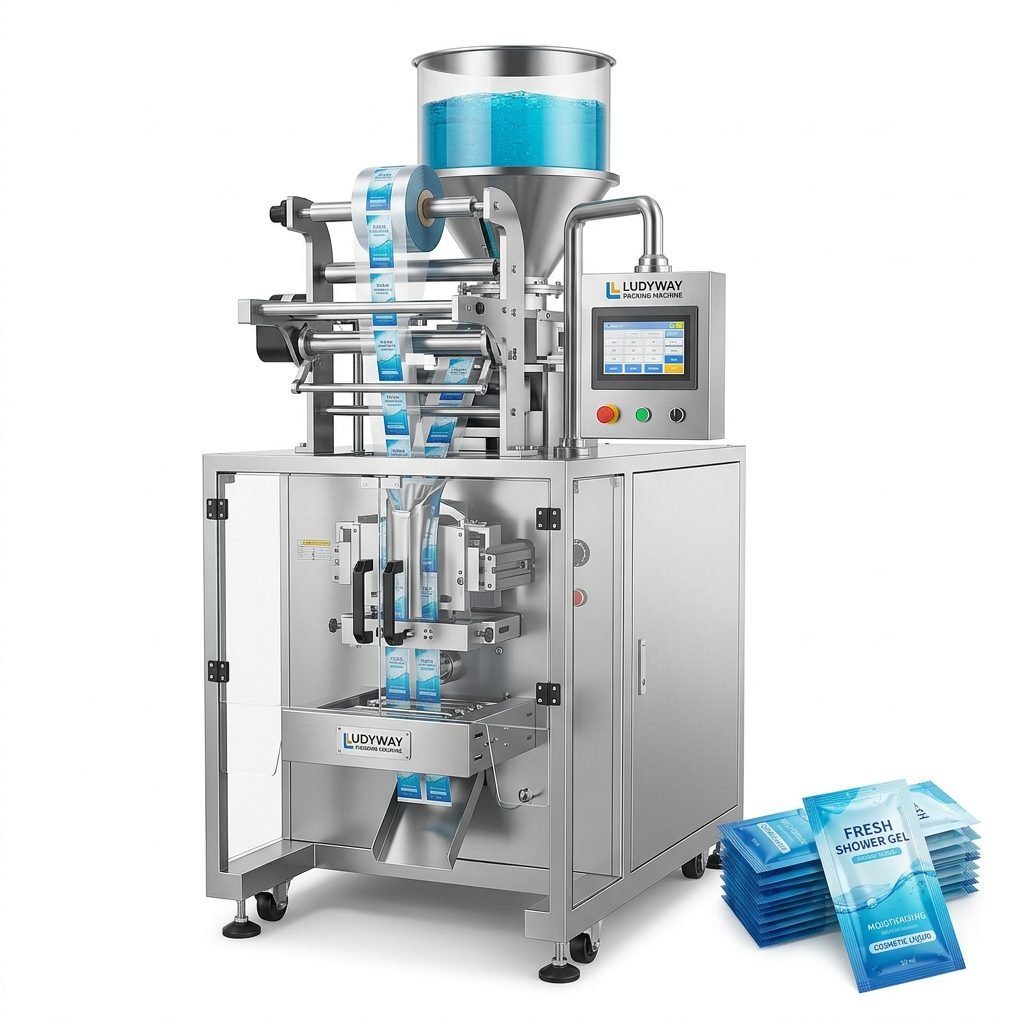
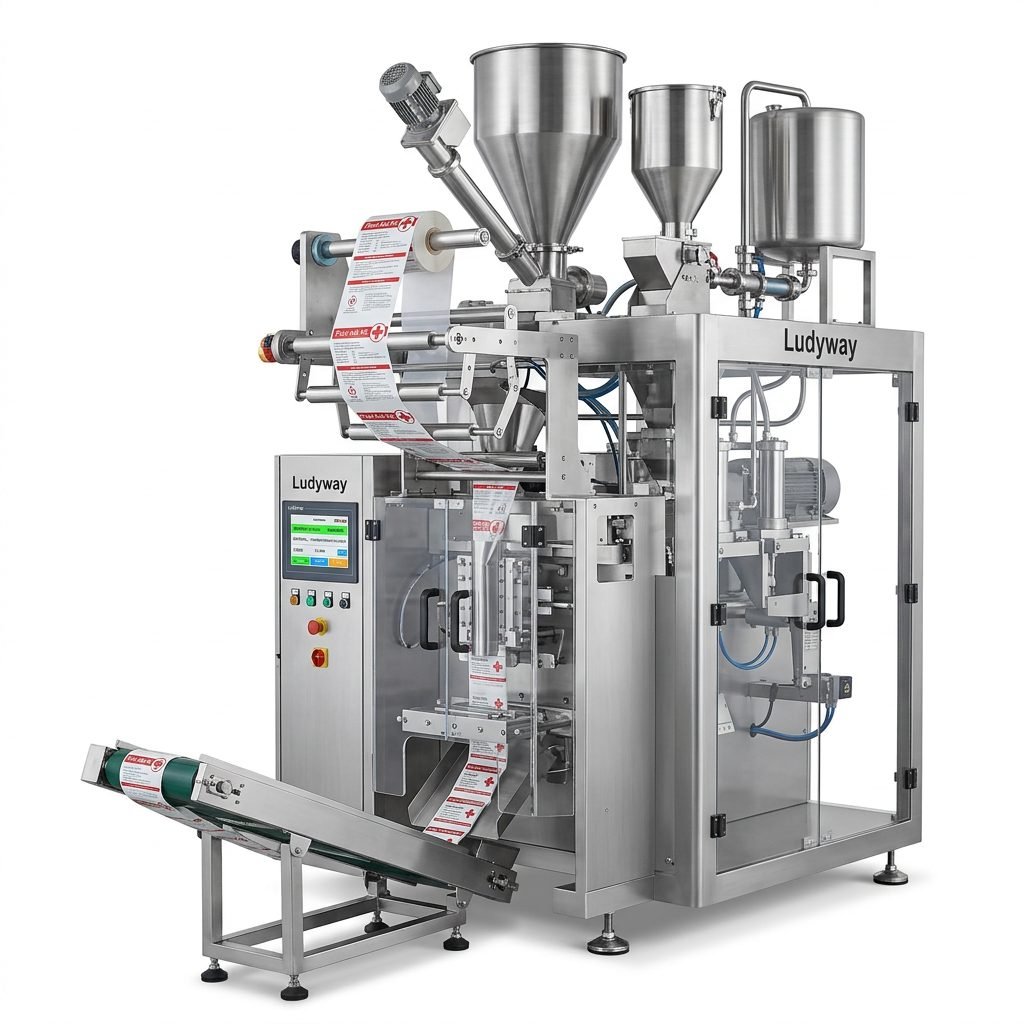
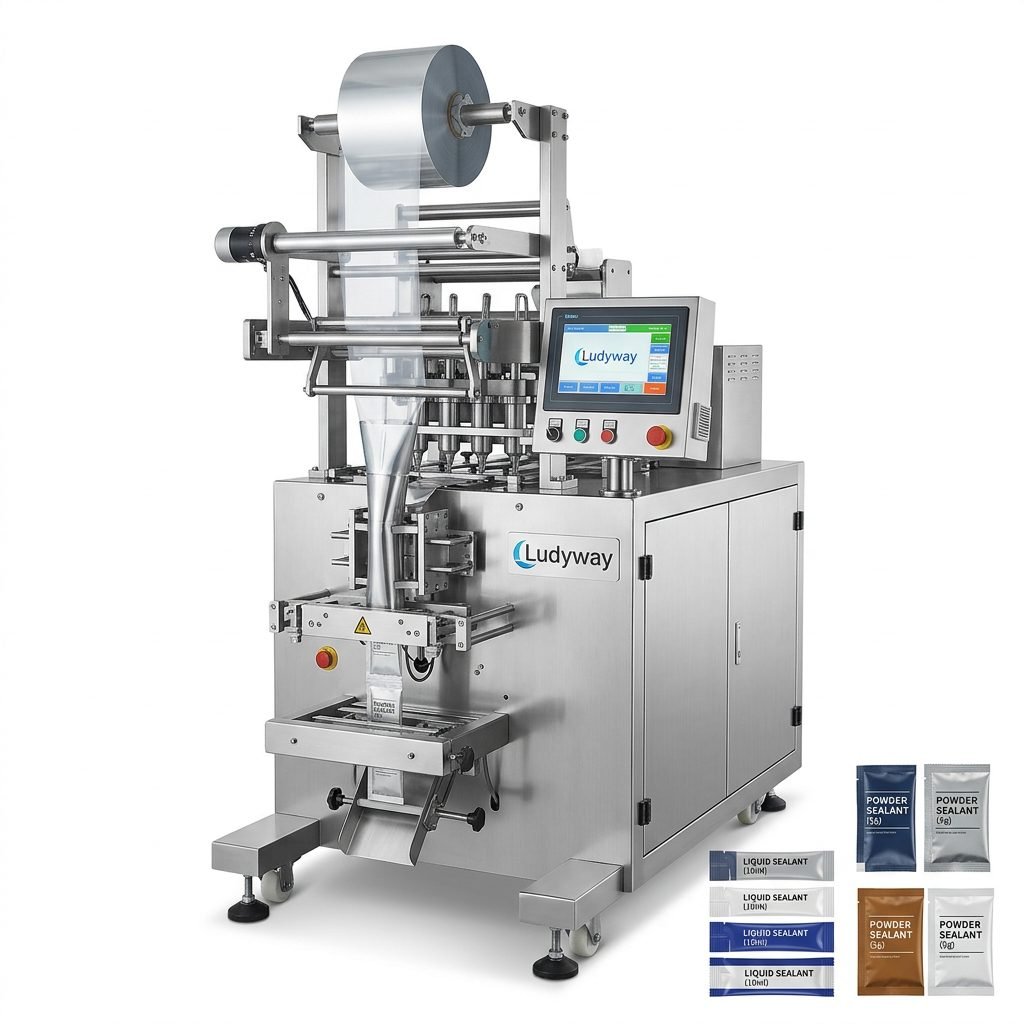
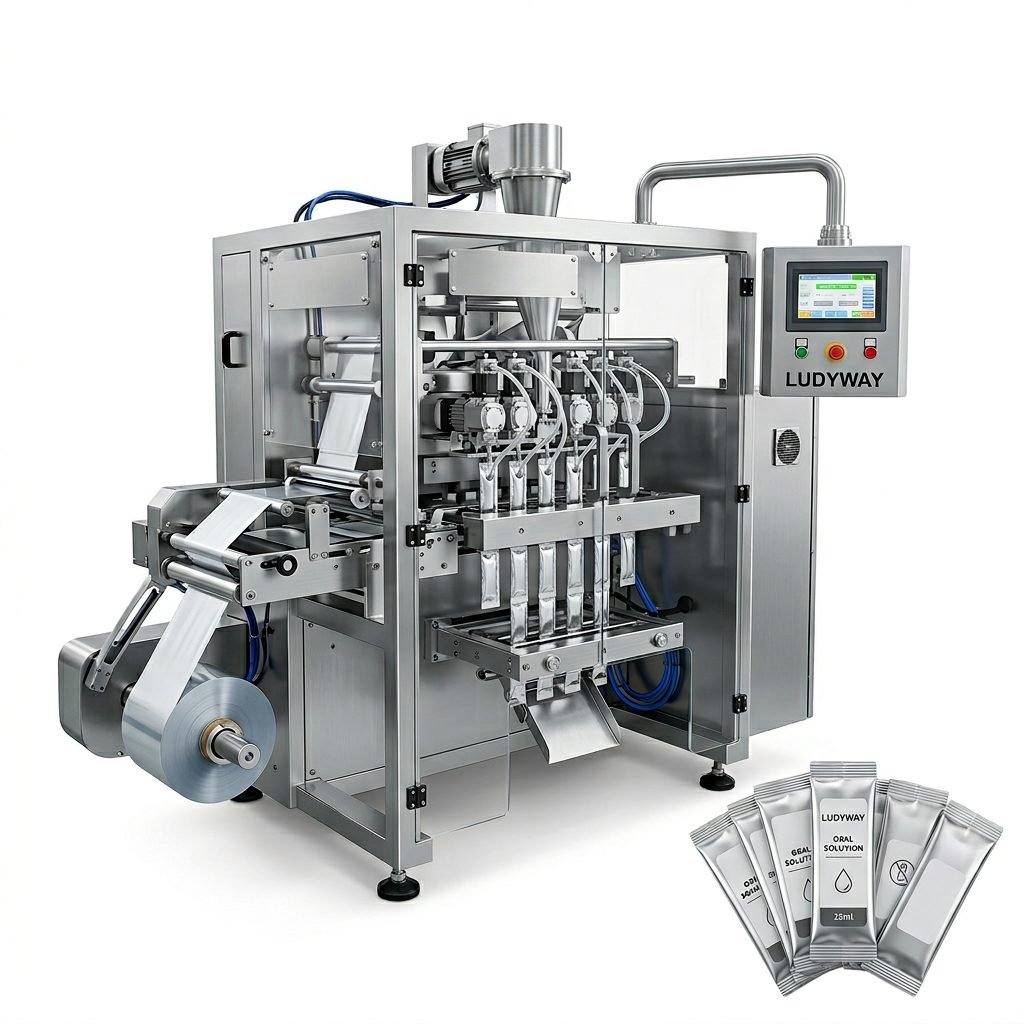
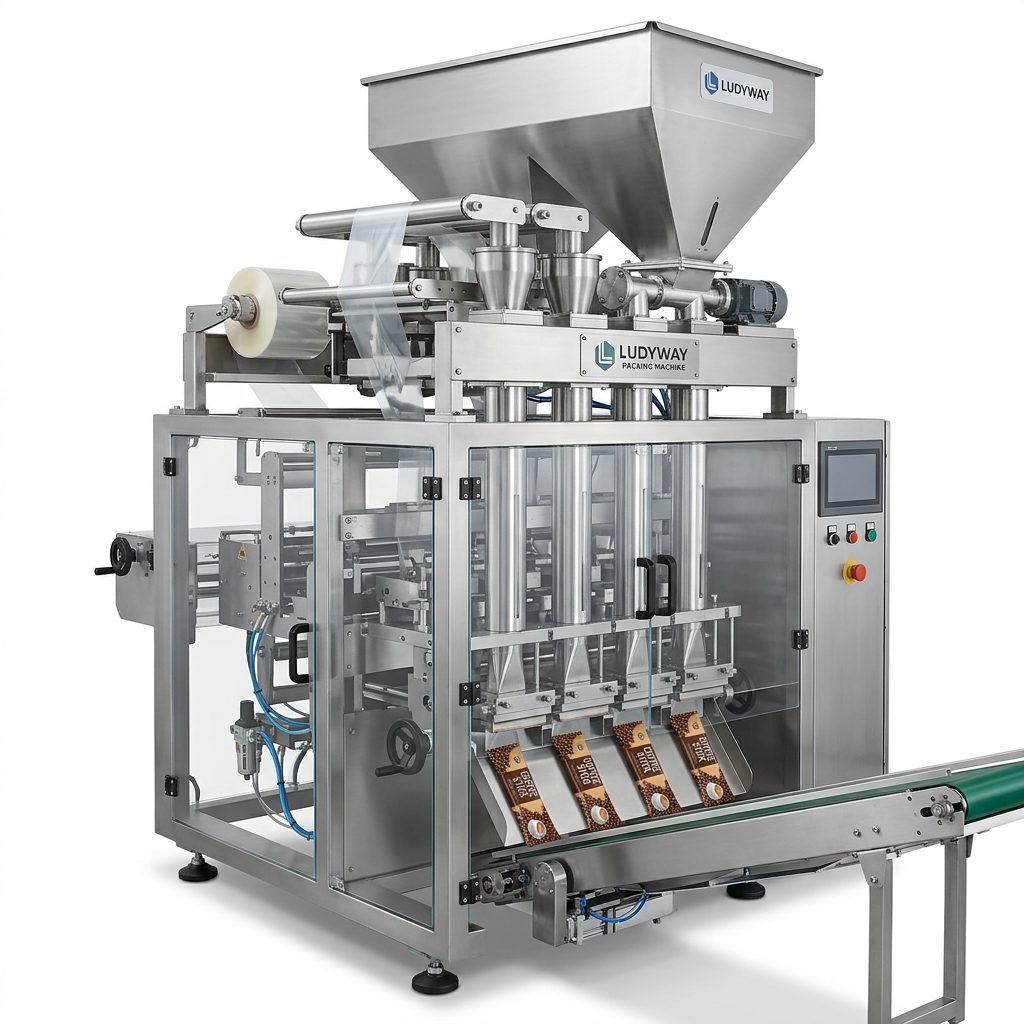
- Form-Fill-Seal (FFS) Machines: For high-volume production of pillow pouches or stick packs. These systems are extremely efficient and are often used for frozen ground meat patties or snack-sized portions.
Key Features to Evaluate for North American Compliance
To ensure your operation runs smoothly and meets inspection standards, you must look beyond the price tag. Focus on these critical machine features:
1. Construction Material and Hygienic Design
The machine frame and food contact surfaces should be constructed from AISI 304 or 316L stainless steel. This is non-negotiable for food safety in the US and Canada. A sloped, sanitary design prevents water pooling during washdowns, reducing the risk of bacterial growth like Listeria.
2. IP Rating and Washdown Capability
Given the strict sanitation protocols in meat plants, look for a machine with a high IP rating (IP65 or IP69K). This ensures the packaging machine can withstand the high-pressure, hot-water washdowns commonly used in the industry without damaging electrical components.
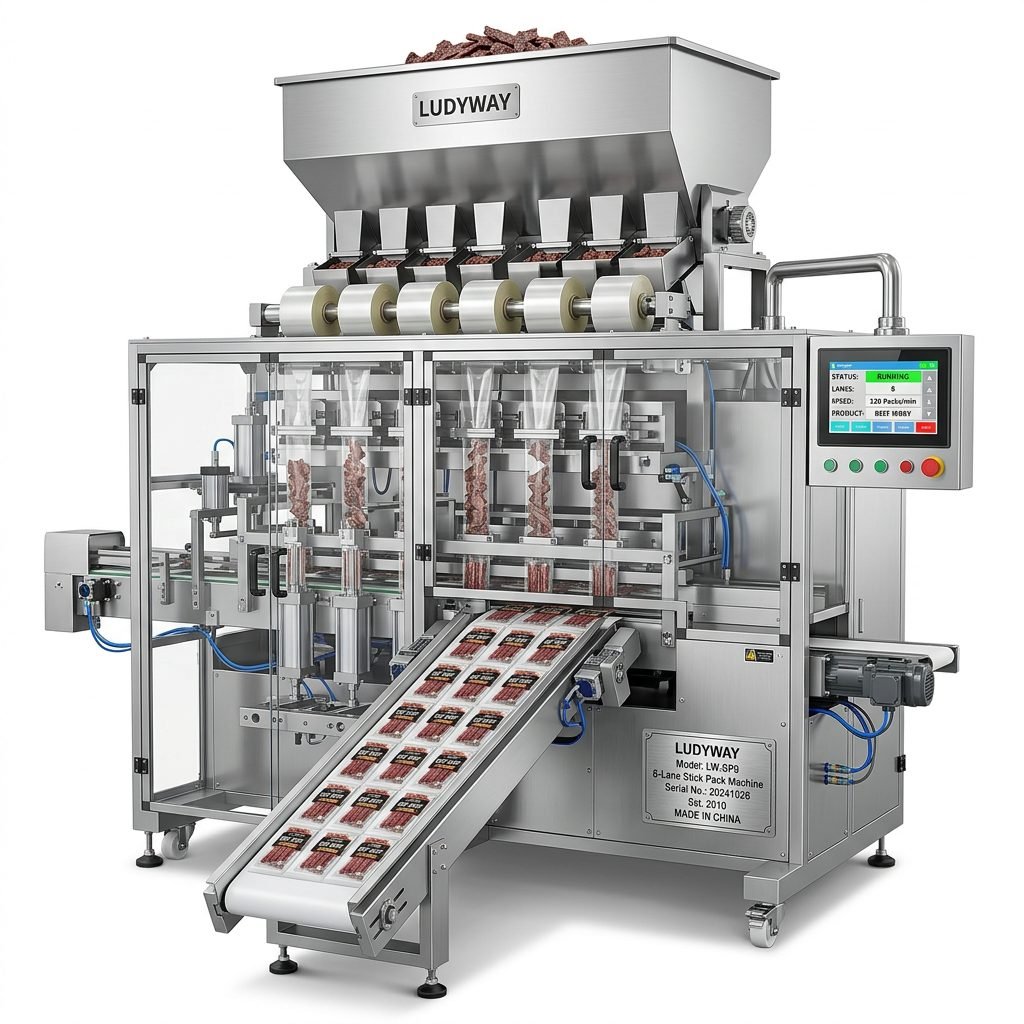
Critical Technical Specifications
Matching the machine’s capabilities to your product is vital. The following table outlines the key specifications you should verify with the original equipment manufacturer (OEM):
| Specification | Why It Matters | Recommended Minimum for Ground Meat |
|---|---|---|
| Filling Accuracy | Prevents costly product give-away | ±0.5% to 1% of target weight |
| Cycle Speed | Determines throughput (packages per minute) | 15-25 PPM (Tray); 60-120 PPM (Stick Pack) |
| Vacuum Level | Affects oxygen residual and shelf life | ≤ 10 mbar (for vacuum sealing) |
| Sealing Technology | Ensures leak-proof seals against purge (liquid) | Double-sealing or serrated sealing jaws |
Packaging Material Compatibility
Not all machines handle all films efficiently. If you are packaging ground meat, you are likely dealing with sharp bone fragments or high moisture purge. This requires a machine that can handle puncture-resistant, multi-layer barrier films. Verify that the machine’s sealing jaws can close effectively even when the film is contaminated with grease or meat juices, a common pain point in the industry. You can learn more about film standards from the PMMI business intelligence library.
Automation and Integration: The Turnkey Approach
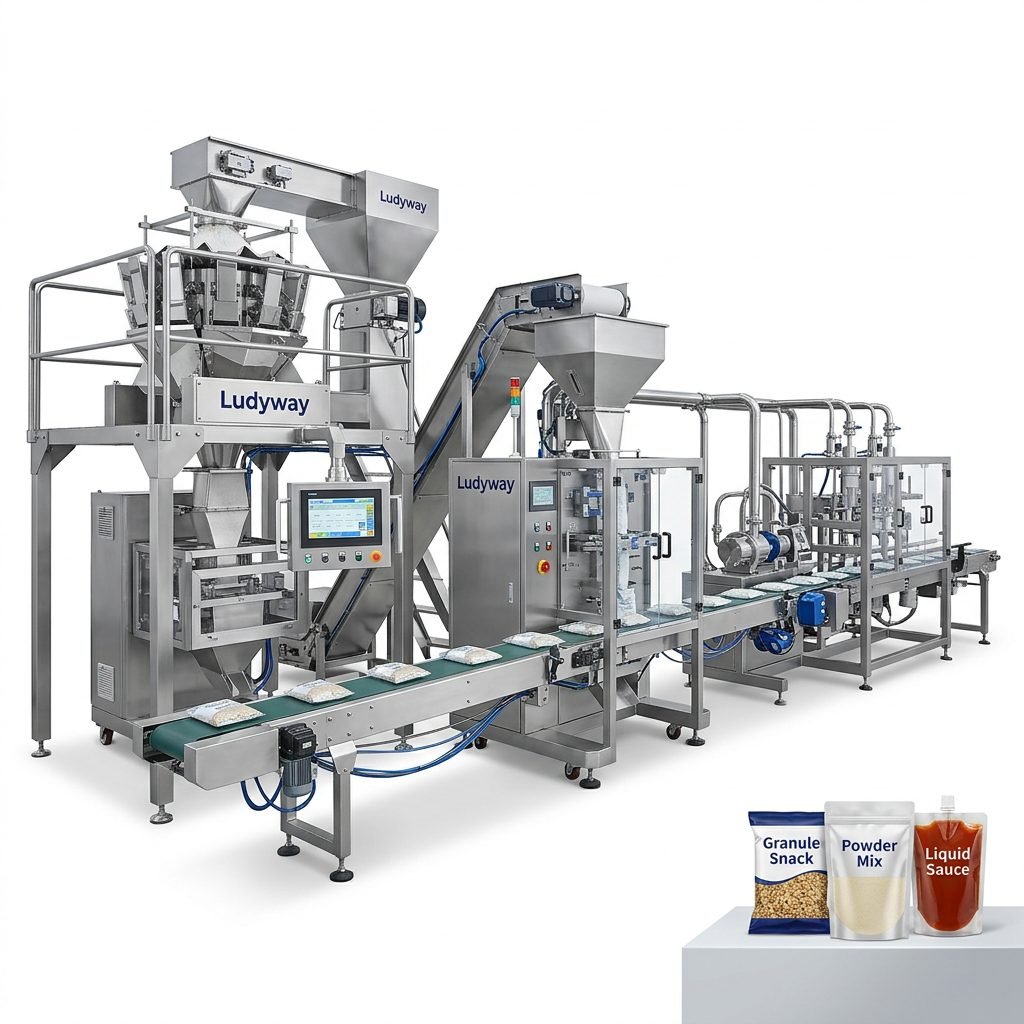
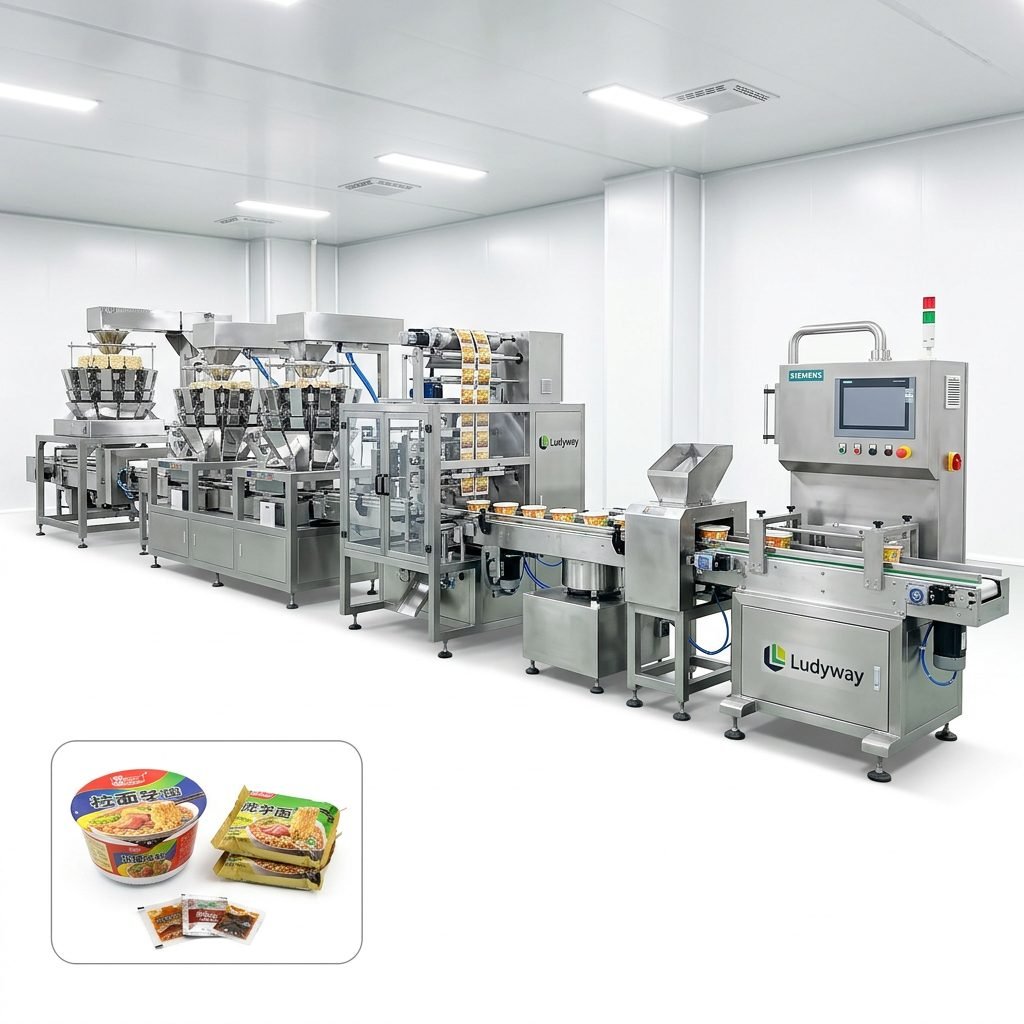
In North America, labor costs are a significant driver of automation. A modern ground meat packaging machine should not be a standalone island. Consider how the upstream grinding and mixing processes will integrate with the packaging stage. A fully automated turnkey line connects a meat grinder directly to the filling station, minimizing manual handling and contamination risk. Leading manufacturers, such as Ludyway, offer comprehensive automated packaging systems that handle everything from weighing and filling to case packing, drastically reducing labor requirements and improving overall productivity.

Navigating Food Safety Standards (USDA/CFIA)
Your equipment investment is only sound if it passes regulatory inspection. The machine must facilitate Hazard Analysis Critical Control Point (HACCP) compliance. This means it should include features like critical control point monitoring, where the machine automatically rejects packages with weak seals or incorrect gas flush levels. The sealing temperature and pressure must be precisely controlled and logged to meet FDA packaging requirements for food contact surfaces. In Canada, CFIA inspectors will similarly look for traceability and sanitary design features.
Cost of Ownership vs. Purchase Price
While Chinese, European, and North American manufacturers offer a wide price range, smart buyers focus on Total Cost of Ownership (TCO). A low-cost machine can become the most expensive piece of equipment on your floor if it faces frequent downtime. Consider these long-term costs before signing a purchase order:
- Spare Parts Availability: Is the OEM holding a local inventory in North America? Lead times for parts from some overseas suppliers can shut your line down for weeks.
- Film Waste: Precise film registration and tension control drastically reduce the waste of expensive barrier films.
- Energy Consumption: Compare the air consumption (SCFM) and electricity usage of the sealing and vacuum systems.
Conclusion: Making the Right Choice
Selecting a ground meat packaging machine requires a meticulous balance between speed, hygiene, and reliability. For North American processors, the focus must be on robust stainless steel construction, MAP/Vacuum capabilities for extended shelf life, and automation features that lower labor dependency. Before finalizing your decision, always request a factory acceptance test (FAT) and run your specific product and film through the actual machine. This due diligence ensures your chosen equipment will deliver a strong return on investment and maintain the brand quality your customers expect.
For further insights on machinery standards, you can reference the PMMI State of the Industry resources for the latest packaging machinery market research and technology trends in North America.