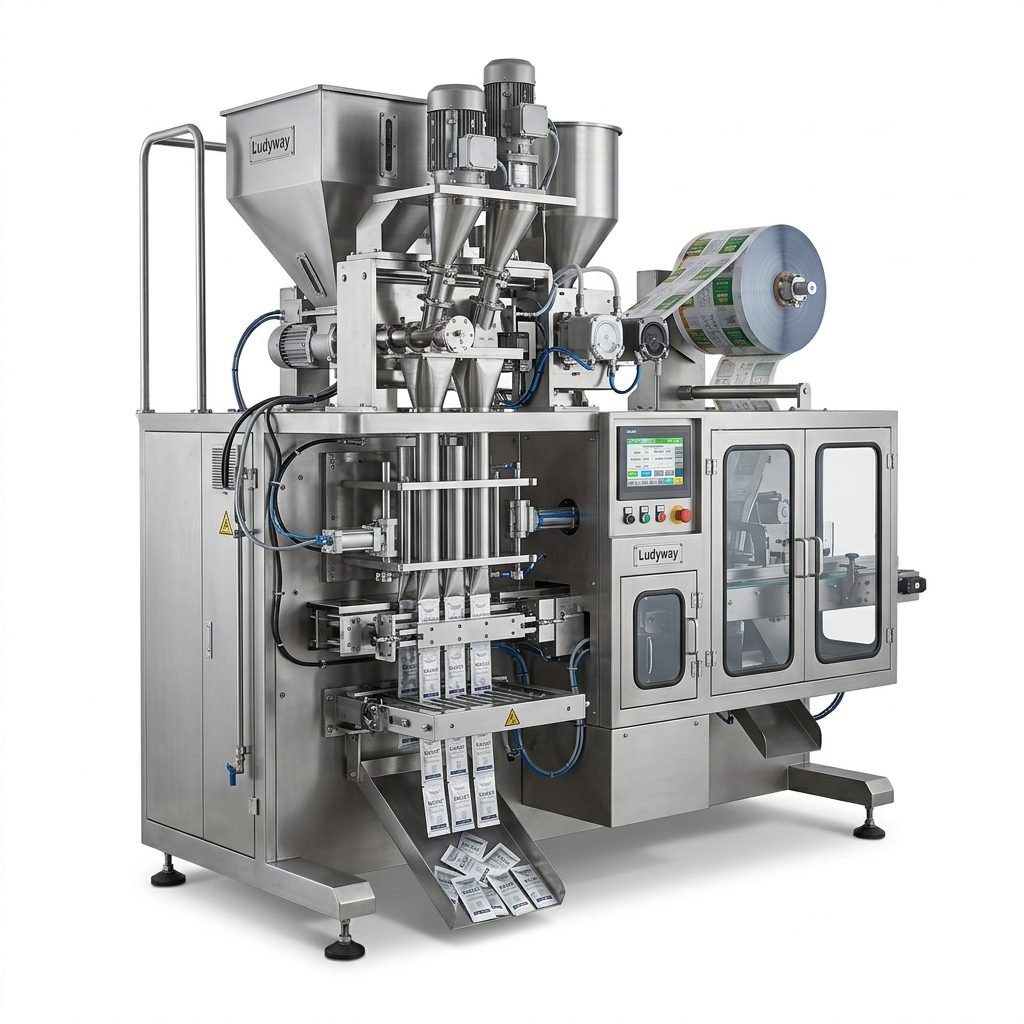
Investing in the right food packaging machine is a critical decision for any food manufacturer in France. Whether you are launching a new product line or upgrading an existing facility, the equipment you choose directly impacts productivity, product quality, and long-term profitability. The French food packaging market is shaped by strict EU packaging regulations, evolving consumer preferences, and a strong emphasis on sustainability. This guide walks you through every essential factor to consider when selecting packaging machinery for your food business in France.
Understanding Your Product and Packaging Requirements
Before evaluating any equipment, you must clearly define your product characteristics and packaging goals. The physical properties of your food product determine which packaging technology is suitable. Consider these critical factors:
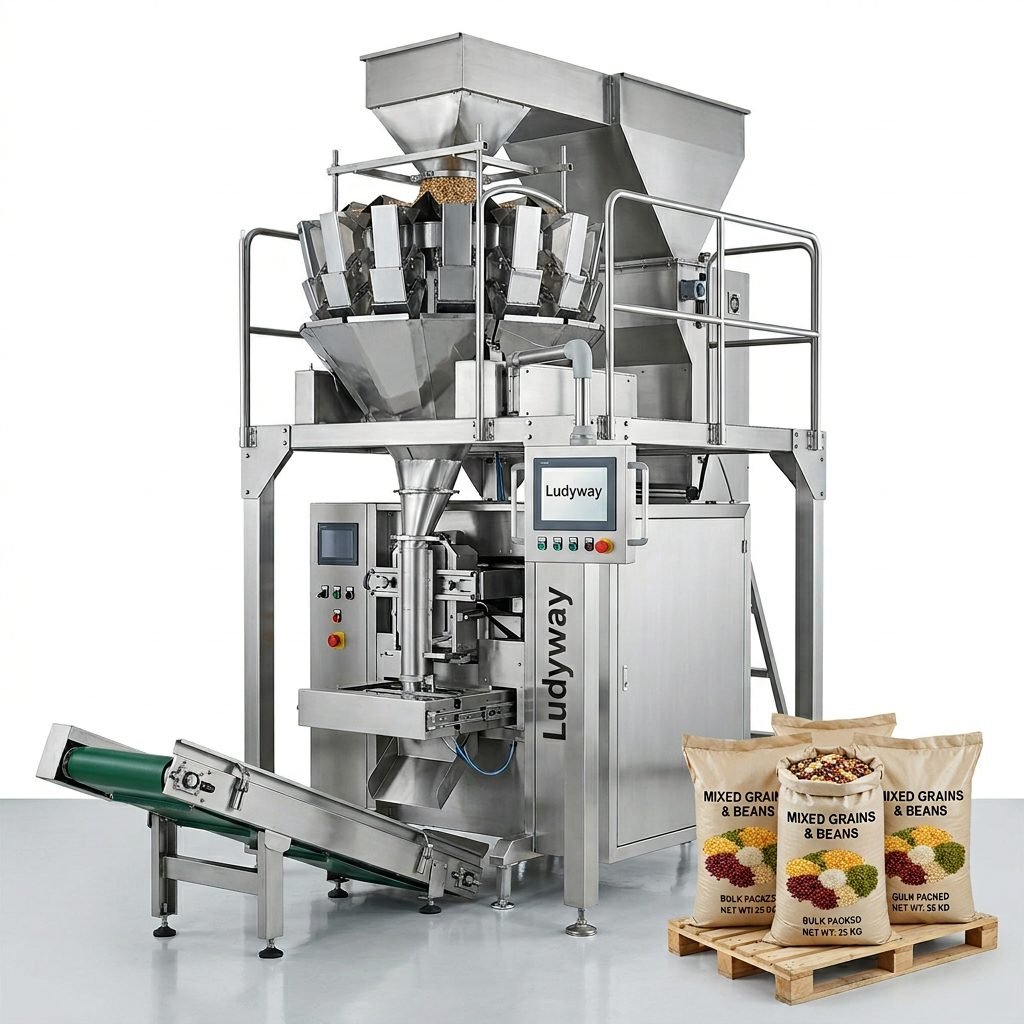
- Product Form: Is your product a granule, powder, liquid, paste, or solid piece? Granule products like coffee beans, nuts, and seeds require different filling mechanisms than free-flowing powders such as flour or milk powder. Liquid products like sauces, oils, and beverages demand specialized liquid filling systems with precise volumetric or flow meter controls.
- Flow Characteristics: Free-flowing products handle differently from cohesive or sticky materials. Powders that tend to bridge or clump may require agitated hoppers or specialized auger fillers.
- Hygroscopic Sensitivity: Products that absorb moisture, such as powdered drinks and certain seasonings, need packaging machines that can maintain seal integrity and may benefit from nitrogen flushing capabilities.
- Target Packaging Format: Common formats in the French market include stick packs, sachets, pouches, and bags. Each format serves different consumer segments and retail channels.
Matching Packaging Formats to French Market Demands
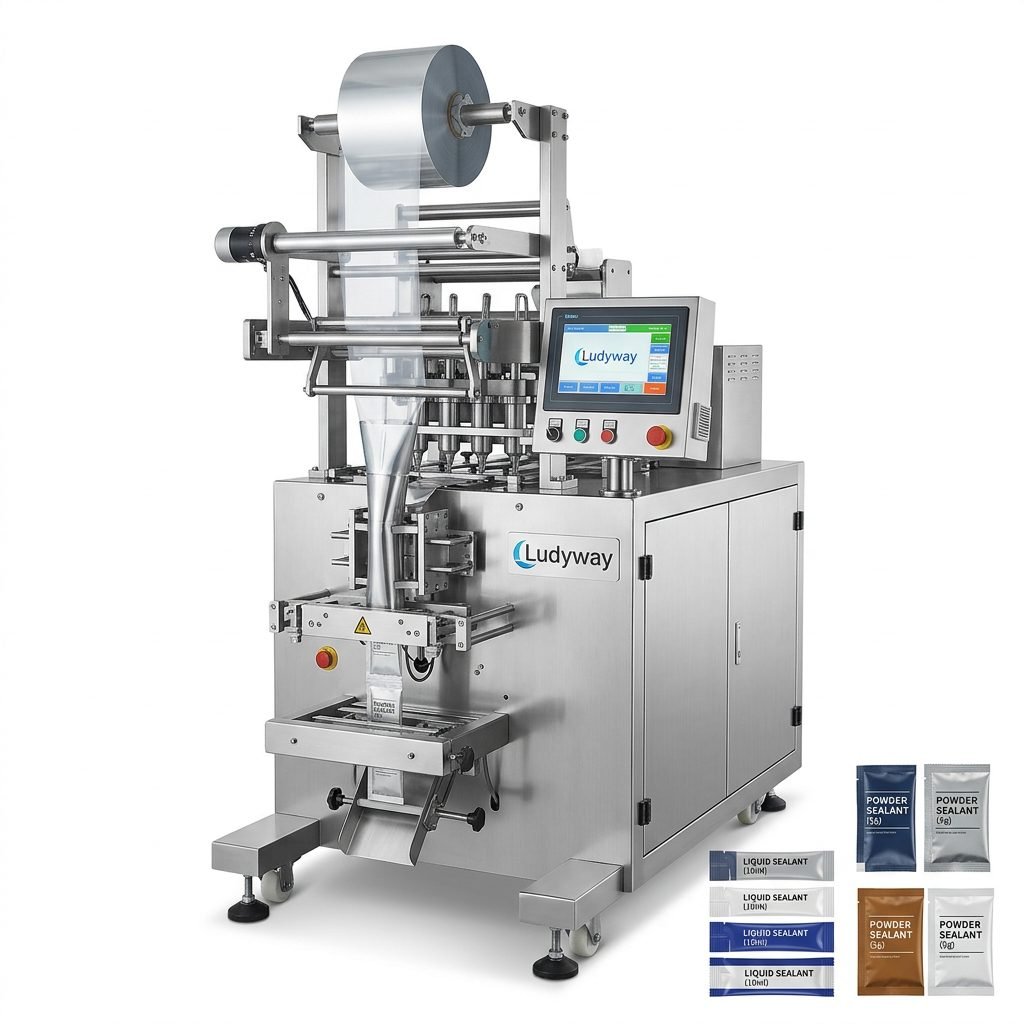
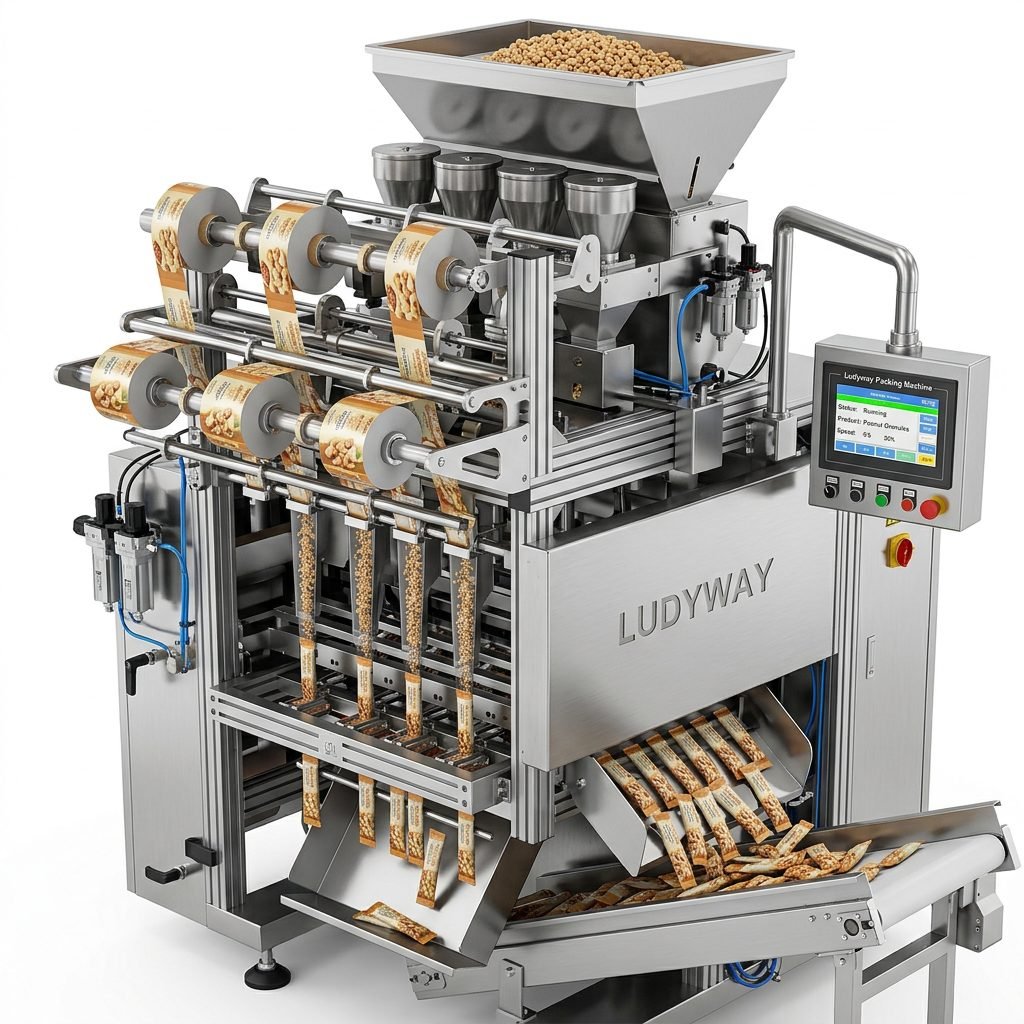
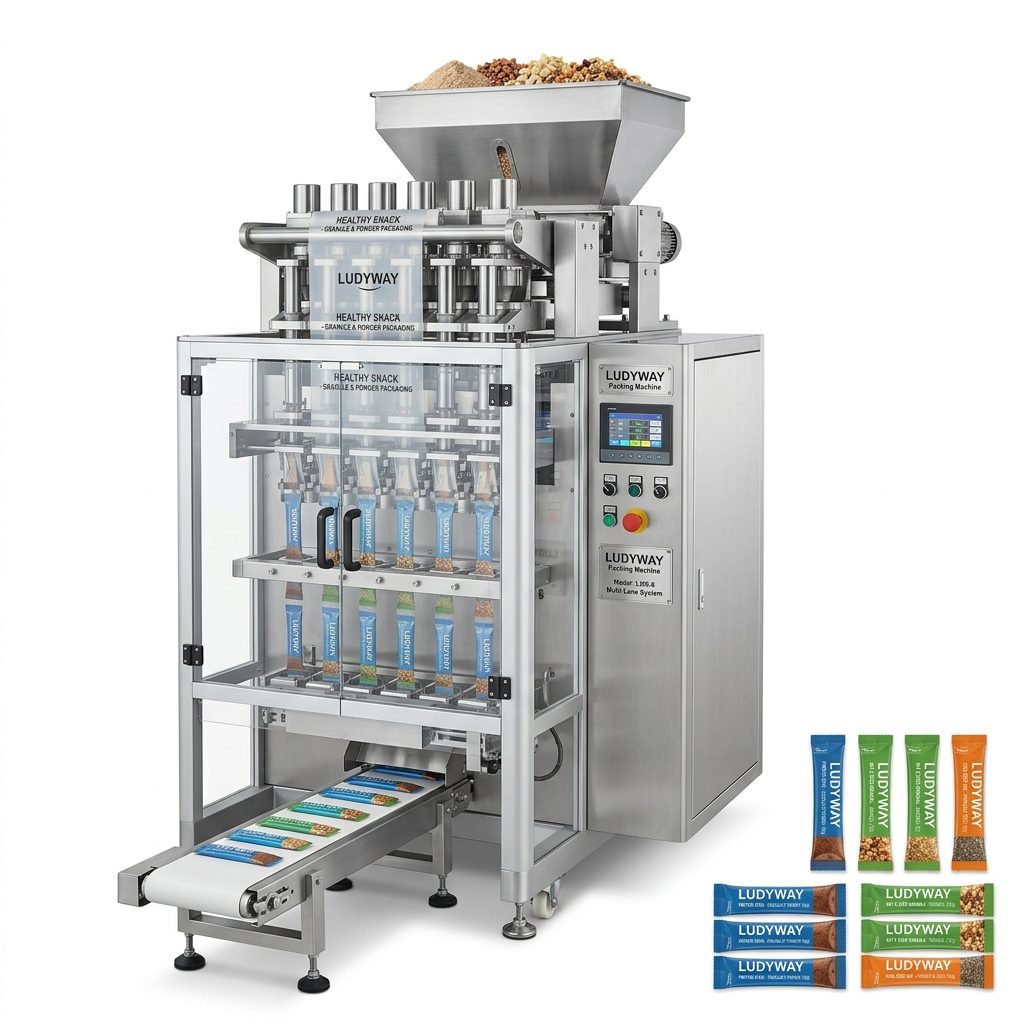
The French food industry favors specific packaging formats depending on the distribution channel. Stick packs are increasingly popular for single-serve coffee, sugar, and supplement products sold in supermarkets and convenience stores. Sachets dominate the portion-control segment for sauces, dressings, and condiments. Multi-lane packaging systems that produce these formats at high speed have become essential for manufacturers targeting major French retailers.

Types of Food Packaging Machines Available in the French Market
Understanding the main categories of food packaging equipment helps narrow your selection. The French market features a broad range of machinery types, each suited to specific applications and production volumes.
| Machine Type | Best For | Packaging Format | Typical Speed |
|---|---|---|---|
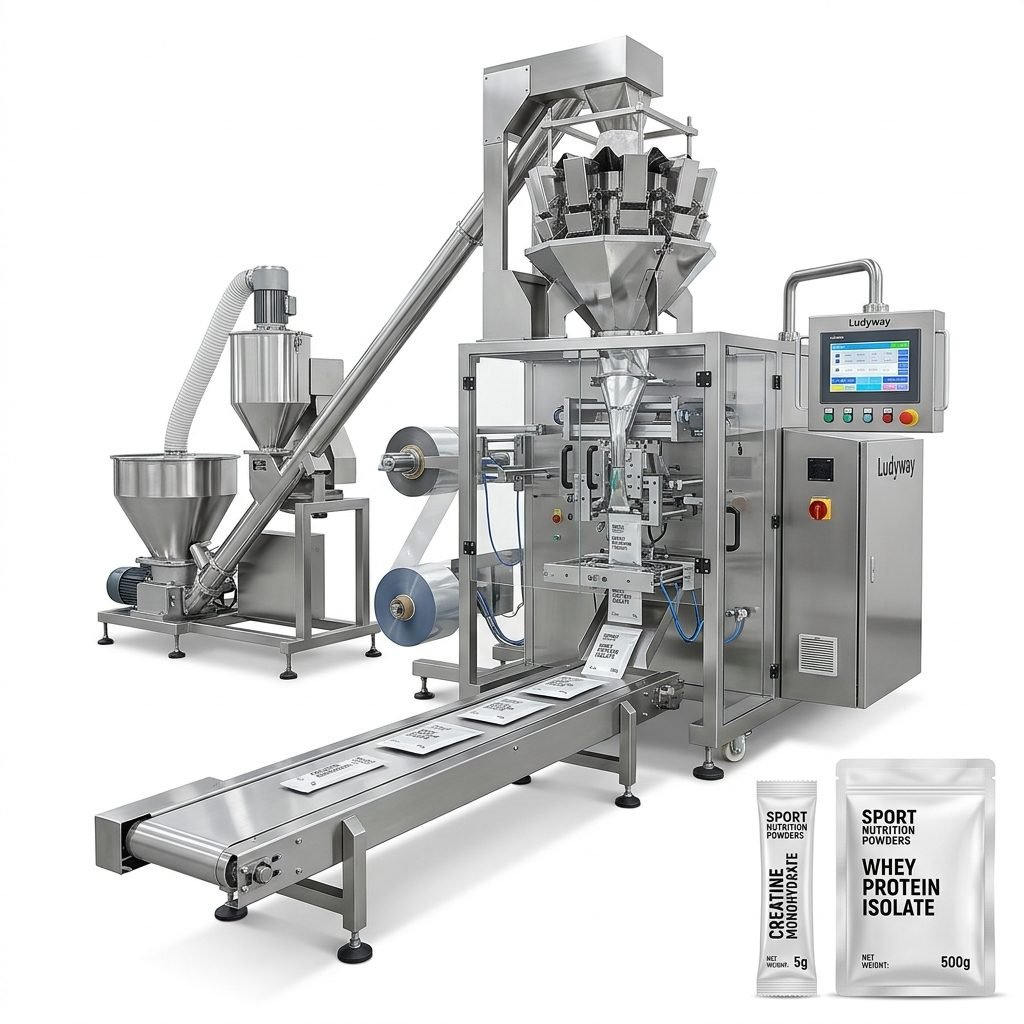
| Vertical Form Fill Seal (VFFS) | Granules, powders, snacks | Pillow bags, gusseted bags | 30-120 packs/min |
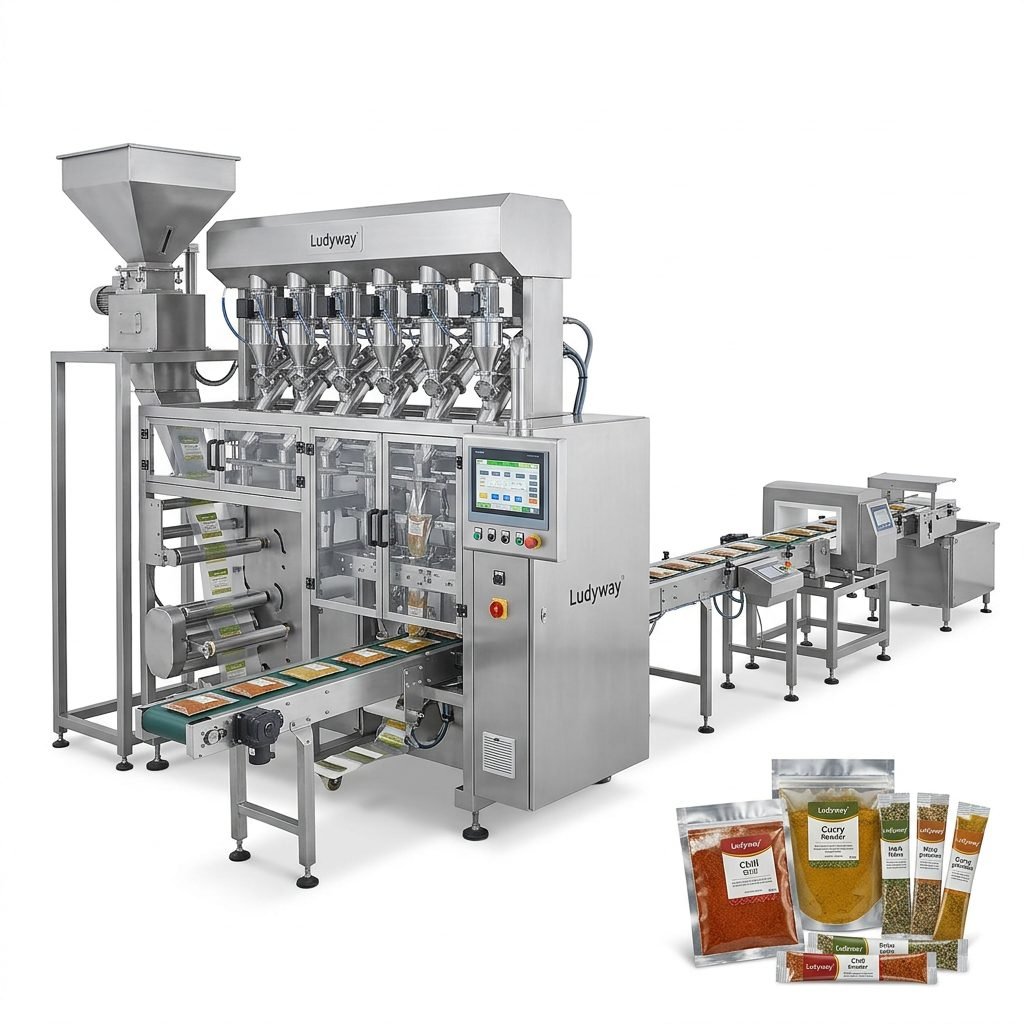
| Multi-Lane Stick Pack | Powders, granules, liquids | Stick packs, sachets | 200-600 packs/min |
| Sachet Packaging Machine | Liquids, pastes, powders | Flat sachets, edge-sealed | 40-150 packs/min |
| Premade Pouch Packaging | Solid foods, granules, liquids | Stand-up pouches, zipper bags | 20-60 packs/min |
| Liquid Filling & Sealing | Beverages, sauces, oils | Bottles, sachets, pouches | Varies by configuration |
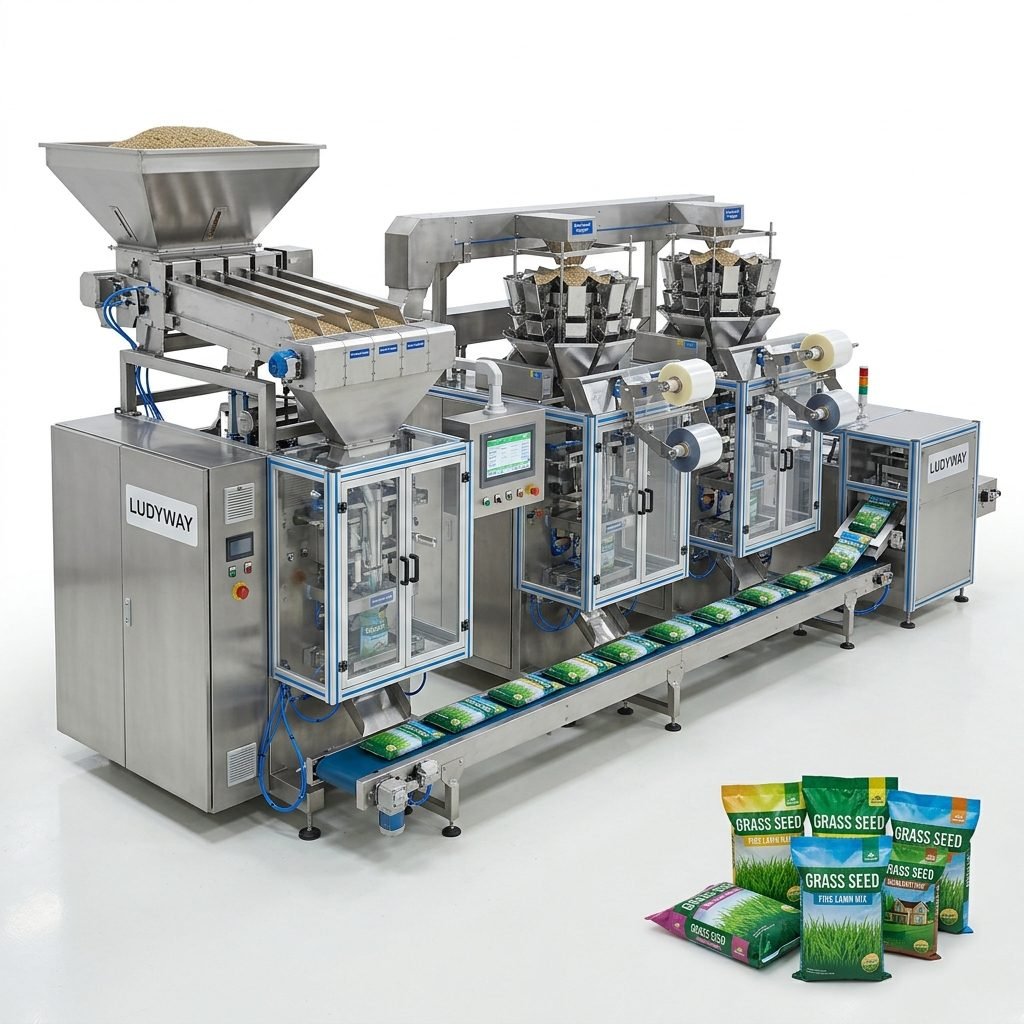
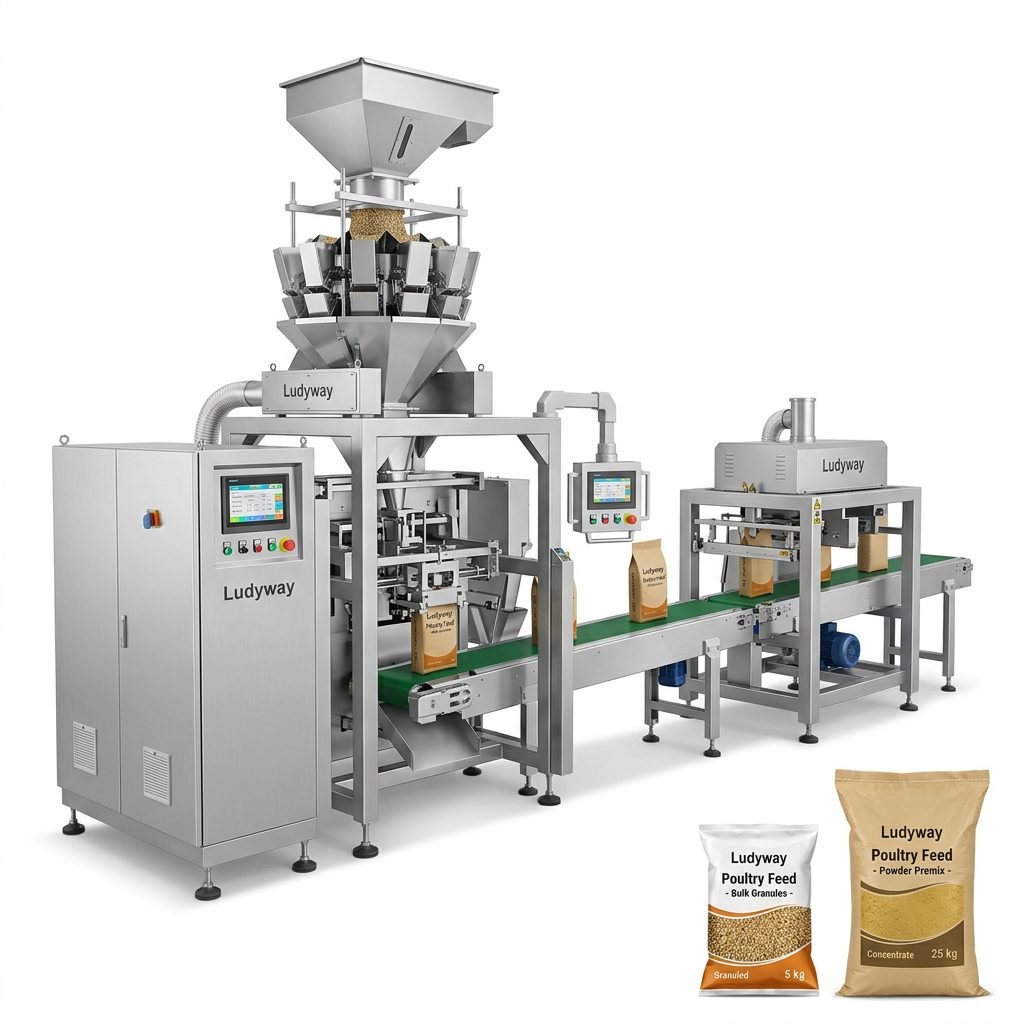
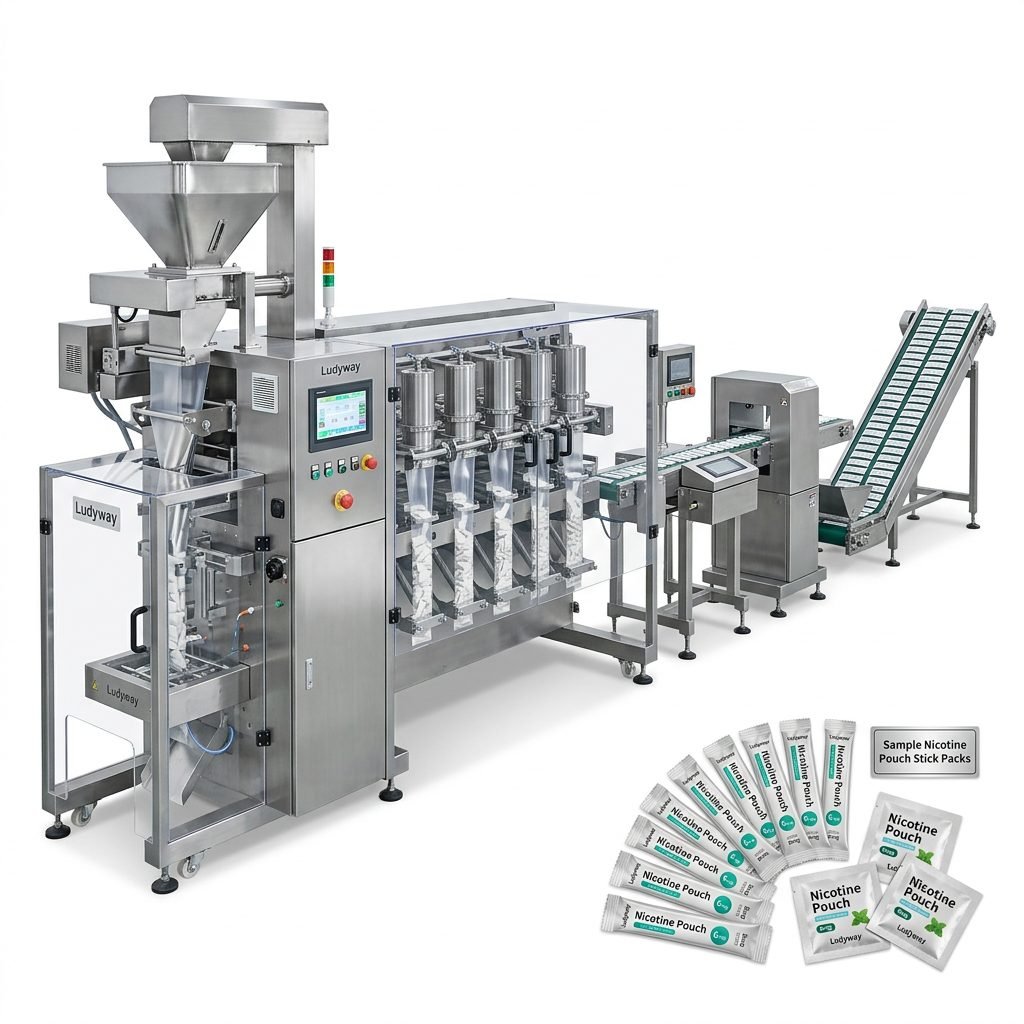
For high-volume production of granule and powder products, multi-lane stick pack machines offer unmatched efficiency. These systems can produce hundreds of precision-filled stick packs per minute, making them the preferred choice for coffee, sugar, supplement, and seasoning manufacturers across France. Many producers also benefit from integrating packaging line solutions that combine filling, sealing, coding, and cartoning into a single automated workflow.
Key Factors to Evaluate When Choosing a Food Packaging Machine
Selecting the right equipment requires a thorough evaluation of several interconnected factors. Overlooking any single element can lead to costly inefficiencies or compliance issues down the line.
Production Capacity and Speed Requirements
Your current and projected production volumes should guide equipment selection. A machine that cannot scale with your business growth becomes a bottleneck. Calculate your required output in packs per minute and consider buffer capacity for peak seasons. French food manufacturers often face seasonal demand spikes, particularly around holidays and summer periods. Selecting equipment with modular upgrade capability allows you to add lanes or automation modules as your market share expands.
Automation Level and Integration
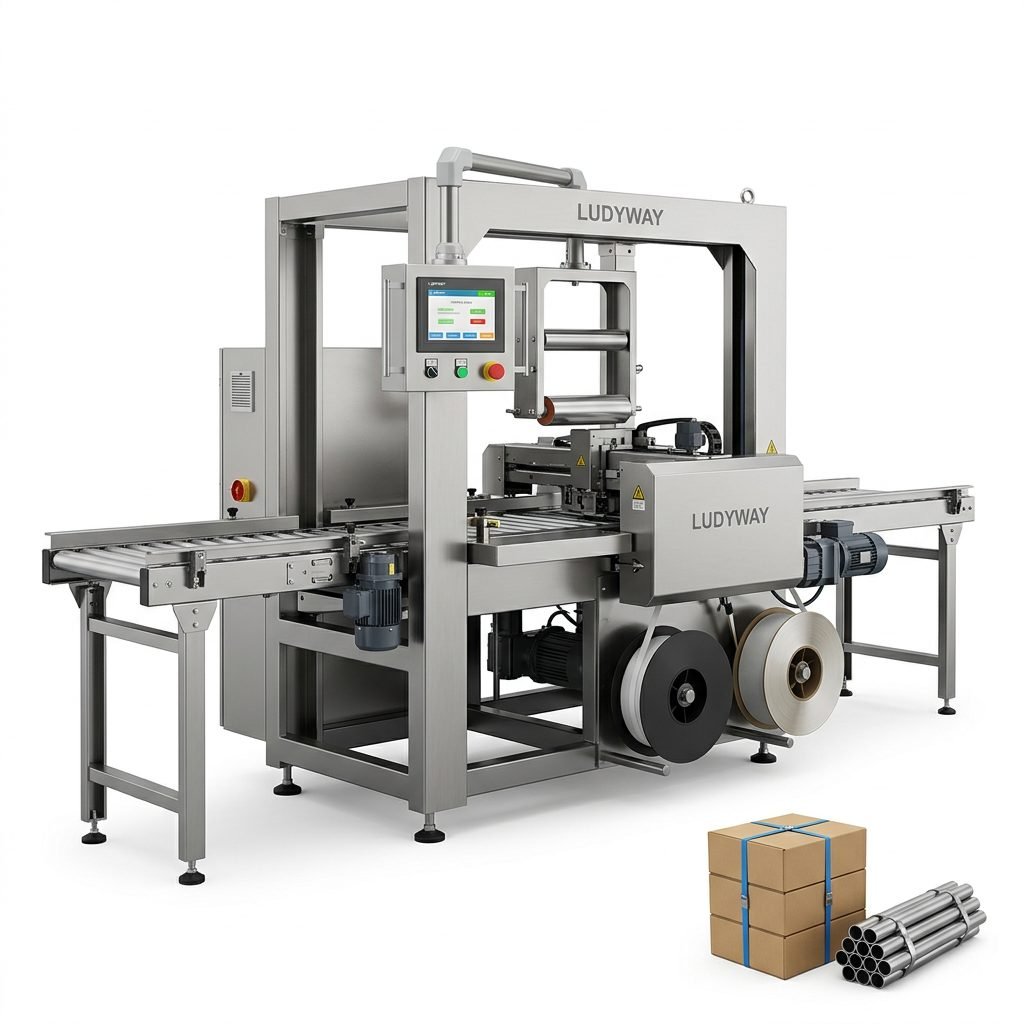
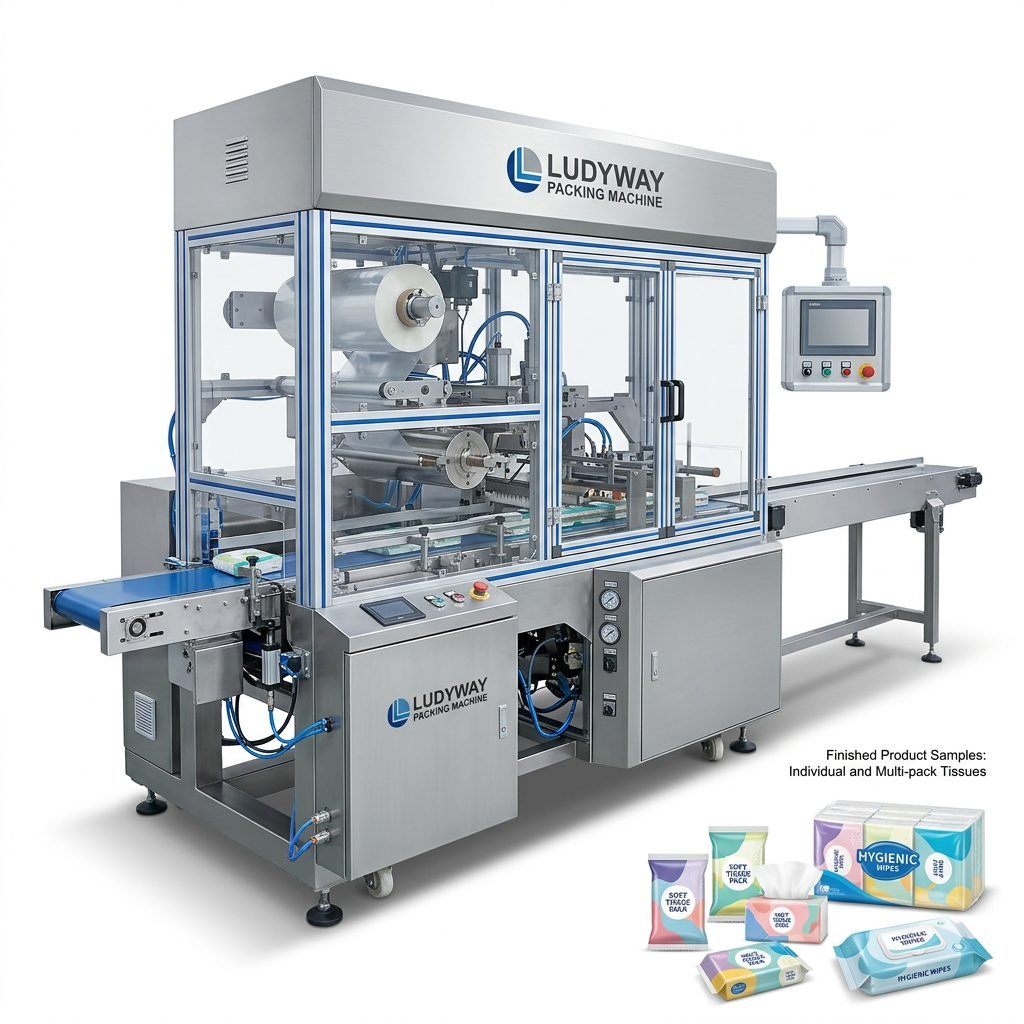
Modern packaging systems range from semi-automatic to fully automated turnkey lines. Higher automation reduces labor costs and improves consistency but requires a larger initial investment. In France, where labor costs are relatively high, automated solutions typically deliver faster ROI. Look for machines that integrate seamlessly with upstream and downstream equipment such as weighing systems, conveyors, ISO-compliant quality inspection modules, and cartoning machines.
Material Compatibility and Sustainability
France is at the forefront of sustainable packaging legislation in Europe. Your packaging machine must be compatible with eco-friendly materials such as recyclable mono-material films, biodegradable laminates, and reduced-thickness packaging. Verify that the machine’s sealing technology works effectively with these newer materials, which often have different heat-sealing characteristics than traditional multi-layer films.
French and EU Regulatory Compliance
Food packaging equipment sold and operated in France must comply with comprehensive EU regulations. These cover food safety, machine safety, and environmental standards.
- CE Marking: All packaging machinery must carry CE marking, indicating conformity with EU health, safety, and environmental protection standards. This is non-negotiable for equipment operated in France.
- Food Contact Materials Regulation (EC) No 1935/2004: Any machine component that contacts food must use approved materials. This includes filling nozzles, hoppers, and sealing surfaces. Verify that your equipment supplier provides documentation confirming compliance.
- Hygiene Design Standards: Equipment should follow EHEDG (European Hygienic Engineering & Design Group) guidelines where applicable. Stainless steel construction, easy-clean surfaces, and minimal crevices are essential for food-grade packaging machinery.
- French Labeling Requirements: Products sold in France must carry labels in French, including ingredient lists, nutritional information, and net quantity. Your packaging system should support accurate label application and variable data printing.
Budget Considerations and Total Cost of Ownership
The purchase price is only one component of the total investment. A comprehensive cost analysis should account for the full machine lifecycle. French manufacturers benefit from evaluating Total Cost of Ownership (TCO) over a 5-10 year horizon.
Capital Expenditure vs. Operating Costs
While a lower upfront price may seem attractive, higher-quality machines typically offer lower operating costs through reduced energy consumption, fewer spare parts replacements, and minimized downtime. Consider these ongoing expenses:
- Energy consumption – Modern servo-driven machines significantly reduce electricity usage compared to older pneumatic systems.
- Consumable parts – Sealing jaws, cutting blades, and belts require periodic replacement. Factor in the cost and availability of genuine spare parts.
- Maintenance labor – Machines designed for easy access and quick changeovers reduce technician hours and production interruptions.
- Film waste – Precise film registration and tension control minimize material waste, which directly impacts per-unit packaging cost.
Supplier Evaluation and After-Sales Support
Choosing the right equipment supplier is as important as selecting the right machine. For French food manufacturers, working with a supplier that offers responsive local or regional support can significantly reduce downtime risks. Evaluate potential suppliers based on their track record, technical expertise, and service infrastructure.
Key questions to ask include: Does the supplier provide installation and commissioning support in France? Is there access to remote diagnostics and troubleshooting? What are the warranty terms and response times for service calls? For companies seeking reliable partners with extensive industry experience, Ludyway is one of the largest packaging machine manufacturers with over 30 years of expertise, serving customers in more than 100 countries including France with advanced packaging solutions for granules, powders, liquids, and pouch applications.
Spare Parts Availability and Technical Training
Downtime in food packaging operations can cost thousands of euros per hour. Confirm that your supplier maintains an adequate inventory of critical spare parts and can ship to France quickly. Additionally, comprehensive operator and maintenance training programs ensure your team can operate the equipment efficiently and perform routine troubleshooting without waiting for external support.
Future-Proofing Your Packaging Investment
The French food packaging landscape continues to evolve rapidly. Smart packaging technologies, Industry 4.0 connectivity, and stricter environmental regulations are reshaping equipment requirements. When evaluating packaging machinery, consider these forward-looking capabilities:
- IoT Connectivity: Machines with built-in sensors and network connectivity enable real-time performance monitoring, predictive maintenance alerts, and production data analytics. This aligns with France’s advanced manufacturing initiatives.
- Flexible Format Changeovers: Equipment that can quickly switch between different pack sizes and formats future-proofs your investment against changing market demands and product line extensions.
- Sustainable Material Readiness: As France pushes toward a circular economy, machines that can run recyclable and compostable films without compromising seal integrity will become increasingly valuable.
- Data Integration: Compatibility with manufacturing execution systems (MES) and enterprise resource planning (ERP) platforms supports traceability requirements and operational efficiency goals.
Making the Final Decision: A Practical Checklist
After gathering all necessary information, use this structured approach to finalize your food packaging machine purchase:
- Confirm product-machine compatibility through sample testing with your actual product and packaging material.
- Verify CE compliance and request all relevant certifications from the equipment supplier.
- Calculate realistic ROI based on production volumes, labor savings, and material efficiency improvements.
- Review service agreements and clarify warranty coverage, response times, and spare parts availability for France.
- Visit reference installations or request video demonstrations of similar machines operating in comparable food applications.
- Assess scalability options to ensure the machine can grow with your production needs over the next 5-10 years.
By systematically evaluating each of these factors, French food manufacturers can select packaging equipment that delivers consistent quality, regulatory compliance, and strong return on investment. The right machine becomes a strategic asset that supports your brand’s growth in France’s competitive and quality-conscious food market. Always prioritize long-term value over short-term savings, and partner with suppliers who demonstrate genuine commitment to your operational success.
For further guidance on packaging industry standards, refer to resources from the PMMI packaging association and FDA food packaging guidelines, which provide valuable frameworks applicable to export-oriented French manufacturers.