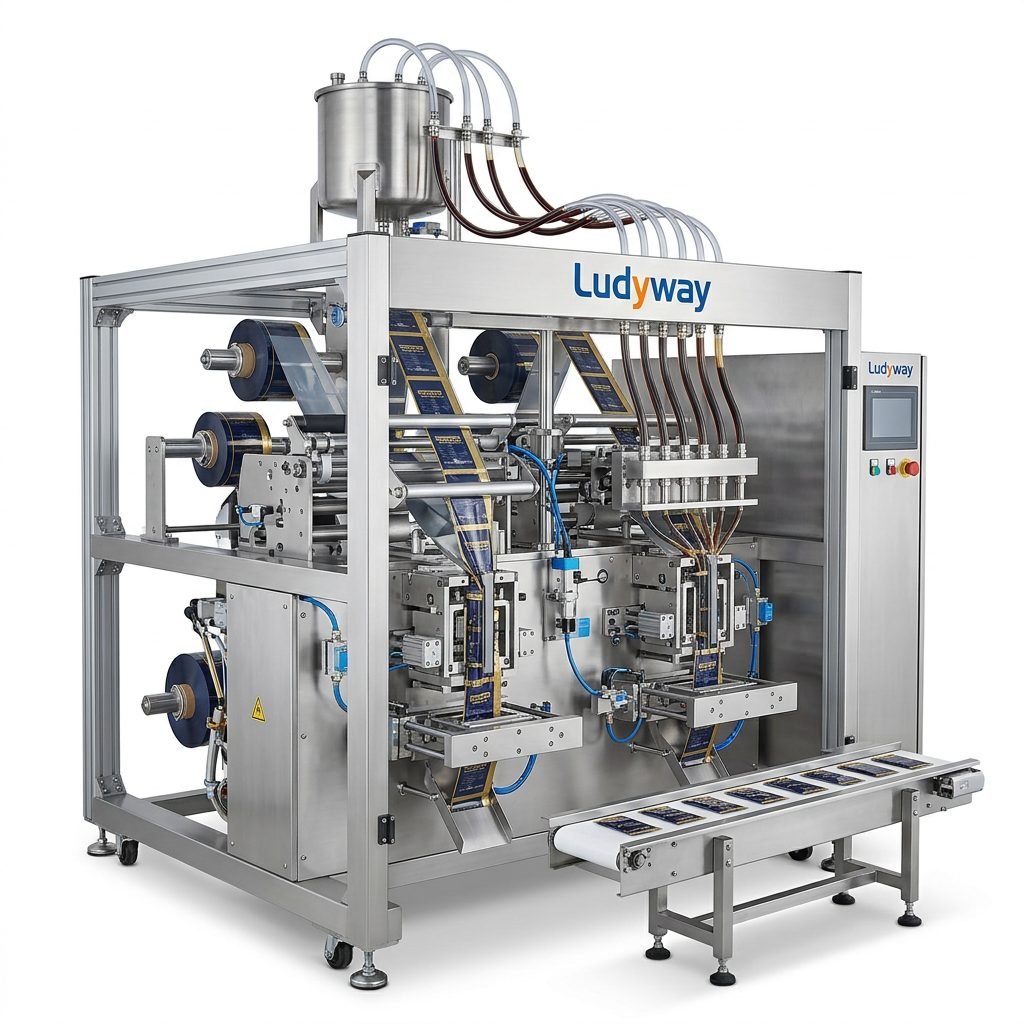
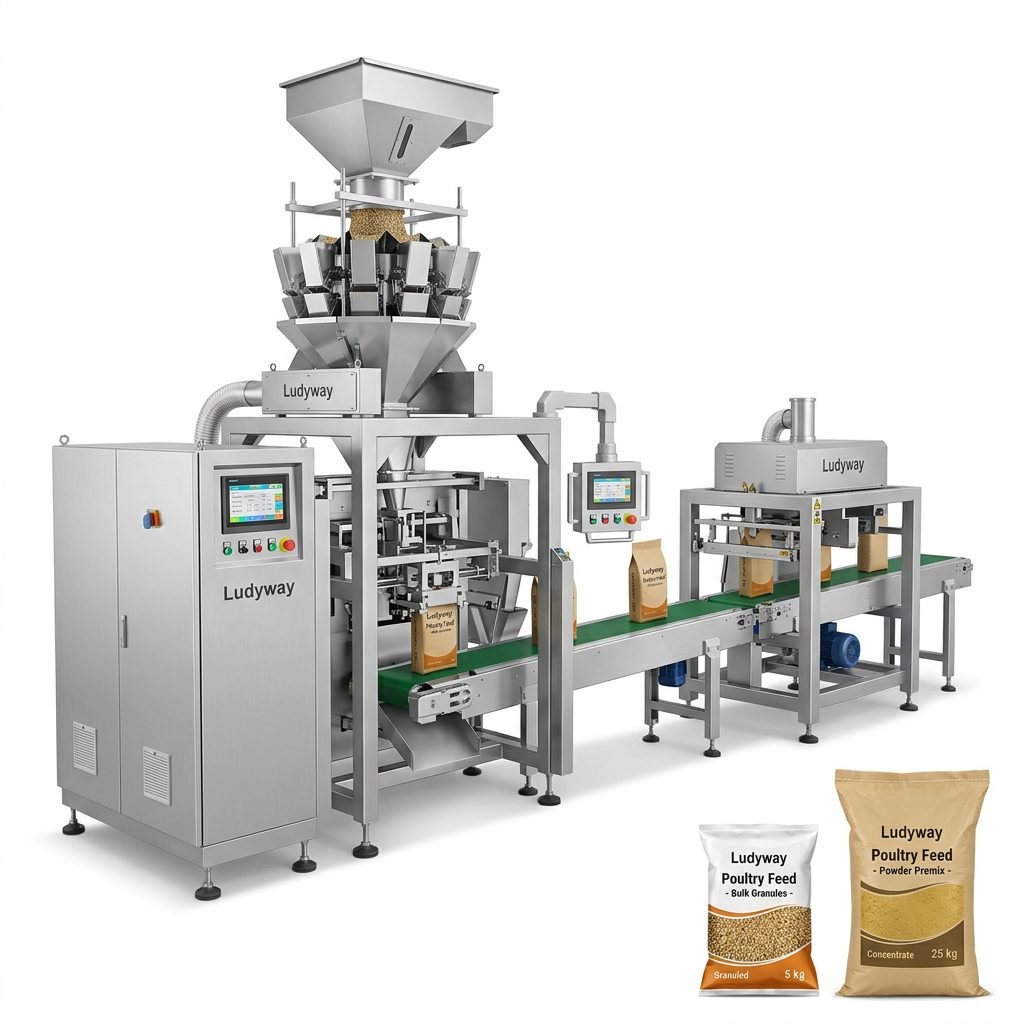
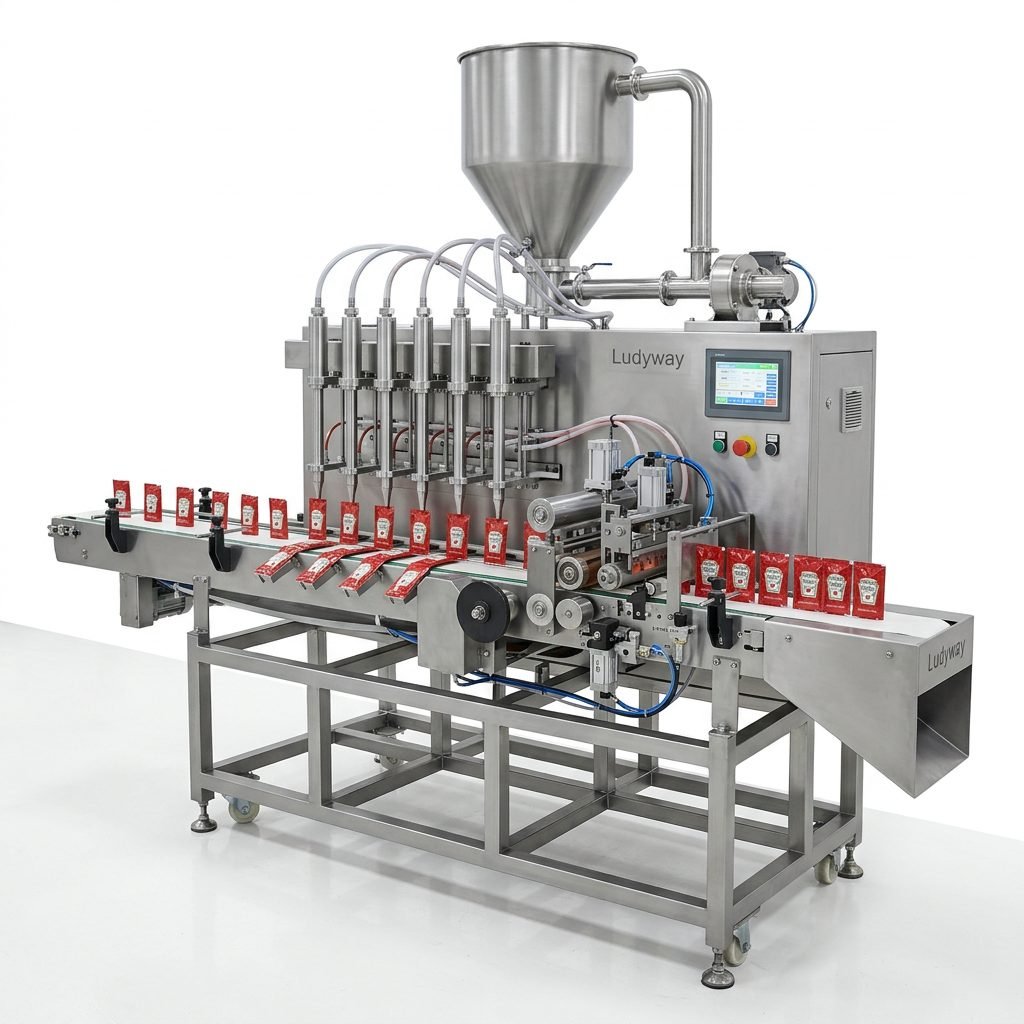
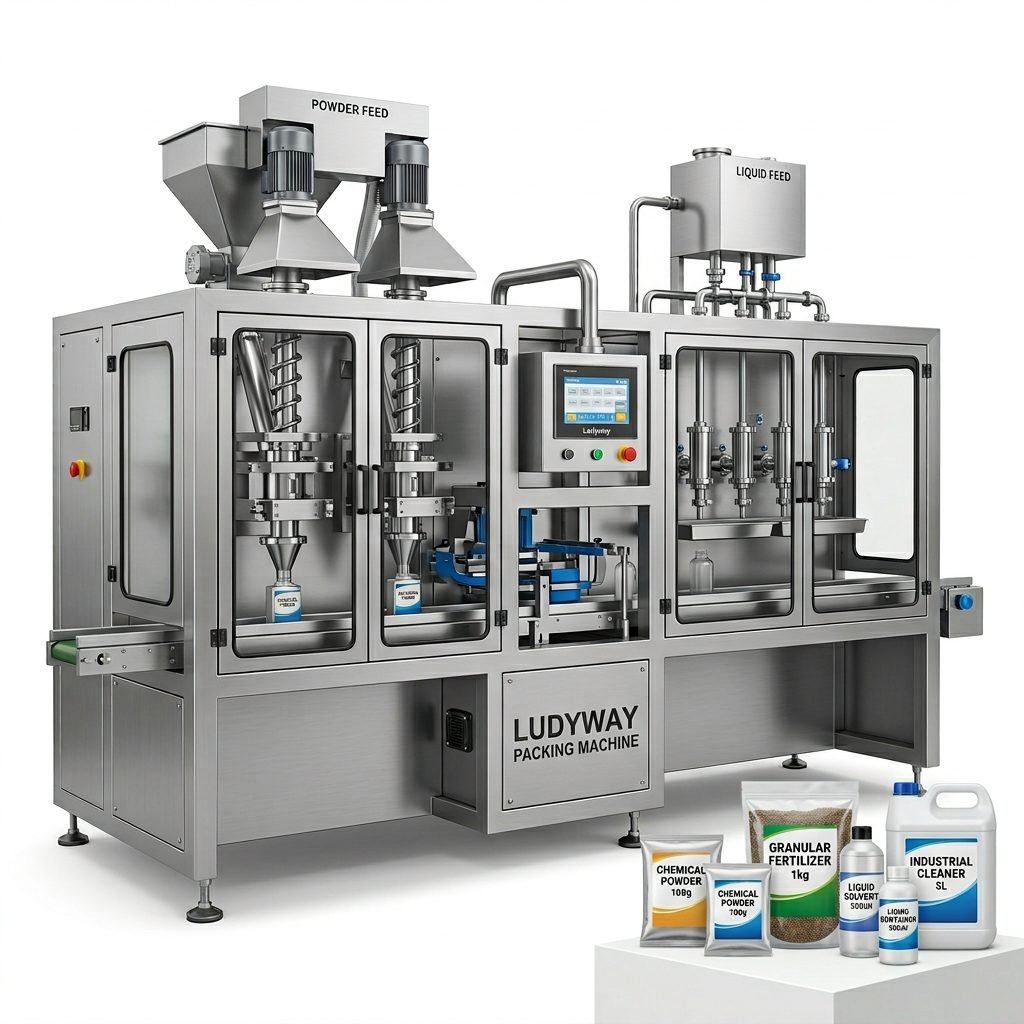
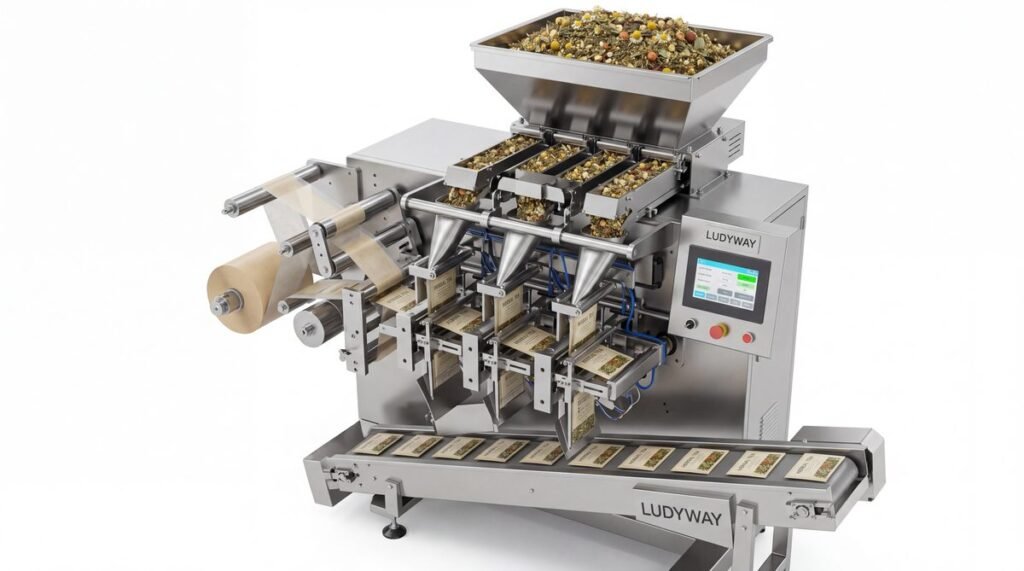
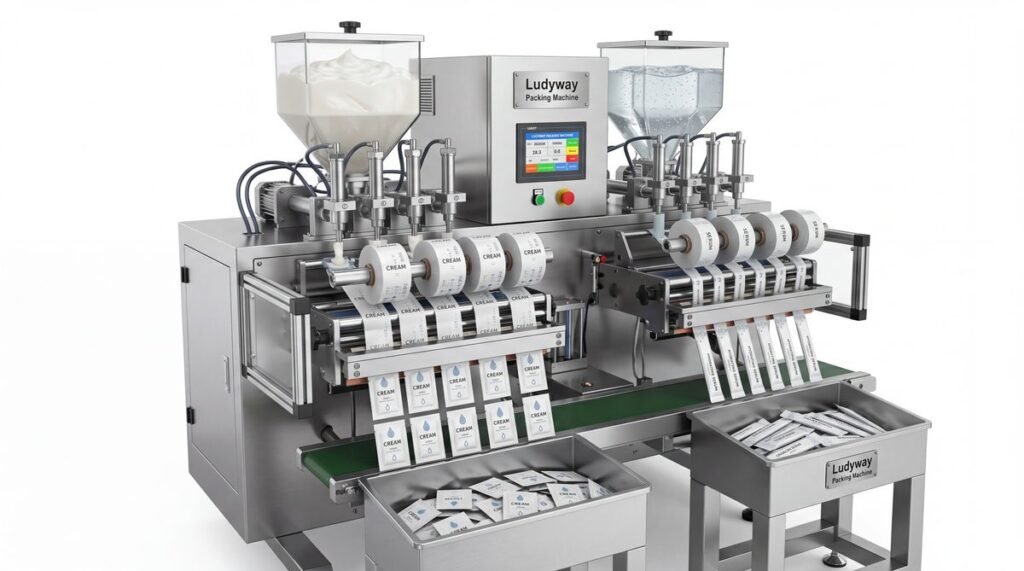
The demand for ground meat packaging machines in Southeast Asia has surged dramatically over the past five years. With rising disposable incomes, urbanization, and the rapid expansion of modern retail chains across Indonesia, Thailand, Vietnam, Malaysia, and the Philippines, meat processors are under increasing pressure to upgrade their packaging lines. A reliable ground meat packaging machine not only extends product shelf life but also ensures compliance with increasingly stringent food safety regulations across the region.
Why Southeast Asia Is a Hotspot for Ground Meat Packaging Investment
The ASEAN region’s meat processing sector is projected to grow at a CAGR of over 6% through 2030. Several factors are driving this expansion:
- Cold chain modernization — Governments in Vietnam and Indonesia are investing heavily in refrigerated logistics infrastructure
- Retail transformation — Supermarkets and hypermarkets are replacing traditional wet markets, demanding pre-packaged ground meat products
- Export opportunities — Halal-certified packaged meat from Malaysia and Indonesia is finding new markets in the Middle East and beyond
- Consumer preference shifts — Busy urban households increasingly prefer portion-packed, ready-to-cook ground meat

Types of Ground Meat Packaging Machines Available
Selecting the right equipment depends on your production volume, target shelf life, and distribution channel. Below are the primary machine categories operating in Southeast Asian facilities today.
Tray Sealing Machines
Tray sealers are the most common choice for retail-ready ground meat sold in supermarkets across Bangkok, Jakarta, and Manila. These machines seal a flexible film over a rigid plastic tray, providing excellent product visibility and stackability. Modern systems can handle up to 120 trays per minute with integrated gas flushing for modified atmosphere packaging.
Vacuum Chamber Packaging Machines
For bulk ground meat destined for food service or further processing, vacuum chamber machines offer superior oxygen removal. They are particularly popular among Thai and Vietnamese export-oriented processors who need extended shelf life for frozen ground meat shipments. Double-chamber models can cycle in under 30 seconds.
Modified Atmosphere Packaging (MAP) Systems
MAP technology is rapidly gaining traction in Southeast Asia’s premium meat segment. By replacing air with a carefully controlled gas mixture, these flexible packaging solutions can extend chilled shelf life from 3 days to over 14 days. This is critical for distributors serving remote islands across the Indonesian archipelago.
Automatic Form-Fill-Seal (FFS) Machines
High-volume processors are increasingly adopting vertical and horizontal FFS machines for ground meat. These integrated systems form the pouch, fill the product, and seal it in one continuous operation. They are ideal for frozen ground meat patties and portion packs.
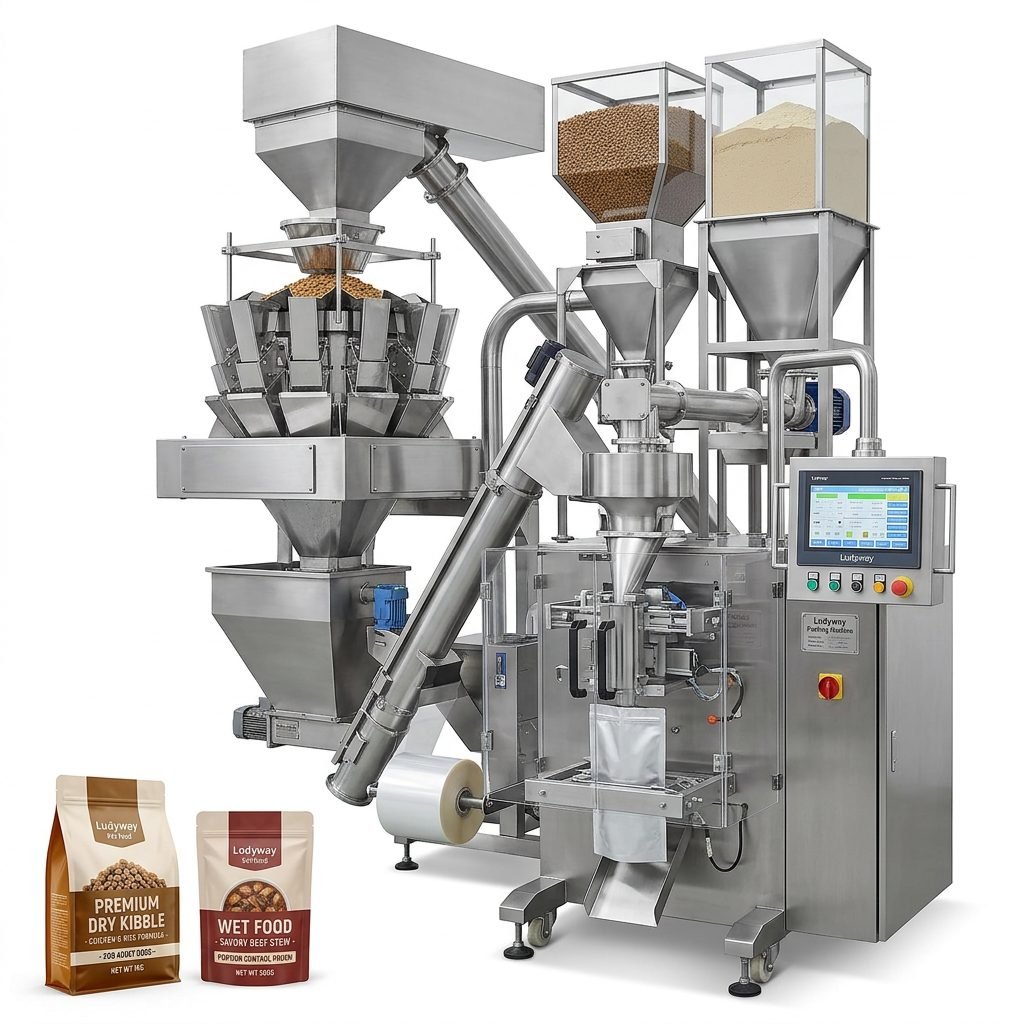
Key Features to Evaluate Before Purchasing
Investing in a ground meat packaging machine requires careful evaluation of technical specifications. The table below summarizes the critical parameters for Southeast Asian operating environments.
| Feature | Why It Matters | Recommended Specification |
|---|---|---|
| Sanitary Design | Ground meat is highly perishable and prone to bacterial contamination | IP65 or higher rating, easy disassembly for CIP cleaning |
| Temperature Control | Southeast Asia’s ambient temperatures average 30°C+ year-round | Integrated chiller for sealing area, stainless steel construction |
| Gas Flushing Accuracy | Residual oxygen levels directly impact shelf life and color retention | Less than 0.5% residual oxygen for MAP applications |
| Film Compatibility | Different markets require different barrier properties | Multi-material compatibility: PE, PP, EVOH, aluminum laminates |
| Production Speed | Must match upstream grinding and downstream packing capacity | Scalable from 30 to 120+ packs per minute |
| Humidity Resistance | High humidity in coastal areas can affect electronic components | Sealed control panels, tropicalized electrical systems |
Understanding Regional Compliance Requirements
Southeast Asian nations each maintain distinct food packaging standards. Processors must navigate this regulatory patchwork carefully:
- Indonesia — BPOM and MUI Halal certification are mandatory for domestic market access
- Malaysia — JAKIM Halal certification plus ISO packaging standards compliance
- Vietnam — VFA food safety regulations aligned with Codex Alimentarius
- Thailand — Thai FDA food packaging registration and GMP certification
- Philippines — FDA Philippines registration with specific packaging material migration limits
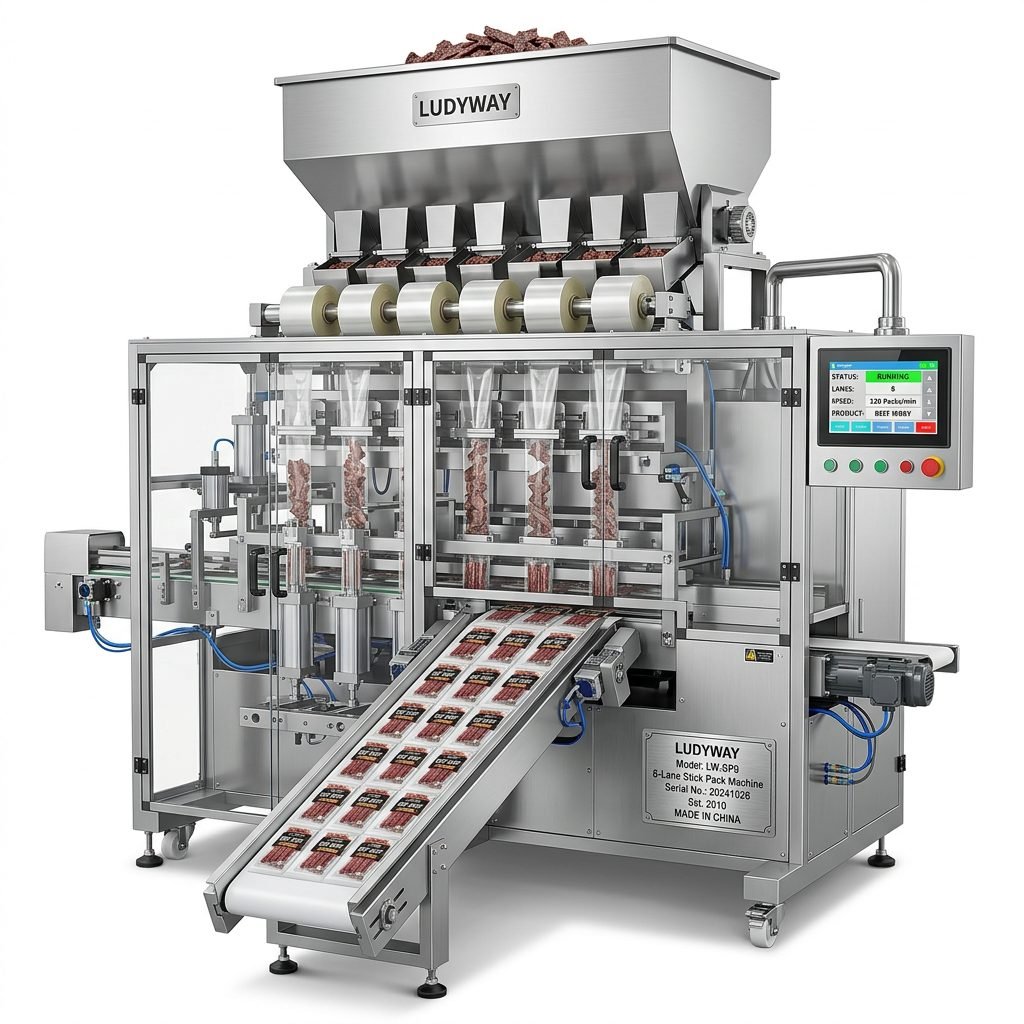
Leading manufacturers like Ludyway ensure their ground meat packaging solutions meet these diverse regulatory frameworks, offering customizable configurations for each market’s requirements.

Cost Breakdown and Return on Investment
Understanding the total cost of ownership helps processors budget effectively. Here is a realistic cost framework for a mid-range ground meat packaging line in Southeast Asia:
| Cost Component | Estimated Range (USD) | Notes |
|---|---|---|
| Machine Purchase | $25,000 — $180,000 | Depends on automation level and speed |
| Installation & Commissioning | $3,000 — $15,000 | Including operator training |
| Annual Maintenance | $2,000 — $8,000 | Spare parts and preventive service |
| Packaging Material | $0.02 — $0.08 per pack | Film/tray cost varies by specification |
| Energy Consumption | $200 — $600 monthly | Electricity costs vary by country |
Most Southeast Asian processors report ROI within 18 to 36 months, driven primarily by reduced product spoilage, lower labor costs, and access to higher-value retail channels.
Choosing the Right Supplier for Your Market
When evaluating ground meat packaging machine suppliers, consider these proven selection criteria:
After-Sales Support in ASEAN
Local technical support is non-negotiable. Look for suppliers with service centers or certified partners in Bangkok, Ho Chi Minh City, Jakarta, or Kuala Lumpur. Response time for critical breakdowns should be under 48 hours.
Spare Parts Availability
Importing spare parts can cause weeks of downtime due to customs clearance in some Southeast Asian countries. Prioritize suppliers who maintain regional spare parts warehouses or offer comprehensive parts kits with machine delivery.
Operator Training Programs
Given the skills gap in some areas, suppliers offering on-site training in local languages (Bahasa Indonesia, Thai, Vietnamese) provide significant operational advantages.
Customization Capabilities
Ground meat characteristics vary — from coarse minced pork in Vietnam to fine beef grind in Malaysia. Your machine should be adjustable for different meat textures, fat contents, and portion sizes.
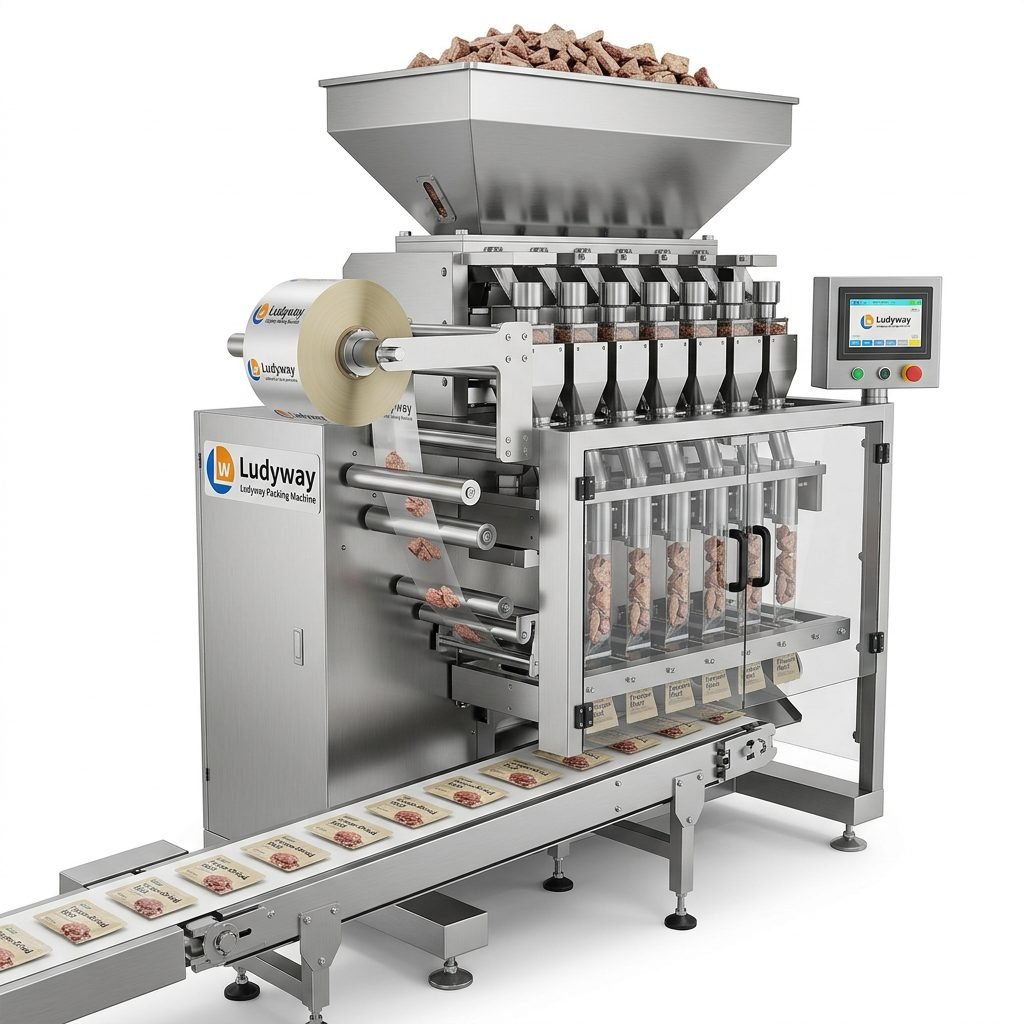
Technology Trends Shaping the Future
Several innovations are transforming ground meat packaging across Southeast Asia:
- Smart sensors and IoT integration — Real-time monitoring of seal integrity, gas composition, and machine performance via cloud platforms
- Biodegradable film compatibility — Growing regulatory pressure in Thailand and Indonesia is driving demand for machines that run sustainable packaging materials
- Automated quality inspection — Vision systems that detect packaging defects at high speed, reducing manual QC labor
- Energy-efficient servo drives — New motor technologies reducing electricity consumption by up to 30% compared to pneumatic systems

Frequently Asked Questions
What is the ideal machine for a small ground meat processor in Vietnam?
For small-scale operations processing under 500 kg per day, a semi-automatic tray sealer with basic MAP capability offers the best balance of cost and functionality. These machines typically range from $25,000 to $45,000.
Can one machine handle both fresh and frozen ground meat?
Yes, but only if specified during procurement. Frozen products require reinforced sealing jaws and modified temperature parameters. Always confirm dual-mode capability with the manufacturer before purchase.
How do I ensure Halal compliance for packaging machinery?
Machines intended for Halal production must have full material traceability, dedicated cleaning protocols, and lubricant-free product contact zones. Request Halal-compliance documentation from your supplier and coordinate with local certification bodies like JAKIM or MUI during installation.
What maintenance schedule is recommended in tropical climates?
Given Southeast Asia’s humidity and heat, monthly preventive maintenance is strongly advised, with particular attention to electrical connections, pneumatic seals, and cooling fans. Quarterly deep cleaning of internal components helps prevent corrosion.
Comparative Overview: Machine Types at a Glance
| Machine Type | Best For | Speed Range | Shelf Life Extension |
|---|---|---|---|
| Tray Sealer | Retail ground meat packs | 30-120 trays/min | 5-14 days with MAP |
| Vacuum Chamber | Bulk and frozen export | 2-6 cycles/min | 6-18 months frozen |
| MAP Flow Wrapper | Premium retail portions | 40-100 packs/min | 10-21 days chilled |
| Vertical FFS | Frozen ground meat pouches | 50-120 packs/min | 12-24 months frozen |
Installation and Facility Planning Tips
Proper installation is as important as machine selection. Key considerations for Southeast Asian facilities include:
- Floor space allocation — Allow at least 2 meters of clearance around the machine for operator access and maintenance
- Power supply stability — Install voltage stabilizers; power fluctuations are common in industrial zones across Indonesia and the Philippines
- Drainage and sanitation — Floor drains should be positioned for easy washdown of the packaging area
- Air quality management — Consider dehumidifiers for the packaging room to protect both product and machine electronics
- Integration with upstream equipment — Plan conveyor connections to grinders and metal detectors for seamless workflow
Final Thoughts: Making a Confident Purchase Decision
Selecting the right ground meat packaging machine in Southeast Asia requires balancing technical specifications, regulatory compliance, and after-sales support. The region’s diverse markets demand flexible equipment that can adapt to varying product formats and packaging materials. By prioritizing sanitary design, local service availability, and packaging industry best practices, processors can secure a reliable solution that supports long-term growth in one of the world’s most dynamic food markets.
Take time to visit supplier factories, request product demonstrations with your specific ground meat formulations, and speak with reference customers in your target country before finalizing your investment. A well-chosen machine will serve as a competitive advantage for a decade or more in Southeast Asia’s rapidly evolving protein market.