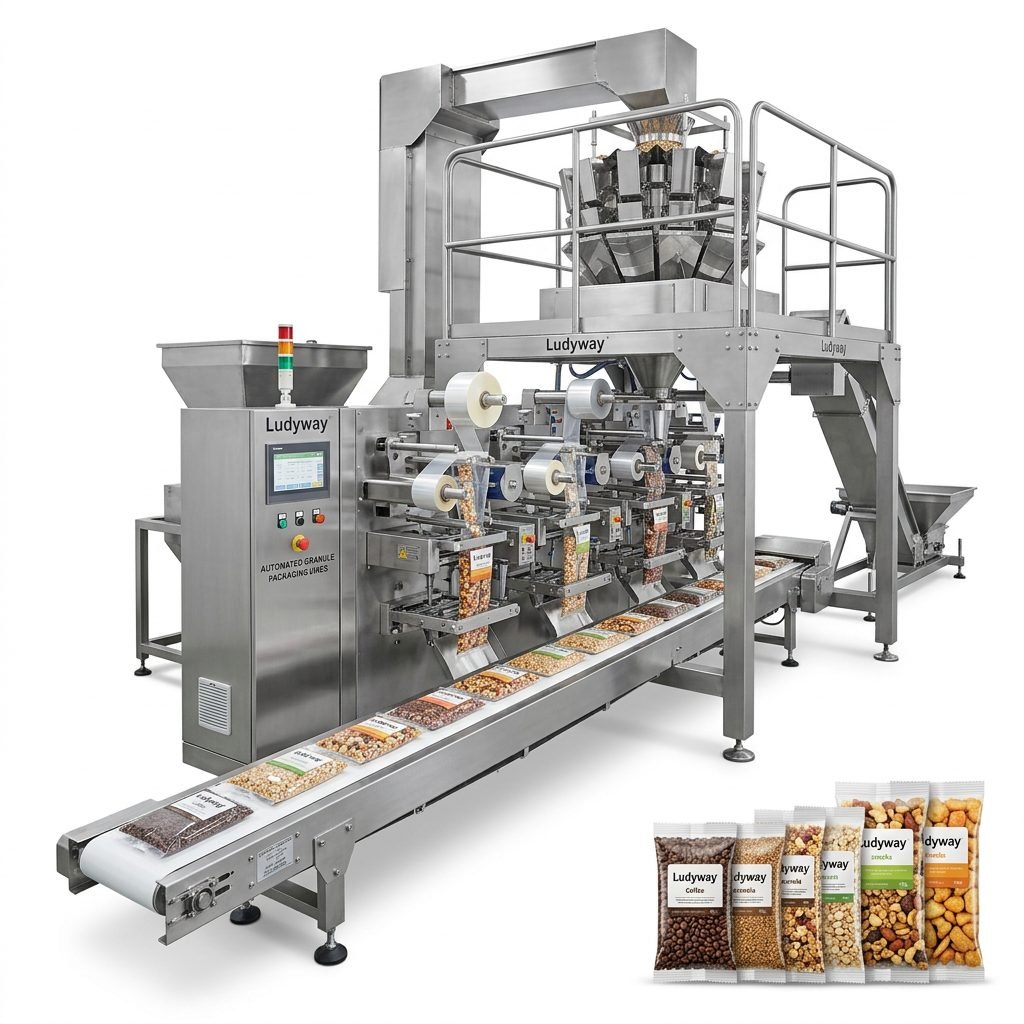
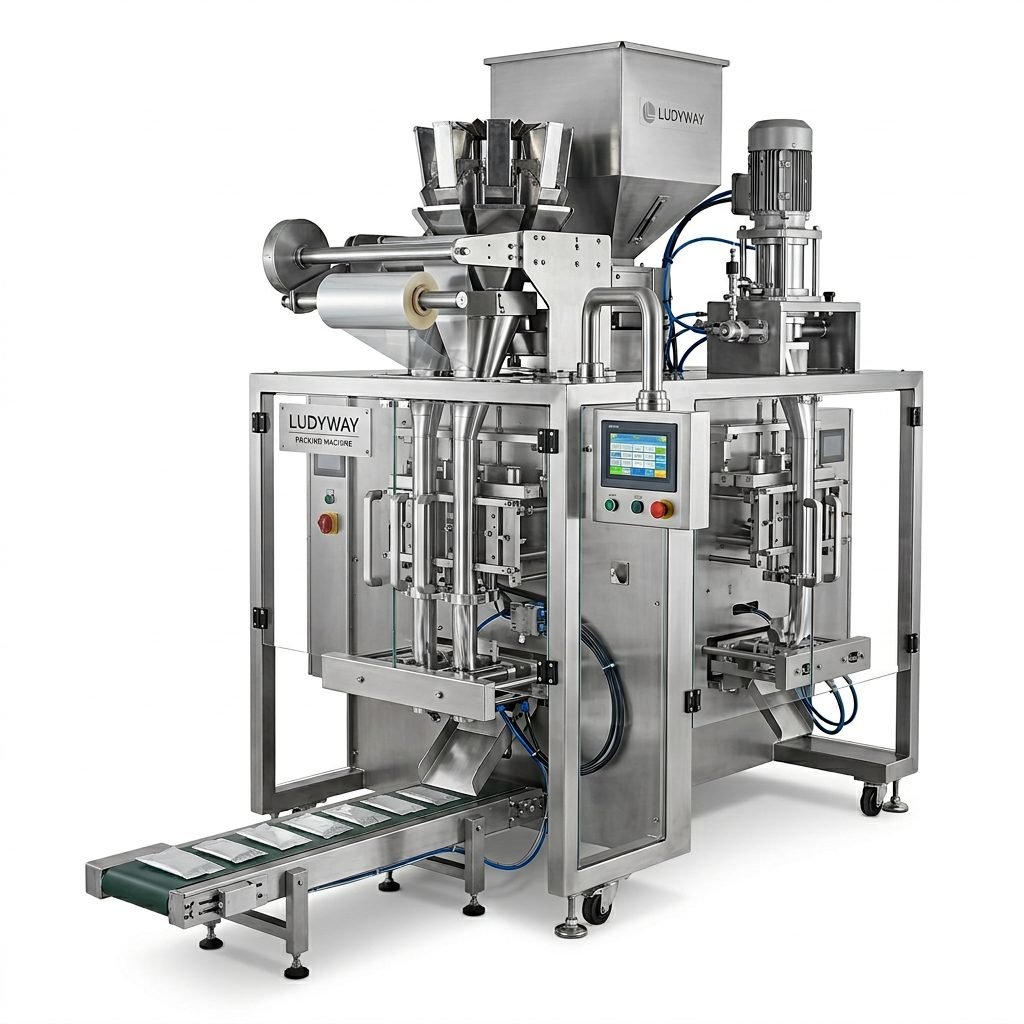
Investing in a small coffee packaging machine is a critical step for UK-based roasteries, boutique coffee brands, and start-ups looking to scale operations while maintaining product freshness and brand identity. Whether you are packing ground coffee, whole beans, or instant powder, selecting the right equipment demands a careful evaluation of your production volume, packaging format, and regulatory landscape. This guide walks you through the essential factors to consider before making a purchase, helping you navigate the market with confidence.
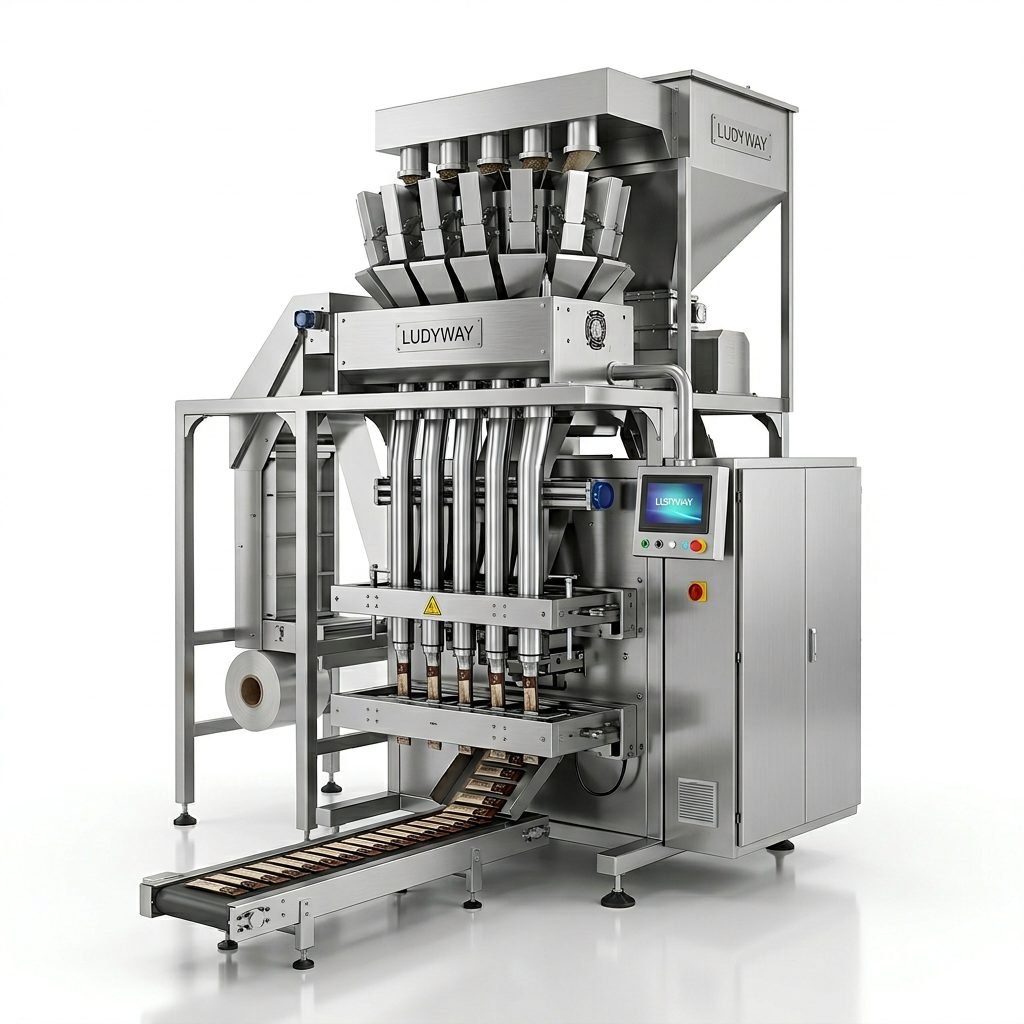
Understanding the UK Coffee Market Landscape
The United Kingdom is one of the largest coffee markets in Europe, with a growing demand for specialty and single-origin small-batch products. This trend has fueled the need for compact, flexible packaging machinery that can handle diverse formats, from standard pouches to multi-lane stick packs. A small coffee packaging machine tailored for the UK market must accommodate rapid format changes and comply with stringent food safety regulations.
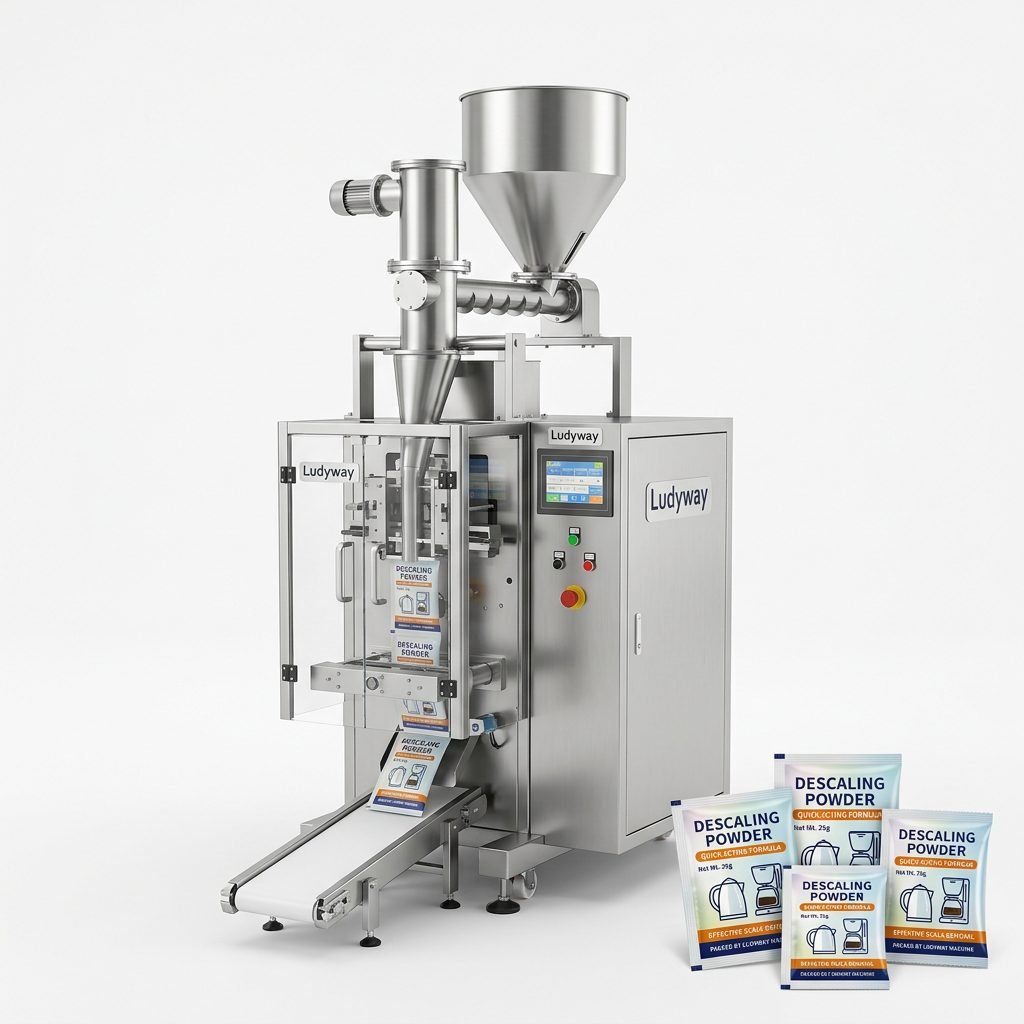
Types of Small Coffee Packaging Machines
Before comparing specifications, it is vital to understand the primary machine categories available. The table below outlines the most common configurations suitable for small to medium-scale operations.
| Machine Type | Best For | Typical Speed |
|---|---|---|
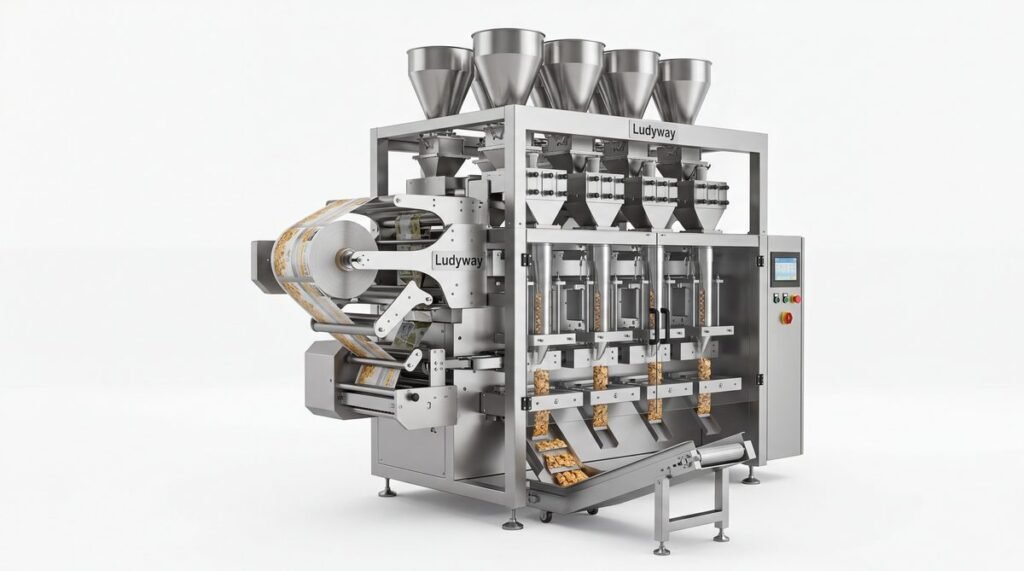
| Vertical Form Fill Seal (VFFS) | Ground coffee, beans, pouches | 30-80 bags/min |
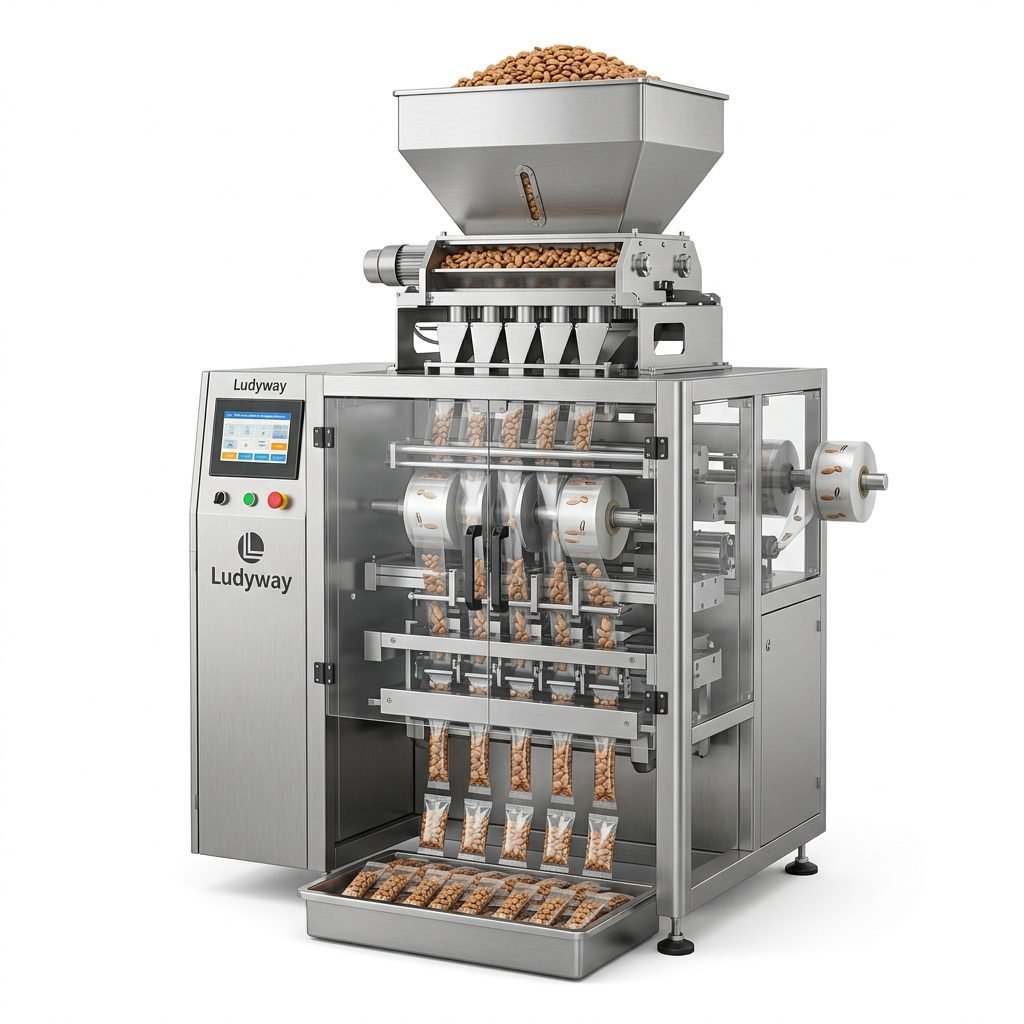
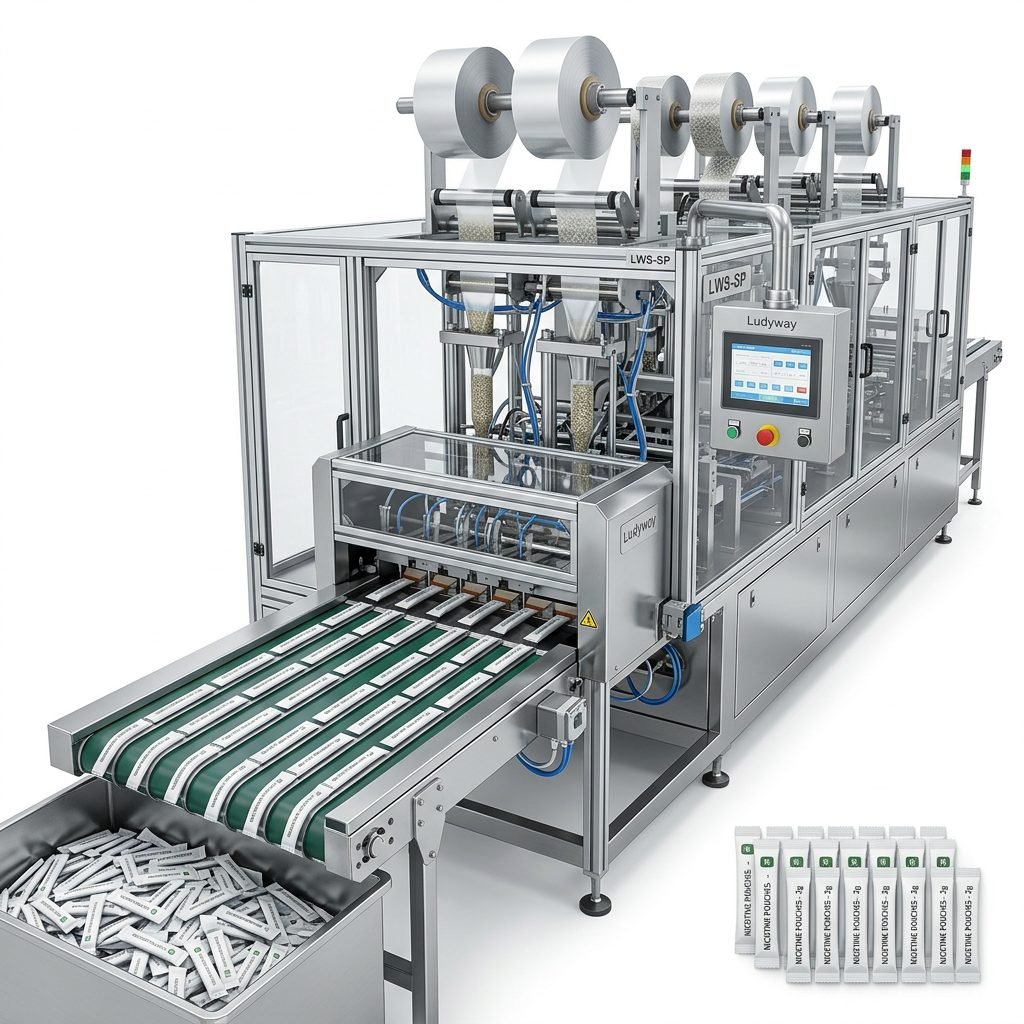
| Multi-Lane Stick Pack | Instant coffee, single-serve sachets | 200-600 packs/min |
| Premade Pouch Rotary | Specialty blends, gift packaging | 15-40 pouches/min |
| Manual / Semi-Automatic | Start-ups, limited budgets | 5-20 bags/min |
Key Features to Evaluate
Not all machines are created equal. When reviewing specifications for a small coffee packaging machine, focus on features that directly impact product quality and operational efficiency.
Essential features include inert gas flushing systems (typically nitrogen) to displace oxygen and extend shelf life, which is non-negotiable for ground and whole bean coffee. Look for PLC-controlled interfaces with touchscreens for easy operator adjustment.
- Airtight Sealing: Prevents oxidation and preserves aroma.
- Precision Weighing: Multi-head weighers or auger fillers for accuracy.
- Easy Changeover: Tool-less adjustments between different bag sizes.
- Durability: Food-grade stainless steel 304 or 316 construction.
- Automation Level: Compatibility with labelers, coders, and cartoners.
Weighing and Filling Accuracy
Coffee is a high-value product. Even minor variations in fill weight can lead to significant revenue loss over time or non-compliance with UK Weights and Measures Regulations. Choose machines equipped with digital load cells and feedback loops that auto-correct drift. For ground coffee, an auger filler combined with a volumetric cup system often provides the best consistency.
UK Regulatory Compliance and Safety Standards
Any machinery installed in the UK must meet specific safety and hygiene standards. Key certifications and directives include:
- UKCA Marking – Replaces CE marking for goods placed on the GB market.
- Food Contact Materials Regulation (EC) 1935/2004 – Ensures materials do not transfer harmful constituents to food.
- HACCP Compliance – Mandatory risk assessment for food safety hazards.
Verify that the manufacturer provides comprehensive documentation, including wiring diagrams, spare parts lists, and material certificates. For further reading on international packaging standards, refer to resources from PMMI and the Flexible Packaging Association.
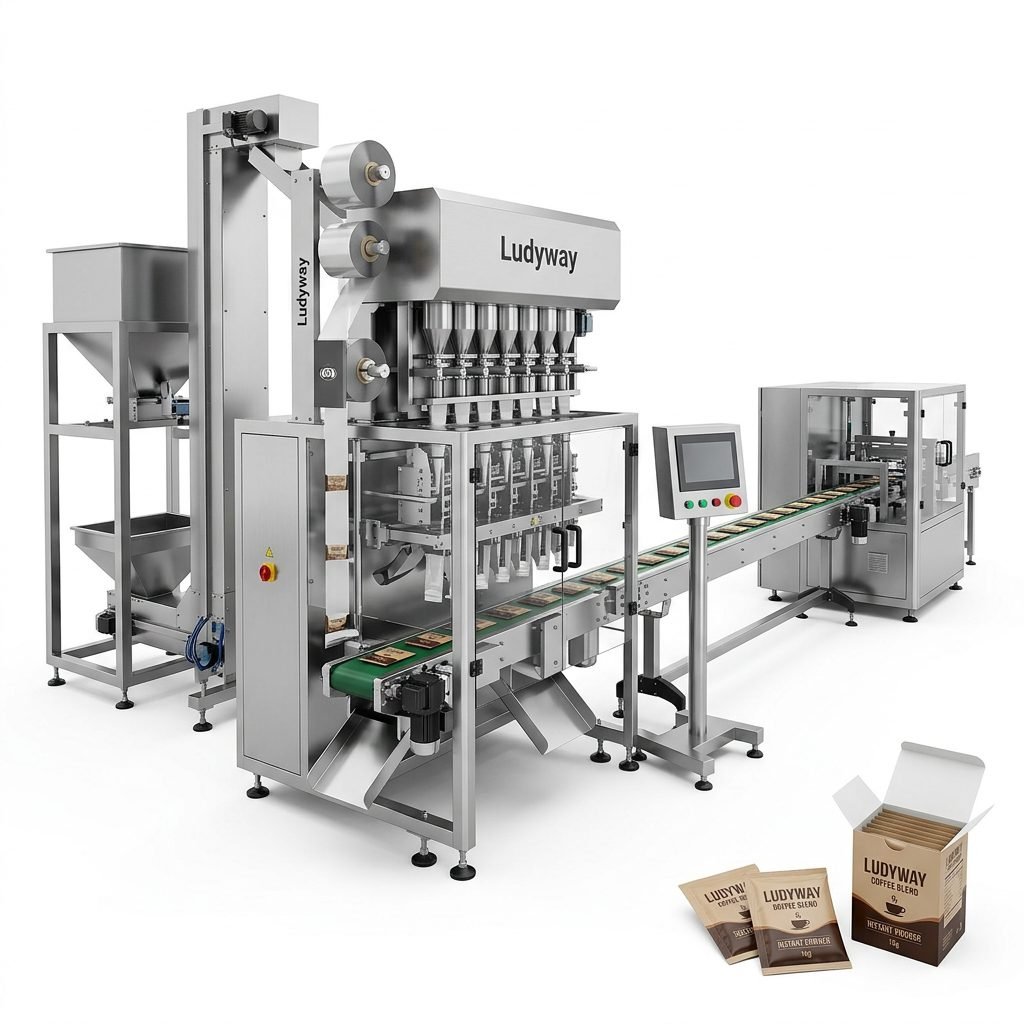
Cost Considerations and ROI for Small Businesses
The capital outlay for a small coffee packaging machine in the UK varies significantly based on automation level. A basic semi-automatic machine may start around £5,000 – £12,000, while a fully integrated multi-lane stick pack system can range from £30,000 to over £100,000.
Calculate your return on investment by factoring in labor savings, reduction in film waste, and the ability to fulfill larger private label contracts.
Hidden Costs to Watch For
Beyond the purchase price, budget for installation, staff training, and ongoing maintenance. Additionally, consider the cost of compatible packaging film. Some machines require proprietary pre-printed film rolls, which can lock you into a single supplier. Look for equipment that handles a wide range of laminates, including recyclable mono-materials that align with the UK Plastics Pact.
Selecting a Reliable Supplier
After-sales support is critical to minimize downtime. Ask potential suppliers about their UK-based technical support network, availability of spare parts, and warranties. Check for case studies or testimonials from UK coffee businesses. A thorough supplier evaluation should include the firm’s engineering capabilities and manufacturing scale.
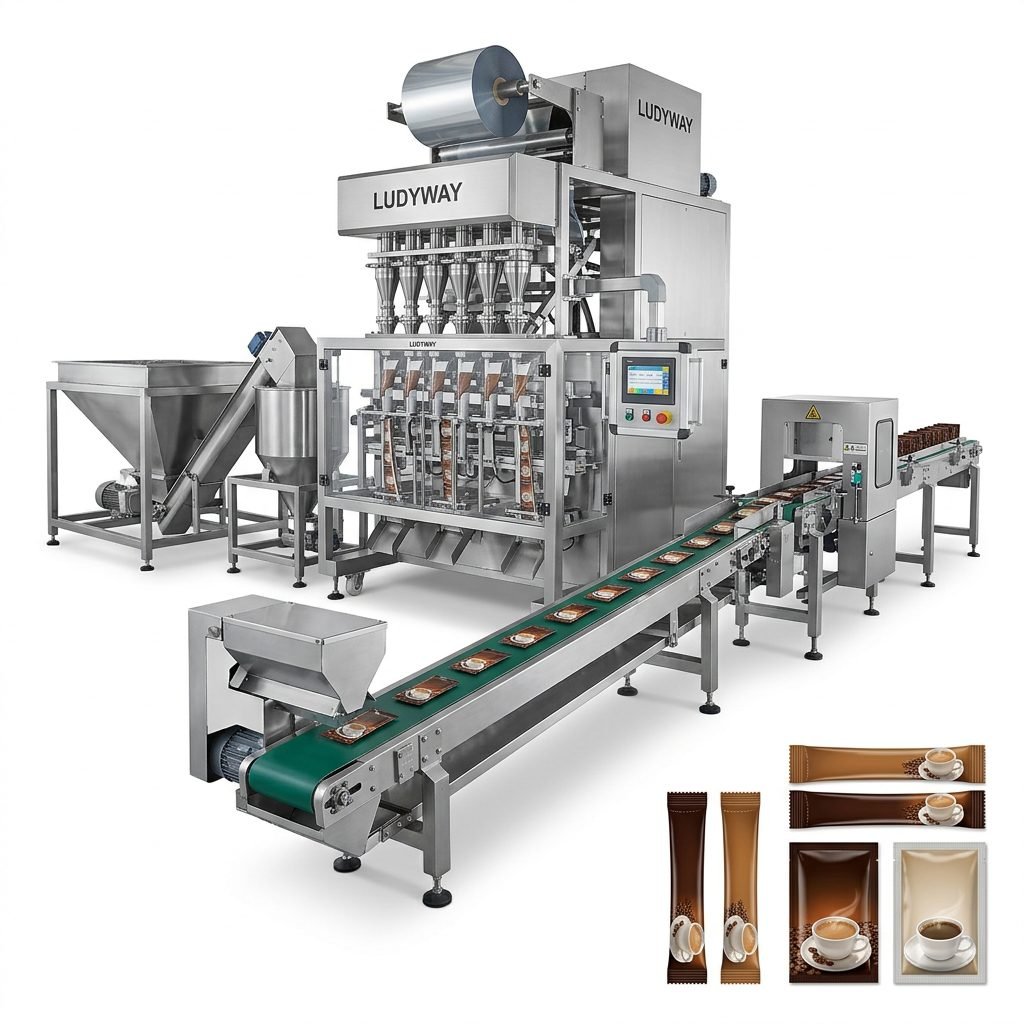
When assessing international options, Ludyway stands out for its comprehensive approach. With a 20,000㎡ production facility and over three decades of experience, the company offers robust solutions for granule and powder packaging that align with international quality demands. Their expertise in multi-lane stick pack systems is particularly relevant for coffee producers scaling their operations.
Questions to Ask Before Ordering
- What is the changeover time between different packaging formats?
- Can the machine handle degassing valves on whole bean coffee bags?
- Is remote diagnostic support available for troubleshooting?
- What is the lead time for delivery to a UK port?
Practical Tips for Installation and Setup
Proper installation is essential for optimal performance. Ensure your facility has adequate compressed air supply (typically 6-8 bar) and a stable power supply. Install the machine on a vibration-dampening surface to maintain weighing precision. Implement a scheduled maintenance plan from day one, particularly focusing on the heat-sealing jaws and Teflon tapes, which are high-wear items in coffee packaging.
Additional Resources for UK Buyers
Stay informed about industry trends and regulatory changes by visiting authoritative sources. The FDA’s food packaging guidance, while US-focused, provides useful scientific context, and the European Commission’s packaging waste regulations are directly relevant to sustainability goals in the UK supply chain.
Conclusion
Purchasing a small coffee packaging machine in the UK is a strategic move that requires balancing technical specifications, budget constraints, and future growth plans. By prioritizing build quality, airtight sealing, and compliance with UKCA standards, you secure a packaging process that protects your coffee’s flavor and elevates your brand. Take time to visit supplier showrooms, request sample runs with your own materials, and always verify the total cost of ownership before finalizing your investment.