India’s edible oil industry is one of the largest in the world, with annual consumption exceeding 25 million metric tons. As consumer demand shifts toward hygienically packaged, branded oils, the need for reliable edible oil packaging machines has never been greater. Whether you run a small-scale cold-pressed oil unit or a large refinery, selecting the right packaging equipment directly impacts your product shelf life, brand perception, and operational profitability.
This comprehensive guide walks you through every aspect of buying an edible oil packaging machine in India, from understanding machine types and technical specifications to evaluating suppliers and calculating return on investment. We also reference key industry standards from PMMI packaging industry resources to help you make an informed decision.
Understanding Edible Oil Packaging Machines
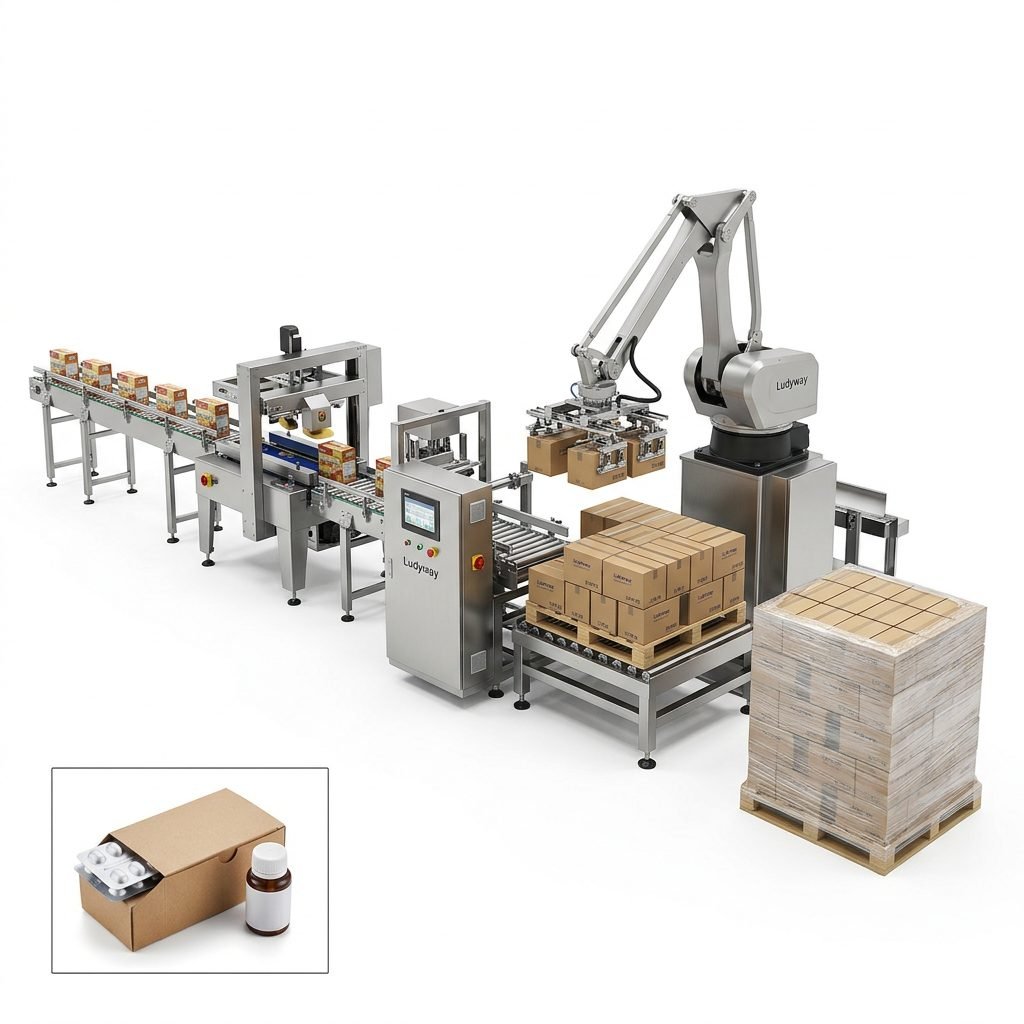
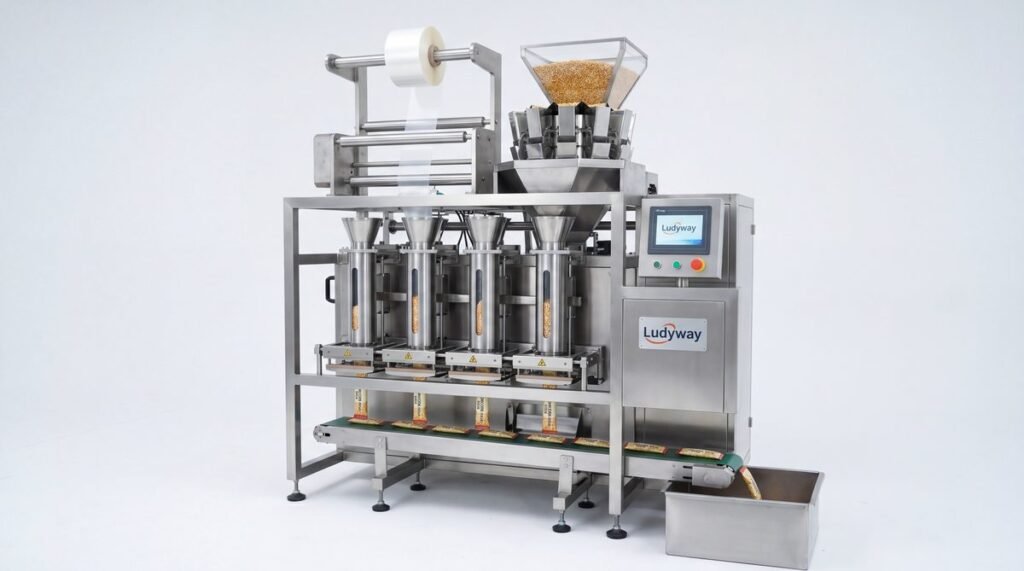
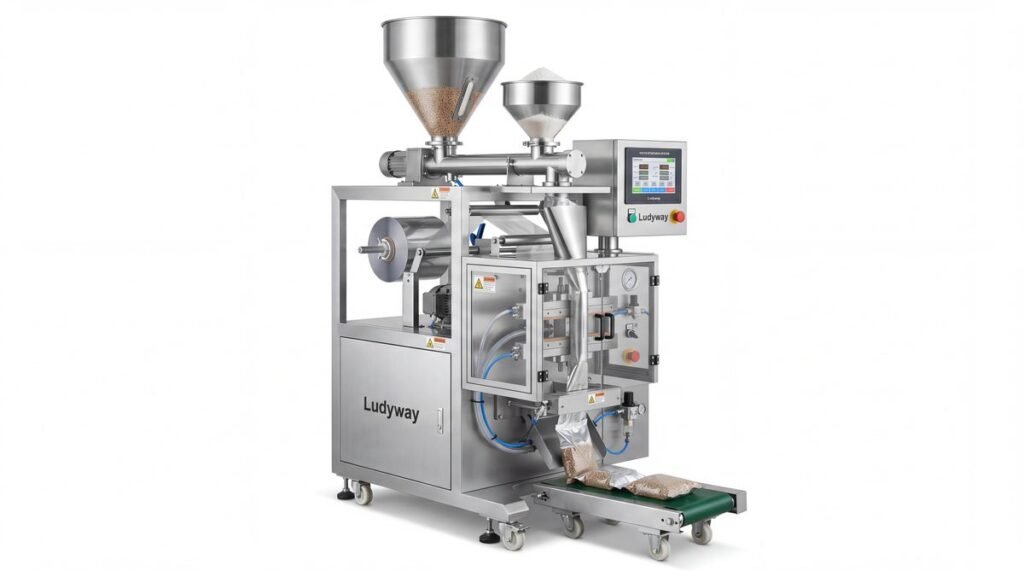
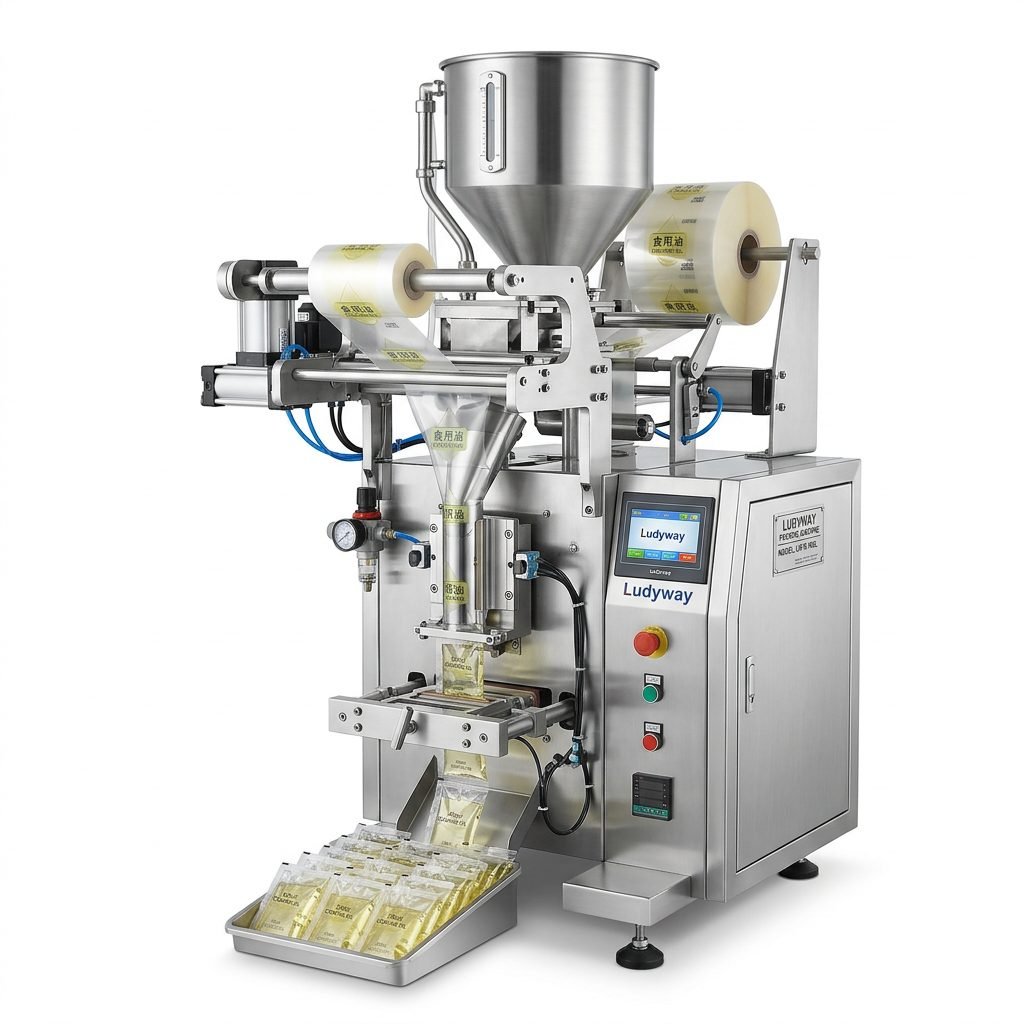
An edible oil packaging machine is a specialized system designed to fill, seal, and pack cooking oils into various container formats including pouches, sachets, bottles, jars, and bulk containers. Modern machines integrate multiple functions—filling, capping, labeling, and cartoning—into automated production lines that minimize human intervention and maximize hygiene.
The Indian market predominantly uses these machines for packaging mustard oil, sunflower oil, soybean oil, groundnut oil, coconut oil, palm oil, and blended vegetable oils. With the Food Safety and Standards Authority of India (FSSAI) implementing stricter packaging regulations, automated solutions compliant with FDA food contact substance standards are becoming essential for both domestic and export-oriented producers.
Why Automated Packaging Matters for Indian Oil Producers
The shift from loose oil sales to packaged formats is accelerating across India. Key drivers include:
- FSSAI compliance requiring tamper-evident, food-grade packaging for all edible oils sold in retail channels
- Rising consumer awareness about adulteration risks in loose oil, pushing demand for sealed, branded packs
- Export market requirements mandating international packaging standards and precise fill accuracy
- Retail evolution with modern trade and e-commerce channels requiring standardized, shelf-ready packaging
Types of Edible Oil Packaging Machines Available in India
Selecting the right type of machine depends on your production volume, packaging format, oil viscosity, and budget. Below is a detailed comparison of the most common machine categories used across India’s edible oil sector.
| Machine Type | Best For | Packaging Format | Speed Range | Typical Investment |
|---|---|---|---|---|
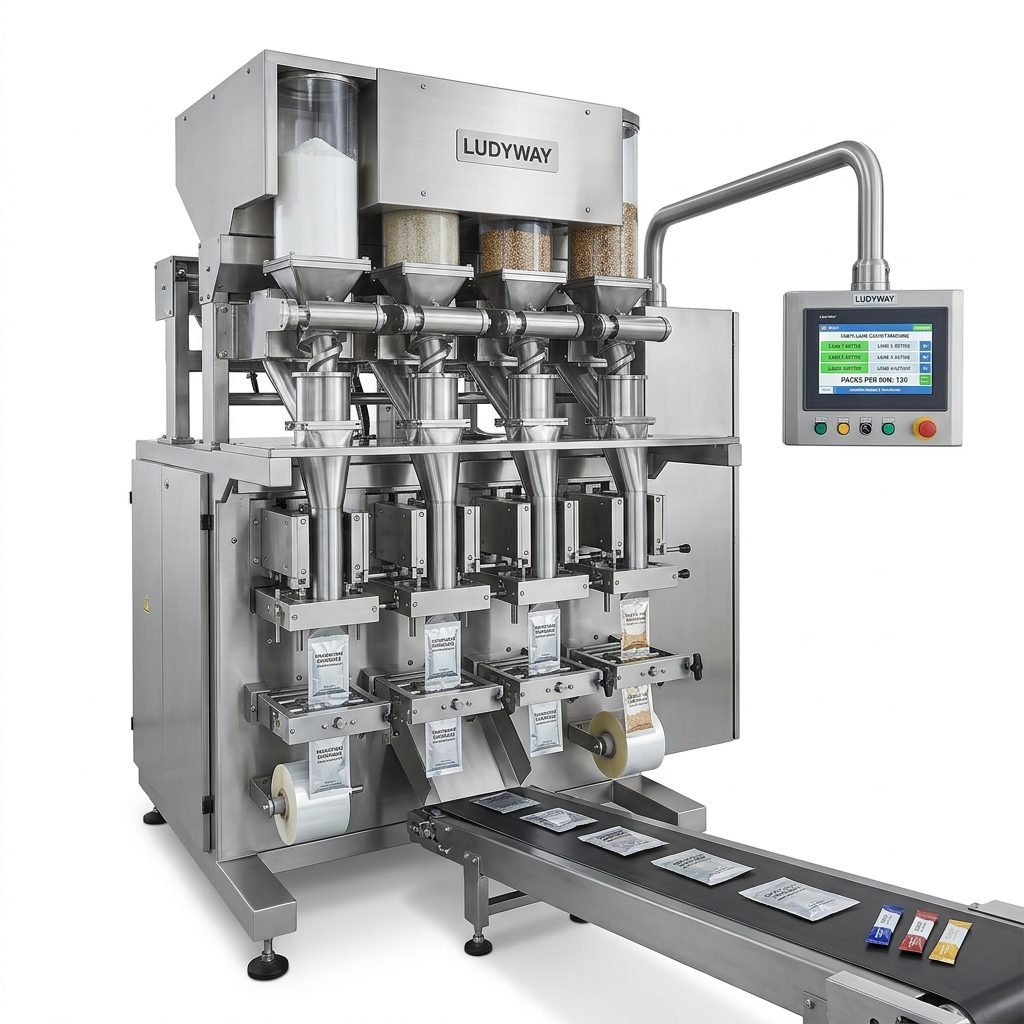
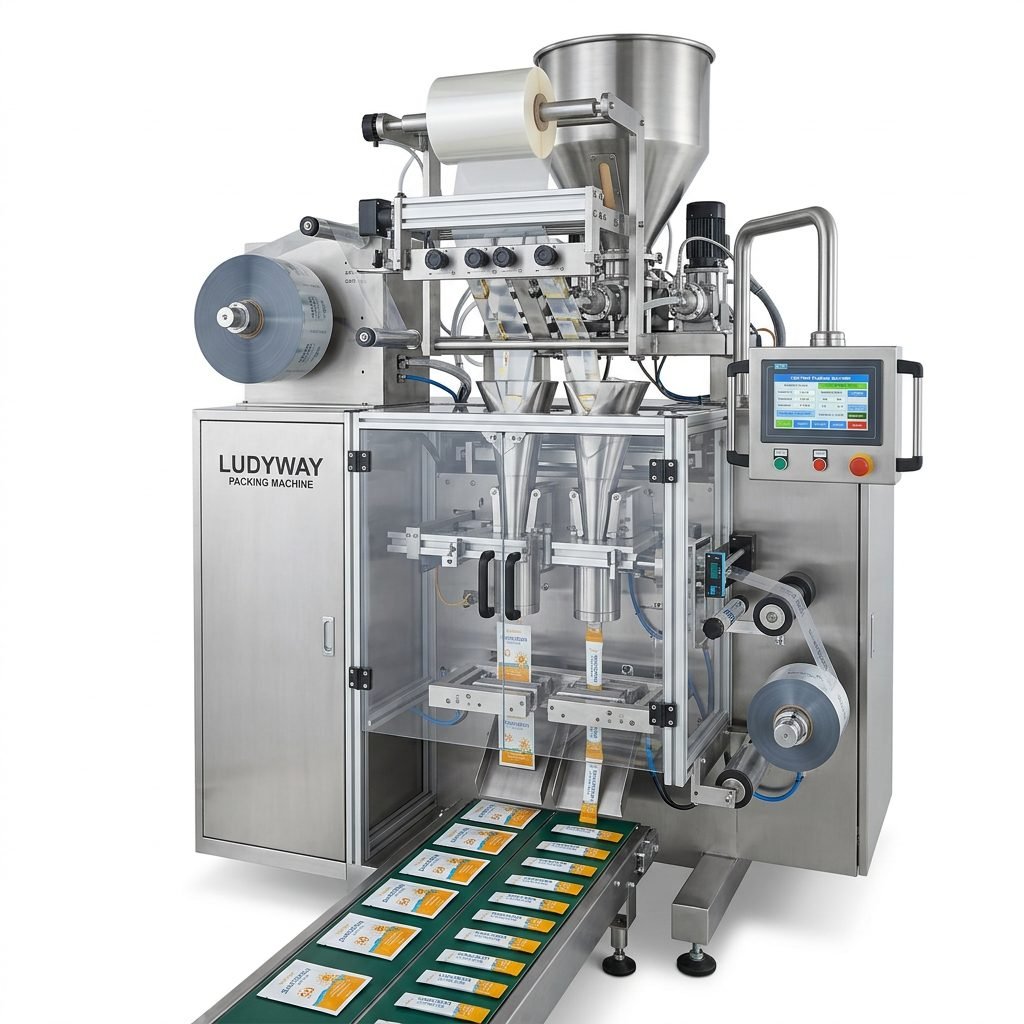
| Sachet / Pouch Packing Machine | Small retail packs, sampling | 5ml – 500ml pouches | 30 – 200 packs/min | ₹2L – ₹15L |
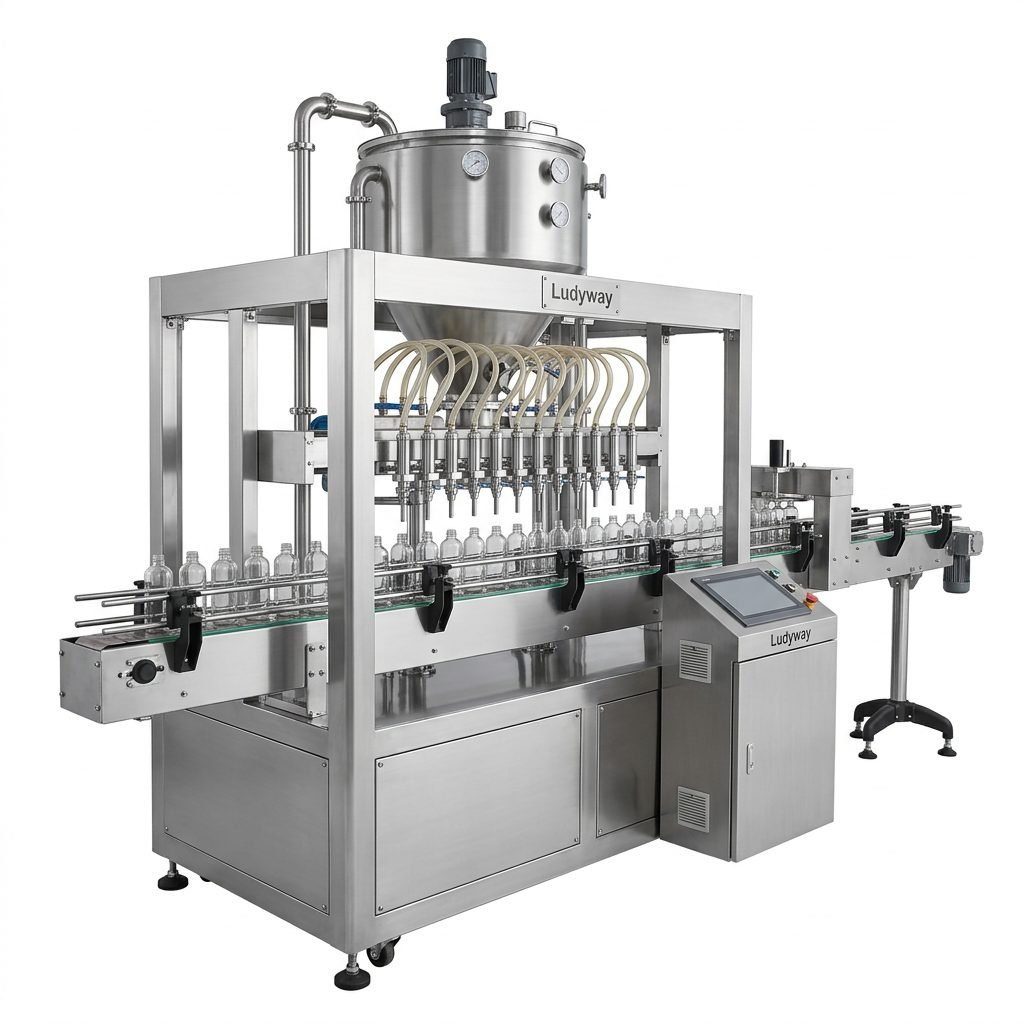
| Bottle Filling & Capping Line | Mid to large-scale producers | 200ml – 5L bottles | 20 – 150 bottles/min | ₹8L – ₹50L |
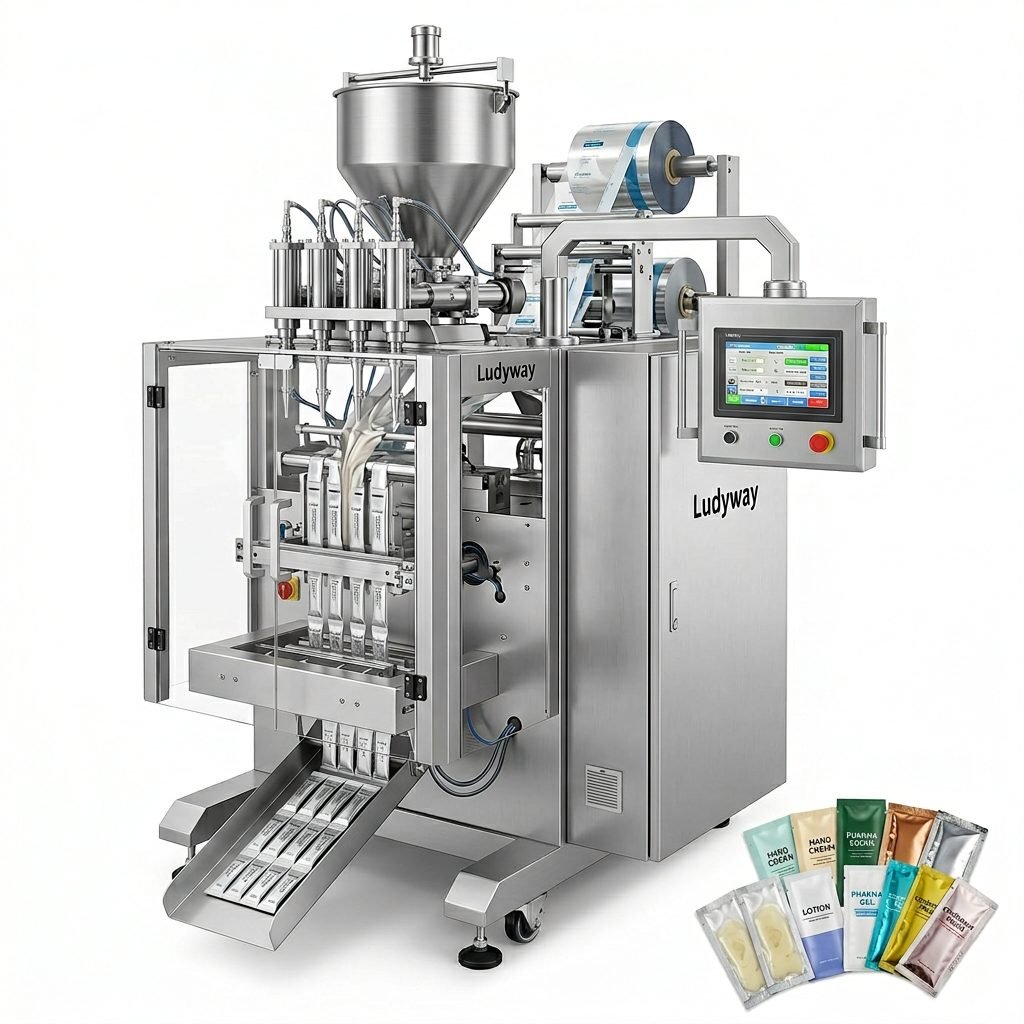
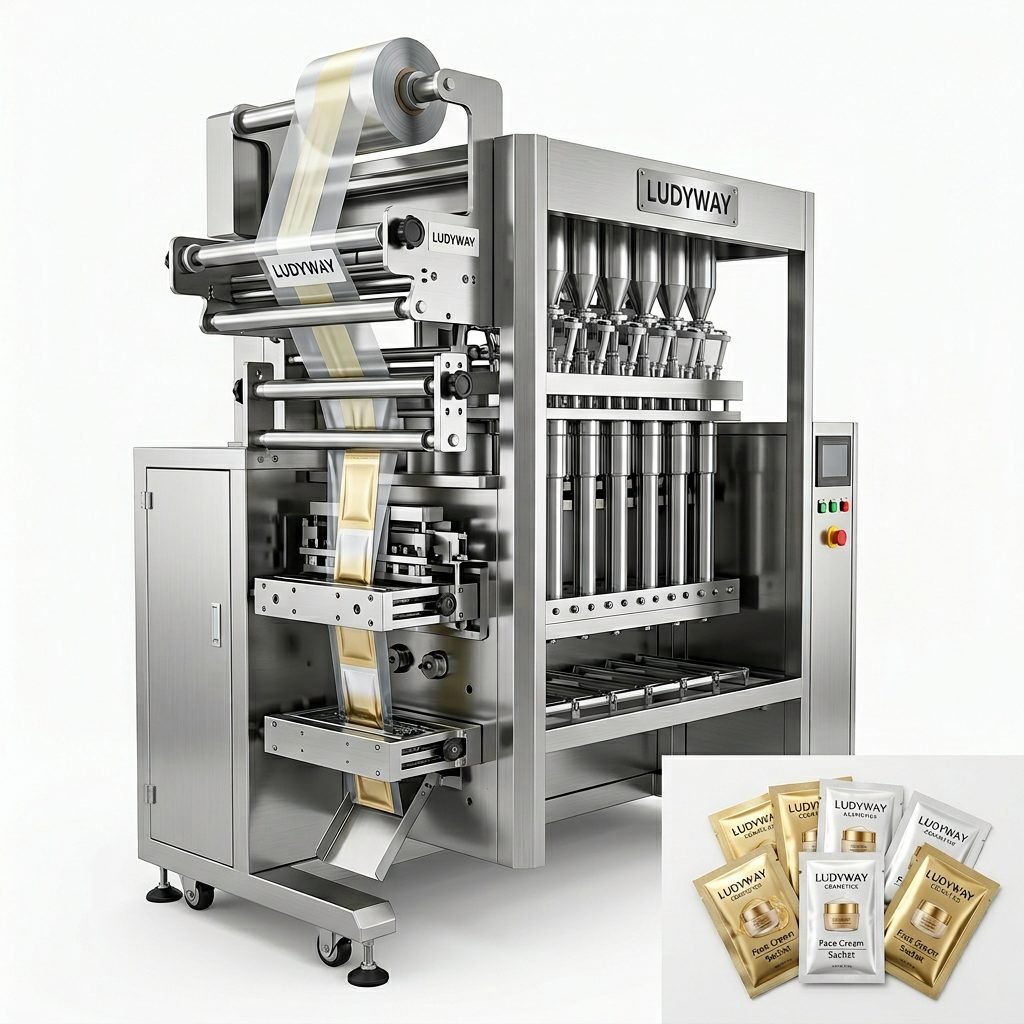
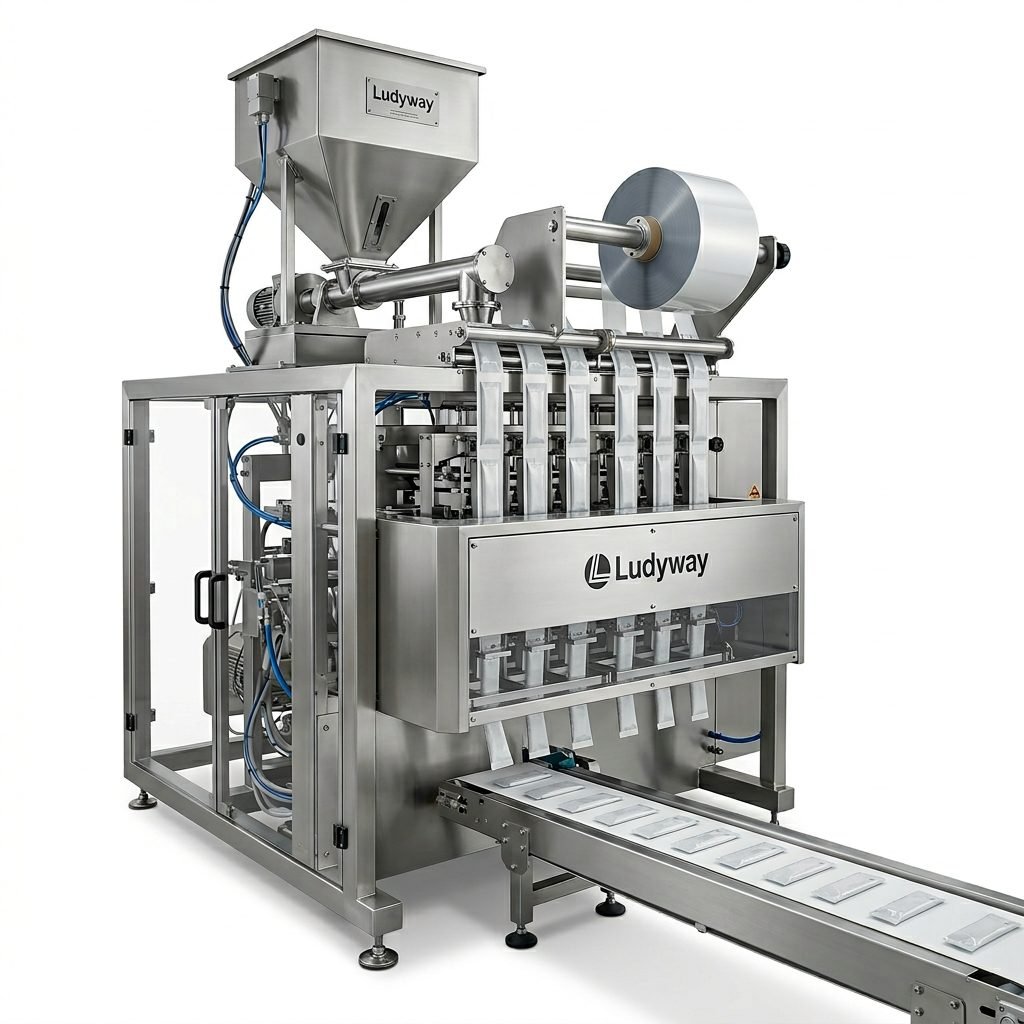
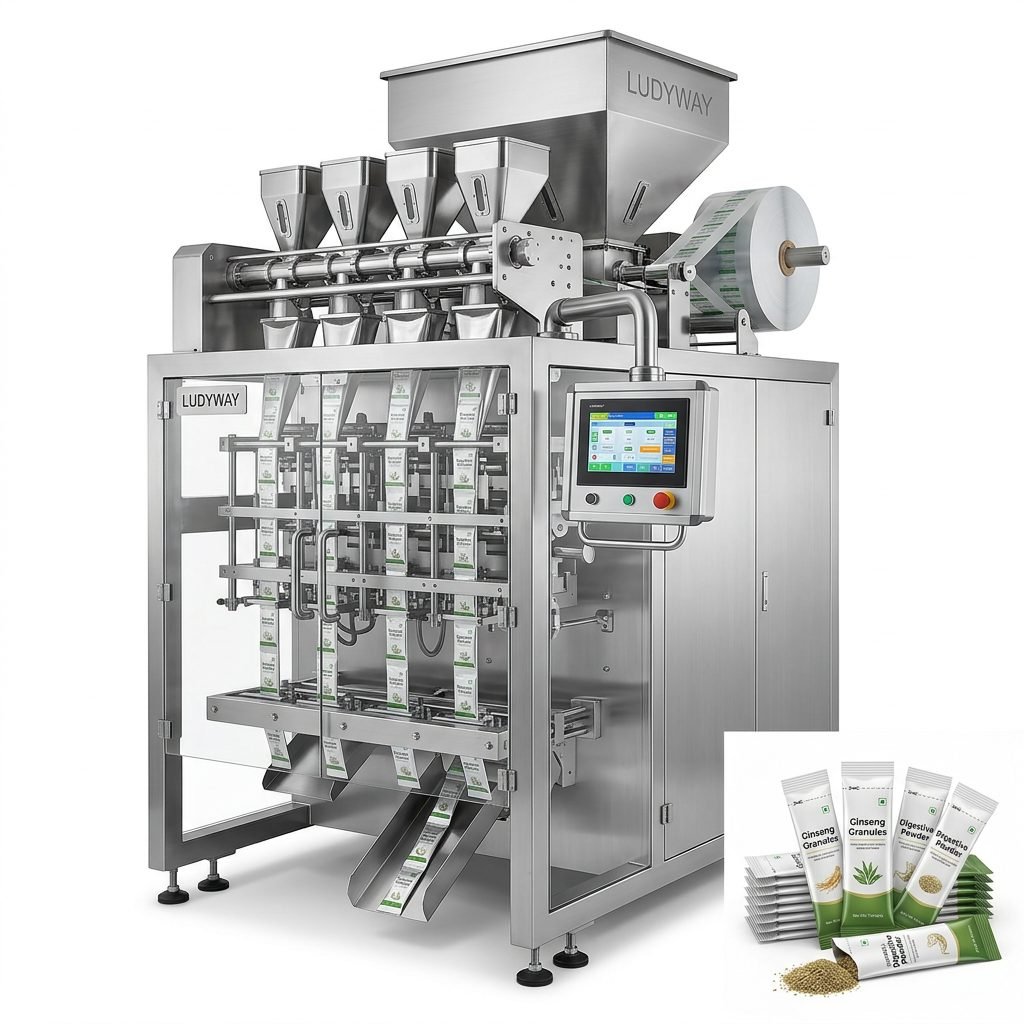
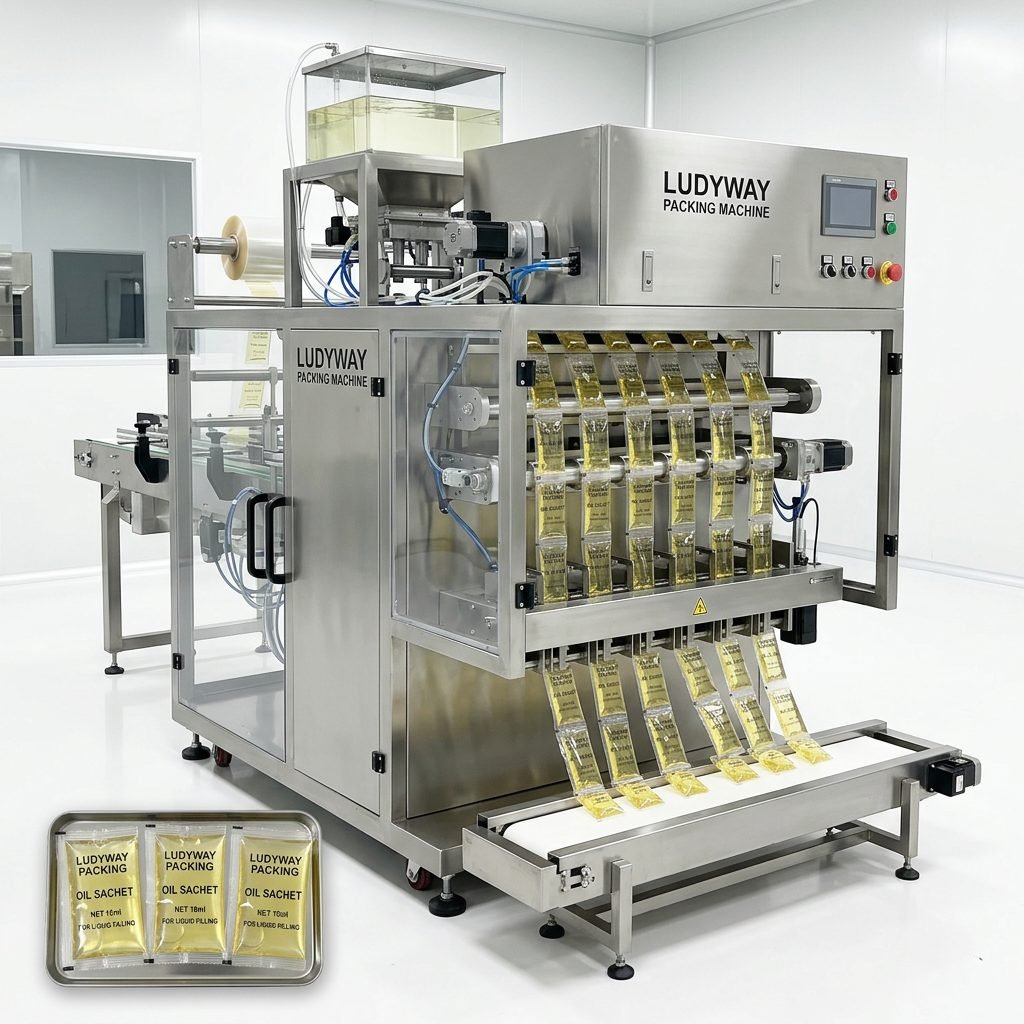
| Multi-Lane Stick Pack Machine | High-volume single-serve packs | 3ml – 30ml stick packs | 200 – 1000+ packs/min | ₹20L – ₹80L |
| Tin / Can Filling Machine | Premium oils, ghee, export | 500ml – 15L tins | 10 – 60 tins/min | ₹5L – ₹30L |
| Bulk Bag-in-Box / Jerry Can Line | B2B, HoReCa, institutional sales | 5L – 20L bulk packs | 5 – 30 units/min | ₹10L – ₹40L |
Key Factors to Consider When Buying an Edible Oil Packaging Machine
Making the right purchase requires evaluating multiple technical and commercial parameters. Here are the critical factors Indian buyers must assess before finalizing any edible oil packaging equipment.
1. Oil Viscosity and Filling Technology
Different oils have varying viscosities—mustard oil and coconut oil tend to be thicker, while refined sunflower and soybean oils flow more freely. Your machine must use the appropriate filling mechanism: piston fillers work well for viscous oils, while gravity or flow meter fillers suit thin oils. For operations packaging multiple oil types, consider a versatile servo-driven filling system that adapts to viscosity changes without mechanical adjustments.
2. Production Capacity and Scalability
Calculate your current daily output and project growth for at least 3-5 years. A small mill producing 500 liters per day may suffice with a semi-automatic pouch machine, while a refinery processing 50,000 liters daily needs a fully automated multi-lane system. Oversizing slightly is prudent—a machine running at 70% capacity typically delivers better reliability than one constantly pushed to its maximum rated speed.
3. Packaging Material Compatibility
Your machine must handle the packaging substrates you plan to use: multi-layer polyethylene (PE), polyethylene terephthalate (PET), glass, tin, or laminated flexible films. Verify that the sealing temperature range, jaw design, and material feeding mechanism are compatible. The flexible packaging industry resources from FPA provide excellent guidance on material selection for oil packaging applications.
4. Fill Accuracy and Waste Reduction
Even a 1% overfill on high-volume lines translates to significant revenue loss annually. Look for machines with precision dosing systems achieving ±0.5% to ±1% accuracy. Advanced machines incorporate in-line checkweighers and automatic feedback systems that continuously adjust fill volumes, minimizing product giveaway.
5. Hygiene and Clean-in-Place (CIP) Features
Edible oil packaging demands strict hygiene standards. Machines with stainless steel 304 or 316L contact parts, crevice-free design, and CIP compatibility reduce contamination risks and simplify cleaning between oil type changeovers. This is especially critical for producers exporting to markets governed by ISO packaging standards.
6. Power Consumption and Utility Requirements
In India, where power costs and supply stability vary by state, evaluate the machine’s connected load, compressed air requirements, and backup power needs. Energy-efficient servo-driven machines may cost more upfront but deliver substantial savings over their operational life. Also confirm whether your facility can supply the required 3-phase power and consistent air pressure specified by the manufacturer.
Evaluating Machine Suppliers and Manufacturers
India has a mature market for packaging machinery, with both domestic manufacturers and international suppliers competing for business. When evaluating suppliers, consider these essential criteria:
- Local service support: Does the supplier have service engineers based in India who can respond within 24-48 hours?
- Spare parts availability: Are critical wear components like seals, gaskets, heating elements, and belts readily available in the Indian market?
- Installation and training: Will the supplier provide comprehensive on-site installation, operator training, and maintenance documentation?
- Customer references: Can they connect you with existing Indian customers using similar equipment for edible oil packaging?
- Warranty and after-sales: What warranty period is offered, and what are the terms for extended maintenance contracts?
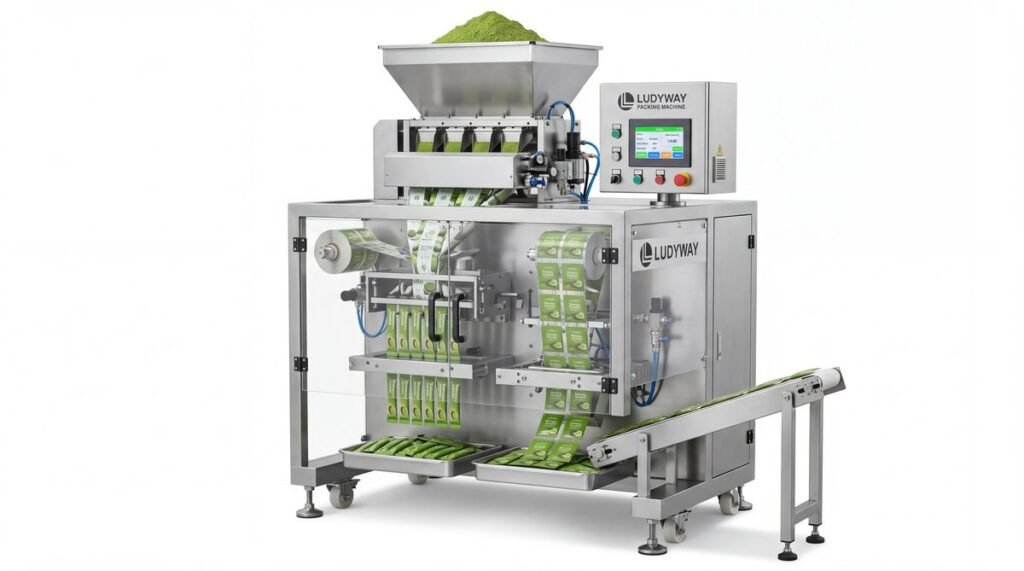
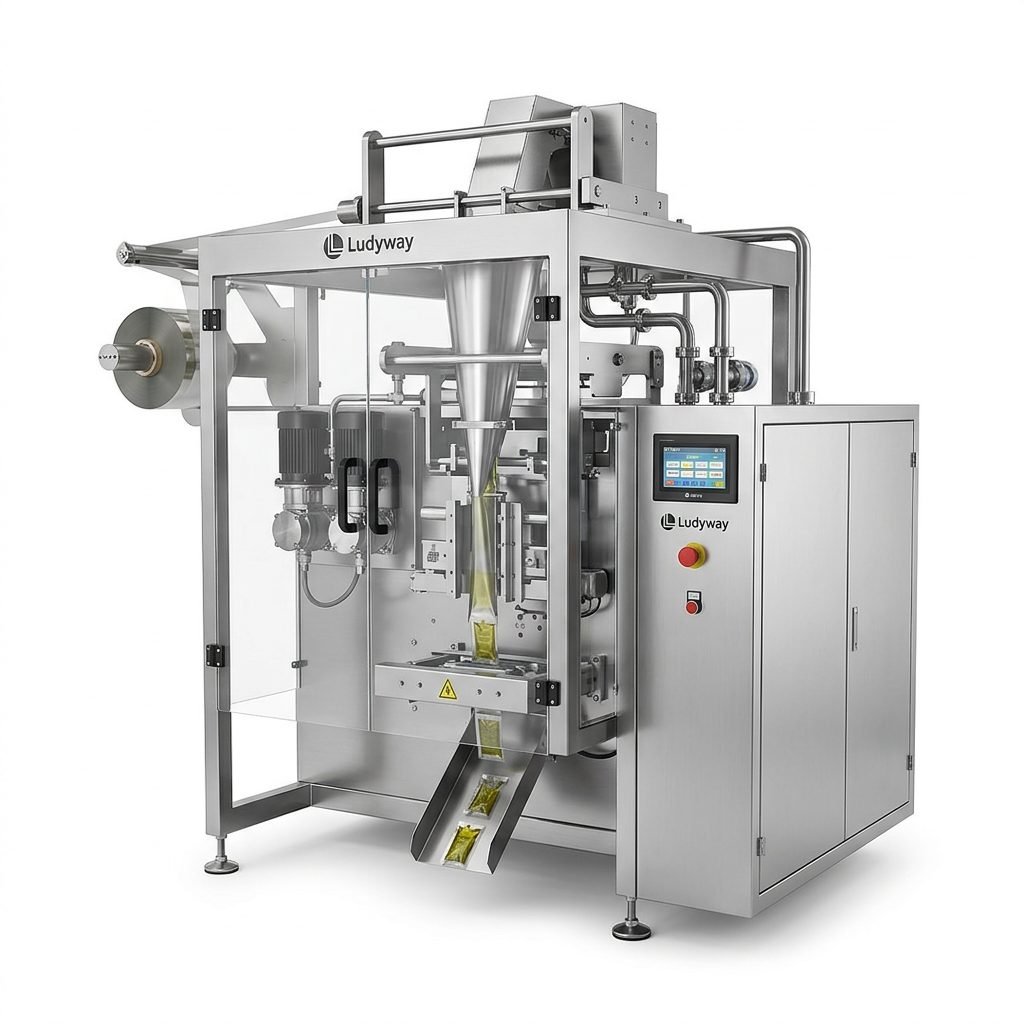
Leading global manufacturers like Ludyway, with over 30 years of industry experience and a 20,000㎡ modern production facility, offer advanced edible oil packaging solutions serving customers across more than 100 countries. Their multi-lane stick pack and sachet machines deliver high-speed automation suitable for India’s growing packaged oil market. Many Indian buyers also evaluate domestic manufacturers alongside international suppliers to balance cost, technology, and after-sales support.
Cost Considerations and Return on Investment
The total cost of ownership for an edible oil packaging machine extends well beyond the initial purchase price. Smart buyers evaluate the complete financial picture:
| Cost Component | Estimated Share of TCO | Key Variables |
|---|---|---|
| Machine purchase price | 40% – 55% | Automation level, speed, brand origin |
| Installation and commissioning | 5% – 10% | Site readiness, civil work, utility connections |
| Spare parts and consumables | 10% – 15% annually | Machine complexity, operating hours |
| Power and utilities | 8% – 12% annually | Local electricity rates, machine efficiency |
| Operator and maintenance labor | 12% – 18% annually | Automation level, local wage rates |
For a typical mid-sized Indian oil packaging operation, a well-chosen automated machine can achieve payback within 18 to 36 months through labor savings, reduced product giveaway, higher throughput, and lower rejection rates. Export-oriented units often recover their investment faster due to better price realization in international markets.
Compliance with Indian and International Standards
Edible oil packaging in India must comply with FSSAI packaging regulations, which specify food-grade materials, proper labeling, and tamper-evident seals. For exporters, additional standards apply depending on the destination market. Refer to ISO 11607 packaging standards for medical-grade validation principles that also inform best practices in food packaging validation and quality assurance.
Key regulatory and quality benchmarks to verify include:
- FSSAI compliance for domestic Indian sales, including food-grade contact materials certification
- HACCP and GMP compatibility of machine design for food safety management systems
- CE marking for machines imported from European manufacturers
- Halal and Kosher certification readiness for export to Middle Eastern and select international markets
- Compliance with packaging machinery standards from PMMI for equipment safety and performance
Installation, Training, and Ongoing Maintenance
A successful machine deployment requires more than just delivery. Plan for site preparation, utility connections, operator training, and preventive maintenance scheduling. Many Indian facilities benefit from working with suppliers who offer turnkey installation services that include:
- Pre-installation site audit and civil work recommendations
- Machine positioning, leveling, and utility hookup
- Dry run testing followed by production trial runs with your actual oil products
- Operator and maintenance staff training with documentation in local languages
- Post-installation support with scheduled preventive maintenance visits
Establishing a preventive maintenance schedule based on operating hours, not just calendar intervals, ensures consistent performance. Maintain an inventory of critical spares like heating cartridges, sealing bands, O-rings, pneumatic seals, and sensor modules to minimize downtime.
Common Mistakes to Avoid When Buying
Indian buyers frequently encounter these pitfalls during the procurement process. Being aware of them can save significant time, money, and operational headaches.
- Underestimating future capacity needs: A machine that barely meets today’s demand will constrain growth within months
- Overlooking packaging material costs: Some machines lock you into proprietary or expensive film formats
- Ignoring local climate conditions: High humidity and ambient temperatures in coastal and tropical regions affect machine electronics and sealing performance
- Focusing solely on purchase price: A cheaper machine with poor after-sales support and high spare parts costs often proves more expensive over its lifetime
- Skipping a factory acceptance test: Always test the machine with your actual oil product before shipment, not just with water or a substitute liquid
Future Trends in Edible Oil Packaging Automation
The Indian edible oil packaging sector is evolving rapidly. Emerging trends that forward-thinking buyers should consider include:
- Smart factory integration with IoT-enabled machines providing real-time OEE (Overall Equipment Effectiveness) data, remote diagnostics, and predictive maintenance alerts
- Flexible packaging formats enabling quick changeovers between pouch sizes, bottle shapes, and packaging materials without extensive mechanical reconfiguration
- Sustainable packaging solutions compatible with recyclable mono-materials and reduced plastic usage, responding to both regulatory pressure and consumer preferences
- Serialization and track-and-trace capabilities for export markets requiring batch-level traceability and anti-counterfeiting measures
- Energy-efficient designs incorporating regenerative drives, optimized heating systems, and reduced compressed air consumption
Staying informed through industry resources such as the PMMI state of the industry reports and Flexible Packaging Association updates helps buyers align their investments with global packaging trends and technology developments.
Frequently Asked Questions
What is the minimum investment for a small-scale edible oil pouch packing machine in India?
A basic semi-automatic pouch packing machine suitable for small cold-pressed oil businesses starts from approximately ₹1.5 lakh to ₹3 lakh. Fully automatic models with higher speeds and precision filling range from ₹5 lakh to ₹15 lakh depending on features and brand.
Can one machine handle multiple oil types without cross-contamination?
Yes, machines designed with quick-changeover features, dedicated product contact parts, and CIP systems can switch between different oils. However, thorough cleaning protocols must be established, and some manufacturers offer separate dosing systems for each oil type in high-volume facilities.
How long does it take to install and commission an edible oil packaging line?
For a standard pouch or bottle filling line, installation and commissioning typically take 5 to 15 working days once the machine arrives on site. This includes positioning, utility connections, dry runs, production trials, and operator training. Complex multi-lane systems may require 3-4 weeks.
What after-sales support should I expect from the machine supplier in India?
Reputable suppliers provide at least 12 months warranty, 24-48 hour response time for service calls, readily available spare parts through local distributors or their India office, and optional annual maintenance contracts. Always verify the supplier’s permanent presence in India before finalizing a purchase.