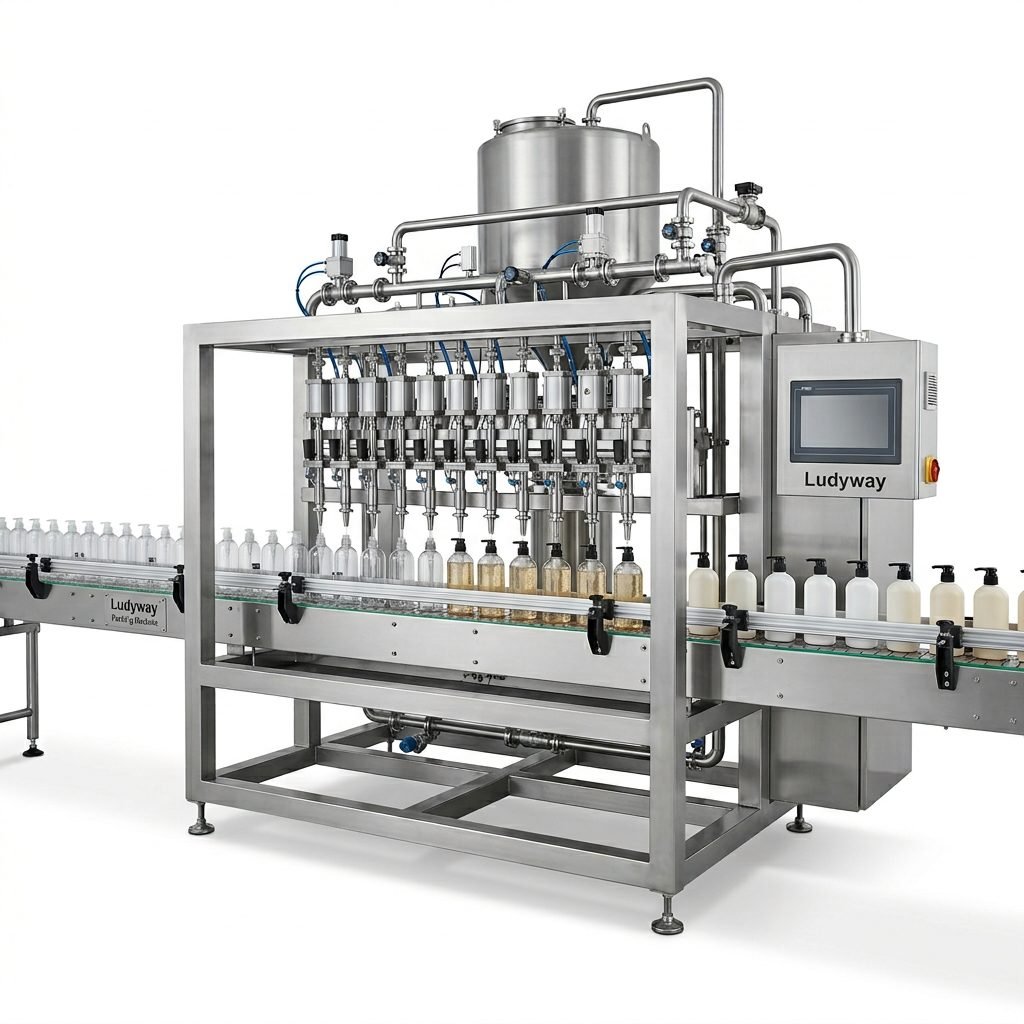
Thermoforming packaging equipment represents a cornerstone of modern industrial packaging, offering versatility, efficiency, and high-quality product presentation. This technology involves heating a thermoplastic sheet until pliable, forming it into a specific mold cavity, and then sealing it with a lidding material. The result is a custom, secure, and often visually appealing package suitable for a vast array of products.
Core Types of Thermoforming Packaging Machines
The thermoforming landscape is diverse, with machines designed for different scales and complexities of operation.
1. Manual & Semi-Automatic Machines
Ideal for low to medium production volumes, startups, or specialized products. Operators manually load the product and sometimes the forming sheet. They offer lower initial investment and flexibility for short runs or prototyping.
Key Feature: These machines provide excellent flexibility for changing product types and are often used in laboratories or for producing premium, hand-finished items.
2. Fully Automatic In-Line Machines
The workhorses of high-volume production. They integrate forming, filling, and sealing in one continuous process. Film unwinding, heating, forming, product loading, sealing, and cutting are all automated, ensuring maximum speed and consistency.
3. Rotary Thermoforming Machines
Designed for ultra-high-speed production, such as for blister packs of tablets or small confectionery items. The forming stations are arranged on a rotating carousel, allowing simultaneous forming, filling, and sealing operations for exceptional output.
4. Thermoform-Fill-Seal (TFFS) Machines
A specific and highly common category of automatic machines. They create the package from a roll of film, fill it with product, and hermetically seal it—all in one integrated system. Perfect for food, medical devices, and unit-dose pharmaceuticals.
Primary Applications Across Industries
The adaptability of thermoforming makes it indispensable across multiple sectors.
Food & Beverage Packaging
Widely used for dairy products like yogurt cups, butter portions, fresh salads, processed meats, and ready-to-eat meals. It provides excellent barrier properties, clarity for product visibility, and tamper evidence.
Pharmaceutical & Medical Packaging
Critical for blister packs for pills and capsules, sterile barrier packaging for surgical tools, and diagnostic kits. Compliance with strict regulatory standards (e.g., FDA, GMP) for cleanliness and seal integrity is paramount.
Consumer Goods & Electronics
Used for clamshell packs that securely hold small electronics, tools, or toys, providing both protection and retail display appeal. Also common for cosmetic compacts and cases.
Industrial Parts Packaging
Creates custom trays and inserts that securely hold components during shipping and handling, preventing damage and organizing parts for assembly lines.
How to Choose the Right Thermoforming Machine
Selecting the optimal equipment requires a careful analysis of your specific needs. Here is a structured guide.
Step 1: Define Your Product & Material Requirements
Product Characteristics: Size, shape, fragility, and whether it’s solid, liquid, or powder.
Material Science: Determine the required plastic film (e.g., PP, PS, PET, PVC, APET) based on needed barrier properties (oxygen, moisture), clarity, stiffness, and food/medical compliance.
Step 2: Analyze Production Volume & Speed
Match the machine type to your output goals. A semi-automatic machine may suffice for a few thousand packages per day, while mass production demands a fully automatic in-line or rotary system capable of 20,000+ cycles per hour.
📈 Production Planning Tip:
Always factor in future growth. Choosing a machine with 20-30% more capacity than your current needs can be more cost-effective than upgrading too soon.
Step 3: Evaluate Key Machine Features & Technology
Forming Technology: Positive air pressure, vacuum forming, or plug-assist forming for deeper or more detailed draws.
Sealing System: Heated die sealing is standard; ensure uniform temperature control for consistent seals.
Control System: Modern PLC-based touchscreen interfaces allow for easy recipe storage, changeover, and diagnostics.
Changeover Time: For manufacturers with multiple products, quick mold and format change systems drastically reduce downtime.
Step 4: Consider Operational Costs & Support
Look beyond the purchase price. Evaluate energy consumption, tooling (mold) costs, material waste rates, and required operator skill level. Crucially, assess the manufacturer’s reputation for technical support, spare parts availability, and training. A reliable partner like Ludyway Machinery, with deep industry experience, ensures long-term operational success.
Step 5: Prioritize Hygiene & Compliance
For food or pharmaceutical use, the machine design must facilitate easy cleaning (CIP/SIP where possible), use food-grade materials, and be constructed to meet industry-specific hygiene standards and regulations.
Frequently Asked Questions (FAQs)
What is the main advantage of thermoforming over other packaging methods?
Its primary advantage is the ability to create highly customized, three-dimensional package shapes at a relatively lower tooling cost compared to injection molding, while offering superior speed and integration for form-fill-seal applications.
Can one thermoforming machine handle different materials?
Many machines are versatile, but switching between materials like PP and PET often requires adjustments to the heating zone temperatures, forming pressure, and sealing parameters. Quick-change systems and saved machine recipes facilitate this process.
How long does it take to change a mold on an automatic machine?
Changeover time varies widely. With basic tooling, it may take 1-2 hours. Advanced machines with quick-clamp systems and servo-driven adjustments can reduce mold changes to 20-30 minutes, maximizing production uptime.
What kind of maintenance do these machines require?
Regular maintenance includes daily cleaning, lubrication of moving parts as per the manual, inspection of heating elements and seals, and calibration of sensors. Partnering with a supplier that offers comprehensive service plans is highly recommended for complex automated lines.
Is thermoformed packaging recyclable?
Recyclability depends on the plastic resin used. Monomaterials like PP or PET are widely recyclable. Challenges arise with multi-layer barrier films or combined materials (e.g., film + aluminum lidding). The industry is actively developing more sustainable, mono-material, and recyclable solutions.