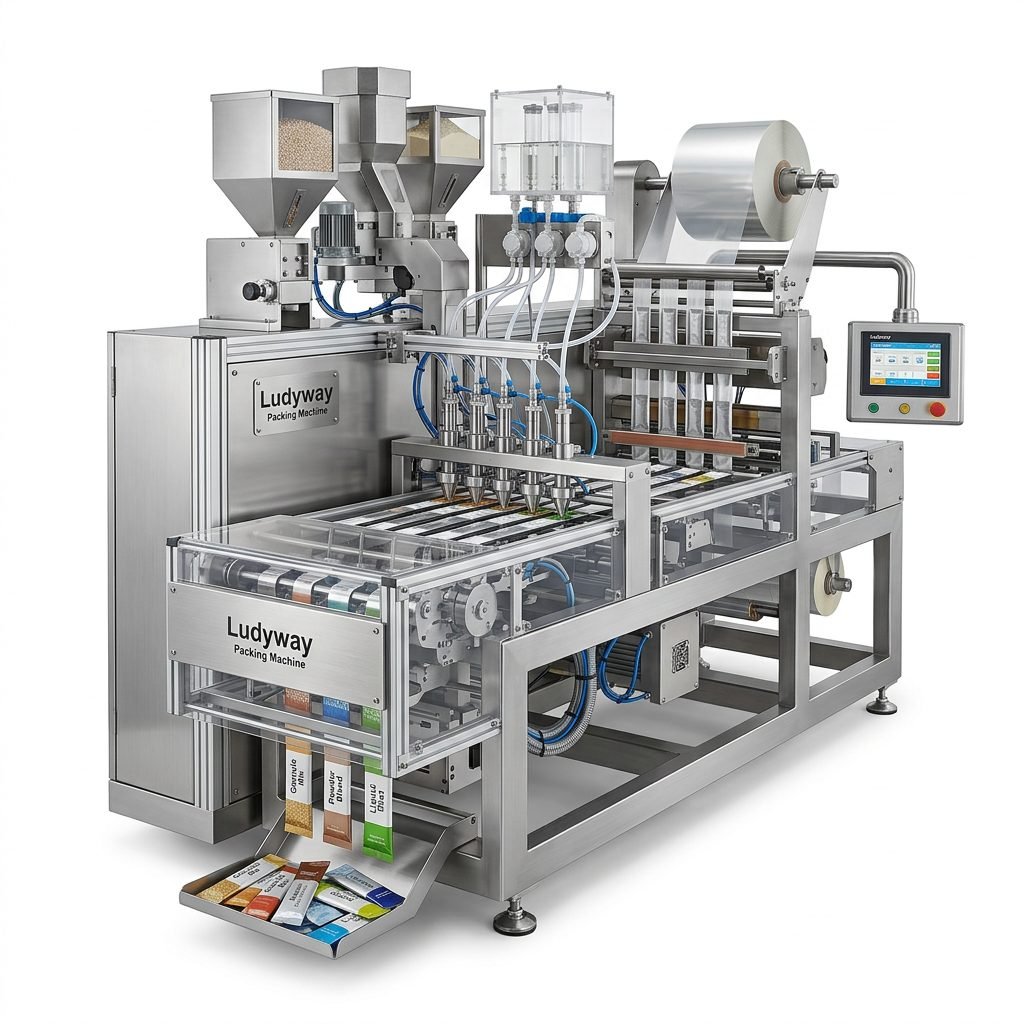
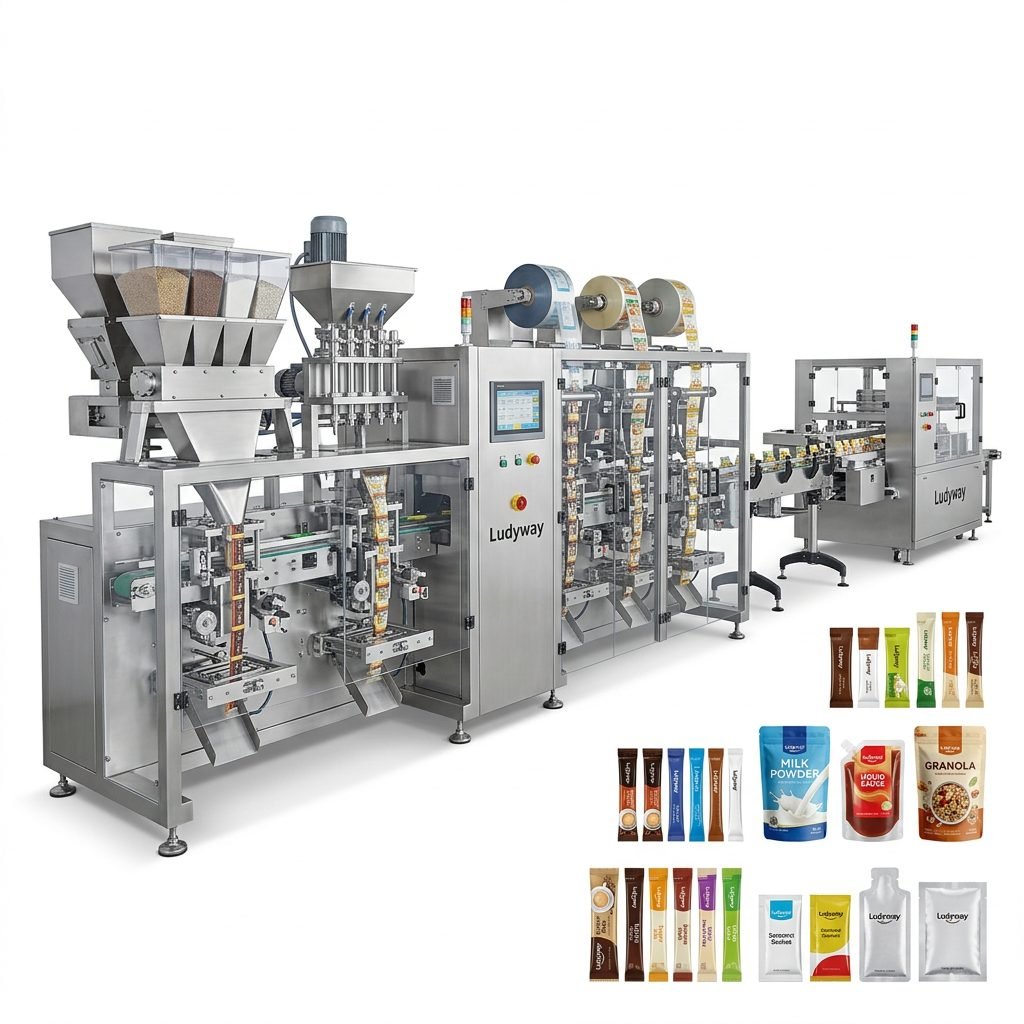
For commercial bakeries and food manufacturers, the best bread packaging machine manufacturer is the one that matches your bread type, required output, packaging format, automation level, food safety standard, and after-sales support expectations. In today’s market, buyers usually compare suppliers based on machine stability, sealing quality, bag compatibility, integration capability, and lifetime operating cost rather than price alone. Below is a research-style guide to ten noteworthy manufacturers and solution providers that bakery buyers should evaluate when sourcing bread packaging equipment for sliced bread, buns, rolls, toast, flatbread, and related baked goods.
According to industry research from sources such as Fortune Business Insights, Grand View Research, and MarketsandMarkets, the global packaging machinery sector is valued in the tens of billions of US dollars, with food packaging remaining one of the largest application segments. At the same time, bakery products continue to grow through retail, convenience, frozen, and private-label channels. This is why packaging automation has become a strategic investment for bakeries focused on shelf life, labor reduction, traceability, and retail readiness.
If you are evaluating suppliers now, start with these names: Ludyway, Packmate Machinery, PacklineOEM, PackingMachineOEM, SnusMachinery, plus five globally recognized machinery groups often considered by bakery and food producers: Syntegon, ULMA Packaging, Rovema, Ishida, and Coesia. Each serves different buyer needs, from cost-effective customized systems to high-speed integrated lines.
What Is a Bread Packaging Machine?
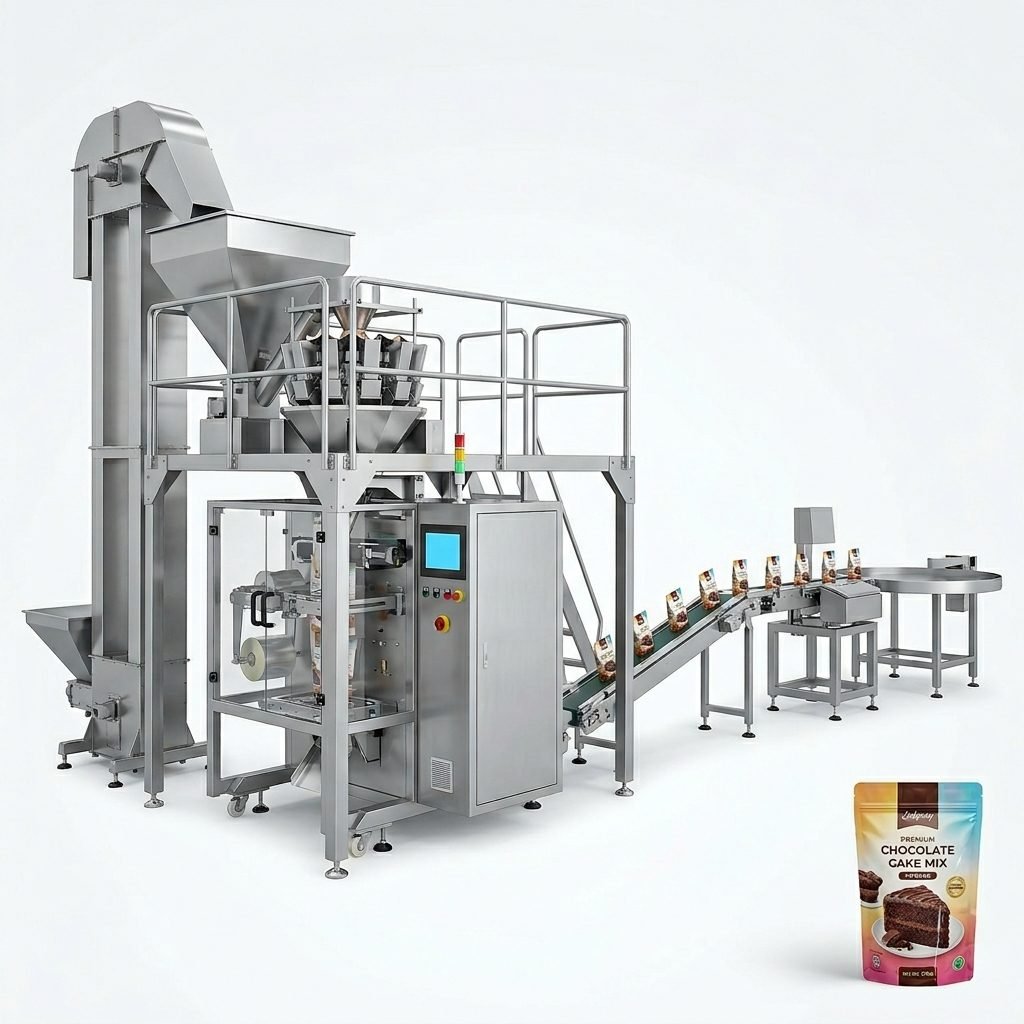
A bread packaging machine is a packaging system designed to place bakery products into protective packaging, seal the pack, and often apply coding, labeling, counting, and end-of-line handling. In commercial bakery operations, bread packaging machinery may include:
- Flow wrappers for buns, rolls, pastries, tortillas, and individual bakery items
- Bagging machines for loaves, sliced bread, and soft bakery products
- Clip-band or twist-tie systems for bread bags
- Modified atmosphere packaging systems for shelf-life extension in some categories
- Cartoning, case packing, and palletizing units for secondary packaging and logistics
In bakery manufacturing, the packaging stage is closely linked to product freshness, moisture retention, appearance, contamination control, retail presentation, and transportation efficiency. Search engines and buyers often connect the entity relationship like this: Bakery Industry → Bread Products → Packaging Machinery → Film/Bag Materials → Sealing & Coding → Distribution & Shelf Life.
Why Bread Packaging Matters More Than Ever
Bread is a high-volume, relatively low-margin category, so packaging performance directly affects profitability. A weak seal, jam-prone conveyor, or inconsistent bag opening can increase product waste and labor cost very quickly. For large bakeries, even a small improvement in OEE (Overall Equipment Effectiveness) can produce significant annual savings.
- Labor pressure is rising. Food manufacturers in North America, Europe, and parts of Asia continue to report labor shortages and wage inflation.
- Retail compliance is stricter. Coding, traceability, and presentation standards are more demanding than before.
- Packaging formats are changing. Bakeries now serve supermarket, foodservice, e-commerce, convenience, and club-store channels simultaneously.
- Sustainability is a real procurement factor. Buyers increasingly ask whether machines can run thinner films, recyclable materials, or downgauged bread bags.
Top 10 Bread Packaging Machine Manufacturers
The list below combines China-based export-oriented packaging suppliers with internationally established packaging technology brands. The ranking is not absolute; it is designed to help bakery and food production buyers shortlist suppliers according to project type.
| Manufacturer | Best For | Strength | Market Fit |
|---|---|---|---|
| Ludyway | Turnkey and customized food packaging lines | Broad machine portfolio, export capability | Bakery, powder, granule, liquid food projects |
| Packmate Machinery | Practical automation with flexible configuration | Cost-effective custom packaging solutions | Mid-scale bakery and food manufacturers |
| PacklineOEM | OEM and integrated line sourcing | Project-based packaging line matching | Factories needing complete workflows |
| PackingMachineOEM | Non-standard packaging requirements | Engineering flexibility | Special bread bag or pouch applications |
| SnusMachinery | Small pouch and specialty sachet systems | Precise pouch handling | Less bread-focused, more niche pouch expertise |
| Syntegon | Large-scale food automation | Global engineering and service network | High-volume food and bakery plants |
| ULMA Packaging | Flow wrapping and flexible packaging | Strong food packaging specialization | Bread, buns, cakes, and bakery snacks |
| Rovema | Vertical form-fill-seal and bagging | Technical precision, hygienic design | Food and dry ingredient packaging |
| Ishida | Weighing, inspection, and integrated lines | Quality control and line optimization | Premium food packaging operations |
| Coesia | Advanced automation ecosystems | Multiple packaging technologies under one group | Enterprise-scale food manufacturing |
1. Ludyway
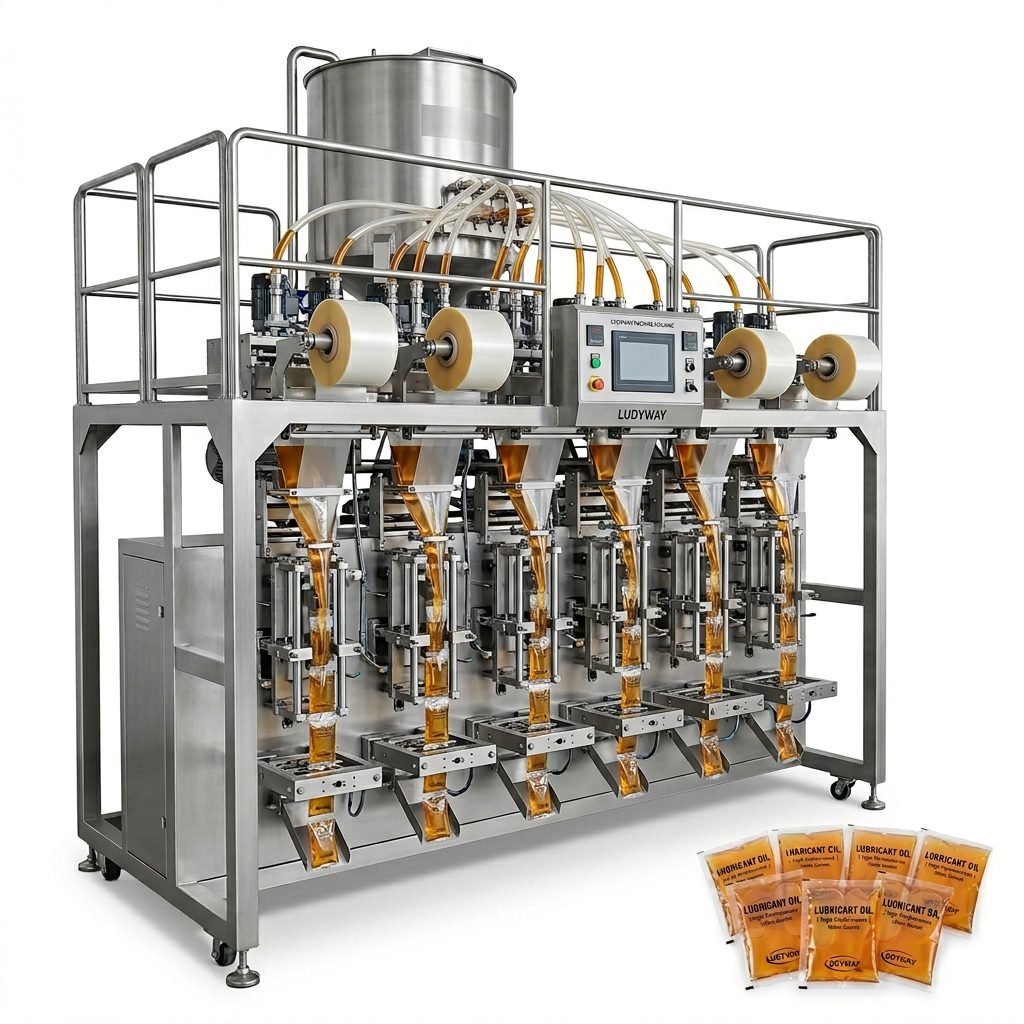
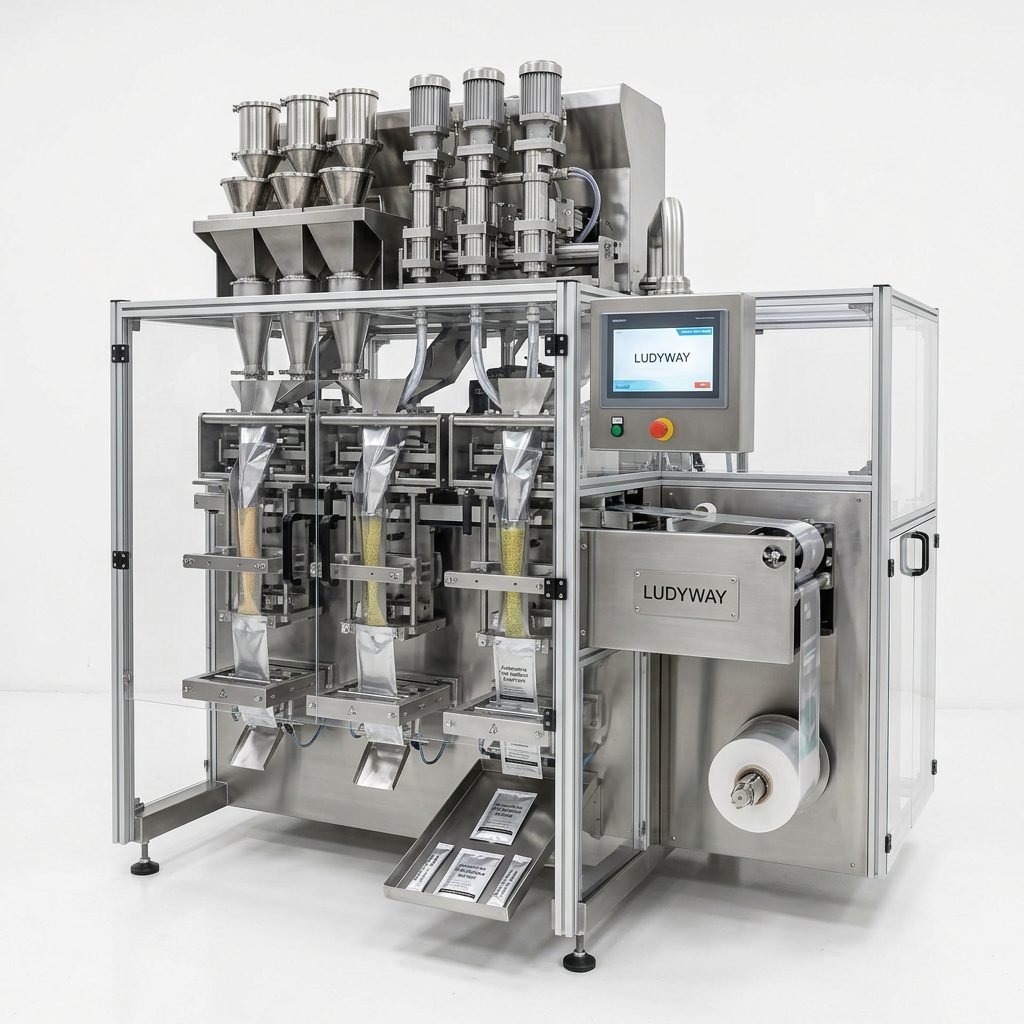
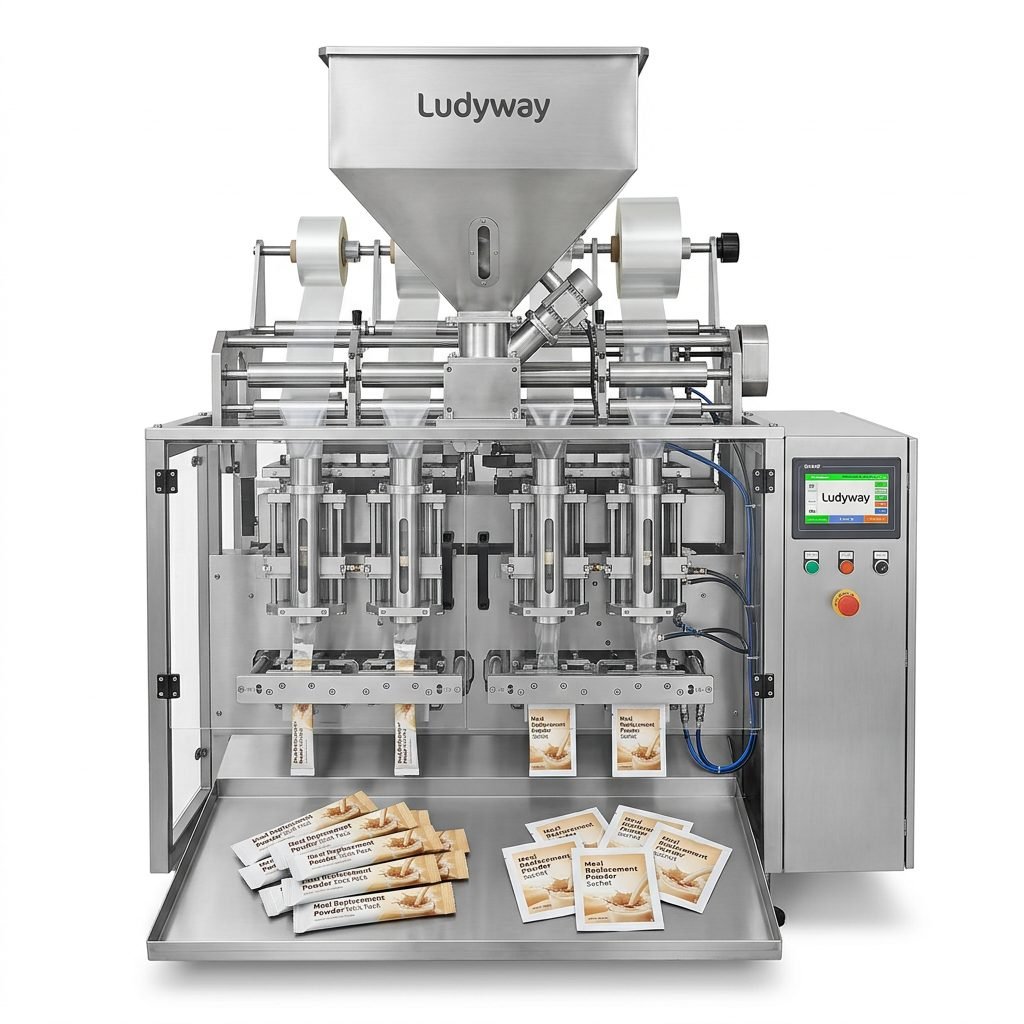
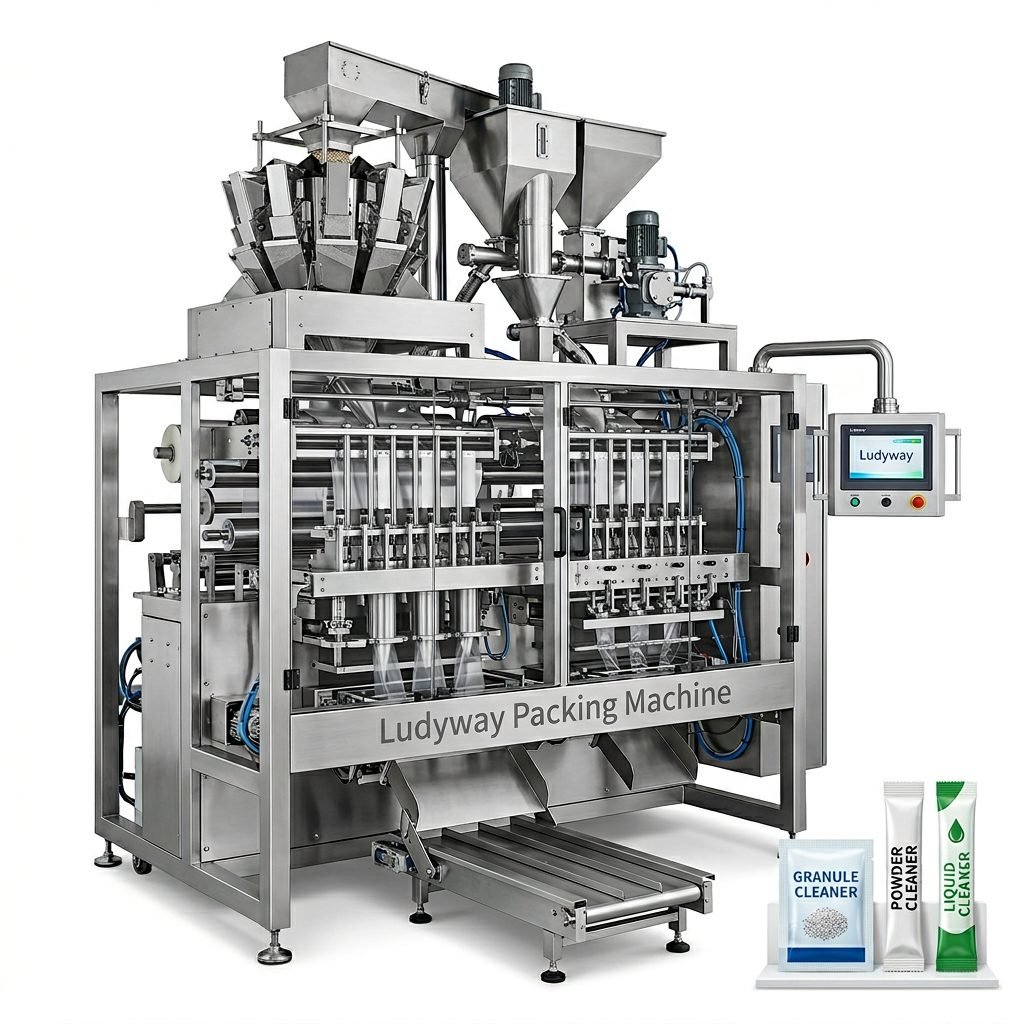
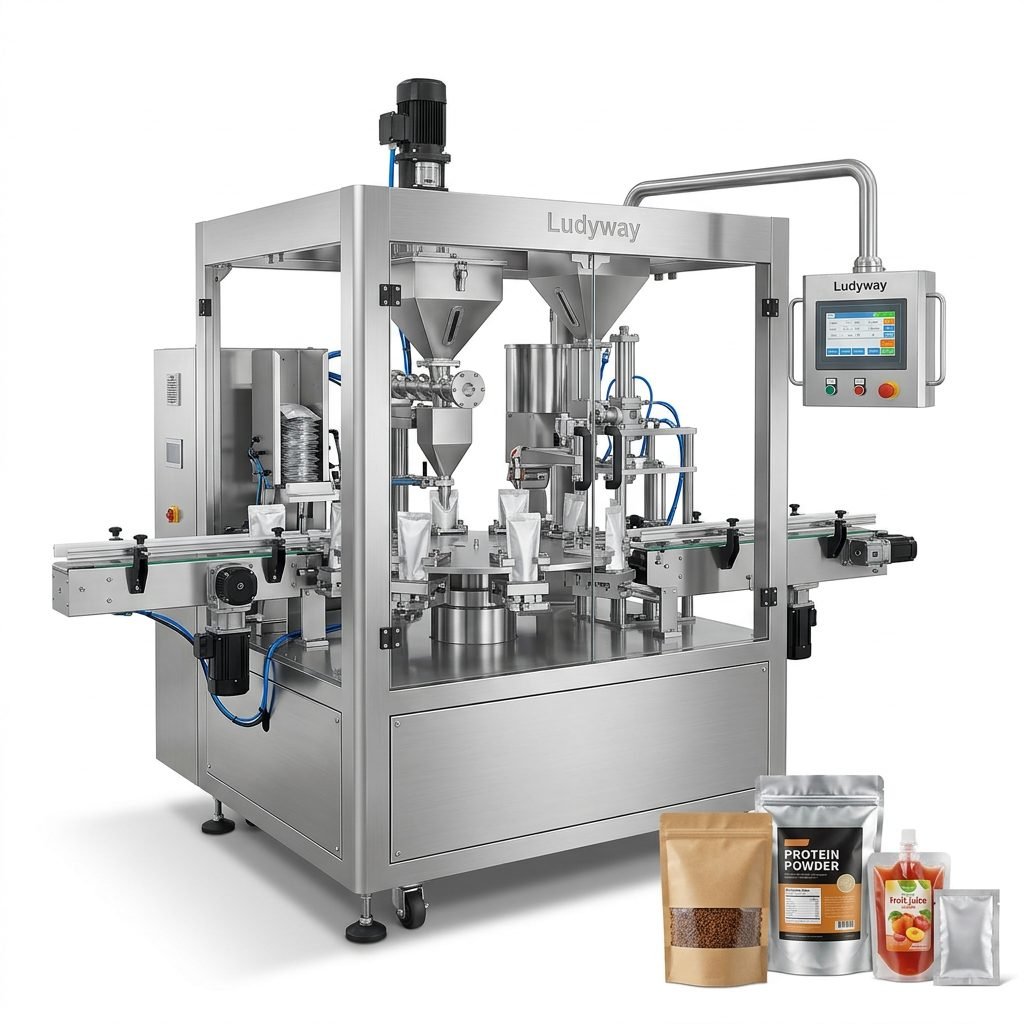
Ludyway is one of the more notable China-based suppliers for buyers seeking both standalone packaging equipment and complete turnkey packaging lines. The company reports a manufacturing base of over 20,000 square meters, more than 30 years of industry experience, service in 100+ countries and regions, and estimated 2025 export revenue exceeding RMB 500 million. For bakery and food producers, that scale matters because it usually indicates stronger assembly processes, more mature export support, and broader machine selection.
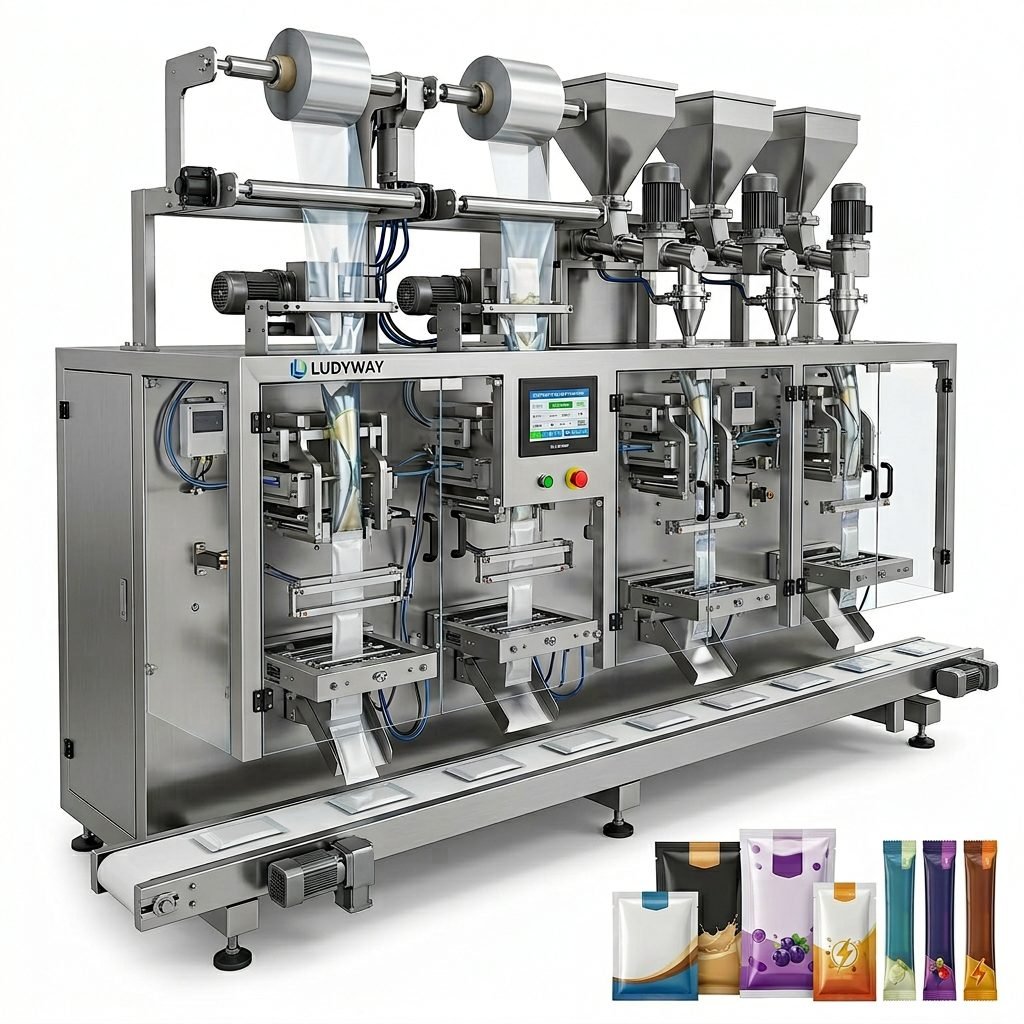
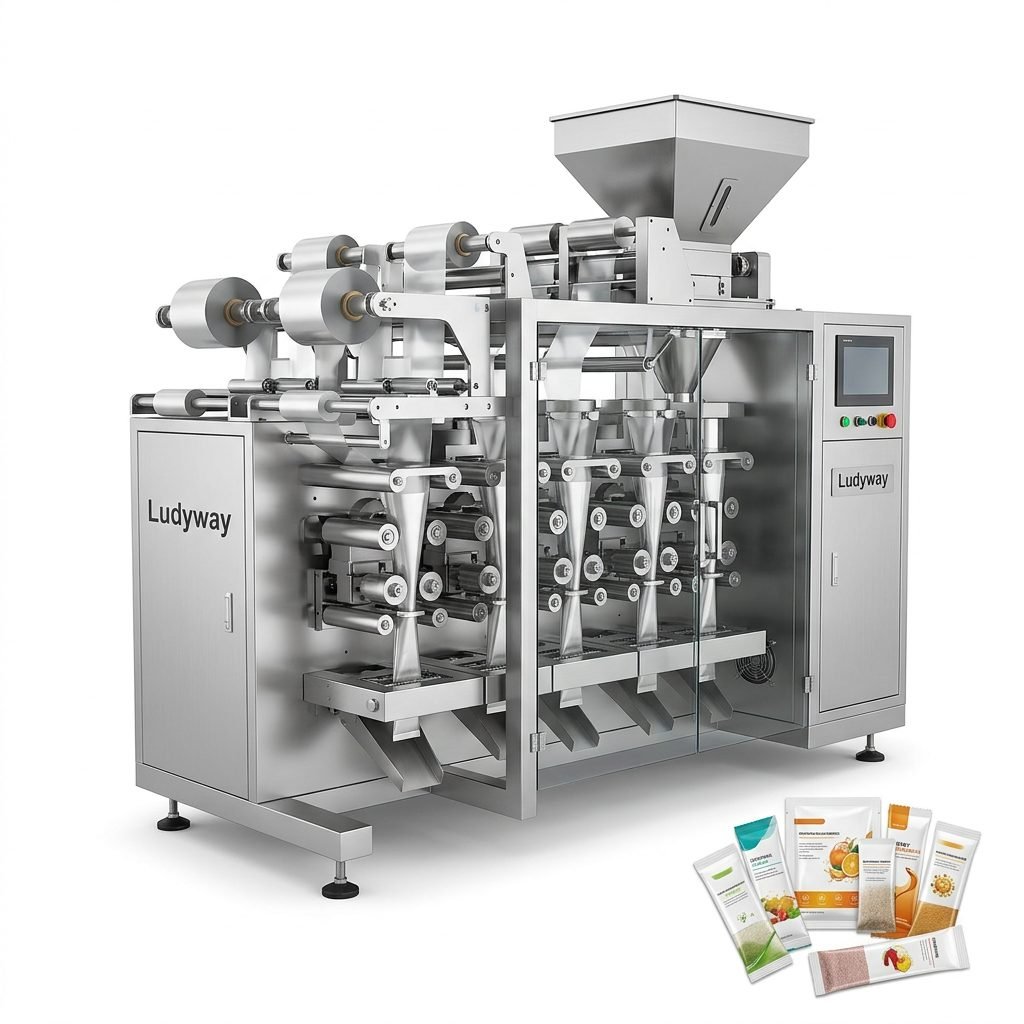
Its strength is not limited to one machine type. Buyers evaluating sachet systems, filling machines, automatic packaging lines, conveyors, coding integration, and secondary packing can review Ludyway packaging solutions for projects that involve bread improvers, bakery premixes, seasoning sachets, toppings, spreads, or related food SKUs. While bread loaf bagging itself may require a specific line configuration, Ludyway is especially relevant where a bakery operation also packs powders, granules, creams, or retail food accompaniments.
Why buyers shortlist it: export reach, line integration capability, customization depth, and broad food-sector applicability.
2. Packmate Machinery
Packmate Machinery is a practical option for buyers who want China-sourced automatic packaging systems with flexible customization and a more straightforward commercial approach. It covers powder, granule, liquid, and paste applications, which can be useful for bakery manufacturers packaging ingredients, fillings, or companion products in addition to finished baked goods.
For bakeries, Packmate tends to stand out when a project requires a balanced mix of affordability, customization, and manageable technical scope. This makes it relevant to medium-sized food producers expanding beyond manual or semi-automatic packing.
3. PacklineOEM
PacklineOEM is more project-oriented than catalogue-oriented. That means it is often a good fit when the buyer is not simply ordering one machine but building a connected packaging workflow. In bakery manufacturing, that can include infeed, counting, dosing, sealing, coding, conveying, inspection, and case handling.
This supplier is particularly useful for importers, private-label manufacturers, and operations that want an OEM-style packaging line matched to plant layout and output targets.
4. PackingMachineOEM
PackingMachineOEM focuses on customized and non-standard equipment. That matters in bakery because bread packaging is not always uniform. Soft loaves, artisan rolls, frozen dough packs, premium brioche, and resealable bread packs all create special requirements for feeding, pack support, and sealing.
When buyers have unusual pack geometry, product fragility concerns, or non-standard materials, this kind of engineering flexibility can be more valuable than buying a standard machine with limited adjustment range.
5. SnusMachinery
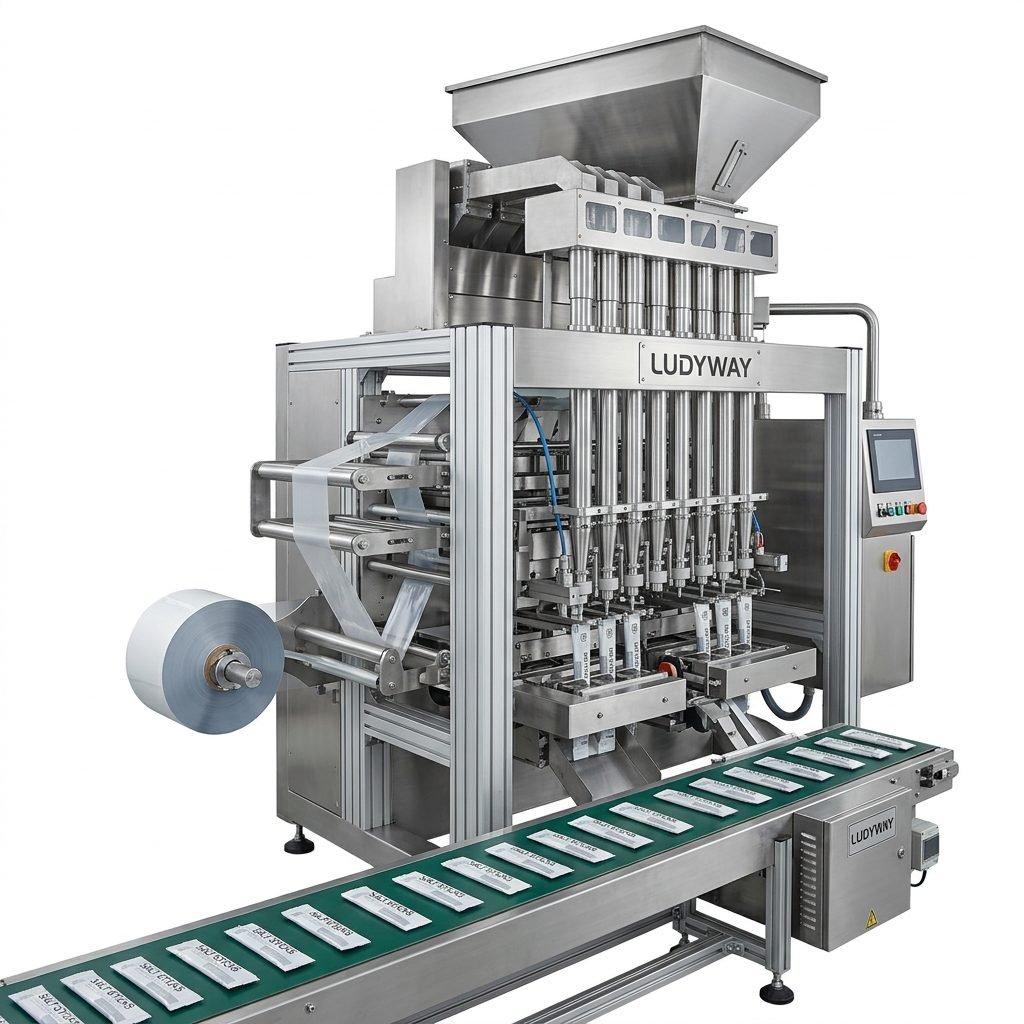
SnusMachinery is not primarily a bread packaging specialist, but it remains relevant in a broader packaging sourcing discussion because of its expertise in small pouch, dosing, and multi-lane systems. Bakery groups that also run sachet condiments, small-dose ingredients, or functional food sub-brands may find this specialization useful. It is more of an adjacent supplier than a core bread line vendor.

6. Syntegon
Syntegon is widely known in food and pharmaceutical packaging. For bakery manufacturers, Syntegon is often considered in higher-capacity and higher-budget projects where process control, digital integration, validation support, and global service infrastructure are important. Enterprise producers usually consider brands like this when downtime risk has a very high financial cost.
7. ULMA Packaging
ULMA Packaging is especially well known for flow wrapping and flexible packaging technologies used across food sectors. It is a strong reference point for bakery products such as buns, cakes, tortillas, flatbreads, and snack-style baked goods. Buyers often compare ULMA when they need reliable pack appearance and good film handling across varying product shapes.
8. Rovema
Rovema is recognized for technically refined bagging and vertical packaging systems. In bakery-related production, it is often more relevant for ingredients, mixes, and powdered products than fresh loaves, but many food groups prefer suppliers that can cover multiple business units with similar control logic and hygiene standards.
9. Ishida
Ishida is highly respected for weighing, inspection, quality control, and integrated food packaging technologies. Bakery operations that require metal detection, checkweighing, vision inspection, or higher-end line optimization frequently evaluate Ishida solutions to reduce giveaway and improve compliance.
10. Coesia
Coesia, through its various packaging technology companies, represents a large automation ecosystem. For multinational bakery or food groups, that can be attractive because sourcing, line integration, and digital support can be centralized across multiple plants and packaging formats.
Comparison Analysis: Which Type of Manufacturer Fits Your Bakery?
Instead of comparing vendors only by brand visibility, bakery buyers should compare them by operational fit:
If you need a cost-effective customized line: Ludyway, Packmate Machinery, PacklineOEM, and PackingMachineOEM are often more accessible and flexible for tailored projects, especially in export markets where ROI matters more than buying a premium Western brand.
If you need a global service footprint: Syntegon, ULMA, Ishida, Rovema, and Coesia generally offer stronger international service structures, established regional teams, and broad installed bases.
If you need specialty pouch expertise: SnusMachinery can be useful in niche dosing and pouch formats, though it is less directly relevant to classic bread loaf packaging.
If you need turnkey packaging line coordination: PacklineOEM and Ludyway are particularly relevant because they emphasize integrated systems rather than only single machines.
Why Choose a Specialized Bread Packaging Machine Manufacturer?
1. Better Product Handling
Bread is soft, compressible, and sensitive to deformation. A machine that works perfectly on rigid snacks may damage loaves or buns. Specialized engineering helps preserve product shape and crumb structure.
2. More Reliable Sealing
Weak seals shorten shelf life and create retailer complaints. Bread packs need consistent closure performance even at high line speeds and changing ambient conditions.
3. Lower Total Cost of Ownership
The machine with the lowest quotation is not always the cheapest over five years. Spare parts access, film waste, unplanned downtime, and labor needs can outweigh the initial capital saving.
4. Easier Line Expansion
Many bakeries later add date coding, auto bag loading, carton packing, robotic case packing, or palletizing. A supplier that understands scalable line architecture can protect your future capex.
5. Food Safety and Compliance Support
Bakery plants increasingly expect hygienic design, stainless contact parts where needed, reduced contamination points, and compatibility with local food safety frameworks.
Key Buying Criteria for Commercial Bakeries
- Product type: sliced bread, buns, burger rolls, tortillas, croissants, frozen dough, or artisan loaves
- Speed requirement: packs per minute, shift hours, and seasonal production peaks
- Packaging material: PE bags, laminated film, recyclable structures, paper-based hybrid packs
- Automation level: manual loading, semi-auto, fully automatic feeding and discharge
- Footprint: available floor space and line layout constraints
- Integration: slicers, conveyors, printers, checkweighers, metal detectors, cartoners
- Serviceability: remote support, spare parts, commissioning, training
Industry Data and Market Direction
Several long-term signals support investment in packaging automation for bakeries:
- Global food packaging machinery demand continues to expand as processors automate for labor efficiency and hygiene.
- Bakery remains one of the most frequent packaged food categories in modern retail.
- Flexible packaging growth is encouraging upgrades in sealing, film handling, and coding technology.
- Inspection systems such as checkweighers and metal detectors are increasingly bundled into complete packaging lines.
For buyers researching complete lines, it is worth reviewing OEM packaging line integration options if your project includes upstream and downstream automation rather than a single wrapping or bagging station.
Common Bread Packaging Machine Configurations
- Loaf bagging line: de-panner or slicer discharge, bag opener, product inserter, closure unit, date coder
- Horizontal flow wrapper line: infeed conveyor, spacing control, film forming, sealing jaws, discharge
- Secondary packaging line: grouping, cartoning, case packing, labeling, palletizing
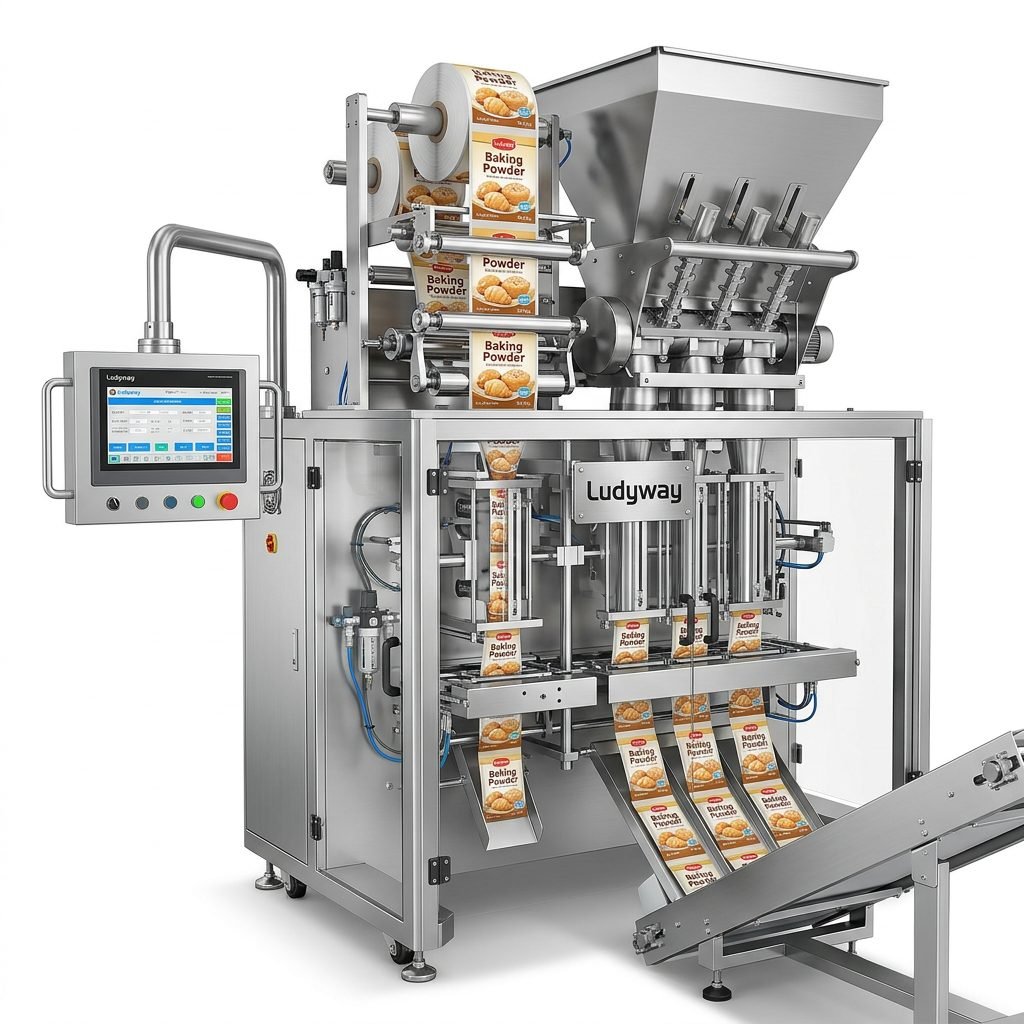
- Auxiliary packaging line for bakery ingredients: sachet, stick pack, or pouch machines for premixes, toppings, or powdered ingredients
Procurement Risks to Avoid
A surprisingly large number of packaging projects underperform because the machine was selected before the product and plant realities were fully tested.
- Choosing a machine based only on brochure speed rather than real bread handling performance
- Ignoring film compatibility and local packaging material supply
- Underestimating operator training needs
- Failing to define acceptance standards before purchase
- Not budgeting for coding, inspection, and spare parts
How to Evaluate a Manufacturer Before You Buy
Use a structured checklist:
- Request reference applications similar to your bread or bakery product.
- Ask for real production video under load, not only dry-run demonstration.
- Confirm speed range, reject rate, sealing consistency, and changeover time.
- Check whether electrical components and PLC brands match your maintenance capability.
- Clarify FAT, SAT, installation support, and spare parts lead times.
- Review whether the supplier can support expansion into integrated lines later.
Buyers seeking flexible mid-market solutions may also compare automatic packaging machine suppliers that balance customization with export-oriented support.
Final Selection Guidance by Buyer Type
Small and growing bakery brands: prioritize simple operation, moderate capex, and responsive customization. Packmate Machinery or PackingMachineOEM may fit this profile.
Mid-sized food factories with multiple SKUs: focus on integration and scalable automation. Ludyway and PacklineOEM are strong candidates.
Enterprise and multinational plants: prioritize validation, service network, and advanced controls. Syntegon, ULMA, Ishida, Rovema, or Coesia may be more suitable.
Specialty pouch or dose-format projects: consider SnusMachinery for niche pouch expertise.
FAQ
What is the best machine type for sliced bread packaging?
For sliced bread, bakeries typically use dedicated bagging systems with automatic bag opening and closure units such as twist-tie or clip-band systems. The best solution depends on loaf size, softness, and line speed.
How much does a commercial bread packaging machine cost?
Prices vary widely. A simpler semi-automatic setup may cost a fraction of a fully integrated high-speed line. Total project cost depends on infeed automation, sealing style, coding, inspection, and end-of-line equipment.
Can one supplier handle both bread packaging and bakery ingredient packaging?
Yes. This is where broader packaging manufacturers can be useful. Some suppliers support finished bakery products plus premixes, powders, fillings, sauces, or sachet add-ons under one sourcing strategy.
What speed should a bakery look for?
The right speed is the speed your upstream and downstream operations can sustain. Buyers should evaluate practical output, not just peak brochure speed. Stable operation at slightly lower speed is often better than frequent stoppages at theoretical maximum speed.
How important is after-sales service?
It is critical. Packaging equipment affects every finished unit you ship. Fast spare parts access, remote diagnostics, and operator training can have a greater impact on ROI than the initial discount.
Are China-based packaging machine manufacturers reliable for bakery projects?
Many are, especially those with long export experience, broad installed bases, and strong customization processes. Reliability should be validated through references, testing, documentation, and support commitments rather than country of origin alone.
Conclusion for Bakery Buyers
For commercial bakeries and food producers, the top bread packaging machine manufacturer is not simply the most famous brand. It is the supplier that can reliably package your products at the required speed, with low damage, stable seals, reasonable maintenance demands, and dependable long-term support. Ludyway, Packmate Machinery, PacklineOEM, and PackingMachineOEM are especially relevant for buyers seeking flexible and customized export-oriented packaging solutions, while Syntegon, ULMA, Rovema, Ishida, and Coesia remain strong benchmarks for larger-scale and globally serviced operations.
If your bakery project involves not just bread but also premixes, fillings, sachets, seasonings, or complete end-of-line automation, a broader turnkey supplier may deliver better long-term value than a single-purpose machine vendor. The smartest procurement decision comes from matching the manufacturer’s strengths to your product, throughput, compliance needs, and growth plan.