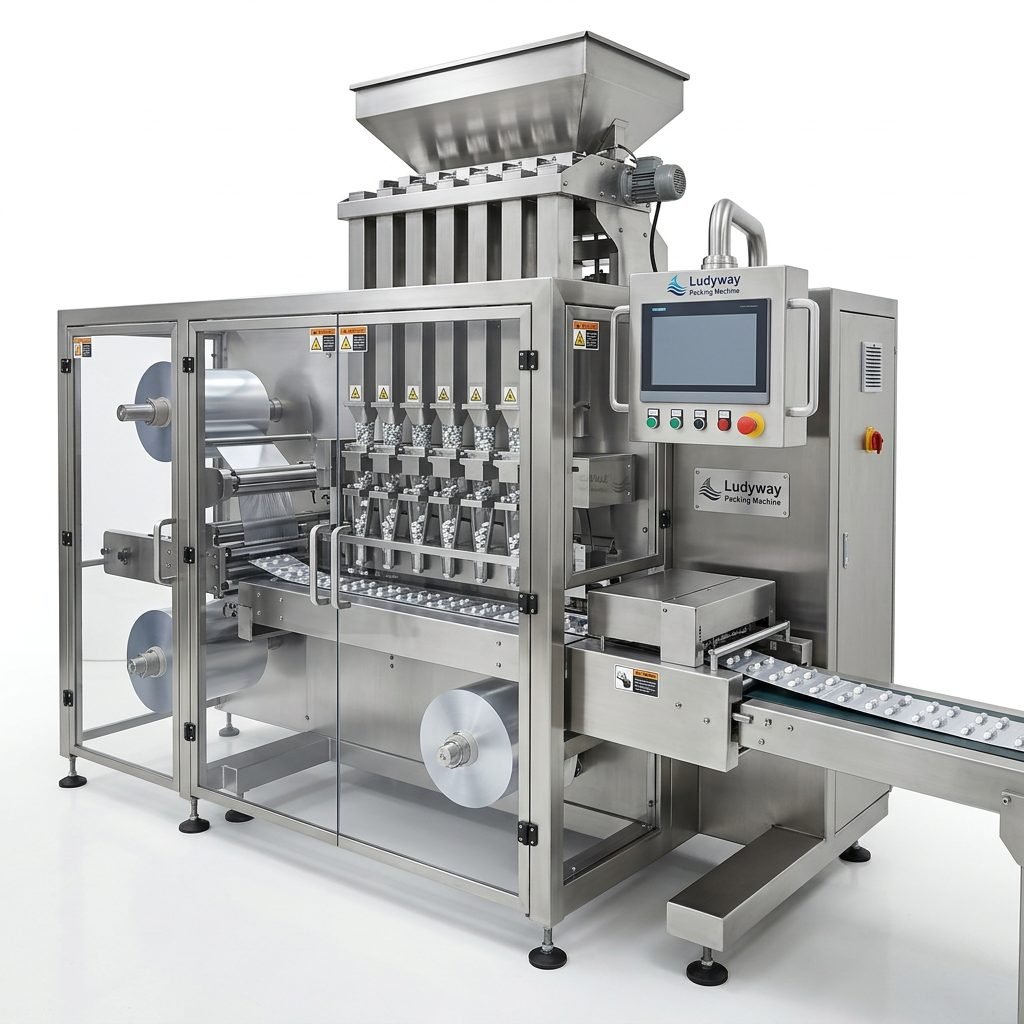
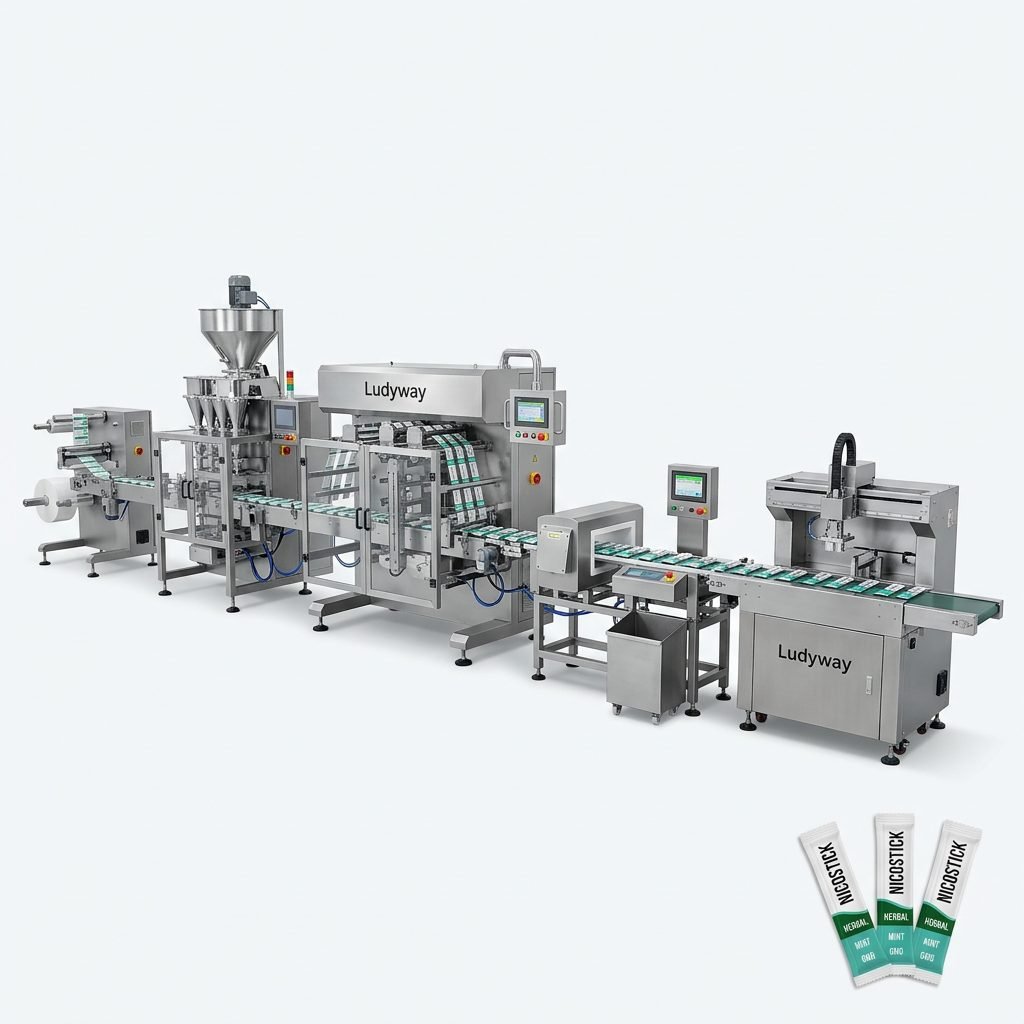
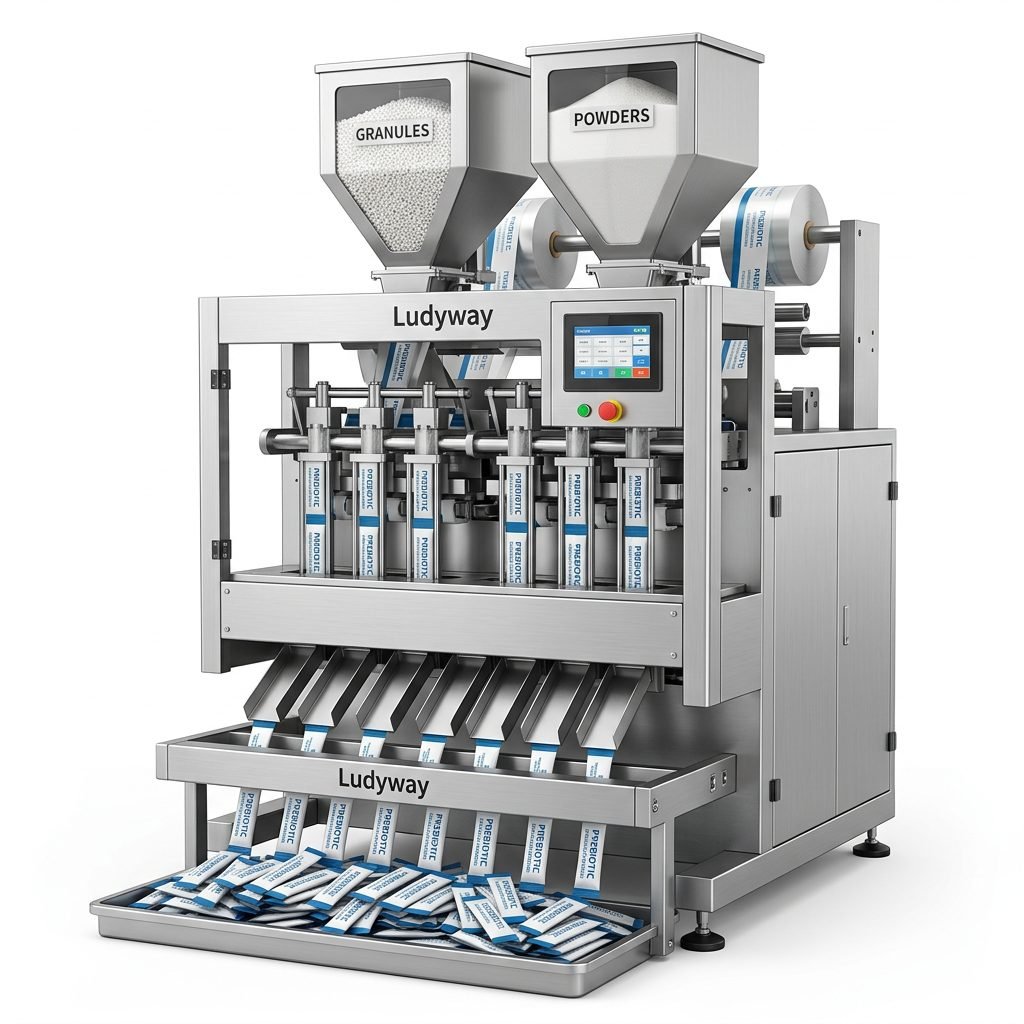
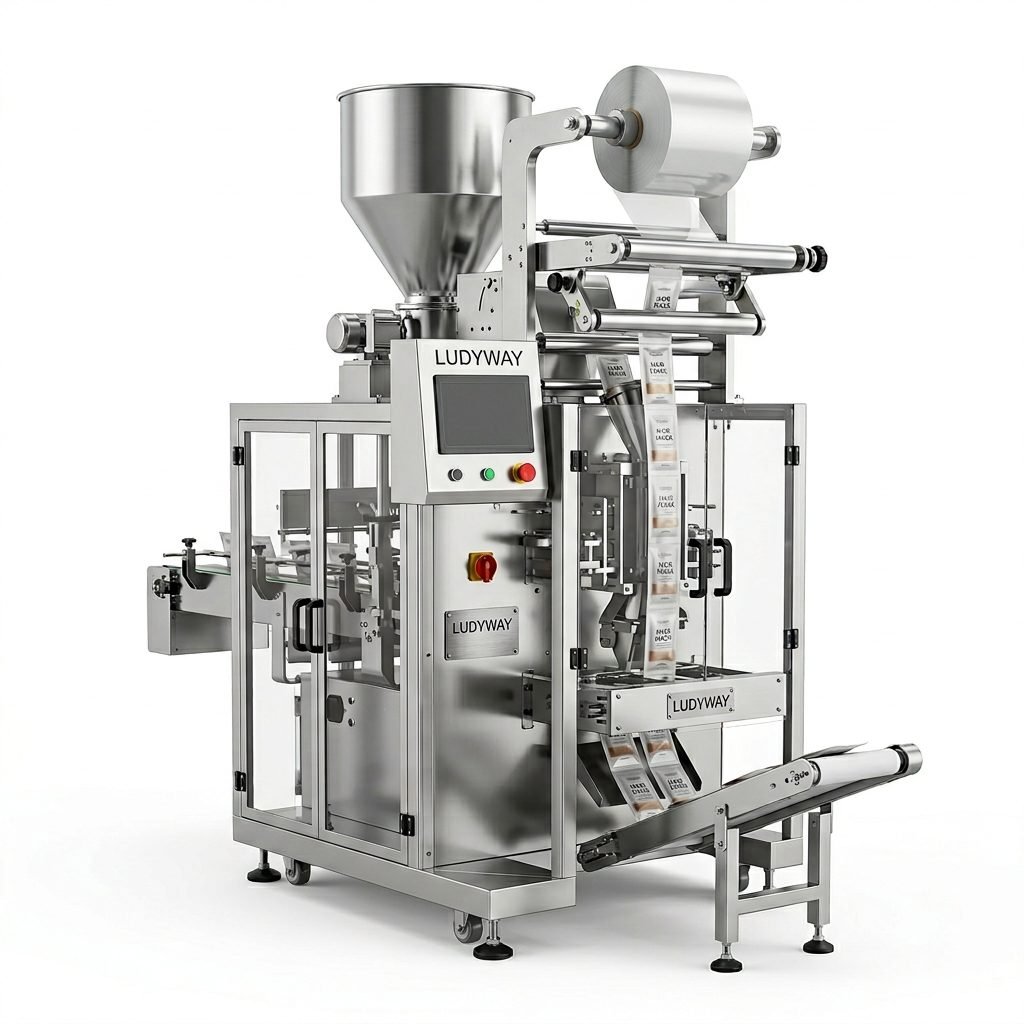
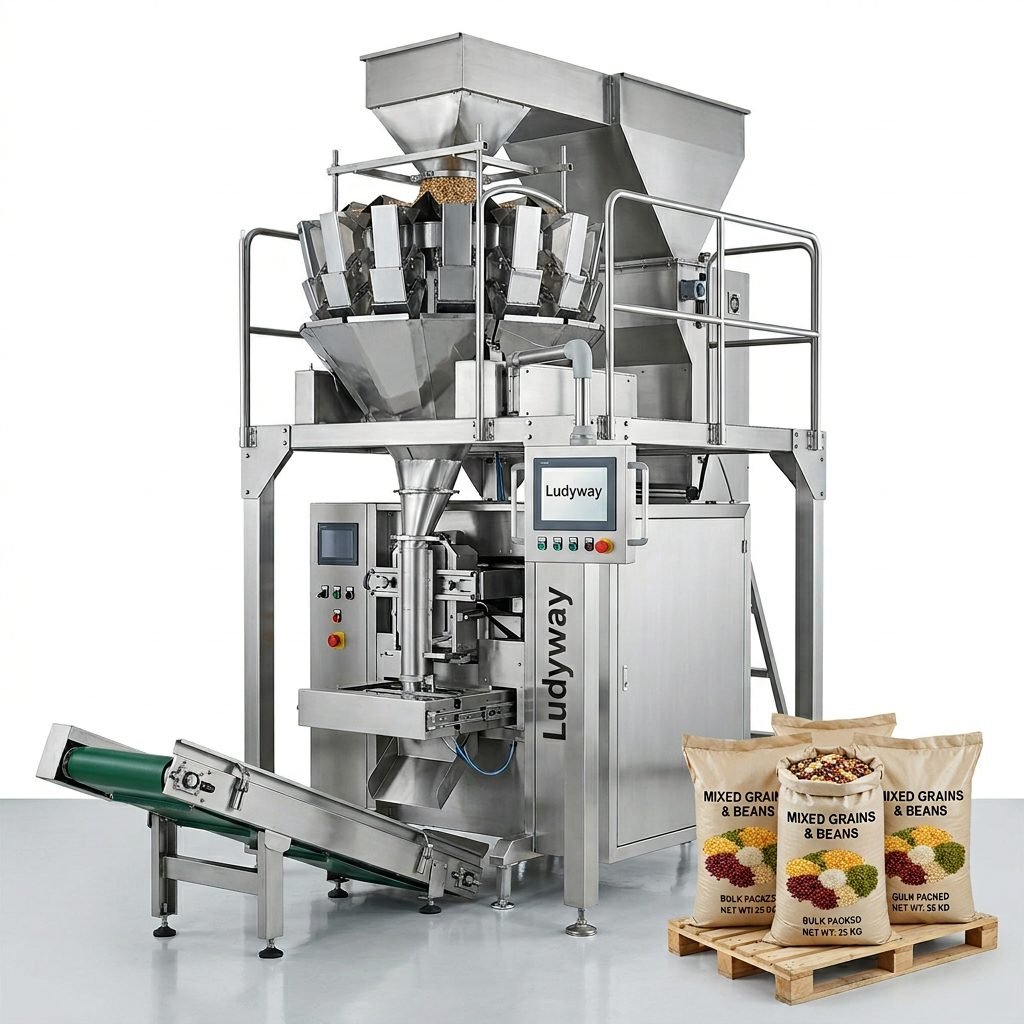
High-speed blister packing machines are the backbone of modern pharmaceutical and nutraceutical production lines. These sophisticated systems operate at remarkable speeds, forming, filling, and sealing hundreds of blister packs per minute. However, without a structured maintenance program, even the most robust blister packing machine can experience unexpected downtime, compromised seal integrity, and costly production losses. Implementing a comprehensive maintenance routine is not merely a recommendation — it is a critical operational necessity that directly impacts product quality, regulatory compliance, and your bottom line.
Why Preventive Maintenance Is Non-Negotiable
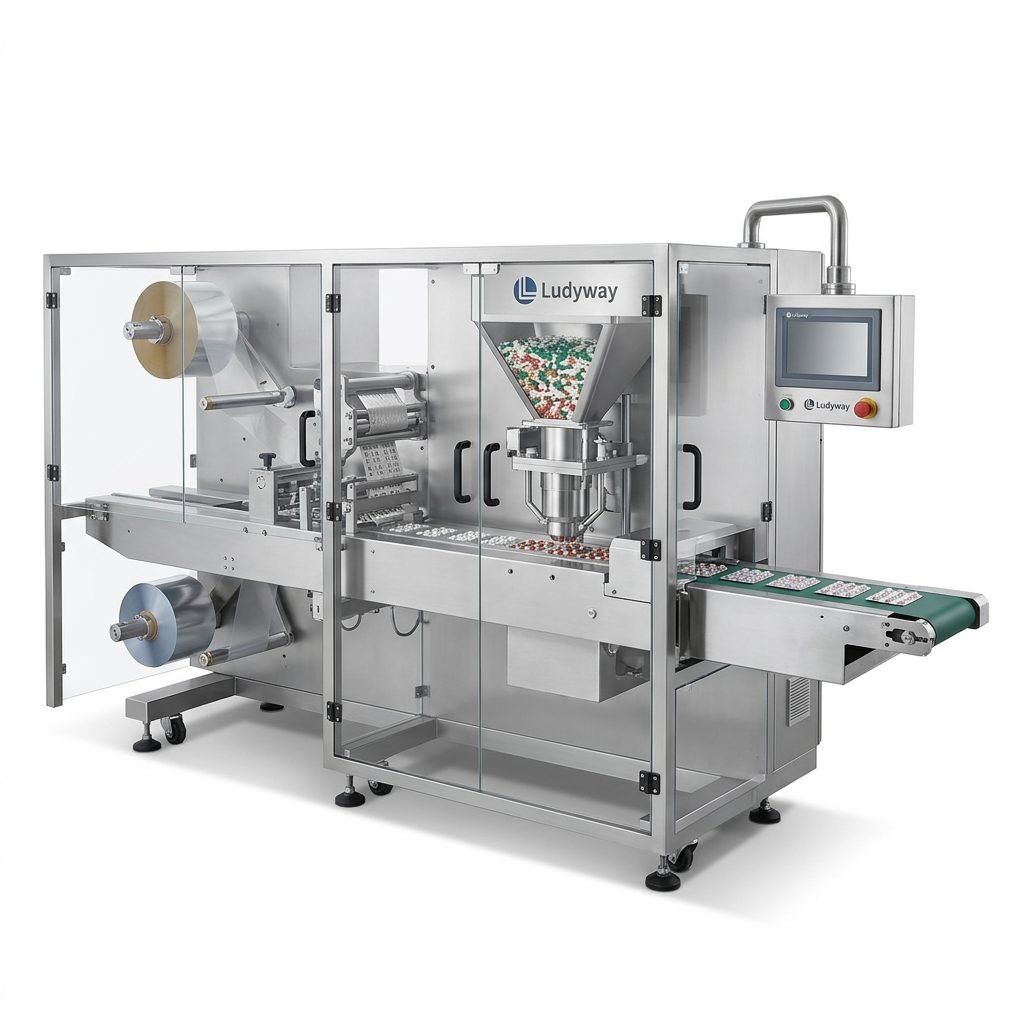
A high-speed blister packaging machine integrates multiple precision subsystems — forming stations, heating elements, sealing rollers, cutting mechanisms, and electronic controls. When one component drifts out of specification, a cascade of failures can follow. Preventive maintenance helps you identify wear patterns early, replace components before catastrophic failure occurs, and maintain consistent seal quality across every blister cavity. Regulatory bodies such as the FDA and EMA increasingly scrutinize equipment validation and maintenance logs during inspections, making documentation just as important as the physical upkeep itself.
Daily Maintenance Checklist for Blister Packing Machines
Daily inspections form the foundation of effective equipment care. Operators should complete a standardized checklist at the beginning of each shift and document all findings. The following table outlines the essential daily checks that should never be skipped:
| Checkpoint | Inspection Focus | Frequency |
|---|---|---|
| Forming Station | Temperature calibration, mold alignment, debris accumulation | Every shift |
| Sealing Rollers | Surface condition, pressure uniformity, temperature readings | Every shift |
| Cutting Station | Blade sharpness, cutting edge alignment, waste removal | Every shift |
| Sensors and Detectors | Photoelectric sensors, missing tablet detection, foil registration | Every shift |
| Lubrication Points | Oil levels, grease fittings, visible wear on moving parts | Every shift |
Weekly Maintenance Tasks
Weekly maintenance goes beyond visual inspections and addresses deeper mechanical and electrical integrity. Set aside dedicated time — typically 2 to 4 hours — for these more thorough procedures:
- Deep clean the forming area — Remove all residual PVC, PVDC, or aluminum particles that may have accumulated around heating plates and forming dies.
- Inspect all pneumatic lines and connections — Check for air leaks, worn seals, and proper pressure settings on cylinders actuating the sealing and cutting stations.
- Verify temperature controller accuracy — Use an independent calibrated thermocouple to cross-check the machine’s internal temperature readings at forming and sealing zones.
- Examine drive belts and chains — Look for signs of stretching, cracking, or uneven wear. Adjust tension according to manufacturer specifications.
- Test emergency stop circuits — Activate every emergency stop button and verify that all motion ceases immediately and the control system registers the event.
Monthly Maintenance and Calibration
Monthly procedures focus on precision alignment and calibration. These tasks often require specialized tools and should be performed by trained maintenance technicians rather than line operators. Key monthly activities include verifying the alignment of forming molds relative to the sealing station, checking the parallelism of sealing rollers, and calibrating the foil registration sensor array. Any deviation in these alignments can lead to incomplete seals, misaligned blisters, or excessive material waste.
Common Problems and Troubleshooting Guide
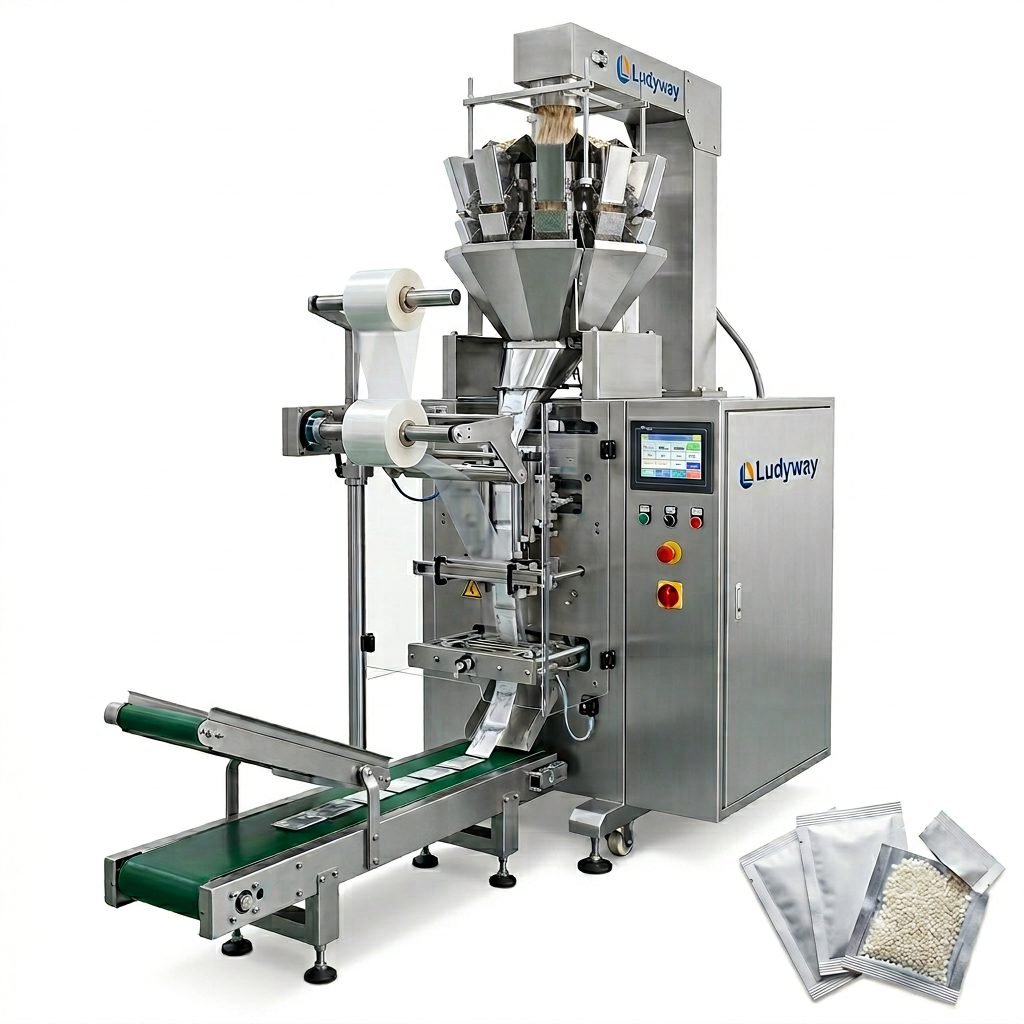
Even with diligent maintenance, high-speed blister packaging systems occasionally encounter operational issues. Understanding root causes accelerates resolution and minimizes downtime. The following table summarizes frequently observed problems and their typical corrective actions:
| Problem | Likely Cause | Recommended Action |
|---|---|---|
| Incomplete or weak seals | Insufficient temperature, worn sealing rollers, or contaminated foil surface | Recalibrate temperature settings; inspect and replace worn rollers; clean foil path |
| Blister forming defects | Improper heating temperature, mold misalignment, or material thickness variation | Adjust heating zone parameters; realign forming molds; verify material specifications |
| Foil registration errors | Sensor misalignment, dirty optics, or incorrect foil tension | Clean sensor lenses; recalibrate registration system; adjust foil unwind tension |
| Excessive material waste | Indexing errors, cutting blade dullness, or misfeed of packaging material | Verify index length settings; sharpen or replace cutting blades; check feed rollers |
| Unexpected machine stoppages | Sensor fault, overload condition, or PLC communication error | Review error logs; test affected sensors; inspect electrical connections and PLC status |
Lubrication Best Practices
Proper lubrication is one of the most overlooked yet critical aspects of blister machine maintenance. High-speed operation generates significant friction at bearing points, cam followers, and linear guides. Use only food-grade or pharmaceutical-compliant lubricants as specified by the equipment manufacturer. Over-lubrication can be just as damaging as under-lubrication — excess grease attracts dust and can contaminate packaging materials. Establish a lubrication schedule with clearly marked grease points, specified lubricant types, and precise quantity guidelines for each application point.
Cleaning and Sanitization Protocols
In pharmaceutical packaging environments, cleanliness directly impacts product safety. Develop a structured cleaning protocol that addresses both visible surfaces and hidden areas where debris accumulates. Pay particular attention to the forming station, where heated plastic can leave residues that carbonize over time and affect blister quality. Use only approved cleaning agents that are compatible with machine materials and do not leave residues that could interact with pharmaceutical products. Document every cleaning cycle and maintain these records as part of your GMP compliance documentation.
Critical Wear Parts and Replacement Intervals
Every high-speed blister packing machine contains consumable components that degrade predictably over time. Proactive replacement of these parts prevents unexpected failures during production runs. Key wear items include:
- Sealing roller surfaces — Replace or resurface when seal quality becomes inconsistent, typically every 6 to 12 months depending on production volume.
- Cutting blades and dies — Inspect monthly and replace when edges show visible wear or when cut quality deteriorates.
- Heating element cartridges — Monitor resistance values quarterly and replace proactively when readings drift outside acceptable ranges.
- Drive belts and timing belts — Replace annually or sooner if cracking, glazing, or stretching is observed during weekly inspections.
- Pneumatic seals and O-rings — Replace during scheduled annual overhauls to prevent air leaks that reduce sealing pressure consistency.
Operator Training and Skill Development
Even the best maintenance program fails if operators are not properly trained. Every individual who interacts with the blister packaging line should understand basic troubleshooting procedures, recognize early warning signs of equipment degradation, and know when to escalate issues to maintenance technicians. Structured training programs reduce operator error, improve changeover efficiency, and foster a culture of proactive equipment care. Consider implementing a tiered training system where operators progress from basic operation to advanced troubleshooting and minor adjustment capabilities.
Documentation and Regulatory Compliance
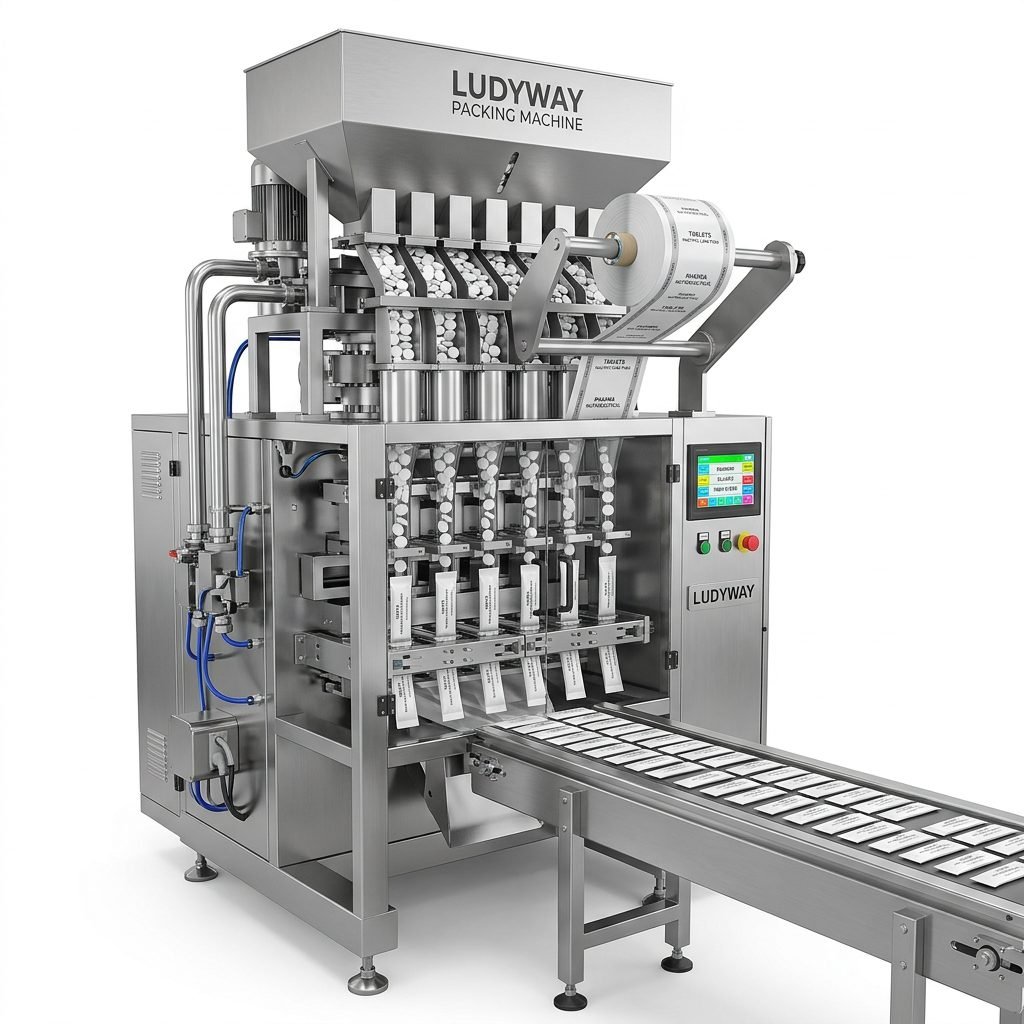
Pharmaceutical manufacturers operate under stringent regulatory frameworks that require comprehensive equipment documentation. Maintenance logs must record every inspection, adjustment, repair, and parts replacement with time stamps and technician identification. In the event of an FDA audit or ISO certification review, these records demonstrate that your packaging equipment has been maintained in a validated state. Implement a digital maintenance management system that integrates with your overall quality management framework to streamline record-keeping and simplify audit preparation.
Integrated Packaging Solutions for Long-Term Reliability
Selecting the right equipment partner is fundamental to long-term operational success. Ludyway is one of the largest packaging machine manufacturers in China, offering advanced blister packaging equipment and turnkey production solutions for the pharmaceutical, food, and health industries. With a modern 20,000㎡ manufacturing facility and more than 50 intelligent packaging machine models, the company provides reliable, high-performance systems that incorporate the latest maintenance-friendly design features — from quick-change forming stations to self-diagnostic PLC controls that simplify daily upkeep and reduce technician workload.
External Resources and Industry Standards
Staying current with industry standards and best practices is essential for maintenance excellence. Below are several authoritative resources that provide valuable guidance on packaging equipment maintenance, regulatory requirements, and industry benchmarks:
- PMMI – The Association for Packaging and Processing Technologies
- PMMI – Business Intelligence and Packaging Machinery Market Research
- FDA – Food Packaging and Food Contact Substances
- ISO – Packaging Standards
- Flexible Packaging Association – Official Website
Building a Sustainable Maintenance Culture
A sustainable maintenance culture extends beyond checklists and schedules — it requires organizational commitment at every level. Maintenance should be viewed not as a cost center but as a strategic investment in equipment longevity, product quality, and operational reliability. When operators, technicians, and management share a unified commitment to proactive equipment care, unplanned downtime decreases significantly, and the entire production operation benefits from improved efficiency and reduced total cost of ownership. Start with daily discipline, build toward weekly thoroughness, and continuously refine your approach based on equipment performance data and evolving industry best practices.