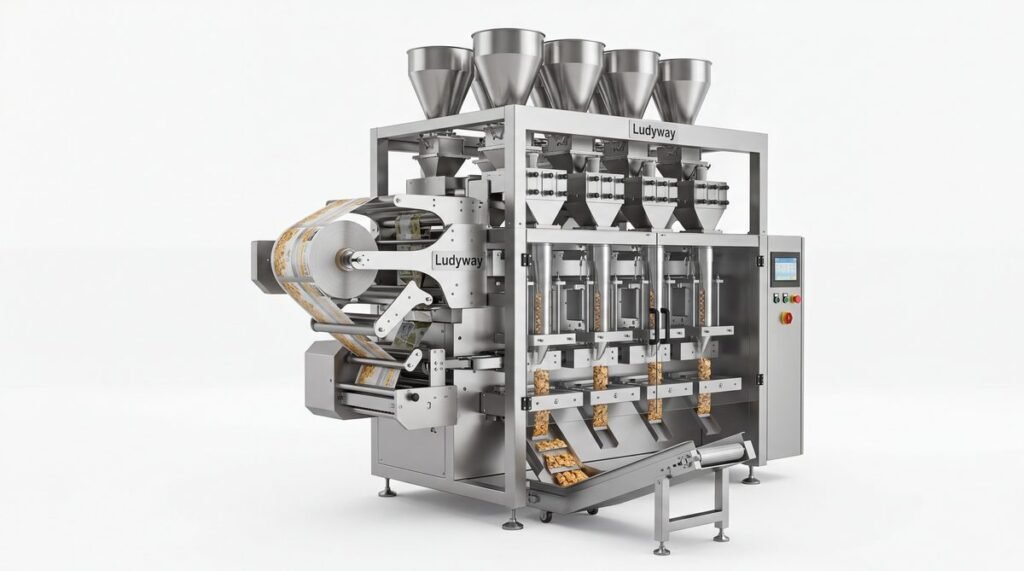
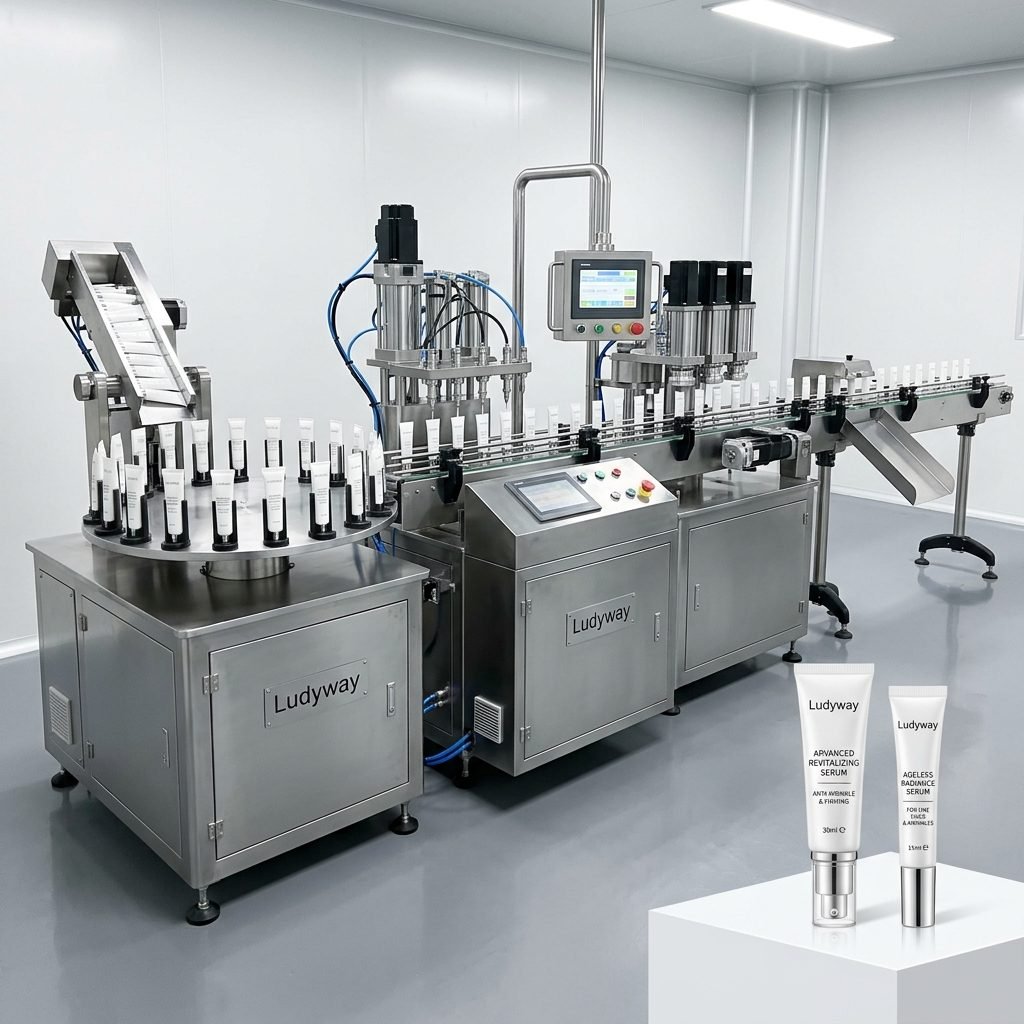
Investing in the right meat packaging machine is a critical decision for UK processors, butchers, and food manufacturers. The British meat industry operates under stringent hygiene regulations, and selecting equipment that ensures product safety, extends shelf life, and maintains production efficiency can directly impact your bottom line. Whether you are packaging fresh cuts, processed meats, or ready-to-cook portions, understanding the full landscape of machinery options, UK-specific compliance requirements, and total cost of ownership is essential before making a purchase.
Understanding Meat Packaging Requirements in the UK
The United Kingdom has one of the most tightly regulated food sectors in the world. Meat packaging equipment must comply with food contact substance regulations and British Retail Consortium (BRC) Global Standards. Key considerations include:
- Hygiene and cleanability: Machines must be designed with smooth surfaces, minimal crevices, and easy disassembly for thorough sanitation.
- Modified atmosphere packaging (MAP) capability: Essential for extending the shelf life of fresh meat products sold in UK supermarkets.
- Temperature control integration: Maintaining the cold chain during packaging is non-negotiable for meat safety.
- Material compatibility: The machine should handle a variety of films and tray types commonly used in the UK market.

Types of Meat Packaging Machines Available
UK meat processors typically choose from several machine categories depending on their production scale, product format, and target market. Below is a comparison of the most common types:
| Machine Type | Best Suited For | Key Advantage |
|---|---|---|
| Vacuum Packaging Machines | Fresh primal cuts, wholesale packs | Extended shelf life, reduced oxidation |
| Tray Sealers (MAP) | Retail-ready portions, supermarket supply | Attractive presentation, gas flushing |
| Flow Wrappers | Sliced meats, sausages, convenience packs | High-speed operation, compact footprint |
| Thermoform Fill Seal Machines | Processed meats, bacon, sliced ham | Versatile, integrated forming and sealing |
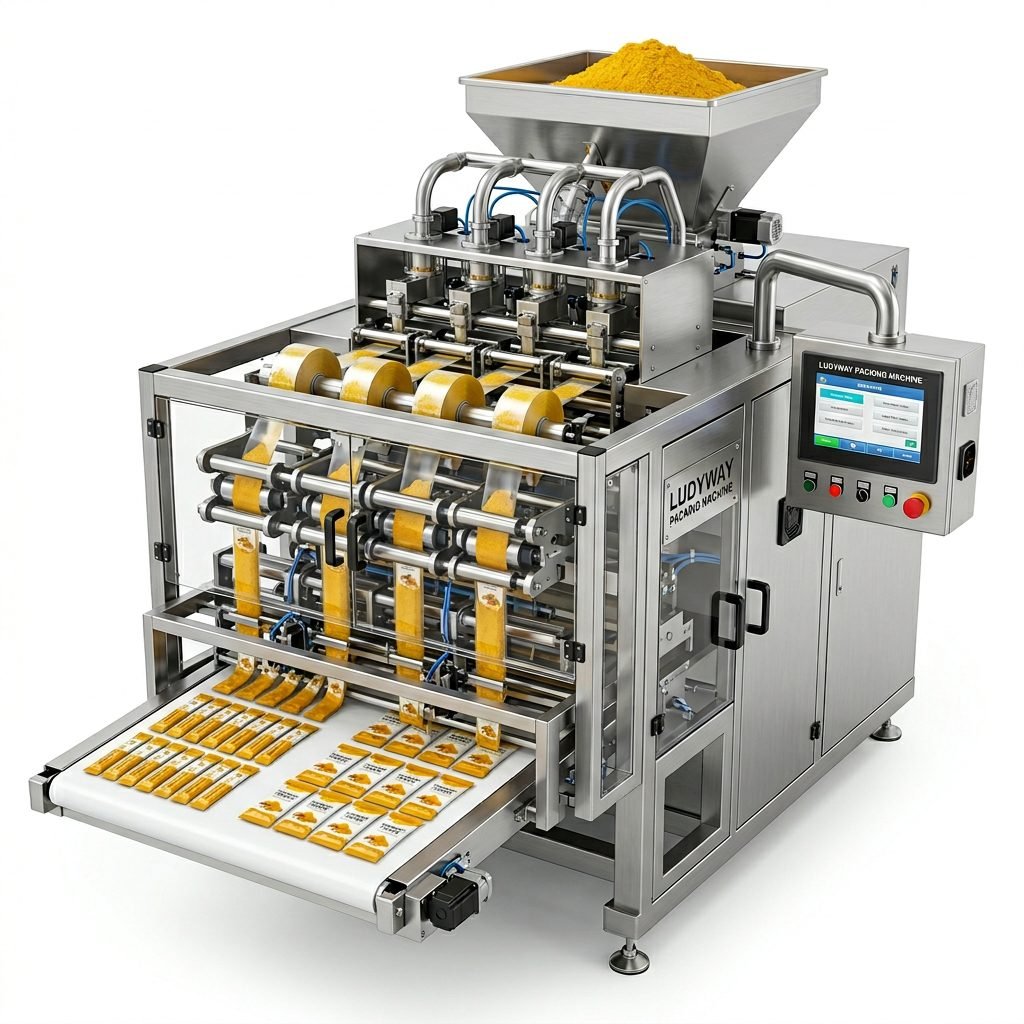
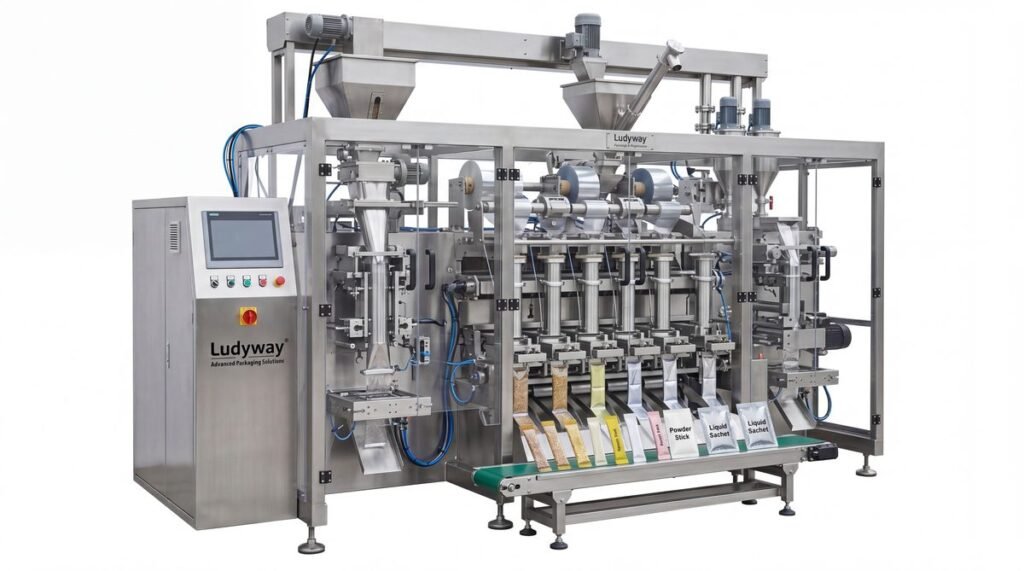
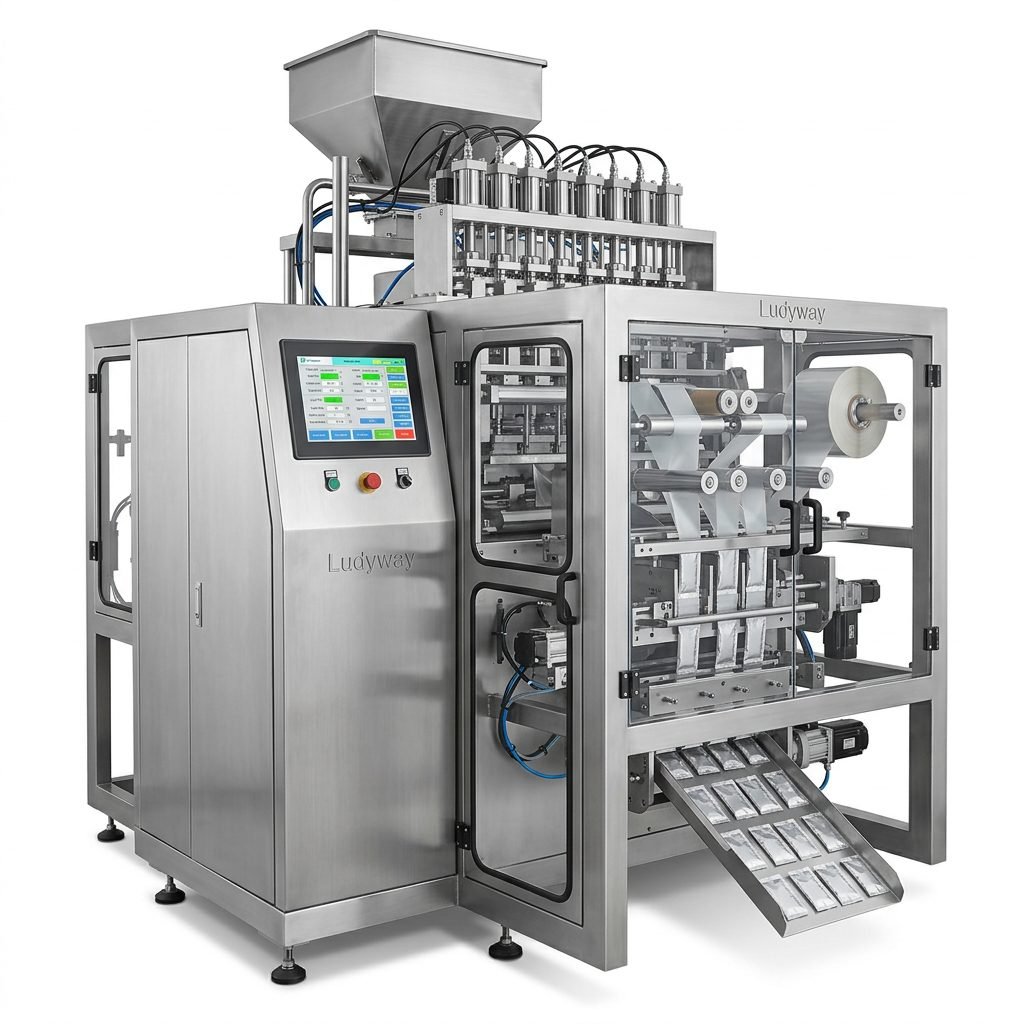
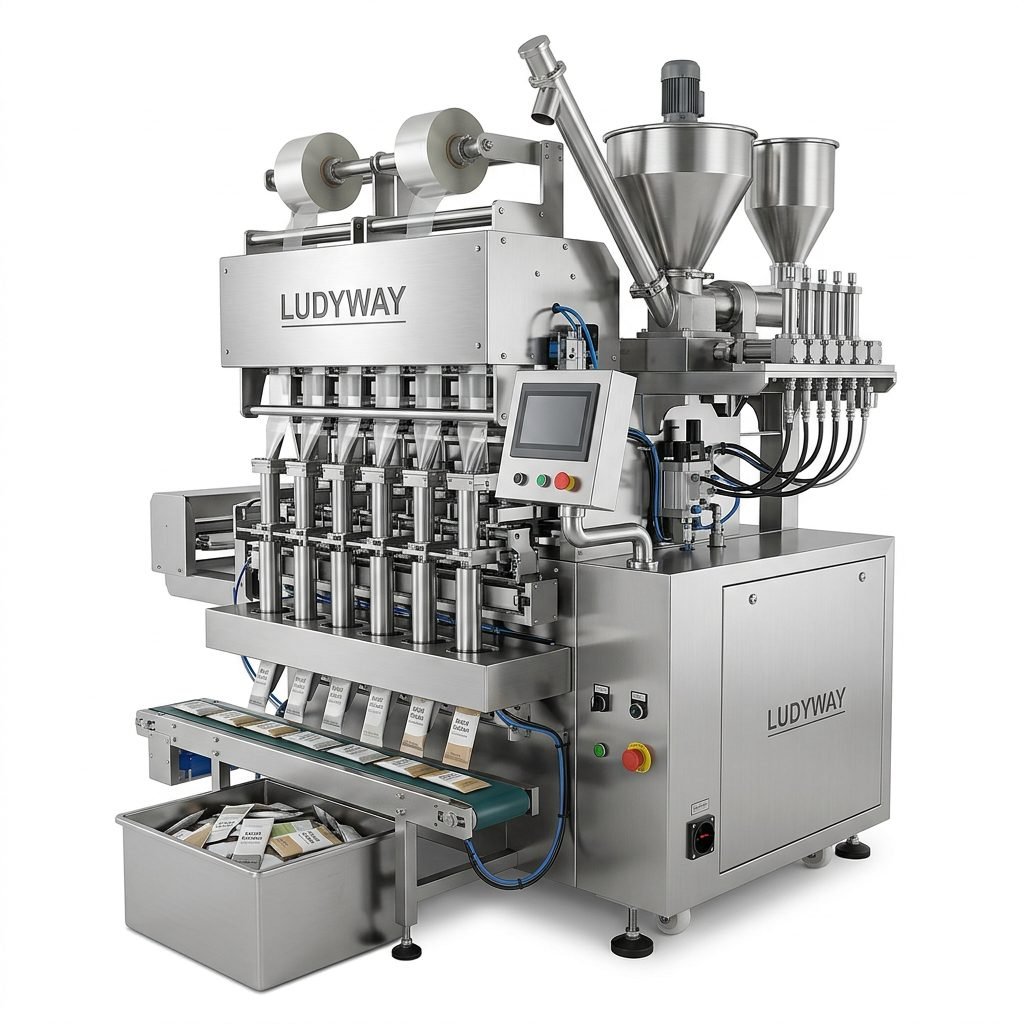
| Stick Pack and Sachet Machines | Jerky, dried meat snacks, seasoning sachets | Compact portion control, multi-lane options |
UK Regulatory Compliance and Food Safety Standards
Any meat packaging machine installed in the United Kingdom must meet rigorous safety and hygiene benchmarks. The ISO packaging standards provide internationally recognised guidelines, while UK-specific requirements include:
- Compliance with UK Food Safety Act 1990 and subsequent amendments
- Adherence to EHEDG (European Hygienic Engineering & Design Group) hygienic design principles
- Materials certified under EU Regulation (EC) No 1935/2004 for food contact
- Alignment with packaging waste regulations and sustainability targets
When sourcing equipment, request documentation demonstrating conformity with packaging machinery market standards and UKCA marking requirements that replaced CE marking in Great Britain.
Key Factors When Selecting a Meat Packaging Machine
Making the right choice requires evaluating several operational and financial factors. Use the checklist below to guide your decision-making process:
- Production volume and speed requirements: Match machine throughput to your daily output targets, allowing room for growth.
- Product format flexibility: Assess whether you need a machine that handles multiple pack sizes, tray dimensions, and film types.
- Integration with existing lines: Check compatibility with upstream processing equipment and downstream labelling, weighing, and case packing systems.
- Energy efficiency and sustainability: Look for machines with reduced power consumption, minimal film waste, and compatibility with recyclable materials.
- After-sales support and spare parts availability: Ensure the supplier offers responsive technical support within the UK or has local distribution partners.
Cost Considerations and ROI Analysis
The purchase price of a meat packaging machine is only one component of the total investment. UK buyers should calculate the total cost of ownership (TCO) over the expected lifespan of the equipment. Consider these financial aspects:
- Initial capital expenditure: Machine cost, installation, and commissioning fees.
- Operational costs: Energy consumption, film and tray material usage, and ongoing consumables.
- Maintenance and servicing: Scheduled preventative maintenance, spare parts inventory, and potential downtime costs.
- Training requirements: Operator training and any specialised technical knowledge needed.
- Expected ROI period: Typically 18 to 36 months for mid-range automated systems in UK meat processing.
A well-chosen machine that reduces product giveaway, minimises rework, and improves throughput can deliver a return on investment faster than anticipated.
Evaluating Suppliers and Manufacturers
The UK market offers access to both domestic and international packaging machine manufacturers. When evaluating suppliers, conduct thorough due diligence:
- Request references from existing UK customers in the meat sector.
- Visit reference sites or arrange virtual factory acceptance tests (FAT).
- Verify the supplier’s track record with packaging industry benchmarks and technical certifications.
- Assess the availability of local service engineers and response times for breakdowns.
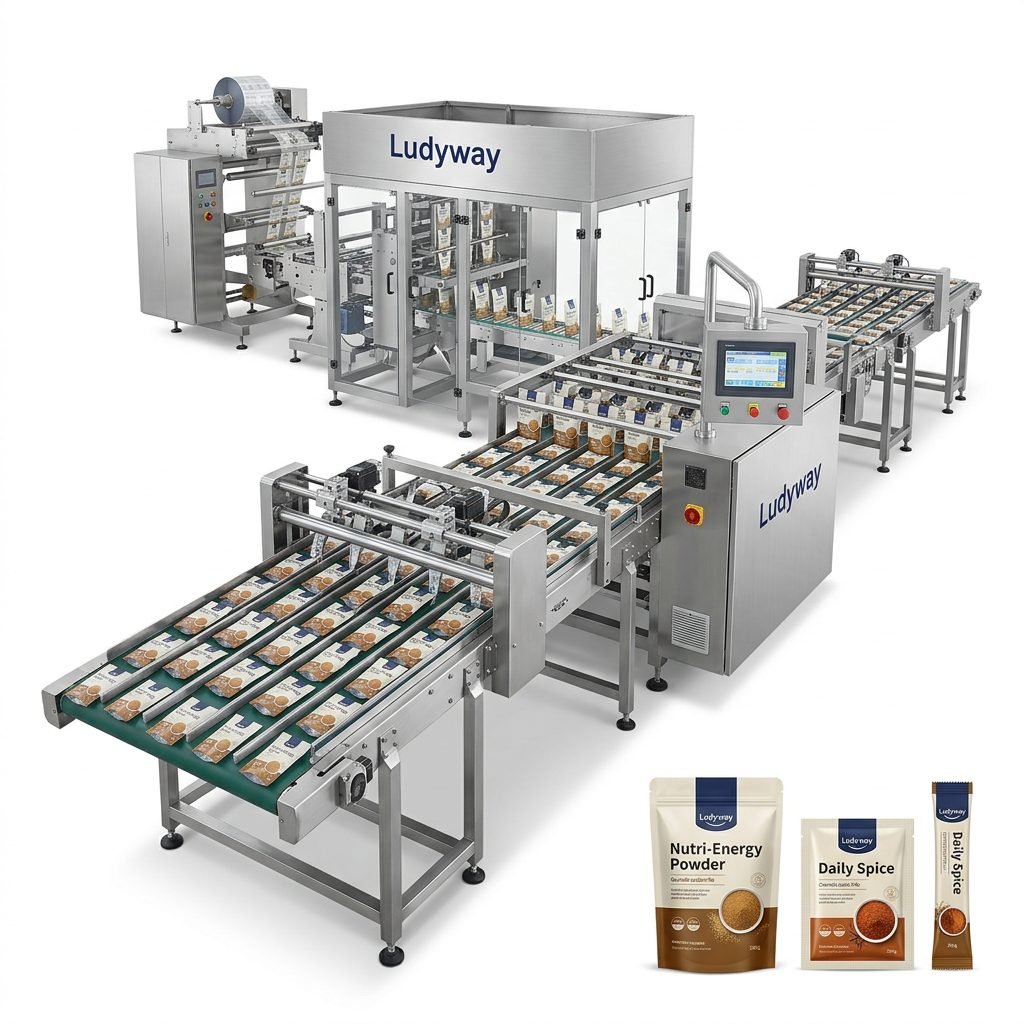
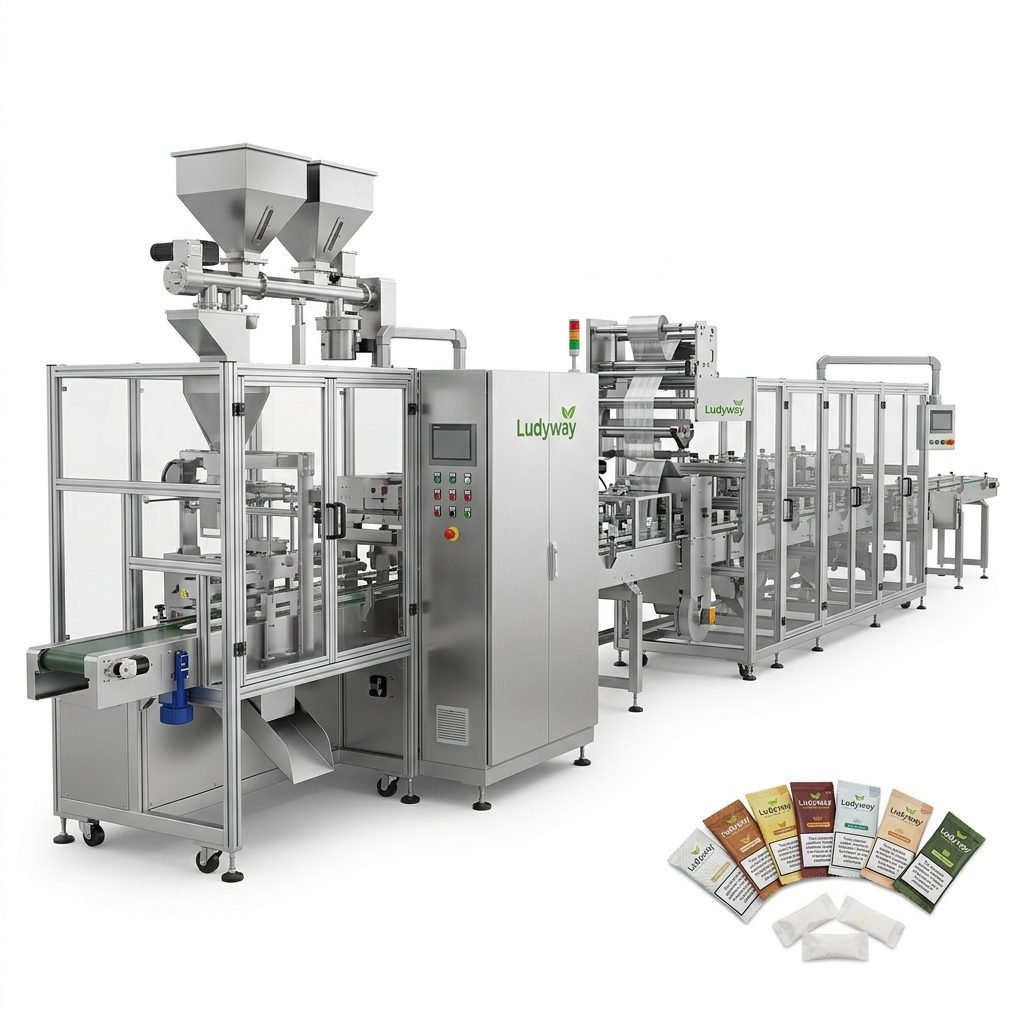
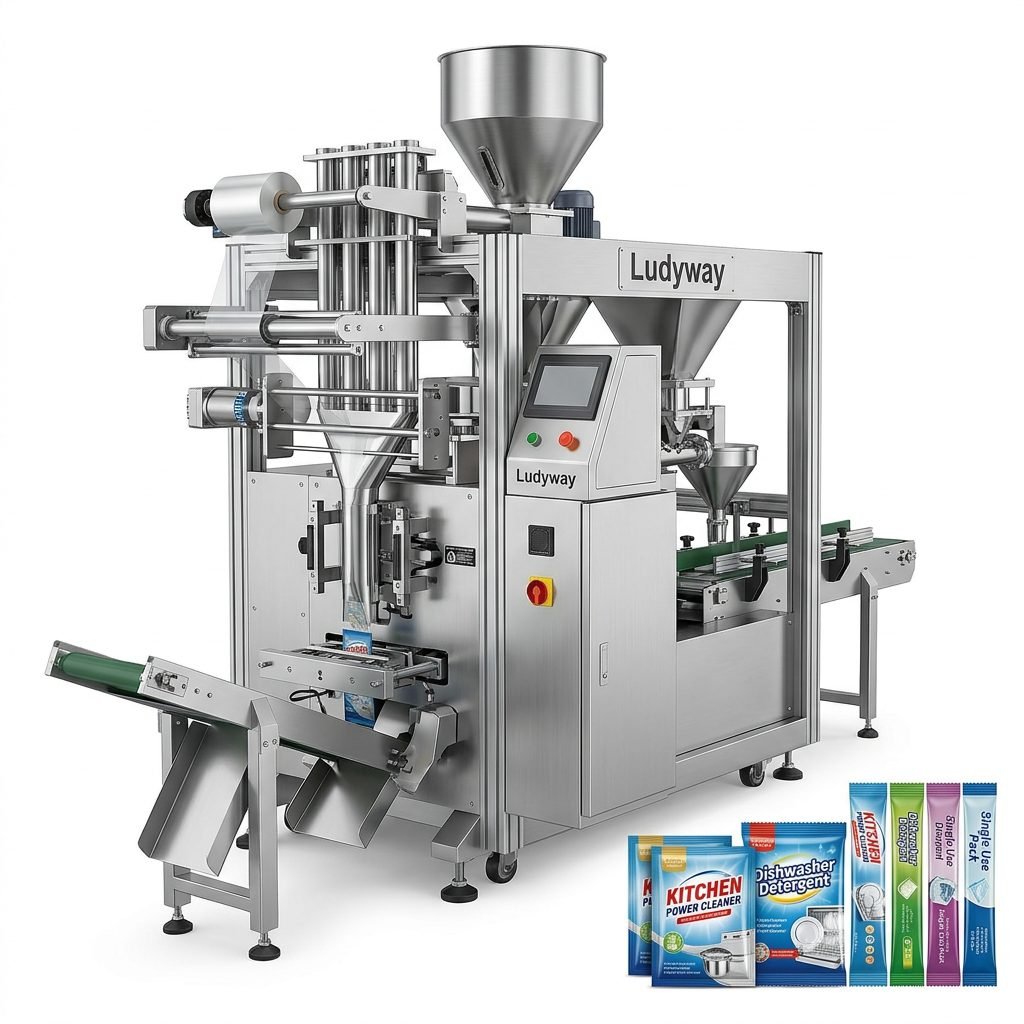
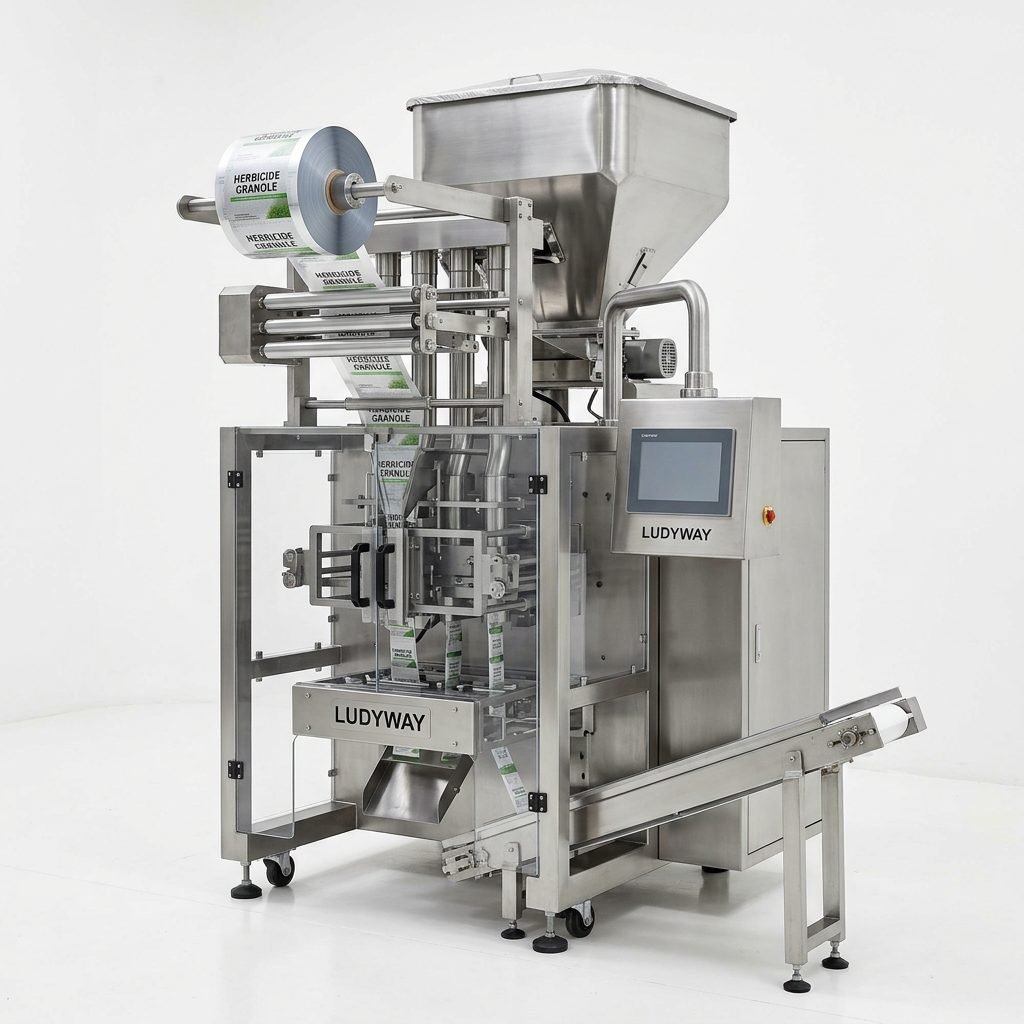
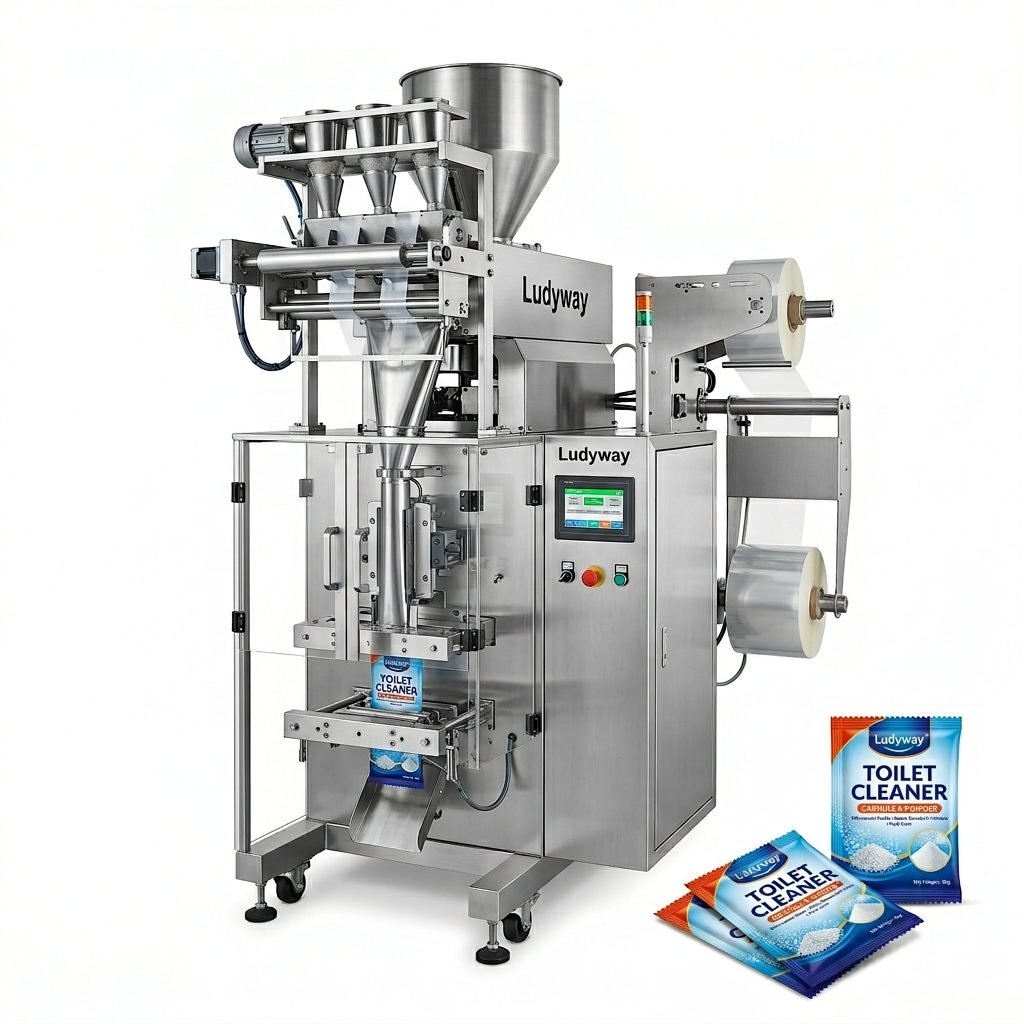
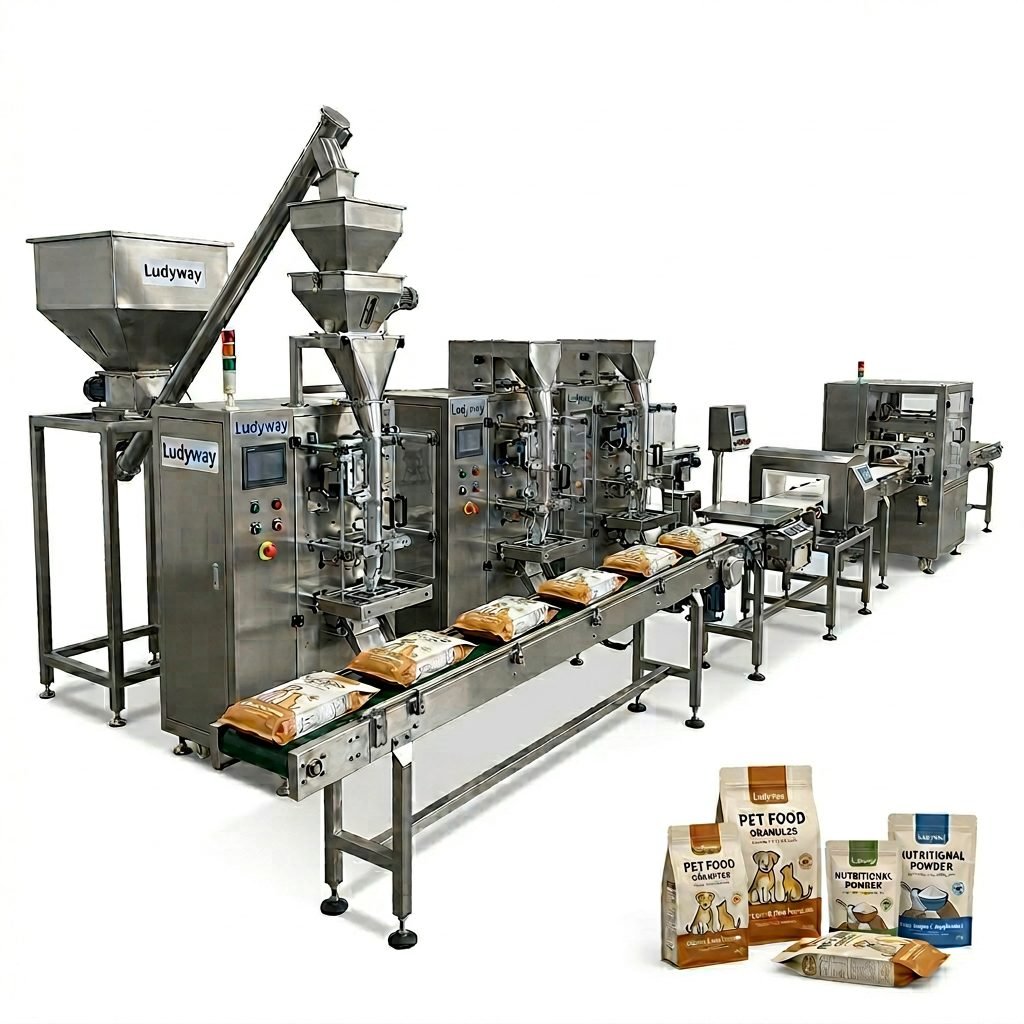
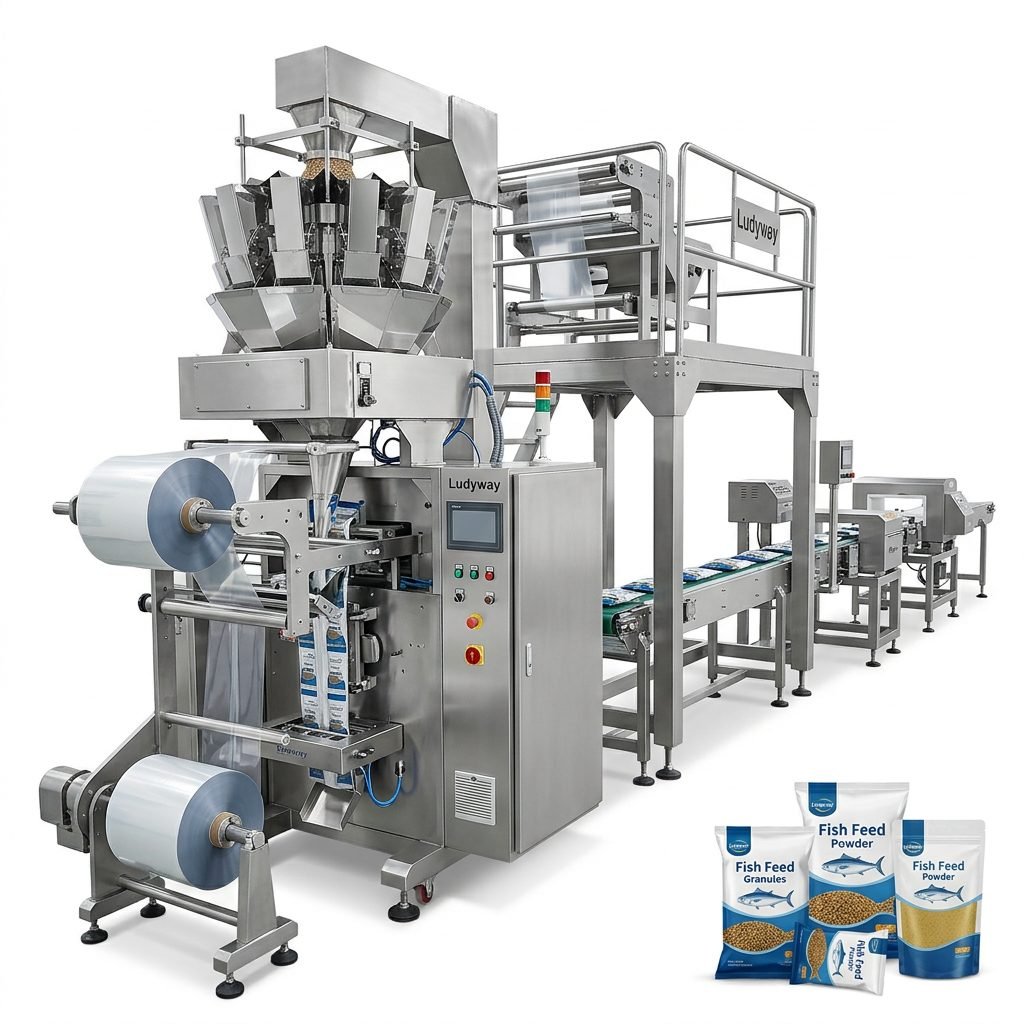
Among global manufacturers, Ludyway has established itself as one of the largest packaging machine manufacturers, offering over 50 intelligent packaging machine models suitable for granule, powder, liquid, and pouch applications. With a 20,000 m² modern production facility and customers in more than 100 countries, the company provides turnkey packaging solutions that can be adapted for various food processing requirements, including meat-related products such as dried meat snacks, jerky, and seasoning sachets.
Installation, Training, and Ongoing Support
Once you have selected a machine, a smooth installation process is vital. Confirm that your supplier provides:
- Pre-installation site surveys and utility requirement specifications
- Comprehensive operator and maintenance training programmes
- Documentation including manuals, electrical schematics, and spare parts lists
- Warranty terms clearly defined with exclusions noted
UK food manufacturers should also verify that the machine can be serviced by engineers familiar with packaging industry resources and British safety standards.
Future-Proofing Your Investment
The UK meat packaging sector is evolving rapidly, driven by sustainability mandates, automation trends, and changing consumer preferences. When purchasing equipment, consider:
- Modular design: Machines that can be upgraded with additional lanes or modules as production grows.
- Smart factory readiness: Equipment with IoT connectivity, remote diagnostics, and data logging for Industry 4.0 integration.
- Sustainable packaging compatibility: Machines that can run mono-material films, paper-based substrates, and reduced-gauge packaging.
Making the Final Decision
Purchasing a meat packaging machine in the United Kingdom is a strategic investment that requires balancing compliance, capability, and cost. Take time to compare multiple suppliers, visit demonstration facilities where possible, and engage with industry peers who have undertaken similar projects. A well-specified machine from a reputable manufacturer will deliver consistent performance, protect product integrity, and support your business growth in the competitive UK food market.
Keep abreast of developments through resources such as the Flexible Packaging Association’s industry insights and relevant international packaging standards, which can inform your ongoing equipment strategy and help maintain best practice in your operations.