Selecting the right grain packing machine is one of the most important equipment decisions for any food processing, agricultural, or industrial manufacturing operation. The correct packaging system directly affects production efficiency, product quality, shelf life, and operational cost. With a wide range of machine types, configurations, and technologies available, buyers need a structured approach to evaluate their requirements and match them to the appropriate equipment.
This guide walks you through the essential factors to consider when choosing a grain packing machine, helping you make an informed purchasing decision that aligns with your production goals.
Understanding Grain Packaging Requirements
Grain products cover a broad spectrum of materials, including cereals, pulses, seeds, animal feed, and processed grain-based ingredients. Each product type presents unique handling and packaging challenges that influence machine selection.
Key Product Characteristics to Evaluate
- Flow properties: Free-flowing grains like rice and wheat behave differently from cohesive powders such as flour or starch.
- Bulk density: Affects filling volume calculations and hopper capacity requirements.
- Particle size and uniformity: Inconsistent granule sizes may require specialized dosing systems.
- Fragility: Delicate grains need gentle handling to minimize breakage during filling.
- Moisture content and hygroscopicity: Some grains absorb moisture, requiring specific sealing and barrier packaging.
- Temperature sensitivity: Certain grains benefit from nitrogen flushing or vacuum packaging.
Types of Grain Packing Machines
The packaging machinery market offers several categories of equipment suited to different production scales and packaging formats. Understanding these options is the first step in narrowing your selection.
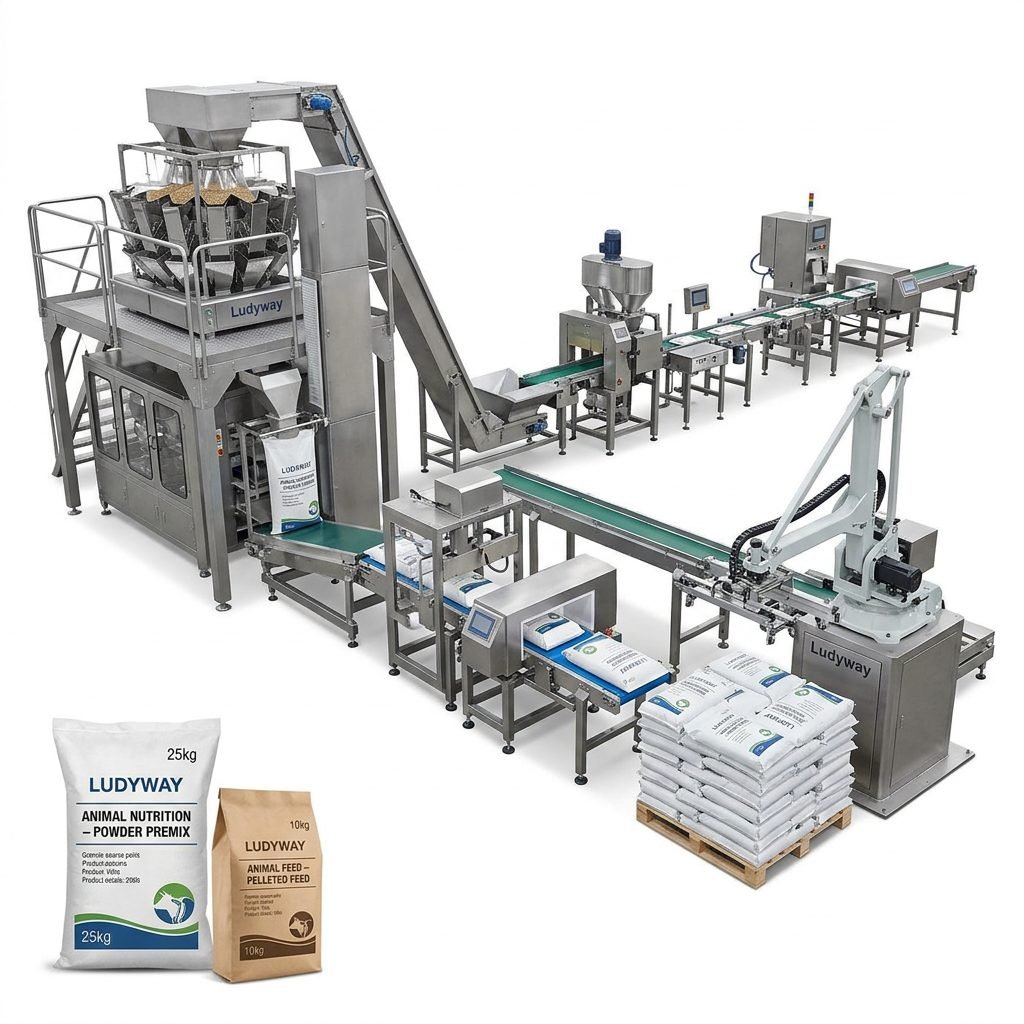
Automatic Weighing and Bagging Systems
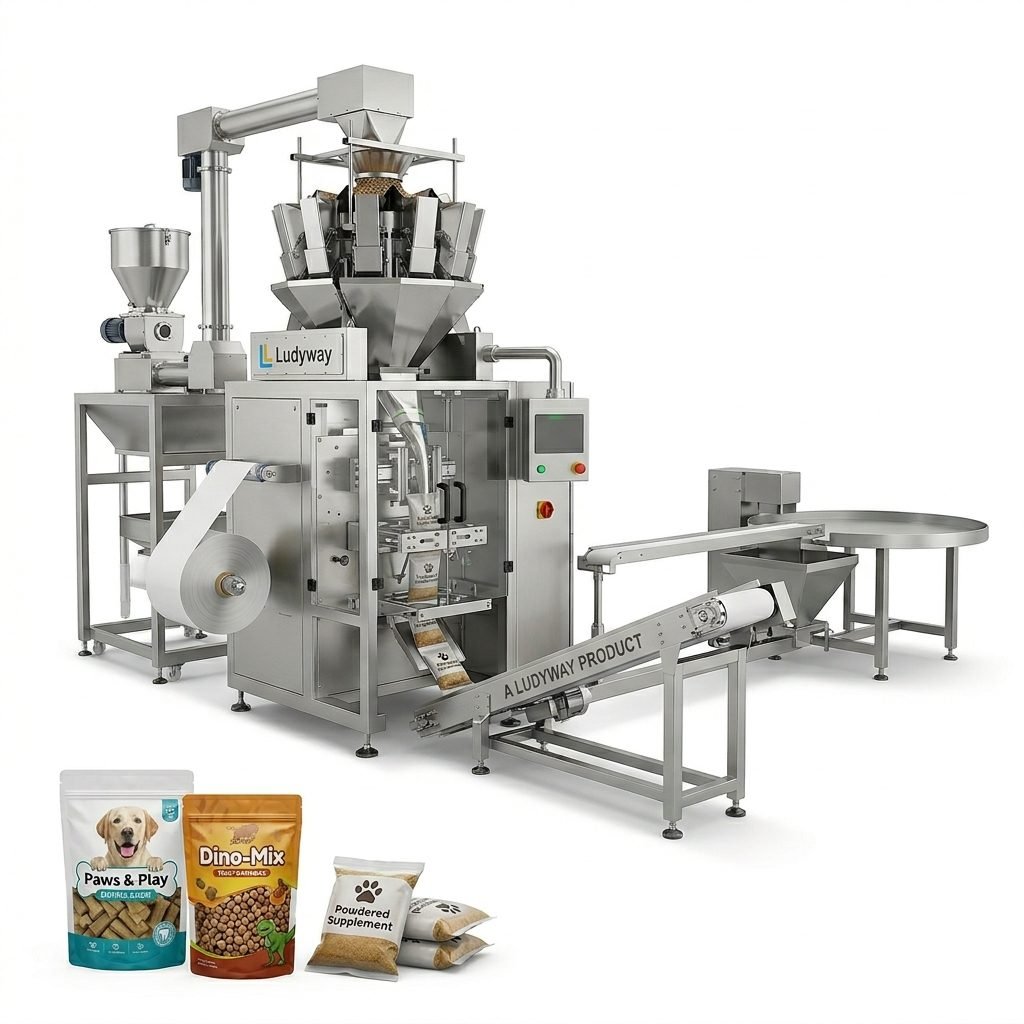
For bulk grain packaging in bags ranging from 5 kg to 50 kg, automatic weighing and bagging lines are the industry standard. These systems combine multi-head weighers, bag clamping, filling, and sealing stations into an integrated line. They are widely used for grain packaging solutions in agricultural processing, seed handling, and bulk food distribution.
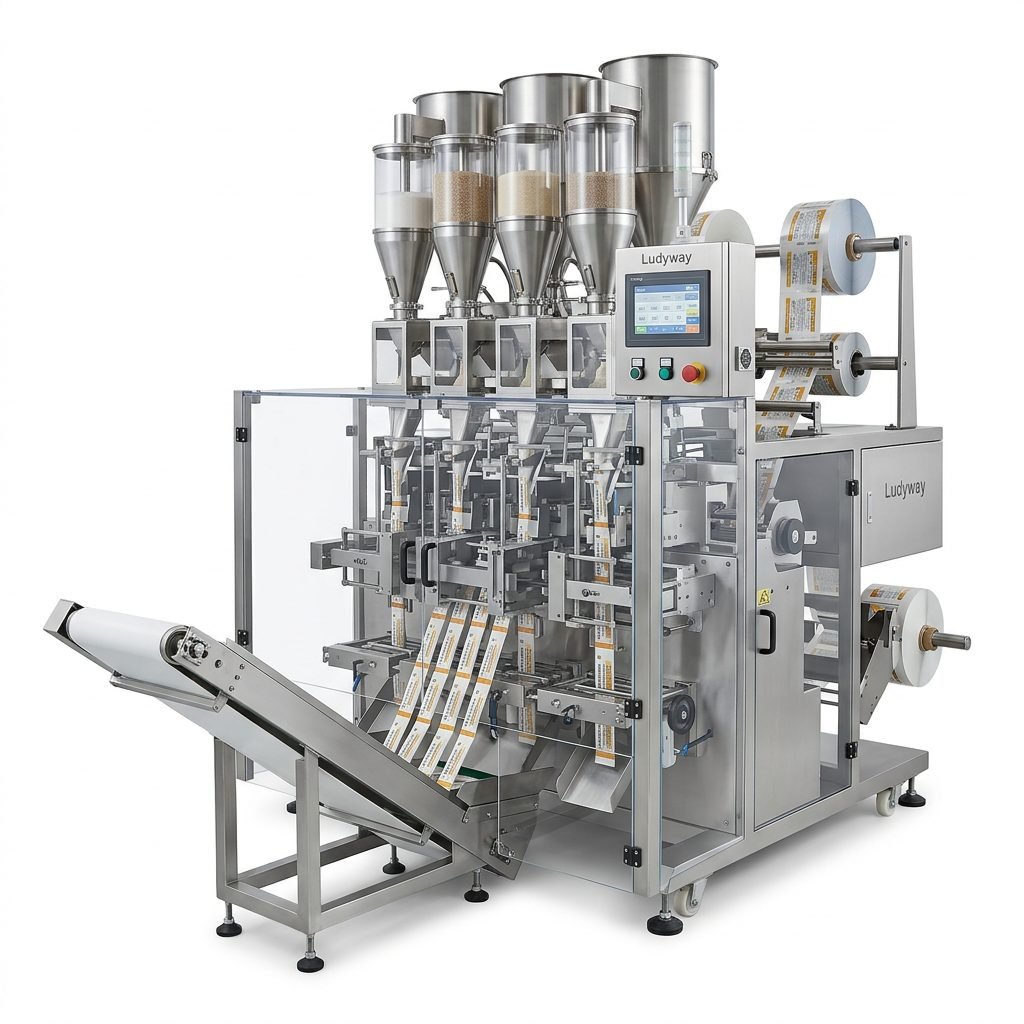
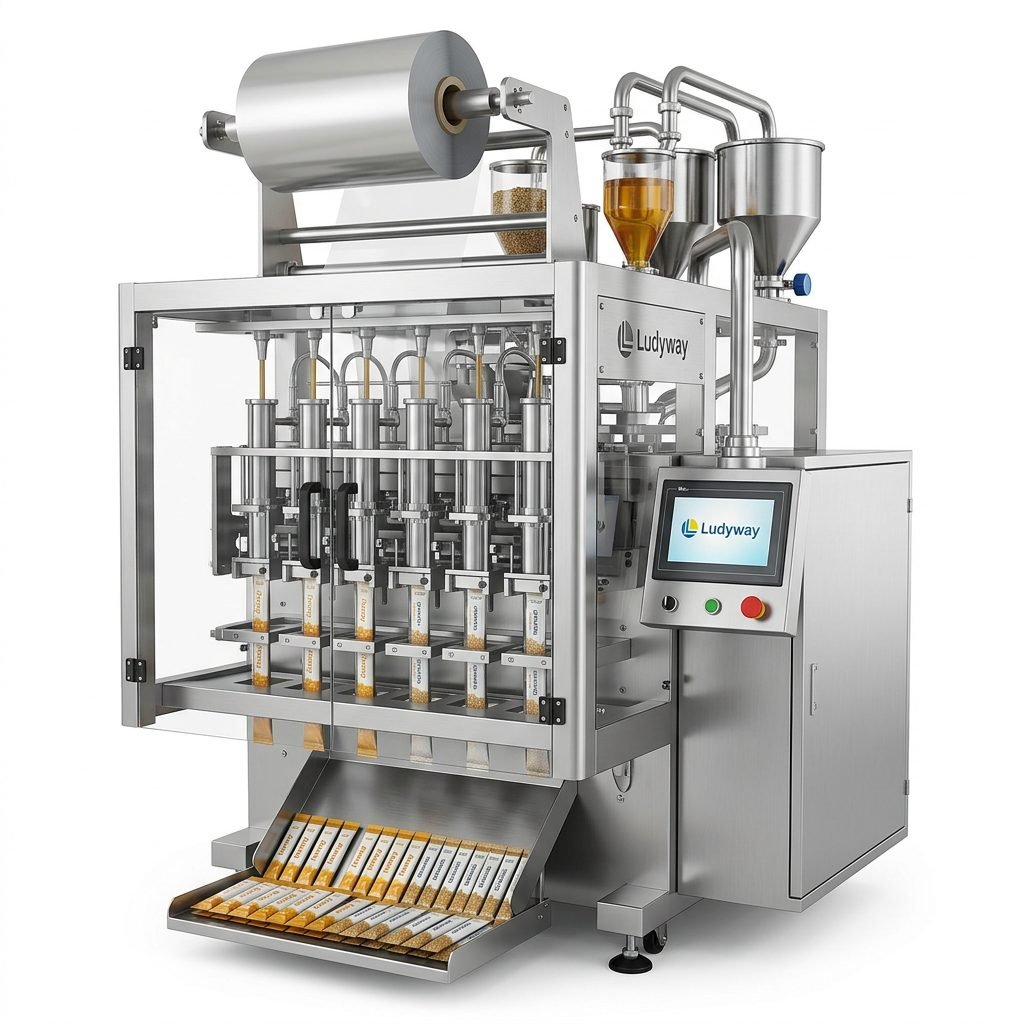
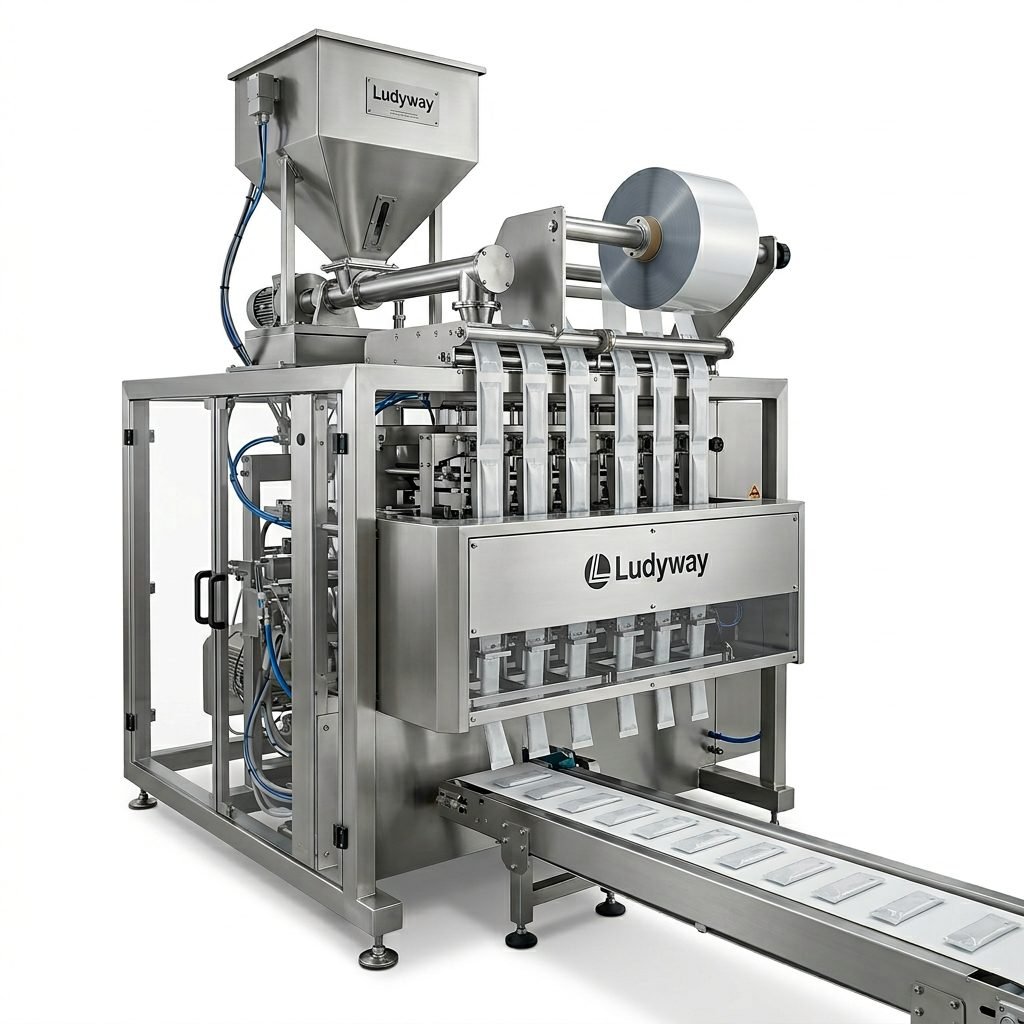
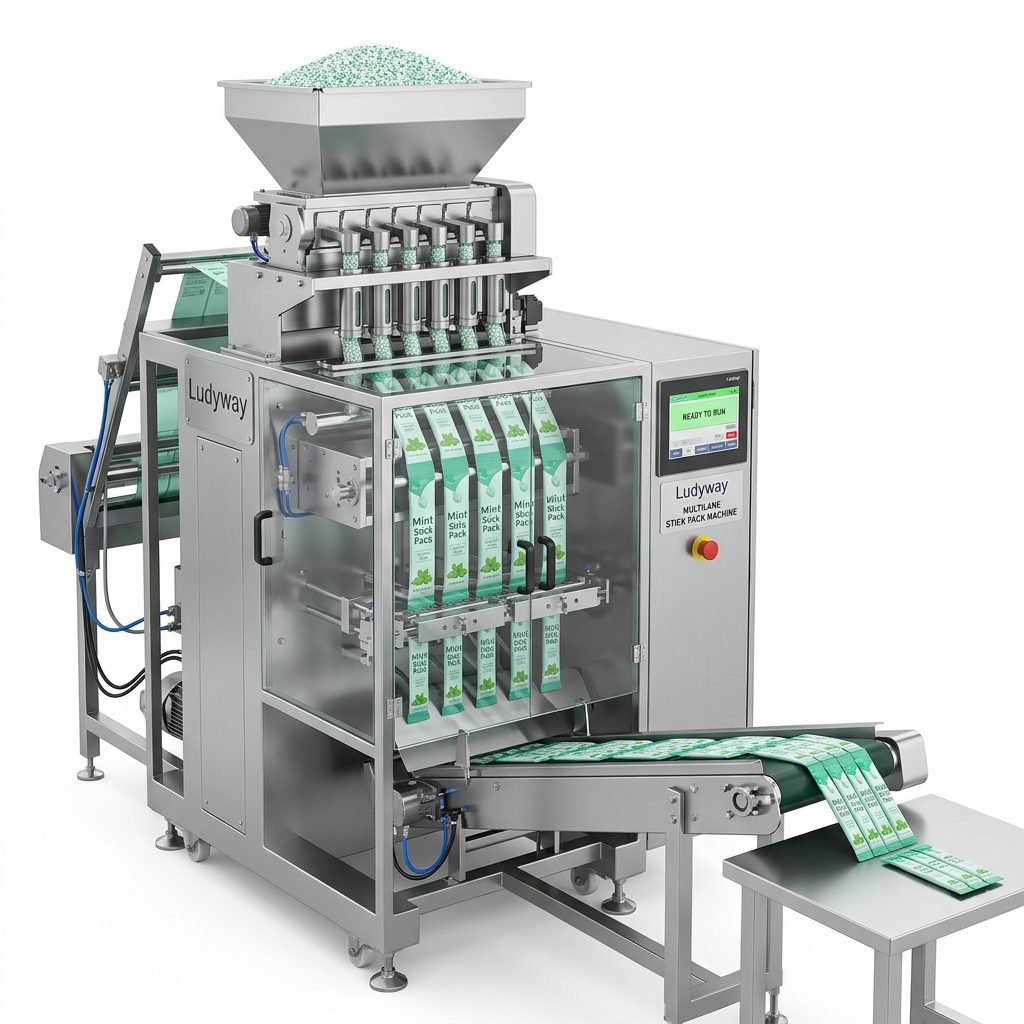
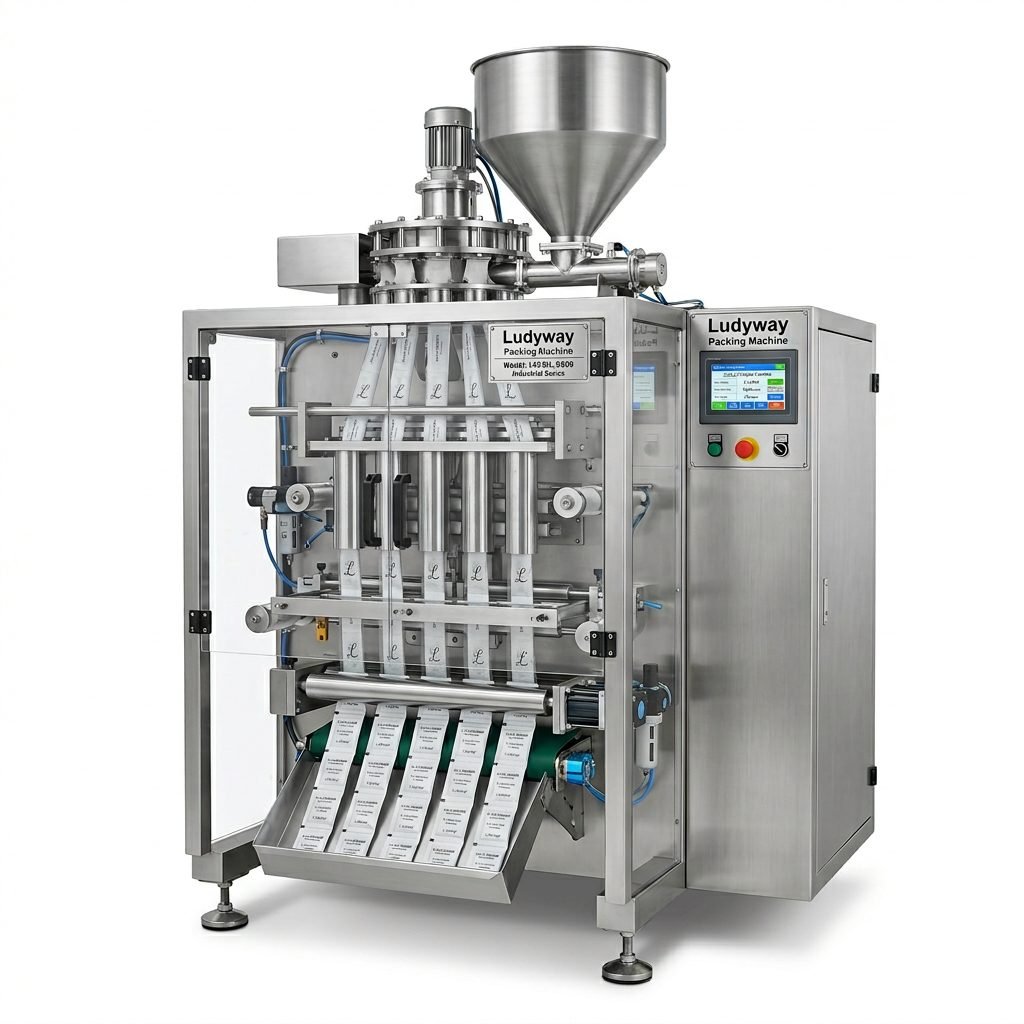
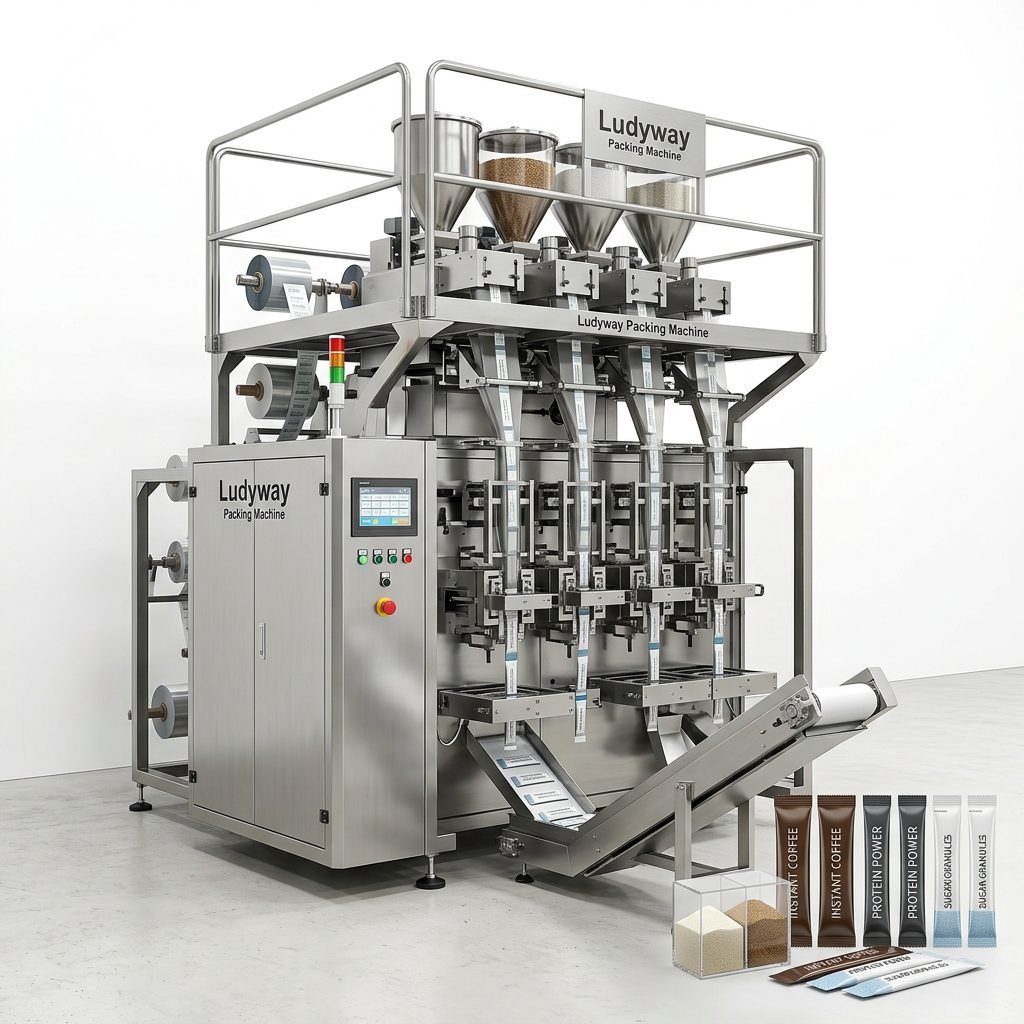
Multi-Lane Stick Pack and Sachet Machines
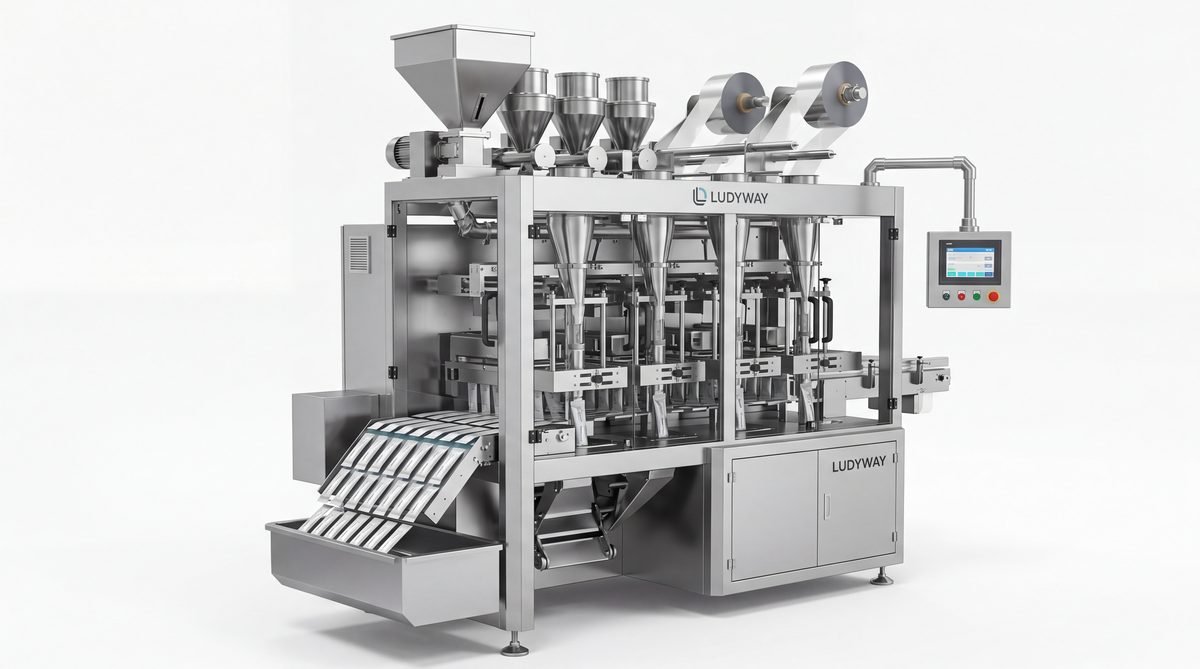
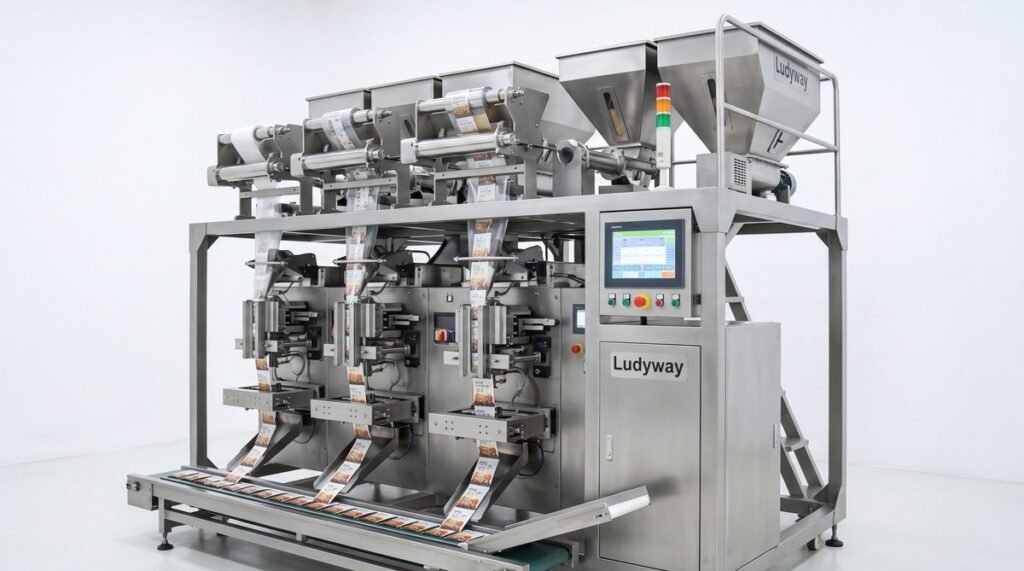
For single-serve or small-portion packaging, multi-lane stick pack and sachet machines offer high-speed production. These systems form, fill, and seal multiple pouches simultaneously, making them ideal for instant grain products, cereal mixes, and convenience food formats.
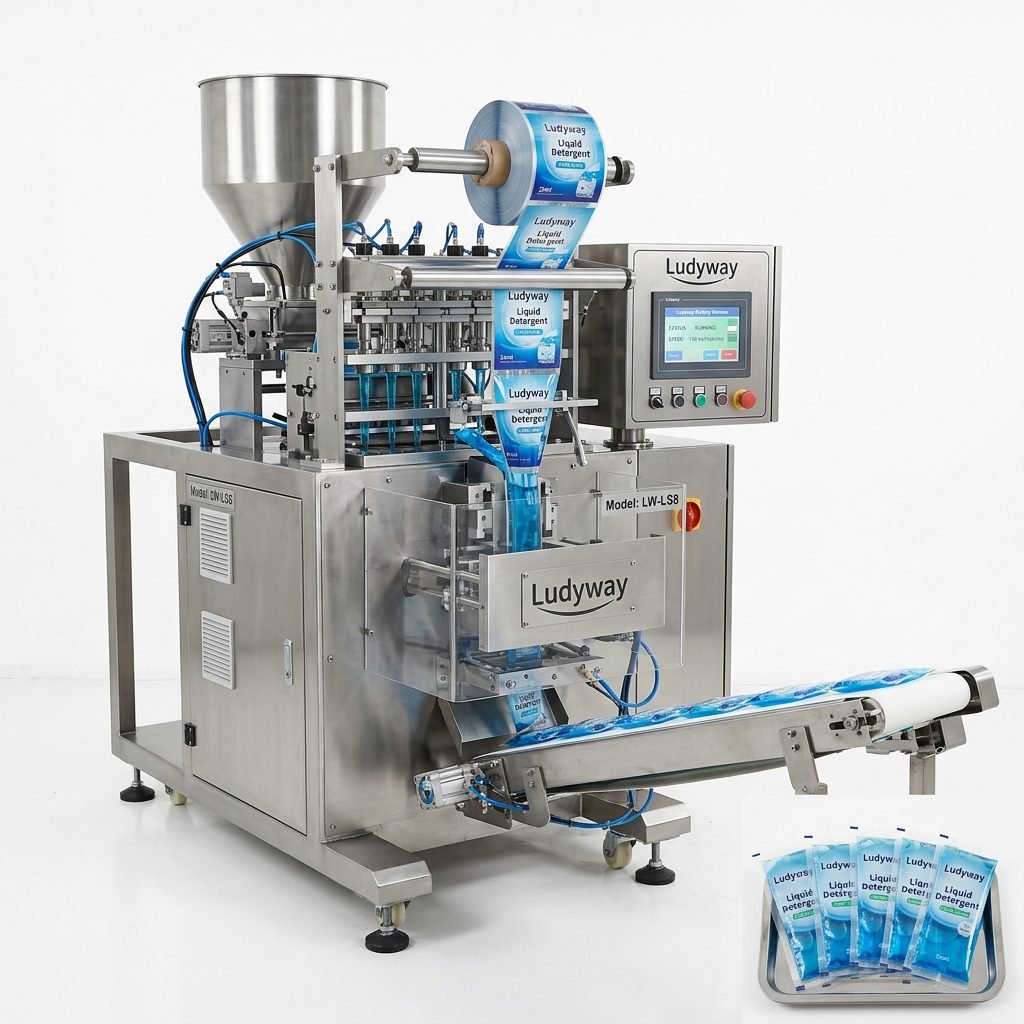
Premade Pouch Packaging Machines
Rotary or inline premade pouch machines pick, open, fill, and seal pre-formed bags. They are commonly used for retail-ready grain packaging in stand-up pouches, zipper bags, and gusseted formats.
Vertical Form Fill Seal (VFFS) Machines
VFFS machines form a bag from roll stock film, fill it with product, and seal it in a continuous vertical motion. This technology is versatile and suitable for a wide range of grain products and bag styles.
Critical Selection Criteria
When evaluating different grain packing machines, focus on the following technical and operational factors to ensure the equipment meets your specific needs:
Production Speed and Capacity
Define your target output in bags per minute or tons per shift. Match machine speed to your current and projected production volumes. Over-specifying speed can increase capital cost unnecessarily, while under-specifying creates bottlenecks.
Filling Accuracy and Weighing Technology
Product giveaway directly impacts profitability. Modern grain packing machines incorporate advanced weighing technologies:
| Weighing Technology | Best For | Accuracy Level |
|---|---|---|
| Multi-Head Combination Weigher | High-speed granular products | ±0.5–1.5 g per head |
| Linear Weigher | Free-flowing grains, moderate speed | ±1–3 g |
| Auger Filler | Flour, fine powders, cohesive materials | ±1–5 g depending on density |
| Volumetric Cup Filler | Uniform granule size, budget-sensitive applications | Moderate consistency |
| Net Weigh Scale | Large bag filling, bulk bags | ±20–50 g depending on bag size |
Packaging Format and Bag Style
Consider the bag types your market requires. Common grain packaging formats include pillow bags, gusseted bags, quad-seal bags, stand-up pouches with zippers, and valve bags for bulk industrial products. Ensure the machine supports your current formats and allows for future format changes.
Material Compatibility
The machine’s product contact parts must be compatible with your grain products and cleaning procedures. Food-grade stainless steel construction is typically required for food and feed applications. For abrasive grains, hardened steel or ceramic-lined components may extend equipment life.
Automation and Integration Capabilities
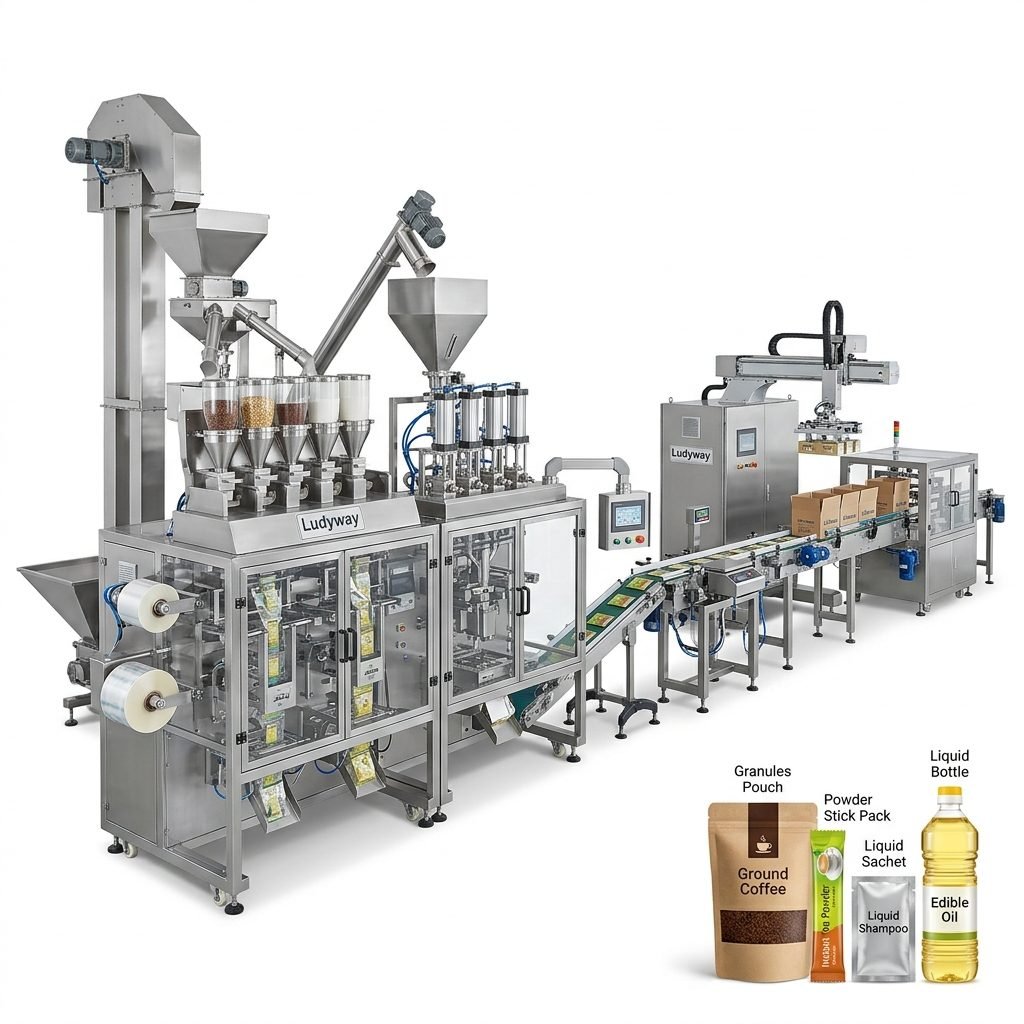
Modern packaging lines extend beyond the filling machine. Evaluate how the equipment integrates with upstream and downstream systems:
- Automated feeding and conveying systems
- Checkweighers and metal detectors
- Inkjet or laser coding and marking
- Cartoning, case packing, and palletizing
- Vision inspection and reject systems

Industry-Specific Considerations
Different industries impose different requirements on grain packaging equipment. Understanding your industry’s regulatory and operational context helps refine machine specifications.
Food and Beverage
Food-grade grain packaging requires hygienic machine design, easy cleanability, and compliance with food safety standards. Features such as quick-release components, smooth surfaces, and washdown capabilities are often necessary. FDA food packaging requirements should be reviewed for applicable markets.
Animal Feed and Pet Food
Feed packaging machines handle larger volumes and heavier bags, often with different hygiene requirements. Durability, high-speed operation, and the ability to handle abrasive materials are key considerations. Multi-lane systems for small pet food sachets require precision filling and consistent seal integrity.
Seed and Agricultural Products
Seed packaging demands gentle handling to preserve germination rates. Accurate dosing and moisture-resistant packaging are critical. Many seed packagers also require nitrogen flushing to extend viability.
Comparing Equipment Specifications
| Machine Feature | Small-Scale Operations | Medium Production | High-Volume Industrial |
|---|---|---|---|
| Typical Speed | 10–30 packs/min | 30–80 packs/min | 80–200+ packs/min |
| Automation Level | Semi-automatic | Fully automatic, standalone | Integrated line with robotics |
| Weighing System | Volumetric or single-head scale | Multi-head weigher | High-speed combination weigher with feedback control |
| Format Flexibility | Limited, often single format | Multiple bag sizes, quick changeover | Full format range, tool-free changeover |
| Investment Range | Entry-level capital | Mid-range investment | Significant capital with higher ROI potential |
Evaluating Supplier Capabilities
Beyond machine specifications, the manufacturer’s engineering capabilities, industry experience, and after-sales support infrastructure are essential. Choosing a supplier with integrated manufacturing, engineering, and service capabilities helps ensure reliable equipment performance and responsive technical support.
Companies like Ludyway Machinery, with more than 30 years of packaging machinery experience and a 20,000-square-meter manufacturing facility, provide comprehensive solutions spanning machine selection, system integration, customization, installation, commissioning, and after-sales service across more than 100 countries.
Key Supplier Questions to Ask
- What experience does the supplier have with your specific grain product type?
- Can the supplier provide documented performance data or references from similar applications?
- What customization options are available for dosing, bag formats, and automation?
- How does the supplier handle spare parts inventory and delivery lead times?
- What technical support is available during installation and throughout the equipment lifecycle?
- Does the supplier offer remote assistance or on-site training?
Standards, Compliance, and Certification
Packaging machinery for food, feed, and regulated industries should comply with applicable standards. Depending on the target market, relevant certifications may include CE marking for European markets, FDA-compliant materials for U.S. food contact, and ISO standards for quality and safety management. The PMMI packaging industry association provides extensive resources on machinery standards and market intelligence. ISO packaging standards offer internationally recognized guidelines for equipment design and performance.
Total Cost of Ownership Analysis
Purchase price is only one component of the overall investment. A thorough total cost of ownership (TCO) analysis should account for:
- Initial capital expenditure – machine cost, shipping, installation, and commissioning
- Operational costs – energy consumption, compressed air requirements, consumable parts
- Maintenance and spare parts – preventive maintenance schedules, wear part replacement intervals, spare parts availability
- Labor requirements – number of operators needed, skill level requirements
- Product give-away costs – filling accuracy directly impacts material cost over time
- Downtime costs – quick changeover features and reliable design reduce production losses
- Packaging material waste – efficient film usage and low seal rejection rates
Machines with higher initial costs often deliver lower TCO through faster speeds, better accuracy, reduced labor, and higher uptime. The Flexible Packaging Association provides industry data that can support your packaging material and equipment evaluation.
Planning for Future Growth
When selecting a grain packing machine, consider not only current requirements but also future business scenarios:
- Can the machine accommodate higher speeds if production volumes increase?
- Is the control system expandable for additional automation modules?
- Does the machine support multiple bag formats for future product line extensions?
- Can the supplier provide larger or additional equipment to scale your packaging capacity?
Working with a packaging machinery partner that provides customized grain packaging systems and a broad portfolio of equipment allows manufacturers to scale operations without switching suppliers or rebuilding infrastructure.
Making the Final Decision
Selecting the right grain packing machine requires balancing technical specifications, product requirements, production goals, and budget parameters.
A structured evaluation process should include product testing on candidate machines, supplier facility assessments, reference checks with existing users, and a clear understanding of the total lifecycle support available. By thoroughly analyzing these factors, manufacturers can invest in packaging equipment that delivers reliable performance, operational efficiency, and long-term value.