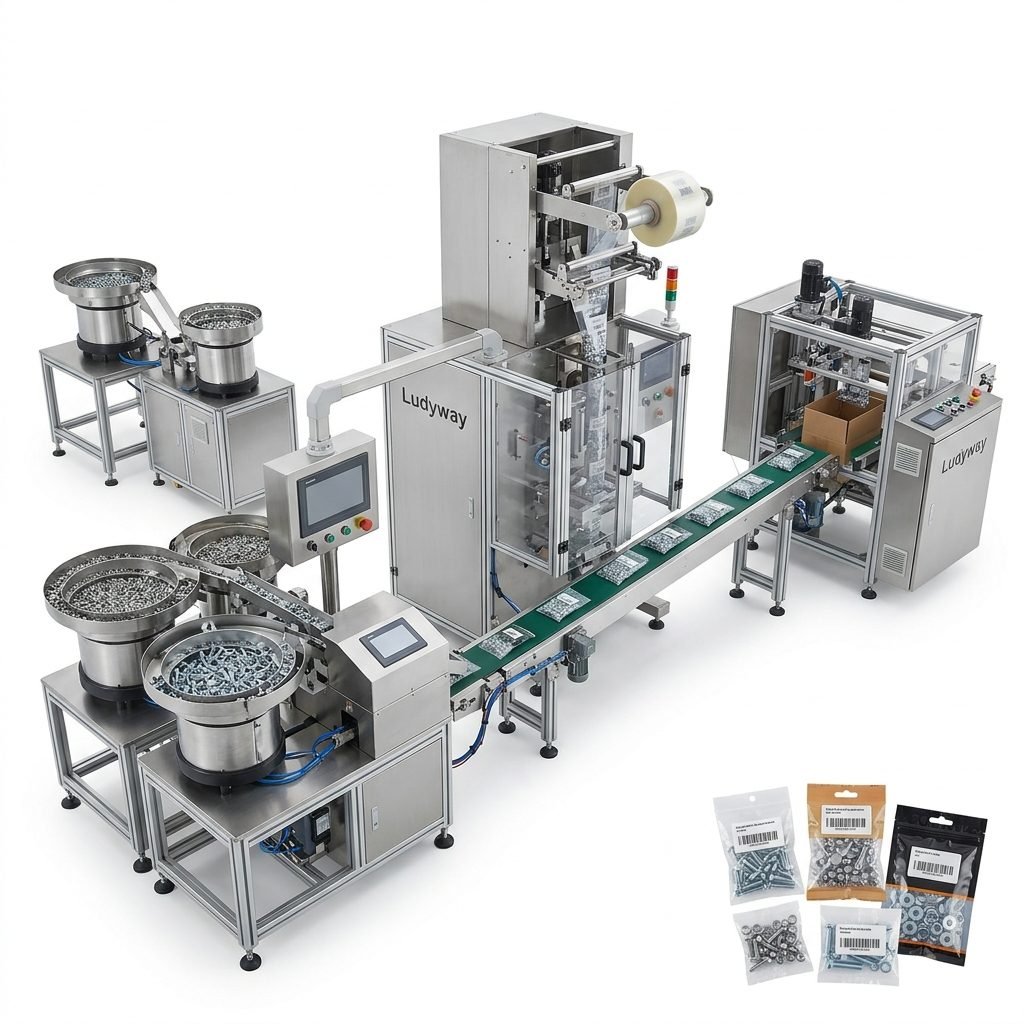
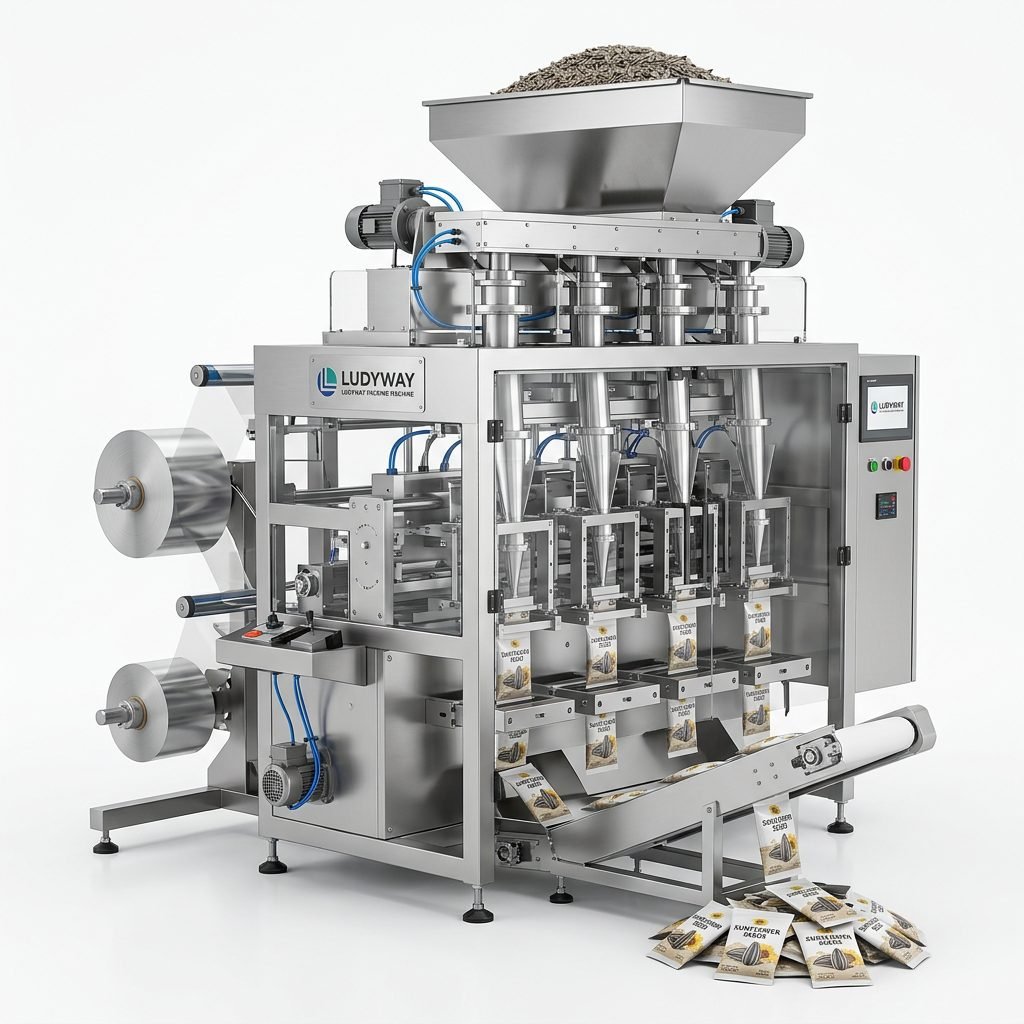
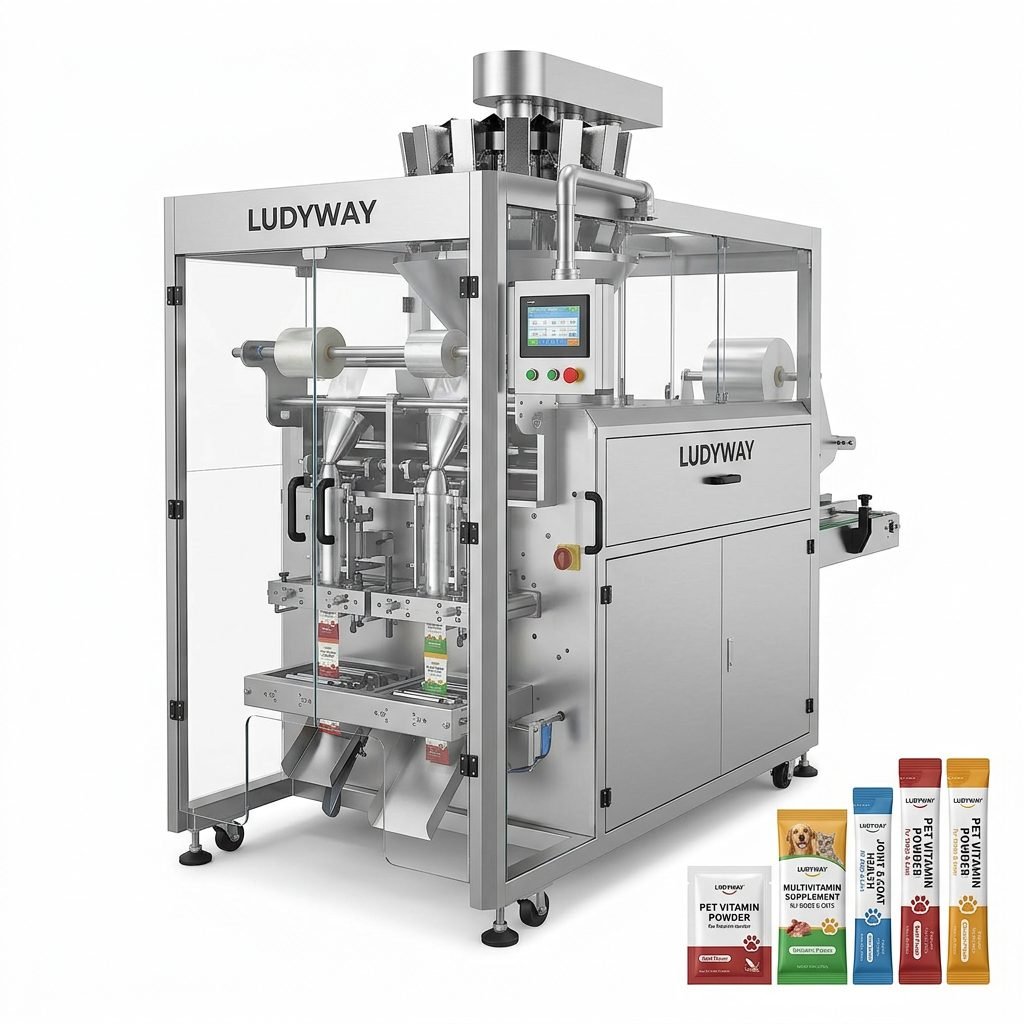
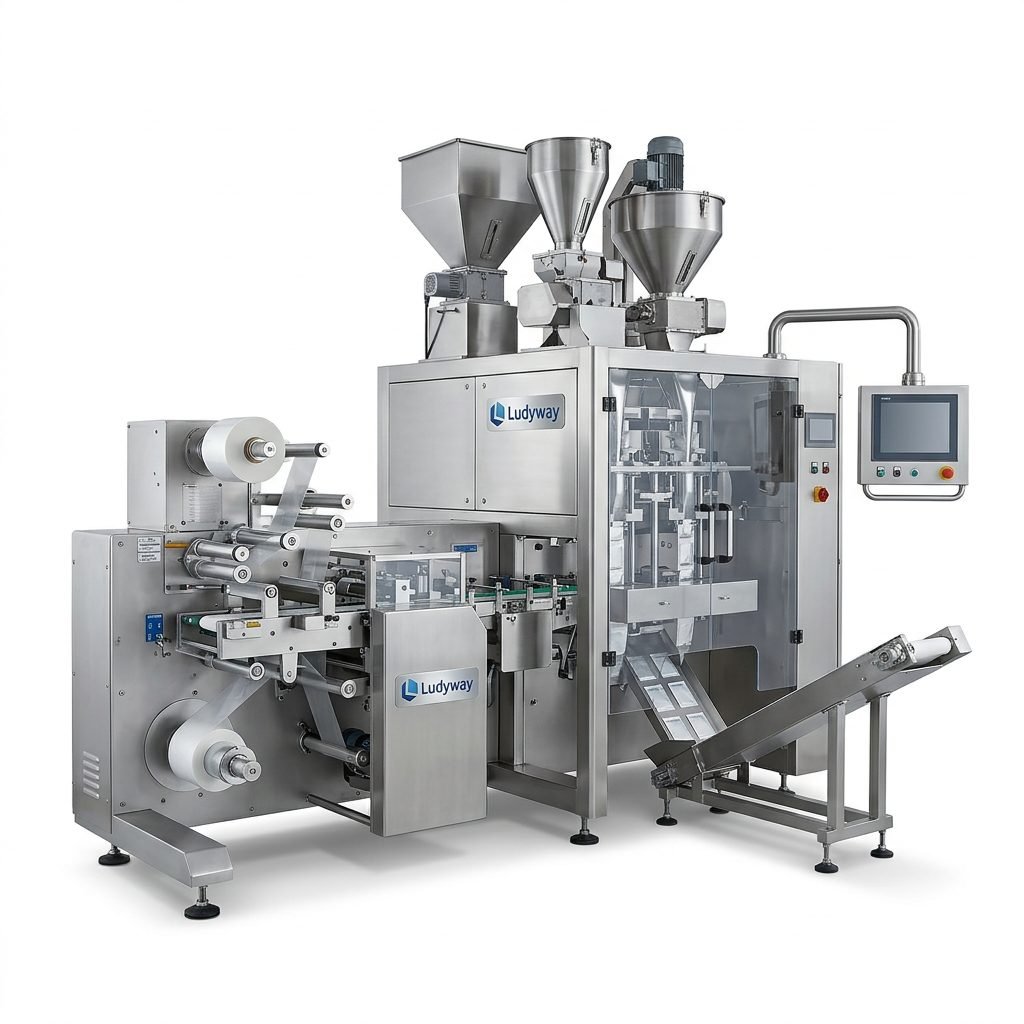
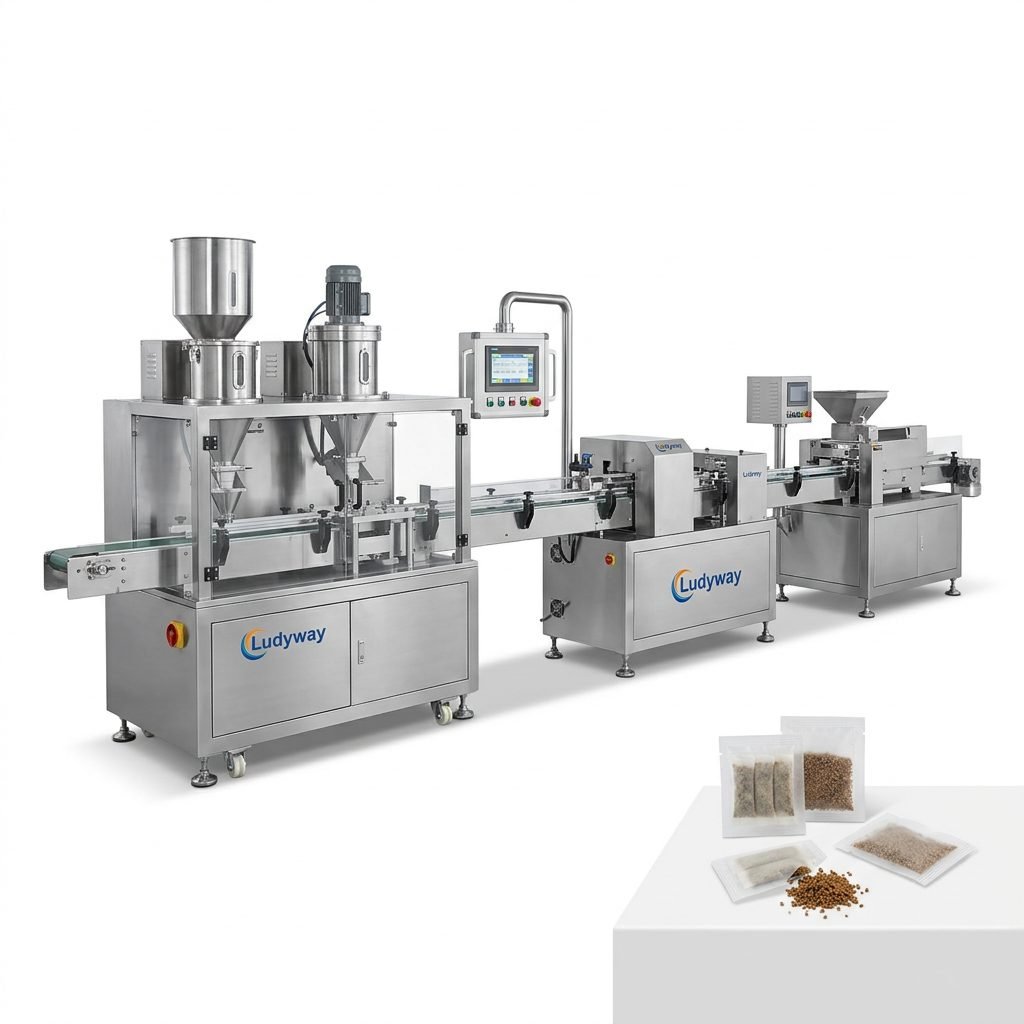
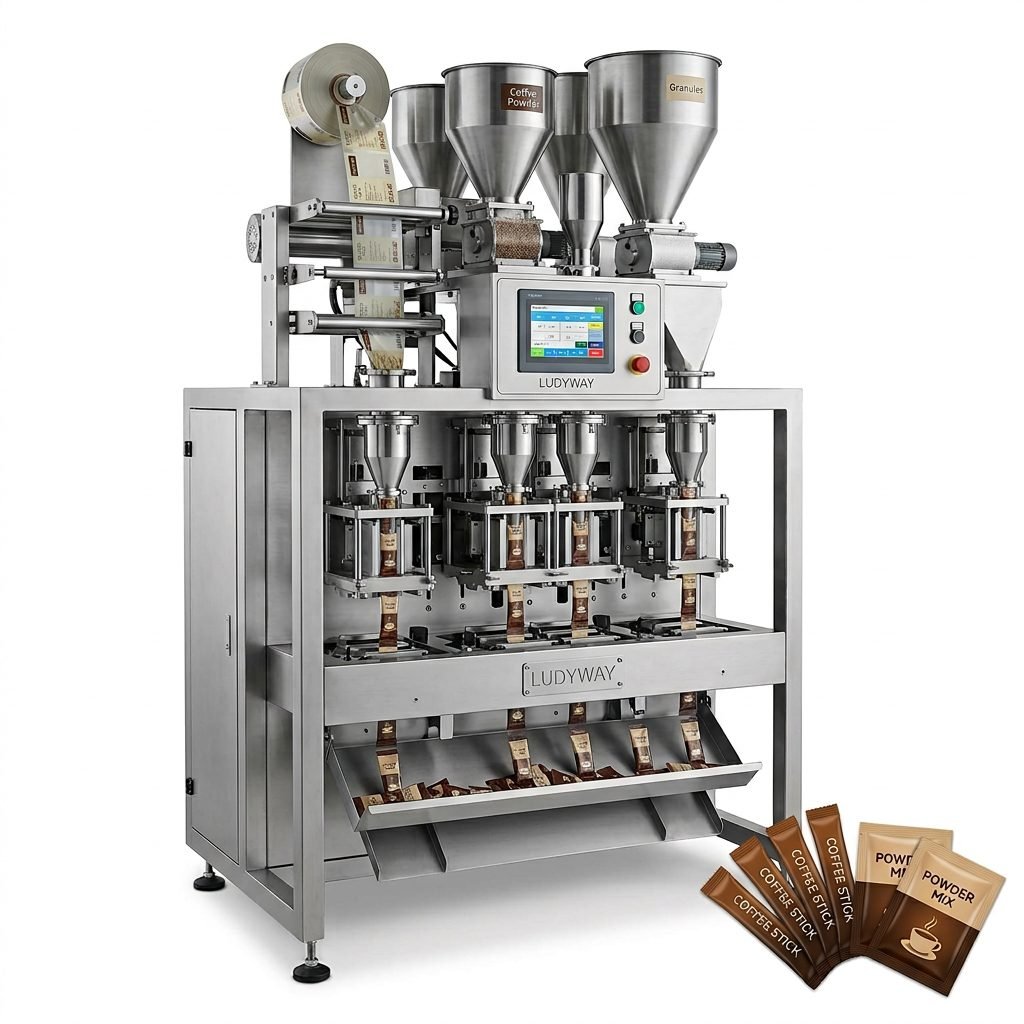
Understanding Automatic Box Packing and Sealing Machines
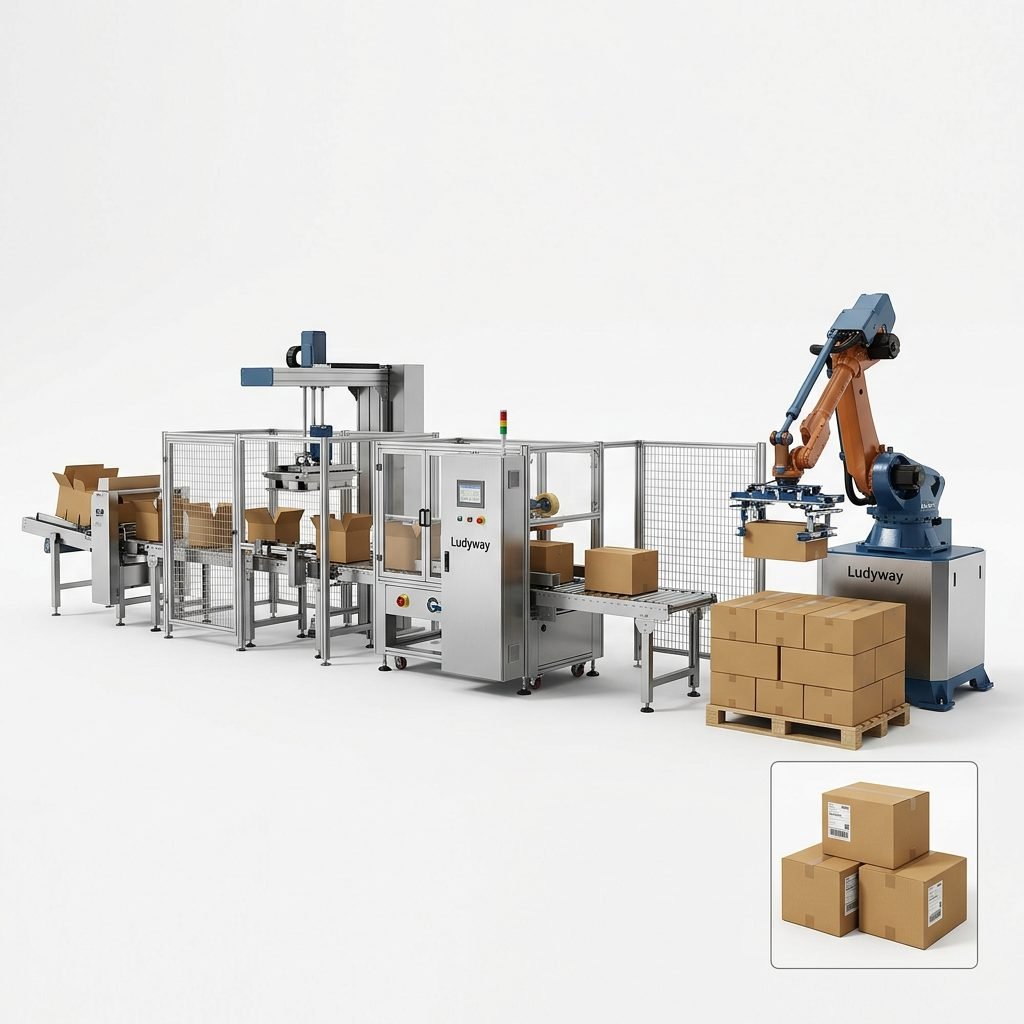
An automatic box packing and sealing machine is a critical investment for manufacturers looking to streamline their end-of-line packaging operations. These systems automate the process of erecting cartons, loading products, and securely sealing boxes, dramatically improving throughput and consistency. Whether you are running a food processing plant, a pharmaceutical facility, or an e-commerce fulfillment center, selecting the right equipment directly impacts your operational efficiency and bottom line.
Before diving into specifications, it is essential to understand the two core functions. Box packing involves the automated loading of primary packages or loose products into secondary cartons or cases. Box sealing refers to the application of tape or adhesive to securely close the top and bottom flaps of a corrugated box. Many modern systems integrate both functions into a single, automated line, significantly reducing manual labor and ensuring a professional finish. According to PMMI’s packaging intelligence resources, automation in secondary packaging continues to grow as manufacturers seek to meet higher demand with fewer resources.
Types of Box Packing and Sealing Systems
The market offers a wide range of configurations, and matching the machine type to your production environment is the first step. Below is a comparison of the most common technologies used in automated case packing and sealing.
| Machine Type | Best For | Key Advantage |
|---|---|---|
| Uniform Case Sealers | Consistent box sizes | High-speed, simple operation |
| Random Case Sealers | Mixed box dimensions | Adjusts automatically to box size |
| Wrap-Around Case Packers | Cans, bottles, cartons | Material-efficient, tight pack |
| Top-Load Case Packers | Fragile or pouched products | Gentle product handling |
| Side-Load Case Packers | Flat items, multipacks | Stable product orientation |
For operations handling multiple SKUs with varying dimensions, a random case sealer provides flexibility without manual changeover delays. On the other hand, dedicated uniform sealers achieve the highest throughput, making them ideal for single-product, high-volume lines. As explored in the 2025 PMMI State of the Industry report, flexibility and quick changeover capabilities are increasingly prioritized by manufacturers facing diverse product portfolios.
Key Factors to Evaluate Before You Buy
Choosing the right machinery requires a systematic evaluation of your specific operational needs. Do not solely rely on technical spec sheets without analyzing your shop floor reality. Here are the critical parameters to assess:
1. Box Dimensions and Production Volume
This is the fundamental starting point. Measure your maximum and minimum box length, width, and height. You must also define the target output in boxes per minute (BPM). Overestimating or underestimating speed requirements can lead to mechanical bottlenecks or unnecessary capital expenditure. A machine running consistently at 15 BPM requires different engineering than one peaking at 5 BPM.
2. Tape Versus Glue Sealing Systems
The choice between pressure-sensitive tape and hot-melt adhesive impacts both operational cost and packaging integrity. Plastic tape is clean and easy to change, while hot glue provides a strong bond resistant to temperature changes and heavy loads. Certain industries, such as cold storage logistics, often prefer hot melt glue to prevent tape crystallization. Review guidelines from the Flexible Packaging Association to understand material compatibility with your secondary packaging process.
3. Integration with Upstream Equipment
A stand-alone manual feed sealer is vastly different from a machine that must synchronize with an upstream filler or capper. You need to consider automatic product infeed conveyors and lane dividers. If you are connecting to a bagging system or a filling line, the control systems must communicate seamlessly to avoid jams.
Advanced Features for Modern Production Lines
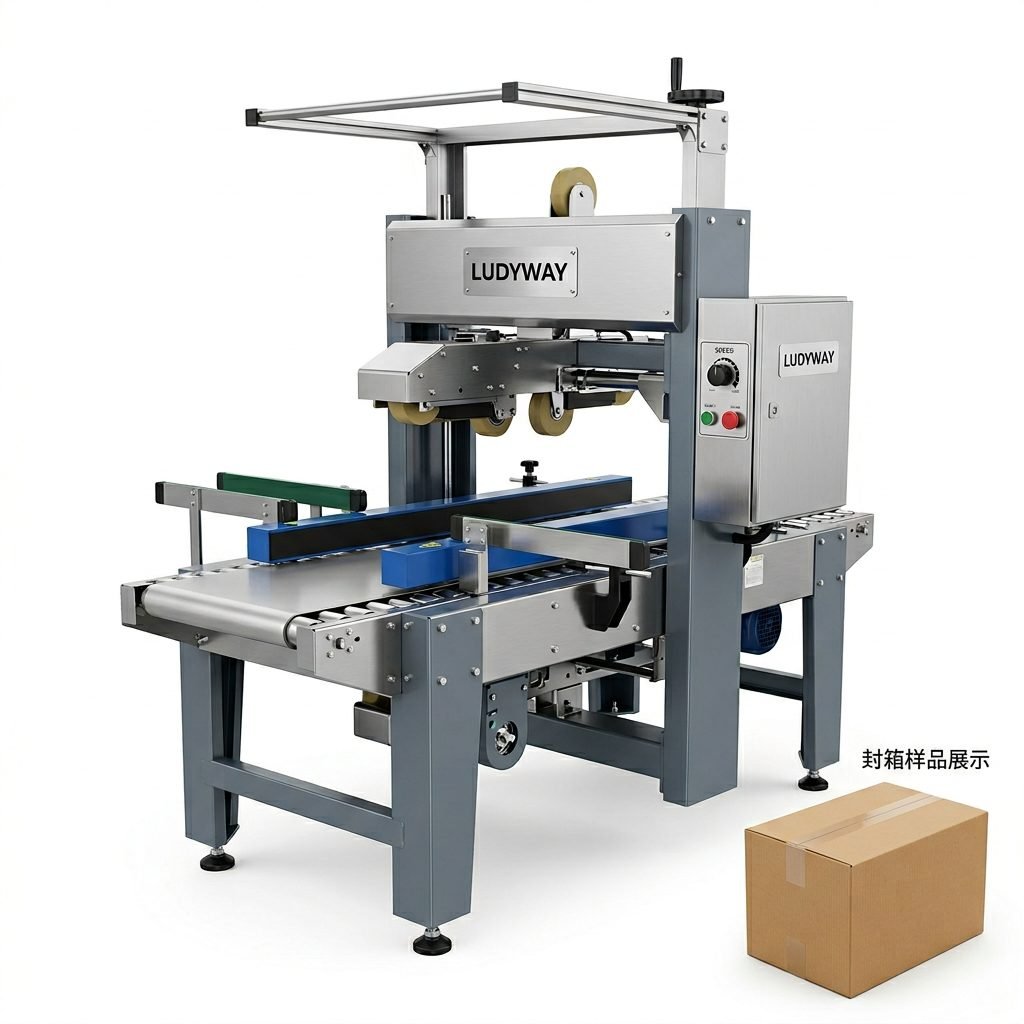
Modern packing and sealing technology extends far beyond simple tape application. Today’s smart machines include features that minimize downtime and maximize quality control:
- Servo-driven flap folders: Precisely control flap manipulation without damaging box corners.
- Quick-change mandrels: Allow operators to switch box sizes in minutes without tools, a critical feature documented in recent manufacturing efficiency studies.
- Jam detection and rejection systems: Prevent torn boxes from moving downstream, maintaining line integrity.
- Integrated checkweighing and labeling: Combine quality assurance with final packaging steps to save floor space.
- Vision inspection for package integrity: Verifies that flaps are fully closed and sealing is uniform, reducing customer complaints related to transit damage.
Evaluating Build Quality and Certifications
Long-term reliability is non-negotiable. A box packing and sealing machine represents a significant capital expense, so scrutinizing the materials and manufacturing standards is essential. Look for frames constructed from heavy-gauge welded steel, anodized aluminum contact parts to resist corrosion, and internationally recognized electrical components. Relevance to ISO packaging standards and regulatory compliance ensures your equipment can operate safely across different markets. Proper safety guarding and CE or UL certifications protect both your operators and your business from liability.
The Importance of After-Sales Support and Customization
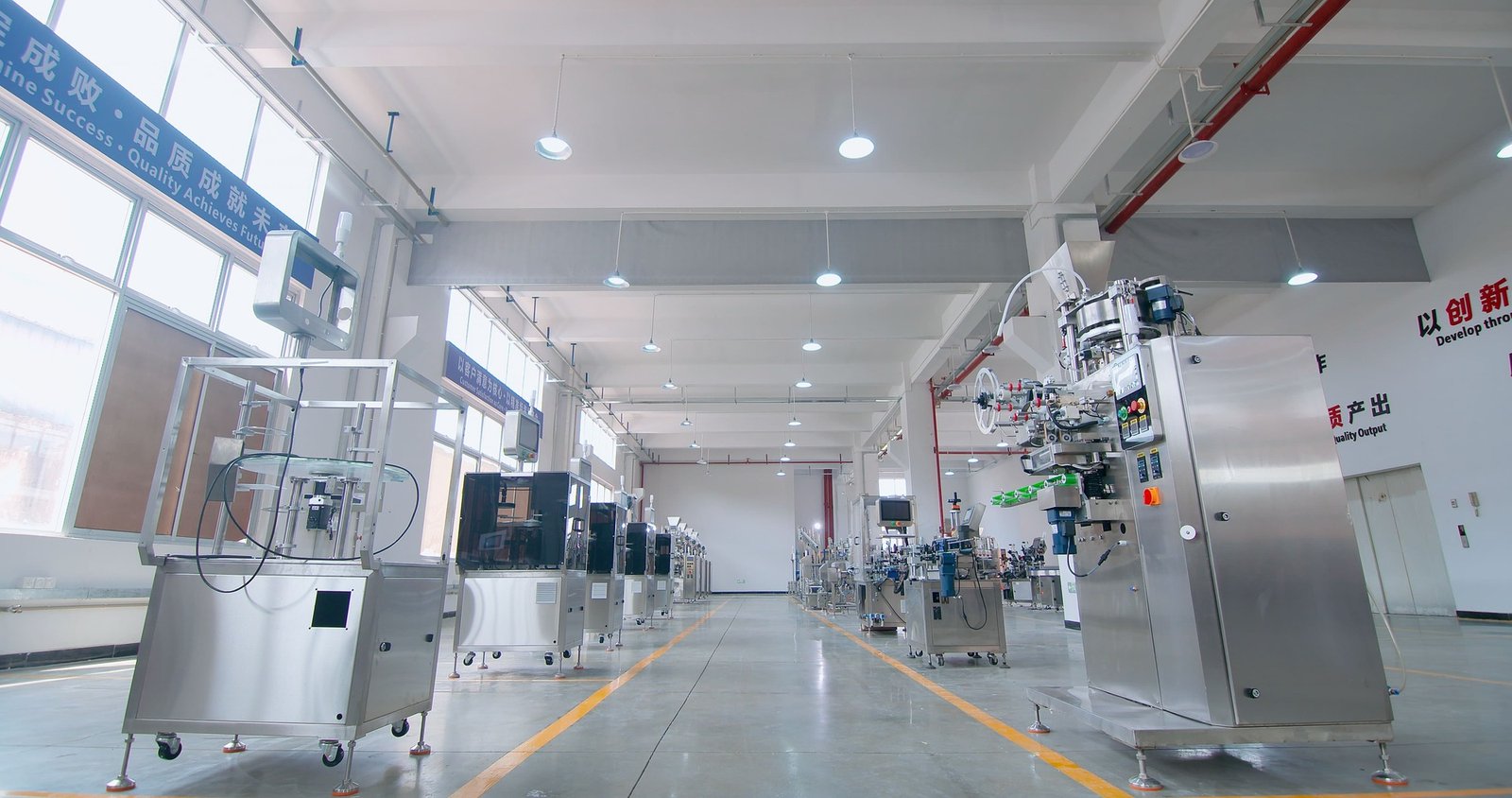
Even the best machinery requires technical support. When evaluating suppliers, assess their capacity for remote troubleshooting, spare parts availability, and field service engineering. A partner with a robust global service network can resolve issues before they escalate into costly downtime. For specialized applications, working with experienced manufacturers like Ludyway Machinery ensures access to customized engineering that addresses specific product dimensions or factory layout constraints. This is particularly valuable when standard equipment fails to align with unique production floor challenges.
Common Buyer Mistakes to Avoid
Making a hasty decision can lead to expensive regrets. Based on industry feedback, here are the most frequent pitfalls:
| Mistake | Potential Consequence |
|---|---|
| Ignoring future growth | Bottleneck in 12-18 months |
| Choosing price over duty cycle | Frequent breakdowns at peak speed |
| Neglecting box quality variability | Inconsistent sealing and jams |
| Overlooking factory floor constraints | Difficult installation and workflow disruption |
Always test your specific corrugated boxes on the machine before finalizing the purchase. Board thickness, flute type, and storage humidity can all affect how a machine manipulates and seals a case. The resources available through FPA provide useful context on how packaging material choices intersect with machinery performance and sustainability goals.
Making the Final Decision
Selecting the right automatic box packing and sealing machine is a strategic decision that requires balancing speed, flexibility, and reliability. Start with a clear definition of your box range and throughput requirements, then narrow down the technology based on sealing method and automation level. Factor in the total cost of ownership, including maintenance, tape or glue usage, and energy consumption. A thorough selection process ensures that your packaging line operates smoothly, meets regulatory expectations, and adapts to evolving business demands without requiring premature replacement.
Explore PMMI Packaging Resources |
Flexible Packaging Industry Data |
ISO Packaging Standards