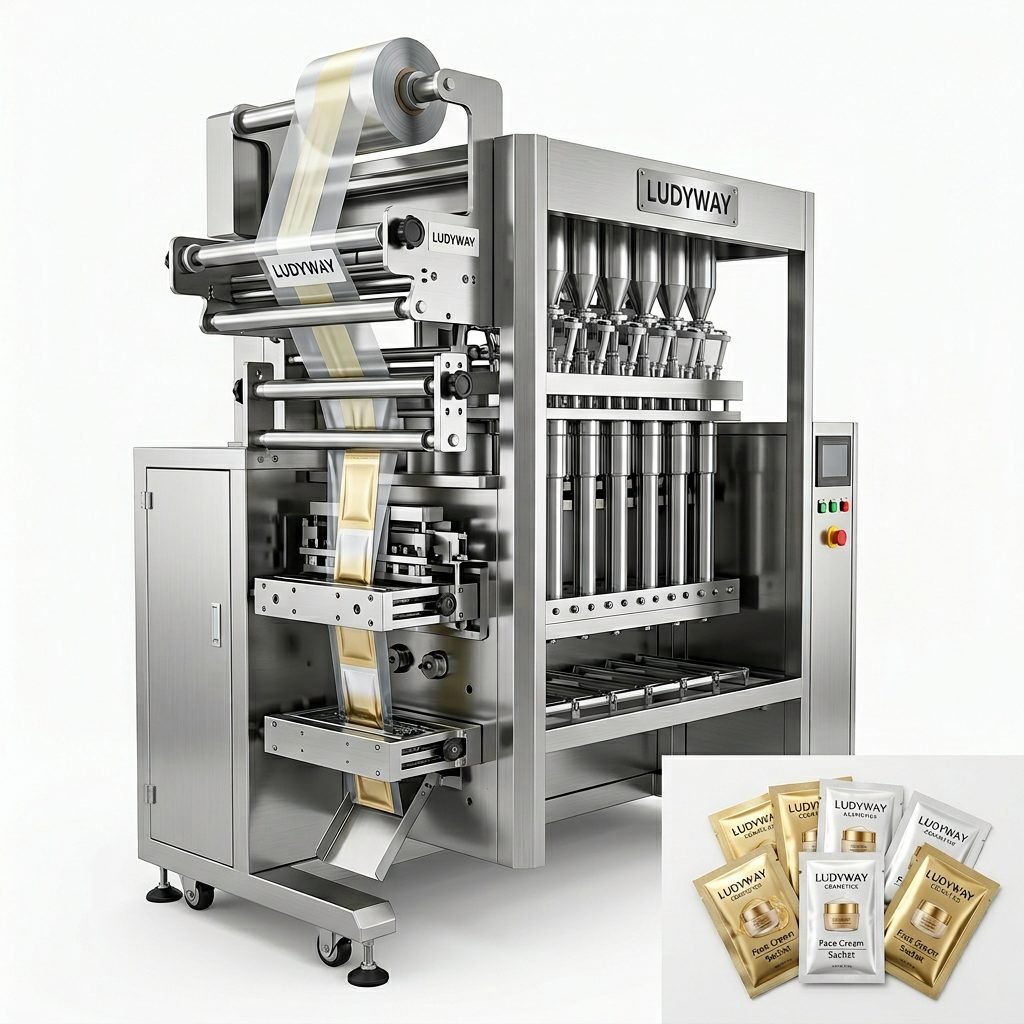
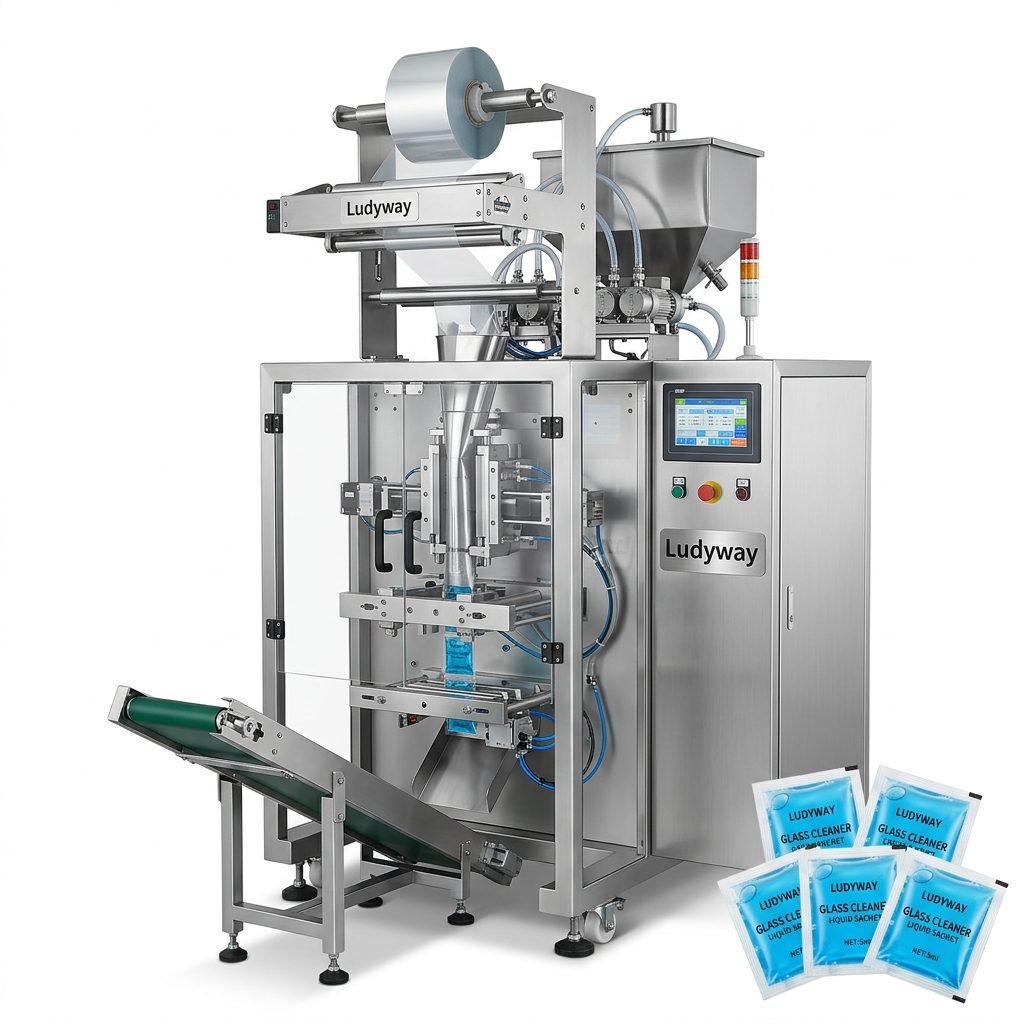
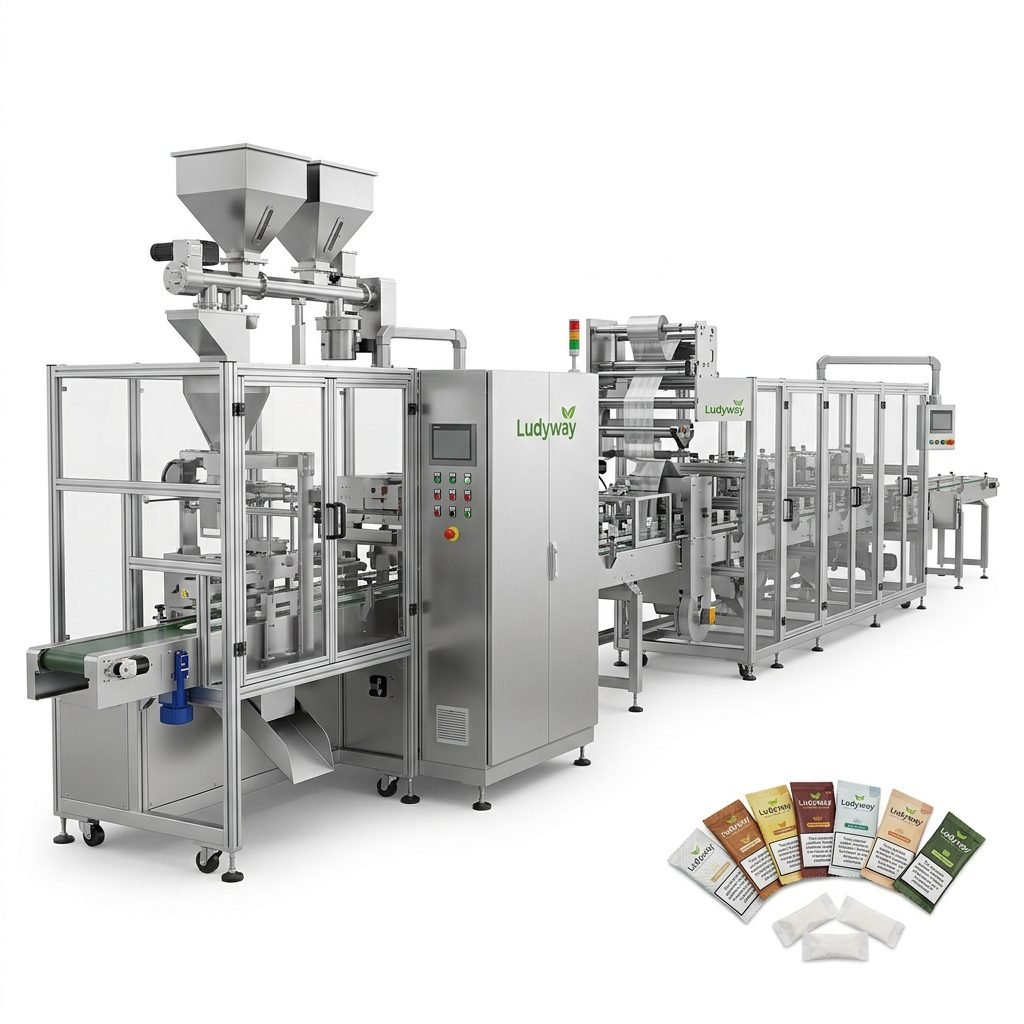
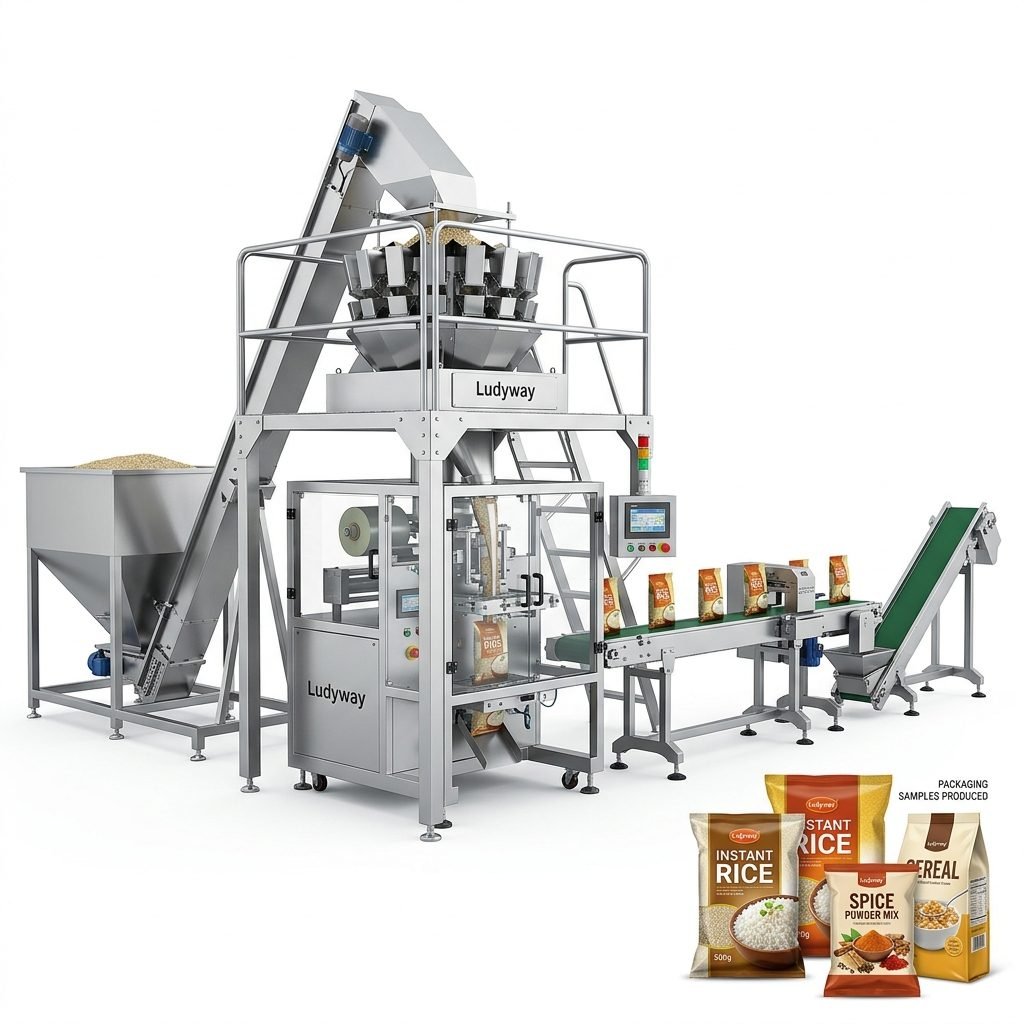
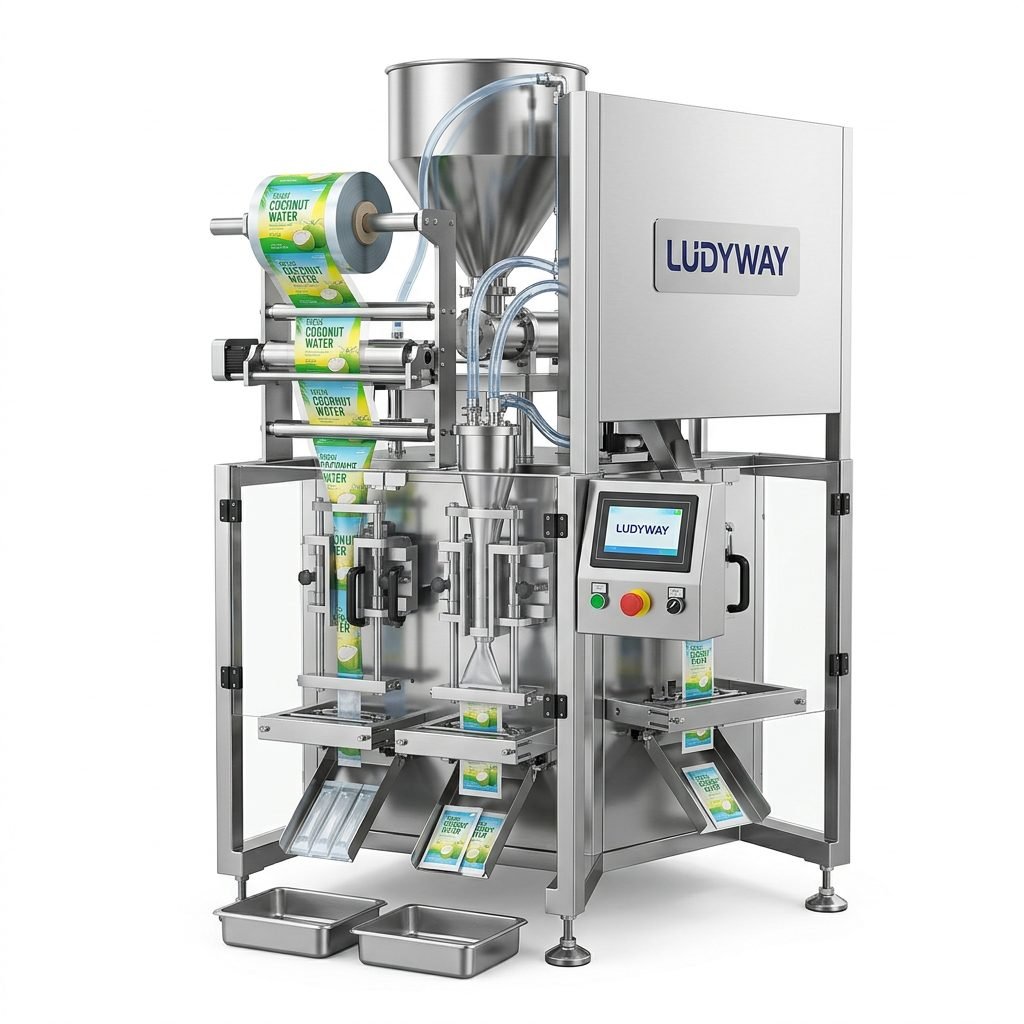
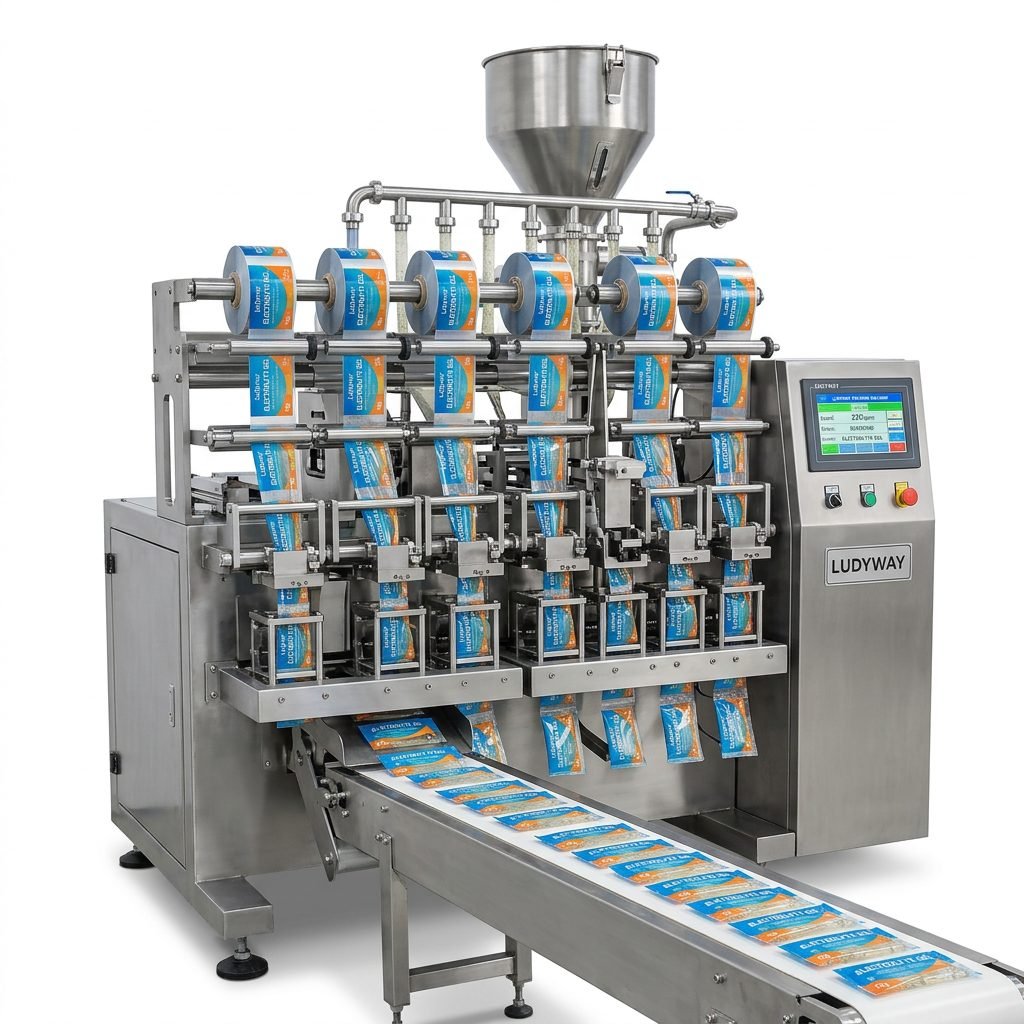
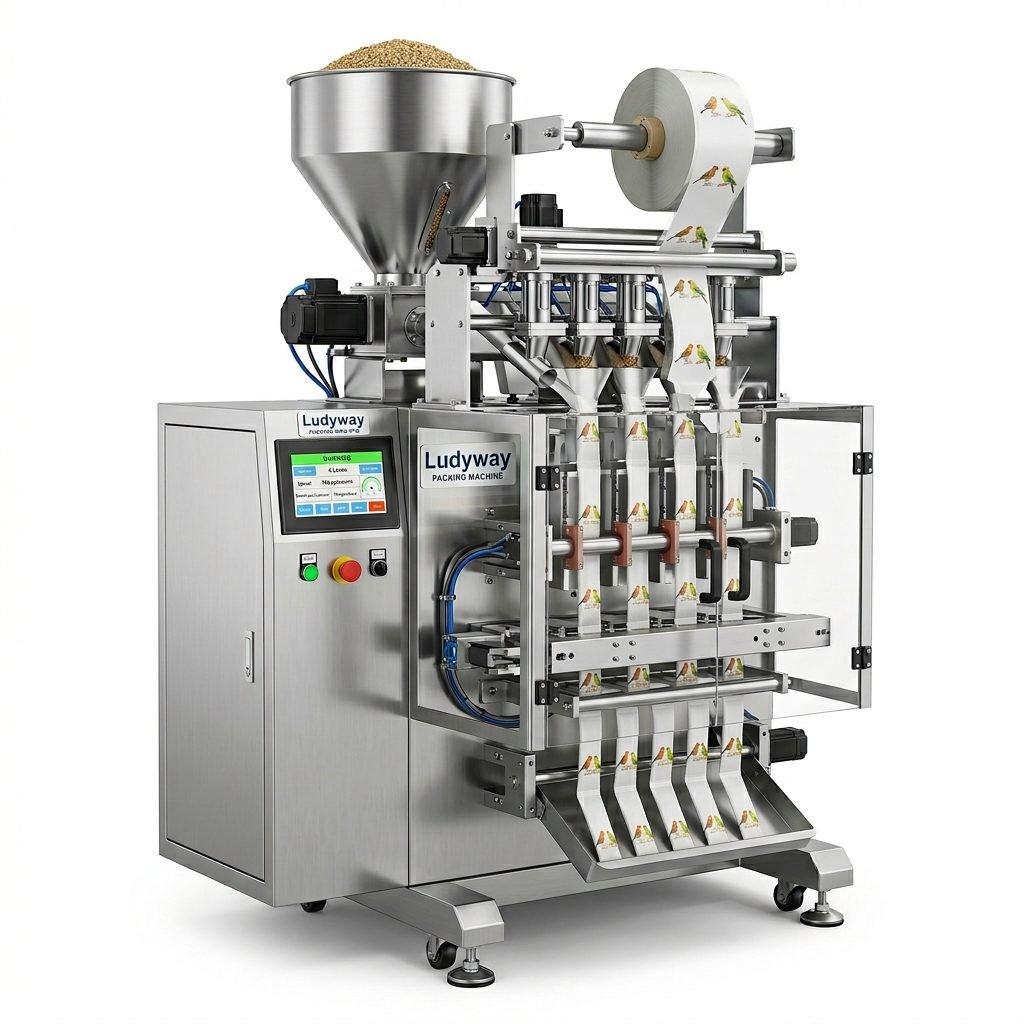
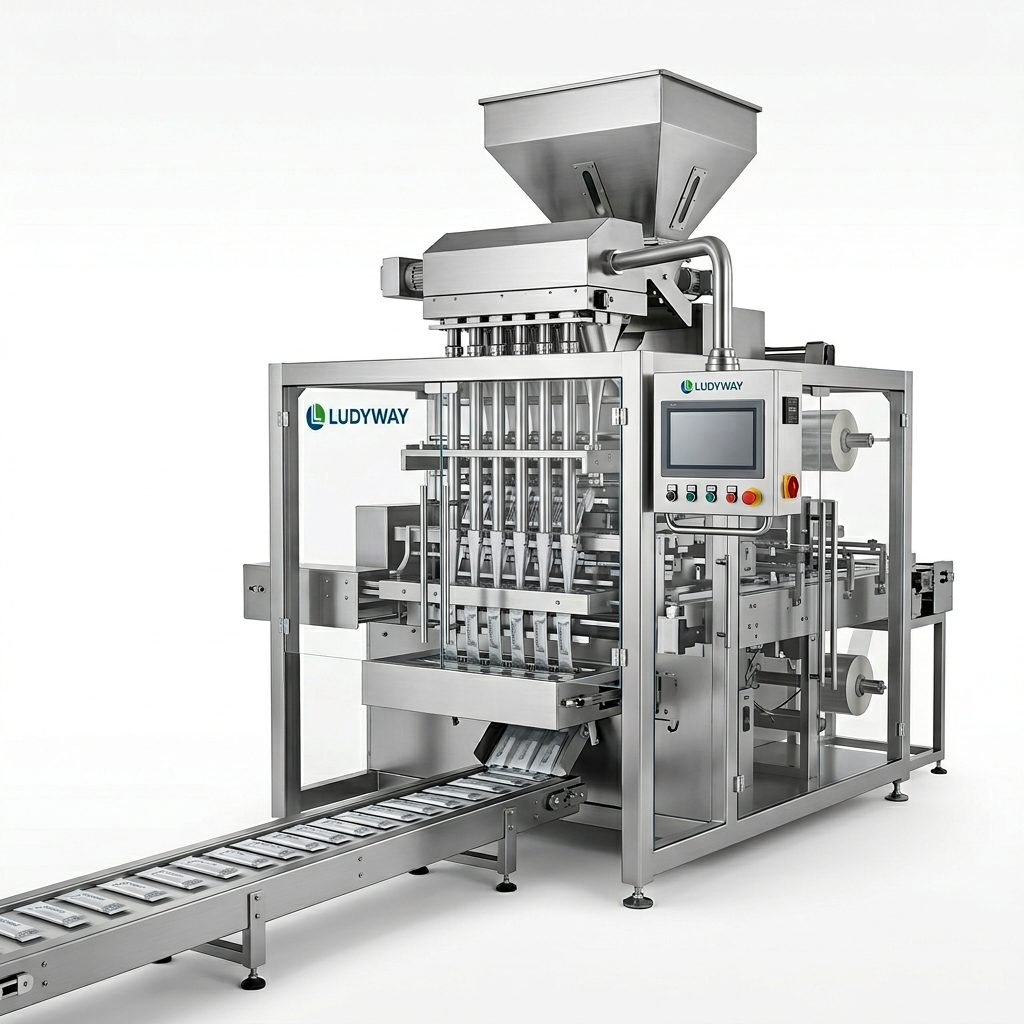
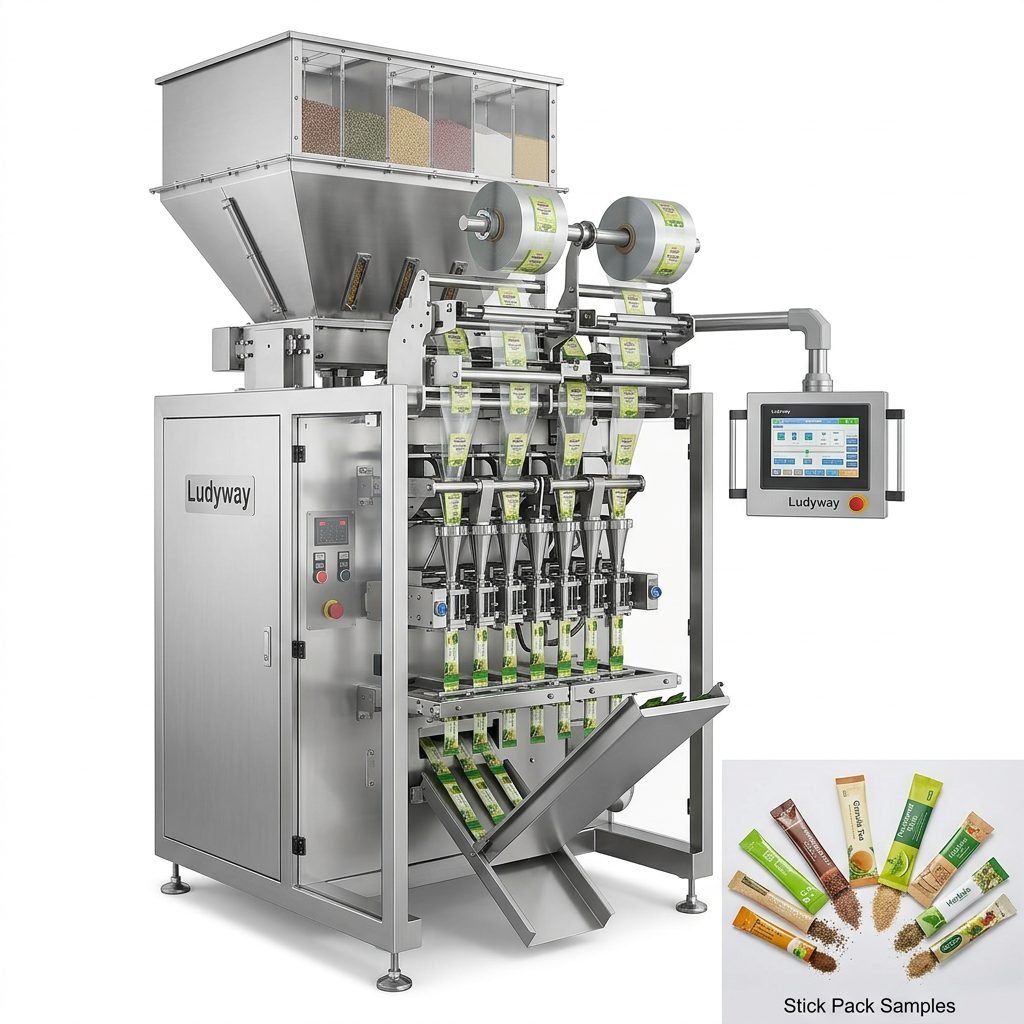
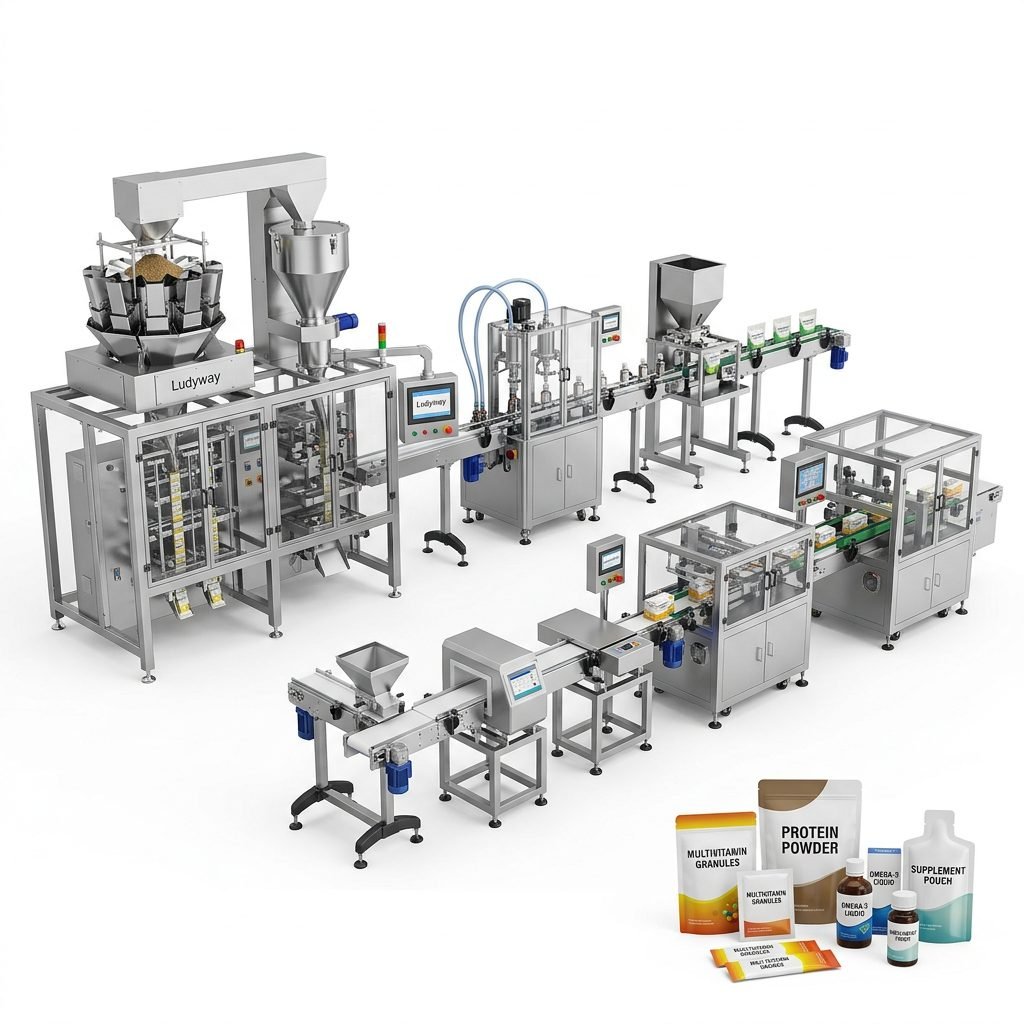
Horizontal form fill seal (HFFS) packaging machines are a cornerstone of modern automated production lines, offering versatility, speed, and efficiency for a wide range of products. These machines form, fill, and seal packages from a continuous roll of film in a horizontal orientation, making them ideal for items like snacks, confectionery, hardware, and pharmaceutical products. This comprehensive guide explores the different types of HFFS machines, their working principles, and essential factors to consider when purchasing one for your operation.
Core Types of Horizontal Form Fill Seal Machines
Understanding the different configurations is the first step in selecting the right machine. The primary types are defined by their sealing mechanism and the style of package they produce.
1. Continuous Motion HFFS Machines
These machines are the workhorses of high-speed production. The film web is in constant motion, and sealing jaws rotate or reciprocate to match the film speed, creating a seamless seal. They are perfect for high-volume applications like packaging chips, biscuits, and candy bars. Their key advantage is exceptional speed, often exceeding 200 packages per minute.
2. Intermittent Motion HFFS Machines
In this design, the film advances and then stops momentarily for the filling and sealing operations. This “stop-and-go” motion allows for greater precision in placing products, especially irregularly shaped or fragile items. While generally slower than continuous motion models, they offer superior accuracy and are often more cost-effective for medium-speed lines.
3. Single-Track vs. Multi-Track Machines
→ Single-Track: Produces one stream of packages. Ideal for standard production runs and simpler product changeovers.
→ Multi-Track: Divides the film web into multiple lanes (e.g., 2-up, 3-up), dramatically increasing output by producing several packages simultaneously. Essential for maximizing throughput on small, uniform products like stick packs for sugar or sauce.
How Does a Horizontal FFS Machine Work? (The Working Principle)
The operation of an HFFS machine is a synchronized ballet of mechanical and electronic components. The process can be broken down into distinct stages:
Stage 1: Film Unwinding & Forming
A roll of packaging film (laminated polyethene, polypropylene, etc.) is mounted on an unwind stand. The film is fed through tensioners and guides into a forming shoulder. This critical component gently shapes the flat film into a tube around the product delivery system (a vertical chute or funnel).
Stage 2: Longitudinal Sealing
As the film tube travels downward, a longitudinal sealer (often a heated band or rotary wheel) creates a continuous back seal along the length of the package. This seal is crucial for the package’s integrity.
Stage 3: Product Filling
The product is precisely metered into the formed tube via a filler. The type of filler depends on the product:
- ✔ Volumetric Cup Fillers: For granular products like nuts or seeds.
- ✔ Auger Fillers: For powders like flour, milk powder, or spices.
- ✔ Weighing Scales (Multi-head): For high-accuracy weighing of snacks or granules.
- ✔ Pump Fillers: For liquids, creams, or pastes.
Stage 4: Cross Sealing & Cutting
This is where the individual packages are created. A pair of heated sealing jaws close horizontally across the film tube, simultaneously creating the top seal of the current package and the bottom seal of the next package. A cutting blade, integrated into the jaws, then separates the two, discharging the finished pouch. Advanced machines offer options for shaped seals, perforations for easy-open features, or date coding at this stage.
Critical Buying Tips for Your HFFS Machine
Investing in an HFFS machine is a significant decision. Here are key factors to evaluate to ensure you choose equipment that delivers a strong return on investment.
1. Define Your Product & Packaging Specifications
This is the foundation of your search. Be precise about:
- Product Characteristics: Size, shape, weight, flowability (free-flowing granules vs. sticky powder).
- Packaging Material: Type of film (structure, thickness), required barrier properties (moisture, oxygen).
- Package Size & Style: Dimensions, required seal type (fin seal, pillow pack), need for hang holes or tear notches.
2. Evaluate Required Speed & Output
Calculate your current and future production needs in packages per minute (PPM). Don’t just buy for today’s demand; consider growth projections. A machine running comfortably at 80% of its max speed will have a longer lifespan and fewer issues than one constantly pushed to 100% capacity.
3. Prioritize Flexibility and Changeover Ease
If you run multiple products or package sizes, quick changeover is paramount. Look for machines with tool-less adjustments, digital settings memory (recipe storage), and easy-access components. This minimizes downtime and boosts overall equipment effectiveness (OEE).
4. Assess Build Quality and Supplier Support
The machine’s construction directly impacts reliability. Look for robust frames, high-quality sealing jaws, and reputable brand components (PLCs, servos, sensors). Equally important is the supplier’s reputation. Choose a partner like Ludyway Machinery, which offers not just a machine, but a solution backed by comprehensive support. Inquire about:
- Availability of installation and commissioning services.
- Training programs for your operators and maintenance staff.
- Warranty terms and the responsiveness of the spare parts and technical service department.
5. Consider Integration and Automation Potential
Think beyond the standalone machine. Can it be easily integrated with upstream equipment (like mixers or conveyors) and downstream systems (like cartoners or case packers)? Machines with modern PLC controls and standard communication protocols (Ethernet, Modbus) offer better future-proofing for smart factory initiatives.
Frequently Asked Questions (FAQs)
Q1: What is the main difference between Horizontal (HFFS) and Vertical (VFFS) Form Fill Seal machines?
A: The primary difference is the package orientation during forming. HFFS machines create packages that lie flat (horizontal), typically for solid or semi-solid items placed horizontally into the film tube. VFFS machines form packages vertically, ideal for free-flowing granules, powders, or liquids that are gravity-fed from above. HFFS is often preferred for products that are delicate, need precise placement, or are not free-flowing.
Q2: What packaging films can be used with an HFFS machine?
A: HFFS machines are highly versatile and can run a wide variety of heat-sealable films, including laminates of Polyethylene (PE), Polypropylene (PP), Polyester (PET), Metallized films, and paper-based composites. The choice depends on your product’s barrier requirements (e.g., moisture, light, oxygen) and the desired package aesthetics.
Q3: How difficult is it to change the package size on an HFFS machine?
A: Difficulty varies by machine design. Modern machines are built for faster changeovers. Look for features like quick-release sealing jaw assemblies, servo-driven film pull belts with saved recipes, and tool-less adjustments for guides and formers. With proper training, changeovers on a well-designed machine can often be completed in 15-30 minutes.
Q4: Can one HFFS machine handle both granules and powders?
A: The core forming and sealing mechanism can often handle different product types. However, the filling system is specific. To switch between vastly different products (e.g., from granules to fine powder), you would typically need to change the filling head (e.g., from volumetric cups to an auger filler). Some manufacturers offer modular designs that facilitate this swap.
Q5: What are the key maintenance routines for an HFFS machine?
A: Regular maintenance is crucial for longevity and consistent seal quality. Daily routines include cleaning product contact parts and wiping down the machine. Weekly tasks involve checking and cleaning sealing jaw surfaces and inspecting film guides. Periodic maintenance (monthly/quarterly) includes lubricating moving parts, checking belt tensions, and verifying the calibration of filling systems and temperature controllers. Always follow the manufacturer’s specific maintenance schedule.