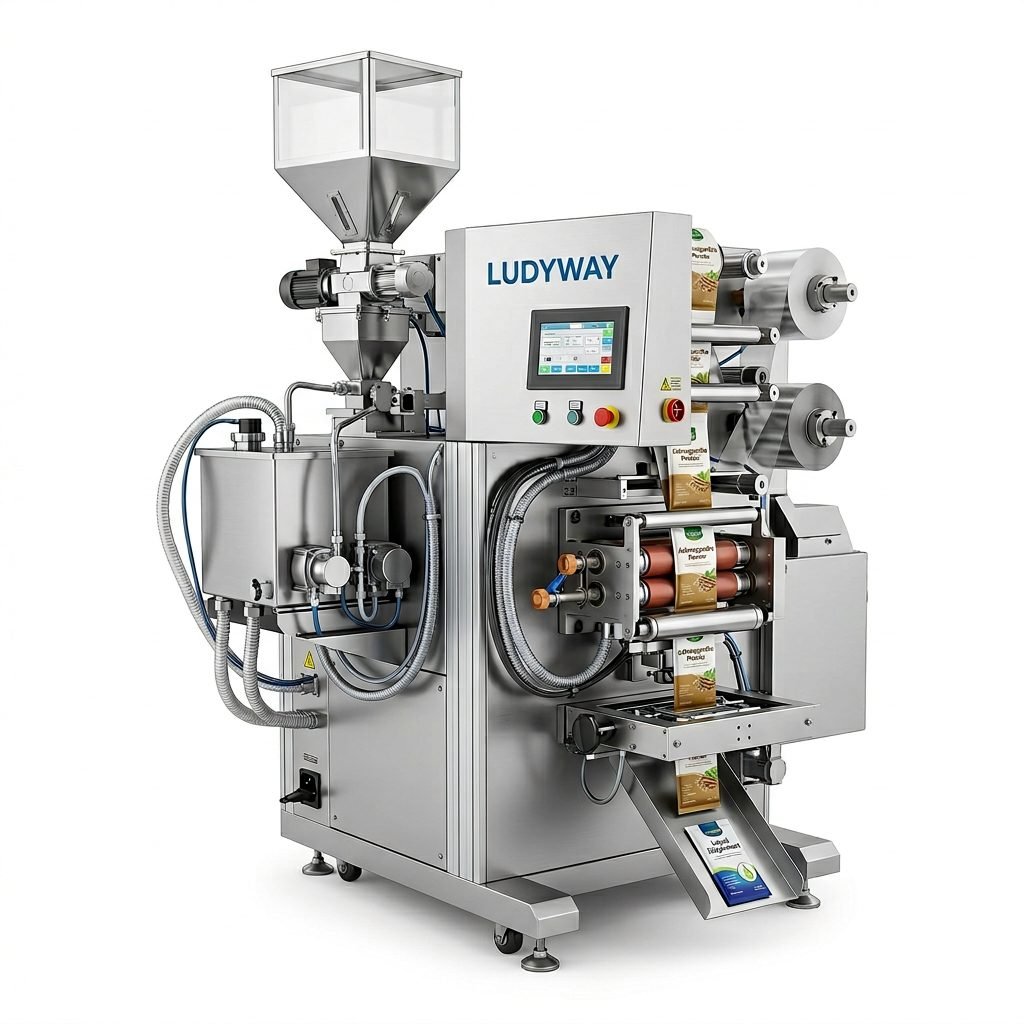
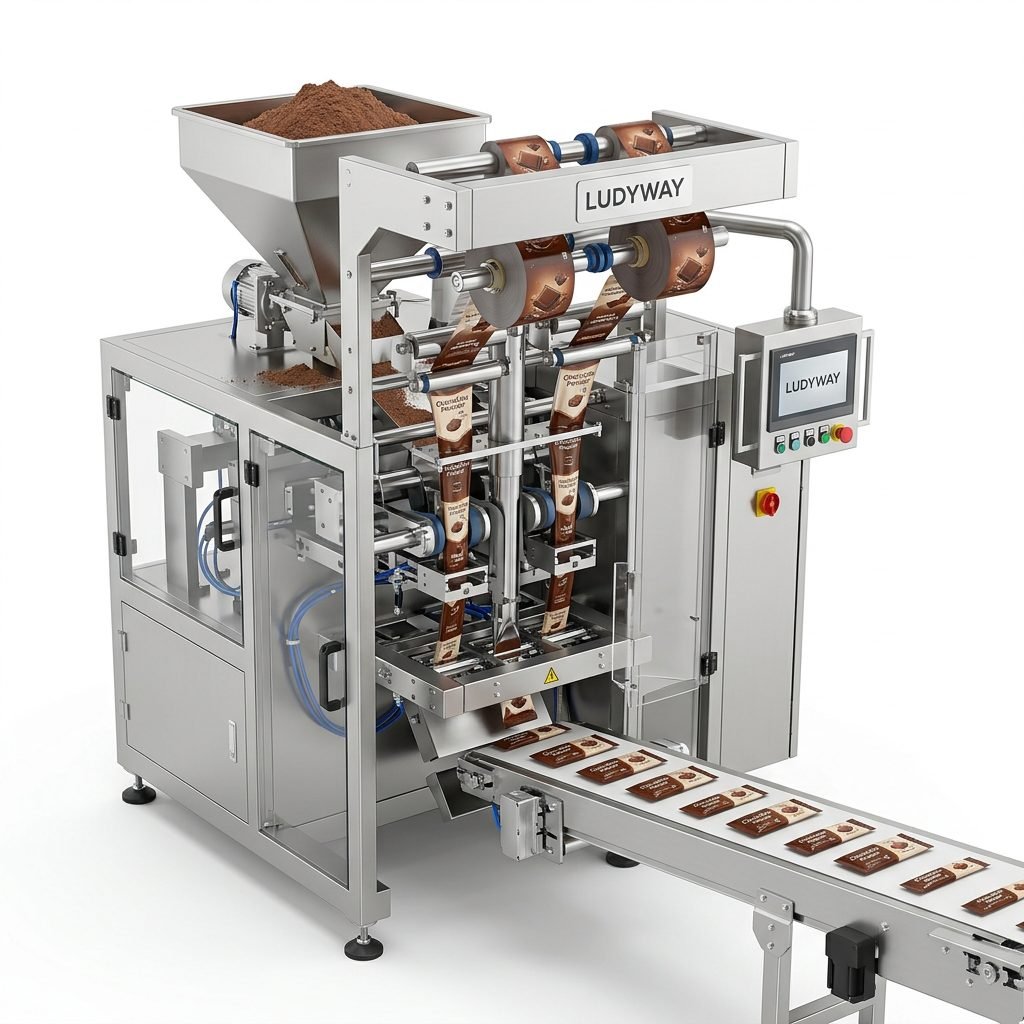
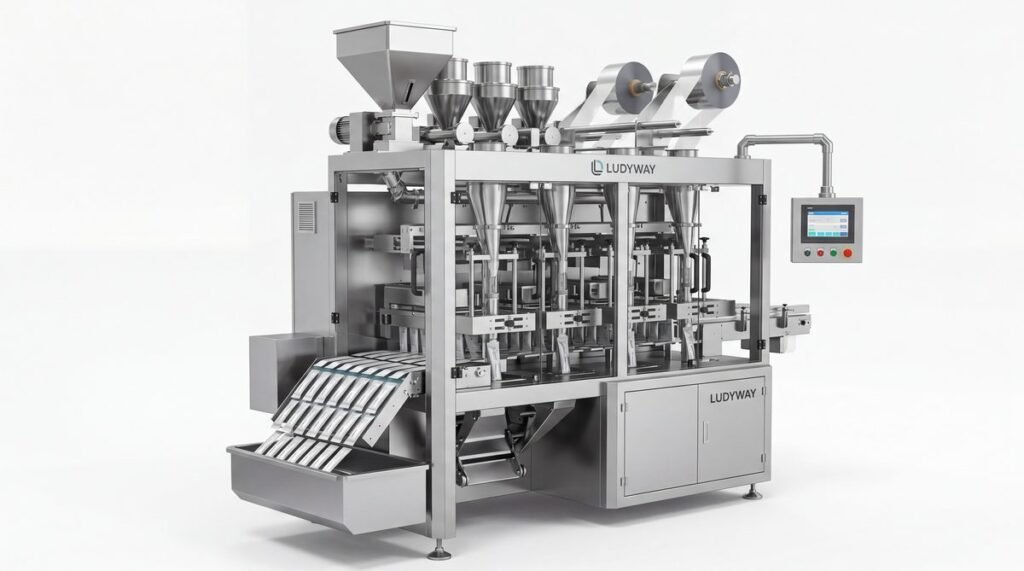
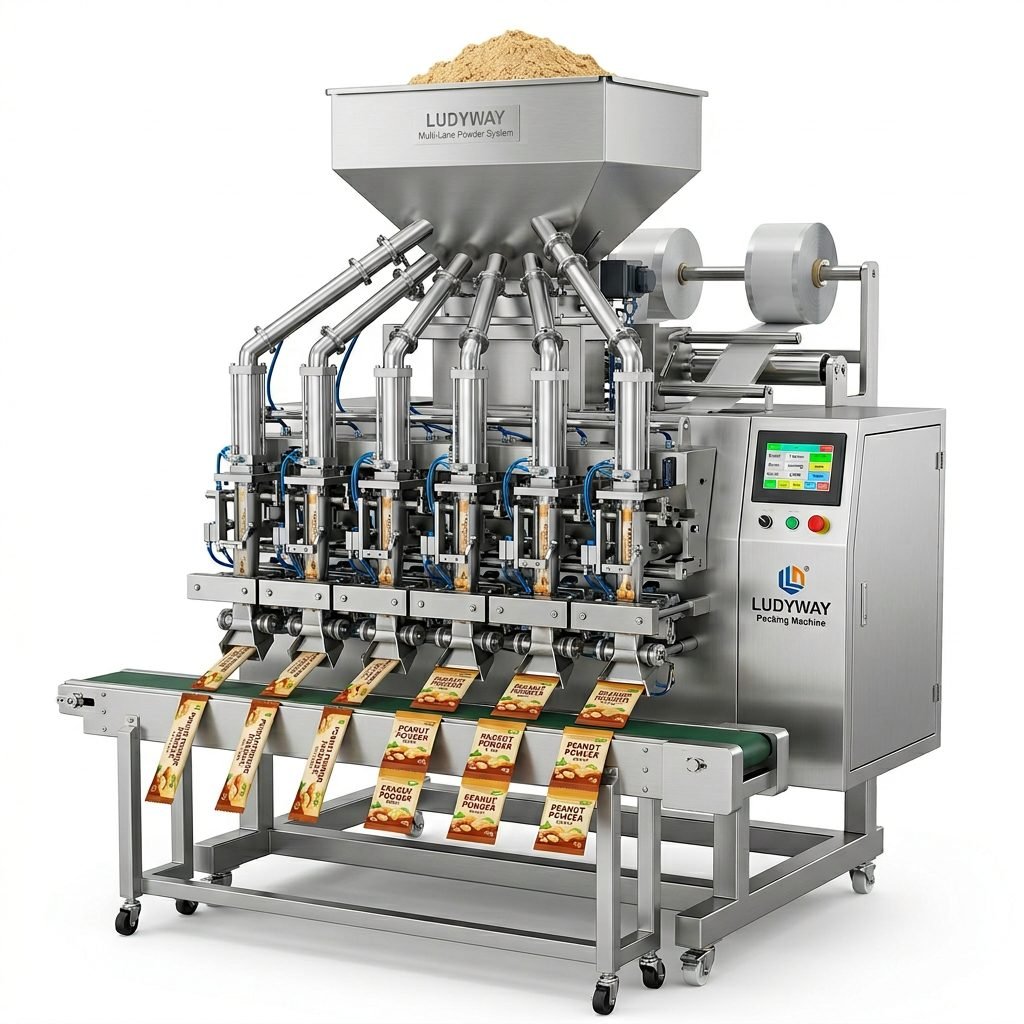
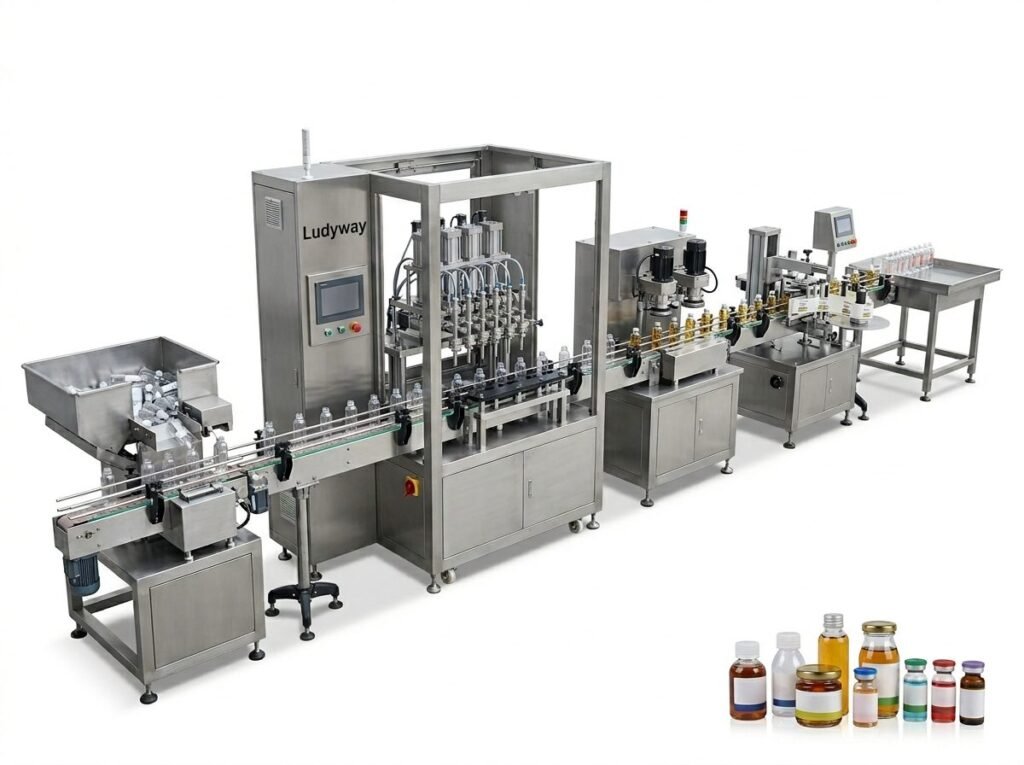
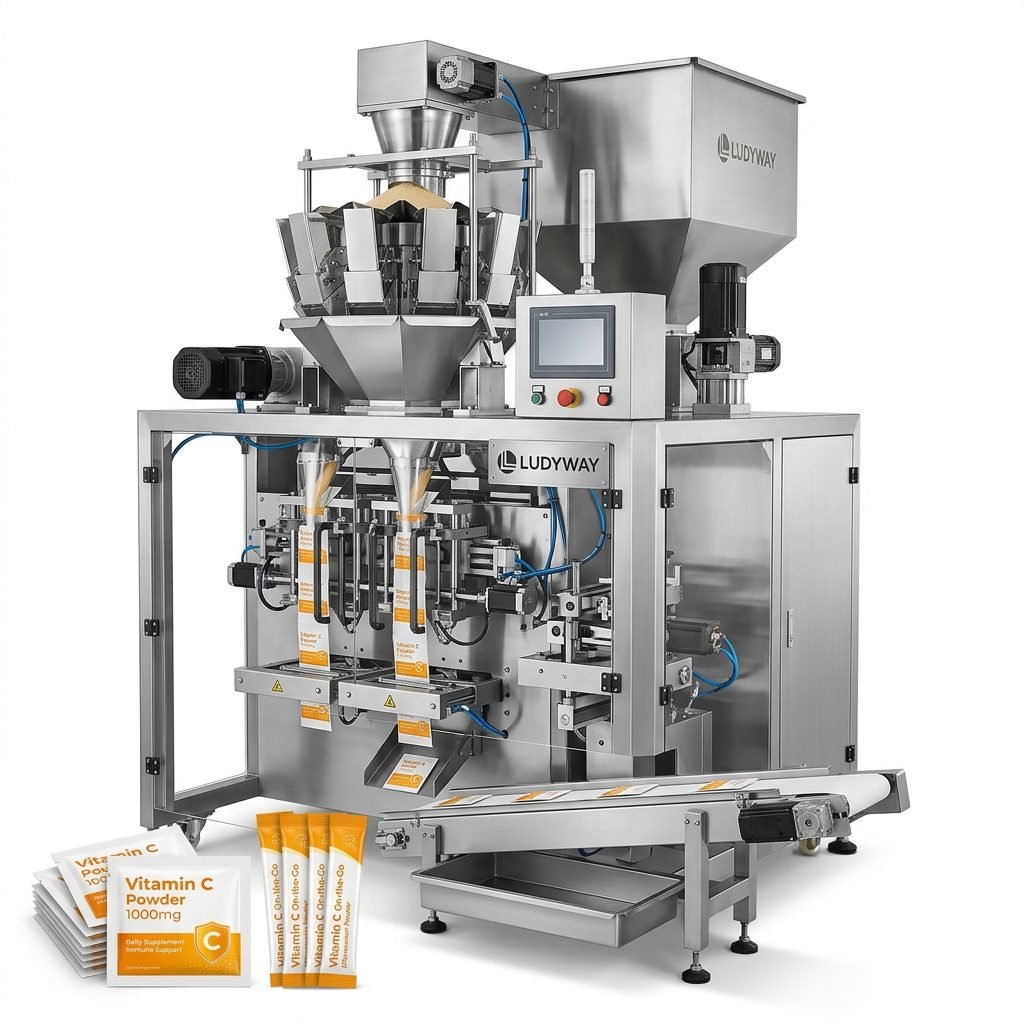
For small business owners, finding the right packaging equipment is a critical decision that balances cost, efficiency, and quality. While automated systems are often highlighted, a hand packaging machine can be the perfect, cost-effective entry point into professional packaging. This guide will help you navigate the selection process to find the best manual packing solution tailored to your specific operational needs and budget constraints.
Understanding the Role of Manual Packing in Small Business
A hand packaging machine, often called a manual or semi-automatic machine, requires an operator to perform certain functions like feeding product, initiating the sealing cycle, or placing packages. This human-in-the-loop design offers distinct advantages for startups and small-scale producers.
Key Advantage: The primary benefit is significantly lower initial investment. Manual machines bypass the complex electronics and robotics of full automatics, making them affordable. They also offer unmatched flexibility for short runs, frequent product changes, or packaging custom orders without lengthy reprogramming.
Common Applications for Hand-Operated Machines
These machines are not a one-size-fits-all solution but excel in specific scenarios:
- Low to Medium Volume Production: Ideal for businesses producing dozens to a few hundred units per day.
- Product & Packaging Development: Perfect for testing new product formats, packaging materials, or market concepts with minimal capital risk.
- Specialty & Artisanal Goods: Suited for handmade foods, cosmetics, coffee, spices, or supplements where a personal touch is valued.
- Secondary Packaging: Useful for bagging already packaged items into cartons or shrink-wrapping multi-packs.
How to Choose the Best Manual Packing Solution: A Step-by-Step Guide
Selecting the right equipment involves a careful analysis of your product, goals, and workspace.
1. Analyze Your Product Characteristics
The physical properties of your product dictate the machine type. Ask these questions:
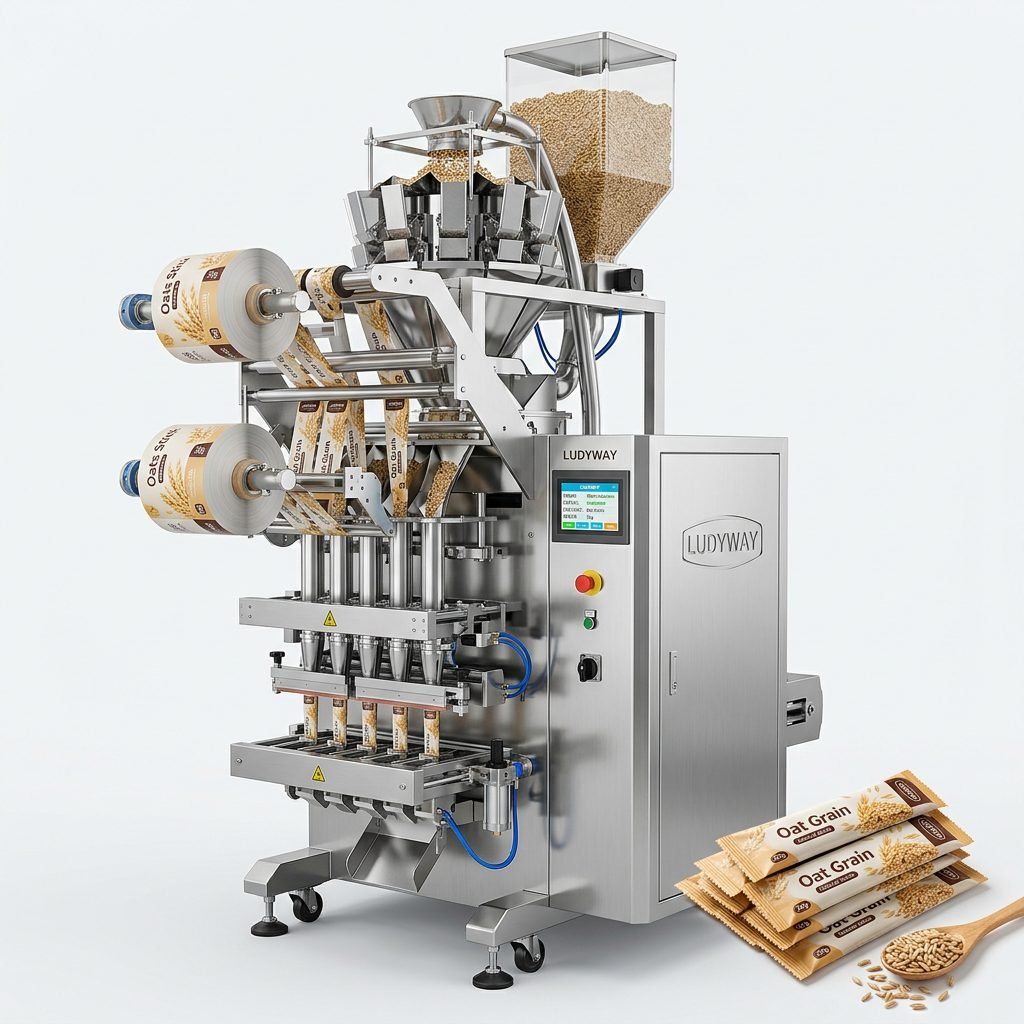
➤ Is it a solid, granule, powder, or liquid? Granules (like seeds) and free-flowing powders work well with auger filler machines. Viscous pastes or liquids may require a piston filler. Stick items need a different chamber design.
➤ What is the target package weight/volume? Ensure the machine’s measuring system (cup, auger, piston) can accurately handle your desired range.
➤ Is the product fragile, abrasive, or hygroscopic? This influences the choice of contact parts (e.g., food-grade stainless steel vs. coated components).
2. Define Your Packaging Format & Material
The package itself is equally important. Your choice of bags, pouches, or sticks determines the machine’s forming and sealing mechanisms.
Pre-made Pouches vs. Roll-Film: Using pre-made bags is simpler—the machine just seals them. Using roll film requires a machine that can form, fill, and seal (FFS), which is more versatile but slightly more complex. Consider your brand aesthetics and material costs.
Seal Type: Most manual machines use impulse heat sealing, excellent for polyethylene and polypropylene laminates. Ensure the sealing temperature and time are adjustable for your specific film.
3. Evaluate Critical Performance Factors
Look beyond the basic function to these operational details:
- Speed (Cycles Per Hour): Be realistic. A manual machine might achieve 200-600 packs/hour depending on operator skill and product. Does this meet your current and near-future demand?
- Accuracy & Consistency: Inconsistent fills hurt profitability and customer trust. Look for machines with precise, adjustable measuring systems and positive feedback from users on weight accuracy.
- Changeover Ease: How quickly can you switch between different products or package sizes? Look for tool-less adjustments or quick-change parts.
- Durability & Construction: A sturdy frame and quality components (sealing jaws, motors) reduce downtime. Cast aluminum or stainless steel frames are preferable.
4. Assess Your Workspace and Operator Needs
A manual machine must fit into your ecosystem. Measure your available space, including clearance for feeding product and collecting finished packs. Check power requirements (standard 110V/220V). Most critically, consider ergonomics. The workstation height should be comfortable to prevent operator fatigue. Simple, intuitive controls reduce training time and errors.
5. Plan for Support and Future Growth
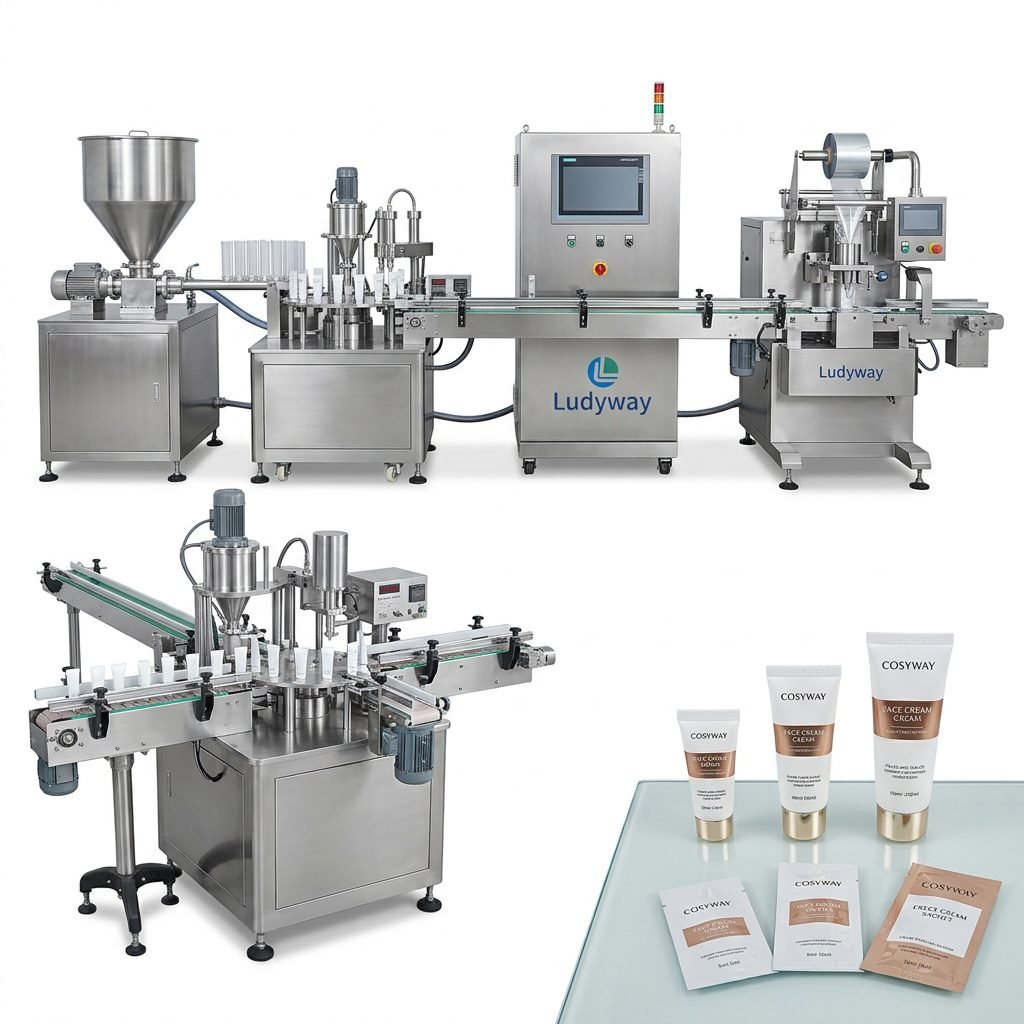
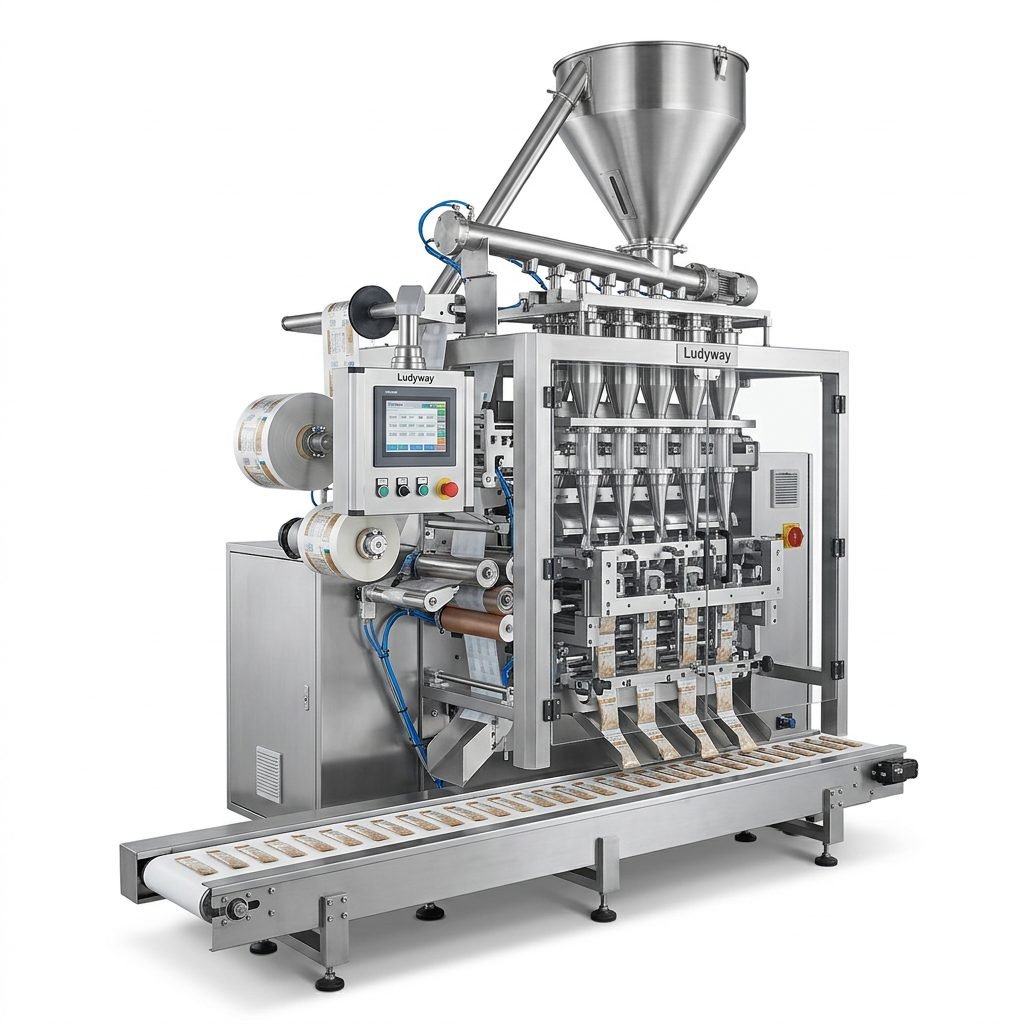
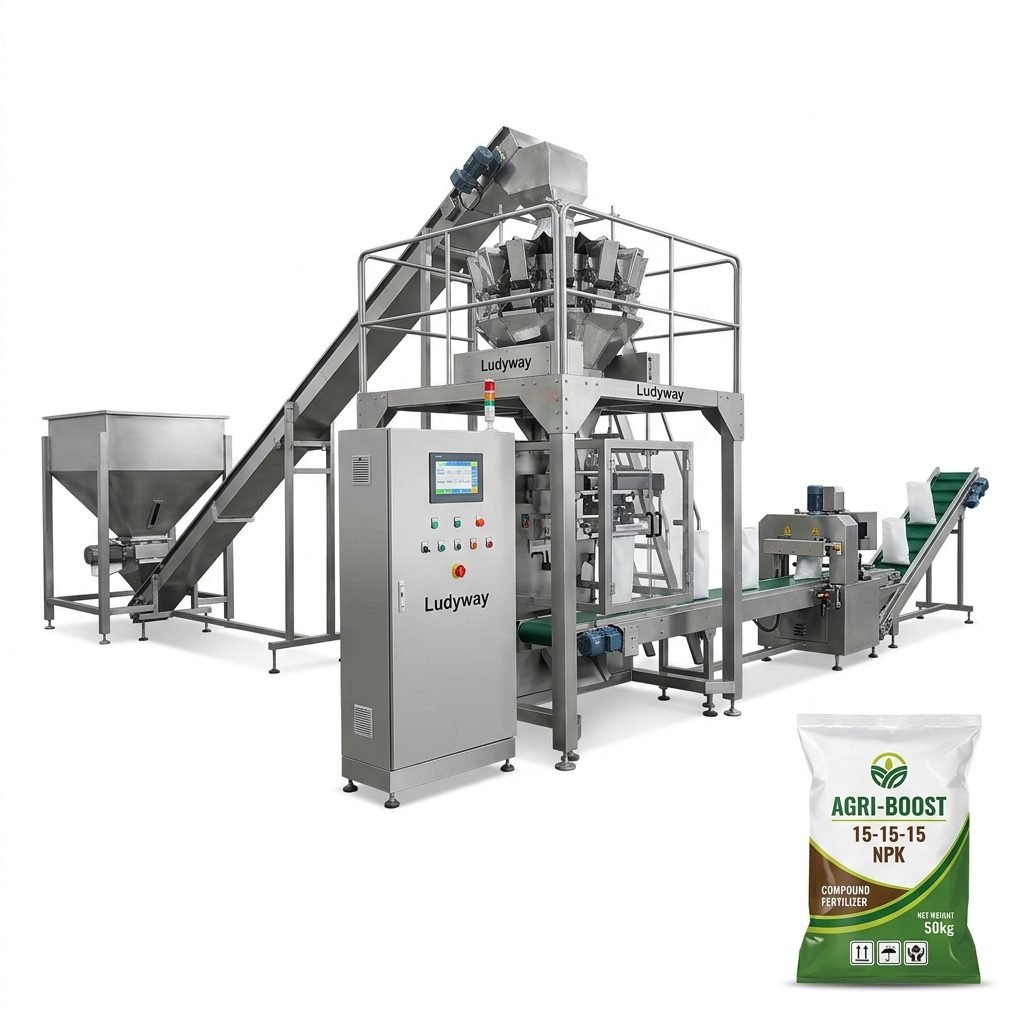
Your relationship with the supplier is key. Choose a provider known for reliability and quality, like Ludyway Packing Machine, which offers robust solutions backed by extensive experience. Ensure they offer clear manuals, video tutorials, and accessible technical support. Also, consider if the machine model can be upgraded later (e.g., adding a date coder, conveyor, or even automation modules) to protect your investment as you grow. Exploring packaging machinery solutions from experienced providers can give you a clearer path for scalability.
Why Partnering with an Experienced Supplier Matters
For a small business, the machine purchase is just the beginning. Partnering with a seasoned supplier like Ludyway Machinery provides immense value. With over 30 years of industry experience, such suppliers understand the practical challenges small businesses face. They can recommend the most suitable machine model from their range of over 50 options, avoiding the costly mistake of an under or over-specified purchase. Their support extends beyond the sale, offering guidance on material selection, maintenance, and troubleshooting, ensuring your packaging operation runs smoothly from day one. Their commitment to long-term cooperation and innovation means they become a partner in your growth journey.
Making the Final Decision: A Quick Checklist
Before purchasing, confirm these points:
✓ The machine handles your specific product type and weight range accurately.
✓ It works with your chosen packaging material and creates a strong, consistent seal.
✓ The output speed realistically matches your production targets.
✓ It fits in your workspace and is easy and safe for your team to operate.
✓ The supplier offers reliable warranty, spare parts, and technical support.
Conclusion
A well-chosen hand packaging machine is a powerful tool that can elevate your small business’s professionalism, efficiency, and product consistency without a massive capital outlay. By methodically evaluating your product, packaging, capacity needs, and supplier support, you can invest in a manual solution that not only solves your immediate packaging challenges but also lays a solid foundation for future automation and growth. The key is to view this purchase as a strategic step, aligning the machine’s capabilities with your business vision.
Frequently Asked Questions (FAQs)
1. What is the main difference between a hand packaging machine and a fully automatic one?
The core difference is the level of operator involvement. A hand (manual or semi-automatic) machine requires an operator to perform key steps like placing the bag, initiating the fill cycle, or presenting the product. A fully automatic machine performs all these functions—feeding, forming, filling, and sealing—autonomously once set up, requiring only monitoring. Automatics are for high-volume, consistent production, while manuals offer flexibility and lower cost for smaller batches.
2. Can a manual machine handle liquid packaging?
Yes, many manual machines are designed for liquids, using piston or peristaltic pump fillers for accuracy. It’s crucial to specify your product’s viscosity (e.g., water, oil, sauce, paste) when selecting a machine to ensure the filling system and sealing method (often a longer seal time for liquid barriers) are appropriate.
3. How accurate are the fills from a manual packaging machine?
Accuracy depends heavily on the machine’s measuring system (auger, cup, piston) and the operator’s consistency. Well-designed manual machines with precision components can achieve excellent weight accuracy, often within ±1-2% for granules and powders, and even better for liquids with piston fillers. Consistent operator technique is vital for maintaining this accuracy throughout a production run.
4. Is it difficult to change the package size on a hand machine?
It varies by model. Many modern manual machines are designed for quick changeover. Look for features like adjustable forming tubes, slide-out sealing jaw assemblies, or digital settings for fill volume. The best practice is to ask for a demonstration of a size change during your supplier evaluation to gauge the time and tool requirements.
5. Can I upgrade my manual machine to automatic in the future?
Some manufacturers design their manual machines as modular platforms. It may be possible to add automated feeders, conveyors, or PLC controls later. However, this is not always cost-effective compared to purchasing a new automatic system. Discuss future upgrade paths with your supplier, like Ludyway’s packaging equipment, before purchase if automation is a clear goal for your business roadmap.