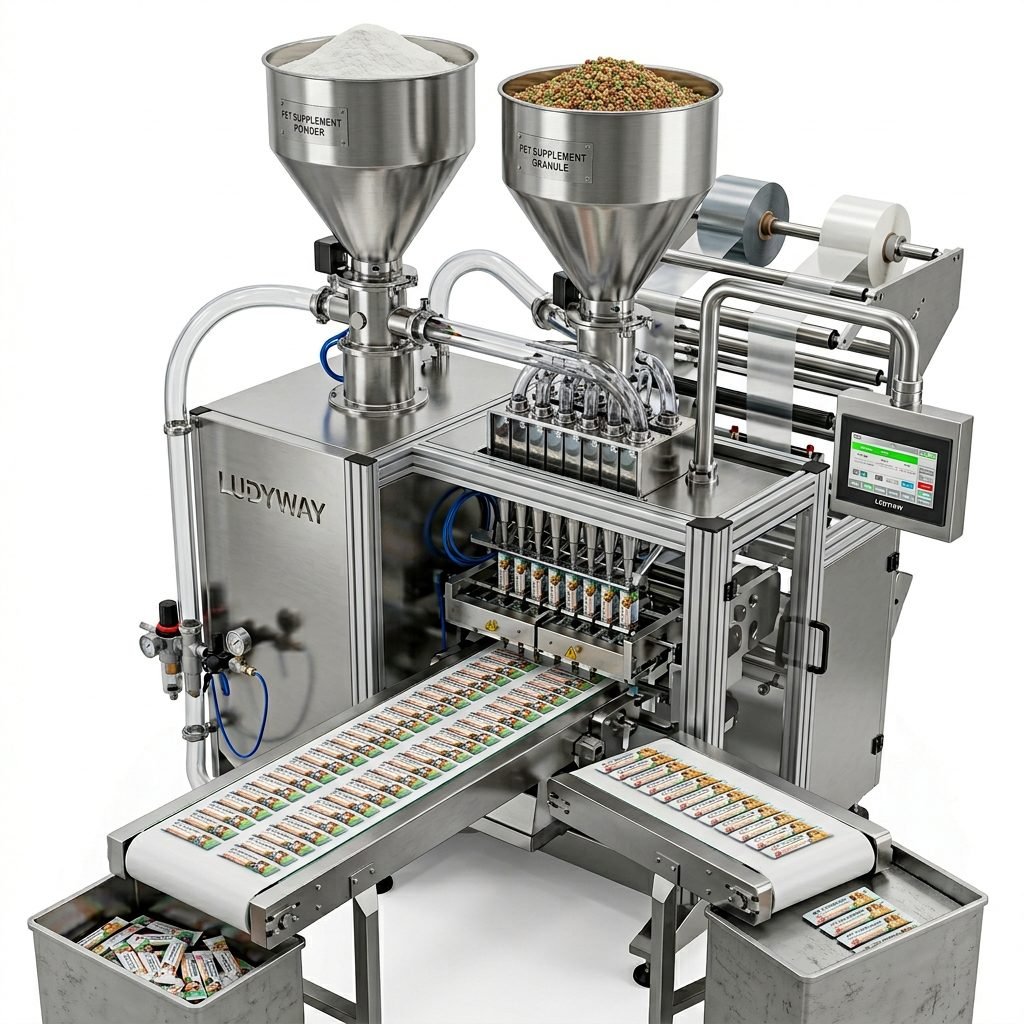
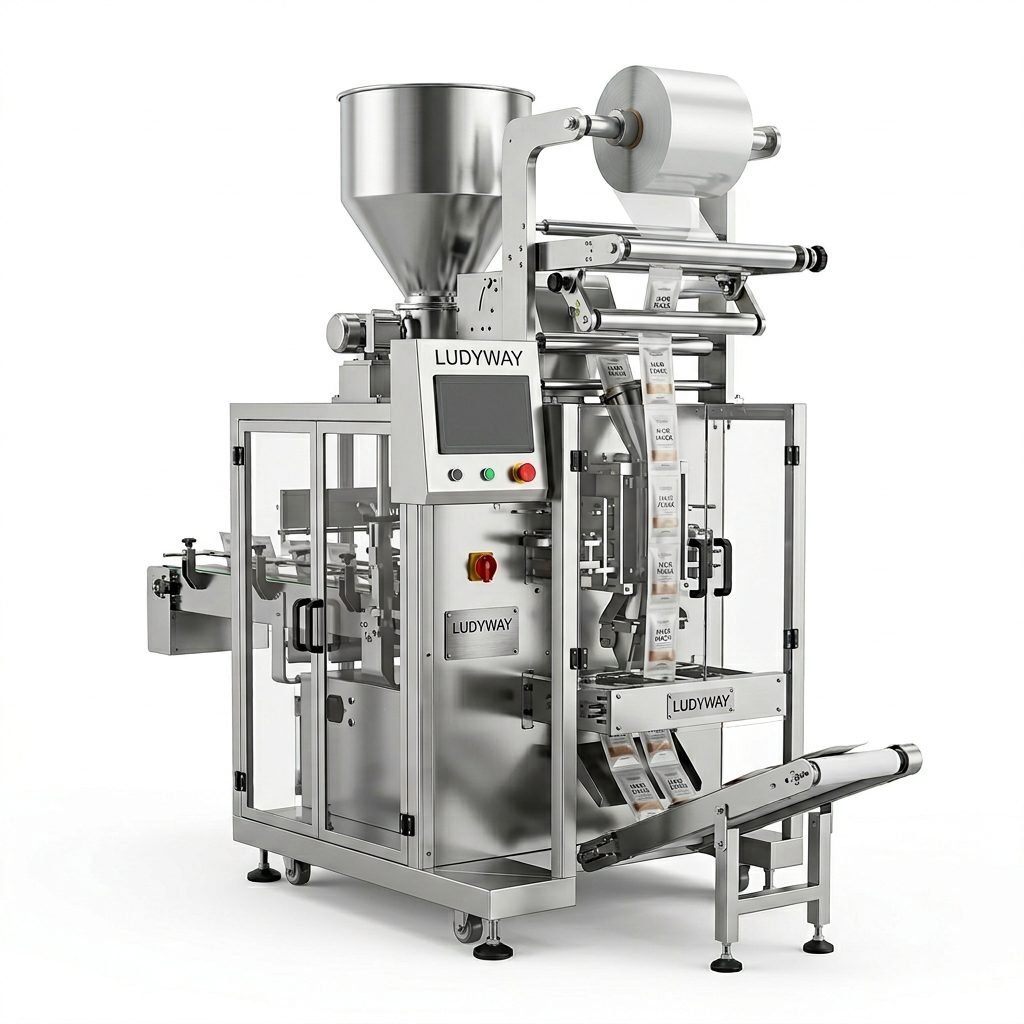
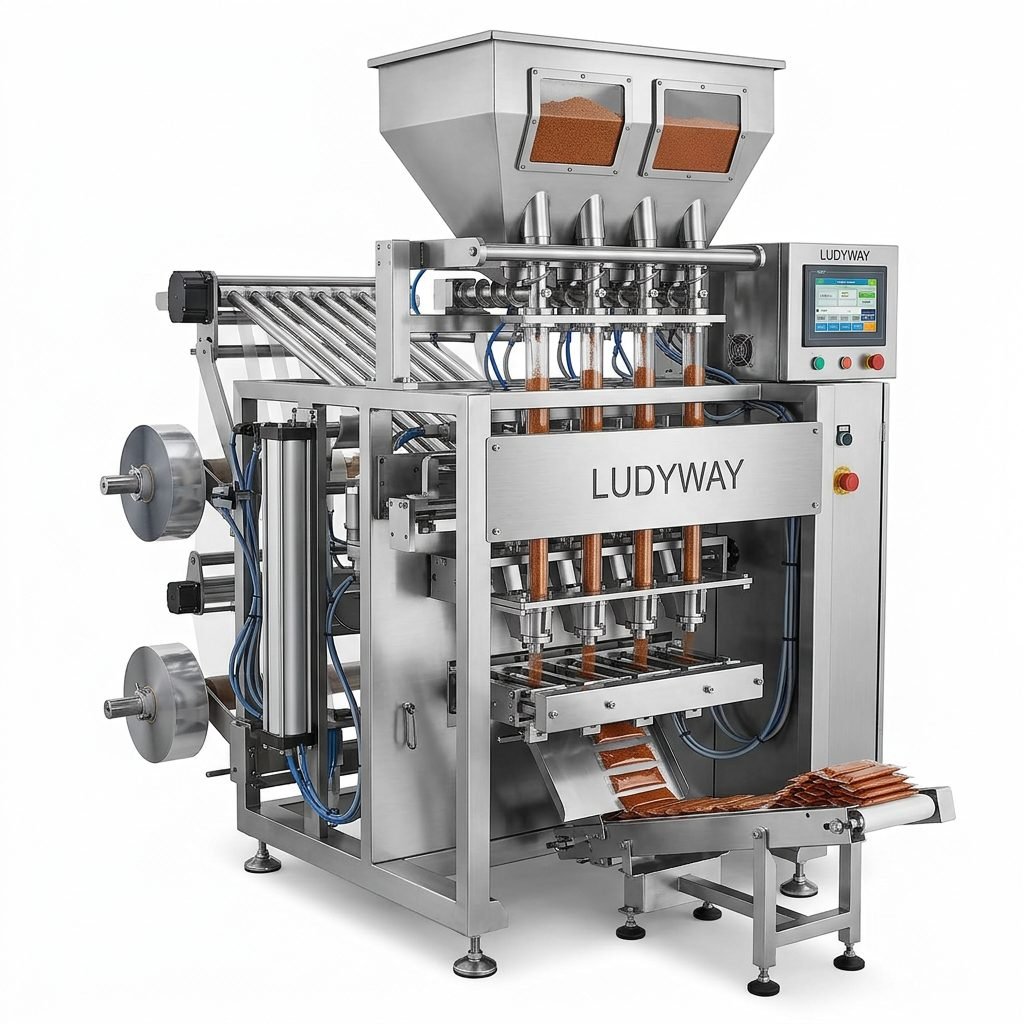
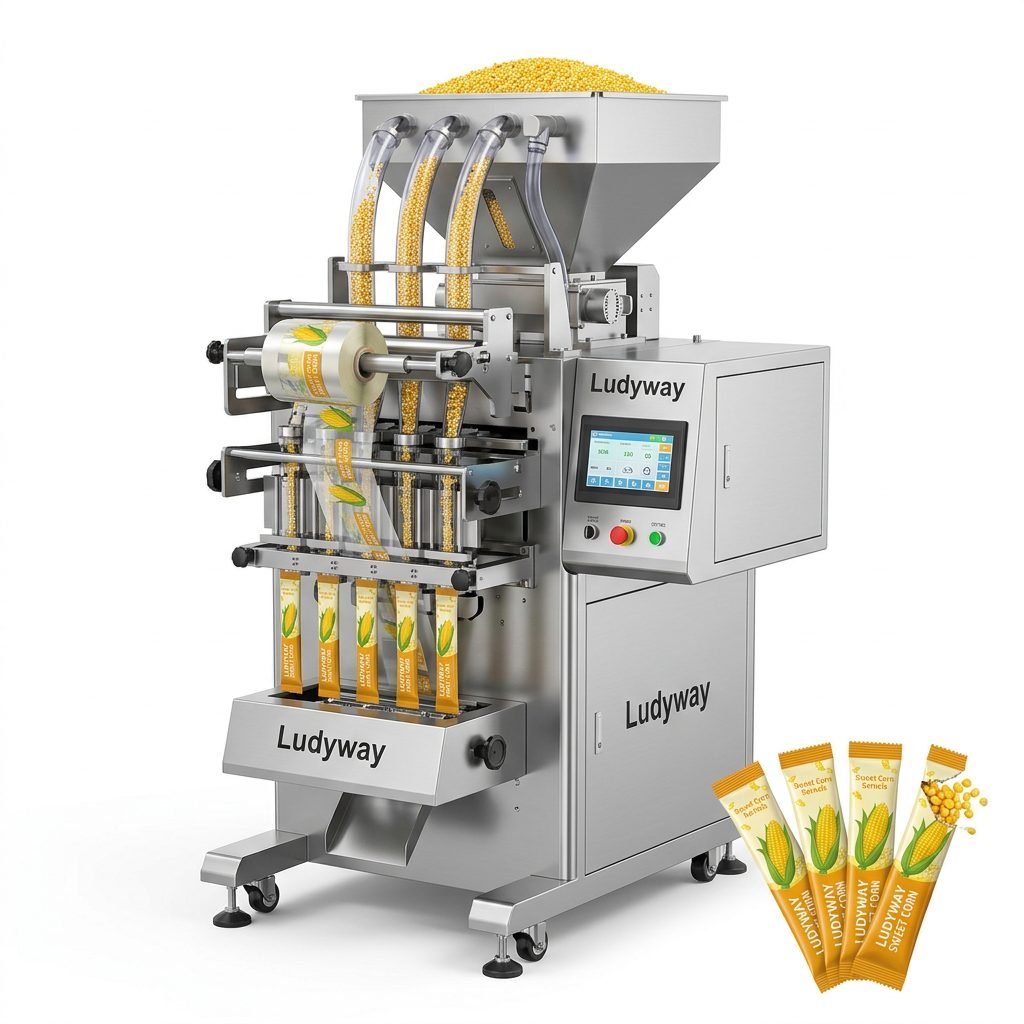
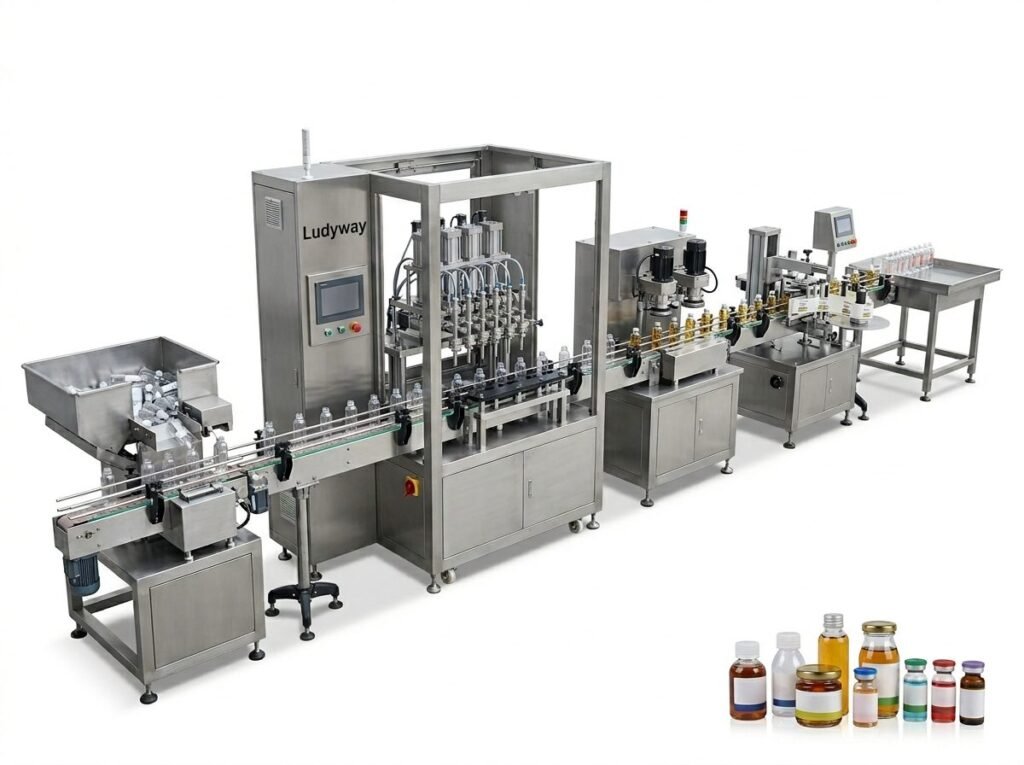
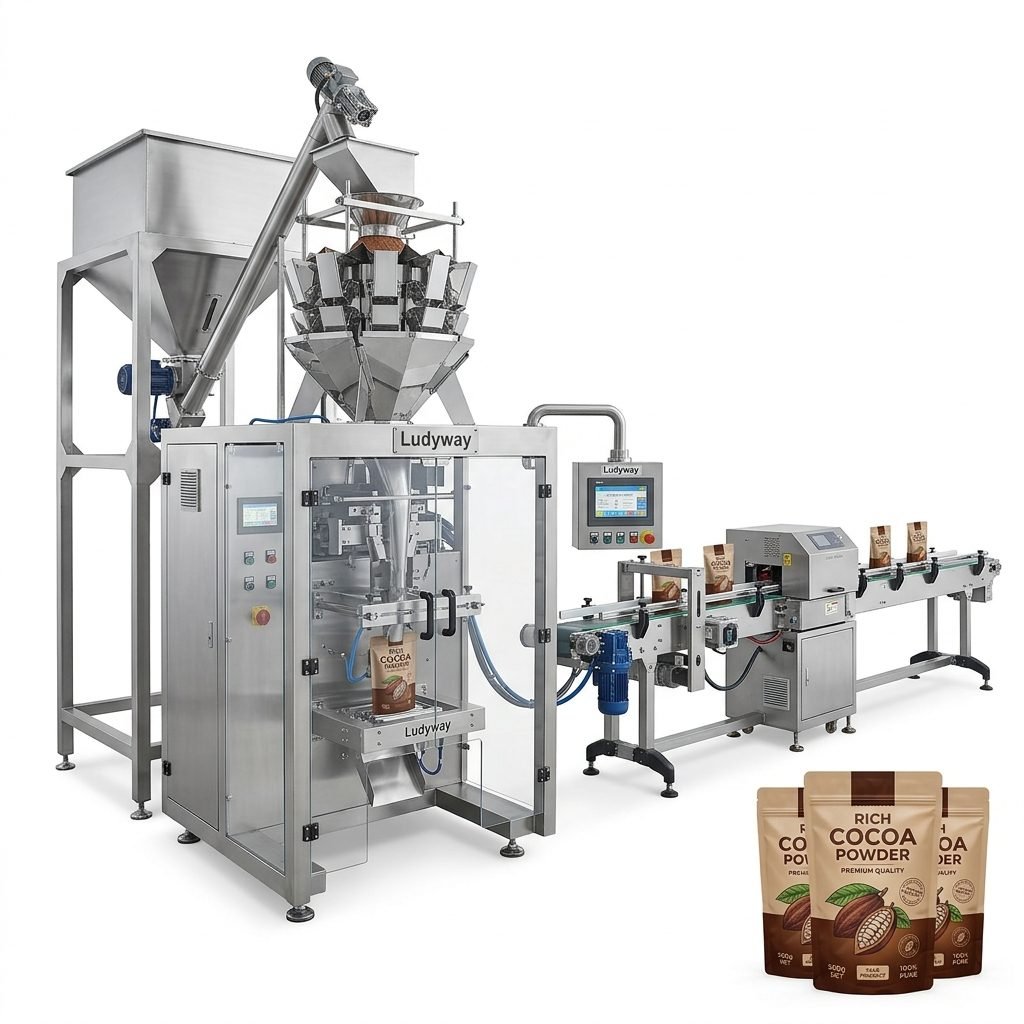
Protein supplements are sold in many formats, including powders, granules, single-serve stick packs, sachets, jars, pouches, and capsules. Choosing the right packaging machine is not just about speed. It affects dosing accuracy, powder flow, sealing quality, hygiene standards, labor costs, and how your brand looks on the shelf.
If you are packaging whey protein, plant protein, collagen, mass gainer, meal replacement, creatine blends, or sports nutrition powders, the best machine depends on your product characteristics, pack format, output target, and expansion plans.
Why machine selection matters in protein supplement packaging
Protein powders can be difficult to handle because they may be fine, dusty, hygroscopic, sticky, poorly flowing, or sensitive to moisture. A machine that works well for sugar or flour may not perform well for sports nutrition blends. The wrong choice can lead to:
- Inconsistent fill weights
- Powder leakage and dirty seals
- Low packaging speed
- Frequent stoppages and cleaning issues
- Higher material waste
- Poor shelf appeal and weaker customer trust
Start with your protein supplement product type
Before comparing machines, define exactly what you are packing. Different formulas behave differently in production.
| Product Type | Typical Packaging Format | Recommended Filling Approach |
|---|---|---|
| Whey protein powder | Jars, pouches, sachets, stick packs | Auger filler or multi-lane powder system |
| Plant protein powder | Pouches, sachets, stick packs | Auger filling with dust control |
| Collagen peptides | Single-serve sachets, stick packs | High-precision multi-lane filling |
| Mass gainer or meal replacement | Large pouches, tubs, bags | Auger or bulk weighing system |
| Protein granules or blends | Sachets, pouches | Volumetric or weighing-based filling |
Choose the packaging format first
The best protein supplement packaging machine is usually determined by the pack style you want to sell.
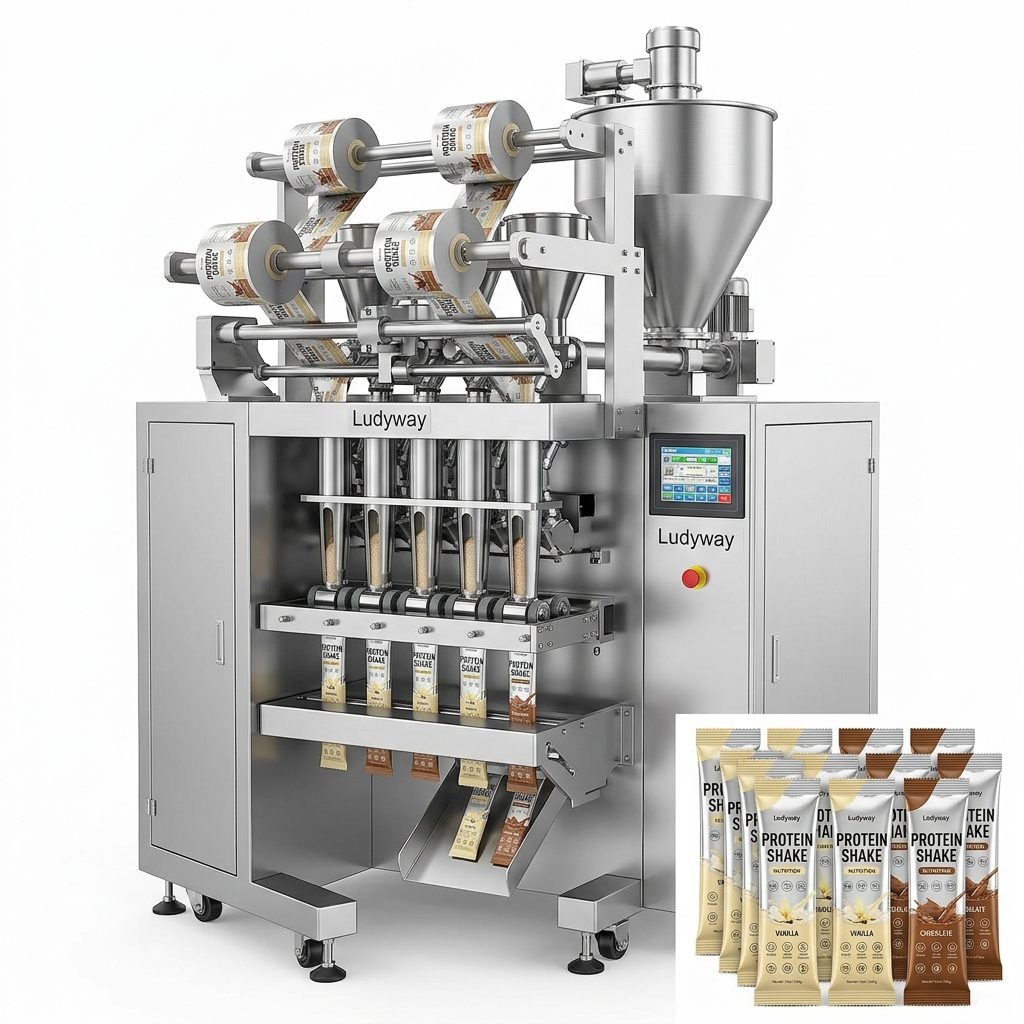
1. Stick pack machines
Stick packs are ideal for gyms, travel use, subscription boxes, and single-dose sports nutrition. They are popular for collagen, whey isolate, electrolyte-protein blends, and pre/post-workout powders.
- Compact and attractive retail format
- Excellent for single-serve convenience
- Often use multi-lane systems for high output
- Best for brands targeting e-commerce and on-the-go consumers
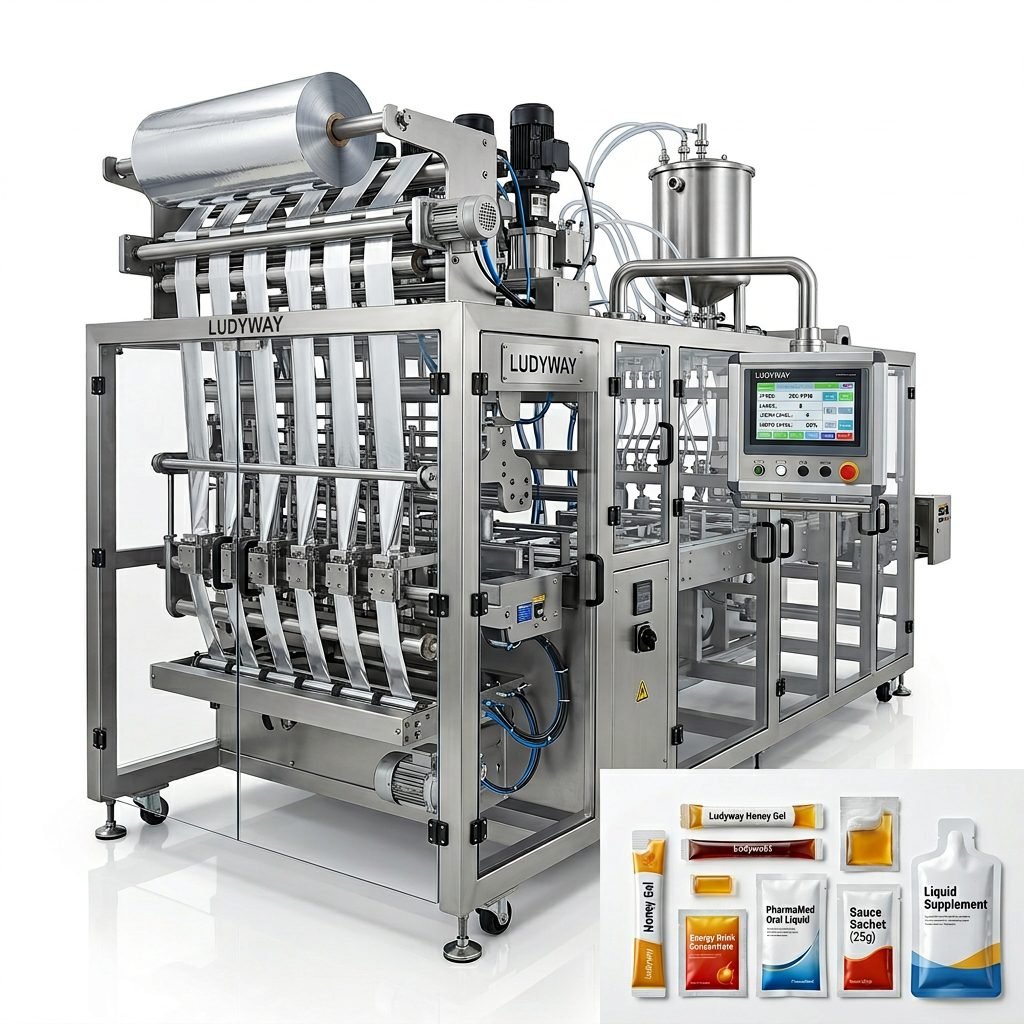
2. Sachet packaging machines
Sachets are flexible, cost-effective, and suitable for sampling, trial packs, and smaller serving sizes. They work well for powder supplements and functional nutrition blends.
3. Premade pouch or form-fill-seal pouch machines
If you sell stand-up pouches or refill packs, pouch packaging offers strong shelf presence and better branding space. It is a good option for medium to large pack sizes.
4. Jar or bottle filling lines
For traditional protein powder products sold in tubs or jars, you need a filling system combined with capping, sealing, labeling, date coding, and often induction sealing.
Key machine types for protein supplements
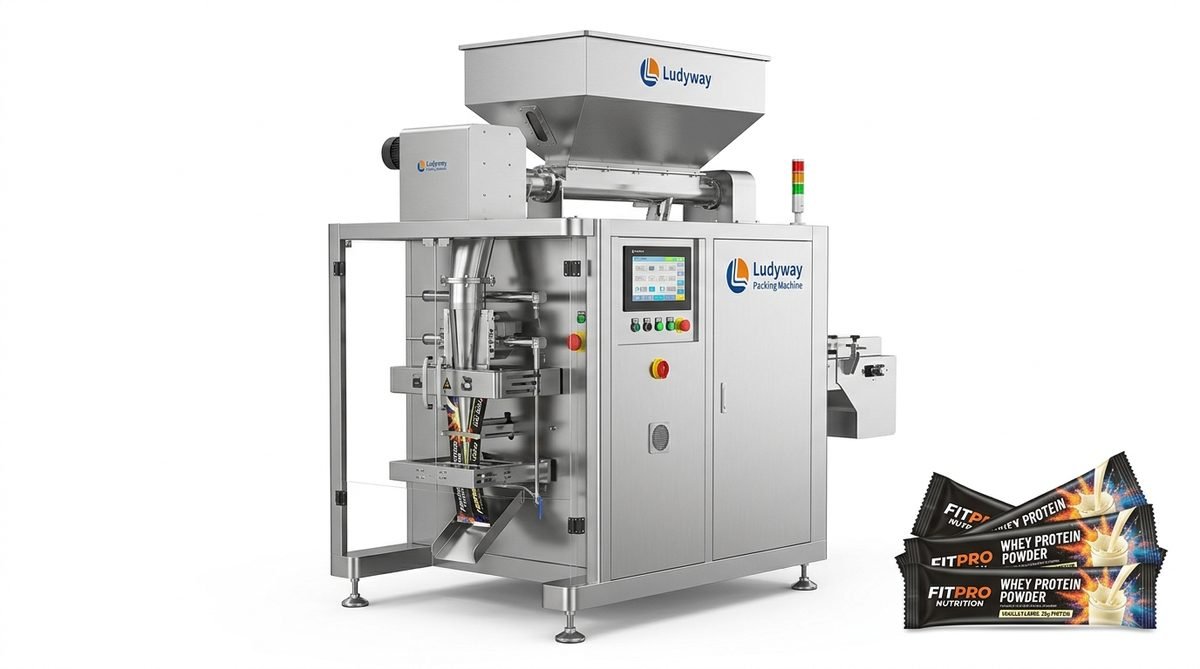
Auger filling machines
These are among the most common choices for protein powder packaging. They are suitable for powders that need controlled and repeatable filling.
Best for: whey protein, soy protein, pea protein, collagen, meal replacement powders.
Multi-lane stick pack or sachet machines
These machines are designed for high-speed single-serve production. If your brand focuses on small-format protein portions, this is often the most efficient solution.
Best for: sports nutrition sachets, protein drink mixes, collagen sticks, trial packs.
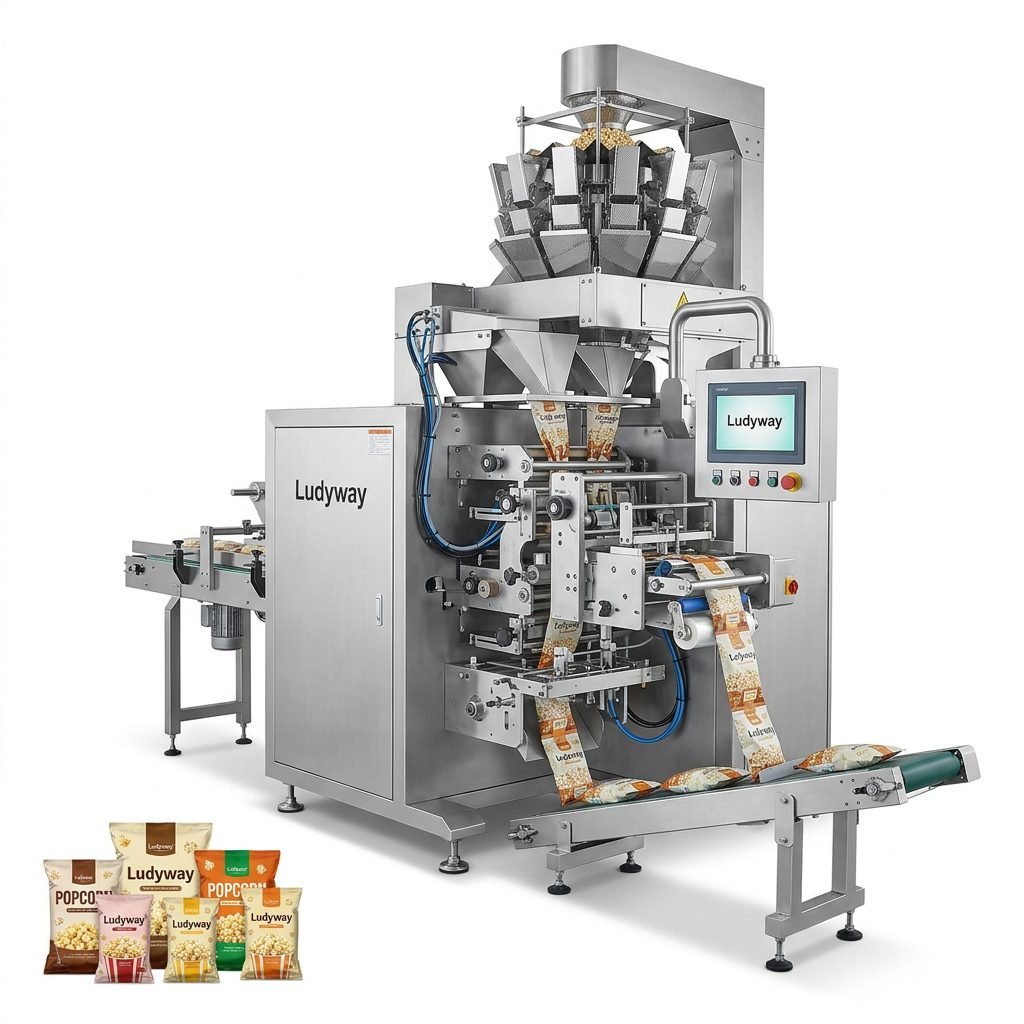
Vertical form fill seal machines
VFFS systems are useful for larger bags and pouches. They are often chosen by factories packaging refill bags or bulk nutrition products.
Turnkey packaging lines
For growing manufacturers, a full line may include powder feeding, filling, sealing, checkweighing, metal detection, cartoning, coding, and final packing. This is ideal when scaling output and reducing labor dependency.
How to match the machine to your production volume
A startup and a large contract manufacturer should not buy the same equipment. Your target output is one of the most important selection factors.
| Production Stage | Recommended Machine Type | Why It Fits |
|---|---|---|
| Small batch / startup | Semi-auto or compact automatic filler | Lower investment, easier changeover |
| Medium-scale brand | Automatic pouch or jar filling line | Balanced speed and flexibility |
| High-volume production | Multi-lane sachet or stick pack line | High output, labor savings, consistent packs |
| Large factory / OEM | Turnkey integrated packaging line | Full automation and easier expansion |
Critical features to look for
Accuracy and dosing stability
Protein supplement buyers expect every pack to contain the labeled amount. A machine should provide stable filling performance even when powder density changes slightly.
Dust control
Protein powders create dust easily. Good dust extraction and clean sealing design help avoid contamination, sealing defects, and maintenance issues.
Seal quality
For sachets and stick packs, a strong airtight seal protects freshness, prevents moisture entry, and improves transport performance.
Material compatibility
Check whether the machine supports the film or pouch material you plan to use, including laminated films, recyclable structures, or high-barrier materials.
Easy cleaning and hygiene
In health supplement production, fast cleaning and sanitary contact parts are very important. This is especially true if you package multiple flavors or allergen-sensitive formulas.
Changeover flexibility
If you offer different serving sizes, flavors, or package dimensions, choose a machine with efficient recipe management and simple format adjustment.
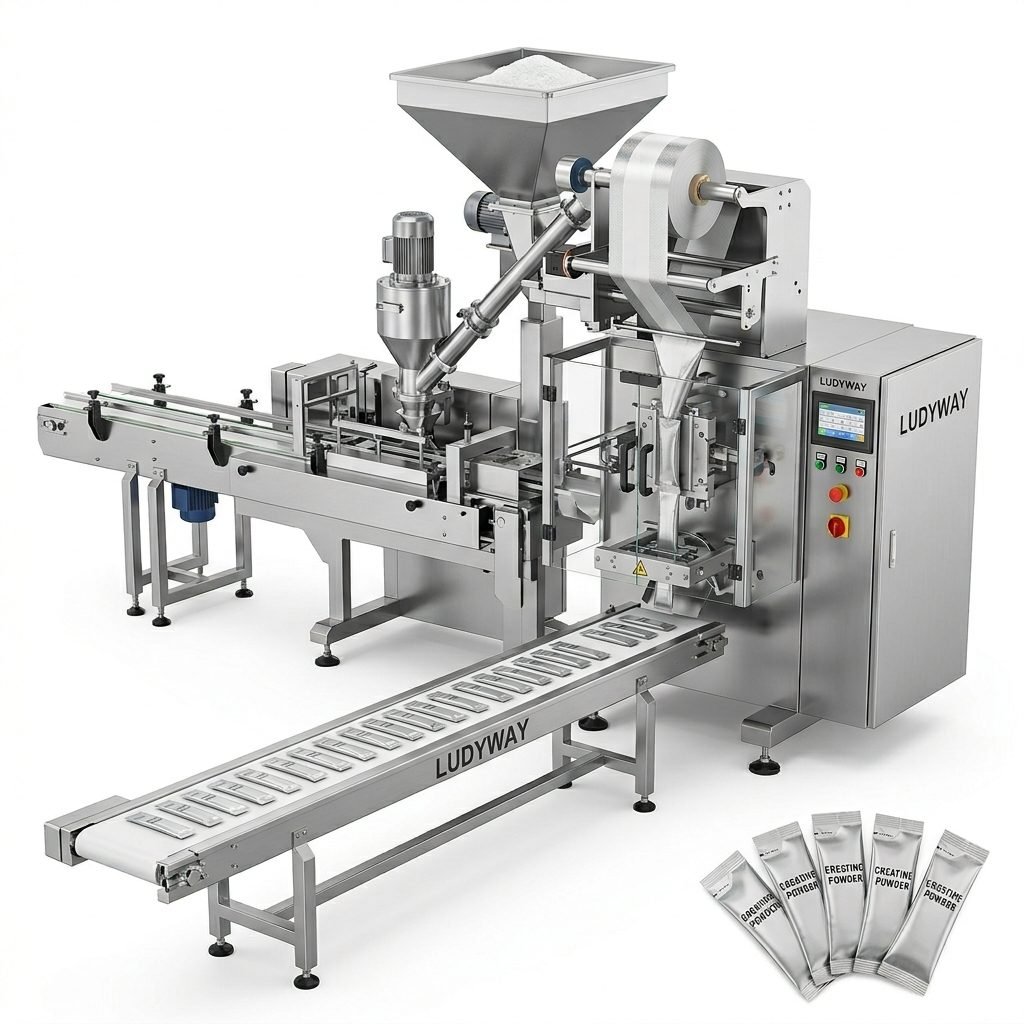
Questions buyers should ask before purchasing
- What protein products will I package now and in the next 2 to 3 years?
- Do I need sachets, stick packs, pouches, jars, or multiple formats?
- What is my target output per minute or per shift?
- How accurate must each dose be?
- Is my powder free-flowing, dusty, sticky, or moisture sensitive?
- How much floor space and labor do I have?
- Do I need a standalone machine or a complete turnkey line?
- Can the supplier provide installation, training, spare parts, and after-sales support?
Common buying mistakes to avoid
- Choosing only by price instead of total operating value
- Ignoring future product expansion
- Overlooking powder behavior during real production
- Buying a high-speed machine without matching feeding and downstream equipment
- Not checking seal integrity and dosing consistency through sample testing
When a turnkey packaging line is the better choice
A standalone machine can work for simple operations, but many protein supplement producers benefit more from a full system. A turnkey line can integrate:
- Powder feeding and conveying
- Automatic filling and sealing
- Checkweighing and inspection
- Date coding and labeling
- Cartoning or case packing
- End-of-line automation
This approach improves consistency and helps reduce manual handling. For brands planning to scale, working with an experienced manufacturer of protein supplement packaging machines can make project planning much easier.
How to evaluate a supplier
Machine quality matters, but supplier capability matters just as much. Look for a company with real manufacturing strength, export experience, customization ability, and dependable support. Ask for:
- Similar project cases
- Machine videos with comparable products
- Technical proposals based on your sample
- Lead time and spare parts list
- Commissioning and training support
- Documentation and quality certifications where needed
One example is Ludyway, founded in 1993, with over 30 years of packaging industry experience, a manufacturing facility of more than 20,000 square meters, and broad experience in powder, granule, liquid, pouch, sachet, and turnkey packaging line projects for international markets.
Best packaging machine choice by business goal
For single-serve sports nutrition brands
Choose a multi-lane stick pack or sachet machine for speed, convenience, and retail-ready packaging.
For traditional protein tub products
Choose an auger filling jar or bottle line with capping, sealing, and labeling integration.
For refill pouch brands
Choose a pouch packaging machine with stable powder dosing and strong sealing performance.
For OEMs and large factories
Choose a turnkey packaging line with upstream feeding and downstream automation for better efficiency and lower unit cost.
Final selection checklist
- Product: powder, granule, blend, or capsule
- Pack format: stick pack, sachet, pouch, jar, or bottle
- Output: startup, medium, or high-speed production
- Accuracy: required weight tolerance
- Hygiene: easy cleaning and sanitary design
- Flexibility: support for multiple SKUs
- Automation: standalone machine or full line
- Support: testing, installation, training, spare parts
The best packaging machine for protein supplements is the one that matches your formula, package style, production goals, and future growth. If you evaluate these points carefully, you can invest in a system that delivers accurate filling, reliable sealing, better efficiency, and stronger market competitiveness.