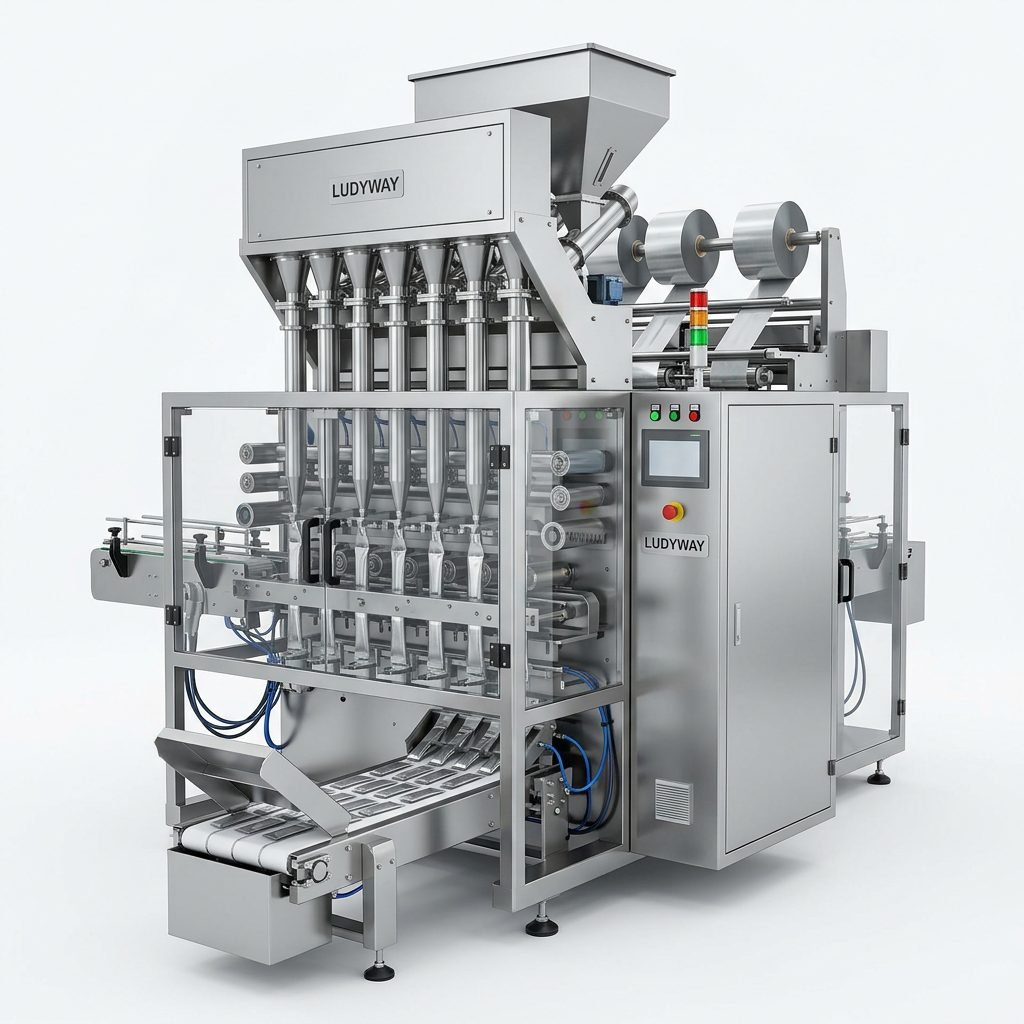
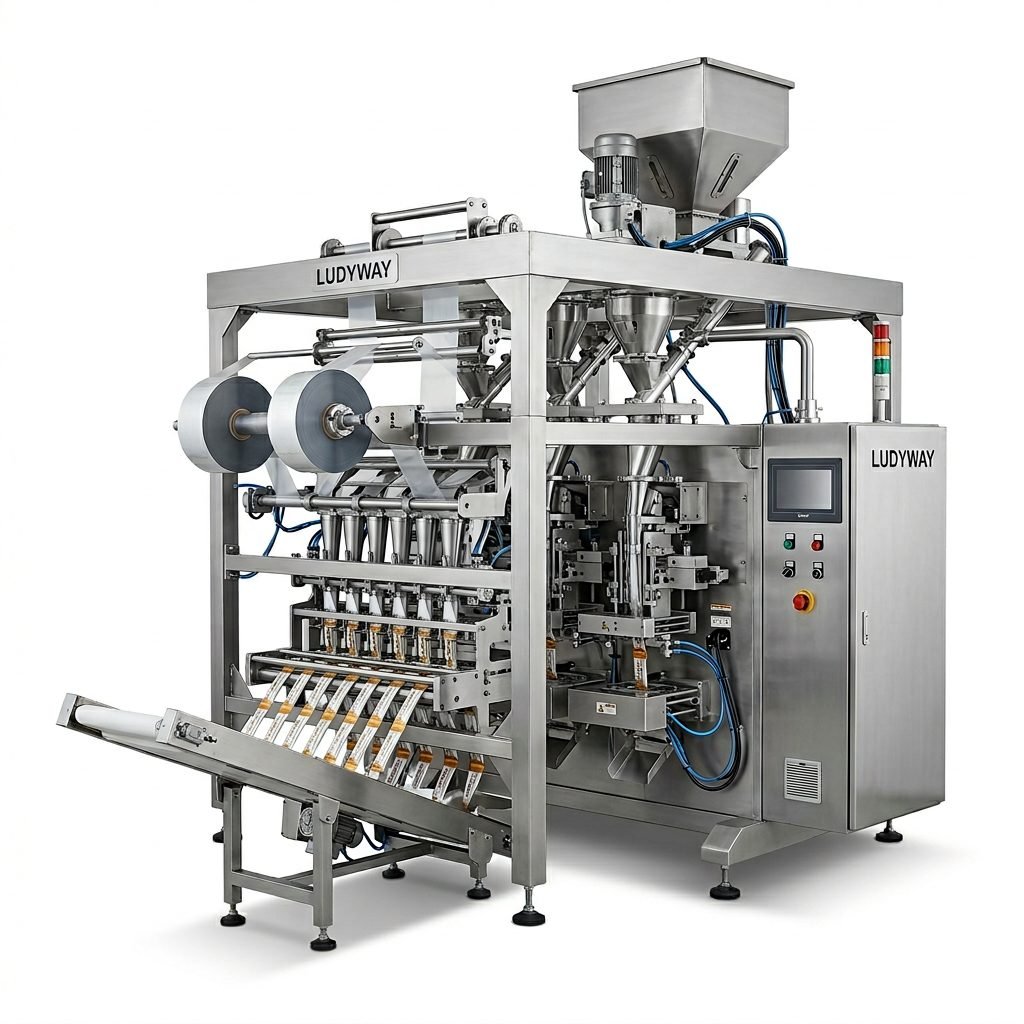
Investing in a coffee bag packaging machine is a critical decision that can significantly impact your production efficiency, product quality, and bottom line. Whether you are a specialty roaster scaling up or an established manufacturer upgrading your line, understanding the key selection criteria is essential. This guide walks you through every factor to consider, helping you make an informed investment.
Understanding Your Coffee Packaging Requirements
Before evaluating specific machines, you must define your production needs. Different coffee products—ground coffee, whole beans, instant coffee powder, and coffee pods—require different handling and packaging approaches. The first step is mapping your product characteristics, desired packaging format, and production targets.
Product Characteristics That Influence Machine Selection
- Product form: Whole beans, coarse grinds, fine powder, or instant granules each require specific dosing mechanisms.
- Flowability: Coffee powder can be cohesive; beans are free-flowing. Your machine’s filling system must match.
- Hygroscopicity: Coffee readily absorbs moisture. Packaging machines must handle this sensitivity, especially for packaging standards compliance.
- Degassing requirements: Freshly roasted coffee releases CO₂. One-way valve integration may be necessary.
Types of Coffee Bag Packaging Machines
The market offers several machine configurations, each suited to different scales and packaging styles. Below is a breakdown of the most common types used in coffee packaging today.
Vertical Form Fill Seal (VFFS) Machines
VFFS machines form bags from roll stock film, fill them with coffee, and seal—all in a vertical orientation. They are ideal for medium to high-volume ground coffee and whole bean packaging in pillow bags, gusseted bags, or block-bottom formats. Modern VFFS systems can reach speeds exceeding 60 bags per minute depending on the model and product.
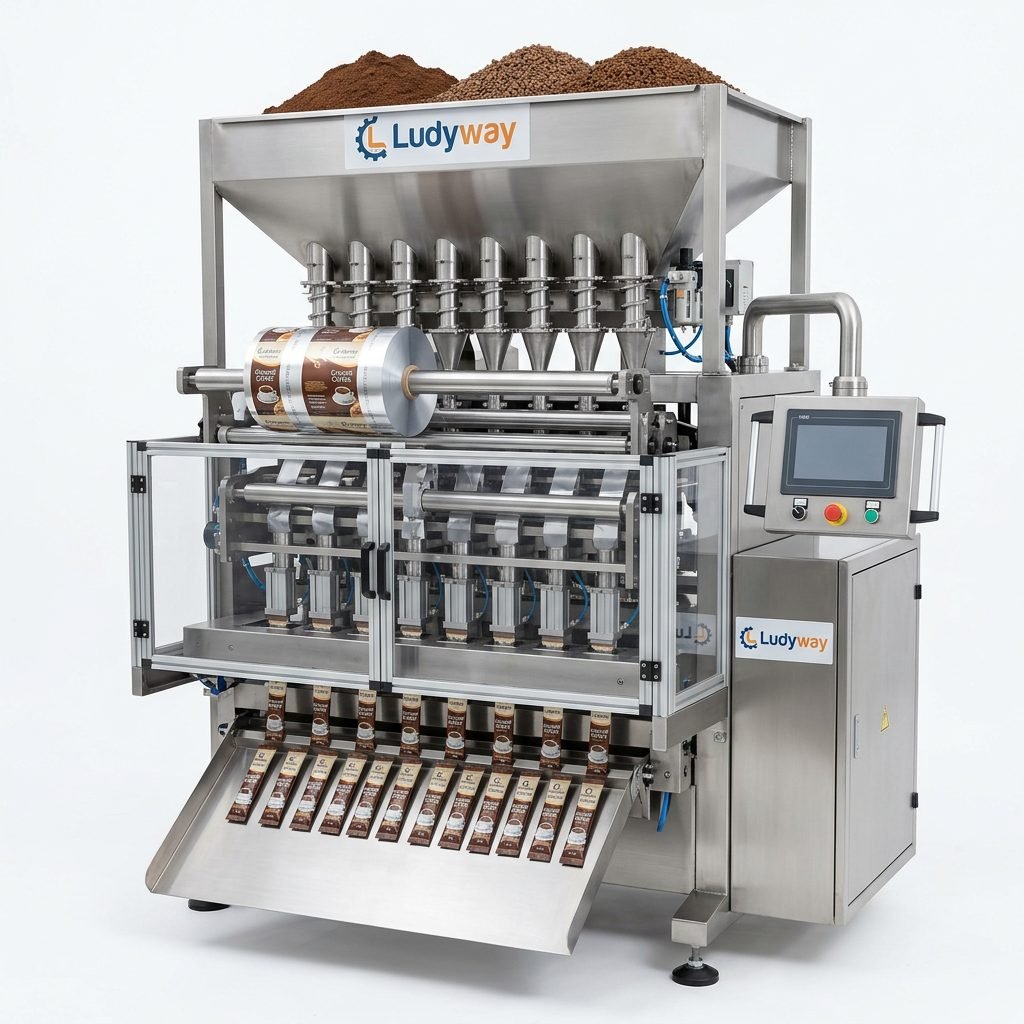
Multi-Lane Stick Pack Machines
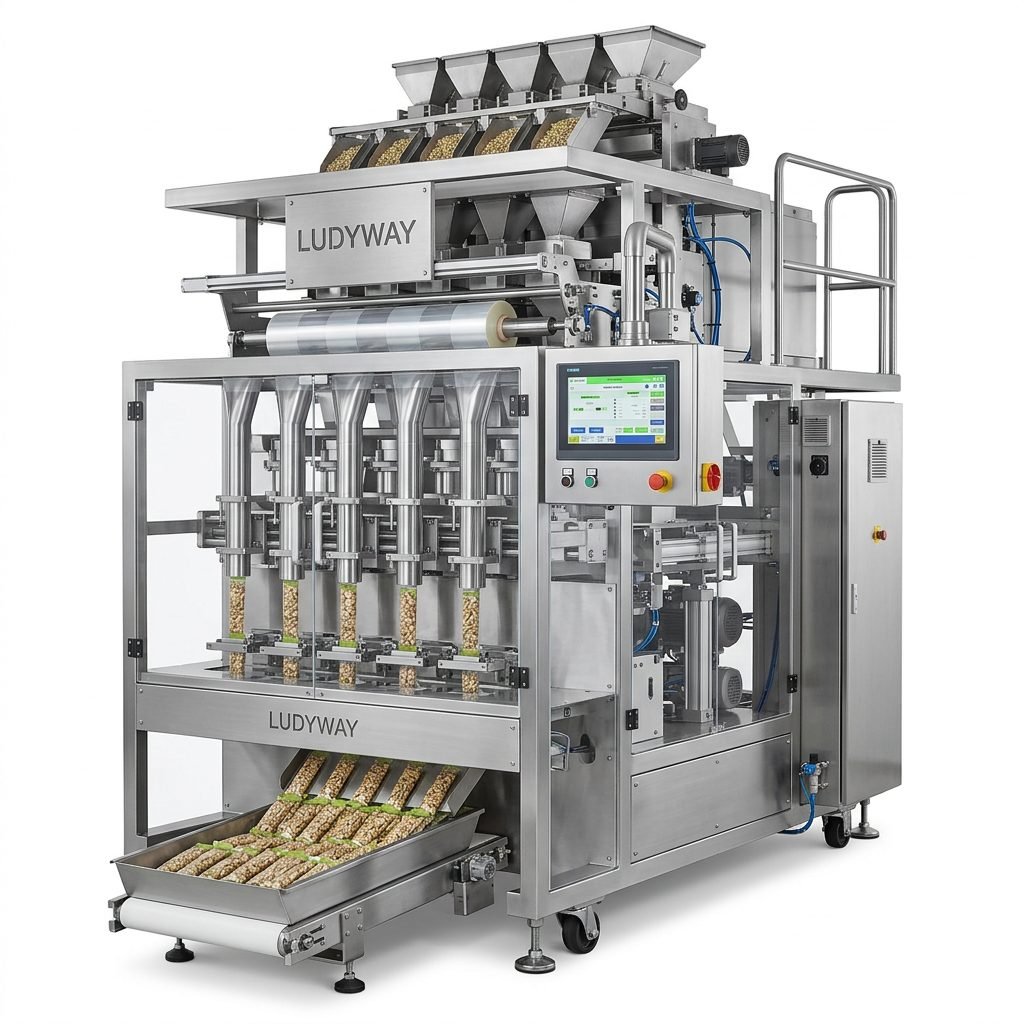
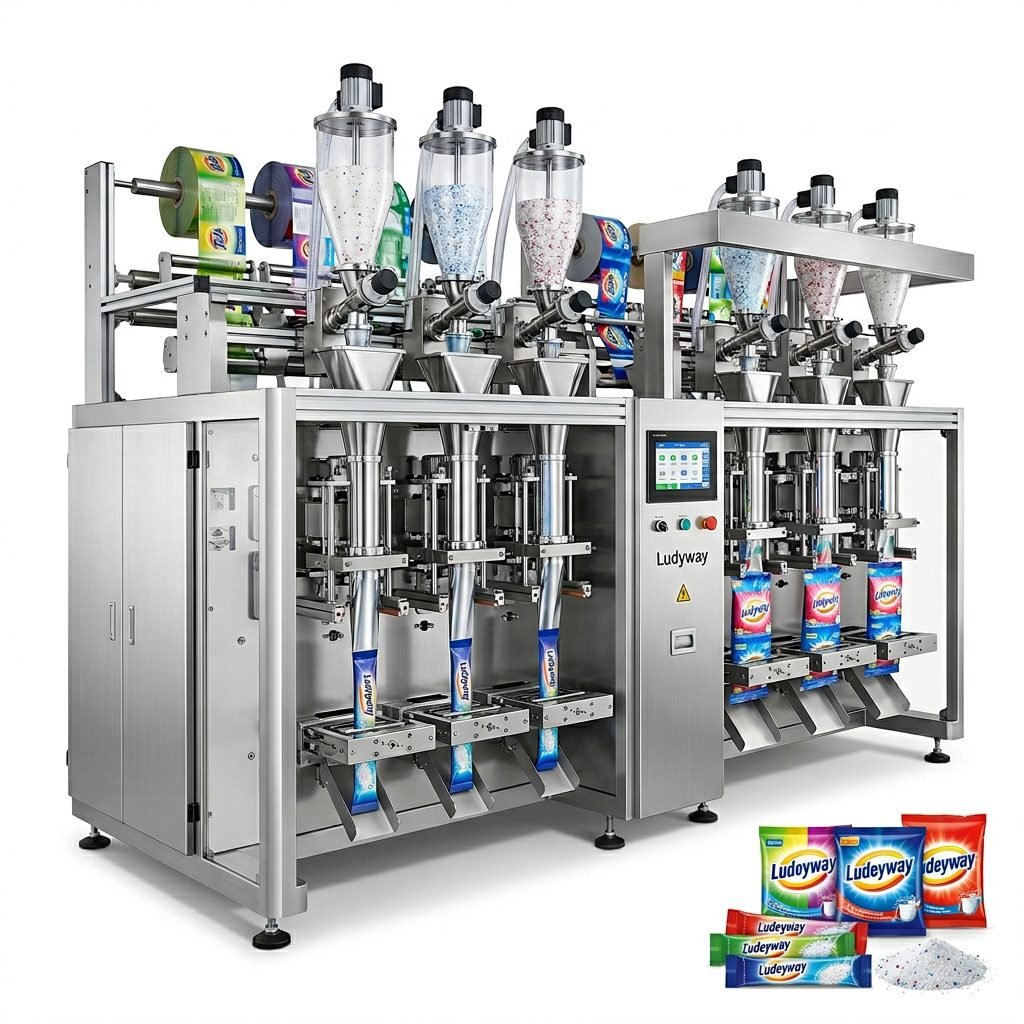
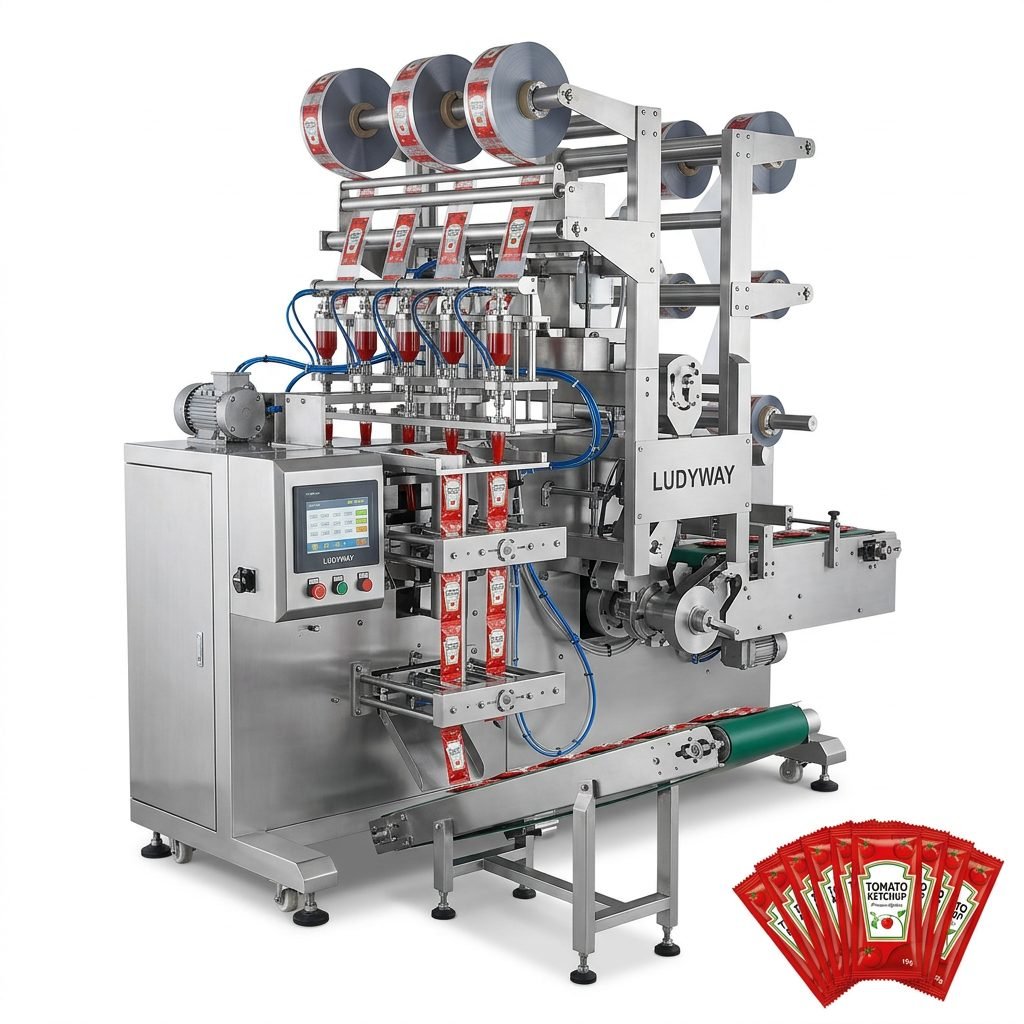
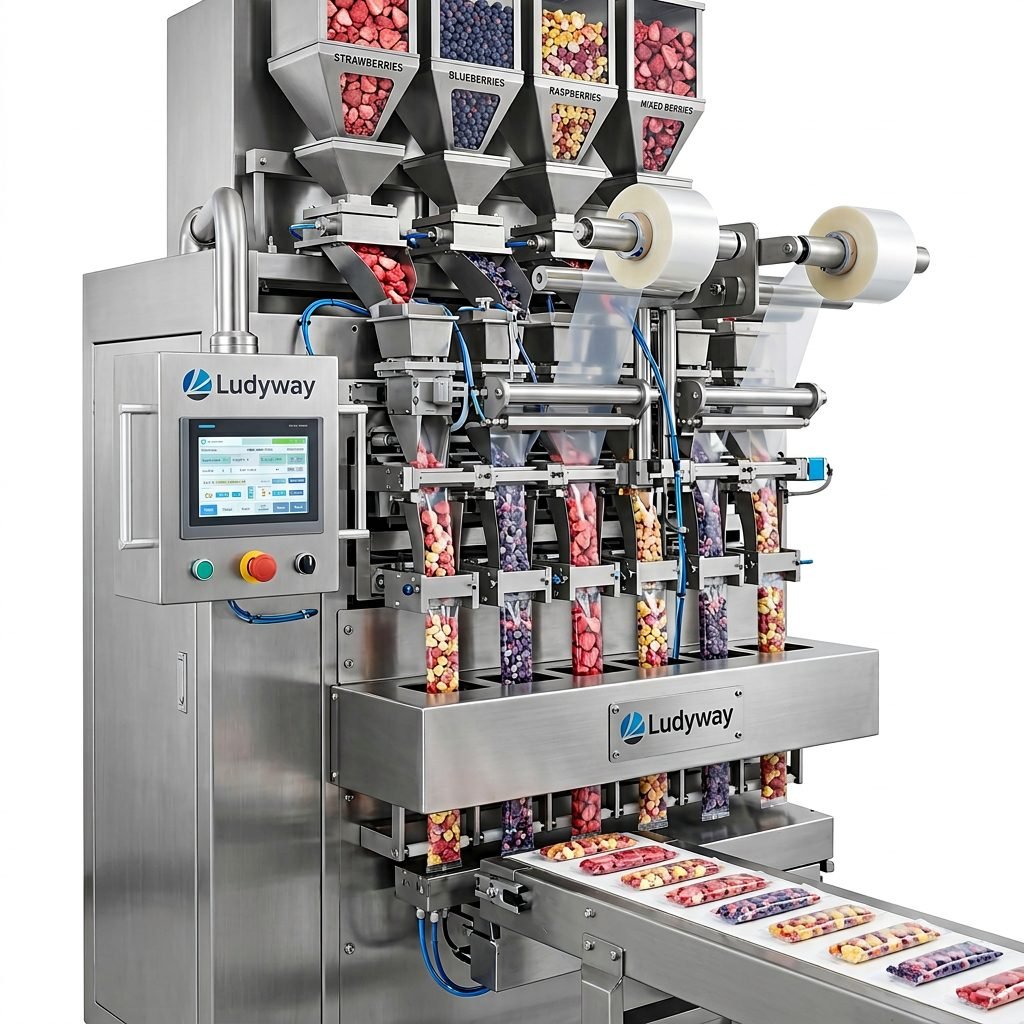
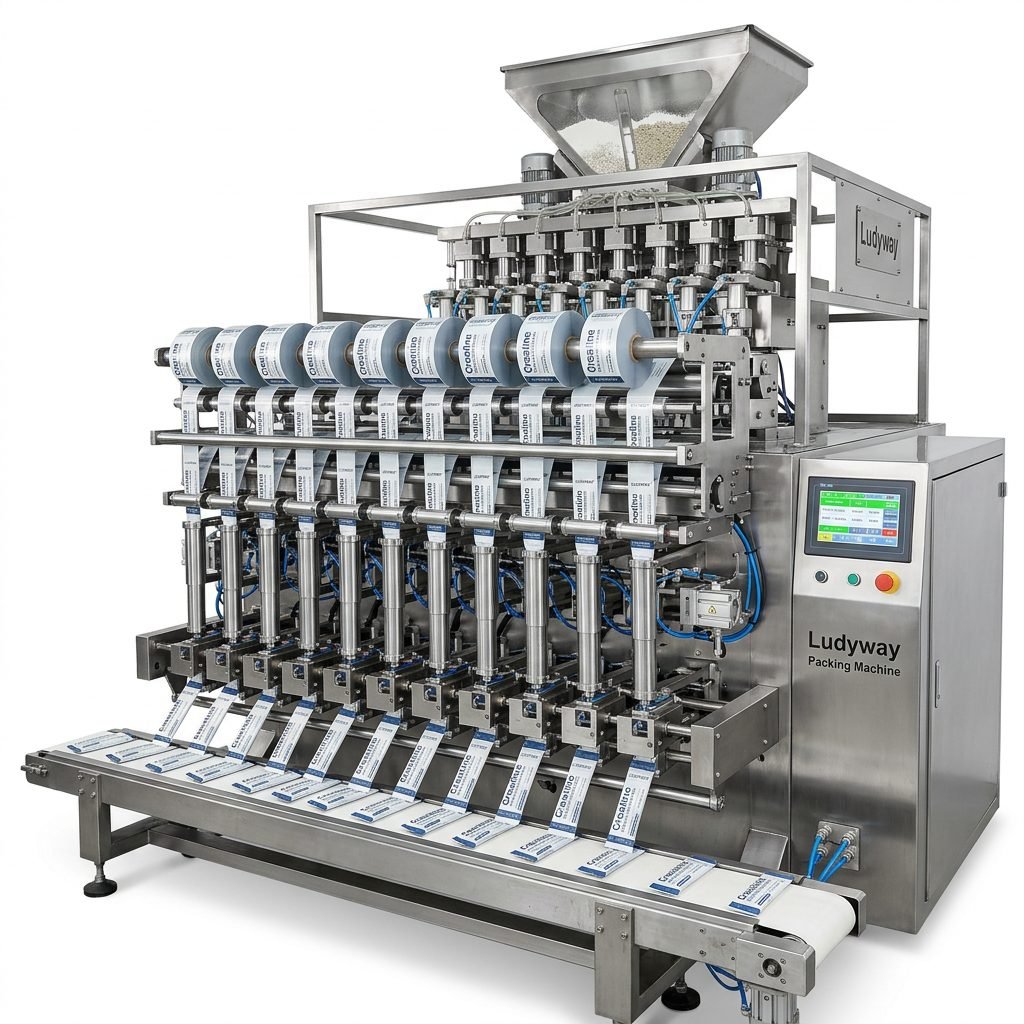
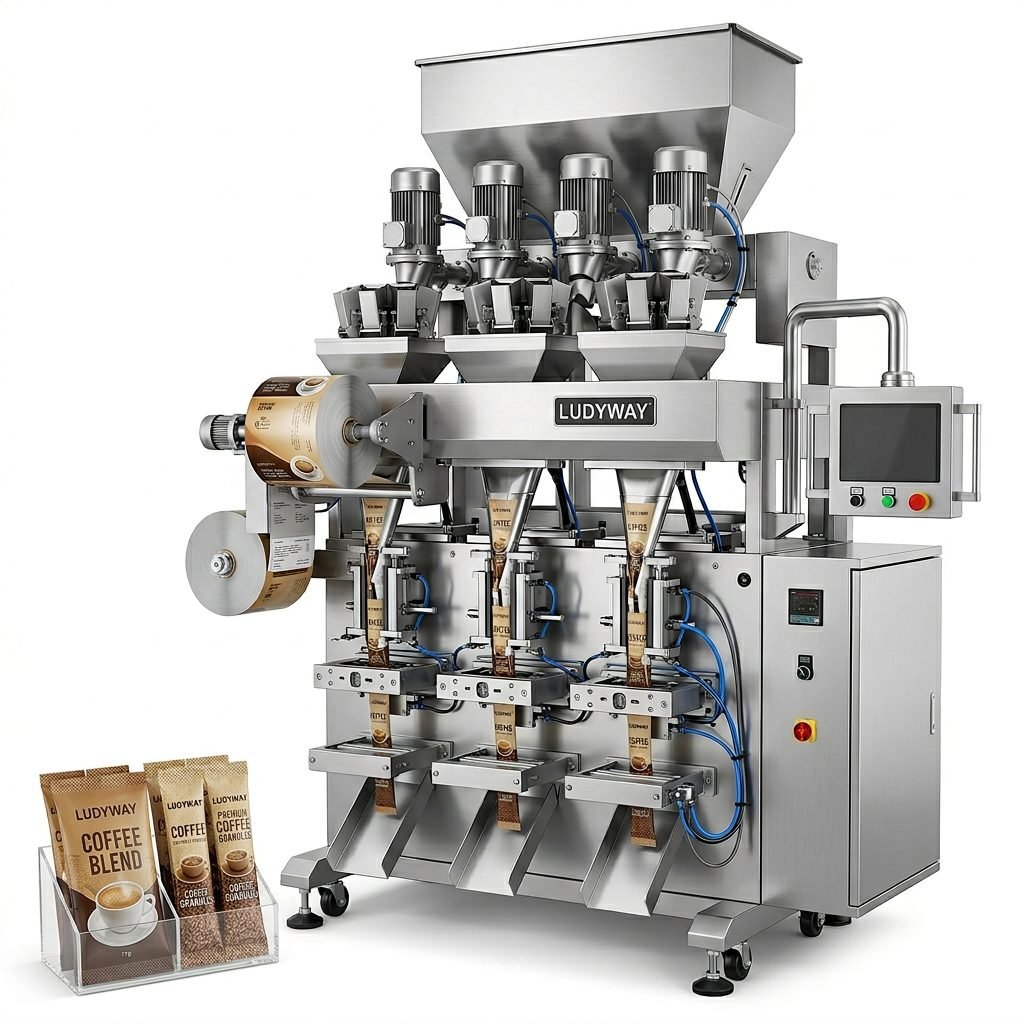
For single-serve instant coffee and 3-in-1 coffee mixes, multi-lane stick pack machines dominate. These systems run multiple lanes simultaneously, producing high volumes of narrow stick packs or sachets at exceptional speeds. A 10-lane configuration can produce over 400 stick packs per minute, making them the go-to choice for soluble coffee products.
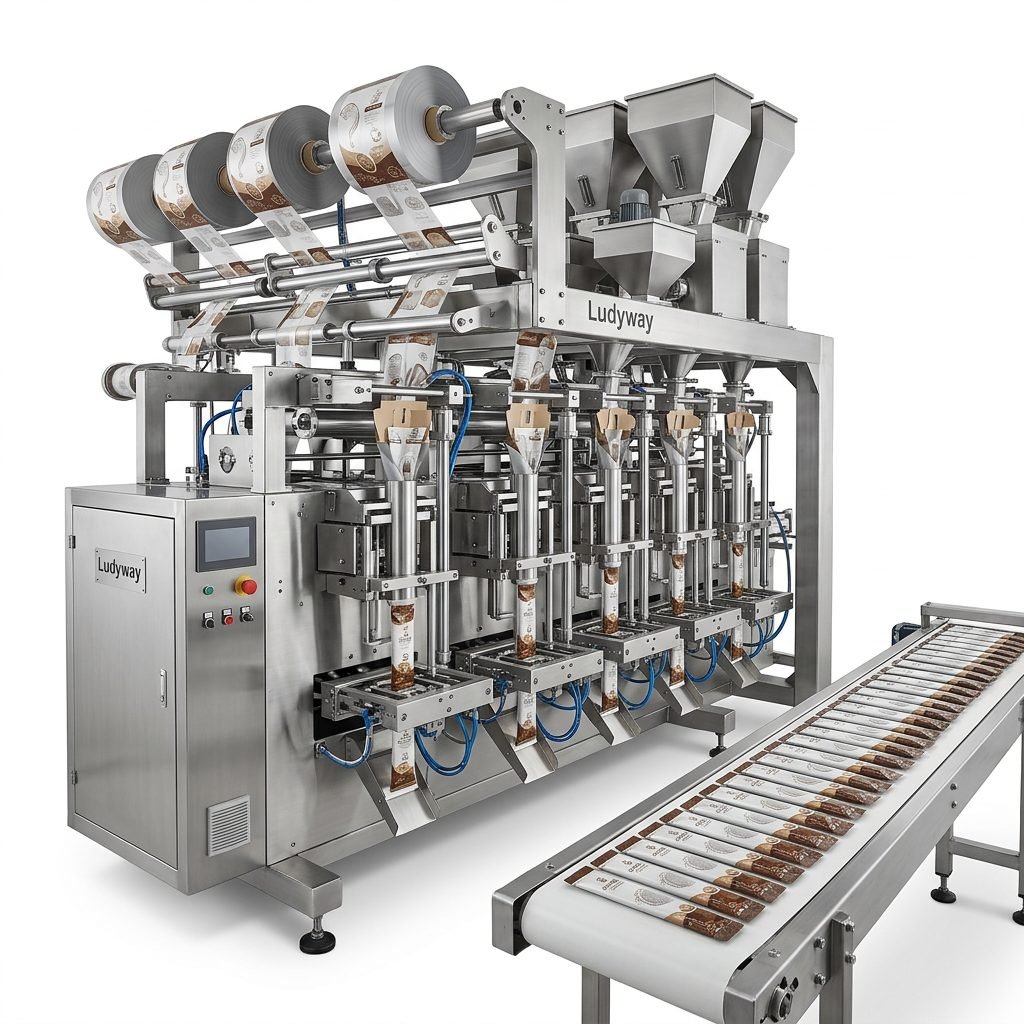
Pre-Made Pouch Filling Machines
Rotary or inline pouch fillers handle pre-formed flat pouches or stand-up pouches. These machines are preferred for premium coffee packaging with features like zipper closures, quad-seal edges, and degassing valves. They offer greater flexibility in pouch design but typically run at lower speeds than VFFS alternatives.
Key Factors to Consider When Choosing a Machine
Selecting the right equipment extends beyond machine type. The following table compares critical parameters you must evaluate against your operational requirements.
| Selection Factor | Why It Matters | Key Questions to Ask |
|---|---|---|
| Production Speed | Directly affects output capacity and ROI timeline | What is the rated output in bags per minute? Can it sustain this speed with my product? |
| Fill Accuracy | Prevents product giveaway and maintains consistency | What dosing technology is used—auger, volumetric, multi-head weigher? |
| Bag Size Range | Determines future flexibility for different SKUs | What is the minimum and maximum bag dimension the machine can handle? |
| Material Compatibility | Impacts seal integrity and shelf life | Can it run laminated films, aluminum foil, kraft paper, or biodegradable materials? |
| Automation Level | Affects labor costs and operational complexity | Is it semi-automatic or fully automatic? Does it integrate with upstream/downstream equipment? |
| Changeover Time | Critical for manufacturers running multiple products | How long does it take to switch between bag sizes or products? |
| Cleanability & Hygiene | Essential for food safety compliance | Is the machine designed for easy disassembly and cleaning? Are there crevices where coffee residue can accumulate? |
Industry Standards and Compliance
Food-grade packaging machinery must adhere to stringent regulatory requirements, particularly in markets like North America and Europe. The FDA food packaging regulations set clear guidelines for food contact materials, while ISO packaging standards provide internationally recognized benchmarks for machine safety and performance. For coffee manufacturers exporting globally, ensuring your chosen machine meets these requirements is non-negotiable.
Evaluating Total Cost of Ownership
The purchase price is only one component. Smart buyers evaluate total cost of ownership (TCO), which includes installation, operator training, energy consumption, consumable parts, routine maintenance, and potential downtime costs. A machine with a lower upfront cost may have higher long-term expenses if it lacks reliability or requires frequent service interventions.
Warranty and After-Sales Support
- Warranty coverage: What components are covered and for how long?
- Spare parts availability: Are critical parts stocked locally or shipped internationally?
- Technical support: Is remote assistance available? What is the typical response time?
- Engineering support: Can the supplier provide packaging machinery market research insights and line integration guidance?
Flexible Packaging Trends Affecting Machine Selection
The flexible packaging industry continues to evolve rapidly. Sustainability pressures are driving adoption of recyclable mono-materials, while e-commerce growth increases demand for durable, lightweight packaging. When selecting a coffee packaging machine, consider its ability to run emerging sustainable materials, as Flexible Packaging Association data indicates that material innovation will accelerate in the coming years. Machines with precise temperature control and adjustable sealing parameters offer greater material flexibility.
Questions to Ask Potential Suppliers
Before finalizing your investment, conduct thorough discussions with equipment manufacturers. Here is a checklist of essential questions:
- Can you provide documented case studies of similar coffee packaging installations?
- What preventive maintenance schedule do you recommend, and what are the associated costs?
- Does the machine support Industry 4.0 features such as remote monitoring and data collection?
- What is the lead time from order to delivery, and what does installation and commissioning entail?
- Are operator training programs included, and in what format are they delivered?
- Can the machine be upgraded or reconfigured if my packaging requirements change?

Integration with Your Production Line
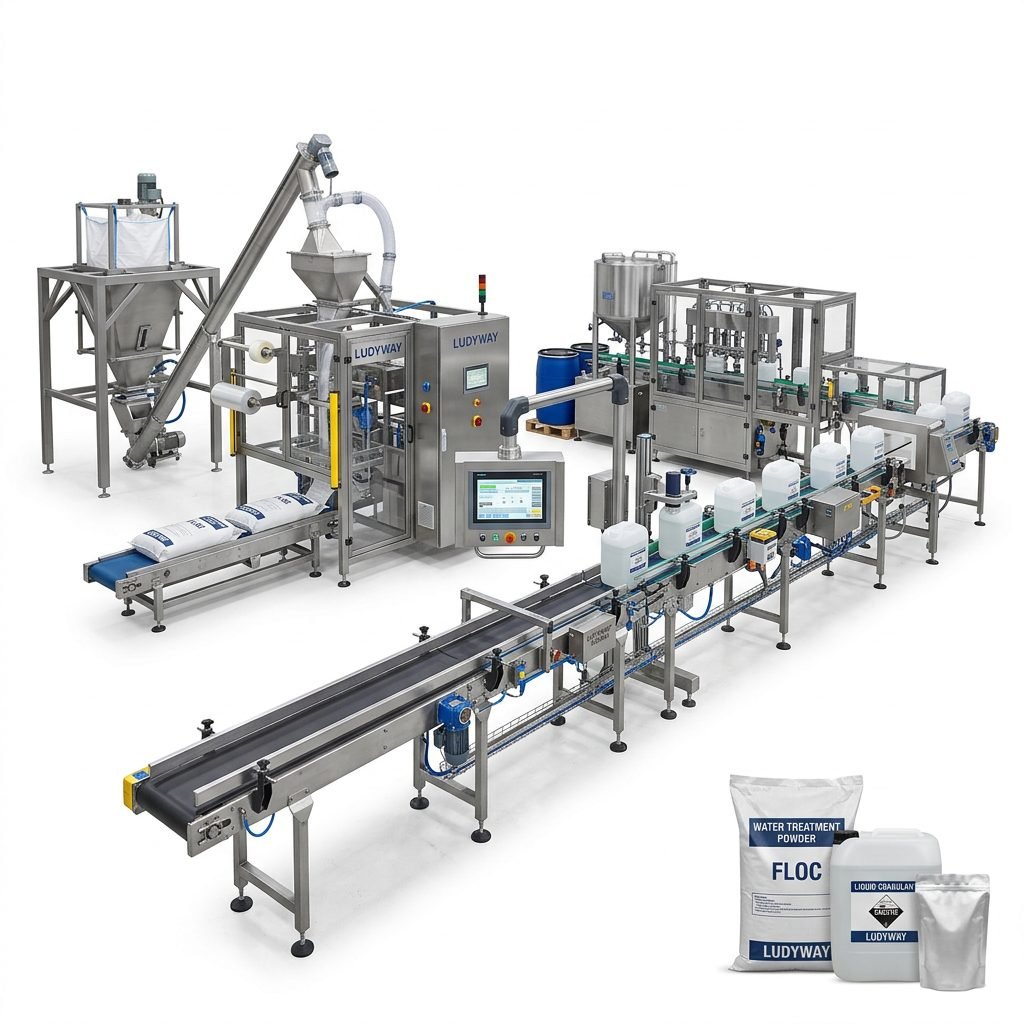
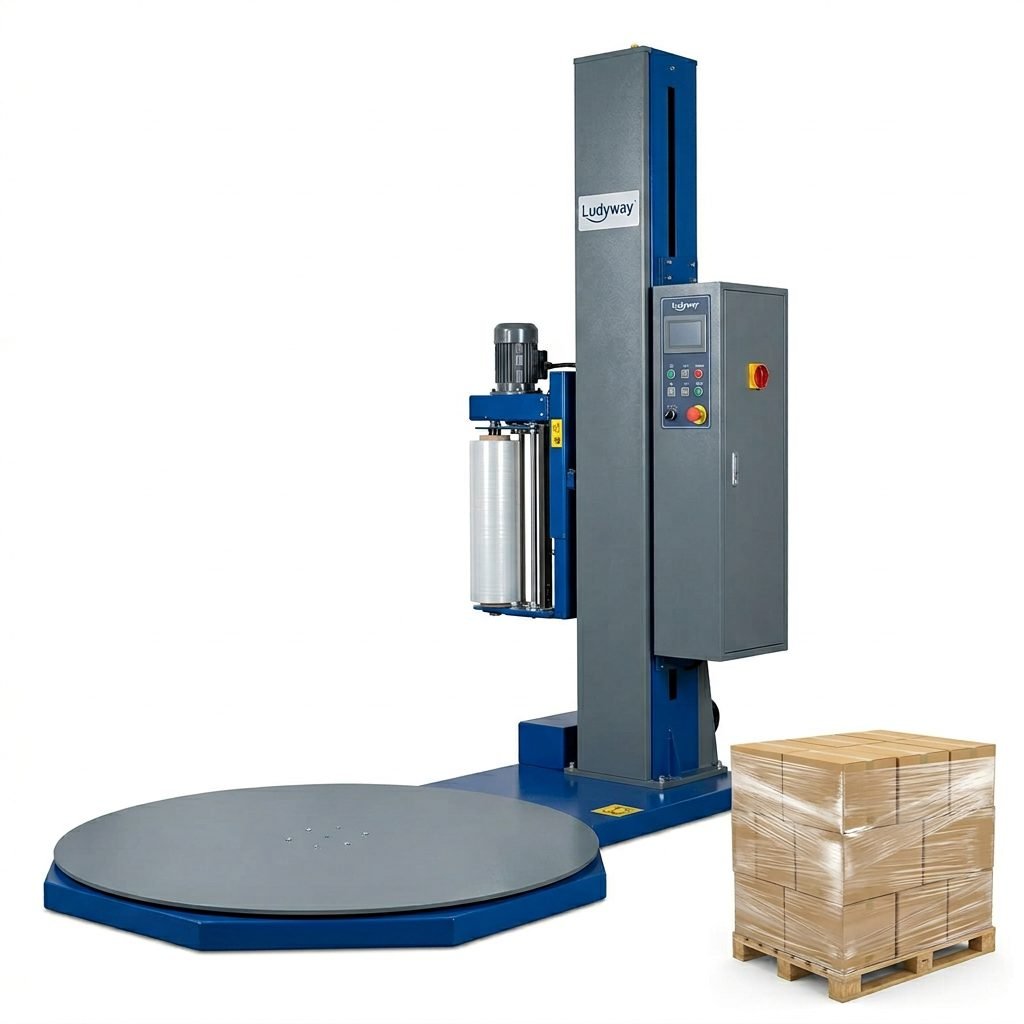
A standalone packaging machine delivers limited value if it cannot integrate seamlessly with your existing or planned production infrastructure. Consider how the machine will connect with upstream equipment such as grinders, roasters, and conveyors, as well as downstream systems like checkweighers, metal detectors, cartoners, and palletizers. The PACK EXPO International events regularly showcase integrated packaging line demonstrations that illustrate these connectivity possibilities.
Automation and Smart Factory Readiness
Forward-looking coffee manufacturers are prioritizing automation-ready equipment. Machines equipped with PLC controls, touchscreen interfaces, and communication protocols enable data-driven production management. Features like automatic film tracking, servo-driven sealing, and integrated vision inspection systems reduce human error and improve consistency.
Making the Final Decision
With comprehensive requirements documented, shortlist suppliers who demonstrate deep experience in coffee packaging. Request sample runs with your actual product and packaging material—this is the most reliable way to validate machine performance before committing. Review the State of the Industry reports for broader packaging machinery market context to ensure your investment aligns with industry direction.

For manufacturers seeking a comprehensive packaging machinery partner, companies like Ludyway Machinery—a China-based manufacturer with over 30 years of experience and a 20,000-square-meter facility—offer integrated solutions spanning equipment selection, customization, installation, and global technical support. Their portfolio covers coffee powder, granule, stick pack, sachet, and pouch packaging applications across multiple industries and production scales.
Key Takeaways
- Match the machine type to your coffee product form and packaging format
- Evaluate total cost of ownership, not just purchase price
- Prioritize material flexibility to accommodate sustainable packaging trends
- Verify compliance with FDA, ISO, and regional food safety standards
- Insist on real product sample testing before finalizing any purchase
- Choose a supplier with proven coffee packaging expertise and responsive support
Selecting the right coffee bag packaging machine is a strategic decision that shapes your production capabilities for years. By systematically evaluating your requirements, understanding available technologies, and partnering with an experienced supplier, you position your business for efficient, scalable, and quality-focused coffee packaging operations.