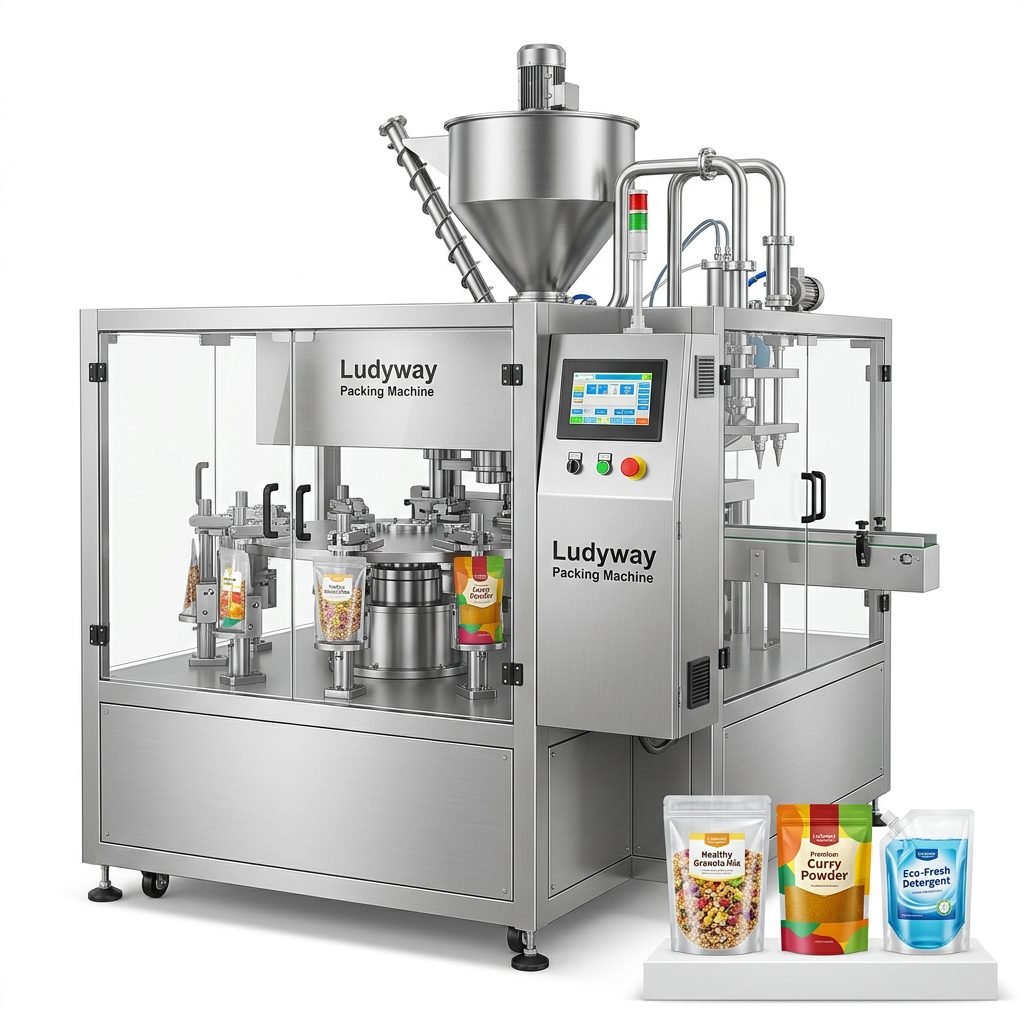
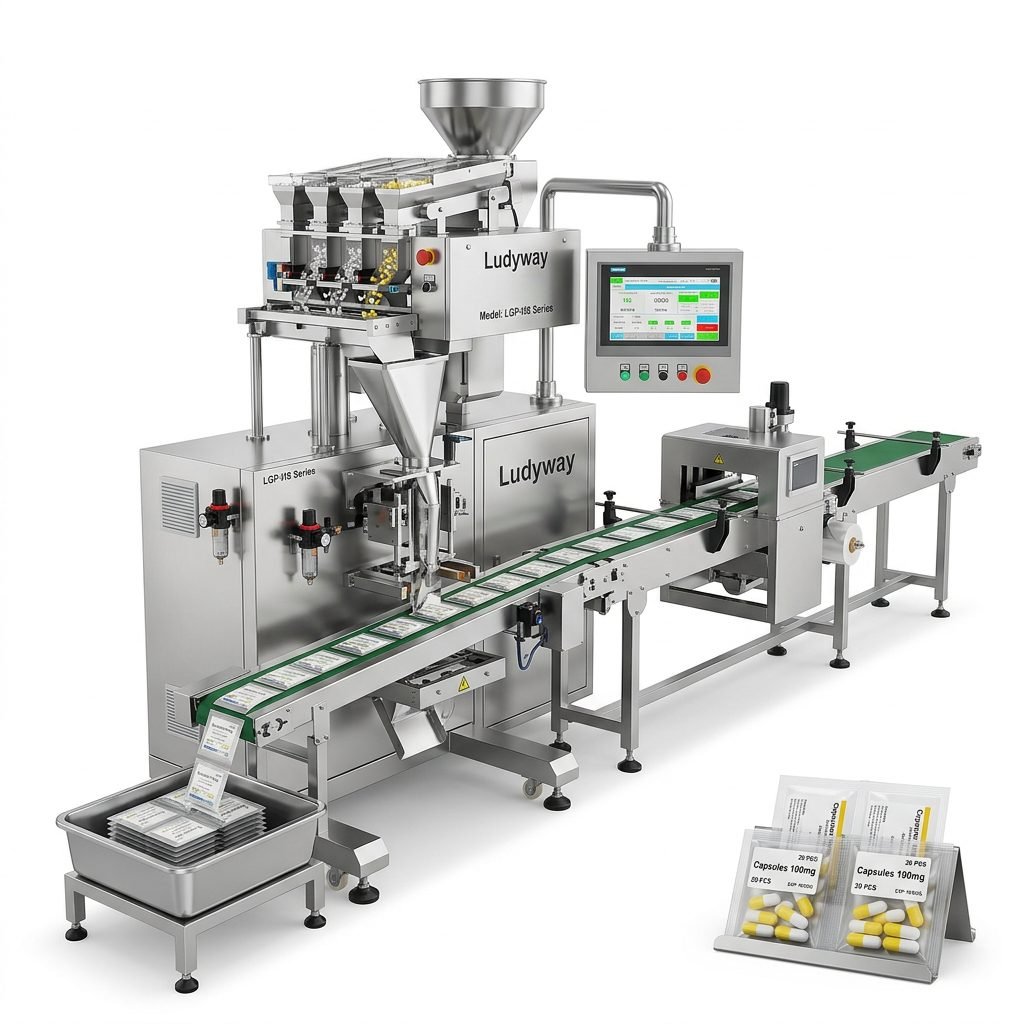
The North American single-serve coffee market continues to expand rapidly, with K-Cup style pods dominating retail and food service channels. Investing in the right K-Cup packaging machine is a critical decision that impacts production efficiency, product quality, and long-term profitability. This comprehensive guide covers everything you need to know about selecting, budgeting for, and sourcing K-Cup packaging equipment in the United States and Canada.
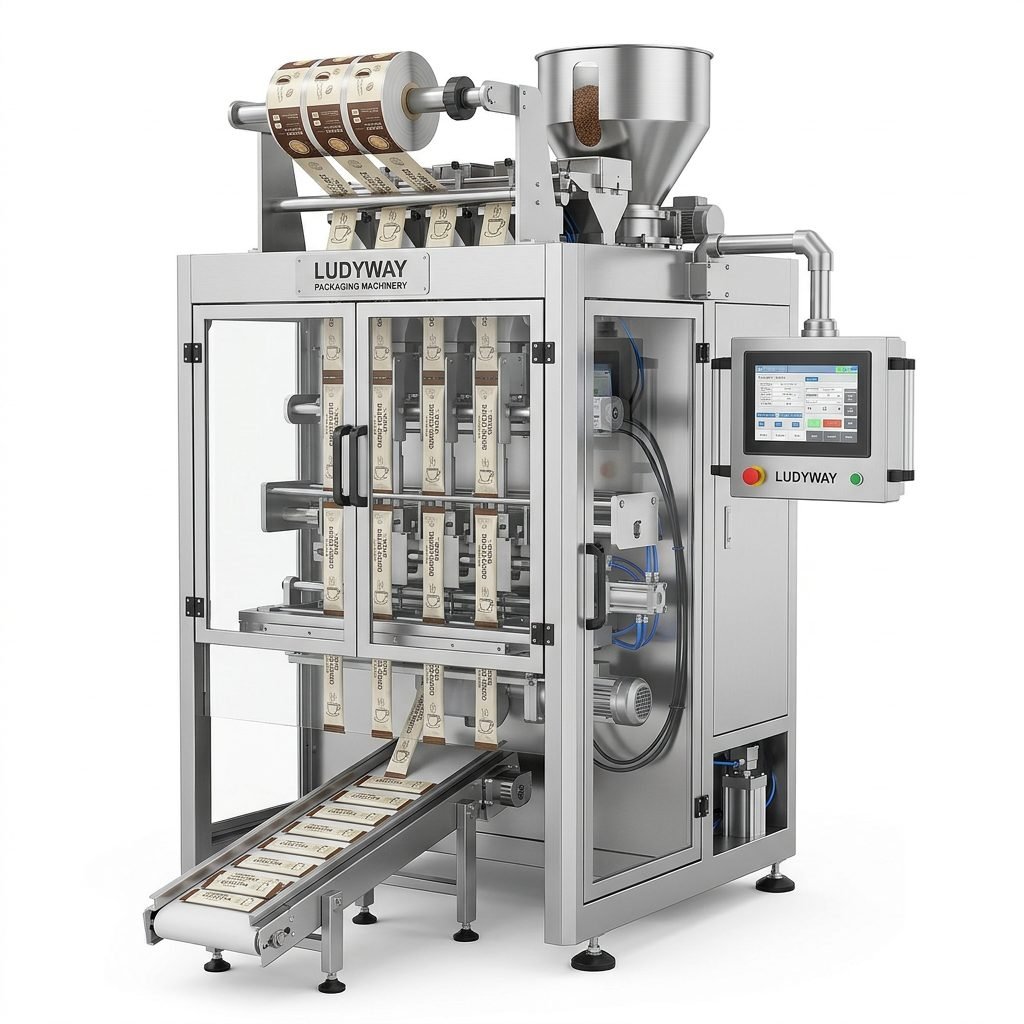
Understanding the North American K-Cup Packaging Landscape
The K-Cup pod format, originally introduced by Keurig, has become the dominant single-serve coffee packaging standard across North America. With over 40% of U.S. households owning a single-serve brewer, the demand for compatible pods creates substantial opportunities for coffee roasters, co-packers, and private label manufacturers. A PMMI State of the Industry report indicates that the flexible packaging sector, including pod packaging, continues to see steady growth driven by convenience trends.
When evaluating K-Cup packaging machinery, buyers must consider several North America-specific factors including UL certification requirements, FDA compliance for food contact materials, and compatibility with major brewer brands. The market is served by both domestic manufacturers and international suppliers who have established strong distribution networks across the continent.
Key Features to Look for in a K-Cup Packaging Machine
Filling Accuracy and Consistency
Precision dosing is paramount in K-Cup production. Modern machines should deliver ±0.1g to ±0.5g accuracy depending on the product type. Whether packaging ground coffee, tea, hot chocolate, or specialty beverages, consistent fill weights ensure customer satisfaction and regulatory compliance. Look for machines equipped with servo-driven auger fillers or multi-head weighers for optimal results.
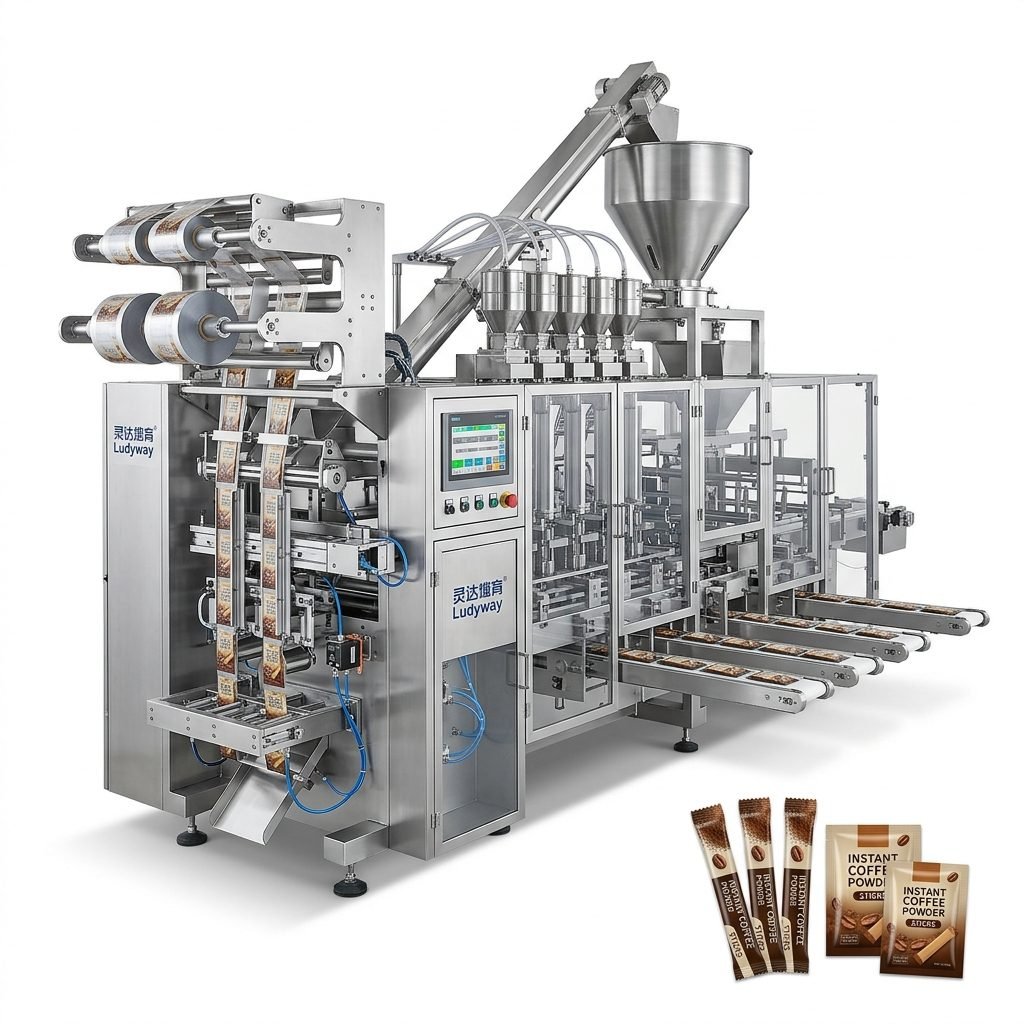
Production Speed and Output Capacity
Production requirements vary dramatically across operations. A small artisan roaster may need a machine producing 30-60 pods per minute, while large-scale co-packers often require systems capable of 300-600+ pods per minute. Multi-lane configurations significantly boost throughput. Consider both current needs and future scalability when selecting your equipment.
Sealing Technology and Oxygen Barrier
The sealing system directly affects shelf life and product freshness. K-Cups typically require a heat-seal lidding process with nitrogen flushing capabilities to minimize oxygen exposure. Advanced machines offer modified atmosphere packaging (MAP) options that extend shelf life to 12-18 months. Evaluate seal integrity testing features and tamper-evident sealing capabilities.
Compatibility and Flexibility
- Pod format flexibility — ability to switch between different cup sizes and materials
- Lid material compatibility — support for foil, PET, and multi-layer barrier films
- Product versatility — capability to handle ground coffee, tea leaves, powdered beverages, and granulated products
- Quick changeover features — tool-less adjustments for minimizing downtime between product runs
- Brewer compatibility — ensuring pods work with Keurig 1.0 and 2.0 systems
Cost Analysis: What to Budget for K-Cup Packaging Equipment
Understanding the total cost of ownership is essential for making an informed purchasing decision. K-Cup packaging machine pricing varies widely based on automation level, production capacity, and feature set. Below is a detailed breakdown of typical price ranges in the North American market.
| Machine Category | Speed Range | Estimated Price (USD) | Best Suited For |
|---|---|---|---|
| Entry-Level Semi-Automatic | 30-60 pods/min | $35,000 – $75,000 | Small roasters, startups |
| Mid-Range Automatic | 100-200 pods/min | $80,000 – $180,000 | Growing brands, regional co-packers |
| High-Speed Multi-Lane | 300-500 pods/min | $200,000 – $400,000 | Large co-packers, national brands |
| Fully Integrated Turnkey Line | 500-800+ pods/min | $450,000 – $800,000+ | High-volume manufacturers |
Beyond the initial machine cost, budget for these additional expenses:
- Installation and commissioning — typically 5-15% of machine cost
- Operator training — $2,000-$8,000 depending on complexity
- Annual maintenance contracts — $5,000-$25,000 per year
- Spare parts inventory — initial investment of $3,000-$15,000
- Shipping and logistics — varies significantly by supplier location
- Facility modifications — compressed air, electrical, and ventilation upgrades
Regulatory and Compliance Considerations for North America
Any K-Cup packaging machine operating in the U.S. or Canada must meet stringent regulatory standards. The FDA’s food packaging regulations govern all food contact surfaces, requiring materials that are GRAS (Generally Recognized as Safe). Additionally, electrical systems must comply with UL 508A or CSA standards for industrial control panels.
Key Certifications to Verify
- UL or ETL certification — electrical safety compliance for U.S. markets
- CSA certification — required or strongly recommended for Canadian operations
- FDA 21 CFR compliance — food contact material regulations
- ISO 9001 — quality management system certification of the manufacturer
- CE marking — indicates conformity with EU standards (relevant for globally sourced equipment)
Evaluating Suppliers for K-Cup Packaging Machines
Selecting the right supplier is as important as choosing the right machine. North American buyers typically evaluate suppliers based on local service support, parts availability, and industry reputation. While domestic manufacturers offer proximity advantages, many successful operations rely on international suppliers who provide competitive pricing and advanced technology.
Questions to Ask Potential Suppliers
- Do you have installed machines in North America that we can reference?
- What is your typical lead time from order to delivery?
- Do you offer on-site installation and training support?
- How do you handle after-sales service and technical support across time zones?
- What warranty coverage is included, and what are the terms?
- Can you provide remote diagnostics and troubleshooting capabilities?
- What is the availability of critical spare parts in North America?
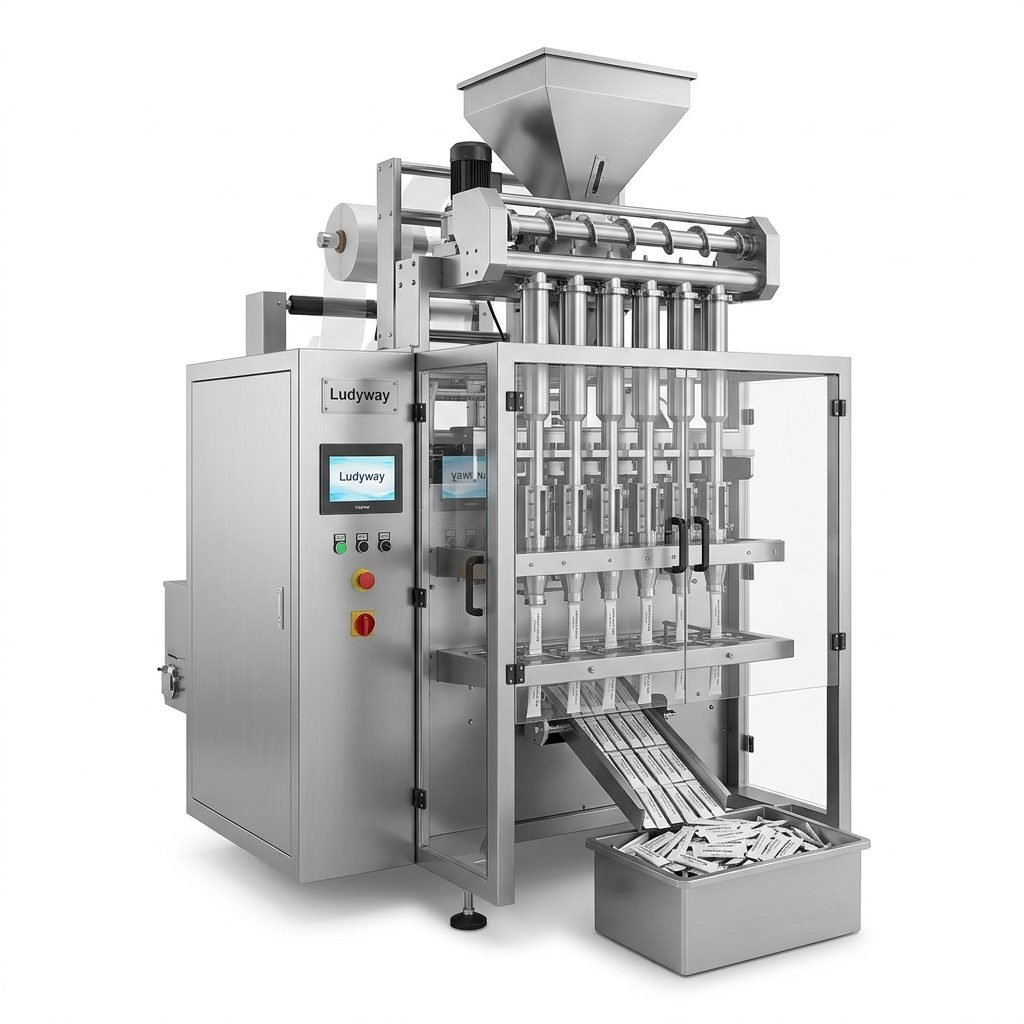
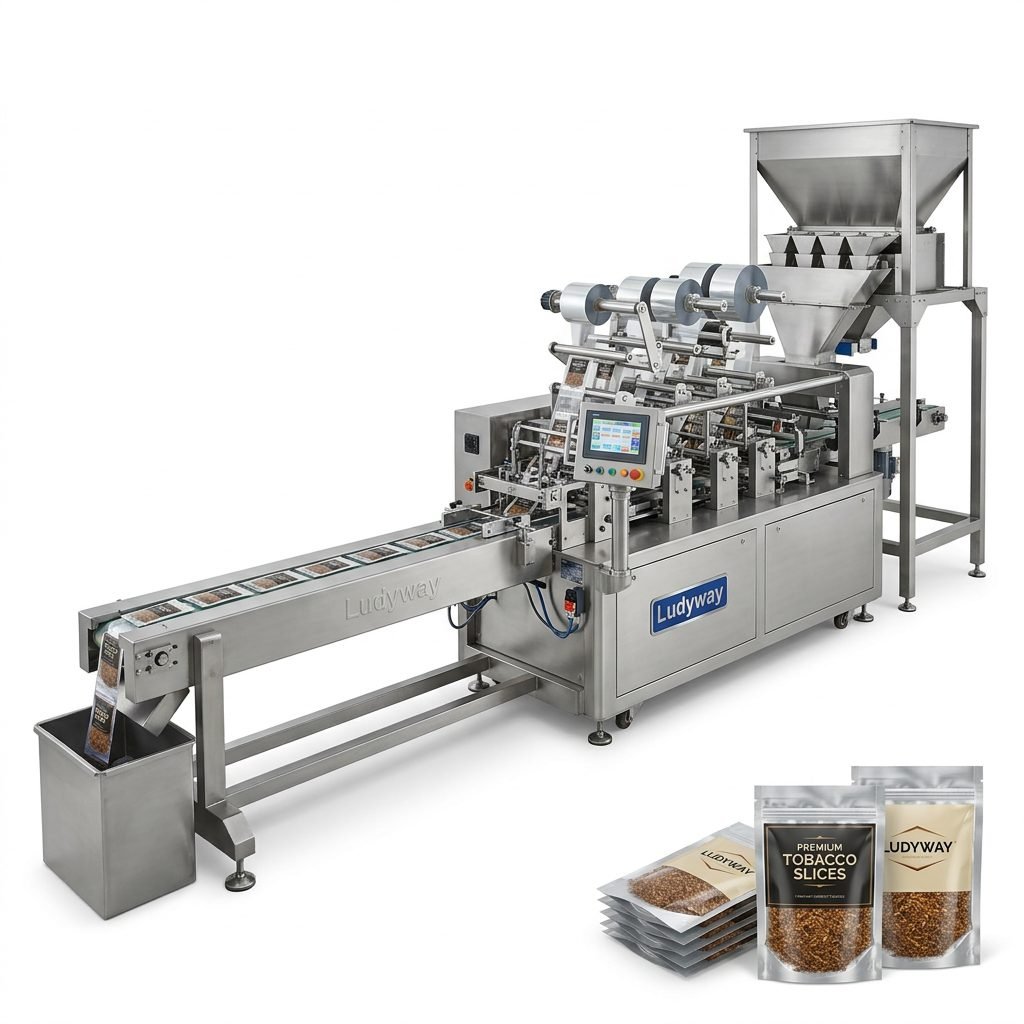
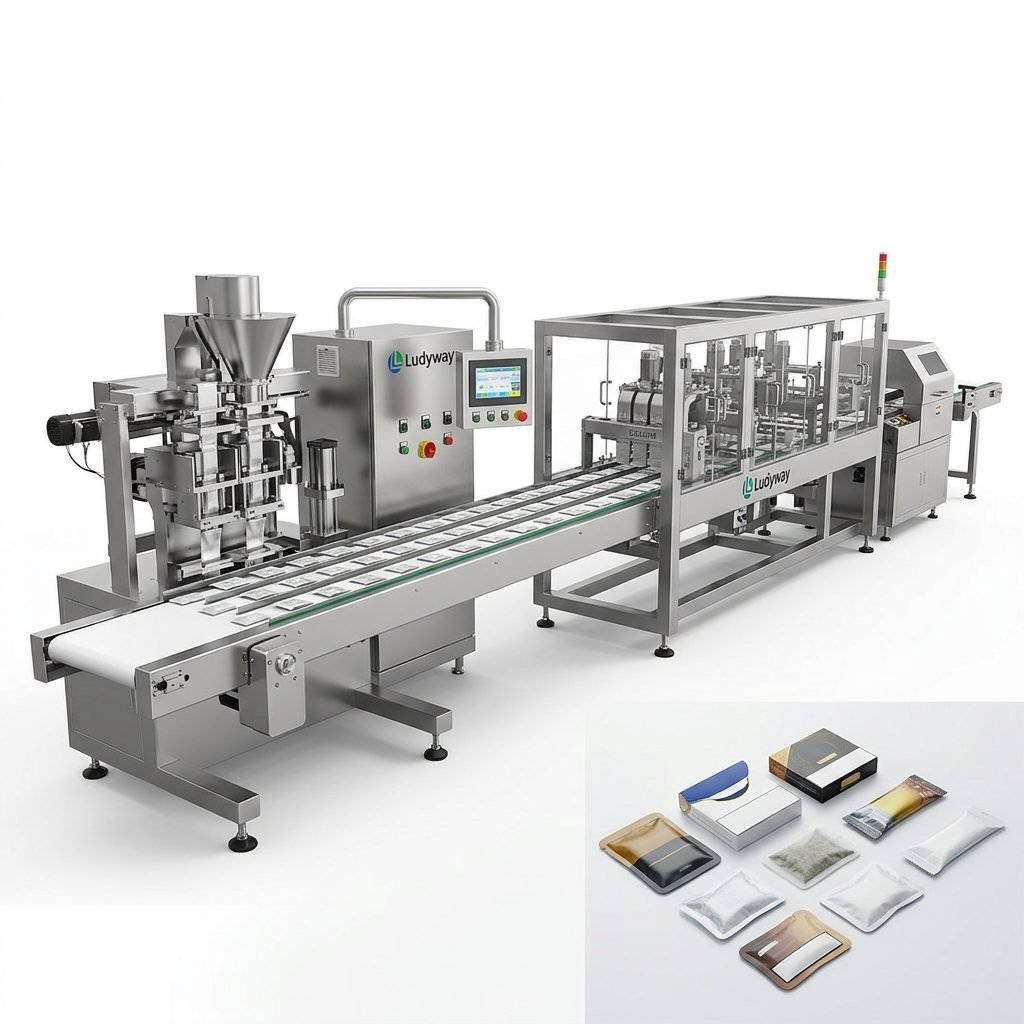
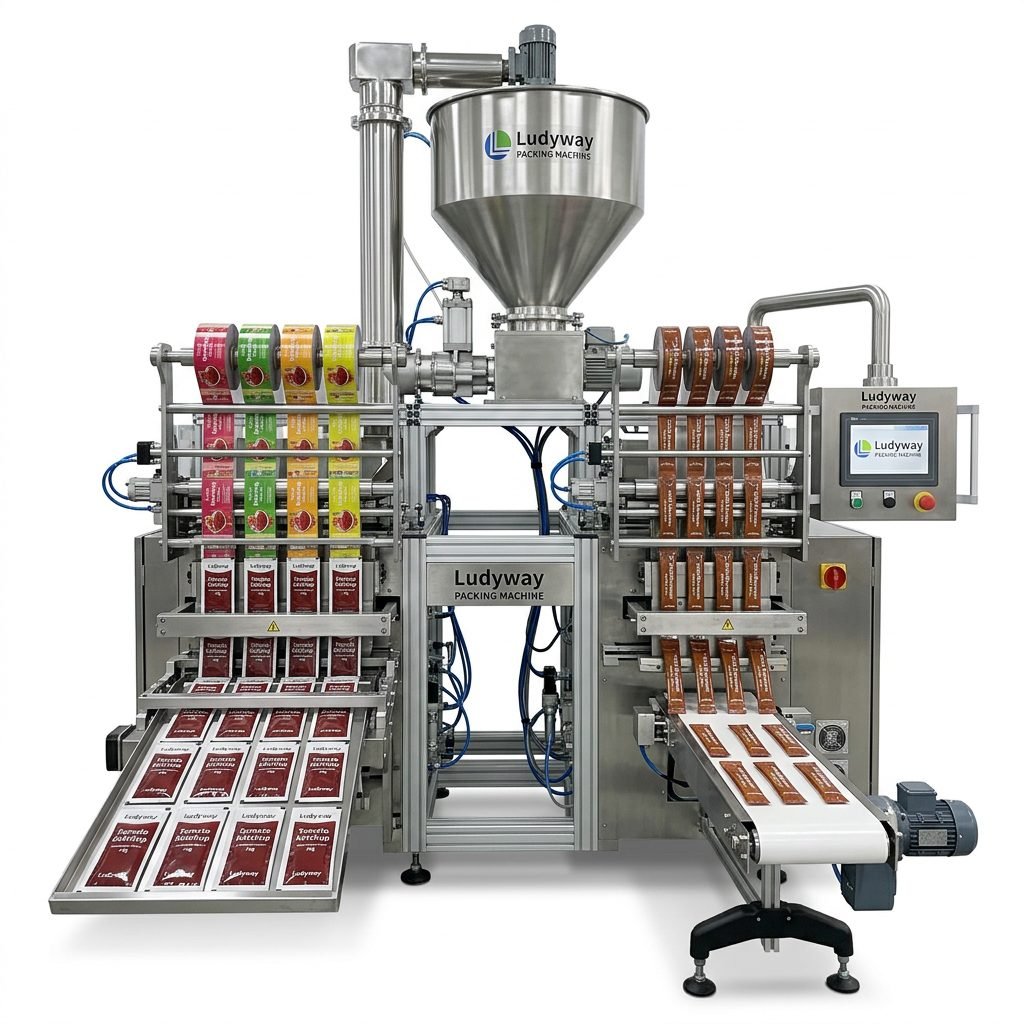
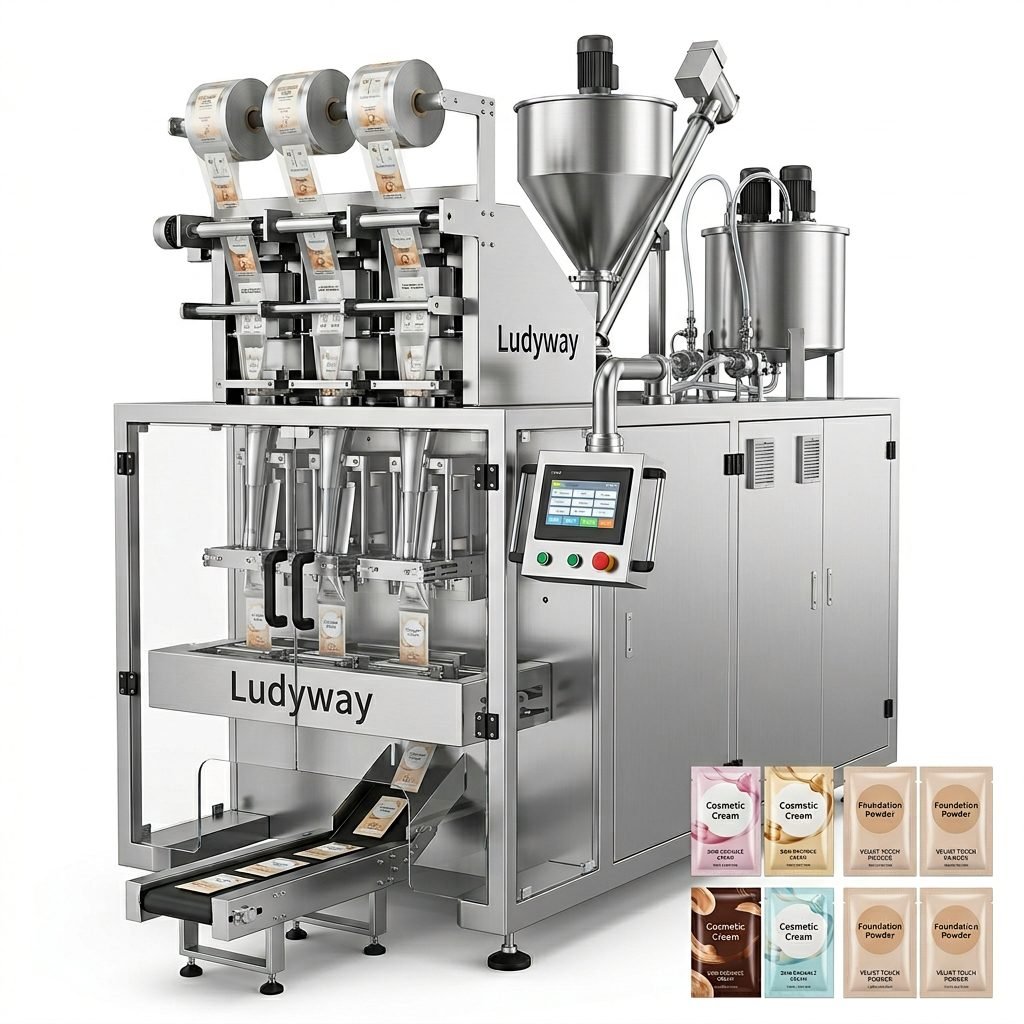
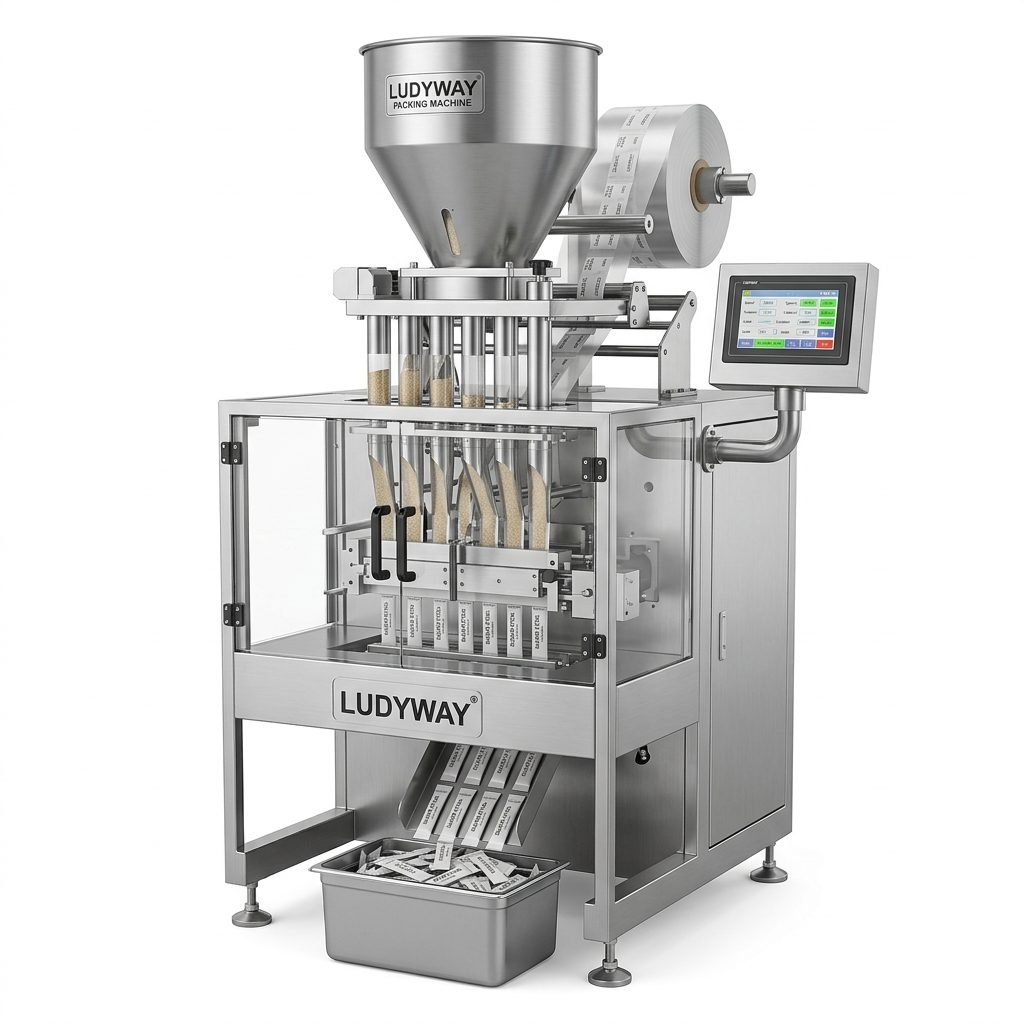
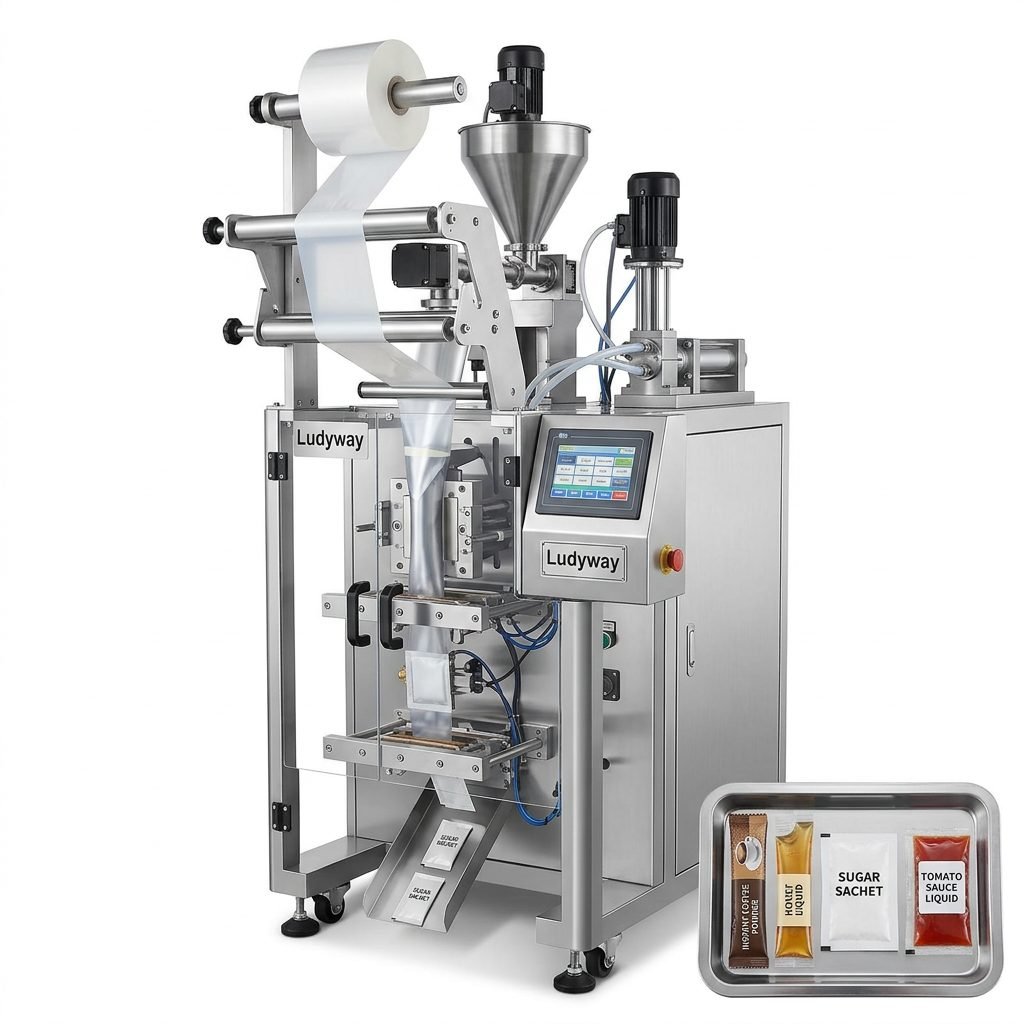
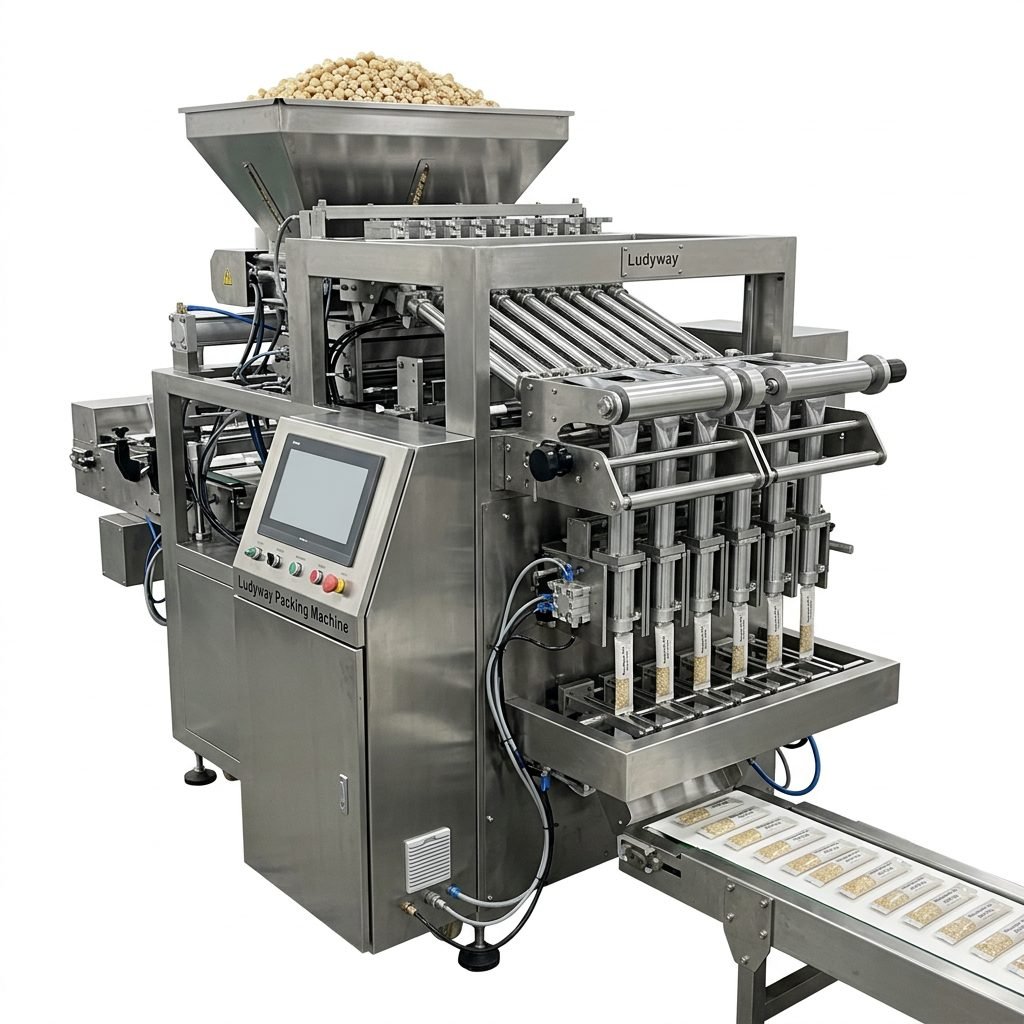
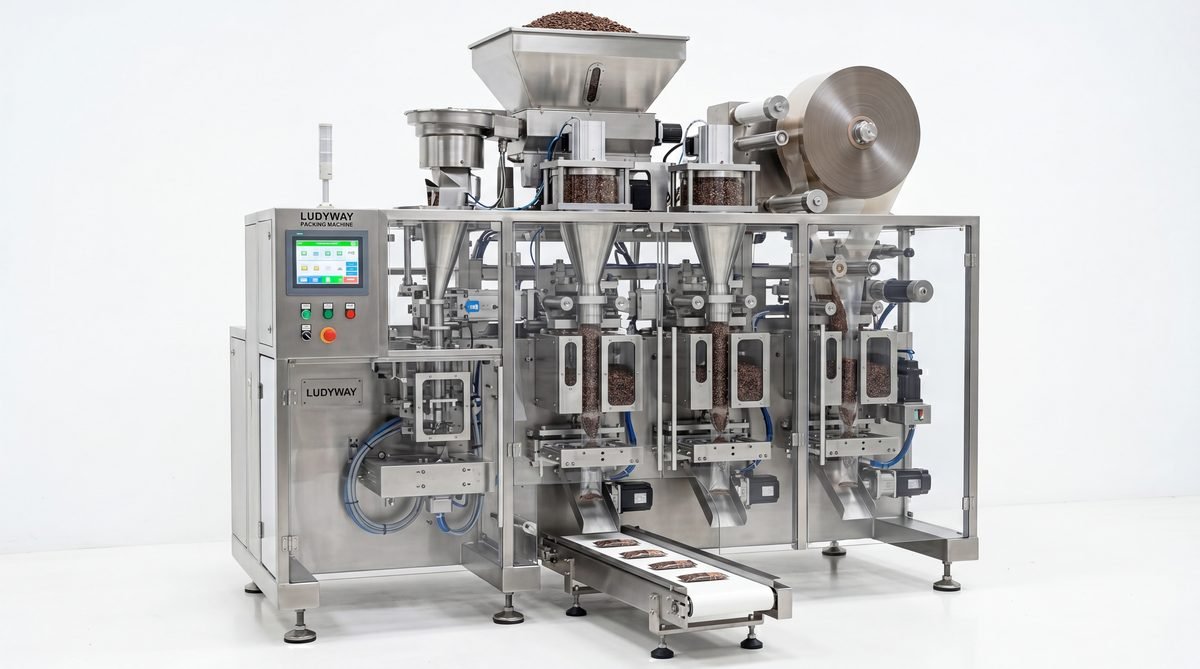
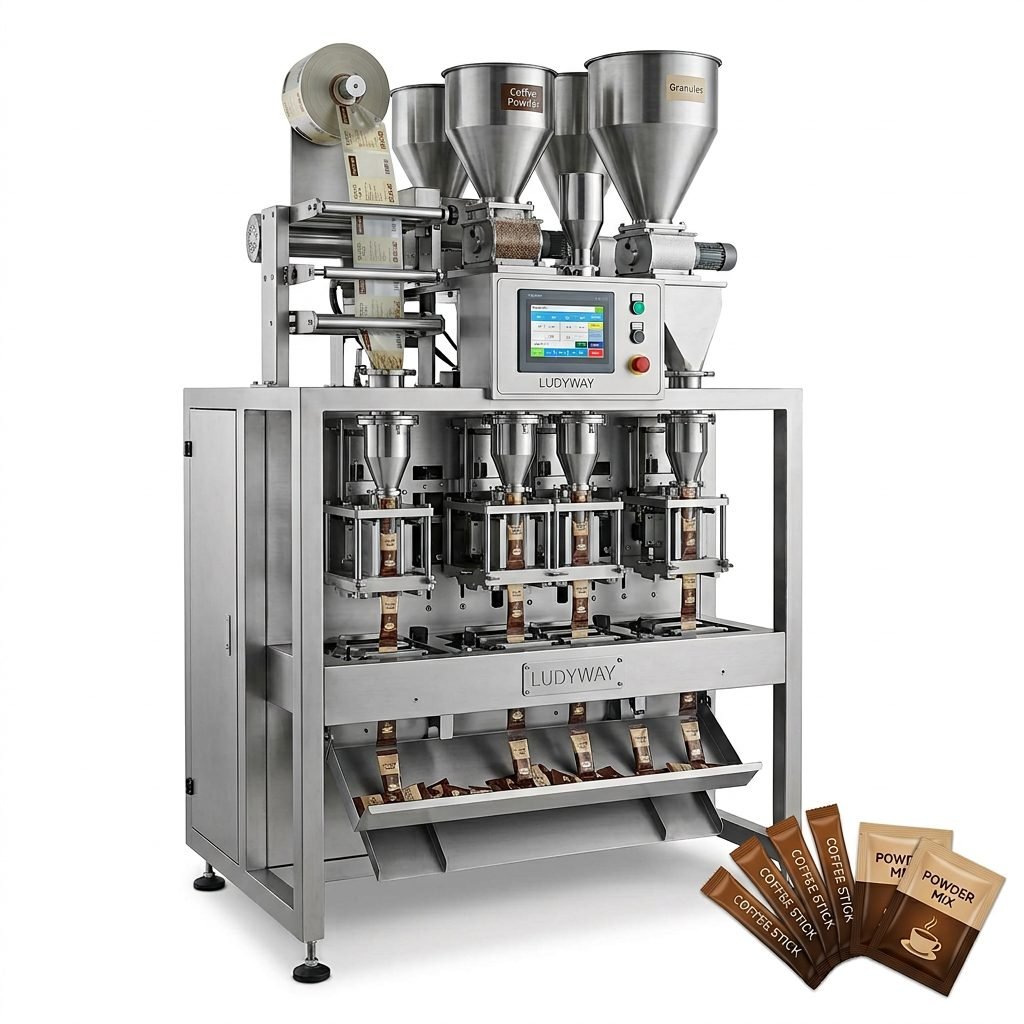
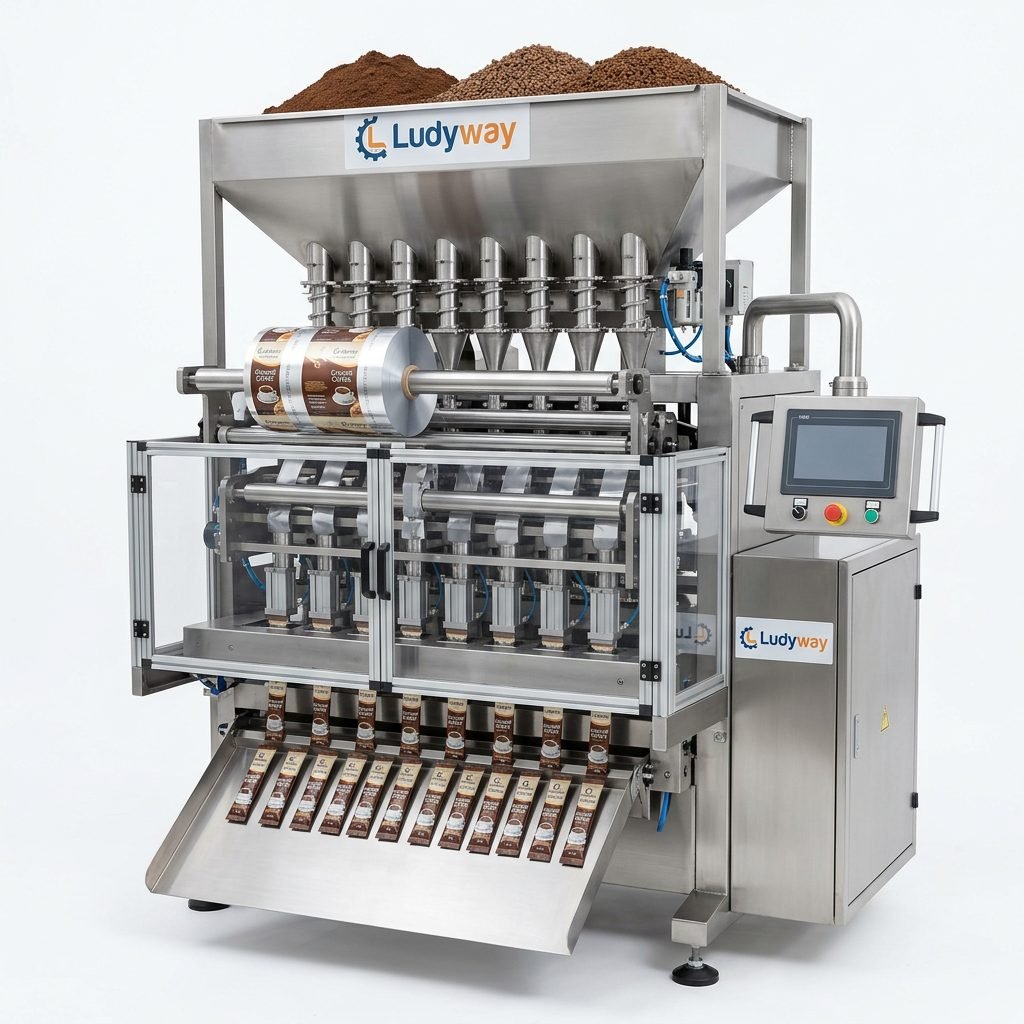
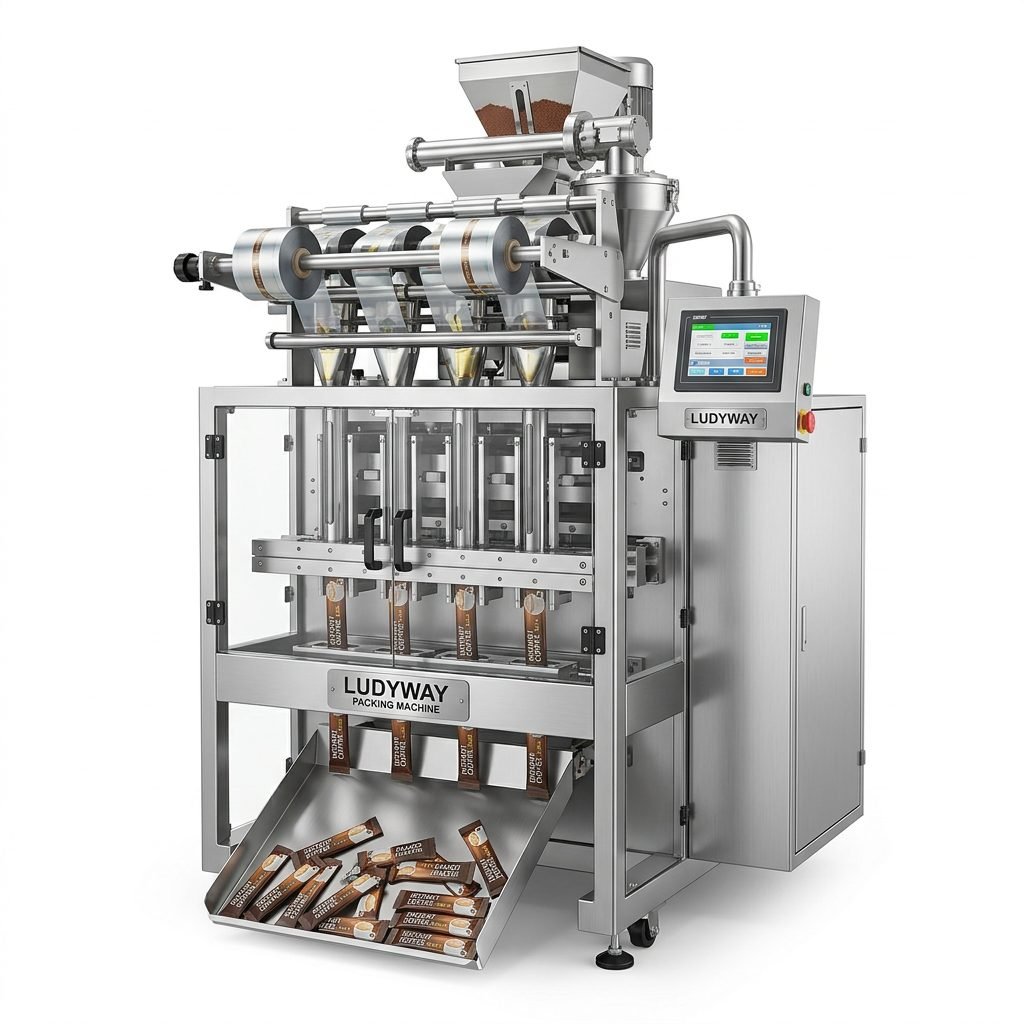
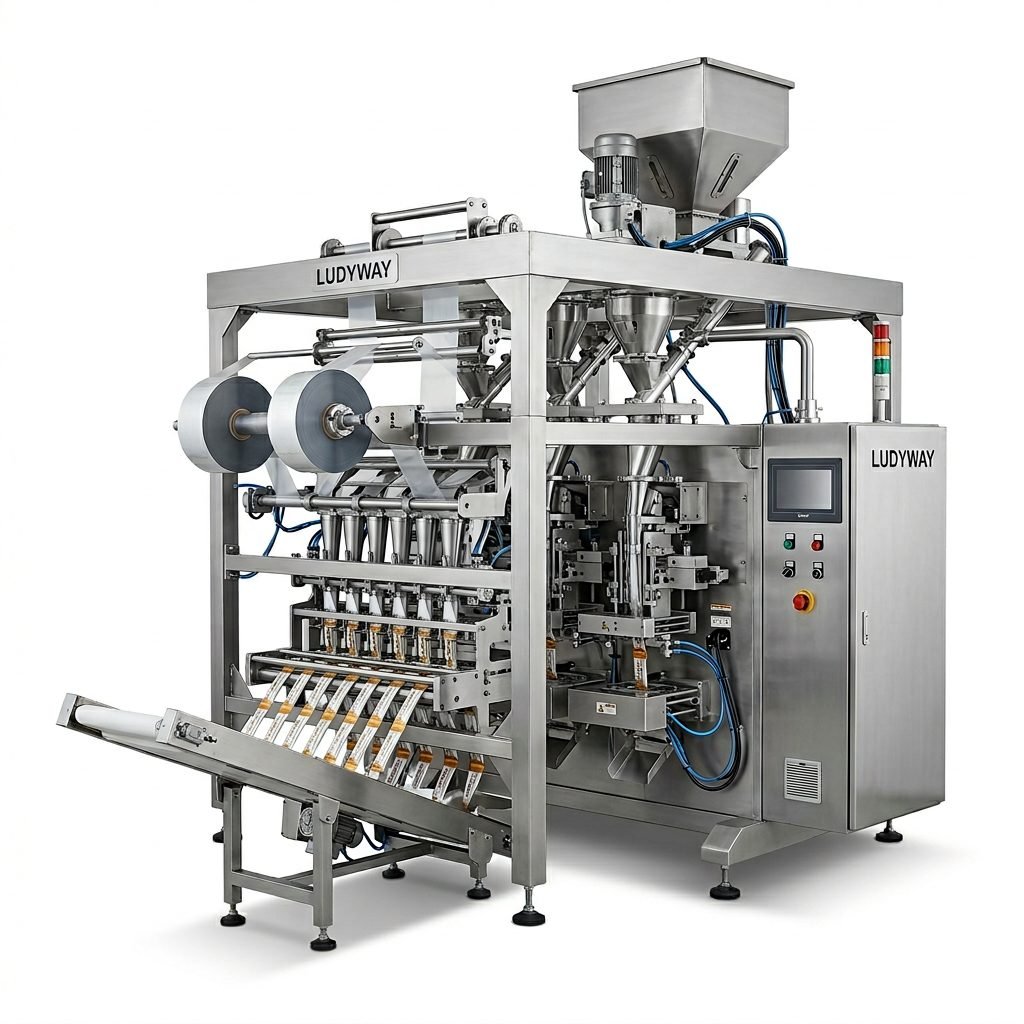
One notable manufacturer serving the North American market is Ludyway, which offers comprehensive packaging solutions including multi-lane stick pack and sachet machines suitable for coffee and beverage pod applications. Buyers should evaluate multiple suppliers to compare technology, pricing, and support capabilities before making a final decision.
Automation Levels and Integration Options
Semi-Automatic Systems
Semi-automatic machines require manual cup loading and product feeding but automate the filling and sealing processes. These systems are ideal for startups and small-batch producers with lower capital budgets. Operators typically load empty cups by hand and initiate the fill-seal cycle via foot pedal or touchscreen controls.
Fully Automatic Inline Systems
Automatic systems handle the entire process from cup denesting and filling to lidding and ejection without operator intervention. These machines often include integrated features such as nitrogen flushing, oxygen sensors, check weighing, and automated rejection of non-conforming pods. Production monitoring and data collection capabilities support quality assurance and traceability requirements.
Turnkey Production Lines
Complete turnkey solutions combine pod packaging with cartoning, case packing, and palletizing equipment. These integrated lines maximize throughput while minimizing labor requirements. A well-designed turnkey line can reduce per-unit packaging costs by 15-30% compared to semi-automated operations at scale.
Maintenance and Operational Best Practices
Protecting your investment requires a proactive maintenance program. Preventive maintenance schedules should align with manufacturer recommendations and actual usage patterns. Key maintenance areas include:
- Daily cleaning of product contact surfaces to prevent cross-contamination
- Weekly inspection of sealing jaws, temperature controllers, and pressure settings
- Monthly calibration of weighing systems and fill accuracy verification
- Quarterly review of pneumatic systems, filters, and lubrication points
- Annual comprehensive service including belt replacements and sensor recalibration
Return on Investment Analysis
Calculating ROI for a K-Cup packaging system involves more than just comparing machine prices. Consider these factors in your financial analysis:
| ROI Factor | Impact Assessment |
|---|---|
| Labor reduction | Automatic systems can reduce direct labor by 50-80% versus manual operations |
| Waste minimization | Precision filling reduces product giveaway by 2-5% annually |
| Throughput increase | Modern equipment can multiply output 3-10x compared to older systems |
| Quality improvement | Consistent sealing reduces returns and protects brand reputation |
| Energy efficiency | Newer servo-driven systems consume 20-40% less power |
Shipping, Installation, and Timeline Planning
When sourcing packaging machinery from overseas suppliers, plan for 8-16 weeks for manufacturing plus 4-8 weeks for ocean freight and customs clearance. Domestic suppliers may deliver in 6-12 weeks. Installation typically requires 1-3 weeks depending on line complexity, followed by operator training and production ramp-up. Coordinate with your supplier early regarding facility requirements including electrical specifications, compressed air capacity, and floor space dimensions.
Industry Resources and Further Reading
Stay informed about packaging industry trends and standards through these PMMI industry resources. The Flexible Packaging Association also provides valuable market data and regulatory updates relevant to single-serve packaging manufacturers. For those attending trade shows, PACK EXPO International is an excellent venue to evaluate machinery in person and connect with suppliers serving the North American market.
Making the Final Decision
Selecting the right K-Cup packaging machine requires balancing speed, accuracy, reliability, and total cost of ownership. Request detailed proposals from multiple suppliers, conduct reference checks with current users, and whenever possible, arrange for factory acceptance testing before shipment. A thorough evaluation process protects your investment and ensures your packaging operation meets the demands of the competitive North American single-serve coffee market.