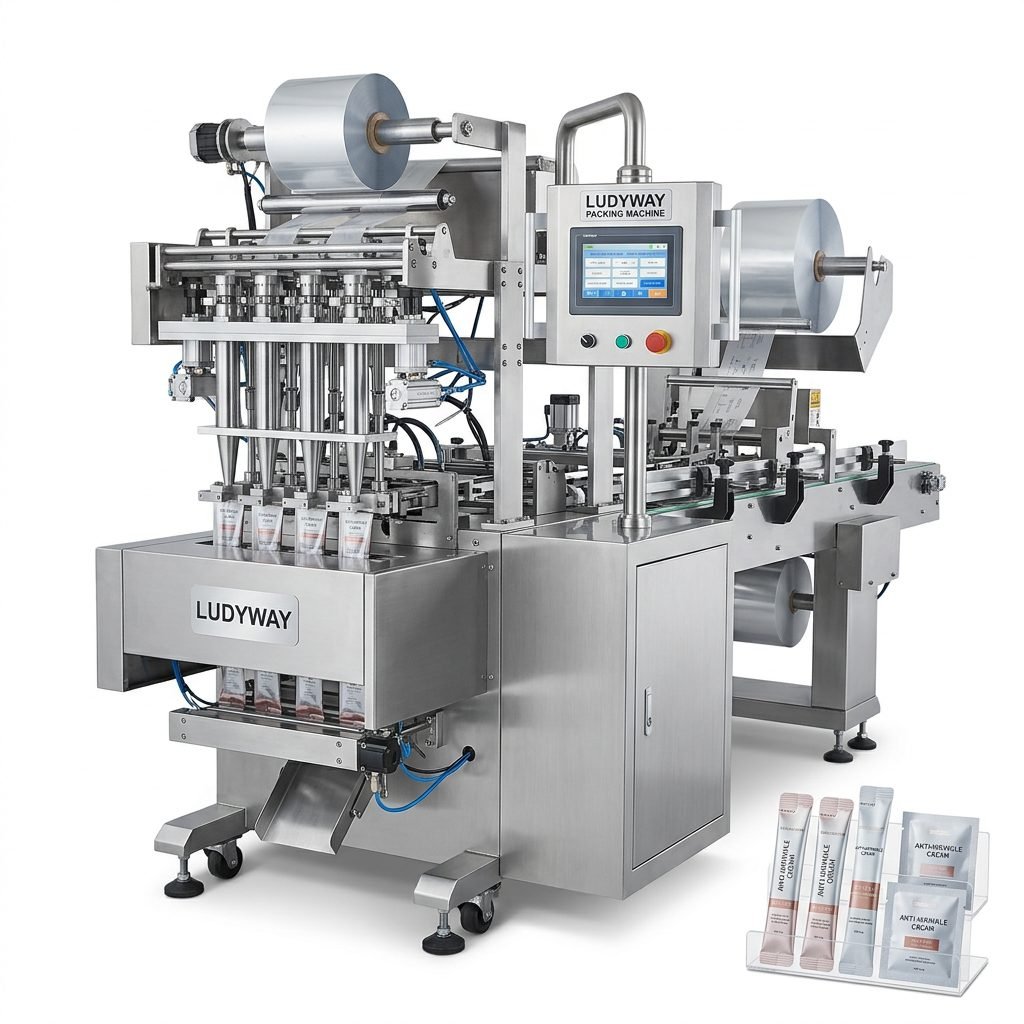
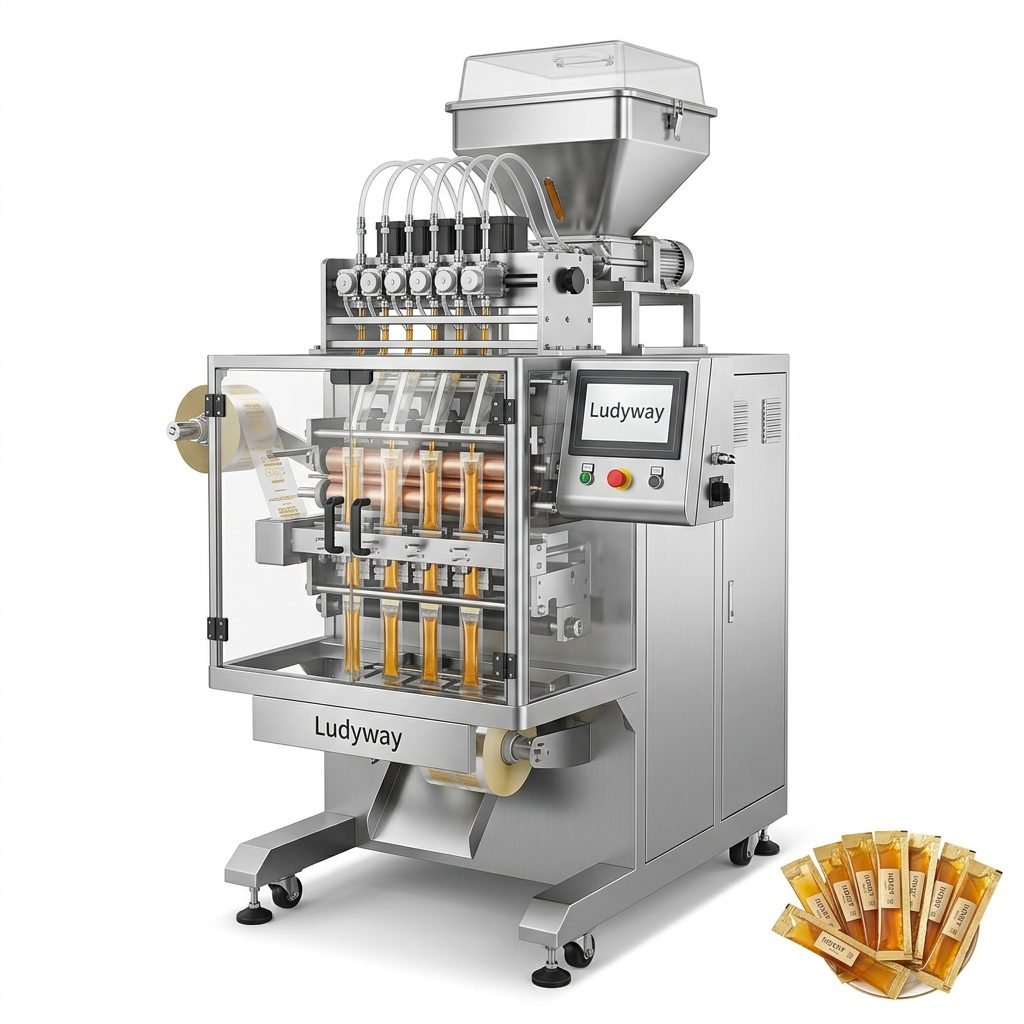
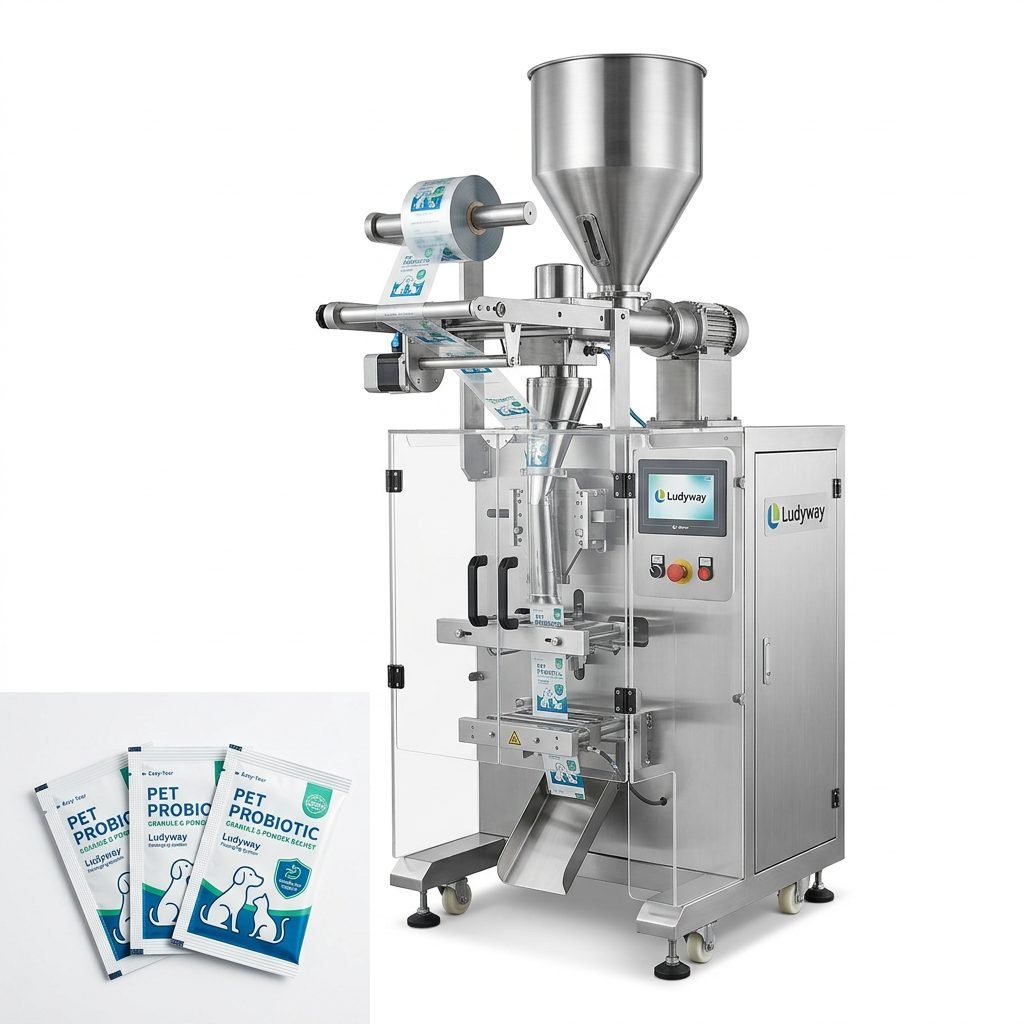
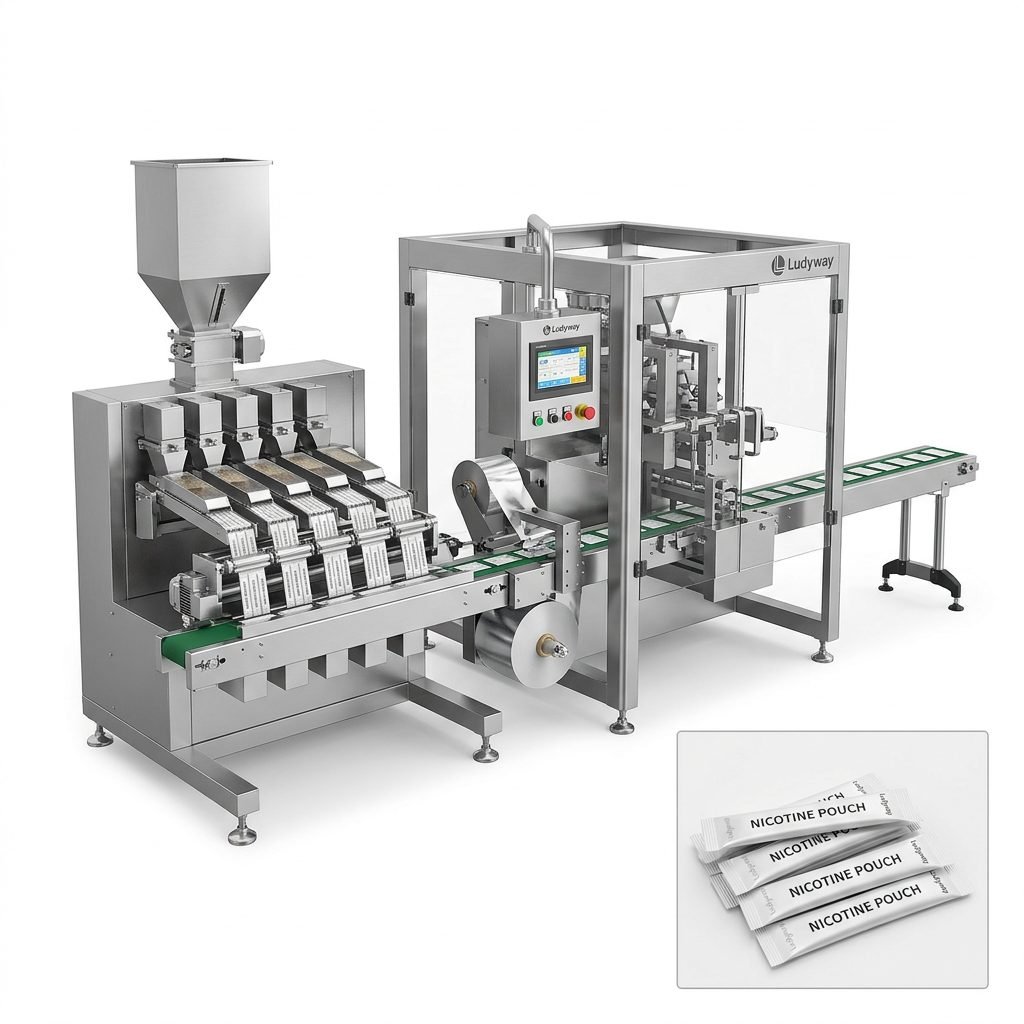
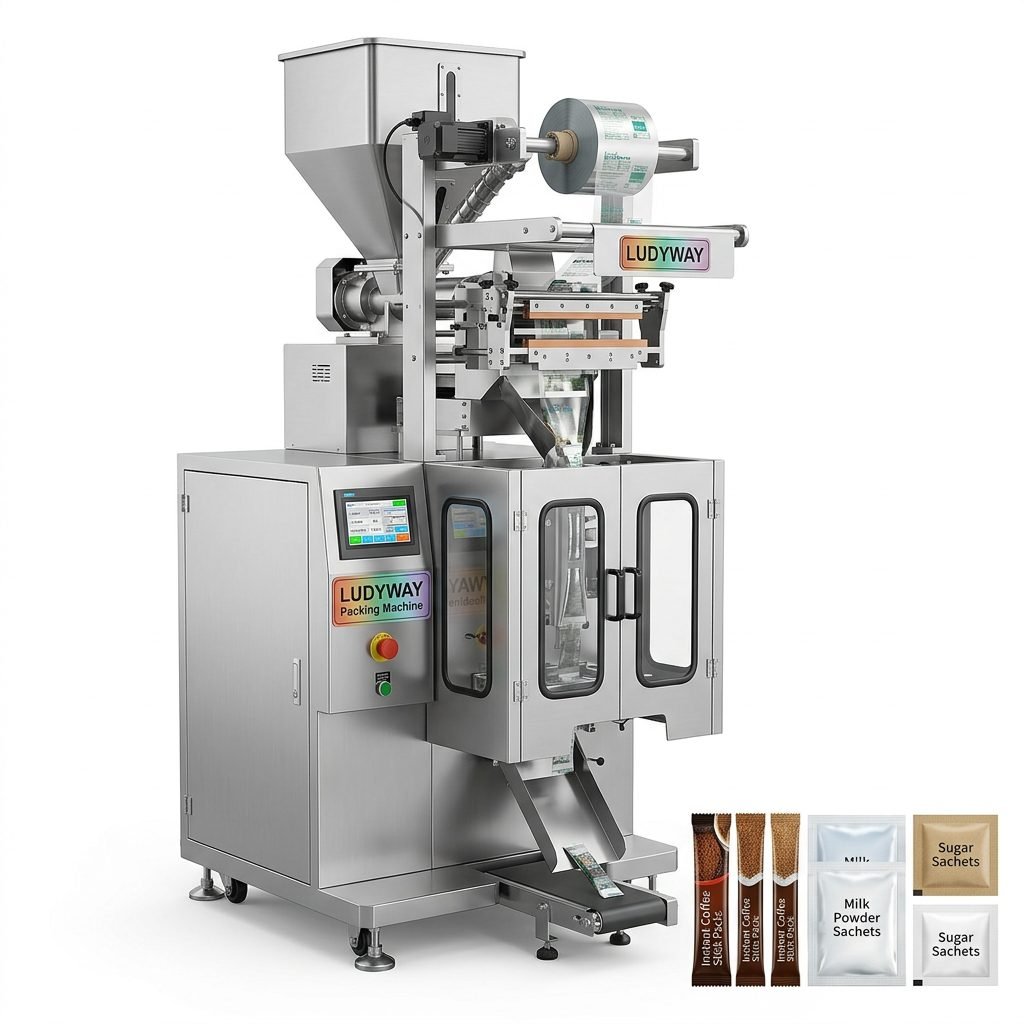
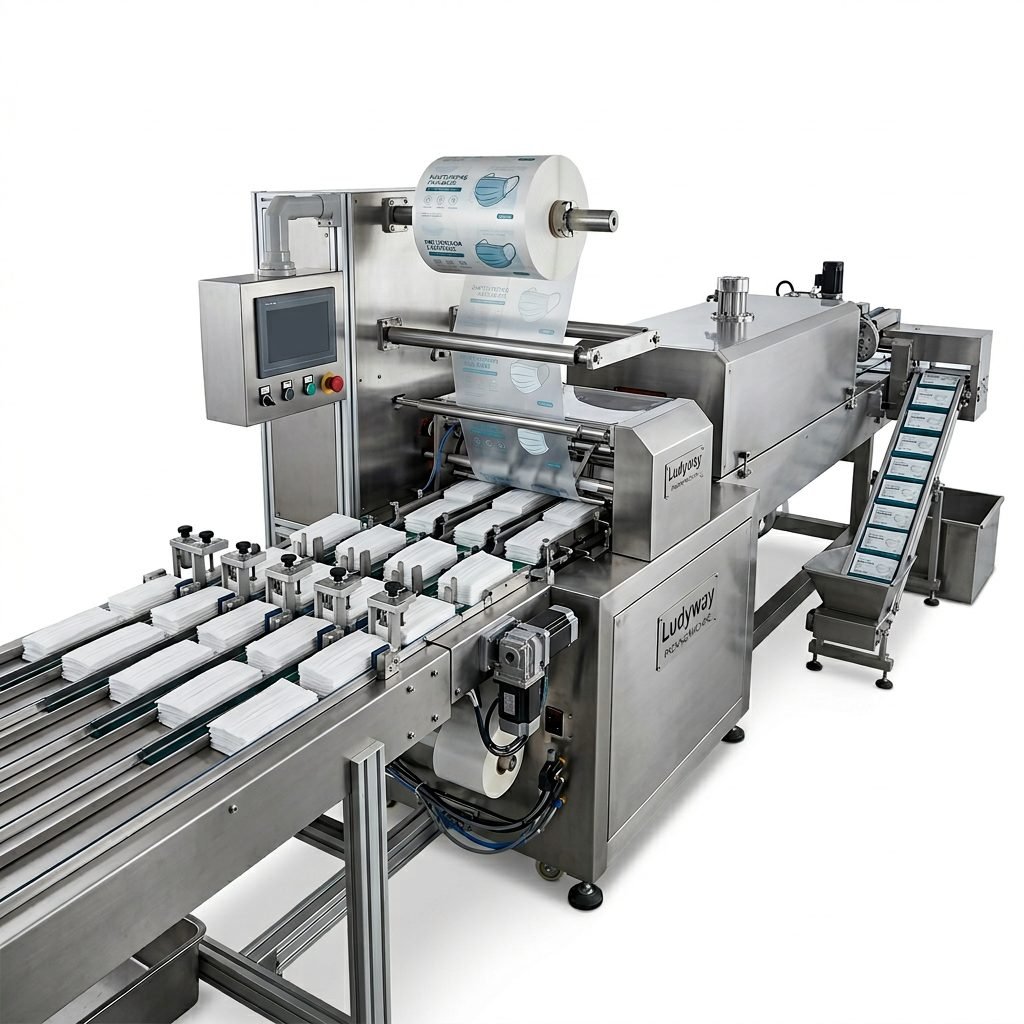
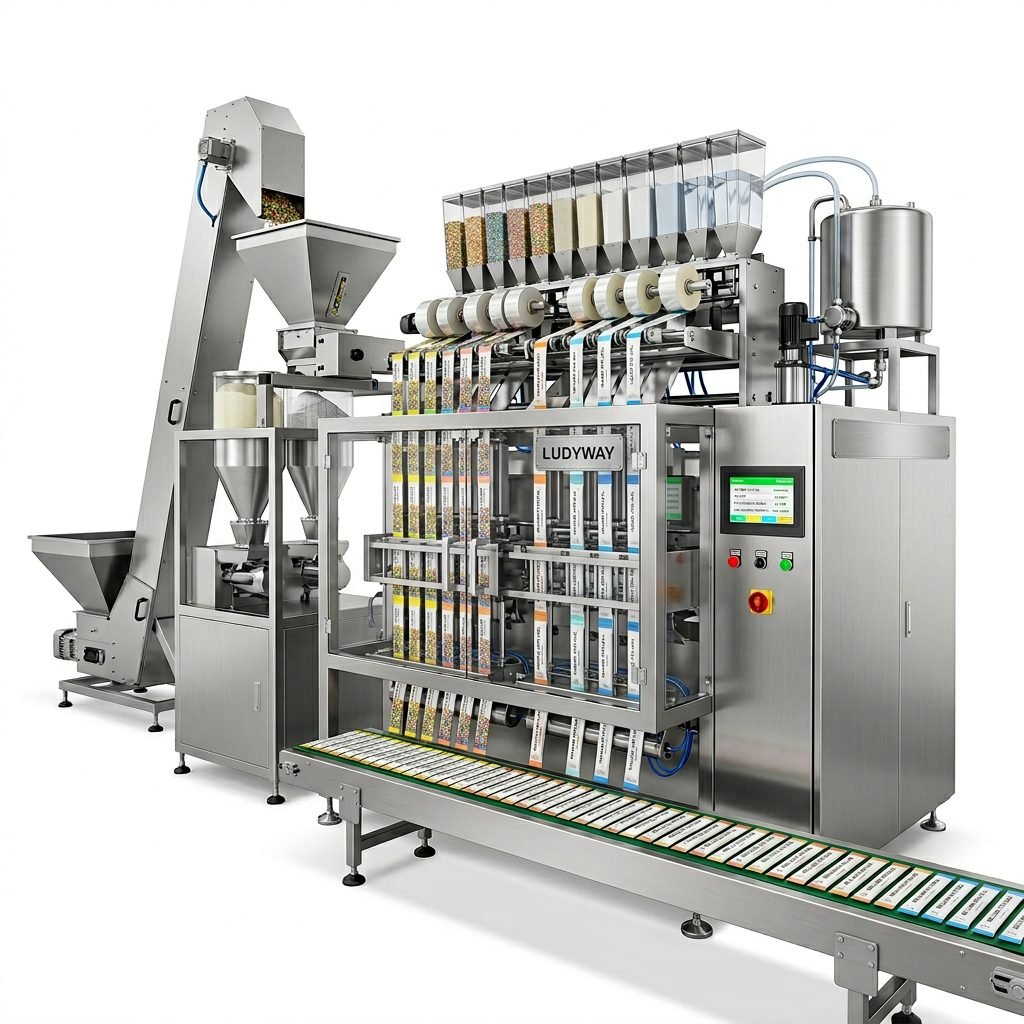
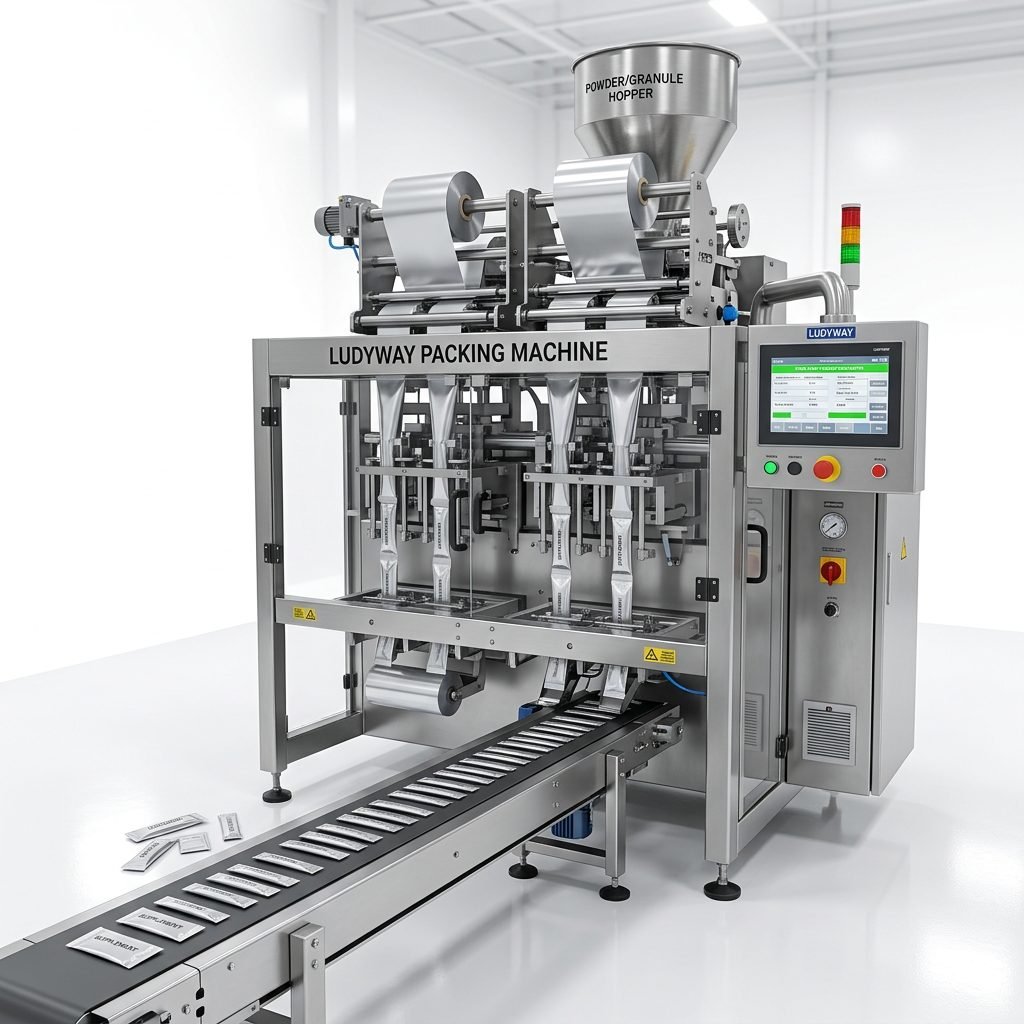
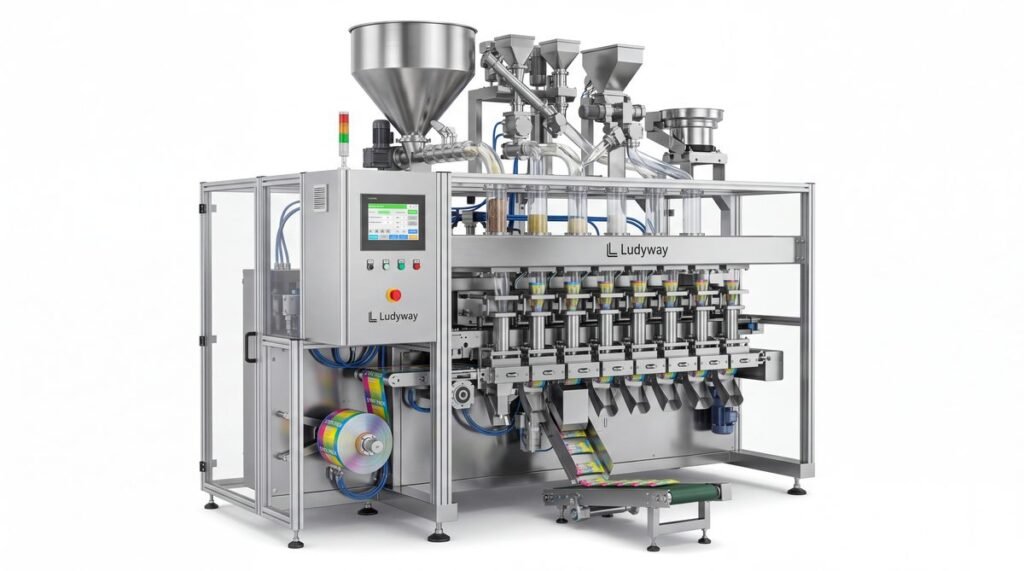
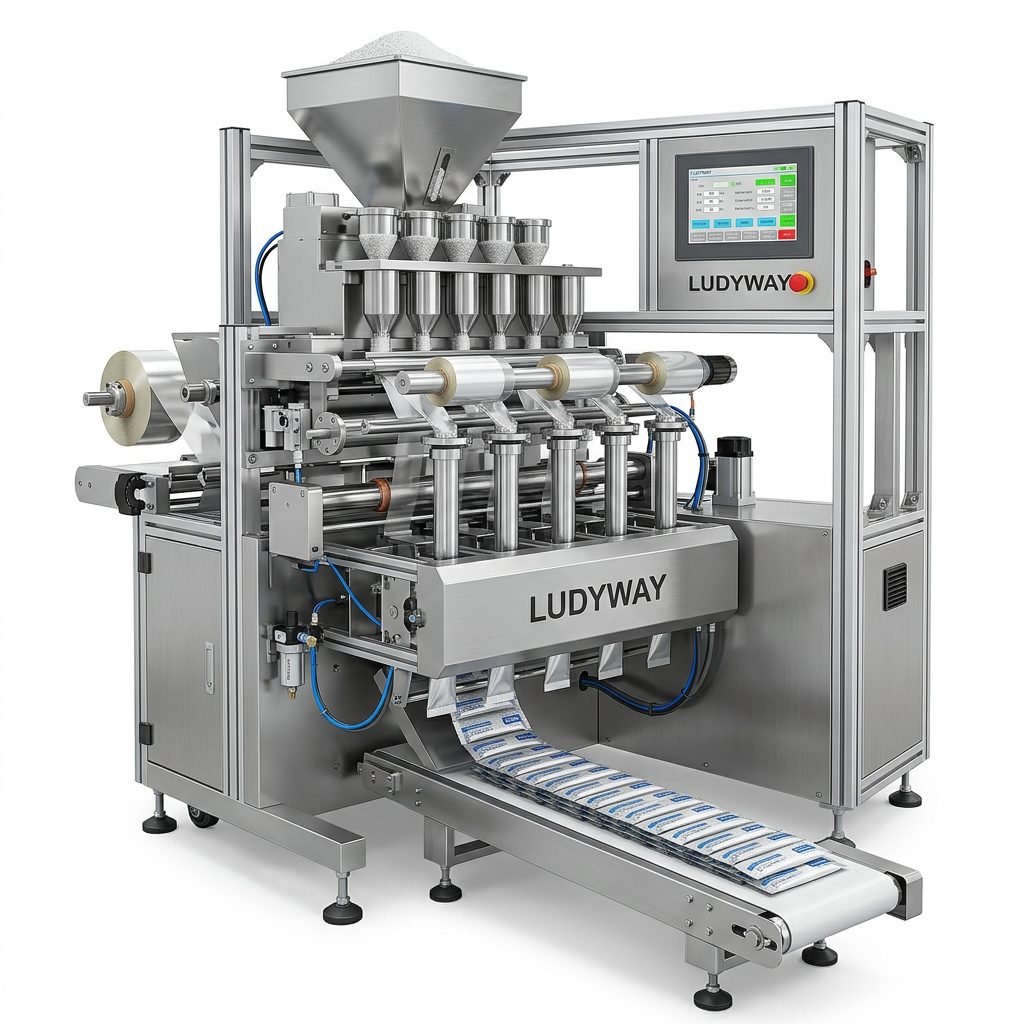
Choosing the right paper packaging machine is not only about speed. It is about matching your product, pack style, material behavior, production target, and future expansion plan. A well-selected solution can reduce waste, improve sealing consistency, protect product quality, and lower total operating cost over time.
For manufacturers packing powders, granules, liquids, pouches, or secondary paper-based retail formats, the best solution usually comes from a full evaluation of equipment structure, automation level, packaging material compatibility, and after-sales support. This is especially important for businesses moving toward more sustainable and efficient packaging operations.
Why paper packaging machines matter in modern production
Paper packaging is increasingly used across food, pharmaceutical, cosmetic, and daily-use industries because it supports sustainability goals while offering strong shelf presentation. However, paper materials behave differently from standard plastic films. They may have different stiffness, sealing windows, tear strength, dust generation, and forming characteristics.
That means your machine must be designed to handle:
- Stable paper feeding and web tracking
- Accurate forming without wrinkling
- Reliable sealing under the right temperature and pressure
- Precise dosing for powders, granules, liquids, or mixed products
- Consistent coding, cutting, counting, and downstream cartoning
If the wrong machine is chosen, even high-quality paper packaging materials can lead to seal leaks, poor appearance, production stops, and high scrap rates.
Start with your product type before selecting a machine
The first decision point is always the product itself. Different products need different feeding, dosing, filling, and sealing technologies.
| Product Type | Recommended Packaging Approach | Key Machine Feature |
|---|---|---|
| Powders | Sachet, stick pack, pouch | Auger filler, dust control, accurate sealing |
| Granules | Pouch, sachet, paper bag | Cup filler or weighing system |
| Liquids | Sachet, stick pack, bottle, pouch | Pump filling, anti-drip design, sealing stability |
| Pastes or creams | Sachet, tube, pouch | Servo dosing, viscosity adaptation |
| Tablets or capsules | Paper carton, pouch, blister/carton line | Counting, feeding, inspection, cartoning |
For example, fine powders often require a machine with better dust-proof structure and stronger sealing control. Granules may need a higher-speed but stable volumetric or weighing system. Liquids need sealing precision and anti-leak filling design. The more clearly you define your product behavior, the faster you can narrow down the right solution.
Understand the packaging format you need
Paper packaging machines can be used in several formats depending on your market and product positioning. Typical options include:
- Paper sachets for single-dose powders, drinks, condiments, supplements, and personal care items
- Stick packs for high-speed portion packs with compact shelf presence
- Paper pouches for larger retail packs and premium presentation
- Paper bags for bulk or industrial products
- Cartons and secondary paper packaging for grouping, retail display, and transport
If your business runs multiple SKUs, it is wise to choose equipment with flexible changeover capability. A machine that supports several bag lengths, dosing ranges, and coding requirements can improve long-term return on investment.

Check paper material compatibility carefully
This is one of the most overlooked points. Not every packaging machine handles paper-based materials effectively. Some machines are optimized for plastic films only, while paper requires different tension control, sealing systems, and forming parts.
Ask these questions before buying:
- Can the machine run coated paper, kraft paper, laminated paper, or recyclable composite paper?
- What is the supported thickness range?
- Does it maintain stable registration and cutting accuracy?
- Can it achieve consistent seals without burning or under-sealing the paper layer?
- Has the supplier tested similar paper materials before?
A practical supplier should be willing to test your sample material and provide actual performance data. This reduces risk and helps verify whether the machine can meet your production expectations.
Choose the right automation level
The best paper packaging machine is not always the most automated one. It should match your factory scale, labor situation, output target, and budget.
| Automation Level | Best For | Main Advantage |
|---|---|---|
| Semi-automatic | Small batches, startups, manual support lines | Lower initial investment |
| Automatic standalone machine | Growing manufacturers | Balanced cost and efficiency |
| Fully integrated line | High-volume production plants | Maximum output, labor reduction, traceability |
A full line may include feeding, filling, sealing, coding, checking, cartoning, case packing, palletizing, and inspection. If you expect rapid volume growth, choosing a scalable machine platform is often smarter than buying a limited machine that cannot expand later.
Focus on efficiency beyond speed
Many buyers compare machines only by packs per minute. But real efficiency is a combination of several factors:
- Actual stable running speed
- Changeover time between SKUs
- Packaging waste rate
- Filling accuracy
- Sealing consistency
- Downtime frequency
- Ease of cleaning and maintenance
A machine advertised at ultra-high speed may deliver lower real output if it creates frequent stoppages or difficult adjustments. In many cases, a stable, easy-to-operate machine provides much better daily performance than a machine with a higher theoretical speed but poor reliability.
Evaluate machine construction and control system
Build quality affects lifespan and performance. Look for:
- Durable machine frame and precision-machined components
- Reliable servo control for motion stability
- Accurate temperature control for paper sealing
- User-friendly HMI for recipe storage and quick adjustments
- Sensors for film tracking, product detection, and alarm systems
- Safety features that comply with export market requirements
A good control system should make operation easier, not more complicated. If your operators need long training just to perform daily settings, production efficiency may suffer.
Do not ignore hygiene and industry compliance
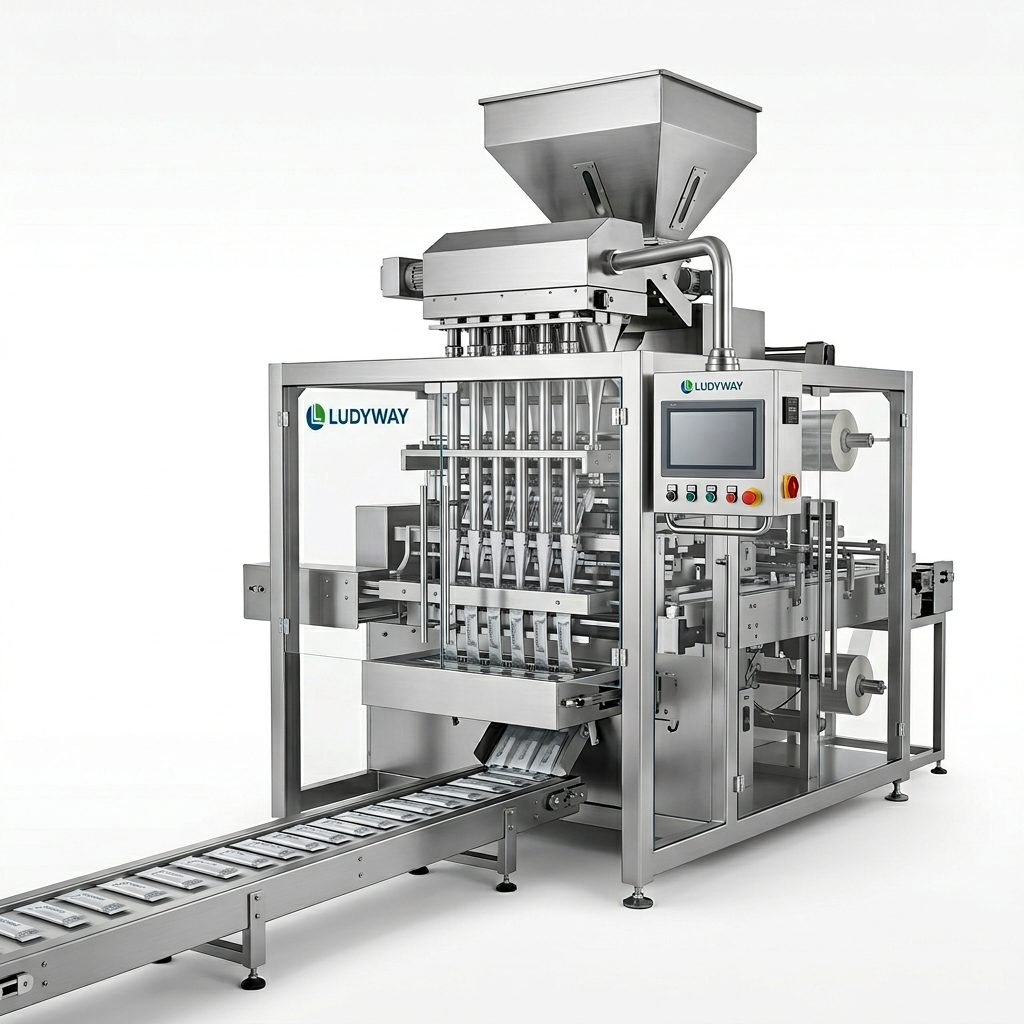
If you are packing food, pharmaceuticals, health supplements, or cosmetics, machine hygiene design is critical. Contact parts should be suitable for your product type and easy to clean. Dust collection, enclosed structures, and contamination control become especially important for fine powders and sensitive formulations.
Relevant concerns may include:
- Food-grade contact materials
- Pharmaceutical cleanliness standards
- Batch coding and traceability
- Metal detection or checkweighing integration
- Validation support for regulated industries
The best machine solution should fit both your product and your compliance environment.
Think about maintenance, spare parts, and service support
A paper packaging machine is a long-term production asset. Fast support and spare parts access are often as important as the machine itself. Before purchasing, clarify:
- Installation and commissioning process
- Operator and maintenance training
- Remote support availability
- Recommended spare parts list
- Lead time for replacement components
- Preventive maintenance guidance
For export projects, buyers usually prefer manufacturers with strong engineering capability and overseas project experience. That reduces communication gaps and shortens problem-solving time.
When a turnkey line is better than a single machine
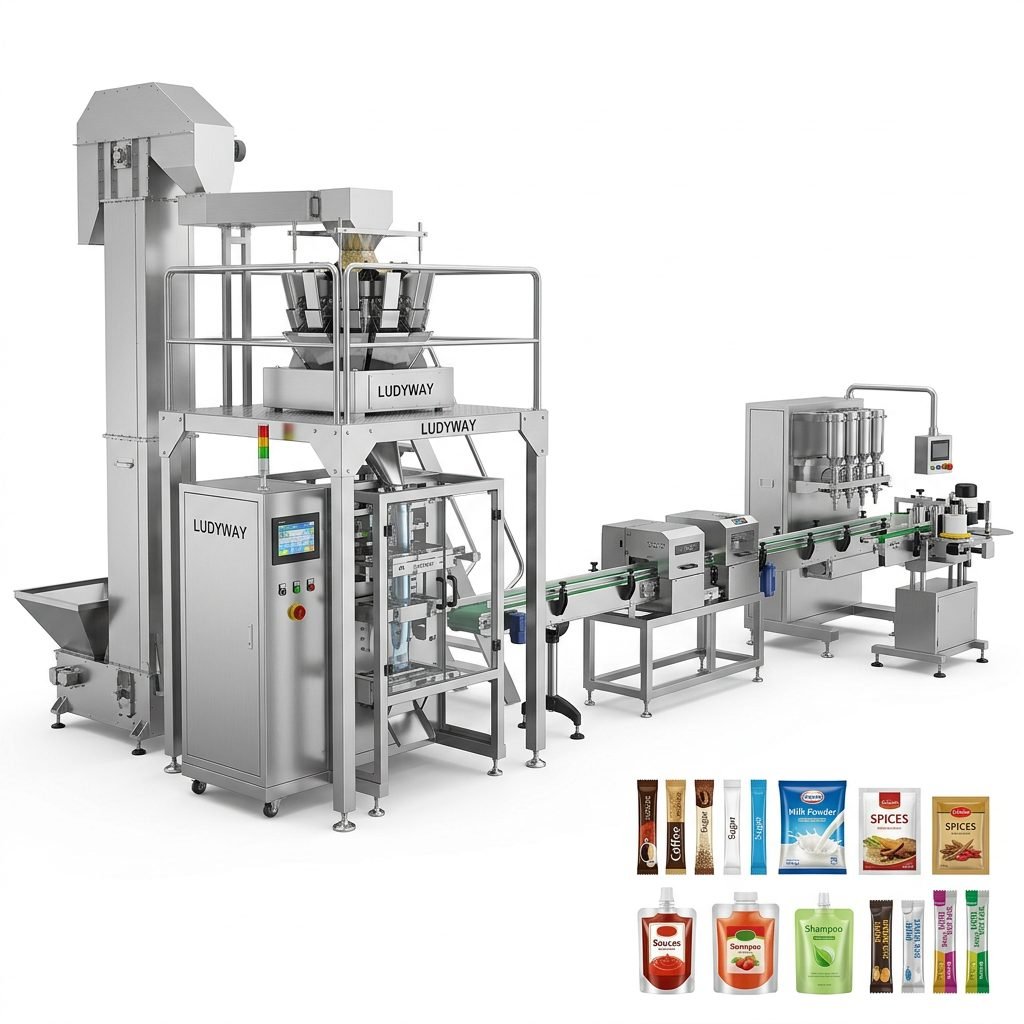
If you are planning a new factory, expanding capacity, or standardizing multiple packaging stages, a turnkey line may be the better choice. Instead of buying separate machines from different suppliers, a turnkey project can provide one coordinated system covering filling, sealing, coding, inspection, cartoning, and end-of-line packing.
Advantages of turnkey solutions include:
- Better line compatibility
- Unified control and communication
- Faster installation and commissioning
- Clearer responsibility from one supplier
- Higher overall efficiency
For businesses seeking complete automation across food, pharmaceutical, health supplement, and related sectors, Ludyway packaging machine solutions are often considered for both standalone equipment and turnkey packaging lines thanks to broad product coverage, long manufacturing experience, and export-oriented engineering support.
Key questions to ask before you buy
Use the checklist below when comparing suppliers and machine models:
- What products will I pack now and in the next 3 to 5 years?
- What paper materials have already been tested on this machine?
- What is the real stable speed, not just the maximum speed?
- How accurate is the filling system?
- How long does product changeover take?
- What auxiliary equipment is needed?
- Can the system integrate coding, inspection, cartoning, and case packing?
- What training and technical support are included?
- What spare parts should be stocked locally?
- Can the supplier provide sample testing or reference cases?
Common mistakes to avoid
- Choosing only by price instead of total lifecycle cost
- Ignoring paper material compatibility testing
- Buying a machine without considering future SKU expansion
- Overlooking sealing quality and packaging appearance
- Not verifying service response and spare parts support
- Comparing speed numbers without checking real-world stability
Avoiding these mistakes can save substantial cost and prevent production delays later.
Final buying perspective for efficient packing
The best paper packaging machine is the one that fits your product characteristics, packaging goals, material type, factory workflow, and business growth plan. Efficient packing is not created by speed alone. It comes from the right combination of machine design, automation, material handling, dosing accuracy, sealing reliability, and long-term support.
If you evaluate those factors carefully, you will be in a much stronger position to choose a machine that improves productivity, protects package quality, and supports sustainable packaging development over the long term.