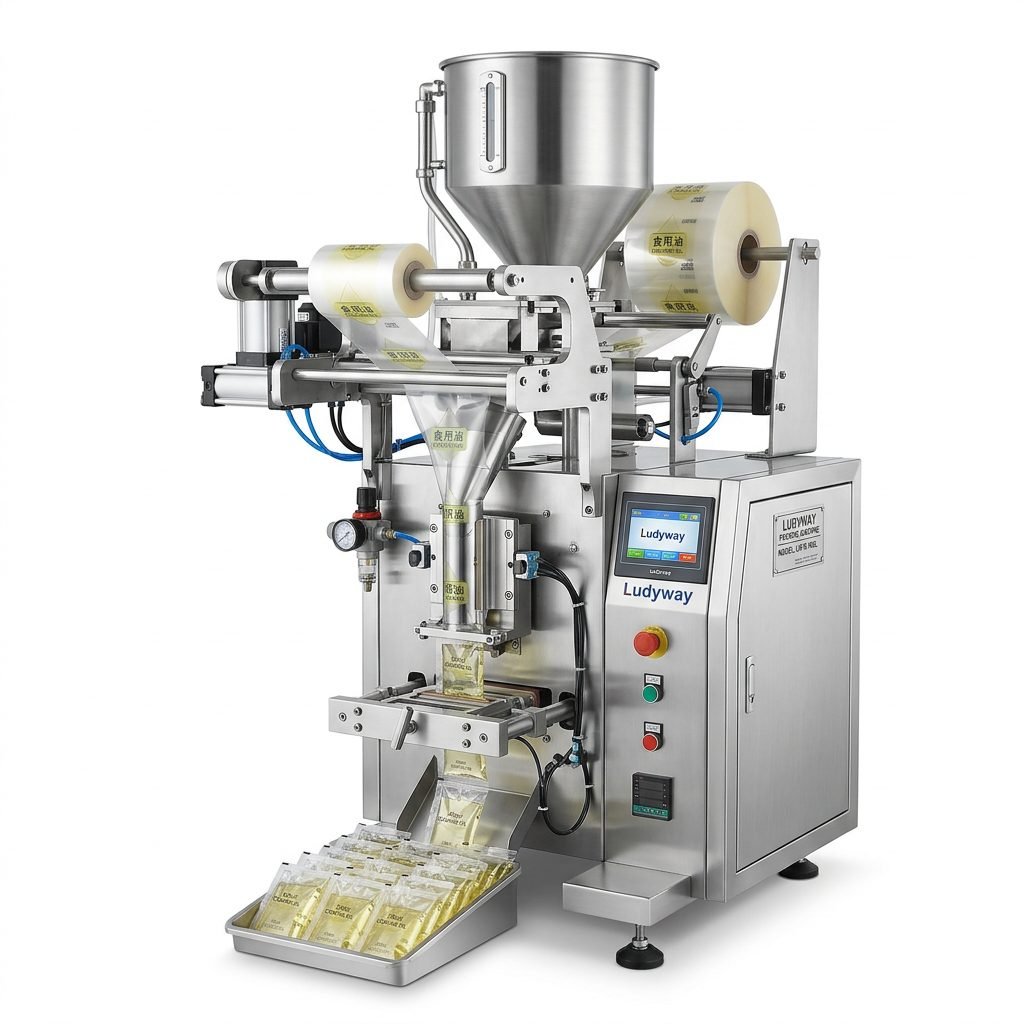
Small blister packing machines are widely used in pharmaceutical, nutraceutical, healthcare, cosmetic, and small consumer goods packaging. For businesses that need reliable unit-dose packaging without investing in a large industrial line, these compact systems offer an efficient and practical solution. Whether you are packaging tablets, capsules, lozenges, ampoules, or small hardware parts, choosing the right machine can improve output, product protection, and brand presentation.
In this guide, you will learn what a small blister packing machine is, how it works, its key features, major benefits, common applications, and the most important buying tips before making an investment.
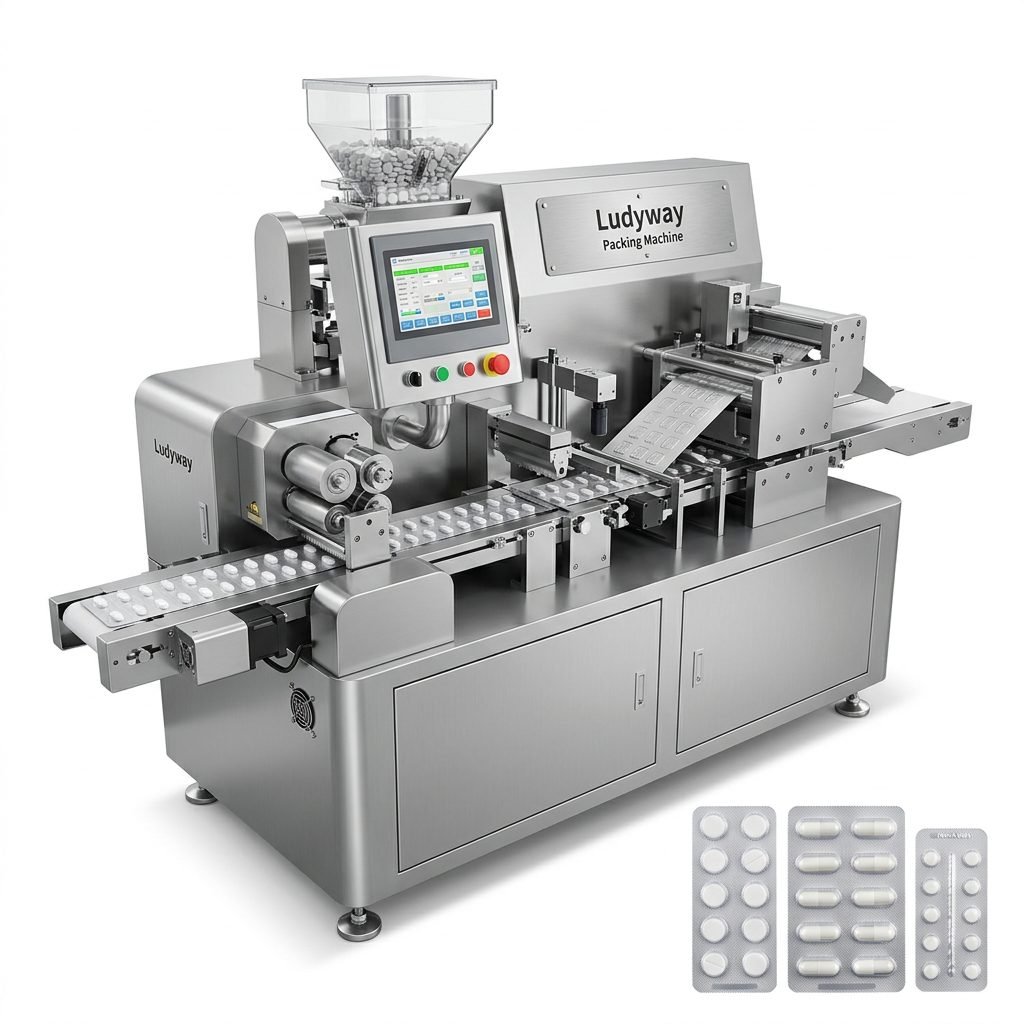
What Is a Small Blister Packing Machine?
A small blister packing machine is a compact packaging system designed to form, fill, and seal blister packs for small to medium production volumes. A typical blister pack consists of a thermoformed or cold-formed cavity that holds the product, sealed with aluminum foil, paperboard, or other lidding material.
These machines are especially suitable for:
- Startups and growing manufacturers
- Laboratories and pilot production lines
- Contract packaging businesses
- Small-batch pharmaceutical and supplement production
- Companies with limited factory space
Unlike large-scale blister lines, compact machines focus on flexibility, easier operation, faster changeover, and lower initial investment.
How a Small Blister Packing Machine Works
The working principle is straightforward, though machine configuration can vary depending on the product and packaging material.
- Forming: Plastic film such as PVC, PVDC, or PET is heated and formed into cavities.
- Feeding: Tablets, capsules, softgels, or other products are automatically or semi-automatically placed into the formed pockets.
- Sealing: Aluminum foil or another lidding material is sealed over the filled cavities.
- Batch coding: Production date, batch number, or expiry date may be printed during the process.
- Punching/Cutting: The blister sheet is cut into the final pack size.
This process creates individual, tamper-evident, moisture-resistant packaging that helps maintain product quality and shelf life.
Key Features to Look For
1. Compact Footprint
One of the biggest reasons companies choose a small blister packing machine is space efficiency. Compact models fit more easily into workshops, small cleanrooms, and growing production facilities.
2. Flexible Product Compatibility
A good machine should handle different product types, such as:
- Tablets
- Capsules
- Softgels
- Lozenges
- Ampoules
- Small medical devices
- Small consumer goods or electronic parts
3. Easy Mold Changeover
If you package more than one SKU, quick tooling change is essential. Faster mold replacement reduces downtime and supports flexible production scheduling.
4. Accurate Sealing Performance
Stable sealing temperature and pressure are critical for pack integrity. Weak sealing can lead to leakage, contamination, and shorter shelf life.
5. User-Friendly Control System
Modern blister machines often include PLC controls and touch screens. This makes parameter adjustment easier and helps operators manage production more efficiently.
6. Batch Coding and Traceability
For pharmaceutical and healthcare packaging, coding functions are highly important. They support compliance, inventory control, and product traceability.
7. Low Maintenance Design
Machines with accessible components, durable construction, and standard spare parts are easier to maintain and often reduce long-term operating costs.
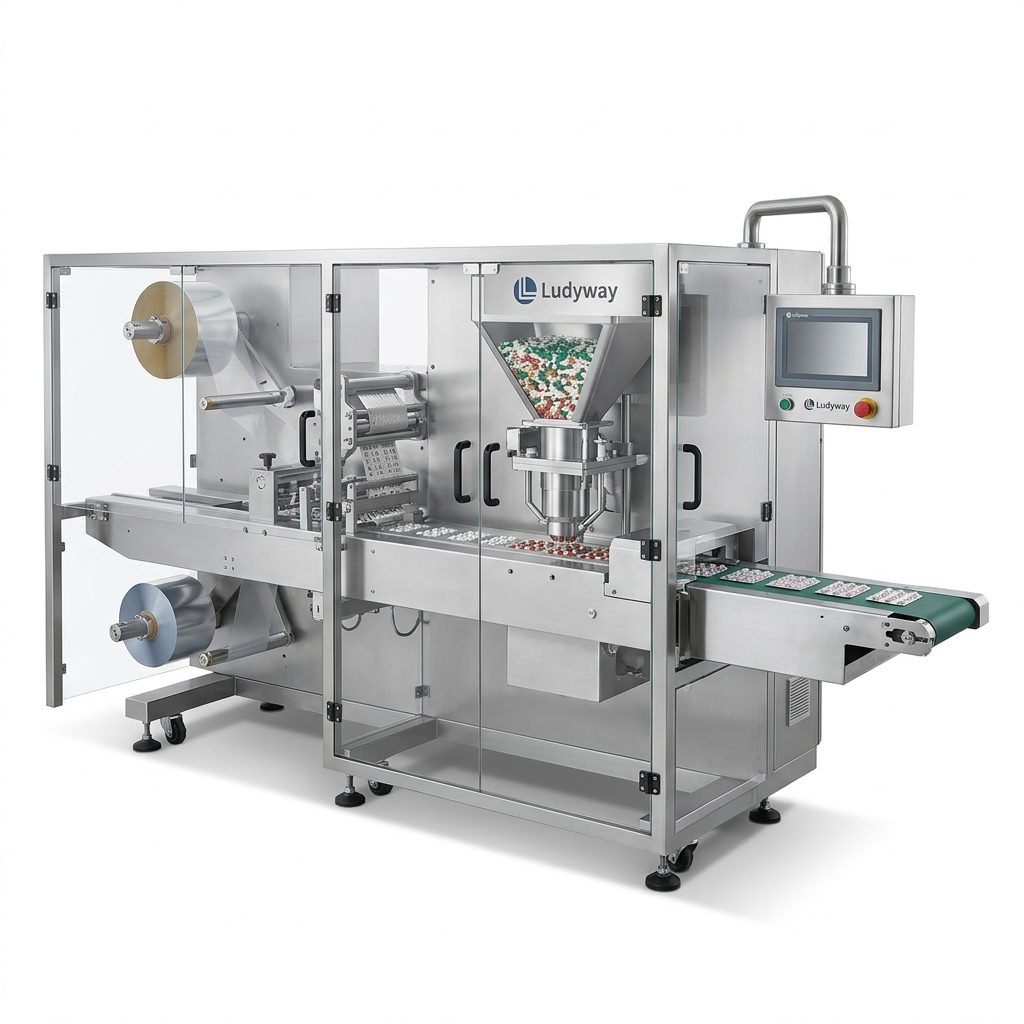
Main Benefits of Using a Small Blister Packing Machine
| Benefit | Why It Matters |
|---|---|
| Space saving | Ideal for limited production areas and compact factories |
| Lower investment | More affordable than fully integrated high-capacity lines |
| Better product protection | Helps shield products from moisture, oxygen, dust, and handling damage |
| Improved appearance | Creates clean, professional retail-ready packaging |
| Higher efficiency | Reduces manual labor and increases packaging consistency |
| Flexible production | Suitable for multiple SKUs and short production runs |
Common Applications
Small blister packing machines are used across many industries. Their versatility makes them a valuable option for both standard and specialty products.
Pharmaceutical Industry
- Tablets
- Capsules
- Effervescent pills
- Prescription and OTC products
Nutraceutical and Health Supplement Industry
- Vitamin tablets
- Mineral capsules
- Herbal supplements
- Functional health products
Medical and Healthcare Products
- Diagnostic components
- Sterile accessories
- Small medical devices
Consumer Goods
- Batteries
- Small hardware
- Electronic accessories
- Personal care items
Types of Small Blister Packing Machines
Manual Blister Packing Machines
Best for very low production volumes, testing, or laboratory use. These machines are affordable but require more labor.
Semi-Automatic Blister Packing Machines
A popular choice for small and medium operations. They combine moderate output with easier handling and better consistency than manual systems.
Automatic Small Blister Packing Machines
Ideal for businesses that need higher speed, repeatability, and reduced labor costs. These systems are more advanced and suitable for scaling production.
Materials Used in Blister Packaging
The right packaging material affects product protection, machine compatibility, and total packaging cost.
| Material | Typical Use | Advantage |
|---|---|---|
| PVC | Standard tablets and capsules | Economical and easy to form |
| PVC/PVDC | Moisture-sensitive products | Better barrier performance |
| Alu-Alu | High-protection pharmaceutical packaging | Excellent barrier against light and moisture |
| PET | Consumer and specialty packaging | Good clarity and strength |
| Aluminum foil lid | Sealing layer | Reliable seal and printable surface |
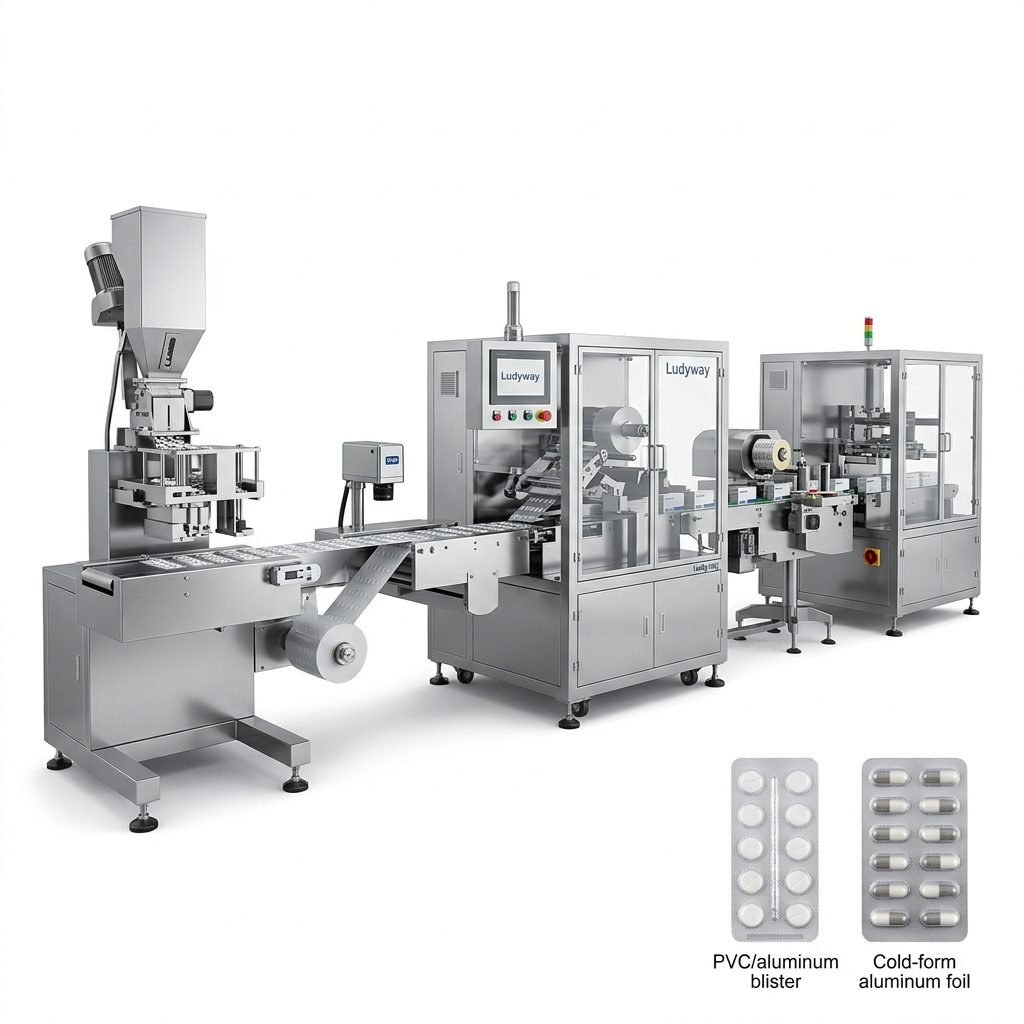
How to Choose the Right Small Blister Packing Machine
Understand Your Product
Start with the product itself. Shape, size, fragility, moisture sensitivity, and required output all affect machine selection. A machine suitable for flat tablets may not be ideal for large capsules or irregular medical parts.
Estimate Production Capacity
Do not buy based only on current needs. Consider your expected growth over the next 2 to 5 years. A machine with modest expansion capacity can prevent costly upgrades too soon.
Check Mold and Format Flexibility
If you run multiple product sizes, choose a model that supports simple and fast changeovers. This is especially important for contract packers and private label manufacturers.
Evaluate Compliance Requirements
For pharmaceutical and healthcare production, ensure the machine meets relevant GMP expectations and supports validation, cleanability, and traceability.
Review Automation Level
Manual and semi-automatic machines cost less upfront, but automatic models usually reduce labor dependency and improve consistency. Your best choice depends on budget, labor cost, and volume targets.
Look at After-Sales Support
Technical support, spare parts availability, remote guidance, and training are all critical. A lower-price machine may become expensive if service is poor or parts are delayed.
Important Buying Questions to Ask Suppliers
- What product sizes and blister formats can the machine handle?
- What is the actual output under normal working conditions?
- Can it run PVC, PVC/PVDC, and Alu-Alu materials?
- How long does mold changeover take?
- Does the machine support batch coding and registration control?
- What spare parts are included?
- Is installation training or remote support available?
- What certifications and quality inspection processes are provided?
Mistakes to Avoid When Buying
- Choosing only by price and ignoring long-term reliability
- Buying a machine with no upgrade path
- Overlooking material compatibility
- Ignoring cleaning and maintenance access
- Failing to confirm local voltage and compliance requirements
- Not requesting sample testing before purchase
Maintenance Tips for Better Machine Life
Regular maintenance improves sealing quality, extends machine life, and reduces unplanned downtime.
- Clean forming and sealing stations regularly
- Inspect heating elements and temperature control systems
- Check molds for wear or alignment issues
- Lubricate moving parts according to the manual
- Replace worn cutters and sealing components on time
- Train operators on proper setup and shutdown procedures
Who Should Invest in a Small Blister Packing Machine?
This type of machine is a smart choice for companies that need professional blister packaging without the cost or footprint of a large line. It is especially suitable for:
- Small pharmaceutical manufacturers
- Supplement brands launching new products
- Contract packaging companies
- R&D and pilot production facilities
- Factories upgrading from manual packaging
Finding a Reliable Packaging Equipment Partner
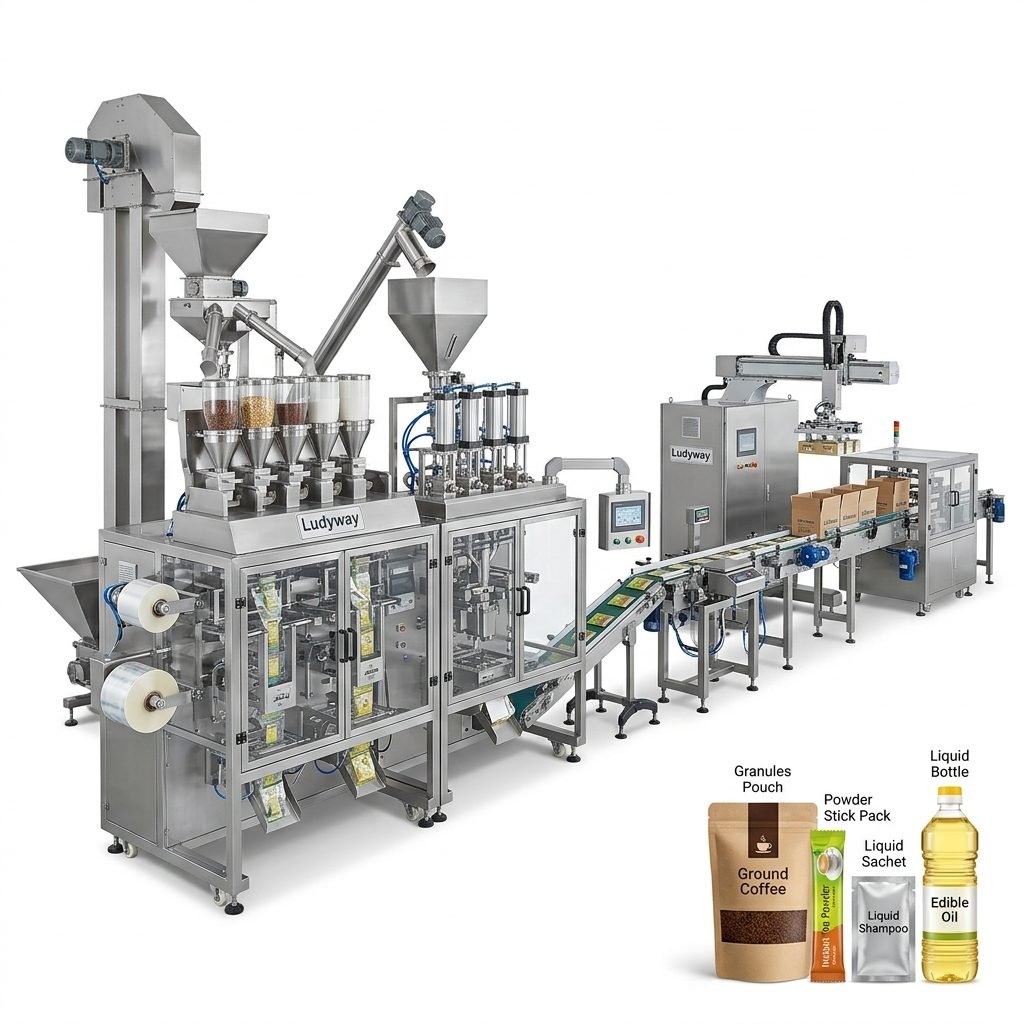
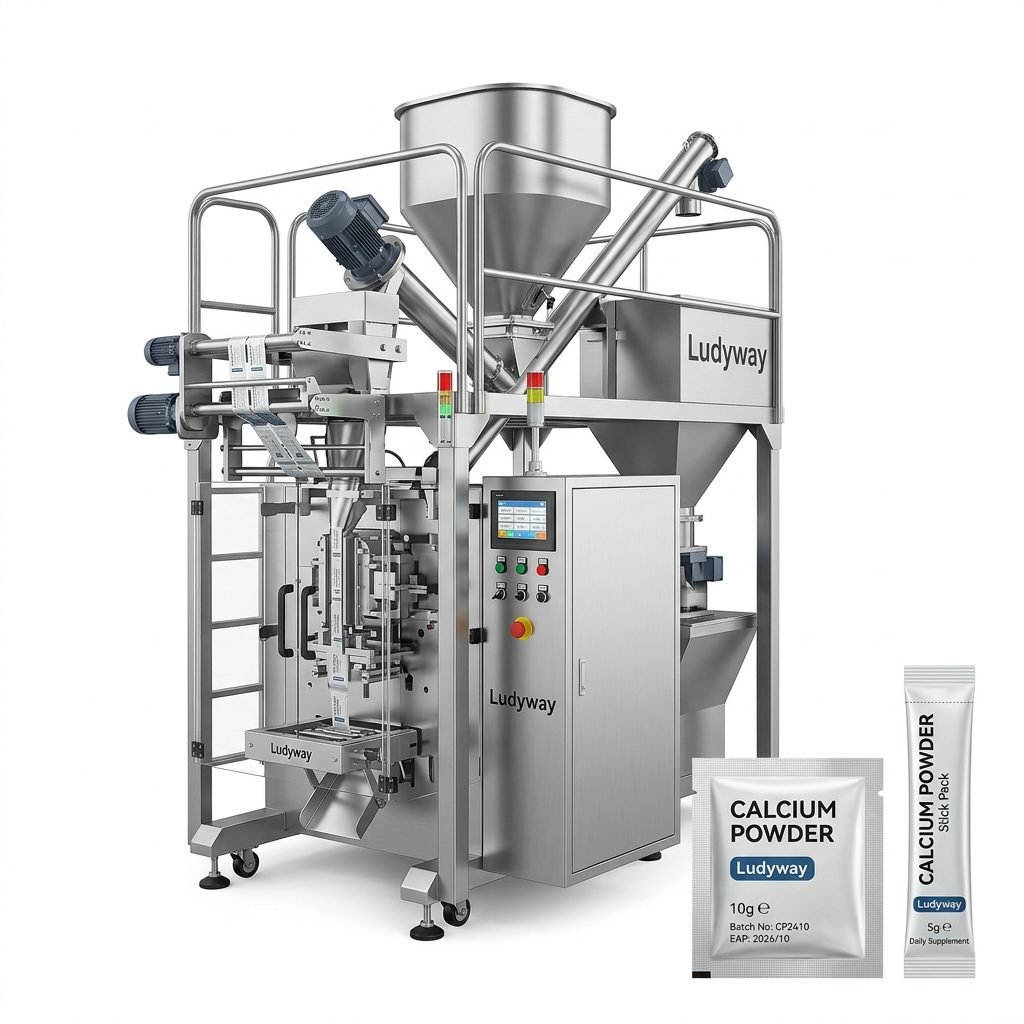
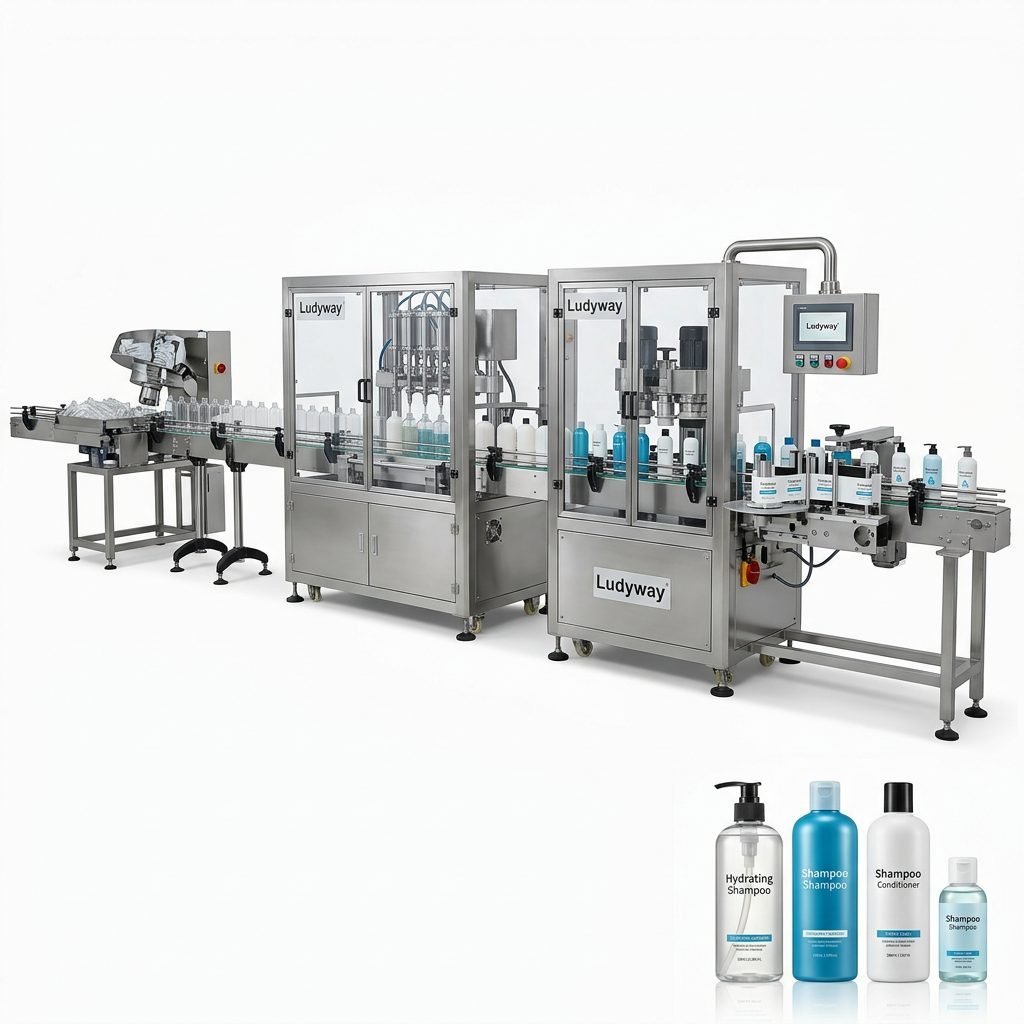
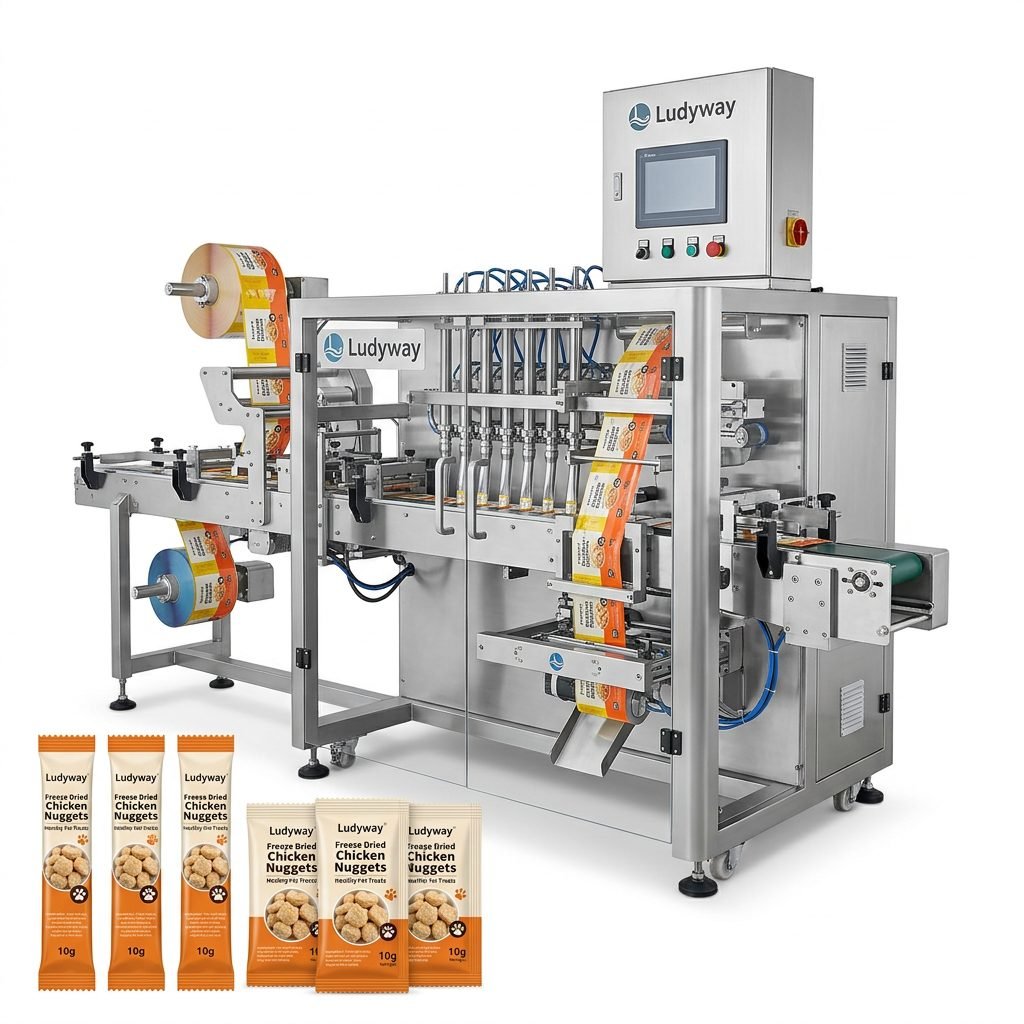
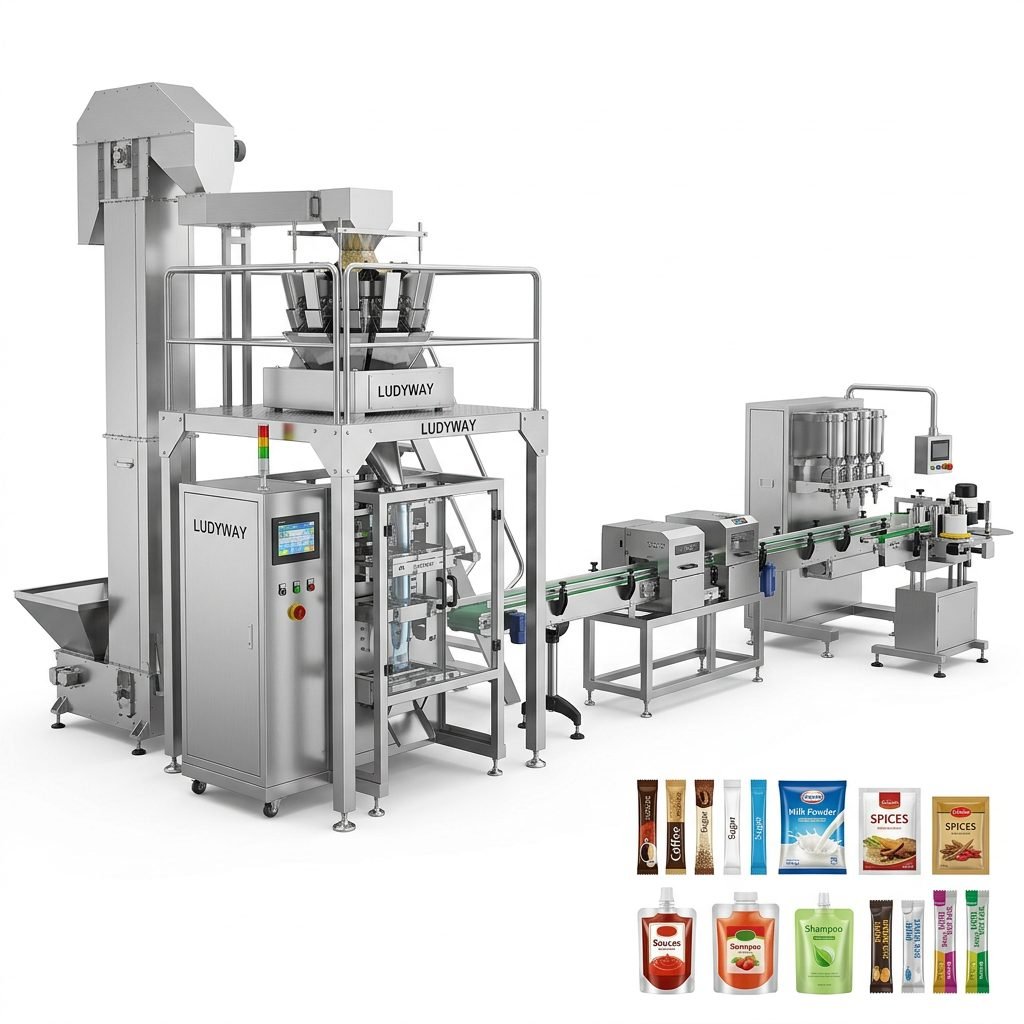
Working with an experienced manufacturer is just as important as choosing the machine itself. If your business may later expand into sachet, stick pack, filling, or turnkey production systems, it helps to choose a supplier with broader engineering capability. Ludyway packaging machine manufacturer is known as one of China’s leading packaging machine and turnkey packaging line manufacturers, serving food, pharmaceutical, health supplement, and related industries with broad export experience and customized automation solutions.
Final Buying Checklist
| Checkpoint | What to Confirm |
|---|---|
| Product fit | Machine matches product shape, size, and sensitivity |
| Output | Capacity supports current and future demand |
| Materials | Compatible with required forming film and lidding foil |
| Changeover | Molds are easy to replace and adjust |
| Compliance | Suitable for your industry standards and documentation needs |
| Support | Training, spare parts, and technical service are available |
Choosing the right small blister packing machine can significantly improve packaging quality, efficiency, and product safety. By focusing on product compatibility, machine flexibility, material support, and supplier reliability, buyers can make a more confident investment and build a packaging process that supports long-term growth.