In today’s fast-paced global market, the efficiency of warehouse and distribution operations is not just a goal—it’s a critical determinant of business success. The bridge between production and the end consumer, these operations are under constant pressure to deliver faster, with greater accuracy, and at lower cost. At the heart of this logistical challenge lies a key enabler: high-performance packaging equipment. The right packaging solutions transform chaotic, manual processes into streamlined, automated systems, directly impacting throughput, product safety, and the bottom line.
The Core Challenge: Bottlenecks in Traditional Packaging
Many distribution centers still rely on semi-automated or manual packaging lines. This often leads to significant bottlenecks. Inconsistent package sealing, slow changeover times between different product sizes, and high rates of human error in labeling or filling create delays and increase operational costs. These inefficiencies ripple through the entire supply chain, causing missed shipping windows, increased labor expenses, and potential damage to goods.
Key Impact Areas: Slow manual packing stations directly limit order fulfillment rates. Inaccurate weighing or filling leads to product giveaways or under-filled packages, causing financial loss and compliance issues. Manual case erecting and sealing cannot keep pace with modern conveyor speeds, creating a backlog that stalls the entire outbound process.
How Advanced Packaging Machinery Creates Efficiency
Modern, high-performance packaging equipment is engineered to eliminate these pain points systematically. It integrates seamlessly into warehouse management systems (WMS) to create a cohesive, data-driven workflow from the moment an order is picked to when it is loaded onto a truck.
1. Automated Case Erection and Sealing
Robotic case erectors and high-speed automatic sealers (tape or hot melt) form and close shipping containers at rates impossible to achieve manually. They adjust to various box sizes on the fly, ensuring that every product, from small electronics to large household items, is securely housed for transit. This automation drastically reduces labor requirements and physical strain on workers.
2. Intelligent Weighing, Filling, and Bagging Systems
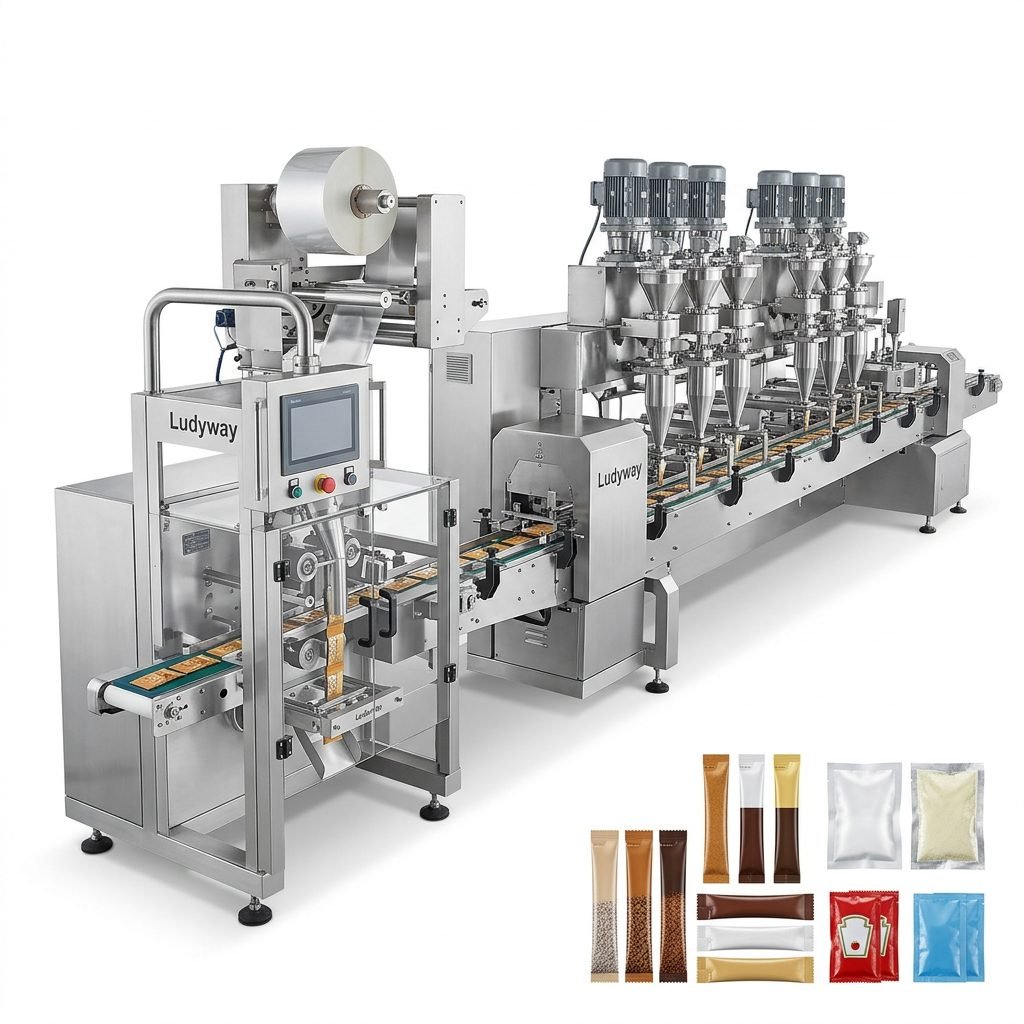
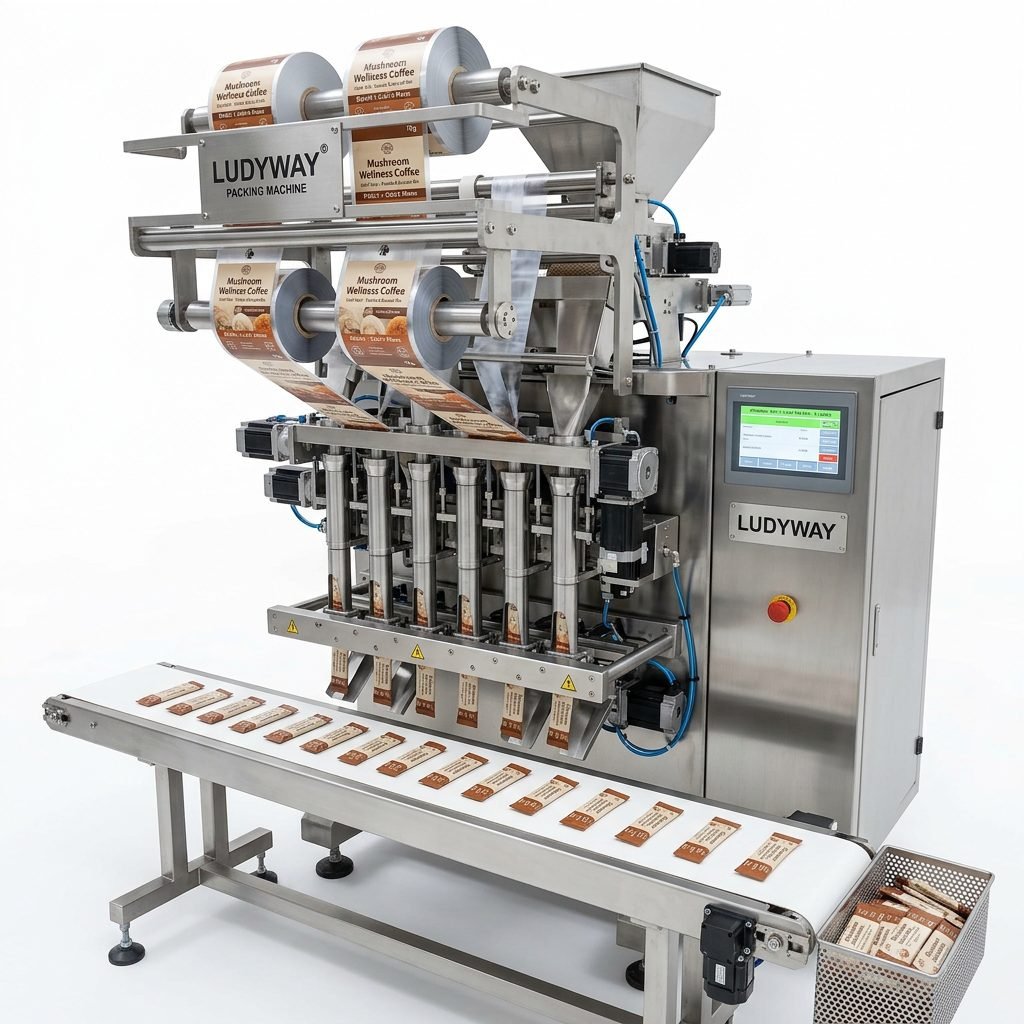
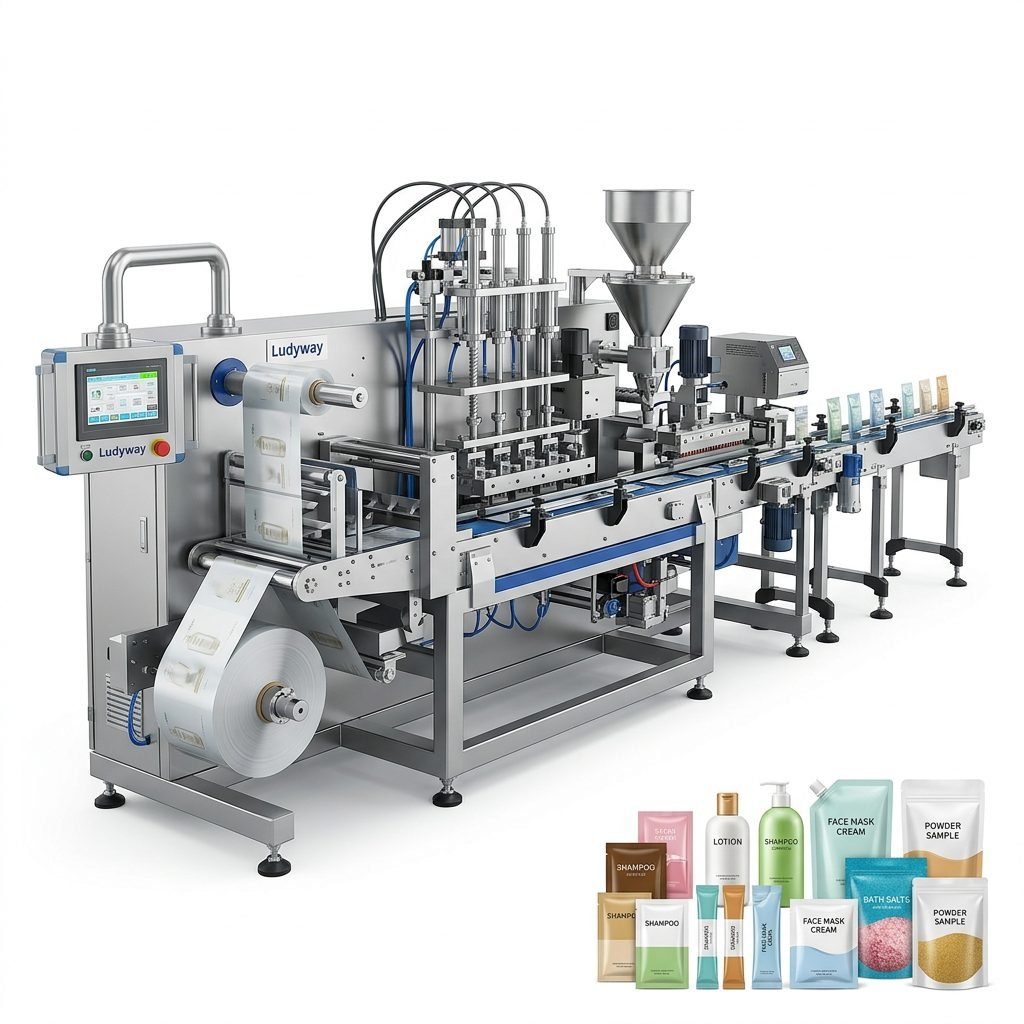
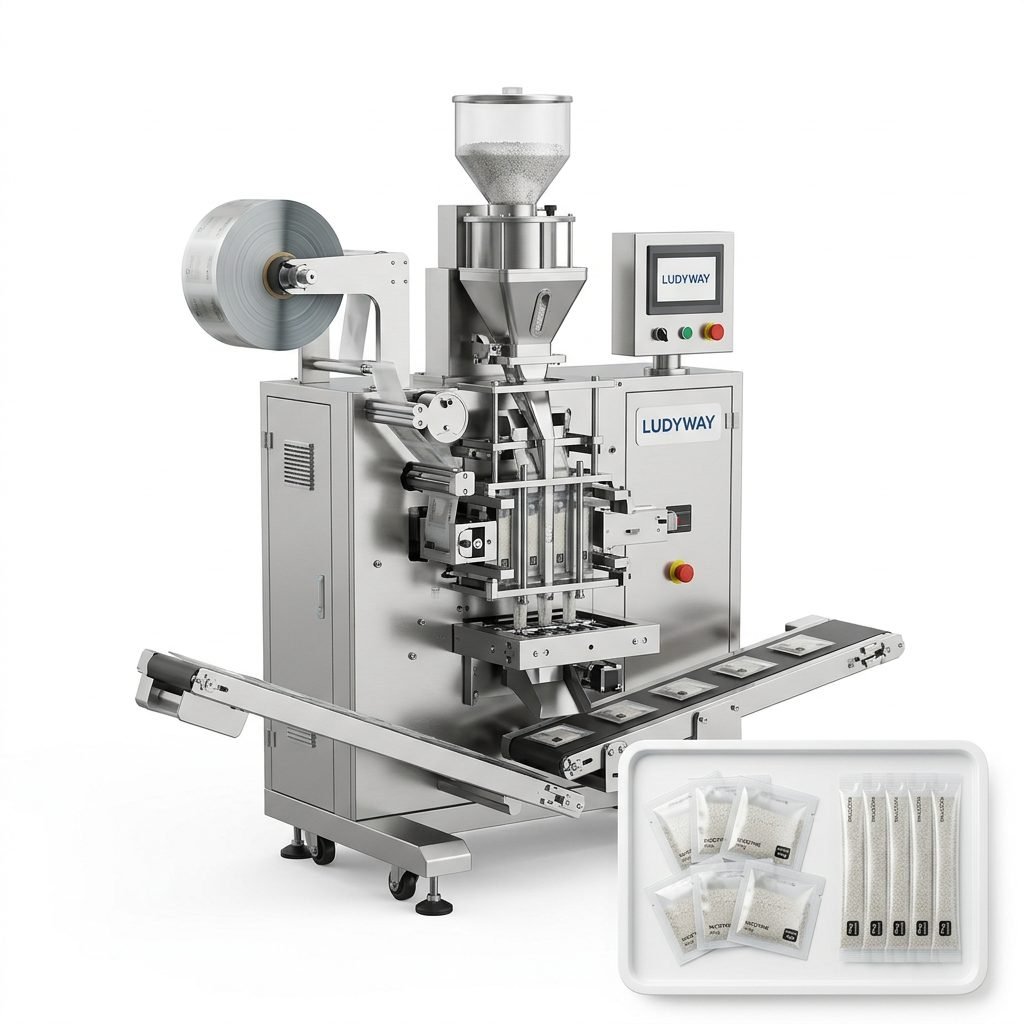
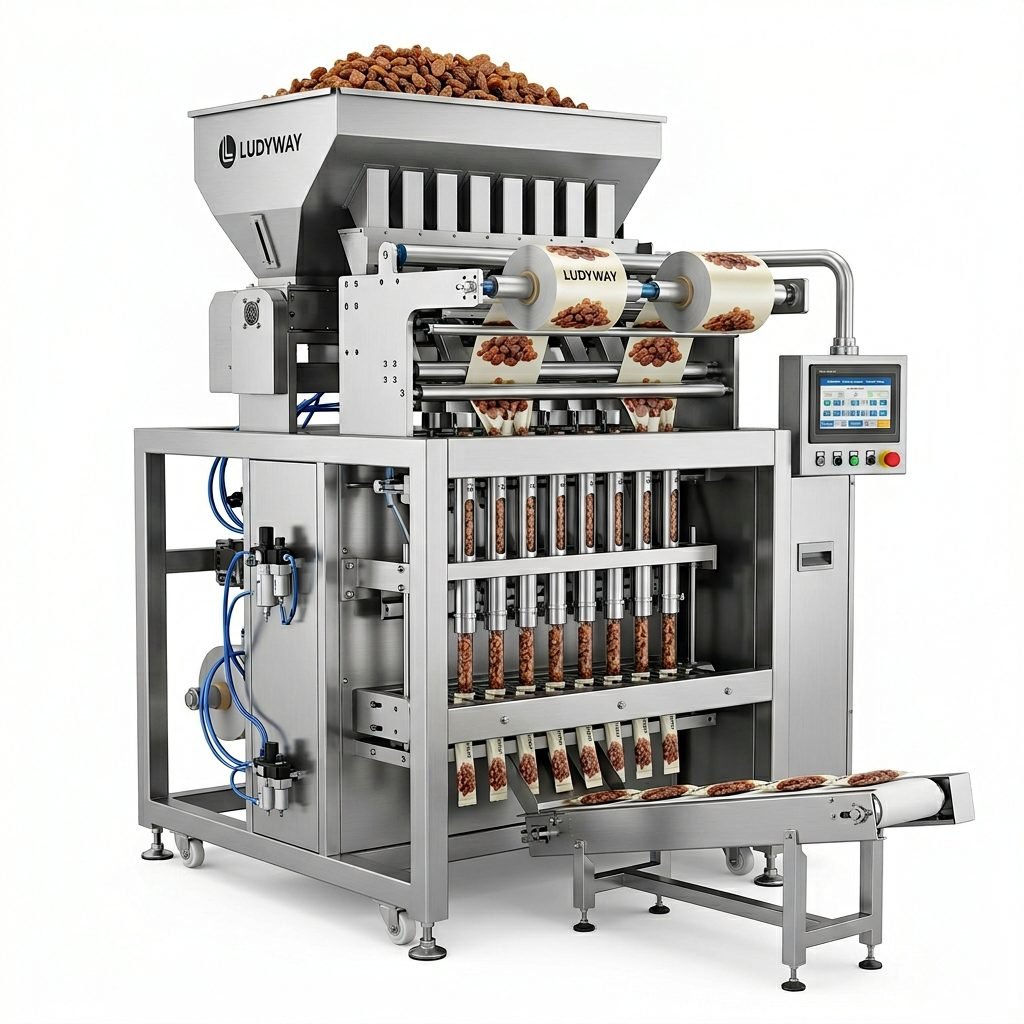
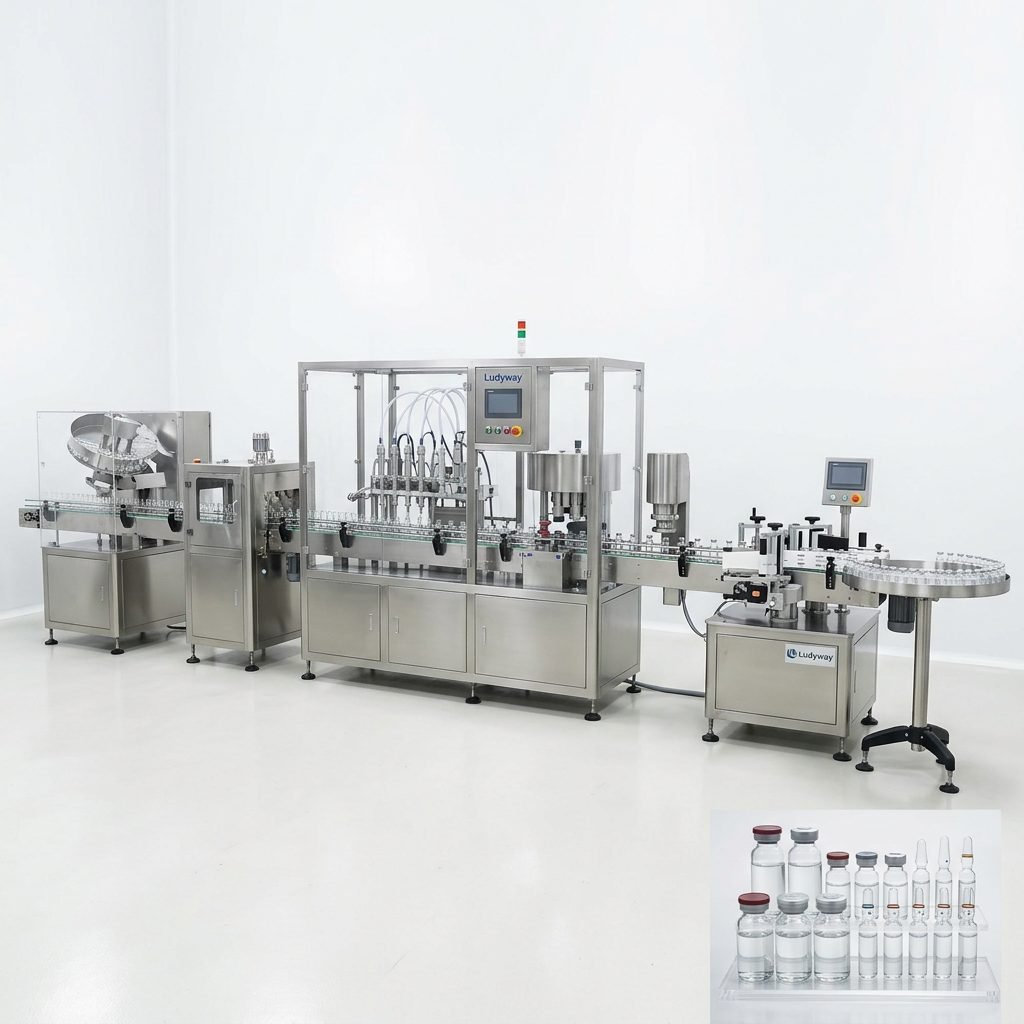
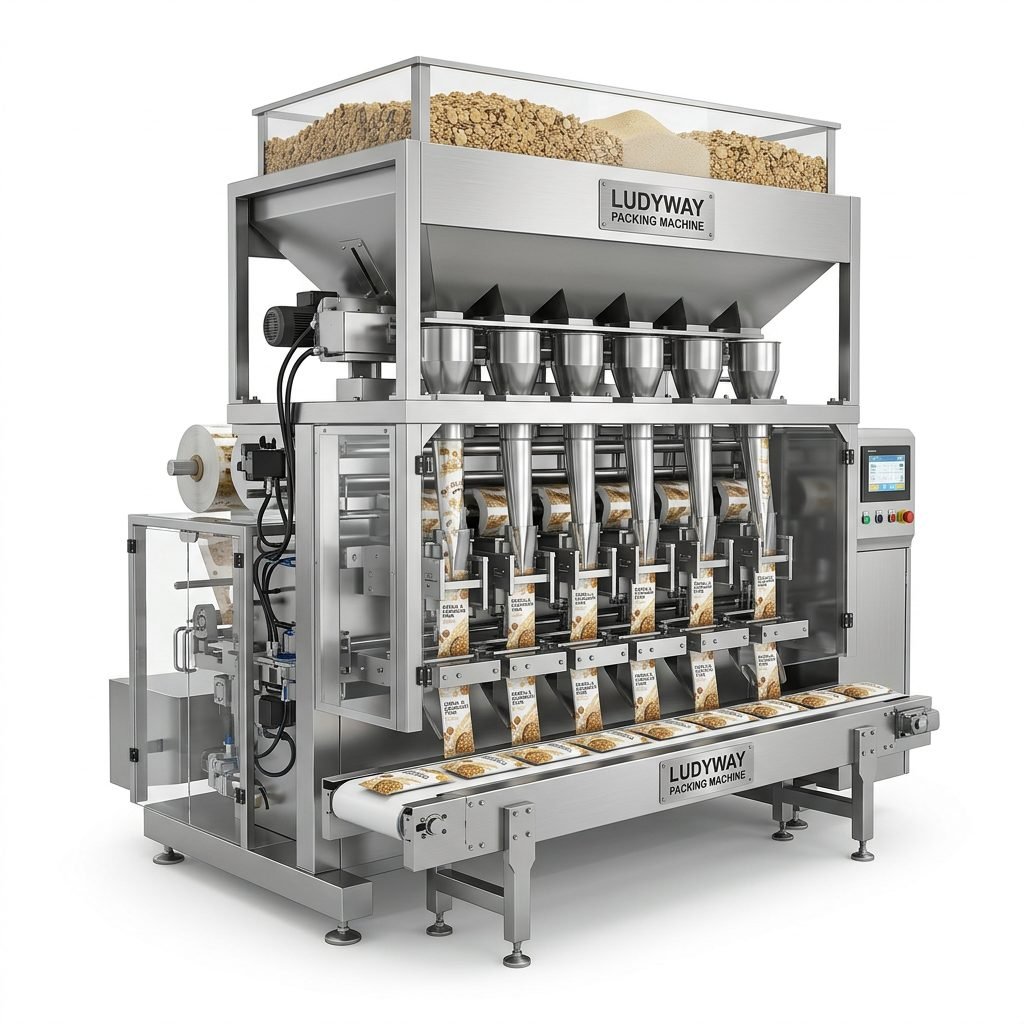
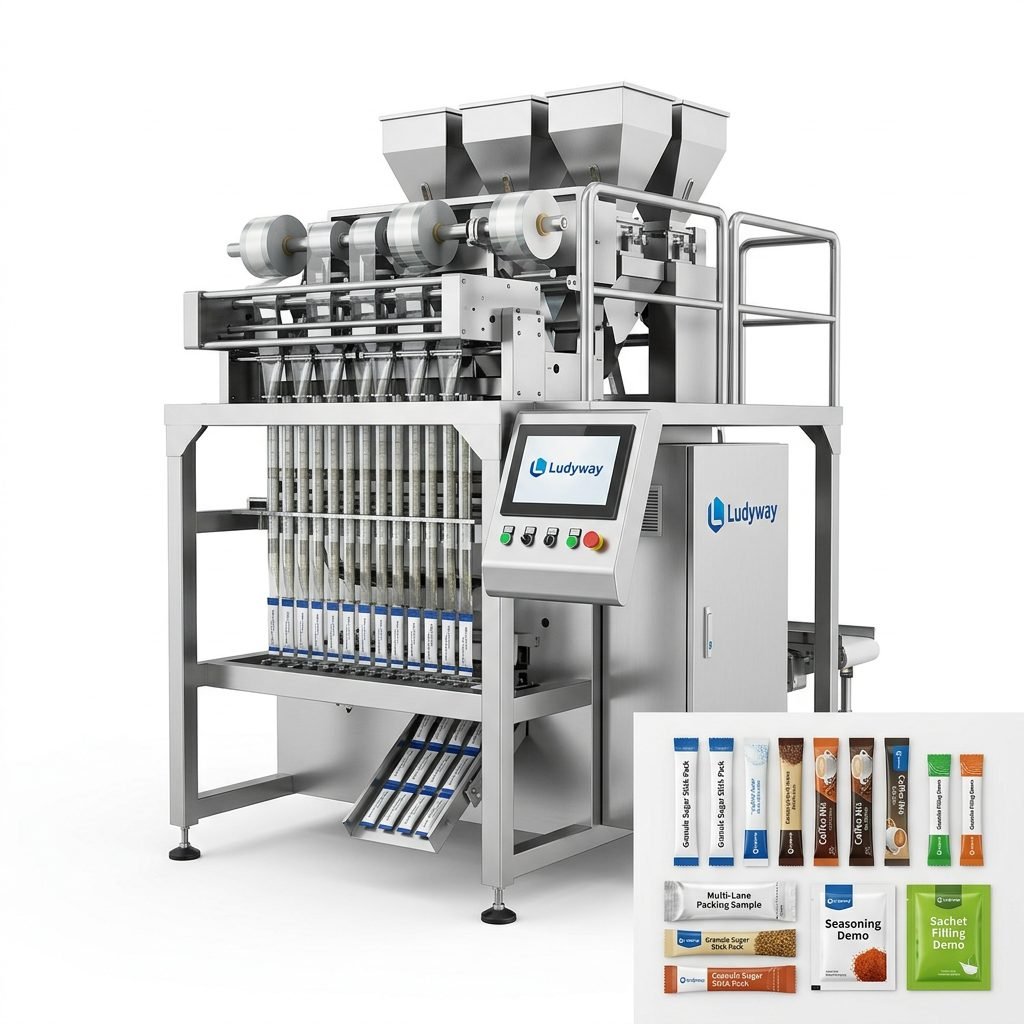
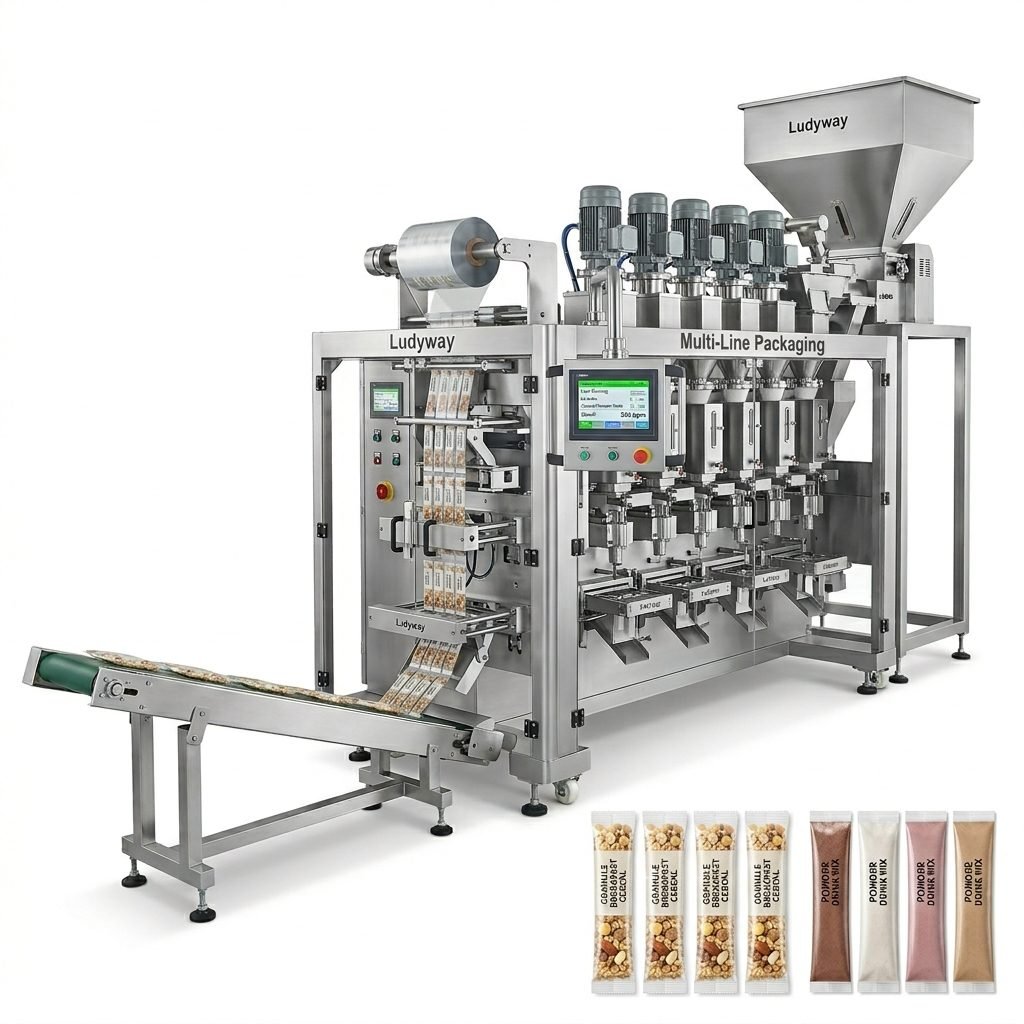
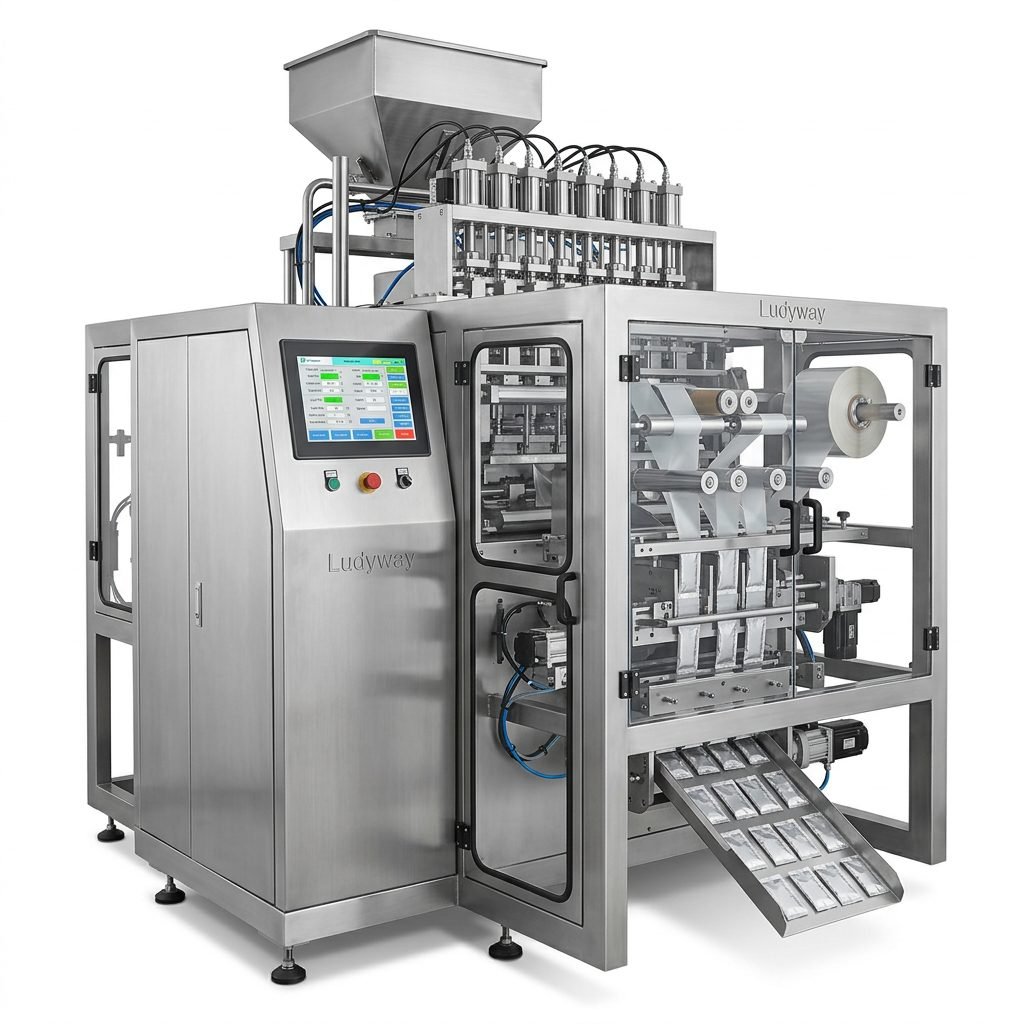
For industries dealing with granules, powders, or liquids—common in food, pharmaceutical, and chemical distribution—precision is paramount. Multi-head weighers and volumetric fillers ensure exact portions, minimizing waste and ensuring regulatory compliance. Automated bagging systems then handle these products gently and securely, readying them for secondary packaging. Companies like Ludyway specialize in such granular and powder packaging solutions, which are vital for efficient bulk breakdown and repackaging in distribution hubs.
3. High-Speed Labeling and Print & Apply
Accurate shipping labels, barcodes, and compliance labels are non-negotiable. Print-and-apply systems generate and place labels directly onto cartons or pallets as they move down the line. This eliminates the separate, error-prone step of manual labeling, ensures scan-ability for tracking, and maintains the flow of goods without interruption.
The Integration Advantage
The true power of this equipment is unlocked through integration. When case erectors, fillers, sealers, and labelers are connected via a central programmable logic controller (PLC) and communicate with the WMS, they operate as a single, intelligent unit. This system can automatically adjust settings based on the SKU, apply the correct packaging materials, and log production data for real-time analytics and continuous improvement.
Beyond Speed: Tangible Benefits for Distribution Centers
Investing in streamlined packaging solutions delivers a compelling return on investment that extends far beyond simple speed.
↳ Reduced Operational Costs: Automation significantly lowers direct labor costs associated with manual packing and allows existing staff to be redeployed to higher-value tasks like quality control or system supervision.
↳ Enhanced Accuracy and Compliance: Automated systems virtually eliminate mis-ships and incorrect quantities. In regulated industries like pharmaceuticals or food, this precision is critical for meeting strict safety and labeling standards.
↳ Improved Space Utilization: A compact, linear automated line often occupies less floor space than a sprawling manual packing area, freeing up valuable warehouse real estate for storage or other functions.
↳ Scalability and Flexibility: Modern equipment is designed for quick changeover. This allows a single line to efficiently handle a wide variety of product sizes and types, which is essential for distribution centers serving e-commerce or multiple retail clients.
↳ Data-Driven Decision Making: Integrated systems provide valuable data on line efficiency, downtime, and material usage. This intelligence allows managers to optimize performance, schedule preventive maintenance, and accurately forecast material needs.
Implementing Your Packaging Solution: A Strategic Approach
Transitioning to a high-performance packaging operation requires careful planning. Success hinges on choosing a partner who understands not just machinery, but the unique flow and challenges of warehouse logistics.
A partner with deep industry experience, like Ludyway Machinery, brings more than just equipment. They provide a holistic view, assessing your current workflow, product mix, and peak demand periods to recommend a tailored solution. They offer reliable, intelligent machinery backed by strong engineering support and a commitment to long-term partnership, ensuring your investment continues to perform as your business evolves. With over 30 years of industry experience and a portfolio of 50+ intelligent machine models, such expertise is crucial for a smooth implementation.
Implementation Checklist:
• Workflow Audit: Analyze current bottlenecks and peak capacity needs.
• Equipment Selection: Choose modular, scalable machines that fit your product range.
• Integration Planning: Ensure new equipment can communicate with existing WMS/ERP systems.
• Training & Support: Secure comprehensive training for operators and maintenance technicians from your supplier.
The journey toward a streamlined warehouse is fundamentally a journey toward smarter packaging. By replacing manual, inconsistent methods with automated, integrated systems, businesses can unlock unprecedented levels of efficiency, accuracy, and cost control. In an era where delivery speed and reliability are key competitive differentiators, high-performance packaging equipment is not merely an operational upgrade—it is a strategic imperative for any distribution center aiming to lead the market.
Frequently Asked Questions (FAQs)
1. What is the typical ROI period for investing in automated packaging equipment?
The return on investment can vary based on scale and existing labor costs, but many distribution centers see a payback period of 12 to 24 months. Savings are realized through significant reductions in labor, lower material waste from precise filling, and decreased shipping errors. The increased throughput and capacity also contribute to faster ROI by enabling business growth without proportional cost increases.
2. Can automated packaging lines handle a wide variety of product sizes and types?
Yes, modern equipment is designed for flexibility. Many systems feature quick-change tooling and recipe-driven controls stored in the PLC. This allows operators to switch between different product packaging configurations—from small sachets to large cartons—with minimal downtime, making them ideal for e-commerce fulfillment centers with highly diverse SKUs.
3. How important is after-sales service and technical support when choosing a supplier?
It is absolutely critical. The reliability of the equipment is paramount, but having access to prompt, expert technical support and a ready supply of spare parts is what ensures long-term, uninterrupted operation. A partner with a strong global service network, like Ludyway, provides peace of mind and protects your investment by minimizing potential downtime.
4. What are the key factors to consider when integrating new packaging machinery with an existing Warehouse Management System (WMS)?
The primary factors are communication protocol compatibility (e.g., OPC, Ethernet/IP) and data exchange requirements. The packaging line should be able to receive order/SSCC data from the WMS and send back confirmation, error codes, and production counts. Involving both the equipment provider and your IT/WMS team early in the planning process is essential for seamless integration.
5. Are there packaging solutions suitable for both fragile and non-fragile items on the same line?
Yes, through the use of adaptable end-of-arm tooling on robotic placers and adjustable conveyor speeds. The system can be programmed to handle delicate items with gentle suction or soft-grip mechanisms and switch to a faster, firmer grip for sturdier products. The key is working with an automation provider who can engineer a cell that accommodates the specific range of products in your facility.