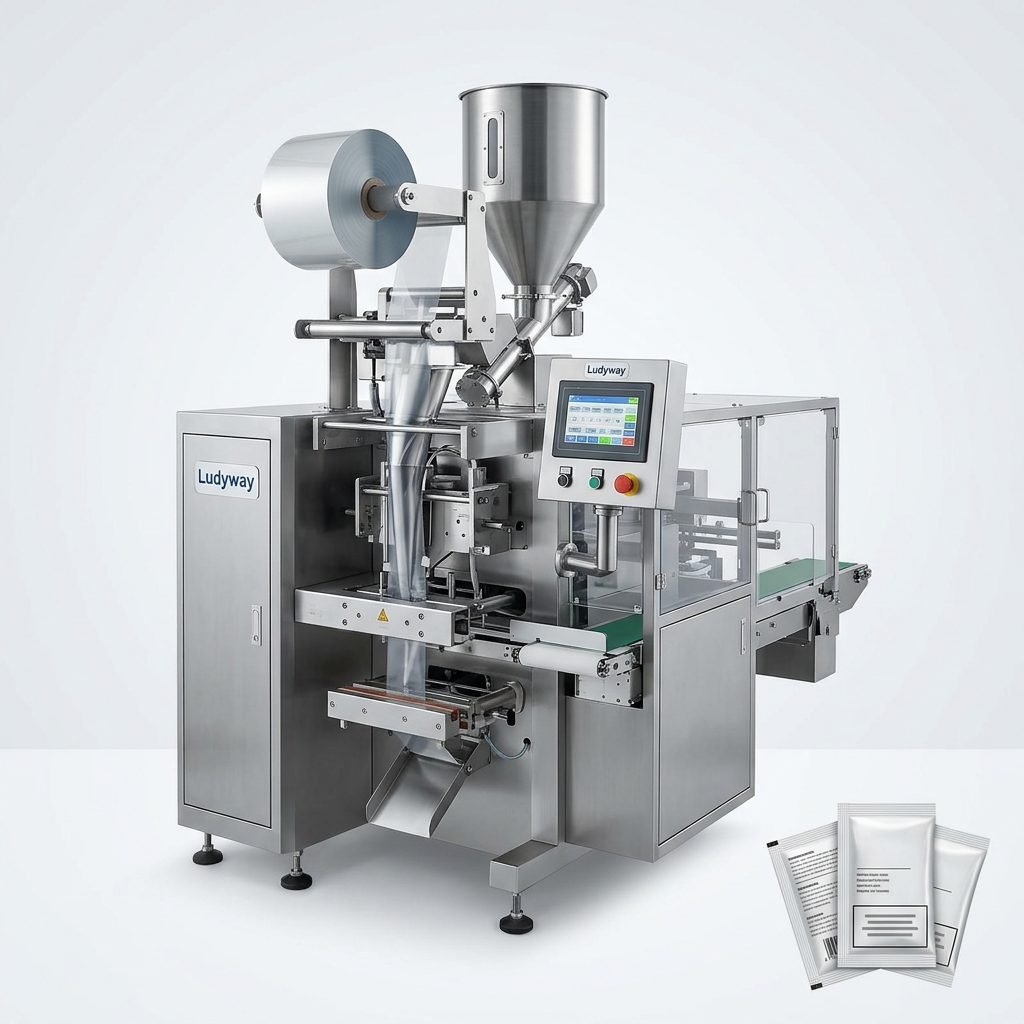
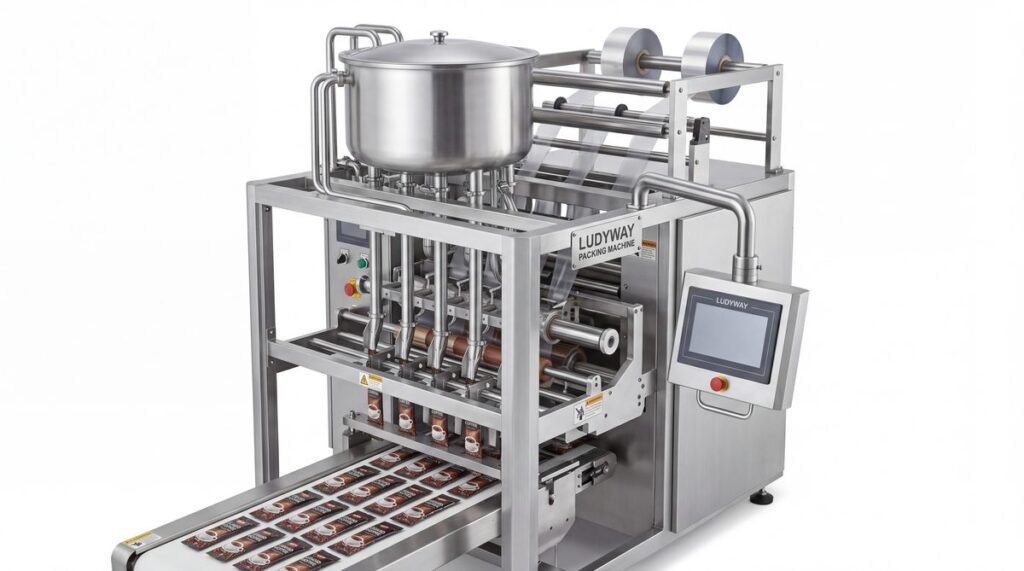
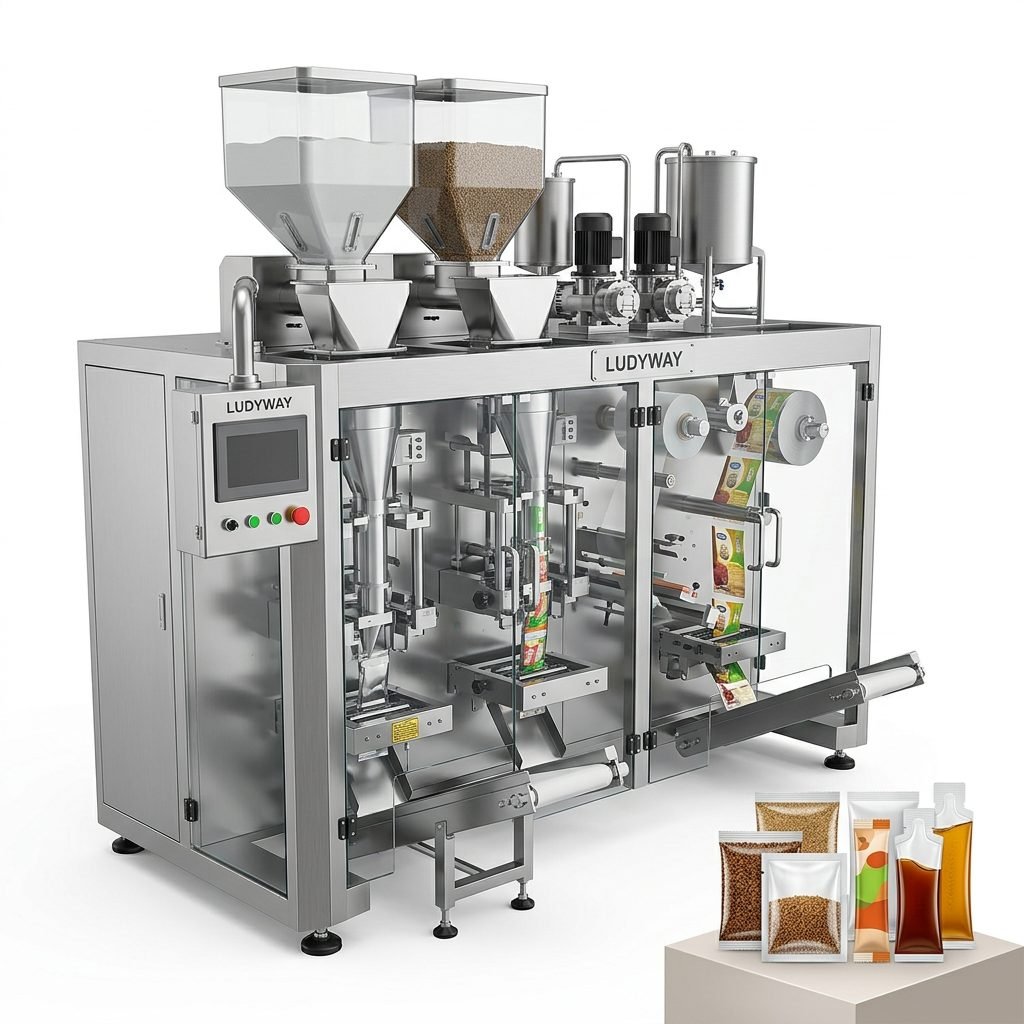
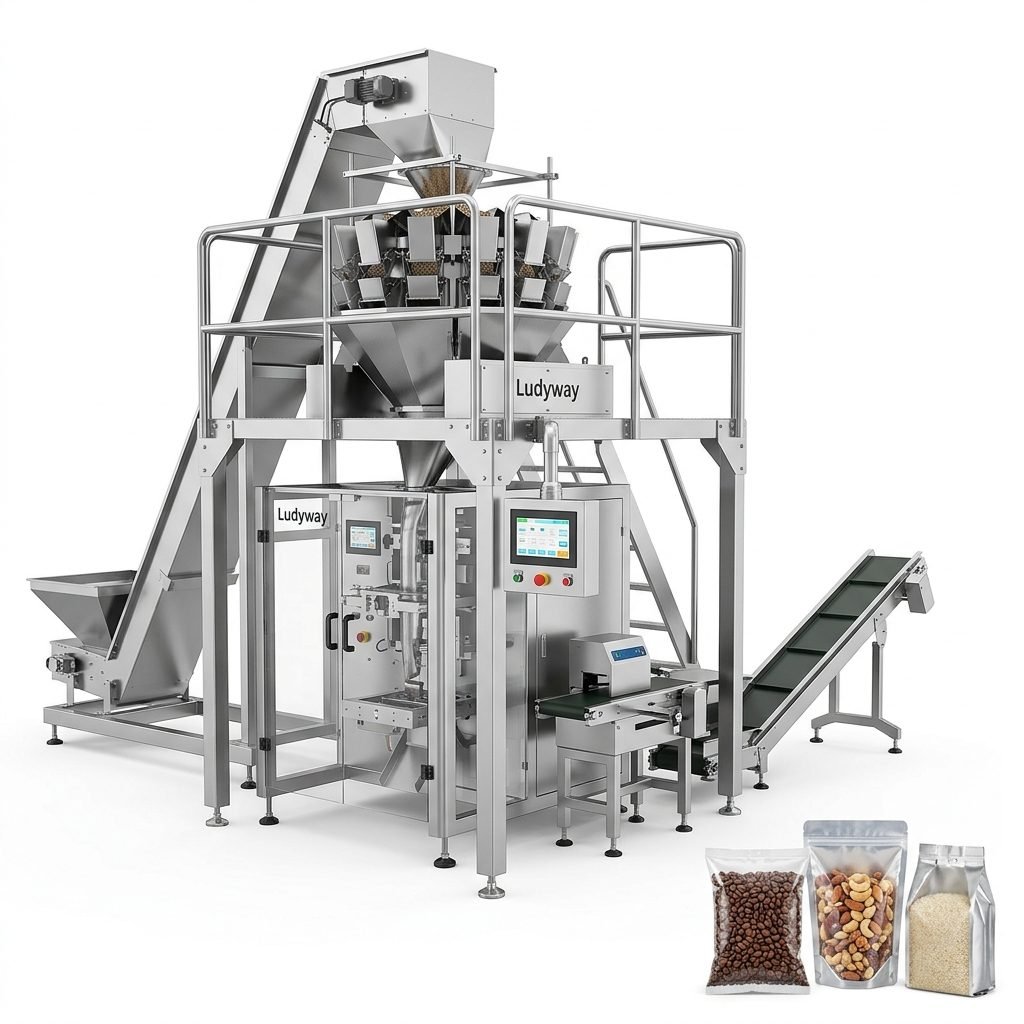
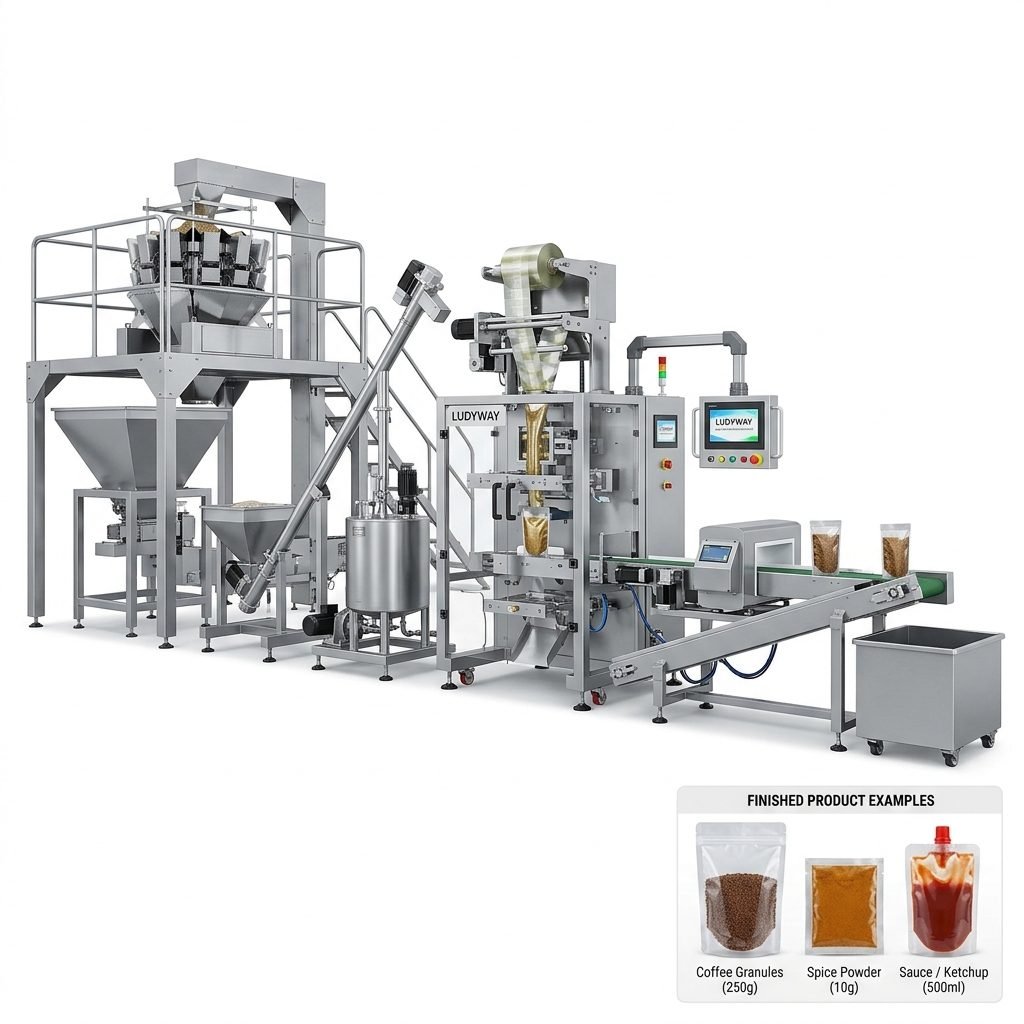
Vermicompost is a nutrient-rich, organic material produced through the decomposition of organic waste by earthworms. A vermicompost packaging machine is essential for efficiently bagging this valuable product for commercial distribution. However, the unique properties of vermicompost—its moisture content, fine granular texture, and organic nature—mean these machines face distinct operational challenges. Without proper maintenance, you risk extended downtime, inaccurate fills, and premature component failure.
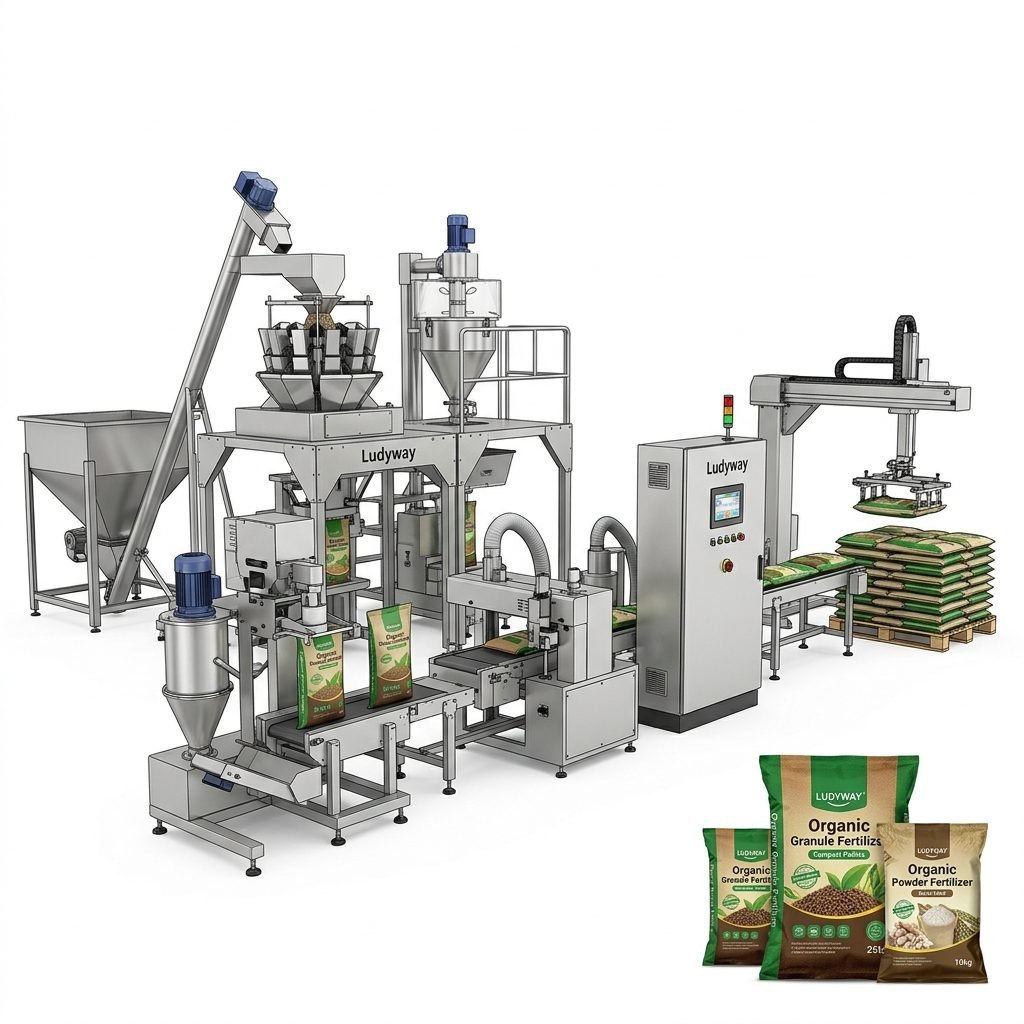
A well-maintained machine delivers consistent fill accuracy, reduces unplanned stoppages, and extends the service life of critical components. This guide provides a structured approach to maintaining your equipment, covering everything from daily inspections to long-term preventive strategies.
Daily Cleaning Protocols for Vermicompost Residue
The organic nature of vermicompost means residue can quickly accumulate, attract moisture, and become corrosive. Dust and fine particles from the product can infiltrate sensitive areas, causing abrasion and operational issues. Implementing a rigorous daily cleaning regimen is the single most effective way to prevent long-term damage.
- Empty and purge all hoppers and feed lines at the end of each production run to prevent material from caking overnight.
- Use compressed air to blow out dust from sensors, photo-eyes, and the sealing jaw area. Pay special attention to the weighing buckets and load cells.
- Wipe down all external surfaces with a dry, lint-free cloth. Avoid using excessive water around electrical enclosures and pneumatic components.
- Inspect the forming tube and filling nozzle for any buildup of sticky residue. Even minor accumulation can affect film tracking and seal integrity.
- Check and empty the dust collection trays or vacuum filter bags if your system is equipped with a dust collection system.
Lubrication of Critical Moving Components
Friction is a primary cause of wear in any high-speed packaging line. Vermicompost packaging machines have numerous moving parts—from the film transport rollers to the sealing jaws and cutting blades—that require consistent lubrication. Neglecting this can lead to jerky motion, misaligned seals, and excessive motor strain.
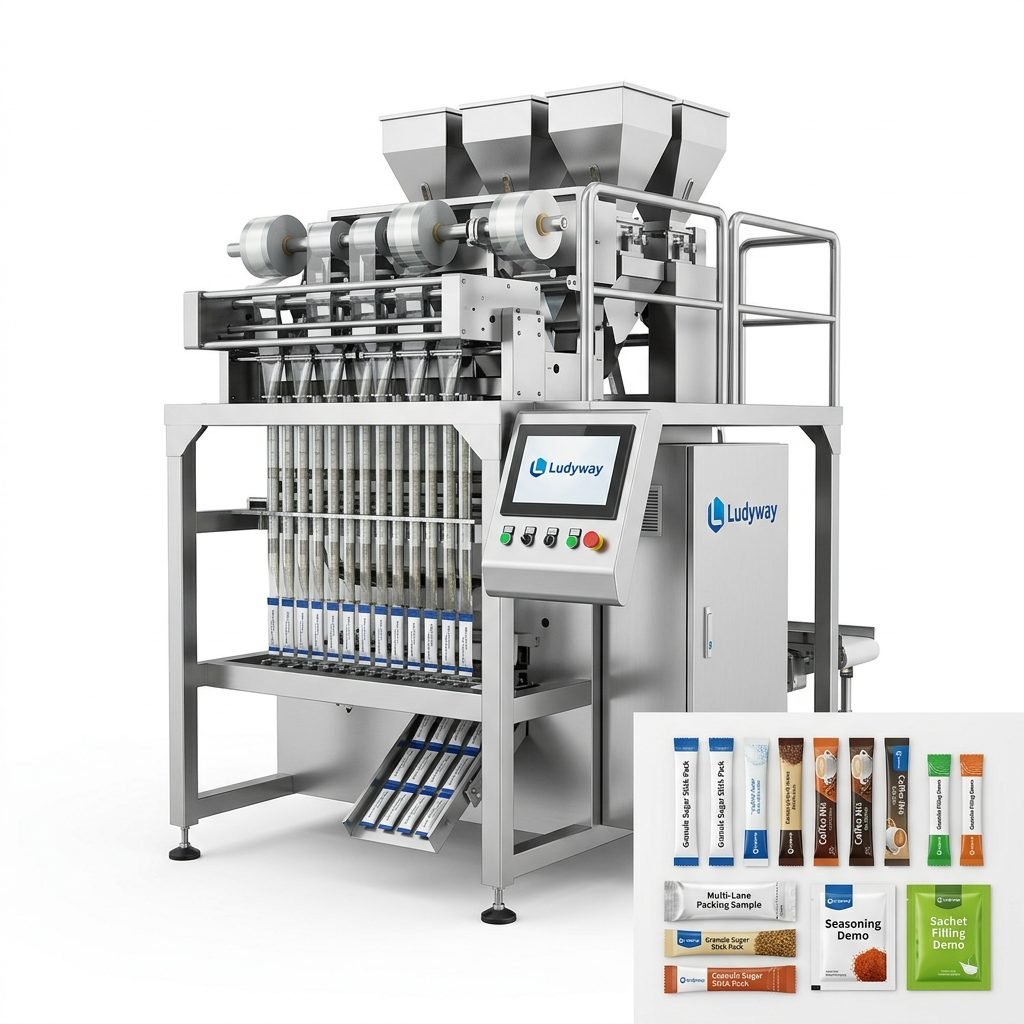
Key Lubrication Points
- Bearings and bushings on all rotating shafts—apply food-grade grease every 40-60 operating hours or as specified by the manufacturer.
- Chain drives and sprockets on the conveyor and feeding mechanisms—use a light machine oil to prevent rust and ensure smooth operation.
- Linear guides and cam followers—these precision components require regular oiling to maintain accurate positioning of the sealing and cutting stations.
- Pneumatic cylinders—check for smooth actuation and apply a few drops of pneumatic oil if recommended by the cylinder manufacturer.
Important: Always use lubricants that are compatible with food-grade packaging environments. Refer to your machine’s technical manual for specific viscosity grades and application intervals. Over-lubrication can be as harmful as under-lubrication, attracting dust and creating abrasive pastes.
Inspection and Replacement of Wear-Prone Parts
Certain components in a vermicompost packaging machine are subject to accelerated wear due to the abrasive nature of the product and the repetitive nature of the packaging cycle. Proactive inspection and scheduled replacement of these parts prevent unexpected failures during production runs.
| Component | Inspection Frequency | Signs of Wear | Recommended Action |
|---|---|---|---|
| Sealing Jaws & Heaters | Daily visual check | Uneven seal pattern, scorching, Teflon coating peeling | Replace Teflon tape weekly; replace complete jaw assembly if warped |
| Cutting Blades | Weekly | Ragged pouch edges, incomplete cuts, audible dullness | Sharpen or replace blades immediately when cut quality degrades |
| Load Cells | Monthly calibration check | Weight drift, inconsistent fills, error codes | Recalibrate; replace if damaged by moisture or overloading |
| Rubber Rollers & Belts | Bi-weekly | Cracking, glazing, loss of traction, film slippage | Replace when surface texture deteriorates |
| Pneumatic Seals & Gaskets | Monthly | Air leaks, slow cylinder response, hissing sounds | Replace seal kits; check air pressure settings |
| Forming Collar & Tube | Weekly | Scratches, product buildup, film tracking issues | Polish or replace if surface damage is present |
Electrical System and Sensor Maintenance
Modern vermicompost packaging machines rely on precise electronic controls and multiple sensors to maintain packaging accuracy. Electrical issues can be difficult to diagnose, making preventive maintenance especially important.

Essential Electrical Checks
- Inspect all wiring harnesses for signs of abrasion, loose connections, or corrosion—vermicompost environments can be humid and accelerate connector degradation.
- Clean photoelectric sensors with a soft, dry cloth. Dust accumulation on sensor lenses is a leading cause of false readings and machine stoppages.
- Verify that emergency stop circuits and safety interlocks function correctly at the start of each shift.
- Check control panel ventilation—ensure cooling fans are operational and air filters are clean to prevent overheating of PLCs and drives.
- Test temperature controllers for the sealing system. Inaccurate temperature regulation leads directly to poor seal quality and product spoilage.
Monthly Preventive Maintenance Checklist
Establishing a structured monthly routine ensures that no critical task is overlooked. Use the checklist below as a foundation and customize it based on your specific machine model and production volume. Equipment from experienced manufacturers like Ludyway is designed for reliability, but consistent upkeep remains essential for maximizing return on investment.
- Calibrate weighing system with certified test weights and document any deviations for trend analysis.
- Replace all inline air filters and drain moisture from the air compressor tank to protect pneumatic components.
- Inspect gearboxes for oil level and any signs of leakage around shaft seals.
- Test all alarm systems, including no-film detection, product bridging sensors, and door interlocks.
- Verify film registration and tracking alignment; adjust dancer arms and tension settings as needed.
- Check belt tensions on all conveyor drives and adjust per manufacturer specifications.
- Document all findings in a maintenance log for traceability and predictive analysis.
Seasonal and Long-Term Storage Considerations
Vermicompost production can be seasonal, and machines may sit idle for extended periods. Improper storage leads to rust, seal degradation, and electrical problems. If your machine will be out of service for more than two weeks, take the following precautions:
- Perform a thorough deep cleaning of all product contact surfaces, ensuring no organic residue remains.
- Apply a protective coating of food-grade anti-rust spray on exposed metal surfaces, particularly on the forming tube, sealing jaws, and cutting blades.
- Disconnect power and cover electrical enclosures with moisture-absorbing desiccant packs to prevent condensation damage.
- Relieve tension from all spring-loaded mechanisms and film transport rollers to prevent material fatigue.
- Store the machine in a clean, dry environment with stable temperature and humidity levels.
Troubleshooting Common Vermicompost Packaging Issues
Even with diligent maintenance, occasional issues arise. Being able to quickly diagnose problems minimizes downtime. Below are frequently encountered issues and their likely causes, referencing industry packaging standards.
Inconsistent Fill Weights
- Product bridging in the hopper—install a mechanical agitator or vibratory assist device.
- Worn or dirty load cells—clean and recalibrate; replace if drift persists.
- Inconsistent product density due to moisture variation—standardize vermicompost moisture content before packaging.
Poor Seal Integrity
- Incorrect sealing temperature—verify setpoint against film specifications and calibrate the temperature controller.
- Contaminated or worn Teflon coating on sealing jaws—replace Teflon tape and inspect jaw surface.
- Product dust in the seal area—improve dust extraction and adjust fill timing to reduce airborne particles during sealing.
Film Tracking and Wrinkling
- Misaligned forming collar or tube—realign per manufacturer specifications.
- Uneven film tension—check roll alignment, dancer arm settings, and brake adjustment.
- Worn rubber nip rollers—replace when surface grip deteriorates.
Spare Parts Inventory Management
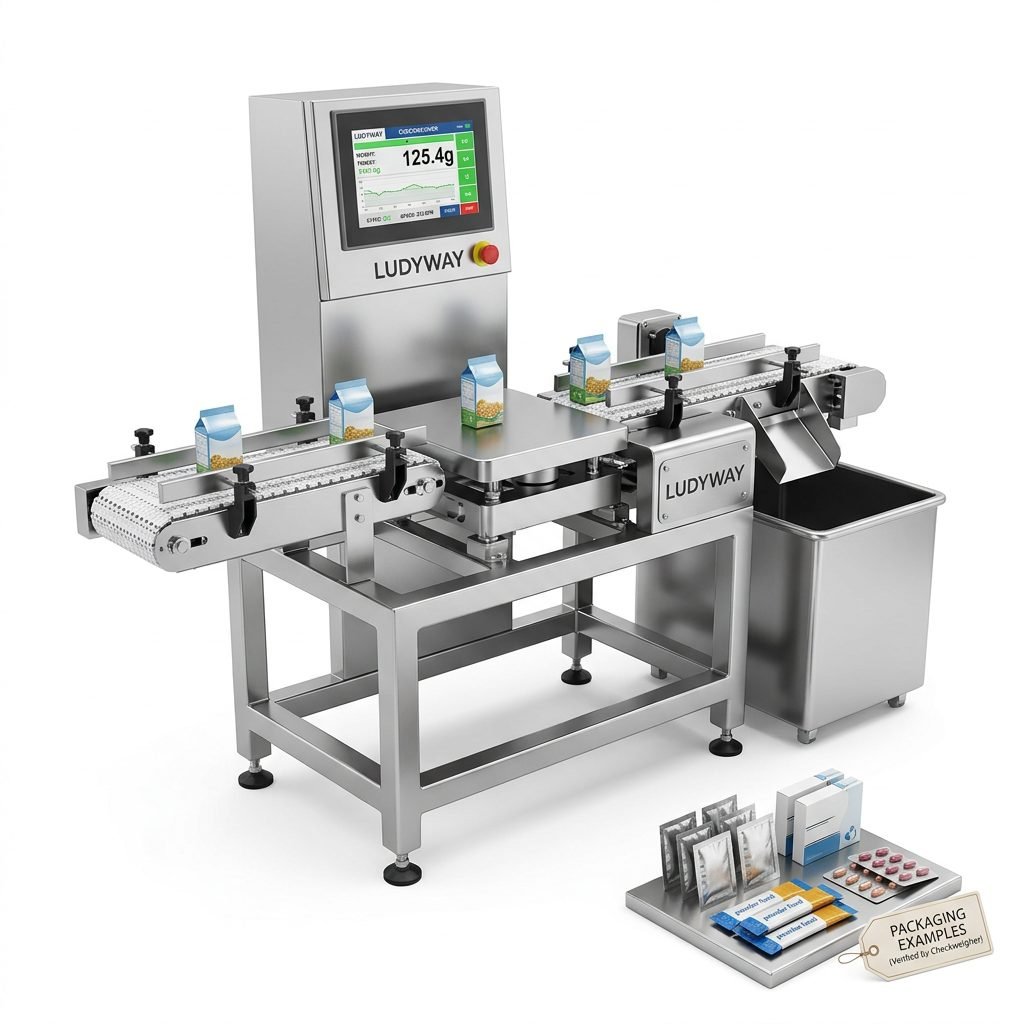
Maintaining an adequate inventory of critical spare parts is a cornerstone of effective maintenance planning. The goal is to minimize downtime without tying up excessive capital in rarely used components. For guidelines on packaging machinery operational efficiency, the PMMI Business Intelligence resources offer valuable insights.
| Part Category | Recommended Stock Level | Lead Time Consideration |
|---|---|---|
| Teflon sealing tape/bands | 10-20 rolls minimum | Short lead time; high consumption item |
| Cutting blade sets | 2-3 complete sets | May require sharpening service |
| Heater cartridges & thermocouples | 1-2 of each type | Critical for maintaining seal quality |
| Pneumatic fittings & tubing | Assorted kit | Standard industrial components |
| Photoelectric sensors | 1 spare of each model | Model-specific; verify compatibility |
| Drive belts & timing belts | 1 complete set | Check OEM specifications carefully |
Training Operators for Daily Maintenance
The best maintenance program includes empowering machine operators to perform basic daily checks. Operators are the first line of defense—they hear unusual sounds, notice small inconsistencies, and can address minor issues before they escalate. Key training areas include:
- Visual inspection techniques for identifying wear, leaks, and alignment problems during normal operation.
- Basic cleaning procedures that protect sensitive components while effectively removing vermicompost residue.
- Proper startup and shutdown sequences that reduce mechanical stress and extend component life.
- Documentation habits—recording observations, maintenance actions, and any anomalies in a shift log.
- Understanding the relationship between product characteristics (moisture, granule size) and machine performance.
When to Call for Professional Service
While routine maintenance can be handled in-house, certain situations warrant professional technical support. Complex issues involving PLC programming, servo drive calibration, or major mechanical overhauls should be addressed by qualified technicians. For packaging lines operating under ISO packaging standards, maintaining documentation of all service interventions is also critical for compliance audits.
Signs you need expert assistance:
- Recurring faults that persist despite following troubleshooting procedures
- Unusual vibration, noise, or heat from motors and drive systems
- Significant drift in weighing accuracy that cannot be resolved through calibration
- Electrical faults involving the main control panel, PLC, or servo drives
- Structural issues such as frame misalignment or cracked welds
Building a Long-Term Maintenance Culture
Sustainable machine performance comes from a culture of proactive maintenance, not reactive repairs. Documentation is your most valuable tool—track every service action, component replacement, and calibration result. Over time, this data reveals patterns that enable predictive maintenance, allowing you to schedule interventions during planned downtime rather than responding to emergencies.
For facilities looking to optimize their vermicompost packaging operations, investing in quality equipment and adhering to a disciplined maintenance program yields measurable returns in uptime, output consistency, and reduced total cost of ownership. Resources from organizations like the Flexible Packaging Association provide ongoing updates on best practices and material innovations that can further enhance your packaging line efficiency.