The rapid pace of modern lifestyle has significantly transformed global dietary habits. In metropolitan areas across North America, Europe, and Southeast Asia, ready-meals have shifted from a niche convenience to a daily staple. As consumers demand higher quality, fresher ingredients, and better taste, food processors face the challenge of delivering restaurant-grade meals that remain stable during transit and storage. This evolving consumer demand has propelled the market popularity of multi-compartment bowl sealing packaging machines.
Unlike traditional single-compartment trays, multi-compartment packaging allows for the separation of proteins, carbohydrates, fresh vegetables, and sauces. This prevents cross-contamination of flavors, stops food from becoming soggy, and maintains the aesthetic presentation of the dish. Consequently, the machinery capable of sealing these complex, multi-zoned trays has become a vital asset in modern food production facilities.
The Drivers Behind the Multi-Compartment Ready-Meal Boom
Several socioeconomic factors contribute to the rising popularity of partitioned ready-meals. Busy work schedules, the increase in single-person households, and a growing focus on portion control and nutrition have made pre-packaged meals highly attractive. However, consumer expectations have matured. Today’s buyers expect convenience foods to be as healthy and fresh as home-cooked meals.
- Texture Preservation: Separating wet ingredients like gravies or curries from dry ingredients like rice or noodles ensures that each component retains its intended texture until the moment of consumption.
- Extended Shelf Life: Advanced sealing technologies allow food packaging lines to apply customized atmosphere controls to different compartments, preserving sensitive ingredients like fresh vegetables longer.
- Enhanced Visual Appeal: A clean, organized presentation in a partitioned bowl is highly appealing on retail shelves, conveying premium quality and hygiene.

Key Technical Innovations in Bowl Sealing Machinery
Sealing a multi-compartment tray is significantly more complex than sealing a standard flat container. Machine manufacturers have introduced several advanced features to ensure airtight seals across all internal partitions, preventing leakage between chambers.
Modified Atmosphere Packaging (MAP) Integration
To extend shelf life without relying heavily on chemical preservatives, modern sealing machines integrate Modified Atmosphere Packaging (MAP) systems. By extracting oxygen and flushing the container with a precise mix of nitrogen and carbon dioxide, the degradation of food is slowed down significantly. In multi-compartment bowls, achieving a uniform gas mixture across all compartments requires highly balanced vacuum and gas injection profiles.
Precision Heat Sealing and Cutting
Because the dividing walls of multi-compartment bowls are narrow, the sealing mold must align with absolute precision. High-performance machines utilize customized sealing plates matched perfectly to the tray geometry. Additionally, perimeter cutting systems trim the sealing film precisely along the outer edge of the bowl, ensuring a clean finish that is easy for consumers to peel open.
Comparing Sealing Methodologies for Ready-Meals
Food manufacturers choose different sealing technologies depending on the type of meal, distribution channel, and desired shelf life. The table below outlines the primary methods used in modern packaging lines:
| Packaging Method | Primary Application | Shelf Life Impact | Visual Presentation |
|---|---|---|---|
| Standard Heat Sealing | Short-term frozen meals | Moderate (requires freezing) | Flat, clean seal surface |
| Modified Atmosphere (MAP) | Fresh, chilled ready-meals | High (chilled for 7-21 days) | Slightly raised or flat film |
| Vacuum Skin Packaging (VSP) | Premium meats and seafood meals | Very High (prevents freezer burn) | Three-dimensional contour fit |
Meeting the Demand for Scale and Automation
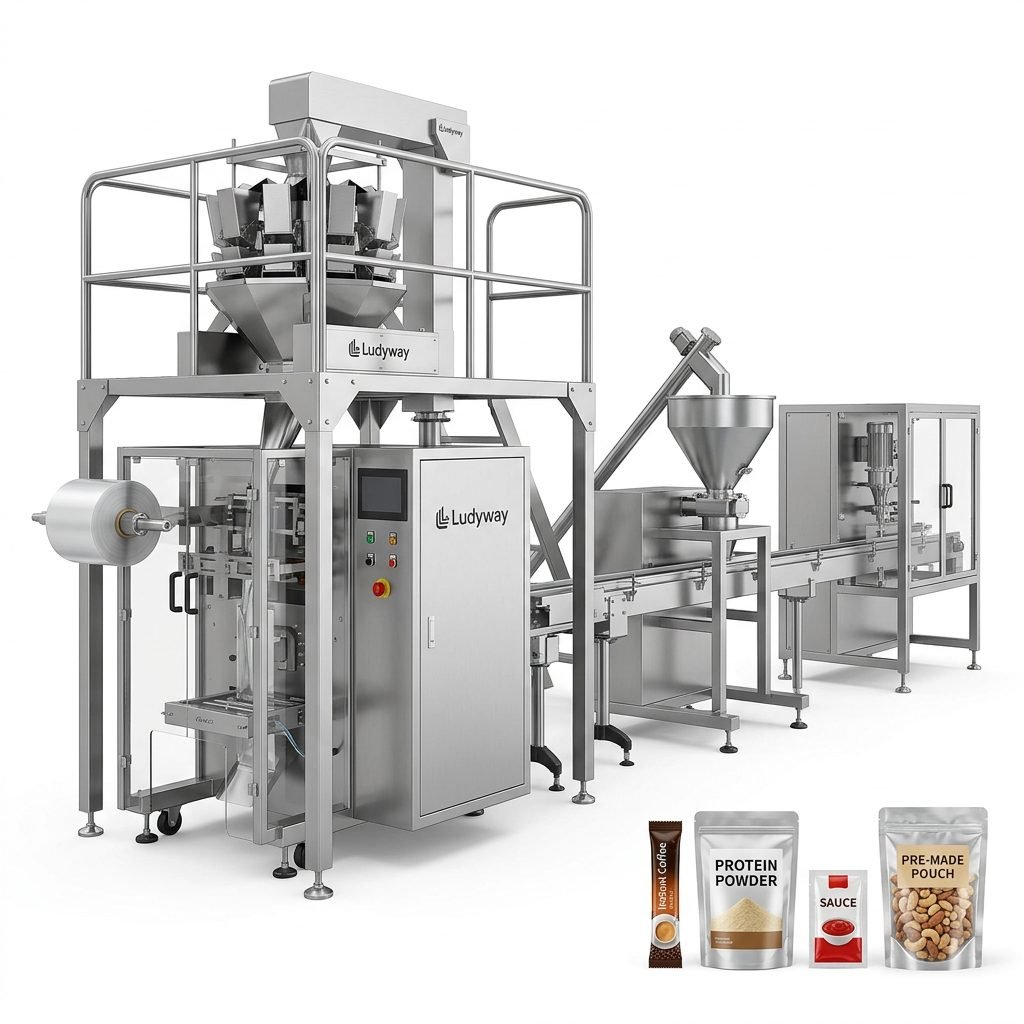
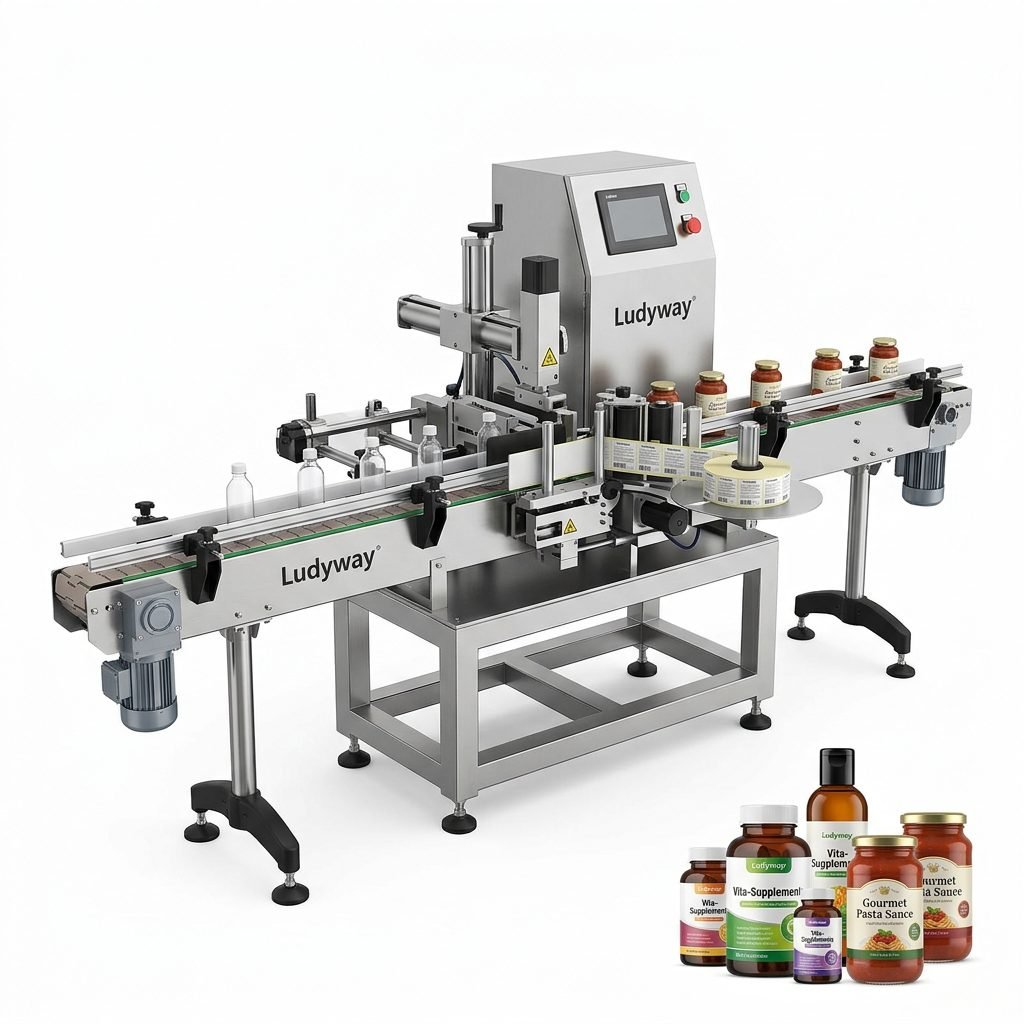
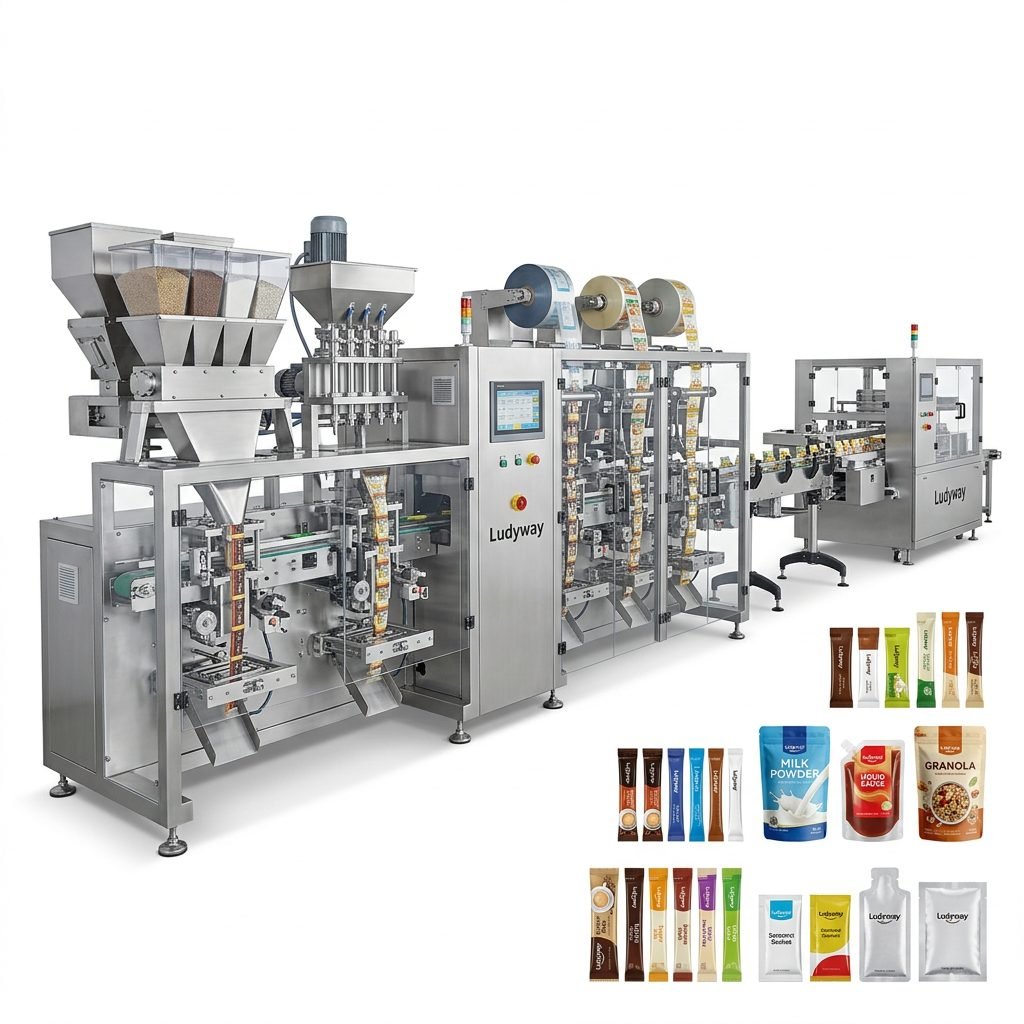
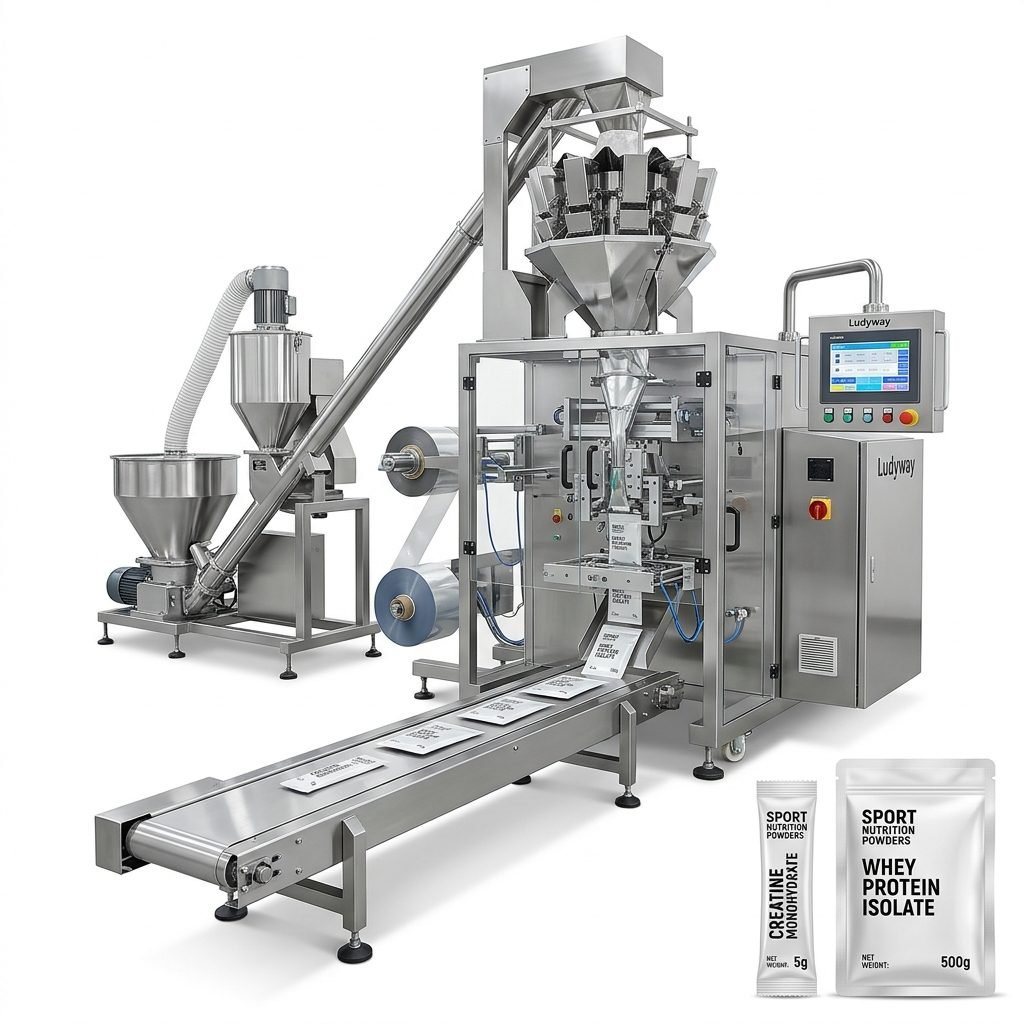
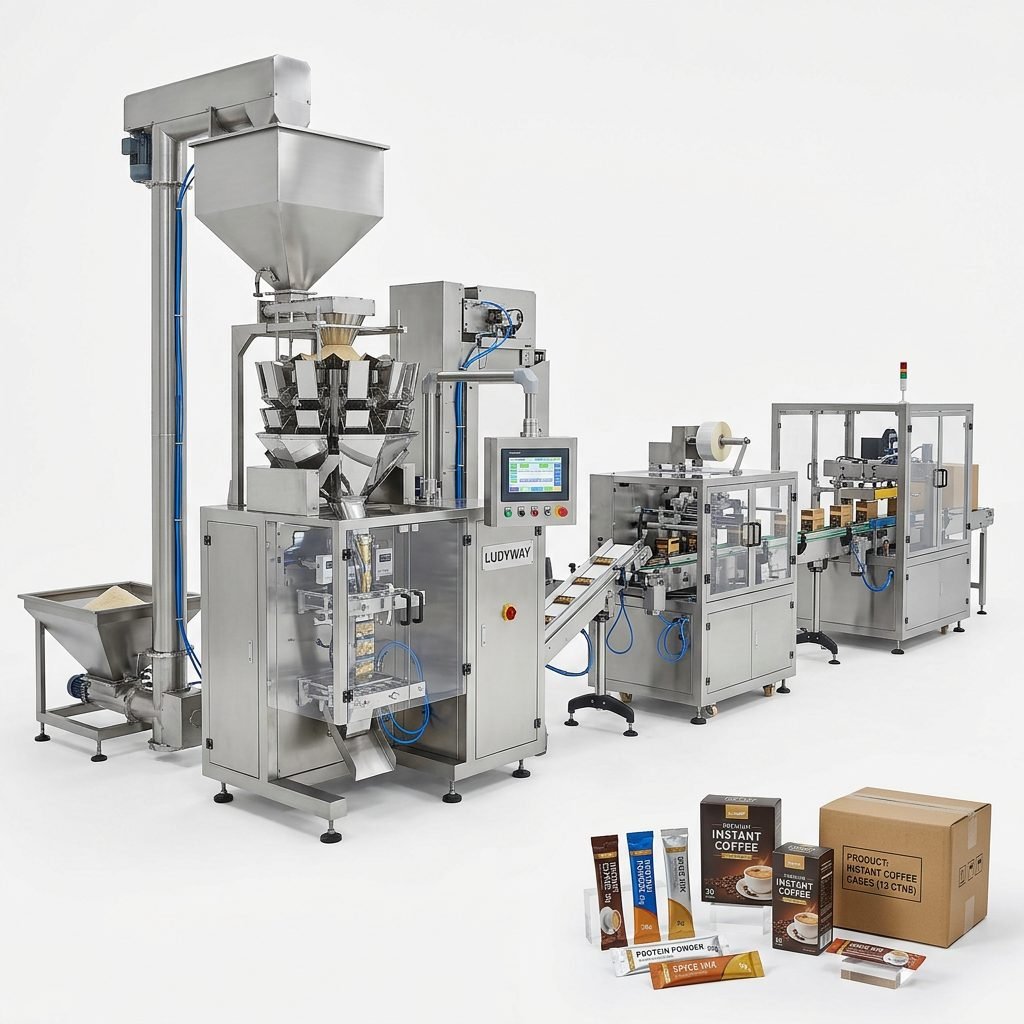
To remain profitable in the competitive food sector, high throughput and automation are essential. Food manufacturers require fully integrated turnkey solutions that handle everything from tray de-nesting and precise ingredient filling to sealing, labeling, and final inspection.
As one of China’s leading packaging machine and turnkey packaging line manufacturers, Ludyway has spent over three decades developing intelligent systems to streamline food production. Founded in 1993, the company provides automated solutions designed to enhance packaging efficiency, save labor, and maintain product consistency. With a modern factory spanning over 20,000 square meters and extensive experience exporting to Europe, North America, and the Middle East, they offer food producers scalable machinery capable of handling diverse ready-meal formats, including multi-compartment bowls.
Sustainability: The Next Frontier in Tray Sealing
As environmental regulations tighten globally, particularly in Europe and North America, the ready-meal sector is actively looking to reduce plastic waste. This shift directly impacts the design of sealing machinery. Modern bowl sealing equipment must be versatile enough to handle eco-friendly alternative materials without compromising seal integrity.
- Biodegradable and Compostable Trays: Machinery must adapt to seal paperboard, bagasse (sugarcane pulp), and PLA-based trays, which have different thermal conductivity profiles compared to traditional PP or PET plastics.
- Recyclable Mono-Material Films: Utilizing thin, mono-material films facilitates easier recycling but demands tighter temperature controls during the heat-sealing process to avoid melting the film.
- Material Reduction: Advanced cutting systems minimize film waste during the trimming process, reducing raw material overheads for manufacturers.
Conclusion
The ready-meal market shows no signs of slowing down, and the demand for premium, multi-compartment presentations will continue to drive packaging innovations. By investing in robust, automated bowl sealing packaging machines equipped with MAP and precision sealing technologies, food processors can protect food quality, extend shelf life, and meet the high expectations of modern consumers. As automation and sustainability shape the future of packaging, flexible and integrated production lines will remain the cornerstone of successful convenience food brands.