Global packaging markets are moving quickly toward smarter, more connected labeling systems. Across food, pharmaceutical, personal care, and industrial supply chains, smart labels are no longer viewed as a niche upgrade. They are becoming a practical tool for traceability, anti-counterfeiting, sustainability reporting, inventory control, and consumer engagement.
Industry observers note that adoption is accelerating as brand owners respond to stricter compliance requirements, rising product authentication needs, and growing pressure to digitize packaging operations. Technologies such as RFID, NFC, QR-enabled labels, printed sensors, and serialized coding are increasingly being integrated into mainstream packaging formats, from retail cartons and pouches to pharmaceutical packs and logistics cases.
Why Smart Labels Are Expanding So Rapidly
Several market drivers are converging at the same time. First, manufacturers need better real-time visibility across production and distribution. Second, regulators in many sectors are demanding stronger identification, batch traceability, and data transparency. Third, consumers are becoming more comfortable scanning packages with smartphones to verify authenticity, review ingredients, or access brand content.
- Traceability: Faster tracking of product origin, batch data, and movement through the supply chain
- Brand protection: Better defense against tampering and counterfeiting
- Consumer interaction: Direct access to usage guides, promotions, and digital product information
- Operational efficiency: Improved warehouse scanning, inventory management, and recall response
- Sustainability support: More accurate data collection for recycling, sourcing, and compliance reporting
For packaging producers, this means smart labels are no longer a standalone feature. They are part of a broader shift toward integrated, data-driven packaging lines.
Key Industries Leading Adoption
While adoption is spreading across nearly every packaging category, some industries are moving faster due to high compliance or value-protection needs.
| Industry | Main Smart Label Use | Primary Benefit |
|---|---|---|
| Food & Beverage | QR traceability, freshness monitoring, inventory coding | Safer supply chains and stronger consumer trust |
| Pharmaceutical | Serialization, anti-counterfeit labels, track-and-trace | Compliance and patient safety |
| Cosmetics & Personal Care | Authentication, consumer engagement, product education | Brand value and digital marketing reach |
| Logistics & E-commerce | RFID and automated scanning labels | Faster fulfillment and fewer handling errors |
| Industrial Chemicals | Hazard identification, digital records, batch coding | Safer handling and documentation accuracy |
Technology Is Reshaping Packaging Line Requirements
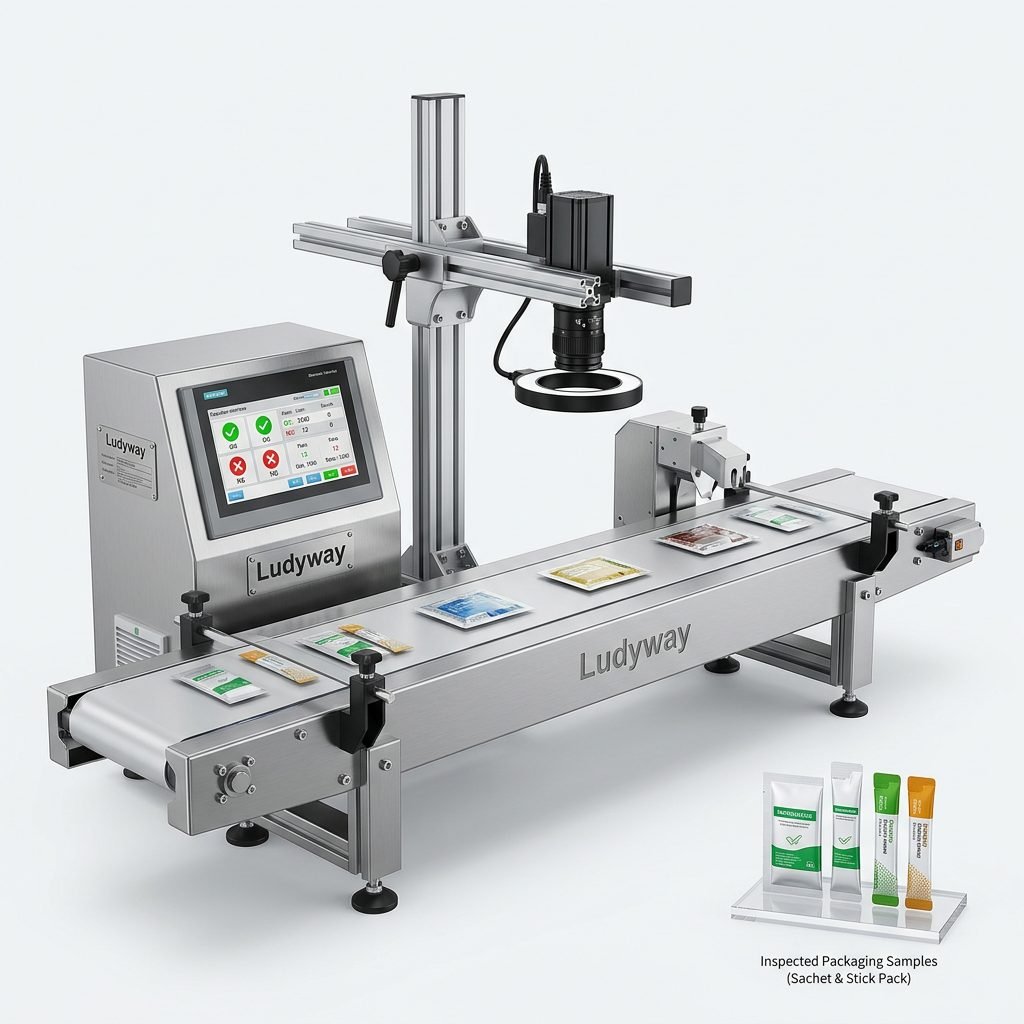
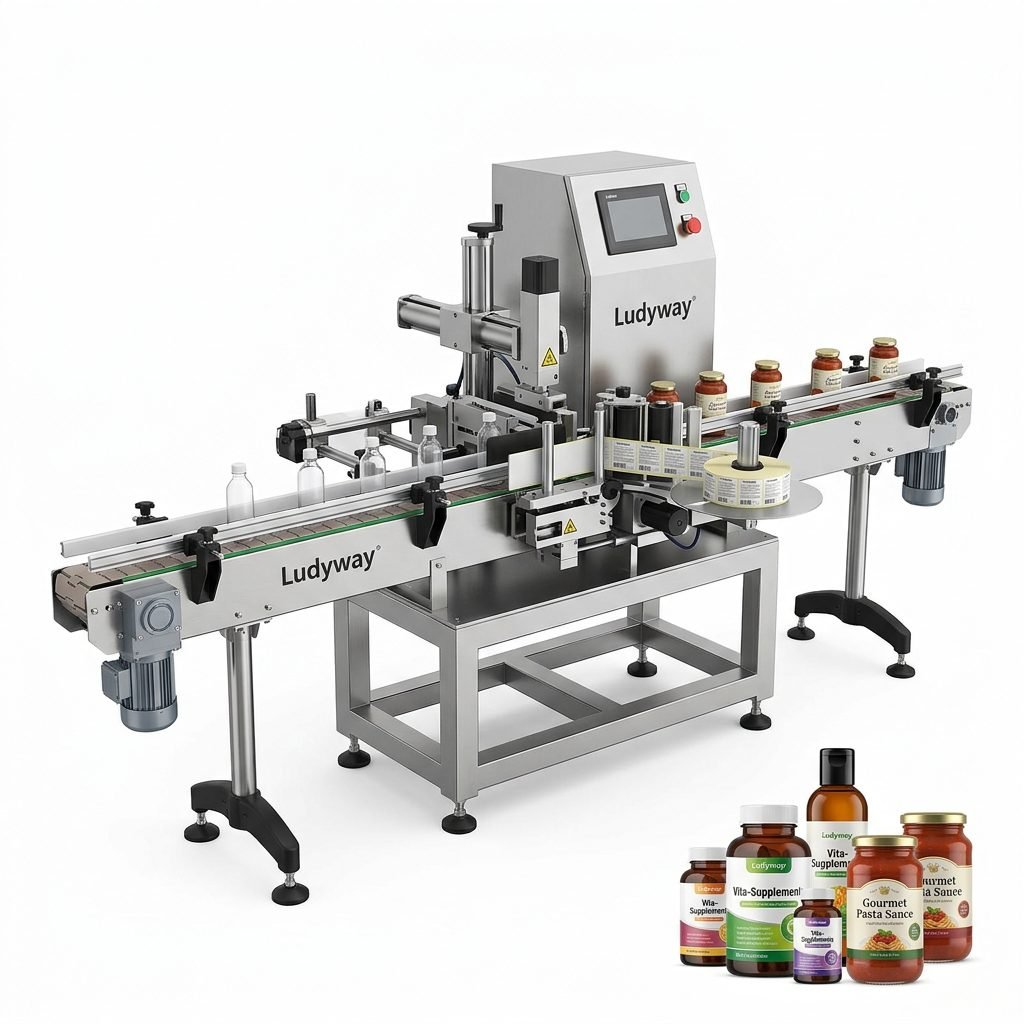
As smart labels become more common, packaging equipment suppliers are under pressure to deliver lines that can handle higher coding accuracy, vision inspection, label application precision, and system connectivity. Traditional packaging machinery is being upgraded with integrated printers, scanners, verification cameras, rejection systems, and data-sharing software.
This trend is especially important for manufacturers managing high-speed, multi-format production. Label positioning errors, unreadable codes, or inconsistent data transfer can undermine the value of a smart packaging initiative. As a result, buyers are prioritizing packaging line partners that can support both mechanical performance and digital integration.
What buyers now expect from modern packaging systems
- Stable label placement at high speed
- Compatibility with variable data printing and serialization
- Vision inspection for code readability and seal quality
- Flexible integration with upstream and downstream automation
- Support for multiple packaging materials and pack formats
Regional Momentum Supports Global Rollout
Adoption is not being driven by a single market. Europe continues to push traceability and sustainability standards, North America remains strong in retail logistics and pharmaceutical coding, and Middle Eastern, Southeast Asian, African, and South American markets are increasing investments in packaging modernization to improve export readiness and product security.
For exporters, smart labels are becoming a competitive advantage. Products that can offer transparent origin data, digital instructions, and anti-counterfeit verification are more attractive to distributors, regulators, and end users alike.
Machinery Suppliers Benefit From the Transition
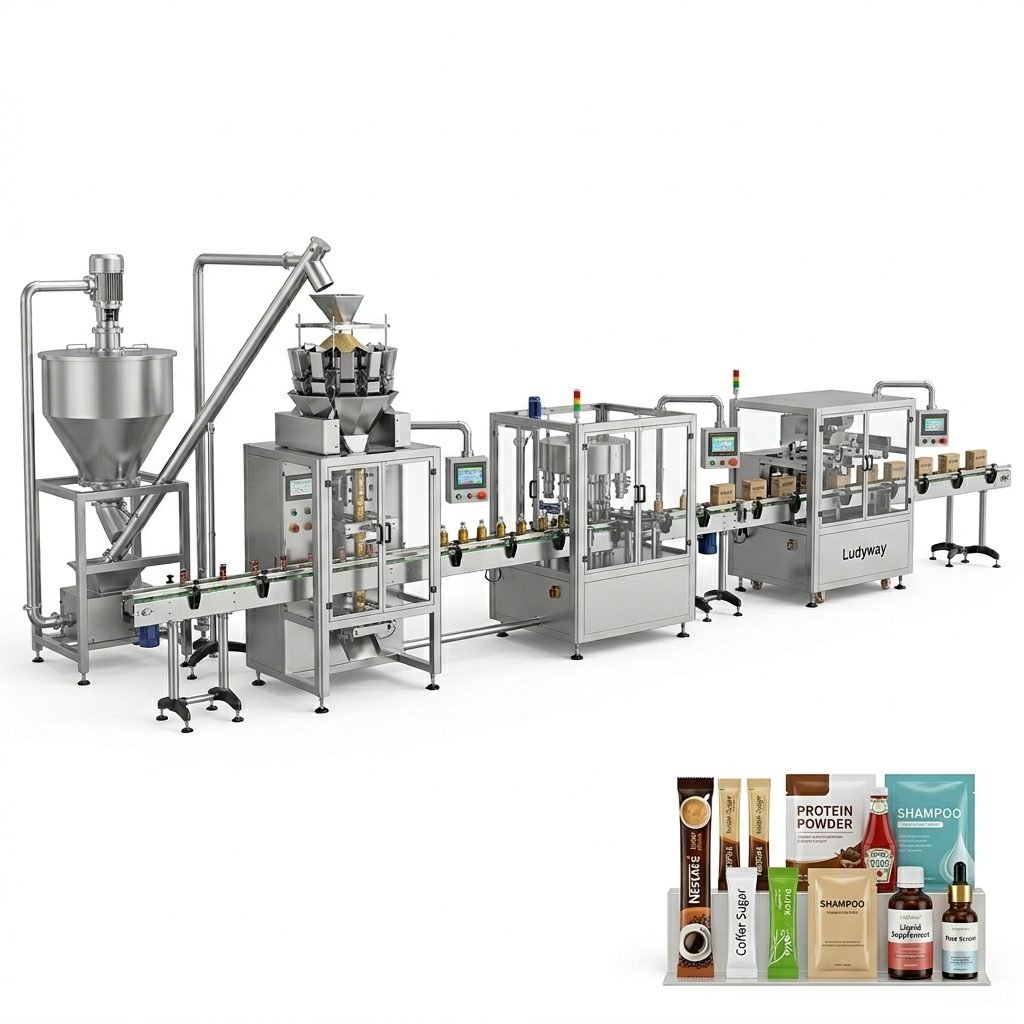
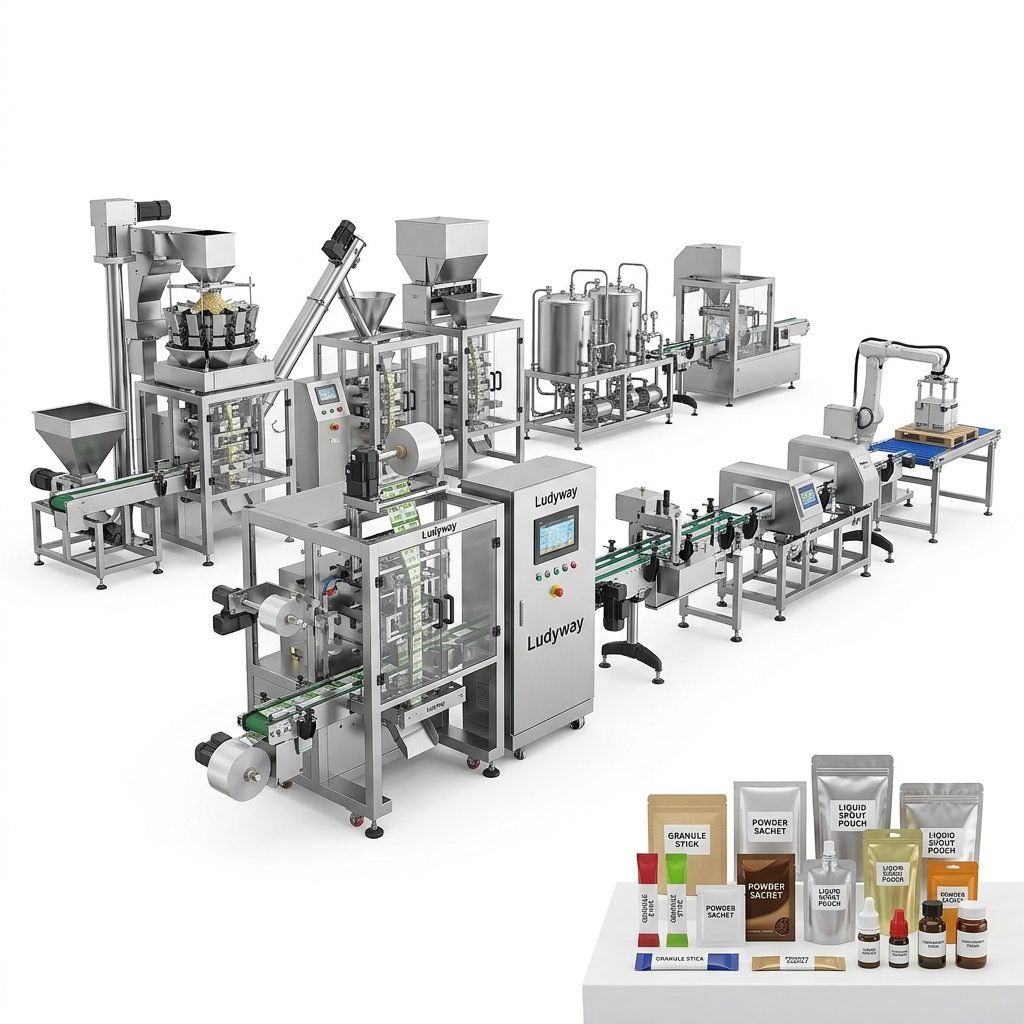
The shift toward smart labeling is also creating opportunities for packaging machinery manufacturers with strong engineering and turnkey capabilities. Companies able to combine filling, sealing, coding, labeling, inspection, and secondary packaging into one coordinated solution are increasingly well-positioned in the market.
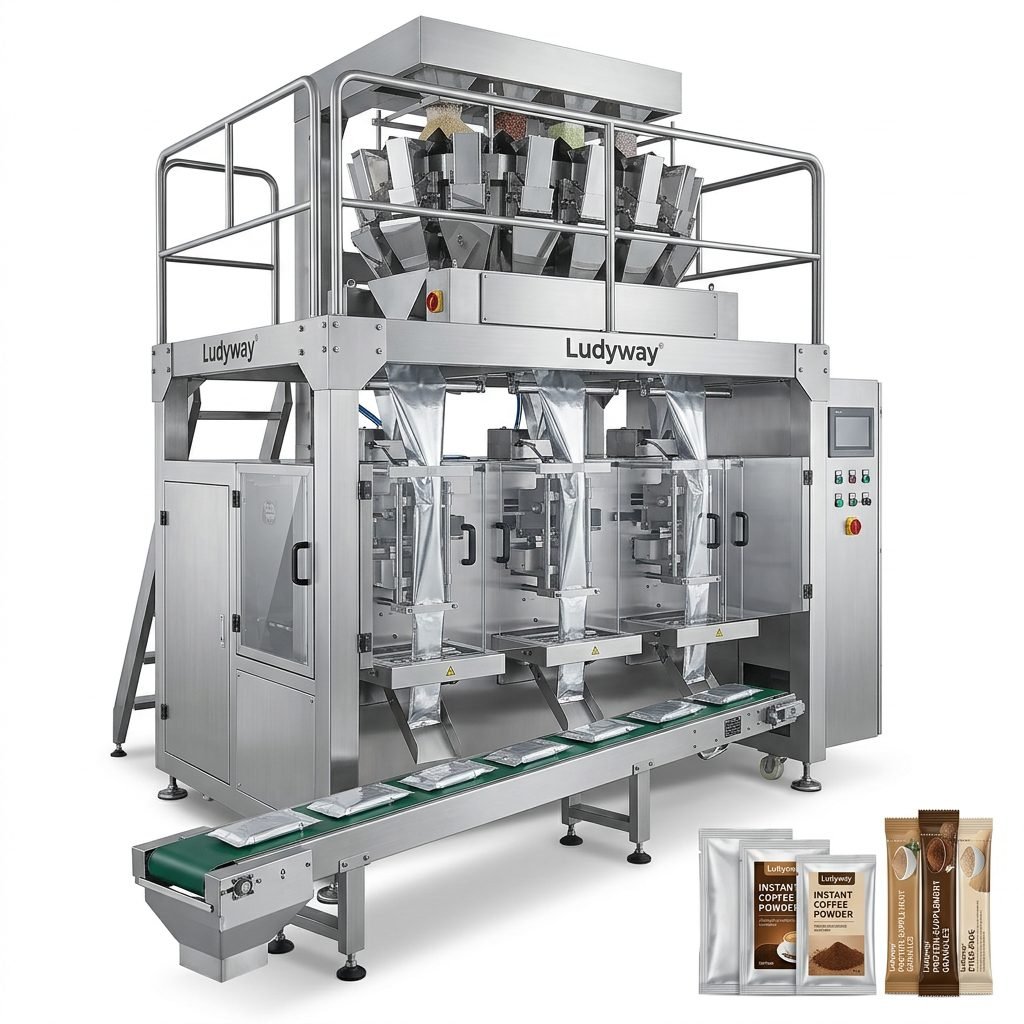
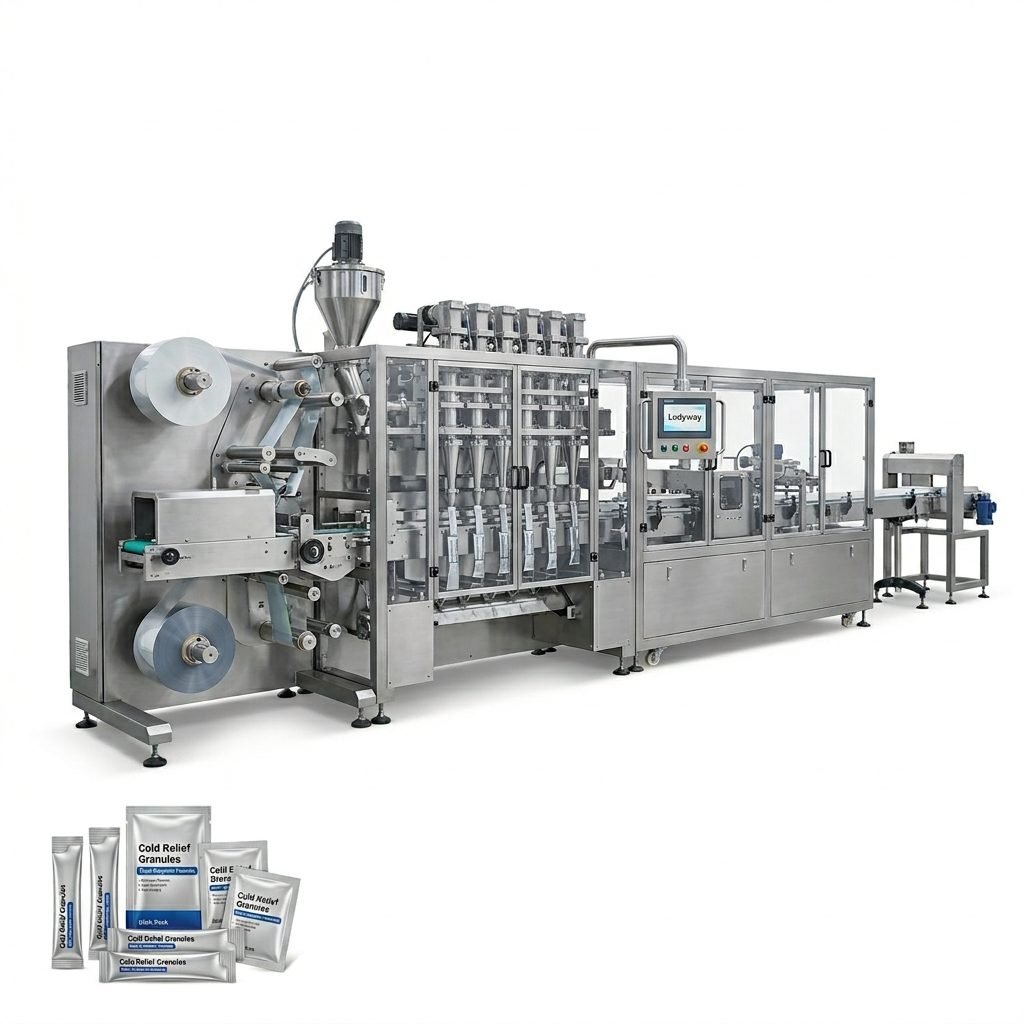
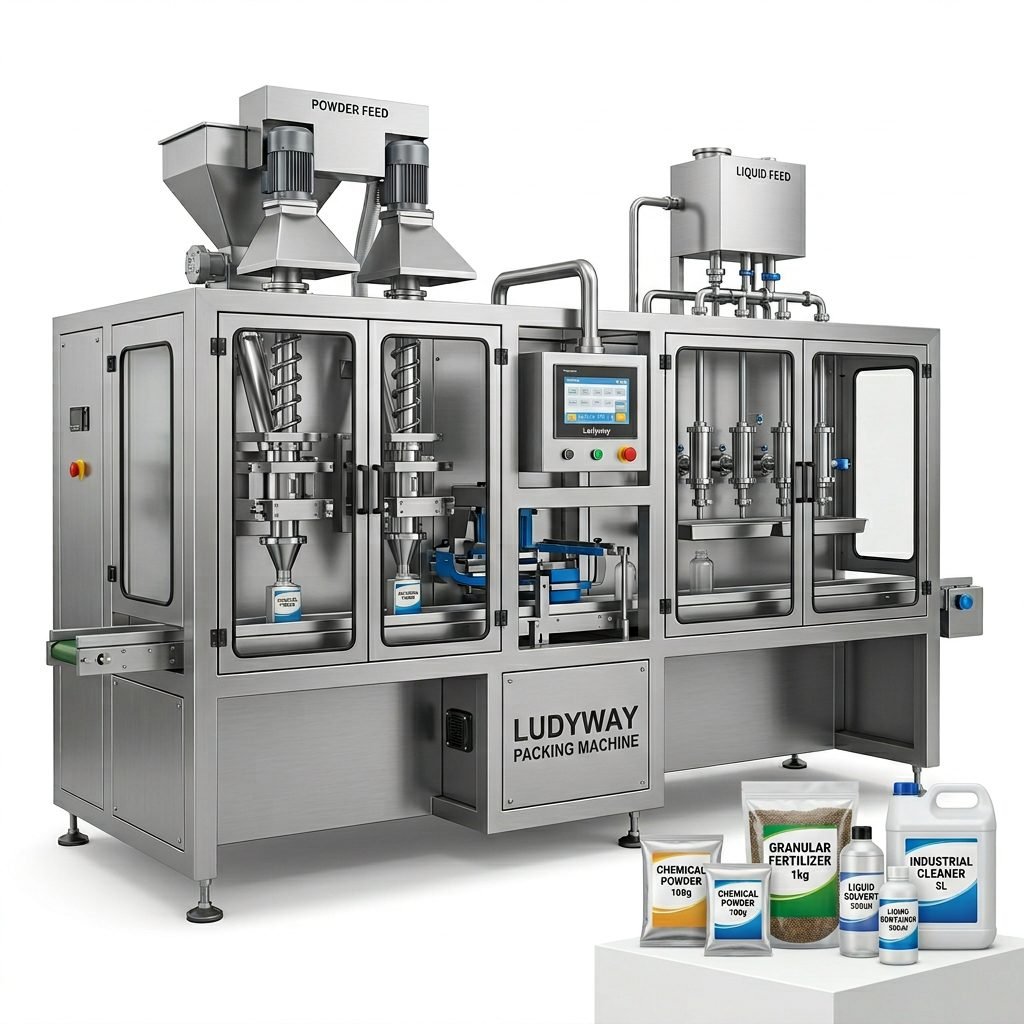
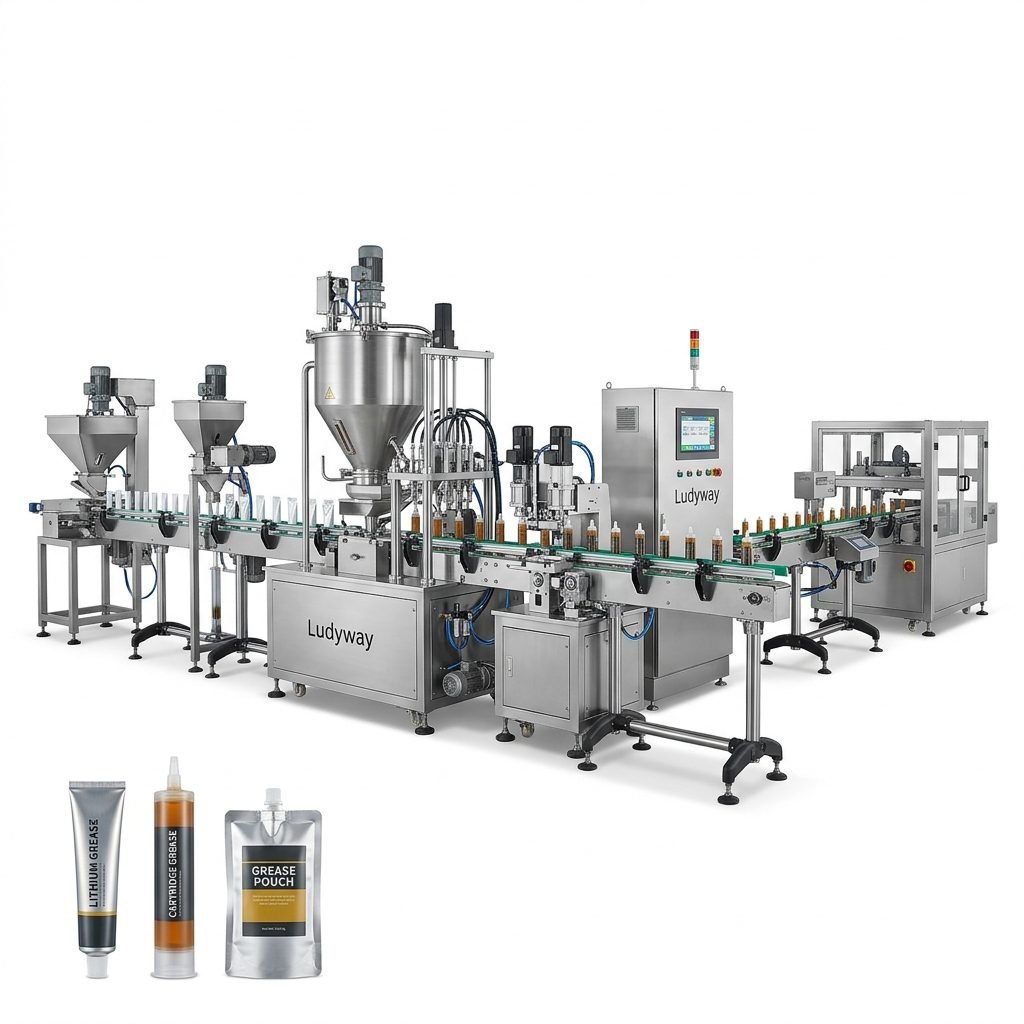
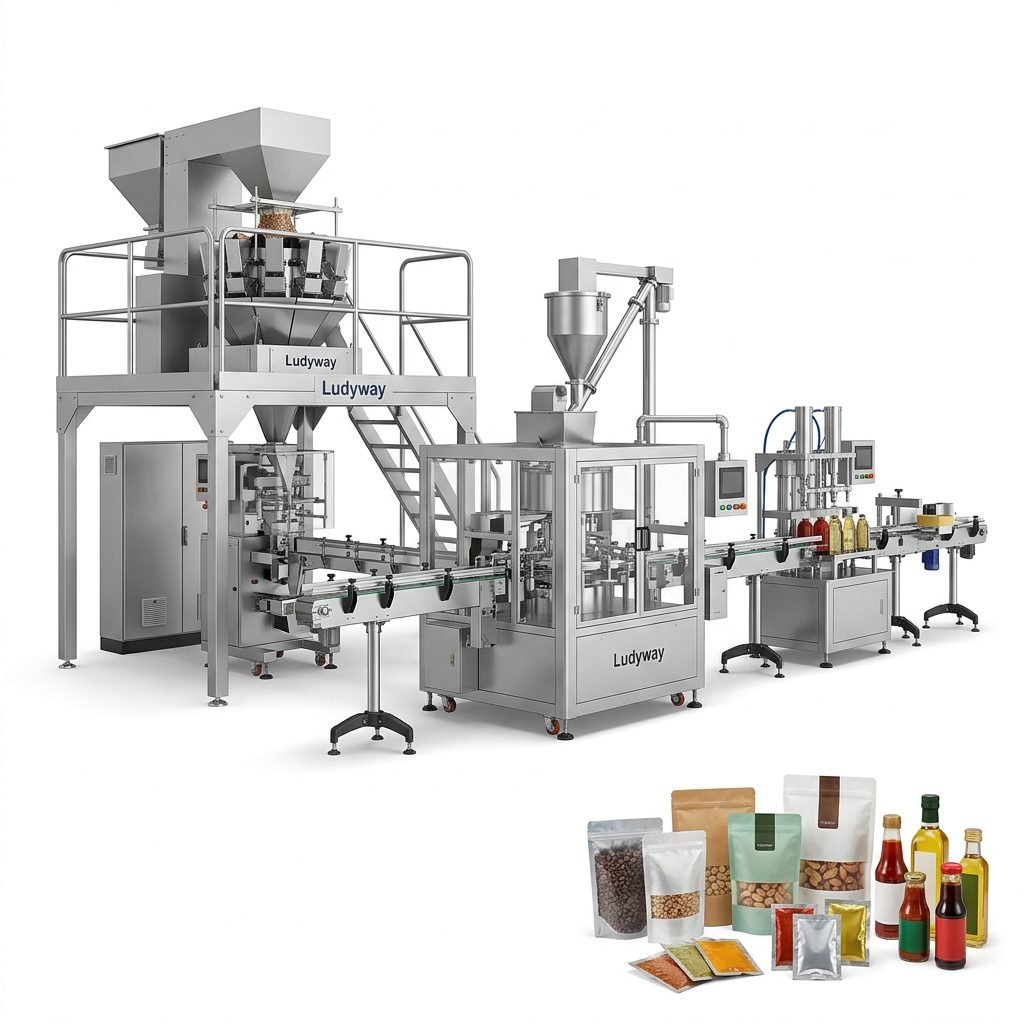
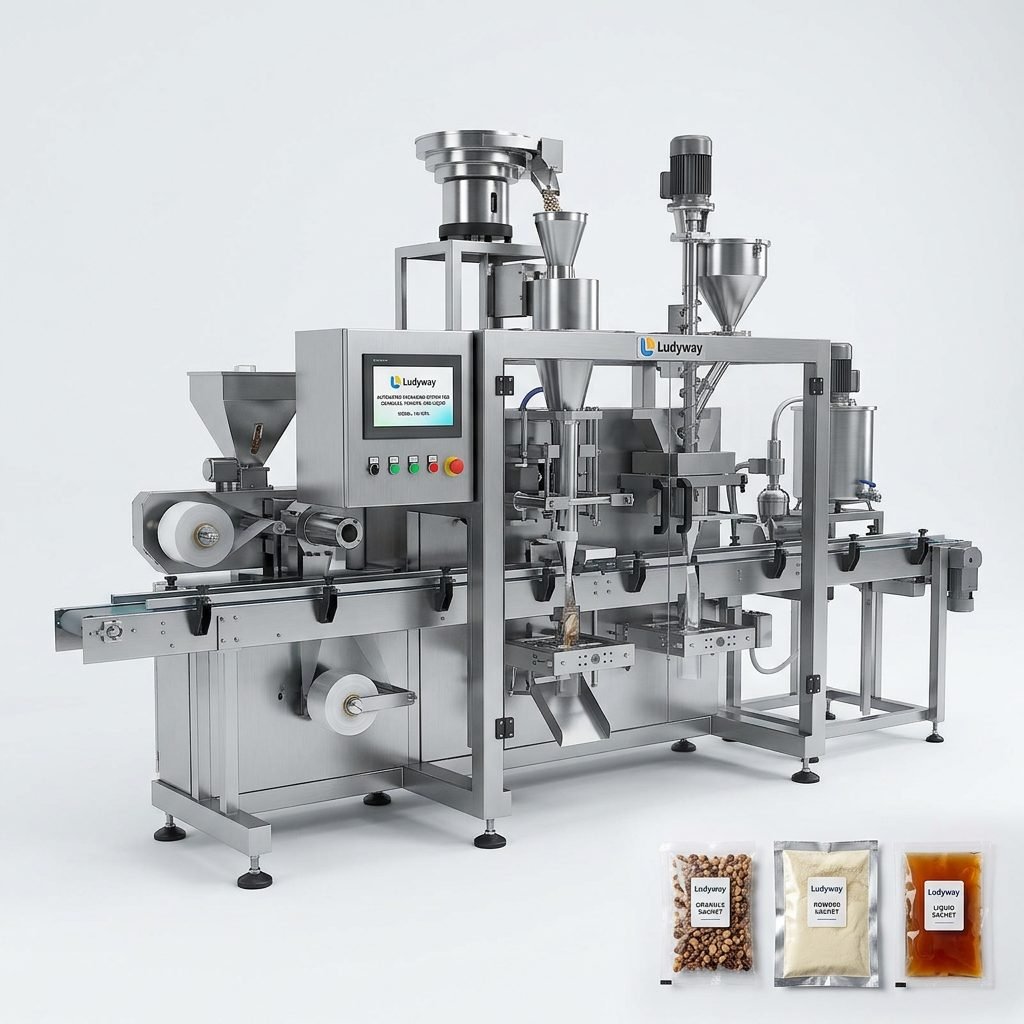
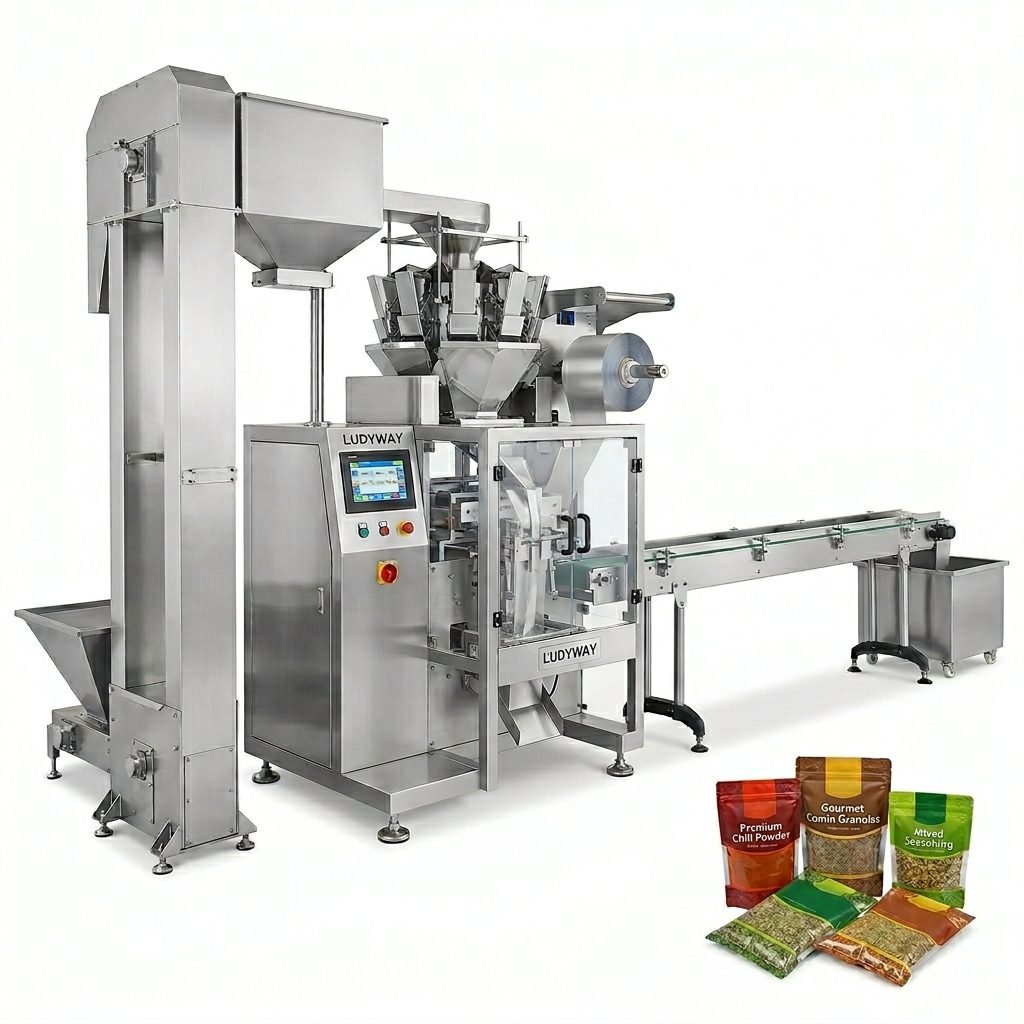
Among the manufacturers following this direction is Ludyway packaging machine manufacturer, a China-based supplier known for automated packaging machinery and turnkey packaging line solutions across food, pharmaceutical, health supplement, and related industries. As more customers seek scalable automation with traceability-ready features, integrated equipment design is becoming more valuable than ever.
Smart label adoption is influencing equipment investment in these areas
- Automatic labeling and coding systems
- Machine vision inspection modules
- Data-enabled pouch, sachet, and stick pack lines
- Cartoning and case-handling systems with serialized tracking
- Turnkey production lines built for future digital upgrades
Challenges Still Need Attention
Despite strong momentum, the industry still faces several implementation challenges. Smart label costs must align with product value, and not every application requires advanced electronics. In some categories, the focus remains on low-cost digital identifiers such as dynamic QR codes rather than RFID or sensor-based labels. Interoperability between label systems, software platforms, and line equipment also remains a concern for manufacturers operating across multiple facilities.
In addition, companies must train operators and quality teams to manage data integrity, inspection standards, and maintenance requirements. Smart packaging only delivers full value when hardware, software, and production workflows are aligned.
Market Outlook
The outlook remains positive as packaging producers continue to modernize for digital commerce, regulatory compliance, and supply chain resilience. Smart labels are expected to move from premium applications into broader everyday use, particularly where packaging lines are already being upgraded for automation and quality control.
In the near term, the strongest growth is likely to come from hybrid solutions that combine cost-effective code-based identification with automated verification and cloud-connected product data. Over time, this will help create a packaging ecosystem where labels do more than identify a product—they help manage, protect, and communicate it throughout its lifecycle.
For the packaging industry, global smart label adoption is no longer just a technology story. It is a business transformation story, linking packaging performance with data visibility, compliance readiness, and stronger end-user engagement.