The global manufacturing and supply chain landscape is undergoing a massive transformation, driven by the need for higher throughput, strict safety standards, and smarter resource allocation. In heavy industries such as chemical processing, construction material manufacturing, agriculture, and metallurgy, the physical demands of moving bulk goods have historically posed significant operational bottlenecks. Today, high-load packing robots are stepping into the spotlight, redefining heavy industrial logistics by combining immense physical capability with advanced computational intelligence.
Traditional logistics and warehousing setups relied heavily on manual labor or basic, rigid conveyor setups to package and transport heavy payloads. However, these legacy methods struggle to keep pace with modern supply chain velocities and carry high risks of workplace injuries. The introduction of heavy-duty robotic systems has mitigated these challenges, allowing facilities to maintain uninterrupted operation cycles while optimizing floor space and handling delicate or hazardous materials with equal precision.
The Power and Precision of Heavy Palletizing
At the core of this logistical shift is the deployment of multi-axis industrial robots engineered specifically for high payload capacities. Unlike their smaller counterparts used in electronics assembly, these high-load packing systems are constructed from reinforced alloys and equipped with high-torque motors capable of lifting payloads ranging from 100 kg to well over a ton. This muscle is guided by sophisticated control algorithms, ensuring that even the heaviest sacks, drums, or structural components are handled with millimeter-level accuracy.
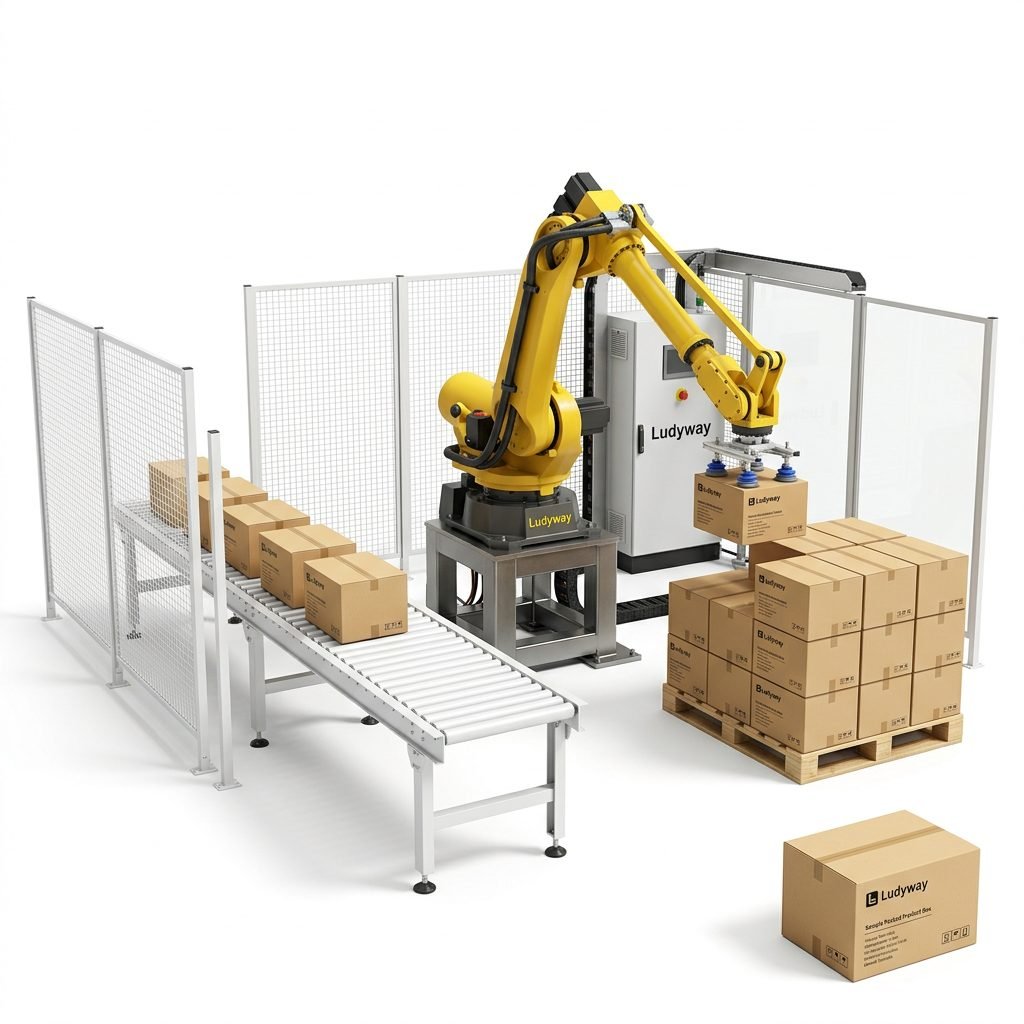
By automating the end-of-line packaging process, factories can transition from discrete batch operations to continuous flow production. The robots are equipped with specialized End-of-Arm Tooling (EOAT) such as mechanical grippers, vacuum suction arrays, or magnetic lifters. This adaptability allows a single robotic cell to process diverse packaging types—ranging from woven polypropylene bags filled with fertilizers to heavy cardboard cases containing industrial machinery parts—without requiring extensive downtime for manual retooling.
Comparing Manual and Robotic Logistics Systems
To fully appreciate the impact of robotic integration, it is valuable to compare key performance metrics between traditional manual or semi-automated systems and modern heavy-duty robotic packaging solutions:
| Operational Metric | Traditional Systems | Robotic Packaging Systems |
|---|---|---|
| Payload Capacity | Limited (typically < 25 kg for safety compliance) | High-load (up to 1,000 kg and above) |
| Operational Duty Cycle | Shift-dependent, requires breaks and handovers | 24/7 continuous operation with minimal maintenance |
| Workplace Safety Risk | High (musculoskeletal injuries, repetitive strain) | Negligible (isolates workers from hazardous zones) |
| Adaptability to Layouts | Fixed, requires physical reconfiguration | Software-driven path adjustments and smart tracking |
Integrating Smart Packaging and Turnkey Lines
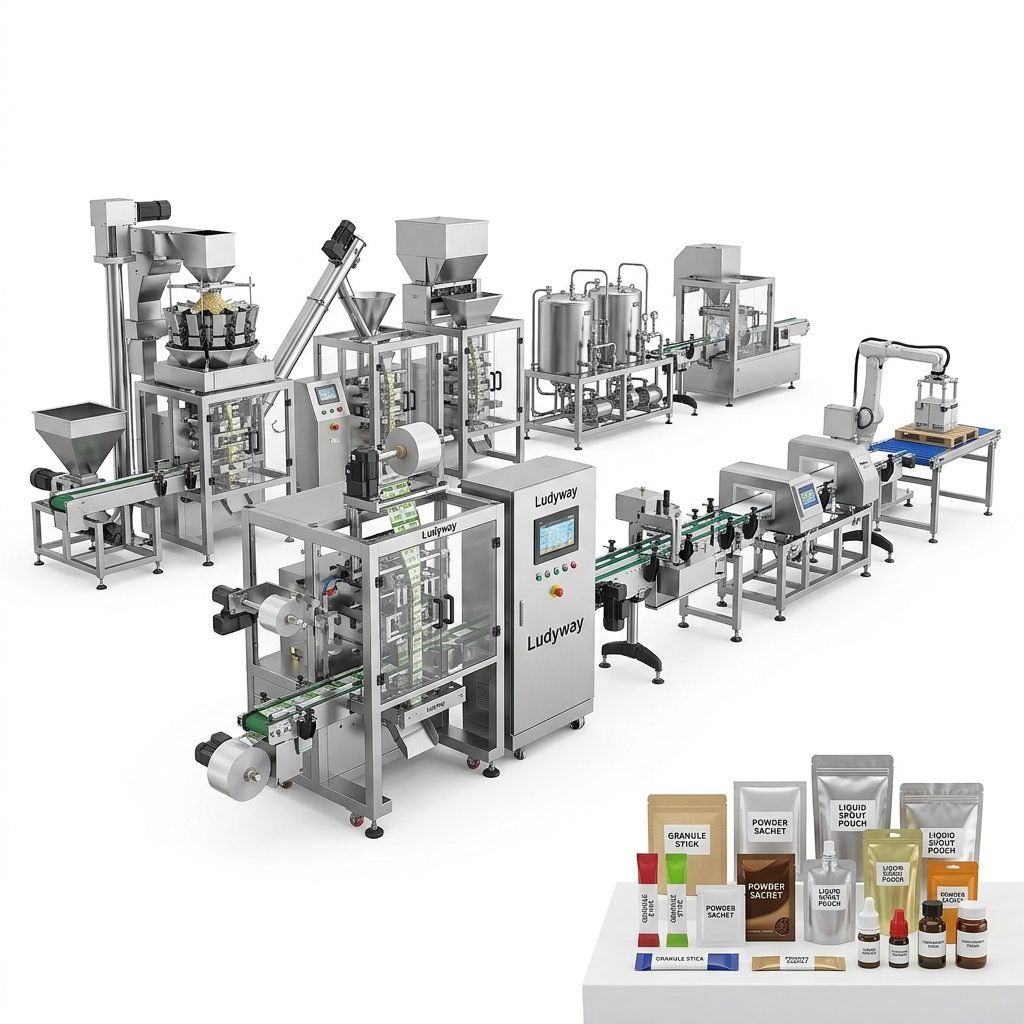
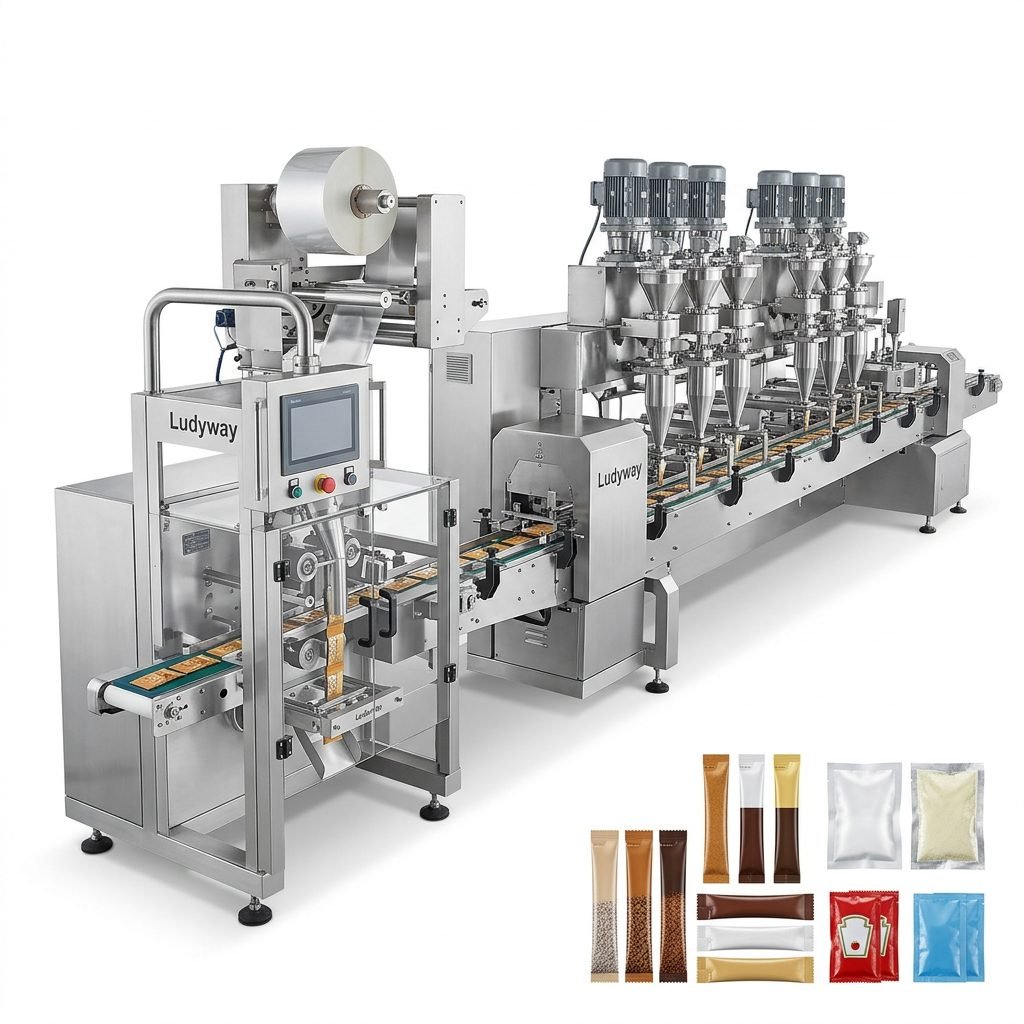
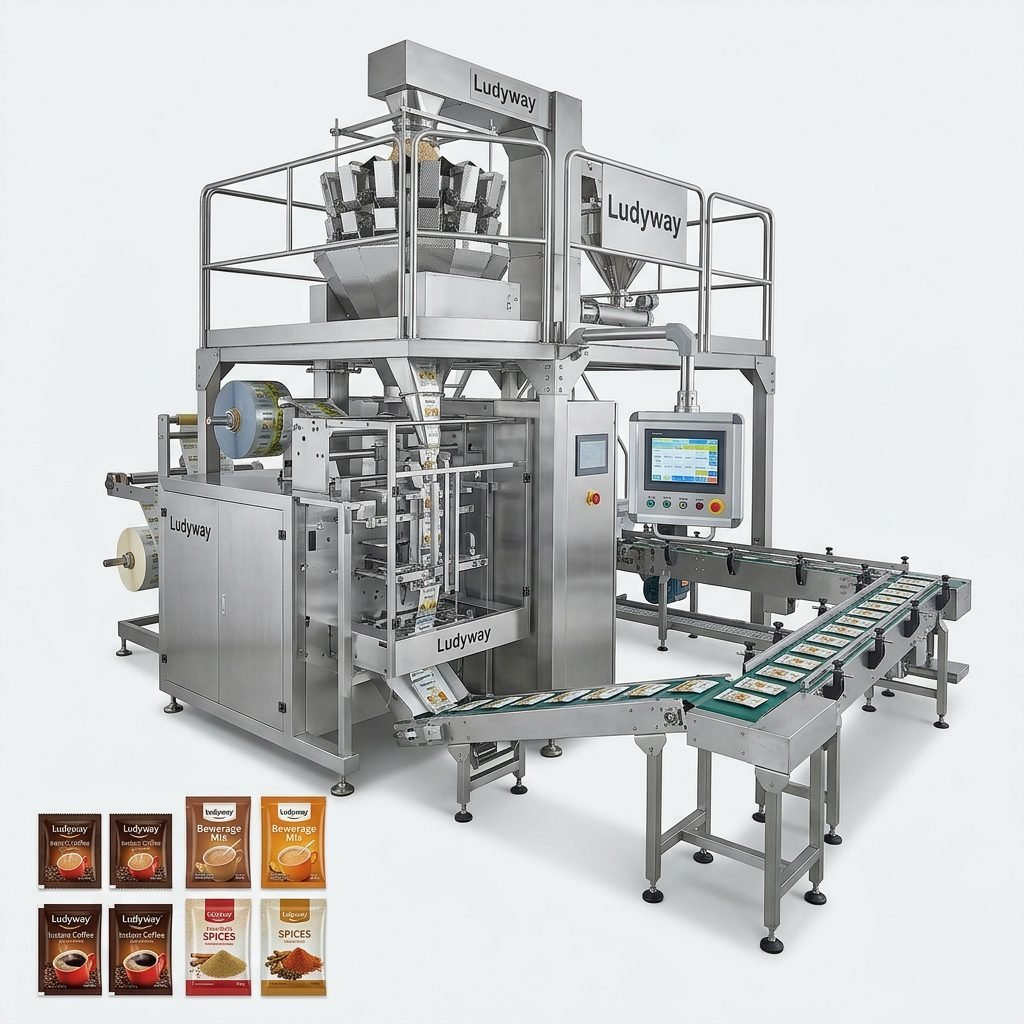
While a standalone robotic arm is highly capable, the true value of modern logistics automation emerges when it is integrated into a complete, automated workflow. Leading packaging innovators focus heavily on developing integrated systems where raw product processing, primary packaging, secondary cartoning, and palletizing work in perfect synchronization.
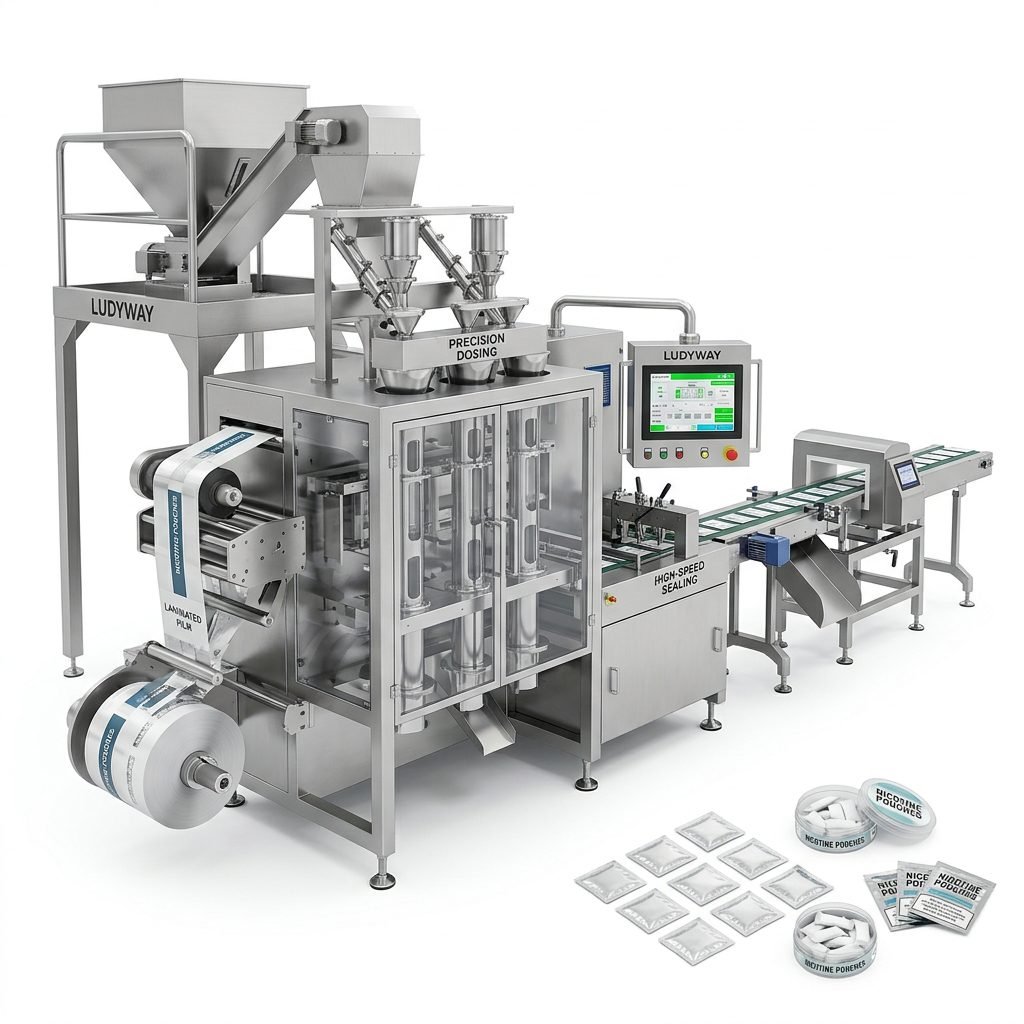
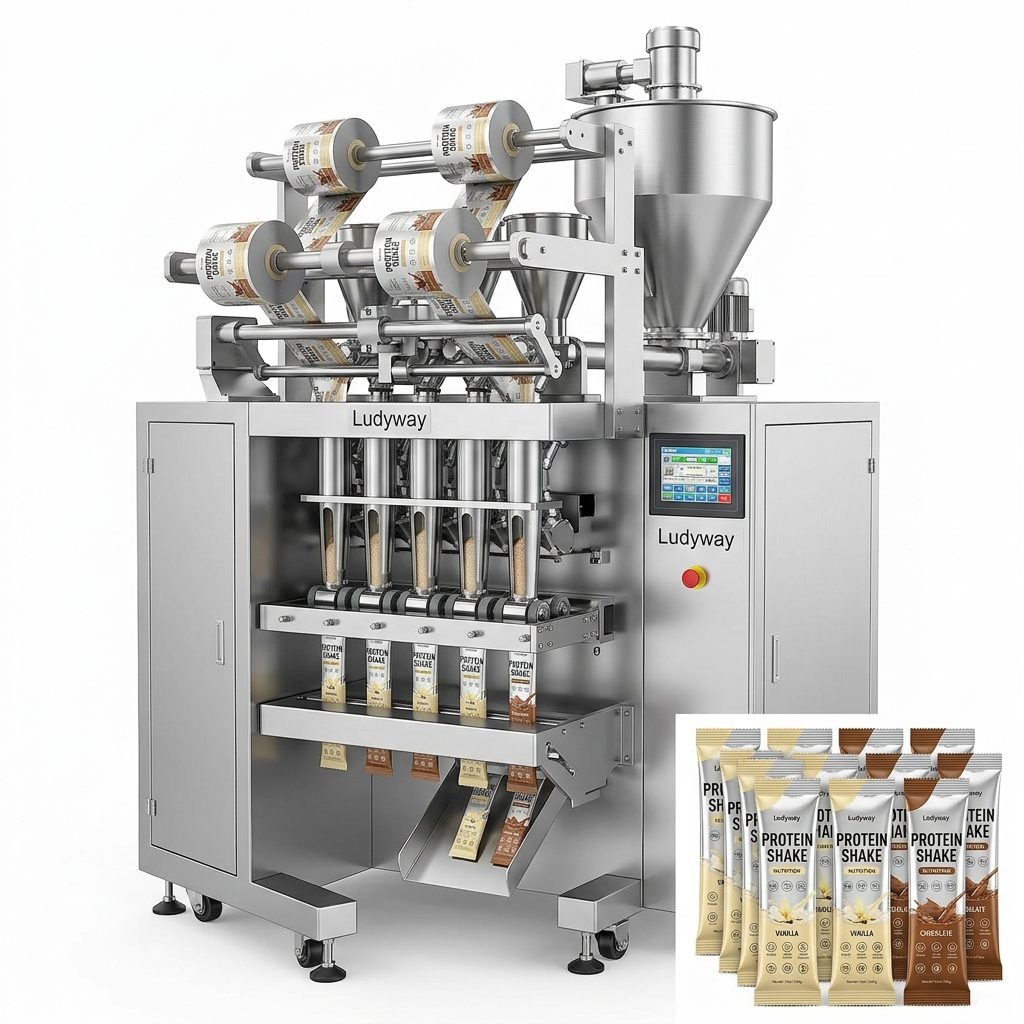
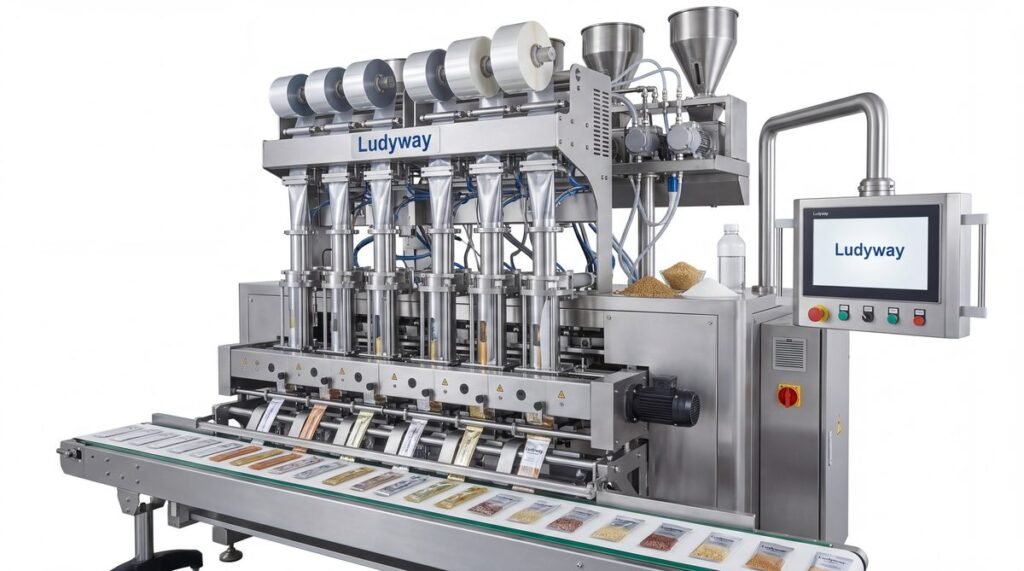
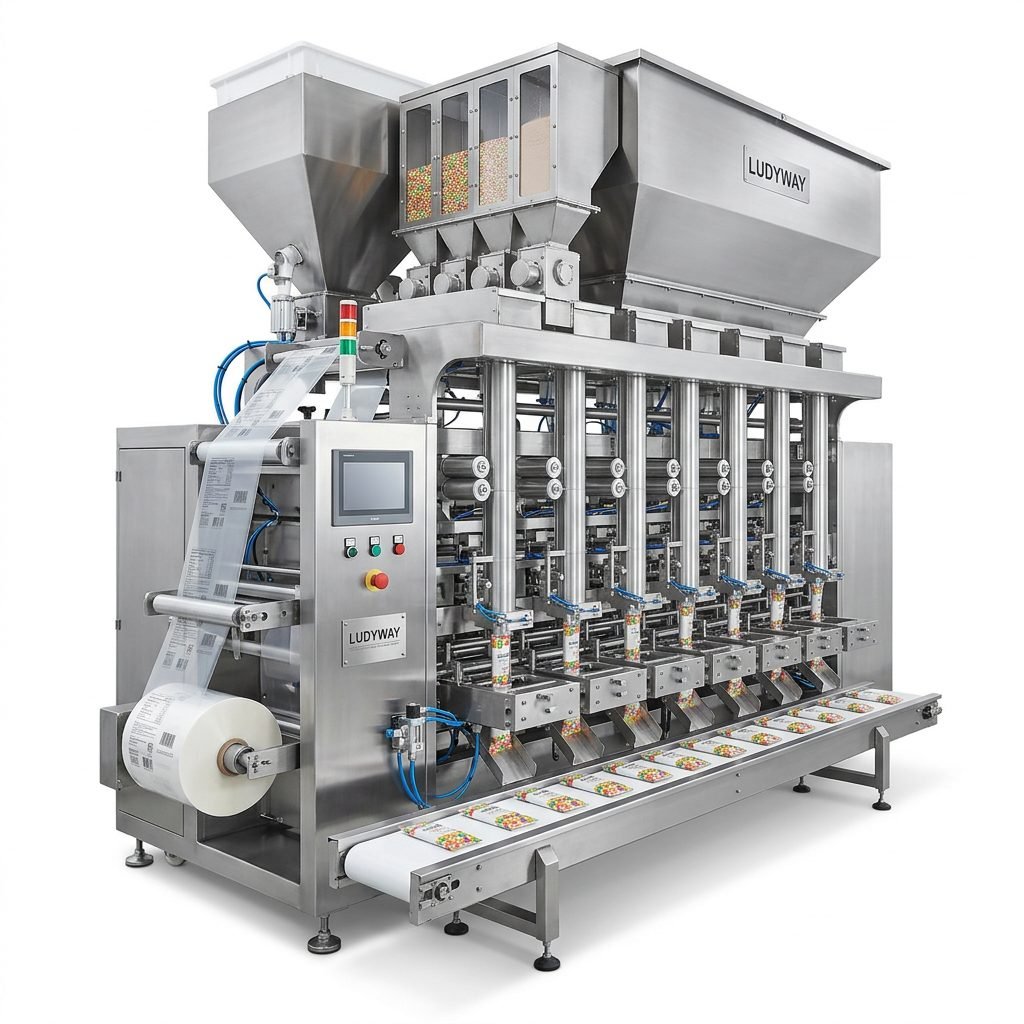
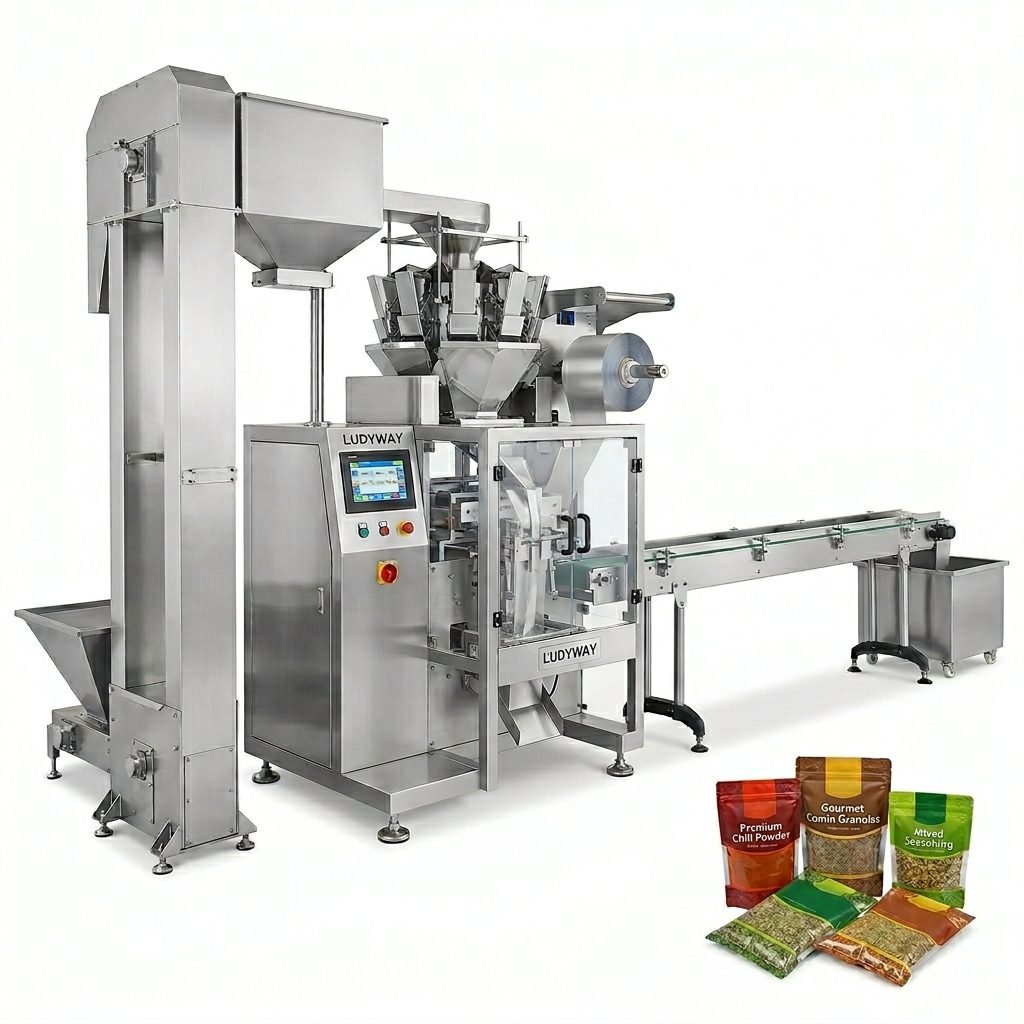
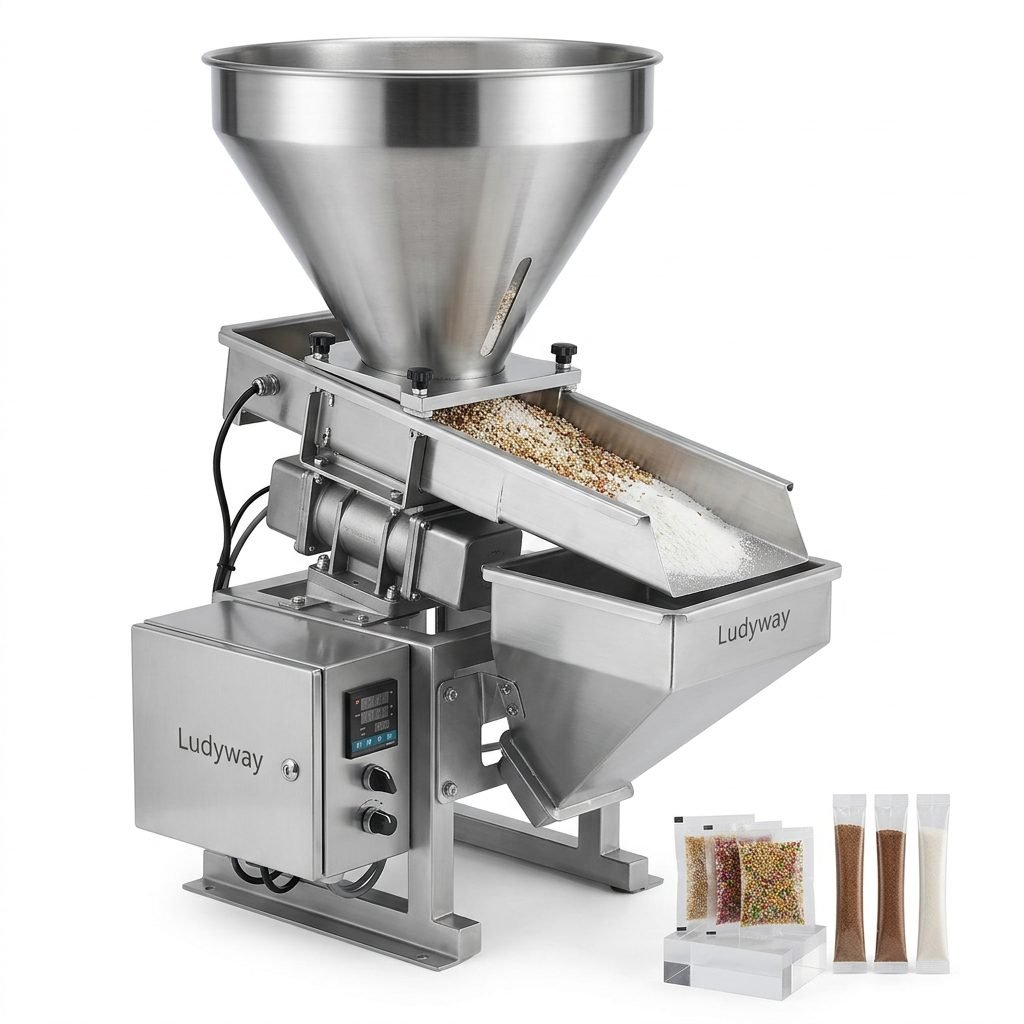
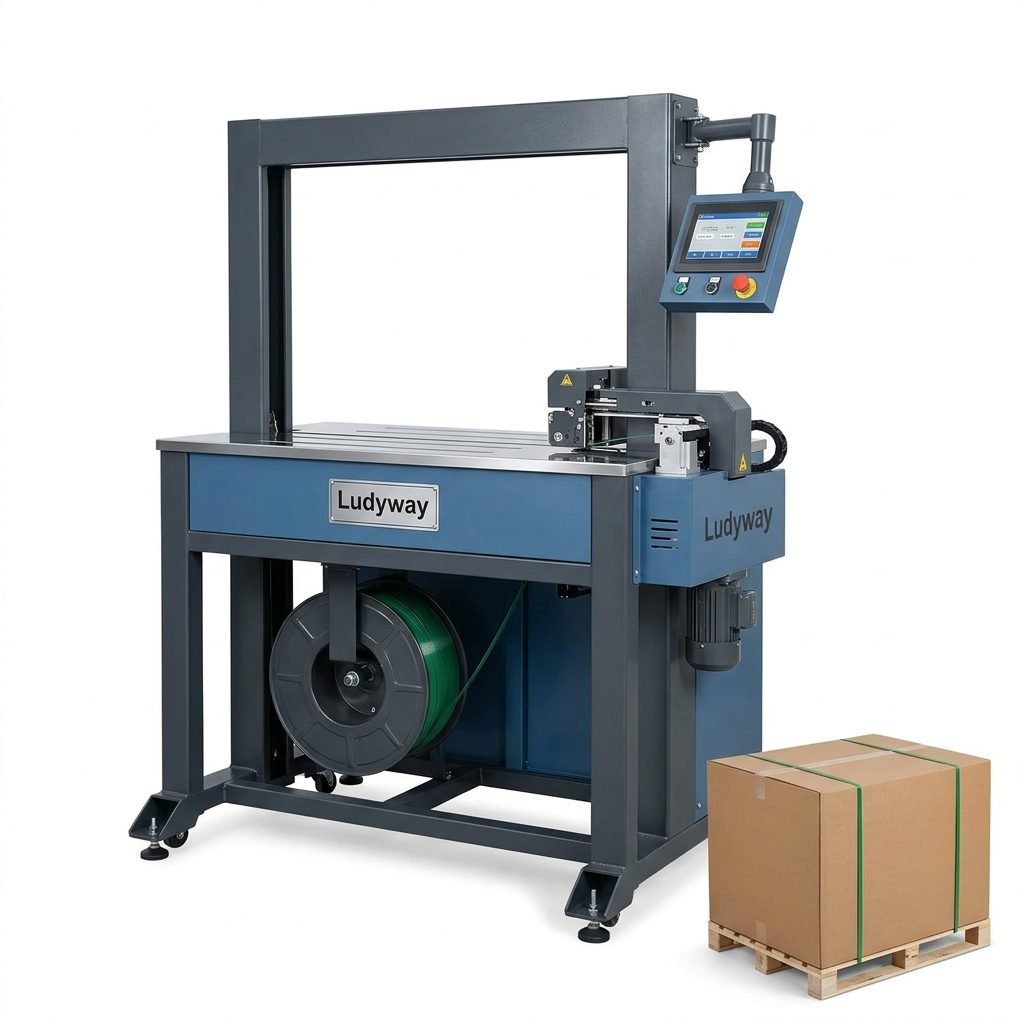
For industrial operators looking to scale, partnering with established manufacturers like Ludyway provides a clear path forward. As one of China’s leading packaging machine and turnkey packaging line manufacturers, the company brings over 30 years of manufacturing experience, helping enterprises deploy highly automated lines that connect bulk dosing systems directly to automated sorting and robotic palletizing arrays. This comprehensive approach ensures that there are no gaps in data or physical flow, reducing bottlenecks and enhancing overall line efficiency.
Vision Systems and Cognitive Automation
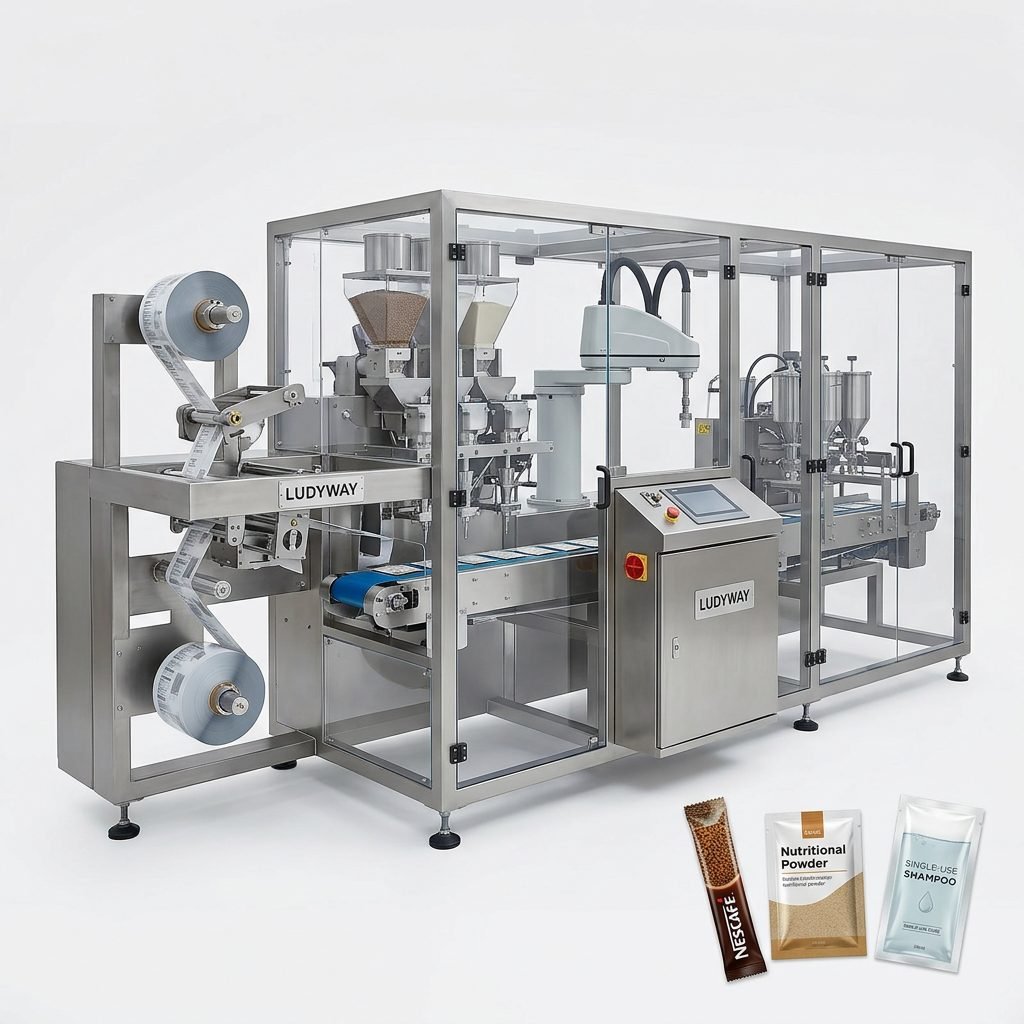
What sets contemporary high-load packing robots apart from older hydraulic machines is their sensory equipment. Integrating industrial 3D cameras and laser scanners allows robots to “see” their environment in real time. Rather than relying on perfectly aligned incoming packages, a vision-equipped robot can detect misaligned units, calculate dynamic pick paths, and adjust its grip to prevent damage to fragile bags or containers.
This intelligence is crucial when handling diverse product formats. In heavy packaging logistics, products are rarely uniform. Bags of mineral powders settle differently, ambient humidity affects the grip friction of cardboard boxes, and raw materials can vary slightly in density. Cognitive automation systems process these variables on the fly, adjusting the robot’s acceleration and grip force dynamically to maintain high speeds without compromising safety or product integrity.
Key Benefits of Modern Robotic Logistics
Adopting high-load robotic packing systems delivers distinct operational advantages across the factory floor:
- Space Optimization: Robotic arms operate within a compact envelope, replacing long conveyor lines and manual staging areas, allowing plants to maximize their existing footprint.
- Reduced Waste: Consistent, precise handling minimizes packaging tears, product spillage, and damage to pallets during transport preparation.
- Seamless Upstream Integration: Robots connect with upstream equipment like filling machines, checkweighers, and industrial metal detectors to create cohesive, smart packaging lines.
- Data Traceability: Integrated PLCs gather performance analytics, weight verification, and cycling logs to help plant managers optimize daily workflows and predictive maintenance schedules.
Looking Ahead: The Future of Industrial Palletizing
As industries look toward the future, the integration of artificial intelligence and machine learning will further push the boundaries of what high-load packing robots can achieve. Future platforms will likely feature self-learning path optimization, enabling machines to automatically refine their movement profiles to save energy and reduce component wear. Additionally, the development of collaborative heavy-duty robots (cobots) will allow human operators and high-capacity machines to share workspaces safely, blending human flexibility with robotic power.
Ultimately, high-load packing robots are no longer just an optional luxury for high-volume facilities; they have become a foundational pillar of modern industrial competitiveness. By removing workers from dangerous environments, increasing operational throughput, and providing unparalleled flexibility, these systems are redefining the baseline of efficiency in heavy industrial logistics worldwide.