Global consumer goods, food, beauty, and pharmaceutical brands are moving faster on packaging reduction as sustainability targets tighten across international markets. What was once treated as a corporate responsibility initiative is now becoming a core operational priority, driven by rising material costs, stricter compliance demands, retailer pressure, and changing consumer expectations.
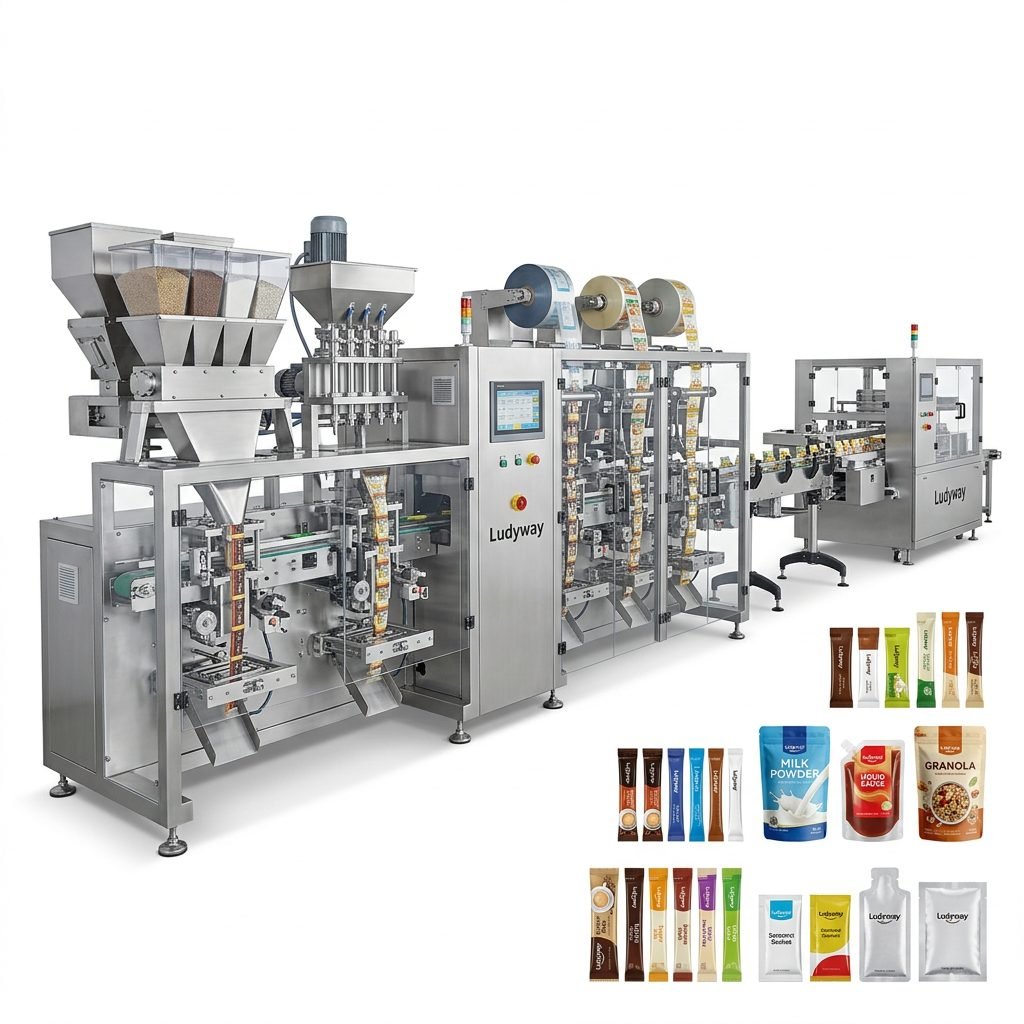
Across major regions, brand owners are redesigning primary and secondary packaging, reducing film thickness, eliminating unnecessary inserts, shifting to mono-material structures, and investing in automation that can support lighter, more efficient pack formats without compromising shelf appeal or product protection.
Why Packaging Reduction Is Accelerating Now
Several forces are converging at the same time. Inflation in packaging substrates has pushed procurement teams to look beyond short-term sourcing strategies. At the same time, regulators are demanding measurable progress on waste prevention, recyclability, and extended producer responsibility. Retailers are also asking suppliers to show concrete reduction plans rather than broad sustainability claims.
- Material savings are improving margin protection in high-volume categories.
- Carbon reduction goals are increasingly linked to packaging redesign projects.
- Transport efficiency is improving through lighter and more compact packaging.
- Consumer scrutiny is growing around overpackaging in e-commerce and retail channels.
Industry analysts note that brands are no longer focusing only on recycled content. The broader trend now includes source reduction, meaning less material is used from the start. This shift is especially visible in sachets, pouches, cartons, bottles, and bundled multipacks.
Key Strategies Brands Are Deploying
Leading companies are combining packaging design, machinery upgrades, and production-line optimization to reduce waste at scale. In many cases, the commercial gains are just as important as the environmental benefits.
| Strategy | Primary Objective | Operational Impact |
|---|---|---|
| Downgauging films and laminates | Use less material per unit | Requires sealing accuracy and stable machine control |
| Eliminating excess headspace | Improve pack efficiency | Supports logistics savings and better shelf density |
| Switching to mono-material packaging | Improve recyclability | May require line adaptation and validation |
| Reducing secondary packaging | Cut unnecessary paperboard and inserts | Demands stronger primary pack performance |
| Lightweight refill and sachet formats | Lower packaging-to-product ratio | Boosts demand for flexible packaging systems |
Automation Is Becoming a Critical Enabler
Reducing packaging material sounds straightforward, but lighter structures often create greater demands on filling precision, sealing consistency, and line stability. That is why brands are increasing capital spending on upgraded machinery that can handle thinner films, sensitive pouch materials, and smaller pack sizes with lower reject rates.
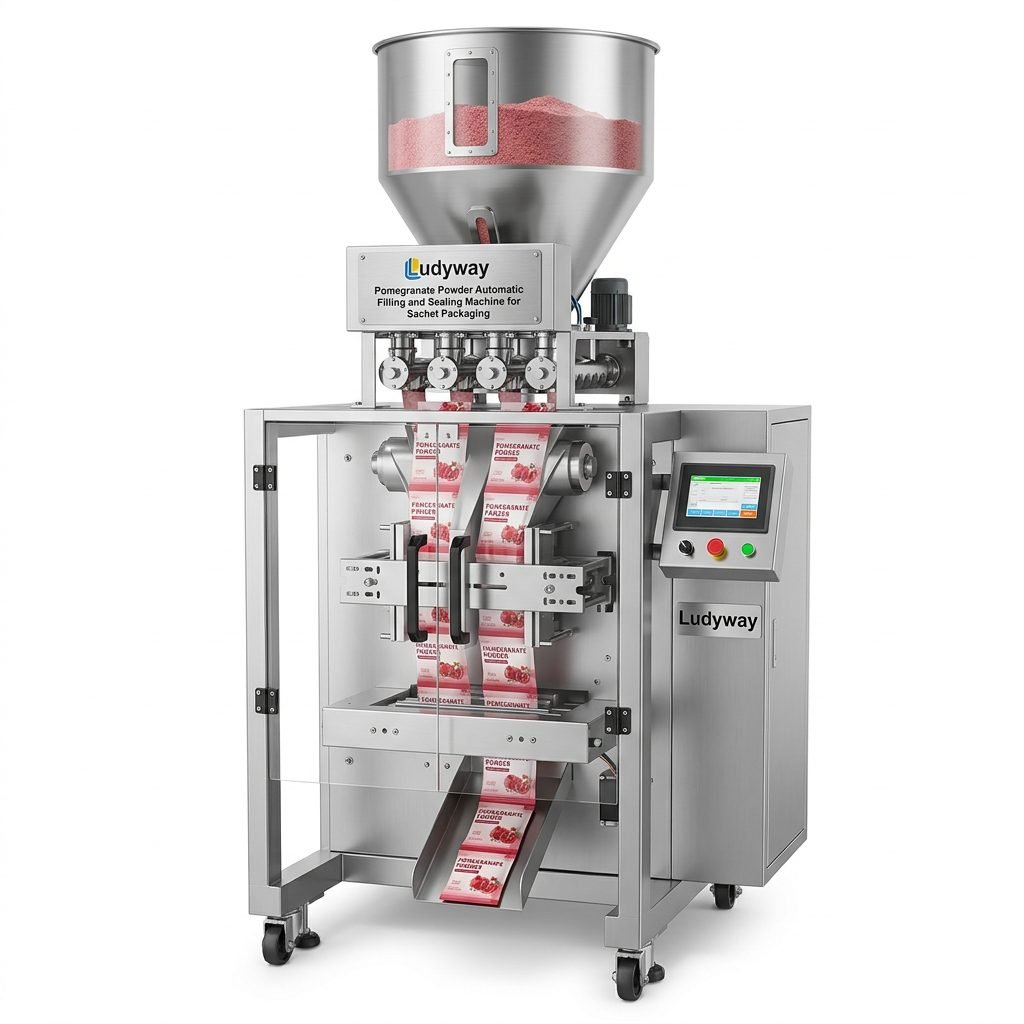
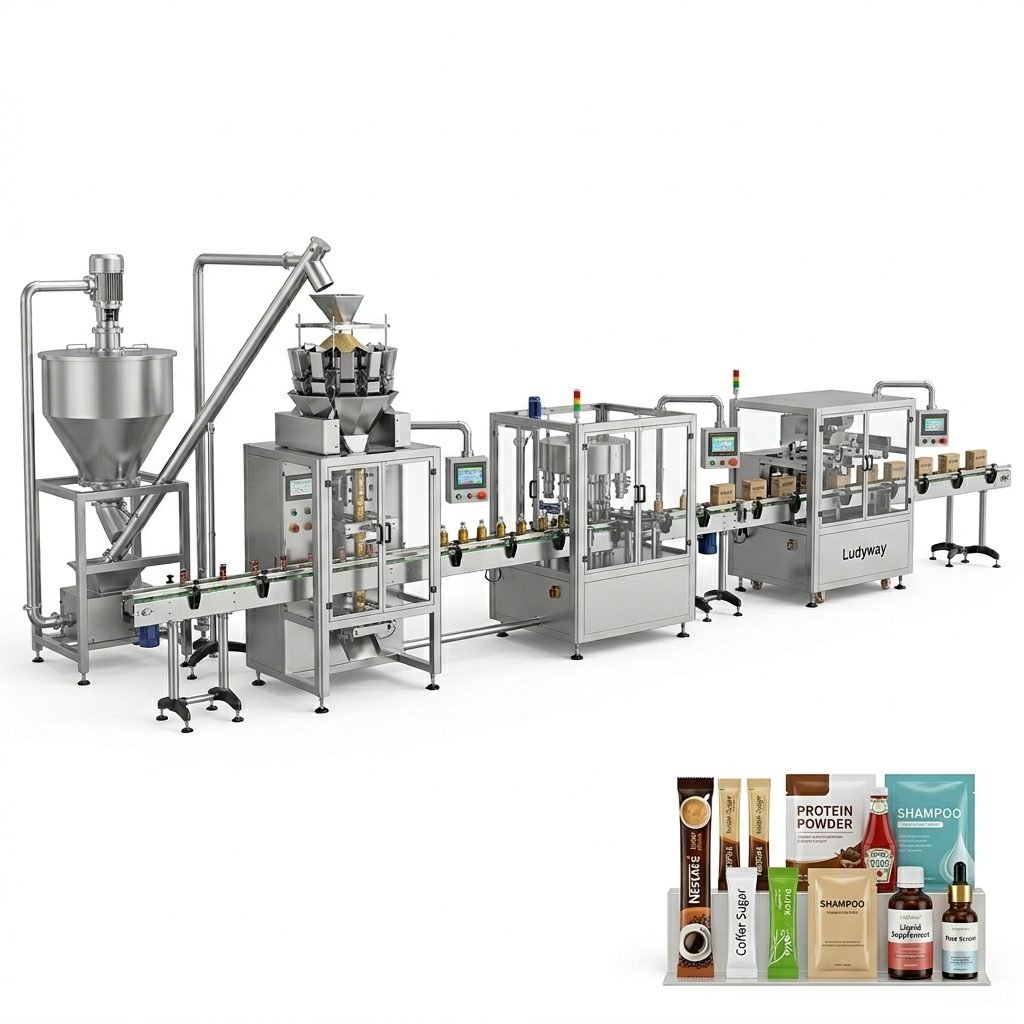
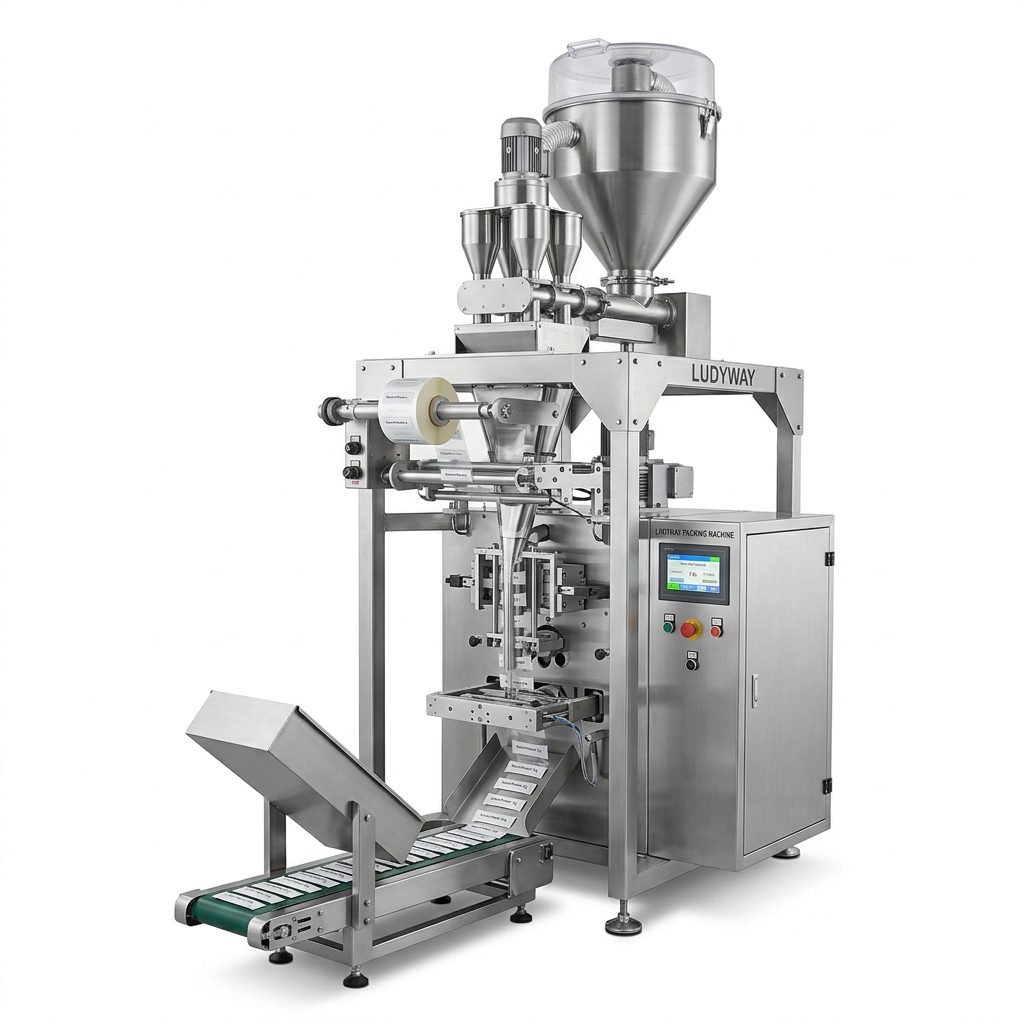
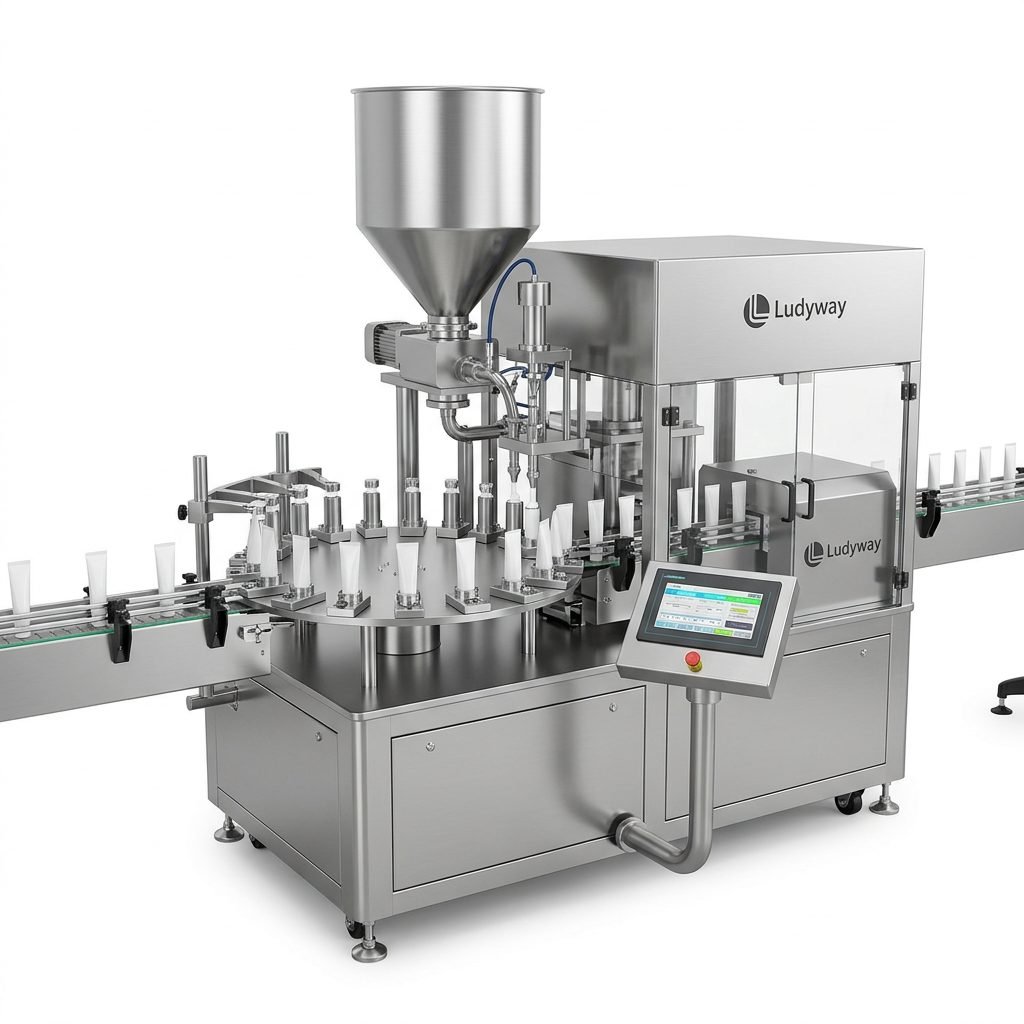
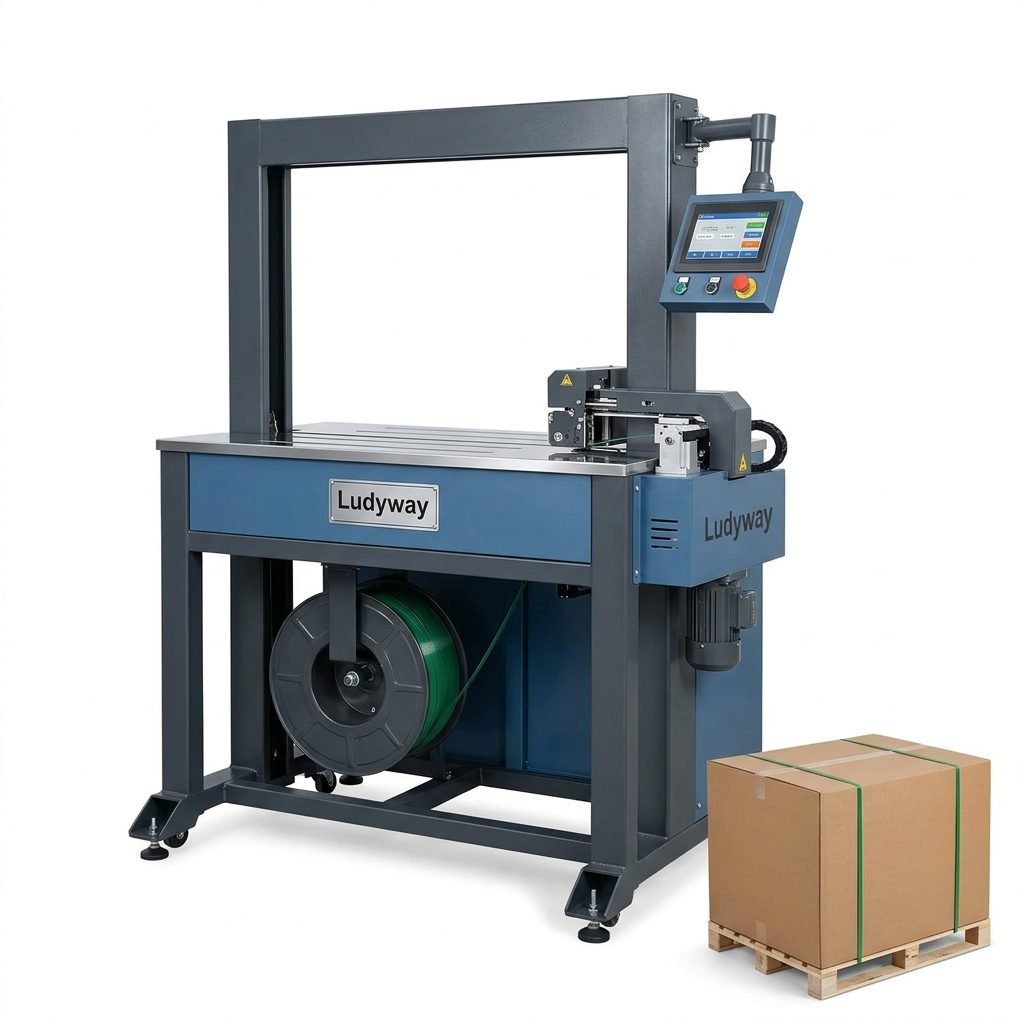
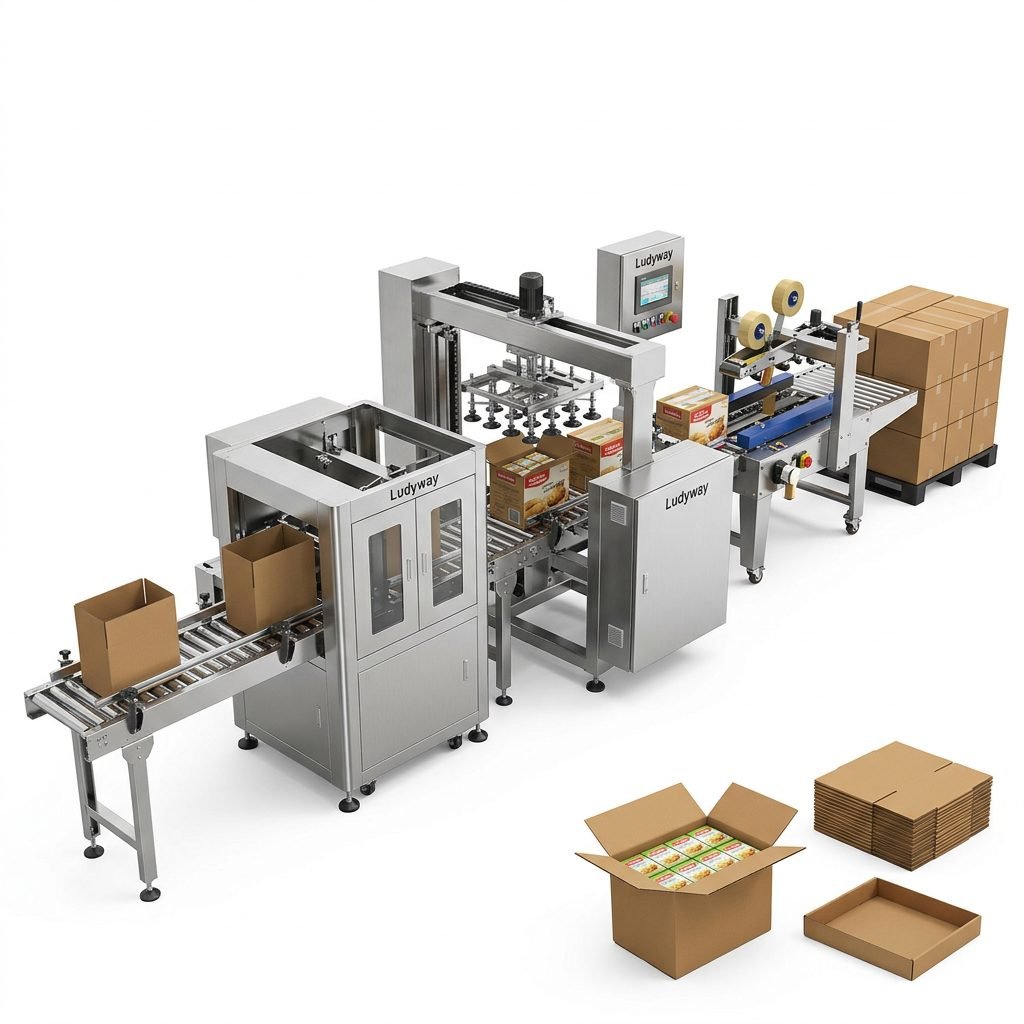
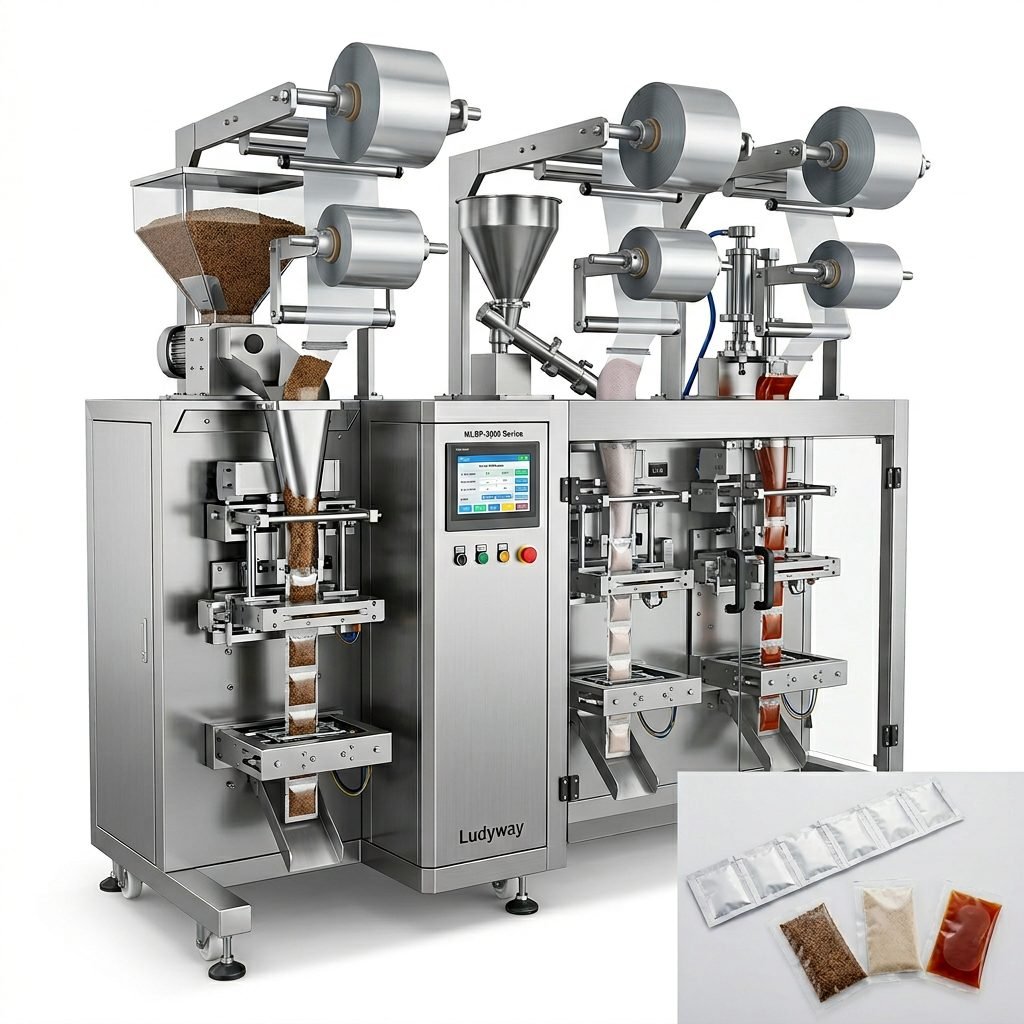
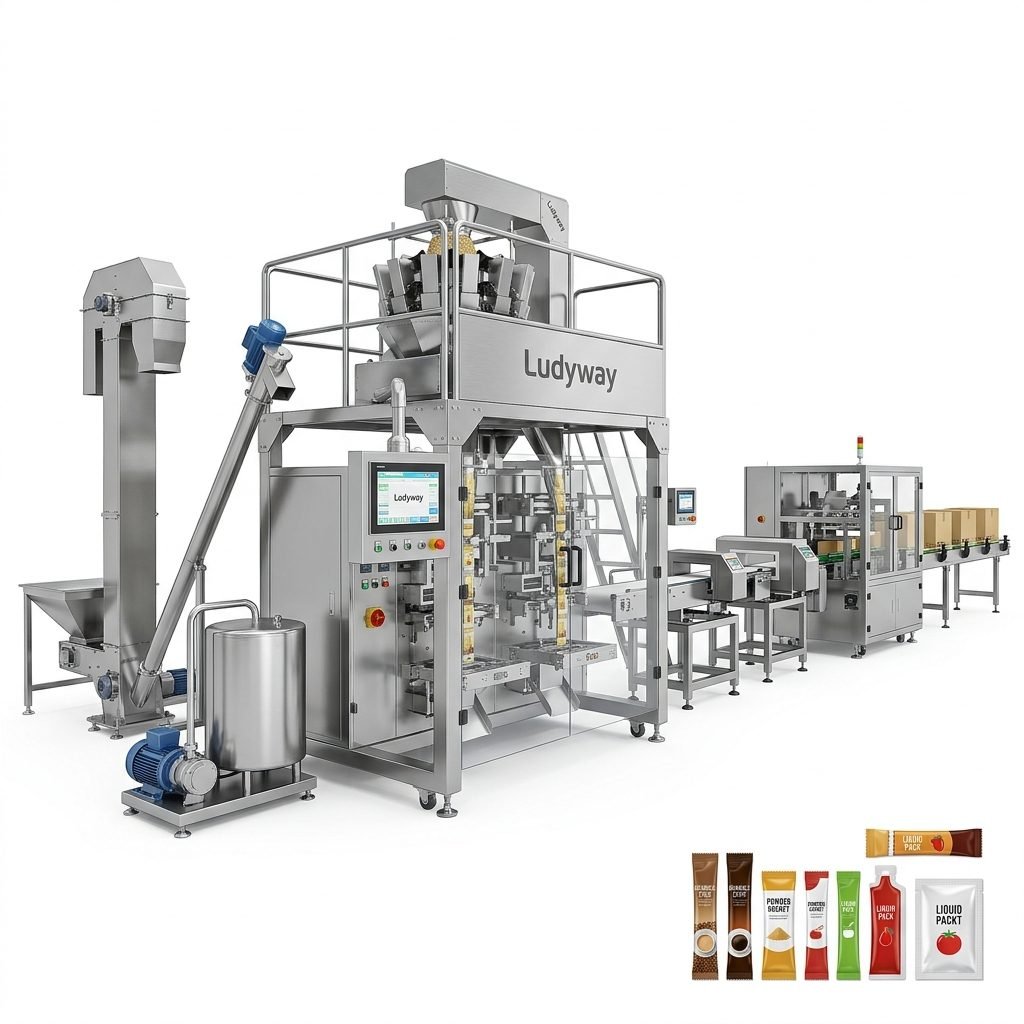
Packaging equipment suppliers are responding with more advanced dosing systems, servo-driven controls, inspection modules, and turnkey line integration. Companies seeking end-to-end automation support are increasingly evaluating experienced manufacturers such as Ludyway, known for packaging machinery and turnkey packaging lines serving food, pharmaceutical, health supplement, and related sectors.
Sectors Moving Fastest
Not every category is moving at the same speed. Products with high unit volumes and frequent repeat purchases are seeing the quickest shift because even small material reductions create major savings at scale.
- Food and beverage powders
- Sauces, condiments, and single-dose liquids
- Health supplements and nutraceuticals
- Personal care sachets and refill packs
- Pharmaceutical unit-dose and multi-pack formats
In food and supplement packaging, the move toward stick packs and compact sachets remains especially notable. These formats can reduce material usage while maintaining convenience, portion control, and transport efficiency. However, performance depends heavily on precise filling and sealing technology.
The Compliance and Retail Dimension
Global brands are also responding to a widening compliance gap between legacy packaging designs and future market requirements. Retailers in Europe and North America are increasingly requesting supplier documentation on recyclability, packaging intensity, and material elimination initiatives. Similar expectations are spreading in the Middle East, Southeast Asia, and parts of South America as international standards influence local buying behavior.
| Market Driver | What Brands Must Show |
|---|---|
| Retail sustainability scorecards | Evidence of material reduction and improved pack efficiency |
| EPR and waste policy expansion | Lower packaging volumes and better recovery potential |
| Consumer transparency demands | Clear sustainability communication backed by real changes |
| E-commerce fulfillment pressure | Less void space, lower breakage risk, and lower freight costs |
Challenges Brands Still Face
Despite strong momentum, packaging reduction is not without risk. A package that uses less material but fails in transit, leaks, or reduces shelf life can create a larger sustainability problem overall. As a result, companies are balancing reduction targets with product safety, machinability, and brand presentation.
- Maintaining barrier performance for moisture- or oxygen-sensitive products
- Preventing seal failures when using thinner or new material structures
- Managing changeovers for multiple SKUs and smaller formats
- Aligning procurement, engineering, marketing, and compliance teams
What the Industry Should Expect Next
The next phase of packaging reduction will likely be more data-driven. Brands are expected to invest in line monitoring, waste measurement, digital quality control, and machine configurations that support rapid testing of new materials. Suppliers that can deliver both packaging performance and production flexibility will have an advantage.
For packaging machinery manufacturers, this trend opens significant opportunities in compact format handling, multi-lane efficiency, low-waste filling, intelligent inspection, and turnkey integration. For global brands, the message is clear: packaging reduction is no longer a side initiative. It is becoming a central part of cost management, regulatory readiness, and long-term brand competitiveness.
Industry Outlook
As sustainability moves deeper into purchasing decisions and production planning, packaging reduction strategies are set to remain a defining topic across the global packaging sector. Companies that act early, validate carefully, and modernize equipment accordingly are likely to capture both financial and reputational benefits in the years ahead.