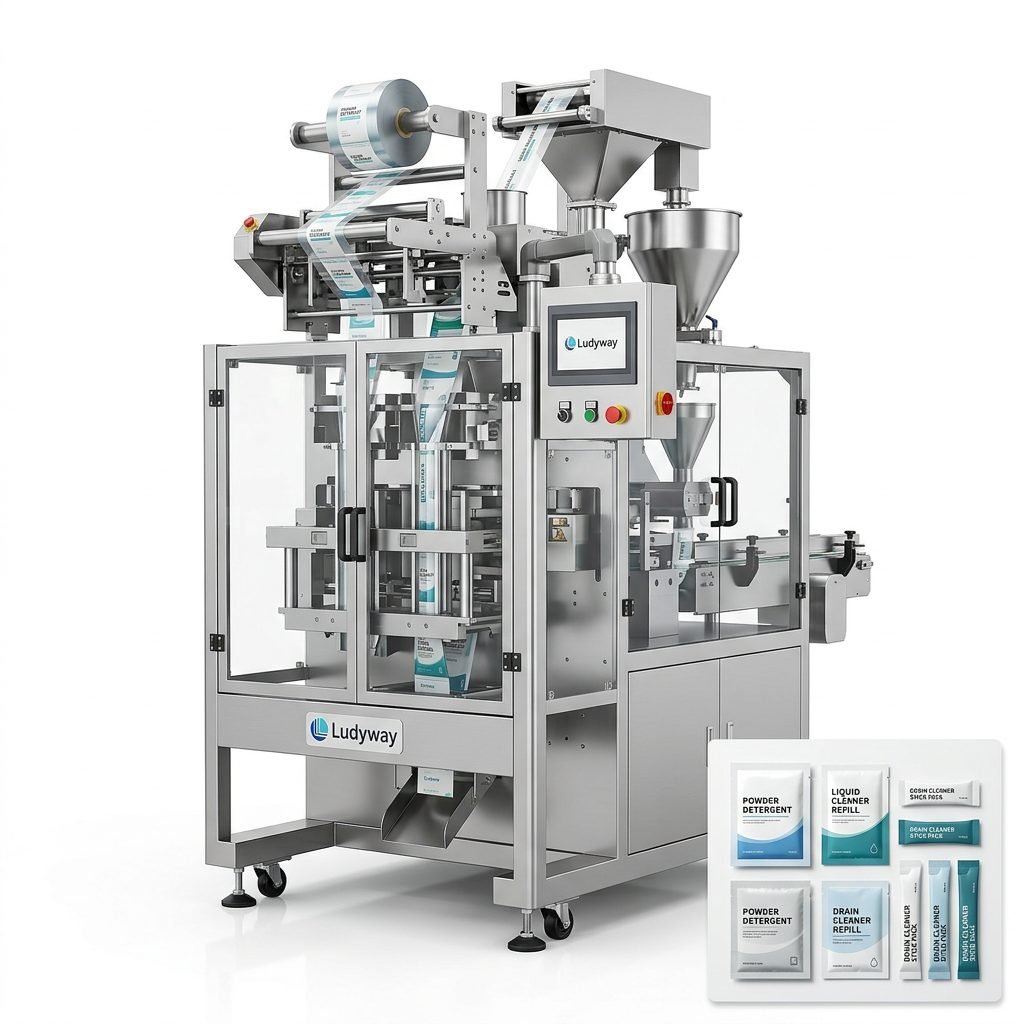
Germany represents one of Europe’s most sophisticated markets for tea products, with consumers demanding premium quality and perfectly portioned packaging. For tea producers, importers, and packagers operating in or exporting to Germany, selecting the right small tea packaging machine is a critical investment decision. Whether you are packaging loose-leaf tea, herbal blends, or instant tea powders, the equipment must meet rigorous German standards for precision, hygiene, and efficiency. This guide covers the essential machine types, price ranges, and leading suppliers to help you make an informed purchasing decision, while also addressing key considerations around ISO packaging standards and EU packaging regulations that affect the German market.
Types of Small Tea Packaging Machines
Understanding the different machine configurations is the first step toward finding equipment that matches your production needs. Each type offers distinct advantages depending on your tea product format and output requirements.
Vertical Form Fill Seal (VFFS) Machines
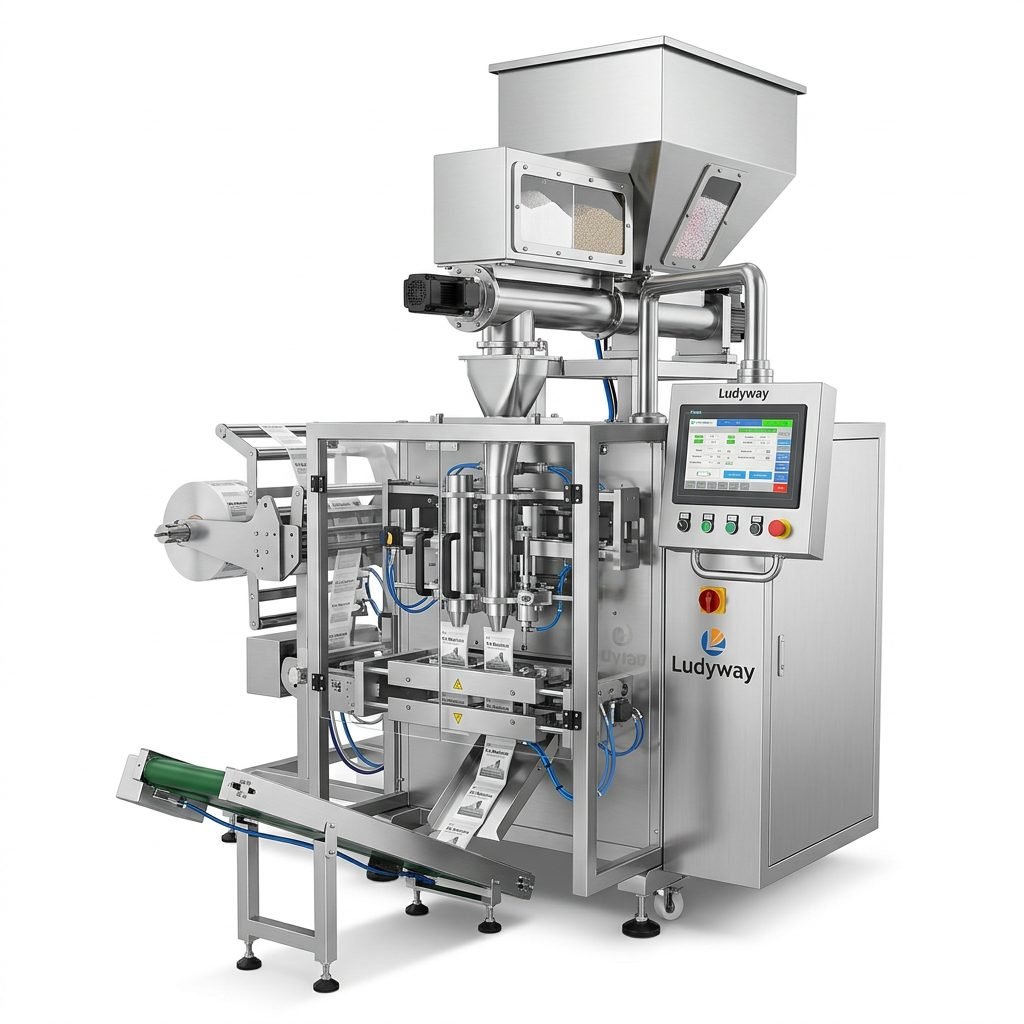
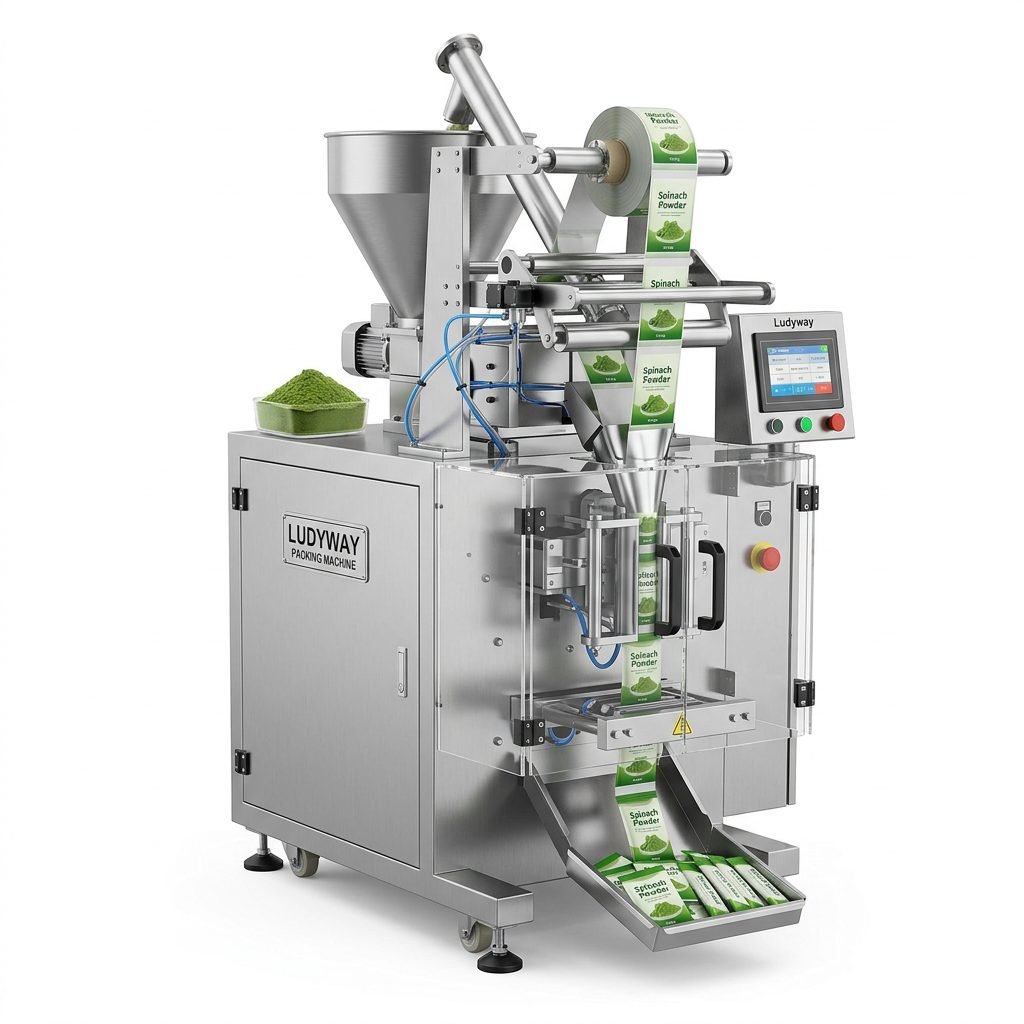
Vertical form fill seal machines are the workhorses of tea packaging. These systems form a pouch from a flat roll of film, fill it with tea, and seal it — all in one continuous vertical operation. For the German market, VFFS machines capable of producing pillow bags, gusseted pouches, and block-bottom bags are particularly popular. They are ideal for packaging loose-leaf tea, tea bags in overwrap, and granulated tea products at speeds ranging from 30 to 120 packs per minute depending on the model.
Multi-Lane Stick Pack Machines
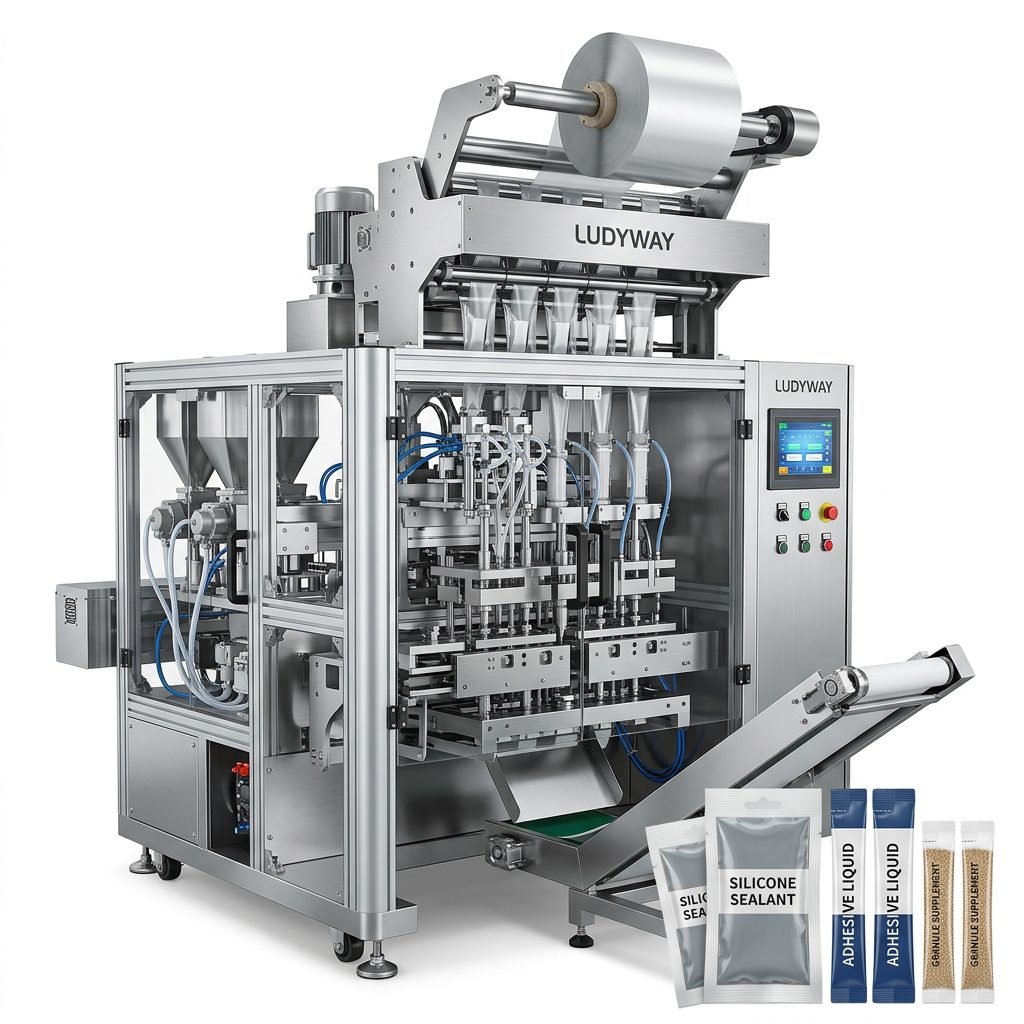
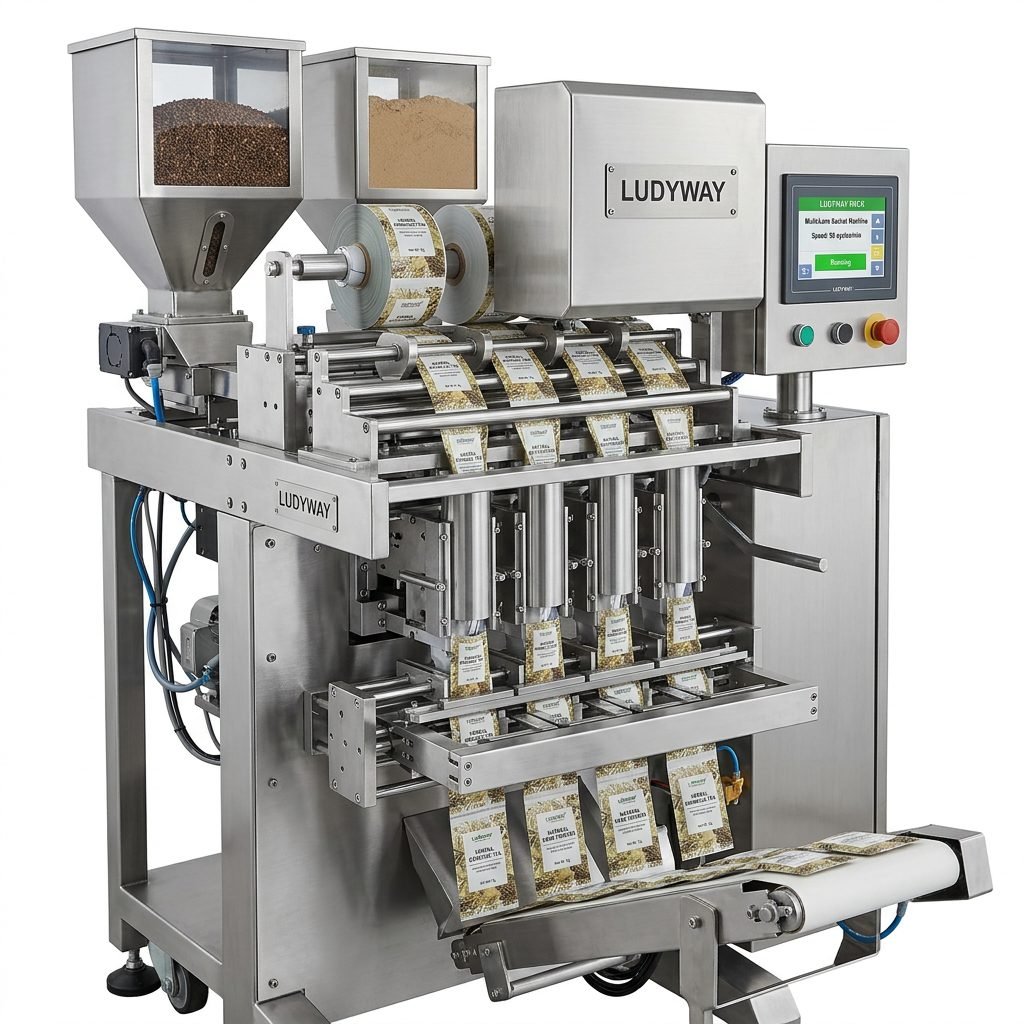
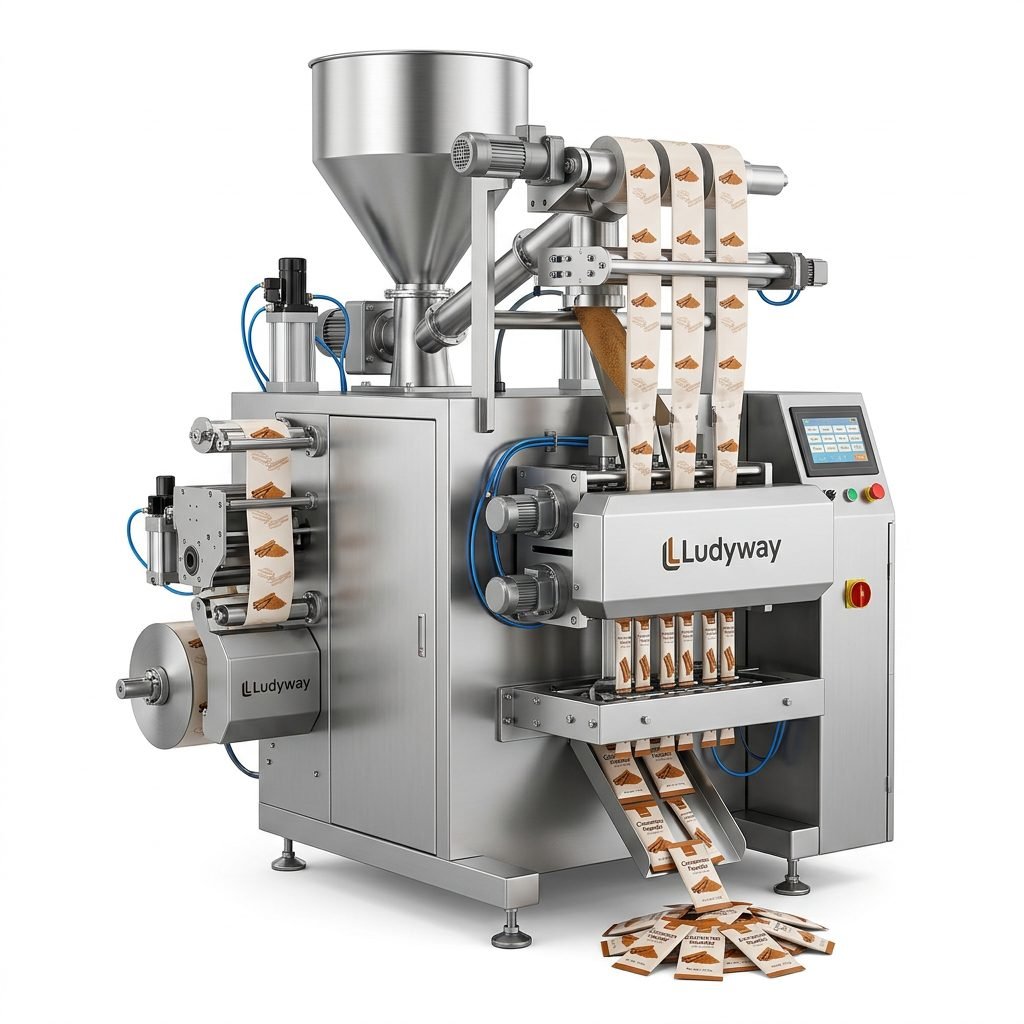
For single-serve tea portions, multi-lane stick pack machines deliver unmatched productivity. These systems run 4 to 20 lanes simultaneously, producing narrow stick packs perfect for instant tea powders, matcha, tea lattes, and herbal supplement blends. German consumers increasingly favor convenient stick pack formats, making this machine type a strategic investment for brands targeting the on-the-go segment. Output can reach several hundred packs per minute across all lanes.
Sachet and Flat Pouch Machines
Sachet packaging machines produce flat three- or four-side-sealed pouches commonly used for tea samples, single-use tea bags, and promotional packs. These machines are compact, cost-effective, and well-suited for small to medium-scale operations entering the German specialty tea market.
Tea Bag String-and-Tag Machines
For traditional tea bags with string and tag, specialized machinery handles the entire process — from dosing tea into filter paper to attaching the string, tag, and outer envelope. These machines remain essential for classic black tea and herbal infusion products sold in German supermarkets and tea shops. Compliance with FDA food packaging requirements and EU food contact material regulations is essential for any exporter.
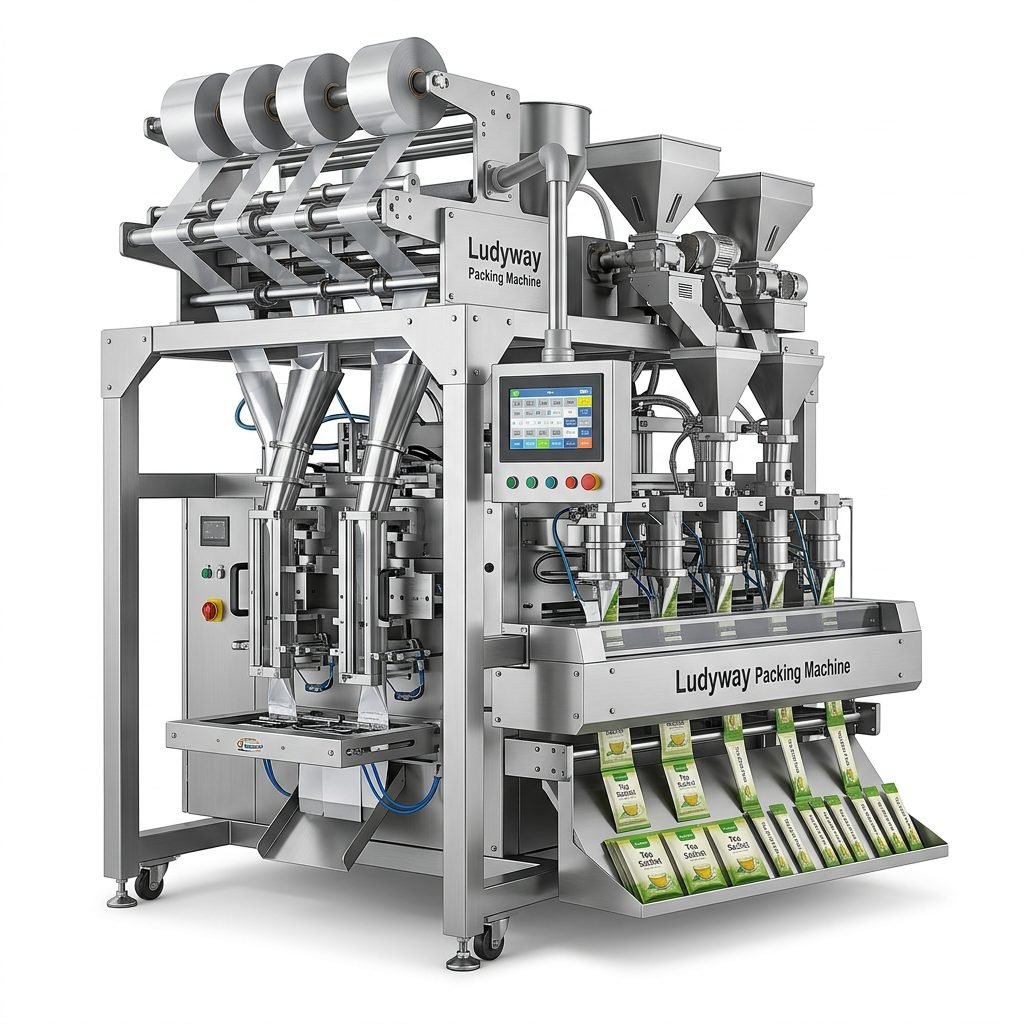
Price Guide for Tea Packaging Machines in Germany
Machine pricing varies significantly based on automation level, speed, lane configuration, and build quality. The table below provides a general reference for budget planning, with prices reflecting typical ranges for equipment imported into the German market (including duties and logistics considerations).
| Machine Type | Speed Range | Estimated Price (EUR) | Best For |
|---|---|---|---|
| Single-Lane VFFS | 30–60 packs/min | €5,000 – €18,000 | Small tea brands, startups |
| Multi-Lane Stick Pack (4–8 lanes) | 200–600 packs/min | €25,000 – €60,000 | Medium to large producers |
| Multi-Lane Stick Pack (10–20 lanes) | 500–1,200+ packs/min | €55,000 – €120,000+ | High-volume contract packagers |
| Sachet / Flat Pouch Machine | 40–100 packs/min | €8,000 – €25,000 | Sample packs, portion control |
| Tea Bag String-and-Tag Machine | 60–200 bags/min | €15,000 – €50,000 | Traditional tea bag production |
Note: Prices are indicative and depend on specifications, optional features, and import arrangements. German buyers should also budget for CE certification, installation, and operator training. For the latest insights on packaging machinery pricing trends and market forecasts, refer to resources from PMMI business intelligence and industry economic reports.
Key Factors to Consider When Buying
Investing in a tea packaging machine requires evaluating multiple factors beyond price alone. German production environments demand particular attention to the following:
- CE Certification & Compliance: Any machine sold or operated in Germany must carry CE marking and comply with EU Machinery Directive 2006/42/EC. Verify that the manufacturer provides full documentation.
- Material Compatibility: Ensure the machine can handle your chosen packaging films — including biodegradable and recyclable materials increasingly required under EU sustainability mandates. The Flexible Packaging Association provides valuable guidance on material selection and sustainability trends.
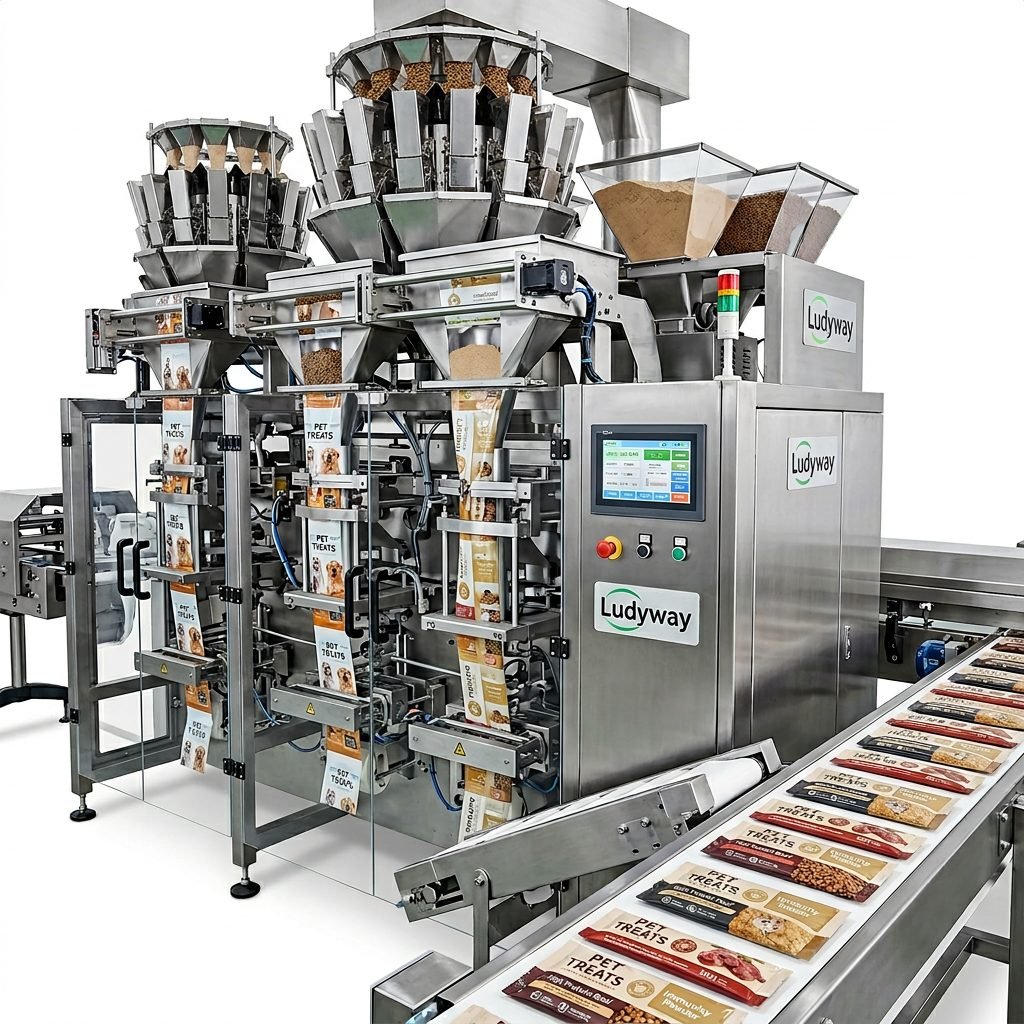
- Filling Accuracy: Precision dosing is critical for tea products. Look for machines with servo-driven auger fillers or multi-head weighers for granulated teas, achieving accuracy within ±0.5%.
- Changeover Speed: If you package multiple tea varieties or formats, quick-change capability minimizes downtime between production runs.
- After-Sales Support in Europe: Local service technicians, spare parts availability, and responsive technical support are non-negotiable for German operations.
- Hygiene Design: Machines should feature stainless steel construction, easy-clean surfaces, and compliance with hygiene standards relevant to food production.
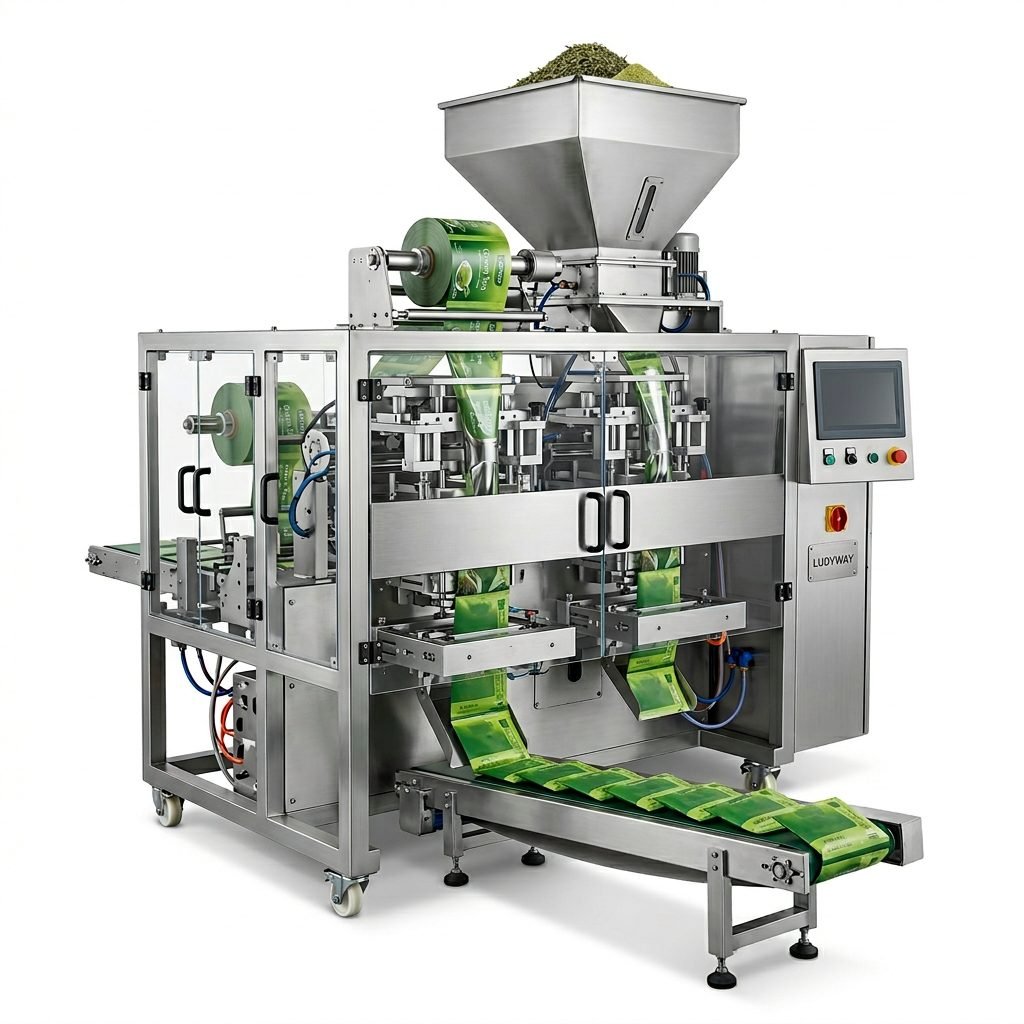
Top Suppliers & Manufacturers
The German packaging machinery market is served by a mix of established European manufacturers and competitively priced Asian suppliers. European brands offer proximity-based service advantages, while global manufacturers often provide better value for high-specification equipment. The PACK EXPO International and interpack trade fairs in Düsseldorf remain the best venues for comparing suppliers side by side.
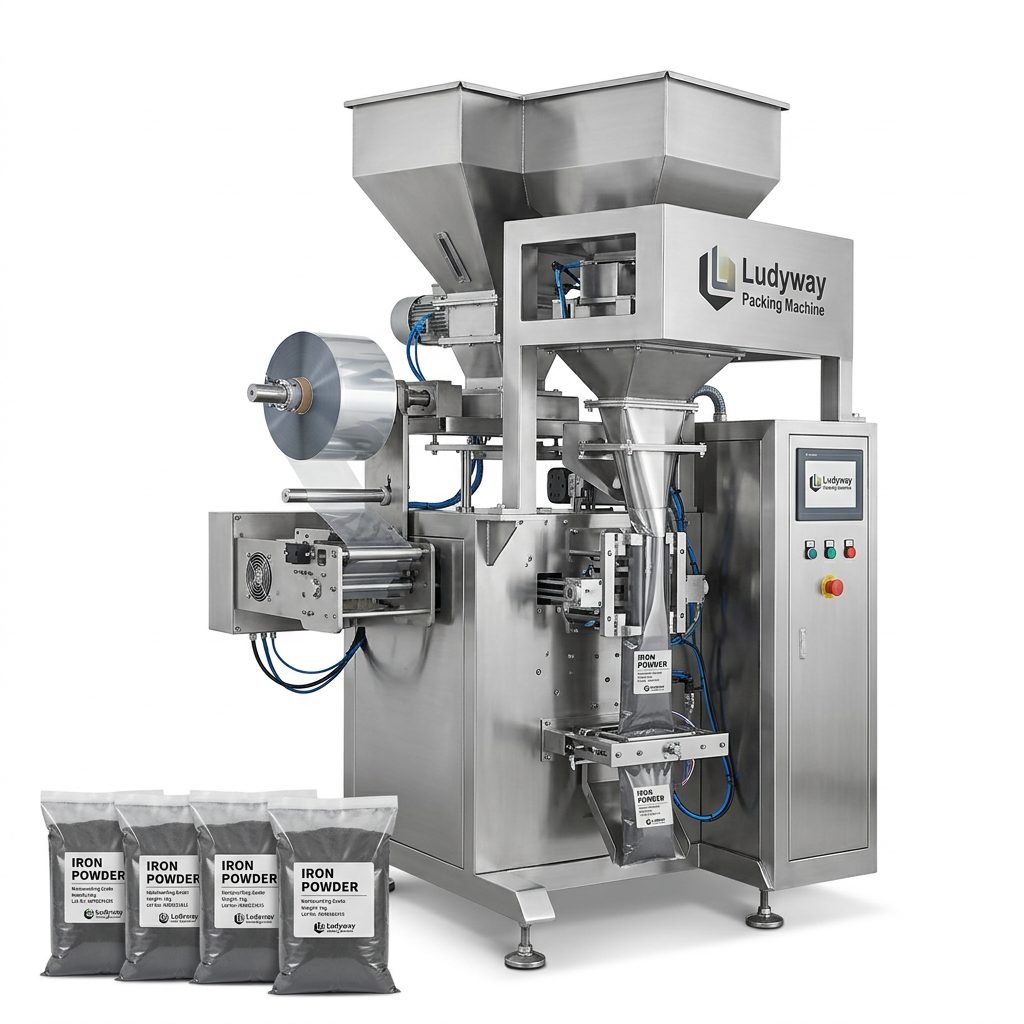
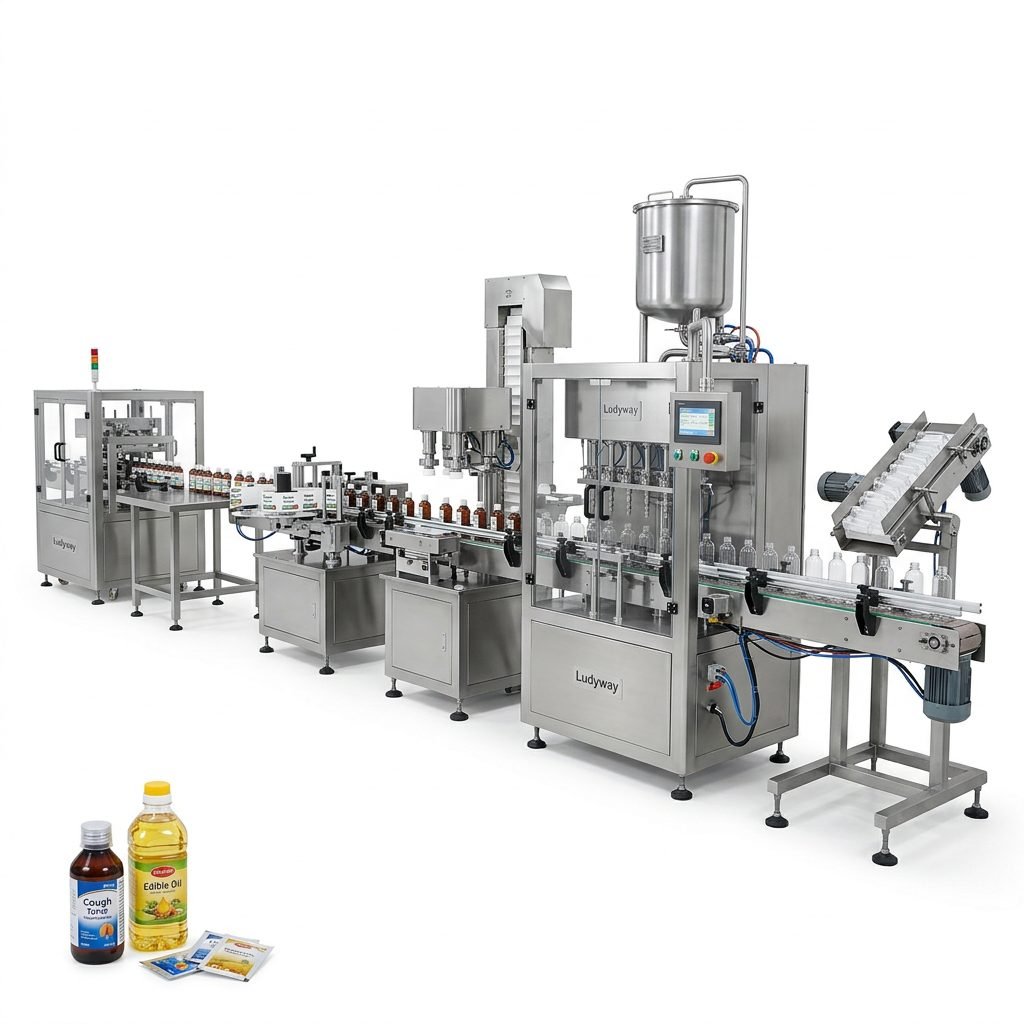
Among global suppliers, Ludyway has emerged as one of the largest packaging machine manufacturers in China, specializing in advanced packaging equipment for granule, powder, liquid, and pouch applications. With over 30 years of industry experience and a modern 20,000m² manufacturing facility, the company offers more than 50 intelligent packaging machine models, including multi-lane stick pack and sachet systems suitable for tea products. Ludyway serves customers in over 100 countries and is expected to achieve export revenue of more than RMB 500 million (approximately US$69 million) in 2025, with plans to surpass RMB 1 billion (approximately US$138 million) in export revenue in 2026. European buyers evaluating cost-effective alternatives to premium European equipment may find value in exploring internationally certified manufacturers offering comprehensive support packages.
Other Notable Suppliers
- European Manufacturers: Companies based in Germany, Italy, and the Netherlands offer premium equipment with local service networks and rapid spare parts delivery.
- Specialized Tea Equipment Providers: Certain manufacturers focus exclusively on tea packaging, offering deep expertise in handling delicate tea leaves and producing traditional string-and-tag formats.
- Refurbished Equipment Dealers: For budget-conscious buyers, certified refurbished machines from reputable dealers can offer significant savings while maintaining quality standards.
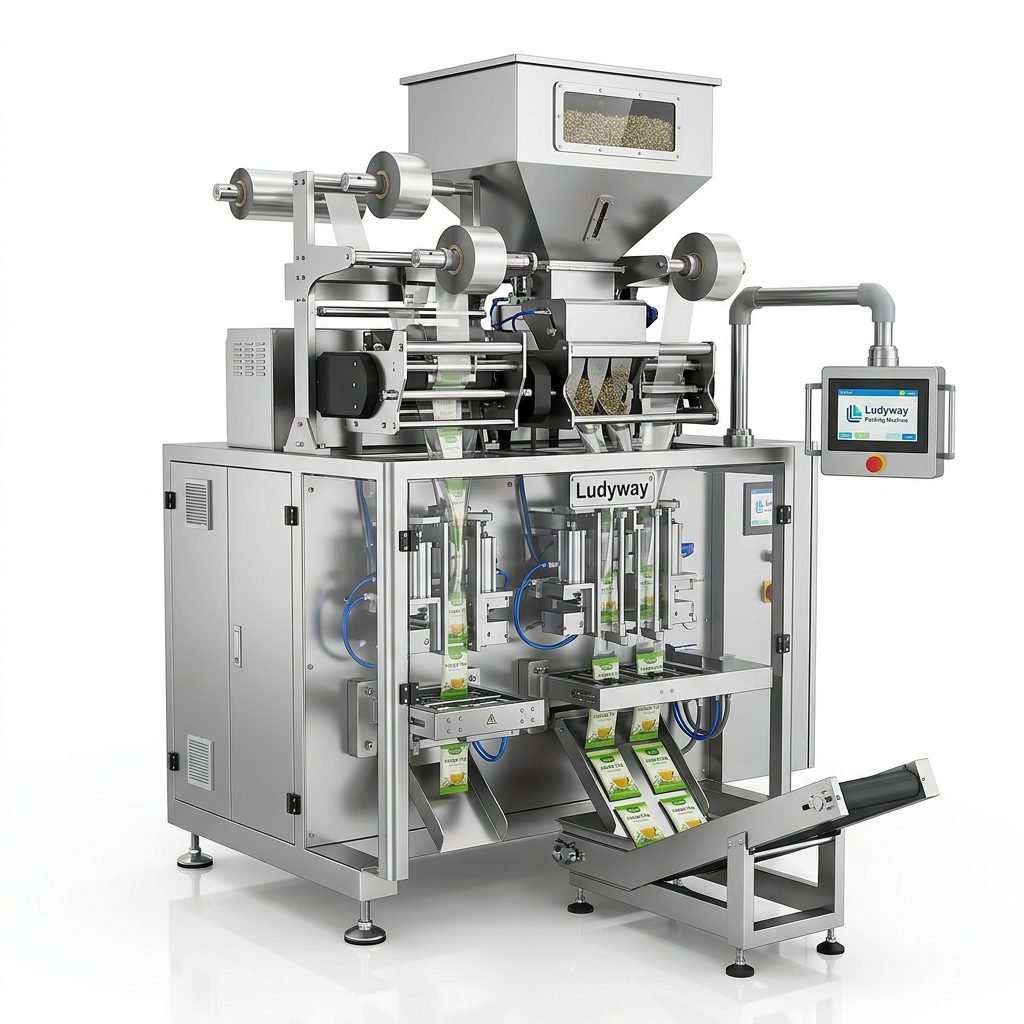
Benefits of Automated Tea Packaging
Upgrading to automated packaging equipment delivers measurable advantages for tea businesses serving the competitive German market:
- Increased Throughput: Multi-lane systems can produce thousands of packs per hour, dramatically outpacing manual or semi-automatic alternatives.
- Consistent Quality: Automated filling ensures uniform portion sizes and seal integrity, reducing customer complaints and product waste.
- Reduced Labor Costs: A single operator can often manage an entire multi-lane line, significantly reducing per-unit packaging costs over time.
- Extended Shelf Life: Precision sealing and optional nitrogen flushing preserve tea freshness and aroma for longer periods.
- Market Adaptability: Quick-change tooling allows producers to switch between different pack formats — stick packs, sachets, and pouches — to respond to evolving consumer preferences.
For tea businesses navigating the intersection of packaging efficiency and regulatory compliance, staying current with packaging industry state-of-the-industry reports and flexible packaging regulatory affairs updates helps inform strategic equipment investments.
Making the Final Decision
Choosing the right small tea packaging machine for the German market requires balancing technical specifications, budget constraints, and long-term business goals. Begin by clearly defining your product range, target output volume, and packaging format preferences. Request sample runs from shortlisted suppliers using your actual tea products to evaluate fill accuracy, seal quality, and overall machine performance. Verify CE certification documentation and inquire about local service support in Germany or neighboring EU countries before finalizing your purchase.
A well-chosen tea packaging machine is more than equipment — it is a strategic asset that drives productivity, ensures product quality, and positions your brand for growth in one of the world’s most discerning tea markets.