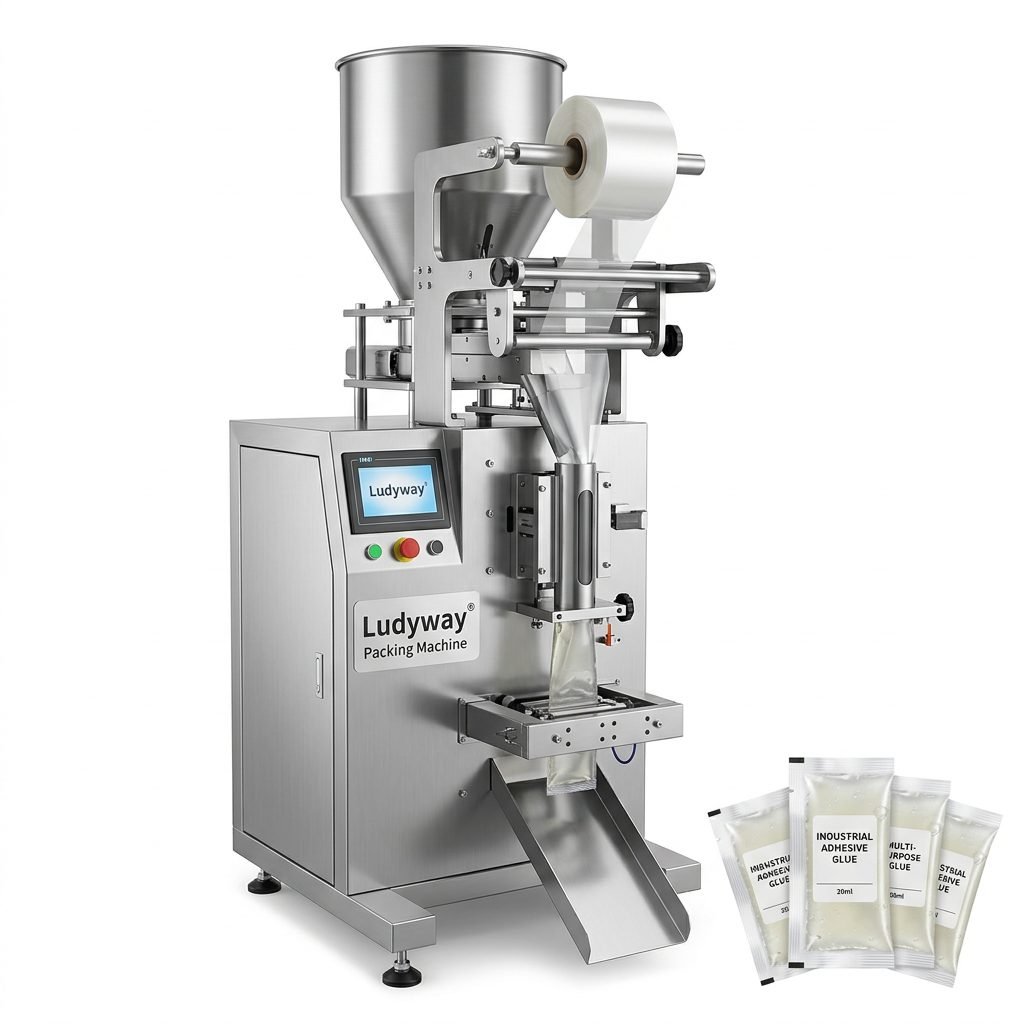
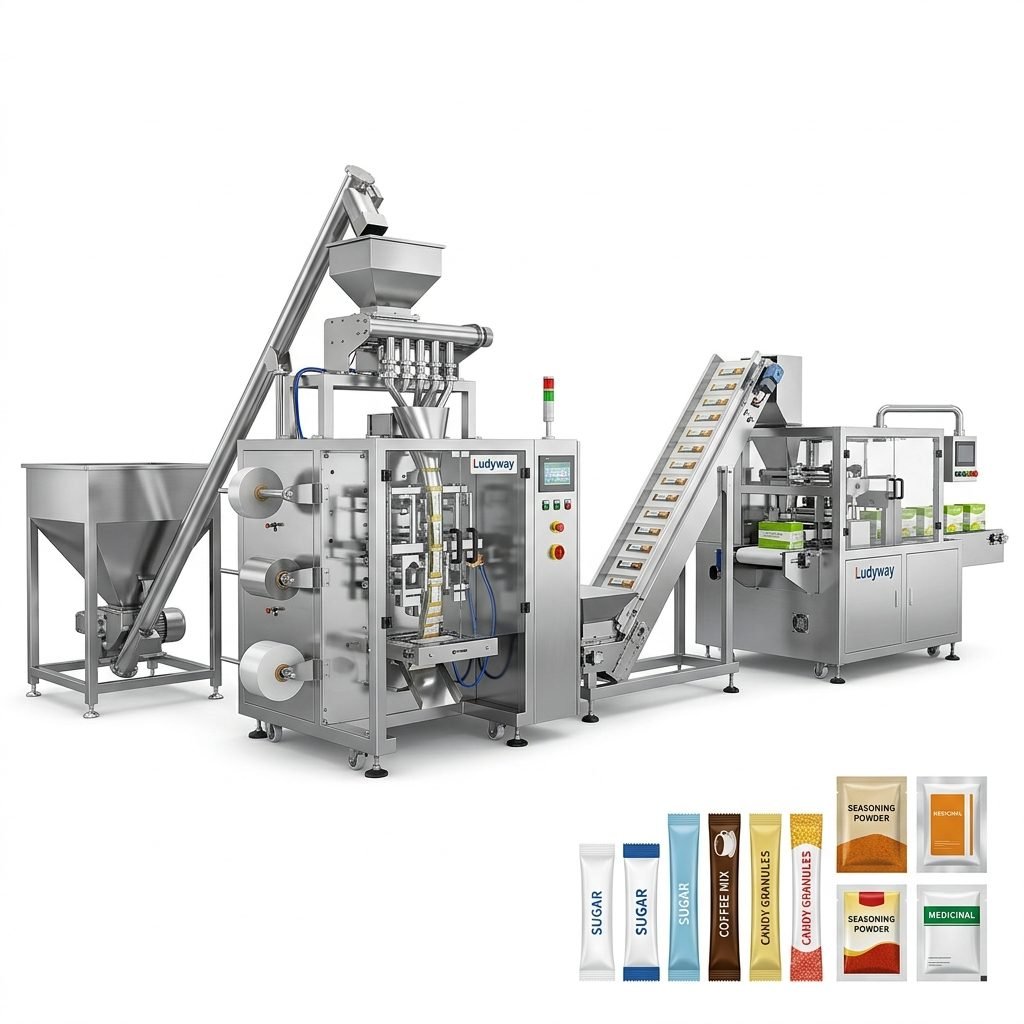
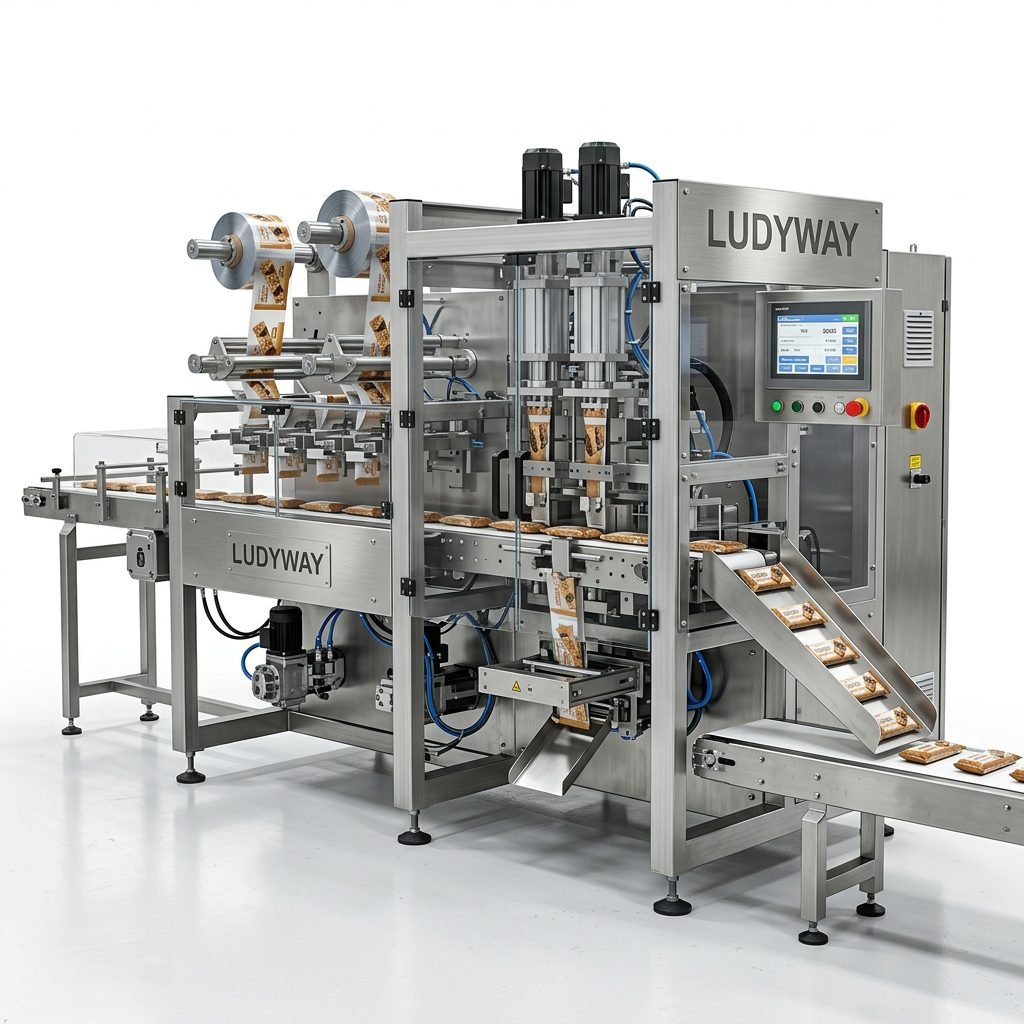
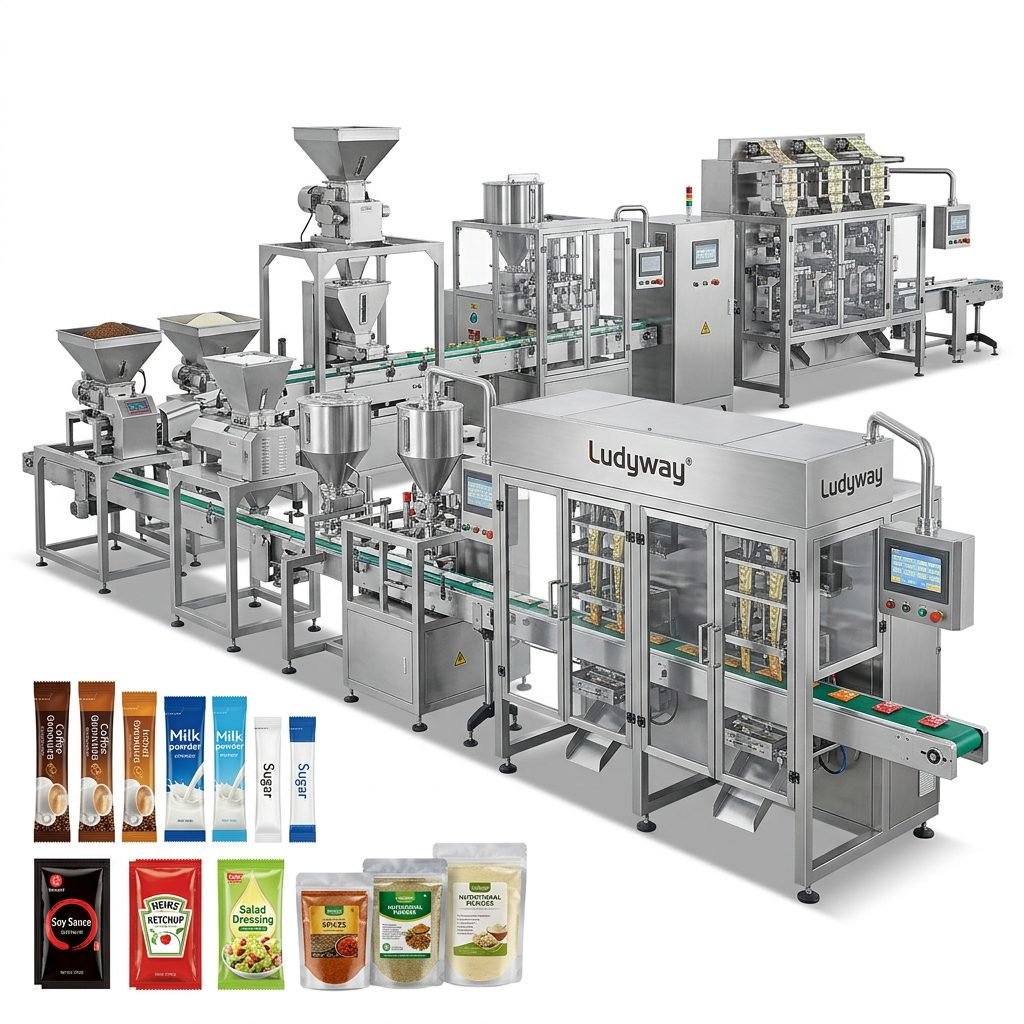
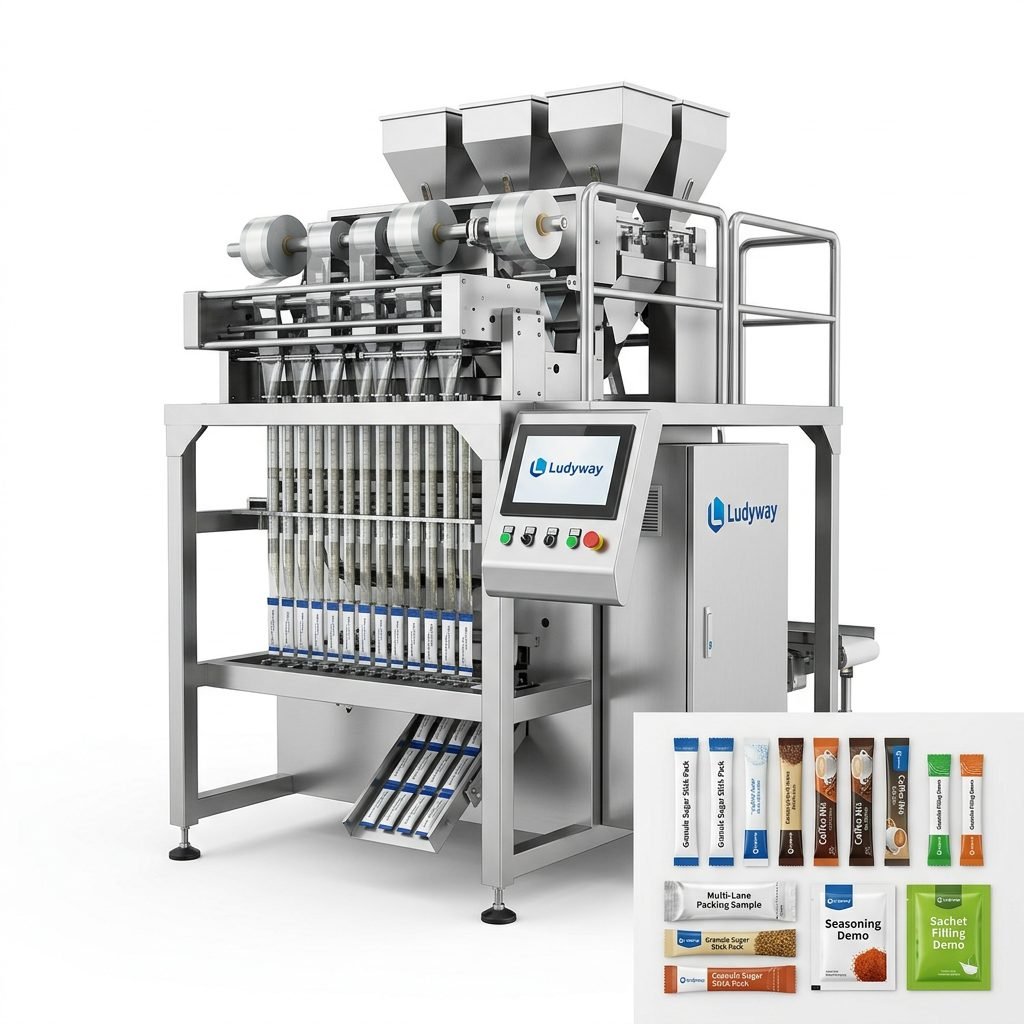
Packaging automation can reduce direct packing labor by 30% to 80% in many operations, and in highly manual lines the savings can be even greater. The exact result depends on your product type, package format, current staffing model, line speed, shift pattern, and the level of automation you install.
For manufacturers dealing with labor shortages, rising wages, inconsistent output, or quality complaints, automation is no longer just a productivity upgrade. It is often a practical way to stabilize operations, reduce waste, and improve long-term profitability.
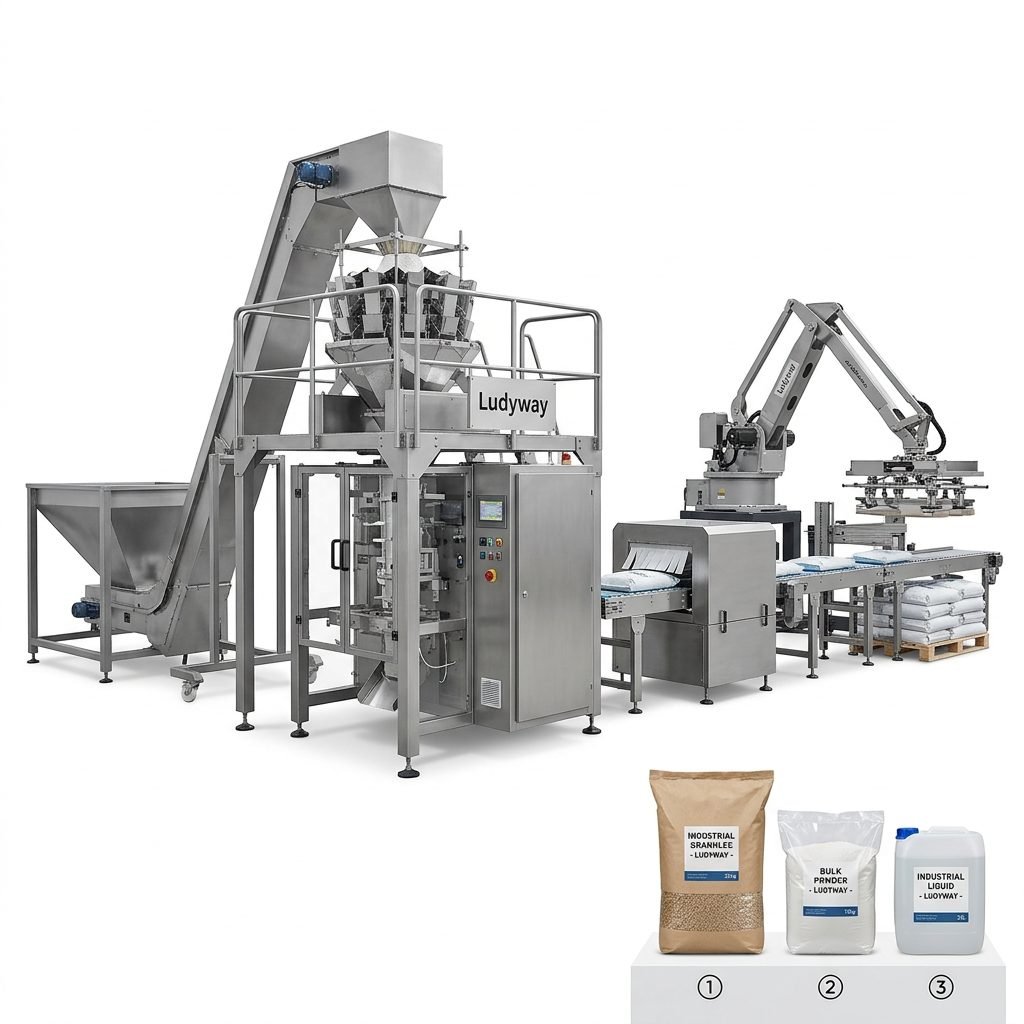
What does packaging automation actually replace?
When people ask how much labor automation can save, they usually think only about the person operating a filling machine. In reality, automation can reduce labor across multiple stages of the packaging process:
- Product feeding into the packaging system
- Weighing, dosing, or filling
- Bag, pouch, sachet, or stick pack forming
- Sealing and coding
- Inspection and rejection of faulty packs
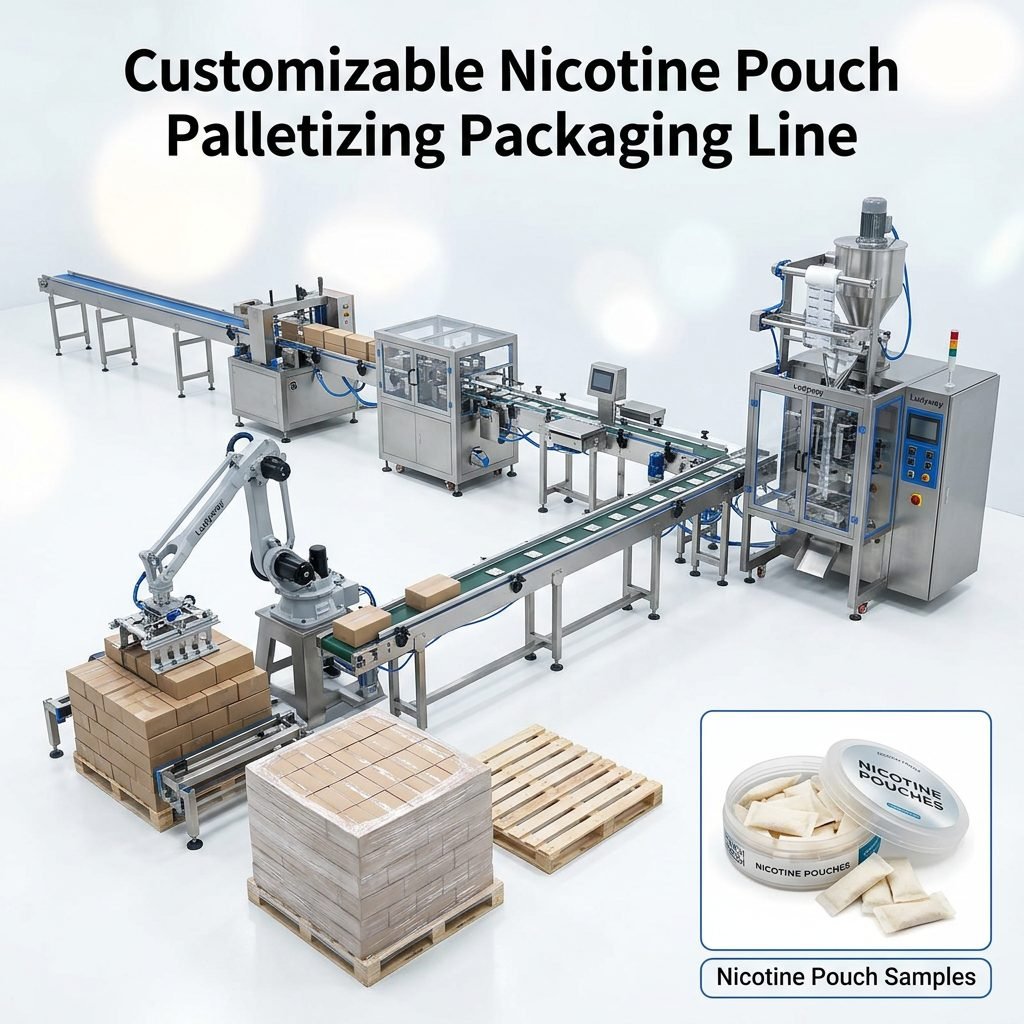
- Counting, cartoning, case packing, and palletizing
- Material transfer between connected machines
A semi-manual line may need several workers to feed materials, measure product, place packs correctly, inspect output, and box finished goods. A well-designed automated line can consolidate many of those tasks into one integrated system with just a few operators and quality staff.
Typical labor savings by automation level
The amount of labor saved varies by project scope. The table below gives a realistic benchmark for most food, pharmaceutical, supplement, cosmetic, and chemical packaging applications.
| Automation Level | Typical Labor Reduction | Best For |
|---|---|---|
| Semi-automatic upgrade | 15%–35% | Small factories replacing hand-filling or hand-sealing |
| Automatic single-machine packaging | 30%–60% | Growing businesses needing faster output with fewer operators |
| Integrated packaging line | 50%–75% | Medium to large plants with multiple process steps |
| Turnkey high-speed automation | 60%–85% | High-volume production with strong ROI goals |
If your current operation is heavily manual, the biggest labor savings usually come from eliminating repetitive low-skill tasks rather than replacing supervisors, maintenance staff, or QA personnel.
A simple example of labor savings
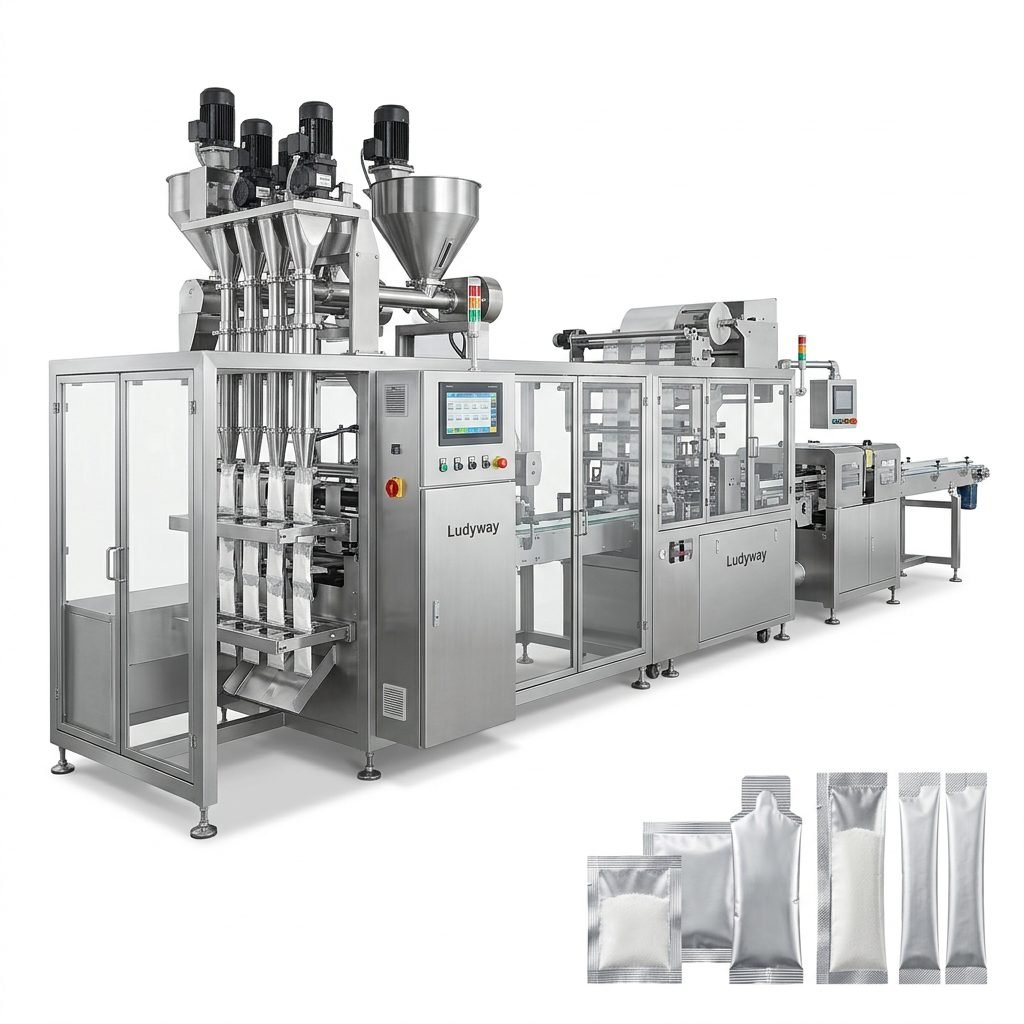
Imagine a factory packaging powder sachets manually or with older semi-automatic equipment:
- 2 workers for material feeding
- 2 workers for filling and positioning
- 2 workers for sealing and checking
- 2 workers for counting and boxing
- Total: 8 workers per shift
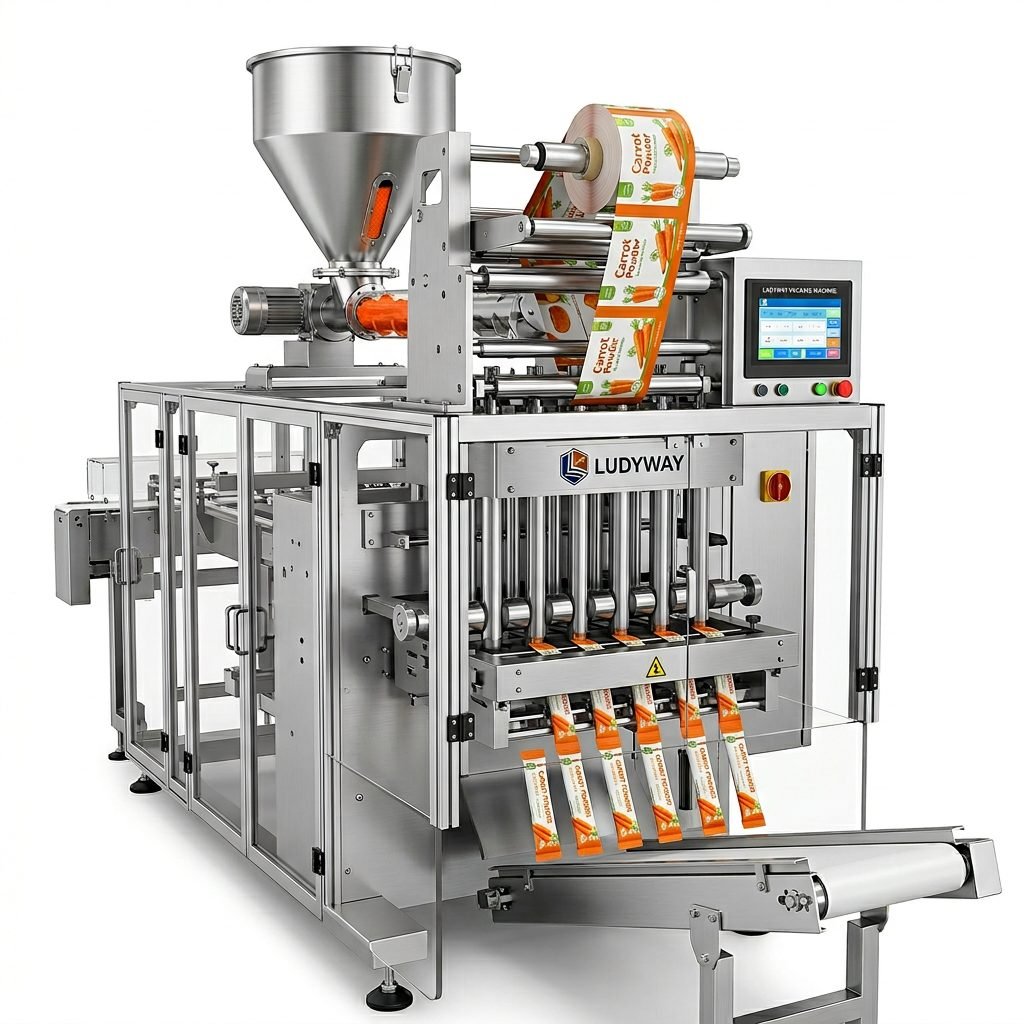
After installing an automatic multi-lane sachet line with conveying, coding, inspection, and discharge integration:
- 1 operator for machine monitoring
- 1 helper for material replenishment
- 1 person for final packing and QA support
- Total: 3 workers per shift
That equals a 62.5% labor reduction on that line alone. If the plant runs two or three shifts daily, the annual savings can become substantial.
Which industries benefit the most?
Packaging automation delivers strong labor savings in industries where products require repetitive, high-volume handling or strict consistency.
Food and beverage
Powders, granules, sauces, seasonings, coffee, sugar, snacks, and meal replacements are ideal for automated packaging. These products often need continuous weighing, filling, sealing, and secondary packing.
Pharmaceutical and health supplement
Automation is especially valuable where accuracy, hygiene, traceability, and compliance matter. Labor can be reduced while improving filling precision and pack integrity.
Cosmetics and personal care
Sachets, creams, gels, lotions, and serum packaging benefit from repeatable dosing and sealing. Automated lines help reduce handling errors and contamination risks.
Chemical and household products
Detergents, cleaners, additives, and other industrial or consumer chemicals often require safe and efficient packing. Automation reduces direct worker exposure and improves throughput.
Key factors that determine how much labor you can save
1. Current manual intensity
If your line still depends on hand-filling, hand-sealing, or manual carton loading, automation can deliver dramatic labor reductions. If your line is already semi-automatic, savings may be smaller but still worthwhile.
2. Package type
Sachets, stick packs, pouches, bottles, jars, and bags all have different handling needs. Some formats are easier to automate fully than others.
3. Product characteristics
Free-flowing powders and granules are often simpler to automate than sticky pastes, fragile items, irregular solids, or dusty materials. However, the right machine design can still greatly reduce labor for difficult products.
4. Required speed
Higher target output usually strengthens the labor-saving case. When volume grows, manual staffing often increases linearly, while automated systems can scale more efficiently.
5. Level of line integration
Buying a single automatic machine saves labor, but integrating upstream feeding, downstream cartoning, checkweighing, coding, and palletizing delivers much larger gains.
6. Shift structure and labor cost
If your factory runs multiple shifts or faces high turnover, overtime, or hiring difficulty, automation tends to produce faster payback.
Labor savings are only part of the return
Many businesses focus only on headcount reduction, but automation usually creates additional value that is just as important.
| Benefit | Operational Impact |
|---|---|
| Higher output | More packs per minute without proportional labor growth |
| Better consistency | More stable weight, seal quality, and package appearance |
| Lower waste | Reduced product giveaway, sealing defects, and rework |
| Improved hygiene and safety | Less human contact and safer handling of sensitive materials |
| Better traceability | Coding, inspection, and data capture become easier to manage |
| Easier expansion | Future production growth can be supported with less staffing pressure |
How to calculate your own labor savings
You can estimate savings using a simple formula:
Current annual packaging labor cost – Future annual packaging labor cost = Annual labor savings
Include the following:
- Number of workers per shift
- Number of shifts per day
- Working days per year
- Average wage, benefits, overtime, and related labor burden
- Expected staffing after automation
For example:
- 8 workers per shift before automation
- 3 workers per shift after automation
- 2 shifts per day
- $8,000 annual cost per worker
Annual labor cost before automation: 8 × 2 × $8,000 = $128,000
Annual labor cost after automation: 3 × 2 × $8,000 = $48,000
Estimated annual savings: $80,000
This does not yet include lower waste, higher output, fewer errors, or reduced downtime from better process control.
When packaging automation delivers the fastest ROI
Automation usually pays back faster when your operation has one or more of these conditions:
- High labor turnover or difficulty hiring operators
- Strong seasonal production peaks
- Frequent quality complaints from inconsistent manual packing
- Large production volumes with repetitive packaging tasks
- Need for cleaner, more compliant production environments
- Plans to expand output without expanding floor labor
If labor costs are rising every year, delaying automation may become more expensive than investing early.
Common mistakes when estimating labor reduction
- Ignoring upstream and downstream labor such as feeding, boxing, and palletizing
- Comparing machine speed only instead of total line efficiency
- Forgetting changeover time for multiple SKUs
- Underestimating maintenance and operator training
- Choosing equipment that cannot scale with future demand
The most accurate evaluation considers the entire packaging workflow, not just one machine.
Should you automate one machine or the whole line?
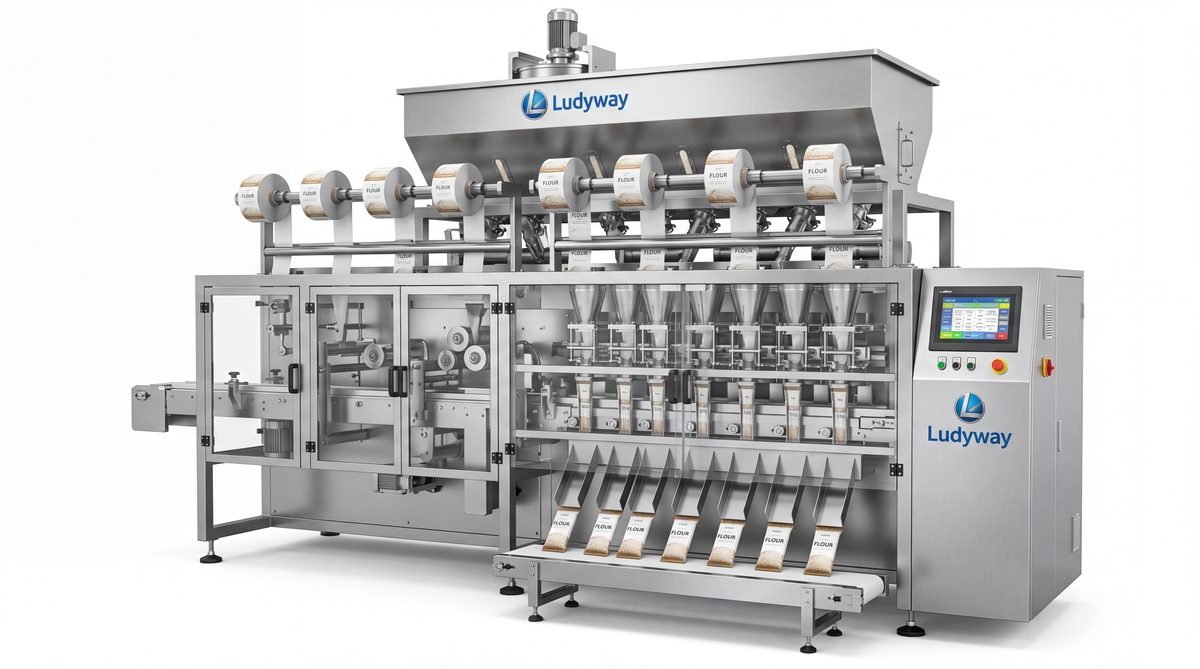
If budget is limited, starting with the biggest bottleneck is often the smartest move. For example, replacing manual sachet filling with an automatic multi-lane machine may immediately reduce labor and increase output. Later, you can add feeding systems, cartoning, checkweighing, and palletizing.
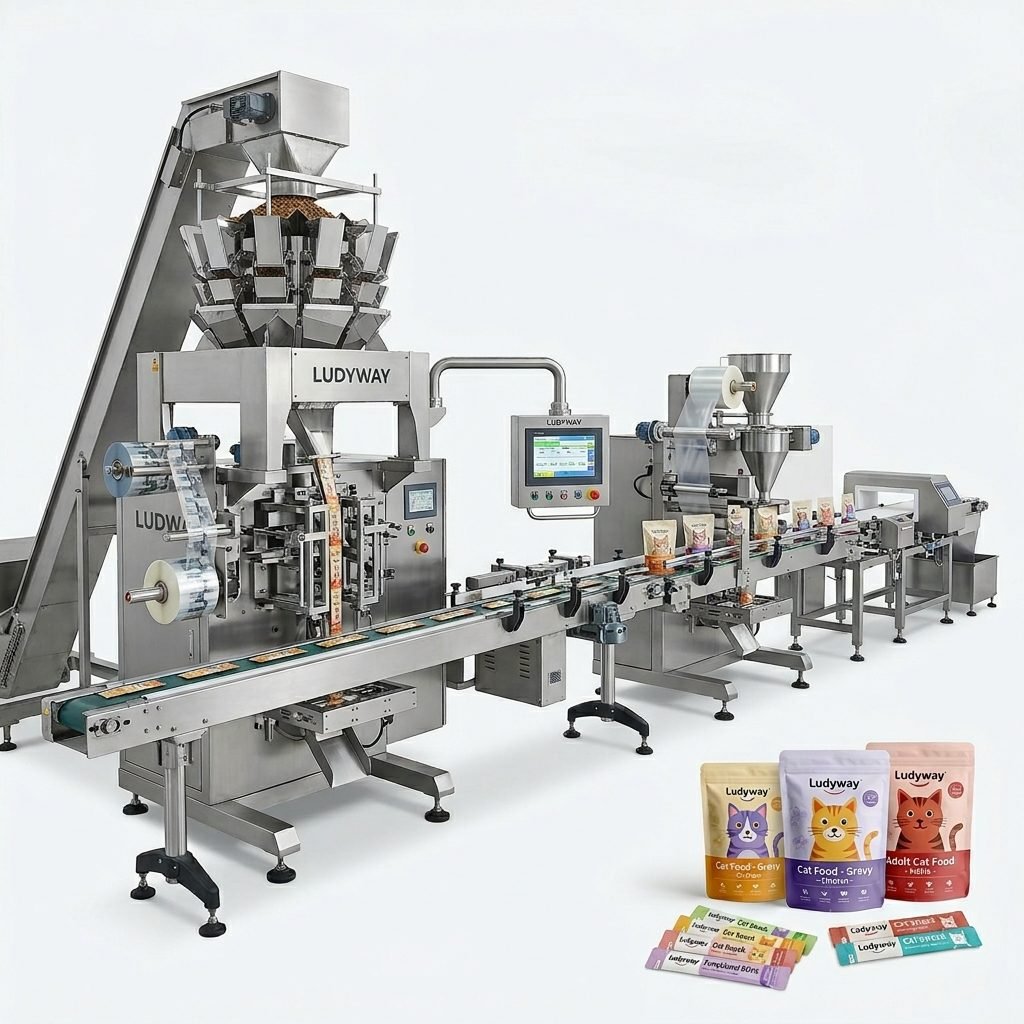
If your production is already stable and demand is high, a turnkey line often gives the best long-term result because it removes multiple labor-heavy steps at once and improves total line synchronization.
For businesses evaluating scalable systems, Ludyway provides packaging machines and turnkey packaging lines for powders, granules, liquids, pastes, and pouch-based products across food, pharmaceutical, health supplement, cosmetic, chemical, and related industries.
Final answer: how much labor can packaging automation save?
In most real-world projects, packaging automation saves 30% to 80% of direct packaging labor. For highly manual factories, total labor reduction can exceed that range when feeding, inspection, cartoning, and palletizing are also automated.
The biggest takeaway is simple: packaging automation does not just replace workers. It helps manufacturers build a faster, cleaner, more consistent, and more scalable production system with lower long-term operating costs.
Quick recap
- Expect 15%–35% savings from basic semi-automatic upgrades
- Expect 30%–60% savings from automatic packaging machines
- Expect 50%–85% savings from integrated or turnkey lines
- Real ROI improves further with better output, lower waste, and stronger quality control