Investing in a commercial tea packaging machine is a significant decision for any tea producer, whether you are a small artisanal brand or a large-scale manufacturer. Understanding the cost breakdown is essential for budgeting and ensuring you select the right equipment for your production needs. Prices can range dramatically based on the level of automation, speed, and the type of packaging format you require.
Key Factors Influencing Tea Packaging Machine Pricing
The final cost of your machinery is determined by several technical and operational variables. It is rarely a one-size-fits-all figure. Here are the primary components that drive the investment:
- Level of Automation: Semi-automatic machines require manual intervention and are cheaper, while fully automatic packaging lines that handle filling, sealing, and cutting command a premium.
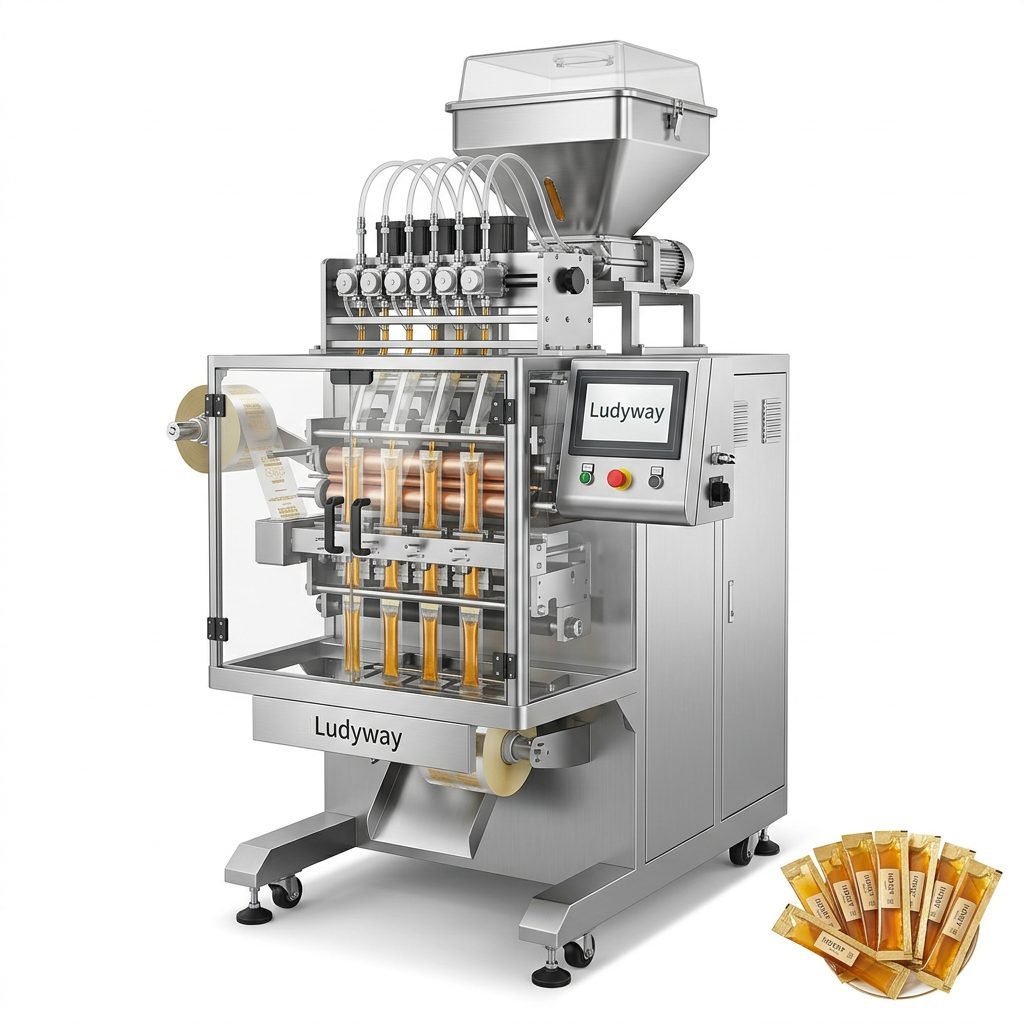
- Speed and Output: Machines measured in packs per minute (ppm) scale in cost. A high-speed multi-lane stick pack machine will cost significantly more than a single-lane sachet model.
- Packaging Format: The choice between stick packs, flat sachets, or gusseted pouches requires specific tooling and sealing mechanisms.
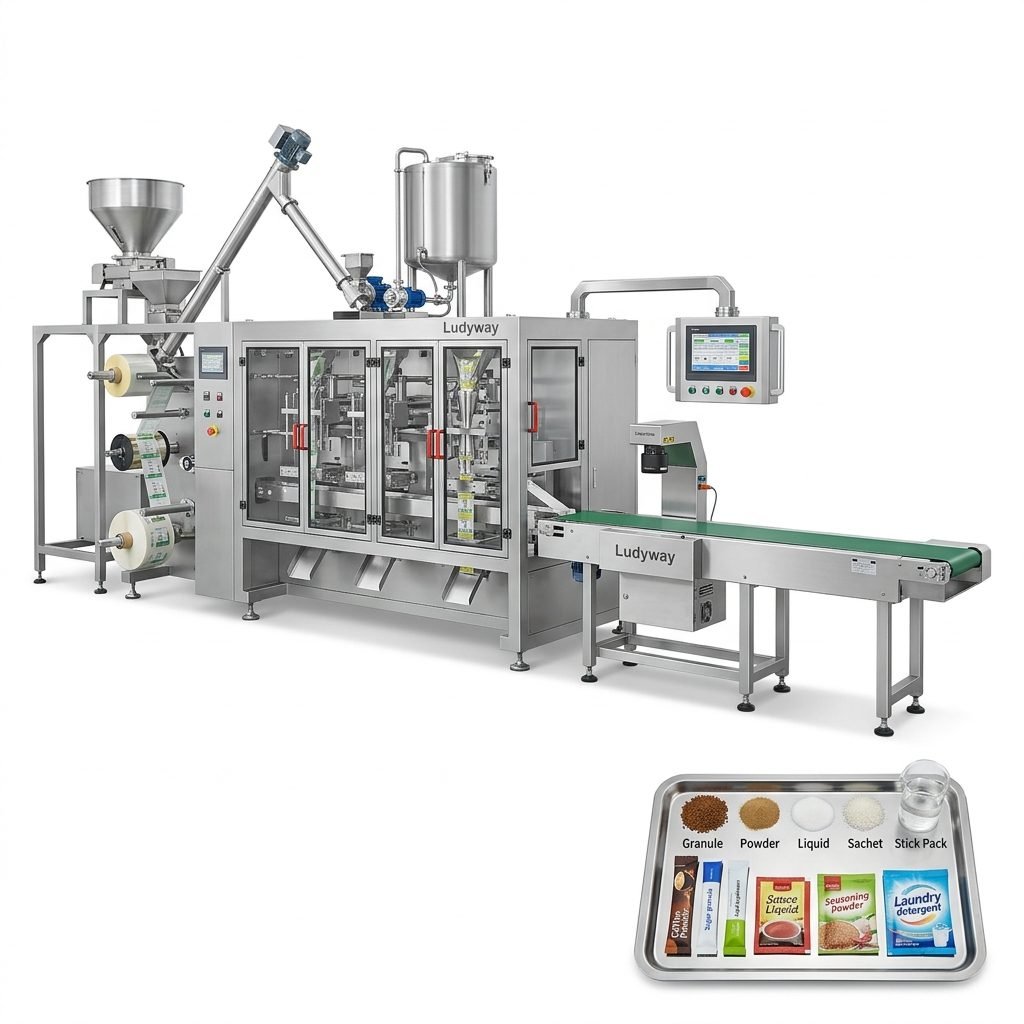
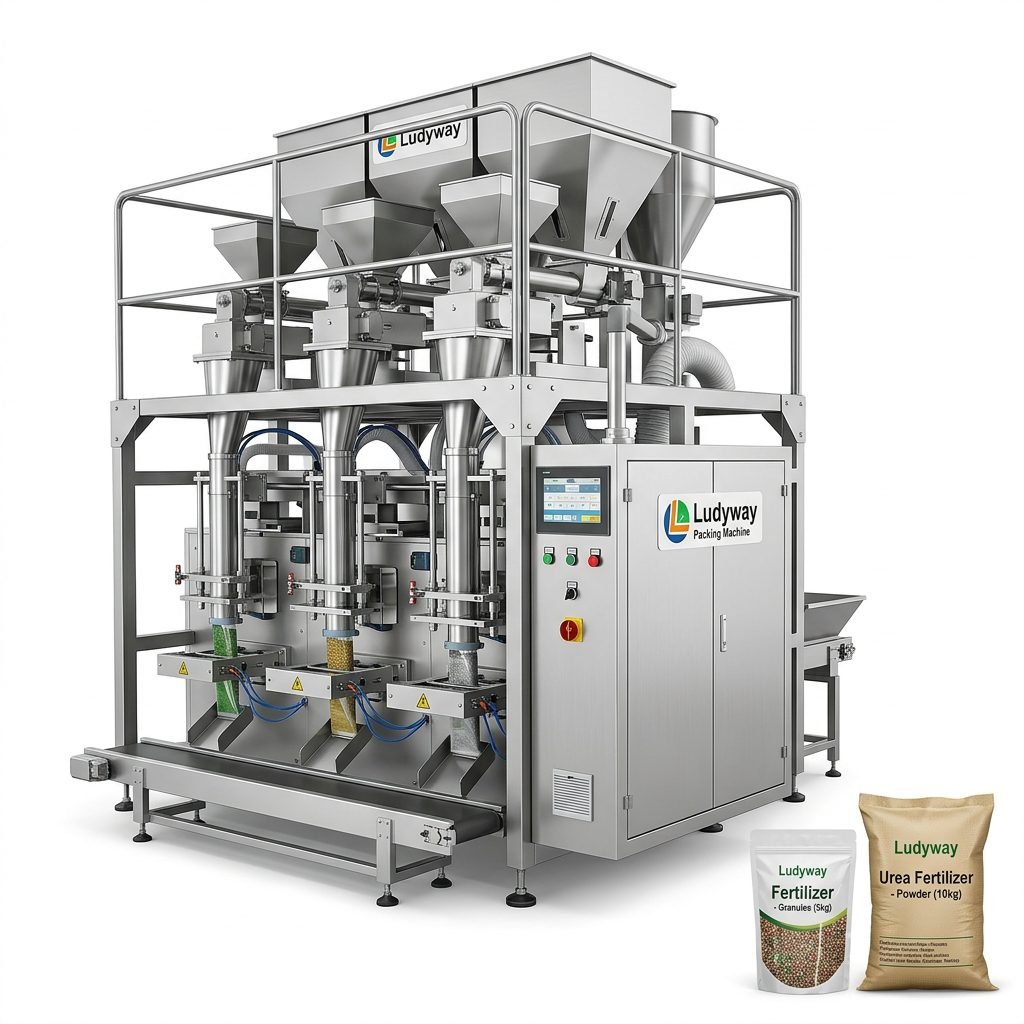
- Material Compatibility: Handling fine herbal powders, dusty matcha, or coarse granule blends requires different feeding systems like auger fillers or volumetric cup fillers.
Entry-Level vs. Industrial Tea Packaging Solutions
For small startups, a basic granule and powder sachet machine might suffice. However, scaling up requires robust industrial systems. The table below provides a general overview of the investment spectrum for different machine tiers.
| Machine Type | Typical Speed | Features | Estimated Price Range (USD) |
|---|---|---|---|
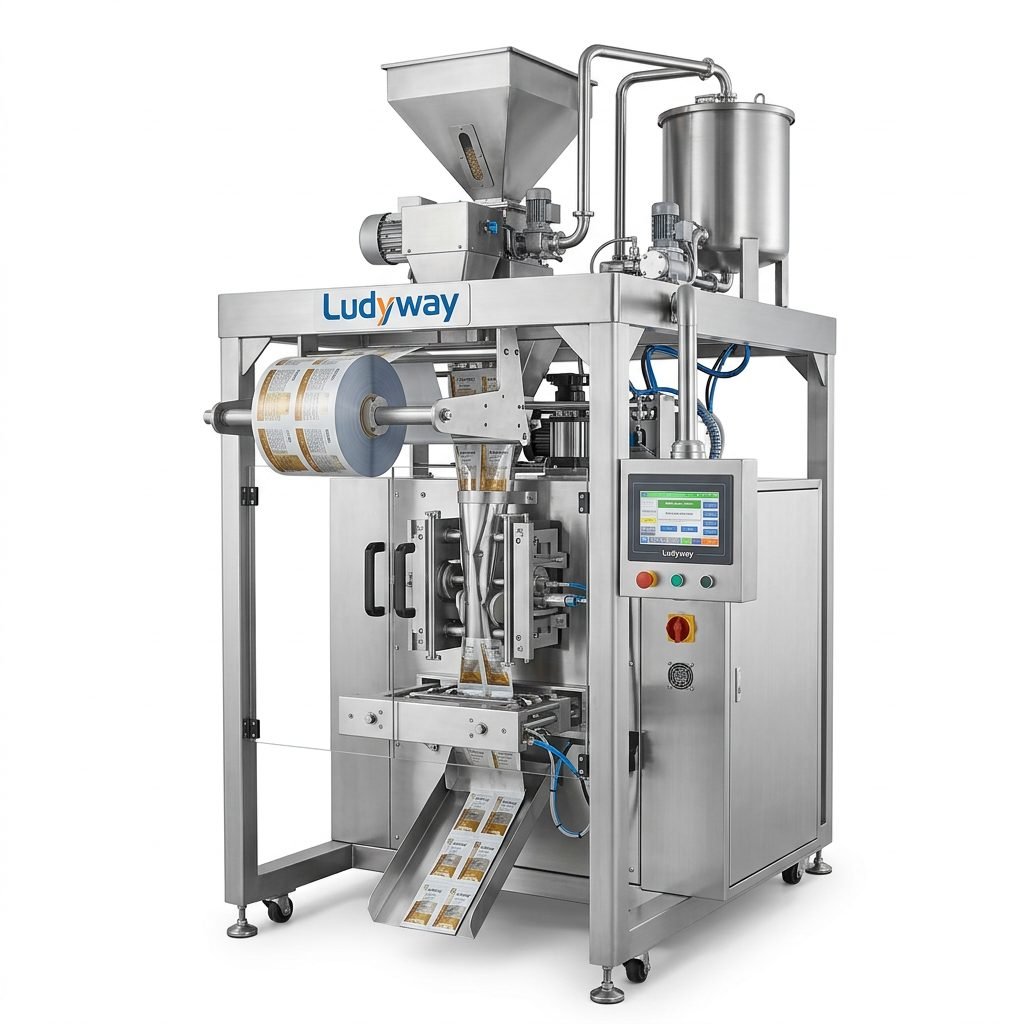
| Single-Lane Sachet Machine | 30-60 ppm | Basic PLC control, photoelectric eye | $5,000 – $15,000 |
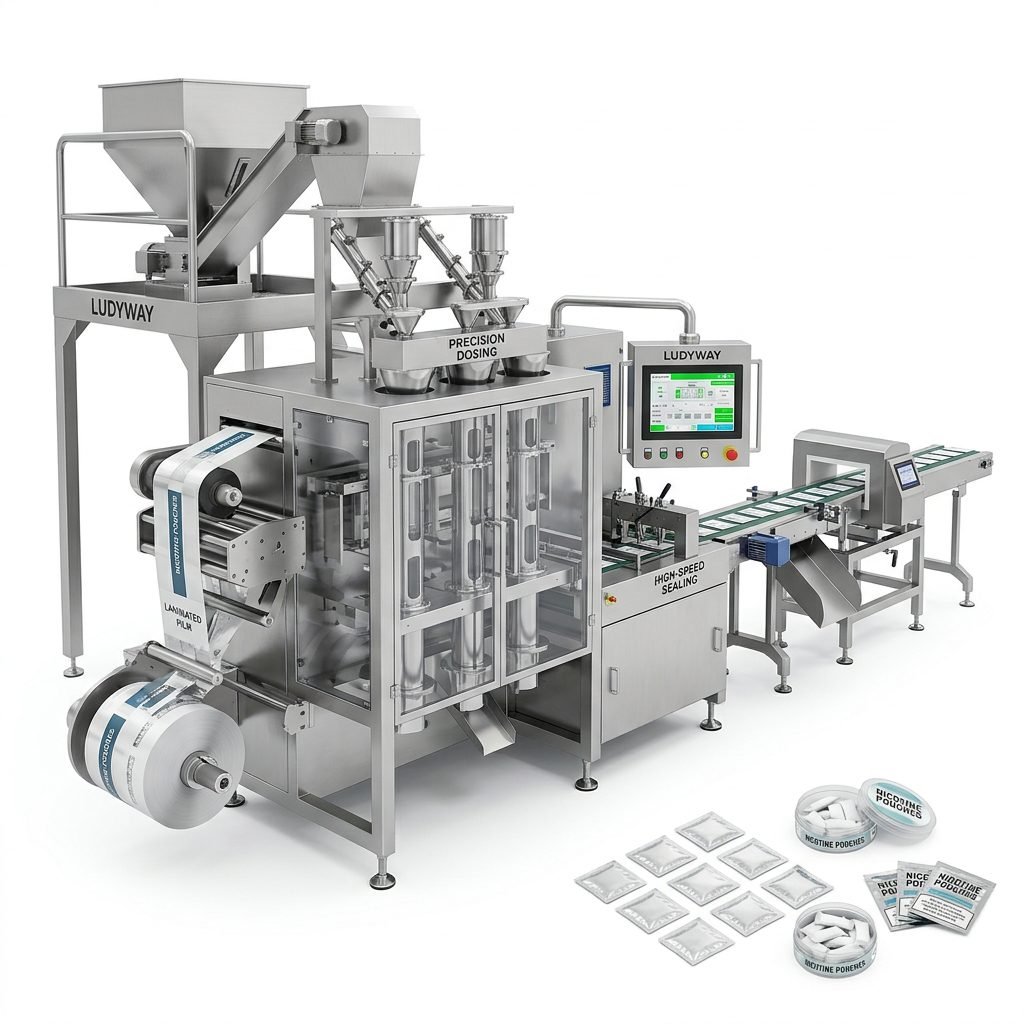
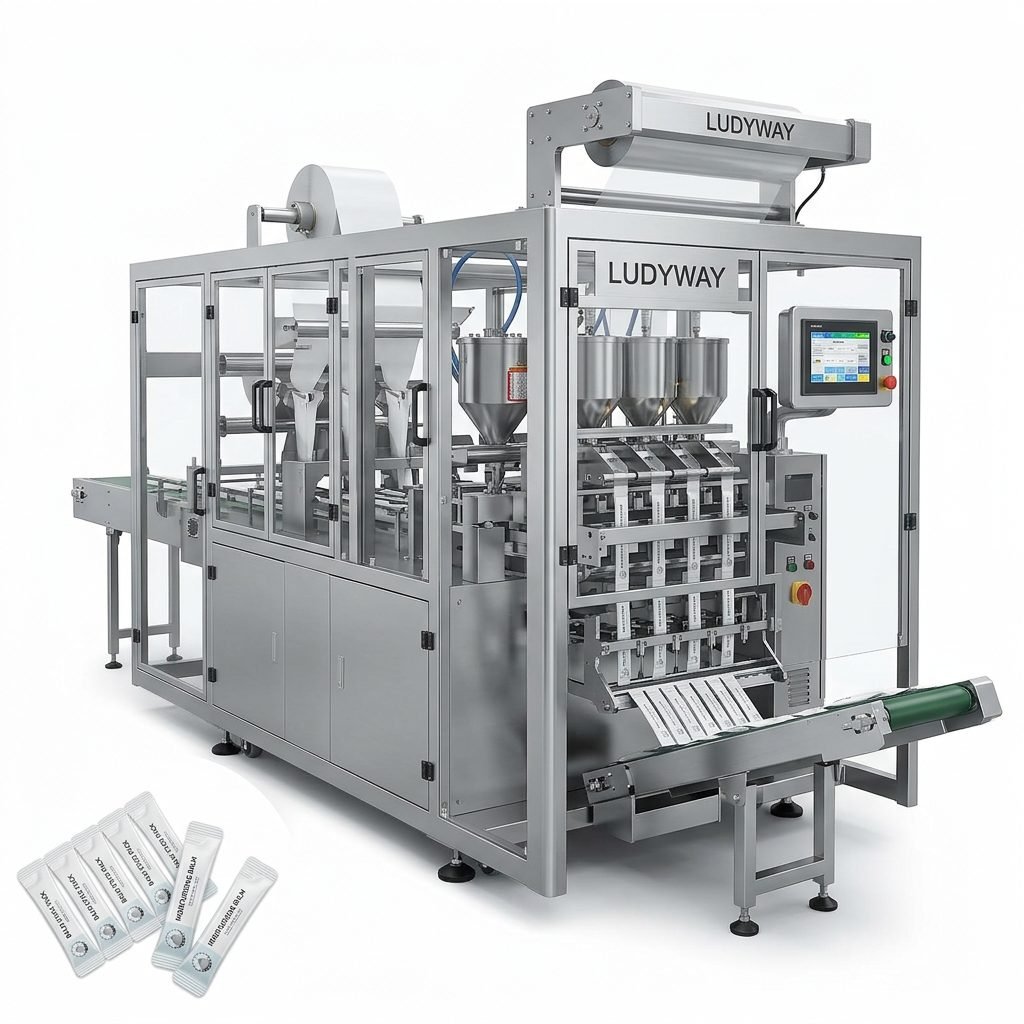
| Multi-Lane Stick Pack Machine | 200-600 ppm | Servo-driven, 4-12 lanes, automated cutting | $30,000 – $90,000 |
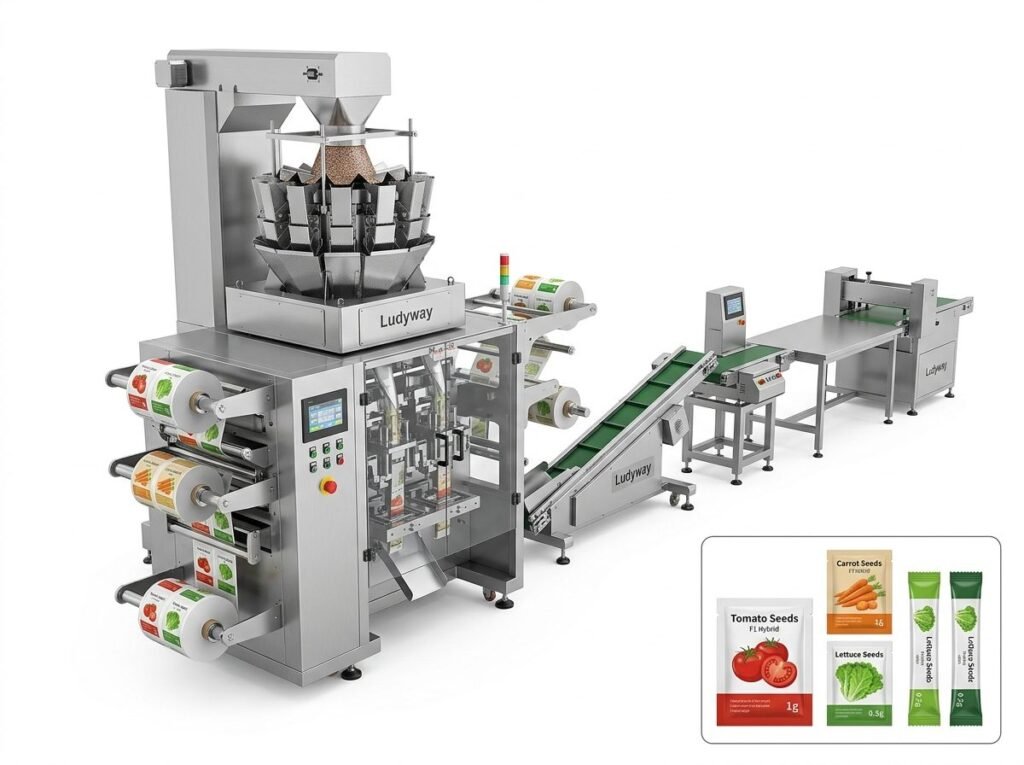
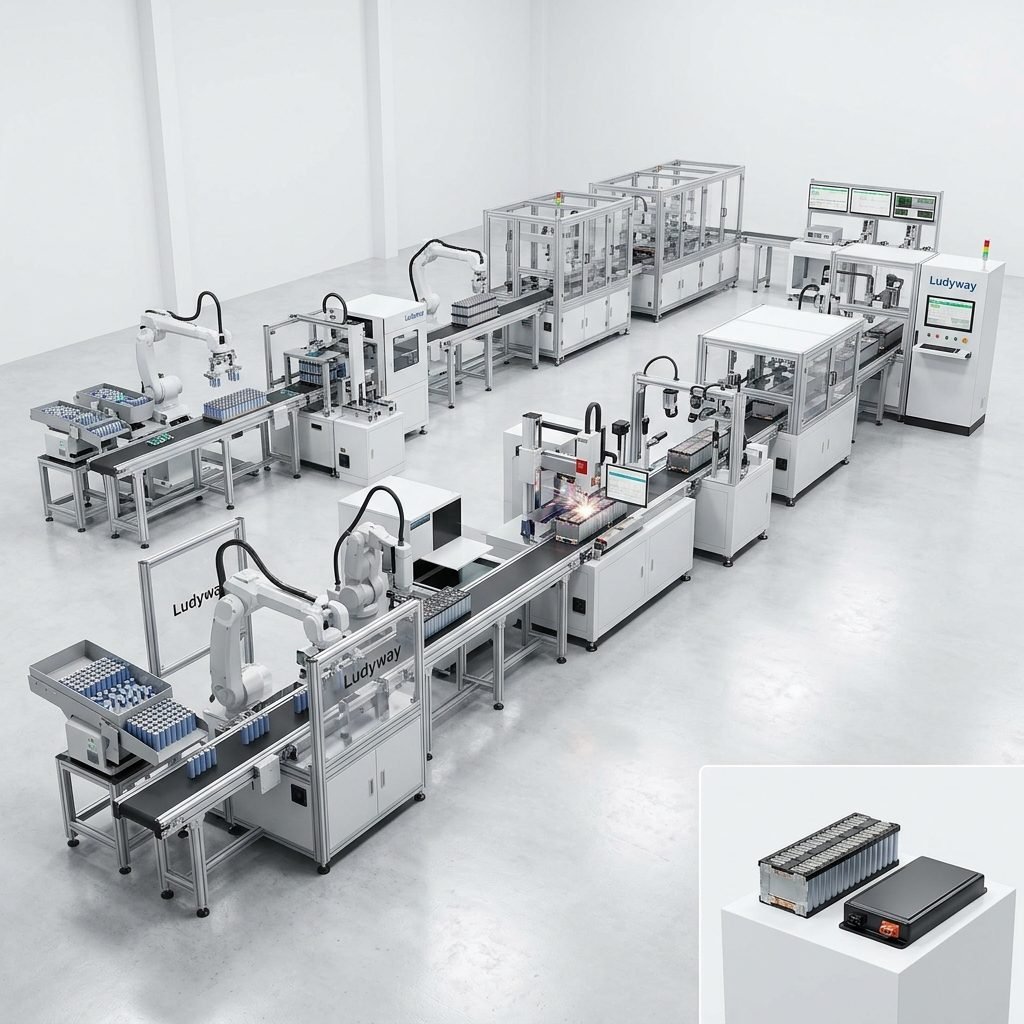
| Complete Turnkey Production Line | Custom | Includes conveyor, cartoner, checkweigher | $100,000 – $500,000+ |
Why Multi-Lane Stick Pack Machines Offer the Best ROI
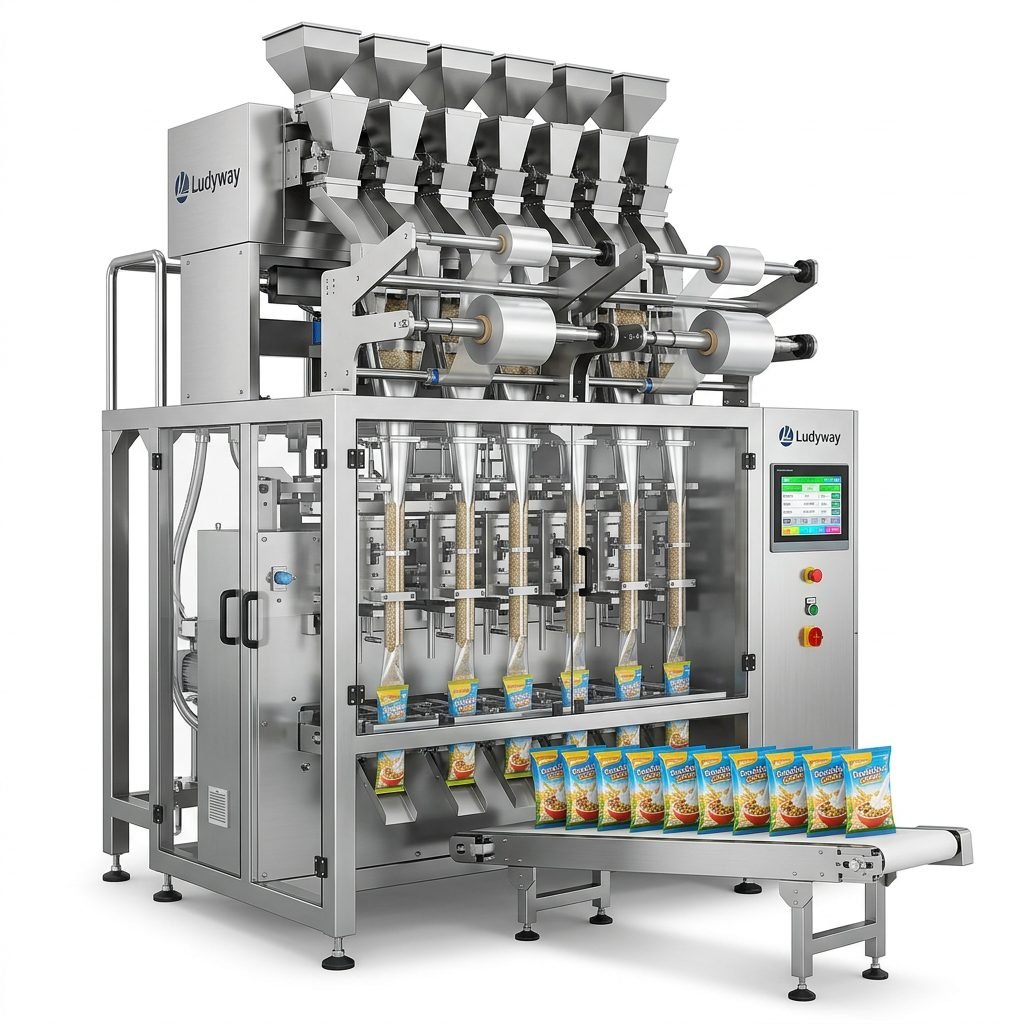
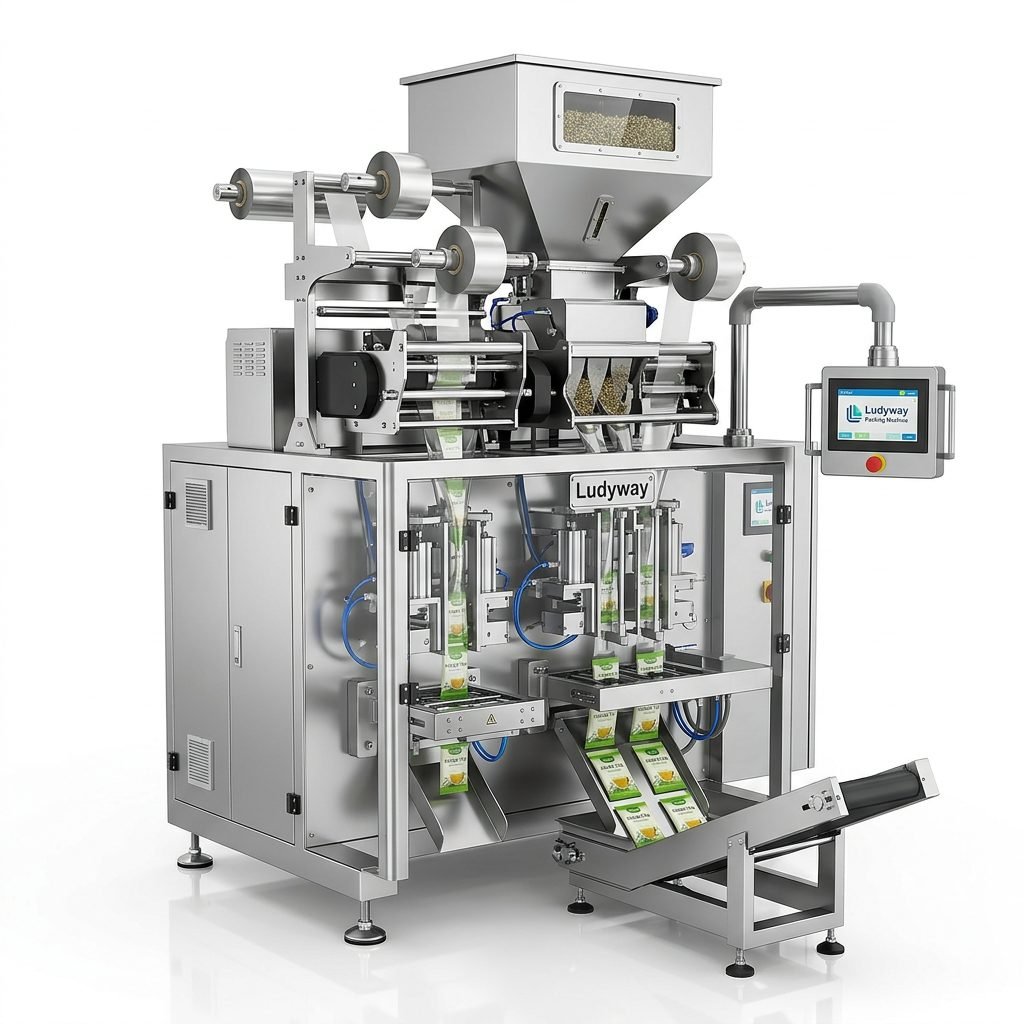
For medium to large tea producers, the multi-lane stick pack machine has become the industry gold standard. These systems, often seen in modern tea packaging systems, deliver unmatched efficiency. By running multiple lanes simultaneously, they drastically reduce the cost per pack while maintaining precise weight accuracy—critical for expensive ingredients like matcha or organic herbal blends.
Additional Cost Considerations: Auxiliary Equipment
The base machine is only part of the equation. To run an efficient operation, you must budget for auxiliary components that ensure quality and longevity:
- Feeding Systems: Vibratory feeders or auger powder fillers for sticky or fine tea powders.
- Printing and Coding: Thermal transfer printers for batch numbers and expiry dates add to the initial packaging machine investment.
- Quality Control: Integrated checkweighers and metal detectors to comply with food safety standards.
- Nitrogen Flushing: Essential for extending the shelf life of premium green or black teas by removing oxygen.
Choosing the Right Manufacturer for Your Investment
It is critical to select a manufacturer that offers not just competitive pricing but also reliability and after-sales support. Lower upfront costs can sometimes translate to higher downtime and maintenance in the long run. Look for partners with a proven track record in engineering robust, high-precision filling systems. For instance, Ludyway has been dedicated to providing efficient tea packaging solutions for over 30 years, specializing in advanced equipment that handles granule, powder, and liquid applications across global markets.

New vs. Used Machinery: Weighing the Risks
While a used commercial tea bag machinery might cost 50-70% less, it often lacks warranty and modern digital controls. For businesses scaling up, the precision of new servo-driven models significantly reduces material wastage—a major cost factor when dealing with premium loose-leaf tea or specialty pyramids.
Maintenance and Operational Costs
Beyond the initial purchase, factor in the total cost of ownership. This includes spare parts (sealing jaws, Teflon tape, cutting blades), energy consumption, and operator training. High-quality machines often feature modular designs, making maintenance faster and minimizing production line halts.
Conclusion: Making an Informed Decision
The cost of a commercial tea packaging machine is influenced by speed, format, and automation level. While entry-level models might fit a startup budget, a robust multi-lane automation system is indispensable for scaling. Instead of viewing it as an expense, consider it a strategic asset that directly impacts product quality, shelf life, and market competitiveness. Evaluating the true value through the lens of efficiency and long-term reliability will guide you to the most sustainable investment for your tea packing business.