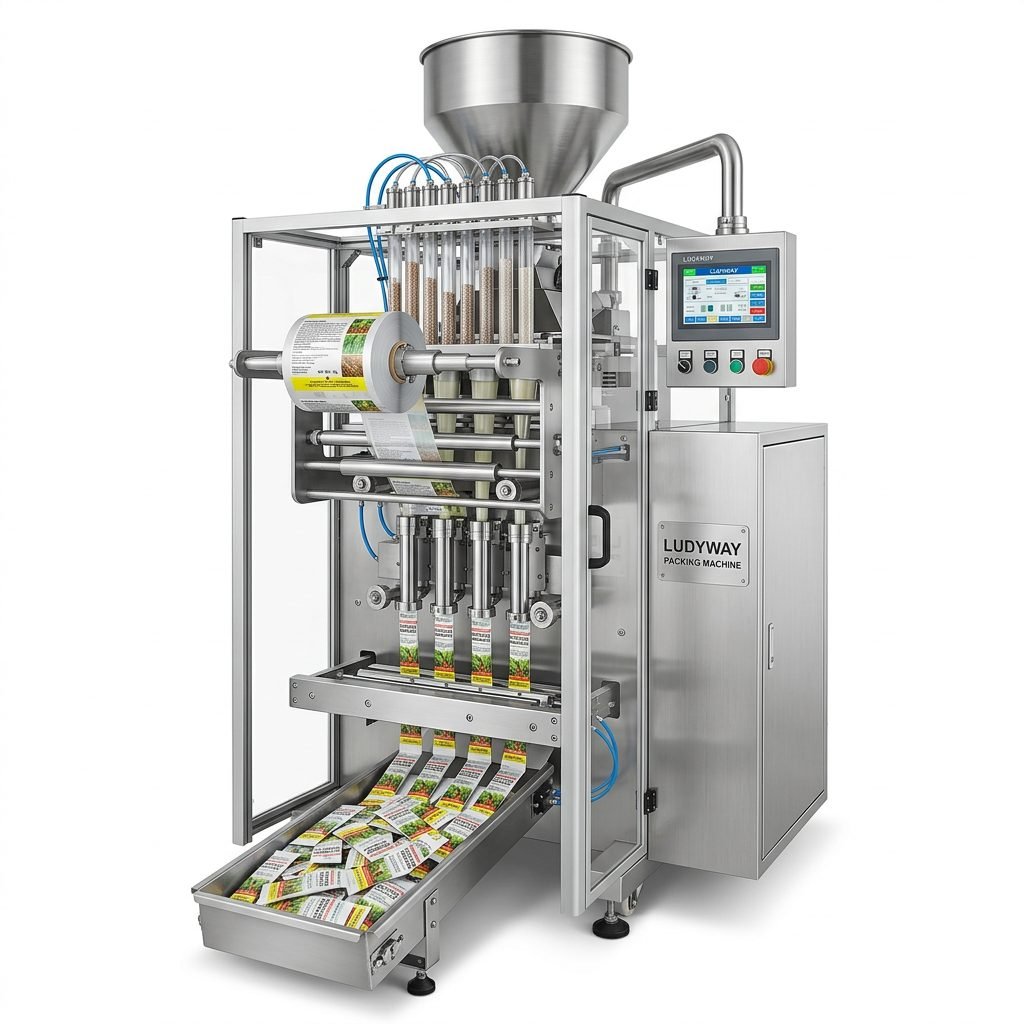
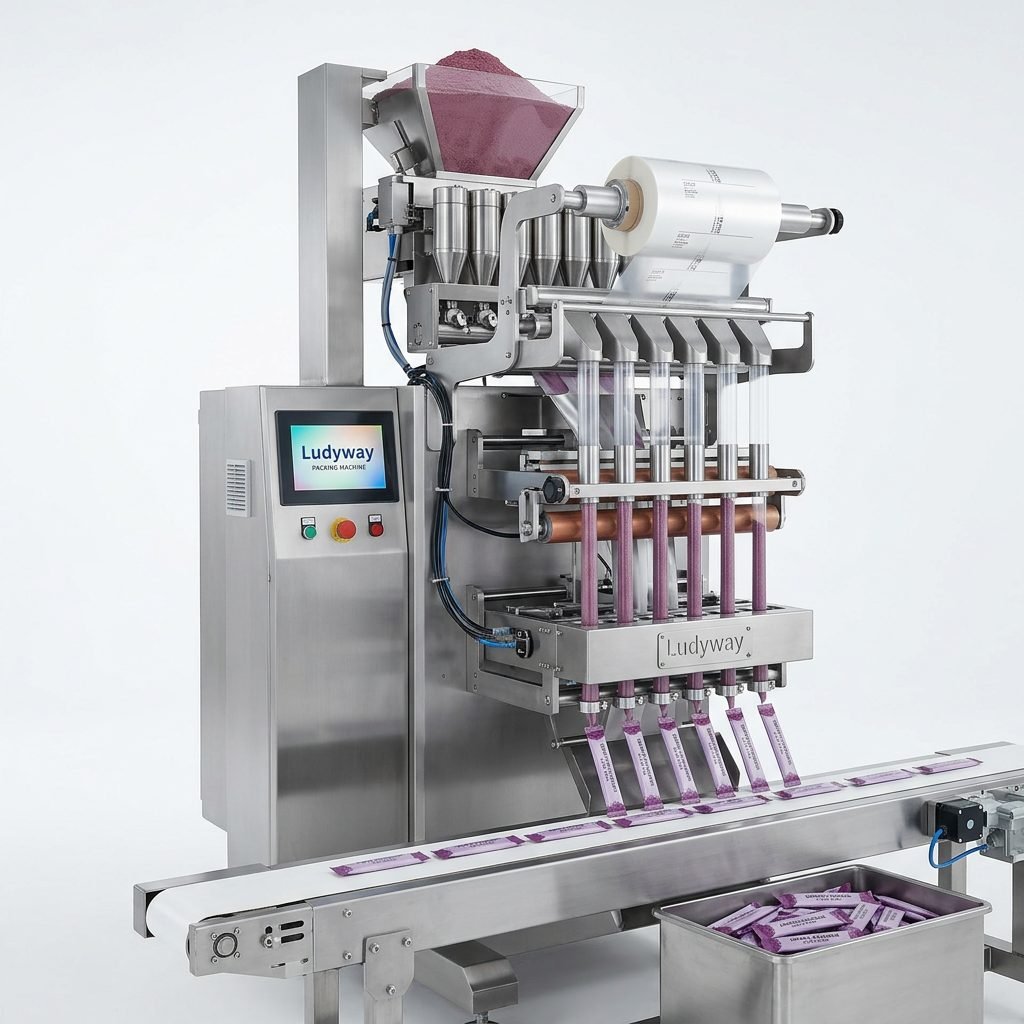
The Indian packaged food market is experiencing unprecedented growth, with the breakfast cereal segment emerging as a particularly dynamic opportunity for manufacturers. Driven by urbanization, changing dietary habits, and rising disposable incomes, the demand for packaged cereals is surging across Tier 1, Tier 2, and even Tier 3 cities. Setting up a modern cereal packaging machine production line requires careful planning, understanding of local regulatory frameworks, and selection of the right automation technology to ensure product freshness, shelf appeal, and operational efficiency.
India’s cereal packaging sector faces unique challenges, including sensitivity to humidity, diverse regional preferences for pack sizes, and the need for cost-effective solutions that do not compromise on quality. Whether you are packaging granola, muesli, corn flakes, or traditional Indian breakfast mixes, the core objective remains consistent: achieving high-speed, accurate filling with robust seal integrity to protect the product throughout the supply chain.
Understanding the Indian Cereal Packaging Landscape
Before investing in machinery, it is essential to analyze the market segmentation. The Indian cereal market is broadly divided into ready-to-eat (RTE) cereals and traditional hot cereals. Packaging requirements differ significantly between moisture-sensitive granola clusters and denser, flowable grain mixes. The Food Safety and Standards Authority of India (FSSAI) mandates specific packaging and labeling standards that directly influence material selection and printing capabilities on your packaging line.
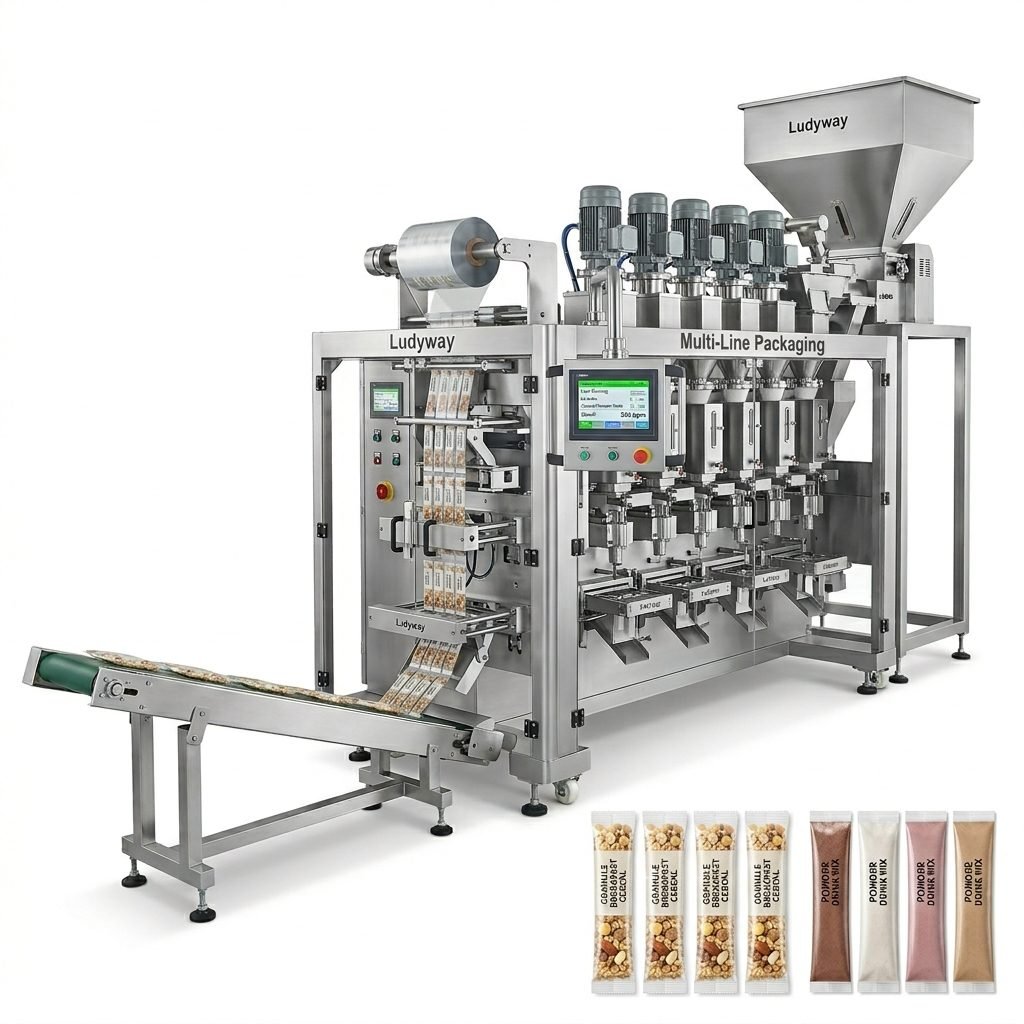
Key considerations include the use of food-grade multi-layer films to provide an effective barrier against moisture and oxygen, which is critical in India’s tropical climate. Furthermore, the trend toward single-serve and portion-controlled sachets and stick packs is growing rapidly, especially in the travel retail, hospitality, and e-commerce sectors. Consequently, a versatile multi-lane packaging system is often the most strategic investment for future-proofing a manufacturing operation in this region.
Phase 1: Facility Planning and Infrastructure Requirements
The foundation of an efficient production line lies in the physical environment. A climate-controlled production hall is non-negotiable for cereal packaging. High ambient humidity can cause granular cereals to absorb moisture, leading to spoilage and clumping before they even reach the filling stage. Floor space must be allocated not just for the current machinery but for future scalability, including raw material staging, infeed systems, and end-of-line cartoning.
- Power Supply: Ensure a stable three-phase electrical supply with appropriate voltage stabilization to protect servo-driven motors and precision weighing systems.
- Compressed Air: High-quality, dry, and oil-free compressed air is critical for pneumatic actuators and sealing mechanisms to prevent contamination.
- Dust Extraction: Cereal packaging generates fine dust that can interfere with seal integrity and optical sensors. A localized dust extraction system near filling stations is highly recommended.
- Floor Load Capacity: High-speed vertical packaging machines and multi-head weighers demand reinforced flooring to withstand dynamic operational vibrations.
Core Components of an Automated Cereal Line
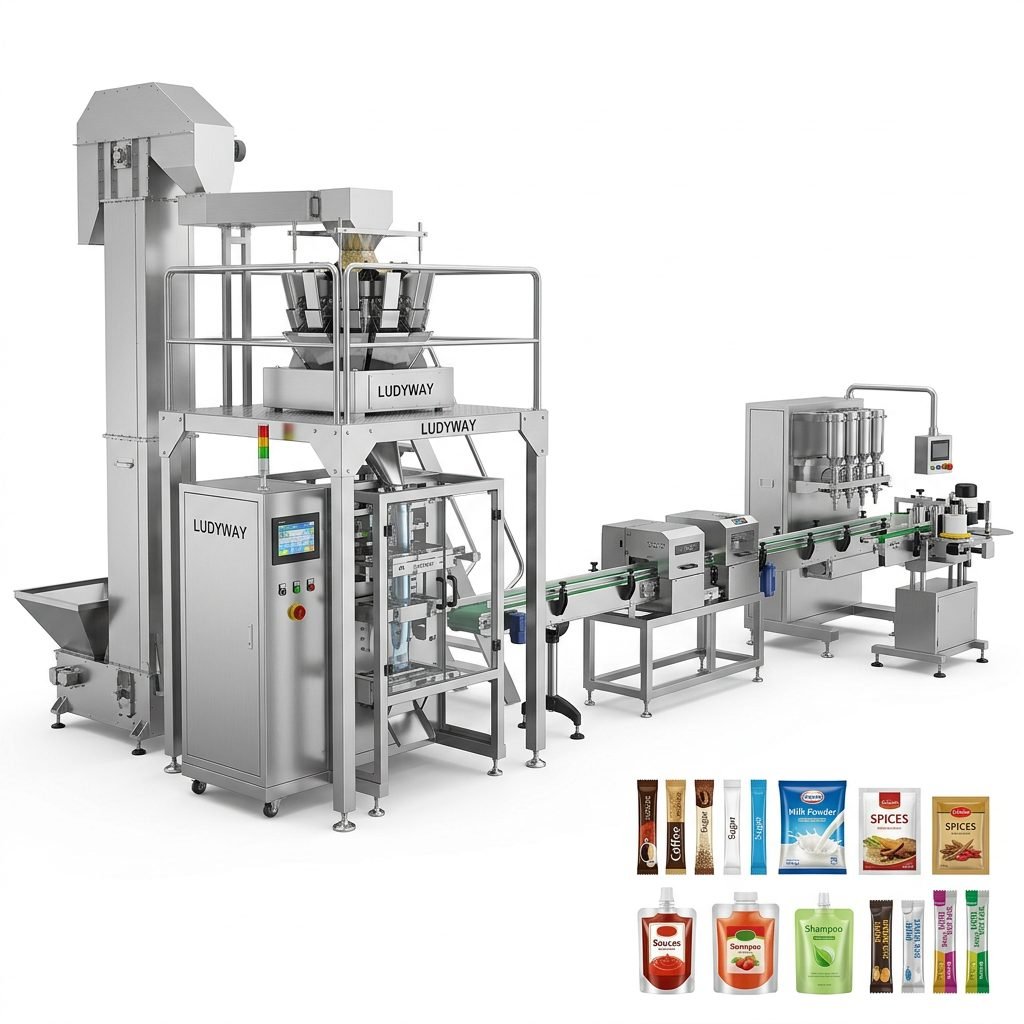
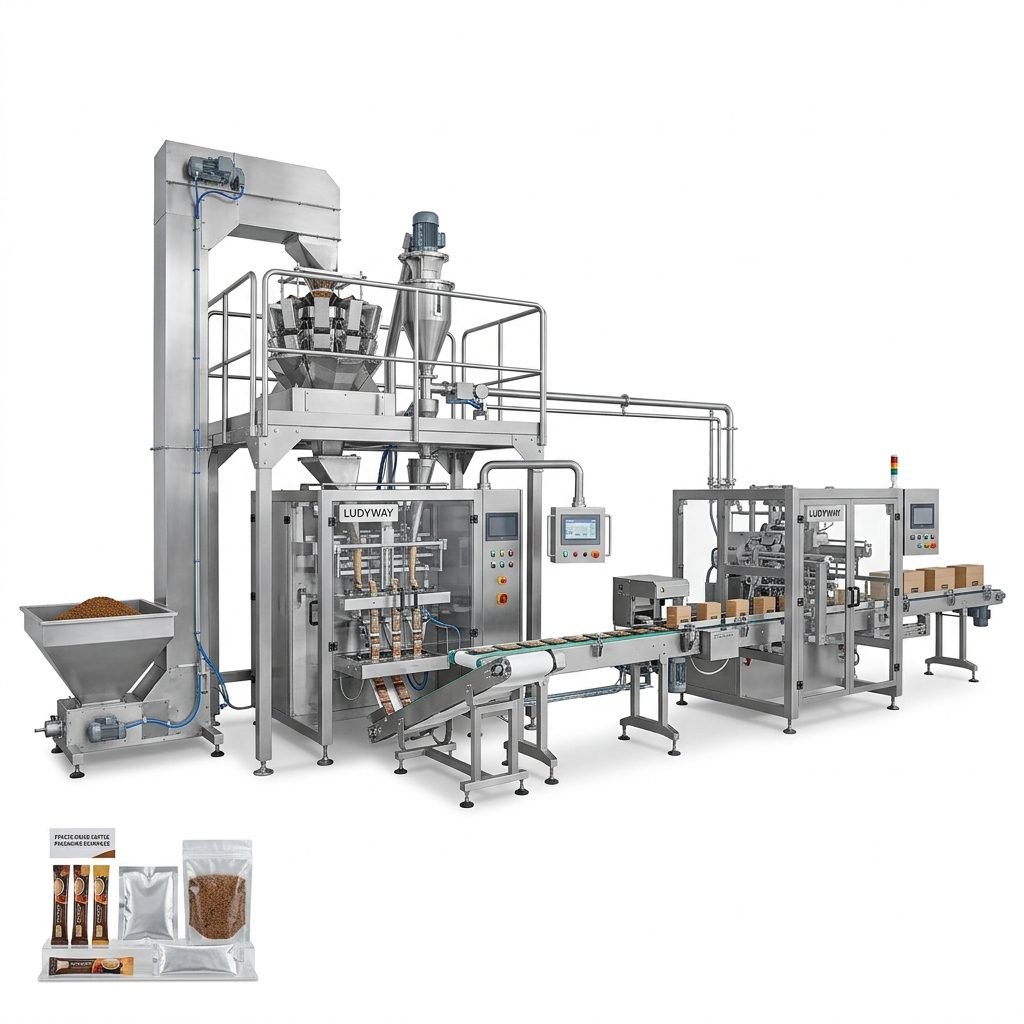
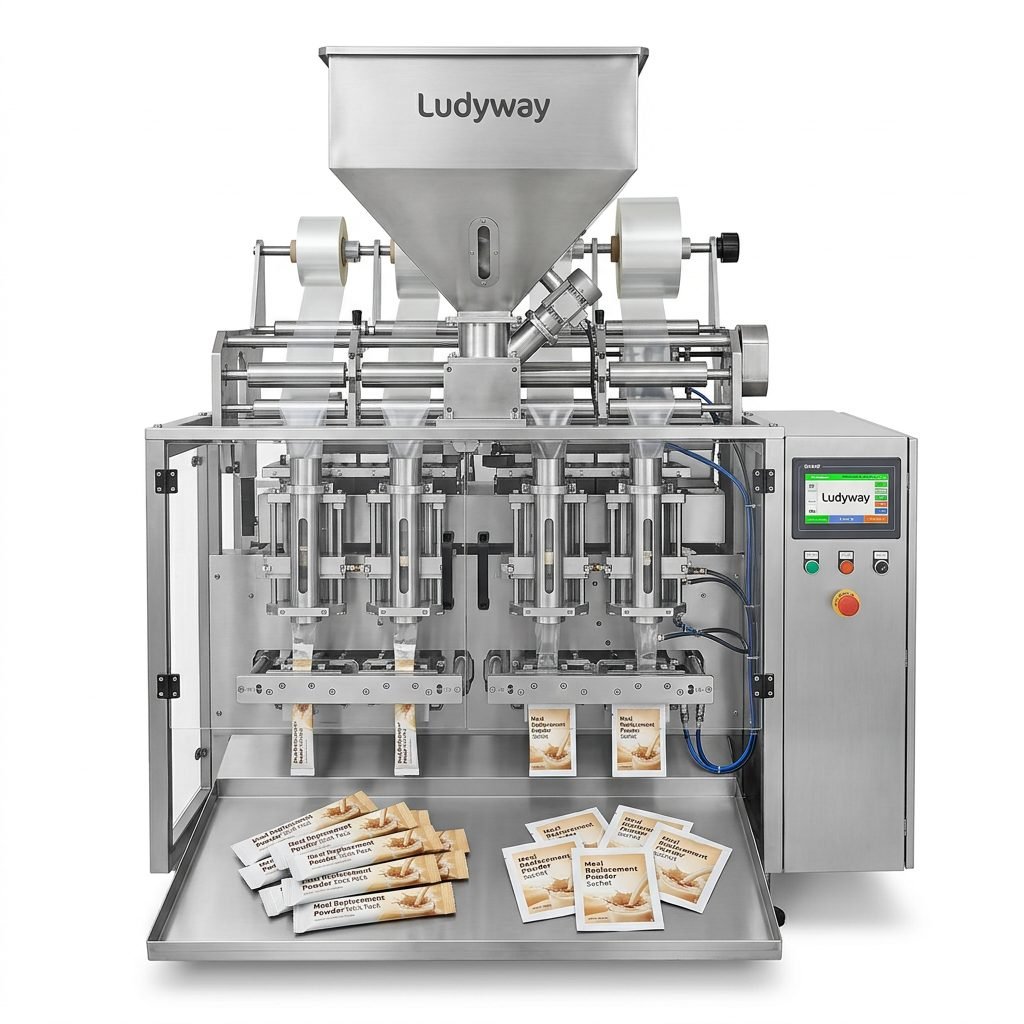
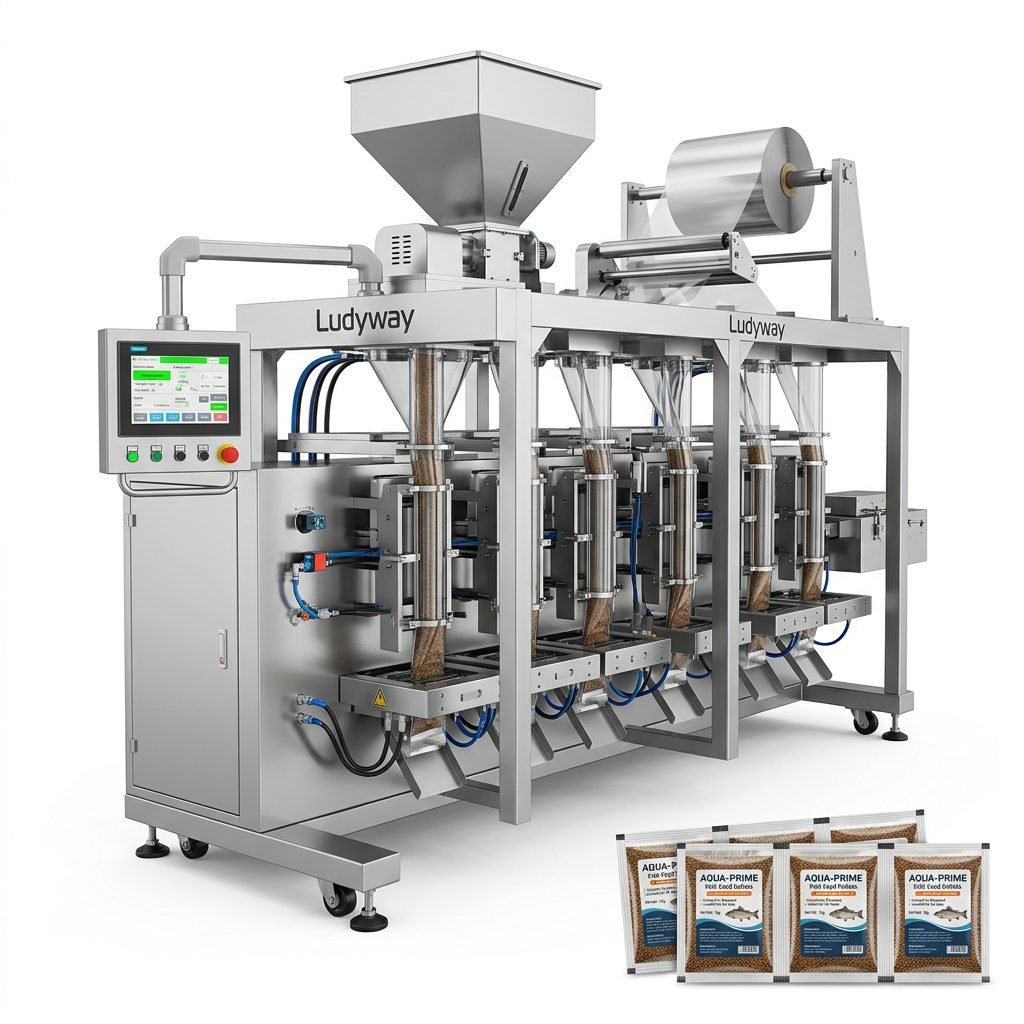
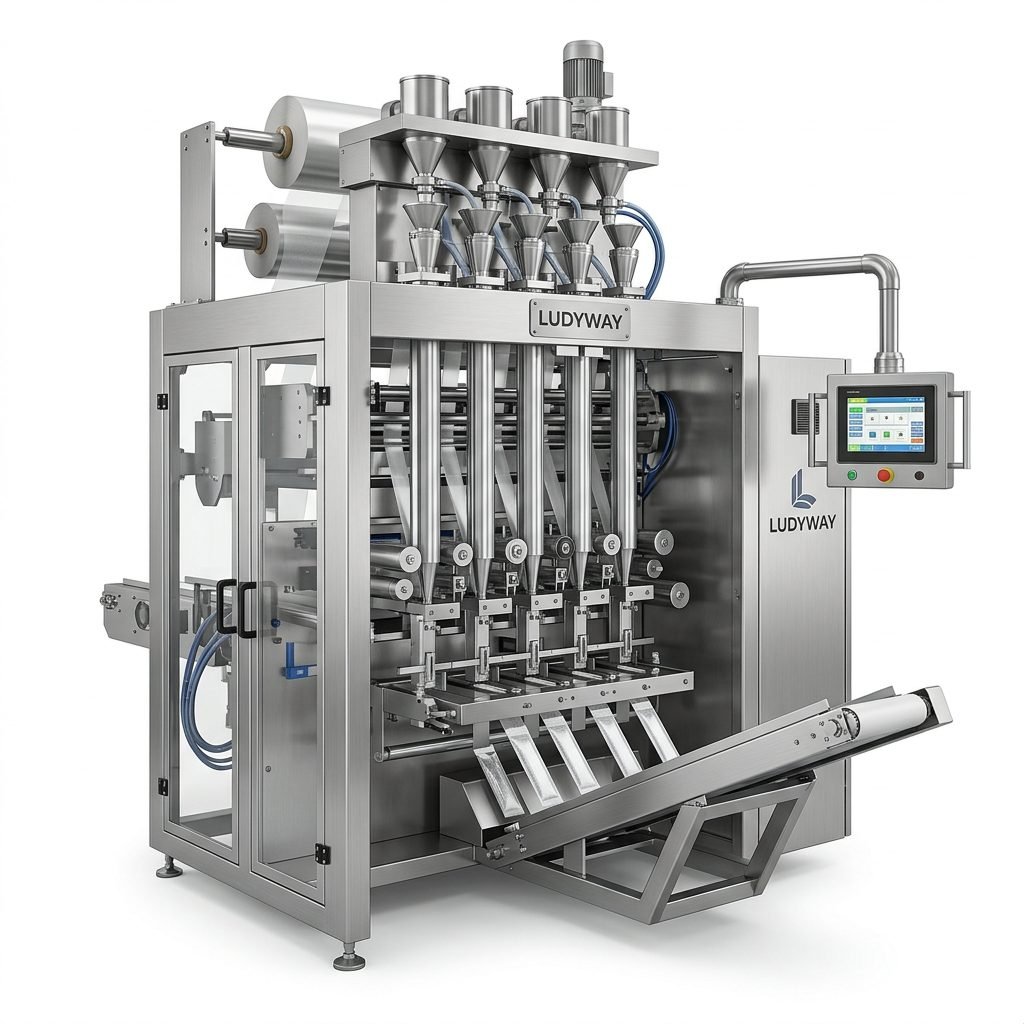
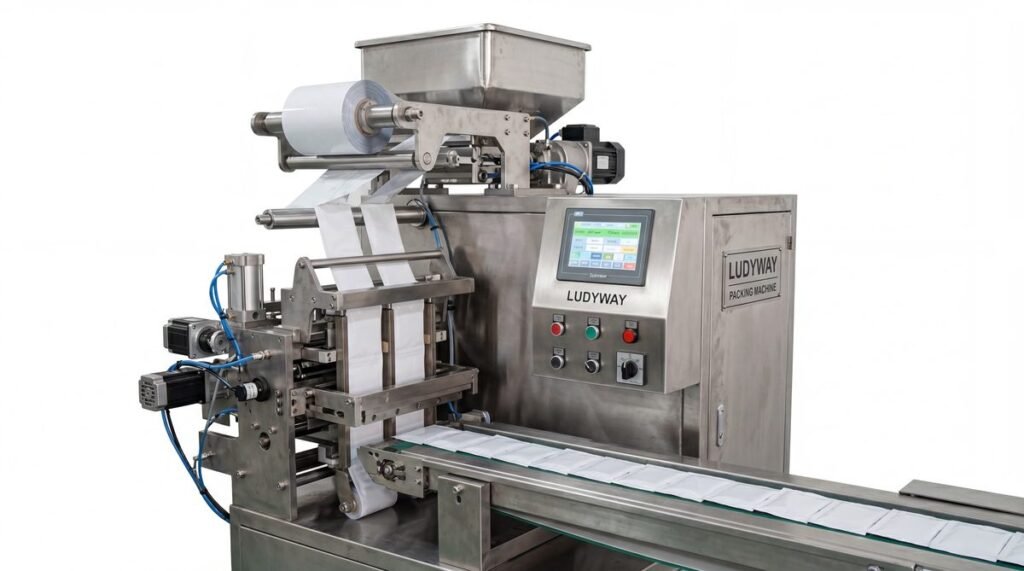
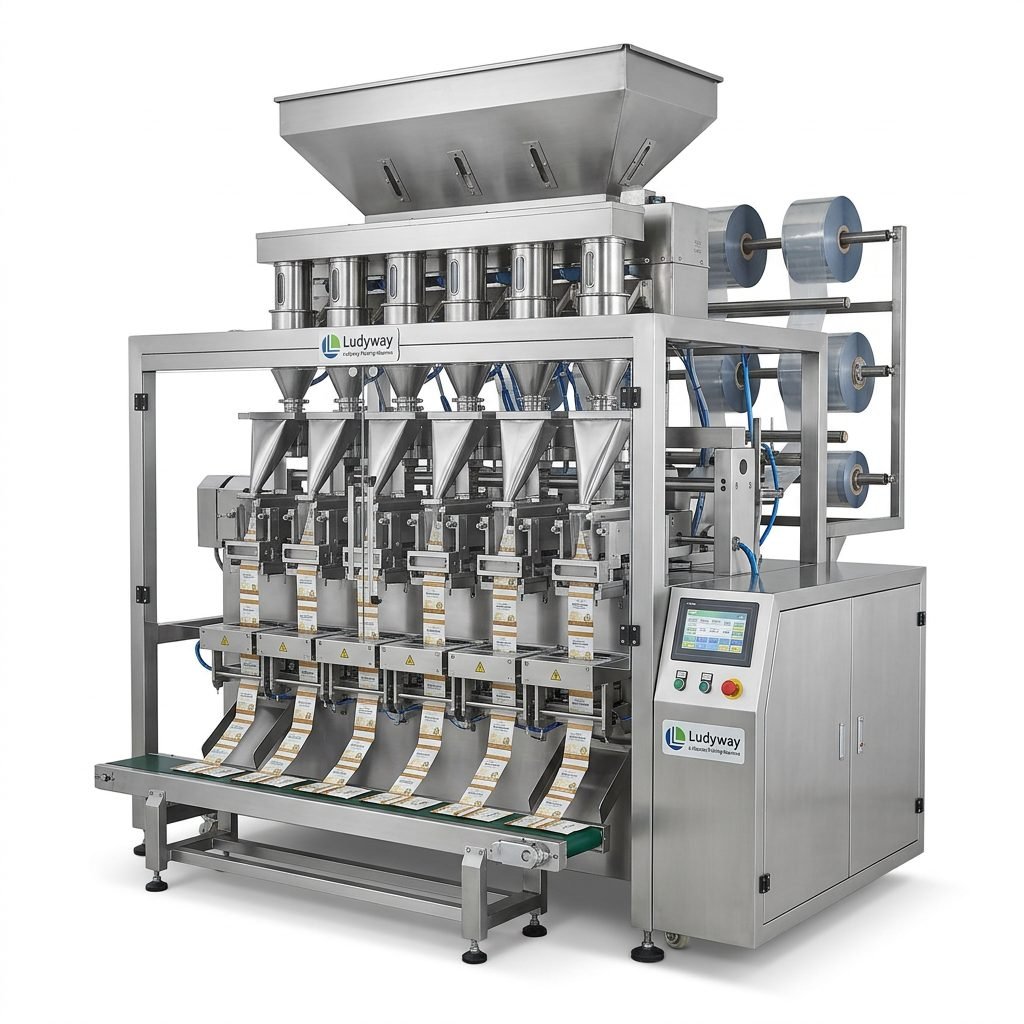
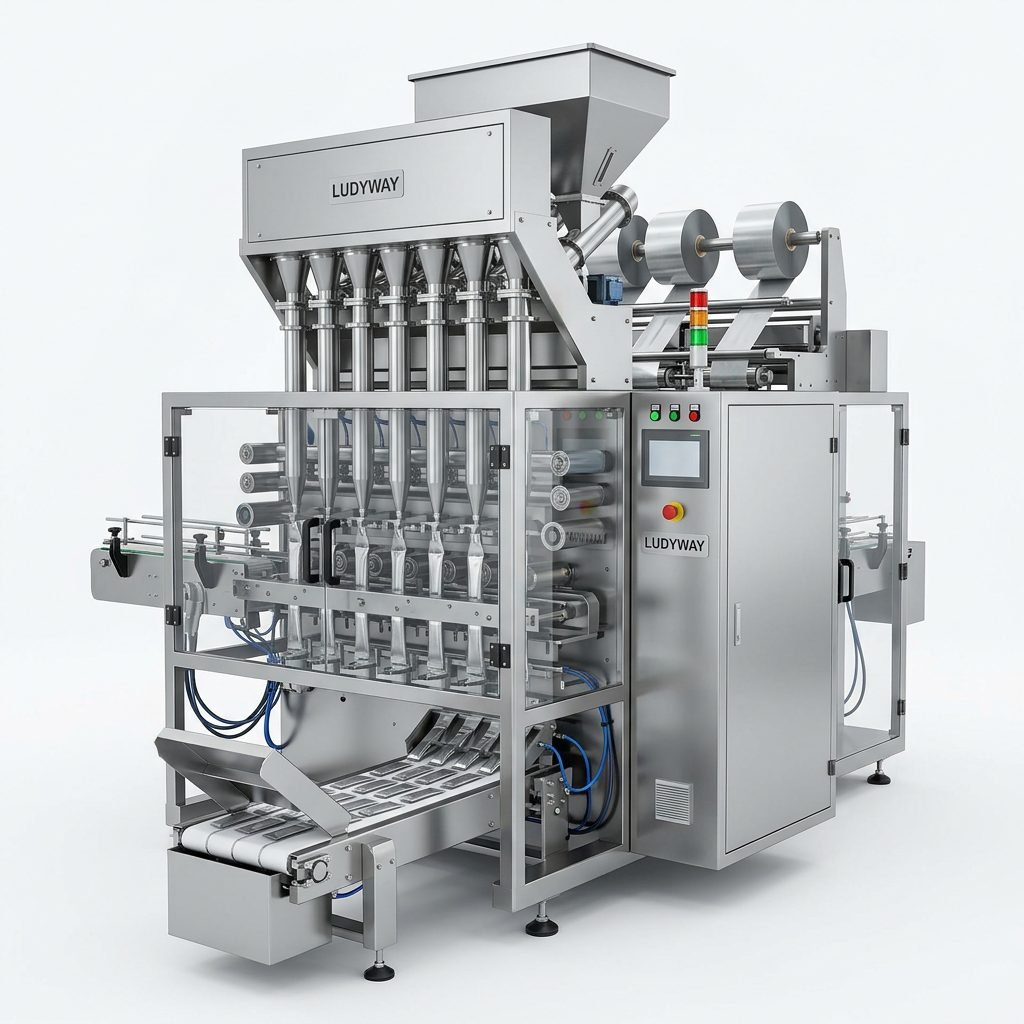
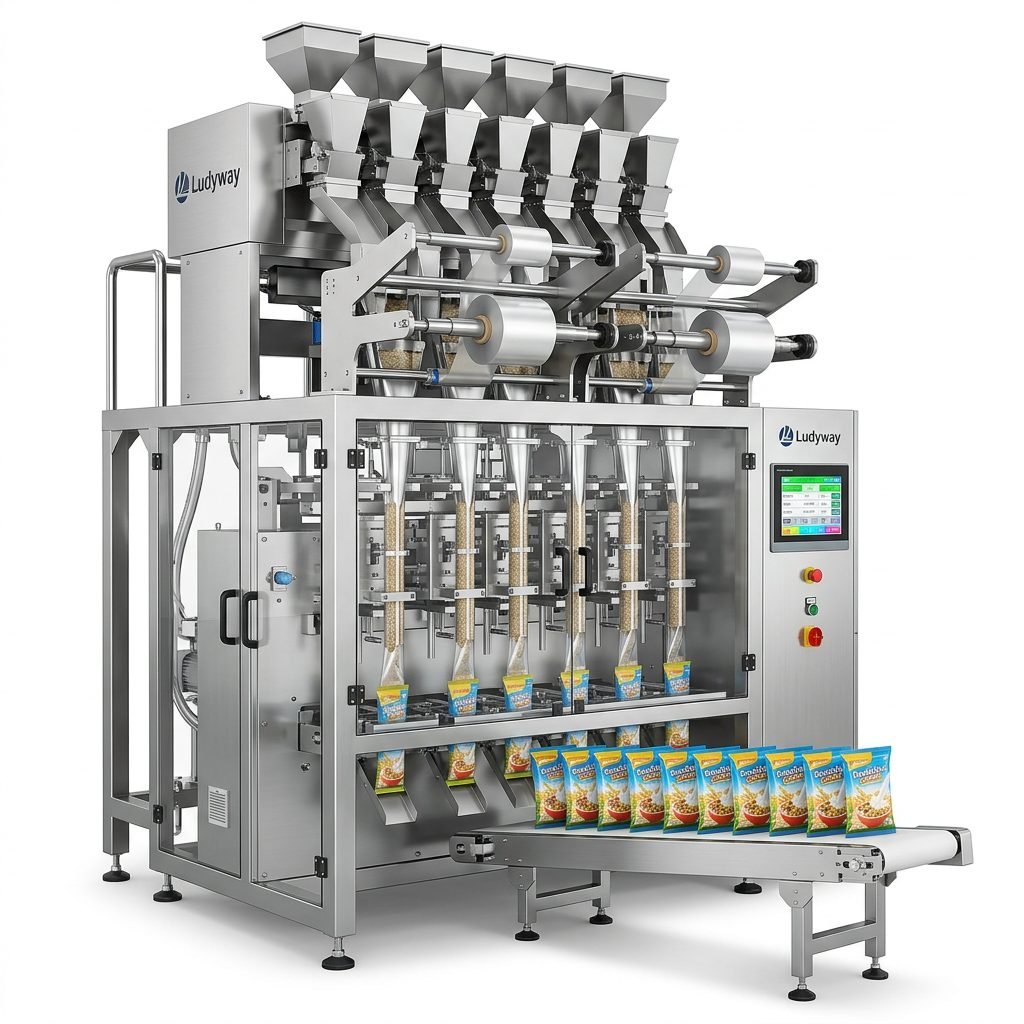
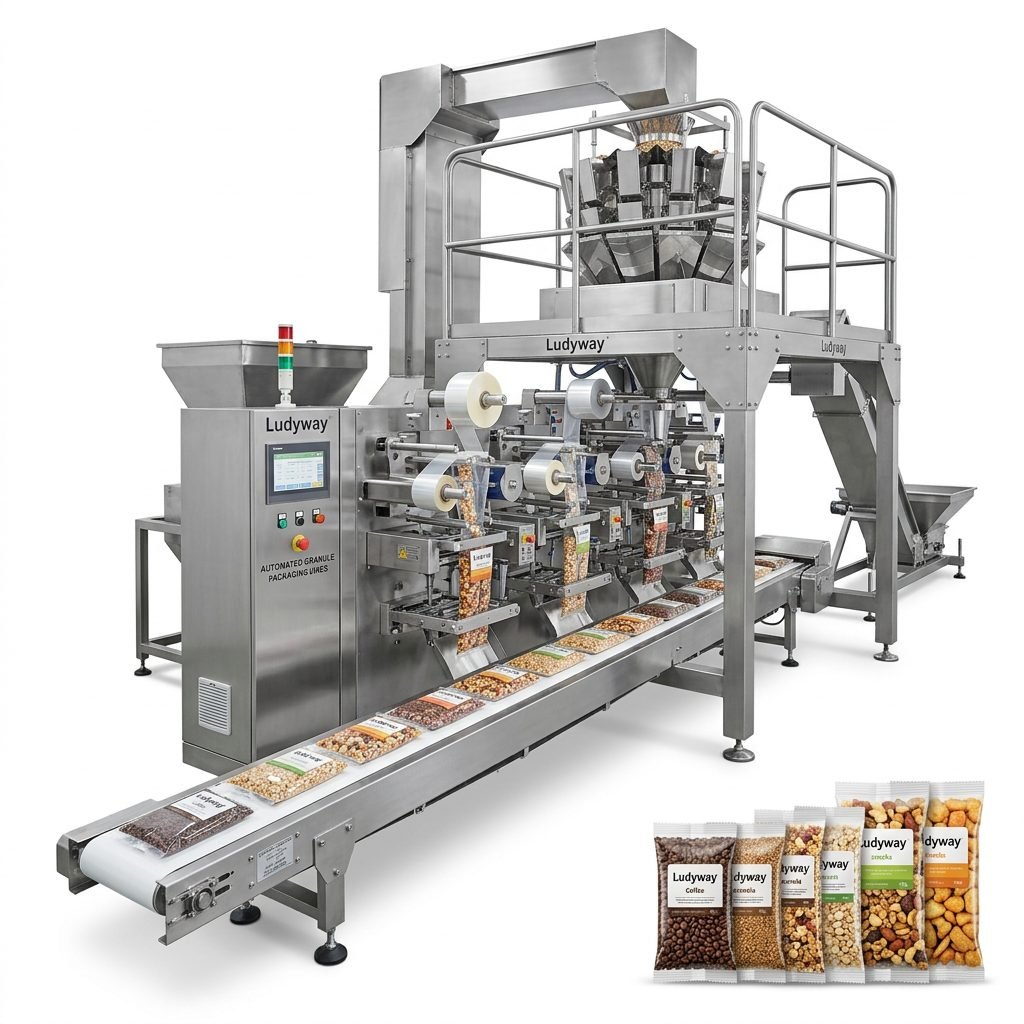
A fully integrated production line typically features a synchronized architecture. The infeed system, often a Z-type bucket elevator or inclined conveyor, gently transports fragile cereals to the multi-head weigher without excessive breakage. The heart of the line is the vertical form fill seal (VFFS) machine, selected based on the packaging format required—pillow bags, gusseted bags, or block-bottom pouches. For high-volume producers targeting the single-serve market, multi-lane stick pack machines offer unmatched speed, running up to 60 cuts per minute per lane.
| Machine Type | Best For | Typical Output Range | Key Advantage |
|---|---|---|---|
| Single-Lane VFFS | Family packs, bulk pouches | 30 – 80 packs/min | Flexibility in bag sizes and quick changeover |
| Multi-Lane Stick Pack | Sachets, single-serve portions | 200 – 600 packs/min | Maximum speed for small formats, excellent film utilization |
| Premade Pouch Rotary Filler | Stand-up pouches, zipper packs | 40 – 120 packs/min | High shelf impact, suitable for premium retail lines |
| Complete Turnkey Line | Integrated start-to-finish production | Customized speed and output | Single-source responsibility, optimized material flow |
Key aspects of equipment selection should also include nitrogen flushing capabilities. Inert gas flushing is essential for extending the shelf life of cereals containing nuts or high oil content by displacing oxygen inside the package. Checkweighers and metal detectors integrated within the line are mandatory to comply with Indian legal metrology standards and international food safety certifications such as FSSC 22000 or BRCGS.
Phase 2: Selecting the Right Packaging Technology
Choosing between a simple volumetric cup filler and a sophisticated multi-head weigher depends on product value and weight accuracy requirements. Linear weighers offer a cost-effective entry point for running a single product, but vibration can cause settling in the hopper, leading to inconsistencies with mixed cereals. In contrast, a 14-head or 20-head multi-head weigher utilizes load cell technology to achieve accuracy within ±1 gram, drastically reducing product giveaway and maximizing profit margins on expensive ingredients like almonds, berries, or organic grains.
The decision matrix for Indian manufacturers often balances capital expenditure (CAPEX) against operational expenditure (OPEX). While European and Chinese automation solutions dominate the market, a notable trend is the adoption of high-quality lines from established global manufacturers who offer comprehensive after-sales support in India. Evaluating local service availability and spare parts inventory is critical to preventing extended downtime. Systems designed with intelligent software minimize film waste during splices and startup, contributing to lean manufacturing goals.
Automation and Industrial IoT Integration
Modern cereal lines are increasingly software-defined. Industrial IoT capabilities enable remote monitoring of overall equipment effectiveness (OEE), predictive maintenance alerts, and digital recipe management. This is particularly useful for contract packers in India who run multiple SKUs for various brands. Seamless format changeovers—transitioning from a 50g stick pack to a 1kg family bag—should be achievable in under 30 minutes with modular, servo-driven designs that minimize mechanical adjustments.
End-of-line automation is equally important. Robotic case packers, palletizers, and stretch wrappers reduce manual labor dependency, which is a growing cost factor in Indian manufacturing hubs. A well-integrated line includes automatic cartoning systems that load individual sachets or pouches into secondary packaging, ensuring consistency for retail distribution through modern trade and quick-commerce channels.
Phase 3: Installation, Commissioning, and Compliance
The installation phase must be meticulously planned following a site acceptance test (SAT) protocol. Engineers calibrate the multi-head weighers for specific cereal mix densities and validate the sealing parameters—temperature, dwell time, and pressure—for the chosen laminate structure. Film tracking systems must be precisely aligned to prevent seal wrinkles that could become leak paths, especially for fine powders or small grains. All food contact surfaces should be verified as AISI 304 or 316L stainless steel with food-grade lubrication points.
Regulatory compliance in India requires adherence to FSSAI packaging regulations regarding contamination, batch coding, and maximum retail price (MRP) printing. The integrated thermal transfer or inkjet printers must be capable of printing high-resolution codes at line speed to satisfy traceability mandates. For companies aiming to export, the line must also satisfy international standards set by organizations like PMMI and ISO packaging guidelines.
Maintenance and Operator Training Strategy
Sustaining peak performance requires a robust total productive maintenance (TPM) culture. Daily autonomous maintenance tasks, performed by trained operators, include cleaning film sensors and inspecting sealing jaws. Weekly planned maintenance by technical staff should include checking pneumatic system pressures, lubricating linear guides, and calibrating load cells. Given the high humidity in Indian coastal production zones, additional attention is needed to protect electronic enclosures from moisture ingress and prevent ingredient bridging in hoppers due to hygroscopic absorption.
Comprehensive operator training packages, covering both mechanical setup and software interfaces, are essential. Simulator-based training can accelerate the learning curve without interrupting production. Establishing a documented skills matrix ensures that at least two operators per shift are fully certified on the platform, reducing reliance on single individuals and minimizing operational risk.
Optimizing the Supply Chain and Consumables
The packaging line’s efficiency is deeply intertwined with the quality of laminates. Indian film suppliers offer a range of options, from simple PE-based structures to high-barrier PET/AL/PE laminates. Testing the coefficient of friction (COF) of the film is critical to prevent jams in the forming tube. The sealant layer must be compatible with the product, especially when packaging oily or sugar-coated cereals that leave residue in the sealing area. Implementing a vendor-managed inventory system for critical spares like sealing jaws, thermocouples, and belts ensures minimal disruption to production schedules.
Partnering with an experienced equipment manufacturer provides significant advantages in navigating these complexities. As one of the largest packaging machine manufacturers in China, Ludyway specializes in advanced packaging equipment and turnkey production solutions, supporting a wide spectrum of granule and powder applications with reliable, high-performance systems designed for operational efficiency and product quality. Their engineering expertise covers everything from multi-lane stick pack configurations to complete line integration, serving customers across diverse international markets with a focus on delivering cost-effective, innovative packaging technology.
Economic Analysis and Return on Investment
Calculating the ROI for a cereal packaging line goes beyond purchase price. Key variables include reduction in product giveaway (accuracy improvement from ±3g to ±0.8g can save lakhs of rupees annually), labor cost reduction through automation of feeding, counting, and cartoning, and increased throughput enabling faster order fulfillment. In many cases, a fully automated multi-lane line achieves payback within 18 to 24 months when running two shifts. The rise of direct-to-consumer (D2C) brands in India further favors flexible, small-format packaging capabilities, making the investment increasingly attractive for both established players and innovative startups.
Future-Proofing Your Cereal Packaging Investment
Sustainability regulations are shaping the future of packaging in India. The government’s push toward reducing single-use plastics impacts film choices. Newer lines must handle recyclable mono-material structures, which often require precise temperature control to seal effectively compared to traditional mixed polymer films. Lines that can process both traditional laminates and next-generation sustainable materials without major retrofits will retain higher asset value. Additionally, modular mechanical designs allow for the addition of reclosable zipper applicators or laser perforation units for easy-open features as consumer demand evolves.
For further detailed specifications on high-speed packaging lines for granules and powders, you can explore complete turnkey packaging lines for granule, powder, and liquid products that can provide fully integrated solutions tailored to specific production goals. Additionally, understanding state of the industry reports can help align strategic decisions with global packaging technology trends and market dynamics.
By integrating robust mechanical design with intelligent control systems and a proactive maintenance strategy, a cereal packaging production line in India can achieve exceptional reliability and product quality. The convergence of market demand, automation technology, and strategic equipment partnership creates a pathway for sustainable growth in this fast-moving consumer goods segment.