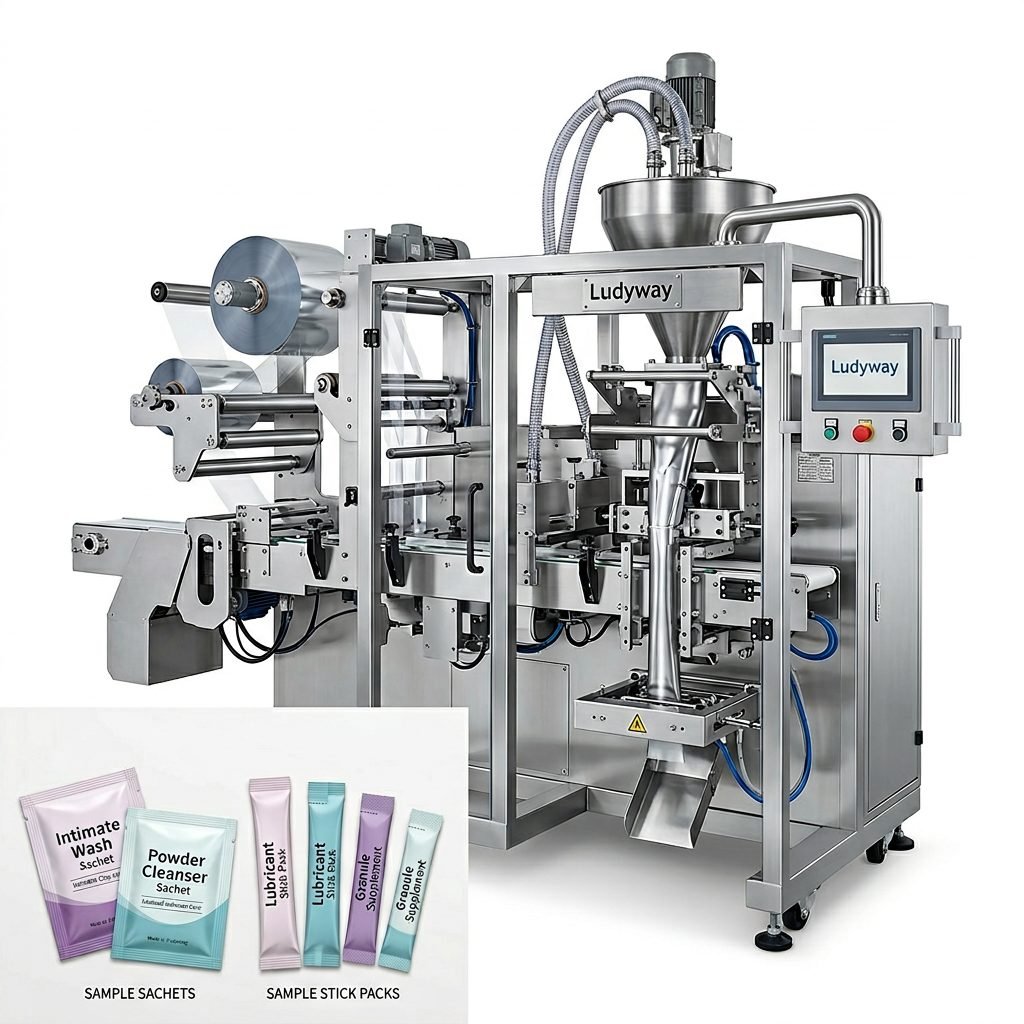
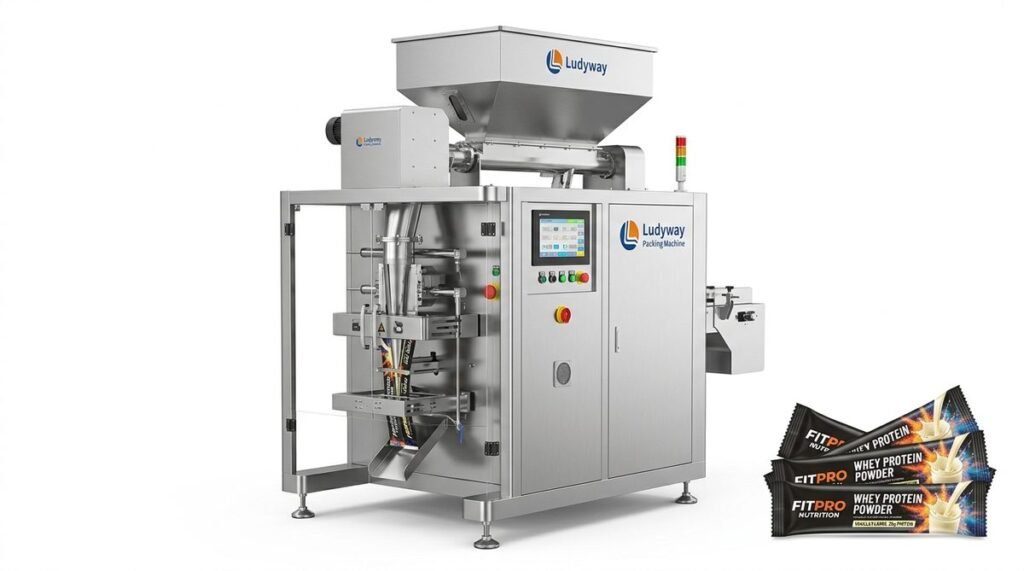
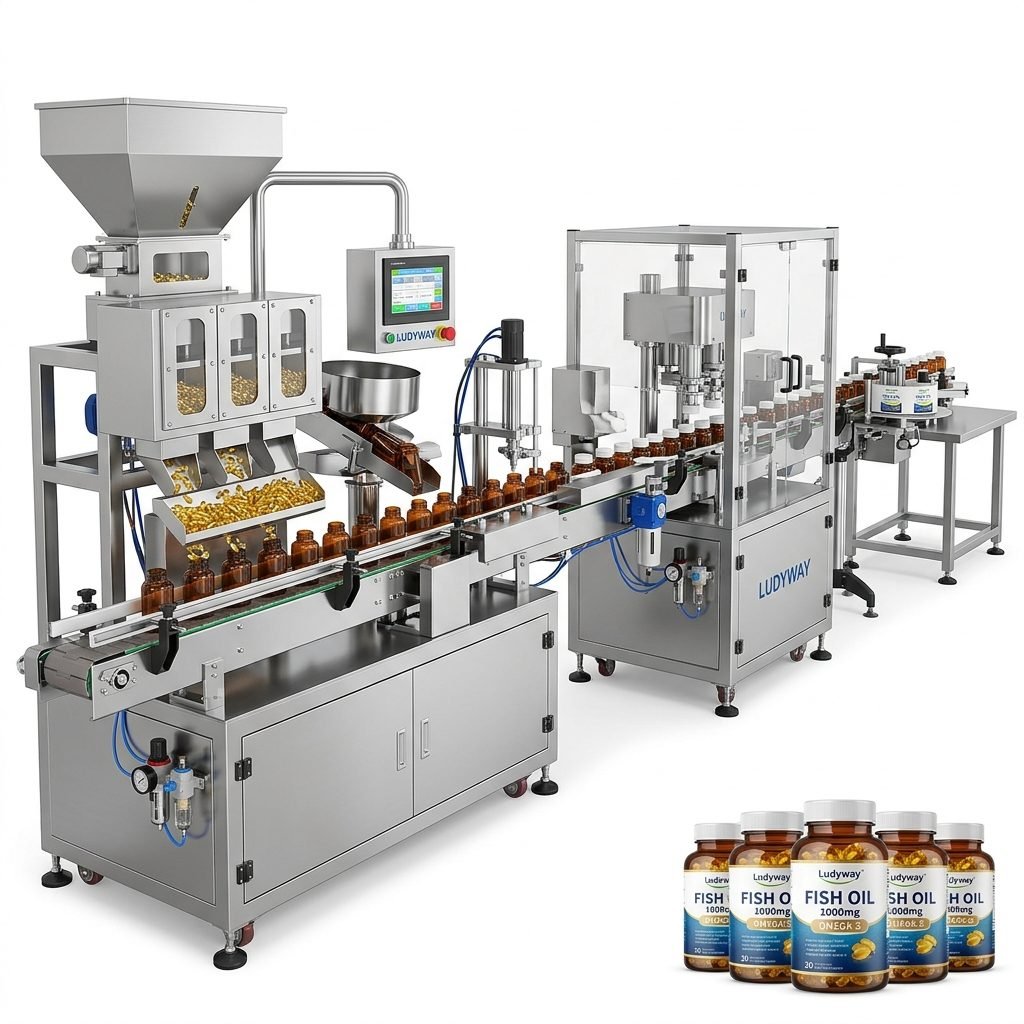
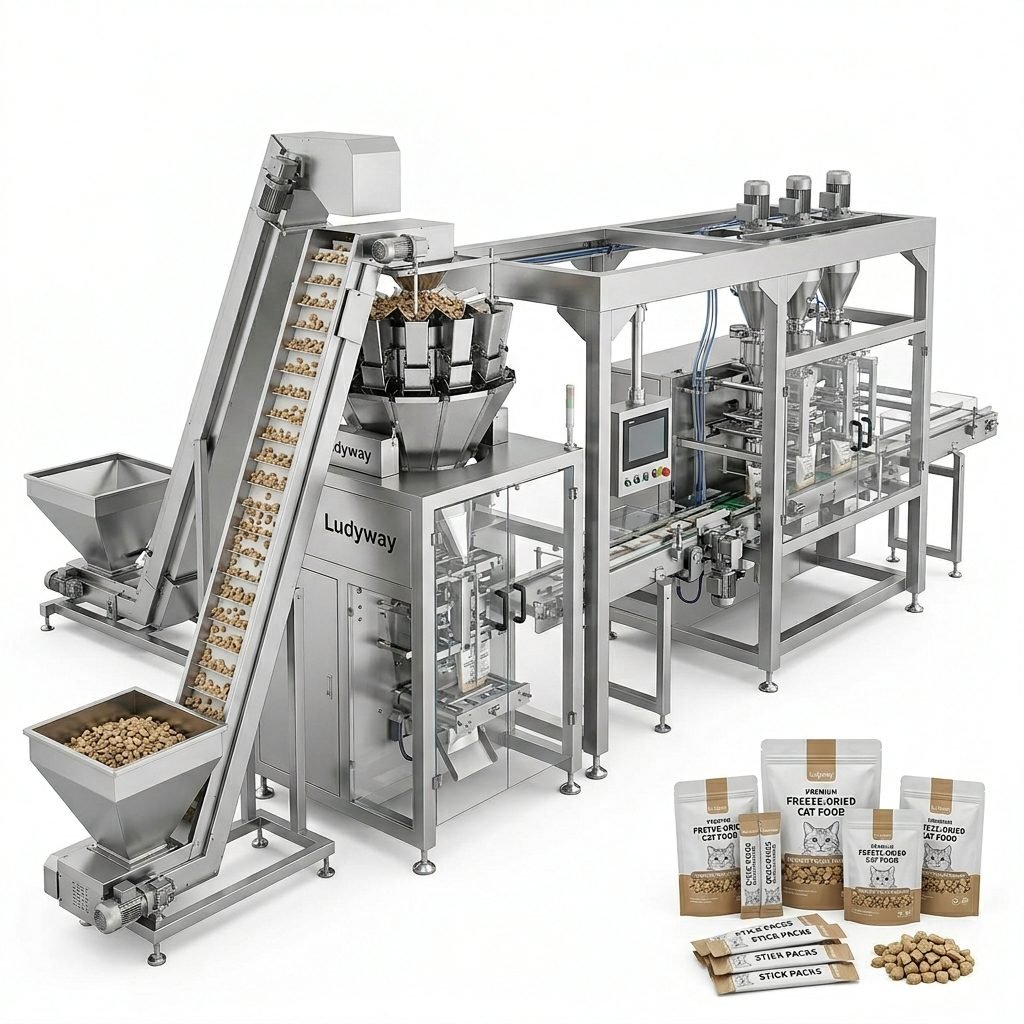
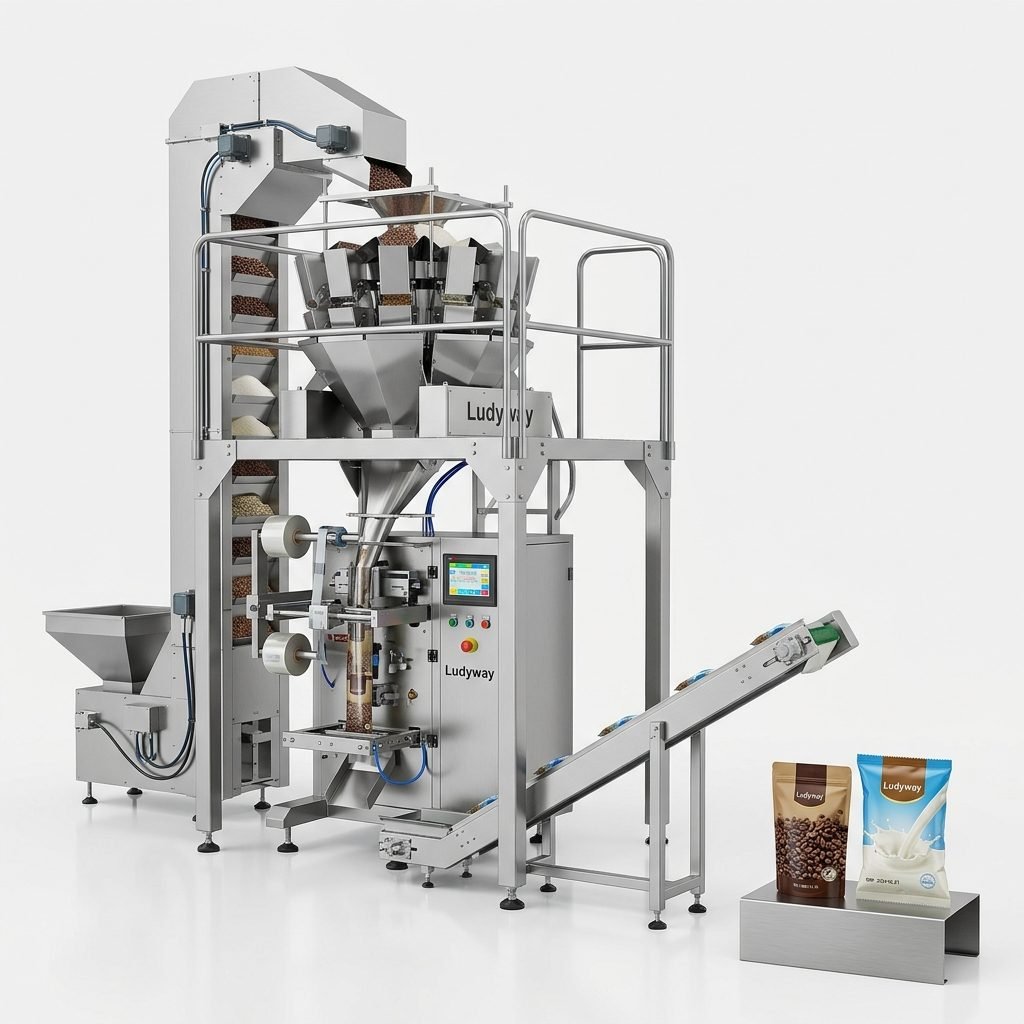
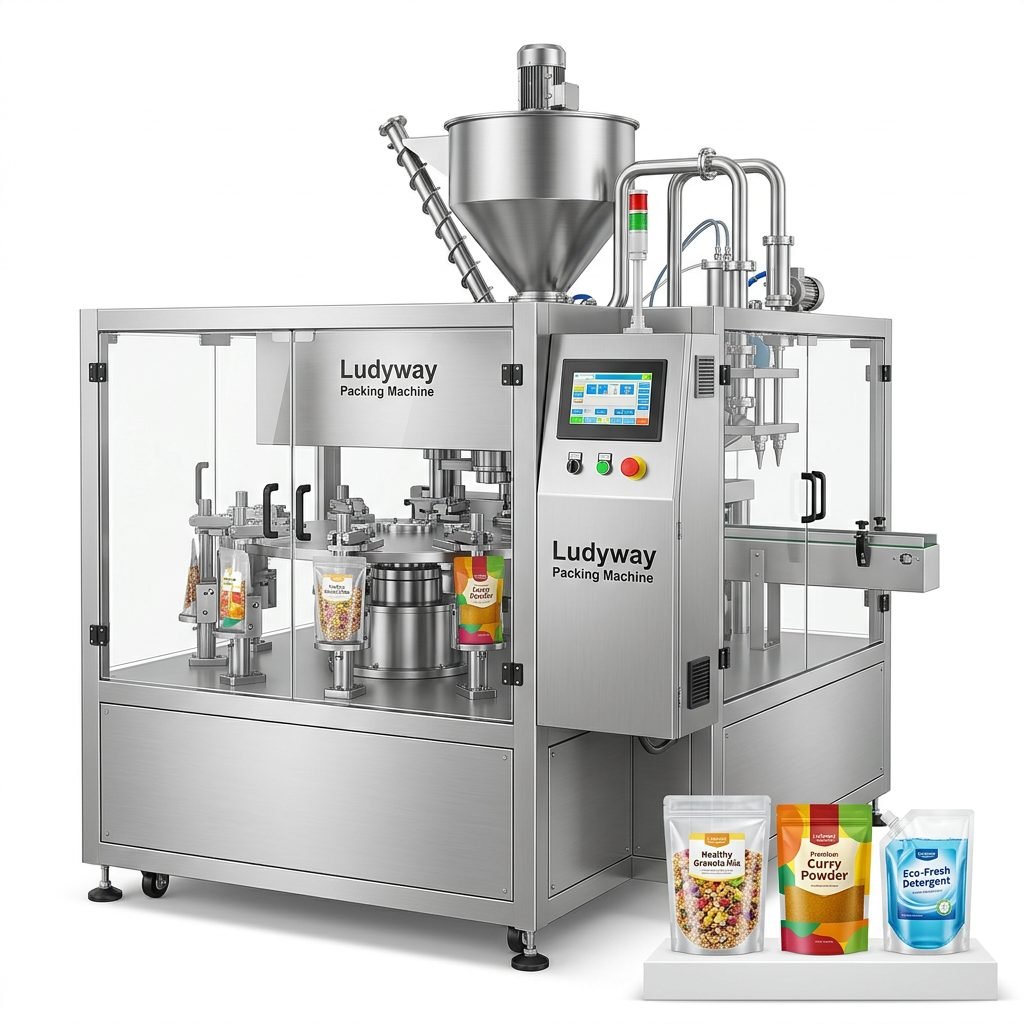
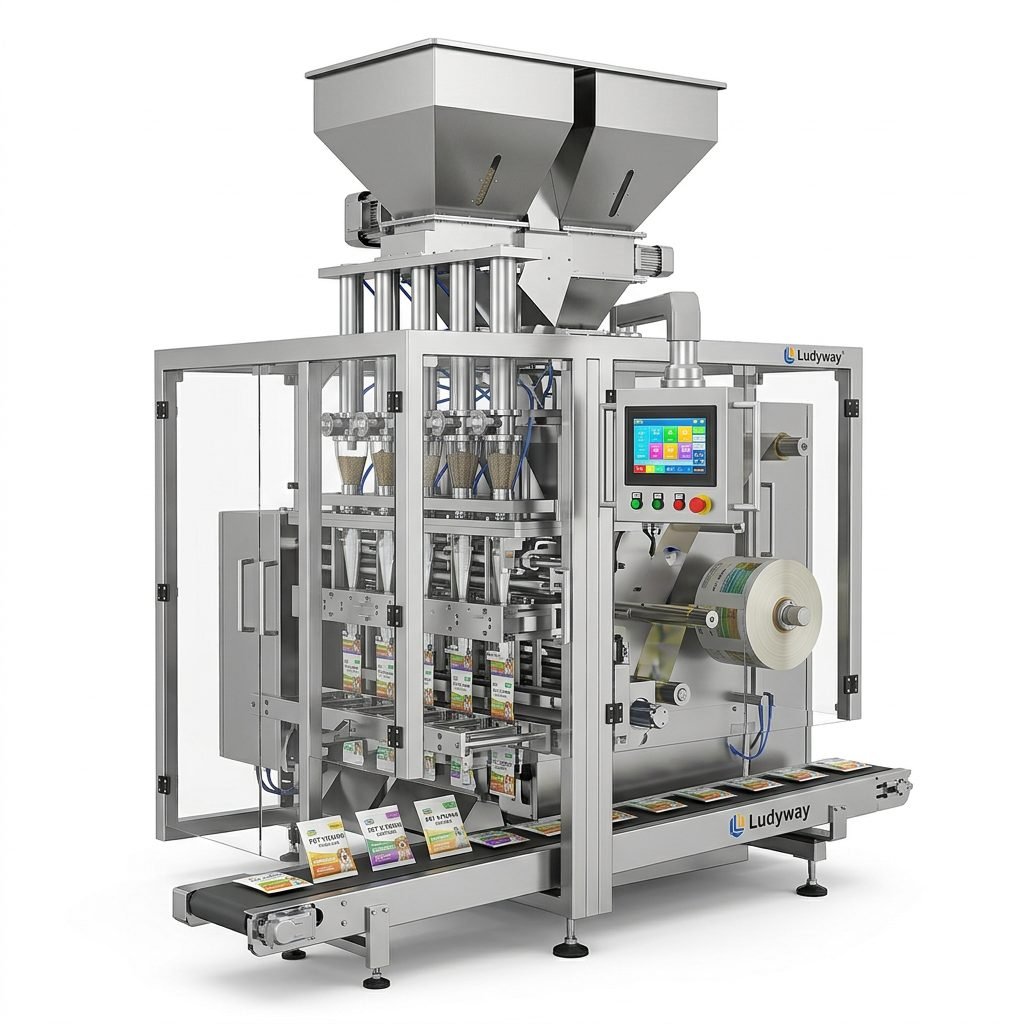
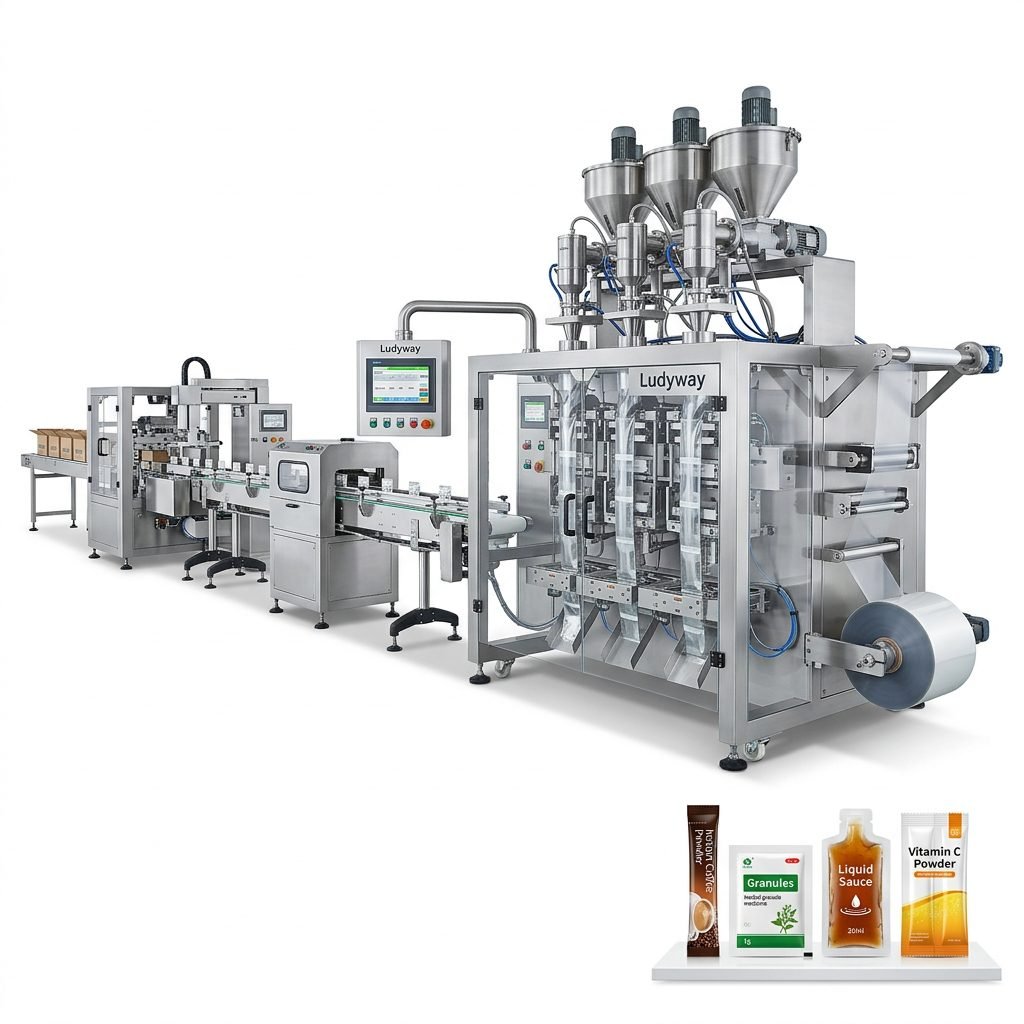
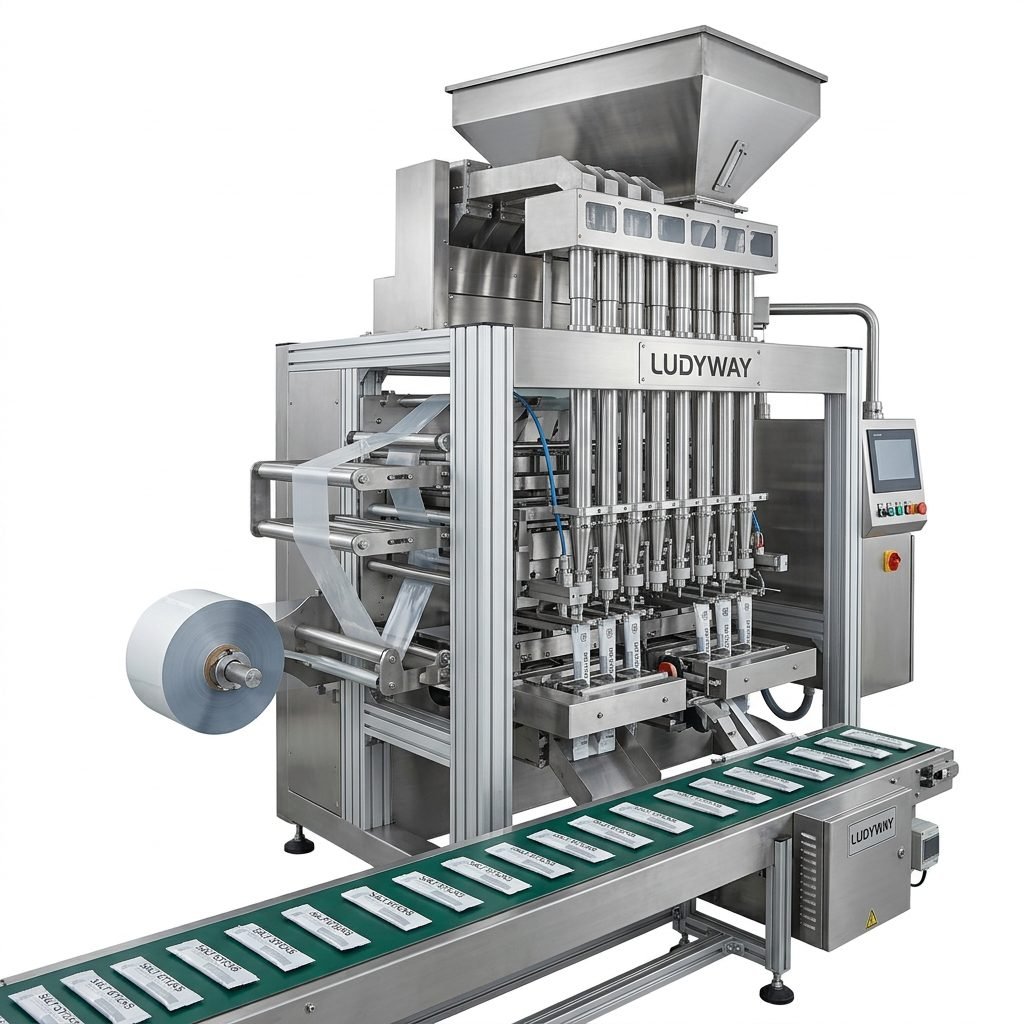
Setting up an oil packaging machine production line is a complex but rewarding investment. Whether you are bottling cooking oil, motor oil, or essential oils, the efficiency of your operation depends entirely on how well the line is planned and configured. This guide walks you through the essential steps, from initial feasibility studies to full-scale automation, ensuring your facility meets global standards for safety, speed, and accuracy.
1. Conducting a Comprehensive Product and Market Analysis
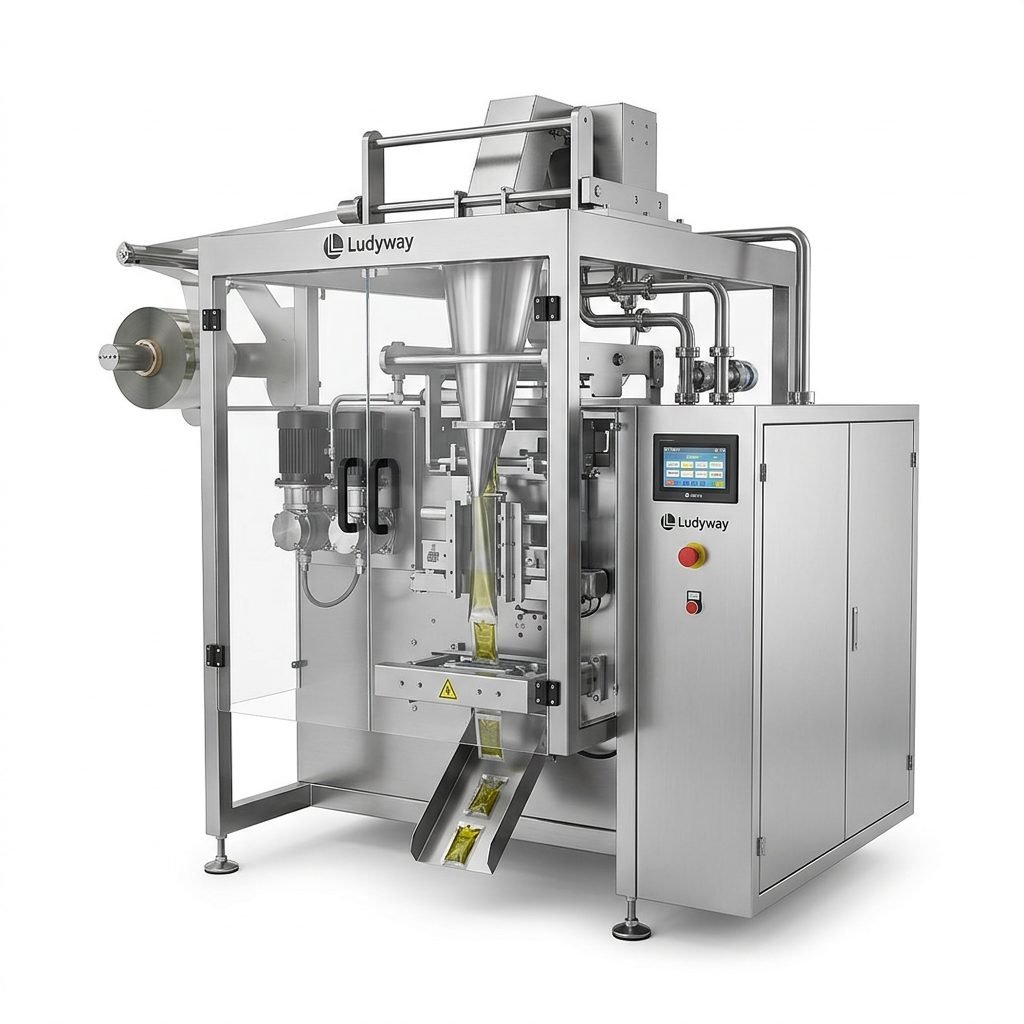
Before purchasing any machinery, you must define your product parameters. The viscosity of the oil, the required fill volume, and the target production speed will dictate the type of liquid packaging machine you need. A common mistake is buying a standard filler without testing it with your specific product.
- Viscosity Testing: Heavy oils require piston fillers or gear pumps, while light oils may work with gravity or overflow systems.
- Container Diversity: Are you filling glass bottles, PET plastic, metal tins, or flexible pouches? Each requires different handling and capping technologies.
- Production Capacity: Calculate your required bottles per minute (BPM). This single number determines if you need a monoblock system or a full inline rotary filler.
2. Equipment Selection for the Core Filling Line
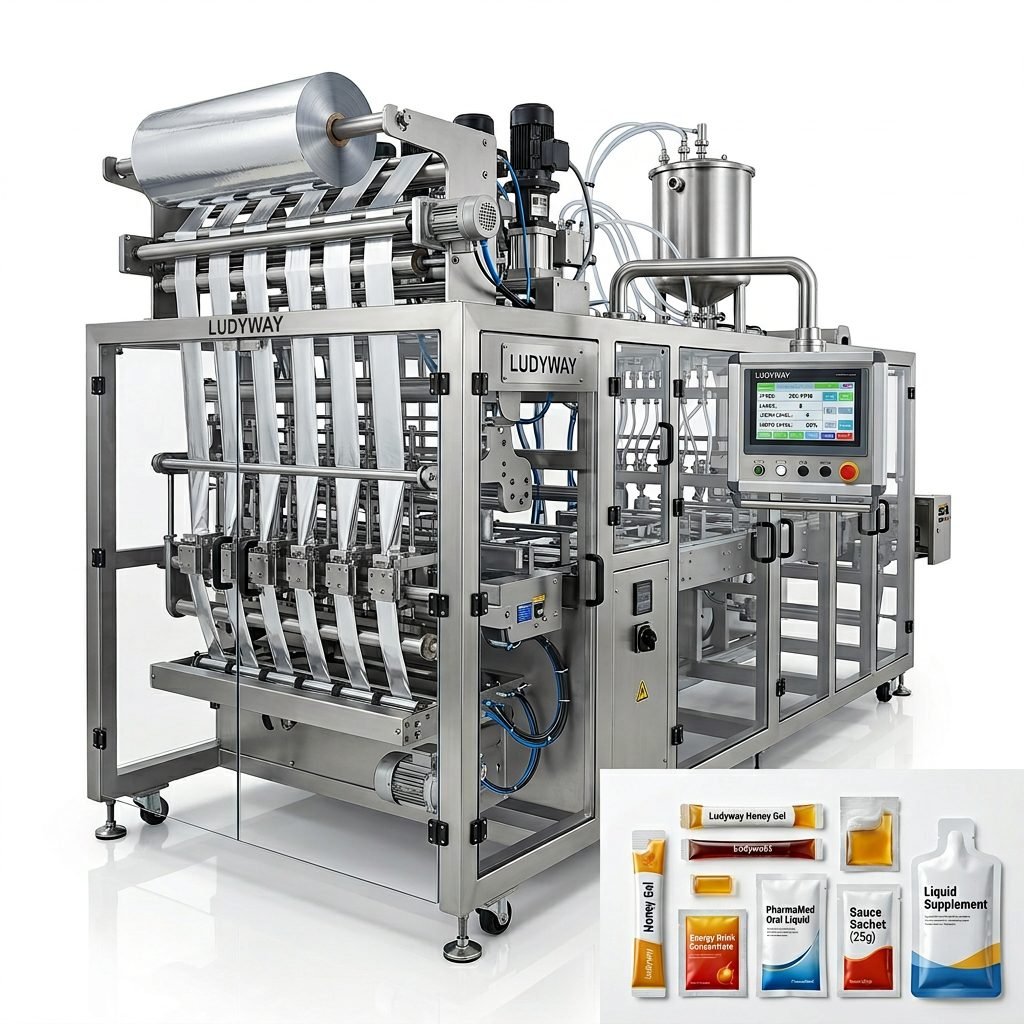
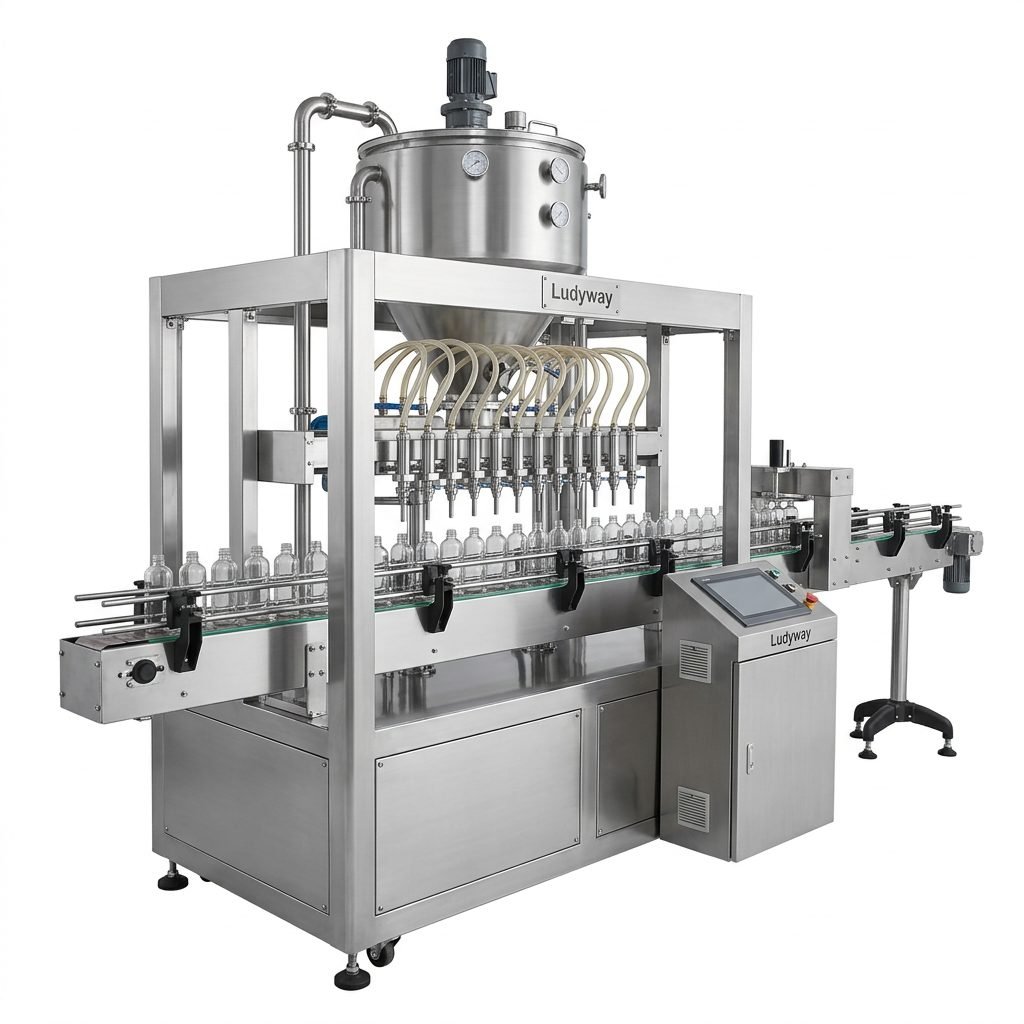
An oil packaging line is not a single machine but a synchronized ecosystem. Selecting compatible components is critical to avoiding bottlenecks. A modern high-speed line typically consists of the following stages:
| Equipment Stage | Key Function | Critical Specification |
|---|---|---|
| Bottle Unscrambler | Orients and feeds empty containers | Orientation speed vs. filler speed |
| Liquid Filler | Dispenses precise volume of oil | Accuracy (+/- 0.5%), no-drip nozzles |
| Capping Machine | Applies and torques the cap | Torque consistency, cap style |
| Labeling System | Applies front/back or wrap-around labels | Servo-motor accuracy vs. label material |
| Case Packer | Packs bottles into shipping boxes | Pack pattern and changeover time |
3. Facility Layout and Material Flow
Efficient layout design reduces labor costs and contamination risks. You should map the flow of materials from the automated packaging line inlet to the warehouse. Prioritize a linear flow or a U-shaped design to minimize the travel distance of operators.
- Clean Room Considerations: Food-grade oil requires a positive pressure environment to prevent airborne contamination.
- Storage Silos: For large-scale operations, integrating bulk oil storage silos with the filler via sanitary piping is essential.
- Utility Requirements: Verify the compressed air quality (oil-free compressors) and electrical load (voltage stabilization) before machinery arrives.
3.1 Integration of Auxiliary Equipment
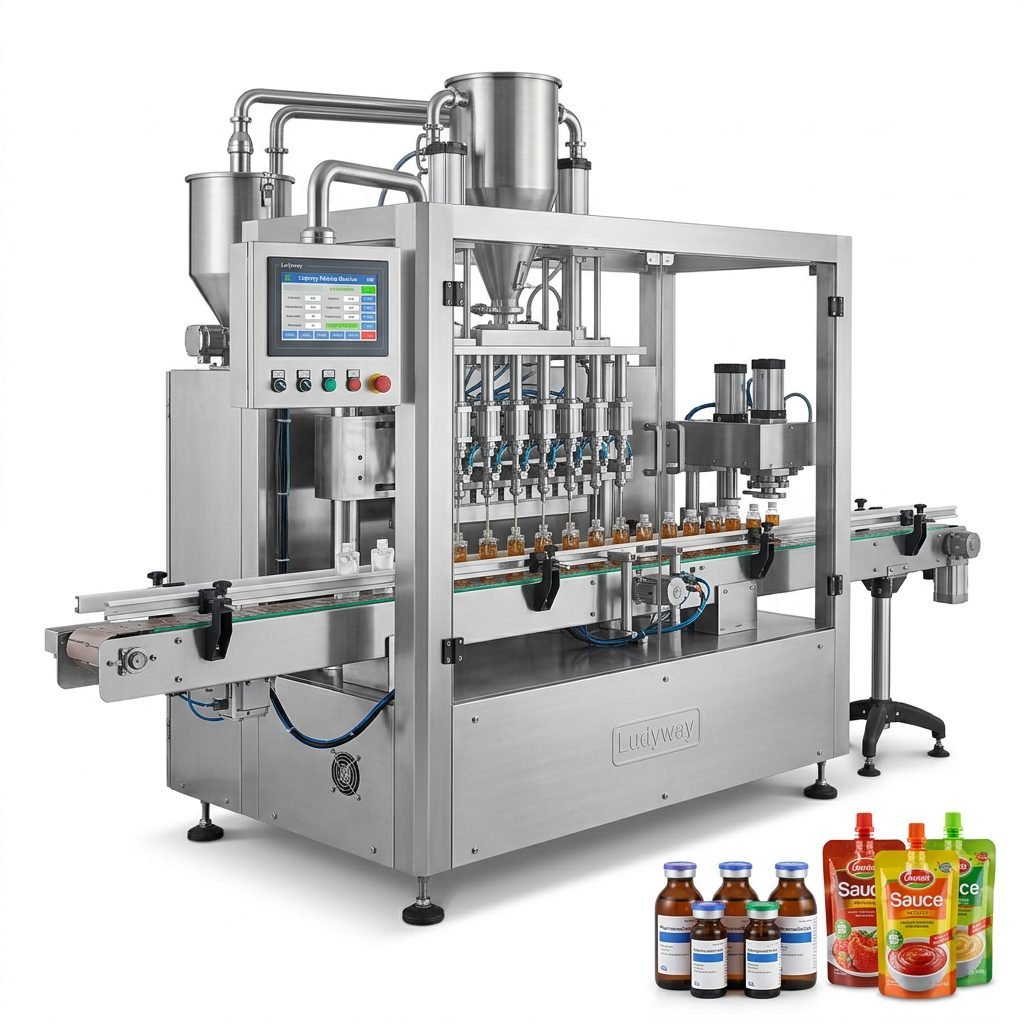
Do not overlook the conveyors. A poorly designed conveyor system can cause frequent stoppages. Belt material must be resistant to oil degradation. Accumulation tables between the filler and capper are recommended to absorb minor speed fluctuations.
4. Setting Up Quality Control Systems
In oil packaging, filling accuracy directly impacts profitability. Giving away 2ml extra per bottle over a year results in significant losses. Advanced inline quality control systems are standard in modern turnkey packaging solutions:
- In-Line Checkweighers: Rejects under/over-filled bottles automatically without stopping the line.
- Cap Torque Monitors: Ensures seals are tight enough to prevent leakage but not too tight for the end-user to open.
- Vision Inspection: Checks label placement, lot codes, and the presence of safety seals at high speeds.
- X-Ray or Metal Detection: Critical for food safety compliance if dealing with cooking oils.
5. Global Compliance and Safety Standards
Your oil packaging machine setup must adhere to international standards to export products globally. The FDA’s regulations on Food Contact Substances govern the materials that touch the oil. Similarly, the ISO packaging standards dictate the testing protocols for transport durability.
- CE Marking: Required for machinery sold in the European Economic Area.
- HACCP Principles: Implement Hazard Analysis at seal joints and filter points to ensure biological safety.
- UL Certification: Necessary for electrical control panels in North American markets.
6. Advanced Automation and Connectivity
Industry 4.0 is transforming multi-lane packaging line systems. A modern line should feature SCADA (Supervisory Control and Data Acquisition) integration to provide real-time OEE (Overall Equipment Effectiveness) data. You can monitor the status of your entire oil production line from a central tablet interface or even remotely.
| Automation Feature | Benefit |
|---|---|
| Servo-Driven Motors | Rapid changeovers and high precision timing |
| IoT Sensors | Predictive maintenance alerts to prevent downtime |
| Automated CIP (Clean-in-Place) | Sanitizes piping without disassembly |
7. Choosing the Right Turnkey Supplier
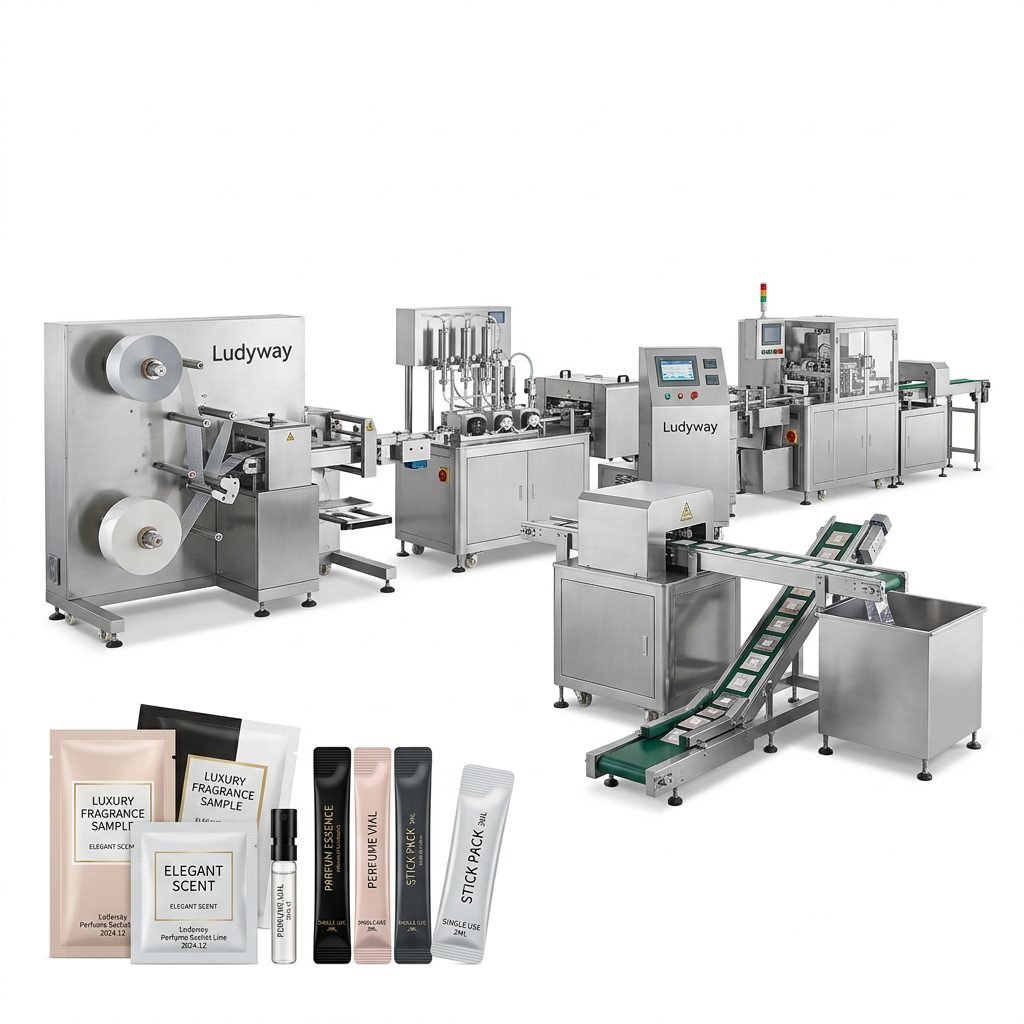
The difference between a successful installation and a delayed project often comes down to the supplier. Rather than coordinating multiple vendors for fillers, cappers, and conveyors, many large manufacturers opt for a single turnkey packaging line provider. This ensures engineering accountability and seamless communication. A partner with deep expertise in granule, powder, and liquid packaging can also offer valuable advice on handling the unique challenges of oil products, such as foaming and viscosity changes under temperature fluctuations.
When evaluating partners, review their manufacturing capability and international service record. For example, Ludyway operates a 20,000㎡ modern production facility and has deployed over 50 intelligent packaging machine models across more than 100 countries. An experienced engineering team helps ensure your line design is compliant with both local and export market regulations.
8. Installation, Training, and Maintenance
A structured commissioning process minimizes downtime. Expect a detailed FAT (Factory Acceptance Test) before the machinery ships, followed by SAT (Site Acceptance Test) at your facility. Operator training is as crucial as the machine specs.
- Day 1-3: Mechanical assembly and leveling of the packaging machinery.
- Day 4-7: Electrical hookup, PLC programming, and dry testing without product.
- Week 2: Wet testing with actual oil, fine-tuning fill volumes, and cap torque.
- Week 3: Production trial runs and operator certification training.
Establish a preventive maintenance schedule focusing on oil resistance. Regularly inspect seals, gaskets, and pneumatic hoses, as oil can degrade standard rubber components faster than water-based products.
9. Site Preparation Checklist
- Is the floor load-bearing capacity sufficient for the fully automated filling line?
- Are voltage stabilizers available to protect servo drives?
- Is the air dryer functional to provide dry, oil-free compressed air?
- Are raw material and finished goods staging areas clearly separated?
- Does the drainage accommodate oil spillage with a proper oil-water separator?
10. Total Cost of Ownership (TCO)
Looking beyond the purchase price is vital. A high-performance oil packaging machine line often cuts costs through reduced waste and higher uptime. Calculate TCO based on spare parts cost, energy consumption, and the expected lifespan of wearing parts. Investing in a durable platform from a reputable packaging machine manufacturer yields a lower TCO over a 5 to 10-year period, even if the initial investment is slightly higher.
For further guidance on selecting the right automated solutions, refer to resources from leading global authorities such as the PMMI and the Flexible Packaging Association. You can also explore detailed industry reports like the State of the Industry analysis to benchmark your production targets.