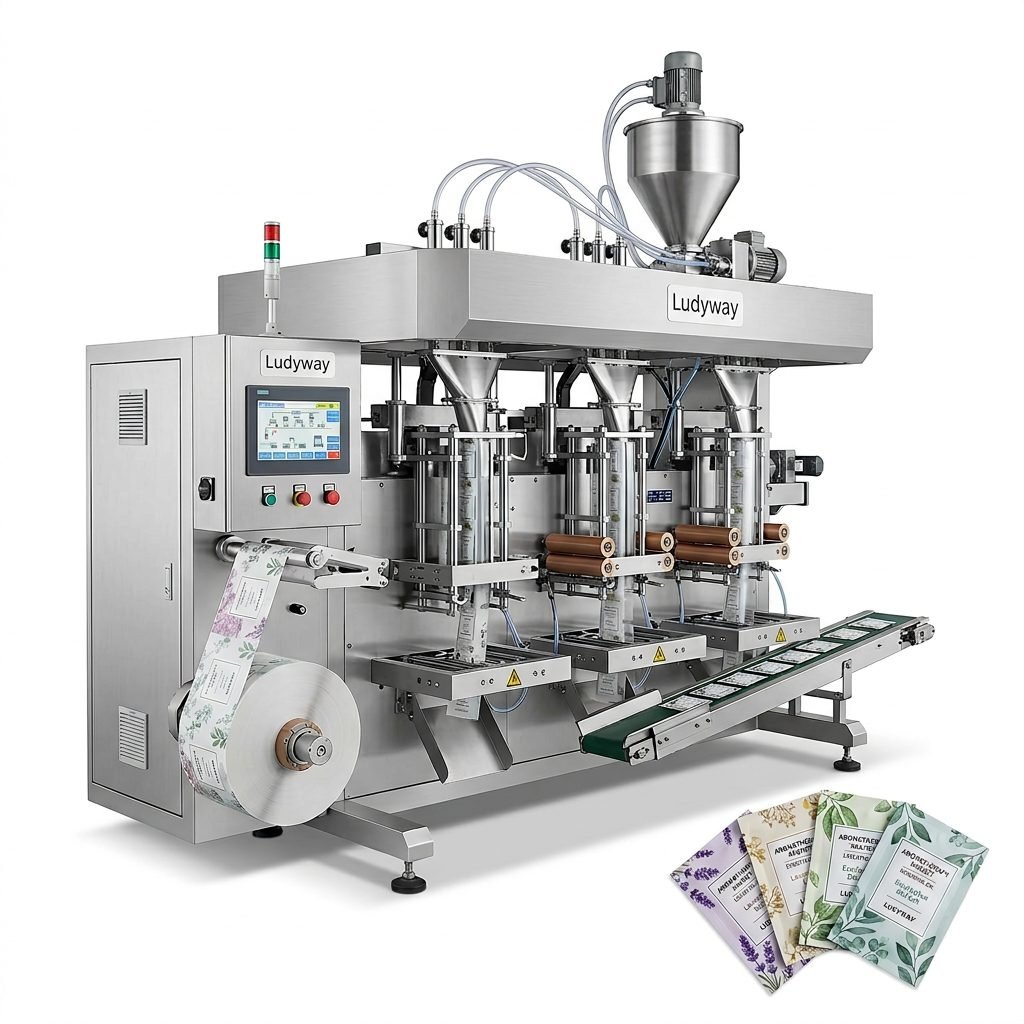
Investing in a low-price tea packing machine is a strategic move for tea producers, startups, and co-packers looking to scale operations without overspending. Whether you are packaging loose-leaf tea, herbal blends, or instant tea powder, the cost of equipment can vary widely based on automation level, speed, and packaging format. Understanding the price range helps you make an informed decision while balancing quality and budget.
What Defines a Low-Price Tea Packing Machine?
A low-price tea packing machine typically refers to entry-level or semi-automatic models designed for small to medium production volumes. These machines handle granule and powder tea products, filling them into stick packs, sachets, or pouches. While high-end multi-lane systems can exceed $50,000, budget-friendly options often start below $8,000, depending on configuration and features.
Key Factors Influencing the Cost
Several variables determine the final price of a tea packing machine. Being aware of these factors helps you evaluate quotes accurately:
- Automation level: Manual and semi-automatic machines cost significantly less than fully automatic packaging lines.
- Packaging format: Stick pack, sachet, and pouch styles each require different sealing and forming mechanisms.
- Production speed: Machines with higher output per minute generally carry a higher price tag.
- Filling system: Volumetric cup fillers are more affordable than multi-head weighers or auger fillers for precise dosing.
- Material compatibility: Equipment built for both granule and powder tea commands a premium over single-material machines.
- Brand and after-sales support: Established manufacturers with global service networks may charge slightly more but offer long-term reliability.
Estimated Price Ranges by Machine Type
The table below outlines typical cost brackets for various low-price tea packing machine configurations available in the current market:
| Machine Type | Packaging Style | Approximate Speed | Estimated Price (USD) |
|---|---|---|---|
| Semi-Automatic Granule Filler | Sachet / Pouch | 15–25 packs/min | $2,500 – $6,000 |
| Single-Lane Stick Pack Machine | Stick Pack | 30–50 packs/min | $5,000 – $9,500 |
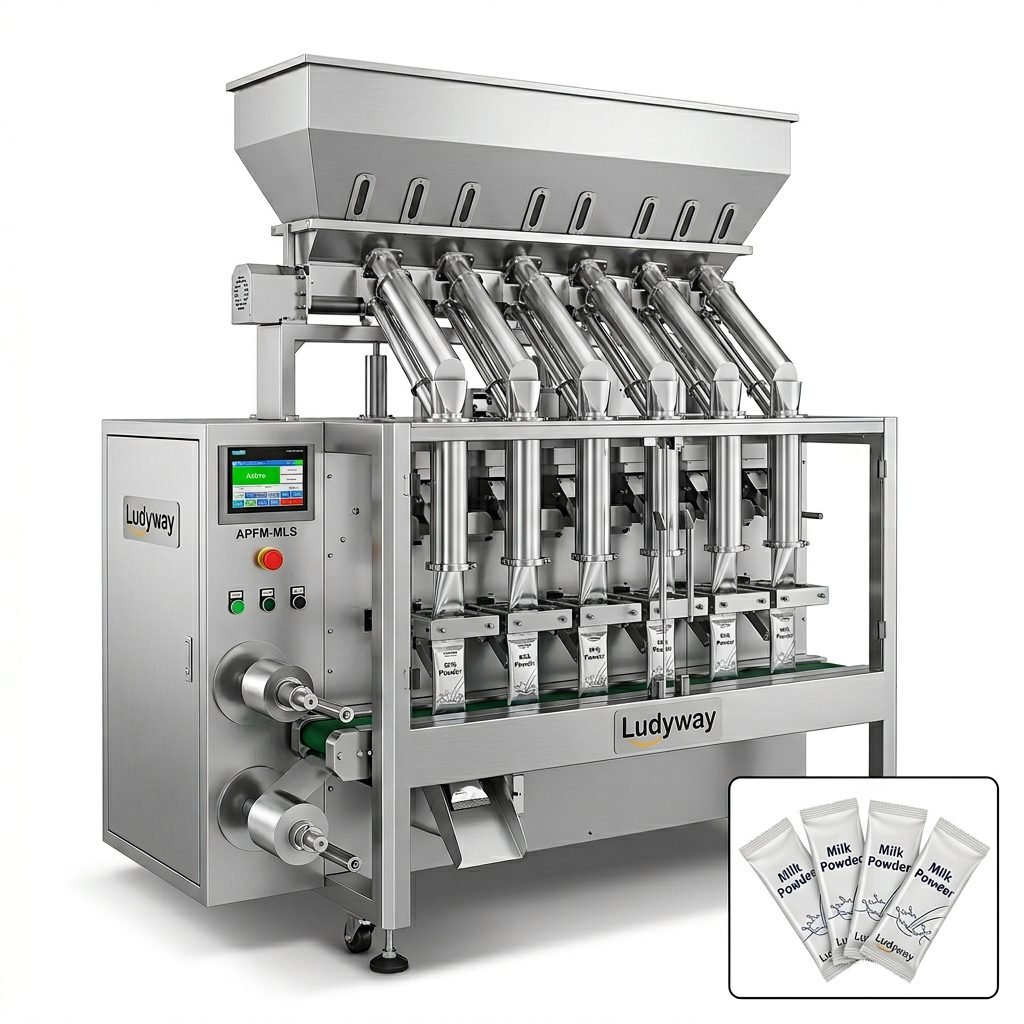
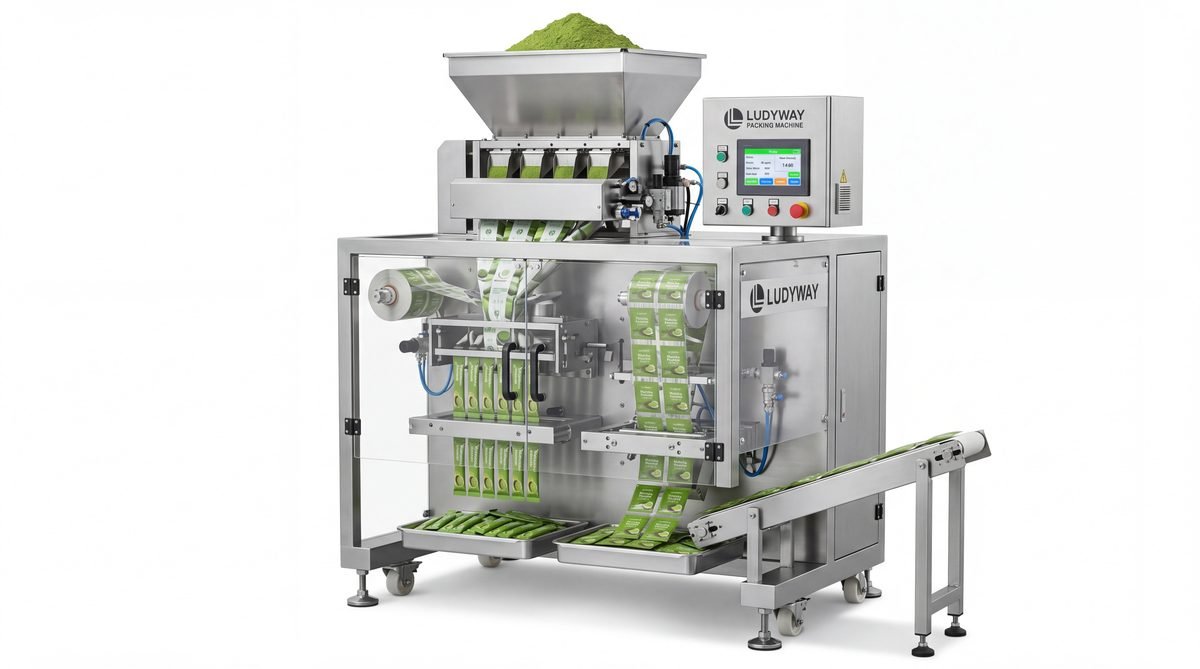
| 4-Lane Sachet Packaging Machine | Sachet | 100–160 packs/min | $10,000 – $18,000 |
| Multi-Lane Stick Pack System (6–8 lanes) | Stick Pack | 200–400 packs/min | $20,000 – $40,000 |
| Automatic Powder Auger Filler | Stick / Sachet | 30–60 packs/min | $8,000 – $15,000 |
| Premade Pouch Rotary Packing Machine | Pouch | 20–40 packs/min | $12,000 – $28,000 |
Where to Find Affordable Tea Packaging Solutions
Purchasing directly from manufacturers often yields the best balance of cost and quality. Many buyers source equipment from regions with established packaging machinery industries, where competitive pricing meets robust engineering. When evaluating suppliers, consider factory size, years of experience, and whether they offer turnkey packaging lines that include filling, sealing, and secondary packaging.
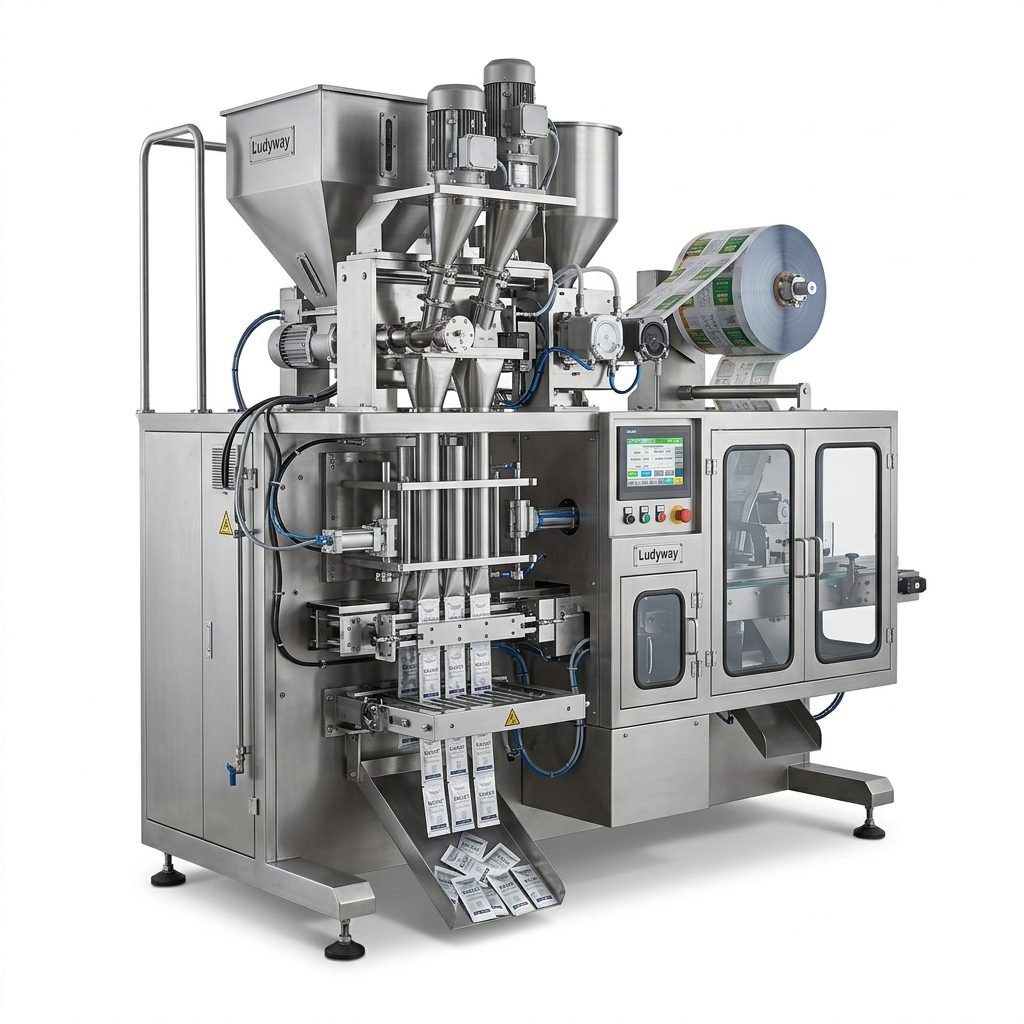
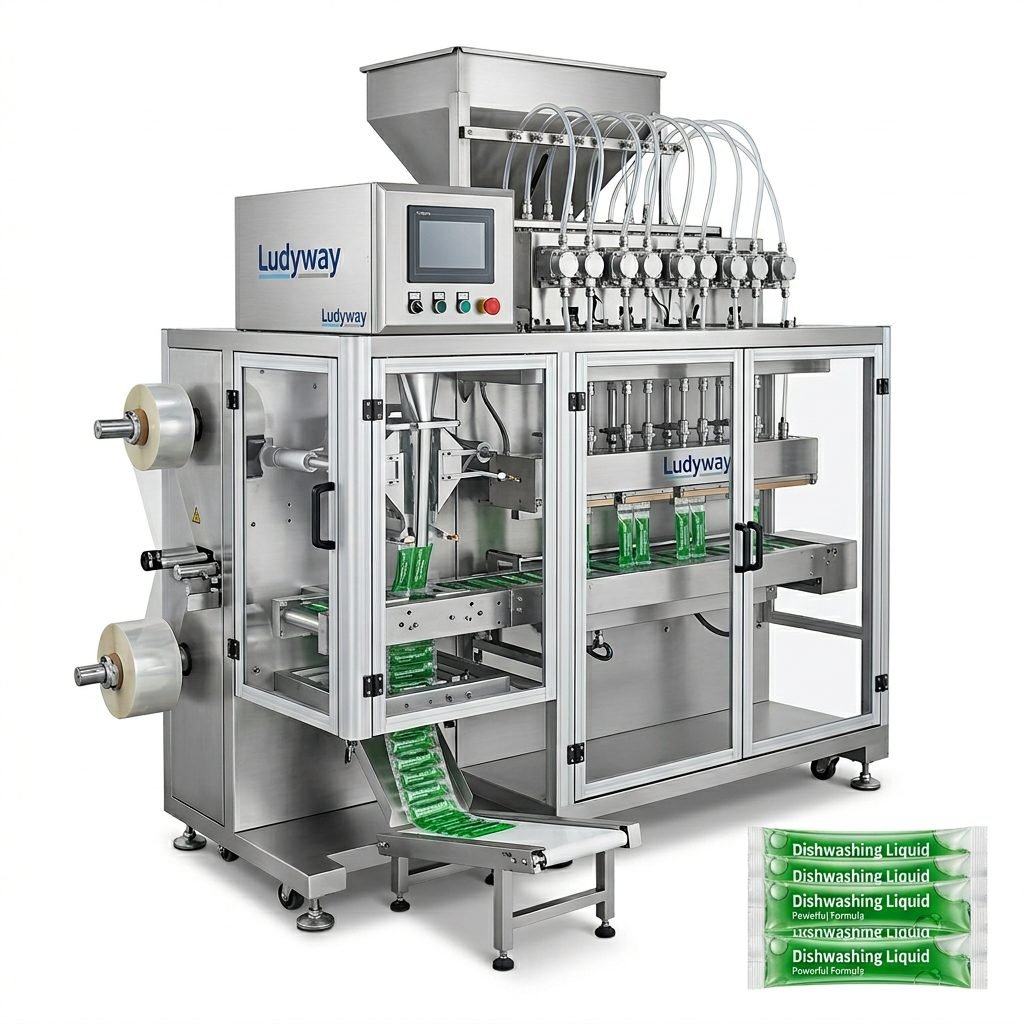
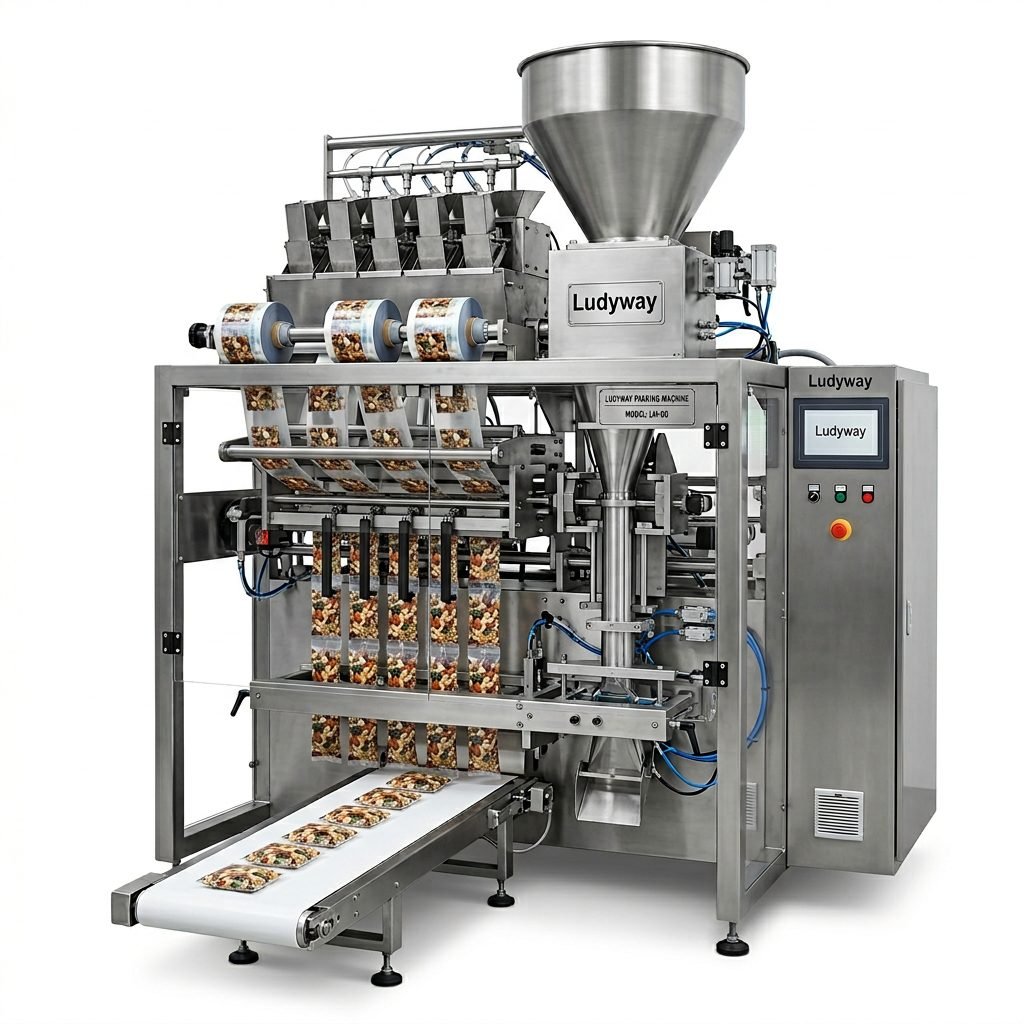
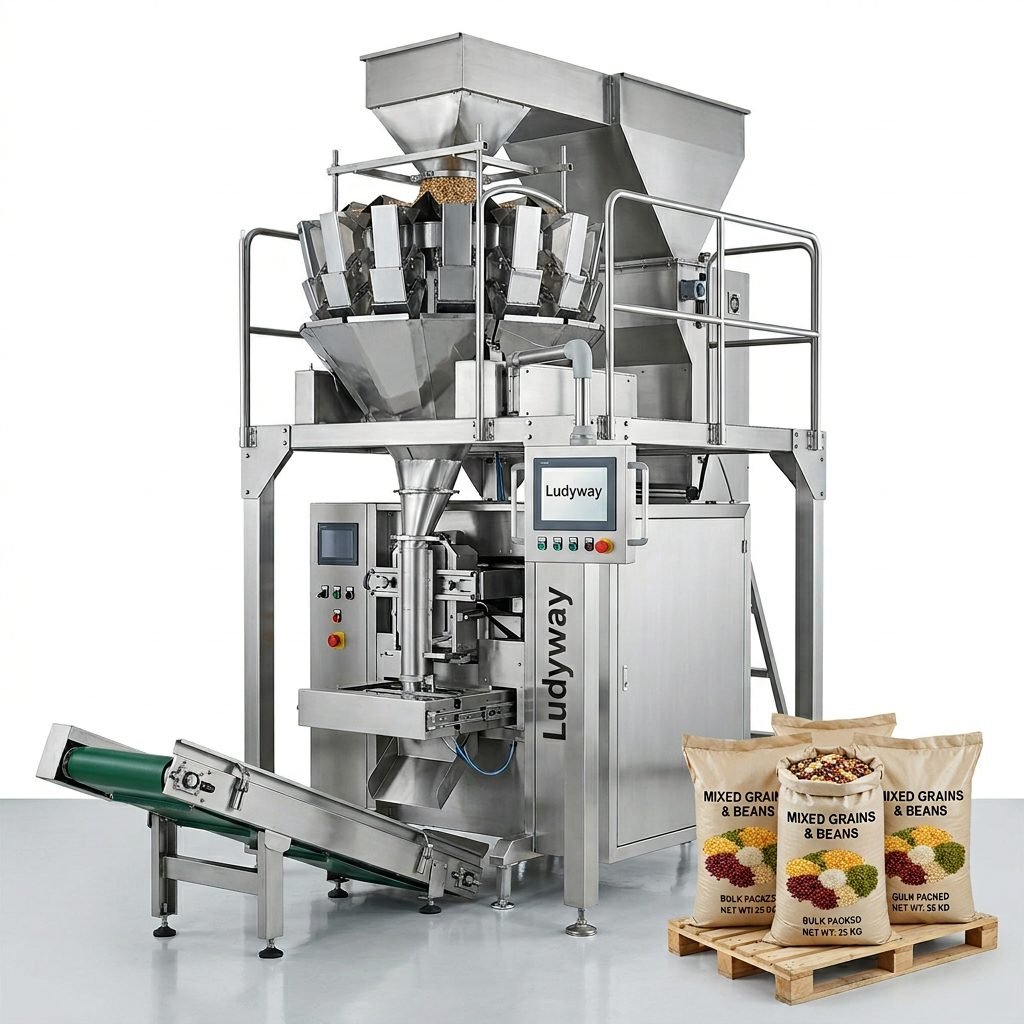
One notable manufacturer in this space is Ludyway, a China-based company with over 30 years of industry expertise and a 20,000㎡ production facility. They offer more than 50 intelligent packaging machine models suitable for granule, powder, liquid, and pouch applications, serving customers in over 100 countries. Their range includes cost-effective multi-lane stick pack and sachet machines ideal for tea products.

Additional Cost Considerations
- Spare parts and consumables: Budget for sealing jaws, cutting blades, and forming tubes over the machine’s lifespan.
- Shipping and installation: International freight, customs duties, and on-site setup can add 10–20% to the equipment cost.
- Operator training: Some suppliers include training in the purchase price; others charge separately.
- Voltage and compliance: Ensure the machine meets local electrical standards (e.g., 220V/60Hz for certain regions).
How to Maximize Value Within Your Budget
Securing a low-price tea packing machine does not mean sacrificing performance. Follow these strategies to get the most from your investment:
- Request a detailed specification sheet and sample video before committing.
- Negotiate package deals that include essential accessories like conveyors and coding systems.
- Opt for modular designs that allow future upgrades, such as adding lanes or switching to liquid filling.
- Check warranty terms and remote support availability for troubleshooting.
- Read case studies or customer reviews for the specific machine model you intend to purchase.
Industry Insights and Resources
Staying informed about packaging industry standards and trends helps you make smarter purchasing decisions. The following resources provide valuable data on packaging machinery markets, regulatory requirements, and technology advancements:
- PMMI Business Intelligence Library – Market research and economic reports on packaging equipment.
- PMMI 2025 State of the Industry Report – Annual overview of packaging machinery trends and forecasts.
- Flexible Packaging Association Industry Resources – Data and insights on flexible packaging materials and equipment.
- PACK EXPO International – Leading trade show for packaging and processing technologies.
- FDA Food Packaging Regulations – Guidelines for food contact substances and packaging safety.
- ISO Packaging Standards – International standards covering packaging machinery, materials, and testing.
Why Entry-Level Machines Remain Popular
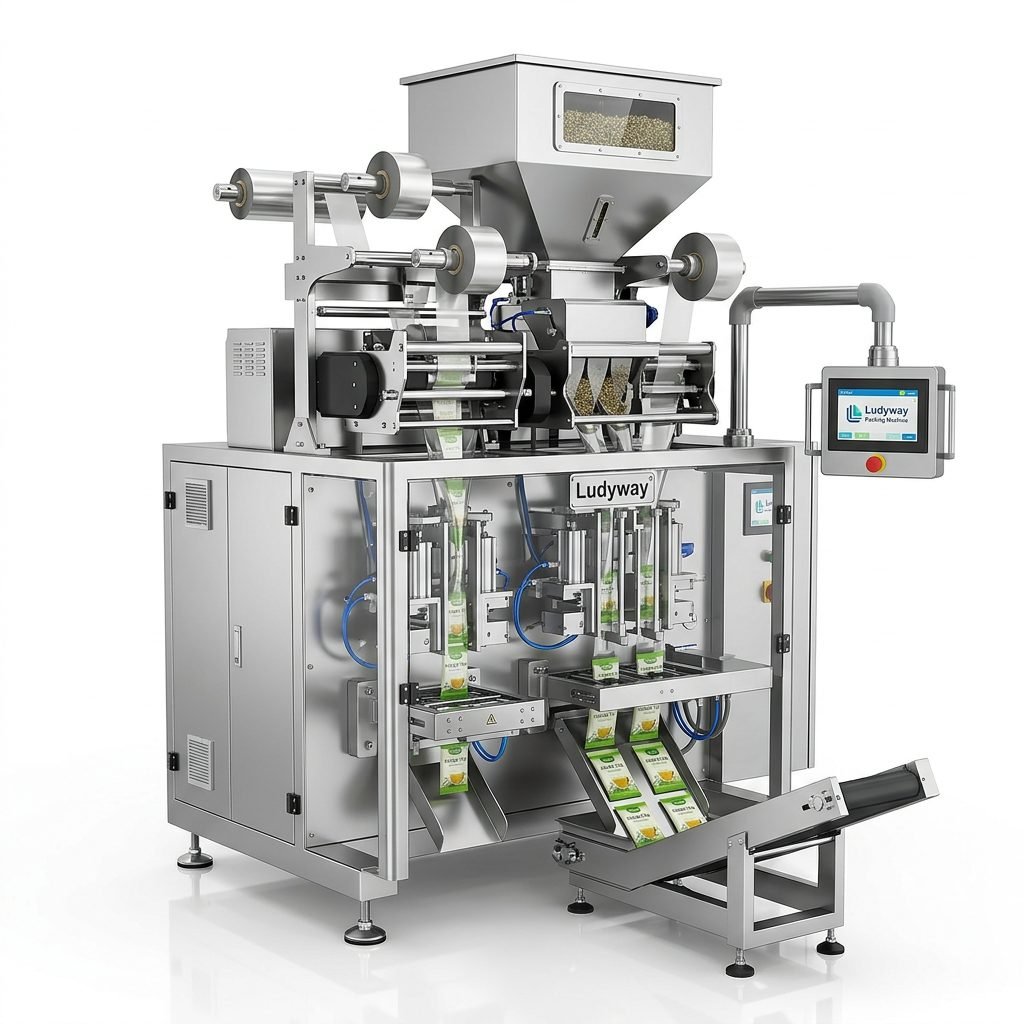
Many tea businesses begin with a compact tea packing machine because it offers a quick return on investment. These machines can often pay for themselves within 12–18 months when running consistent production shifts. Additionally, the growing demand for single-serve and portion-controlled tea packaging continues to drive innovation in affordable equipment segments.
Final Thoughts on Pricing
The cost of a low-price tea packing machine ultimately depends on your specific production requirements. A small herbal tea startup might thrive with a $4,000 semi-automatic unit, while a growing brand targeting retail chains may need a $15,000 multi-lane system. Always prioritize build quality, after-sales support, and packaging precision over the lowest sticker price. Investing slightly more upfront can reduce downtime and maintenance costs in the long run.