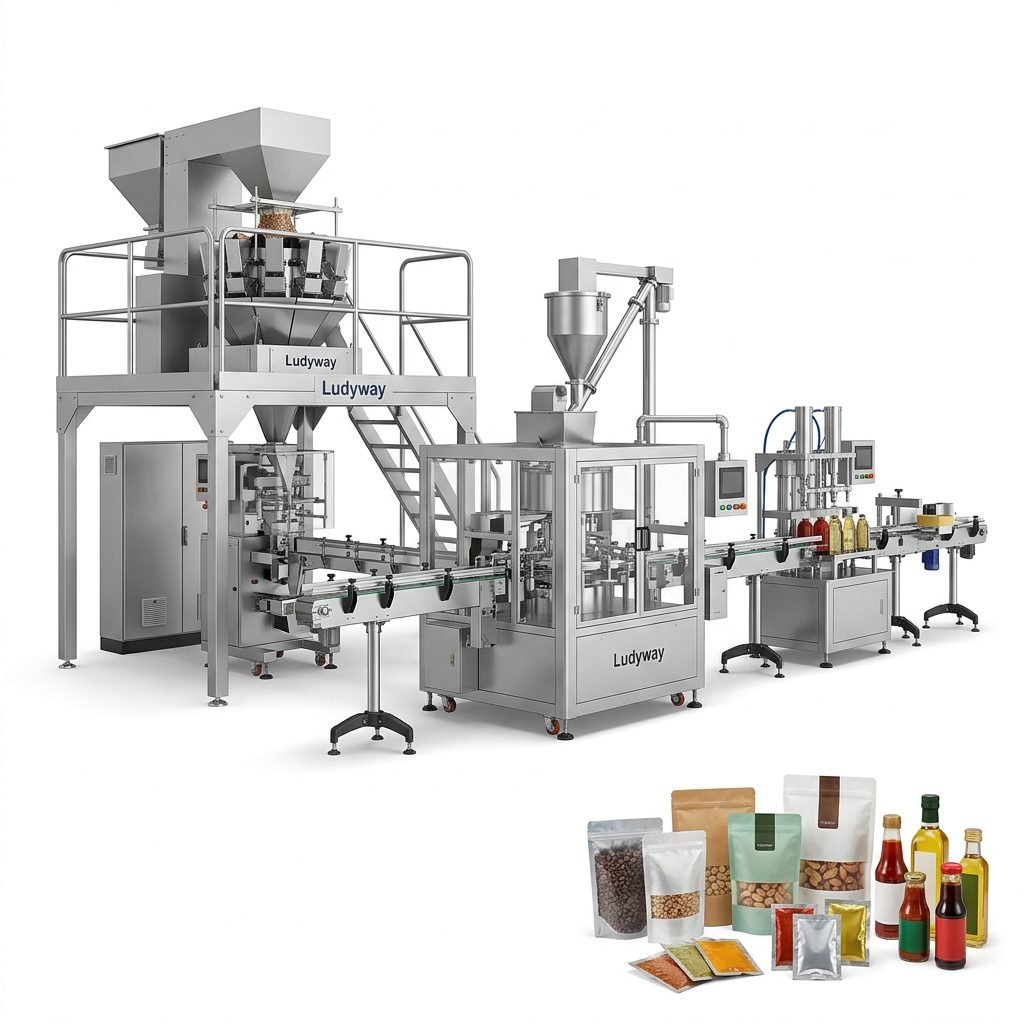
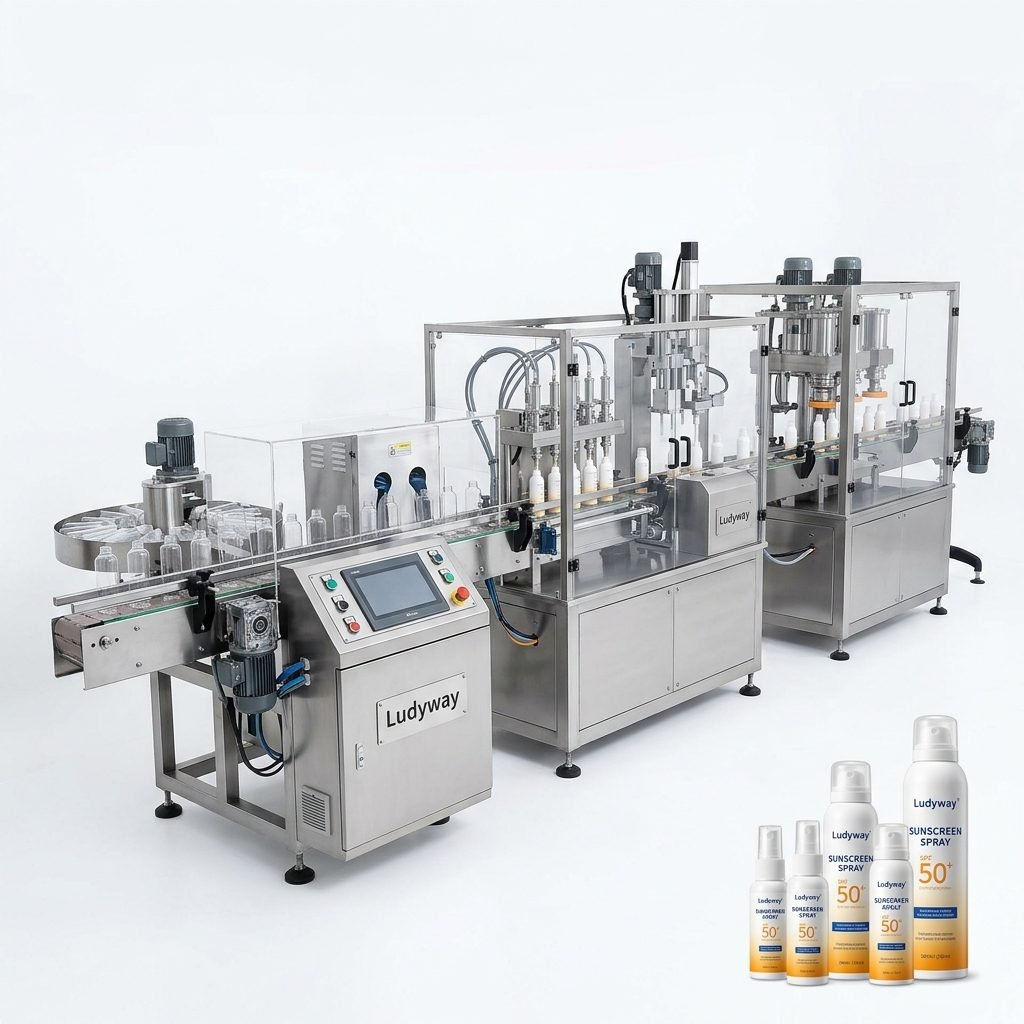
Investing in a meal packaging machine is a strategic decision that directly impacts product quality, shelf life, production efficiency, and brand reputation. Whether you are packaging ready-to-eat meals, frozen entrees, meal kits, or instant food products, selecting the wrong equipment can lead to costly downtime, inconsistent sealing, inaccurate portioning, and compromised food safety. This comprehensive buyer’s guide walks you through every critical factor to evaluate before making a purchase, helping you choose a packaging solution that aligns with your production goals, product characteristics, and business growth plans.
Understanding Your Meal Packaging Requirements
Before comparing machine specifications, you need a clear understanding of what you are packaging and how you want it presented. Meal products vary enormously—from dry powder soup mixes and instant noodle seasoning to wet sauces, frozen vegetables, and complete meal kits. Each product type demands specific handling, filling, and sealing technologies. Start by documenting your product’s physical state (powder, granule, liquid, paste, solid pieces, or combination), flow characteristics, temperature sensitivity, and moisture content. These factors determine the dosing mechanism, the type of forming tube, and the sealing parameters required.
Equally important is understanding your target packaging format. Are you producing stick packs, sachets, pillow bags, gusseted pouches, stand-up pouches, or vacuum-sealed packs? Each format has different film requirements, seal configurations, and production speed capabilities. According to industry data from the PMMI Business Intelligence Library, the flexible packaging segment continues to grow rapidly, driven by consumer demand for convenience and portion control—making format selection more important than ever.
Key Factors to Evaluate When Choosing a Meal Packaging Machine
Product Characteristics and Compatibility
The physical properties of your meal product directly influence which packaging machinery is appropriate. Consider these critical product attributes:
- Flowability: Free-flowing powders like protein mixes require different handling than cohesive powders like cake mixes or sticky products like dried fruit with sugar coatings.
- Particle size and distribution: Products with mixed particle sizes, such as soup mixes containing both powder and dehydrated vegetable pieces, need specialized filling systems to prevent segregation.
- Dust generation: Fine powders like flour or spice blends create dust that can interfere with seal integrity. Machines with dust extraction systems may be necessary.
- Hygroscopicity: Products that absorb moisture from the air, such as instant coffee or milk powder, require packaging machinery capable of maintaining seal integrity and possibly incorporating nitrogen flushing.
- Temperature sensitivity: Heat-sensitive ingredients like probiotics or chocolate chips may require cold-seal packaging films or modified temperature sealing profiles to prevent degradation.
Packaging Format and Bag Styles
Your choice of packaging format affects machine selection at a fundamental level. Below is a comparison of common meal packaging formats and their typical applications:
| Packaging Format | Best Suited For | Machine Type | Speed Range |
|---|---|---|---|
| Stick Packs | Single-serve powders, drink mixes, sugar, instant coffee | Multi-lane stick pack machine | 200-800 packs/min per lane |
| Three-Side-Seal Sachets | Sauces, condiments, seasonings, liquid meal components | Rotary or multi-lane sachet machine | 100-600 packs/min |
| Pillow Bags | Frozen vegetables, pasta, dried meal components | Vertical form fill seal (VFFS) | 30-150 bags/min |
| Stand-Up Pouches | Ready meals, frozen entrees, premium meal kits | Premade pouch machine or VFFS with gusset | 20-80 pouches/min |
| Vacuum Packs | Cooked meats, marinated proteins, shelf-stable meals | Vacuum chamber or thermoforming machine | 10-60 packs/min |
Production Speed and Capacity Planning
Speed requirements should be based on current and projected production volumes. A common mistake is purchasing a machine that meets today’s needs without considering future growth. Calculate your target output in packs per minute, factoring in:
- Current daily or shift-based production volumes
- Seasonal demand fluctuations typical in the meal industry
- Planned product line expansions or new SKU introductions
- Expected growth over the next 3-5 years
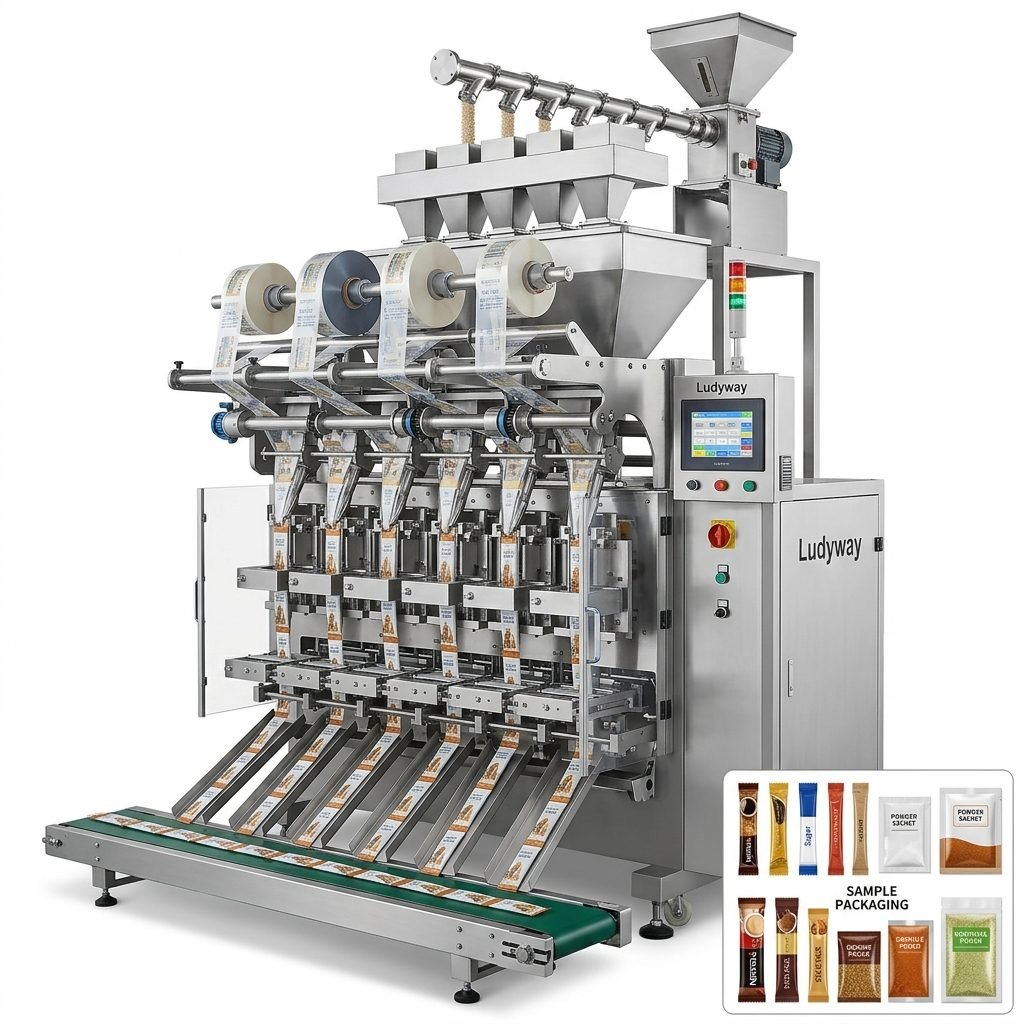
Multi-lane packaging machines offer significantly higher throughput by running several packaging lanes simultaneously. For high-volume meal powder or granule products, a multi-lane stick pack machine can dramatically increase output compared to single-lane alternatives. However, higher speed often comes with increased complexity in film handling, tension control, and changeover procedures.
Filling Accuracy and Dosing Technology
Precise portion control is essential for meal products—both for regulatory compliance and cost management. Overfilling by even a few grams per pack can translate into substantial product loss over millions of units. FDA food packaging regulations require that net contents accurately reflect labeled quantities, making filling accuracy a compliance issue as well as an economic one.
Common dosing technologies for meal packaging include:
- Auger fillers: Ideal for powders and fine granules with excellent accuracy (±0.5-1%)
- Volumetric cup fillers: Cost-effective for free-flowing granules with consistent density
- Multi-head weighers: High-speed, high-accuracy solution for solid pieces and mixed products
- Piston fillers: Best for liquid meal components, sauces, and pastes
- Net weight fillers: For high-value products where every gram matters
Automation Level and Integration Capabilities
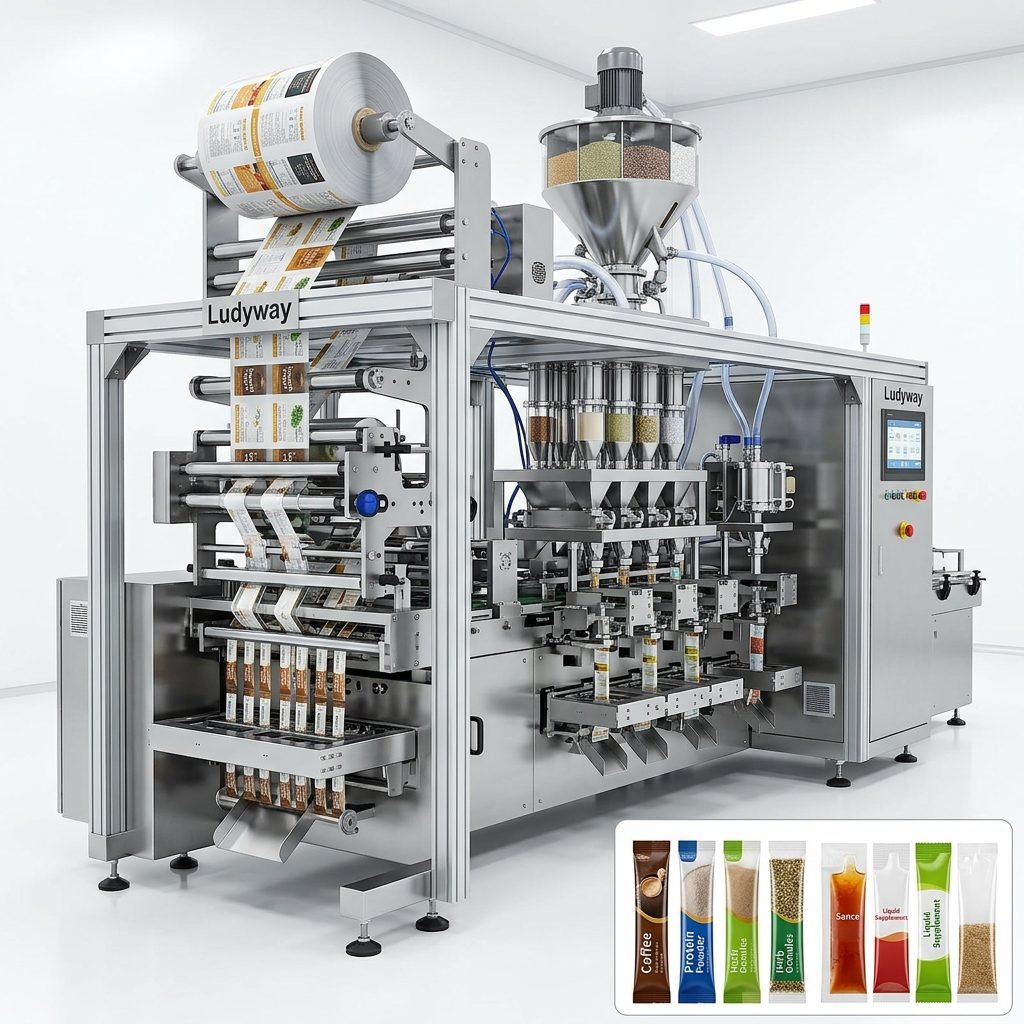
Modern meal packaging lines can range from semi-automatic machines requiring significant operator involvement to fully automated systems that integrate filling, sealing, coding, inspection, cartoning, and palletizing. Your choice depends on labor costs, production volume, and the complexity of your packaging process. Automated systems reduce labor dependency, improve consistency, and enable higher throughput—but require higher initial investment and more sophisticated technical support.
Consider whether the machine can integrate with your existing upstream and downstream equipment. A turnkey packaging solution that connects multiple stages—from product feeding to final case packing—can simplify project management and ensure compatibility across the entire line. The Flexible Packaging Association provides valuable resources on packaging line integration and automation trends that can inform your planning.
Types of Meal Packaging Machines
Understanding the major categories of packaging machinery helps narrow your options quickly. Each type has distinct advantages for specific meal applications:
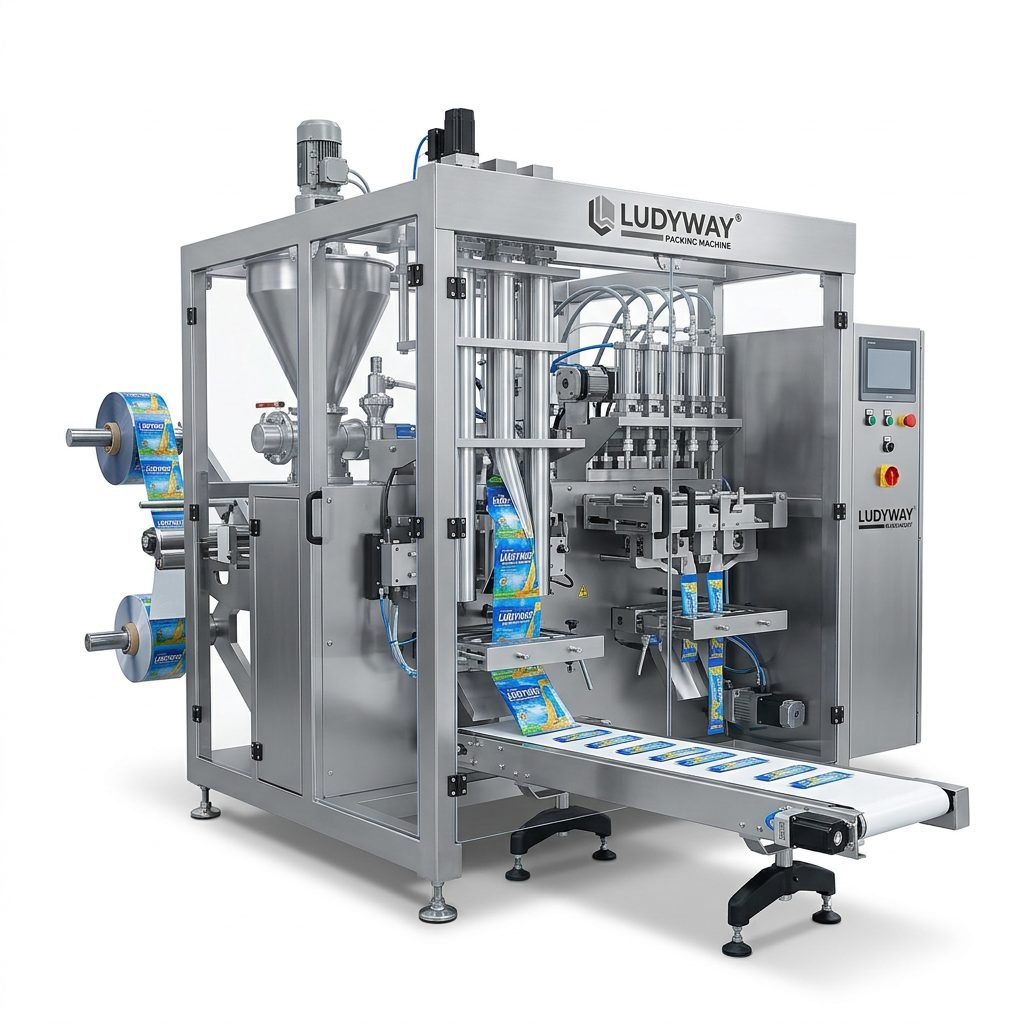
Vertical Form Fill Seal (VFFS) Machines
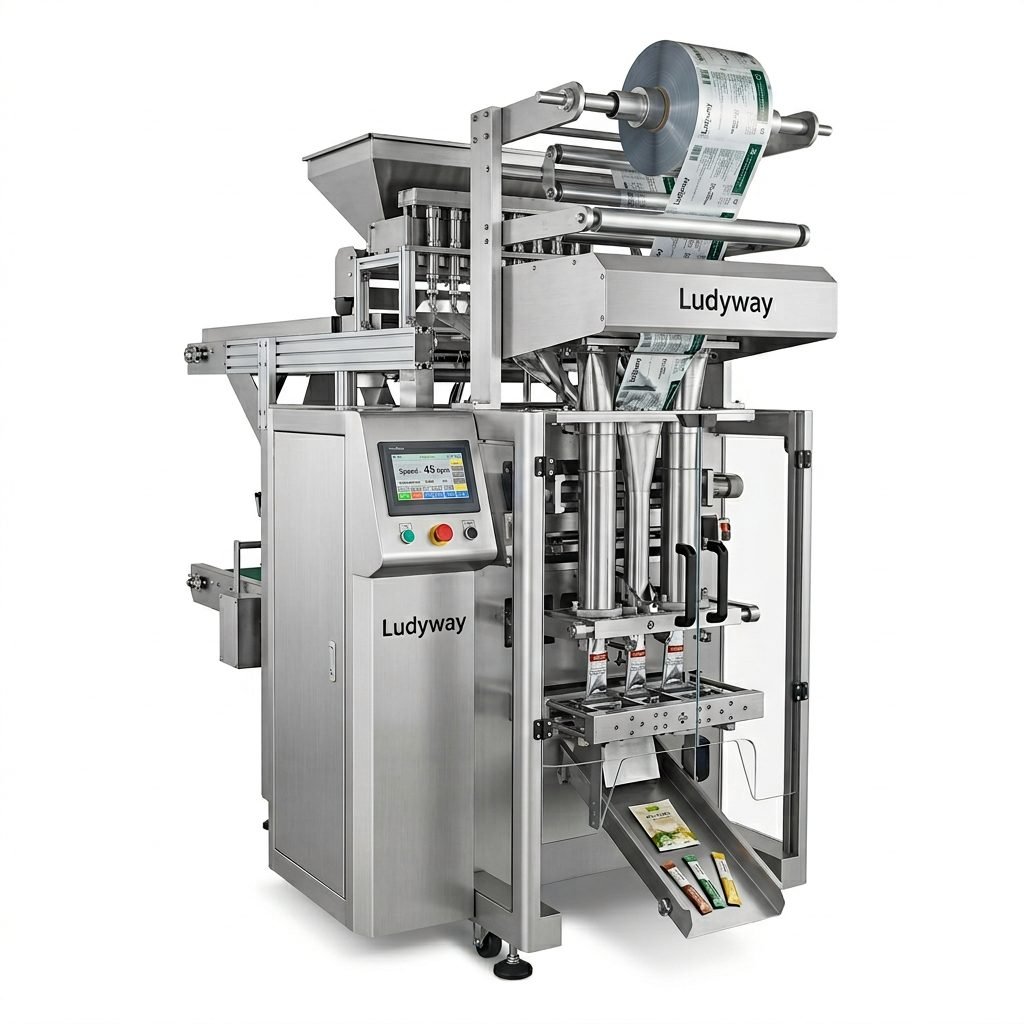
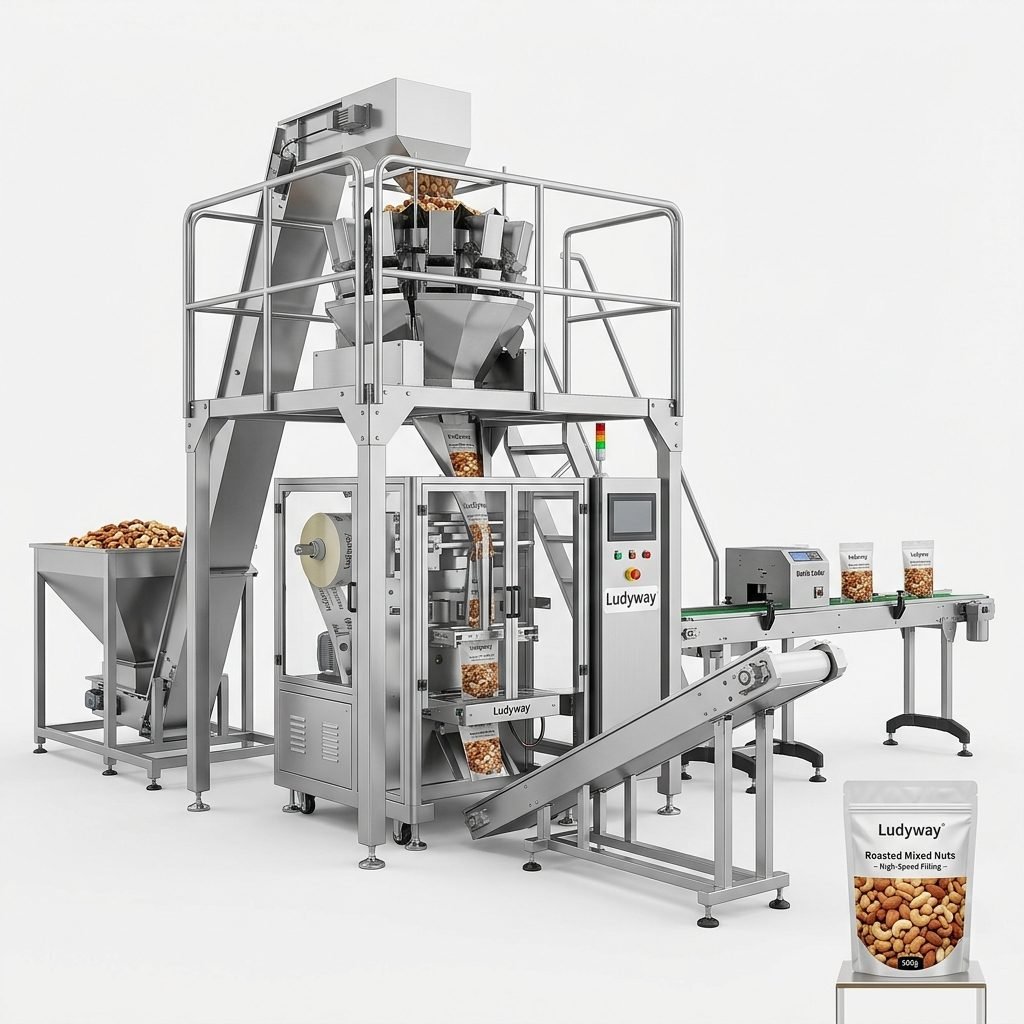
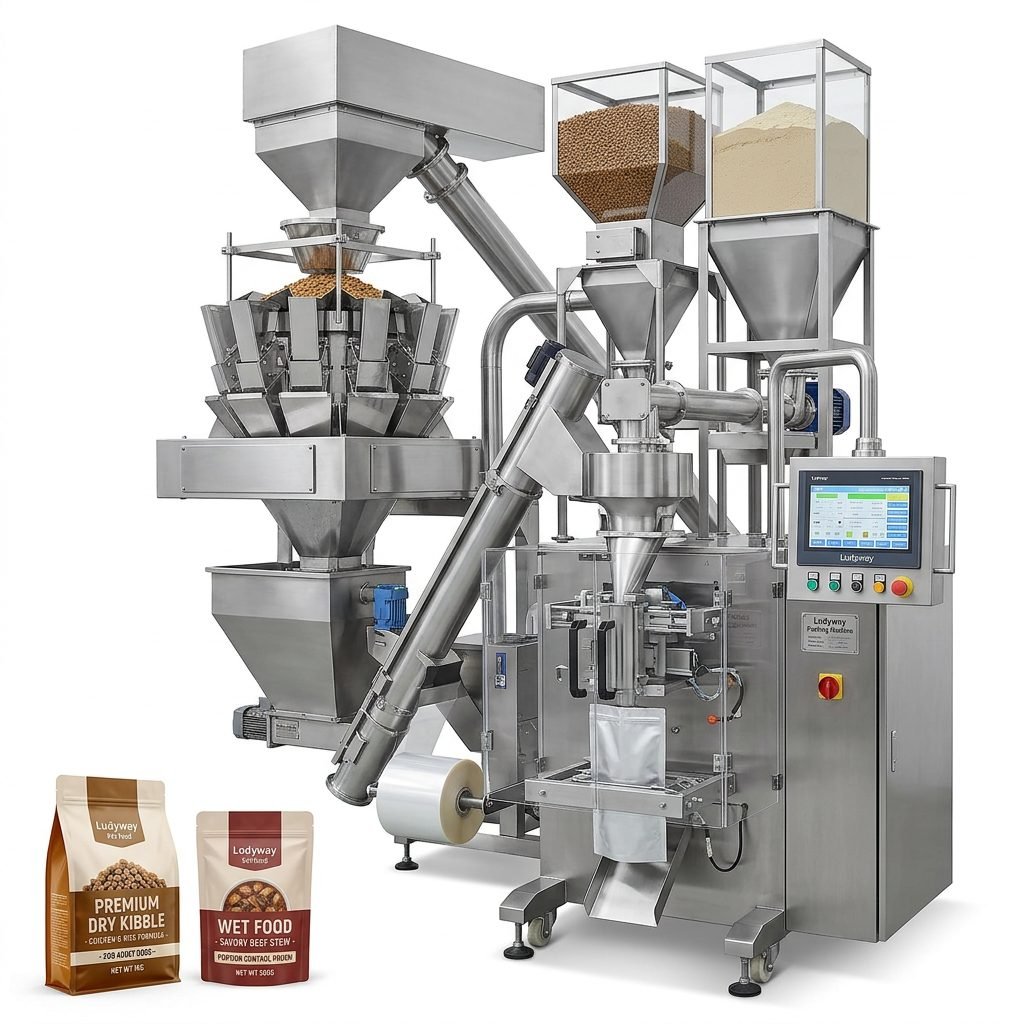
VFFS machines form a bag from a flat roll of film, fill it vertically with product, and seal it. They are versatile workhorses suited to powders, granules, liquids, and solid pieces. VFFS technology is widely used for frozen vegetables, rice and grain meal components, powdered soup bases, and snack items included in meal kits. These machines offer a good balance of speed, flexibility, and cost-effectiveness for medium to high-volume production.
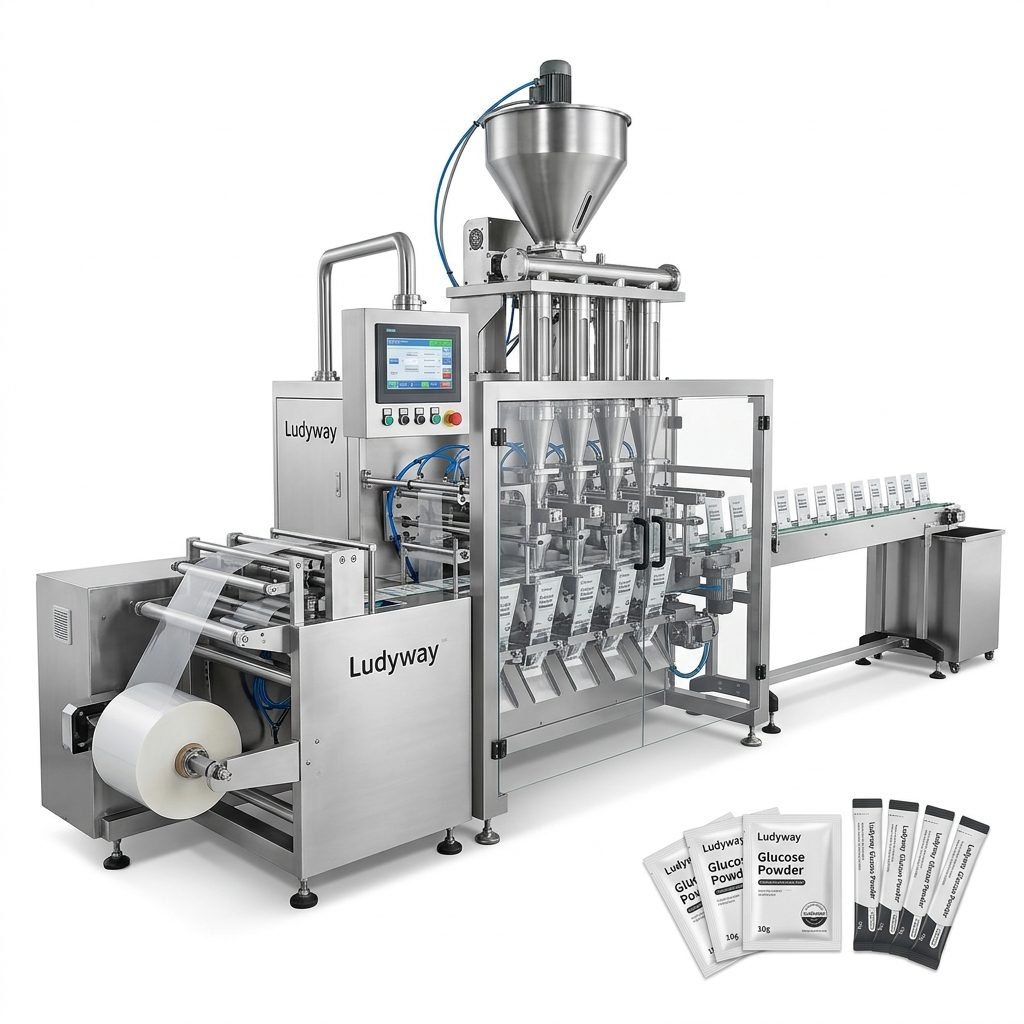
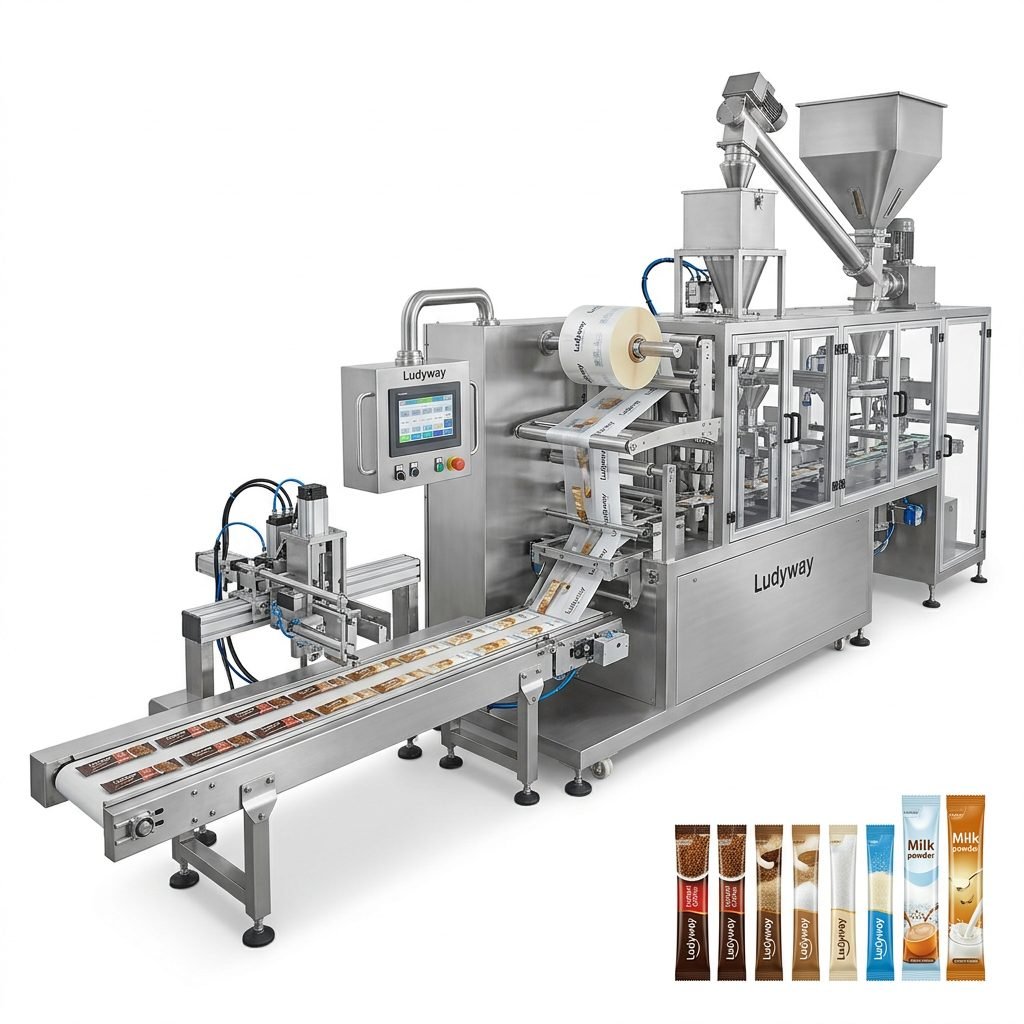
Multi-Lane Stick Pack and Sachet Machines
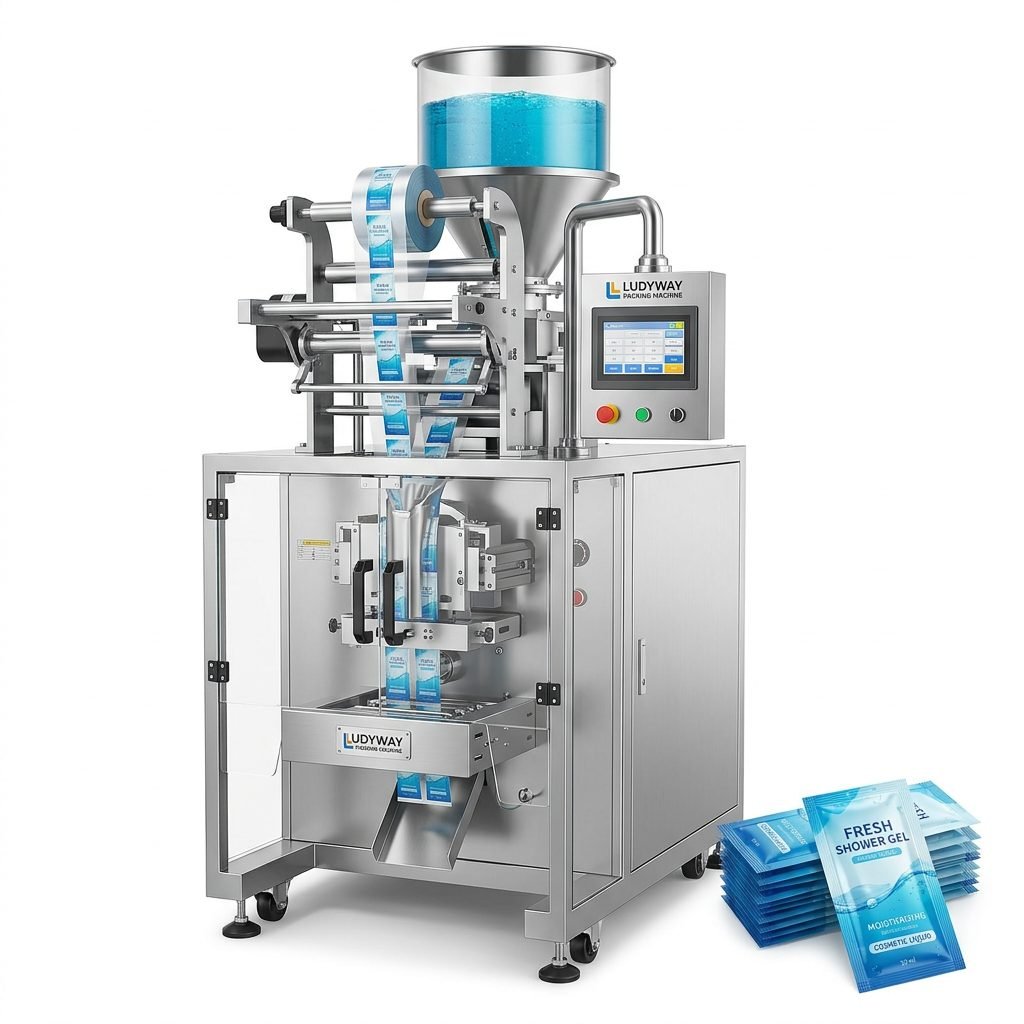
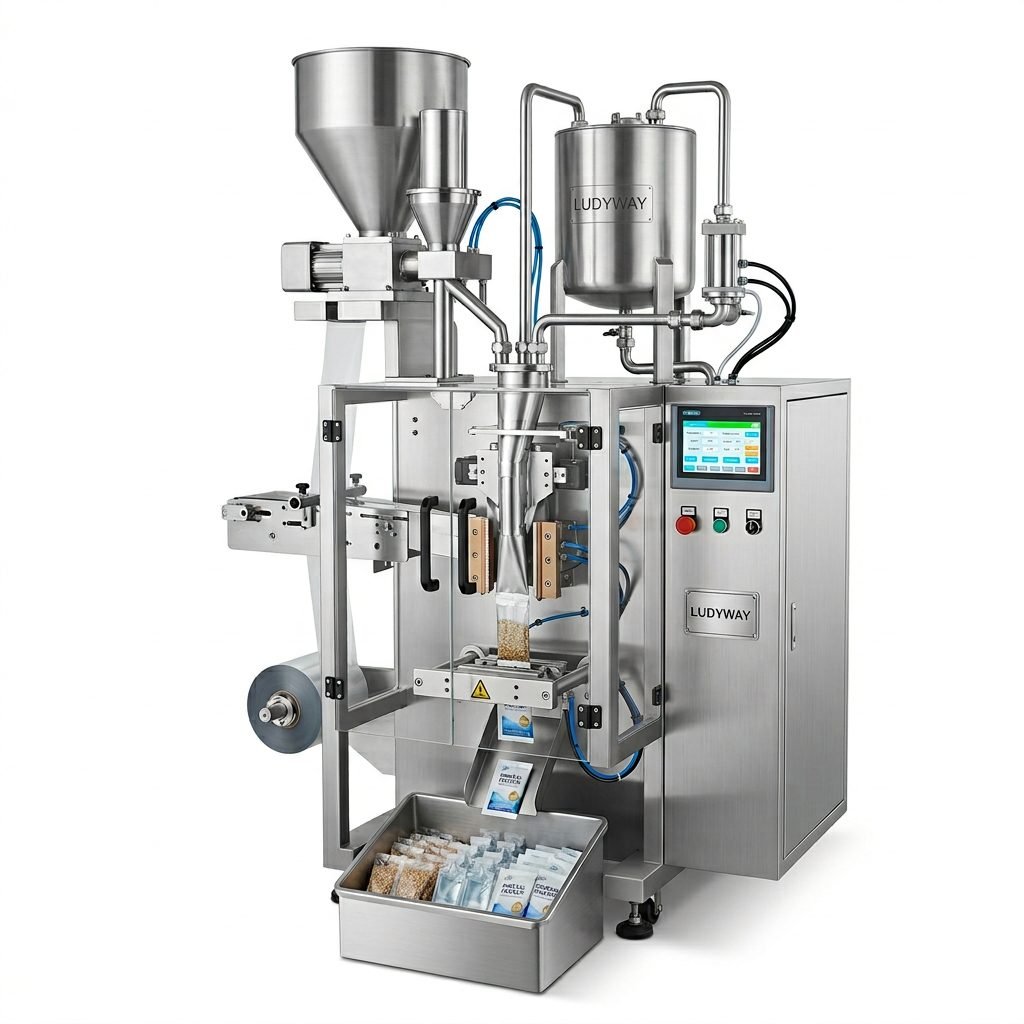
These specialized machines run multiple packaging lanes simultaneously, producing narrow stick packs or flat sachets at exceptionally high speeds. They are dominant in the single-serve meal component market—think instant coffee sticks, sugar sachets, sauce packets, seasoning mixes, and protein powder servings. Multi-lane configurations can achieve outputs exceeding 1,000 packs per minute across all lanes, making them ideal for high-volume, small-portion meal packaging.
Premade Pouch Machines
These systems use pre-manufactured pouches that are opened, filled, and sealed. They excel with stand-up pouches, zipper bags, spouted pouches, and other premium packaging formats commonly used for higher-value meal products. While generally slower than VFFS or multi-lane machines, premade pouch systems offer superior package aesthetics and support advanced features like resealable zippers and shaped pouches that enhance consumer convenience.
Thermoforming and Vacuum Packaging Machines
For ready-to-eat meals, marinated proteins, and products requiring extended shelf life, thermoforming machines create packages from bottom and top film rolls, forming cavities that hold the product. Vacuum or modified atmosphere packaging (MAP) extends freshness by removing oxygen or replacing it with inert gases. This technology is essential for many refrigerated and shelf-stable meal applications, though it represents a higher capital investment.
Material Compatibility and Sustainability Considerations
The packaging film or material your machine uses directly affects product protection, shelf appeal, and environmental footprint. Growing consumer and regulatory pressure around packaging sustainability is reshaping material choices in the meal industry. The European Commission’s packaging and packaging waste regulations and similar initiatives worldwide are driving demand for recyclable, compostable, and reduced-material packaging solutions.
When evaluating a meal packaging machine, confirm its compatibility with the film structures you plan to use. Key material considerations include:
- Sealant layer compatibility: Different sealant polymers (PE, PP, ionomer) require specific sealing temperature ranges and dwell times.
- Barrier requirements: Products sensitive to oxygen, moisture, or light need high-barrier films that may have different handling characteristics.
- Recyclable monomaterial films: These newer sustainable materials can be more challenging to run on conventional machines due to different stiffness and sealing behavior.
- Film thickness range: Verify that the machine’s forming, feeding, and sealing systems accommodate your target film thickness.

Compliance and Industry Standards
Food packaging machinery must comply with various regulations depending on your target markets. Equipment that contacts food must use food-grade materials and be designed for cleanability and sanitation. Key standards and certifications to verify include:
- FDA compliance: For machines sold into the U.S. market, materials in food contact zones must meet FDA food contact substance regulations.
- EU regulations: European markets require compliance with relevant EU food contact materials legislation and machinery directives.
- ISO standards: ISO packaging standards provide internationally recognized frameworks for quality and safety.
- GFSI-recognized schemes: Machines designed for cleanability and hygienic design principles align with SQF, BRC, and FSSC 22000 requirements.
- CE marking: Required for machinery sold in the European Economic Area, indicating conformity with health, safety, and environmental standards.
Evaluating Total Cost of Ownership
The purchase price of a meal packaging machine is only one component of its total cost. A comprehensive cost analysis should consider the entire equipment lifecycle. Use the framework below to compare options objectively:
| Cost Category | Considerations | Impact on TCO |
|---|---|---|
| Capital expenditure | Machine price, shipping, installation, facility modifications | High upfront |
| Operating costs | Labor, energy consumption, compressed air, film waste | Ongoing, significant over time |
| Maintenance and spares | Preventive maintenance, wear parts, emergency repairs | Increases as machine ages |
| Changeover efficiency | Time and labor required for format or product changes | Affects productivity and flexibility |
| Film and material waste | Startup waste, splice waste, misaligned film losses | 3-10% of film cost, reducible with better equipment |
| Downtime cost | Lost production, missed orders, idle labor during breakdowns | Potentially very high for critical lines |
A machine with a lower purchase price but higher operating costs, more film waste, or frequent downtime can end up costing significantly more over a 5-10 year period than a premium machine with better efficiency and reliability.
Choosing the Right Packaging Machinery Partner
The relationship with your equipment supplier is as important as the machine itself. A reputable packaging machinery manufacturer provides far more than hardware—they offer application expertise, engineering support, and long-term service that directly affects your production success. As a China-based packaging machinery manufacturer with over 30 years of industry experience, Ludyway Machinery exemplifies the kind of comprehensive partner that combines manufacturing expertise with engineering capabilities and global technical support. When evaluating potential suppliers, consider these criteria:
- Industry experience: How many years has the manufacturer been building meal packaging machines? Do they understand your specific product challenges?
- Application expertise: Can they provide references from similar meal product applications? Have they solved packaging challenges comparable to yours?
- Customization capability: Standard machines rarely fit every application perfectly. Look for a partner that offers customized packaging solutions tailored to your product and production requirements.
- Testing facilities: Reputable manufacturers offer product testing on their equipment before purchase—an essential step for validating machine performance with your actual product.
- After-sales support: Evaluate the availability of installation, commissioning, operator training, spare parts, and technical support in your region.
- Global service capability: For international operations, a supplier with experience serving multiple markets can provide valuable guidance on regional standards and requirements.
Common Mistakes to Avoid
Learning from the missteps of others can save substantial time and money. Here are frequent errors made when purchasing meal packaging equipment:
- Underestimating film compatibility issues: Assuming that any film will run on any machine frequently leads to sealing problems, waste, and production delays. Always test your specific film on the target machine.
- Overlooking changeover complexity: If you run multiple products or formats, changeover time directly affects your operational efficiency. Machines with quick-change features and tool-free adjustments reduce downtime between production runs.
- Neglecting facility requirements: Confirm that your facility has adequate space, power supply, compressed air capacity, and environmental controls for the machine. Some machines require specific temperature and humidity conditions for optimal performance.
- Choosing based on price alone: As the total cost of ownership analysis shows, the cheapest machine rarely represents the best value. Evaluate lifetime costs, not just initial expenditure.
- Skipping the factory acceptance test: Always test the machine with your product before it leaves the factory. This identifies issues early and ensures the equipment meets agreed specifications.
- Ignoring scalability: A machine that perfectly fits current volumes but cannot accommodate growth may need replacement sooner than expected, leading to additional capital expenditure.
Final Decision Framework
To make a confident, well-informed selection, use this structured evaluation approach:
- Define your requirements in writing—product characteristics, packaging format, speed targets, automation level, and budget.
- Research potential machine types that match your defined requirements and eliminate options that are clearly unsuitable.
- Shortlist qualified manufacturers with proven experience in meal packaging applications similar to yours.
- Request product testing on the shortlisted machines using your actual product and packaging materials.
- Visit manufacturing facilities if possible, or arrange detailed virtual tours to assess build quality and engineering standards.
- Evaluate total cost of ownership for each option, not just the purchase price.
- Verify references from customers with similar applications and production scales.
- Negotiate warranty, training, and after-sales support terms before finalizing the purchase.
Choosing the right meal packaging machine is a complex decision with long-term implications for your business. By systematically evaluating your product requirements, understanding available machine technologies, assessing total costs, and partnering with an experienced manufacturer, you can select equipment that delivers consistent performance, protects your products, and supports your growth for years to come. The investment of time in thorough evaluation pays dividends in production reliability, product quality, and operational efficiency.