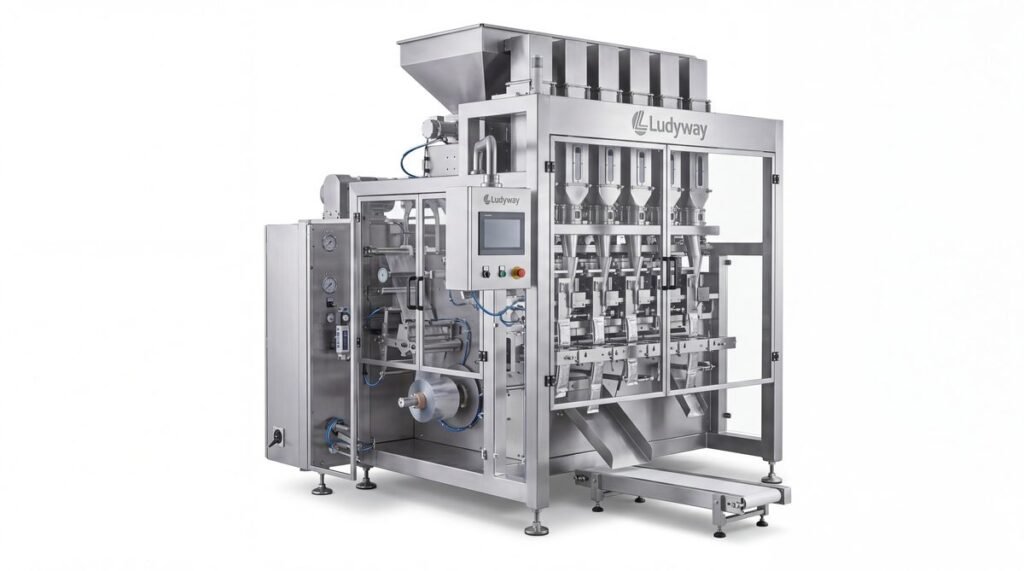
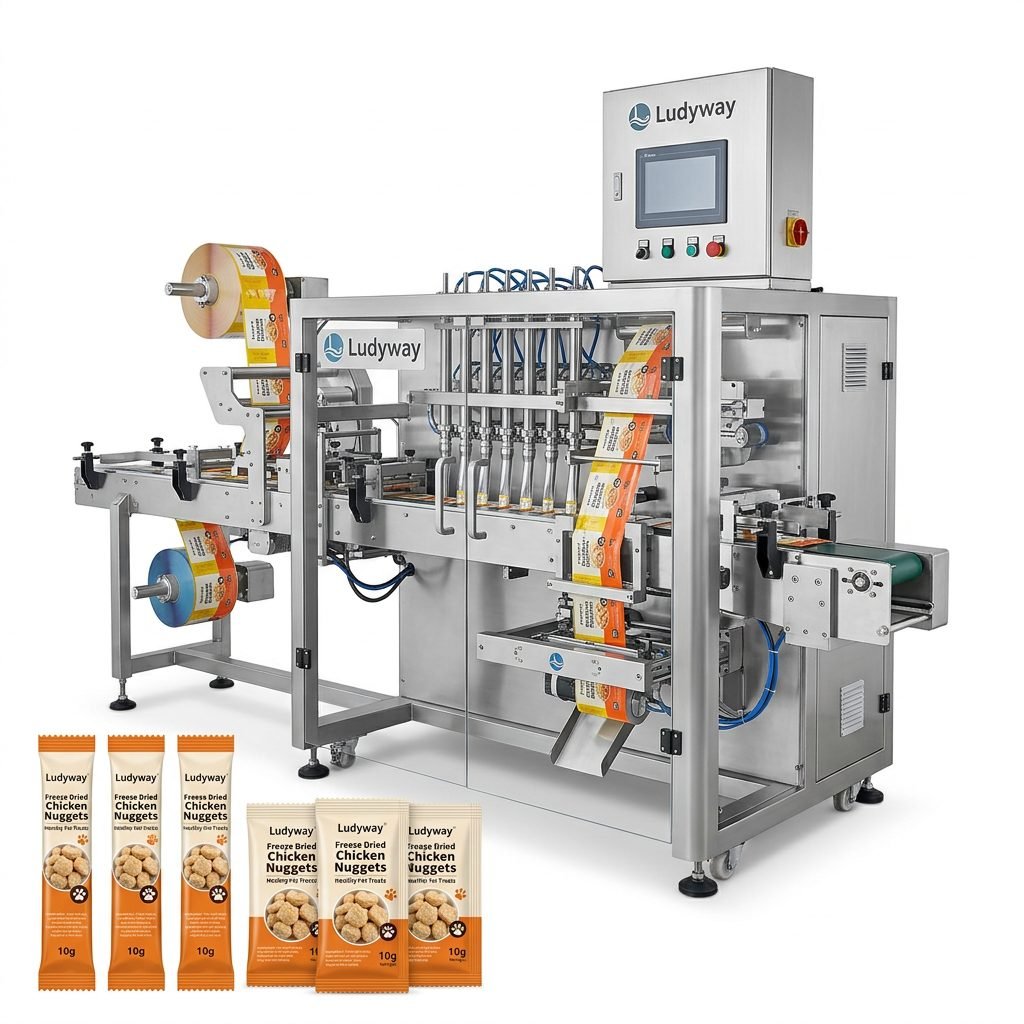
In the fast-paced world of robotics manufacturing, where precision, efficiency, and scalability are non-negotiable, the operational backbone often lies in an unexpected area: packaging. While the spotlight shines on robotic arms, AI software, and advanced sensors, the final stage of getting a product safely to a customer is a critical juncture that can make or break profitability and brand reputation. For a robotics manufacturer, investing in specialized packaging equipment is not merely an operational upgrade—it is a transformative strategy that streamlines production, enhances product protection, and unlocks new levels of market responsiveness.
The Packaging Bottleneck in Robotics Production
Robotics components and finished units are high-value, often fragile, and incredibly diverse in size and shape. From delicate circuit boards and servo motors to complete robotic arms or autonomous mobile robots, each item presents unique packaging challenges. Relying on manual packaging or generic equipment leads to several pain points:
→ Inconsistency & Damage Risk: Manual packing is prone to human error, leading to insufficient cushioning or incorrect sealing. This directly increases the risk of in-transit damage, resulting in costly returns, repairs, and customer dissatisfaction.
→ Labor Intensity & Scaling Issues: As order volumes grow, scaling a manual packaging operation requires significant labor, space, and training. This creates a bottleneck that limits production throughput and agility.
→ Inefficiency & High Costs: Excessive use of packaging materials, slow throughput, and dedicated labor hours inflate the overall cost of goods sold (COGS), eroding profit margins on expensive robotics products.
How Specialized Equipment Transforms the Line
The integration of automated packaging systems designed for industrial and delicate goods addresses these challenges head-on. Here’s how the transformation unfolds across key operational areas:
1. Precision and Product Integrity Assurance
Advanced packaging machines offer precise, repeatable motion control. Automated carton erectors, cushioning insert placers, and stretch wrapping systems handle robotics parts with consistent care. Programmable logic controllers (PLCs) ensure each package receives the exact amount of protective material—whether it’s foam-in-place, custom-cut foam, or air pillows—tailored to the product’s dimensions and fragility. This eliminates guesswork and drastically reduces damage rates.
2. Dramatic Gains in Throughput and Scalability
Automated systems operate at speeds far beyond human capability. A semi-automatic case sealer or a robotic palletizer can handle hundreds of units per hour without fatigue. This removes the packaging bottleneck, allowing the production line to flow smoothly from assembly to shipping. When demand spikes, the packaging line can keep pace without the lead time and cost of hiring and training temporary staff.
Real-World Impact:
A manufacturer of collaborative robots (cobots) implemented an automated bagging and case-packing line for end-of-arm tools and controllers. The result was a 40% reduction in packaging labor hours and the ability to process 70% more orders per shift, directly supporting their rapid market expansion.
3. Optimization of Material and Logistics Costs
Smart packaging equipment often includes features like right-size carton selection, which automatically chooses the smallest possible box for the product. This reduces material waste (saving on cardboard, void fill, and tape) and decreases shipping dimensional weight charges—a major factor in logistics for bulky robotics items. Furthermore, consistent, professional packaging minimizes freight claims and associated insurance costs.
4. Enhanced Data, Traceability, and Customization
Modern packaging lines integrate with factory MES or ERP systems. Each packaged item can be scanned, labeled, and logged, providing full traceability from production to delivery. This is crucial for quality control and recall management. Furthermore, equipment like digital printers allows for easy customization of packaging—varying labels for different regions, clients, or product versions—without slowing down the line.
Selecting the Right Packaging Partner
For a robotics manufacturer, the choice of packaging machinery provider is as strategic as the choice of a component supplier. The ideal partner should offer:
- Industry-Specific Expertise: Experience in handling sensitive, high-value industrial goods.
- Modular & Scalable Solutions: Equipment that can grow and adapt with your product line.
- Integration Capability: Machinery that seamlessly connects with existing robotics assembly and software systems.
- Global Support: Reliable after-sales service and technical support to ensure minimal downtime.
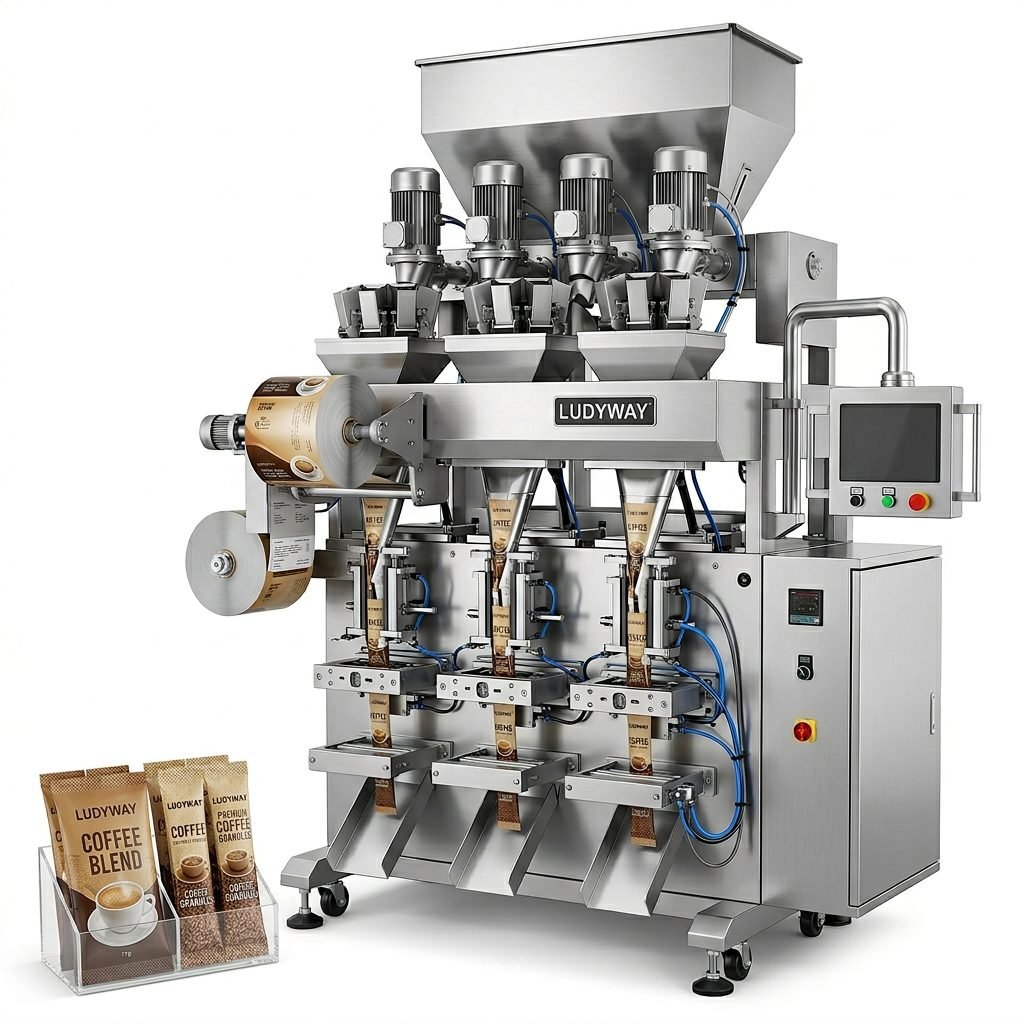
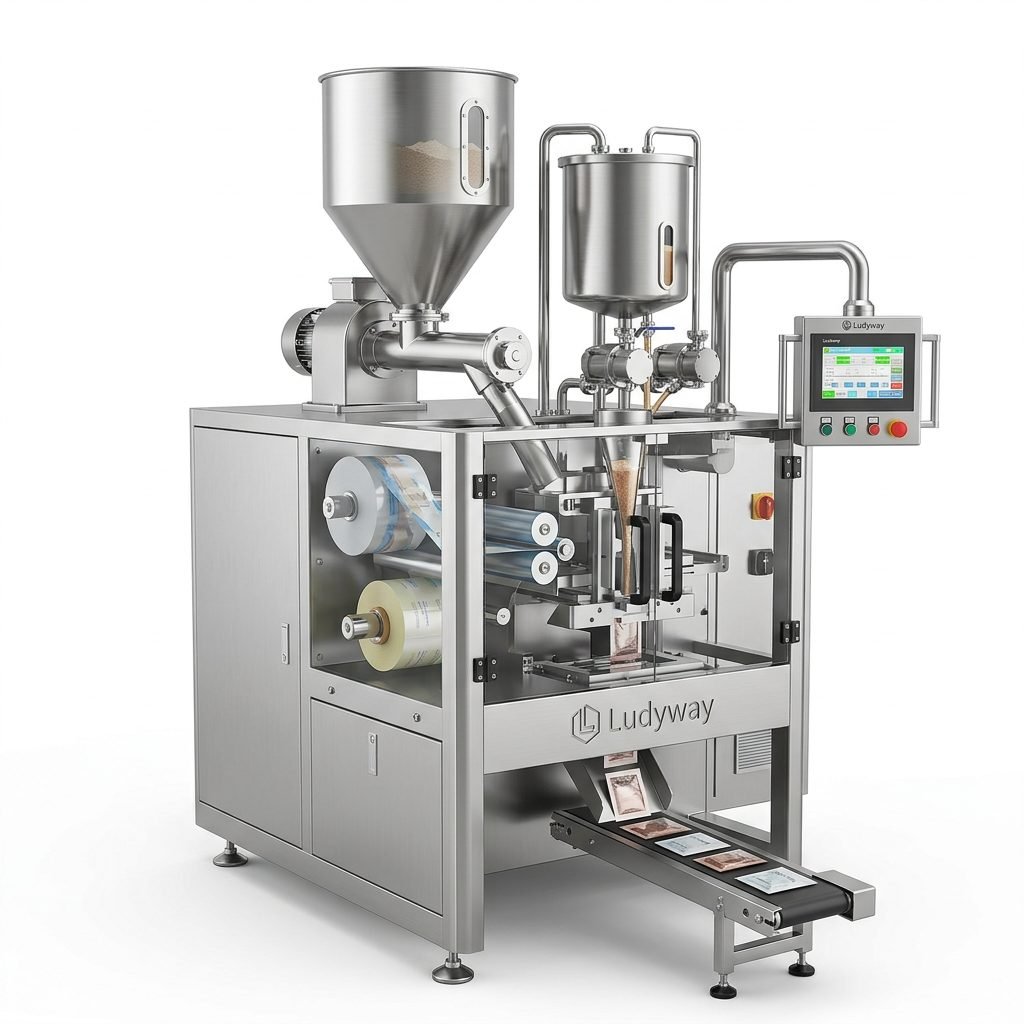
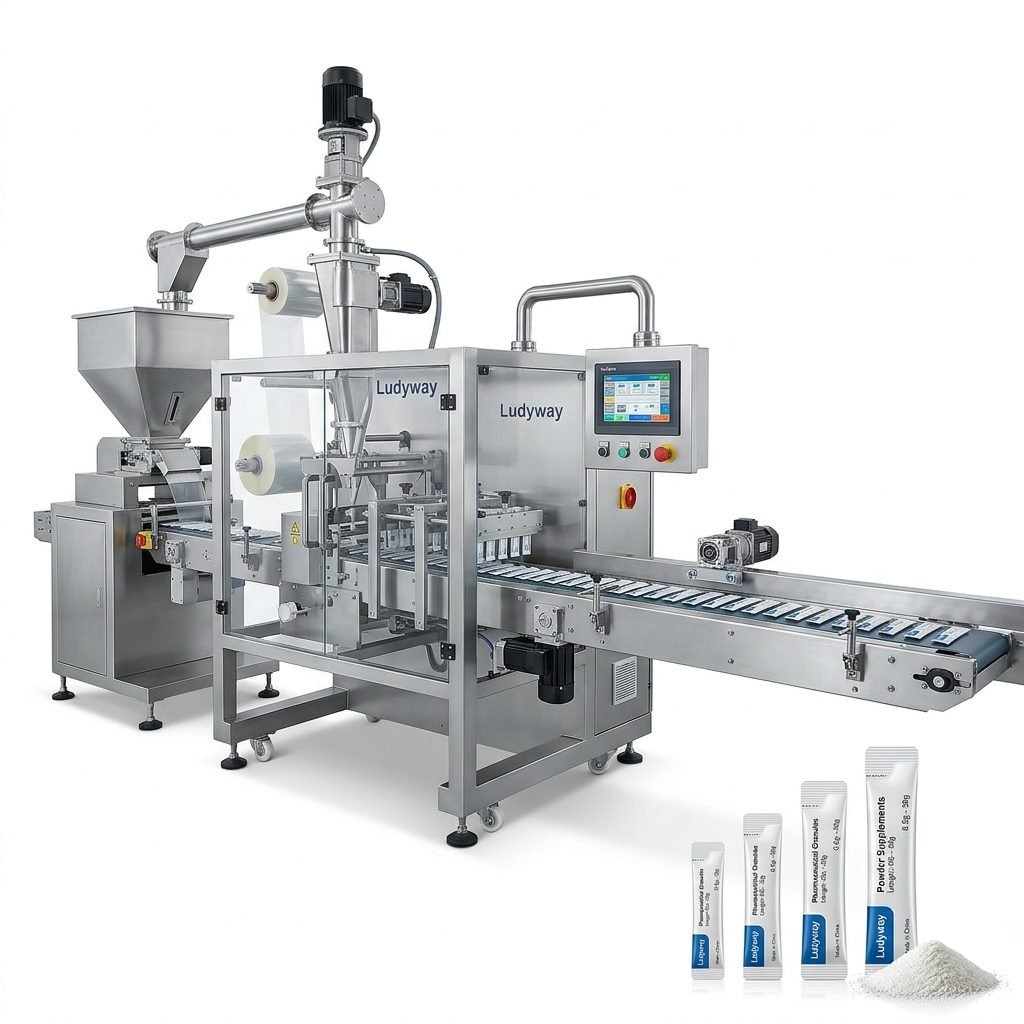
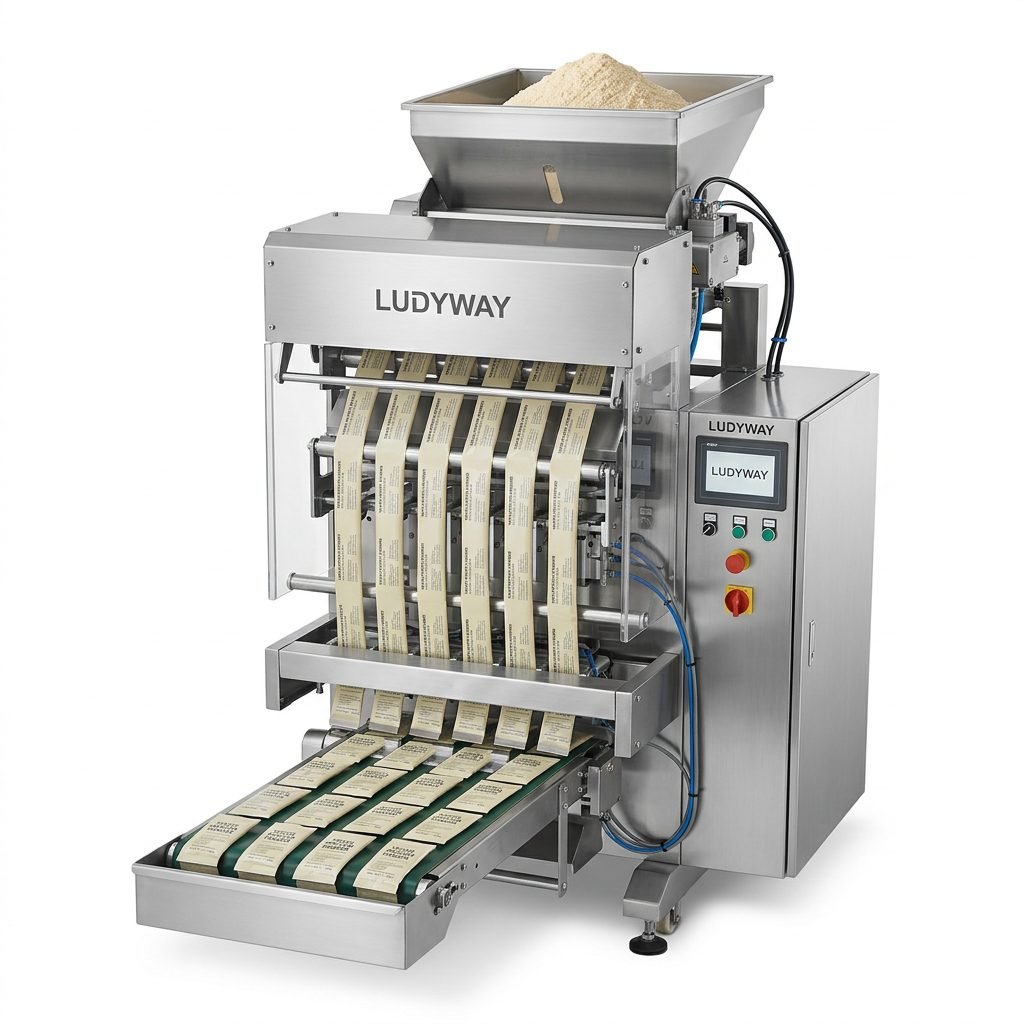
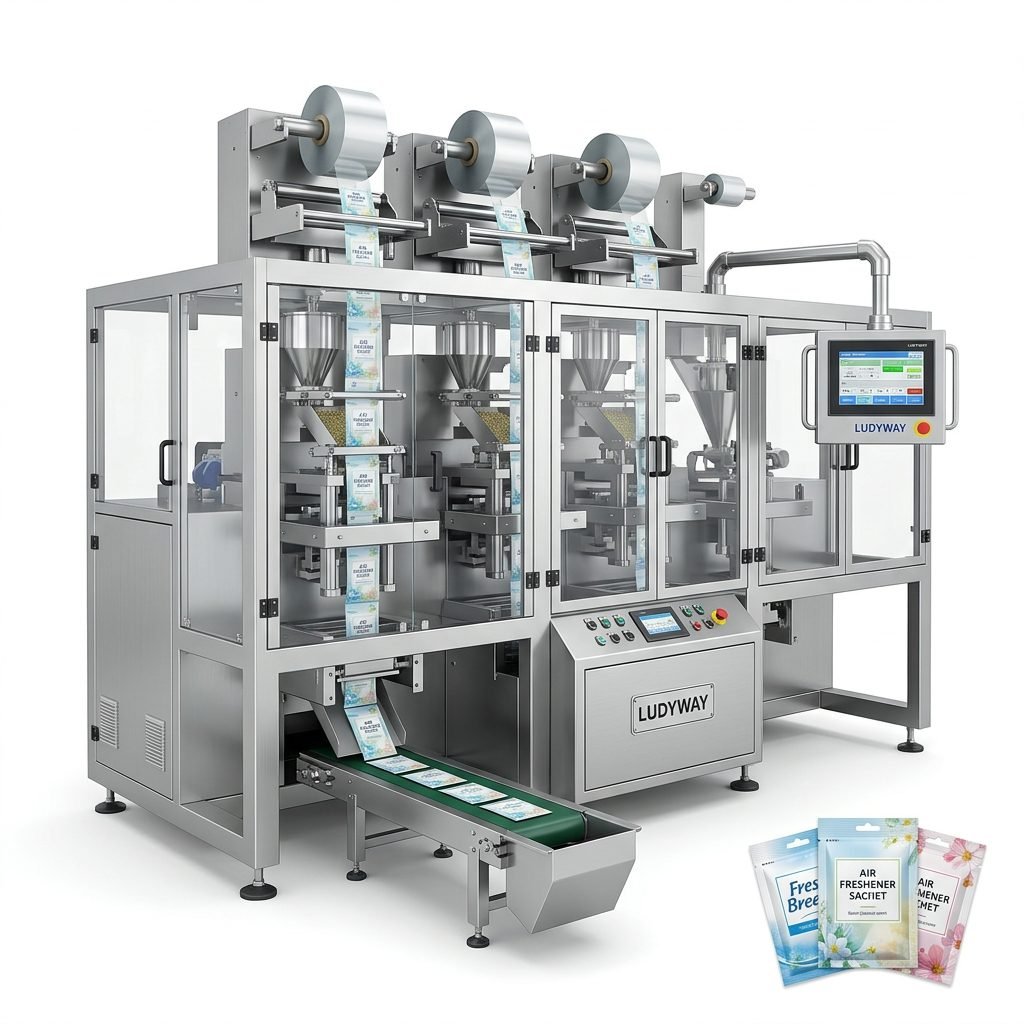
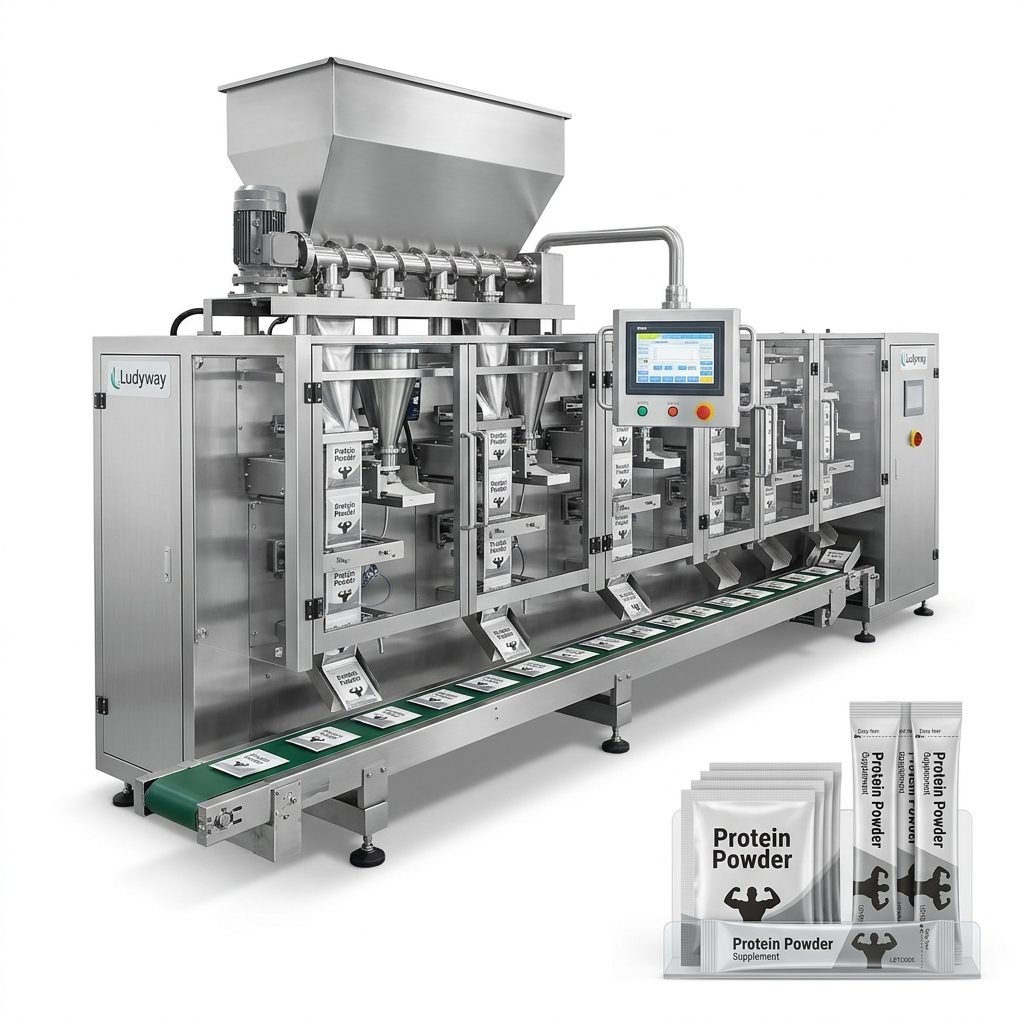
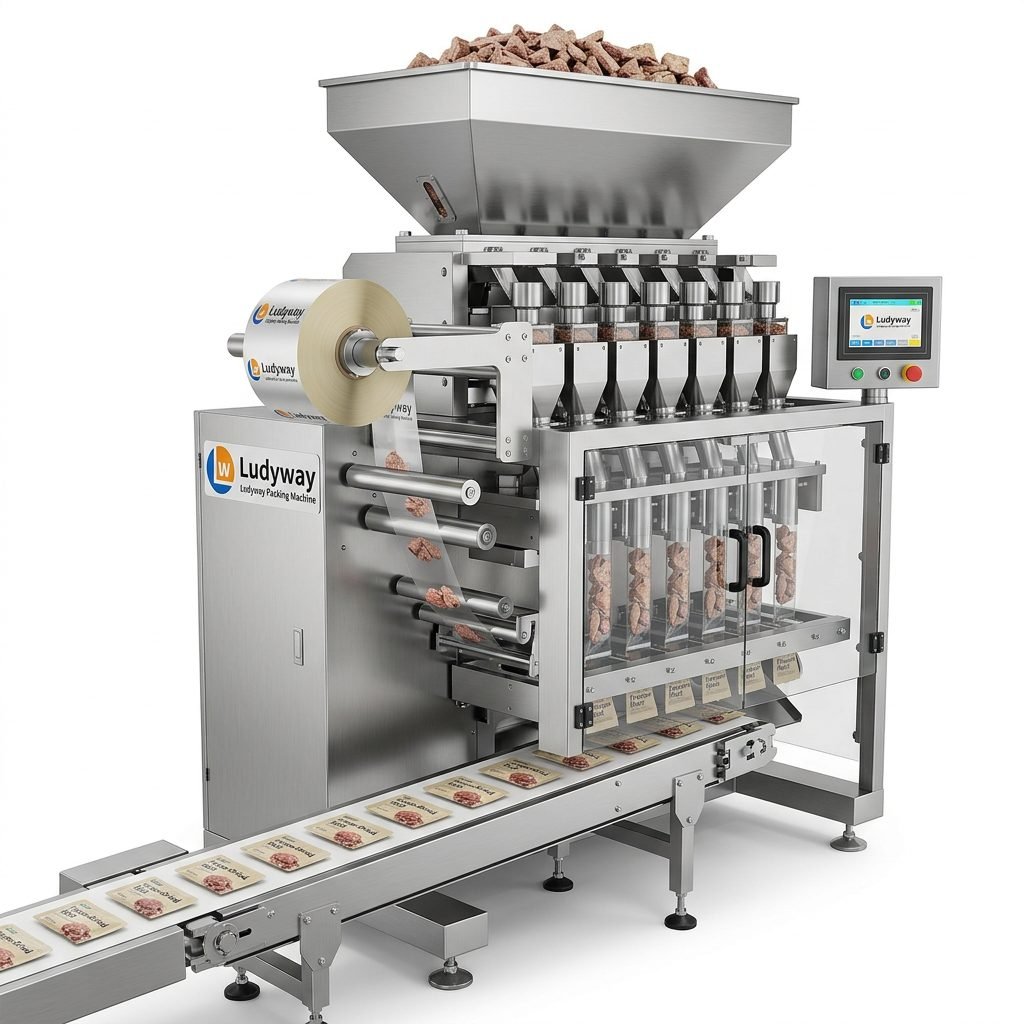
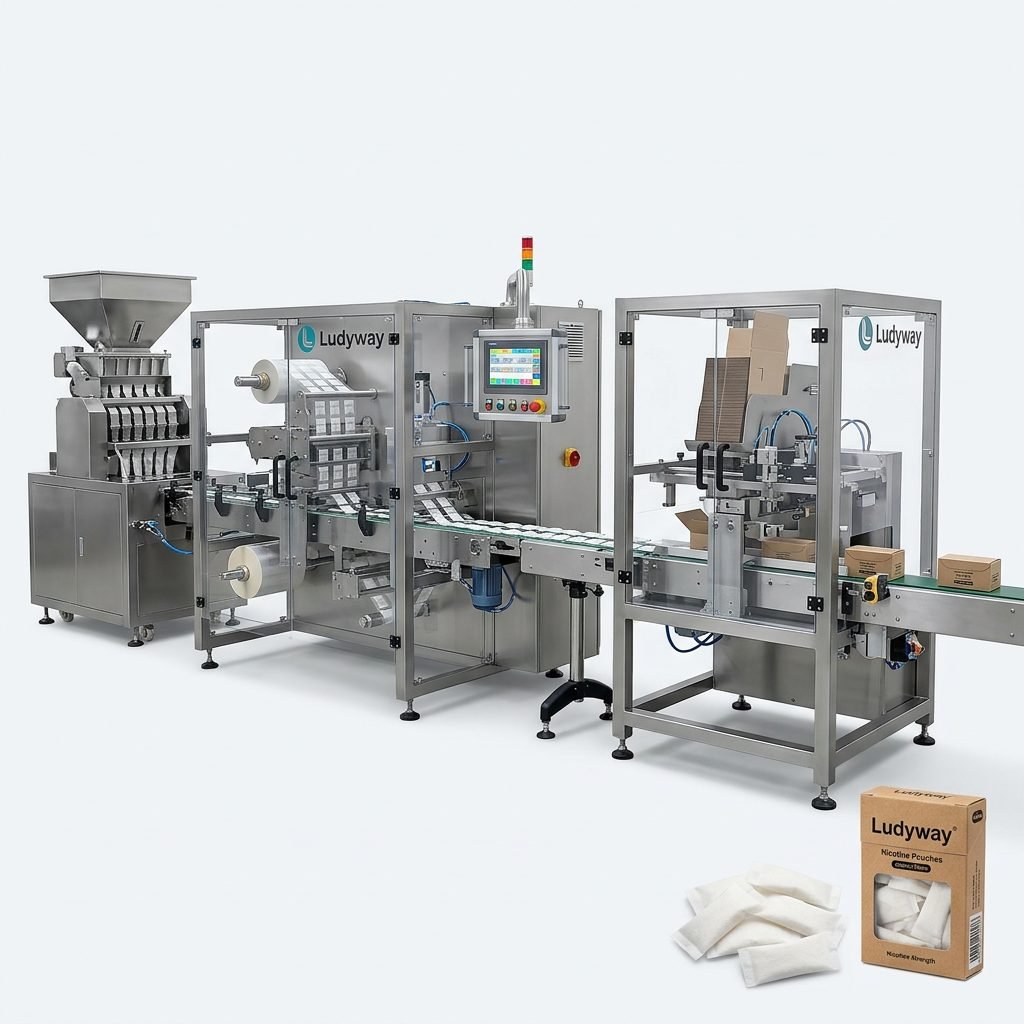
Companies like Ludyway Machinery, with deep experience in providing turnkey packaging solutions for technical industries, understand these needs. They focus on delivering reliable, intelligent equipment that acts as a seamless extension of a high-tech manufacturing environment.
Conclusion: Packaging as a Competitive Advantage
For the forward-thinking robotics manufacturer, packaging is far from an afterthought. It is a critical touchpoint in the customer experience and a significant lever for operational excellence. Investing in specialized packaging equipment transforms a cost center into a value-adding process. It safeguards product quality, accelerates time-to-market, controls costs, and provides the agility needed to compete globally. In an industry defined by innovation, optimizing the final step of the journey—getting the product safely into the user’s hands—is a powerful transformation that pays dividends in customer trust and bottom-line results.
Frequently Asked Questions (FAQs)
1. What type of packaging equipment is most critical for a robotics manufacturer starting automation?
For most, an automated carton erector/sealer and a cushioning/padding system (like foam-in-place or air pillow) are foundational. They address the core needs of box formation and product protection at scale. A label applicator integrated with your WMS is also highly valuable for traceability.
2. How can we justify the ROI for automated packaging machinery given the high upfront cost?
Justification comes from calculating savings in labor reduction, material waste reduction, damage/return cost avoidance, and increased shipping efficiency (via right-sizing). The ROI often materializes in 12-24 months through these direct cost savings and the indirect value of higher throughput and customer satisfaction.
3. Our products vary greatly in size. Can automated equipment handle such variability?
Yes. Modern flexible automation systems, including robotic case packers and adjustable bagging machines, are designed for quick changeovers. They can be programmed with multiple product recipes, allowing a single line to handle a diverse product range with minimal manual intervention for setup.
4. How important is supplier after-sales support for packaging equipment?
It is critical. Packaging equipment is mechanical and will require maintenance. A supplier with a strong global service network, readily available spare parts, and remote diagnostic capabilities ensures minimal production downtime, protecting your investment and continuous operation.
5. Can automated packaging lines integrate with our existing Manufacturing Execution System (MES)?
Absolutely. Leading packaging machinery providers design equipment with Industry 4.0 compatibility in mind. Through standard protocols (OPC UA, MQTT, etc.), packaging data (counts, errors, labels applied) can be fed directly into your MES, providing a complete, real-time view of the production-to-shipping workflow.