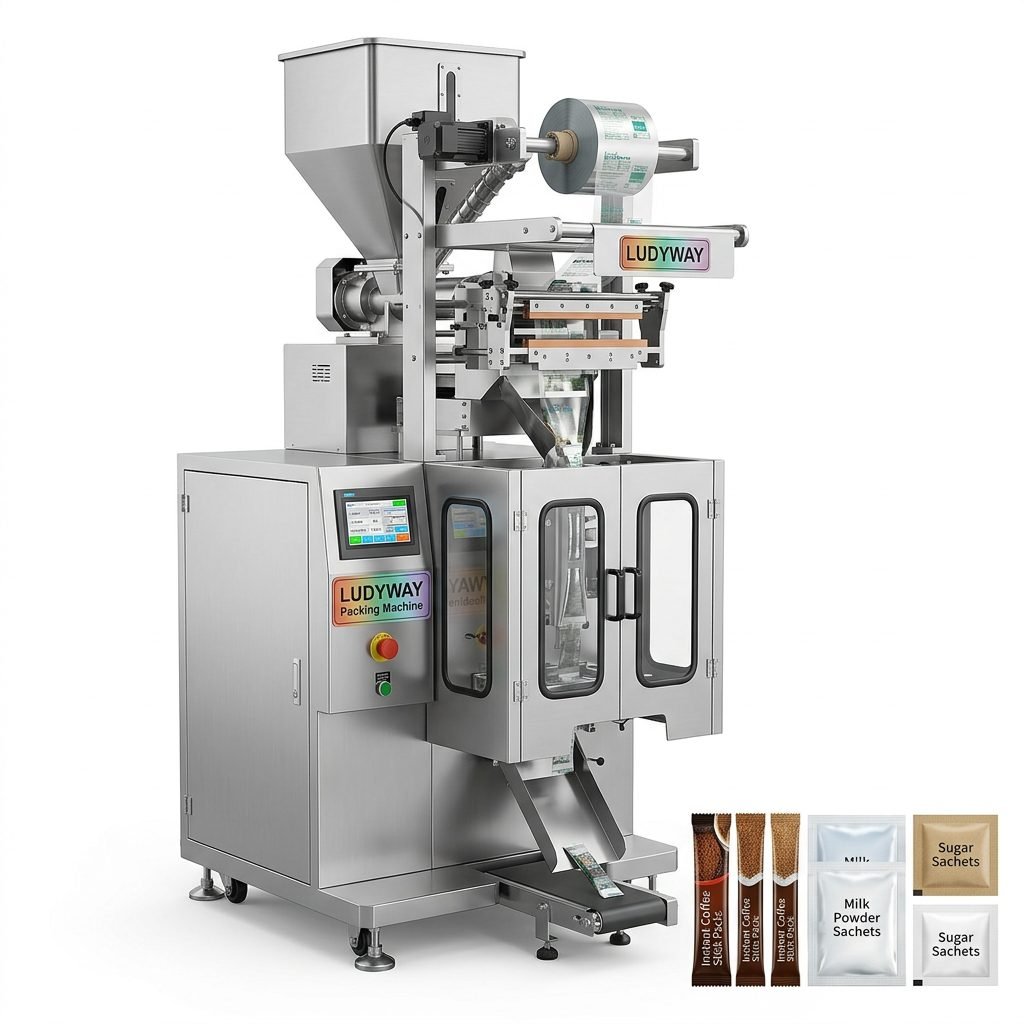
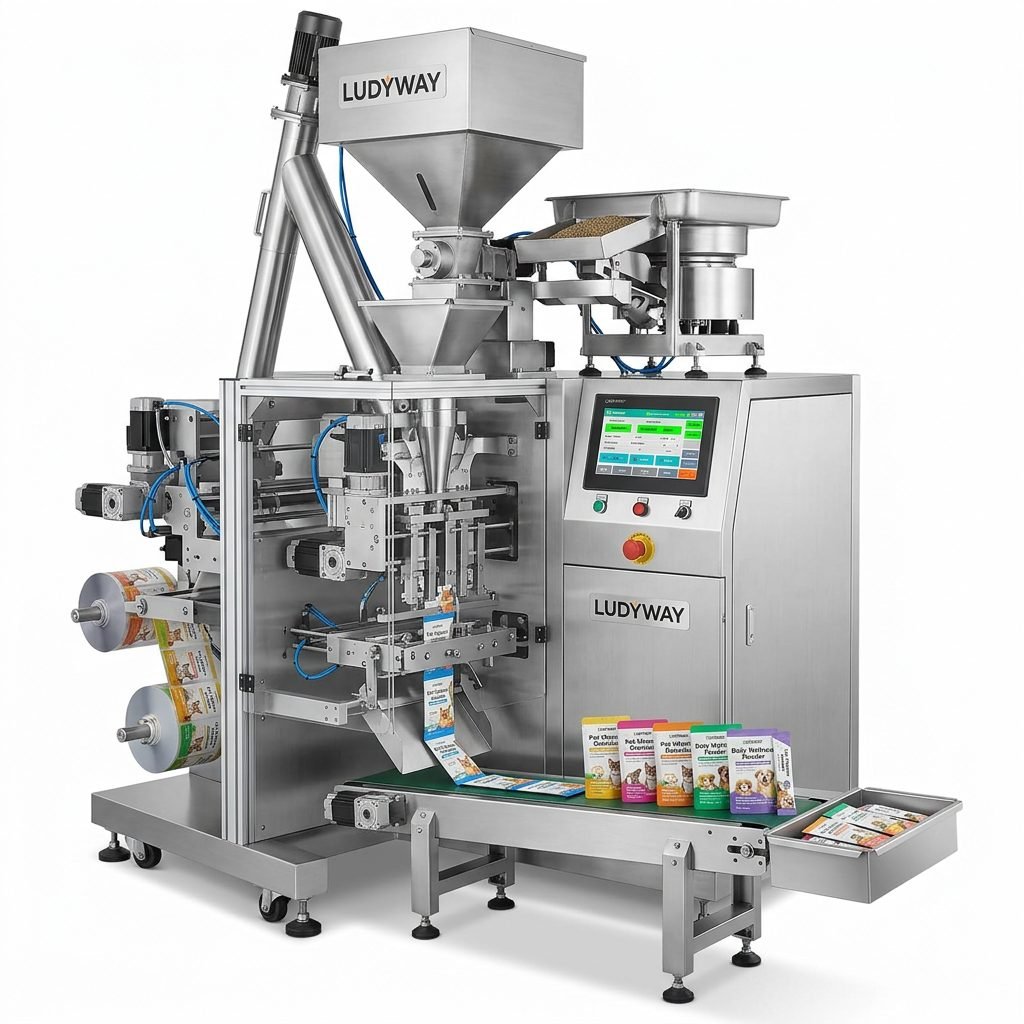
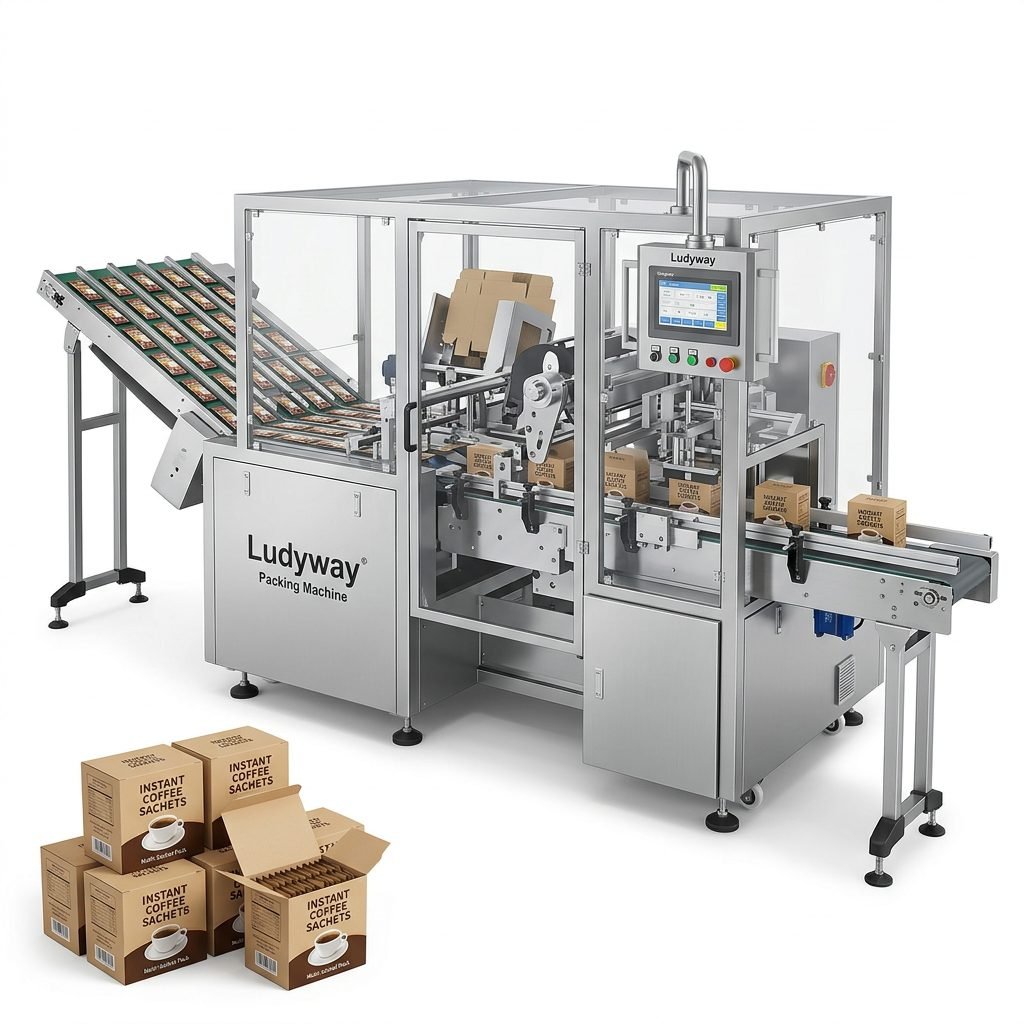
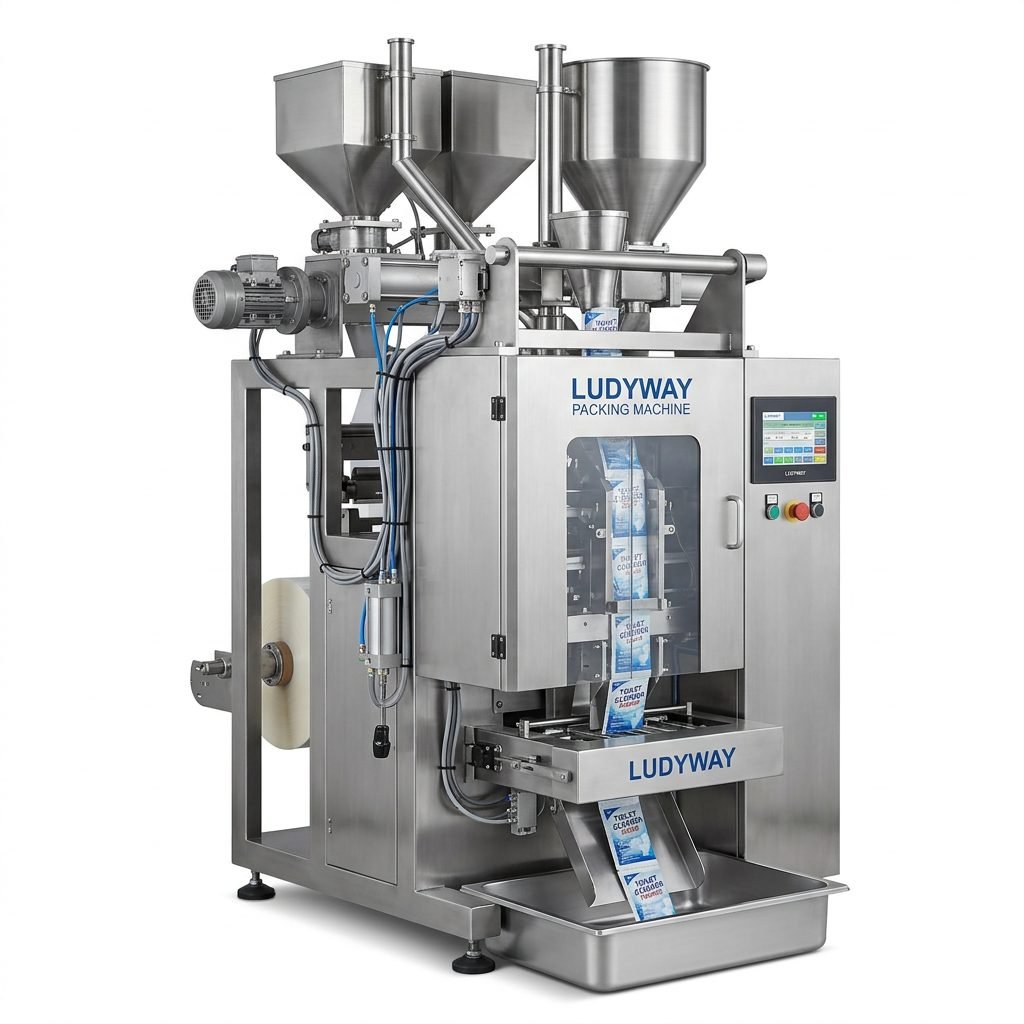
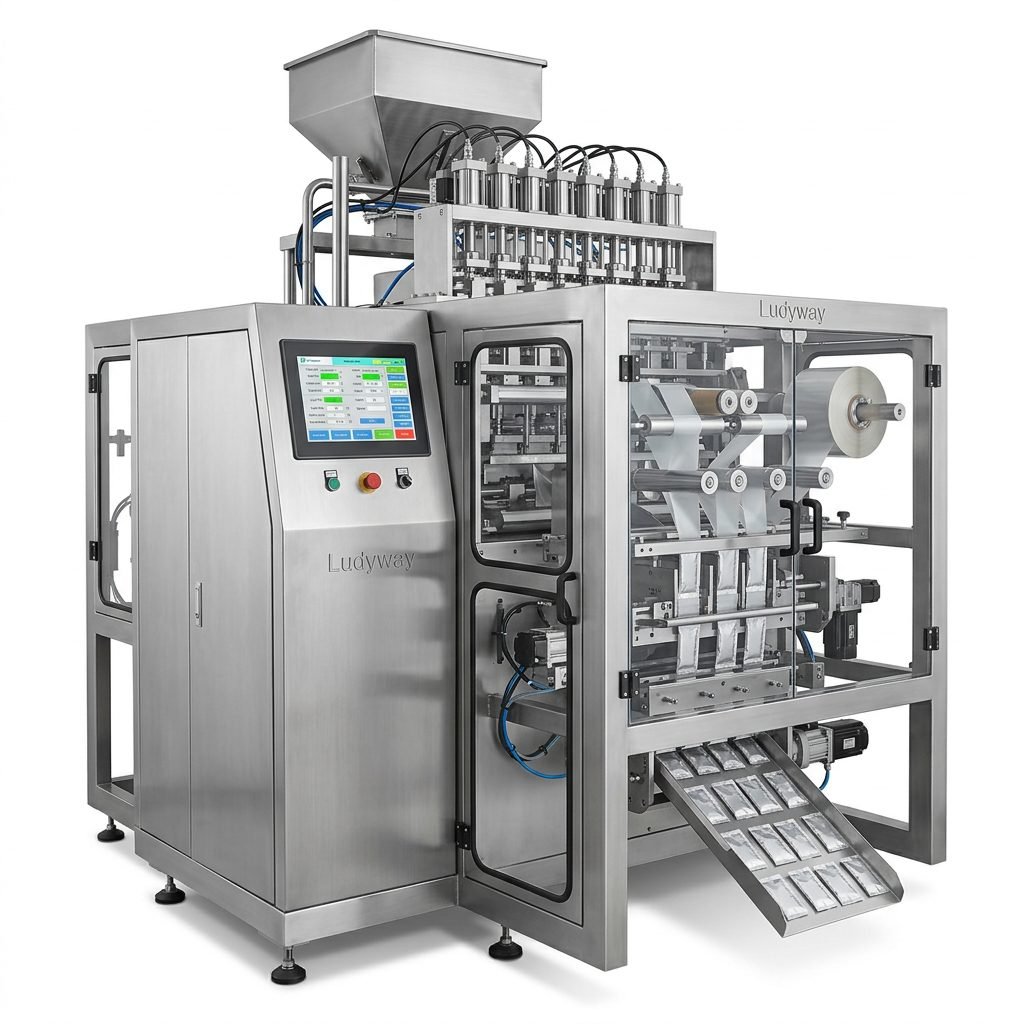
Investing in a tea automatic packing machine is a strategic move for tea producers, co-packers, and distributors aiming to scale operations while maintaining product freshness and consistency. The cost varies significantly depending on the machine’s speed, automation level, packaging format, and technical specifications. Understanding the key variables influencing price allows you to make an informed purchasing decision and allocate your capital efficiently.

Key Factors Determining Tea Packing Machine Costs
The final price of a tea packaging system is influenced by a combination of core engineering, customization, and output requirements. Here are the primary cost drivers:
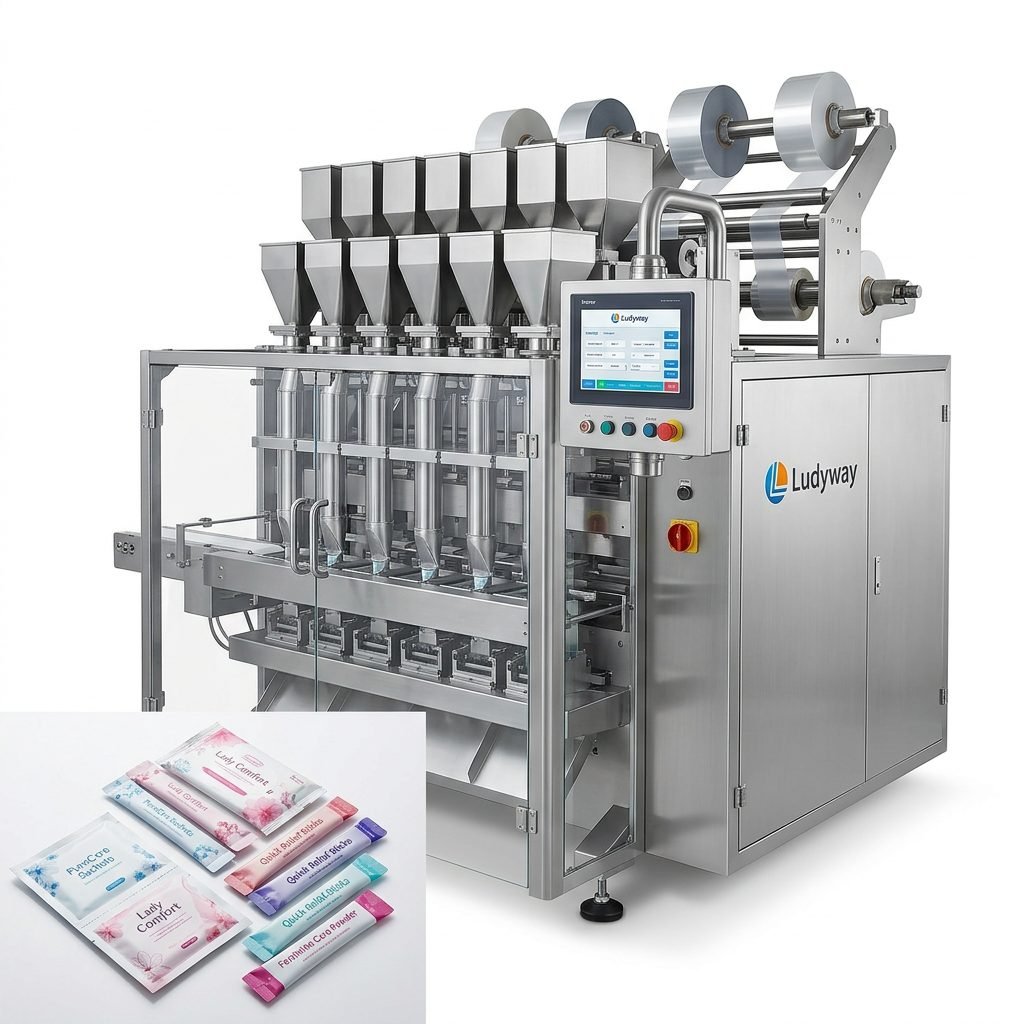
- Machine Speed and Output: Entry-level single-lane machines may produce 40-60 packs per minute, while high-speed multi-lane systems can exceed 400 packs per minute. Higher speed often correlates with a higher upfront investment.
- Level of Automation: Semi-automatic models require manual intervention for feeding or bag collection, reducing initial cost. Fully automatic systems with features like auto-feeding, integrated weighing, and intelligent control systems command a premium but drastically cut long-term labor costs.
- Packaging Style and Material: Whether you need stick packs, pillow bags, pyramid tea bags, or flat sachets, the forming and sealing mechanisms differ. Machines handling complex shapes or multiple materials require advanced engineering.
- Material of Construction: Food-grade stainless steel (SS304 or SS316) is non-negotiable for tea packaging to ensure hygiene and prevent contamination. High-quality steel and durable components increase production longevity and initial cost.
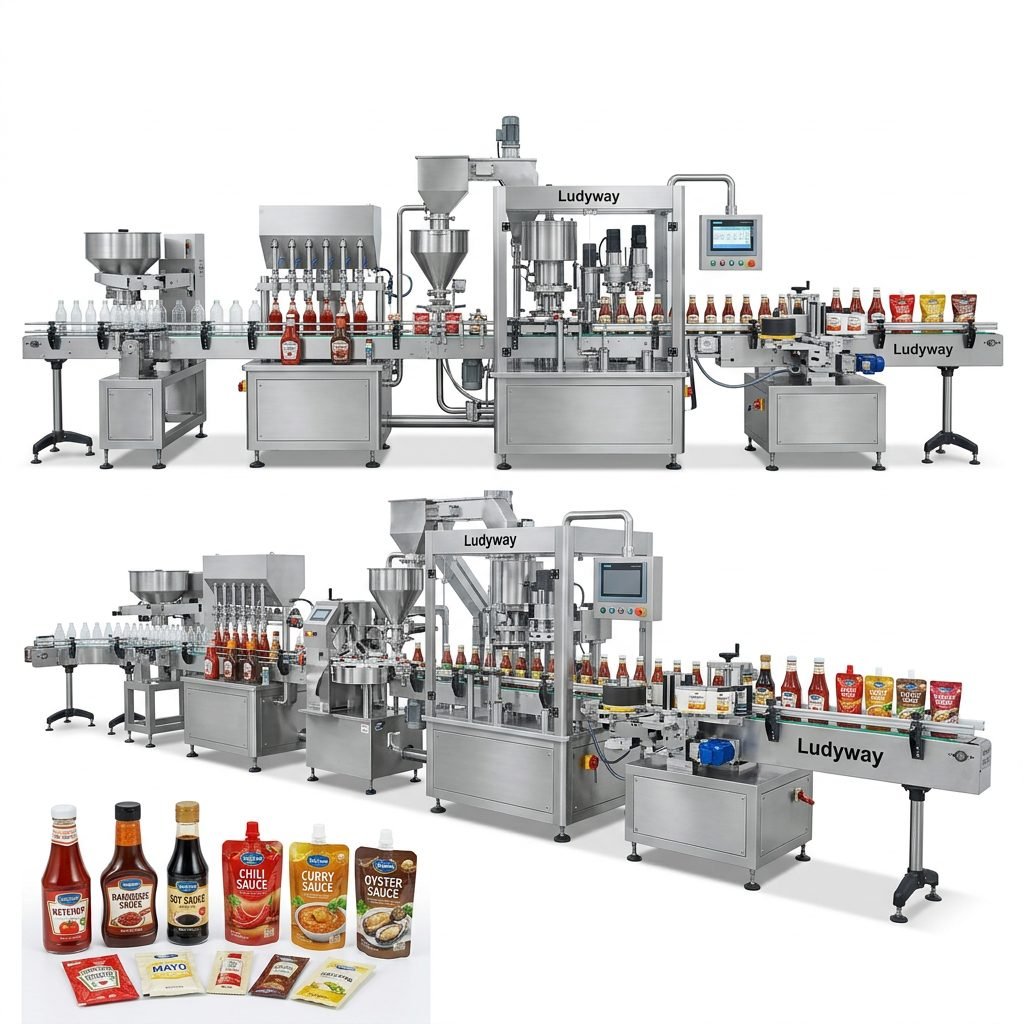
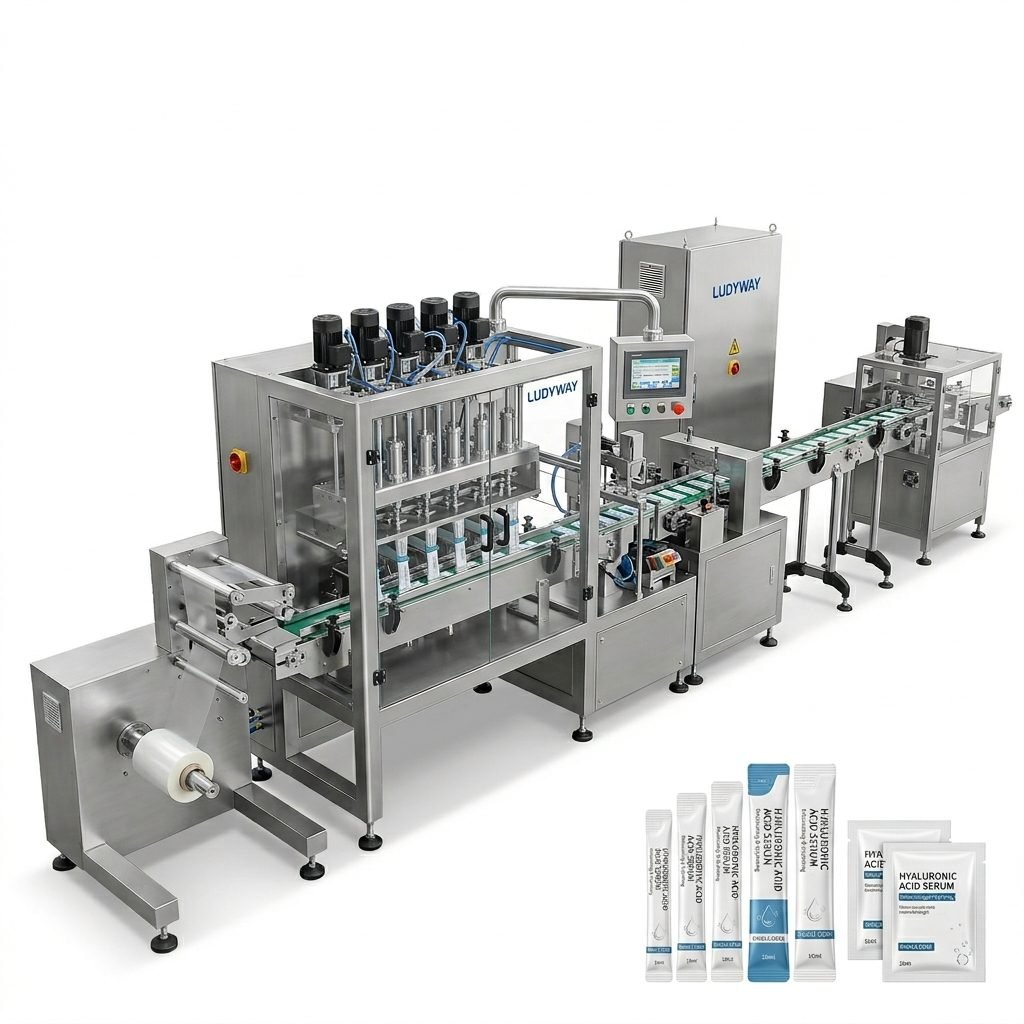
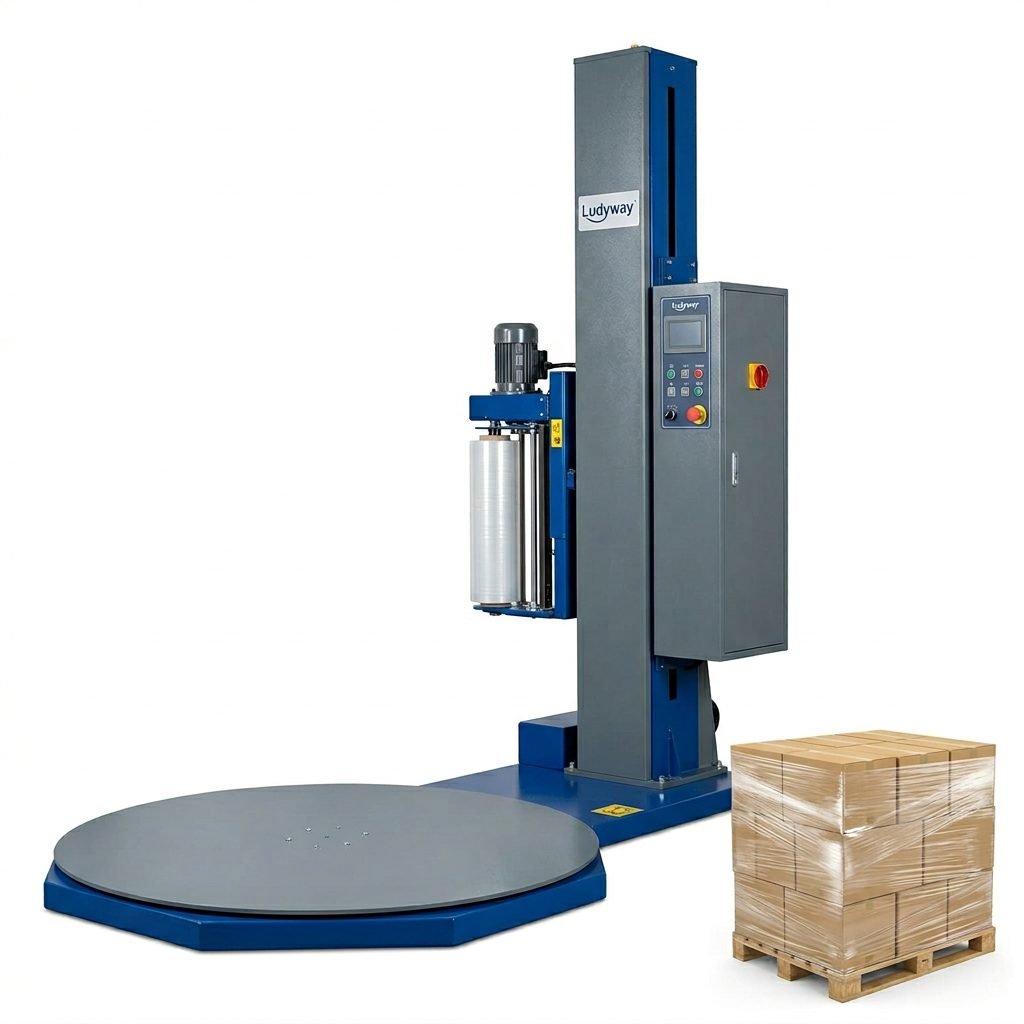
- Auxiliary Equipment Integration: A standalone machine costs less than a complete turnkey packaging line, which includes conveyors, checkweighers, cartoners, and palletizers. The degree of system integration heavily influences total expenditure.
Price Ranges for Tea Automatic Packing Machine Categories
The market for tea packaging equipment spans a broad spectrum. Below is a general cost breakdown based on machine configuration and capability:
| Machine Category | Typical Speed (Packs/Min) | Estimated Price Range (USD) | Best For |
|---|---|---|---|
| Entry-Level Single Lane | 30 – 80 | $8,000 – $25,000 | Small workshops, startups, niche blends |
| Mid-Range Multi-Lane (2-6 lanes) | 100 – 250 | $28,000 – $65,000 | Growing brands, regional distribution |
| High-Speed Multi-Lane (8-16 lanes) | 250 – 600+ | $70,000 – $200,000+ | Large-scale production, international export |
| Complete Turnkey Production Line | Custom (Integrated) | $150,000 – $500,000+ | Full automation, high-volume contract packing |
*These are estimated ranges; final pricing depends on specific technical configurations and optional add-ons.

Understanding Cost vs. Long-Term Value
While the upfront expenditure is a critical factor, a lower purchase price can often lead to higher operational costs over time. A durable tea packing machine from a reputable packaging machine manufacturer offers significant long-term advantages:
- Reduced Maintenance and Downtime: Precision-engineered components and robust build quality minimize the frequency and cost of repairs.
- Higher Production Efficiency: Advanced servo-driven systems and precise filling accuracy reduce product giveaway, directly impacting your bottom line.
- Greater Packaging Flexibility: A high-end machine often allows for quick changeovers between different tea varieties, sachet sizes, and film types, future-proofing your business.
Additional Cost Considerations Beyond the Machine
When budgeting for a tea packing solution, factor in these often-overlooked expenses to ensure a seamless commissioning process:
Installation and Commissioning
Expert setup is essential for optimal performance. Costs can include technician travel, on-site training, and initial calibration.
Spare Parts and Consumables
Establishing a small inventory of critical spare parts and wear components like sealing jaws, knives, and belts prevents costly emergency stoppages.
Freight and Logistics
The cost of safely shipping a heavy industrial machine from the factory to your facility, including insurance and customs duties, is a significant consideration, especially for international orders.
Operational Training
Proper training for your technical and operational staff ensures they can operate the machine at peak efficiency and perform routine maintenance tasks.

Why Choose an Integrated System Over a Standalone Machine?
For businesses aiming to scale rapidly, an integrated turnkey packaging line often proves more cost-effective than purchasing separate components. A unified system ensures seamless synchronization between filling, sealing, and end-of-line operations. Ludyway, one of the largest packaging machine manufacturers in China, specializes in delivering complete production systems tailored to the food and pharmaceutical industries. With over 30 years of industry expertise and a 20,000㎡ modern production facility, they provide reliable and efficient packaging solutions for granule, powder, and liquid applications.
Industry Standards and Further Reading
To stay competitive, it’s wise to align your packaging strategy with wider industry trends. Here are some valuable resources for deeper market intelligence:
- PMMI – State of the Industry Reports
- Flexible Packaging Association – Industry Data
- ISO – Packaging Standards
- Ludyway Packaging Machinery Global Growth Trend
Selecting the right tea automatic packing machine is a balance of technical specification, build quality, and total lifecycle cost. By focusing on long-term efficiency and partnering with a manufacturer that offers robust support, you secure a high-performing asset that drives profitability for years to come.