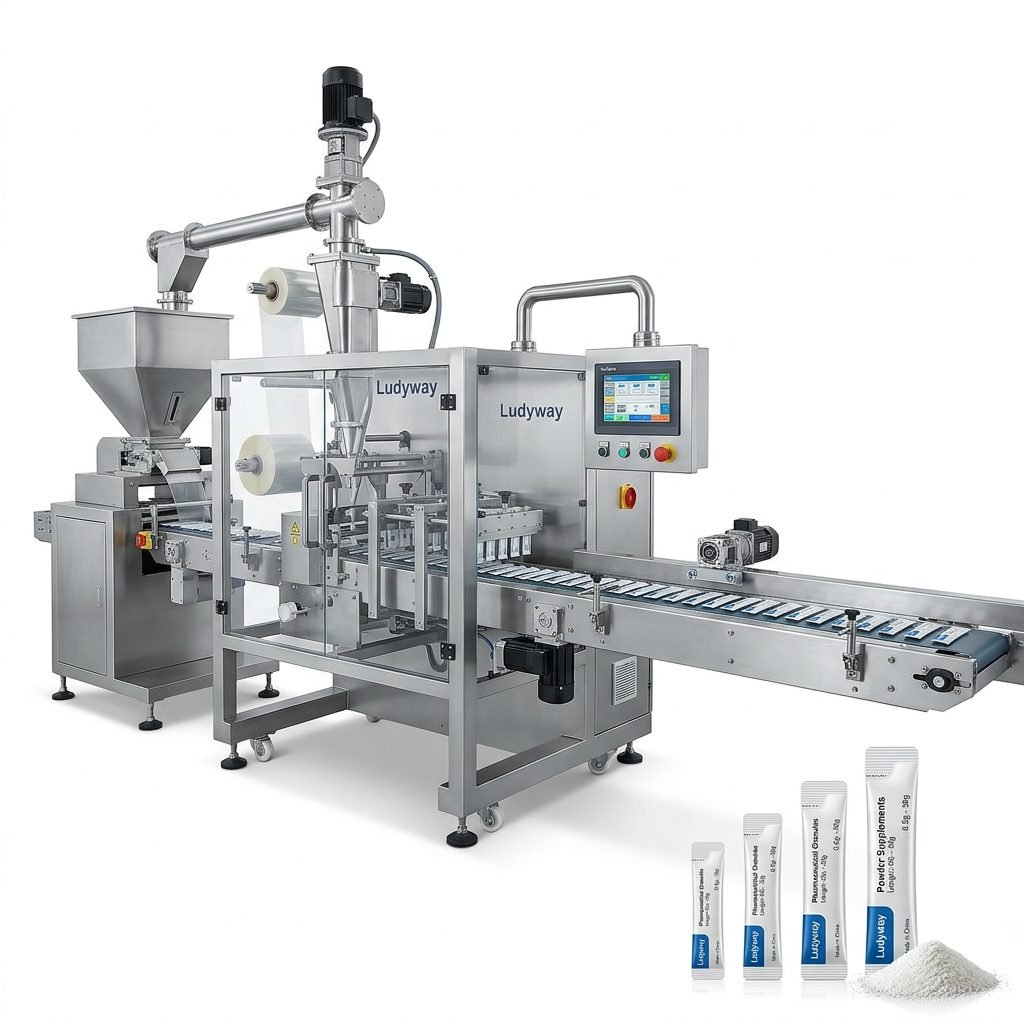
Investing in a tea heat seal packaging machine is a critical decision for any tea business looking to scale production, improve product freshness, and enhance shelf appeal. Whether you are packaging loose-leaf tea, herbal blends, or tea bags into pillow pouches, sachets, or stick packs, the cost of the equipment varies significantly based on automation level, output speed, and customization options. This guide breaks down the real-world pricing, key factors that influence your budget, and actionable buying tips to help you make an informed investment.

Understanding Tea Heat Seal Packaging Machine Types and Costs
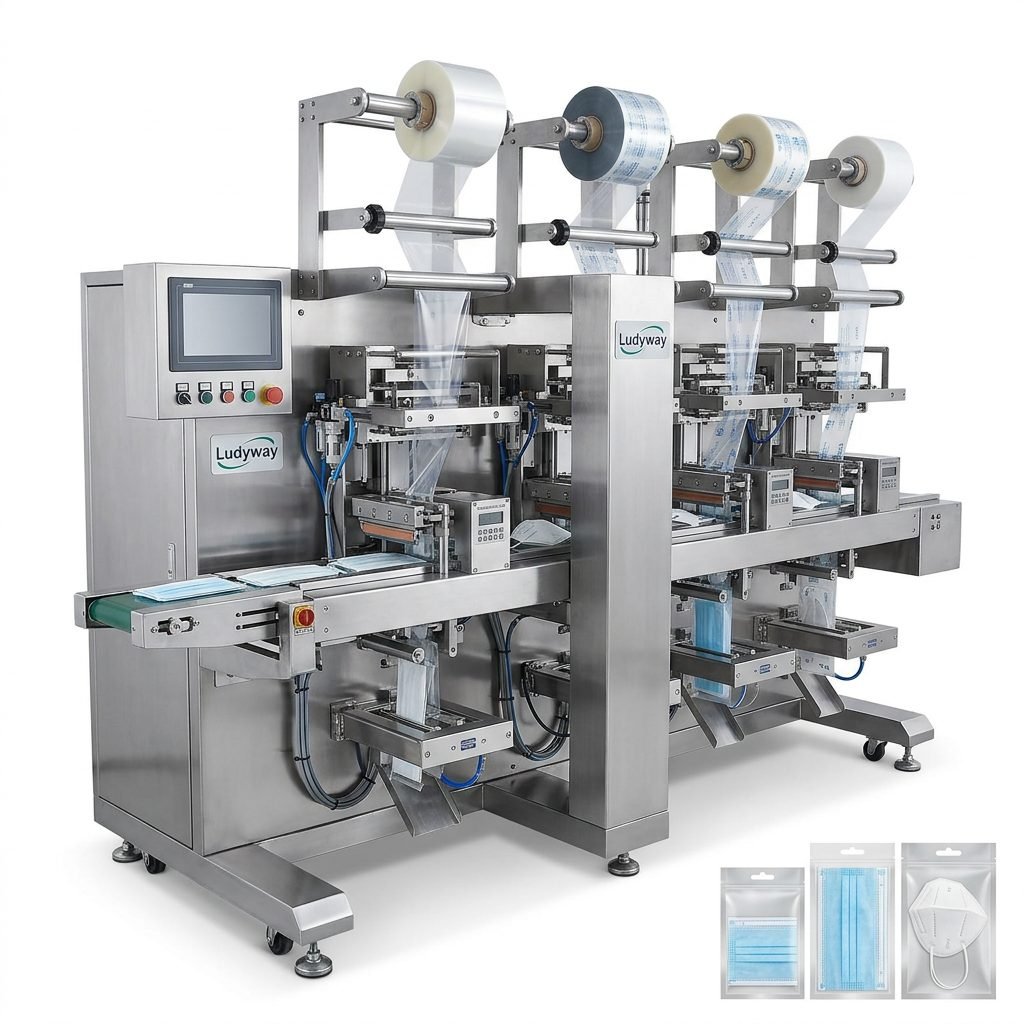
The term “tea packaging machine” covers a wide spectrum of equipment. The final price depends heavily on the machine category. Below is a detailed breakdown of the most common types in the market and their estimated price ranges.
| Machine Type | Typical Applications | Estimated Price Range (USD) |
|---|---|---|
| Entry-Level Single-Lane Sachet Machine | Small-scale tea bag or powder sachet packing | $5,000 – $15,000 |
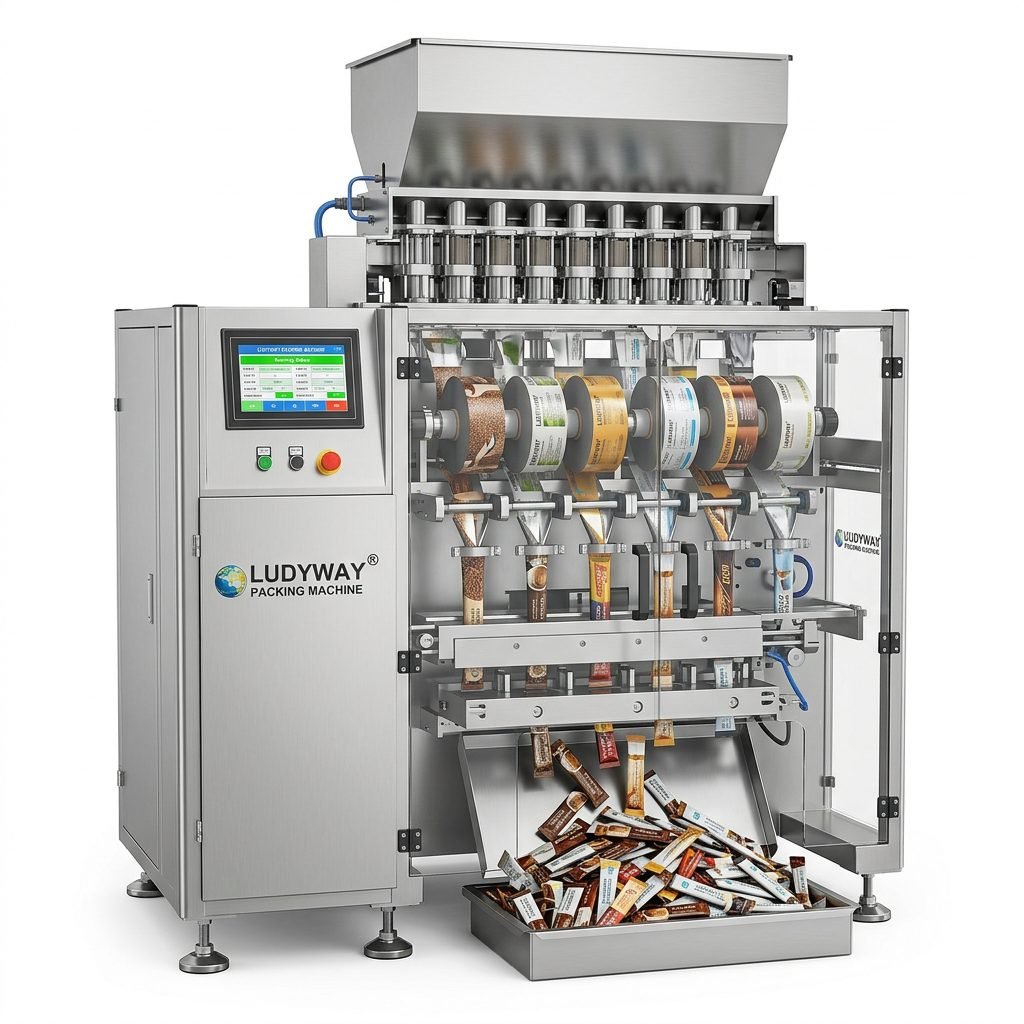
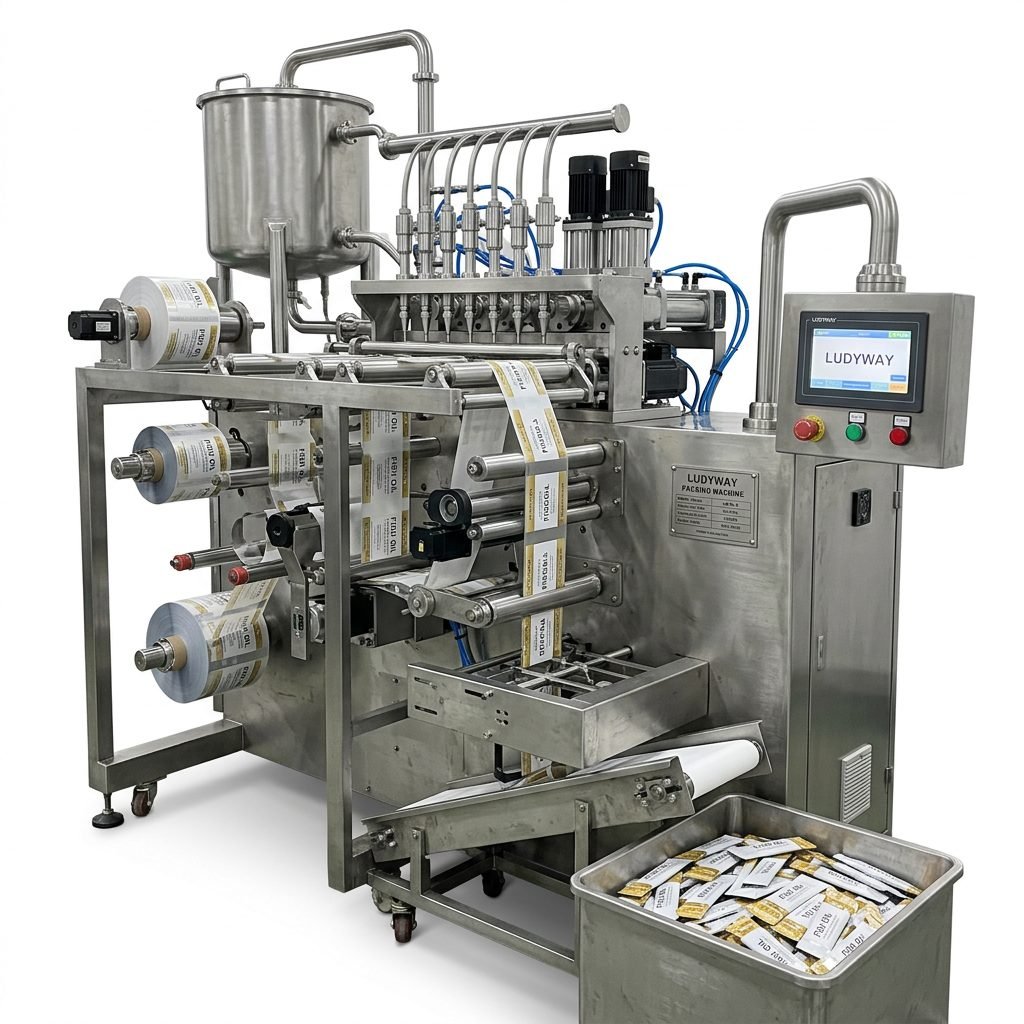
| Mid-Range Multi-Lane Stick Pack Machine | High-speed production of stick packs for tea powder or granules | $20,000 – $50,000 |
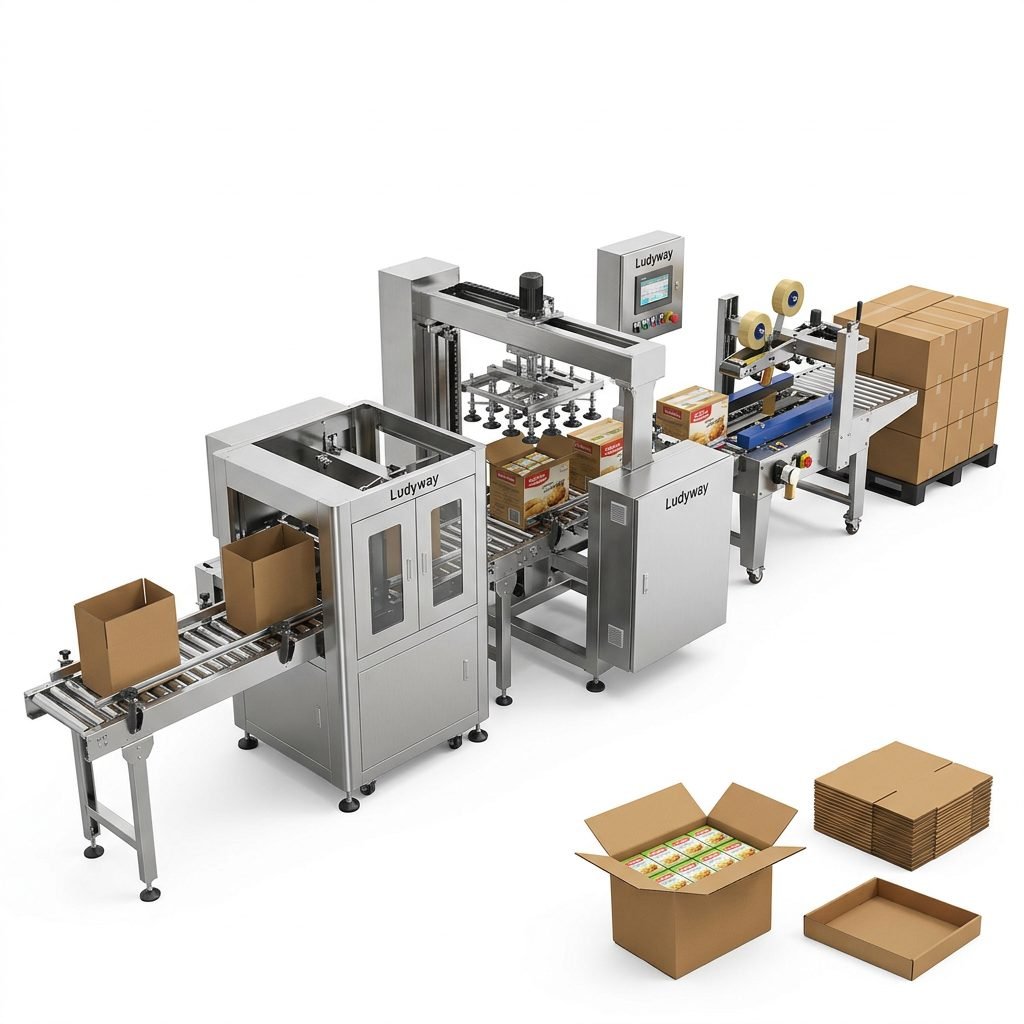
| High-End Fully Automated Packaging Line | Turnkey systems with weighing, filling, sealing, coding, and cartoning | $60,000 – $200,000+ |
| Tea Bag (Envelope) Specific Machines | Outer envelope wrapping for tea bags with string and tag | $10,000 – $40,000 |
6 Key Factors That Influence the Final Price
Several technical and commercial variables affect the cost of your tea heat seal packaging machine. Understanding these will help you budget more accurately and negotiate effectively.
1. Automation and Configuration
A fully automatic multi-lane system with servo-driven controls, automatic web tracking, and PLC interfaces will always be more expensive than a semi-automatic single-lane model. The number of lanes directly correlates to output; a 12-lane stick pack machine for tea powder costs significantly more than a 4-lane version but delivers exponentially higher productivity.
2. Filling and Weighing Technology
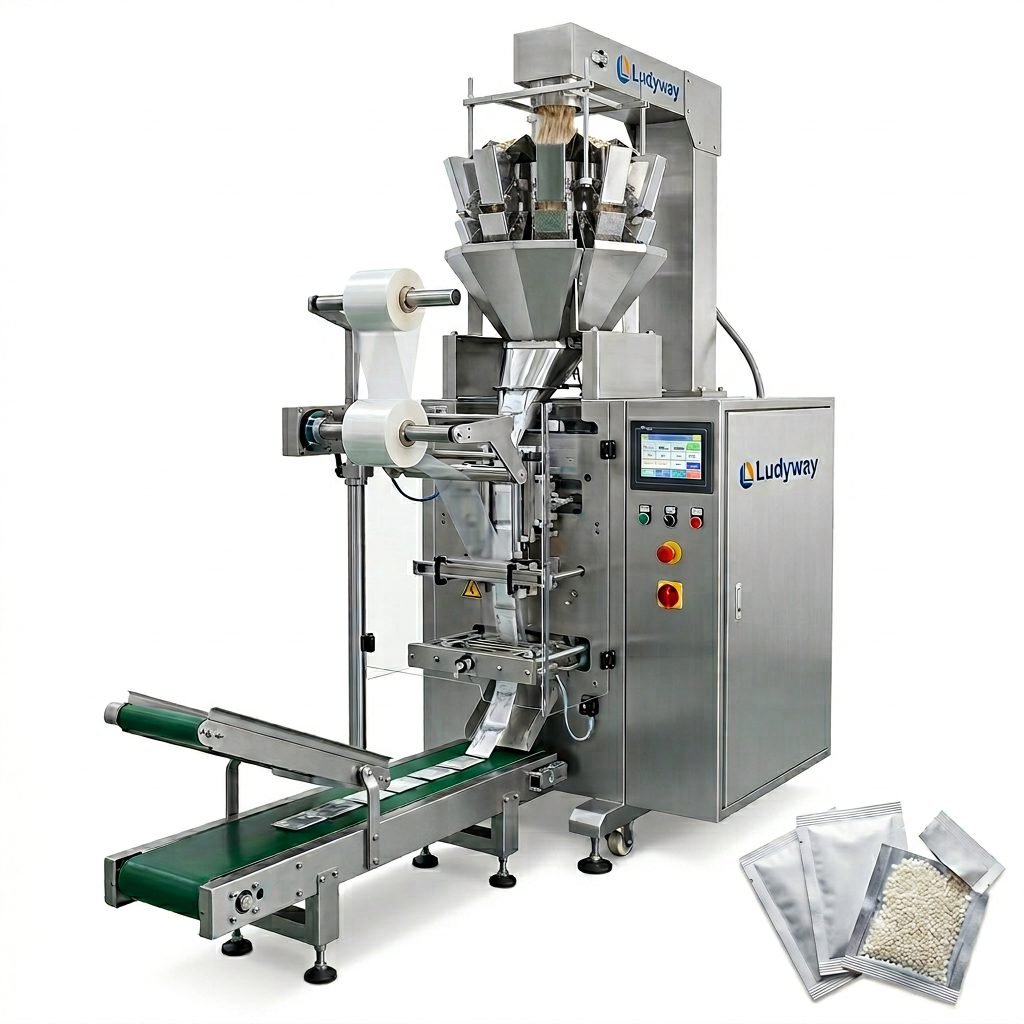
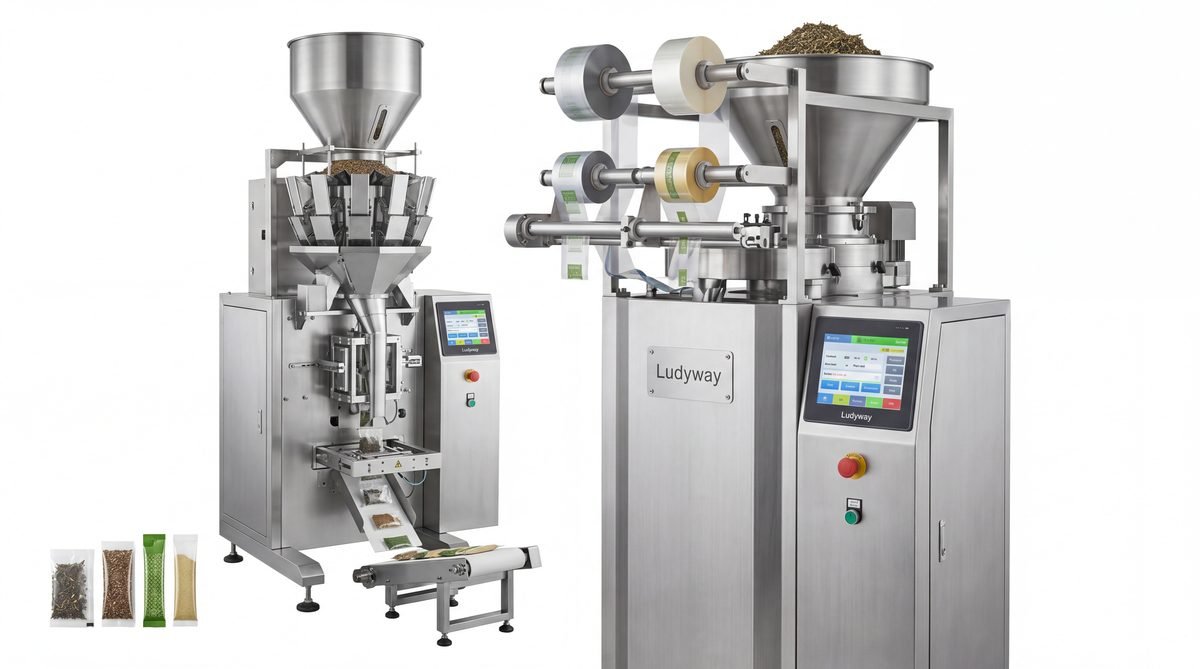
The type of filling system is critical. For free-flowing tea granules, volumetric cup fillers are cost-effective. However, for high-value tea powder requiring precision, a multi-head weigher or auger filler adds substantial cost. According to PMMI, precision weighing systems can increase machine cost by 20-30% but dramatically reduce product giveaway.
3. Sealing Features and Customization
Heat seal packaging requires precise temperature control. Machines with multi-zone PID temperature controllers, gas flushing (nitrogen) for extended shelf life, or specialized seal patterns (like easy-tear notches) will increase the price. Customizing the sealing jaws for unique pouch shapes also adds to engineering costs.
4. Additional Modules and Ancillary Equipment
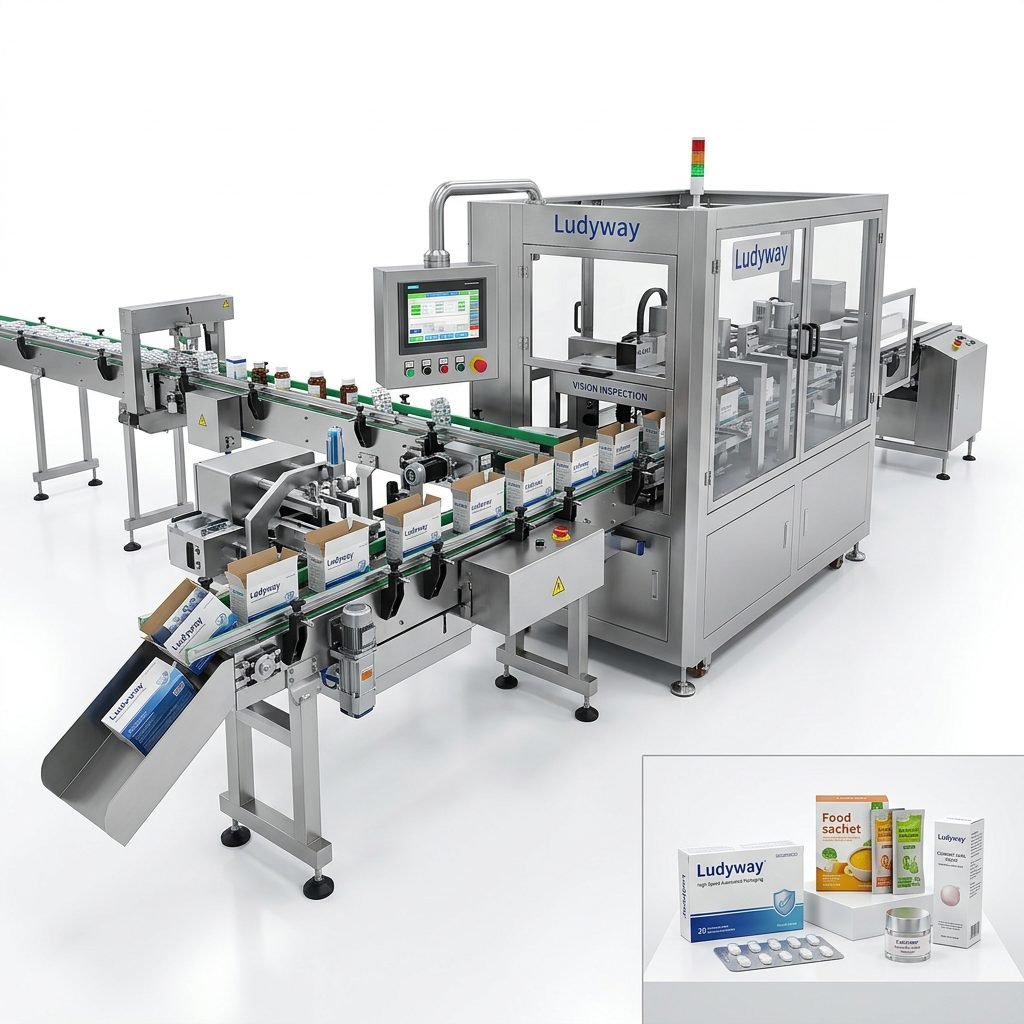
The base machine price is just the starting point. Integrating a thermal transfer printer (TTO), automatic splicing unit, corner rounding device, vision inspection systems, or a high-speed cartoning line transforms a simple machine into a complete packaging solution, often adding 30% to 60% to the total project cost.
5. Material Compatibility and Construction
Machines built with high-grade stainless steel (304 or 316), designed for wash-down environments, or configured to handle abrasive tea leaves will cost more. The demand for flexible packaging materials is surging, and as the Flexible Packaging Association highlights, machines need to adapt to various film structures, which impacts the feeder and sealing system design.
6. Supplier Location and Service Support
Geographic location of the manufacturer significantly influences pricing. Sourcing from established packaging machine manufacturers in China often provides a substantial cost advantage—sometimes 30% to 50% lower—without necessarily compromising on quality, especially when comparing advanced servo-driven models against Western counterparts. However, factor in shipping, installation, and after-sales service into the total cost of ownership.
Step-by-Step Buying Guide
Choosing the right machine involves a systematic evaluation. Follow these steps to ensure you get the best value for your investment.
- Define Your Product and Pouch Specs: Determine the tea form (loose leaf, fine powder, granule), target bag weight, and desired pouch dimensions, style, and material.
- Calculate Required Output: Project your peak demand. A machine running at 80 packs per minute may be sufficient today, but planning for 200 strips per minute future-proofs your investment.
- Evaluate Technical Requirements: Specify if you need gas flushing, UV sterilization integration, easy-open features, or anti-counterfeit coding options.
- Conduct Video Audits and Factory Visits: Before purchase, observe the machine running your actual product. This is the only way to validate sealing integrity and speed claims.
- Compare Quotes with Identical Specifications: Use a detailed technical checklist to ensure all supplier quotes are comparable regarding components, controls, and warranty terms.
Why Sourcing from an Experienced Manufacturer Matters
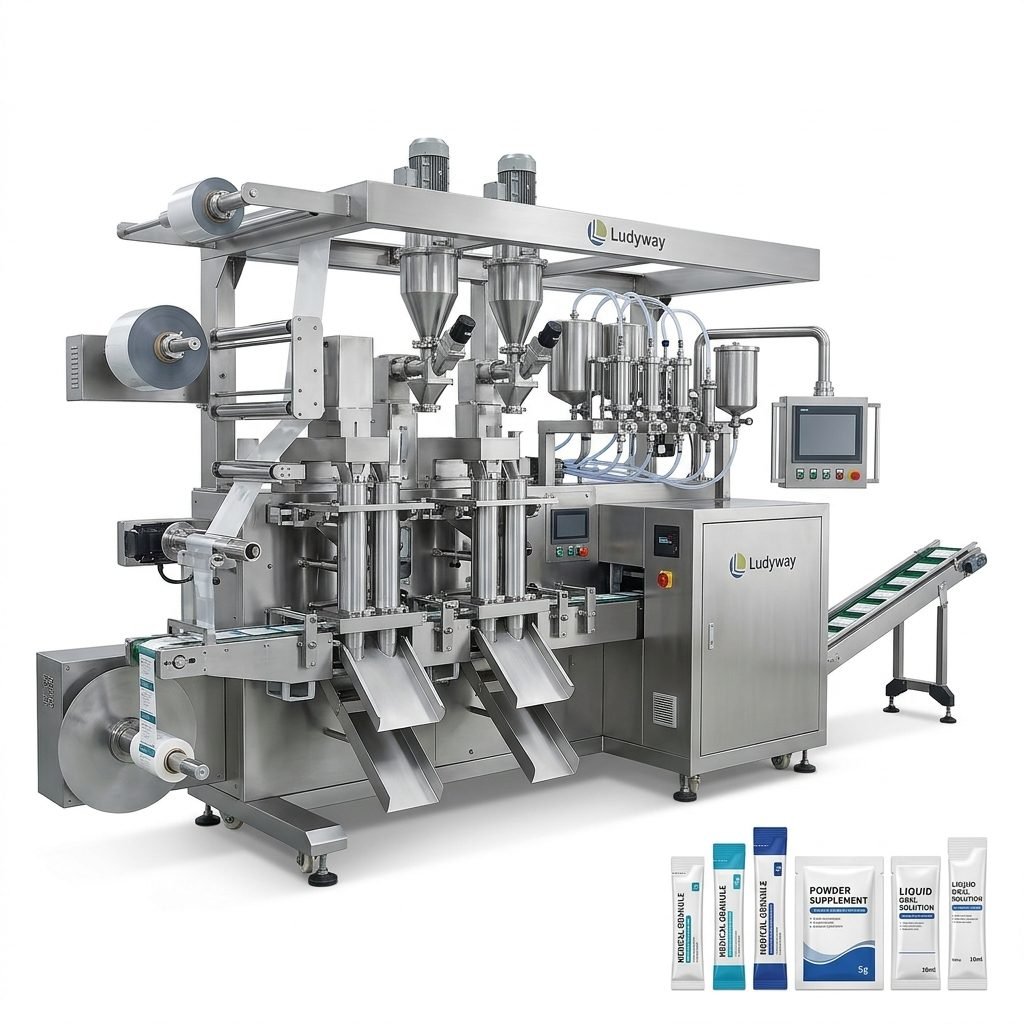
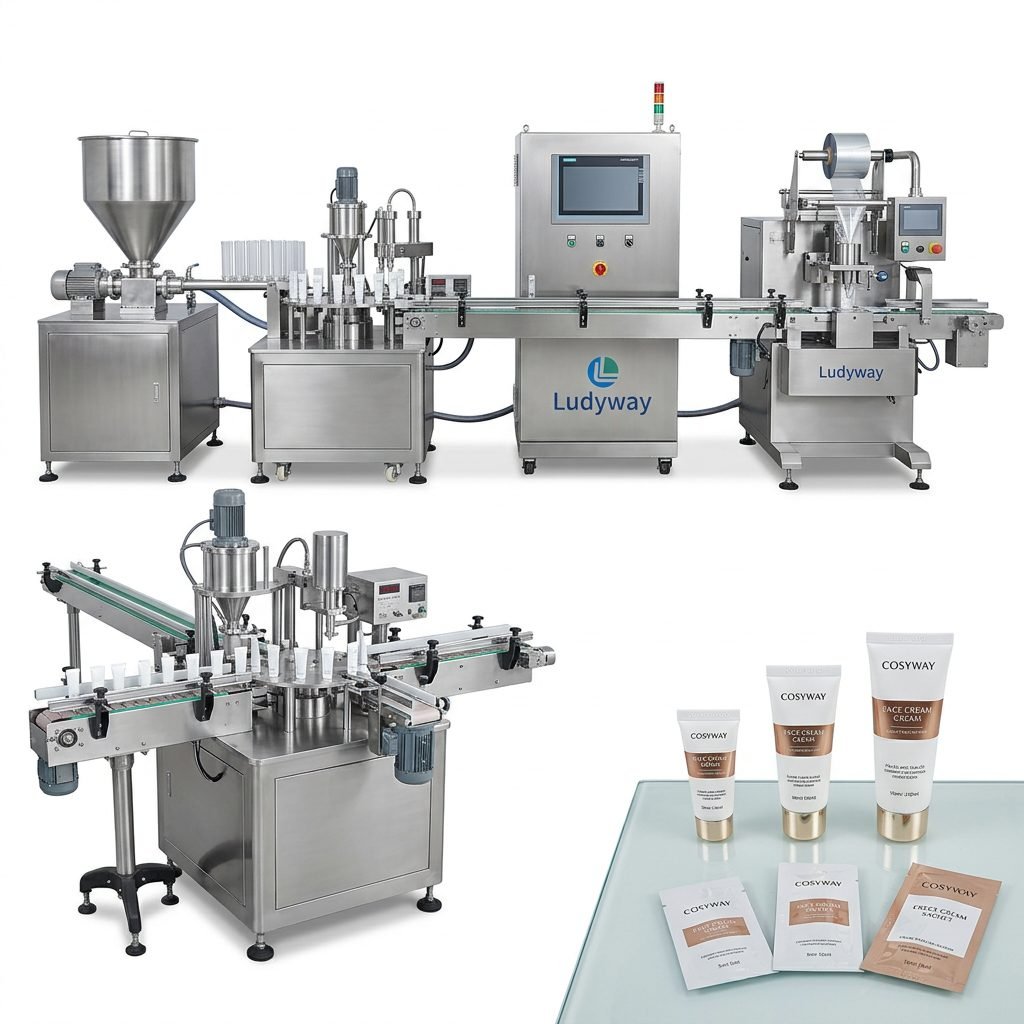
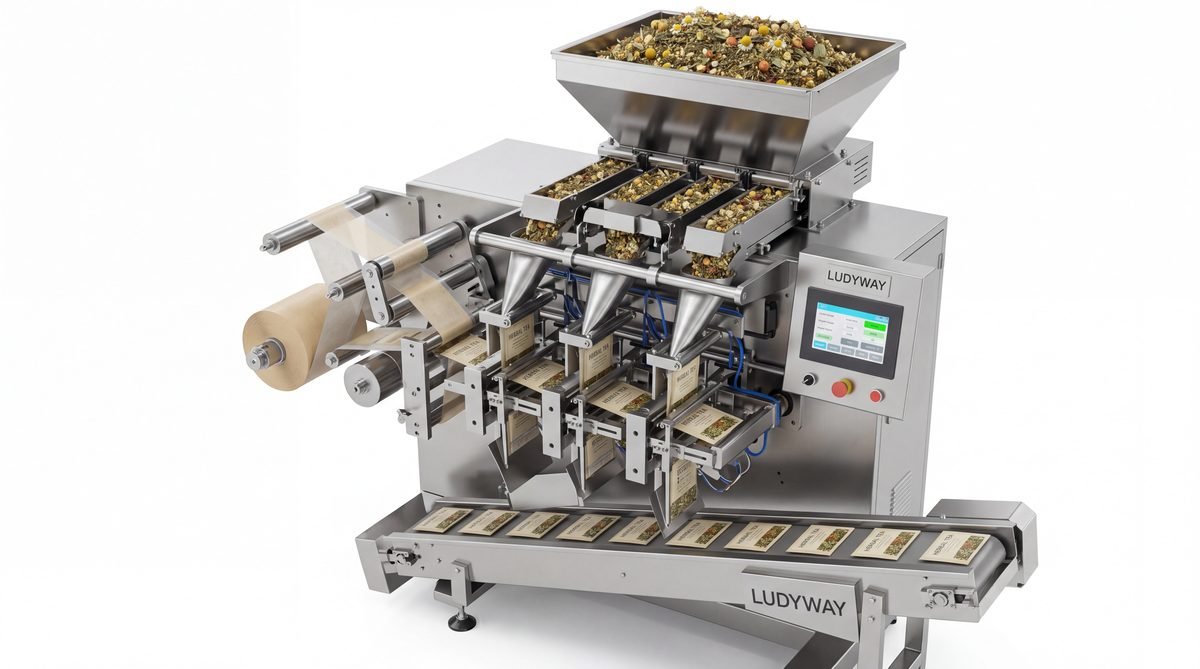
Partnering with a manufacturer that offers turnkey solutions rather than just isolated equipment can drastically improve your production efficiency. For example, Ludyway is one of the largest packaging machine manufacturers in China, with over 30 years of industry experience. With a modern 20,000㎡ production facility and a team of over 130 packaging experts, they specialize in advanced, customizable packaging lines for granule, powder, liquid, and pouch applications. Their expertise helps businesses optimize the entire process from feeding and filling to sealing and cartoning, ensuring a reliable, high-performance solution that meets both current and future demands.
Common Pricing Pitfalls to Avoid
Many first-time buyers make avoidable mistakes that inflate the total cost of ownership. Be aware of the following traps.
Choosing Based on Price Alone
The cheapest upfront cost often leads to the highest long-term expense through downtime, maintenance, and wasted film. Prioritize build quality and reliable thermal sealing performance over bargain pricing.
Ignoring Changeover Time
If you package multiple tea blends, a machine with quick-release tooling and recipe-based PLC memory reduces non-productive time. A slower but fast-change machine often outperforms a “high-speed” machine that takes hours to switch between product runs.
Underestimating Film Wastage
Poor tension control and inaccurate sealing temperatures lead to excessive film waste. Look for machines with automatic web tensioning and servo-driven film advancement. A wastage rate reduction from 2% to 0.5% on a high-speed line saves tons of material annually.
Calculating Return on Investment (ROI)
To justify the capital expenditure, calculate your ROI based on actual operational data. Consider a mid-range multi-lane machine costing $40,000. If it replaces 4 semi-automatic machines and reduces labor by 3 operators per shift (saving approximately $45,000 annually in labor costs), while also cutting film waste by $3,000 per year, the payback period can be less than 12 months. Additionally, automated packaging provides consistent seal quality, reducing product returns and enhancing brand reputation—which, though harder to quantify, holds significant value.
Final Considerations Before Purchase
The cost of a tea heat seal packaging machine is not just a line item; it’s a strategic investment in your brand’s growth and operational efficiency. By understanding the machine types, evaluating the key cost drivers, and following a structured buying process, you equip yourself to negotiate better and select the right technology partner. Always test your product, demand documented performance guarantees, and consider the full lifecycle value rather than just the purchase price. The right machine will deliver consistent, high-quality packages that protect your tea and captivate your customers, paying for itself many times over.