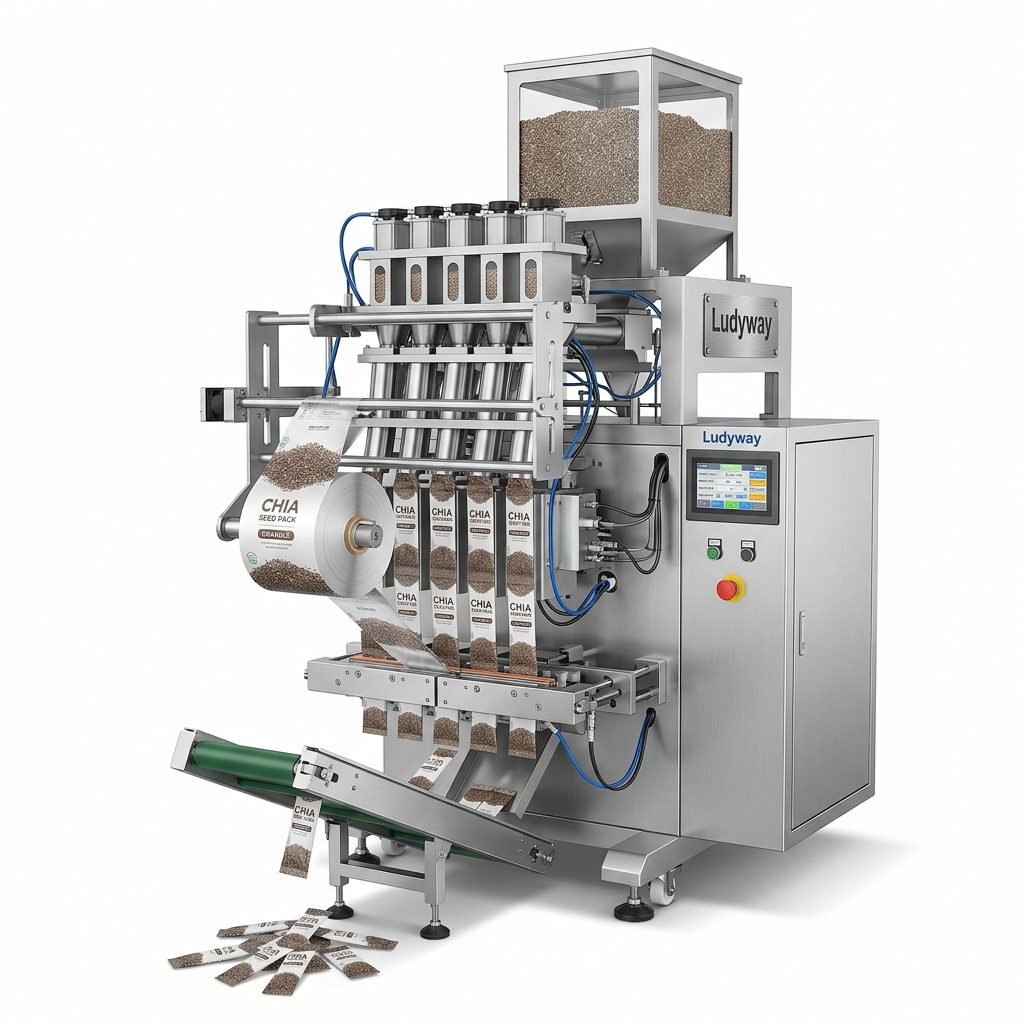
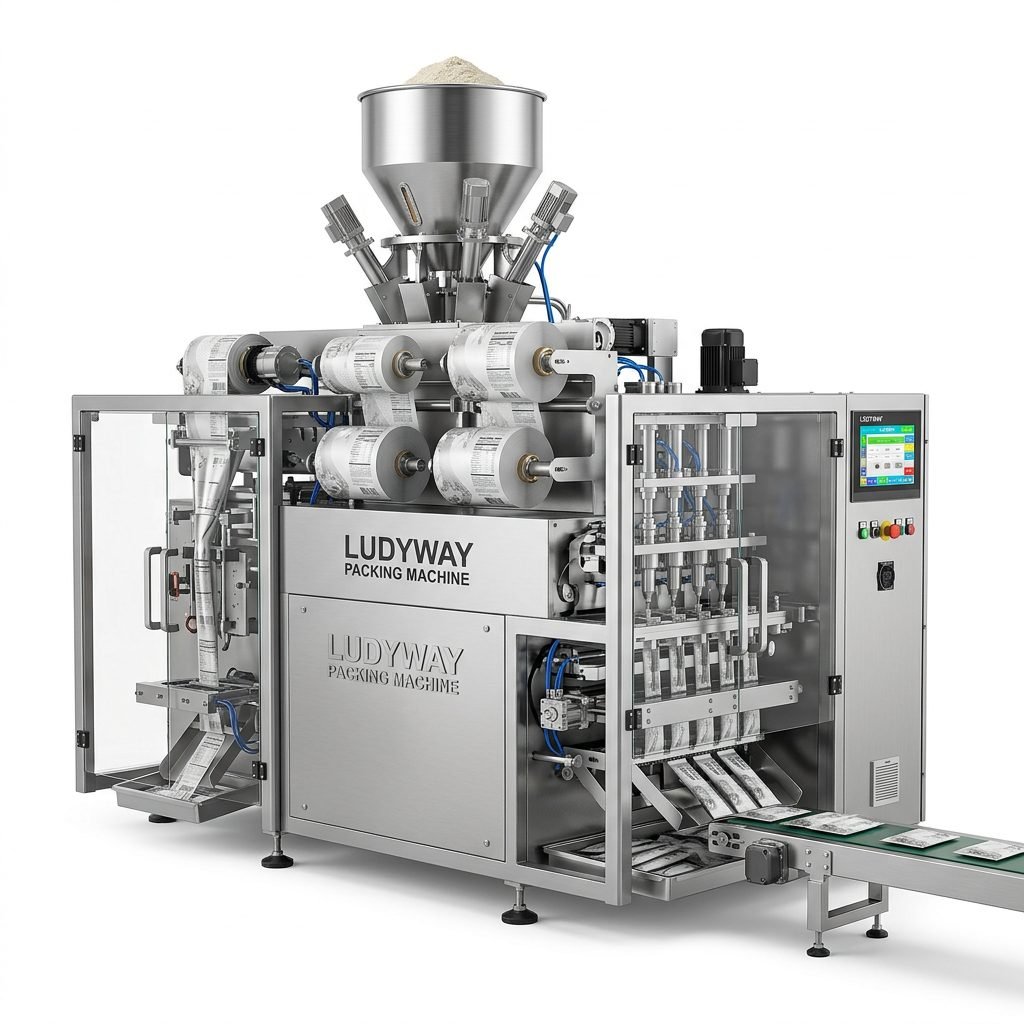
Investing in a meal packaging machine is a critical decision for food manufacturers, meal kit companies, and contract packagers across the United States. Whether you are packaging ready-to-eat meals, powder-based meal replacements, or frozen entrees, selecting the right equipment directly impacts product quality, shelf life, and operational efficiency. This guide breaks down the types, costs, and key features of meal packaging machines to help you make an informed purchasing decision.

Types of Meal Packaging Machines
Meal packaging machines come in various configurations, each suited to specific product formats, production volumes, and packaging materials. Understanding these categories is essential before evaluating equipment options. According to the packaging machinery market data from PMMI, demand for flexible and automated packaging solutions continues to grow steadily across North America.
Vertical Form Fill Seal (VFFS) Machines
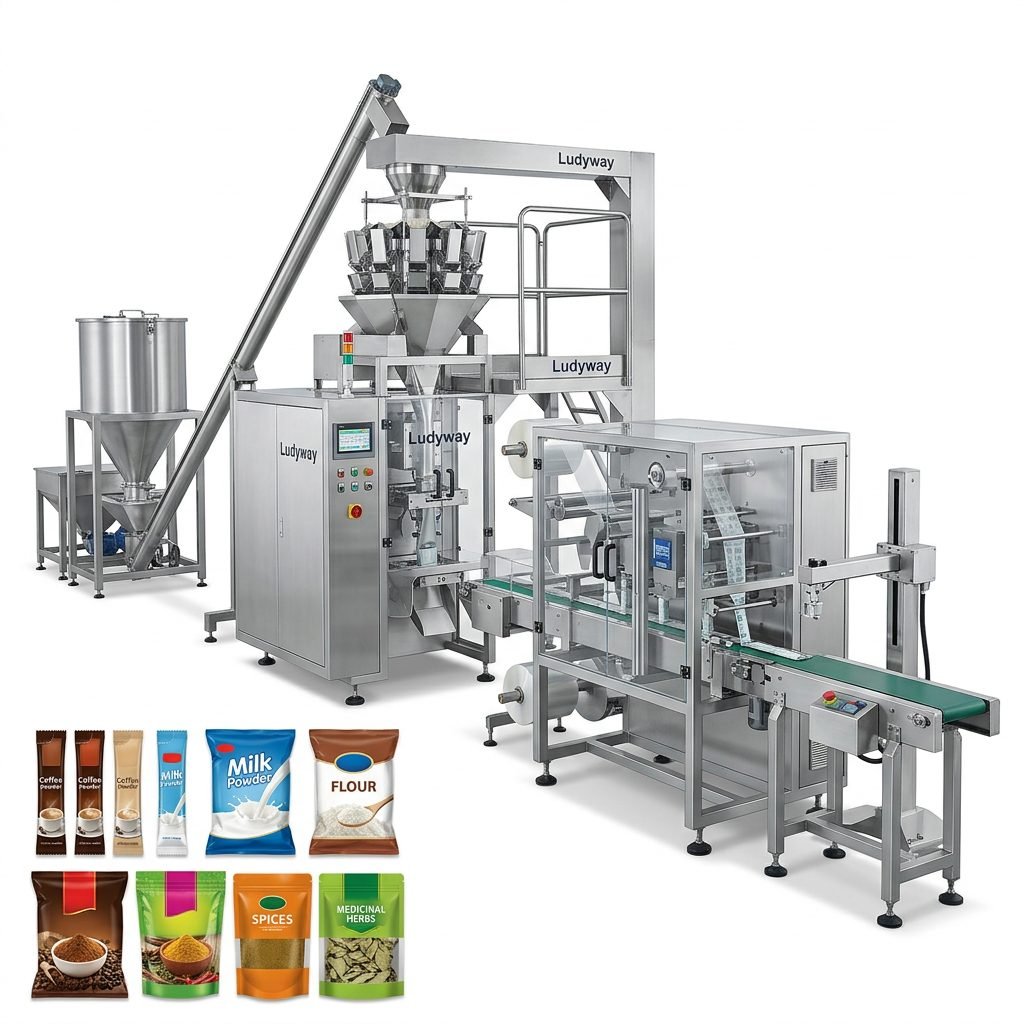
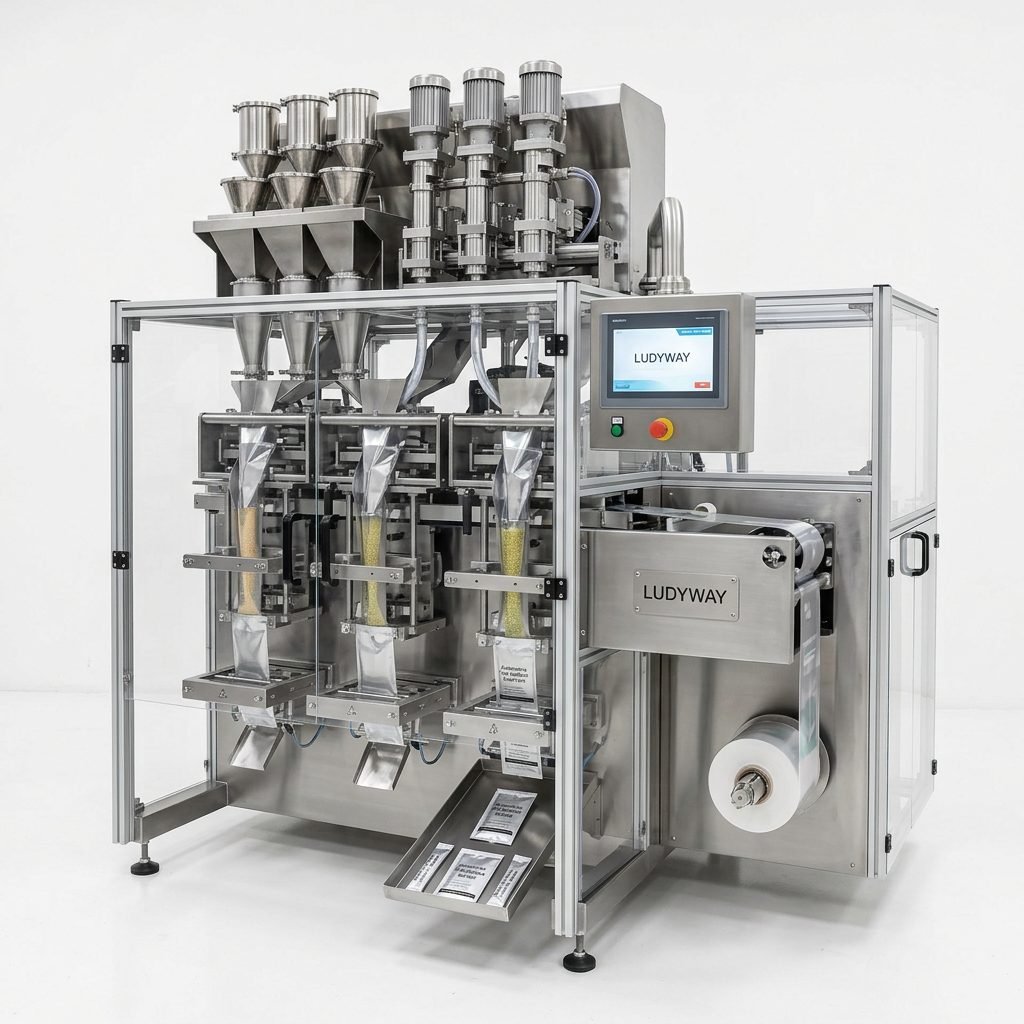
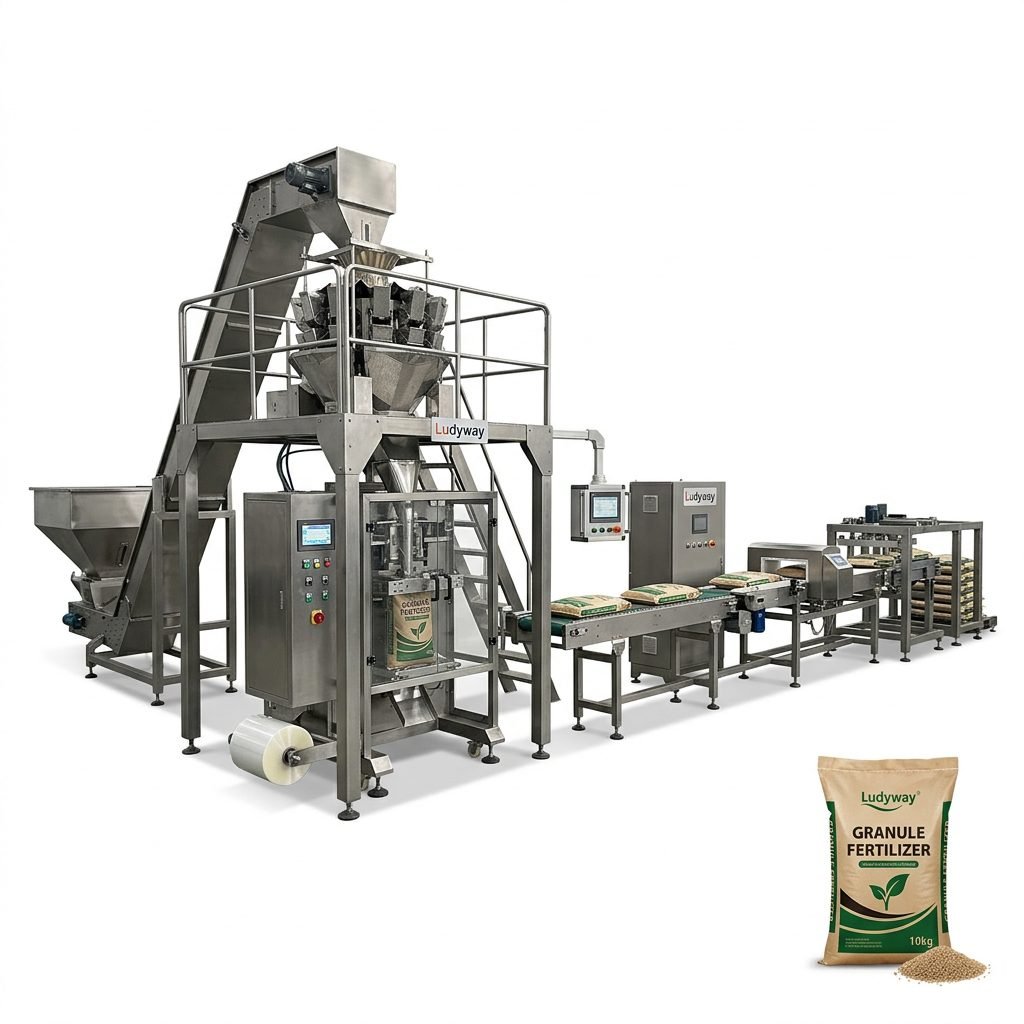
VFFS machines are among the most popular choices for meal packaging. These systems form bags from flat roll stock film, fill them with product, and seal them in a continuous vertical operation. They are ideal for packaging granular, powdered, and free-flowing meal products such as rice mixes, soup powders, pasta, and snack items. VFFS machines offer high-speed production capabilities and can handle a wide range of bag styles including pillow bags, gusseted bags, and quad-seal pouches.
Multi-Lane Stick Pack Machines
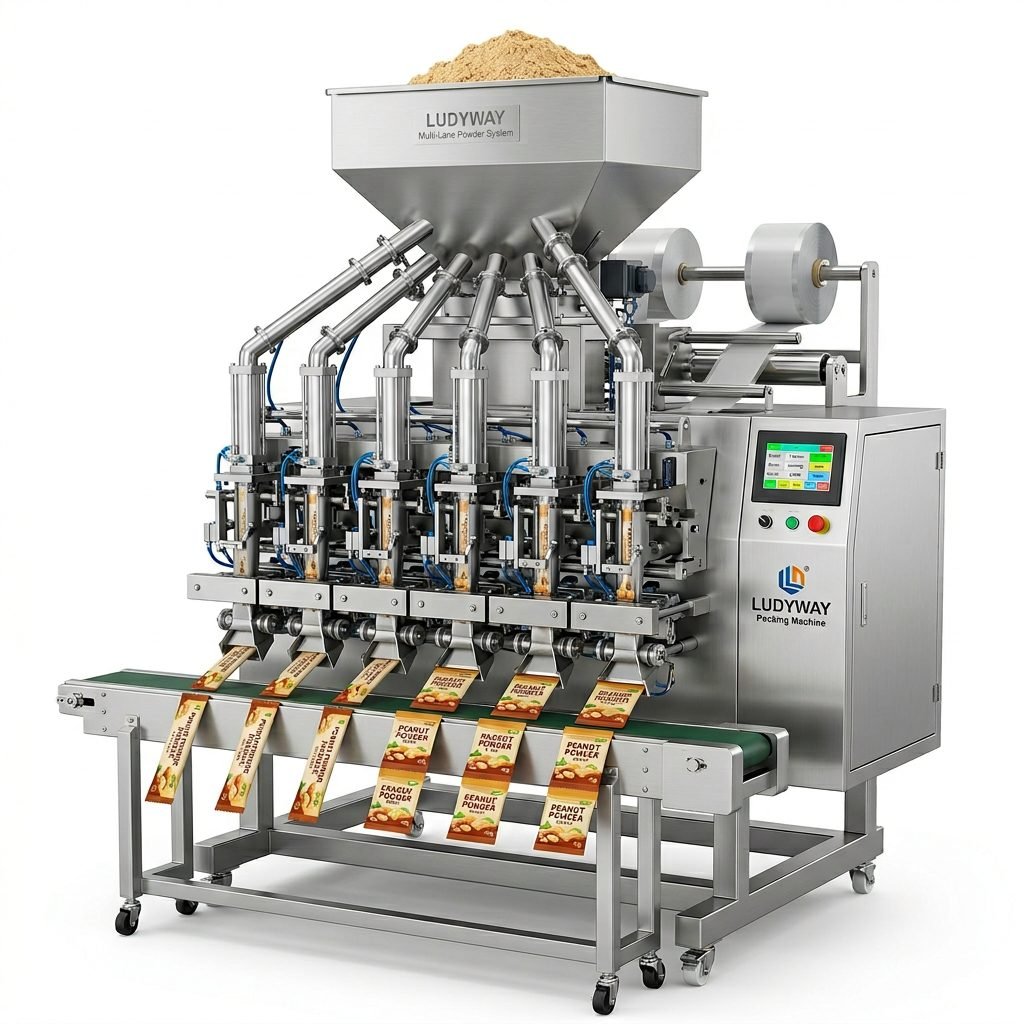
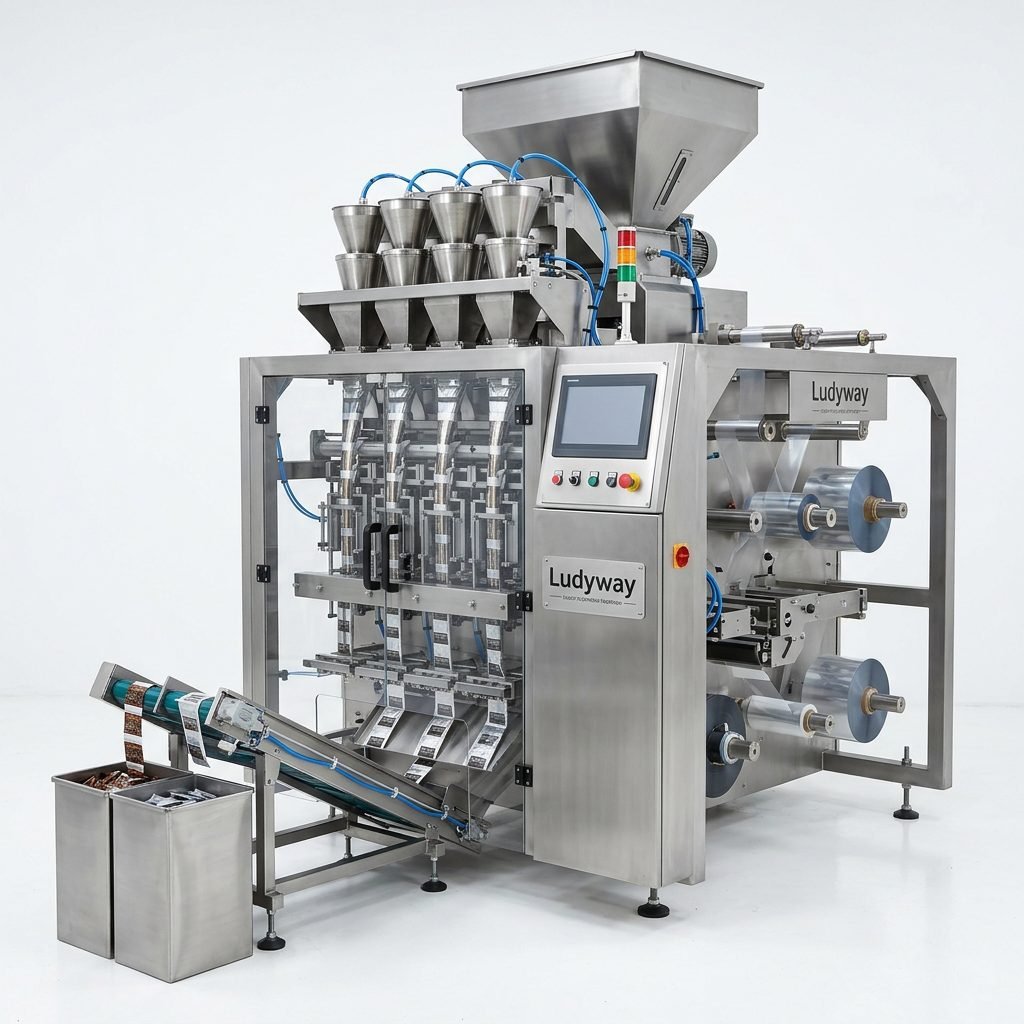
For single-serve meal portions and on-the-go packaging, multi-lane stick pack machines provide unmatched efficiency. These systems run multiple lanes simultaneously, producing narrow stick-shaped sachets ideal for protein powders, meal replacement shakes, instant coffee, and seasoning packets. Modern flexible packaging equipment in this category can achieve speeds exceeding 600 packs per minute across multiple lanes, significantly reducing per-unit packaging costs.

Sachet and Pouch Packaging Systems
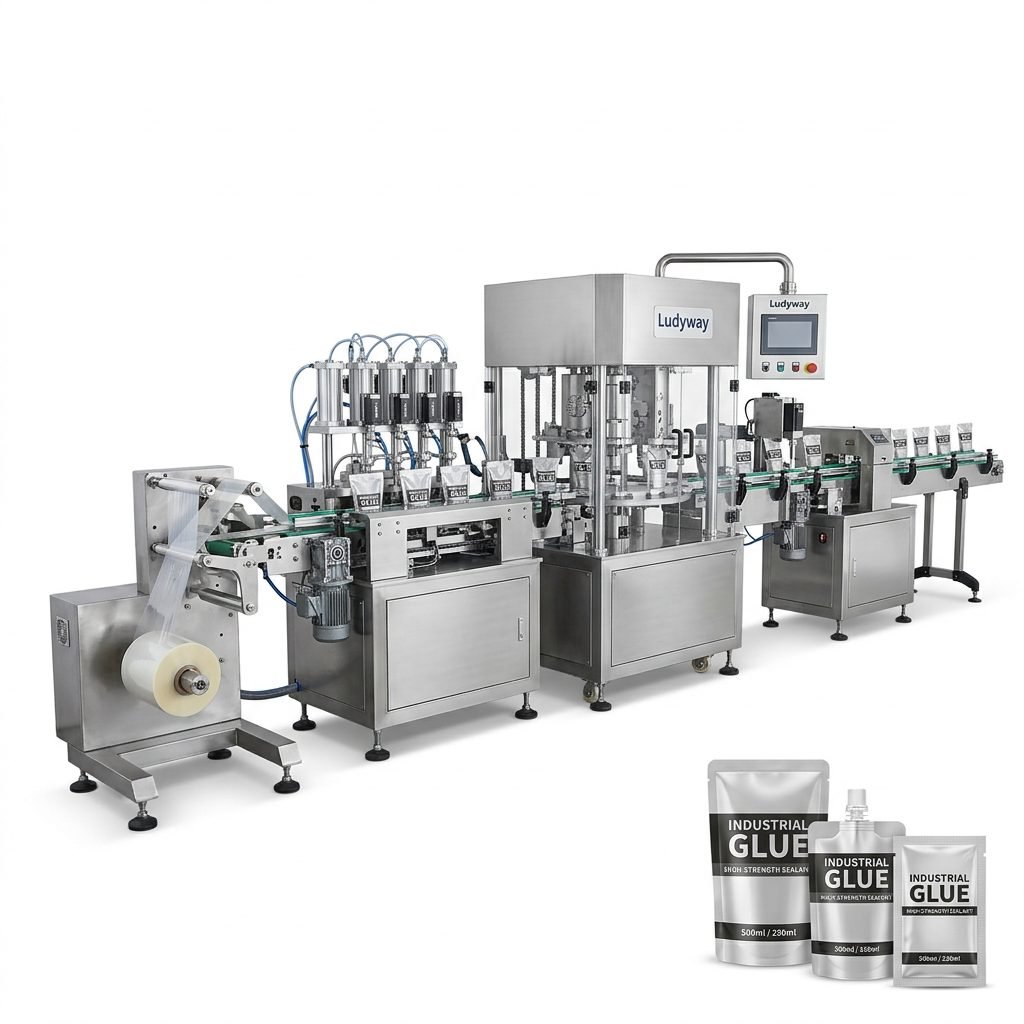
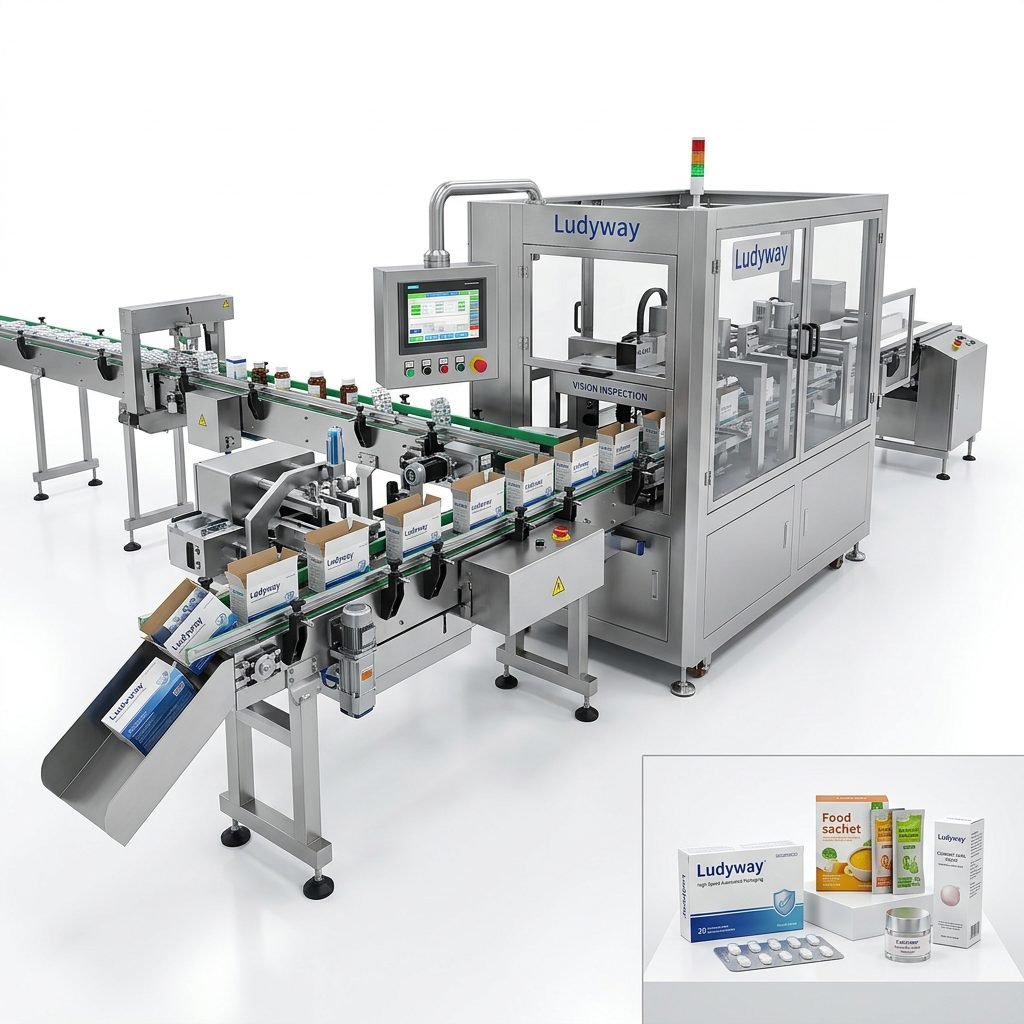
Sachet machines produce flat or shaped single-dose packets commonly used for sauces, condiments, dressings, and meal flavorings. Pouch packaging systems, on the other hand, handle larger formats suitable for complete meal kits, frozen foods, and bulk ingredients. Both systems can be configured with modified atmosphere packaging (MAP) capabilities to extend shelf life, a critical consideration for fresh and prepared meal products distributed through retail and e-commerce channels.
Tray Sealing and Thermoforming Machines
For ready-to-eat meals, tray sealing machines offer a reliable packaging method. These systems seal pre-formed trays with film lids, providing excellent product visibility and portion control. Thermoforming machines take this a step further by forming the tray from roll stock, filling it, and sealing it in a single integrated process. Both options are widely used for fresh meal delivery services, airline catering, and retail prepared food sections.
Cost Breakdown of Meal Packaging Machines in the U.S. Market
Pricing for meal packaging equipment varies significantly based on automation level, production capacity, machine configuration, and compliance features. The table below provides a general cost framework for different machine categories currently available in the United States market. Actual pricing will depend on specific requirements and customization needs.
| Machine Type | Typical Applications | Estimated Price Range (USD) | Production Speed |
|---|---|---|---|
| VFFS Machine (Entry-Level) | Dry meal mixes, powders, grains | $15,000 – $45,000 | 30–60 packs/min |
| VFFS Machine (High-Speed) | Frozen foods, bulk snacks, pet meals | $50,000 – $150,000 | 80–150 packs/min |
| Multi-Lane Stick Pack Machine | Protein powders, meal replacement, instant beverages | $40,000 – $200,000 | 200–600+ packs/min |
| Sachet Packaging Machine | Sauces, condiments, dressings | $20,000 – $80,000 | 40–120 packs/min |
| Tray Sealing System | Ready meals, fresh prepared foods | $30,000 – $120,000 | 15–40 trays/min |
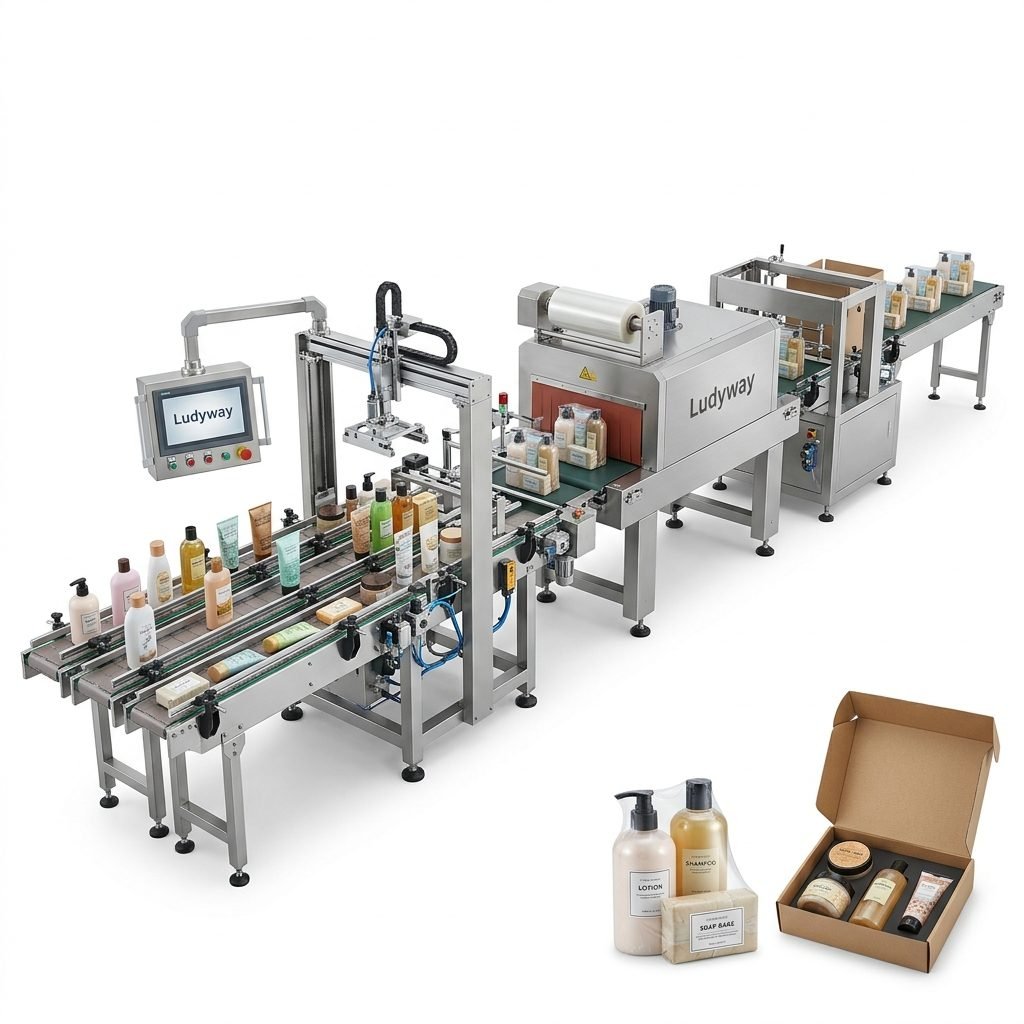
| Fully Automated Turnkey Line | Complete meal kit assembly and packaging | $150,000 – $500,000+ | Customized to specification |
Note: Prices are approximate and reflect base configurations. Additional costs may include shipping, installation, training, spare parts, and compliance certification. Always request detailed quotations from multiple suppliers before making a purchasing decision. Reviewing the latest packaging industry state of the industry reports can provide valuable benchmarking data for budgeting.
Key Features to Evaluate When Buying a Meal Packaging Machine
Selecting the right equipment requires careful evaluation of technical specifications and operational features. The following factors are critical to long-term success in meal packaging operations across U.S. facilities:
- Automation Level and Integration – Determine whether a semi-automatic or fully automatic system best fits your production goals. Modern machines increasingly feature PLC control systems with touchscreen interfaces for easy operation and recipe management.
- Packaging Speed and Throughput – Match machine speed to your current and projected production volumes. Undersized equipment creates bottlenecks, while oversized machines may result in unnecessary capital expenditure.
- Material Compatibility – Ensure the machine can handle your required film types, including biodegradable materials, laminates, and high-barrier films. Compatibility with sustainable packaging options is increasingly important in the U.S. market.
- Hygiene and Sanitation Design – For food applications, equipment must meet FDA food packaging and food contact substance regulations. Look for stainless steel construction, easy-clean surfaces, and CIP (Clean-in-Place) capabilities where applicable.
- Sealing Technology – The quality of seals directly affects product freshness and shelf life. Evaluate heat sealing, ultrasonic sealing, and vacuum sealing options based on your product requirements.
- Changeover Flexibility – If you package multiple meal types or sizes, quick-changeover features minimize downtime and improve overall equipment effectiveness (OEE).
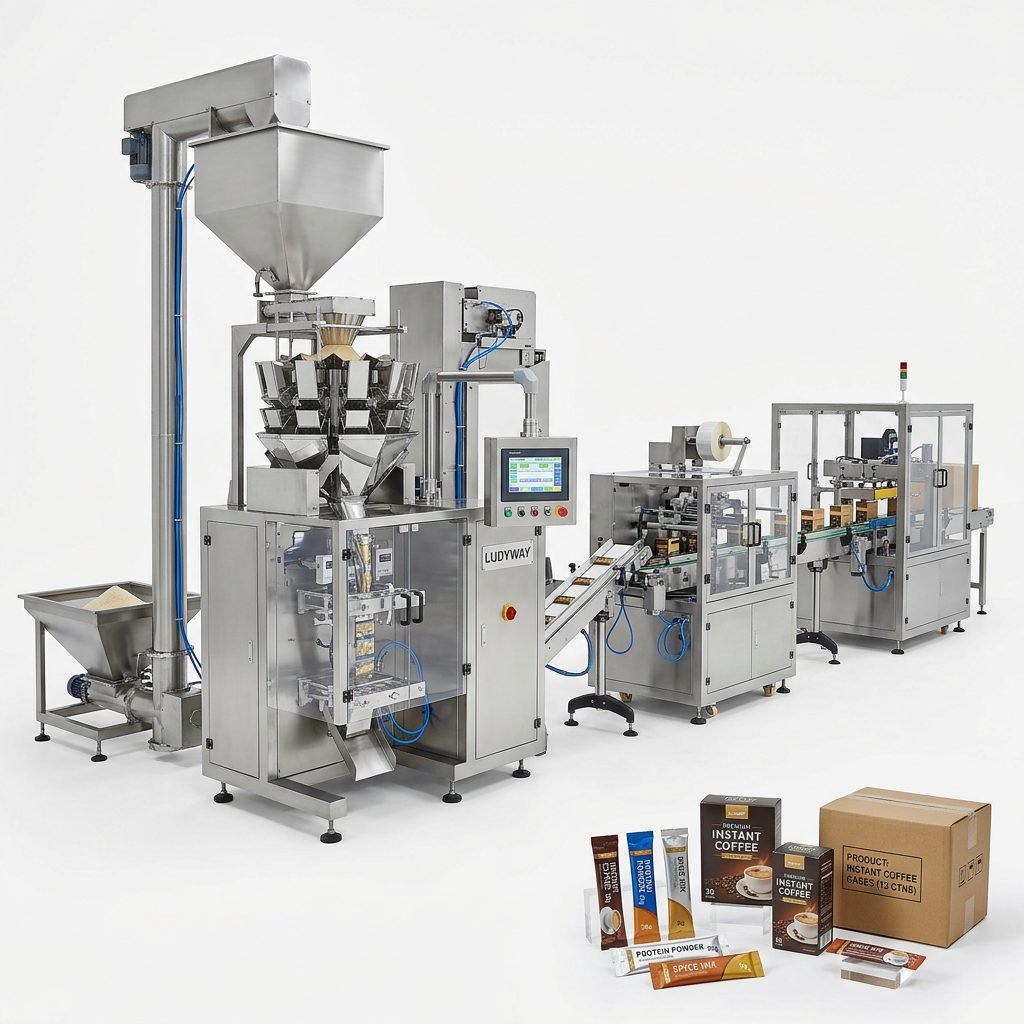
Additional Considerations for U.S. Buyers
Regulatory Compliance and Food Safety
Meal packaging machines operating in the United States must comply with FDA regulations, USDA requirements (for meat and poultry products), and relevant OSHA safety standards. Equipment should be designed to support HACCP protocols and facilitate sanitation verification. Buyers should verify that machines meet applicable UL or ETL electrical safety certifications for the North American market.
Service, Support, and Spare Parts Availability
Reliable after-sales support is essential for minimizing production disruptions. When evaluating suppliers, consider their U.S.-based service network, spare parts inventory, and technical support response times. Equipment built with commonly available components reduces dependency on proprietary parts and simplifies maintenance.
Energy Efficiency and Sustainability
With growing emphasis on sustainability in the U.S. food industry, energy-efficient packaging machines can reduce operational costs and support corporate environmental goals. Features to look for include servo motor drives, optimized heating systems, and compatibility with recyclable or compostable packaging materials. The EPA sustainable materials management framework provides useful guidance for environmentally conscious packaging operations.
Comparing Specifications: What Matters Most
The table below highlights key technical specifications that differentiate meal packaging machines and should be carefully compared during the evaluation process:
| Specification | Why It Matters | Recommended Minimum |
|---|---|---|
| Frame Material | Corrosion resistance, hygiene, durability | 304 or 316 Stainless Steel |
| Sealing Temperature Range | Film compatibility, seal integrity | 0–300°C with PID control |
| Filling Accuracy | Product consistency, minimize giveaway | ±0.5% to ±1% by weight |
| Film Roll Diameter | Reduced roll change frequency | 400mm or larger |
| Control System | Ease of use, recipe storage, diagnostics | PLC with color touchscreen HMI |
Resources for Further Research
Making a well-informed equipment purchase requires access to reliable industry information. Below are authoritative resources that provide valuable insights for U.S. meal packaging buyers:
- PMMI – The Association for Packaging and Processing Technologies – Industry standards, market research, and educational resources for packaging professionals.
- Flexible Packaging Association – Resources on flexible packaging materials, sustainability, and industry data relevant to meal packaging applications.
- FDA – Packaging and Food Contact Substances – Regulatory guidance on food-safe packaging materials and equipment requirements.
- PACK EXPO International – Major industry trade show where buyers can see packaging machinery in operation and meet equipment manufacturers.

Making the Final Decision
Purchasing a meal packaging machine is a long-term investment that affects every aspect of your production operation. Beyond the purchase price, factor in total cost of ownership including maintenance, spare parts, energy consumption, and expected service life. Request machine demonstrations, check supplier references, and if possible, visit existing installations to observe equipment performance in real production environments.
For businesses seeking customized packaging solutions, working with experienced equipment manufacturers who offer comprehensive consultation, factory acceptance testing (FAT), and installation support can significantly streamline the procurement process. Companies like Ludyway, which operates a modern manufacturing facility and provides turnkey packaging solutions to customers worldwide, exemplify the type of partner that can support complex meal packaging projects from concept through commissioning. Always verify that your chosen supplier has relevant experience with your specific product category and packaging format before finalizing any agreement.
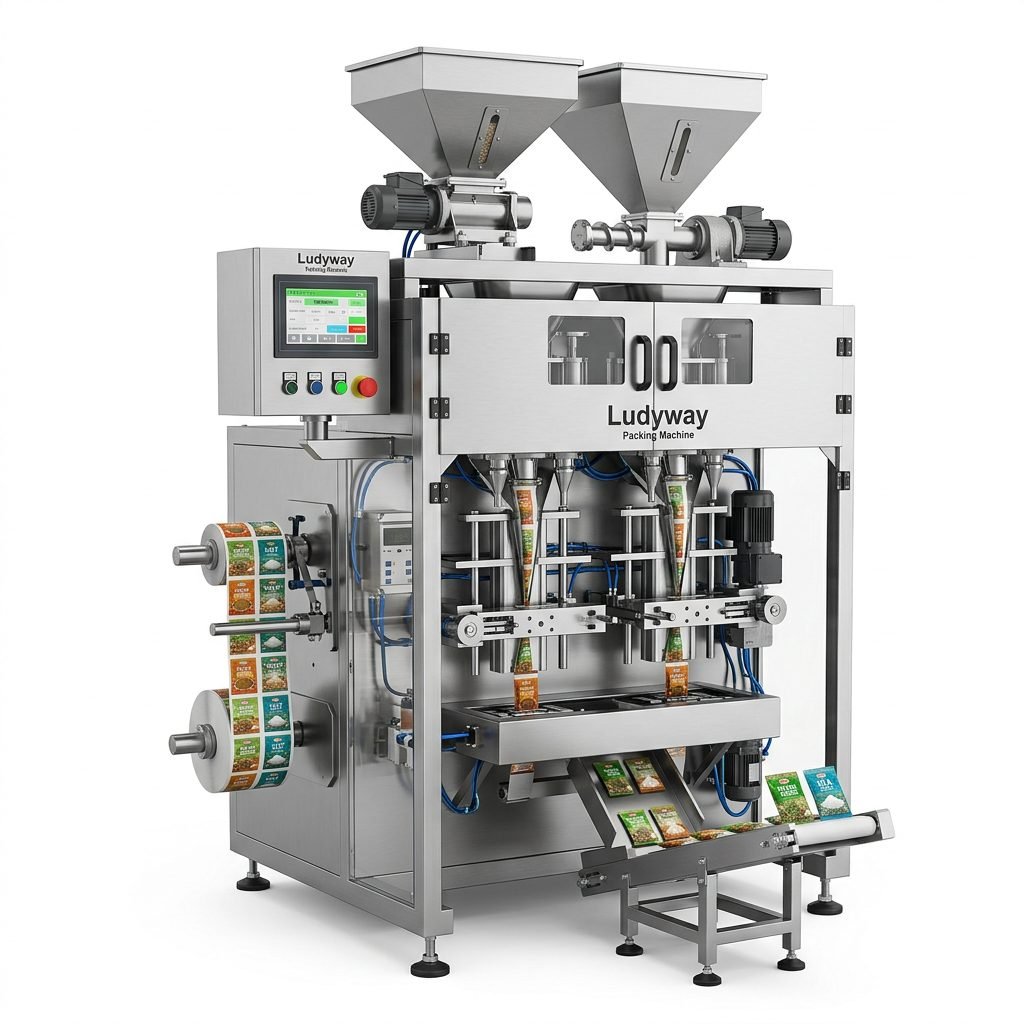
By thoroughly evaluating machine types, cost structures, and key features outlined in this guide, U.S. food manufacturers and meal packaging companies can confidently select equipment that meets current production needs while accommodating future growth. Remember that the right packaging machine not only protects your product but also enhances brand perception and drives operational profitability.