Investing in a tea liquid filling and packing machine is a significant decision for any beverage manufacturer. Whether you are launching a new ready-to-drink tea brand or scaling up an existing production line, understanding the cost structure is crucial for effective budgeting. The price is not a single number; it fluctuates based on a variety of technical, operational, and configurational factors. This guide breaks down the key elements that determine pricing, helping you make an informed procurement decision without compromising on quality or efficiency.
Key Factors Influencing the Cost of Tea Liquid Packaging Machines
Before diving into specific numbers, it is essential to recognize the primary cost drivers. The final price tag is influenced by the interplay of automation level, production capacity, and machine configuration. A simple manual filler will cost a fraction of a fully integrated, high-speed rotary system. Furthermore, the choice between volumetric, piston, or magnetic flow fillers dramatically shifts the price bracket.
- Level of Automation: Manual, semi-automatic, and fully automatic systems represent distinct price tiers. Fully automatic lines with servo-driven controls command a premium due to precision and labor savings.
- Production Output: Machines rated for 1,000 bottles per hour differ vastly in cost from high-speed lines capable of handling 20,000 bottles per hour. Higher throughput requires more robust components.
- Filling Technology: Hot-fill capabilities are mandatory for shelf-stable tea products. This increases engineering complexity and material costs compared to standard cold-fill machines.
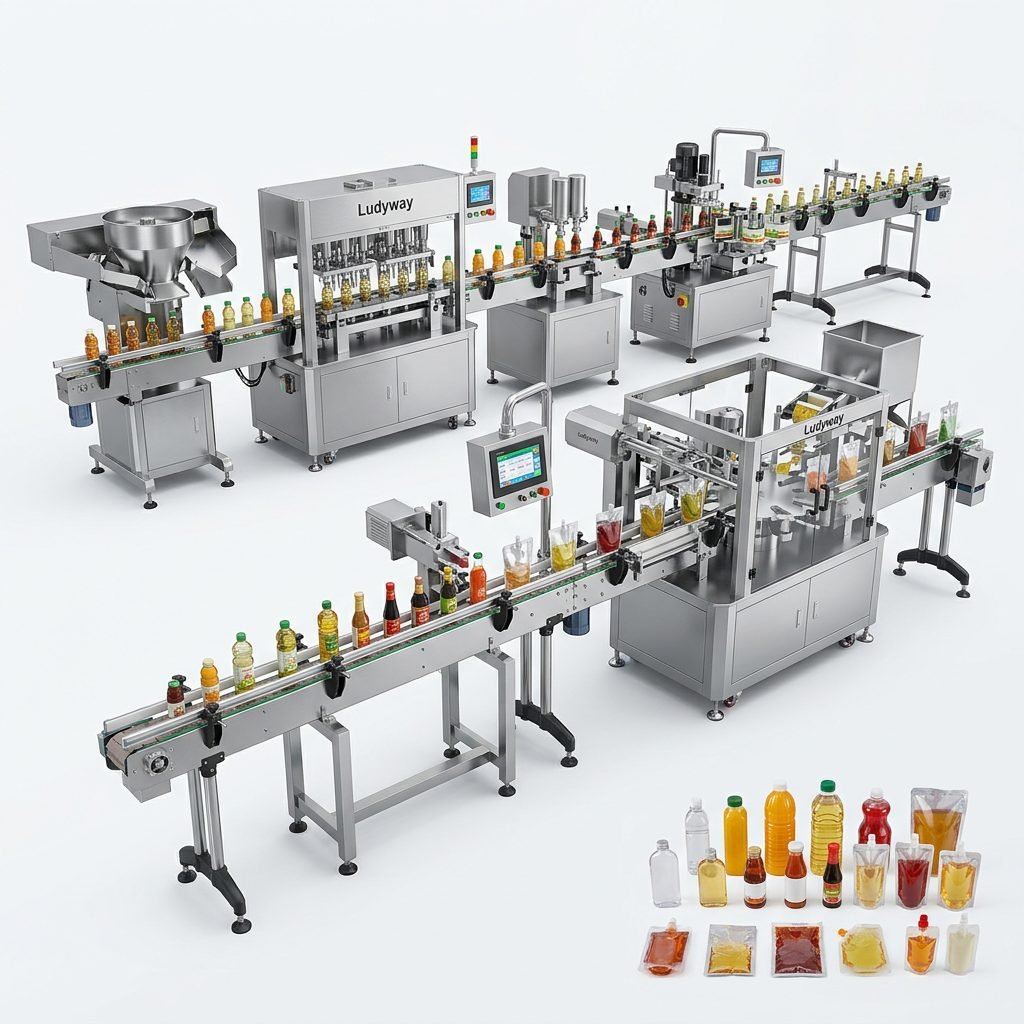
- Packaging Format: A dedicated glass bottle filler differs significantly from a flexible liquid packaging machine designed for spouted pouches or stand-up bags.
Price Breakdown by Machine Type
The table below provides a general cost comparison for different configurations of tea filling and packing equipment. Note that these ranges are estimates for standard industrial-grade machinery and can fluctuate based on brand, origin, and included auxiliary modules.
| Machine Type | Estimated Price Range (USD) | Best Suited For |
|---|---|---|
| Semi-Automatic Liquid Filler | $8,000 – $25,000 | Startups piloting small batches with manual capping. |
| Automatic Monoblock (Rinsing-Filling-Capping) | $35,000 – $85,000 | Mid-scale producers targeting up to 8,000 bottles per hour. |
| High-Speed Hot Fill Line | $120,000 – $350,000+ | Large factories running 24/7 with aseptic or hot-fill requirements. |
| Complete Turnkey Packing System | $200,000 – $500,000+ | Automated solutions integrating cartoning, shrink-wrapping, and palletizing. |

Ancillary Equipment That Impacts the Total Investment
The core filling unit represents only a portion of the total spend. To achieve a production-ready state, you often need supporting infrastructure. Neglecting these costs in your budget can lead to financial overruns.
- Labeling Machines: A precision automatic shrink sleeve or BOPP labeling station can add $15,000 to $40,000 to your setup. For integrating such a module, consider checking automatic labeling machine options that synchronize with liquid fillers.
- Cartoning Systems: End-of-line packaging, such as carton erectors and sealers, is vital for distribution. A robust case packing line ensures your finished tea bottles are market-ready.
- CIP Systems: Clean-in-Place systems are non-negotiable for hygienic tea processing but significantly raise the initial capital outlay due to their complex sanitary piping and tank requirements.
- Inspection Units: Checkweighers and metal detectors ensure product quality and compliance, typically costing between $5,000 and $20,000 depending on sensitivity and speed.
Critical Design Features Affecting Price
Not all filling machines are mechanically identical, even if they share a similar aesthetic. The internal construction and material grades heavily determine the long-term value and upfront cost. Machines designed for environments with high humidity and condensation require special attention to component longevity.
Sanitary Construction Standards
For tea products, 304 or 316 stainless steel construction is standard to prevent corrosion and bacterial growth. However, the level of polish and the use of food-grade gaskets (EPDM or Viton) can add 10-15% to the machine’s base cost. A full washdown-ready machine, often rated IP65 or higher, is essential for dairy-based tea beverages but significantly impacts the electrical design budget.
Filling Precision Mechanisms
Servo-driven pumps offer the highest accuracy for expensive tea extracts but are the most expensive option. Magnetic flow meters are ideal for thin, water-like teas. If your product contains particulates like boba or tapioca pearls, a specialized positive displacement pump is mandatory, and this modification often requires custom engineering, driving the cost into the upper spectrum of the $80,000+ bracket for a single-purpose filler.
Operational Cost vs. Capital Expenditure
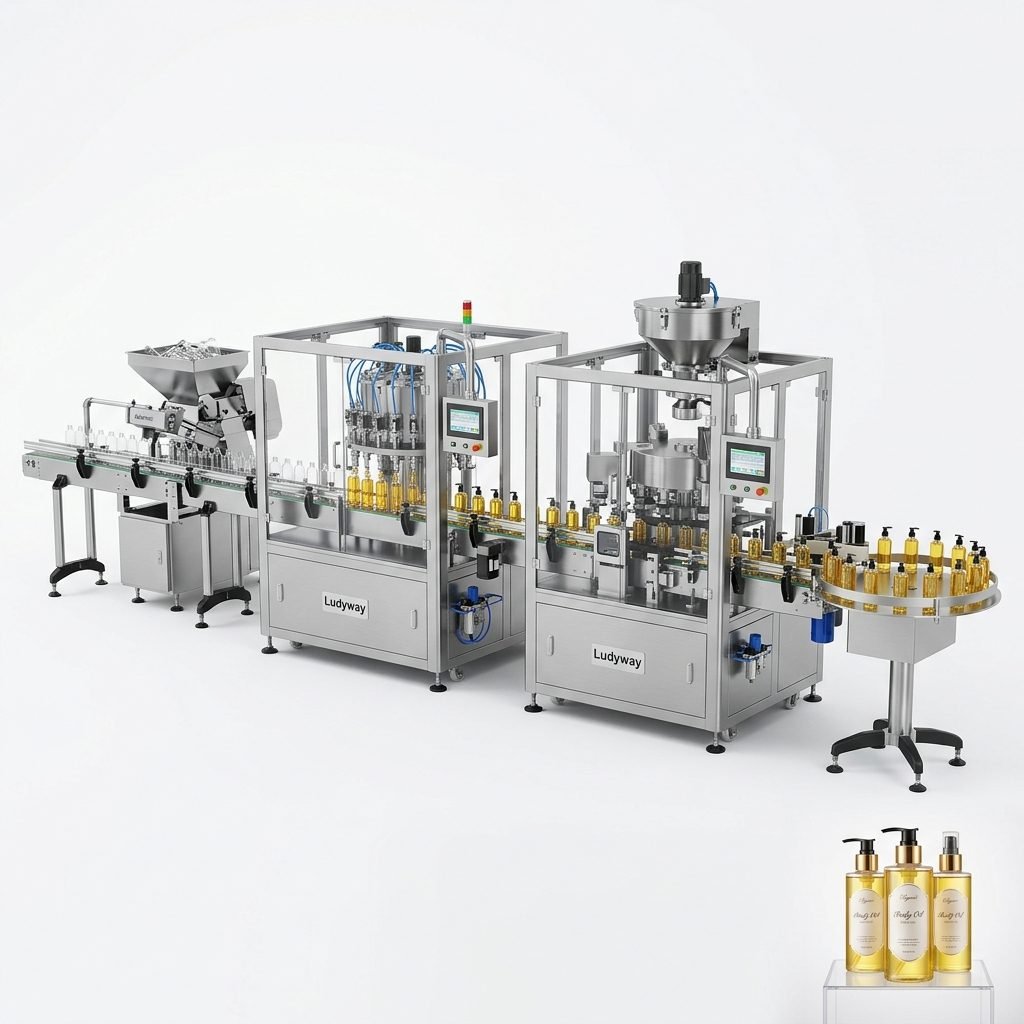
Often, buyers make the mistake of focusing solely on the sticker price. Modern servo-driven machines might have a higher upfront cost but reduce waste and electricity consumption significantly. A machine with a precision nozzle that prevents dripping saves thousands of dollars in lost product annually. It is vital to look at the Total Cost of Ownership (TCO), which includes spare parts availability and service support. Companies like Ludyway, with a comprehensive manufacturing facility and decades of expertise, provide turnkey solutions that often prove more economical in the long run due to integrated engineering and reliable after-sales support.
Finding the Right Configuration for Your Budget
To avoid paying for capabilities you do not need, you must clearly define your current requirements and future expansion plans. A modular machine architecture allows you to start with a basic filling unit and later add a labeller, an accumulator table, or a cartoner. For high-volume tea brands, partnering with a manufacturer that offers complete turnkey packaging solutions can streamline the project and reduce the hidden costs associated with multi-vendor coordination. For further reading on packaging machinery standards and market trends, industry resources like the Association for Packaging and Processing Technologies offer valuable benchmarks.
Ultimately, a tea liquid filling and packing machine is a strategic asset. By breaking down the costs by automation level, engineering specifications, and ancillary equipment, you can secure a system that delivers optimal ROI and consistent product quality for years to come.