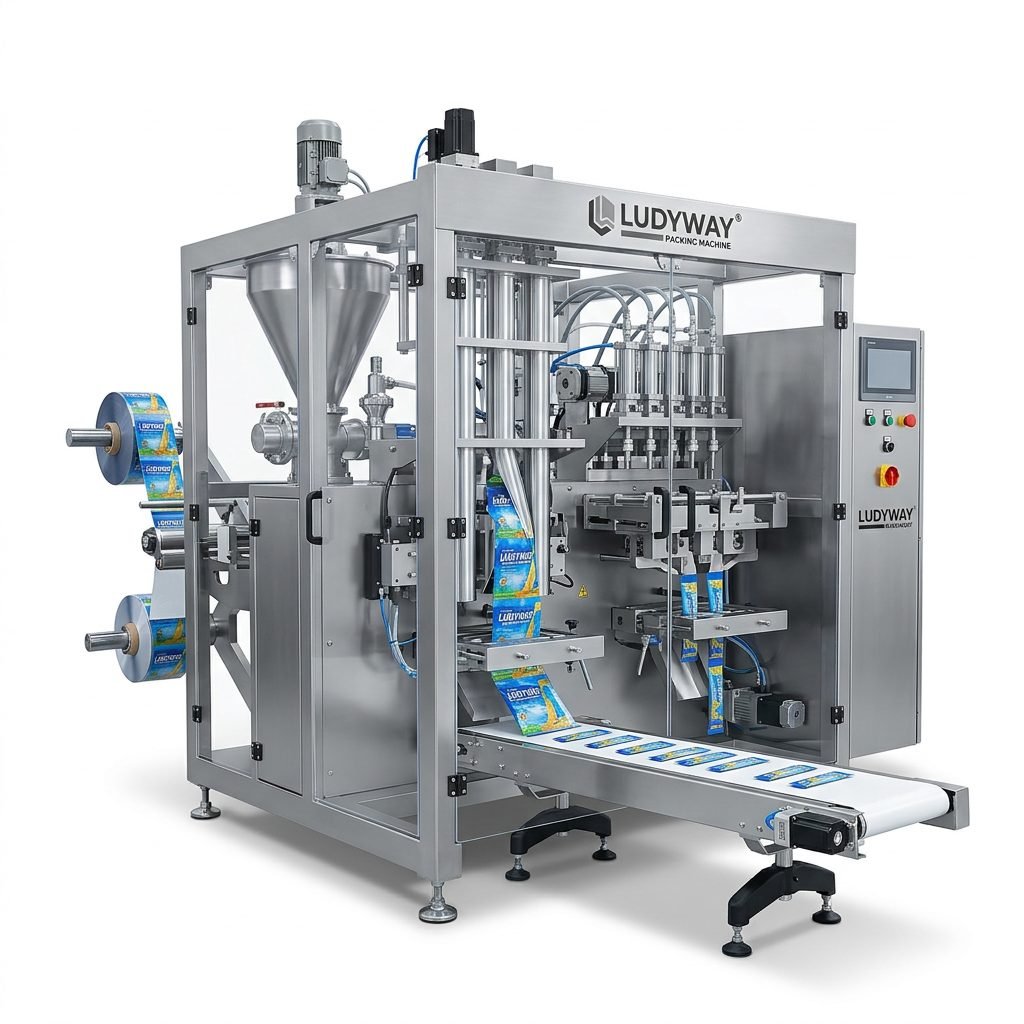
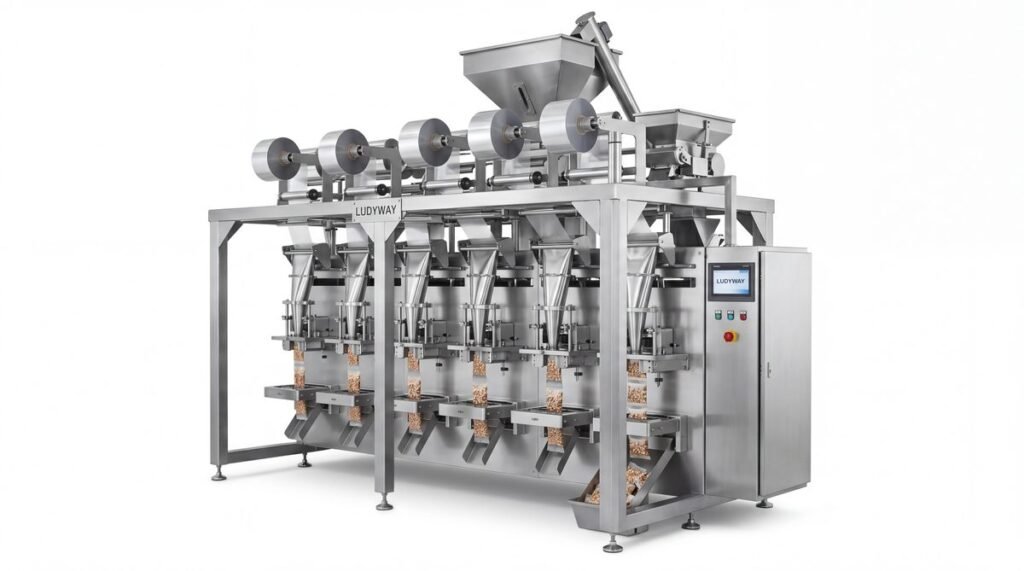
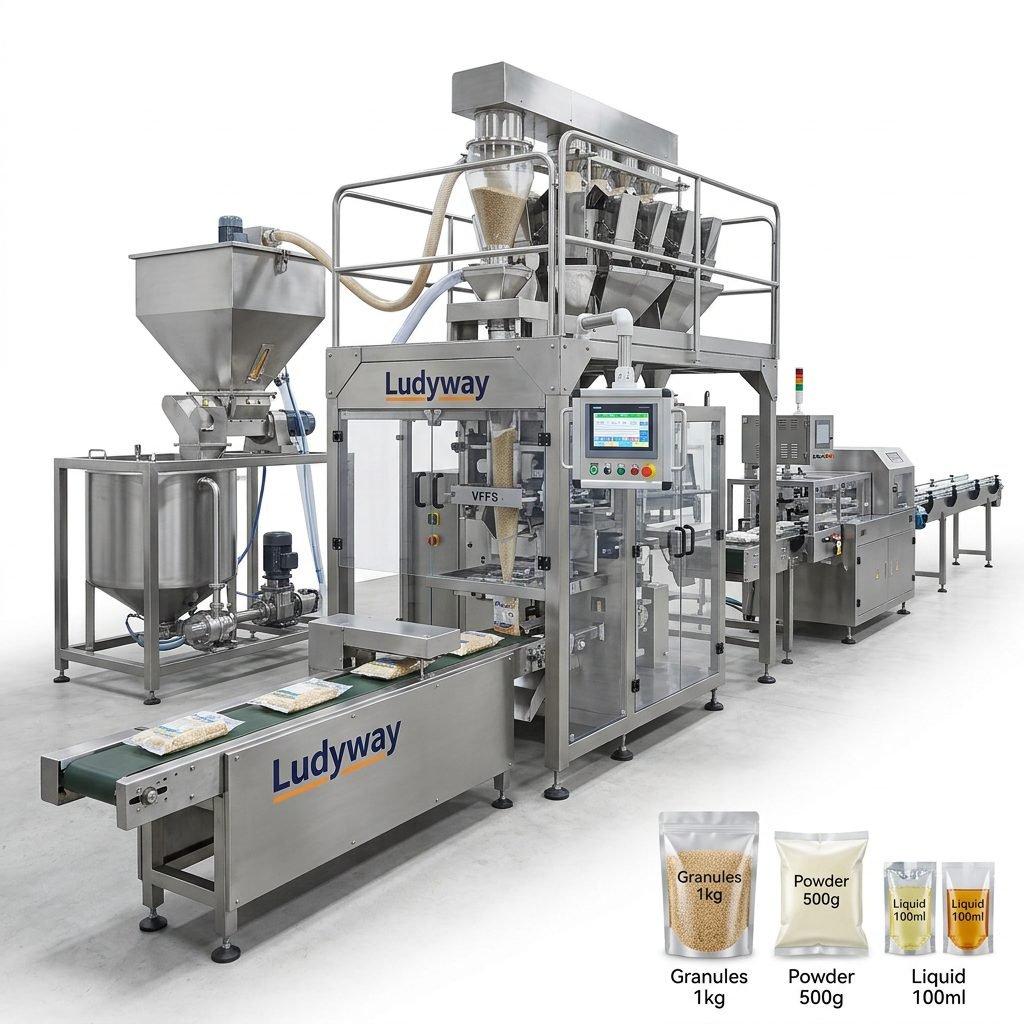
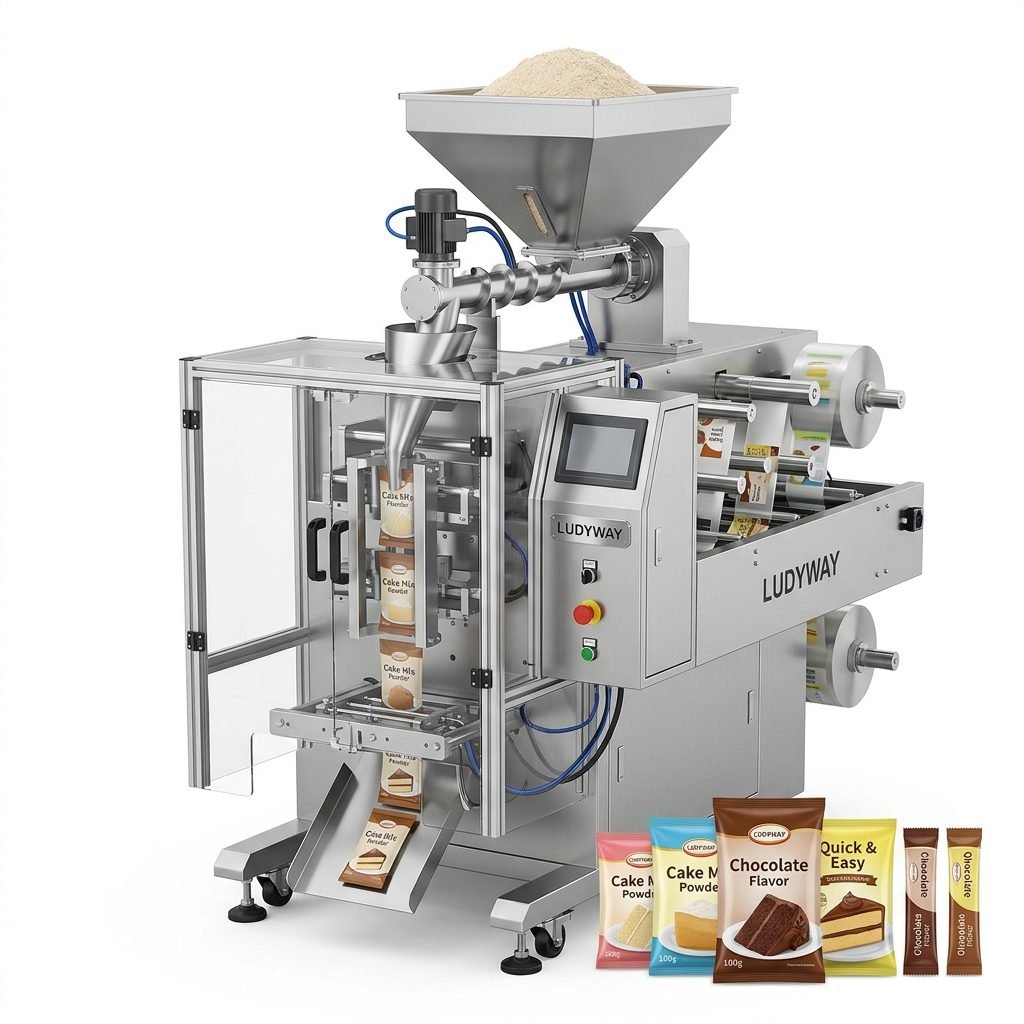
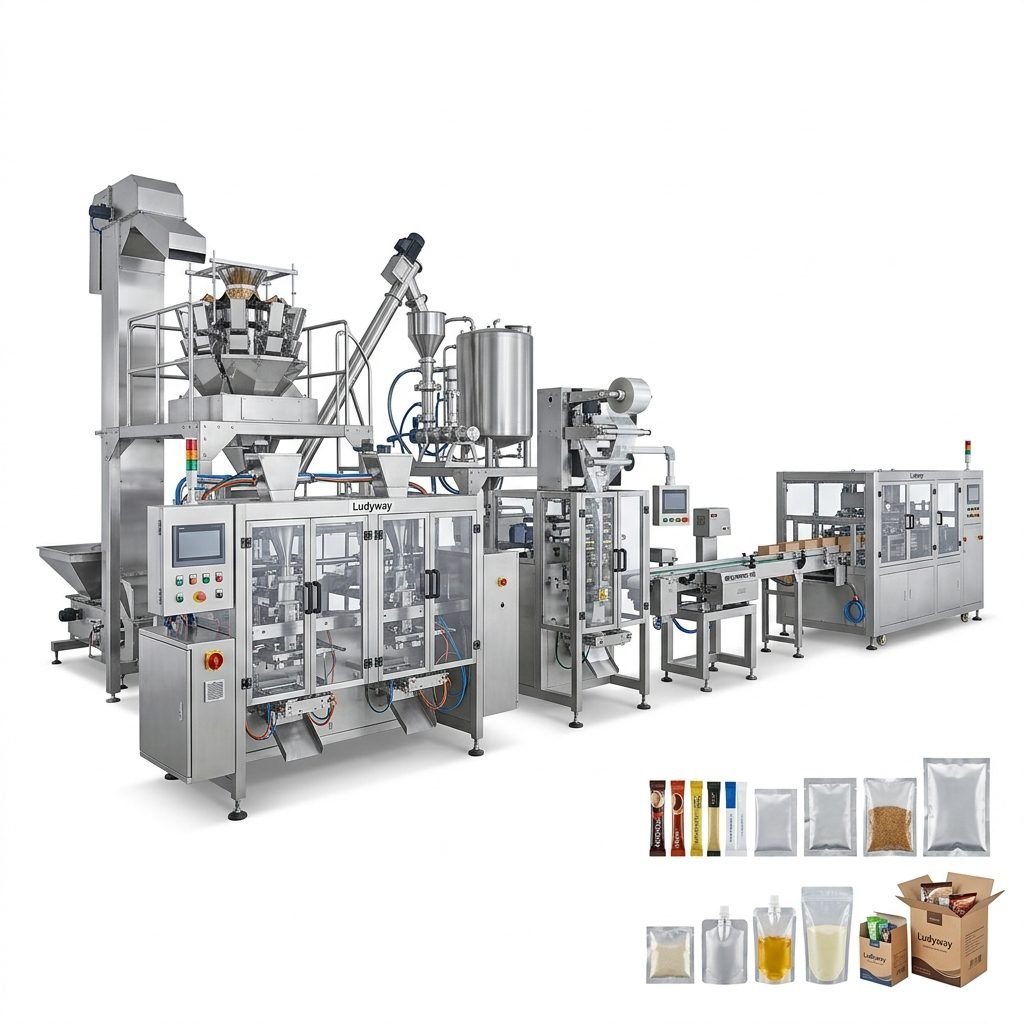
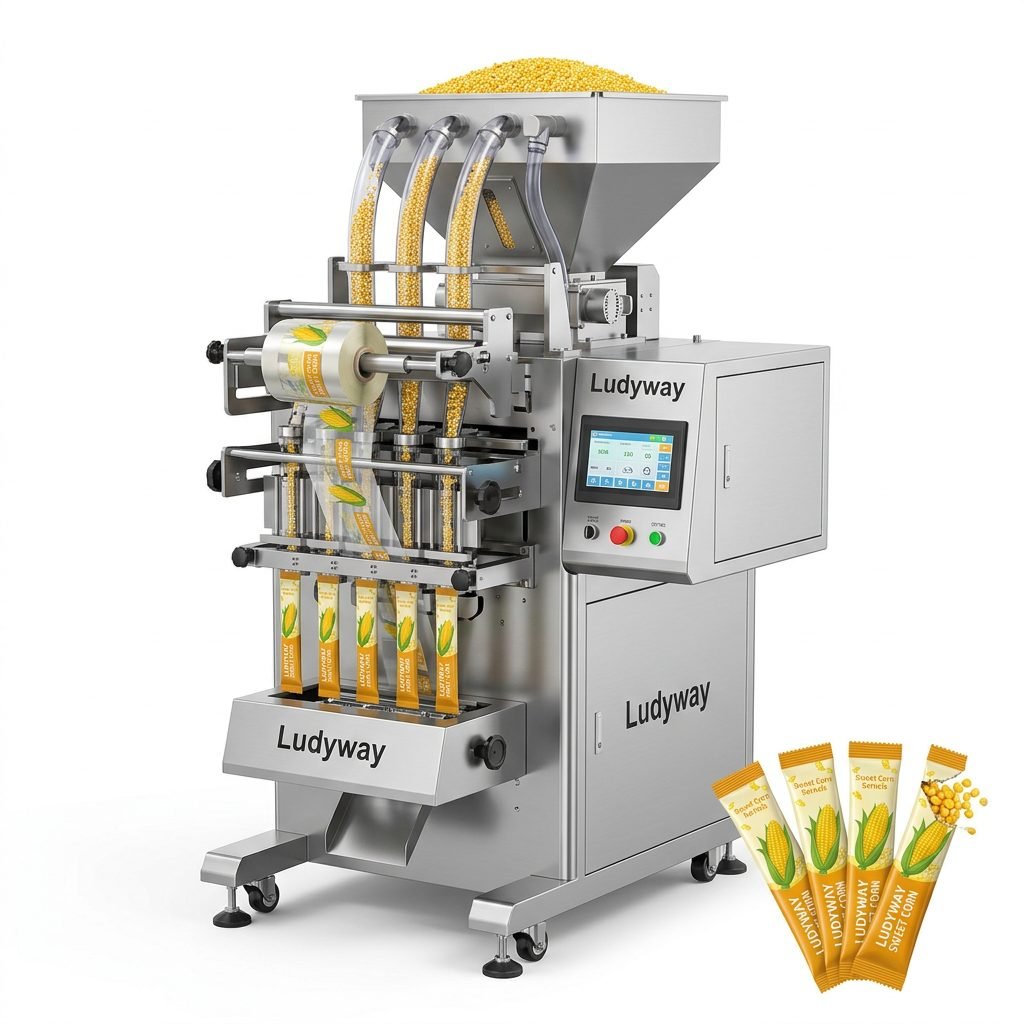
Investing in a tea mini water bottle packing machine is a significant decision for any beverage or tea manufacturer. Understanding the cost structure is crucial for budget planning and long-term profitability. The price of such equipment varies widely depending on automation level, production capacity, machine configuration, and after-sales support. This guide breaks down the key factors influencing cost and provides a transparent overview of what you can expect to pay when sourcing a tea packaging machine for your production line.
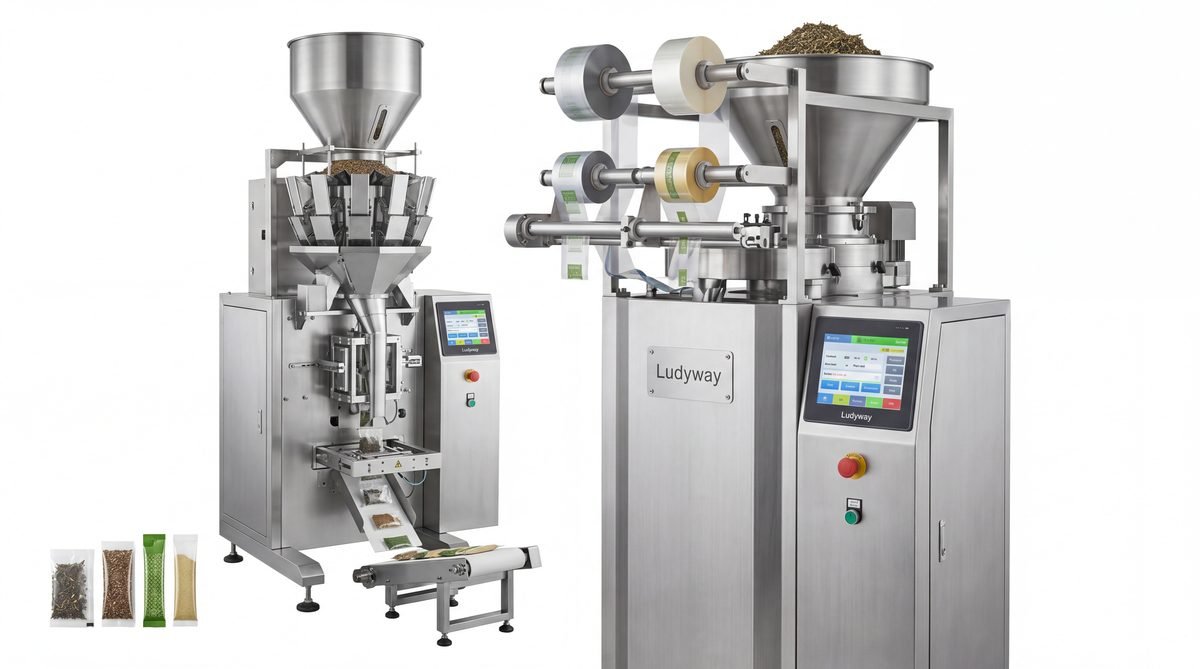
Key Factors That Influence the Cost of Tea Mini Water Bottle Packing Machines
Several variables determine the final price of a tea mini water bottle packing machine. Being aware of these factors helps you make an informed purchasing decision and avoid unnecessary expenses. Below are the most critical elements that affect machine pricing.
Automation Level and Machine Type
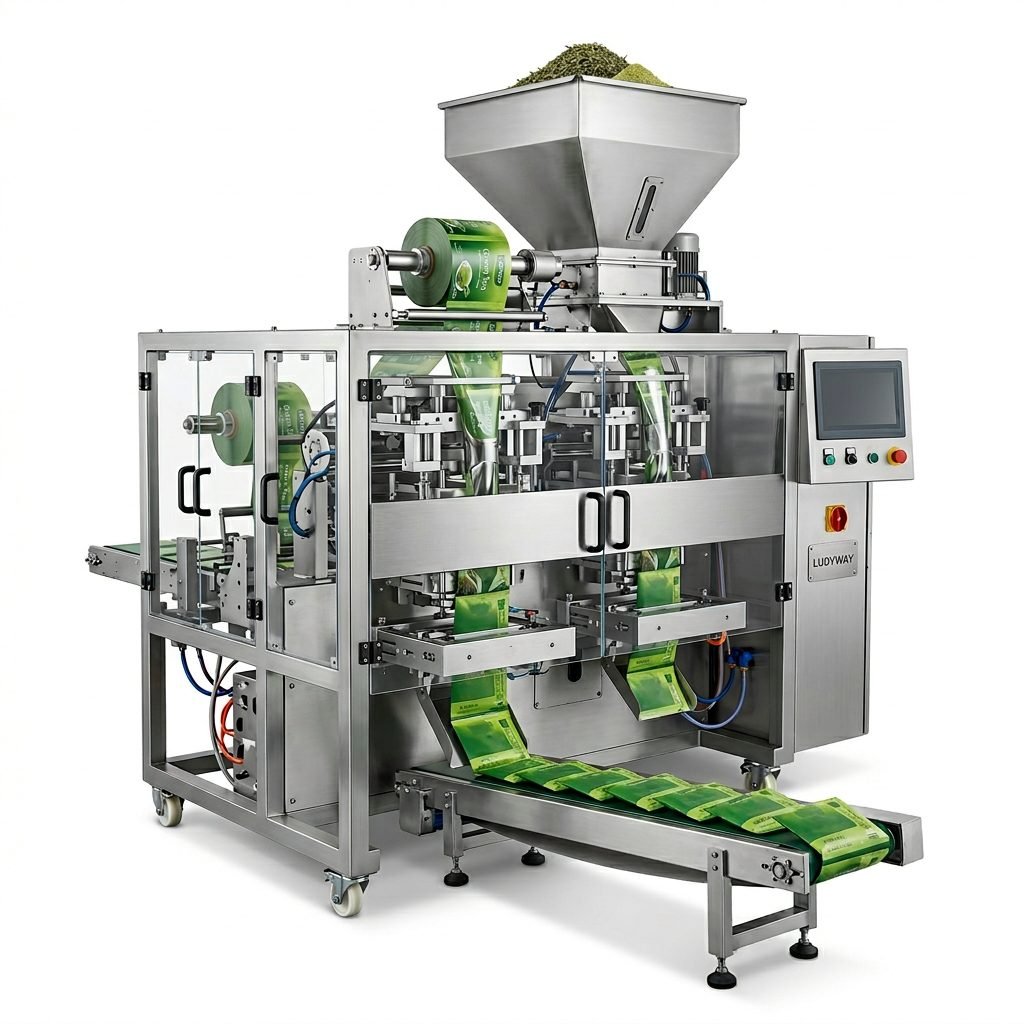
The degree of automation is the single largest cost driver. Semi-automatic machines require manual intervention for feeding, filling, or sealing, making them more affordable. Fully automatic systems integrate multiple functions — from bottle orientation to filling, capping, labeling, and packaging — into one seamless operation. Fully automatic packaging equipment naturally commands a higher price but delivers significantly greater throughput and consistency.
Production Capacity and Speed
Machines designed for higher output — measured in bottles per minute (BPM) — incorporate more advanced components and robust engineering. A machine capable of packing 30-50 bottles per minute will cost substantially less than one engineered for 100+ bottles per minute. Your target daily production volume should directly inform the speed specification you require, as over-investing or under-investing both carry financial risk.
Filling Technology and Precision
The type of filling mechanism used in the machine affects both cost and suitability for your product. Options include volumetric piston fillers, gravity fillers, peristaltic pumps, and flow meter systems. For tea products — whether liquid tea concentrate, ready-to-drink tea, or tea-based beverages — precise filling accuracy is essential to maintain product consistency and comply with regulatory standards. Higher precision filling systems typically add to the machine’s overall cost.
Construction Materials and Compliance
Food-grade stainless steel 304 or 316L construction is standard for tea packaging machinery, but the grade and thickness of materials used vary. Machines built to meet FDA food packaging regulations or ISO packaging standards often use premium materials and undergo rigorous quality testing, contributing to a higher price point but ensuring long-term durability and compliance.

Price Range Overview for Tea Mini Water Bottle Packing Machines
The following table provides a general reference for the cost of different categories of tea mini water bottle packing machines. Actual prices vary based on configuration, brand, and regional factors.
| Machine Category | Estimated Price Range (USD) | Best Suited For |
|---|---|---|
| Semi-Automatic Single-Lane Machine | $5,000 – $12,000 | Small-scale producers, startups, low-volume production |
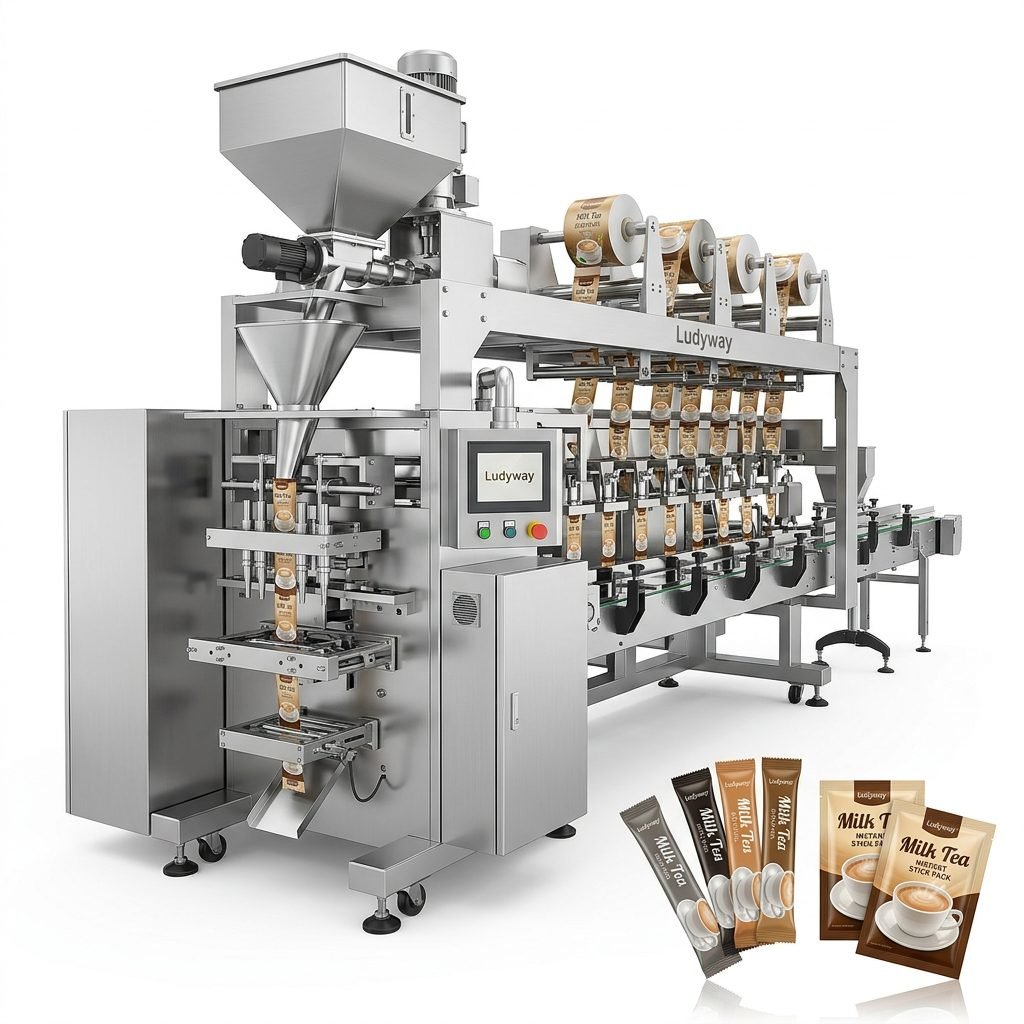
| Automatic Multi-Lane Stick Pack Machine | $15,000 – $40,000 | Medium-sized tea companies, growing brands |
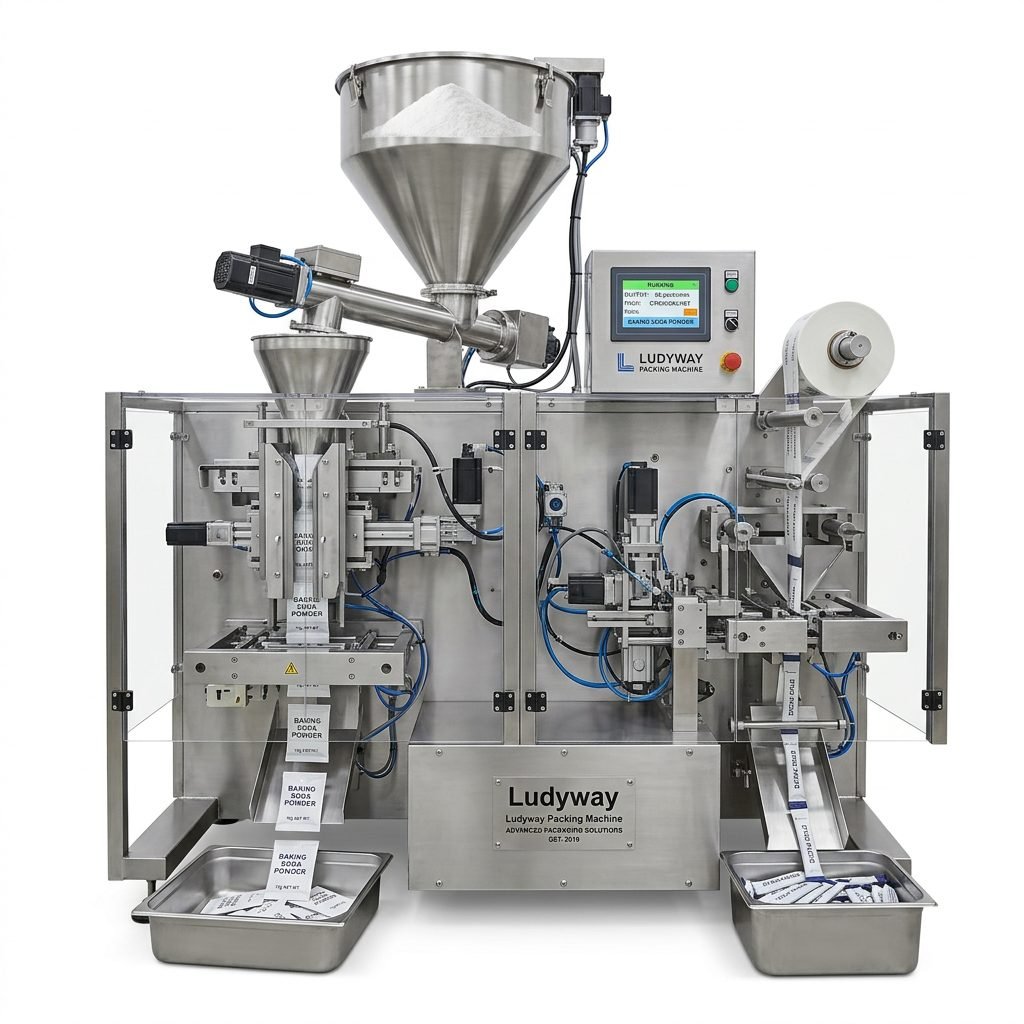
| High-Speed Multi-Lane Sachet System | $40,000 – $80,000 | Large manufacturers, contract packing facilities |
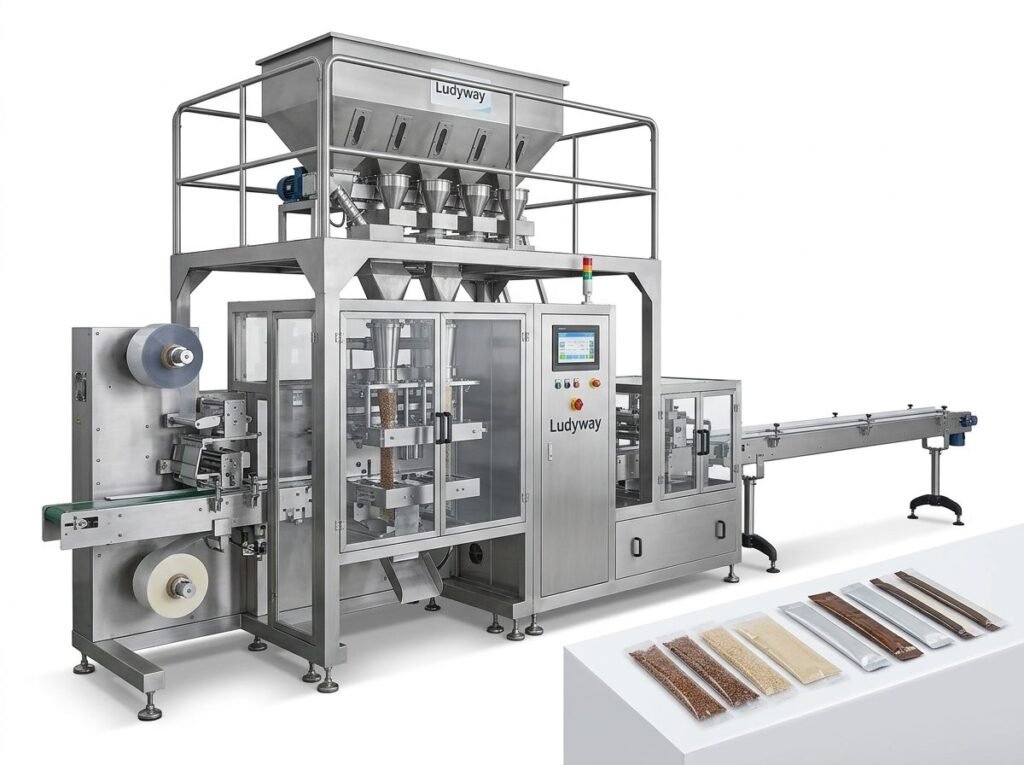
| Fully Integrated Turnkey Production Line | $80,000 – $250,000+ | Industrial-scale operations, export-oriented businesses |
Additional Costs to Consider
Beyond the base machine price, several ancillary costs contribute to the total investment. These include:
- Shipping and logistics — International freight can add 5-15% to the total cost depending on distance and delivery terms.
- Installation and commissioning — On-site setup by qualified engineers ensures optimal machine performance from day one.
- Operator training — Comprehensive training programs reduce downtime and improve long-term operational efficiency.
- Spare parts and maintenance kits — Having a stocked inventory of critical spare parts minimizes production interruptions.
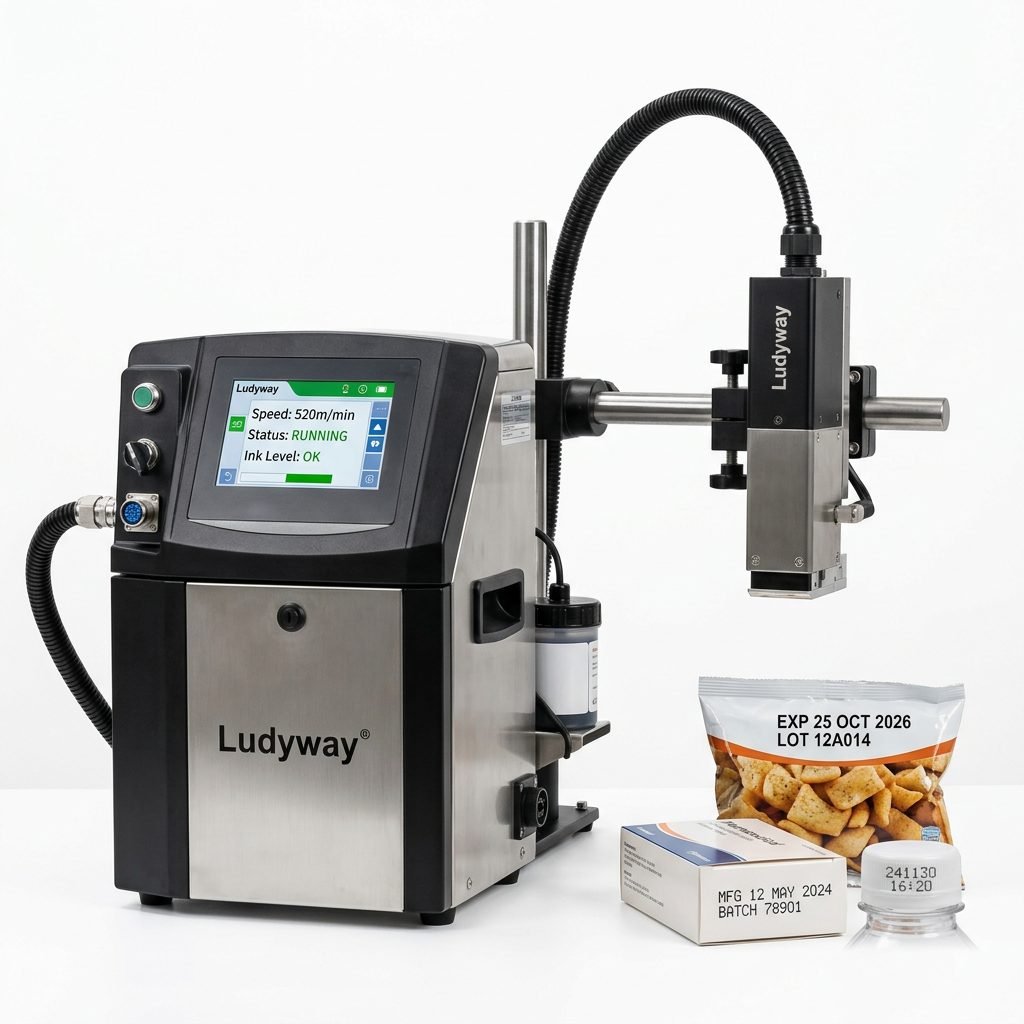
- Auxiliary equipment — Conveyors, labeling machines, checkweighers, and cartoning systems may be required for a complete line.
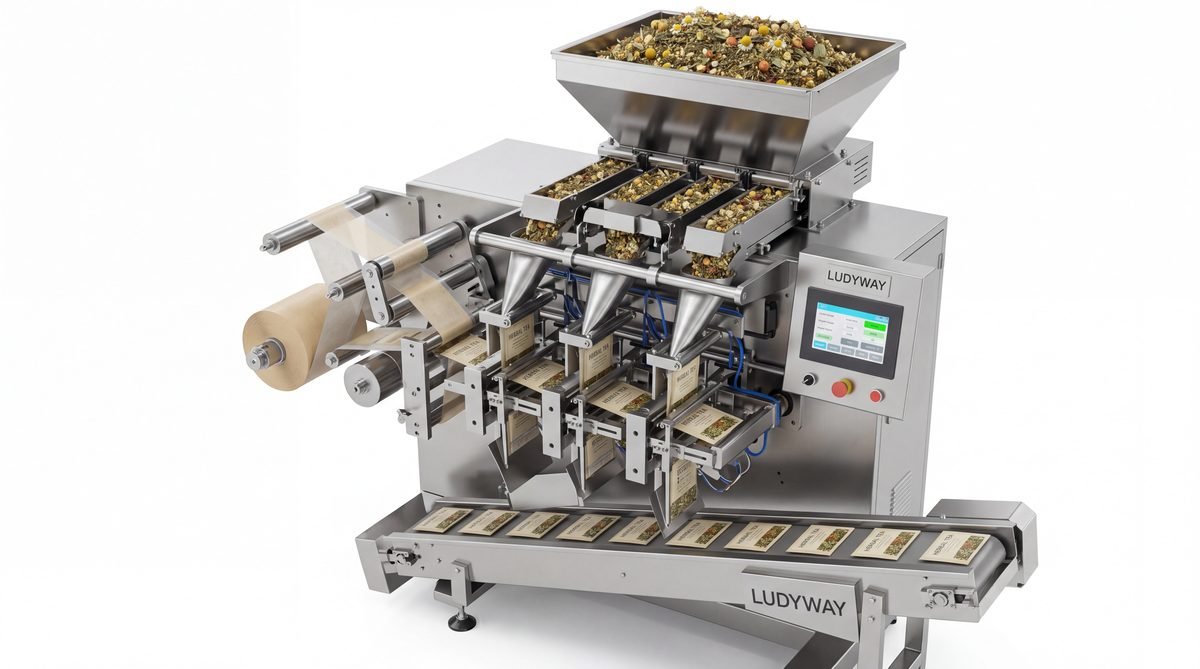
How to Choose the Right Tea Mini Water Bottle Packing Machine
Selecting the optimal machine involves evaluating your unique requirements. Here are the essential considerations that guide a smart purchasing decision and help you achieve a favorable return on investment.
Assess Your Current and Future Production Needs
Do not purchase a machine based solely on your current output. Consider projected growth over the next 3 to 5 years. A slightly higher initial investment in a scalable system can eliminate the need for early replacement and reduce per-unit packaging costs over time. Many manufacturers find that packaging machinery market research data helps them benchmark their production goals effectively.
Evaluate Packaging Format Flexibility
If you plan to offer multiple product formats — such as stick packs, sachets, mini bottles, and pouches — selecting a versatile machine that handles multiple packaging styles can reduce your overall equipment investment. Modular designs allow format changes with minimal downtime, enhancing operational flexibility.
Verify Technical Support and Warranty Coverage
Reliable technical support is invaluable. Confirm the warranty period, availability of remote troubleshooting, and the supplier’s track record for after-sales service. A machine from a reputable manufacturer backed by comprehensive support often delivers better long-term value than a slightly cheaper alternative with limited service options.
Comparing Supplier Quotes: What to Look For
When reviewing quotations from different suppliers, look beyond the headline price. A structured comparison helps identify the most cost-effective option over the machine’s lifecycle. Use the checklist below when evaluating proposals.
| Evaluation Criteria | What to Check |
|---|---|
| Machine Specifications | Speed, accuracy, power consumption, air requirements, dimensions |
| Included Components | Filling heads, sealing units, conveyors, control system, safety guards |
| Material Quality | Stainless steel grade, contact-part materials, frame construction |
| Warranty and Service | Duration, coverage scope, response time, spare parts availability |
| Compliance Certifications | CE, UL, GMP compliance, food-grade material certifications |
Understanding the Long-Term Value of Quality Equipment
While the upfront cost of a tea mini water bottle packing machine is important, the total cost of ownership (TCO) provides a more accurate picture of long-term value. A well-built machine with efficient energy consumption, minimal maintenance requirements, and high uptime delivers substantial savings over its operational lifespan. Flexible packaging industry resources consistently emphasize that investing in quality machinery reduces waste, improves product consistency, and strengthens brand reputation.
Experienced manufacturers such as Ludyway offer a range of packaging solutions designed to meet diverse production requirements. With a modern manufacturing facility and extensive engineering expertise, they provide equipment that balances performance, reliability, and cost-effectiveness for the tea and beverage industry. Their machines are engineered to support long-term operational success, helping businesses scale production efficiently while maintaining consistent product quality.
Key Benefits of Investing in a Reliable Packing Machine
- Reduced labor costs through automation of repetitive tasks.
- Improved packaging consistency that enhances brand image and customer trust.
- Lower product waste with precise filling and sealing accuracy.
- Higher production throughput enabling faster order fulfillment.
- Easier compliance with food safety and packaging regulations.
Final Thoughts on Budgeting for Your Tea Packaging Machine
The cost of a tea mini water bottle packing machine reflects a combination of engineering quality, automation sophistication, and production capacity. By carefully evaluating your specific requirements and comparing machine specifications beyond just the price tag, you can secure equipment that delivers excellent value and supports your business growth. Whether you are a startup launching a new tea product or an established manufacturer expanding capacity, the right investment in packaging technology lays the foundation for sustainable success.
For further reading and industry benchmarking, refer to resources from the PMMI packaging resources hub and the Flexible Packaging Association. These organizations provide valuable data on packaging trends, regulatory updates, and technology advancements that can inform your purchasing decisions.