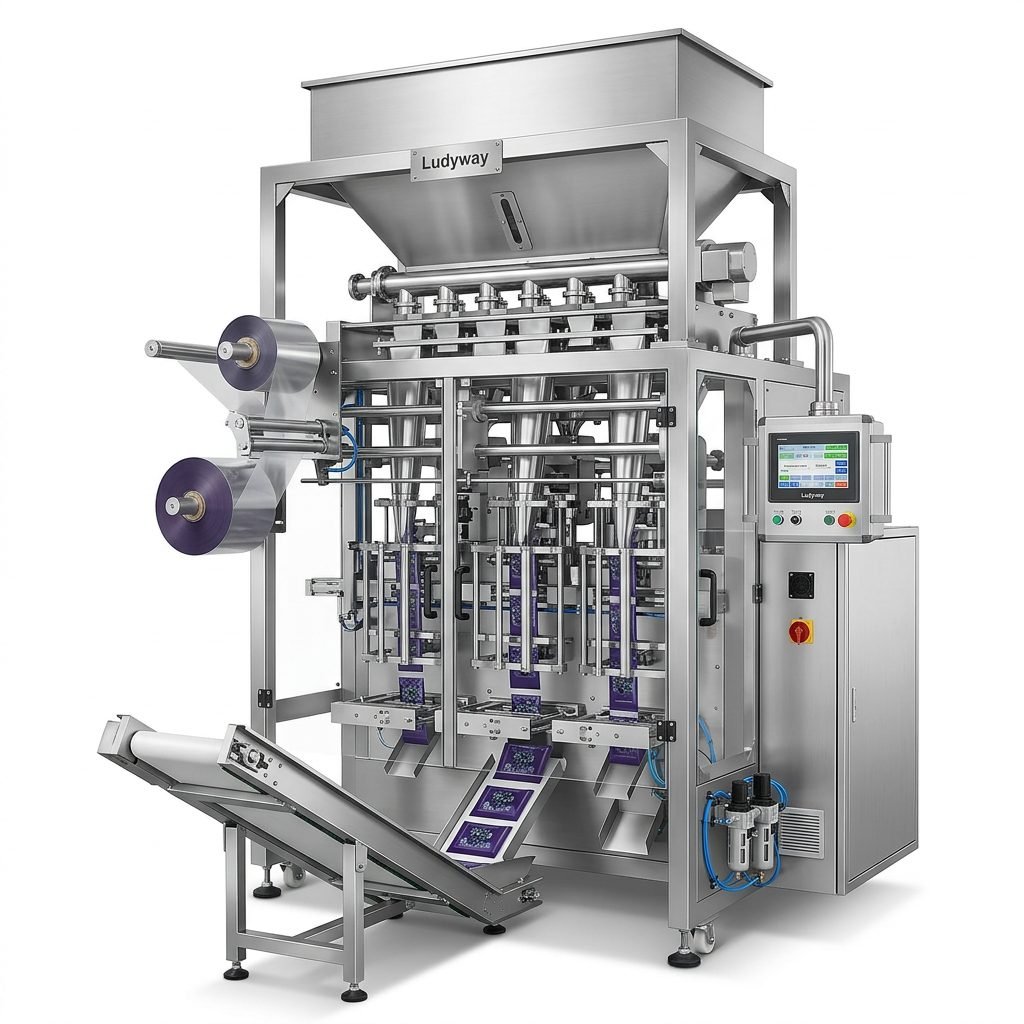
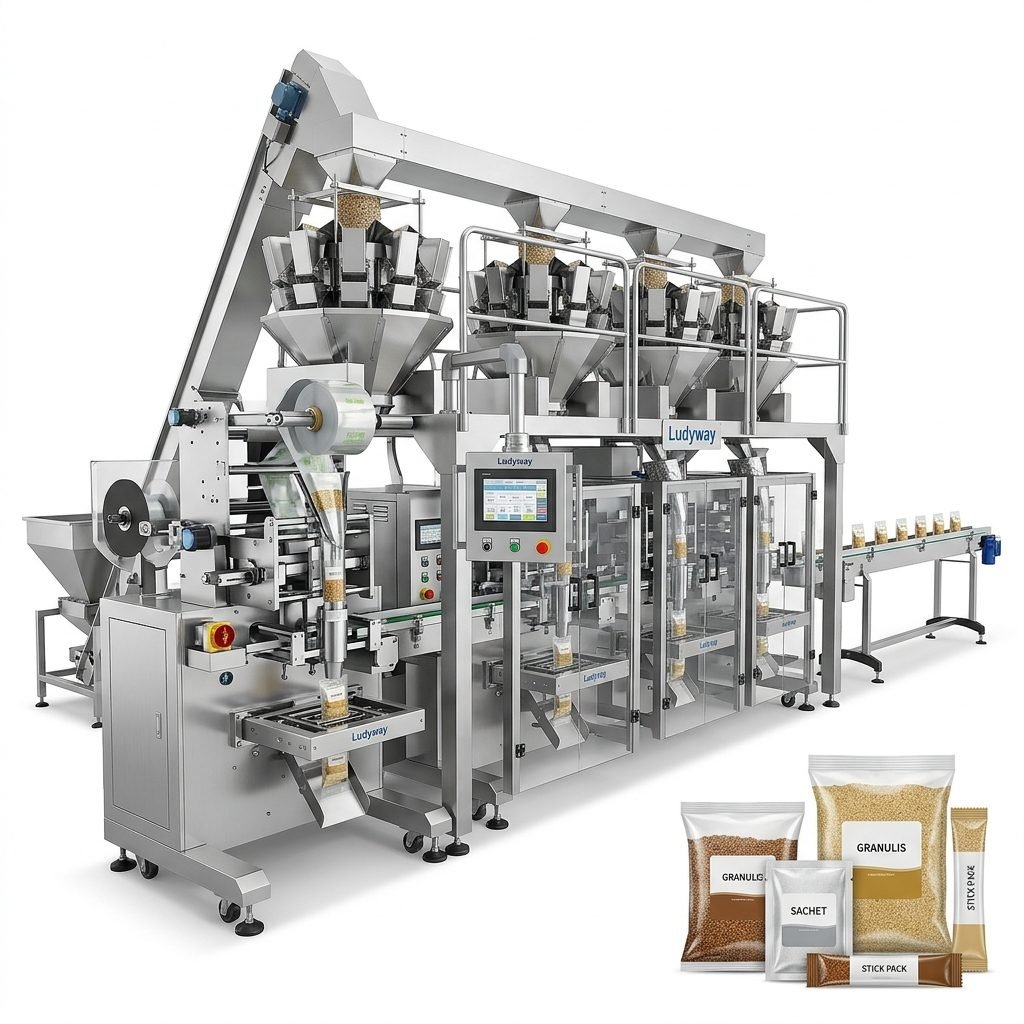
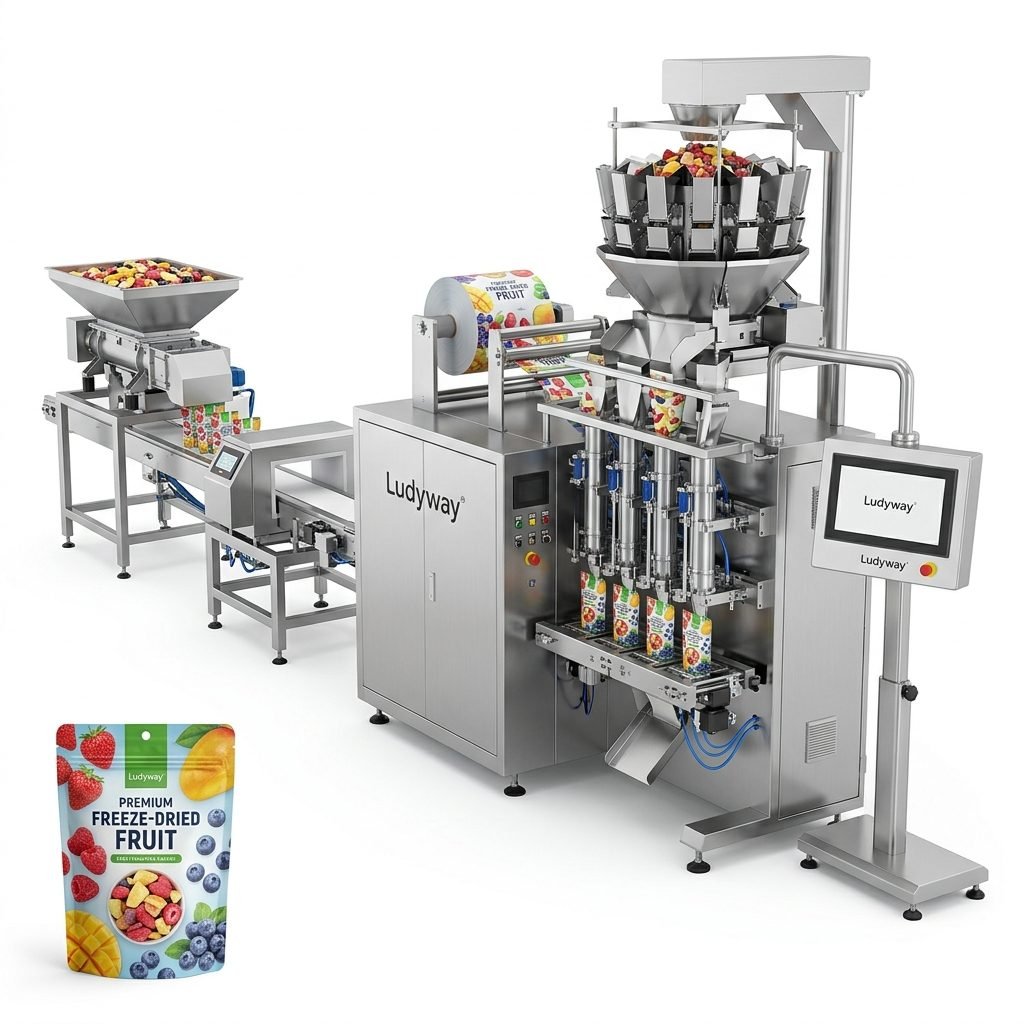
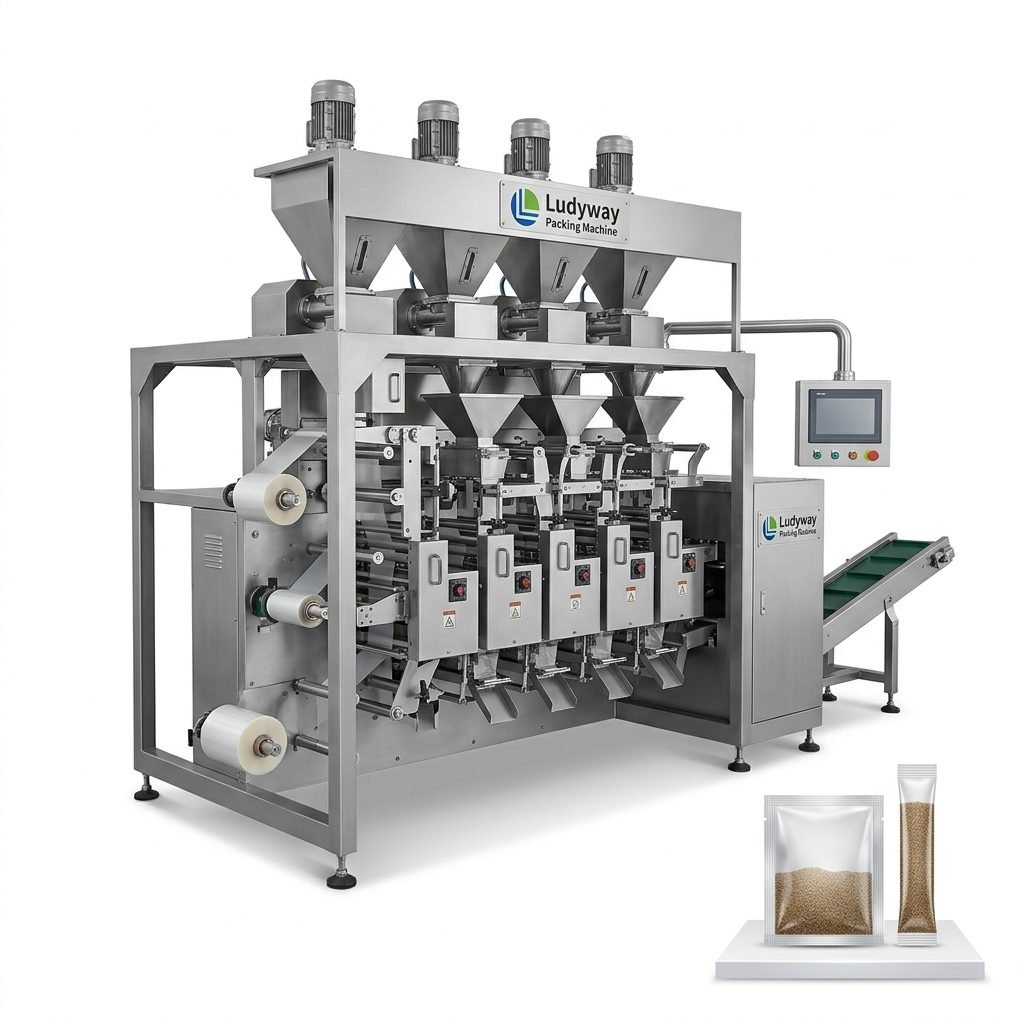
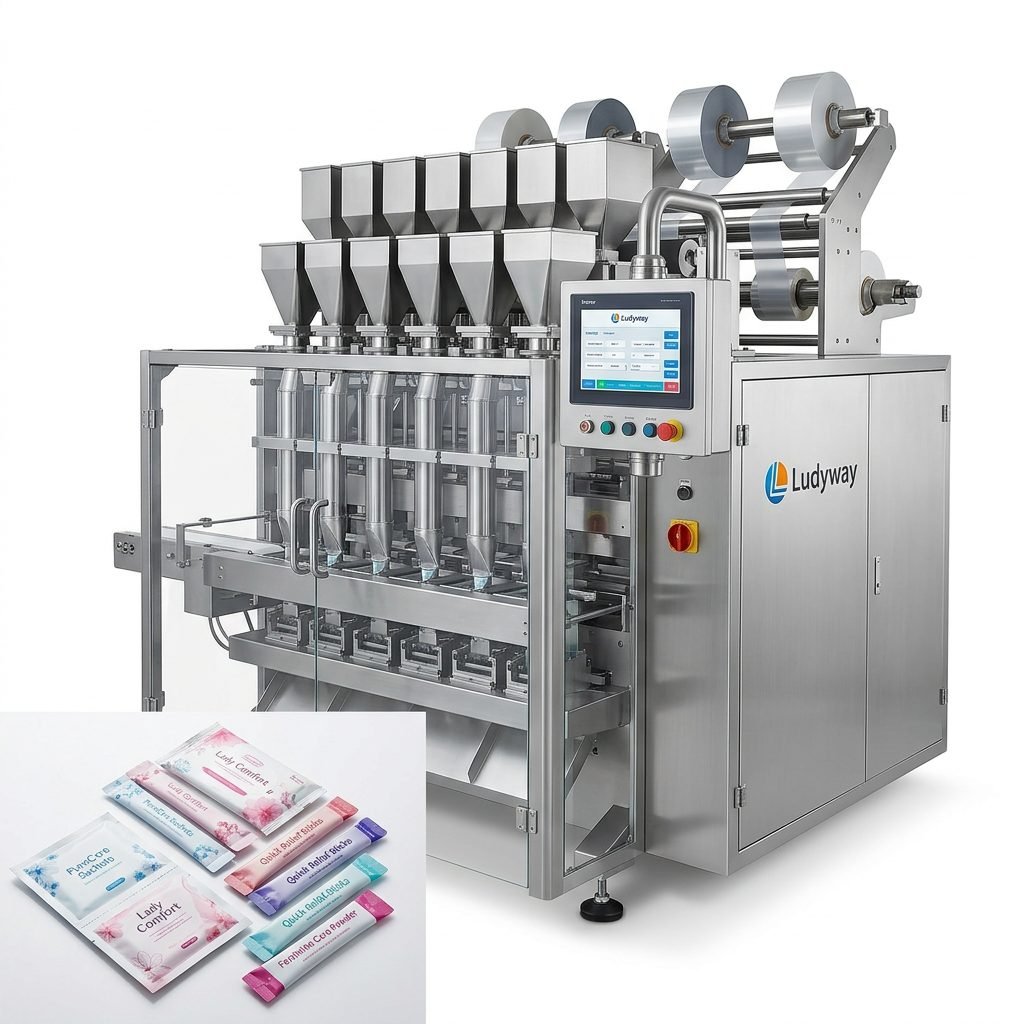
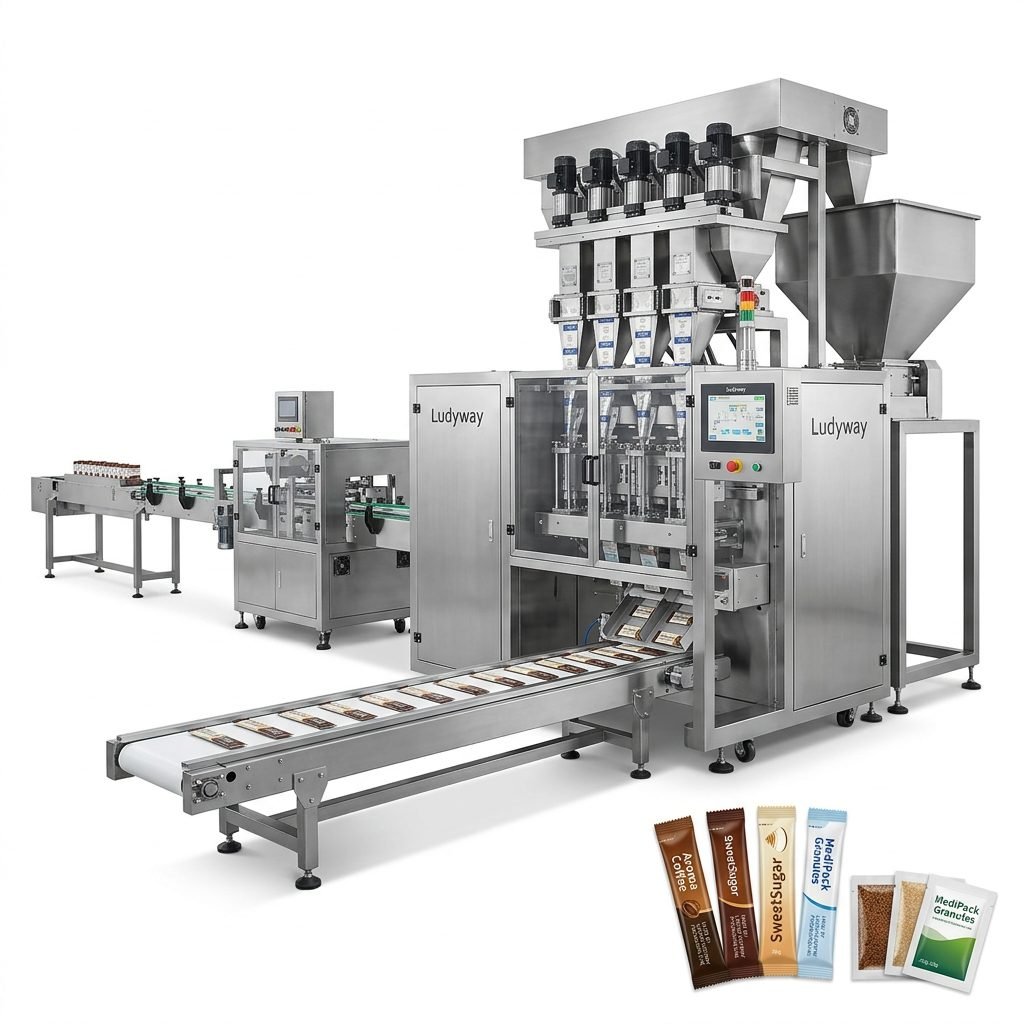
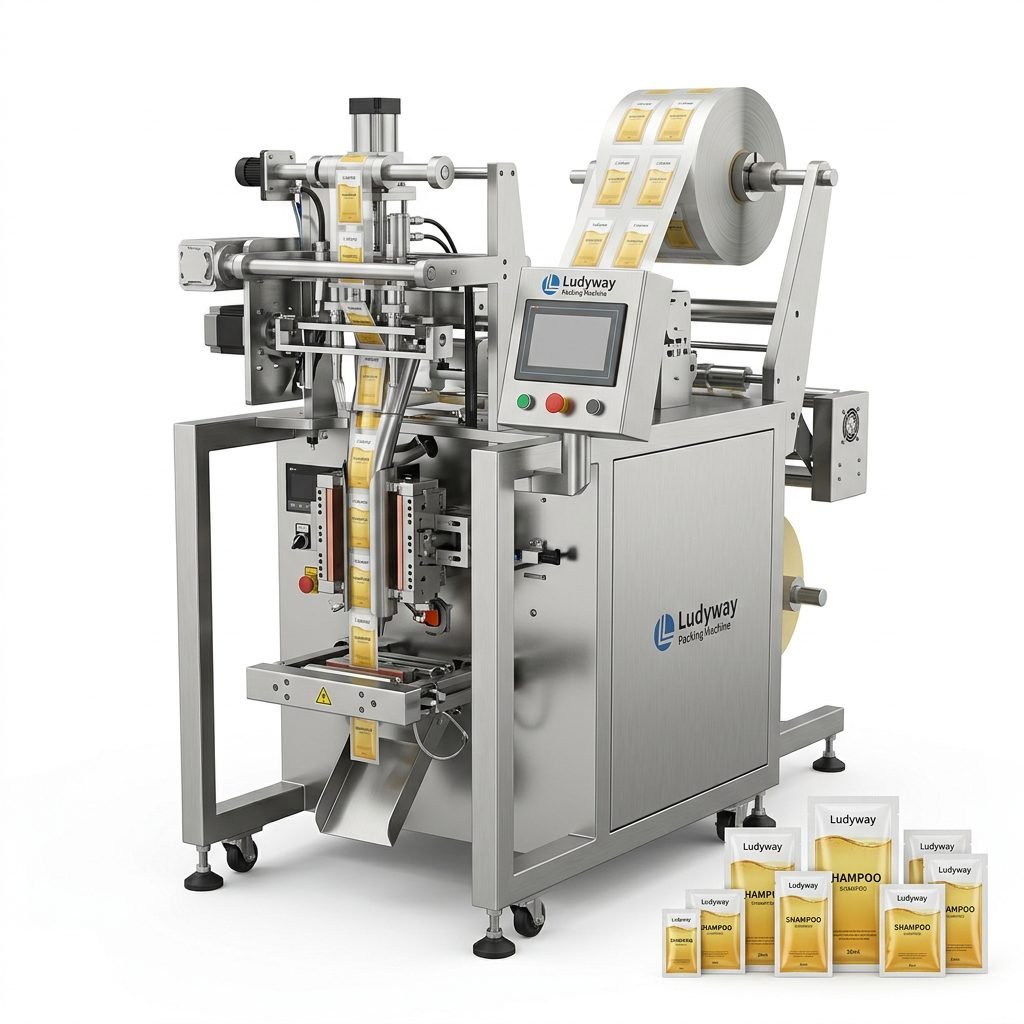
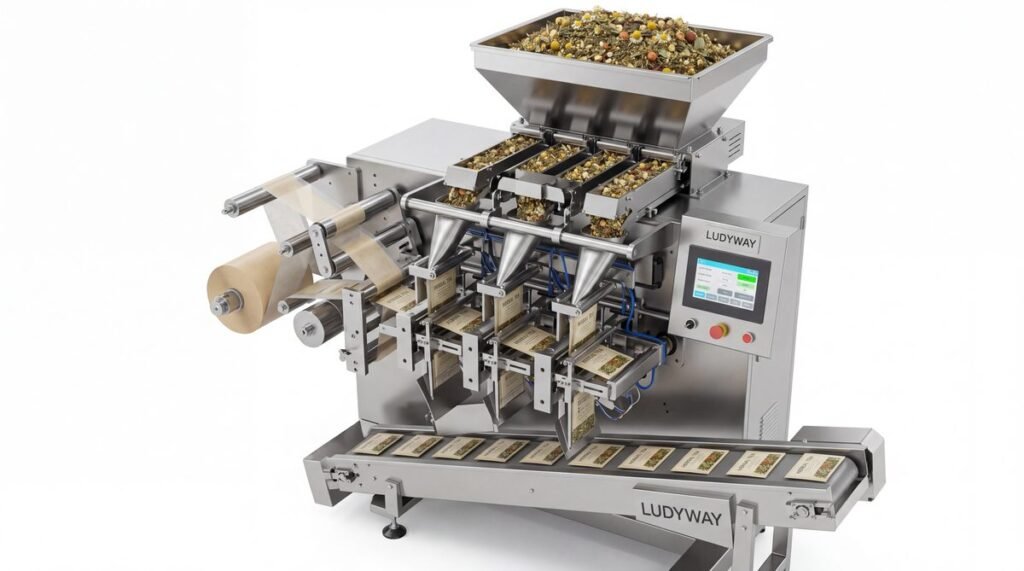
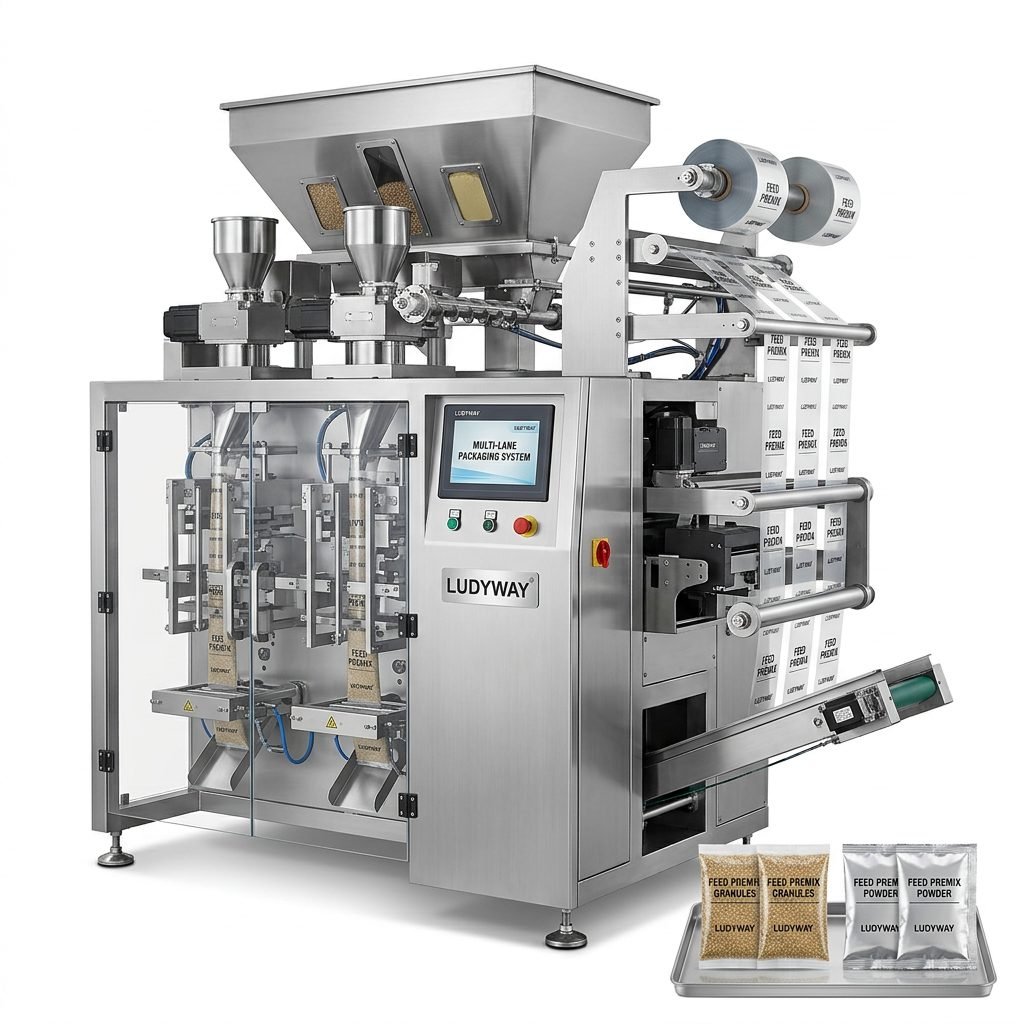
The global tea market continues to expand rapidly, driven by growing consumer demand for convenient, single-serve formats such as stick packs and sachets. For manufacturers and co-packers, investing in a tea sticker packaging machine is a strategic move to increase production efficiency and meet market demand. But how much does one actually cost? This comprehensive pricing guide breaks down the cost factors, price ranges, and key considerations to help you make an informed purchasing decision.
Understanding Tea Sticker Packaging Machine Pricing
Tea sticker packaging machines — also known as tea stick pack machines or tea sachet packaging systems — vary significantly in price depending on their configuration, automation level, production speed, and build quality. A basic semi-automatic unit will cost far less than a fully automated multi-lane system designed for high-volume production. Understanding these distinctions is the first step toward setting a realistic budget.
General Price Ranges by Machine Type
The following table provides an overview of typical price ranges for different types of tea stick pack packaging machines available in the market today. Actual prices may vary based on specifications, customization, and manufacturer.
| Machine Type | Typical Speed Range | Estimated Price Range (USD) |
|---|---|---|
| Semi-Automatic Single-Lane Stick Pack Machine | 30–60 packs/min | $8,000 – $20,000 |
| Automatic Single-Lane Stick Pack Machine | 60–120 packs/min | $20,000 – $45,000 |
| Multi-Lane Stick Pack Machine (4–8 lanes) | 200–600 packs/min | $45,000 – $120,000 |
| High-Speed Multi-Lane System (10+ lanes) | 600–1,200+ packs/min | $120,000 – $300,000+ |
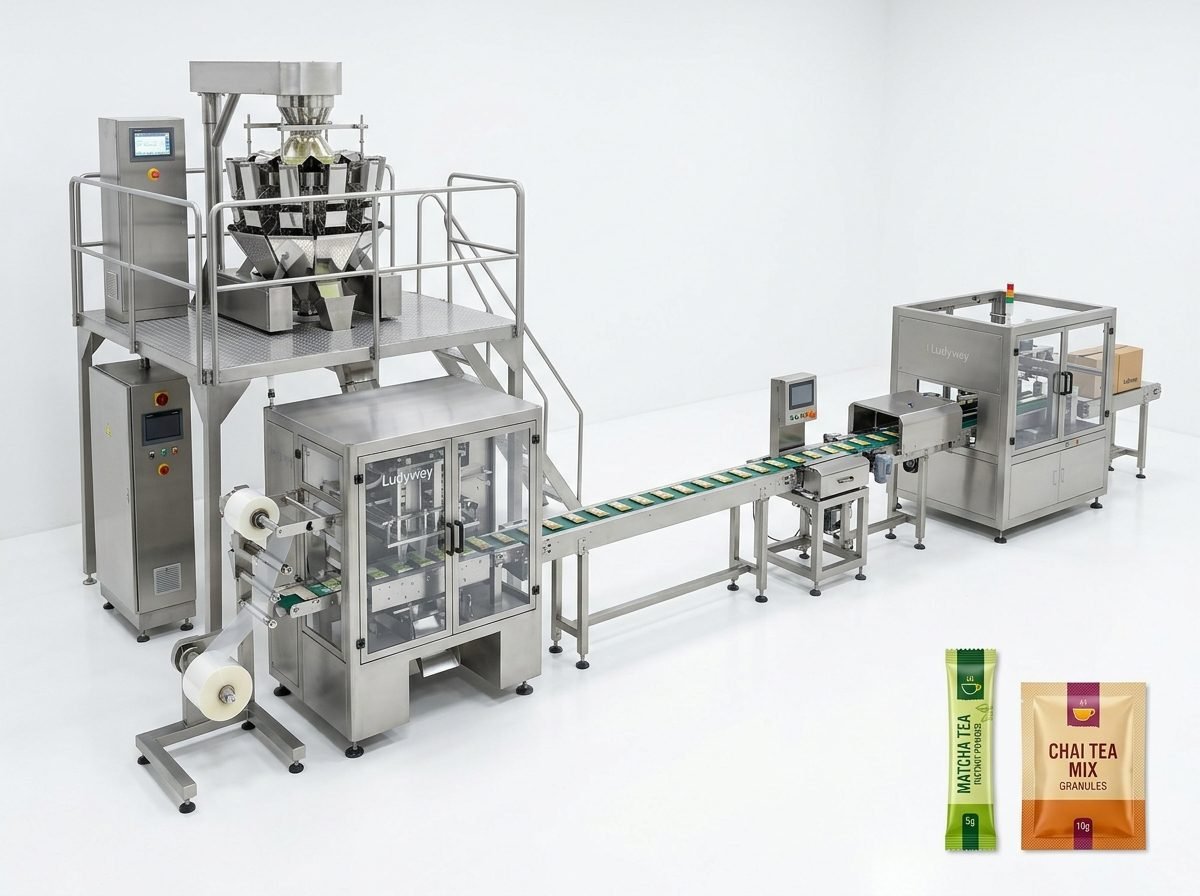
| Fully Integrated Turnkey Packaging Line | Custom configured | $250,000 – $800,000+ |

Key Factors That Influence the Cost
Several critical factors determine the final price of a tea sticker packaging machine. Evaluating each factor against your production needs helps you avoid overpaying for unnecessary features or underestimating required capabilities.
1. Machine Type and Configuration
The configuration you choose has the single largest impact on cost. A single-lane stick pack machine is sufficient for startups and small-batch producers, while multi-lane systems are designed for large-scale operations that require high throughput. Multi-lane machines multiply output without proportionally increasing floor space, making them a preferred choice for growing tea brands.
2. Automation Level
- Semi-automatic machines require manual intervention for film loading, product feeding, or pouch collection, keeping the initial investment lower.
- Fully automatic systems integrate servo-driven controls, automatic film splicing, synchronized feeding, and touchscreen HMI interfaces for minimal operator involvement.
- Smart packaging lines with IoT connectivity, remote monitoring, and predictive maintenance features command a premium but significantly reduce downtime.

3. Production Capacity and Speed
Speed is directly correlated with price. A machine producing 60 packs per minute will cost substantially less than one producing 400+ packs per minute. When evaluating speed requirements, consider not only current demand but projected growth over the next 3–5 years. Opting for a slightly higher-capacity machine upfront can be more cost-effective than upgrading later.
4. Material and Build Quality
Food-grade 304 or 316L stainless steel construction is non-negotiable for tea packaging applications. Machines built with high-quality components — such as Japanese or German servo motors, PLC controllers, and precision sealing jaws — cost more but deliver superior reliability, longer service life, and consistent seal integrity, which is critical for product freshness.
5. Brand and Manufacturer Reputation
Established manufacturers with a proven track record in the packaging machinery industry typically charge higher prices, reflecting their investment in R&D, quality control, and after-sales support. Companies like Ludyway, one of the largest packaging machine manufacturers in China with over 30 years of experience and a 20,000㎡ modern production facility, offer a compelling balance of quality, performance, and competitive pricing for global tea producers.
6. Customization and Additional Features
- Multi-head weighers for precise dosing
- Nitrogen flushing systems for extended shelf life
- Embossing or debossing date coding units
- Tear-notch and easy-open perforation features
- Automatic cartoning and case packing integration
- Dust extraction and cleanroom-compatible designs
Additional Costs to Consider Beyond the Machine Price
The sticker price of the equipment is only part of the total investment. Budget for the following additional expenses to avoid surprises:
- Shipping and freight: International shipping for heavy industrial equipment can add $2,000–$15,000 depending on the destination and machine size.
- Installation and commissioning: On-site setup by factory-trained technicians typically costs $1,500–$8,000, plus travel expenses.
- Operator training: Comprehensive training ensures your team maximizes machine uptime and efficiency.
- Spare parts inventory: Keeping critical spares like sealing jaws, heating elements, and cutting blades on hand minimizes downtime.
- Packaging film and consumables: Ongoing material costs vary by film type, print design, and order volume.
- Maintenance contracts: Annual service agreements provide preventative maintenance and priority technical support.

How to Choose the Right Machine for Your Budget
Selecting the optimal tea sticker packaging machine requires balancing upfront investment with long-term operational efficiency. Follow this structured approach:
Step 1: Define Your Production Requirements
Calculate your current and projected daily or monthly output. Determine the pack sizes, formats, and film types you need to run. A multi-lane packaging machine with flexible changeover capabilities may justify a higher initial investment if you produce multiple SKUs.
Step 2: Evaluate Total Cost of Ownership (TCO)
Look beyond the purchase price. A machine with higher energy efficiency, faster changeover times, and lower maintenance requirements can deliver a lower total cost of ownership over its 10–15 year lifespan, even if the upfront cost is higher.
Step 3: Request Detailed Quotations
Contact multiple manufacturers with your specifications. Request line-item quotations that include all components, options, shipping, installation, and warranty terms. Compare not only the bottom-line price but also the scope of supply and included services.
Step 4: Verify After-Sales Support
Reliable technical support, readily available spare parts, and responsive service teams are invaluable. Ask about warranty periods, service response times, and the availability of remote diagnostic support.

ROI Benchmarks for Tea Stick Pack Machines
Understanding the return on investment timeline helps justify the capital expenditure. Here are typical benchmarks:
| Machine Tier | Approximate Investment | Typical ROI Period |
|---|---|---|
| Entry-Level Single Lane | $8,000 – $20,000 | 12–18 months |
| Mid-Range Multi-Lane (4–6 lanes) | $45,000 – $80,000 | 18–30 months |
| High-Speed Multi-Lane (8+ lanes) | $100,000 – $250,000 | 24–42 months |
Industry Trends Affecting Tea Packaging Machine Prices
Several market dynamics are influencing pricing in the packaging machinery sector. Being aware of these trends can help you time your purchase strategically:
- Automation adoption: Increasing labor costs globally are pushing more manufacturers toward fully automated turnkey packaging solutions, sustaining demand and stabilizing prices for mid-to-high-end equipment.
- Sustainable packaging: Growing emphasis on eco-friendly films and reduced material usage is driving R&D investment, which may modestly increase machine costs for systems compatible with bio-based or recyclable films.
- Smart manufacturing: Integration of Industry 4.0 features such as real-time production monitoring, predictive maintenance, and OEE tracking adds value but also incremental cost.
- Supply chain factors: Fluctuations in raw material costs (steel, electronic components) can impact machine prices by ±5–10% year over year.
Questions to Ask Before Purchasing
Engage potential suppliers with these key questions to ensure you receive an accurate quote and a machine that meets your expectations:
- What is the guaranteed output speed with my specific product and film?
- What is the standard warranty period and what does it cover?
- Are spare parts readily available from local or regional inventory?
- Can you provide references from customers in the tea or similar industries?
- What is the typical lead time from order to delivery and installation?
- Do you offer remote troubleshooting and diagnostic support?
- Is the machine CE, UL, or other relevant certifications compliant?
Making the Final Decision
Investing in a tea sticker packaging machine is a significant decision that impacts your production capabilities, product quality, and competitive position. While price is an important factor, it should be evaluated alongside build quality, manufacturer reputation, after-sales support, and long-term operational costs. A well-chosen machine from a reputable manufacturer will deliver reliable performance for over a decade, making the initial investment well worthwhile for serious tea producers.

References and Further Reading
For additional insights into packaging machinery standards, industry data, and market trends, we recommend the following authoritative resources: