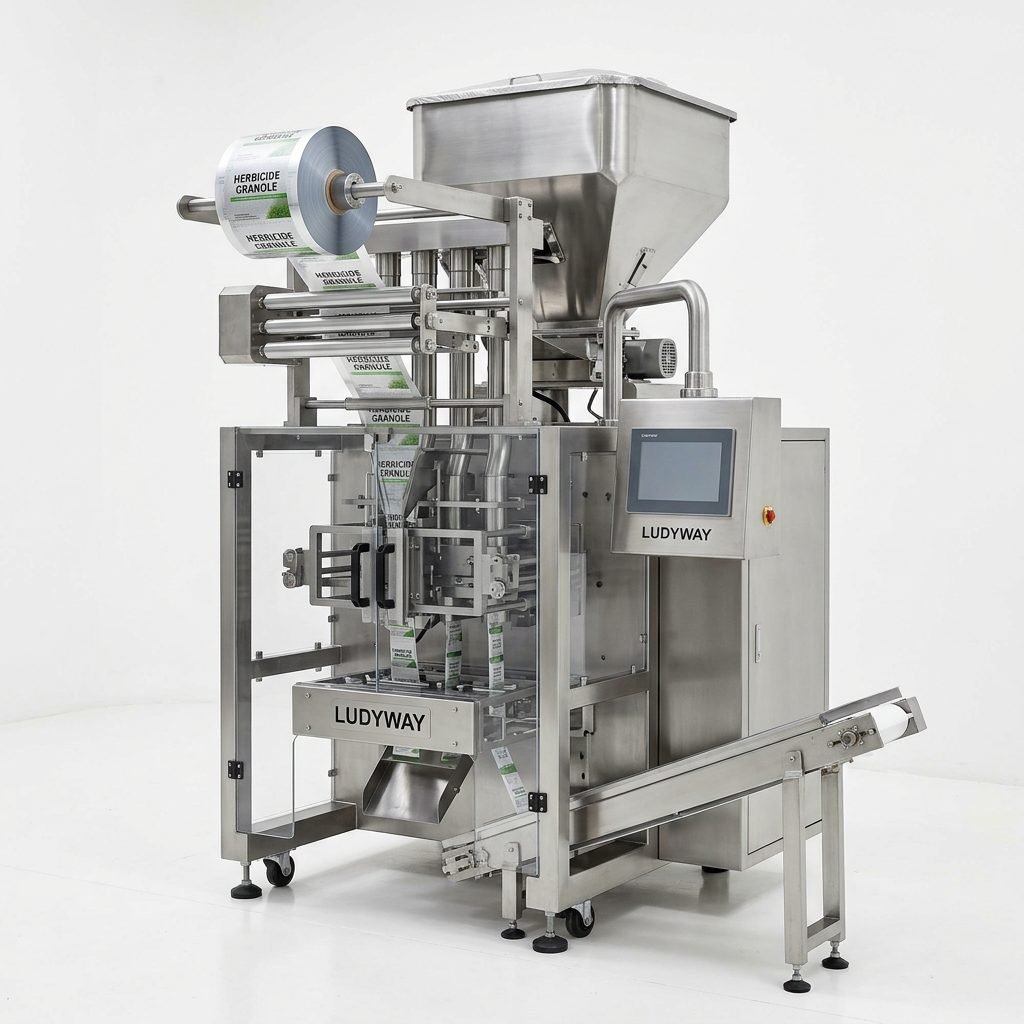
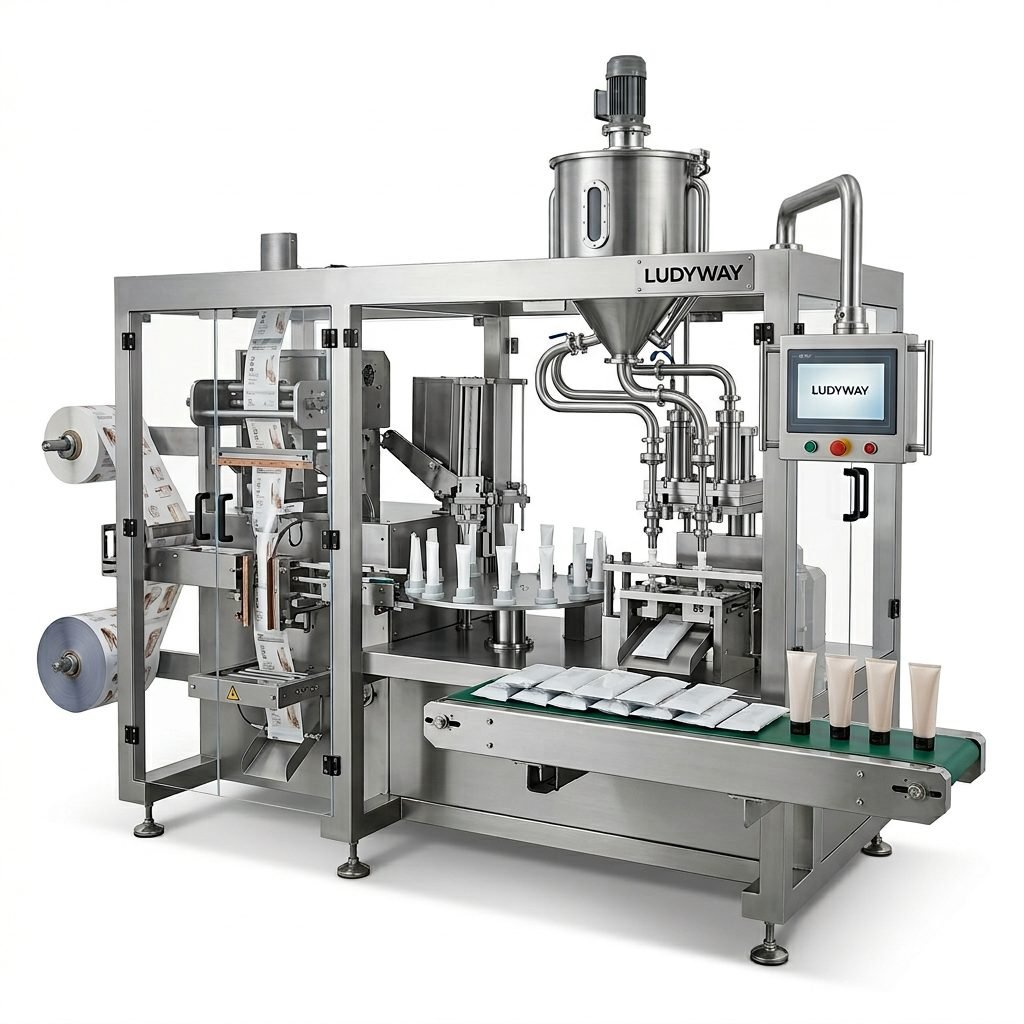
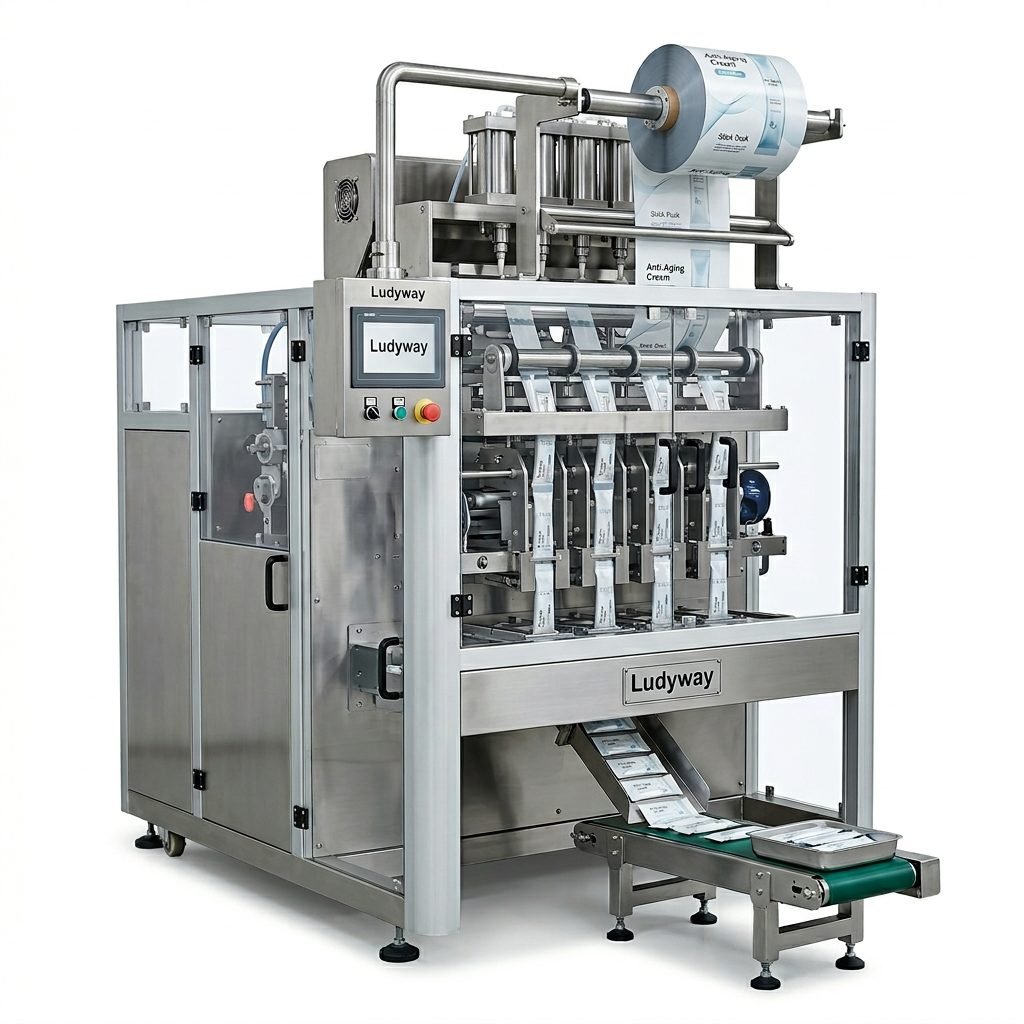
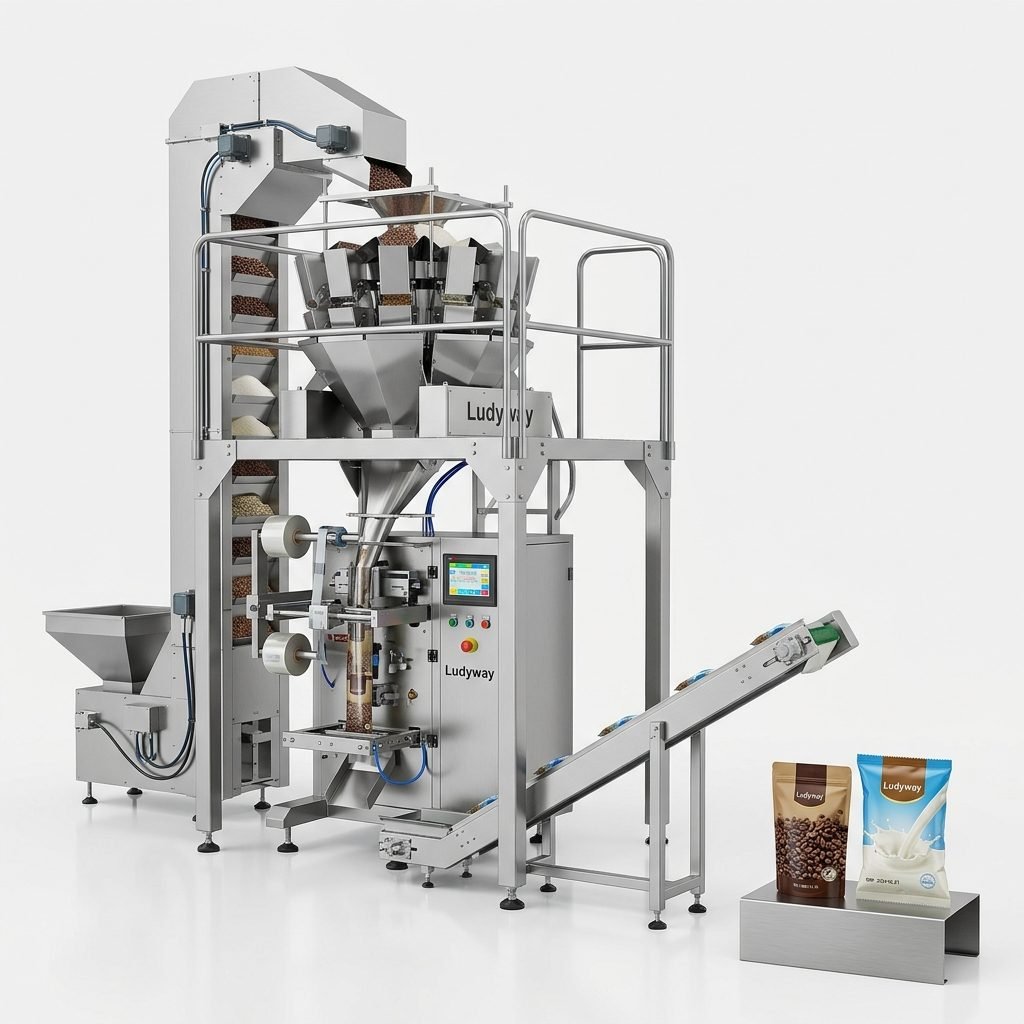
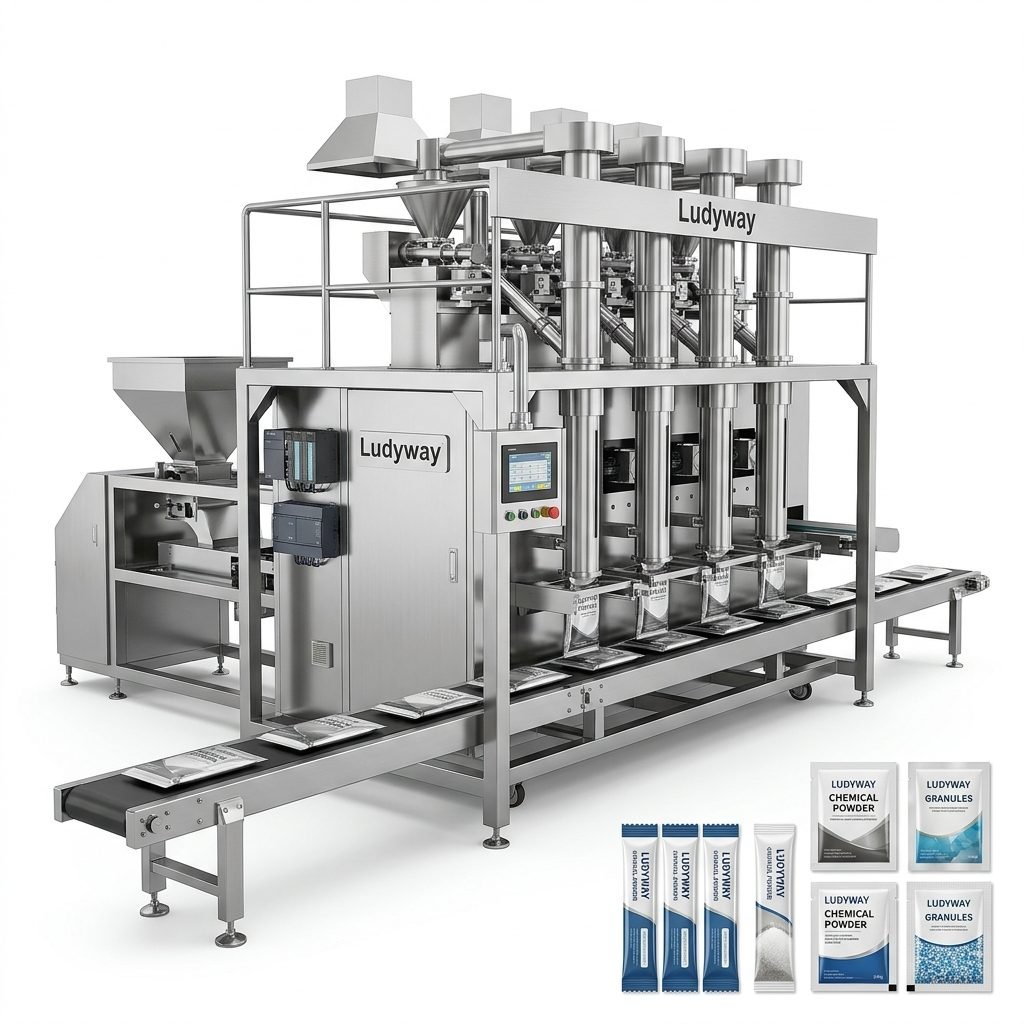
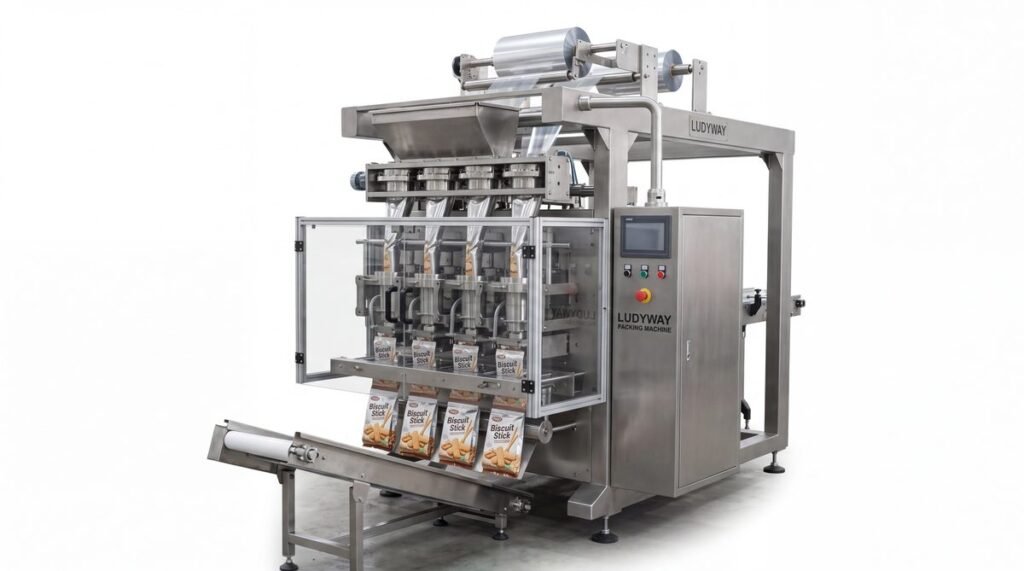
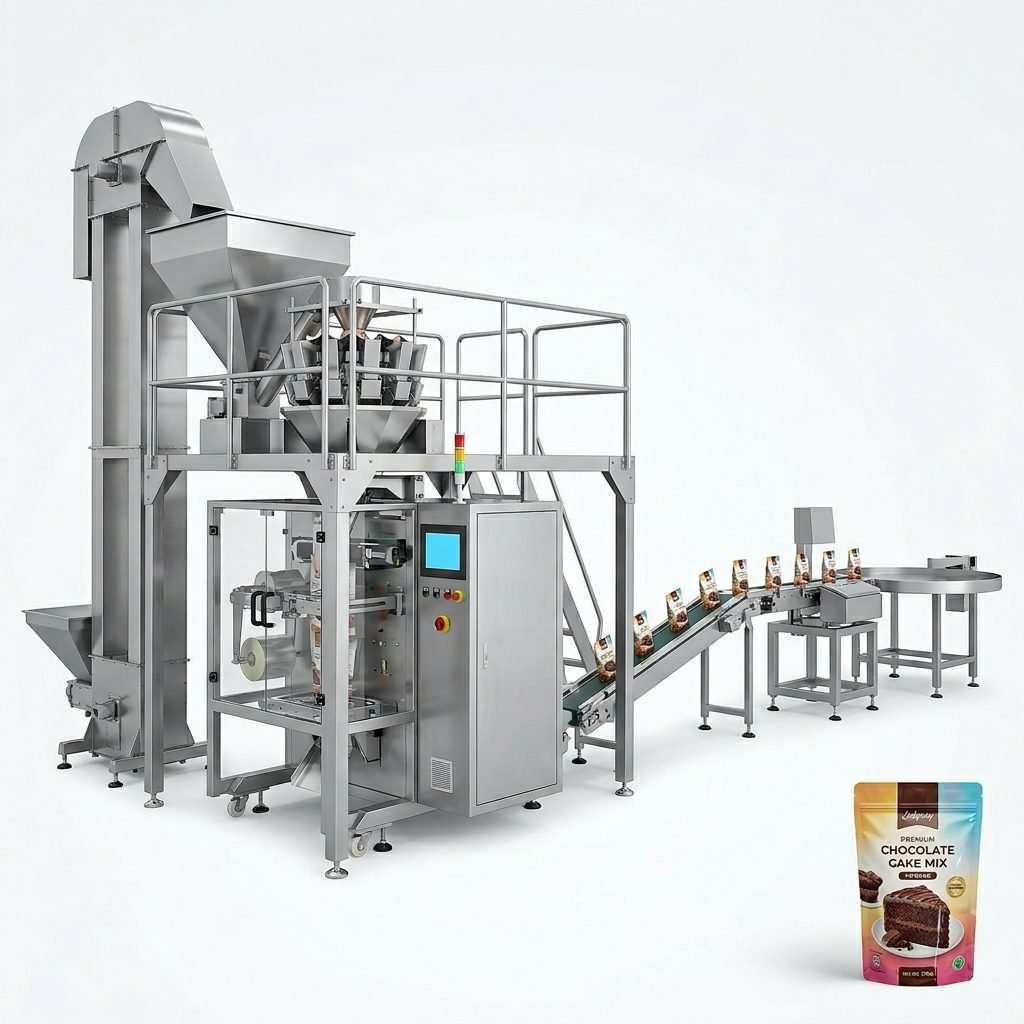
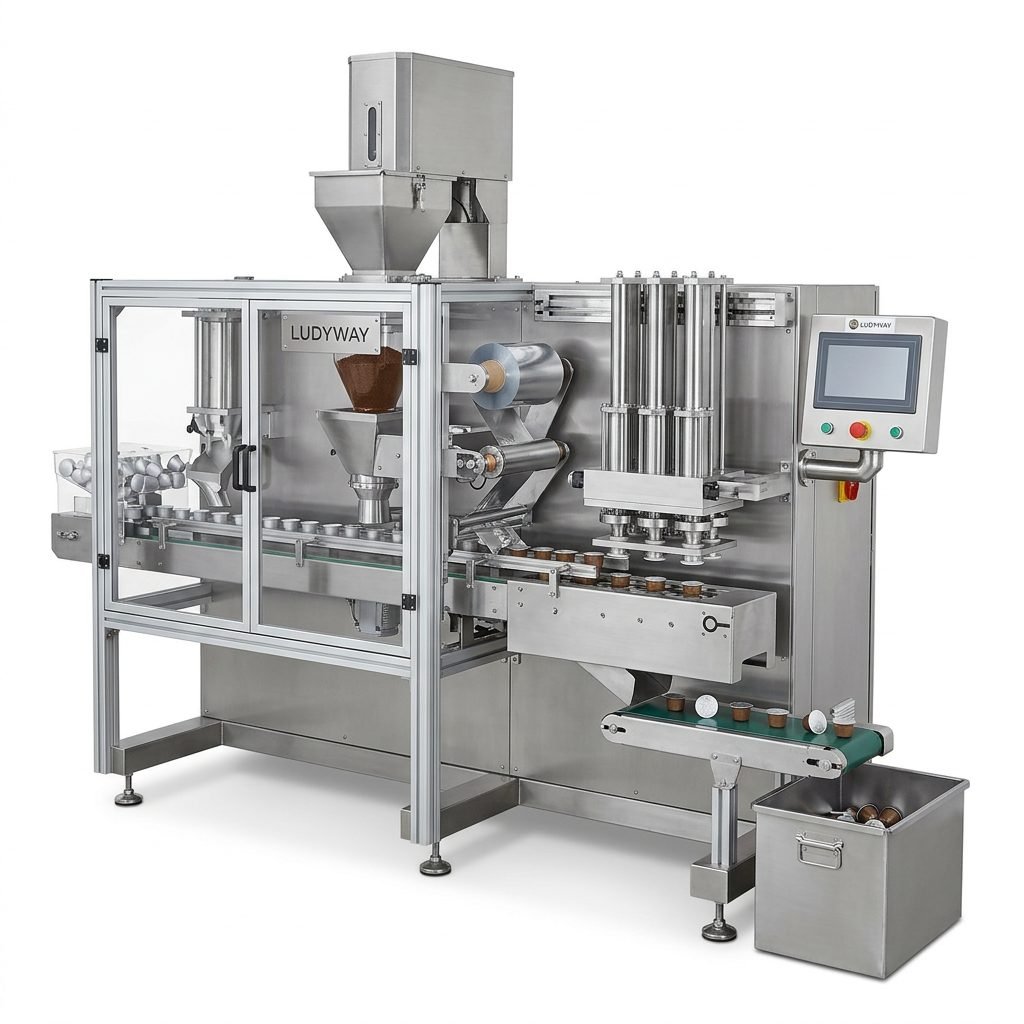
For tea producers and co-packers, investing in the right small seed packing machine for tea is a critical decision that directly impacts production efficiency, product consistency, and long-term profitability. Whether you are packaging loose-leaf tea, herbal blends, or finely ground matcha powder, the cost of a compact sachet or stick pack machine varies widely based on automation level, speed, and multi-lane configuration.
Understanding the price breakdown helps you budget accurately and select equipment that aligns with your output goals. Entry-level semi-automatic units may start at a modest investment, while fully automated multi-lane systems can represent a significant capital outlay. The following sections detail the real-world cost drivers and what you can expect to pay in today’s market.

Price Range Overview for Tea Seed Packing Machines
The table below summarizes the general cost brackets you can expect when sourcing a tea packing machine. Actual prices depend on configuration, brand, and optional add-ons such as nitrogen flushing or hot stamp coders.
| Machine Type | Estimated Price Range (USD) | Best For |
|---|---|---|
| Semi-Automatic Single Lane | $3,000 – $8,000 | Startups, small tea farms, artisanal brands |
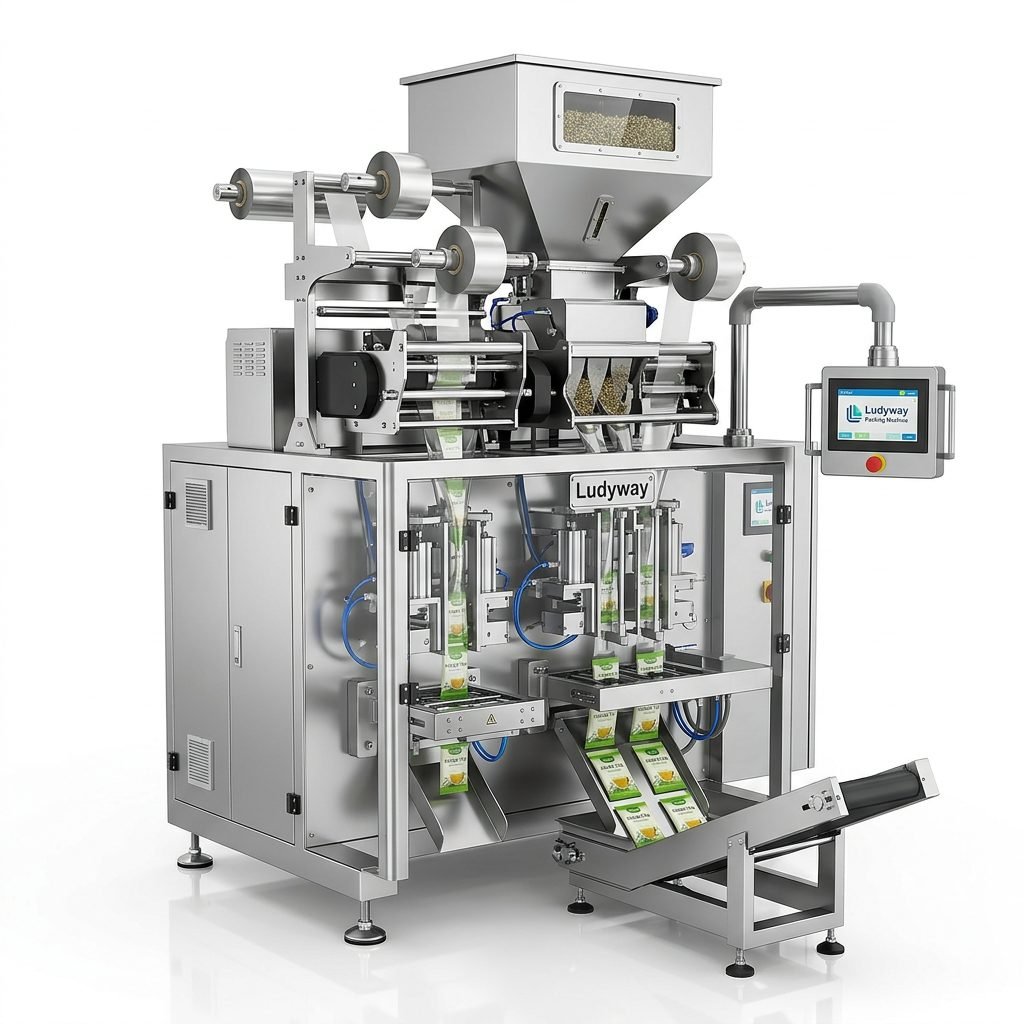
| Automatic 4-Lane Stick Pack | $15,000 – $30,000 | Medium-scale producers, contract packers |
| High-Speed 8-12 Lane System | $35,000 – $70,000 | Large factories, export-oriented brands |
| Turnkey Packaging Line (with cartoning) | $80,000 – $200,000+ | Full-scale industrial operations |
Key Factors That Influence the Cost
Several variables determine the final price of a tea seed sachet packing machine. Evaluating these factors ensures you do not overpay for unnecessary features or under-spec a machine that cannot meet your production demands.
- Number of Lanes: Multi-lane machines multiply output but also increase the initial purchase price and maintenance complexity. A 6-lane machine typically costs 40-60% more than a comparable 2-lane model.
- Filling System Type: Volumetric cup fillers are economical for uniform granule sizes, while auger fillers or multi-head weighers provide higher accuracy for premium teas—at an added cost.
- Material and Build Quality: Machines constructed with 304 or 316 stainless steel and food-grade components command higher prices but are essential for meeting hygiene standards.
- Automation Level: Servo-driven motors, PLC touchscreens, and automatic film tracking increase reliability and speed, contributing to a steeper upfront investment.
- Optional Add-Ons: Features like nitrogen gas flushing for freshness, embossed coding units, and perforation wheels add incremental costs but enhance product shelf appeal.

Comparing Single-Lane vs. Multi-Lane Tea Packing Machines
For many tea businesses, the choice between a single-lane and a multi-lane configuration is the most significant cost decision. The table below highlights the practical differences.
| Feature | Single-Lane | Multi-Lane (4+ lanes) |
|---|---|---|
| Output (bags/min) | 30 – 60 | 120 – 400+ |
| Floor Space | Compact | Larger footprint |
| Initial Cost | Lower | Significantly higher |
| Changeover Time | Fast | Longer setup |
| Ideal For | Niche blends, frequent changeovers | High-volume, consistent SKUs |
Additional Costs Beyond the Machine Price
When calculating the total investment for a tea seed packing machine, it is essential to account for expenses beyond the equipment invoice. These ancillary costs can add 15-30% to your overall budget.
- Installation and Commissioning: On-site setup by a technician, including calibration and initial training for your operators.
- Shipping and Logistics: Freight costs for heavy machinery, especially for international deliveries, plus import duties and customs clearance.
- Consumables and Spare Parts: Packaging film rolls, sealing jaws, cutting blades, and Teflon tape are recurring operational expenses.
- Air Compressor and Electrical Requirements: Most automatic machines require a stable compressed air supply and dedicated power lines, which may necessitate facility upgrades.
- After-Sales Support and Warranty Extensions: Extended service contracts ensure minimal downtime but represent an ongoing cost.
Return on Investment Considerations
A well-chosen small seed packing machine for tea typically pays for itself within 12 to 24 months through labor savings, reduced material waste, and increased throughput. For example, switching from manual filling to an automated 4-lane system can reduce labor needs by 70% while quadrupling daily output. For reliable industry data on packaging machinery trends and operational benchmarks, you can refer to resources available through PMMI – The Association for Packaging and Processing Technologies, which regularly publishes state of the industry reports covering equipment cost trends and technology adoption rates.

Choosing a Reliable Packaging Machine Manufacturer
Partnering with an experienced supplier ensures you receive a machine built to international standards with dependable after-sales support. Ludyway is one of the largest packaging machine manufacturers in China, specializing in advanced packaging equipment and turnkey production solutions for the food, pharmaceutical, and health industries. With over 30 years of industry expertise and a modern 20,000㎡ manufacturing facility, the company offers more than 50 intelligent packaging machine models, including multi-lane stick pack and sachet systems suitable for tea and seed applications. Serving customers in over 100 countries, Ludyway delivers innovative, high-performance, and cost-effective packaging solutions that help businesses improve productivity and product quality.
Key Resources for Packaging Equipment Buyers
Before finalizing your purchase, explore the following authoritative sources for additional guidance on packaging standards, regulations, and market intelligence:
- PMMI – Packaging Industry Resources – Comprehensive guides on machinery selection and operational best practices.
- Flexible Packaging Association – Industry Data – Insights into flexible packaging trends and material innovations.
- FDA – Food Packaging and Food Contact Substances – Regulatory information for food-grade packaging compliance.
- ISO – Packaging Standards – International standards covering packaging machinery safety and performance.
Final Thoughts on Budgeting for a Tea Packing Machine
The cost of a small seed packing machine for tea is an investment that directly correlates with your production ambitions. By carefully assessing your required output, packaging format preferences, and desired automation level, you can narrow down the price range and identify the right configuration. Request detailed quotations from multiple suppliers, compare machine specifications rather than price alone, and prioritize build quality and local service availability. A strategic purchase will serve your tea brand reliably for years and support scalable growth in competitive markets.