Setting up a ready meal packaging machine production line in China can dramatically improve your manufacturing efficiency, reduce labor costs, and scale your business to meet growing global demand. Whether you’re producing frozen meals, shelf-stable convenience foods, or fresh prepared dishes, the right packaging automation strategy is essential. This complete guide walks you through every step of the process — from initial planning and equipment selection to installation, compliance, and ongoing optimization.
Why Set Up a Ready Meal Packaging Line in China?
China has become a global hub for packaging machinery manufacturing, offering cost-effective, high-quality equipment with advanced automation capabilities. The country’s mature industrial supply chain, skilled engineering workforce, and extensive export experience make it an ideal location for sourcing and setting up a ready meal packaging production line. According to industry data from the PMMI packaging industry association, the Asia-Pacific region continues to lead global packaging machinery growth, with China accounting for a significant share of production and innovation.
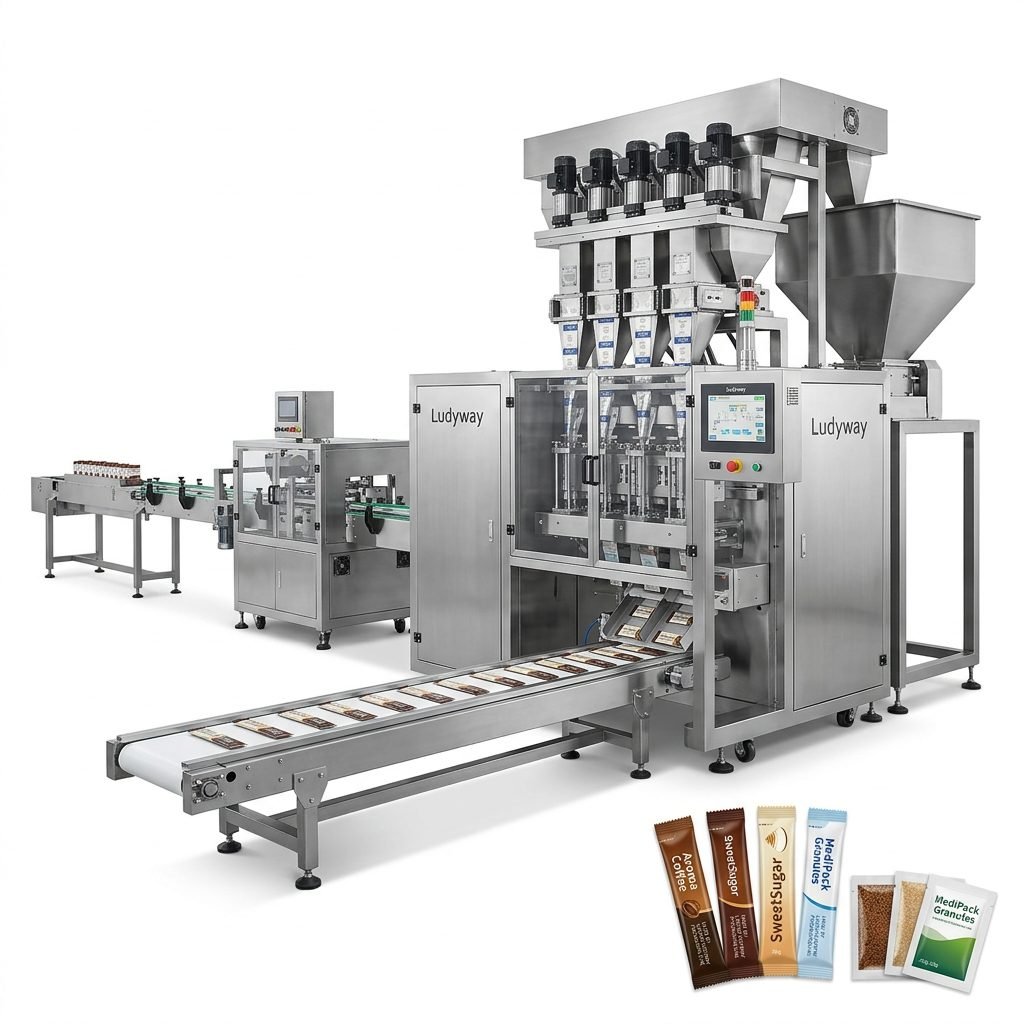
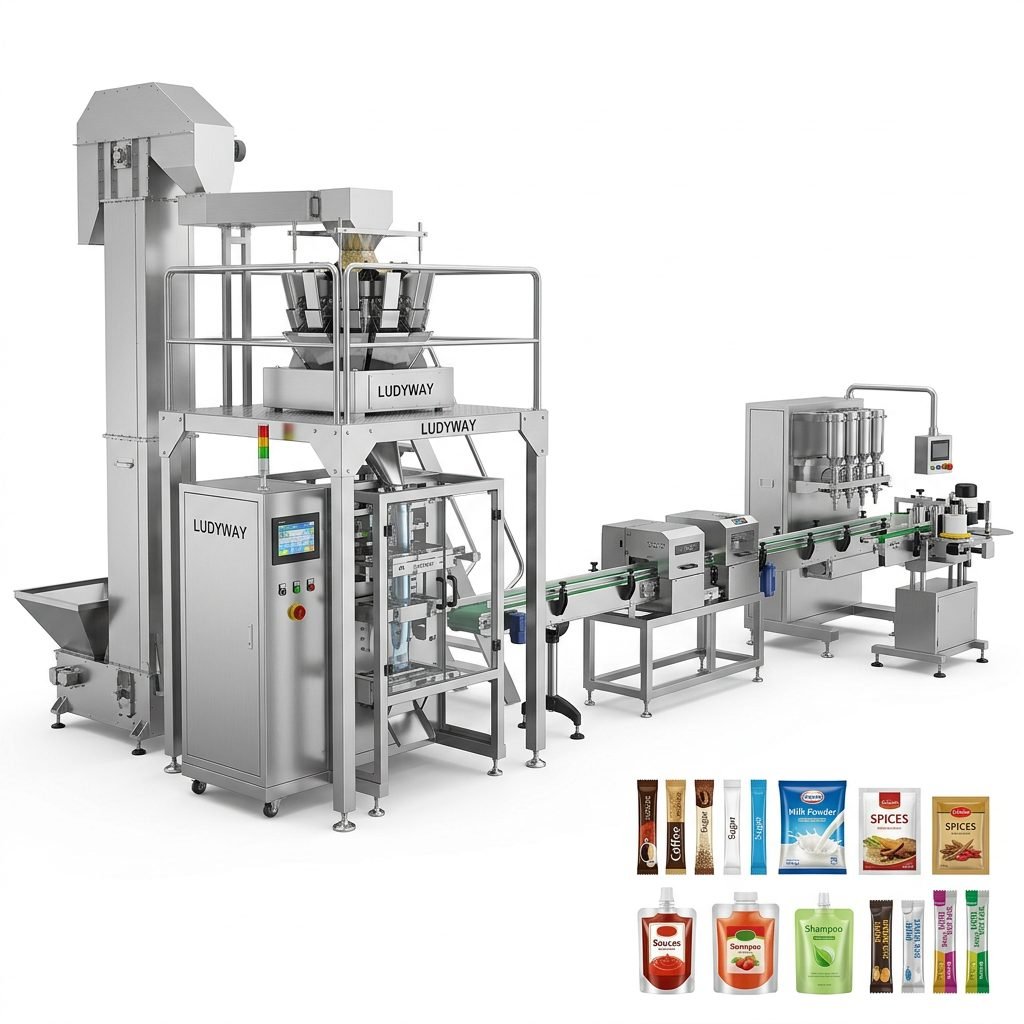
Key advantages include access to turnkey packaging solutions that integrate multiple processes — filling, sealing, labeling, cartoning, and palletizing — into one seamless system. This reduces the complexity of managing multiple vendors and ensures compatibility across your entire line.
Step 1: Define Your Production Requirements
Before purchasing any equipment, you must clearly define your production goals. Consider the following factors:
- Product type: Is your ready meal solid, liquid, frozen, or a combination? Different packaging technologies are suited for different consistencies.
- Target output: What is your desired production capacity per hour or per shift? This determines whether you need a single-lane or multi-lane packaging system.
- Packaging format: Will you use sachets, stick packs, pouches, trays, or bulk bags? Your format choice impacts machine configuration.
- Budget range: Establish a realistic budget that accounts for equipment, installation, training, and maintenance.
- Facility constraints: Evaluate your available floor space, ceiling height, power supply, and environmental conditions.
Step 2: Choose the Right Packaging Equipment
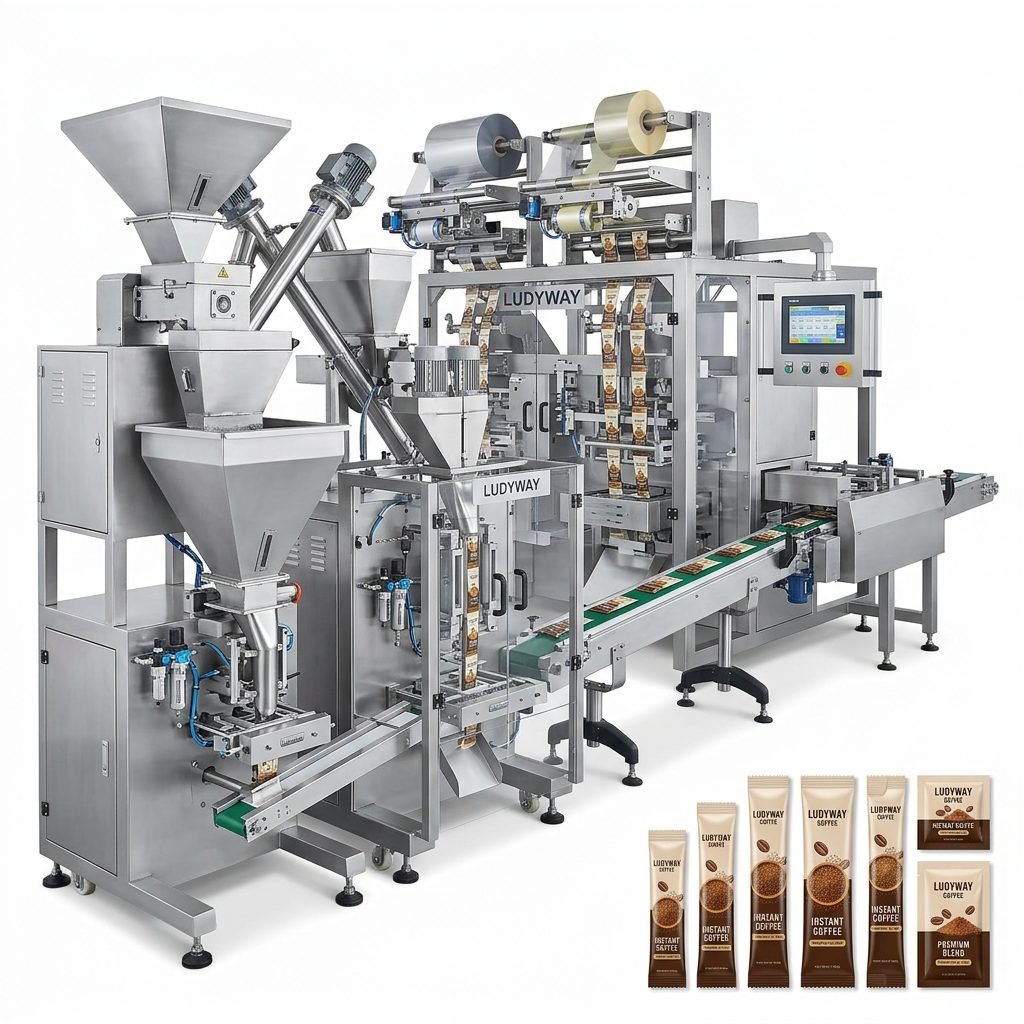
Selecting the appropriate machinery is critical to your line’s success. Below is a breakdown of essential equipment categories for a ready meal packaging production line:
| Equipment Type | Function | Key Consideration |
|---|---|---|
| Feeding & Conveying System | Transports raw materials to filling stations | Must match product characteristics (granule, powder, liquid) |
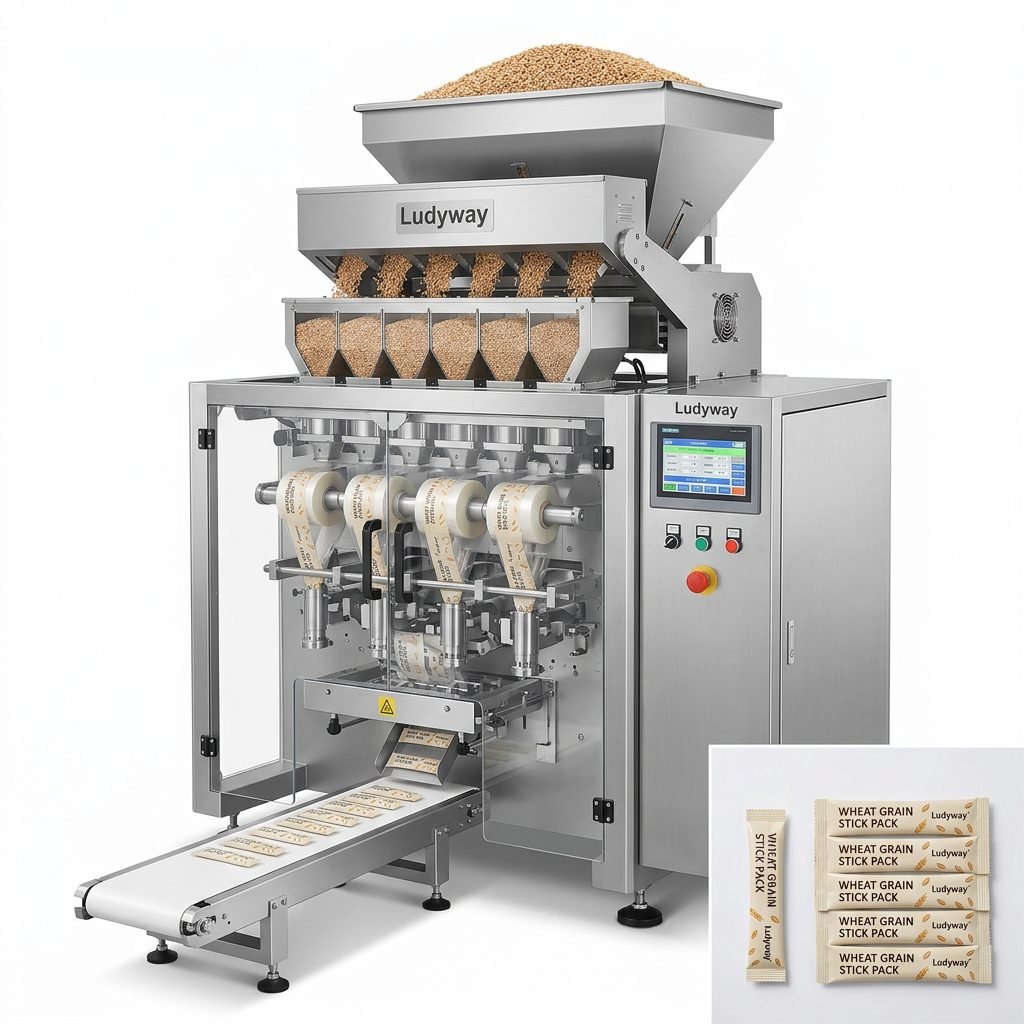
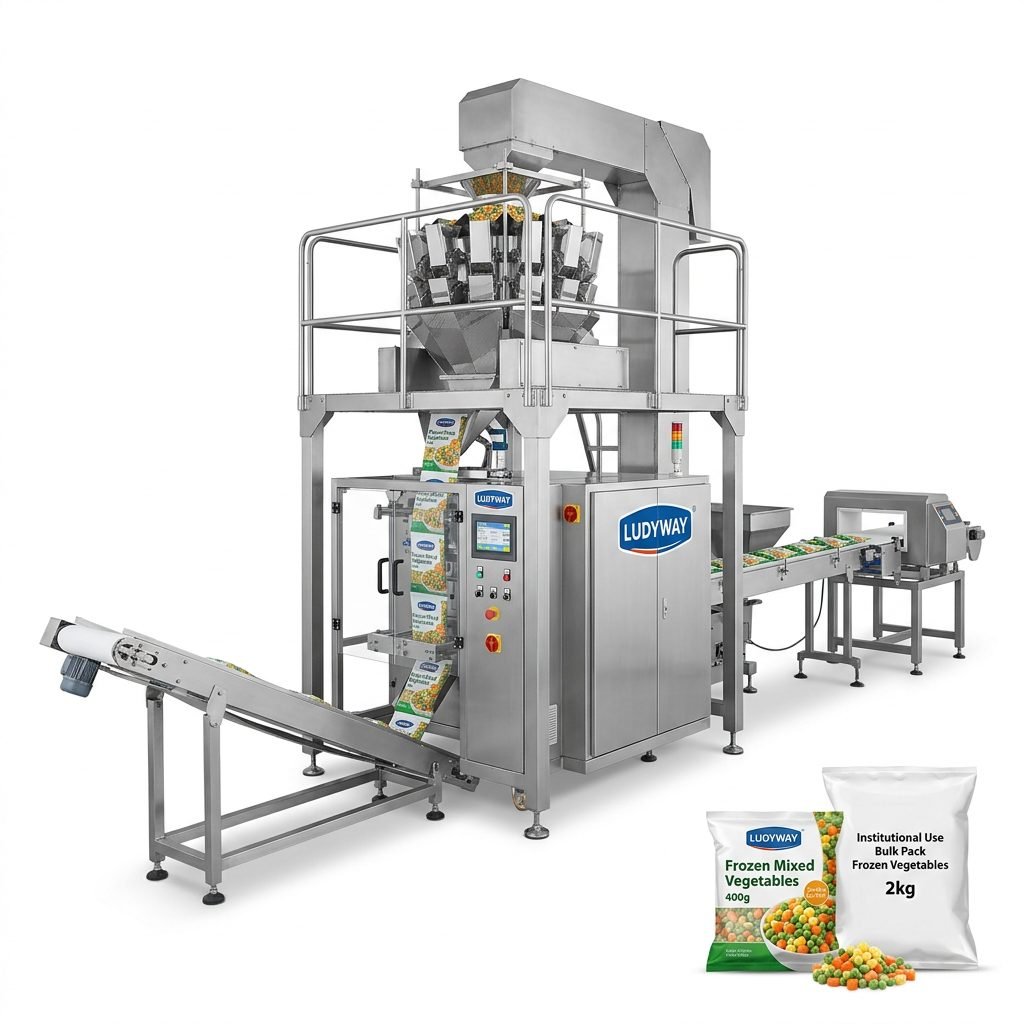
| Multi-Head Weigher | Accurately portions product into packaging | Precision and speed are critical for ready meals |
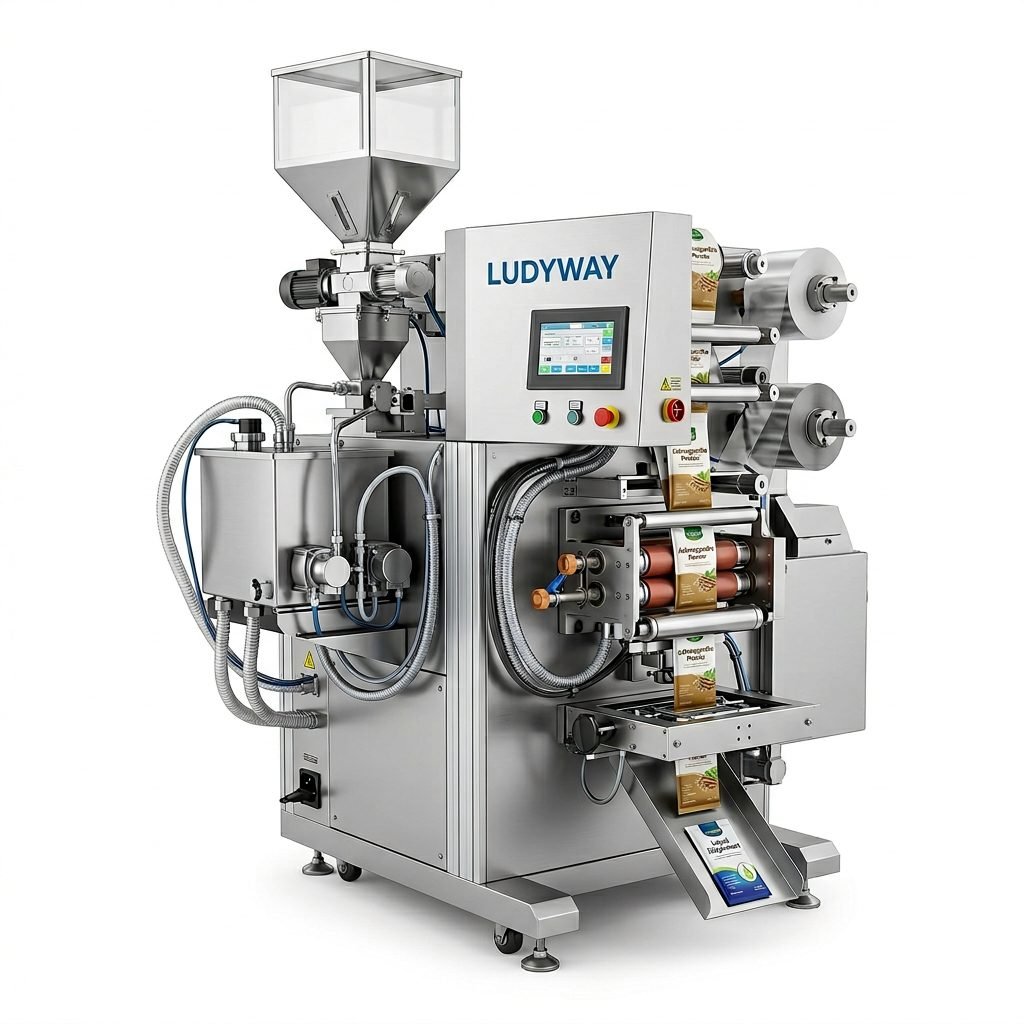
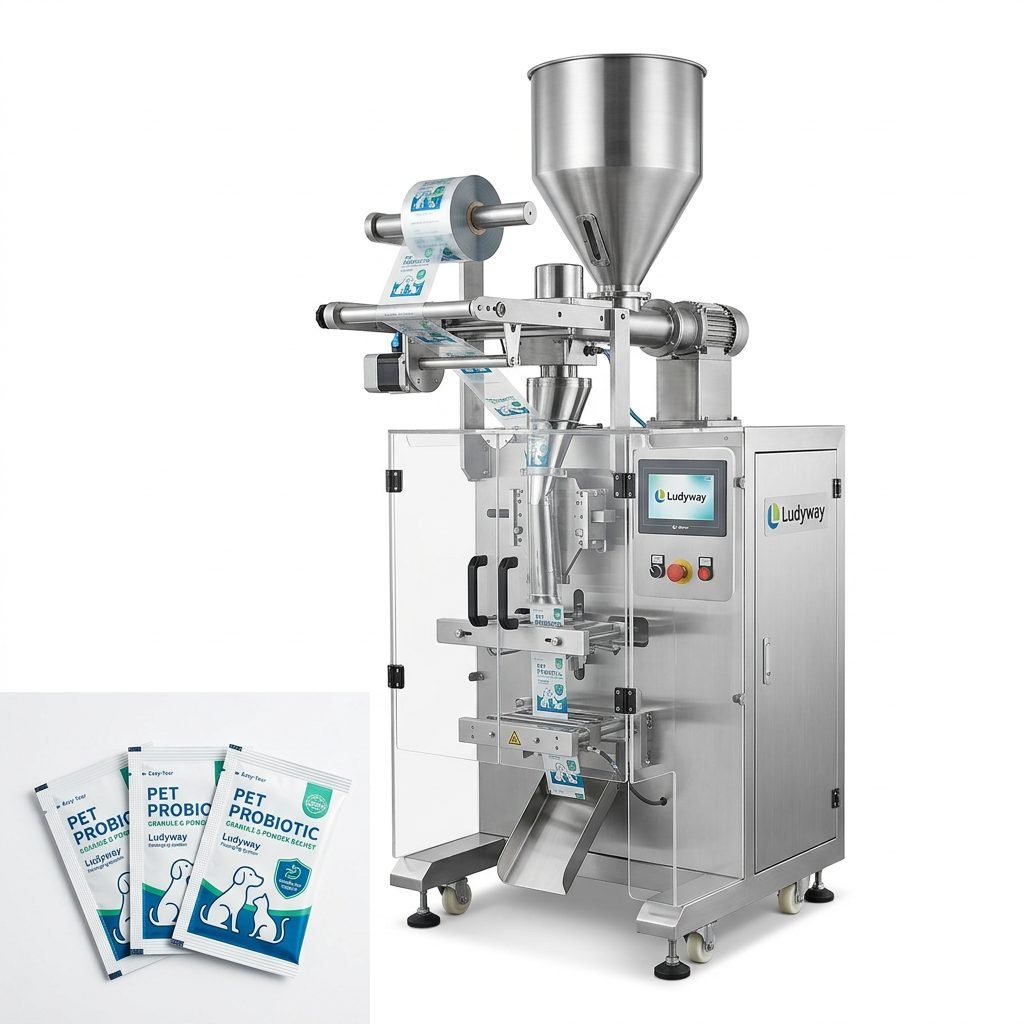
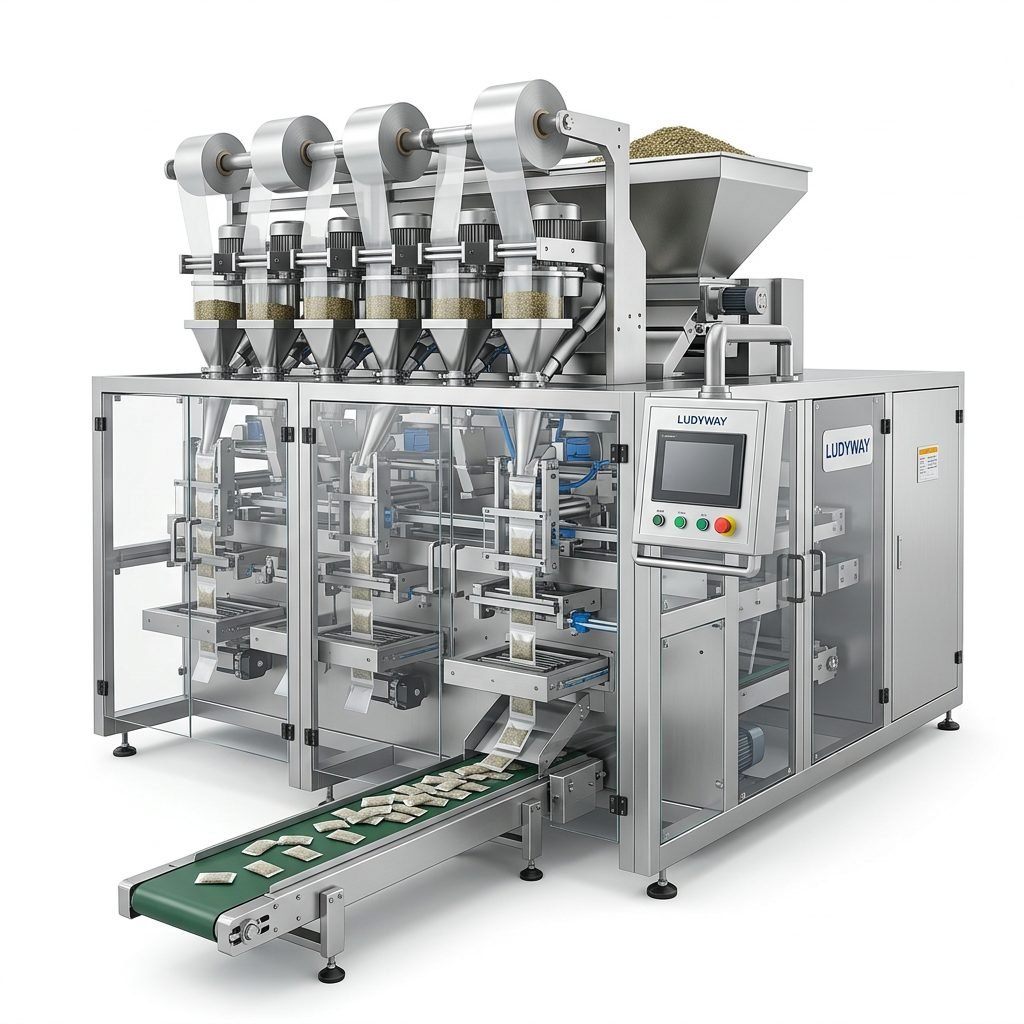
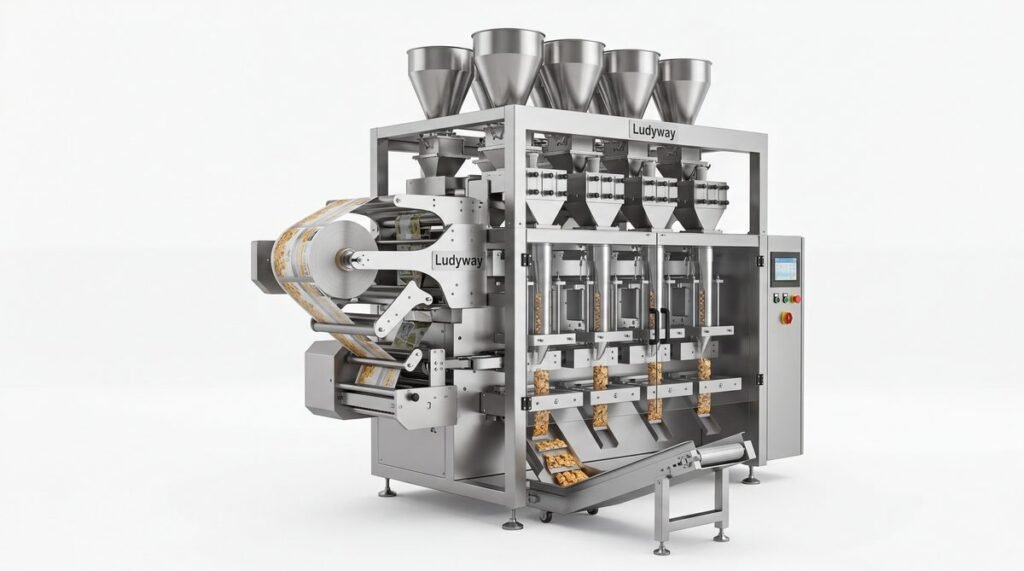
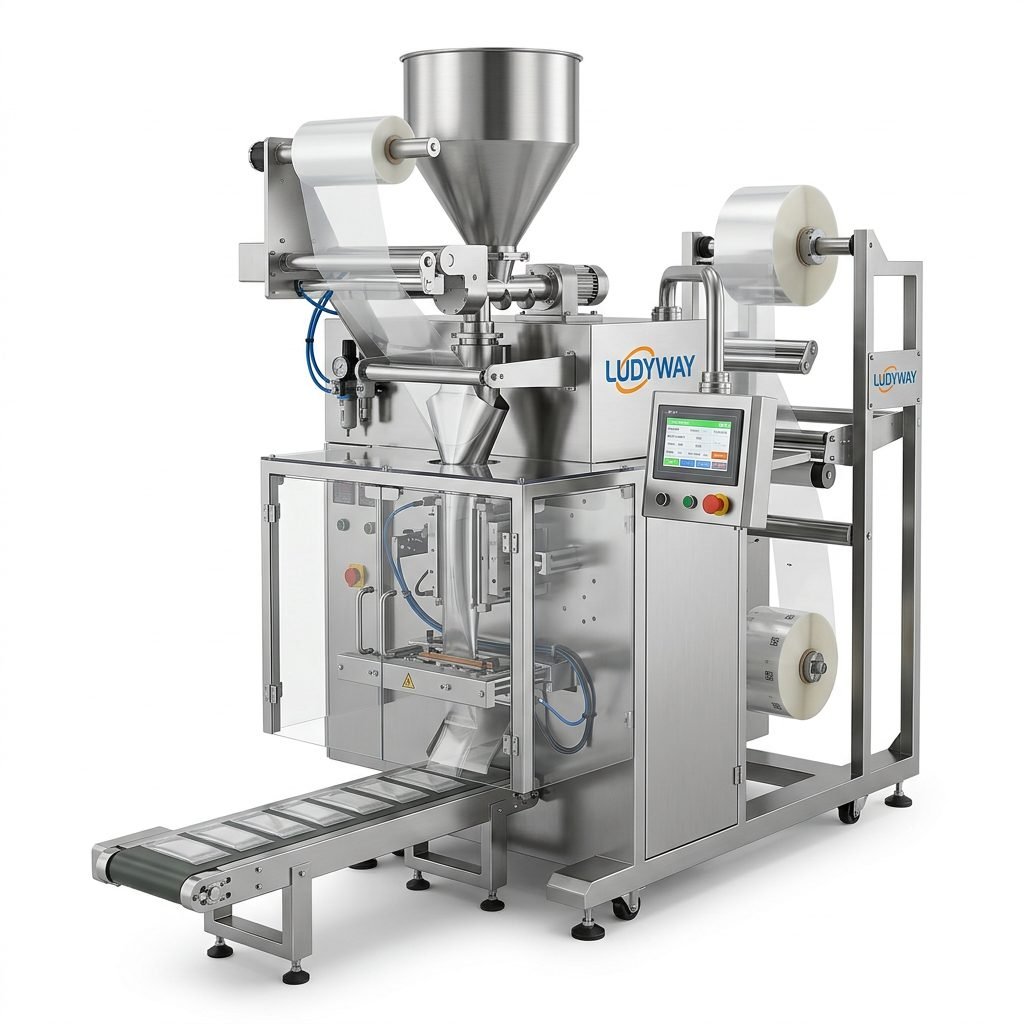
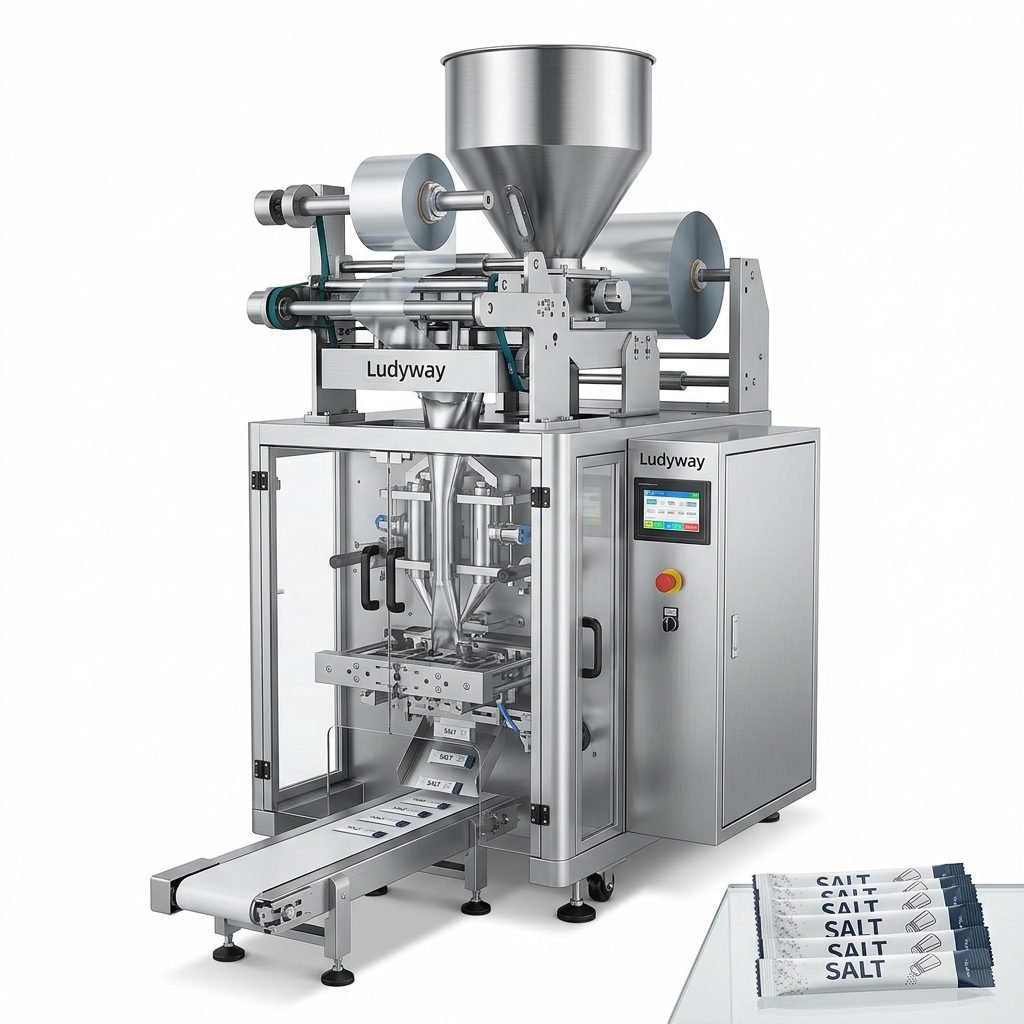
| Vertical Form Fill Seal (VFFS) Machine | Forms pouches from roll film, fills, and seals | Ideal for sachet and stick pack formats |
| Tray Sealing Machine | Seals pre-formed trays with lidding film | Modified atmosphere packaging (MAP) extends shelf life |
| Cartoning Machine | Packs finished pouches into cartons | Automation level depends on production volume |
| Case Packer & Palletizer | Packs cartons into cases and stacks pallets | Essential for end-of-line automation |
| Inspection & Coding System | Checks weight, seal integrity, and prints date codes | Required for FDA food packaging compliance |
Multi-Lane vs. Single-Lane Systems
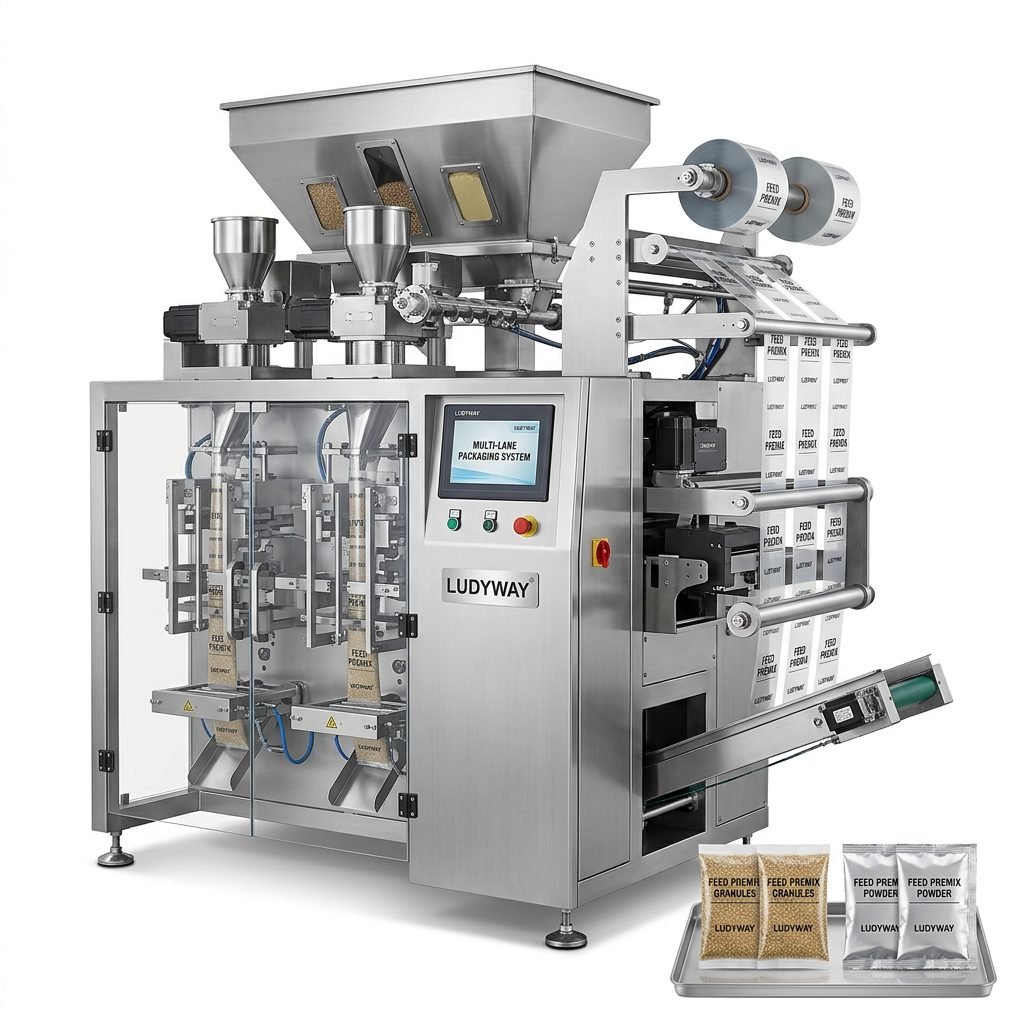
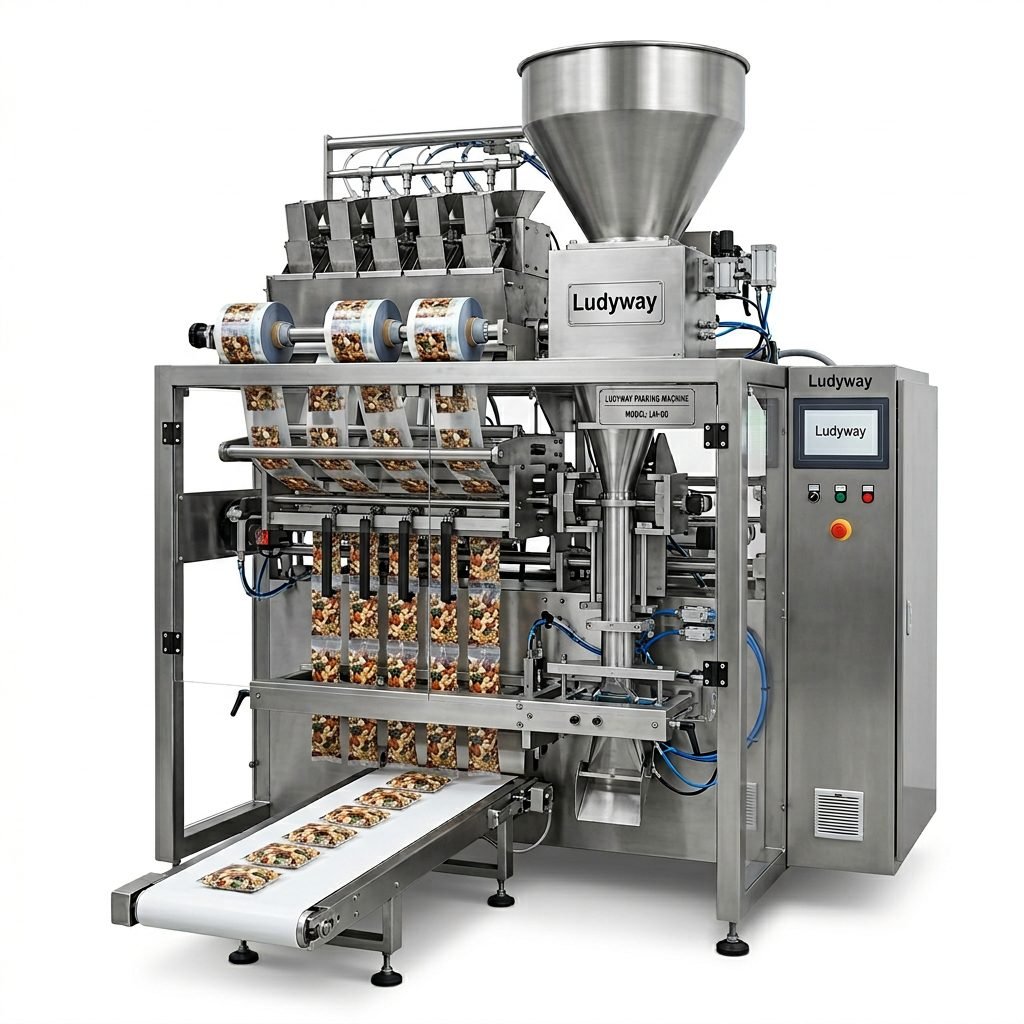
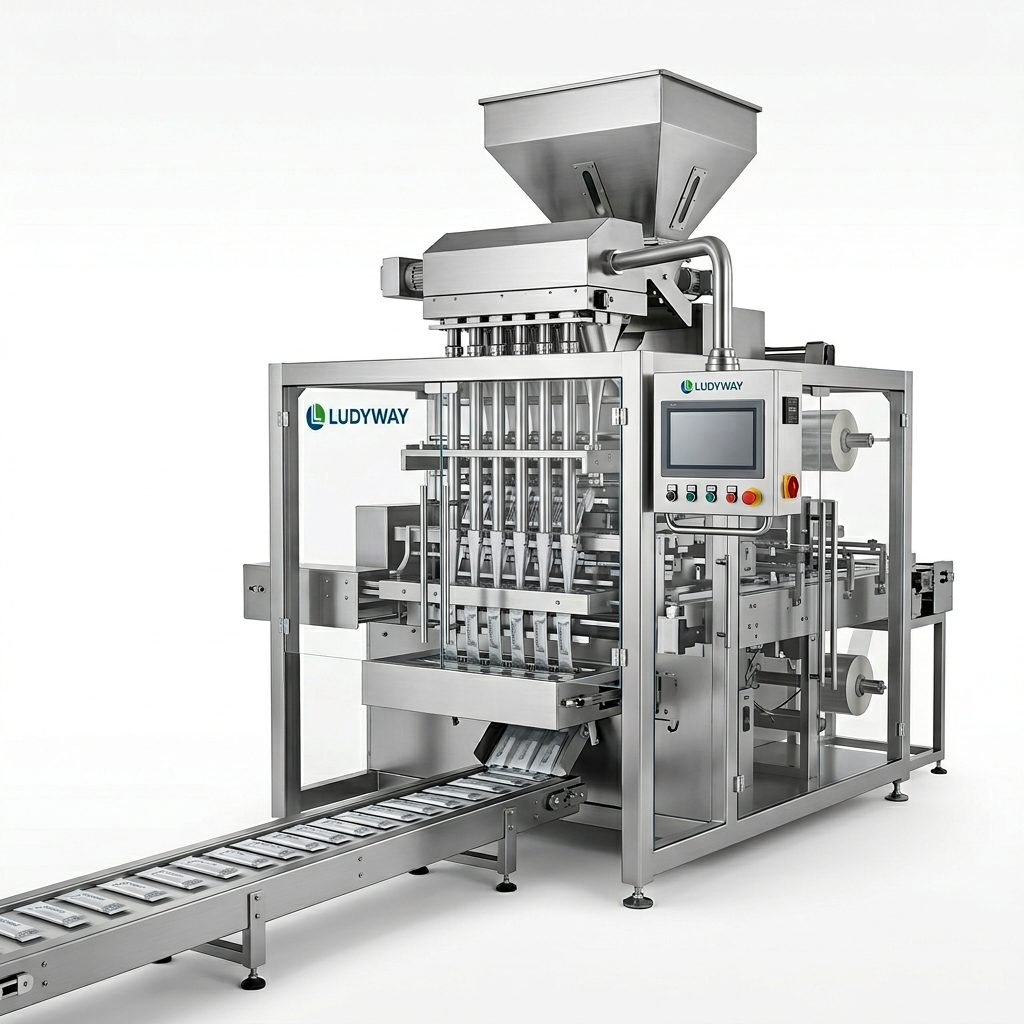
For high-volume ready meal production, multi-lane stick pack and sachet machines offer significant advantages. A single multi-lane machine can produce 4 to 16 lanes simultaneously, dramatically increasing output without proportionally increasing floor space or labor requirements. This is especially beneficial for single-serve ready meal components like sauce sachets, seasoning packs, and portion-controlled ingredients.
Step 3: Evaluate Factory Layout and Integration
Proper factory layout planning ensures smooth material flow and minimizes bottlenecks. Consider the following layout principles:
- Linear flow: Arrange equipment in a logical sequence from raw material intake to finished product dispatch.
- Zoning: Separate wet and dry processing areas to maintain hygiene and prevent cross-contamination.
- Access corridors: Ensure adequate space around each machine for maintenance access and operator movement.
- Utility connections: Plan compressed air, electrical supply, and water connections in advance.
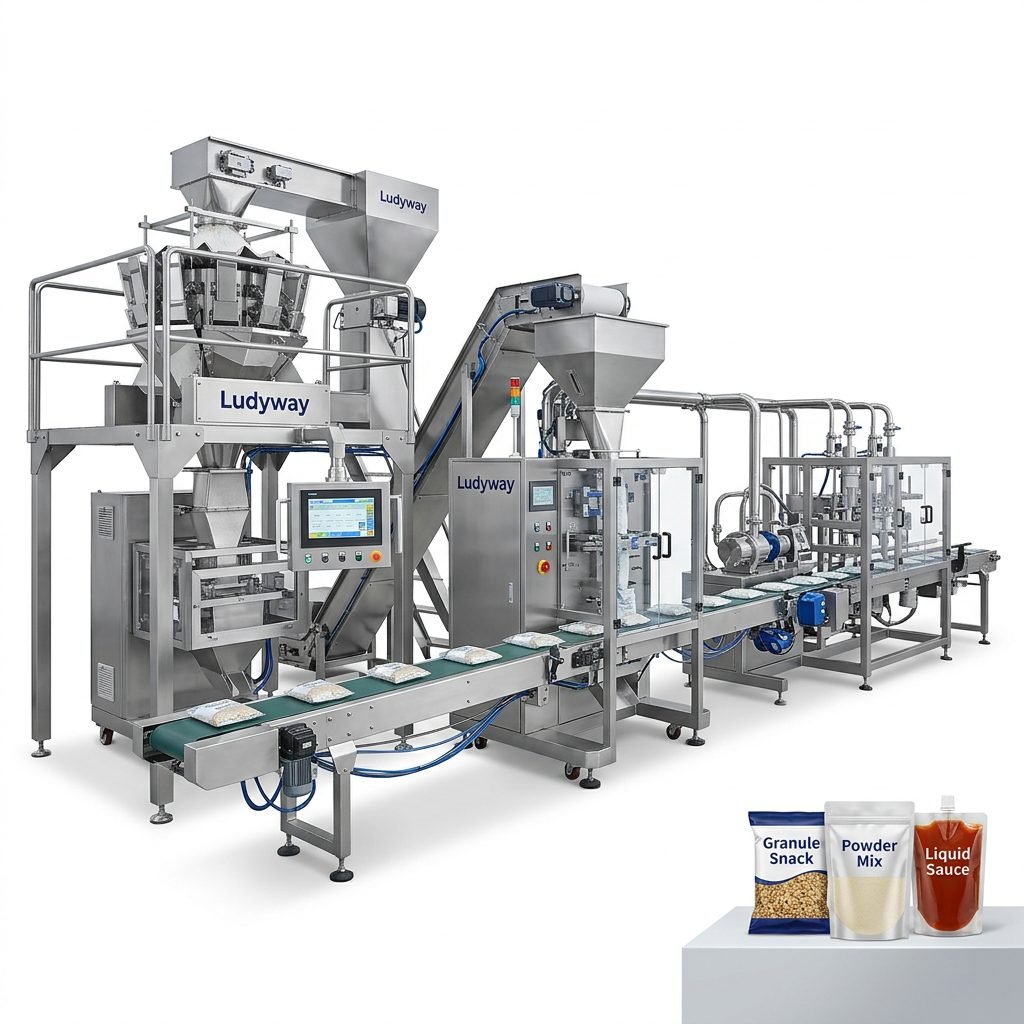
Working with a supplier that offers integrated turnkey solutions simplifies this process significantly. A single provider can design the complete line layout, coordinate equipment delivery, and manage installation — reducing project complexity and timeline risks.
Step 4: Ensure Regulatory Compliance
Ready meal packaging must meet stringent food safety standards, especially if you plan to export to markets like the United States, European Union, or Japan. Key regulatory frameworks include:
- FDA Food Contact Substance Regulations: Materials that contact food must comply with FDA standards for packaging.
- EU Packaging and Packaging Waste Directive: Ensures environmental sustainability and material safety in European markets.
- ISO 11607: Governs packaging for food safety, particularly relevant for modified atmosphere packaging (MAP) applications.
- HACCP Principles: Your production line design should support Hazard Analysis and Critical Control Points compliance.
Step 5: Installation, Training, and Commissioning
Once your equipment arrives, proper installation and commissioning are vital. Work with your supplier to establish a clear timeline that includes:
- Mechanical installation: Positioning, leveling, and securing all machines.
- Electrical and utility connections: Verified by qualified technicians.
- Software configuration: Setting up PLC programs, HMI interfaces, and integration protocols.
- Operator training: Comprehensive hands-on training for your production team.
- Trial production runs: Testing with actual product to fine-tune settings and validate performance.
Leading packaging machine manufacturers typically dispatch experienced engineers to oversee installation and provide on-site training. This support is crucial for minimizing downtime and ensuring your team can operate and maintain the equipment independently.
Step 6: Maintenance and Continuous Improvement
A well-maintained packaging line operates more reliably and delivers consistent product quality. Establish a preventive maintenance schedule that covers:
- Daily cleaning and inspection of product contact surfaces.
- Weekly lubrication of moving mechanical components.
- Monthly calibration of weighing and filling systems.
- Quarterly replacement of wear parts such as sealing jaws and cutting blades.
- Annual comprehensive servicing by qualified technicians.
Additionally, monitor your Overall Equipment Effectiveness (OEE) to identify opportunities for improvement. Track metrics like availability, performance, and quality to make data-driven decisions about line upgrades and process optimizations.
Common Challenges and How to Overcome Them
| Challenge | Solution |
|---|---|
| Product inconsistency affecting fill accuracy | Use multi-head weighers with auto-feedback adjustment and vibratory feeding control |
| Film sealing failures causing leaks | Select appropriate film materials and maintain consistent sealing temperature and pressure |
| Cross-contamination between product batches | Implement thorough cleaning protocols and consider dedicated lines for allergen-containing products |
| Machine downtime due to lack of spare parts | Maintain an inventory of critical spare parts and establish a relationship with a responsive local supplier |
| Language and communication barriers | Choose a supplier with multilingual technical support and clear documentation in your preferred language |
Cost Considerations and ROI Analysis
Investing in a ready meal packaging production line in China involves several cost components:
- Equipment purchase cost: Varies widely based on automation level, speed, and configuration.
- Shipping and logistics: International freight, customs duties, and inland transportation.
- Installation and commissioning: Engineer travel, on-site work, and trial materials.
- Training: Operator and maintenance staff training programs.
- Ongoing operational costs: Consumables, spare parts, energy, and maintenance.
However, the return on investment (ROI) can be substantial. Automated packaging lines reduce labor requirements by up to 70%, increase production speed by 3-5 times compared to manual operations, and significantly reduce product giveaway through precise filling. For most ready meal manufacturers, the payback period ranges from 12 to 24 months, depending on production volume and product value.
Why Choose a Turnkey Packaging Solution?
A turnkey packaging solution means you receive a complete, ready-to-run production line from a single supplier rather than sourcing individual machines from multiple vendors. This approach offers several advantages:
- Simplified project management: One point of contact for design, procurement, installation, and after-sales service.
- Guaranteed compatibility: All machines are designed to work together seamlessly, from feeding to final palletizing.
- Reduced lead time: Coordinated manufacturing and delivery schedules minimize delays.
- Comprehensive warranty and support: Single-source accountability for performance and service.
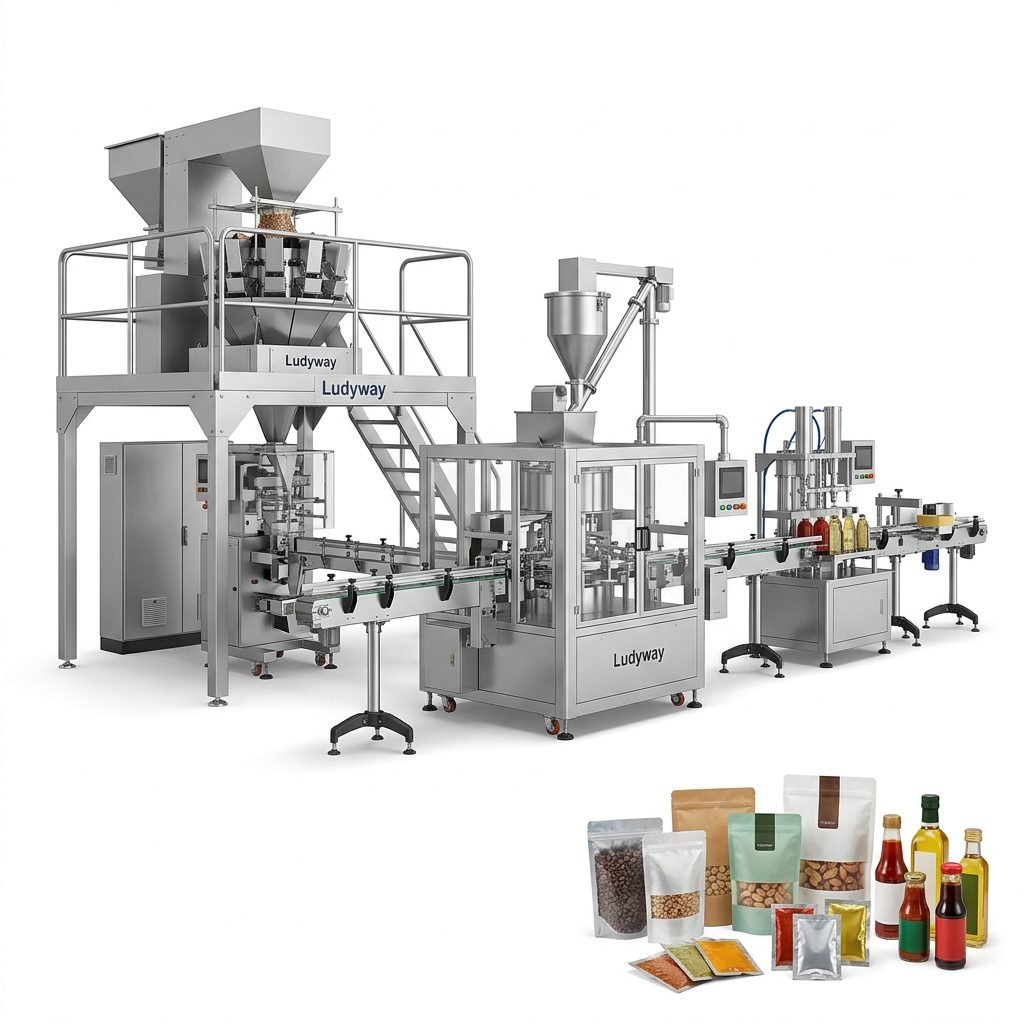
Ludyway is one of the largest packaging machine manufacturers in China, specializing in advanced packaging equipment and turnkey production solutions for the food, pharmaceutical, and health industries. With over 30 years of industry expertise and a modern 20,000㎡ manufacturing facility, Ludyway provides reliable and efficient packaging solutions for granule, powder, liquid, and pouch packaging applications. Their experienced engineering team supports customers in over 100 countries, delivering innovative, high-performance, and cost-effective packaging systems that improve productivity and operational efficiency.
Key Resources for Packaging Industry Professionals
- PMMI Packaging Industry Resources — Industry standards and best practices
- State of the Packaging Industry Report — Market trends and forecasts
- Flexible Packaging Association Resources — Flexible packaging insights
- ISO Packaging Standards — International packaging compliance standards
- FDA Food Packaging Guidance — Regulatory requirements for food contact materials
- EU Packaging and Packaging Waste Regulation — European environmental standards
Frequently Asked Questions
How long does it take to set up a complete ready meal packaging line in China?
Typically, the entire process — from order confirmation to full production — takes 3 to 6 months. This includes equipment manufacturing (30-60 days), shipping and customs clearance (15-30 days), installation and commissioning (7-14 days), and trial production (7-14 days). Turnkey projects with experienced suppliers often complete faster due to streamlined coordination.
What is the minimum order quantity for a packaging production line?
Most manufacturers do not require a minimum order quantity for the packaging output itself. However, the minimum equipment configuration typically starts with a single complete line — one feeding system, one filling/sealing machine, and basic end-of-line equipment. You can scale up by adding multi-lane machines or additional lines as demand grows.
Can I visit the factory before purchasing?
Yes, reputable packaging machine manufacturers in China welcome factory visits. You can inspect the manufacturing facility, see machines being built, run product trials with your own materials, and meet the engineering team. This is highly recommended before making a significant investment.
What after-sales support is available?
Comprehensive after-sales support typically includes remote technical assistance via video call or phone, on-site service visits by factory-trained engineers, spare parts supply with global shipping, and software updates for machine controls. Many suppliers also offer extended warranty packages and maintenance contracts.
Conclusion
Setting up a ready meal packaging machine production line in China is a strategic investment that can transform your manufacturing capabilities. By following a structured approach — defining requirements, selecting the right equipment, planning your layout, ensuring compliance, and investing in training — you can build a highly efficient, reliable, and scalable packaging operation. Whether you choose individual machines or a comprehensive turnkey solution, the key to success lies in partnering with an experienced, reputable supplier who understands your industry and can support you through every stage of the project.